
Empowering Your Vision: Transforming Ambition Into Financial Reality
By Tom Seest
At RackingWorld, we help guide you through selecting warehouse storage systems and racking.
Be sure to read our other related stories at RackingWorld to learn more about warehouse storage systems.
Financing Large Rack Projects
When it comes to financing large rack projects, it often feels like standing at the edge of a cliff, ready to leap into the unknown. You’re not just investing in racking systems; you’re investing in your future, your business, and the hard work that got you here. We all know the late-night scrambles, the hustle, the sweat. The stakes are high, and the road is fraught with challenges. Every dollar counts, and every decision weighs heavy, yet there’s a way through the fog.
First off, assess your options. Traditional financing can seem vast and daunting, but don’t let that intimidate you. Explore loans and credit lines tailored for equipment purchases. Financial institutions often offer programs specifically for racking systems, guided by the understanding that proper storage can drive efficiencies and profits. Know your numbers, understand your cash flow, and put together a solid business case. Having your facts straight lays the groundwork for trust—a lender is more likely to back your venture when they see the roadmap laid out.
Then consider the state of the market. The demand for efficient storage solutions isn’t just a trend; it’s a necessity in our fast-paced world. The right racking systems can mean the difference between chaos and order, between profit and loss. Businesses thrive on organization, so emphasize the long-term return on investment. It’s not just a purchase; it’s a strategic move that can enhance productivity and ultimately profitability.
Also, don’t overlook the power of partnerships. Whether it’s suppliers, co-investors, or financial advisors, forming strong relationships can open doors to better financing deals and shared wisdom. Learn from those who have walked this path before you. Their stories and experiences can provide invaluable insight, building a community of support that is often overlooked.
Finally, nurture a mindset of resilience. Financing may be challenging, but it’s also an opportunity to solidify your vision and commitment. Remind yourself of the dreams that drove you to this point and the legacy you want to build. Every challenge is a stepping stone. Dive deep into the complexities, but remember why you started. You’re not just financing racking systems; you’re creating a space where hard work, ingenuity, and perseverance can flourish. Embrace the journey, and let your vision inspire those around you.
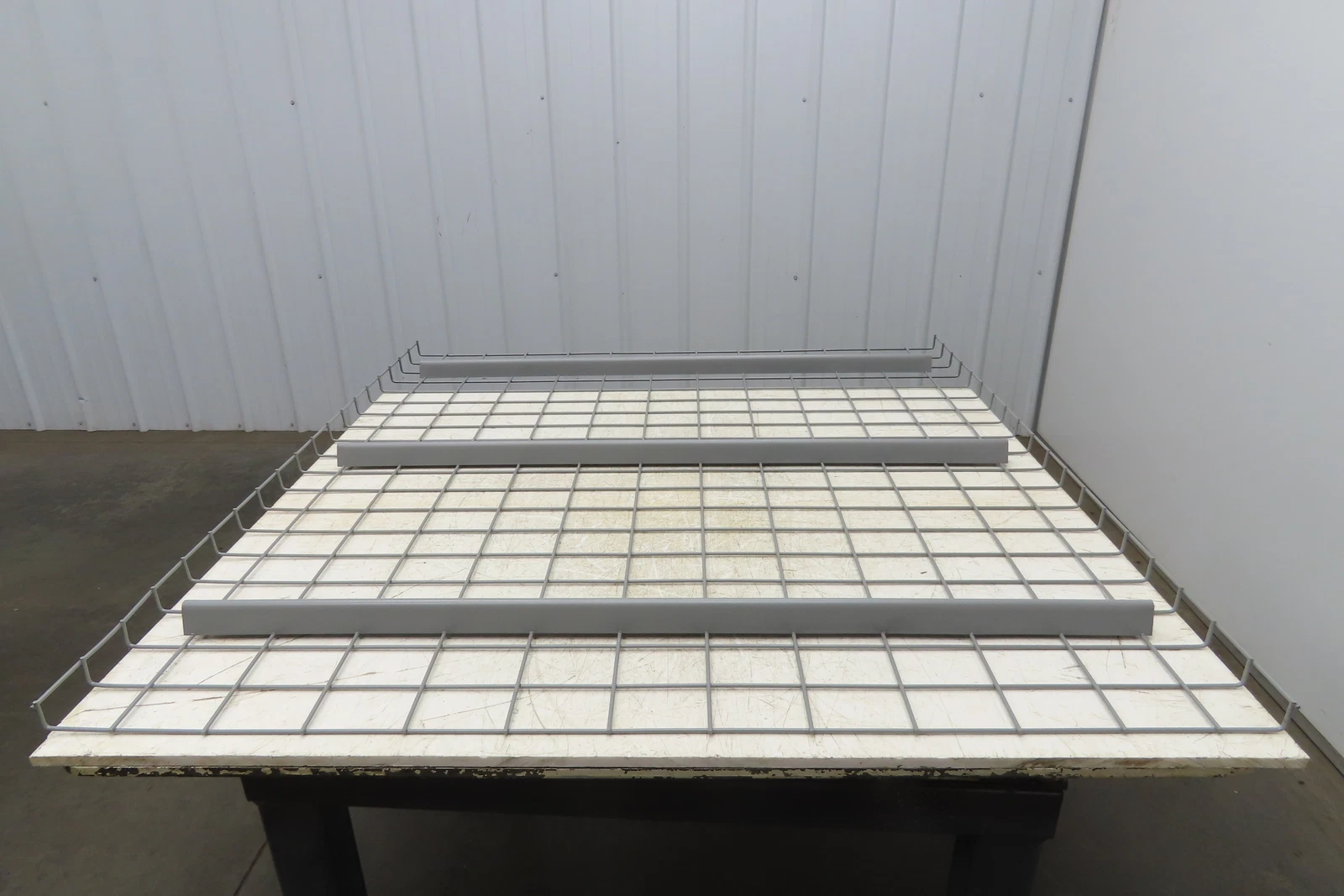
Financing Large Rack Projects
Financing Large Rack Projects
- Financing large rack projects feels like a leap into the unknown, with significant stakes involved.
- Assess financing options; explore tailored loans and credit lines for racking systems.
- Understanding cash flow and building a solid business case enhances trust with lenders.
- The demand for efficient storage solutions is essential for profit and organization.
- Emphasize the long-term return on investment when purchasing racking systems.
- Forming partnerships can lead to better financing deals and valuable insights.
- Adopt a resilient mindset; every challenge serves as a stepping stone towards achieving your vision.

Financing Large Rack Projects
Table Of Contents
- Financing Large Rack Projects
- What Funding Options Exist for Large Rack Projects?
- How Can I Reduce Costs Effectively?
- What Are the Risks Of Financing Rack Projects?
- Who Can Provide Authoritative Guidance on Financing?
- How Do I Attract Investors for Large Rack Projects?
- What Financial Metrics Should I Prioritize?
- Conclusion
- Other Resources
- Glossary Of Terms
- Other Questions
- Checklist
What Funding Options Exist for Large Rack Projects?
When it comes to funding large rack projects, it’s not just about crunching numbers; it’s about harnessing opportunity, strength, and foresight. Racking systems don’t merely hold products; they’re the backbone of operations that drive businesses forward. So, how can you secure the resources to build not just a space, but a thriving hub of productivity?
First up is traditional financing, which often means going to the bank. A solid business plan showing how your racking systems will enhance efficiency and profitability can make a big difference. Banks typically want to see projections, but remember, you’re not just selling a financial plan; you’re sharing a vision of what success can look like. Connect those dots, and you’ll open doors.
Next, explore equipment financing. It’s a straightforward way to get what you need without draining your cash flow upfront. Lenders will often finance racking systems directly, allowing you to pay in manageable installments over time. This option doesn’t just lighten the immediate financial load; it helps maintain cash for other essentials, ensuring your project can grow without getting stunted by lack of funds.
Grants and incentives are also out there, waiting to be tapped into. Many local governments and organizations recognize the importance of efficient storage solutions, especially in sectors like manufacturing and warehousing. Research what’s available in your area. You might find grants designed to spur innovation or uplift local industries—those funds can title the odds in your favor, reducing out-of-pocket costs while enhancing your operational capacity.
Don’t overlook the power of partnerships either. Sometimes collaborating with other businesses or community groups can open new avenues for funding. By pooling resources, you not only share the financial burden but also strengthen relationships that can lead to further business opportunities down the line. It’s about building a network of trust and collaboration—true community spirit.
Finally, consider a crowdfunding campaign. With the rise of platforms like Kickstarter, rallying support for your project isn’t just possible; it can be a game-changer. People want to join in on solutions that excite them, and by sharing your vision for optimizing racking systems, you can tap into the collective energy of your community.
Ultimately, each funding option has its own set of pros and cons, but the right mix can give you the foundation to execute your vision—growing not just racking systems, but the heart of your business.

What Funding Options Exist for Large Rack Projects?
What Funding Options Exist for Large Rack Projects?
- Funding large rack projects requires opportunity, strength, and foresight, not just numbers.
- Traditional financing with a strong business plan can enhance efficiency and profitability, convincing banks to support your vision.
- Equipment financing allows for manageable installment payments, preserving cash flow for other essentials.
- Grants and incentives from local governments can reduce out-of-pocket costs and enhance operational capacity.
- Partnerships with other businesses or community groups can open new funding avenues and strengthen relationships.
- Crowdfunding campaigns can rally community support and excitement for your racking system project.
- Choosing the right mix of funding options can provide a solid foundation for executing your business vision.

What Funding Options Exist for Large Rack Projects?
How Can I Reduce Costs Effectively?
Reducing costs effectively goes beyond just trimming the fat; it’s about rolling up your sleeves and getting into the details. You might think of costs as a daunting mountain, but every journey starts with a single step. Start by taking a hard look at areas where you spend your money mindlessly. Just like inspecting racking systems in a warehouse, you need to analyze your processes. Are there inefficiencies in the way you handle inventory? Are your suppliers giving you the best deals? A little elbow grease can reveal oversights that, once corrected, lead to significant savings.
Next, consider the emotional side of spending. Every dollar spent is a choice—a choice that reflects your values and aspirations. Think of those long days when you’ve put in the hard work; wouldn’t it feel good to know that your hard-earned money is being used wisely? This isn’t just about slashing expenses; it’s about honoring your labor and the sacrifices you and your team make every day. By reducing costs, you free up resources to invest in what truly matters—be it your employees, your community, or improving your product.
Rationally, the numbers paint a compelling picture. Analyzing your fixed and variable costs can reveal unexpected patterns. For instance, consolidating suppliers or renegotiating contracts can often lead to better rates. If you’re not actively seeking efficiencies, you may be leaving money on the table. This isn’t about being frugal for the sake of it; it’s about being smart and strategic, creating a sustainable future for your business.
Ethically, spending less allows for a reinvestment in your people and environment. When you cut wasteful practices, you also align with a broader social responsibility to do your part. Employees appreciate being part of a business that values sustainability and ethical practices. They might not see it immediately, but your commitment to responsible spending can uplift the entire team’s morale.
Stories resonate. Think about a time when you faced a crisis—when every dollar counted. Perhaps you rallied your team, and together you found ways to cut back, sharing ideas that fostered teamwork and innovation. It’s these little triumphs that create lasting bonds and a culture of prudence, setting your business up for future success. By fostering an environment where cost reduction is a shared goal, you create a more resilient organization, united in purpose and vision. Ultimately, reducing costs is about more than numbers—it’s about building a legacy for your team, your community, and the values you stand for.

How Can I Reduce Costs Effectively?
How Can I Reduce Costs Effectively?
- Effective cost reduction involves detailed analysis, not just superficial cuts.
- Identify and eliminate mindless spending to uncover significant savings.
- Evaluate inventory processes and supplier agreements for efficiencies.
- Honoring the labor of employees by ensuring smart and ethical spending.
- Analyzing fixed and variable costs can reveal opportunities for better rates.
- Responsible spending enhances employee morale and aligns with social responsibility.
- Fostering a culture of cost reduction creates resilience and team unity.

How Can I Reduce Costs Effectively?
What Are the Risks Of Financing Rack Projects?
Financing rack projects may seem like a smart move, but it’s crucial to understand the hidden potholes that could derail your plans. Racking systems are more than just metal frameworks; they’re the backbone of any operation that relies on organized storage or efficient inventory management. When the financials start creeping up, it’s easy to lose sight of the core values behind those frameworks.
One of the biggest risks is the hefty price tag that comes with high-quality racking systems. Many businesses underestimate the long-term costs associated with financing these systems, thinking they’ll just manage to keep up with the monthly payments. But what happens when unexpected repairs or maintenance needs arise? Those bills can stack up faster than inventory in an overburdened warehouse.
Throw in the potential for serious operational disruptions if the racking systems fail or are not configured properly, and the stakes become even higher. An improperly financed project not only risks your financial footing but also your ability to meet customer expectations. If your racking system collapses due to poor budget management, you’re not just losing products; you’re losing trust—both your own and that of your customers.
Ethically, there’s a responsibility to ensure that every dollar spent is worth the investment. Financing a racking project without doing your homework can lead to choices based on flashy sales pitches rather than solid operational needs. It’s a pitfall many fall into, believing that simply “getting it done” will suffice. But shortcuts rarely yield long-term solutions.
Authority figures in the industry stress the importance of vetting financing options carefully, urging operators to read the fine print and seek out financing that aligns well with their business model. This isn’t just about crunching numbers; it’s about safeguarding the foundation of your operation.
The narrative isn’t just about getting racks on the ground; it’s about ensuring a reliable, efficient, and ethical framework that supports a thriving business. Engage fully with the process, inspire confidence through careful planning, and build a racking system that reflects not just your operational needs but your commitment to quality and integrity. Riding the ups and downs of financing rack projects can be a bumpy road, but with awareness and diligence, you can navigate it successfully, ensuring your hard work translates into a sturdy future.

What Are the Risks Of Financing Rack Projects?
What Are the Risks Of Financing Rack Projects?
- Financing rack projects requires awareness of potential challenges that could derail plans.
- Racking systems are essential for organized storage and efficient inventory management.
- High-quality racking systems come with significant long-term costs that may be underestimated.
- Operational disruptions can occur if racking systems fail due to poor financing or configuration.
- It’s important to ensure that every dollar spent is justified and based on solid operational needs.
- Careful vetting of financing options is crucial to align with business models and safeguard operations.
- Successful management of financing projects can lead to a reliable, efficient, and ethical business framework.

What Are the Risks Of Financing Rack Projects?
Who Can Provide Authoritative Guidance on Financing?
Finding solid advice on financing can feel like searching for a needle in a haystack. With so much noise out there, it’s easy to get lost among flashy ads and overhyped services. The truth is, when it comes to authoritative guidance on financing, you want to turn to those who have been in the trenches, who know the ins and outs, and who can speak from experience. This isn’t about high-flying financial gurus; it’s about real people who understand the hard work that goes into making ends meet.
Local credit unions are often your best bet. They operate in your community, with roots that run deep. Their staff often know their members by name and can offer personalized service that puts your needs front and center. They take the time to understand your situation—whether you’re looking into Racking Systems for your small business or just trying to get a handle on personal debt. They provide guidance that feels relatable, grounded in the same realities you face every day.
Financial advisors with a solid track record can also offer invaluable insights. Look for those who don’t just boast impressive credentials but who also share a genuine commitment to helping others succeed. A true advisor will take the time to educate you about your options, explaining everything in plain language without a lot of jargon. That’s the kind of person who earns your trust, the one you can feel comfortable asking questions without fear of sounding uninformed.
Communities often have resources, too, like nonprofit organizations that focus on financial literacy. These groups work tirelessly to empower individuals, providing workshops and personal consultations. They offer guidance that goes beyond traditional financing methods, exploring creative solutions that are often overlooked. Start talking with your neighbors and local business owners—they might have recommendations based on their own experiences.
Networking can unlock doors as well. Every conversation is an opportunity to learn, whether it’s with a fellow tradesperson or someone who’s been managing their finances for decades. Sharing stories builds connections and fosters a sense of solidarity.
The best guidance comes from those who are committed to seeing your success, those who understand the struggles behind each dollar spent and saved. Seek out the voices that resonate with your own journey. Listen to the advice rooted in battling the same day-to-day challenges, and you’ll find the guidance that truly empowers.

Who Can Provide Authoritative Guidance on Financing?
Who Can Provide Authoritative Guidance on Financing?
- Finding reliable financing advice can be challenging amidst overwhelming information.
- Turn to experienced individuals rather than flashy financial gurus for practical guidance.
- Local credit unions offer personalized service and understand community needs.
- Financial advisors should have a solid track record and a commitment to helping clients succeed.
- Nonprofit organizations can provide workshops and resources for financial literacy.
- Networking and sharing experiences can unlock valuable insights and support.
- Seek advice from those who understand the daily financial challenges you face.

Who Can Provide Authoritative Guidance on Financing?
How Do I Attract Investors for Large Rack Projects?
Attracting investors for large rack projects starts with connecting on a deeper level. Your vision should resonate emotionally, stirring the passion for innovation and efficiency that lies at the heart of any successful venture. When discussing racking systems, paint a picture: imagine warehouses transformed into seamless, organized spaces where every item has its place, making life easier for businesses and increasing productivity. Investors want to believe in what they’re funding; share stories of how your racking systems have changed the game for companies, making their operations smoother and more profitable.
Then, bring in the numbers—show them the rationale behind your approach. Present data that highlights the growth of the logistics and warehousing industry projected over the next decade. Break down how effective racking systems can reduce costs, improve space utilization, and enhance safety, leading to a healthier bottom line. Investors are looking for opportunities where their money will multiply; give them solid proof that your project is one of those golden prospects.
Address the ethical component too. In an era where businesses strive to be more environmentally responsible, highlight how your racking systems promote sustainability. Discuss materials used, energy-efficient designs, and how your projects support a circular economy. By aligning your project with values that matter, you not only appeal to investors’ consciences but also bolster their confidence in your mission.
Establish your authority through experience. Share stories of challenges faced and overcome during past projects. Tap into the trials and tribulations that taught valuable lessons; these narratives humanize your journey and forge connections. Investors appreciate a candid mindset; they want to know you’ve been in the trenches and emerged wiser.
Lastly, remember the power of community and collaboration. Bring in social appeals that reflect a collective effort, showcasing partnerships with local businesses and stakeholders. Highlight testimonials from satisfied clients or collaborators who can vouch for your reliability and commitment. This not only builds trust but also fosters a sense of belonging in whatever ventures you pursue.
Making your vision for large rack projects relatable and transformative is key to drawing in investors. Craft your message with heart, head, and gut; let them see themselves as part of something bigger, a sturdy framework built on shared values and goals.

How Do I Attract Investors for Large Rack Projects?
How Do I Attract Investors for Large Rack Projects?
- Connect with investors on an emotional level, emphasizing innovation and efficiency.
- Visualize racking systems as transformative solutions that enhance productivity in warehouses.
- Provide data on the projected growth of the logistics and warehousing industry to demonstrate potential returns.
- Highlight how effective racking systems can reduce costs, improve space utilization, and enhance safety.
- Address sustainability by discussing materials and energy-efficient designs that support a circular economy.
- Share personal experiences and challenges from past projects to establish authority and build connections.
- Emphasize community and collaboration, showcasing partnerships and testimonials to build trust and belonging.

How Do I Attract Investors for Large Rack Projects?
What Financial Metrics Should I Prioritize?
When it comes to financial metrics, it’s easy to get lost in a sea of numbers. But let’s break it down to what really matters, using the kind of straight talk you’d hear over lunch at the local diner.
First off, think of your financial health like a sturdy racking system in a warehouse. Just as you wouldn’t stack heavy pallets on flimsy shelves, you need a solid foundation for your finances. Start with cash flow. This isn’t just about what’s coming in and going out; it’s the lifeblood of your operation. You need to know if you can cover your bills, payroll, and those unexpected expenses that pop up like weeds. Cash flow isn’t just a number; it’s peace of mind, knowing you can handle your day-to-day without breaking a sweat.
Next up is profit margin. Here’s where it gets real. Sure, revenue is great, but if you’re spending more than you earn, you’re just running in place. A healthy profit margin means that after all the hard work, you’ve got something left over. Think about the stories of folks who’ve turned small businesses into thriving enterprises through sheer grit. They didn’t just chase dollars; they understood their costs and found ways to increase efficiency. That’s the kind of grit you want behind your metrics.
Then, consider your return on investment (ROI). Now we’re talking strategy. Every dollar spent should aim to bring something back, whether it’s in the form of profits, customer loyalty, or growth potential. Imagine every investment as a seed planted in the ground—it needs tending, nurturing, and time to grow. Analyzing ROI gives you the insight to decide if that investment is worth the effort or if it’s time to pull back.
Finally, don’t overlook your debt-to-equity ratio. It’s about balance. Too much debt can feel like carrying a load of bricks; it drains your energy and can lead to burnout. A reasonable debt load allows room for growth without putting you on shaky ground. Think of it like the weight on a racking system—it needs to be evenly distributed to hold up under pressure.
Embrace these metrics with the understanding that each represents a part of your business journey. When you prioritize them, you build not just a financial strategy but a resilient future—one that stands up to challenges while fostering growth and stability in your operations.

What Financial Metrics Should I Prioritize?
What Financial Metrics Should I Prioritize?
- Financial health is compared to a sturdy racking system; a solid foundation is essential.
- Cash flow is crucial for covering bills and unexpected expenses, providing peace of mind.
- A healthy profit margin indicates profitability after expenses, essential for sustainability.
- Return on investment (ROI) measures the effectiveness of every dollar spent in terms of returns.
- The debt-to-equity ratio signifies the balance between debt and equity for financial stability.
- Understanding these metrics fosters resilience and growth in business operations.
- Prioritizing financial metrics helps build a robust strategy for navigating challenges.

What Financial Metrics Should I Prioritize?
Conclusion
Financing large rack projects is much more than just crunching numbers; it’s about transforming aspirations into operational realities. The journey often feels daunting, like peering over a cliff into the unknown. Every entrepreneur knows the late-night worries, the ceaseless hustle, and the weight of each financial decision. Yet, by understanding several core principles, you can navigate these challenges more effectively.
First, knowing your financing options is essential. Traditional banks often offer loans tailored for equipment purchases, especially when you can make a strong business case showing the efficiency and profitability that good racking systems bring. You’re not just asking for funds; you’re presenting a vision. Additionally, equipment financing allows you to manage costs effectively by spreading payments over time, helping you preserve cash flow for other operational needs.
Being aware of market trends is equally important. In our fast-paced world, efficient storage isn’t just a nice-to-have; it’s a necessity. Racking systems can be the difference between chaos and streamlined operations. Emphasizing the long-term returns on investments helps frame your project as a strategic move, rather than just a purchase.
Partnerships are another crucial piece of the puzzle. Collaborating with suppliers, co-investors, or financial advisors can open doors to better deals and shared insights. Community support often leads to better financing options and strengthens your network, paving the way for future opportunities.
Cost reduction is vital and requires careful examination of expenses. A thorough review can reveal inefficiencies and areas for improvement, allowing for significant savings that can be redirected towards growth. It’s not merely about cutting costs; it’s about aligning spending with your values and reinvesting in your community and team.
Awareness of the risks associated with financing is also critical. Overlooked expenses related to racking systems can accumulate quickly, impacting your overall financial health. Ensuring that every dollar spent is a worthwhile investment demands thorough planning and evaluation of financing options.
Finally, when seeking guidance, turn to those who understand your journey. Local credit unions and experienced financial advisors with real-world backgrounds provide relatable insights. It’s about building trust through shared experiences, fostering a network where everyone looks out for each other.
Attracting investors requires a compelling narrative. Your vision should resonate emotionally while grounding itself in sound financial reasoning and ethical responsibility. Show how your racking systems enhance not only productivity but also contribute to sustainability, creating a narrative that invites others to join in your journey. Focus on the metrics that matter most: cash flow, profitability, ROI, and maintaining a balanced debt-equality ratio. Doing so not only fortifies your business’s foundation but also ensures its future resilience, turning aspirations into lasting legacy.

Conclusion
Conclusion:
- Financing large rack projects involves transforming aspirations into operational realities, not just crunching numbers.
- Understanding financing options, including loans from traditional banks and equipment financing, is essential for preserving cash flow.
- Being aware of market trends can emphasize the need for efficient storage as a strategic necessity rather than just a purchase.
- Partnerships with suppliers, co-investors, and financial advisors can lead to better deals and expanded networks.
- Cost reduction requires a thorough review of expenses to identify inefficiencies and redirect savings towards growth.
- Acknowledging financing risks is critical; overlooked expenses can impact financial health significantly.
- Attracting investors demands a compelling narrative that balances emotional resonance with sound financial reasoning and a focus on sustainability.

Conclusion
Other Resources

Other Resources
Here is a list of other resources you can review online to learn more:
- Chicago Pallet Racking
- The Ultimate Pallet Racking Guide – Speedrack West
- NSC
- Storage Equipment Manufacturers’ Association
- Warehouse Storage Racks
- IIWS Inc. Rack Installation Illinois & Rack Repairs Illinois
- Bradford Systems
- Warehouse Racking Systems: Beginner’s Guide to Rack Systems
- Rack Manufacturers Institute
- Teardrop Racks – Pallet Rack World
- Warehouse Racks, Warehouse Racking in Stock – ULINE
- Cantilever Racks Chicago
- Heavy-Duty Cantilever Storage Racks
- IIWS Inc. Rack Installation Illinois & Rack Repairs Illinois
- Arrow Industrial Sales
- Warehouse Automation
- Iowa Illinois Warehouse Racking
- Warehouse Storage Racking in Illinois
- The Complete Pallet Rack Guide – Simply Rack
- Teardrop Pallet Rack – Ridg-U-Rak
Use This Prompt To Get More Resources With Your Favorite Online AI Tool: Please provide me with a list of online articles with their URLs in a bulleted list that I can read regarding Financing Large Rack Projects

Other Resources
Glossary Terms
Financing Large Rack Projects – Glossary Of Terms
1. Capital Expenditure: Funds used by a company to acquire or upgrade physical assets such as property, industrial buildings, or equipment.
2. Debt Financing: Raising funds for large rack projects through borrowing, typically involving loans or bonds that must be repaid with interest.
3. Equity Financing: Raising capital by selling shares of the company to investors, giving them ownership stakes in exchange for funding.
4. Return on Investment (ROI): A measure used to evaluate the efficiency of an investment, calculated by dividing net profit by the cost of the investment.
5. Cash Flow: The total amount of money being transferred in and out of a business, critical for assessing the financial health of large rack projects.
6. Budgeting: The process of creating a plan to spend a company’s financial resources effectively, particularly important for large-scale projects.
7. Risk Assessment: The process of identifying and analyzing potential issues that could negatively impact large rack projects’ finances.
8. Financial Feasibility: An analysis that evaluates the potential for a project to generate a positive return based on its costs and revenues.
9. Operational Costs: Expenses associated with the day-to-day functioning of a project, which must be considered when financing rack systems.
10. Asset Management: The systematic process of developing, operating, maintaining, and selling assets to maximize their value.
11. Loan-to-Value Ratio (LTV): A financial term used by lenders to express the ratio of a loan to the value of an asset purchased.
12. Interest Rate: The amount charged by a lender to a borrower for the use of assets, expressed as a percentage of the principal.
13. Collateral: An asset that a borrower offers to a lender to secure a loan, thereby reducing the lender’s risk.
14. Financial Modeling: The process of creating a representation of a project’s financial performance, used to support decision-making.
15. Venture Capital: Financing provided to startups and small businesses with perceived long-term growth potential, often in exchange for equity.
16. Crowdfunding: A method of raising capital through the collective effort of friends, family, customers, and individual investors.
17. Grants: Funds provided by one party, often a government or nonprofit, to a recipient in order to promote a beneficial project without the expectation of repayment.
18. Syndicated Loans: Loans offered by a group of lenders that work together to fund a single borrower, useful for large-scale financing.
19. Cost-Benefit Analysis: A process that compares the costs and benefits of a project to assess its viability and potential financial return.
20. Working Capital: The funds available for day-to-day operations, calculated as current assets minus current liabilities.
21. Due Diligence: An investigation or audit of a potential investment to confirm all financial, legal, and operational aspects are accurate and satisfactory.
22. Project Financing: A method of financing in which loan repayments are made from the cash flow generated by the project itself.
23. Bridge Financing: Short-term financing intended to cover immediate expenses until long-term financing can be secured.
24. Lease Financing: A method of financing that allows a company to use an asset without having to purchase it outright, instead paying regular lease payments.
25. Equity Kickers: Financial instruments that give lenders a claim on a portion of the equity in a project, often used to enhance loan agreements.
26. Financial Covenants: Conditions or restrictions placed on borrowers as part of a loan agreement to protect the lender’s interests.
27. Alternative Financing: Non-traditional methods of securing funds, such as peer-to-peer lending or microfinance.
28. Asset Valuation: The process of determining the fair market value of an asset, crucial for assessing collateral and financing options.
29. Exit Strategy: A planned approach for selling or transferring ownership of a project or business, often relevant in investment strategies.
30. Amortization: The gradual repayment of a debt over time through regular payments that cover both principal and interest.

Glossary Of Terms
Other Questions
Financing Large Rack Projects – Other Questions
If you wish to explore and discover more, consider looking for answers to these questions:
- What is the total project cost including purchase, installation, shipping, taxes, and contingency?
- Should I buy, lease, or use equipment financing for racking systems?
- What typical loan terms, interest rates, and repayment schedules are available for rack projects?
- What collateral or credit score is required to secure financing?
- Are there vendor financing or supplier credit programs specific to racking systems?
- What grants, tax credits, or local incentives apply and how do I qualify?
- How do I calculate a reliable ROI and payback period for a racking investment?
- How will financing impact my cash flow and borrowing capacity for other needs?
- What are the accounting and tax treatments (depreciation, capital vs. operating expense)?
- What ongoing maintenance, inspection, and lifecycle costs should I budget for?
- What warranties, service agreements, and spare-parts arrangements should I require?
- What insurance coverage is necessary for installed racking systems?
- What are the key safety and regulatory compliance requirements (OSHA, local codes, seismic)?
- How do I assess load capacity, floor loading, and structural requirements?
- What permits, inspections, and site approvals are needed before installation?
- How will installation affect operations and what is the expected downtime?
- What lead times and supply chain risks should I expect for materials and delivery?
- What contingency plans should be in place for cost overruns or schedule delays?
- How scalable is the racking solution and can financing be structured for future expansion?
- How do I choose between different racking types (selective, pallet flow, mezzanine, ASRS)?
- What are the comparative lifetime costs of different racking materials and designs?
- How do racking choices integrate with forklifts, conveyors, and warehouse management systems?
- What performance metrics should I track after installation to validate benefits?
- What due diligence should I perform on suppliers, installers, and lenders?
- Are there common financing pitfalls or contractual clauses to avoid?
- How do I structure investor pitches or crowdfunding campaigns for a rack project?
- What documentation, business plan details, and financial models will lenders or investors want?
- How do I evaluate the resale value or redeployability of racking assets?
- What environmental or sustainability certifications and options exist for racking?
- Are there case studies or benchmarks for expected efficiency gains and cost savings?
- How will financing interact with existing debt covenants or investor agreements?
- What training and operational changes are needed for staff to use the new system safely?
- How should I prioritize projects within a constrained budget—retrofit, expansion, or new build?
- What legal and contractual protections should be included for project delays or defective work?
- How do import duties, customs, or international procurement factors affect cost and timeline?
- What metrics and scenarios should be included in sensitivity analysis for the financial model?

Other Questions
Checklist
Financing Large Rack Projects – A Checklist
Vision and Scope
✅______ Define project goals (capacity, throughput, safety, lead time, accuracy).
✅______ Quantify baseline vs. expected gains (space utilization, labor hours, error rates).
✅______ Build a clear business case with ROI, payback period, and IRR.
✅______ Map phased implementation options (pilot, Phase 1, full rollout).
Market, Design, and Vendors
✅______ Validate market demand and growth relevant to your operations.
✅______ Select rack type(s) and configuration with engineered drawings and load ratings.
✅______ Obtain at least three competitive quotes (equipment, freight, installation).
✅______ Calculate total cost of ownership (purchase, installation, permits, maintenance, inspections).
✅______ Confirm code compliance (seismic, fire, egress) and required permits.
Financial Preparation
✅______ Prepare a 24–36-month cash flow forecast with base, optimistic, and conservative cases.
✅______ Decide CapEx vs. OpEx treatment (purchase vs. lease).
✅______ Assemble historical financials (P&L, balance sheet, cash flow) and tax returns.
✅______ Create a detailed project budget and contingency (10–15%).
✅______ Identify collateral, down payment, and covenant tolerance.
Funding Options and Readiness
✅______ Bank term loan: package executive summary, projections, use of funds, quotes.
✅______ Business line of credit: define working capital needs and borrowing base.
✅______ Equipment financing/lease: compare FMV vs. $1 buyout, terms, fees, residuals.
✅______ Vendor financing: review rates, delivery milestones, and security interests.
✅______ Grants and incentives: research local and state programs and utility rebates; confirm eligibility and timelines.
✅______ Partnerships and co-investors: outline structure, rights, and revenue sharing.
✅______ Crowdfunding: craft campaign story, value proposition, and marketing calendar.
Cost-Reduction Levers
✅______ Consolidate suppliers; negotiate volume and early-pay discounts.
✅______ Optimize design for capacity vs. steel weight; avoid overspecification.
✅______ Consider certified used or refurbished components where appropriate.
✅______ Bundle freight and installation; schedule to minimize downtime.
✅______ Renegotiate related contracts (insurance, maintenance, WMS integration).
✅______ Adjust inventory policies to reduce required storage footprint.
Risk Management and Compliance
✅______ Independent structural and engineering review with stamped drawings.
✅______ Confirm insurance coverage (builder’s risk, equipment, liability).
✅______ Define installation and commissioning plan with acceptance tests.
✅______ Establish preventive maintenance and inspection schedule.
✅______ Post load signage; install guards, end-of-aisle protection, and safety barriers.
✅______ Vendor SLAs: timelines, penalties, and warranty terms.
Investor and Stakeholder Materials
✅______ One-page vision and problem/solution narrative.
✅______ Market size and growth data tied to operational impact.
✅______ Unit economics: labor savings, space gains, error reduction, throughput lift.
✅______ Case studies, testimonials, and proof-of-concept and pilot results.
✅______ Sustainability story (materials, lifecycle, energy and waste reductions).
✅______ Governance: reporting cadence, KPIs, and use of funds plan.
Authoritative Guidance and Network
✅______ Shortlist local credit unions and community banks with relevant programs.
✅______ Engage a financial advisor with equipment financing experience.
✅______ Contact nonprofit and EDO resources for grants and training.
✅______ Gather peer references from completed rack projects.
Implementation Plan
✅______ Detailed timeline with milestones and critical path.
✅______ Procurement and logistics plan (lead times, staging, receiving).
✅______ Change management and operator training schedule.
✅______ Safety plan, drills, and certifications for staff.
✅______ Cutover plan to avoid operational disruption.
Metrics to Prioritize
✅______ Cash flow (monthly net and liquidity runway).
✅______ Profit margins (gross and operating).
✅______ ROI/IRR/payback on the rack investment.
✅______ Inventory turns, space utilization %, pick rate, order accuracy, damages.
✅______ Debt-to-equity and debt service coverage ratio (DSCR).
Lender/Grant Document Checklist
✅______ Executive summary and detailed business case.
✅______ Two to three years of financial statements and tax returns.
✅______ Current A/R and A/P aging and debt schedule.
✅______ Cash flow projections, including sensitivity analysis.
✅______ Vendor quotes, engineered drawings, permits, and approvals.
✅______ Insurance certificates and collateral schedule.
✅______ Organizational documents and ownership cap table.
Go/No-Go Review
✅______ Funding secured on acceptable terms.
✅______ Compliance and permits approved.
✅______ Installation resources scheduled and insured.
✅______ KPIs, reporting cadence, and governance finalized.
✅______ Contingency plans in place for delays, cost overruns, or demand shifts.

Checklist
At RackingWorld, we help guide you through selecting warehouse storage systems and racking.
Be sure to read our other related stories at RackingWorld to learn more about warehouse storage systems.
0 Comments