
Ensuring Safety And Integrity: Your Guide To Rack Audit Excellence
By Tom Seest
At RackingWorld, we help guide you through selecting warehouse storage systems and racking.
Be sure to read our other related stories at RackingWorld to learn more about warehouse storage systems.
How to Perform a Rack Safety Audit
When it comes to racking systems, a safety audit isn’t just a box to tick; it’s a lifeline that keeps your workplace secure. Picture this: a bustling warehouse where a single oversight could lead to a heavy load crashing down, putting lives at risk. That possibility should hit home for anyone involved in warehousing. So, how do we ensure our racking systems are up to snuff? It starts with a thorough audit.
Begin by visually inspecting your racking systems. Look for any signs of wear and tear—bent beams, rusted bolts, or misplaced shelving. Keep your eyes peeled for any hazards; a small dent can lead to a big problem. Make a list of what you see, and don’t shy away from getting your hands dirty. Climbing up to get a closer look? Essential. You’ve got to trust your gut on this. If it feels off, it probably is.
Next, evaluate weight capacities. Each shelf in your racking systems has a limit, and exceeding it can lead to catastrophic failures. Check manufacturer specifications and ensure every load aligns with those numbers. Understanding these limits is as crucial as knowing the bearings of your truck; push it too far, and you’re asking for trouble.
Talk to your crew. These folks know the ins and outs of the job better than anyone. They’ve got stories to tell—like that time a pallet tipped over because someone stacked boxes a little too high. Listening to their experiences fosters a culture of safety, where everyone looks out for one another. It’s not just about checking off safety protocols; it’s about building trust within the team.
Lastly, don’t overlook the ethical part of safety audits. This isn’t only about minimizing losses or protecting equipment; it’s about human lives. Ensuring your racking systems are safe means you value the people who work hard day in and day out. Approach audits with humility and a genuine desire to improve.
After wrapping up your audit, share your findings and make adjustments. Write it down, hold a meeting, and get everyone on the same page. This isn’t a one-and-done task—it’s a continuous endeavor that demonstrates commitment. When you invest in safety, you’re doing more than just protecting assets; you’re nurturing a culture where people feel valued and secure. This drive is what makes a workplace thrive, and that’s worth every ounce of effort you put in.

How to Perform a Rack Safety Audit
How to Perform a Rack Safety Audit
- A safety audit for racking systems is essential for workplace security.
- Visual inspections should identify wear and tear, including bent beams and rusted bolts.
- Evaluate weight capacities to prevent catastrophic failures—always adhere to manufacturer specifications.
- Engage with crew members to gather insights and foster a safety-focused culture.
- Recognize the ethical responsibility of safety audits in protecting human lives.
- Document findings and communicate them to the team; ensure continuous improvement in safety practices.
- Investing in safety enhances team trust and workplace morale.
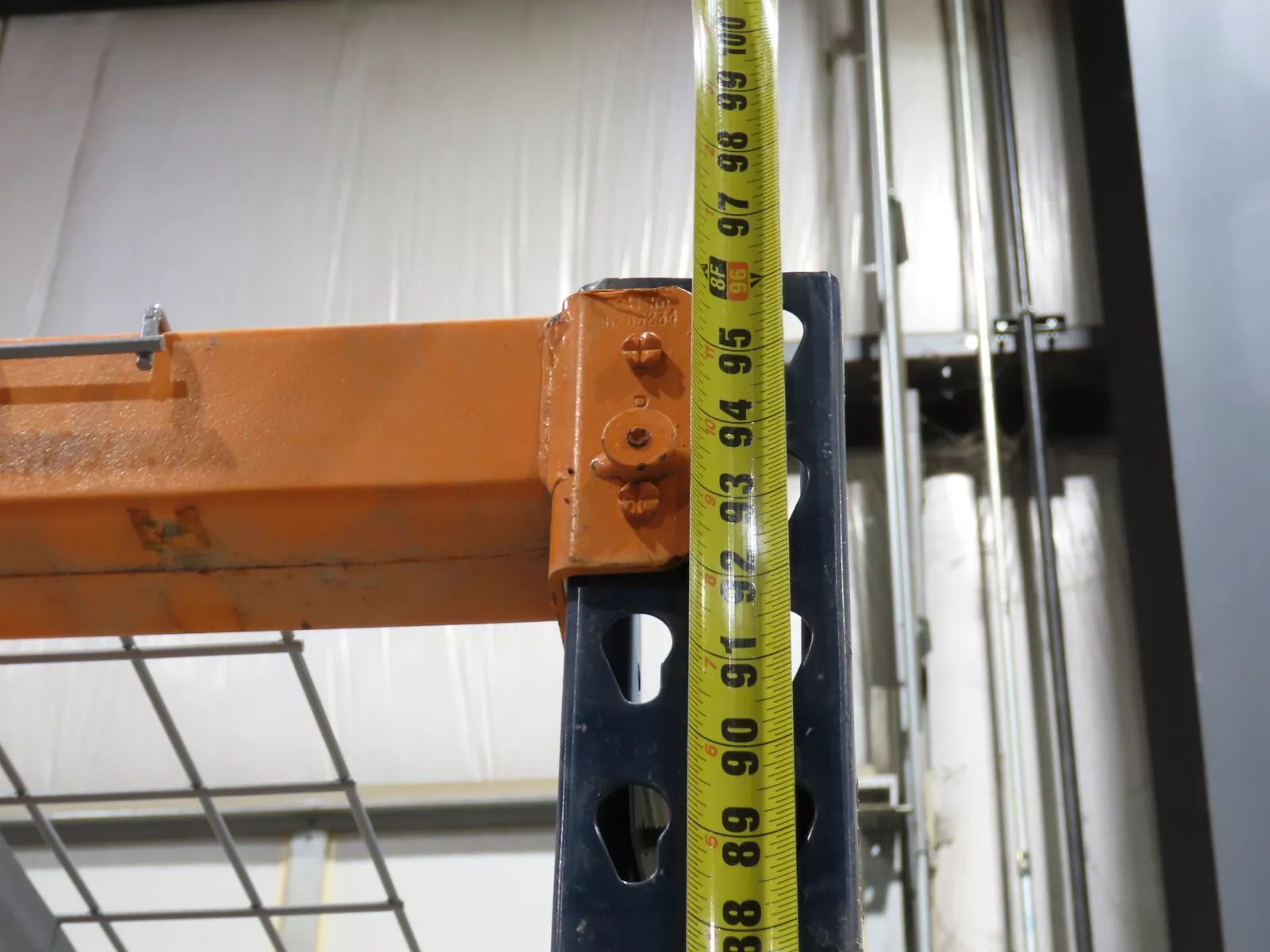
How to Perform a Rack Safety Audit
Table Of Contents
- How to Perform a Rack Safety Audit
- How Can You Ensure Your Racks Are Safe for Employees?
- What Are the Key Elements Of a Rack Safety Audit?
- How Do You Identify Potential Hazards In Your Storage Area?
- What Techniques Can You Use to Assess Rack Stability?
- How Often Should Rack Safety Audits Be Conducted?
- How Can Rack Safety Audits Impact Overall Workplace Safety?
- Conclusion
- Other Resources
- Glossary Of Terms
- Other Questions
- Checklist
How Can You Ensure Your Racks Are Safe for Employees?
When it comes to workplace safety, ensuring that your racking systems are reliable isn’t just about regulations or compliance; it’s about looking out for the folks who count on you every day. You want your employees to feel secure in their environment, knowing that the systems around them can withstand the demands of the job. Start with a thorough inspection routine. Regular checks can catch wear and tear before it becomes a danger. It’s about making your employees feel valued and showing you care about their welfare.
Next comes the emotional connection. Picture this: a worker reaching for a pallet only to have an unstable rack wobble. That gut-wrenching moment of fear is not only unsafe; it breeds unnecessary stress. Confidence in the racking systems allows your team to focus on their tasks, not on what might fall over them. A commitment to safety can foster a culture where employees talk openly about concerns and feel empowered to act when something doesn’t look right.
Don’t underestimate the importance of training as well. Equip your team with knowledge about proper loading techniques and the weight limits of your racking systems. This isn’t just a checkbox to tick off; it’s an opportunity to enhance their understanding. When your workers know what to watch for, they feel more in control and become advocates for safety themselves.
Ethically, committing to safe racking setups is about doing the right thing. It reflects a responsibility to protect your workers’ lives—not just their ability to show up for a paycheck. After all, a workplace that prioritizes safety becomes a community, where trust is built and maintained over time. This shared sense of safety can foster stronger bonds among your team, and it’s something everyone can rally around.
Finally, draw on the wisdom of experienced colleagues or hire experts when needed. Leaning on those who’ve navigated these waters before can provide invaluable insights. Stories of past missteps can be cautionary tales for newer workers, helping them recognize how crucial well-maintained racking systems are. Ensuring the safety of your racks is about creating an environment where employees can thrive, knowing they’re supported by systems designed with care. When they believe in their safety, they perform better, which ultimately contributes to the success of your operation.
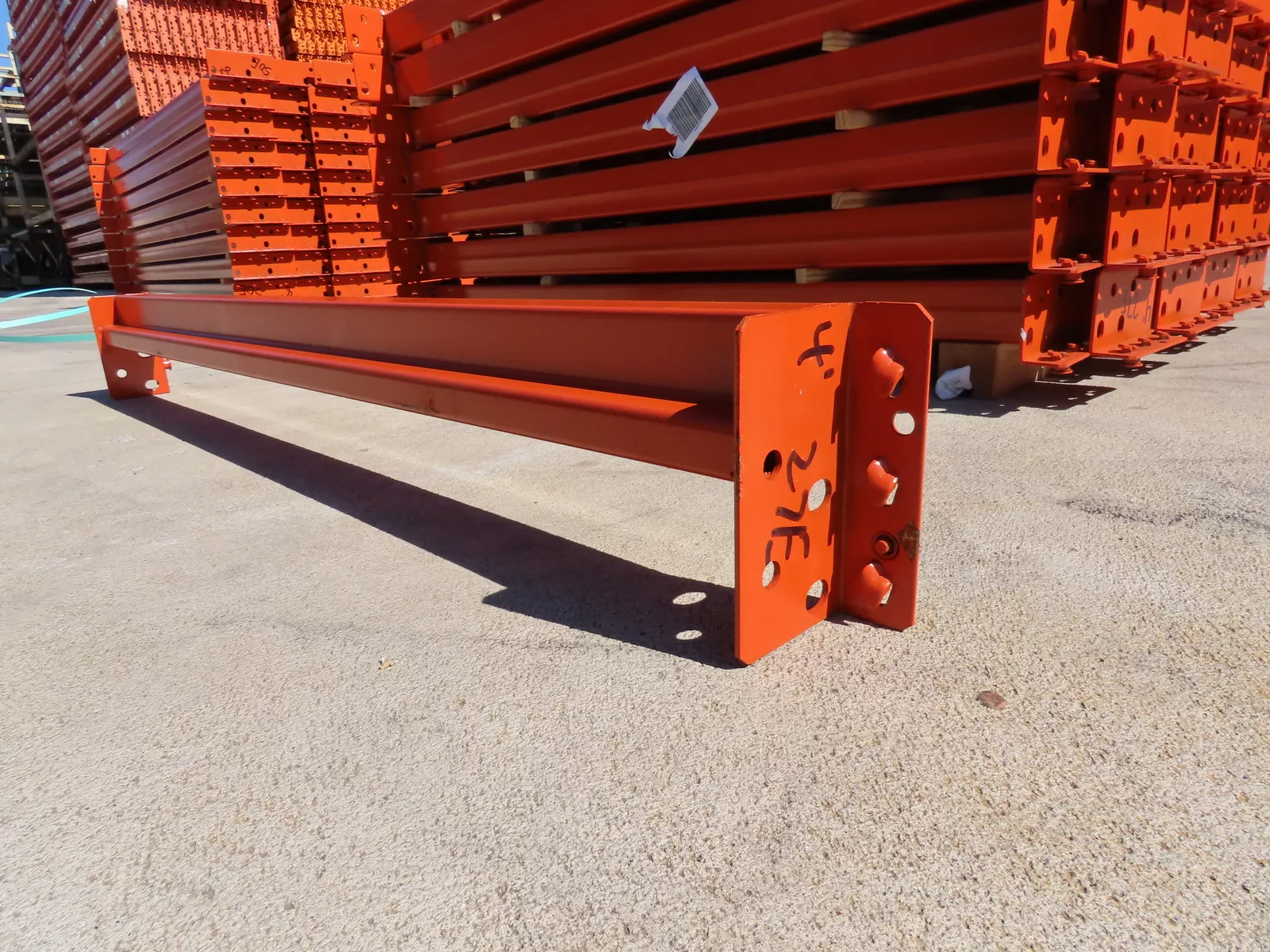
How Can You Ensure Your Racks Are Safe for Employees?
How Can You Ensure Your Racks Are Safe for Employees?
- Reliable racking systems are essential for workplace safety, focusing on employee welfare beyond compliance.
- Regular inspections can identify wear and tear, enhancing employee security and demonstrating care for their well-being.
- Emotional connections to safety reduce stress, allowing workers to concentrate on their tasks without fear of instability.
- Training on proper loading techniques and weight limits empowers employees to advocate for their own safety.
- Committing to safety reflects ethical responsibility, fostering a trust-based community among employees.
- Seeking advice from experienced colleagues or experts can provide valuable insights and cautionary tales for newer workers.
- A safe environment enhances employee performance and contributes to the overall success of the operation.
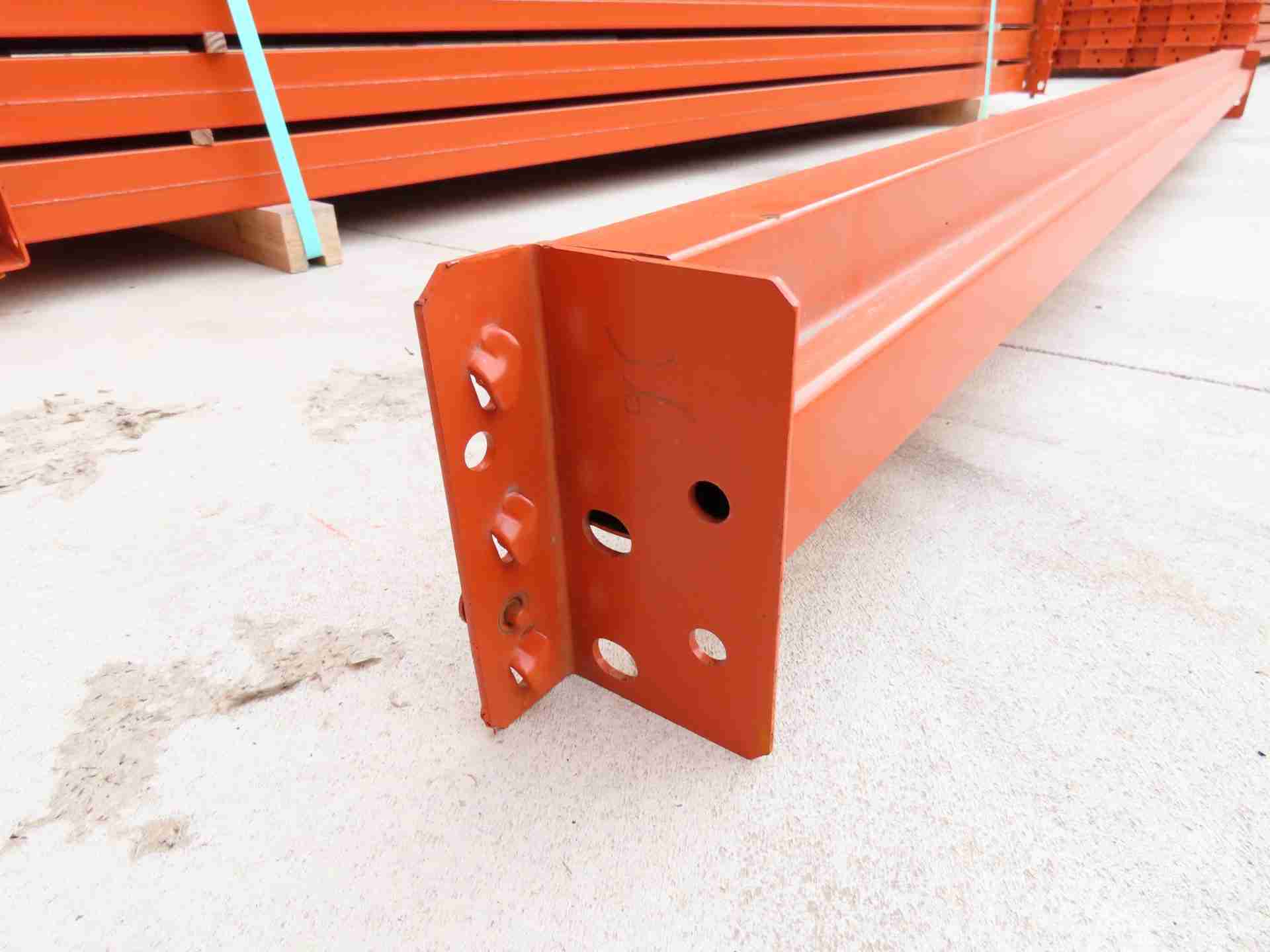
How Can You Ensure Your Racks Are Safe for Employees?
What Are the Key Elements Of a Rack Safety Audit?
When it comes to ensuring the safety and efficiency of your racking systems, a good audit isn’t just a box to check off. It’s about safeguarding livelihoods, reducing risks, and fostering a culture of responsibility that runs deep in the organization. Let’s strip it down to the essentials.
First off, keen observation is the cornerstone of any effective rack safety audit. Walk the floor and take a hard look at your racking systems. Are there signs of wear, tear, or damage? A bent beam or a wobbly shelf may seem like a small issue, but it can lead to disastrous consequences. A seasoned worker knows that a thousand tiny things can lead to one big mishap. Inspecting each rack for compliance with safety standards is a rational step that builds a strong foundation for long-term safety.
Next up is understanding load capacities. Every rack has its limits, and knowing them is crucial. This isn’t just about numbers—it’s about protecting your people. Overloading racks puts the entire crew at risk, and that’s not just a liability; it’s a moral failure. Educate your team on proper loading practices, and foster a culture that emphasizes caution and respect for these limits.
Documentation plays a vital role too. Keeping track of inspections and maintenance schedules is not only good practice; it’s a legal necessity. Having accurate records builds trust within the team and with management, demonstrating that safety isn’t just an afterthought; it’s part of the job. When everyone knows what’s been done and what needs attention, there’s a shared understanding and accountability.
Training and communication cannot be overlooked. The best engineered systems are useless if the team doesn’t know how to use them safely. Regular training sessions create a common language around safety and foster teamwork. When employees feel confident and knowledgeable, they are more likely to speak up about potential hazards. It’s about creating a space where everyone feels responsible for maintaining the integrity of the racking systems.
Lastly, regular audits should be part of the company’s rhythm. They’re not just routine operations; they’re a commitment to continuous improvement. Reflect on the audit outcomes as a team and discuss them openly. This builds camaraderie and reinforces a shared goal of safety and efficiency—a commitment that resonates with every individual in the organization.
In essence, a rack safety audit isn’t just a checklist; it’s a fundamental part of maintaining a safe and productive work environment, driven by experience, responsibility, and care for one another.

What Are the Key Elements Of a Rack Safety Audit?
What Are the Key Elements Of a Rack Safety Audit?
- A rack safety audit is essential for safeguarding livelihoods and promoting a culture of responsibility.
- Keen observation is crucial; signs of wear or damage must be addressed to prevent mishaps.
- Understanding load capacities is vital; overloading racks endangers personnel and violates moral responsibilities.
- Documentation of inspections and maintenance is legally necessary and fosters trust and accountability.
- Training and communication enhance safety awareness, encouraging employees to report hazards.
- Regular audits are a commitment to continuous improvement and should involve team reflection and discussion.
- A rack safety audit is fundamental to maintaining a safe and productive work environment.
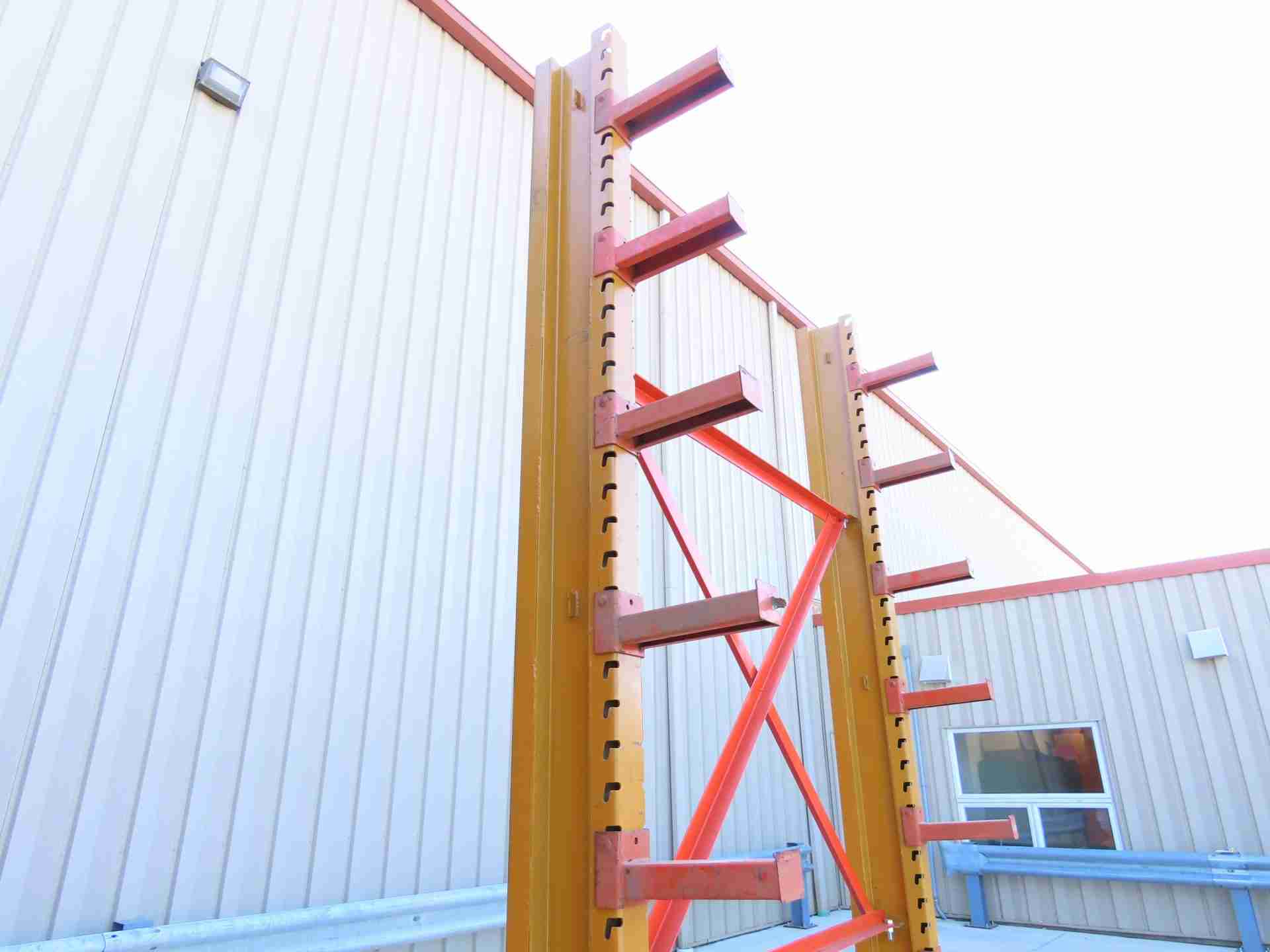
What Are the Key Elements Of a Rack Safety Audit?
How Do You Identify Potential Hazards In Your Storage Area?
When it comes to identifying potential hazards in your storage area, it’s not just about following a checklist; it’s about looking around with purpose and taking stock of what’s been there longer than the dust on the shelves. Start with your racking systems. These essential structures hold the weight of your inventory and, if not properly monitored, can present a real danger. Check for any signs of wear and tear—bent beams, loose bolts, or rust. Imagine that one time a coworker nearly got caught in a cascade of boxes because a rack wasn’t secure; no one wants that story to repeat itself.
Look up and around. Too many folks focus on what’s at eye level, but what’s stored above your head could come tumbling down with the slightest shake. Use a flashlight if you have to; just be thorough. Safety isn’t a luxury; it’s a necessity. Remember your crew, each life a valuable thread in the fabric of your workplace community.
It also pays to listen. Sounds can be a telltale sign. A creak or a groan could mean something isn’t right. Share these observations with your team—gather them for a quick huddle. Getting everyone involved fosters an environment where safety becomes a shared value, not just a responsibility.
The decision to identify potential hazards is an ethical one. It reflects a commitment to not only your own safety but that of your colleagues. It’s about ensuring everyone goes home in one piece, day after day, safe and sound to their families.
Make it a routine, not a chore. Regular walkthroughs create a culture of care and vigilance. It’s simple: the more you look, the more you see—every flicker of a light bulb, every crooked box, it all has a story to tell. Trust your instincts; if something feels off, it probably is. Equip yourself with knowledge and tools, whether that means using safety gear or relying on training sessions.
In your storage area, hazards are a fact of life, but so is the choice to confront them. When you walk through your space with eyes wide open, you’re not just keeping yourself safe; you’re weaving a safety net for everyone around you, creating a stronger, more secure place to work.
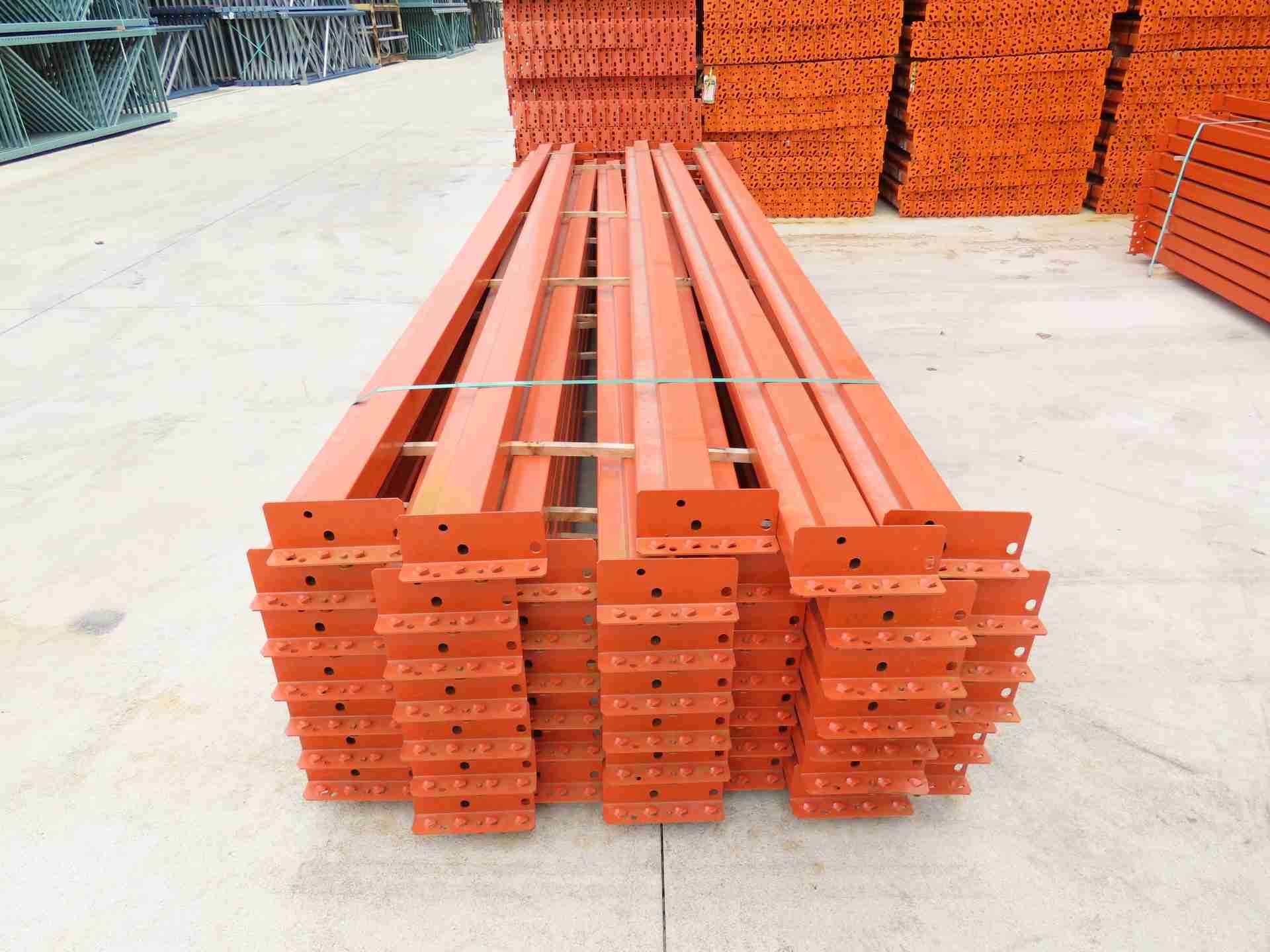
How Do You Identify Potential Hazards In Your Storage Area?
How Do You Identify Potential Hazards In Your Storage Area?
- Identifying hazards requires intentional observation, not just checklist adherence.
- Regularly inspect racking systems for signs of wear, such as bent beams and rust.
- Check overhead storage, as items can fall without warning.
- Be attentive to sounds; creaks may indicate structural issues.
- Involve your team in safety discussions to foster a shared responsibility.
- Make safety inspections routine to cultivate a culture of vigilance.
- Trust your instincts and equip yourself with the necessary knowledge and tools.
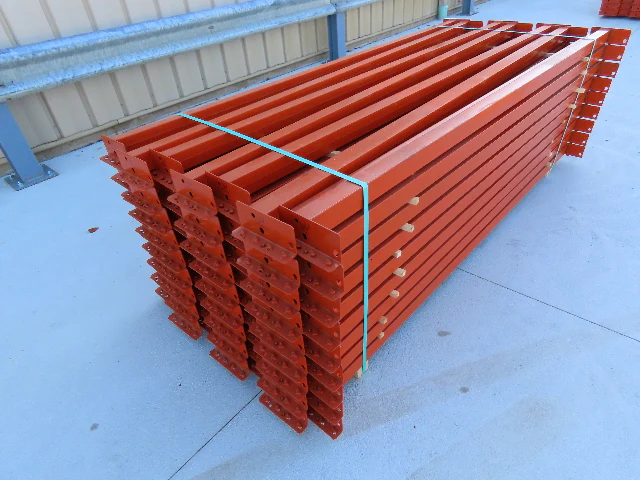
How Do You Identify Potential Hazards In Your Storage Area?
What Techniques Can You Use to Assess Rack Stability?
When working with racking systems, the stability of your setup isn’t just a technical detail; it’s the backbone of your day-to-day operations. A sturdy rack can mean the difference between a smooth workflow and a catastrophic failure. So, how do you assess that stability? It’s not just about calculations and numbers; it’s about taking a practical, hands-on approach that speaks to the heart of the matter.
First, visually inspecting your racking systems should become second nature. Walk the aisles, take a good look at the uprights, beams, and connections. Are there any signs of wear, bending, or rust? These physical cues can tell you stories just as real as any data point. Make it a routine to check for issues, and don’t just look; listen. Sometimes, an odd creak might be a warning sign, hinting that something’s off.
Next, consider the load distribution on your racks. You wouldn’t load an old pickup truck unevenly, right? The same principle applies here. Ensure that weight is balanced and within the manufacturer’s guidelines. This can prevent those racks from tipping or collapsing, keeping your workplace safe. Layout diagrams can serve as helpful guides; use them to ensure that your products are placed securely.
Another essential technique is to conduct regular stress tests on your racking systems. It may sound technical, but it’s as simple as adding weight gradually to see how well the racks hold up. This hands-on method not only tests physical stability but also gives you confidence that your setup can manage the load when it’s under pressure. If the setup can’t handle the stress, better to know now than face a disaster down the line.
Equally crucial is training your team. They should understand how to recognize potential stability issues and feel comfortable reporting them. Create an environment where safety and stability are priorities, and encourage open conversations about any concerns. This shared responsibility fosters a sense of community and trust among the team—a vital element in any successful operation.
Use these techniques not just to assess stability but to cultivate a culture of safety and awareness. Emphasize that ensuring the integrity of your racking systems is a team effort, one that protects not just products but people too. When everyone is invested, safety becomes part of the everyday routine, and that’s how you build a resilient operation.
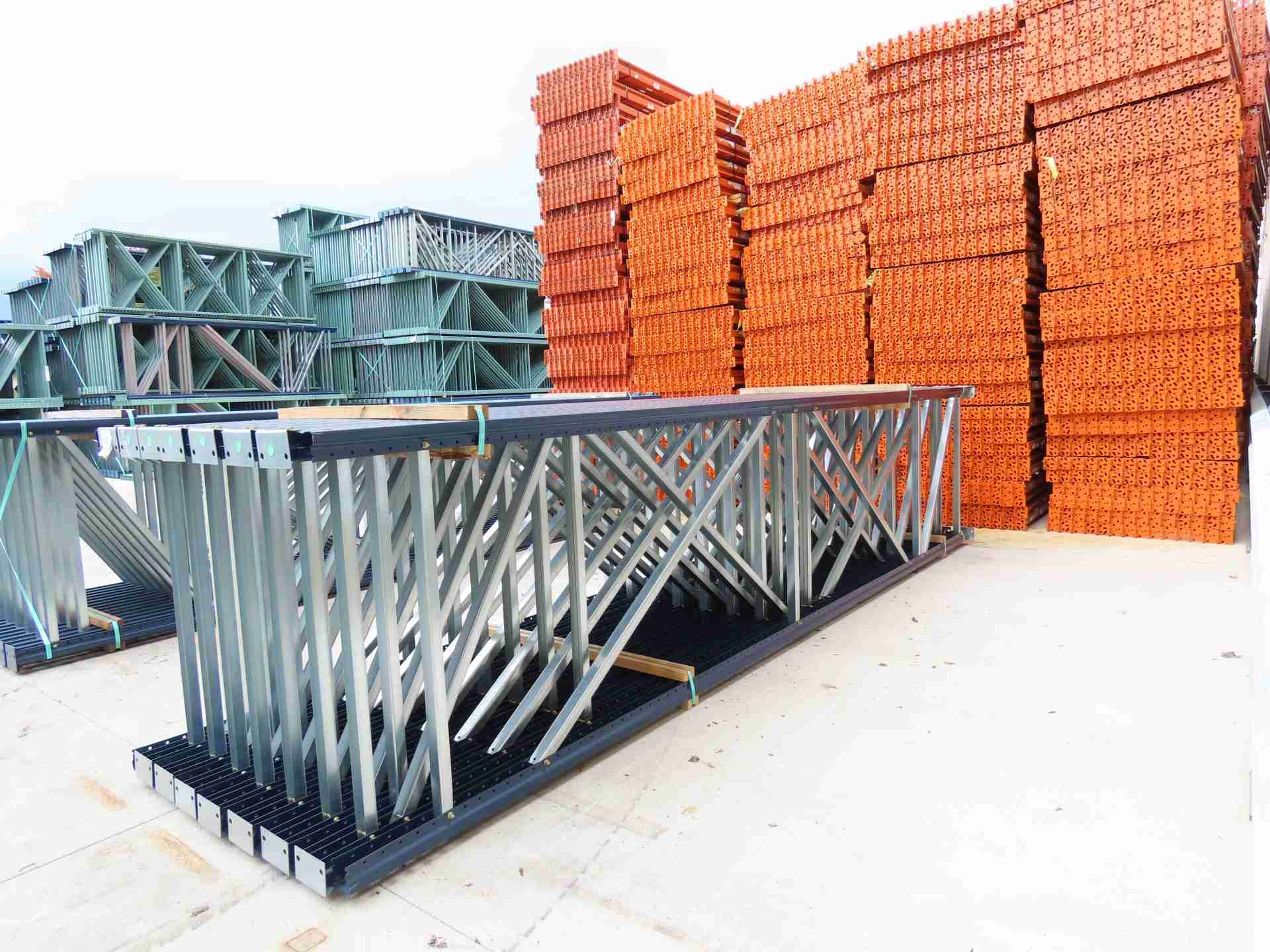
What Techniques Can You Use to Assess Rack Stability?
What Techniques Can You Use to Assess Rack Stability?
- Stability of racking systems is crucial for smooth operations and preventing failures.
- Visually inspect racks for signs of wear, bending, or rust; listen for unusual sounds.
- Ensure balanced load distribution within manufacturer guidelines to avoid tipping or collapsing.
- Conduct regular stress tests by gradually adding weight to assess stability under pressure.
- Train team members to recognize and report stability issues, promoting a safety culture.
- Create an environment that encourages open discussions about safety concerns.
- Fostering a shared responsibility enhances safety and builds a resilient operation.
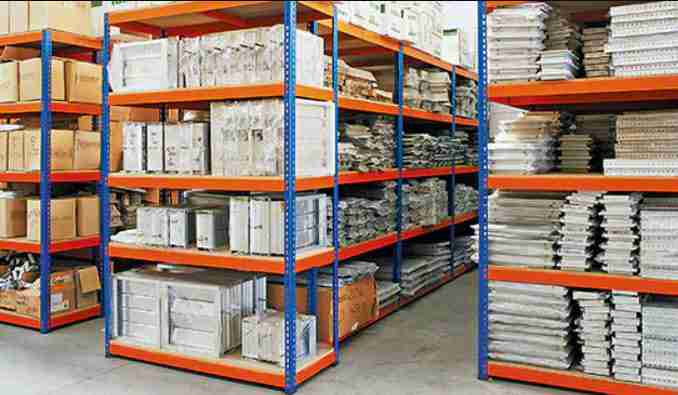
What Techniques Can You Use to Assess Rack Stability?
How Often Should Rack Safety Audits Be Conducted?
When you think about racking systems in a warehouse, what comes to mind? For many, it’s rows of shelves stacked high with products. But behind those stacks lies a world of responsibility. Regular safety audits of these racking systems aren’t just a box to check; they’re a lifeline for everyone working in or around the space.
Imagine a warehouse bustling with activity. Forklifts zooming by, employees bustling around, and those racking systems towering above. It’s a symphony of movement, but a wrong note—a compromised rack—can turn harmony into chaos. Conducting audits every six months is a common standard, but many seasoned operators argue that during peak seasons or after significant changes in inventory, more frequent checks are essential. Trust built through routine is not just about compliance; it’s about people. It’s about knowing that your colleagues go home safe each day, free from worry about what’s overhead.
From a cost perspective, consider this: investing in regular audits means fewer accidents, lower repair costs, and less downtime. Paired with practical observations, a solid audit unveils not only the condition of your racking systems but also sharpens your operational efficiency. It’s hard-nosed business sense wrapped in a diligent approach to safety. That connection between safety and productivity makes it clear: this is not just an operational necessity; it’s an ethical obligation.
Stories abound in every warehouse, tales of how a fall from a poorly maintained rack changed lives. These narratives aren’t just cautionary tales—they serve as a stark reminder of the stakes. Whether it’s a gust of wind or a hard-nosed handle on a lift, vulnerabilities can arise when least expected. Regular audits are a shield against unforeseen risks.
Lastly, there’s the social obligation we have to each other as team members. When we commit to regular safety checks, we foster a culture of support and awareness. We share knowledge and empower each other to act, creating a community where safety isn’t just a priority; it’s a shared value.
So, when you’re questioning how often to conduct rack safety audits, remember: they aren’t just about maintaining equipment. They’re about safeguarding lives, enhancing productivity, and upholding the honor of working hands that build our future. Don’t wait for a close call to make a move; be proactive, and ensure that those racking systems stay standing tall, doing their job, so everyone can do theirs safely.
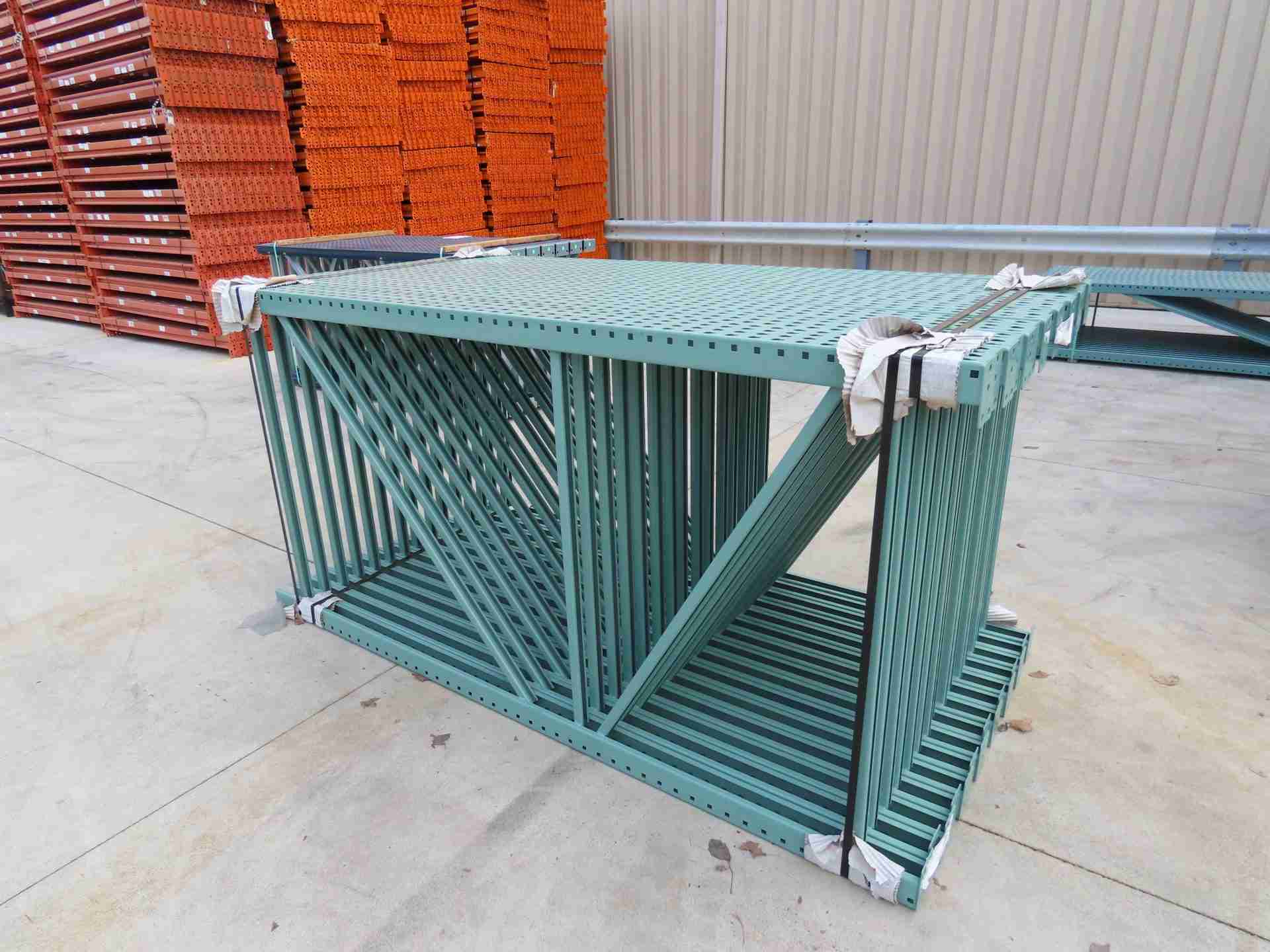
How Often Should Rack Safety Audits Be Conducted?
How Often Should Rack Safety Audits Be Conducted?
- Regular safety audits of racking systems are essential for worker safety in warehouses.
- Conducting audits every six months is standard, but more frequent checks may be needed during peak seasons or after inventory changes.
- Investing in audits reduces accidents, lowers repair costs, and minimizes downtime.
- Audits improve the condition of racking systems and enhance operational efficiency.
- Stories of accidents highlight the importance of regular audits to mitigate unforeseen risks.
- Regular safety checks foster a culture of support and awareness among team members.
- Audits are vital for safeguarding lives, boosting productivity, and honoring workers’ contributions.
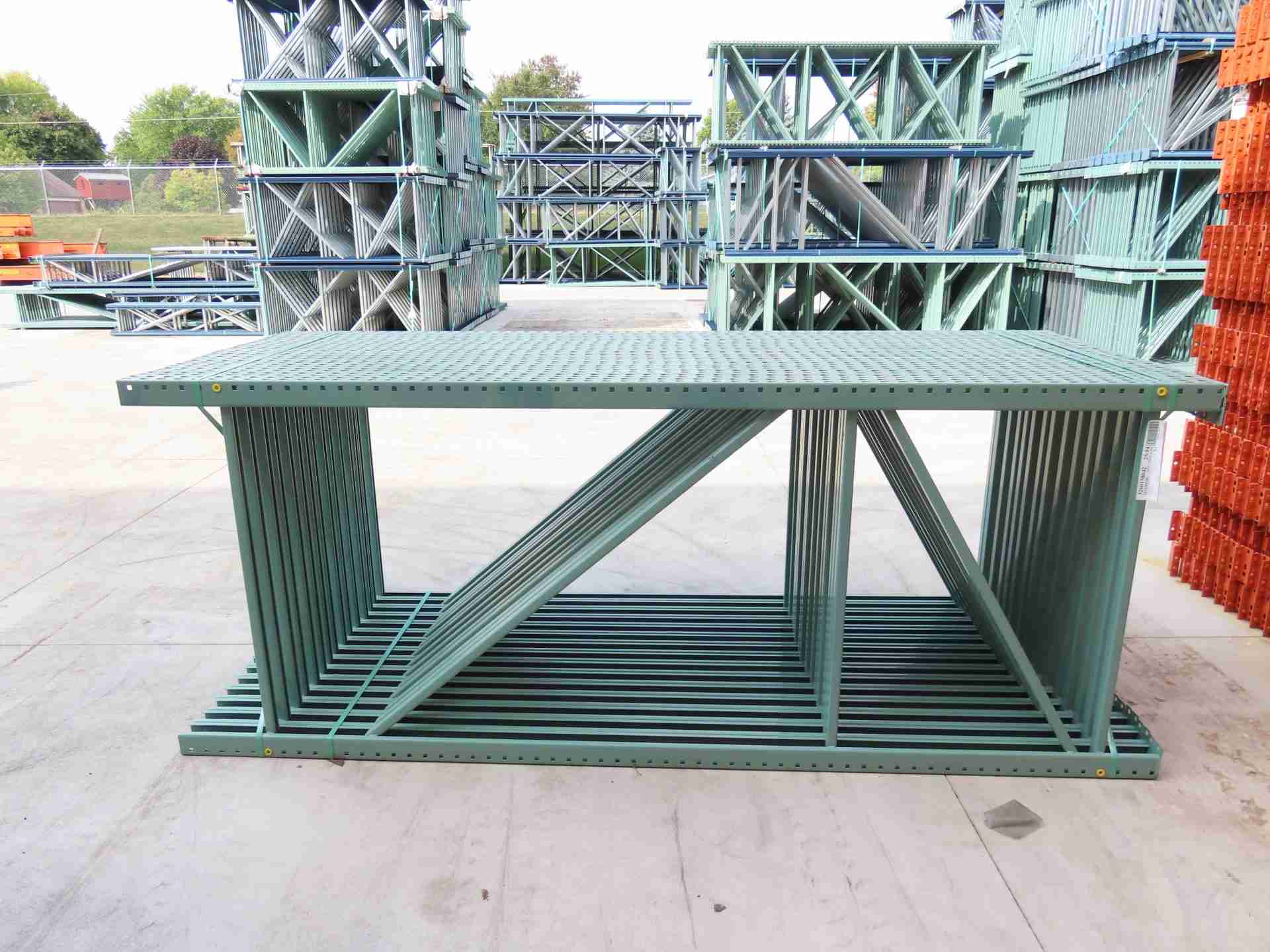
How Often Should Rack Safety Audits Be Conducted?
How Can Rack Safety Audits Impact Overall Workplace Safety?
When you think about racking systems, what usually comes to mind? Maybe it’s the towering shelves in a warehouse, crammed with inventory, or perhaps it’s the heavy loads being maneuvered with forklifts. But at the heart of every racking system is a promise: to keep that workplace safe. A rack safety audit isn’t just a checklist; it’s a commitment to ensuring that every item is stored securely and every worker returns home safely at the end of the day.
Picture this: a team working late shifts, tired but determined, stacking boxes to meet a deadline. One slip, one poorly secured load, and the consequences can be dire. It’s about more than just equipment; it’s about the lives behind those boxes and the families waiting for them. By conducting regular safety audits of racking systems, you’re taking proactive steps to prevent accidents before they happen. It’s a way of saying, “I care about my crew, and I won’t cut corners.”
Investigating racking systems carefully means looking beyond the surface. It’s not just about identifying instantly visible dangers; it’s about understanding the whole picture—wear and tear, load capacities, and how often that equipment is pushed to its limits. The rational side of us sees audits as just good business sense; fewer accidents mean lower insurance costs and higher productivity. But there’s an ethical drive too: every worker has the right to a safe environment, and it’s our duty to ensure that right is upheld.
Share stories from the floor. Talk about that one time an audit found an unstable rack, which—if left unchecked—could have resulted in disaster. That’s where the narrative starts to resonate. Employees realize that these checks are not just about rules and regulations; they’re about real lives and real stories. It fosters a culture of accountability and support.
Moreover, the authority behind these audits isn’t just written in policy manuals; it comes from having experienced professionals who know the ins and outs of racking systems. Their expertise can guide teams in developing a safety-first mindset that permeates the workplace.
In this way, rack safety audits serve as a communal touchstone. They remind everyone that safety is a collective responsibility—an everyday ethos that we can all rally behind. By investing time and effort into these audits, you inspire trust and confidence in your leadership, fostering a culture where everyone feels empowered to speak up and maintain safety standards. It’s not just about keeping the racking systems intact; it’s about forging a workplace where safety and care come first.
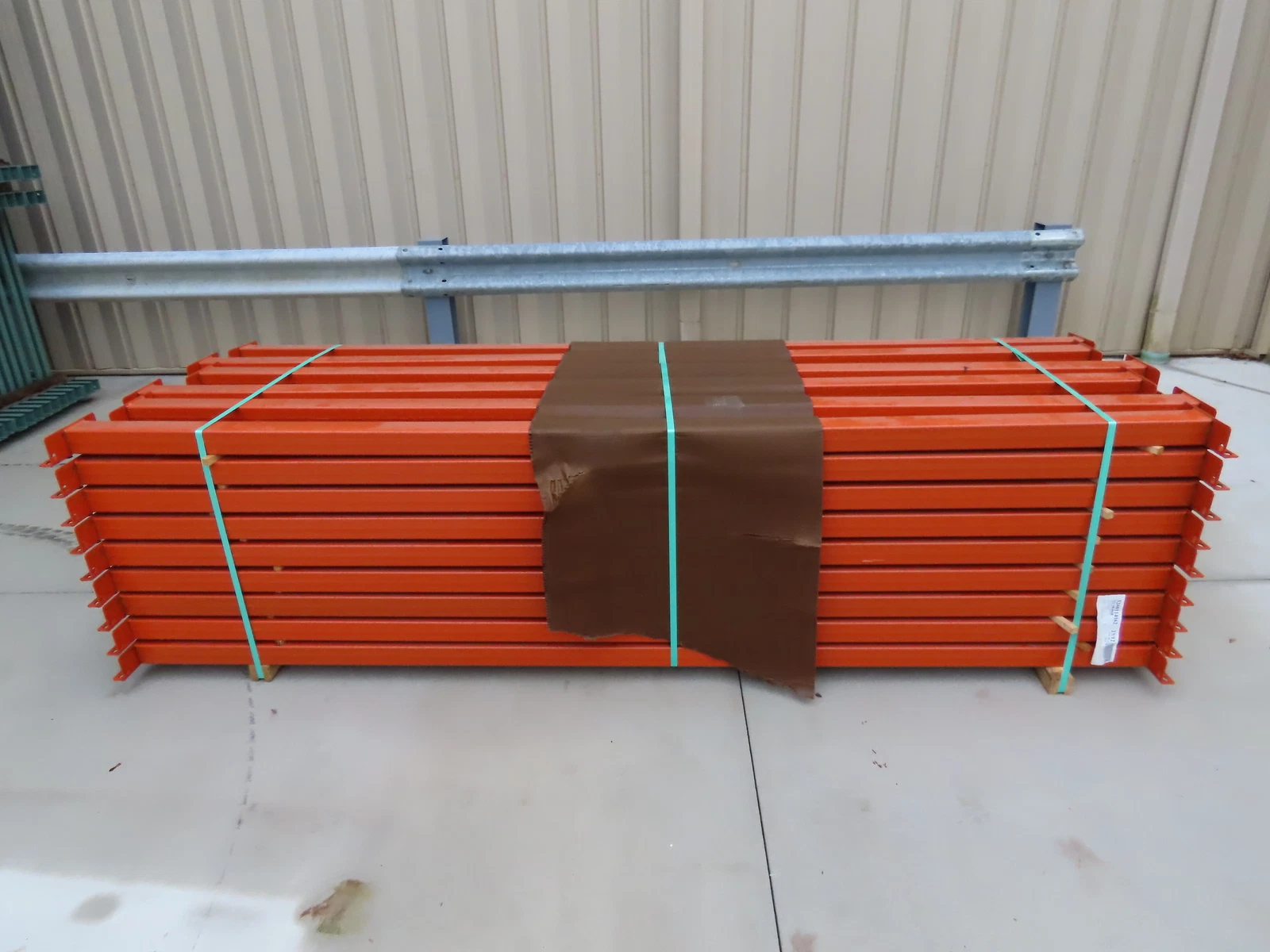
How Can Rack Safety Audits Impact Overall Workplace Safety?
How Can Rack Safety Audits Impact Overall Workplace Safety?
- Racking systems are crucial for workplace safety, ensuring items are stored securely.
- Regular safety audits prevent accidents and demonstrate care for workers’ well-being.
- Audits involve looking beyond visible dangers to assess wear, tear, and load capacities.
- Fewer accidents lead to lower insurance costs and improved productivity.
- Sharing real-life stories from audits enhances understanding of their importance.
- Experienced professionals lead audits, promoting a safety-first mindset.
- Safety audits foster a culture of accountability and collective responsibility in the workplace.

How Can Rack Safety Audits Impact Overall Workplace Safety?
Conclusion
A rack safety audit is more than just a procedural step; it’s an essential commitment to workplace safety that resonates with every worker. Think of it as a shield, protecting not only the inventory piled high on those racks but also the lives of those navigating the bustling aisles below. Every time a team member walks through the warehouse, they face a responsibility that goes beyond just checking off tasks—it’s about nurturing a culture of safety where vigilance is the norm.
The heart of safety audits lies in hands-on inspections. Observing for signs of wear, such as rusty bolts or bent beams, uncovers potential hazards before they become serious issues. This requires a keen eye and a willingness to get involved; it’s about trusting instincts and recognizing when something feels amiss. Engaging with the crew is also vital—these individuals are on the front lines and possess insights that can prevent accidents and create a safer environment. Conversations and shared experiences foster a sense of community, where safety is a collective responsibility and everyone looks out for one another.
From a rational perspective, regular safety audits translate into fewer accidents and reduced costs stemming from injuries and equipment damage. This careful stewardship of resources supports a more productive work environment, where employees can focus on their tasks without the worry of unstable racking systems threatening their safety. The ethical aspect is equally crucial; prioritizing safety reflects a moral obligation to protect workers, ensuring they can return home safely to their families each day.
The stories generated from these audits can bring the experience to life. Every check reveals not just equipment status but also the lives influenced by these systems. When team members understand the stakes—like that near-miss involving an overburdened rack—they see how audits contribute to their well-being, enhancing their awareness and promoting a proactive safety culture.
Establishing a consistent schedule for audits, particularly during peak seasons, reinforces the importance of this practice. It’s not merely compliance; it’s a testament to a workplace that values its people. By documenting findings and making adjustments, management demonstrates a genuine desire for continuous improvement, fostering trust among employees and gaining their buy-in.
In sum, conducting thorough rack safety audits is a vital strategy that prioritizes human life, strengthens workplace culture and efficiency, and embodies a commitment to collective safety—a cornerstone of any thriving operation.
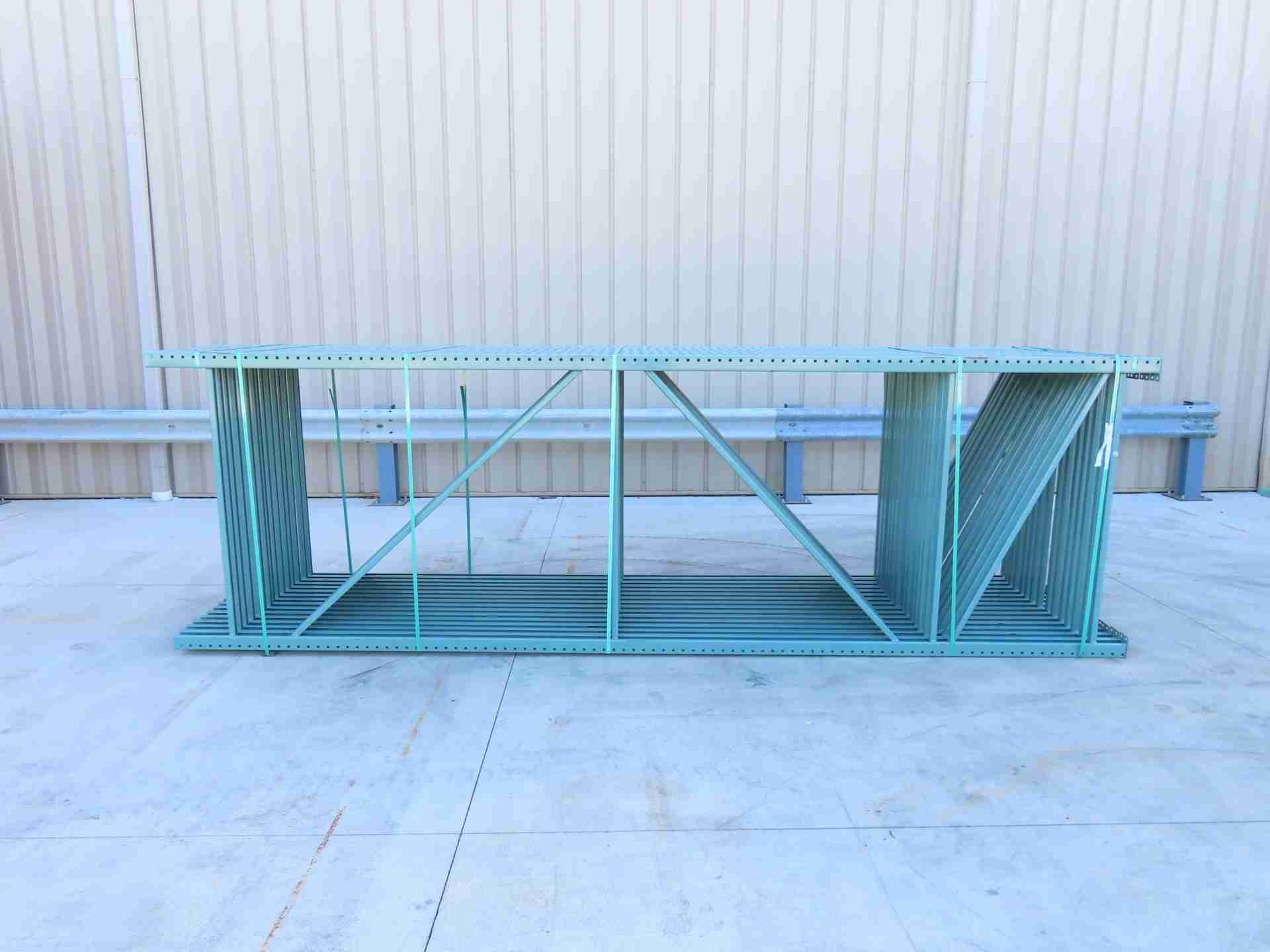
Conclusion
Conclusion:
- A rack safety audit is essential for workplace safety, protecting both inventory and workers.
- Hands-on inspections identify potential hazards, ensuring vigilance and proactive safety culture.
- Engaging with crew members provides valuable insights for preventing accidents and fostering community.
- Regular audits lead to fewer accidents, reduced costs, and a more productive work environment.
- Prioritizing safety reflects a moral obligation to protect workers and their well-being.
- Establishing a consistent audit schedule reinforces the importance of safety in the workplace.
- Thorough audits strengthen workplace culture and embody a commitment to collective safety.
Conclusion
Other Resources
Other Resources
Here is a list of other resources you can review online to learn more:
- Iowa Illinois Warehouse Racking
- Warehouse Racking Layout: The Ultimate Guide – Conger
- Selective Racking
- Rack Manufacturers Institute
- The Ultimate Pallet Racking Guide – Speedrack West
- SEMA
- Warehousing Education and Research Council: https://www.werc.org/
- Selective Rack – Raymond West
- WERC
- Used Teardrop Pallet Rack – American Surplus
- BMH Equipment LLC
- International Warehouse Logistics Association
- BMH
- Warehouse Racking Chicago, IL
- Logic Material Handling
- Warehouse Racks, Warehouse Racking in Stock – ULINE
- What is Selective Pallet Racking
- National Safety Council
- Teardrop Industrial Shelving Rack
Use This Prompt To Get More Resources With Your Favorite Online AI Tool: Please provide me with a list of online articles with their URLs in a bulleted list that I can read regarding How to Perform a Rack Safety Audit

Other Resources
Glossary Terms
How to Perform a Rack Safety Audit – Glossary Of Terms
1. Audit: A systematic examination of a company’s records or processes to ensure compliance with regulations and standards.
2. Rack: A framework used for storing goods, typically consisting of horizontal shelves stacked vertically.
3. Safety: The condition of being protected from or unlikely to cause danger, risk, or injury.
4. Inspection: A careful examination of equipment or processes to identify any potential hazards or areas of non-compliance.
5. Load Capacity: The maximum weight that a rack can safely support while maintaining structural integrity.
6. Stability: The ability of a rack to remain steady and secure under load without tipping or collapsing.
7. Compliance: Adherence to laws, regulations, and industry standards relevant to rack safety and operations.
8. Hazard: A potential source of harm or adverse effect arising from a situation or activity.
9. Maintenance: Regular upkeep and repair of equipment to ensure safe and efficient operation.
10. Training: Instruction provided to employees on safe handling and use of racks and equipment.
11. Clearance: The vertical space between the top of the stored items and the overhead structure to prevent contact.
12. Inventory: A complete list of items or materials stored on or in the racks.
13. Ergonomics: The study of people’s efficiency in their working environment, aiming to improve safety and reduce injury.
14. Inspection Checklist: A list of items or criteria to be reviewed during a safety audit.
15. Signage: Visual aids or labels that provide information about safety protocols and load limits.
16. Incident: An unplanned event that results in or could lead to injury or damage.
17. Checklist: A tool used to ensure all necessary steps in the audit are completed systematically.
18. Risk Assessment: The process of identifying and evaluating risks associated with rack storage and operations.
19. Emergency Procedures: Established protocols to follow in case of an incident or safety concern.
20. Safety Culture: An organization’s commitment to safety as a priority in its operations and employee conduct.
21. Compliance Audit: A review to verify that safety practices adhere to regulatory standards and guidelines.
22. Structural Integrity: The ability of a rack to support loads without failure under expected conditions.
23. Pallet: A flat transport structure that supports goods in a stable manner during storage or shipment.
24. Enforcement: The act of ensuring compliance with safety regulations and policies.
25. Visual Inspection: An informal examination of equipment for obvious signs of damage or wear.
26. Incident Report: A document detailing the specifics of an incident for record-keeping and analysis.
27. Safety Data Sheet (SDS): Information provided about the handling and hazards of materials stored on the rack.
28. Forklift: A powered industrial truck used to lift and move materials, often used in conjunction with racks.
29. Anchor: A device used to secure racks to a wall or floor to enhance stability.
30. Corrective Action: Actions taken to rectify identified deficiencies observed during an audit.

Glossary Of Terms
Other Questions
How to Perform a Rack Safety Audit – Other Questions
If you wish to explore and discover more, consider looking for answers to these questions:
- What legal or regulatory standards apply to rack safety audits in my jurisdiction?
- Who is qualified or certified to perform a professional rack safety audit?
- What tools, equipment, or technology are needed to conduct a thorough audit?
- How do I create and maintain an audit checklist tailored to my facility?
- How should audit findings be documented and stored for compliance and follow‑up?
- How do I determine the rated load capacity when manufacturer data is missing or unclear?
- What are the most common causes of rack failure and how can they be prevented?
- How do I prioritize corrective actions after an audit (safety risk vs cost vs downtime)?
- When is a damaged rack repairable and when must it be replaced?
- What specific inspection frequency should be used for different rack types, loads, and activity levels?
- How should audits change during peak seasons, high turnover, or after layout changes?
- What procedures should be in place for immediate hazard reporting and temporary isolation of unsafe racks?
- How should staff be trained to load, stack, and handle pallets to prevent rack instability?
- What personal protective equipment (PPE) and safe practices should auditors and workers use during inspections?
- How can forklift impacts be minimized and accounted for in rack inspection programs?
- How do environmental factors (humidity, temperature, corrosive substances) affect rack integrity?
- What inspection signs indicate hidden or progressive damage (e.g., hidden corrosion, hairline bends)?
- How do I perform or arrange a load or stress test safely and accurately?
- How should racks be labeled to ensure correct load limits and safe use?
- What role do layout and aisle widths play in rack stability and safety?
- How should irregularly shaped or overweight items be stored to avoid overloading racks?
- How do I incorporate manufacturer recommendations and warranty requirements into audits?
- What documentation and retention periods are required for audits, repairs, and training records?
- How do I calculate the budget impact and ROI of a rack safety program?
- How do I conduct a root‑cause analysis after a rack‑related incident?
- How can I measure and report the effectiveness of my rack safety audit program (KPIs, metrics)?
- How do I integrate rack audits into broader safety management systems (SMS) or ISO processes?
- How should contractors, temporary staff, and visitors be covered by rack safety procedures?
- What protocols apply to racks in seismic or high‑wind regions (bracing, anchoring standards)?
- How do automated storage and retrieval systems (AS/RS) change inspection needs and methods?
- How can predictive maintenance or condition monitoring technologies be applied to racking?
- How do I handle replacement parts, approved repair methods, and third‑party retrofit components?
- What communication and follow‑up process ensures audit findings are acted on and verified?
- How should incident scenarios (collapse, falling loads) be planned for with emergency response procedures?
Other Questions
Checklist
How to Perform a Rack Safety Audit – A Checklist
Pre-Audit Preparation
✅______ Current rack layout and manufacturer specifications available
✅______ Prior audits, maintenance logs, and incident/near-miss reports reviewed
✅______ Audit areas defined; high-risk zones prioritized
Visual Condition of Racking
✅______ Uprights plumb; no dents, tears, twists, or buckling
✅______ Beams straight; no bending, cracks, or deformation
✅______ Beam connectors fully seated; safety locks/clips installed
✅______ Bracing intact; no missing members or broken welds
✅______ Base plates present and sound; shims secure and stable
✅______ Floor anchors present, tight, and undamaged
✅______ No corrosion compromising integrity; rust addressed
✅______ Decking/grating/pallet supports in good condition; no breaks
✅______ Row spacers/ties installed on back-to-back rows
✅______ End-of-aisle/column guards installed and serviceable
✅______ Damaged components tagged out and unloaded
Load Ratings and Application
✅______ Load capacity signs posted, legible, and matching current configuration
✅______ Actual loads within rated capacity for bay, level, and system
✅______ Loads evenly distributed; no point loading
✅______ Pallet condition sound; no broken or unsuitable pallets
✅______ Proper pallet overhang and beam clearances maintained
✅______ No unauthorized alterations or mixed components
✅______ Beam elevations match approved design; changes documented
Stability and Alignment
✅______ Racks level and plumb; shimming corrected as needed
✅______ Back-to-back rows tied; transverse/longitudinal stability adequate
✅______ Building attachments present only where engineered/approved
✅______ Seismic/impact protection appropriate for site and use
Aisles, Clearances, and Housekeeping
✅______ Aisle widths maintained; no obstructions or trip hazards
✅______ Longitudinal and transverse flue spaces clear
✅______ Adequate lighting for inspection and operations
✅______ No storage on top of racks unless designed for it
✅______ Housekeeping standards met; debris removed promptly
Equipment Interaction and Protection
✅______ Evidence of forklift impacts investigated and documented
✅______ Guarding in place at ends, corners, and high-traffic areas
✅______ Traffic routes marked; speed and stop controls visible and observed
Hazard Identification
✅______ Unusual noises, sway, or movement investigated immediately
✅______ Environmental factors (moisture, temperature, and chemicals) managed
✅______ Fire protection clearances maintained; sprinklers unobstructed
✅______ Overhead hazards assessed; lighting and signage adequate
Training and Culture
✅______ Staff trained on loading/unloading practices and weight limits
✅______ Damage reporting and tag-out/cordon procedures understood
✅______ Team input gathered on concerns and recent observations
✅______ Positive reinforcement for hazard reporting in place
Documentation and Corrective Actions
✅______ Audit findings documented with location, photos, and severity
✅______ Corrective actions assigned with owners and due dates
✅______ Unsafe bays unloaded and isolated until repaired
✅______ Repairs performed by qualified personnel; records retained
✅______ Findings communicated to crew; safety huddle completed
Audit Frequency and Triggers
✅______ Routine audits conducted at least semi-annually
✅______ Additional checks after impacts, reconfiguration, peak season, severe weather, or seismic events
✅______ Schedule for follow-up verifications set
Sign-Off
✅______ Auditor name and signature
✅______ Date and areas inspected
✅______ Next audit due date and follow-up actions scheduled

Checklist
At RackingWorld, we help guide you through selecting warehouse storage systems and racking.
Be sure to read our other related stories at RackingWorld to learn more about warehouse storage systems.
0 Comments