
Uncovering The Silent Barriers To Seamless Productivity
By Tom Seest
At RackingWorld, we help guide you through selecting warehouse storage systems and racking.
Be sure to read our other related stories at RackingWorld to learn more about warehouse storage systems.
Workflow Bottlenecks Hidden In Layout
In any workplace, the layout often speaks louder than the tools we use or the systems we put in place. When you talk about workflow, it’s easy to focus on processes and technology, but the truth is, the space itself can be the silent killer of efficiency. Ever walked into a place where everything seemed slightly off? The paths aren’t clear, tools are stored out of reach, and every step feels like a mini obstacle course. These are the workflow bottlenecks hiding in plain sight, and they can sap the spirit just as quickly as they drag down productivity.
Consider the racking systems that hold our tools and materials. You’ve got to think about them not just as shelves but as a crucial part of the workflow that can either simplify or complicate our tasks. When racks are disorganized or misplaced, it’s like trying to find a needle in a haystack. Time gets wasted, frustrations mount, and even the most diligent worker starts to feel defeated. They’re not just standing in front of a rack; they’re standing in front of a wall that blocks their ability to do their best work.
Now, take a moment to picture a well-thought-out layout—a place where everything has its home, where materials are easily accessible, and where the air feels lighter because efficiency is in the air. This arrangement brings peace of mind to the crew, evoking a sense of pride in their workspace. It’s a place where you can roll up your sleeves, focus on the task, and feel truly connected to what you do.
There’s also an ethical consideration here. A thoughtfully designed layout respects the workers’ needs. It shows that management cares. When employees feel valued, their commitment deepens. This is not merely about saving time but about nurturing a culture where every individual can flourish, doing their best work in a space that fosters collaboration instead of hindrance.
Communicating about layout isn’t just tossing ideas around; it’s a call to action. We need to take stock of our environments and engage genuinely with each other. When we have those tough conversations, we work towards solutions that ignite passion instead of stifling it. After all, no one wants to feel like they’re swimming upstream when they could be gliding effortlessly towards success. By shedding light on these hidden bottlenecks and addressing them head-on, we create a workplace that reflects our collective values and dedication, nurturing not just productivity but also trust and camaraderie among the team.
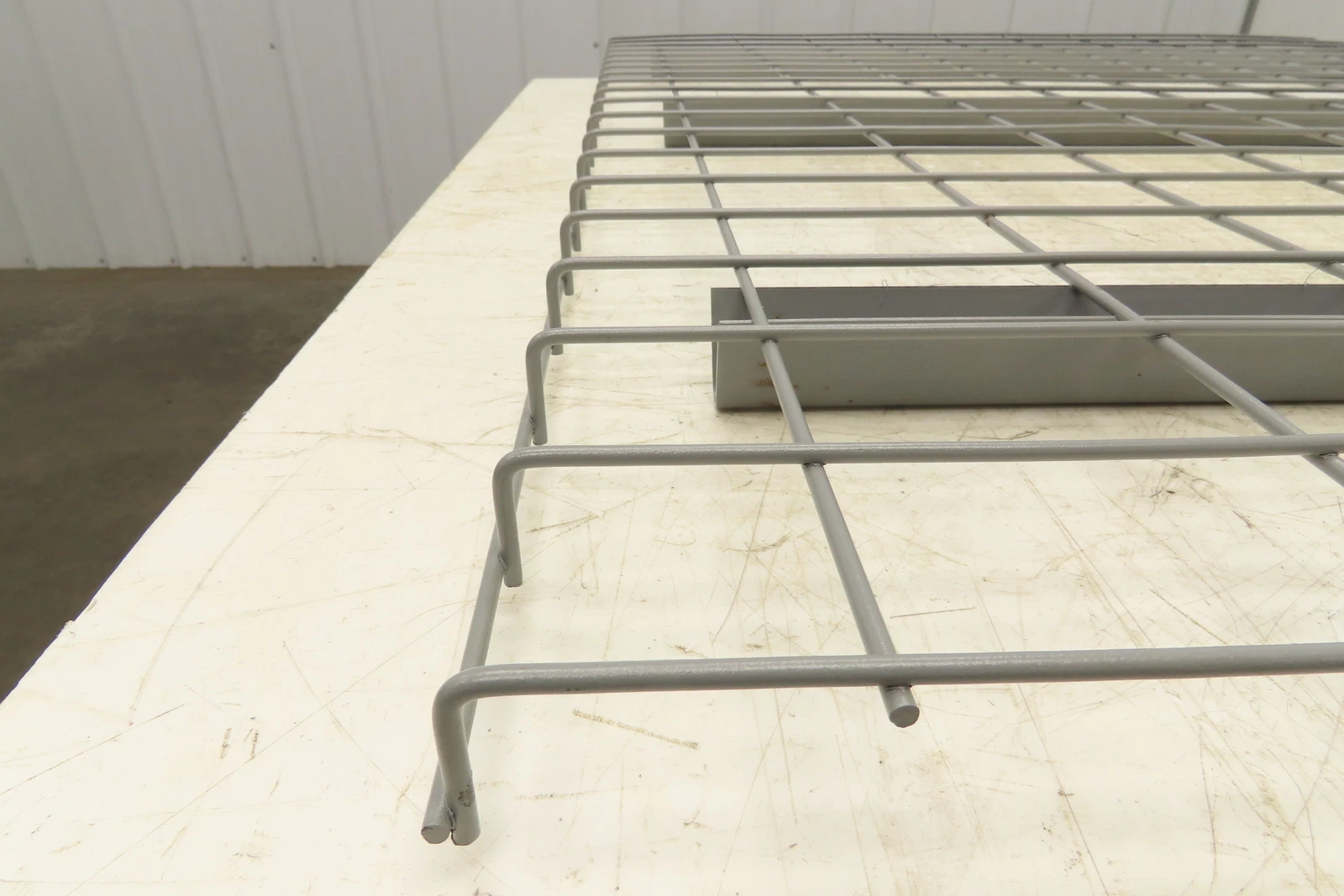
Workflow Bottlenecks Hidden In Layout
Workflow Bottlenecks Hidden In Layout
- The layout of a workplace significantly impacts efficiency beyond tools and systems.
- Workflow bottlenecks are often caused by unclear paths and inaccessible tools.
- Disorganized racking systems can waste time and frustrate workers.
- A well-designed layout fosters a sense of pride and connection among employees.
- Respecting workers’ needs through layout shows management’s care and enhances commitment.
- Effective communication about layout encourages genuine engagement and collaborative solutions.
- Identifying and addressing bottlenecks enhances both productivity and team camaraderie.

Workflow Bottlenecks Hidden In Layout
Table Of Contents
- Workflow Bottlenecks Hidden In Layout
- What Unseen Factors Create Workflow Bottlenecks?
- How Does Layout Impact Efficiency?
- Are Your Team Members Frustrated with Workflow Delays?
- What Are the Costs Of Ignoring Layout Issues?
- Can a Restructured Layout Enhance Productivity?
- How Do Hidden Bottlenecks Affect Team Morale?
- Conclusion
- Other Resources
- Glossary Of Terms
- Other Questions
- Checklist
What Unseen Factors Create Workflow Bottlenecks?
In any work environment, it’s easy to spot the looming problems—the broken machinery, the tight deadlines—but it’s the unseen factors that often throw a wrench in the gears. Take a moment to consider racking systems. These structures are more than just shelves; they’re the backbone of efficient operation. When they’re mismanaged or poorly designed, they create hidden bottlenecks that slow down productivity, frustrating everyone from the warehouse worker to the manager trying to meet targets.
Picture this: a worker trudging through aisles cluttered with disorganized inventory. Each trip to retrieve an item turns into a mini marathon, wasting time and energy. The unseen cost? Decreased morale and a sense of helplessness that erodes a team’s spirit. The disconnect between management decisions and ground-level realities becomes obvious, revealing inefficiencies that could have been avoided with better planning.
Moreover, communication gaps create their own kind of bottleneck, as information fails to flow smoothly between departments. If the packing team doesn’t know what the loading crew is up to, or if the inventory system doesn’t sync correctly with the racking systems, chaos ensues. This disconnect breeds frustration and mistrust. Workers may feel abandoned, caught in a cycle of stop-and-go that undermines both productivity and accountability.
It’s not just about efficiency; it’s about ethics too. When teams are overburdened or left to figure things out on their own, burnout isn’t far behind. Leaders must recognize their role in fostering a connected environment where every voice counts. By engaging with the workforce, soliciting feedback, and actively working to resolve these bottlenecks, companies demonstrate a commitment to their people that goes beyond numbers and spreadsheets.
Think back to your own experiences. Remember the relief of a well-organized workspace or the frustration of inefficiencies? Those moments are etched in us, reminding us that the small details matter. They shape our days and influence our performance. Each unseen factor—a poorly designed racking system, a lack of information, or poor communication—molds the narrative of our work lives.
Bottlenecks are not mere inconveniences; they are a call to action. They highlight the need for strategies that honor the hard work of every individual. When we tackle these unseen factors head-on, we inspire trust and foster a culture that values every hand that contributes to the overall success. Embracing these challenges transforms not only workflows but the very essence of teamwork, driving everyone toward shared goals with renewed vigor and integrity.
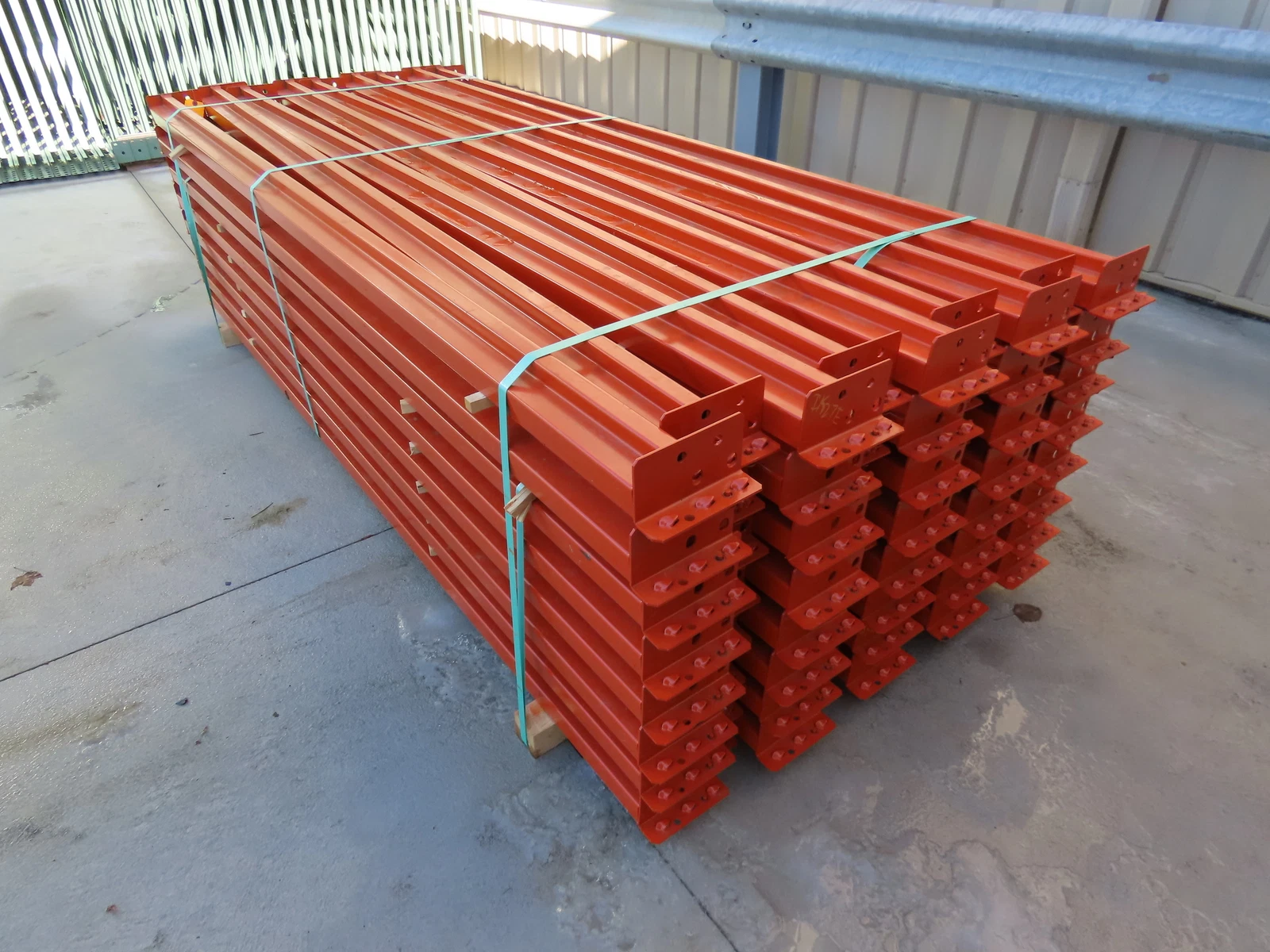
What Unseen Factors Create Workflow Bottlenecks?
What Unseen Factors Create Workflow Bottlenecks?
- Unseen factors in the workplace, like mismanaged racking systems, can create hidden bottlenecks.
- Disorganized inventory leads to decreased morale and inefficiency among workers.
- Communication gaps between departments contribute to frustration and mistrust.
- Burnout occurs when teams are overburdened and lack support from management.
- Engaging with the workforce and soliciting feedback is crucial for resolving bottlenecks.
- Addressing unseen factors promotes trust and values each individual’s contribution.
- Tackling these challenges enhances teamwork and drives progress toward shared goals.

What Unseen Factors Create Workflow Bottlenecks?
How Does Layout Impact Efficiency?
When it comes to running a smooth operation, whether it’s a warehouse, an auto shop, or a manufacturing line, the layout is everything. Racking systems, for example, aren’t just about storing stuff neatly; they play a crucial role in how fast and efficiently a team can work. Picture this: a worker needs a part to get a machine running again. If it takes them ten minutes to dig through a poorly organized storage area, that’s ten minutes lost—time that could have been spent making repairs and keeping things moving.
Now, let’s look at the nuts and bolts of why layout matters. First, a well-planned setup reduces unnecessary movements. The less a worker has to trek from one end of the building to the other, the more time they have to focus on the task at hand. Imagine a mechanic who has everything he needs within arm’s reach—tools and parts organized in a way that makes sense. This isn’t just convenience; it’s about empowering workers to do their jobs effectively.
Racking systems come into play here, allowing for diverse storage needs and easy access to materials. When racks are strategically placed, the flow of work becomes natural and intuitive. This leads to higher productivity, which not only benefits the business but also boosts morale. A workers’ pride in their space—one that’s tidy and efficient—creates a sense of ownership and shared commitment to the work.
There’s also an ethical element to this. A cluttered or chaotic work environment can lead to accidents. Safety should always be the priority. If workers feel safe and know they can access what they need quickly, they can put their mind at ease and focus on what they do best.
Moreover, a company that invests in a smart layout is signaling to its employees that it values them. When management listens to frontline workers about their needs and pain points, it fosters a culture of respect and community. This bond translates into better teamwork and collaboration, making everyone feel like they’re pulling in the same direction.
Layout isn’t just a set of lines on a floor plan. It’s a lifeline—a way to ensure that operations run smoothly and efficiently. By prioritizing smart designs with racking systems that work, companies set the stage for success, proving that a little thoughtfulness can go a long way in creating a thriving work environment.
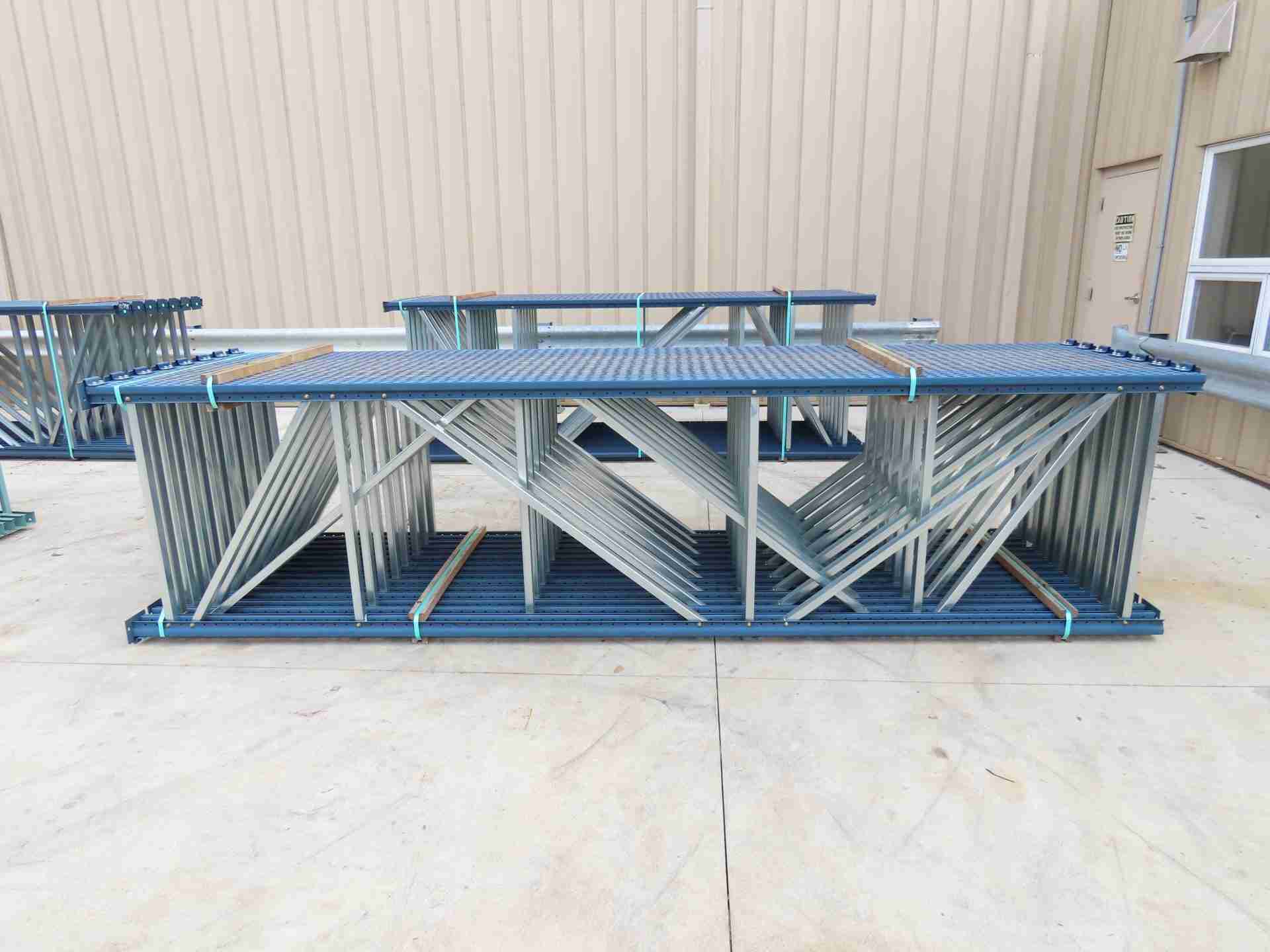
How Does Layout Impact Efficiency?
How Does Layout Impact Efficiency?
- The layout is crucial for smooth operations in warehouses, auto shops, and manufacturing lines.
- Well-organized racking systems enhance efficiency and speed in retrieving necessary parts.
- A streamlined setup minimizes unnecessary movements, allowing workers to focus on tasks.
- Strategically placed racks facilitate natural workflow, increasing productivity and worker morale.
- A clutter-free environment promotes safety and reduces the risk of accidents.
- Investing in layout design shows that management values employees’ needs and fosters respect and community.
- An effective layout contributes to teamwork and collaboration, creating a thriving work environment.

How Does Layout Impact Efficiency?
Are Your Team Members Frustrated with Workflow Delays?
In the hustle and bustle of everyday work, nothing grinds productivity to a halt quite like workflow delays. These hiccups can feel like a slow leak in a tire—little by little, they sap the energy and drive from your team. When projects stall, it’s not just the tasks that fall behind; it’s morale that takes a hit. Team members who were once fired up and ready to go find themselves frustrated, watching deadlines slip through their fingers like sand.
Picture this: your crew standing around, twiddling their thumbs because a crucial shipment of racking systems is stuck in transit. The parts they need to keep the assembly line running smoothly are just… not getting there. It’s not only a logistical nightmare, but it spills over into everyone’s attitudes. That sense of camaraderie can quickly turn into irritation when people feel like they’re being held back by factors outside their control. Everyone wants to contribute, to be part of the solution, but delays turn that enthusiasm into resentment.
Rationally speaking, workflow delays can often be traced back to larger systems within the organization. Maybe there’s a lack of clear communication or a bottleneck in the approval process that hitching your team’s progress. Taking a step back to analyze these systems can reveal opportunities for improvement. Implementing a more transparent flow of information, adjustments in scheduling, or even just better training on equipment can make a world of difference, fostering an environment where frustrations are replaced with confidence and ownership.
Ethically, acknowledging the problem is half the battle. Addressing these delays head-on inspires trust. The workforce wants to know their voices are heard and their frustrations acknowledged. It’s about creating a space where everyone feels they can share their experiences and insights freely.
When folks feel understood, they rally together, sharing stories about their own challenges and triumphs. It’s the collective backbone of any team. That sense of solidarity—the understanding that everyone’s in the same boat, working toward a common goal—can turn setbacks into stepping stones.
By creating a culture that prioritizes clear communication and logistical efficiency, you can reinvigorate your team’s sense of purpose. So, let’s tackle these workflow delays together, turning frustration into action, rebuilding that spirit of collaboration, and paving the way for smoother operations and a more engaged workforce.

Are Your Team Members Frustrated with Workflow Delays?
Are Your Team Members Frustrated with Workflow Delays?
- Workflow delays significantly reduce productivity and team morale.
- Delays can stem from logistical issues, causing frustration among team members.
- Systematic problems like poor communication and bottlenecks often cause workflow interruptions.
- Analyzing systems can uncover opportunities for improvement in workflow processes.
- Acknowledging and addressing delays fosters trust and open communication within the team.
- Understanding shared frustrations strengthens team solidarity and cooperation.
- Promoting clear communication and efficiency can rejuvenate team motivation and collaboration.
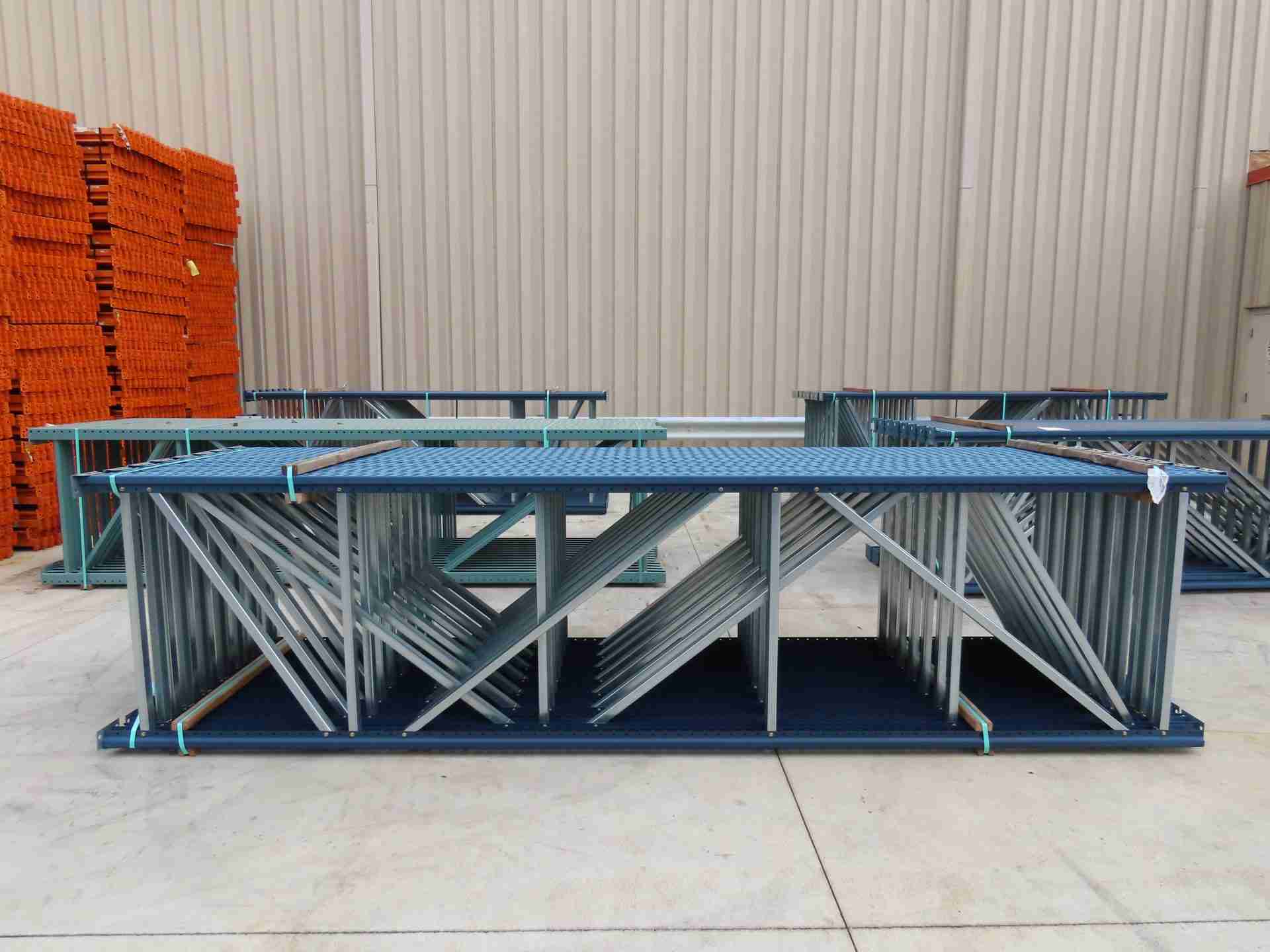
Are Your Team Members Frustrated with Workflow Delays?
What Are the Costs Of Ignoring Layout Issues?
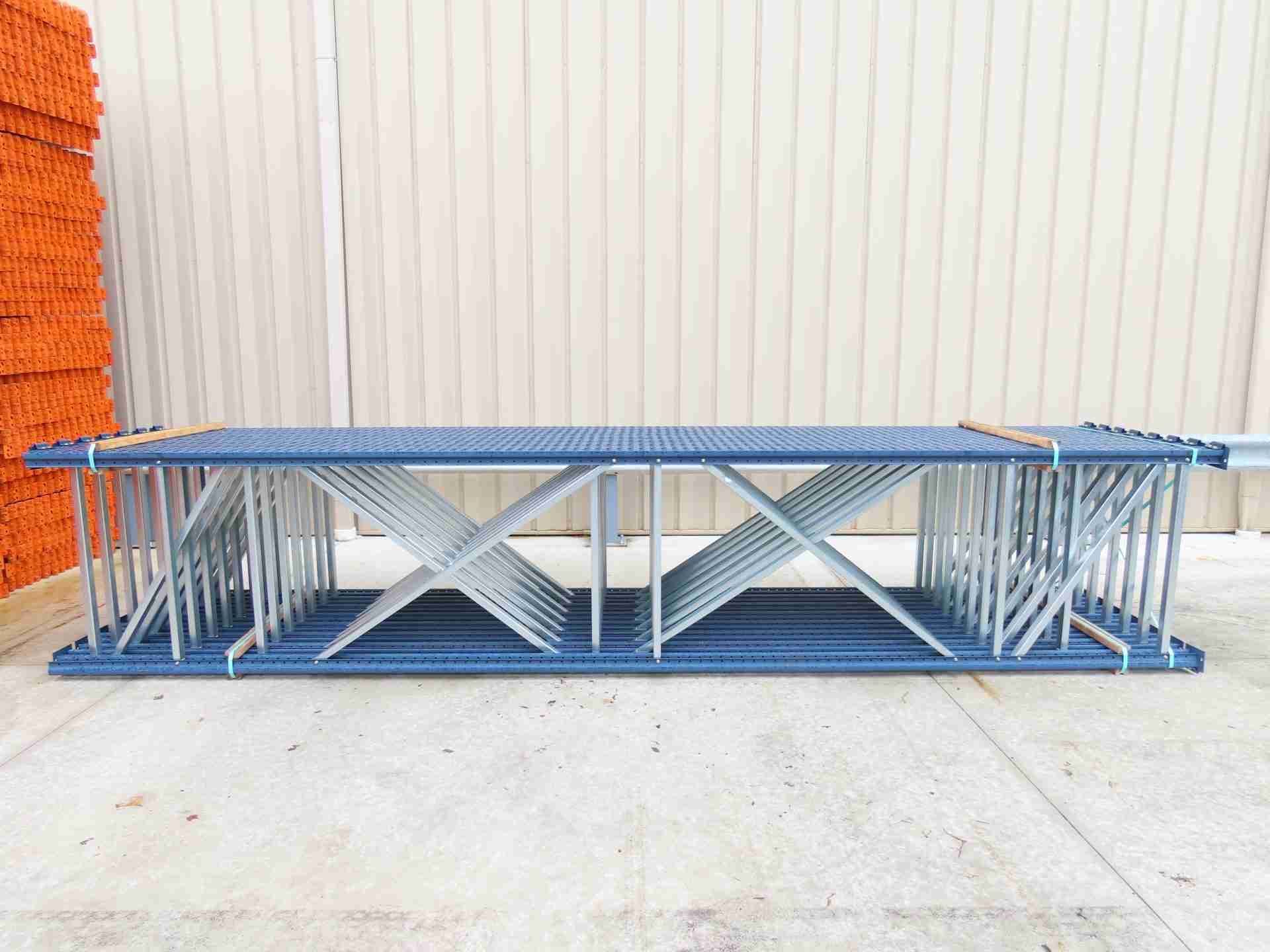
Ignoring layout issues in any workspace, from warehouses to retail floors, can lead to a cascade of costly consequences. Picture a bustling warehouse packed with Racking Systems, each aisle meant for efficiency and flow. When layout problems arise, the results aren’t just frustrating; they can create a bottleneck where confusion reigns and productivity takes a snooze.
First, there’s the emotional hit. Workers who navigate poorly designed layouts feel the squeeze—anxiety rises as they grapple with navigating obstacles or dodging misplaced pallets. It’s hard to keep spirits up when the job you love turns into a maze of headaches. You want a team energized and driven, not dragged down by preventable mistakes. When layout hurts morale, it can feel like a punch to the gut for all involved.
Now, let’s talk money. Rationally, ignoring these issues can bleed your budget dry. Increased labor costs are a direct outcome when employees waste time searching for materials or struggling with inefficient workflows. The hidden expenses add up fast: longer shipping times, higher accident rates, and the dreaded downtime due to miscommunication or accidents. Each dollar lost is a reminder of what happens when layout isn’t prioritized. The numbers don’t lie.
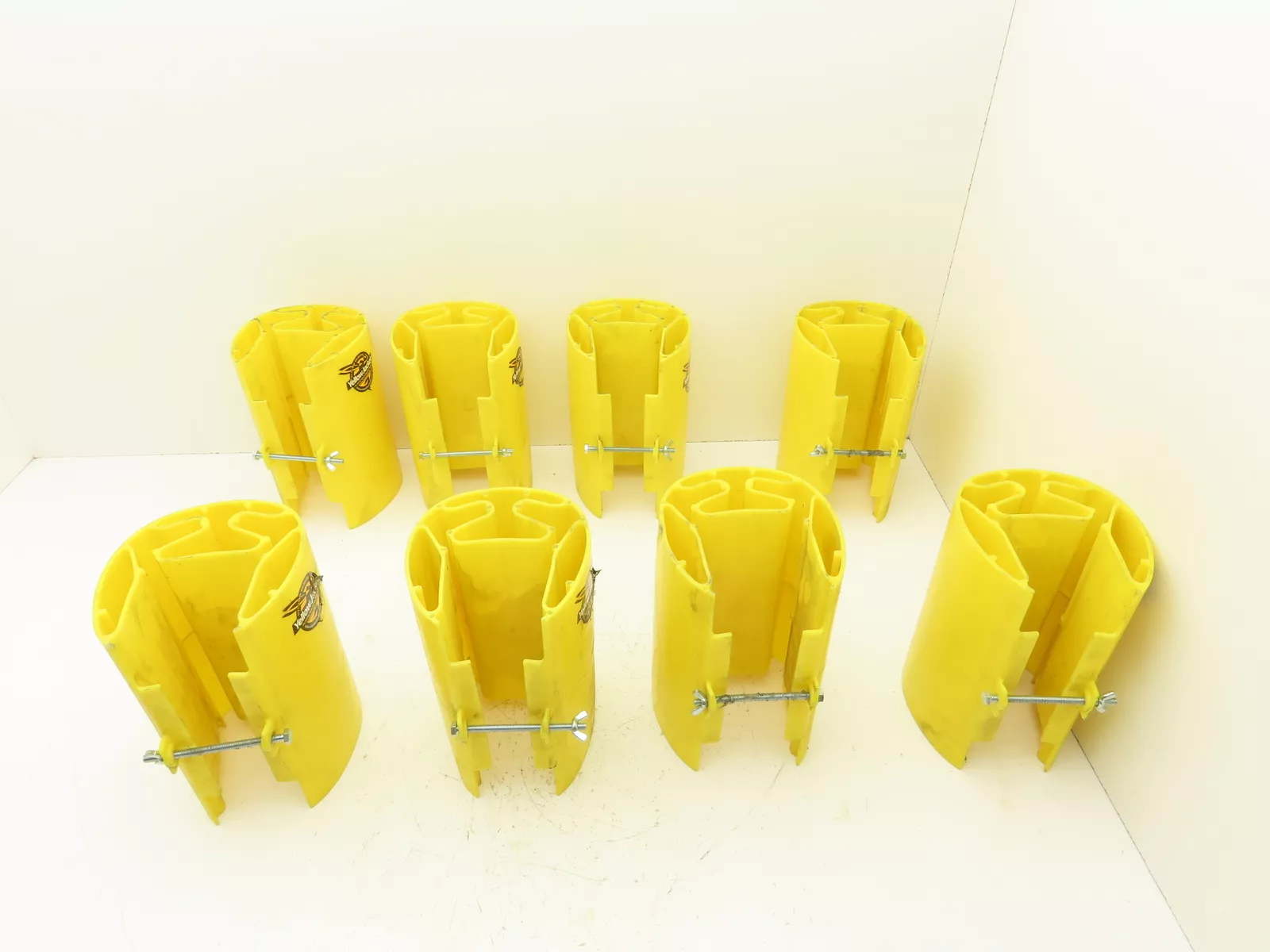
Ethically, there’s a responsibility to create a safe working environment. Poor layout can increase the risk of accidents. An overlooked tripping hazard or misaligned shelving isn’t just an inconvenience; it poses a real threat. The health and safety of your team should take precedence. When layout issues lead to injuries, it doesn’t just hurt the bottom line— it affects lives.
Drawing on hands-on experience, we’ve seen what good layouts do: they inspire action and foster trust. A well-planned space signals to employees that their comfort and efficiency matter. Think about the difference between a chaotic, cluttered environment and a well-organized layout with clear paths and designated zones. It’s like night and day; one says, “You matter here,” while the other screams chaos.
Finally, socially, consider what peer perceptions mean. In industries where teamwork reigns, layout impacts everyone. A community thrives on shared experiences; a poorly arranged setting can sour relationships among coworkers as frustration builds. When layout issues remain unaddressed, they ripple through the team, creating an atmosphere of doubt. In contrast, tackling these challenges head-on cultivates an environment where people feel valued and engaged.
The cost of ignoring layout issues is far-reaching, affecting not just the business’s bottom line, but the relationships, morale, and safety of everyone involved. It’s time to treat layout with the attention it deserves.
What Are the Costs Of Ignoring Layout Issues?
What Are the Costs Of Ignoring Layout Issues?
- Ignoring layout issues in workspaces can lead to costly consequences, such as decreased productivity and increased confusion.
- Poorly designed layouts can cause anxiety among workers, negatively impacting morale and engagement.
- Ignoring layout problems can result in increased labor costs and hidden expenses from inefficiencies.
- Safety is compromised with poor layouts, increasing the risk of accidents and injuries in the workplace.
- Good layouts inspire employee trust and signify that their comfort and efficiency are valued.
- A chaotic layout can damage teamwork and relationships among coworkers, leading to frustration and doubt.
- Addressing layout issues is essential for protecting the business’s bottom line and improving overall workplace dynamics.
What Are the Costs Of Ignoring Layout Issues?
Can a Restructured Layout Enhance Productivity?
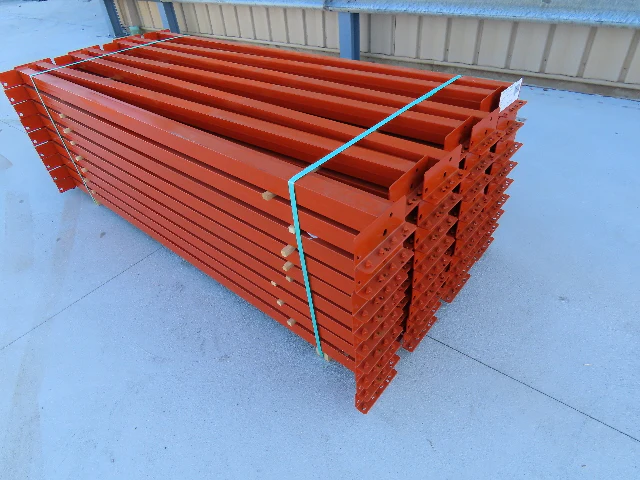
In the heart of any bustling workplace, it’s often the simplest changes that yield the most powerful results. Imagine a factory floor where workers navigate through a maze of clutter. Now picture that same space with new racking systems. Suddenly, everything has a place, and there’s room to breathe. A restructured layout can transform the everyday grind into something more efficient and enjoyable.
When it comes to productivity, there’s an undeniable emotional pull tied to a clean, organized workspace. Employees feel a sense of pride when they see their environment optimized for success. With racking systems designed to minimize clutter, workers can focus on what truly matters—their tasks. There’s a satisfying rhythm that comes from knowing where every tool, product, and piece of equipment is located. It’s the kind of clarity that eases stress and fosters a sense of ownership.
On a rational level, efficiency is the name of the game. Reorganizing a workspace often leads to reduced time spent searching for materials or equipment. Picture this: a warehouse that, because of its new layout, can process orders twice as fast. It’s not just about speed; it’s about doing more with less. Fewer mishaps and faster turnaround can drive profits higher, and who wouldn’t want to be part of that success story? This is where the numbers connect with the heart—the more streamlined a process, the better the morale. When everyone is pulling together in an efficient system, it creates a camaraderie that can lift spirits and productivity alike.
Ethically, there’s a responsibility to create environments that empower workers. A challenging layout can contribute to physical strain and mental fatigue, so it’s crucial to invest in a layout that prioritizes worker ergonomics and safety. When management prioritizes their folks’ well-being, it builds trust and loyalty, promising a brighter future together.
Stories abound of companies that saw transformative results from simple changes—shifting aisles, adjusting shelving heights, and integrating new racking systems. These narratives illustrate resilience and adaptability. Employees rallied around vibrant workspaces that felt less like job sites and more like collaborative havens.
In a world where every minute counts, a thoughtful approach to layout isn’t just smart; it’s a call to action. It’s a way for companies to declare they value their workforce, their time, and ultimately, their success. Embrace the clutter-free revolution and watch productivity soar.

Can a Restructured Layout Enhance Productivity?
Can a Restructured Layout Enhance Productivity?
- Simple changes in workplace layout can lead to significant improvements in efficiency.
- A clean, organized workspace fosters pride and enhances emotional well-being among employees.
- Minimized clutter allows workers to focus on tasks, reducing stress and promoting ownership.
- Reorganization can cut down time spent searching for materials, leading to faster order processing and increased profits.
- A streamlined process enhances morale and camaraderie among team members.
- Investing in worker ergonomics and safety builds trust and loyalty, ensuring a positive work environment.
- Numerous companies have achieved transformative results through thoughtful layout adjustments and new racking systems.
Can a Restructured Layout Enhance Productivity?
How Do Hidden Bottlenecks Affect Team Morale?
Hidden bottlenecks can be the unseen gremlins in the engine of a team’s morale. These are the obstacles lurking just beneath the surface, bogging down progress and sowing seeds of frustration. Imagine a warehouse floor, bustling with activity, but somewhere in the racking systems, an inefficiency is nagging at the workflow. Workers feel it, the sense that something’s not quite right, and that discontent brews like a pot left too long on the stove.
When a team recognizes a bottleneck, it’s akin to finding a leak in an old pipe. At first, it may seem small—just a drip—but over time, it can cause significant damage, both to morale and productivity. The hard truth is that the longer these bottlenecks remain hidden, the more they chip away at trust among colleagues. Team members start pointing fingers, shifting blame, and that tight-knit camaraderie begins to unravel. It’s easy to blame a manufacturing defect or a slow system, but at the heart of it, the human element often bears the brunt of the frustration.
As stories circulate of missed deadlines and overworked staff, even the most resilient workers can start to feel like cogs in a machine rather than the vital components they are. The emotional toll can be heavy; motivation wanes, and that once-vibrant energy fades. A simple acknowledgment of the existing bottleneck can turn the tide. It’s about showing that leadership hears the concerns and is ready to roll up their sleeves, tackle the issues, and make adjustments. When these problems are dealt with openly, teams not only regain trust but also foster a renewed sense of purpose.
There’s an ethical responsibility here, too. A team thrives when each member feels valued and heard. Navigating around hidden issues isn’t just a matter of operational efficiency; it’s a moral obligation to create an environment where people feel secure and empowered. This is leadership rooted in humility and profound understanding that real solutions often come from those who work on the front lines.
Engaging in open dialogue helps to pull everyone into the process, creating a collective sense of ownership over both the problems and solutions. By addressing hidden bottlenecks, teams not only clear the path for smoother operations but also build a foundation of trust, commitment, and shared goals. It’s about coming together, tackling challenges head-on, and reminding ourselves that we’re all in this together.

How Do Hidden Bottlenecks Affect Team Morale?
How Do Hidden Bottlenecks Affect Team Morale?
- Hidden bottlenecks negatively impact team morale and productivity.
- Obstacles are often unnoticed, causing frustration and inefficiency.
- Recognition of bottlenecks is crucial; they can severely damage trust among team members.
- Failure to address these issues can lead to blame-shifting and loss of camaraderie.
- Acknowledging and addressing bottlenecks can renew motivation and commitment.
- Leadership must create an environment where every team member feels valued and heard.
- Open dialogue fosters collective ownership of problems and solutions, building trust and shared goals.

How Do Hidden Bottlenecks Affect Team Morale?
Conclusion
Workflow bottlenecks, often hidden in the layout of a workspace, can severely hinder productivity and morale. The layout speaks volumes about how efficiently a team can operate; a disorganized space can transform a simple task into an exhausting challenge. When workers are faced with cluttered aisles, misplaced tools, and poorly designed storage systems, their energy and enthusiasm can fade, leading to frustration and disengagement. It’s crucial to recognize that racking systems and other storage elements are not just functional; they are integral to creating an environment where employees can thrive.
A thoughtfully planned layout allows materials and tools to be readily accessible, minimizing unnecessary movement and maximizing focus on the tasks that matter. When everything has a designated place, employees feel more at ease, leading to a boosted morale and a stronger sense of pride in their workspace. This connection to the environment significantly impacts the overall spirit of the team, as every individual can perform at their best without needless obstacles weighing them down.
Addressing layout issues isn’t merely a logistical necessity; it’s an ethical obligation that demonstrates respect for workers. When management prioritizes a well-organized space, they show that they value the experiences and insights of their employees. Engaging in open conversations invites teams to share their frustrations and ideas, fostering a culture of collaboration and trust. In contrast, ignoring these layout challenges can breed resentment and fatigue, undermining both productivity and team cohesion.
The costs of overlooking layout concerns extend beyond daily inconveniences; they can erode the very foundations of teamwork and morale. When employees feel trapped by inefficiencies, their commitment wanes, and the work environment can sour. However, a restructured layout can breathe new life into a struggling workforce. Simple changes—like reconfiguring racking systems—can lead to remarkable improvements in efficiency and worker satisfaction.
Ultimately, it’s about more than just improving workflow; it’s about cultivating an atmosphere that empowers each individual. When layout issues are addressed, it paves the way for a productive, motivated, and cohesive team. Embracing these changes not only enhances operations but also nurtures the human spirit embedded in every workplace. By tackling hidden bottlenecks head-on, organizations can transform challenges into opportunities for growth, ensuring a thriving environment for all.

Conclusion
Conclusion:
- Workflow bottlenecks in workspace layout can hinder productivity and morale.
- Disorganized spaces can turn simple tasks into challenges, leading to frustration.
- Effective storage solutions are crucial for creating an environment where employees can thrive.
- A well-planned layout facilitates easy access to materials and tools while maximizing focus.
- Addressing layout issues is an ethical obligation that shows value for employees’ experiences.
- Ignoring layout challenges can lead to resentment and undermine productivity and team cohesion.
- Improving layout can empower teams, enhance operations, and foster a thriving workplace culture.

Conclusion
Other Resources
Other Resources
Here is a list of other resources you can review online to learn more:
- Teardrop Uprights
- What is Selective Pallet Racking
- SEMA
- WERC
- Illinois Pallet Racking – Storage Solutions
- Warehousing Education and Research Council: https://www.werc.org/
- Logic Material Handling
- Shipping Boxes, Packaging Materials, Pallet Racking
- National Safety Council
- Interlake Mecalux
- Selective Racking
- Pallet Rack Systems – New and Used Pallet Racking and Shelving Experts
- NSC
- Pallet Racking systems in Illinois and Great Lakes
- Warehouse Racking System: Powerful Guide to Optimise, 2024
- Warehouse Storage Racks
- Mustang Material Handling
- Arrow Industrial Sales
- The Complete Pallet Rack Guide – Simply Rack
- Cantilever Racking Specialists – Get the Right Racks
Use This Prompt To Get More Resources With Your Favorite Online AI Tool: Please provide me with a list of online articles with their URLs in a bulleted list that I can read regarding Workflow Bottlenecks Hidden In Layout
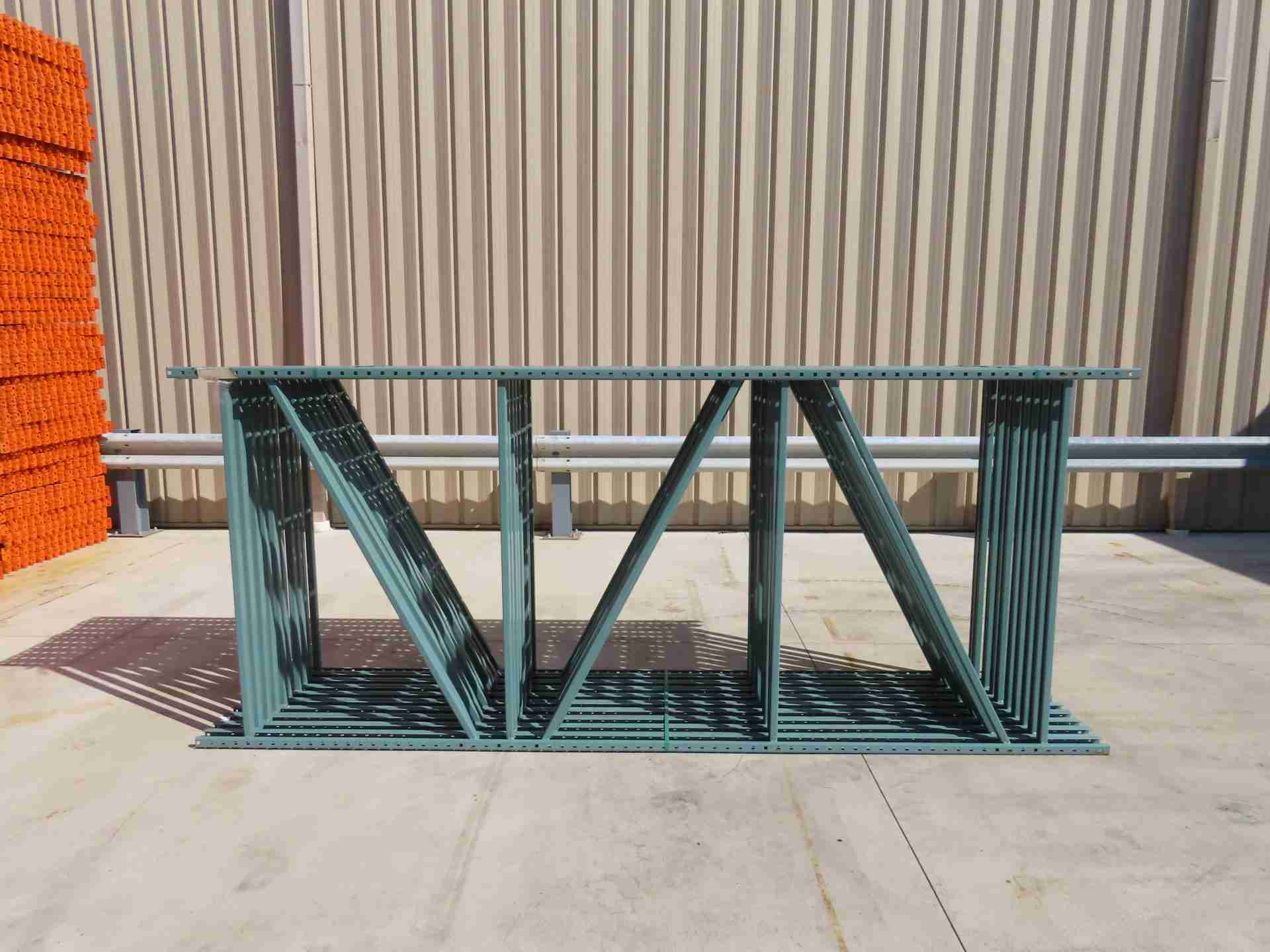
Other Resources
Glossary Terms
Workflow Bottlenecks Hidden In Layout – Glossary Of Terms
1. Bottleneck: A stage in a process that reduces the overall speed or efficiency.
2. Workflow: A sequence of tasks or processes that lead to a final outcome.
3. Layout: The arrangement or design of equipment and facilities in a workspace.
4. Process: A series of actions or steps taken to achieve a particular end.
5. Efficiency: The ability to accomplish a task with minimal waste of time and resources.
6. Optimization: The act of making a system as effective or functional as possible.
7. Capacity: The maximum amount that a system can handle or produce in a given time.
8. Throughput: The rate at which a system produces output or completes tasks.
9. Constraint: A limitation or restriction that affects performance within a workflow.
10. Visualization: The representation of data or processes to better understand and analyze them.
11. Lean: A methodology focused on minimizing waste while maximizing value.
12. Cycle Time: The total time from the beginning to the end of a process cycle.
13. Stakeholder: An individual or group that has an interest in or is affected by a process.
14. Value Stream: The series of activities that add value to a product or service.
15. Redundancy: Duplication of processes to ensure system reliability and prevent failure.
16. Queuing: The process of waiting in line for work to be completed or resources to become available.
17. Communication: The exchange of information between parties involved in the workflow.
18. Automation: The use of technology to perform tasks without human intervention.
19. Scalability: The capability of a system to handle growth or increased demand.
20. Flexibility: The ease with which a system can adapt to changes in conditions or requirements.
21. Standardization: The process of establishing common standards to ensure consistency.
22. Interruption: An event that disrupts the workflow, causing delays or inefficiencies.
23. Task Dependency: The relationship between tasks where one must be completed before another can begin.
24. Performance Metrics: Measurements used to assess the efficiency and effectiveness of a workflow.
25. Improvement Plan: A strategy to enhance processes and eliminate inefficiencies.
26. Root Cause Analysis: A method for identifying the fundamental cause of a problem within a process.
27. Feedback Loop: The process of collecting information about performance to make necessary adjustments.
28. Roadmap: A strategic plan that outlines goals and the steps needed to achieve them.
29. Risk Assessment: The identification and analysis of potential issues that may impact a workflow.
30. Continuous Improvement: An ongoing effort to enhance products, services, or processes over time.
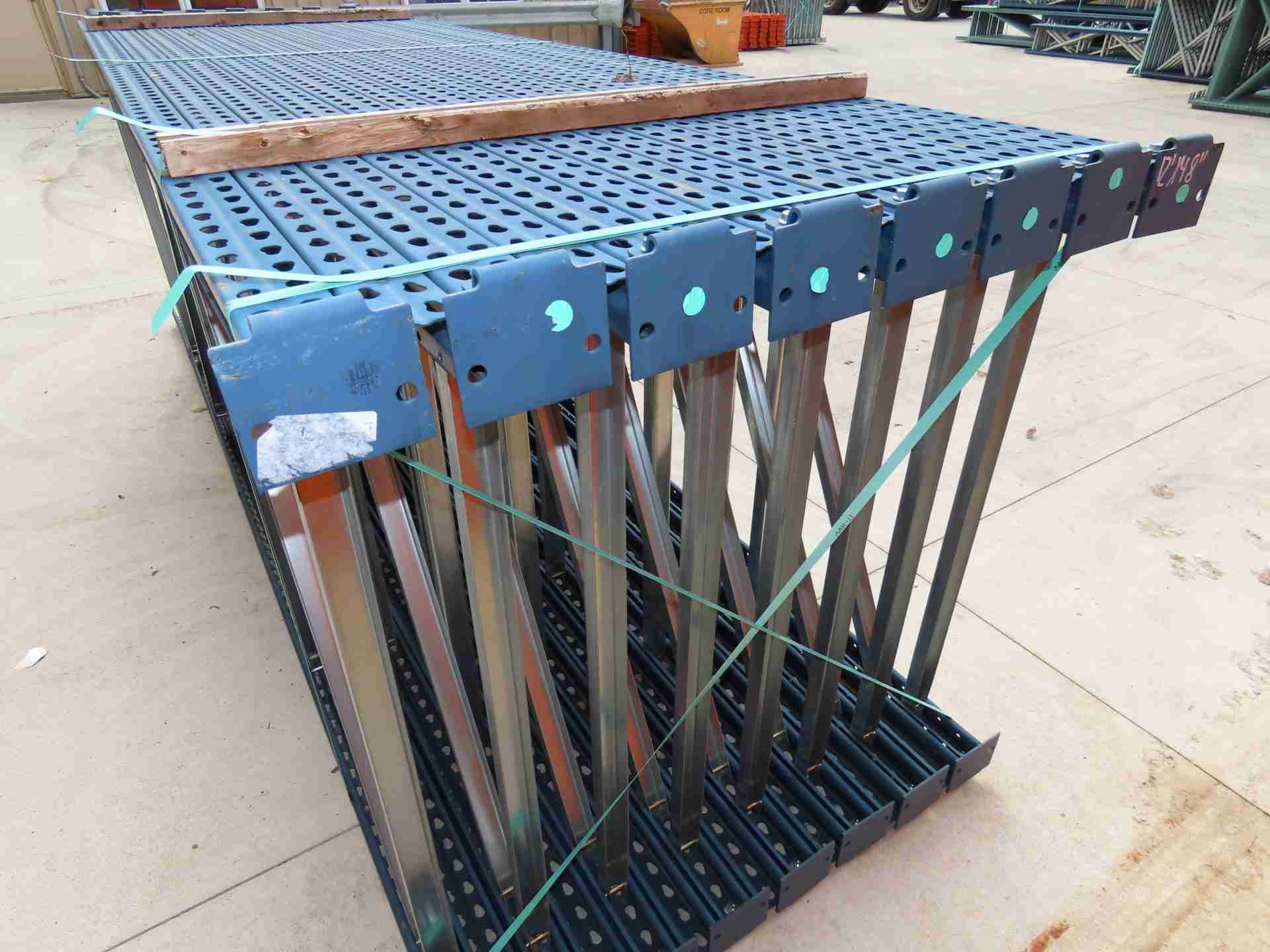
Glossary Of Terms
Other Questions
Workflow Bottlenecks Hidden In Layout – Other Questions
If you wish to explore and discover more, consider looking for answers to these questions:
- What are the most common layout-related workflow bottlenecks?
- How can I audit my current layout to identify hidden bottlenecks?
- Which metrics should I track to quantify layout inefficiencies (e.g., time wasted, travel distance, downtime)?
- How do racking systems specifically contribute to or solve bottlenecks?
- What low-cost layout changes yield the biggest productivity gains?
- How do I prioritize layout fixes when budget and time are limited?
- What is the expected ROI for a restructured layout or new racking systems?
- How long does a typical layout redesign and implementation take?
- How do I involve frontline workers in layout design and decision-making?
- What ergonomic principles should guide layout and racking design to reduce fatigue and injuries?
- How can layout changes improve safety and reduce accident rates?
- What compliance, regulatory, or insurance implications relate to layout changes?
- How do I avoid creating new bottlenecks when reorganizing space?
- What software or tools can model and optimize facility layouts and racking?
- How should inventory systems and racking be integrated for seamless information flow?
- Which layout methodologies (e.g., 5S, Lean, Kaizen) are most effective for reducing hidden bottlenecks?
- How do I measure improvements in morale and engagement after layout changes?
- What training will staff need after a layout or racking system change?
- Who should lead a layout optimization project and which stakeholders must be involved?
- How can I pilot layout changes on a small scale before full rollout?
- What are the maintenance and long‑term upkeep considerations for new racking systems?
- How should I budget for layout redesign, equipment, and lost productivity during transition?
- How do layout changes affect throughput, cycle time, and order lead times?
- What data collection methods (time studies, RFID, video analysis) best reveal hidden flow issues?
- How can improved layout contribute to better cross‑department communication and coordination?
- What are common human-resistance factors to layout change and how can they be mitigated?
- How scalable should a layout be to accommodate seasonal demand or future growth?
- What are real-world case studies of companies that reduced bottlenecks through layout redesign?
- How do layout improvements translate into customer‑facing benefits (faster delivery, fewer errors)?
- What KPIs should leadership review post-implementation to ensure sustained gains?
- How can I design racking layouts to optimize picking paths and reduce travel time?
- What role does lighting, signage, and visual management play in reducing layout confusion?
- Are there industry-specific layout standards or best practices I should follow?
- When is it appropriate to hire an external consultant versus using internal resources?
- How can layout changes support better teamwork and a stronger workplace culture?
- What contingency plans should be in place during a layout transition to minimize downtime?
- How do I continuously monitor and iterate on layout to prevent future hidden bottlenecks?
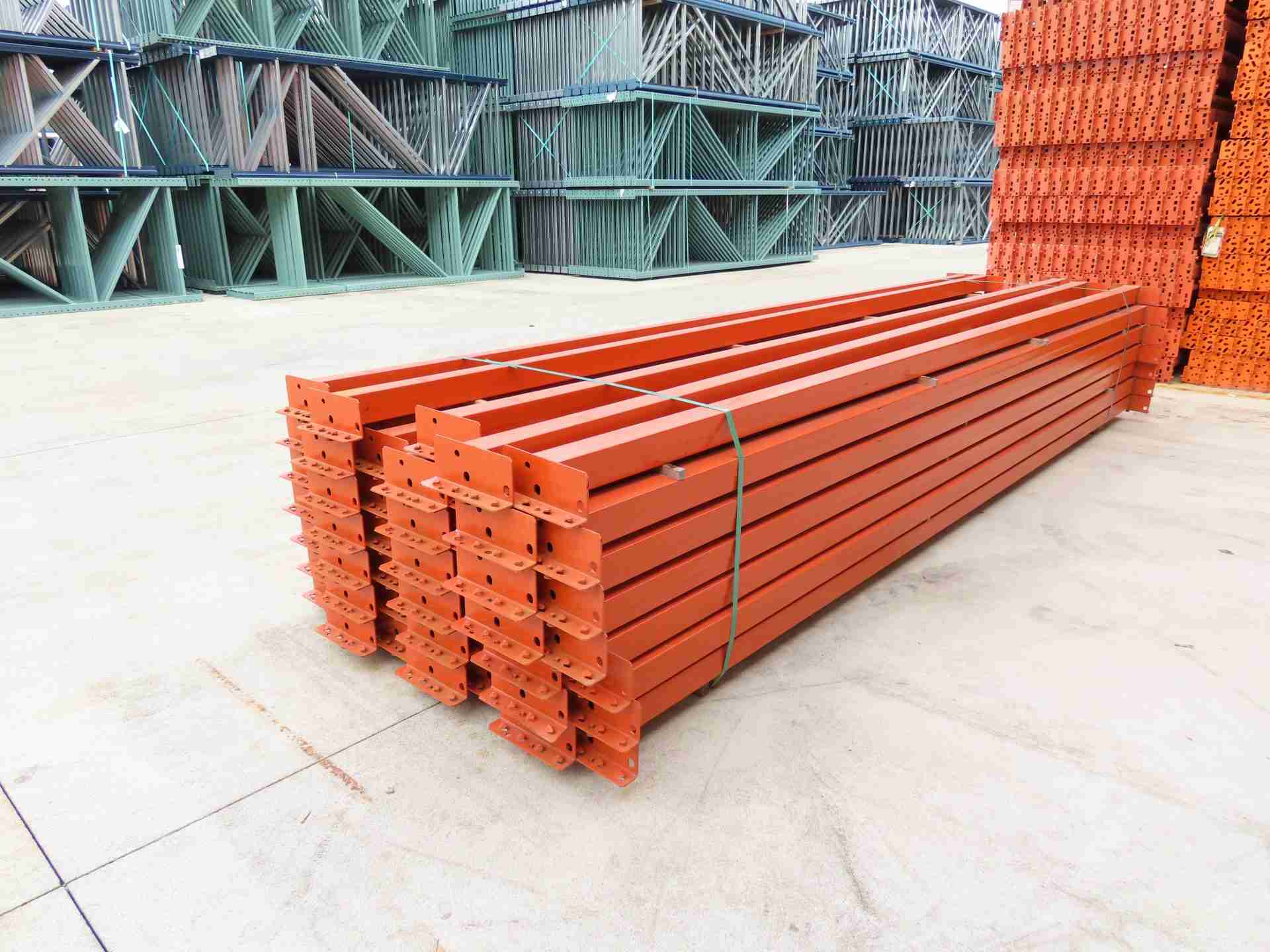
Other Questions
Checklist
Workflow Bottlenecks Hidden In Layout – A Checklist
Flow and Space Planning
✅______ Aisle widths support required equipment and safe two-way traffic
✅______ Clear, unobstructed pathways from receiving to shipping
✅______ Logical adjacency of processes to minimize backtracking
✅______ No dead ends or choke points at high-traffic areas
✅______ Travel distance for frequent tasks is minimized
✅______ Dedicated, right-sized staging zones at each handoff
Racking Systems and Storage
✅______ Racks are placed to support natural workflow (not just to fill space)
✅______ High-frequency items are stored at ergonomic heights (between knee and shoulder)
✅______ Locations are clearly labeled and easy to read from working distance
✅______ Load ratings are posted and respected on all racks
✅______ Vertical space is used safely and efficiently
✅______ Replenishment routes are defined and unobstructed
✅______ Fast-moving SKUs have adequate pick faces to avoid crowding
✅______ Return-to-home standards exist for tools, parts, and carts
Accessibility and Retrieval
✅______ Time to retrieve common items meets target (e.g., under 60 seconds)
✅______ Point-of-use storage for tools and consumables at each workstation
✅______ Kitting is used where it reduces motion and search
✅______ Frequently used items are within one or two steps of the task
✅______ Dedicated, marked drop-off and pickup points prevent pileups
✅______ Visual cues (shadows, outlines, photos) guide correct placement
Safety and Ergonomics
✅______ Pedestrian and vehicle traffic are clearly separated and marked
✅______ Lighting is sufficient for picking, packing, and inspection tasks
✅______ Trip hazards (cords, debris, broken pallets) are eliminated
✅______ Ergonomic aids (lifts, carts, height-adjustable benches) are available
✅______ Emergency exits and equipment are unobstructed and signed
✅______ Standard inspection of racks, aisles, and PPE is performed on schedule
Communication and Information Flow
✅______ Real-time status boards show work backlog, priorities, and blockers
✅______ Standard work and layouts are posted at the point of use
✅______ Clear handoff criteria between teams (e.g., pick → pack → load)
✅______ Daily cross-team huddles align staffing, priorities, and issues
✅______ Issue escalation path is known and used
✅______ Digital inventory/location data matches physical layout (no “ghost” items)
Delays and Dependencies
✅______ Known constraints are mapped and protected (no starving or flooding)
✅______ Inbound staging prevents receiving from blocking aisles
✅______ Approval/sign-off steps are visible and time-boxed
✅______ Spare parts and consumables have Kanban or reorder triggers
✅______ Changeover/setup checklists reduce downtime and confusion
✅______ Buffers are right-sized at key points to absorb variability
Quality, Accuracy, and Flow
✅______ First-time-right picking/assembly accuracy meets target
✅______ Rework and mis-picks are traced to specific layout/labeling causes
✅______ Defect feedback loops reach upstream stations quickly
✅______ Visual controls make abnormal conditions obvious
✅______ Work-in-process limits prevent clutter and hidden queues
Morale, Ownership, and Ethics
✅______ Frontline input shaped the current layout and locations
✅______ A simple channel exists for layout improvement ideas
✅______ Changes are piloted with users before full rollout
✅______ Training is provided for any new layout, routes, or standards
✅______ Break areas and amenities are accessible without crossing hazards
✅______ Safety concerns raised by workers are acted on promptly
Housekeeping and Sustainment (5S)
✅______ Sort: Unneeded items are removed or red-tagged
✅______ Set in Order: Every necessary item has a labeled home
✅______ Shine: Daily cleaning standard prevents buildup
✅______ Standardize: Visual standards are documented and shared
✅______ Sustain: Routine audits with owners and follow-ups
✅______ Before/after photos are used to lock in improvements
Metrics and Signals
✅______ Distance walked per role is measured and trending down
✅______ Retrieval time for top items is measured and meeting target
✅______ Throughput and lead time improve after layout changes
✅______ Near-miss and incident rates are trending down
✅______ Overtime tied to layout issues is identified and reduced
✅______ Customer service metrics (on-time, accuracy) reflect improvements
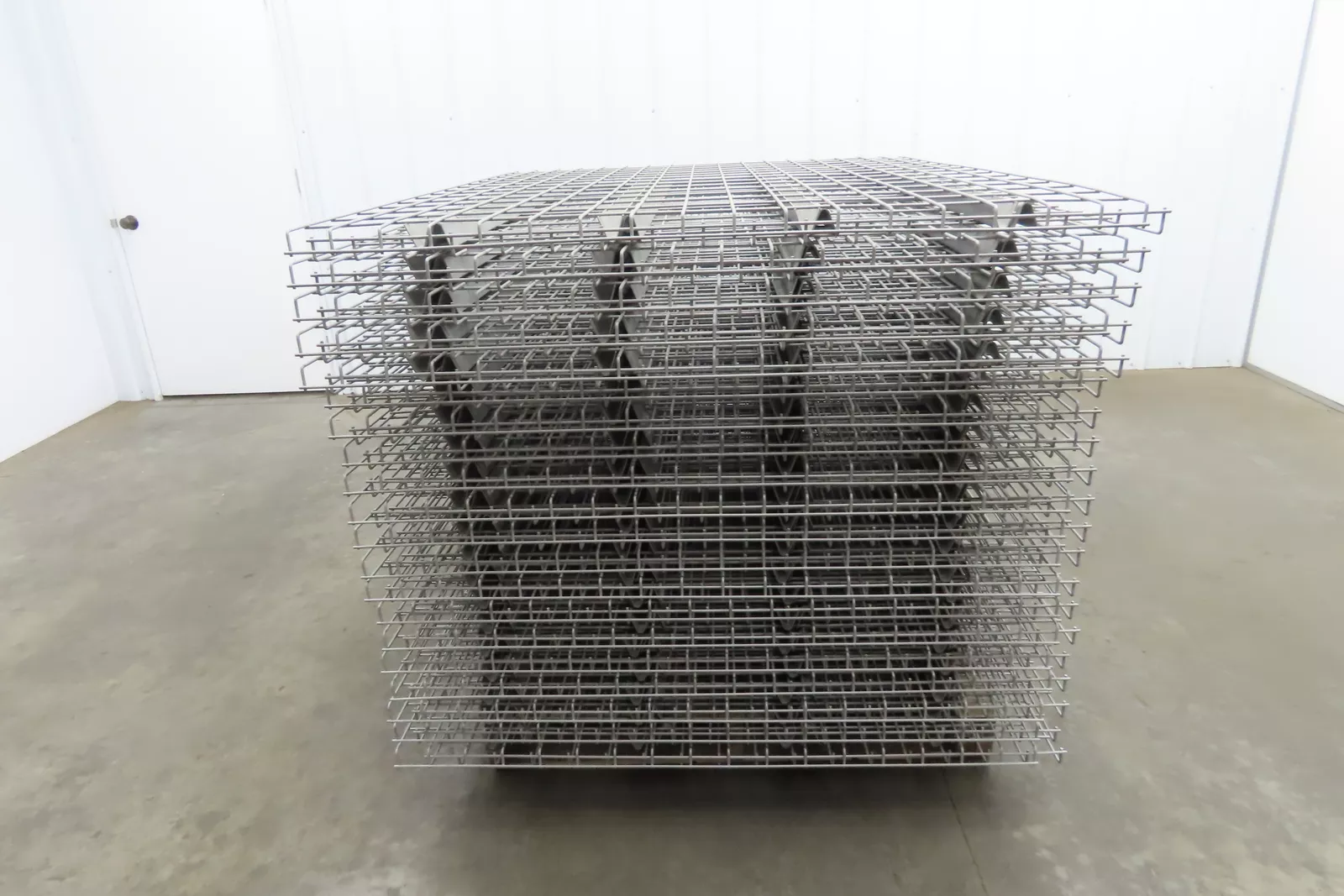
Checklist
At RackingWorld, we help guide you through selecting warehouse storage systems and racking.
Be sure to read our other related stories at RackingWorld to learn more about warehouse storage systems.
0 Comments