
Transforming Spaces: Empowering Growth Through Smart Rack Investments
By Tom Seest
At RackingWorld, we help guide you through selecting warehouse storage systems and racking.
Be sure to read our other related stories at RackingWorld to learn more about warehouse storage systems.
Rack Systems As Infrastructure Investment
In the bustling world of industry, where every inch counts, racking systems stand as the backbone of productivity and efficiency. These aren’t just metal frames clamped and stacked; they’re the unsung heroes that shape the very essence of how goods move and get stored. Investing in solid racking systems isn’t merely a strategic decision; it’s an investment in the heartbeat of your operations.
Think about it. When you walk into a warehouse, what do you see? A meticulously organized space where everything has a place. That’s the promise of a good racking system. Beyond the racks, there’s a sense of order, a clearer path for workers, and less time wasted searching for what they need. Emotionally, this translates into a more effective workforce, one that feels empowered and valued because they know where to find their tools and inventory.
On a rational level, the numbers speak for themselves. A well-designed racking system maximizes storage space and reduces clutter, leading to better inventory management. When things run smoothly, costs drop, and profits soar. That’s a win-win that makes sense for any business looking to thrive in a competitive landscape.
Ethically, investing in reliable racking systems translates into safety. A well-structured warehouse reduces risks of accidents and injuries, showing real care for the people who keep your business alive. Employees who feel safe and respected are more likely to remain loyal, fostering a culture of trust and mutual care.
Authority comes from experience, and seasoned professionals understand that investing in quality racking systems pays dividends. They’ve seen firsthand the disasters that come from cutting corners or settling for less. It’s hard-earned wisdom that speaks volumes in the industry.
Narratively, we’ve all heard the stories—warehouses overstuffed, products strewn about, chaos reigning supreme. Then comes the implementation of a robust racking system; suddenly, it’s a different story. The transformation is palpable—the satisfaction of a tidy space, the smiles on faces, and a palpable sense of accomplishment.
Socially, there’s a sense of community in operational excellence. When one business thrives, the ripple effects touch suppliers, customers, and employees. Investing in racking systems not only supports your own operation but contributes to a healthier economic environment for everyone involved.
Choosing to invest in racking systems is about more than just shelves and beams; it’s about building a foundation for success, respect, and an effective, safe working environment. That connection is what keeps the wheels turning in any thriving business.

Rack Systems As Infrastructure Investment
Rack Systems As Infrastructure Investment
- Racking systems are essential for productivity and efficiency in warehouses.
- A well-organized racking system improves worker effectiveness and reduces search time.
- Optimized racking maximizes storage space, cuts clutter, and enhances inventory management.
- Reliable racking systems enhance safety, reducing workplace accidents and fostering loyalty.
- Experienced professionals recognize the long-term benefits of investing in quality racking systems.
- Effective racking leads to a transformed workspace, increasing satisfaction and accomplishment.
- Investing in racking systems contributes to economic stability, benefiting the wider community.

Rack Systems As Infrastructure Investment
Table Of Contents
- Rack Systems As Infrastructure Investment
- What Benefits Do Rack Systems Bring to Infrastructure Investment?
- How Do Rack Systems Enhance Operational Efficiency?
- Can Rack Systems Help Reduce Overall It Costs?
- What Role Do Rack Systems Play In Scalability for Businesses?
- How Do Rack Systems Affect Hardware Longevity and Reliability?
- What Security Measures Are Essential for Rack Systems?
- Conclusion
- Other Resources
- Glossary Of Terms
- Other Questions
- Checklist
What Benefits Do Rack Systems Bring to Infrastructure Investment?
Racking systems aren’t just metal structures; they’re the backbone of any efficient infrastructure investment. Picture a bustling warehouse, where every inch of space is maximized. With racking systems, that’s exactly what you get—space organized to perfection, allowing for smoother operations and reduced waste. When you invest in quality racking, you’re ensuring that every box, barrel, and pallet has its place, which speaks volumes about efficiency and productivity.
Let’s get real: managing inventory without a solid racking system is like trying to find a needle in a haystack. The chaos can lead to lost items, delayed deliveries, and frustrated employees. By contrast, a well-designed racking system brings order, helping teams locate what they need without losing their sanity. Seeing employees move with purpose, finding items quickly, that’s a sight that ignites pride and confidence in a workplace.
From a financial perspective, racking systems can lead to significant cost savings. They facilitate better inventory management, which translates to fewer overstock situations and reduced carrying costs. Imagine cutting those extra expenses, freeing up resources for investment in growth or new projects. That’s smart business.
But beyond the numbers lies the ethical aspect. Investing in a robust racking system speaks to a company’s commitment to safety and efficiency. It shows you care about your employees, providing them with an environment where they can work without the fear of injury from poorly stored materials. A workplace designed with thoughtful racking solutions fosters a sense of community and shared responsibility. That camaraderie builds trust, and trust is the bedrock of any team.
Racking systems also symbolize progress and adaptability. They allow businesses to pivot rather than being bogged down by outdated methods. In an ever-changing market, having the right infrastructure means being ready for whatever comes next. Picture your operation scaling up or adapting to new demands seamlessly, thanks to a flexible racking system. It’s about being prepared, staying relevant, and letting your operation thrive.
It’s not just about storing goods; it’s about creating a space where people can work smarter, feel safe, and contribute to a collective goal. Investing in racking systems is investing in your team and future, solidifying your place as a leader in your industry while keeping that blue-collar spirit alive.

What Benefits Do Rack Systems Bring to Infrastructure Investment?
What Benefits Do Rack Systems Bring to Infrastructure Investment?
- Racking systems are essential for maximizing warehouse space and enhancing operational efficiency.
- A solid racking system minimizes chaos, reducing lost items and delays while improving employee morale.
- Effective inventory management through racking systems can lead to significant cost savings and resource optimization.
- Investing in racking systems reflects a company’s commitment to employee safety and creates a supportive work environment.
- Racking systems enable organizations to adapt and progress, keeping them competitive in a changing market.
- These systems contribute to a workplace culture focused on collaboration and shared responsibility.
- Overall, investing in racking systems supports both operational efficiency and the long-term growth of the business.

What Benefits Do Rack Systems Bring to Infrastructure Investment?
How Do Rack Systems Enhance Operational Efficiency?
Racking systems aren’t just a collection of shelves; they’re lifelines that keep businesses running smoothly, day in and day out. Picture a bustling warehouse, where every minute counts, and every square foot matters. These systems optimize space like nobody’s business, allowing us to store more goods without overflowing our floors. It’s a practical solution to a common problem, making even the tightest quarters work for us instead of against us.
Think about the last time you tried to find something in a messy garage or cluttered storage unit. Frustrating, right? Racking systems change that game completely. They provide a place for everything, so the search time shrinks and productivity soars. When team members can find what they need quickly, they feel more confident and accomplished. This isn’t just about moving boxes; it’s about moving people forward, too.
But let’s delve deeper. There’s a sense of pride that comes with a well-organized workspace. Racking systems reflect the dedication of those who work there—each shelf meticulously designed, every item easily accessible. This organization fosters a culture where everyone takes ownership of their environment. When workers can trust that their essentials are right where they left them, they can focus on their tasks without distractions. That comes with a certain peace of mind, knowing the gears of operation are smoothly turning.
Moreover, let’s not overlook safety. A chaotic workspace isn’t just inefficient; it’s also a hazard waiting to happen. Racking systems help minimize this risk by ensuring that items are securely stored and easy to retrieve. This not only protects employees but also upholds the company’s reputation. When a business prioritizes safety alongside efficiency, it earns the trust of its workforce and clients alike.
On a community level, these systems enable local businesses to thrive. When companies can operate efficiently, they’re more likely to invest back into their communities, create jobs, and promote a larger circle of support. This interconnectedness reinforces a network of trust that benefits everyone involved.
A well-crafted racking system embodies thoughtful consideration, practical execution, and ethical responsibility. With these tools, we don’t just store items; we build an environment where businesses can flourish and people can take pride in their work. Embracing racking systems is not just a decision; it’s a commitment to enhancing operational efficiency in a way that resonates on every level.

How Do Rack Systems Enhance Operational Efficiency?
How Do Rack Systems Enhance Operational Efficiency?
- Racking systems optimize space in warehouses, enabling efficient storage and operations.
- They reduce search time, enhancing productivity and confidence among team members.
- A well-organized workspace promotes a culture of ownership and focus.
- Racking systems improve safety by securely storing items, minimizing hazards.
- Businesses with efficient racking systems can better invest in their communities and create jobs.
- They reflect thoughtful design and ethical responsibility in workspace management.
- Embracing these systems represents a commitment to operational efficiency at all levels.

How Do Rack Systems Enhance Operational Efficiency?
Can Rack Systems Help Reduce Overall It Costs?
Can Rack Systems Help Reduce Overall IT Costs?
When it comes to managing IT infrastructure, the balance between efficiency and expenditure often feels like a tightrope walk. Enter rack systems. These are not just metal frames stuffed with servers; they’re the backbone of effective and cost-saving operations. Utilizing racking systems can fundamentally shift the way you think about your IT costs, leading to a more streamlined and budget-friendly setup.
As businesses grow, the pressure mounts to keep expenses in check. Racking systems allow for better organization, leading to improved airflow and cooling—two critical components for any tech setup. You can’t just pile up equipment and hope for the best; in fact, neglecting proper organization can create technical nightmares that cost time and money to rectify later. By incorporating dedicated racking systems, your servers will run more efficiently, reducing energy costs and extending the lifespan of your equipment.
Beyond mere practicality, there’s something profoundly reassuring about a well-organized server room. It’s more than just a neat appearance; it’s a symbol of reliability. Customers and employees alike feel a sense of trust when they see a clear, organized environment. They know that you’re not just throwing money at problems but actively working to create solutions that last. You can then take this newfound efficiency and reallocate funds to other vital areas of your business, whether that’s training your staff or improving customer service.
Let’s not overlook the ethical side of things. Using racking systems helps minimize waste. With energy-efficient setups and reduced clutter, companies can better adhere to sustainable practices. This isn’t just good for business; it’s good for the community and the environment. Companies that embrace responsible practices draw in more loyal customers who value these commitments.
Consider the stories of those who’ve made the switch. Local businesses that once struggled with inefficiency often share how implementing racking systems transformed their operations. They talk about the first time they walked into a server room that looked like it belonged to a professional organization, not a chaotic mess. It’s about pride—pride in your work, your employees, and your brand.
In the competitive landscape of IT, every penny counts. Investing in racking systems isn’t just a cost; it’s a strategy for future success. It’s a small change that can lead to big savings, fulfilling not just the budget, but also the heart of what it means to run a responsible, effective business.

Can Rack Systems Help Reduce Overall It Costs?
Can Rack Systems Help Reduce Overall It Costs?
- Rack systems improve IT infrastructure efficiency and reduce costs.
- They enable better organization, enhancing airflow and cooling for servers.
- Proper organization prevents costly technical issues and extends equipment lifespan.
- A well-organized server room builds trust with customers and employees.
- Implementing racking systems supports sustainable practices and minimizes waste.
- Local businesses report transformative benefits from adopting racking systems.
- Investing in racking is a strategic move for long-term operational success.

Can Rack Systems Help Reduce Overall It Costs?
What Role Do Rack Systems Play In Scalability for Businesses?
In today’s fast-paced world, every business, big or small, is chasing that elusive edge to stay competitive. You might not think about it much, but racking systems play a crucial role in this quest. They’re the backbone of an organized operation, allowing things to run smoothly while scaling up as needed. Think of racks like strong, silent partners in the heavy lifting of business demands.
Picture a warehouse bursting at the seams with products. Without a solid racking system, that chaos can turn into a nightmare. It’s not just about storing items; it’s about creating space for growth. When a business considers expansion, it often comes down to logistics. A well-thought-out racking system maximizes vertical space, allowing businesses to use less floor area while housing more inventory. This is where the heart of the operation beats, as efficiency translates to savings – a key driver for any business decision.
Emotionally, we all understand the importance of trust and organization. A clean and well-structured racking system provides peace of mind to employees. They can find what they need quickly, free from the frustration of clutter. This not only boosts morale but also enhances productivity. Workers who feel supported and know their space is optimized are more likely to speak proudly about their job, fostering a culture of camaraderie and dedication.
From a rational perspective, scalability through racking systems means investing wisely. When a system is designed for ease of access and flexibility, businesses can adapt to changes in demand without cumbersome overhauls. You’re not just throwing money away on shelves; you’re making a smart move that pays dividends down the road.
Ethically, there’s a responsibility to create workplaces that prioritize safety and efficiency. Racking systems built with quality materials and thoughtful design reduce the risk of accidents, ensuring that workers go home safe. This conscientious approach builds a positive reputation, which is invaluable.
When you witness a well-organized racking system in action, it’s like watching a well-oiled machine. The authority found in this structure reassures clients and stakeholders alike. It signals that a business takes operations seriously, signaling readiness for growth. Investing in quality racking systems isn’t just about storage; it’s about laying a strong foundation for future success.
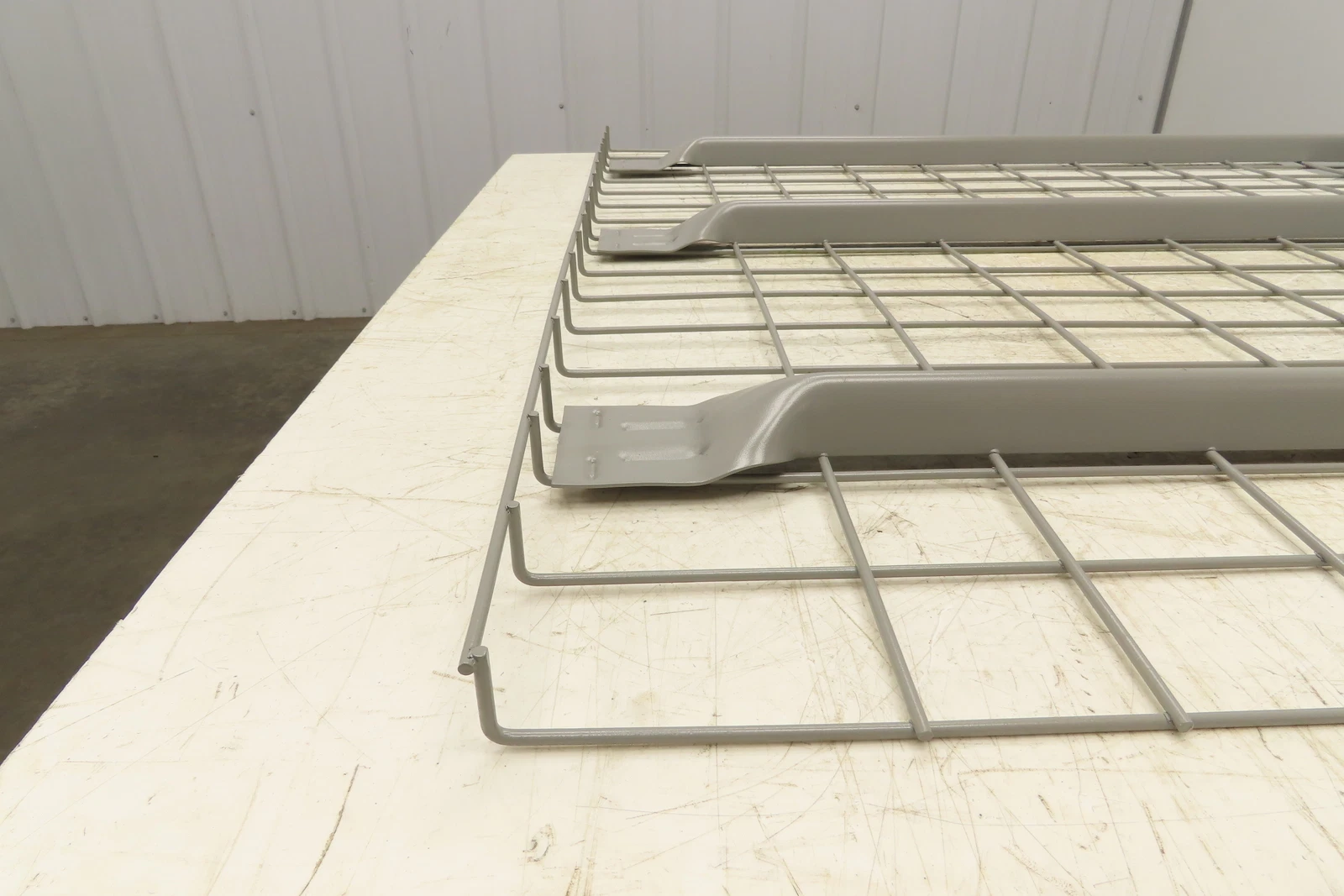
What Role Do Rack Systems Play In Scalability for Businesses?
What Role Do Rack Systems Play In Scalability for Businesses?
- Racking systems are crucial for business competitiveness and organization.
- They help manage inventory efficiently, maximizing vertical space and reducing floor area usage.
- Well-structured racking systems enhance employee morale by providing a clean workspace.
- Scalable racking solutions allow businesses to adapt to changes in demand efficiently.
- Investing in quality racking systems improves workplace safety and reduces accident risks.
- A well-organized racking system reassures clients and stakeholders about operational readiness.
- Quality racking systems create a strong foundation for future business success.

What Role Do Rack Systems Play In Scalability for Businesses?
How Do Rack Systems Affect Hardware Longevity and Reliability?
Racking Systems play a crucial role in the longevity and reliability of your hardware. Let’s break it down in straightforward terms. When you’re out there working hard, whether you’re in a warehouse, a server room, or any production facility, the last thing you want to worry about is your equipment failing on you. That’s where choosing the right racking systems becomes vital.
It’s not just metal and shelves; these systems form the backbone of your operational setup. Imagine your most valuable equipment, neatly organized and securely stored, supported by a framework that absorbs shocks, minimizes vibrations, and provides the airflow needed to keep things cool. All that matters when you consider the long-term health of your hardware. We all know that overheating can fry a circuit board faster than you can say “system crash.”
When you invest in quality racking systems, you’re not just buying a product; you’re securing peace of mind. The best solutions will elevate your hardware off the ground, protecting it from moisture and dust, which can wreak havoc over time. This isn’t just about avoiding setbacks or repairs; it’s about keeping your operations running smoothly and your sanity intact. You’ve likely seen the frustration that comes when equipment fails—it’s not just an inconvenience; it’s lost time and money.
Moreover, let’s talk ethics. Selecting robust and well-designed racking systems isn’t merely a financial decision; it’s a commitment to sustainable practices. Durable systems mean fewer replacements, reducing waste and minimizing your carbon footprint. Your choice reflects your values, showing that you care about more than just the bottom line—you’re also thinking about the environment and the community.
Think of it as building a solid rapport with your tools and equipment. Good racking systems help you foster connection—not just for yourself, but for everyone who relies on those machines to do their jobs. When your workspace is organized and safe, teamwork flourishes, morale improves, and everyone feels more capable of tackling challenges head-on.
Strong racking systems are the unsung heroes of hardware reliability. They build a foundation that supports your hard work and goals, inspiring confidence that your investment today will pay dividends tomorrow. Equip yourself wisely, and you’ll cultivate not just reliability, but a sense of pride in what you’ve built.

How Do Rack Systems Affect Hardware Longevity and Reliability?
How Do Rack Systems Affect Hardware Longevity and Reliability?
- Racking systems are essential for the longevity and reliability of hardware in various work environments.
- They provide organization, shock absorption, vibration minimization, and necessary airflow to prevent overheating.
- Quality racking systems protect equipment from moisture and dust to avoid costly repairs and downtime.
- Investing in durable racking is a sustainable choice that reduces waste and minimizes carbon footprint.
- Robust systems contribute to a well-organized workspace, enhancing teamwork and morale among workers.
- They serve as foundational support for hardware, promoting confidence in the investment made.
- Choosing the right racking systems reflects care for both operational efficiency and environmental responsibility.

How Do Rack Systems Affect Hardware Longevity and Reliability?
What Security Measures Are Essential for Rack Systems?
When it comes to safeguarding your racking systems, there’s no room for half-measures. Your racking systems aren’t just steel and bolts; they hold your livelihood, your inventory, and your trust in the business. Picture this: a late-night break-in where those shelves aren’t just racks of goods but a treasure chest of hard work, dreams, and sweat. To protect what you’ve built, let’s dive into the essential security measures that keep your operations running smoothly and securely.
First off, robust physical barriers are key. Heavy-duty padlocks and access control systems deter casual thieves and keep your assets under lock and key. But don’t stop there. Security cameras are your silent sentinels, watching over your racking systems 24/7. They not only capture footage but serve as a psychological deterrent, reminding anyone with ill intent that they’re being observed. Invest in quality surveillance that provides clear visibility, especially in the high-traffic areas around your racking systems.
Then comes the cloud of protection: Cybersecurity. Let’s face it, in today’s digital age, your racking systems might be safe from the hands of a thief but vulnerable to the click of a mouse. Ensure that your inventory management systems are fortified with firewalls and encryption. A strong cybersecurity plan not only protects your data but reinforces your reputation as a dependable entity in the market.
Next, consider training your team on security protocols. Make it a part of your culture to understand the importance of security. When everyone knows the signs of potential threats, from suspicious behavior to unsecured areas, your entire operation becomes a fortress. This kind of collective awareness builds trust within your team and strengthens the value they place on ensuring the safety of your racking systems.
And let’s not overlook the community aspect. Engage with local law enforcement or neighborhood watch groups. Building relationships with them can prove invaluable. These partnerships create a network of vigilance that keeps an eye on the place, fostering an atmosphere of accountability and shared responsibility.
Finally, regular audits and assessments of your security systems are vital. Just like you wouldn’t let a car run without a check-up, you shouldn’t let your security measures go unchecked. This kind of proactive approach not only mitigates risks but also instills confidence in you and your employees. Protecting your racking systems is about more than just the physical structures; it’s about creating a secure environment where trust can flourish and hard work is rewarded.

What Security Measures Are Essential for Rack Systems?
What Security Measures Are Essential for Rack Systems?
- Robust physical barriers such as heavy-duty padlocks and access control systems are essential for securing racking systems.
- Security cameras act as both a surveillance tool and a psychological deterrent against theft.
- Cybersecurity measures, including firewalls and encryption, are critical in protecting management systems from digital threats.
- Training staff on security protocols fosters a culture of awareness and strengthens team trust in security measures.
- Engaging with local law enforcement and community watch groups enhances vigilance and accountability in security efforts.
- Regularly auditing security systems helps to identify risks and maintain effective protection for racking systems.
- Overall security is about creating a safe environment that supports trust and the value of hard work.

What Security Measures Are Essential for Rack Systems?
Conclusion
Racking systems are essential in the world of industry, acting as the backbone of efficiency and productivity. They organize space in a way that boosts workflow and morale, allowing employees to find tools and inventory without frustration. This sense of order not only enhances job satisfaction but also translates into tangible financial benefits—maximizing storage, reducing clutter, and ultimately driving profits higher.
The rationale for investing in quality racking systems extends beyond mere aesthetics or convenience; it embraces a commitment to safety. A well-structured warehouse minimizes the risk of accidents, demonstrating a company’s respect for its workforce. Workers thrive in an environment where their safety is prioritized, fostering loyalty and a sense of community among employees.
With the authority of seasoned professionals backing it, using high-quality racking systems is viewed as smart business. Industry experts share the horror stories of cutting corners, reminding us that investing in durable and reliable solutions pays off in the long run, both in operational performance and employee morale.
The narrative surrounding racking systems paints a clear picture: chaotic warehouses buzzing with inefficiency can transform into smoothly running operations through the simple addition of organized racking. The satisfaction derived from a tidy space is palpable; it inspires pride and a love for the work being done. The benefits extend beyond individual businesses—when one operation excels, the ripple effects touch suppliers, customers, and the wider community, promoting an overall healthier economic environment.
Furthermore, the conversation about rack systems cannot overlook the significant role they play in IT infrastructure. Properly organized racking for servers ensures reliability and optimal performance, leading to lower operational costs. The visual and psychological reassurance of an organized server room instills trust in clients and employees alike, reflecting a commitment to efficiency that resonates throughout the company.
Finally, as businesses aim for scalability in a constantly changing market, robust racking systems provide the flexibility needed to adapt without unnecessary expense or chaos. This adaptability, coupled with a focus on safety and efficiency, not only supports growth but also showcases a business’s ethical responsibilities.
In essence, investing in racking systems goes far beyond storage—it’s about building a solid foundation for a thriving, respectful work environment where safety and efficiency reign. By choosing to integrate quality racking solutions, companies are not just storing goods; they are investing in their future and the very heart of their operations.

Conclusion
Conclusion:
- Racking systems enhance efficiency and productivity by organizing space, improving workflow, and employee morale.
- Investing in quality racking systems promotes safety, reducing accident risks and fostering employee loyalty.
- Experienced professionals emphasize that durable racking solutions yield long-term operational benefits and boost morale.
- Organized racking transforms chaotic warehouses into efficient operations, improving employee pride and job satisfaction.
- Effective racking systems positively impact suppliers, customers, and the broader community, enhancing economic health.
- Proper server racking ensures reliability and performance in IT infrastructure, lowering operational costs and building trust.
- Robust racking systems provide scalability and adaptability, supporting business growth and demonstrating ethical responsibilities.

Conclusion
Other Resources

Other Resources
Here is a list of other resources you can review online to learn more:
- CMMA
- Arrow Industrial Sales
- Cantilever Racking Specialists – Get the Right Racks
- Warehouse Racking Systems: Beginner’s Guide to Rack Systems
- Selective Pallet Racking Systems – Container Systems
- Shipping Boxes, Packaging Materials, Pallet Racking
- Warehouse Storage Racks
- Warehouse Racking Layout: The Ultimate Guide – Conger
- Warehouse Racks, Warehouse Racking in Stock – ULINE
- IWLA
- Total Warehouse
- CA Wire
- The Complete Pallet Rack Guide – Simply Rack
- Cantilever Racks Chicago
- What is Selective Pallet Racking
- Teardrop Industrial Shelving Rack
- IIWS Inc. Rack Installation Illinois & Rack Repairs Illinois
- Warehouse Storage Racking in Illinois
- MHI
- Illinois Pallet Racking – Storage Solutions
Use This Prompt To Get More Resources With Your Favorite Online AI Tool: Please provide me with a list of online articles with their URLs in a bulleted list that I can read regarding Rack Systems As Infrastructure Investment

Other Resources
Glossary Terms
Rack Systems As Infrastructure Investment – Glossary Of Terms
1. Rack System: A framework for mounting servers and networking equipment, designed for efficient space utilization and accessibility.
2. Infrastructure: The fundamental facilities and systems that support the operations of an organization, including hardware, software, and services.
3. Data Center: A dedicated facility that houses computer systems and associated components, such as telecommunications and storage systems.
4. Scalability: The capacity to increase or decrease resources as needed to accommodate demand, ensuring optimal performance.
5. Density: The amount of computing power or storage capability that can be housed in a given physical space, often measured in units like U (rack units).
6. Power Distribution Unit (PDU): A device used to distribute electrical power to various components within a rack system.
7. Cooling System: Equipment designed to maintain optimal temperatures and remove heat generated by servers and other hardware.
8. Cable Management: Practices and tools used to organize and secure cables within a rack system, promoting safety and maintenance ease.
9. Rack Unit (U): A unit of measurement for vertical space in a rack, where 1U equals 1. 75 inches in height.
10. Server: A powerful computer designed to process requests and deliver data to other computers over a network.
11. Virtualization: The creation of virtual instances of physical hardware, allowing multiple operating systems and applications to run on a single machine.
12. High Availability: A design principle that ensures a system is operational and accessible with minimal downtime.
13. Redundancy: The inclusion of extra components or systems that function as backups in case of a failure, increasing reliability.
14. Load Balancer: A device or software that distributes network or application traffic across multiple servers to optimize resource use and minimize response time.
15. Network Switch: A device that connects devices within a network and directs data traffic between them, enhancing communication efficiency.
16. Fiber Optic Cable: A medium for transmitting data as light signals, offering high-speed connectivity over longer distances without loss.
17. Rack Mount: The process of installing hardware components within a rack, often designed for easy integration and maintenance.
18. Disaster Recovery: Strategies and processes for quickly restoring access to IT infrastructure and operations after a disruptive event.
19. Environmental Monitoring: The tracking of conditions such as temperature and humidity within a data center to prevent damage to equipment.
20. Security Protocol: A set of procedures and measures implemented to protect data and hardware within a rack system from unauthorized access and breaches.
21. Asset Management: The process of tracking and managing IT assets throughout their lifecycle to optimize performance and usage.
22. Cloud Computing: The delivery of computing services over the internet, allowing for scalable resources and storage solutions.
23. Rack Standardization: The establishment of standardized dimensions and configurations for racks to ensure compatibility and interoperability of equipment.
24. Microservices: An architectural approach that structures an application as a collection of loosely coupled services, enhancing deployment flexibility.
25. Infrastructure as Code (IaC): The practice of managing and provisioning infrastructure through code, automating deployments and configurations.
26. Multi-Tenancy: A software architecture allowing multiple customers to share a single instance of an application while maintaining data privacy.
27. Service Level Agreement (SLA): A formal agreement outlining the expected level of service provided, including performance metrics and responsibilities.
28. Capacity Planning: The process of determining future infrastructure needs based on current usage patterns and anticipated growth.
29. Integration: The process of linking different systems or applications to work together seamlessly, improving operational efficiency.
30. Edge Computing: The practice of processing data closer to the source of generation, reducing latency and bandwidth use for faster response times.

Glossary Of Terms
Other Questions
Rack Systems As Infrastructure Investment – Other Questions
If you wish to explore and discover more, consider looking for answers to these questions:
- What is the typical return on investment (ROI) for different types of racking systems?
- How do upfront costs compare to long‑term total cost of ownership?
- What financing or leasing options are available for racking investments?
- How do I choose the right racking type for my product mix (pallets, cartons, bulk, servers)?
- What load capacities and safety factors should I plan for?
- How do racking systems impact warehouse layout and workflow design?
- How long does installation typically take and how disruptive will it be to operations?
- Should I hire specialized installers or can my in‑house team install racks safely?
- What maintenance and inspection schedules are recommended for different rack types?
- What are the common signs of wear, damage, or failure to watch for?
- How often should professional load testing or engineering assessments be performed?
- What regulatory, building code, and OSHA requirements apply to warehouse racking?
- Are seismic, wind, or other regional design considerations required?
- How do racking choices affect fire suppression systems and emergency egress?
- What insurance implications or premium changes result from racking upgrades?
- How do racking systems integrate with warehouse management systems (WMS) and automation?
- What are best practices for hot/cold aisle containment and airflow management in IT racks?
- How do racks influence server cooling, energy consumption, and IT operating costs?
- What cable management, power distribution (PDUs), and grounding practices are recommended for IT racks?
- How can racking be configured to support future scalability and seasonal demand spikes?
- What modular or adjustable options exist to minimize future retrofit costs?
- How do racking systems affect picking productivity and order fulfillment times?
- What KPIs should I track to measure the impact of new racking (e.g., storage density, pick time, shrinkage)?
- What are the environmental and sustainability impacts of different racking materials and lifecycles?
- Are there recyclable or eco‑friendly racking options and certifications to look for?
- What warranties, service agreements, and spare‑parts availability do vendors offer?
- How do I evaluate and compare racking vendors and manufacturers?
- What certifications or industry standards should vendors meet?
- How do security measures (locks, cameras, access control) vary for warehouse vs. IT racks?
- What are best practices for physical and cybersecurity convergence around racked infrastructure?
- How should racking be anchored and braced for safety and code compliance?
- What compatibility issues should I consider (pallet sizes, forklift types, conveyor or AGV integration)?
- How do racking choices affect employee ergonomics and injury risk?
- What training programs are needed to ensure safe use and maintenance of racks?
- How do I plan for decommissioning, resale, or relocation of racking systems?
- What contingencies and downtime planning are required during installation or reconfiguration?
- How can racking support inventory accuracy and loss prevention strategies?
- What case studies or benchmark examples demonstrate measurable benefits?
- How do I perform a cost‑benefit analysis comparing different racking scenarios?
- What are the risks and costs of choosing the wrong racking solution?
- How do racking systems interact with lighting, sensors, and IoT monitoring devices?
- What permit, inspection, or documentation steps are required before and after racking installation?
- How should I plan for phased implementation as my business grows?
- What are the most common retrofit upgrades when scaling from manual to automated systems?

Other Questions
Checklist
Rack Systems As Infrastructure Investment – A Checklist
Strategic Fit and Objectives
✅______ Defined primary goals for the rack investment (space, speed, safety, cost)
✅______ Mapped current pain points (clutter, lost items, delays, damage)
✅______ Chosen success metrics (storage density, pick time, accuracy, incidents, energy use)
✅______ Secured budget based on lifecycle value, not lowest upfront price
✅______ Aligned stakeholders and obtained executive sponsorship
✅______ Planned change management and clear internal communications
Space and Layout Optimization
✅______ Audited current cubic and vertical space utilization
✅______ Maximized vertical storage while preserving safe clearances and aisles
✅______ Designed logical, direct travel paths to reduce search and travel time
✅______ Placed fast-movers in high-access locations to speed retrieval
✅______ Ensured adequate staging areas for inbound and outbound flows
✅______ Planned for future expansion zones within the footprint
Inventory and Workflow Efficiency
✅______ Implemented clear location labeling and signage
✅______ Established a consistent slotting strategy for quick item location
✅______ Standardized pick, restock, and cycle count routines
✅______ Reduced floor storage and clutter with dedicated rack locations
✅______ Integrated racks with inventory systems for real-time visibility
✅______ Trained teams on access routes and item placement
Safety and Ethical Responsibility
✅______ Selected racks engineered for rated loads and intended use
✅______ Ensured proper anchoring, bracing, and stability
✅______ Established safe retrieval practices to prevent injuries
✅______ Kept aisles clear and maintained unobstructed egress
✅______ Scheduled regular inspections for damage, loosened bolts, and wear
✅______ Reinforced a culture that prioritizes safety and respect for workers
Financial Impact and ROI
✅______ Quantified storage gains and labor savings
✅______ Modeled reductions in carrying costs and stock losses
✅______ Estimated energy savings from better organization and airflow
✅______ Compared lifecycle costs of quality vs. budget racks
✅______ Allocated savings to growth or service improvements
✅______ Set a review cadence to validate ROI after deployment
Scalability and Flexibility
✅______ Chose modular rack components for easy reconfiguration
✅______ Allowed for varying pallet sizes or item dimensions
✅______ Designed for phased capacity increases without major overhauls
✅______ Ensured compatibility with future equipment or automation
✅______ Preserved flexibility to pivot with market demand
✅______ Documented change procedures for quick re-slotting
IT and Server Rack Considerations (if applicable)
✅______ Planned airflow management to improve cooling efficiency
✅______ Organized cable management to reduce heat and troubleshooting time
✅______ Ensured adequate power distribution and redundancy
✅______ Positioned equipment for easy service access
✅______ Monitored energy use to identify optimization opportunities
✅______ Protected gear from physical congestion and blocked vents
Hardware Longevity and Reliability
✅______ Elevated sensitive equipment off the floor to avoid moisture and dust
✅______ Minimized vibration and shock through proper mounting and spacing
✅______ Preserved clear airflow around hardware to prevent overheating
✅______ Reduced handling by assigning stable, dedicated locations
✅______ Implemented routine cleaning and environmental checks
✅______ Tracked failures to tie improvements back to rack conditions
Security Measures
✅______ Installed physical barriers (locks, cages, controlled access points)
✅______ Deployed surveillance with clear coverage of high-value zones
✅______ Implemented access logs and permissions for restricted areas
✅______ Hardened inventory and IT systems with firewalls and encryption
✅______ Trained staff on security protocols and incident reporting
✅______ Scheduled regular security audits and tests
✅______ Built relationships with local law enforcement or community watch
Culture and Team Enablement
✅______ Involved frontline employees in layout and process design
✅______ Trained teams on new locations, paths, and handling standards
✅______ Established housekeeping routines to maintain order
✅______ Recognized performance improvements tied to the new system
✅______ Gathered feedback for continuous refinement
✅______ Reinforced pride of place through visible wins and metrics
Sustainability and Community Impact
✅______ Selected durable systems to reduce replacements and waste
✅______ Captured energy and material savings from better organization
✅______ Disposed of legacy equipment responsibly
✅______ Prioritized vendors and practices that reflect community values
✅______ Reported improvements that matter to employees and customers
✅______ Connected operational excellence to broader economic benefits
Implementation and Continuous Improvement
✅______ Ran a small pilot to validate assumptions before full rollout
✅______ Used a phased implementation plan to minimize disruption
✅______ Assigned ownership for maintenance and inspections
✅______ Documented standards for setup, loading, and access
✅______ Reviewed KPIs at set intervals and adjusted as needed
✅______ Budgeted for ongoing training and system upgrades

Checklist
At RackingWorld, we help guide you through selecting warehouse storage systems and racking.
Be sure to read our other related stories at RackingWorld to learn more about warehouse storage systems.
0 Comments