
Streamlining Flow: Transforming Warehouse Efficiency For Everyone
By Tom Seest
At RackingWorld, we help guide you through selecting warehouse storage systems and racking.
Be sure to read our other related stories at RackingWorld to learn more about warehouse storage systems.
Traffic Engineering Inside the Warehouse
In the hustle and bustle of a warehouse, where every second counts, traffic engineering is the unsung hero that keeps operations flowing smoothly. We’ve all seen it—a maze of racking systems, forklifts buzzing around, and the hum of productivity in the air. Yet, when things get chaotic, it can feel like a game of bumper cars rather than a well-oiled machine. That’s where smart traffic management steps in, turning potential chaos into a symphony of efficiency.
Picture this: two workers, each on their own mission, navigating through towering racking systems stacked high with inventory. If they don’t have a clear pathway, it’s not just frustrating; it’s downright dangerous. A solid traffic plan maps out who goes where, reducing the risk of accidents and enhancing safety. This isn’t just a wise investment; it’s the ethical choice. Every worker deserves to feel safe while they’re getting the job done, and a well-engineered traffic flow can help keep them protected, fostering an environment where they can focus on their tasks rather than dodging equipment.
Consider the financial implications too. Inefficiencies cost money. When forklifts are zigzagging around without a plan, time is wasted and overhead creeps up. Simple, rational adjustments—like designated lanes for equipment and clear signage—can enhance productivity and save on labor costs. These aren’t just minor tweaks; they can transform a stagnant operation into one that meets customer demands promptly and effectively.
But it’s not all numbers and efficiency reports. There’s a human element involved. We’ve all been in a position where we felt overwhelmed by our workload. A well-designed traffic system in the warehouse does more than streamline operations; it fosters a sense of teamwork. When everyone knows their role in the flow, it builds camaraderie. Your colleagues become partners in the mission, sharing the same goal: getting the job done safely and efficiently.
At the end of the day, traffic engineering is about making connections—between people, machines, and processes. It’s about trusting that everyone plays a part in keeping the operation running smoothly. When you think of the racking systems and the pathways that connect them, remember that each element is crucial in creating a safe and productive workplace that empowers workers. In this world of logistics, where the clock never stops ticking, smart traffic engineering inside the warehouse is the backbone of success.

Traffic Engineering Inside the Warehouse
Traffic Engineering Inside the Warehouse
- Traffic engineering is crucial for smooth warehouse operations amid chaotic conditions.
- A solid traffic management plan enhances safety by providing clear pathways for workers and equipment.
- Improved traffic flow is an ethical choice that protects workers and fosters focus on tasks.
- Inefficiencies in traffic flow can lead to increased costs and wasted time in operations.
- Simple adjustments like designated lanes and clear signage can boost productivity and reduce labor costs.
- A well-designed traffic system fosters teamwork and camaraderie among workers.
- Effective traffic engineering connects people, machines, and processes, empowering workers in a productive environment.

Traffic Engineering Inside the Warehouse
Table Of Contents
- Traffic Engineering Inside the Warehouse
- What Are the Safety Risks Of Poor Traffic Flow In Warehouses?
- How Can Effective Traffic Engineering Reduce Accidents?
- What Role Does Technology Play In Warehouse Traffic Management?
- How Do We Prioritize Efficiency and Safety In Our Layout?
- Can Proper Signage Drastically Improve Traffic Patterns?
- What Are the Costs Associated with Poor Traffic Engineering?
- Conclusion
- Other Resources
- Glossary Of Terms
- Other Questions
- Checklist
What Are the Safety Risks Of Poor Traffic Flow In Warehouses?
In the hustle and bustle of a warehouse, poor traffic flow might not immediately seem like a ticking time bomb, but it often is. Picture this: workers maneuvering around tightly packed racking systems, battling for space as forklifts whizz by, each one carrying heavy loads. It’s a recipe for disaster, waiting to unfold with every shift.
The emotional toll this chaos can take is staggering. Employees feel the pressure; there’s anxiety in every tight turn and every near-miss. The warehouse should be a place where people feel safe and focused on their work, yet a poorly designed layout forces workers to constantly look over their shoulders, making them feel like they’re in a high-stakes game of dodgeball where the balls are heavy steel loads.
From a rational standpoint, the financial impact of poor traffic flow is undeniable. When accidents happen, the costs mount up. Injuries can lead to lost time, increased insurance premiums, or even hefty settlements. Not only that, but equipment damage from collisions with racking systems or other obstacles can mean costly repairs or replacements. A streamlined workflow isn’t just a comfort; it’s a necessity for keeping the operation running smoothly and profitably.
Ethically, ensuring the safety of warehouse workers is paramount. Every person deserves to leave work in the same condition they arrived. An employer’s responsibility goes beyond moving boxes; it extends to creating a safe environment where everyone can do their job without fear of injury. This isn’t just about compliance; it’s about treating each employee with respect and dignity, acknowledging their hard work by providing them with the safety they deserve.
Narratives of those who have experienced close calls in the chaos paint a vivid picture of the risks. Take a worker who recalls the day a poorly maneuvered forklift sent pallets tumbling; the panic of the moment, the sound of breaking wood, and the shock of narrowly escaping injury resonate deeply. These stories remind us that behind every statistic, there’s a human being – a father, a mother, a friend.
On a social level, the atmosphere in a well-organized warehouse can foster teamwork and camaraderie. Workers who trust their environment are more likely to collaborate effectively. When everyone knows the layout and feels confident navigating it, productivity soars, morale improves, and employees become ambassadors of safety.
In the world of warehouses, the backdrop of racking systems and busy aisles should resonate with a sense of purpose, not fear. Prioritizing traffic flow isn’t just about efficiency; it’s about building a culture where safety and respect reign paramount, and where every person can thrive without hesitation.

What Are the Safety Risks Of Poor Traffic Flow In Warehouses?
What Are the Safety Risks Of Poor Traffic Flow In Warehouses?
- Poor traffic flow in warehouses poses significant safety risks, with workers navigating crowded spaces and forklifts carrying heavy loads.
- The emotional toll of chaotic environments leads to anxiety and stress among employees, impacting their focus and safety.
- Financial repercussions of accidents include lost time, increased insurance costs, and equipment damage, making efficient workflow essential.
- Ethically, employers must prioritize worker safety, ensuring a secure environment that respects and values employees.
- Personal accounts of near-misses highlight the human risk behind statistics, emphasizing the importance of safety in the workplace.
- A well-organized warehouse fosters teamwork and productivity, as workers who trust their environment collaborate more effectively.
- Prioritizing safety and traffic flow cultivates a positive culture in warehouses, allowing individuals to thrive without fear.

What Are the Safety Risks Of Poor Traffic Flow In Warehouses?
How Can Effective Traffic Engineering Reduce Accidents?
Effective traffic engineering serves not just as a set of guidelines, but as a lifeline in our communities. Every day, folks head out to work, school, or just run errands, often unaware of the dangers that lie on the roads. With the right traffic engineering, we can turn those risks into safer journeys. Imagine a neighborhood where children play without fear of speeding cars or where elderly residents cross streets with confidence. That vision can be a reality with carefully designed roads and systems in place.
At the heart of effective traffic engineering is the understanding that every element—traffic signals, stop signs, road markings—plays a crucial role. Think about racking systems in warehouses; they’re all about organization and efficiency. Roads should be no different, designed to manage the flow of vehicles while keeping pedestrians safe. It’s about creating a harmonious balance between cars and people, ensuring that no one feels overlooked. When traffic patterns are thoughtfully engineered, the likelihood of accidents drops significantly.
Rational minds know that statistics tell a story: improved road design leads to fewer accidents and saves lives. When roadways are equipped with features such as roundabouts, clear signage, and speed bumps, they can cut down on collision rates dramatically. This isn’t just numbers; it’s the lives of friends, family, and neighbors that are saved, making the case for effective traffic engineering an ethical imperative. We owe it to our communities to foster an environment where safety isn’t left to chance.
Sharing stories about near misses, or worse, serious accidents can stir emotions. Each of us knows someone who’s faced a traffic accident, and those stories stick with us. They remind us that the stakes are high. It’s not just about cars colliding; it’s about families torn apart, dreams disrupted, and lives forever changed. Those narratives drive home the urgency for actionable change—change that can come through dedicated traffic engineering.
Imagine walking into your local town hall and seeing engineers present their plans, their passion palpable as they discuss how simple changes can yield profound impacts. Their expertise brings confidence; knowing there are real, practical solutions on the table can inspire community action. This isn’t just an issue for policymakers; it’s a call for collective responsibility. When we all get involved, advocating for sensible infrastructure, we help create a culture that prioritizes safety. By fostering these connections, we set the foundation for a more secure environment where everyone can navigate life’s journey unharmed.
How Can Effective Traffic Engineering Reduce Accidents?
How Can Effective Traffic Engineering Reduce Accidents?
- Effective traffic engineering is essential for community safety, turning risks into safer journeys.
- Properly designed roads help balance the needs of vehicles and pedestrians, reducing accident likelihood.
- Improved road design and infrastructure, such as roundabouts and clear signage, significantly reduce collision rates.
- Sharing personal stories about traffic accidents emphasizes the urgent need for actionable change in traffic engineering.
- Community involvement and advocacy for sensible infrastructure are crucial in prioritizing safety.
- Engineers’ passion and expertise inspire confidence and collective responsibility in creating safe environments.
- Traffic engineering aims to foster a secure environment where all citizens can navigate without fear.
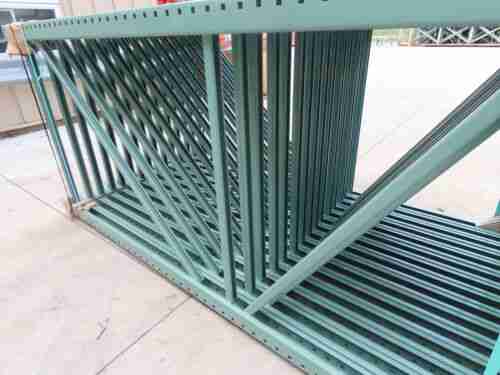
How Can Effective Traffic Engineering Reduce Accidents?
What Role Does Technology Play In Warehouse Traffic Management?
In the heart of every bustling warehouse, where the hum of machinery meets the shuffle of foot traffic, technology serves as the silent backbone—a partner in the dance of logistics. Racking systems tower above like seasoned sentinels, organizing goods while ensuring that every inch of space is used wisely. This isn’t just about storage; it’s about flow. And here’s where technology steps in, solving problems we never knew we had.
Think about it. A warehouse isn’t a simple rectangle filled with products; it’s a complex ecosystem where every movement counts. Technology provides the tools to streamline operations, reduce congestion, and enhance safety for everyone involved. Automated systems like conveyors and robotic pickers are more than gadgets; they’re lifelines that minimize human error and maximize efficiency. Picture a weary worker, juggling multiple tasks, suddenly freed up to focus on what really matters—safety and service—because technology has taken care of the heavy lifting.
But beyond the nuts and bolts, there’s an emotional connection here. Every time a pallet rolls smoothly through a warehouse, it’s a testament to teamwork—humans and machines working in harmony. Warehouse employees, often unsung heroes, take pride in seeing their environment transformed by technology. It’s not just about profits; it’s about fostering a better workplace where people can thrive. When shifts are organized and chaos is minimized, there’s less stress and more time for camaraderie.
On a rational level, the numbers don’t lie. Implementing advanced software for traffic management can lead to significant savings and improved productivity. Real-time tracking helps managers make informed decisions, allowing for quick adjustments and preventing bottlenecks. It’s not just good business; it’s smart business. This clarity enhances operational transparency, creating a culture of accountability that resonates throughout the organization.
The ethical angle cannot be overlooked. Investing in technology means investing in the future of our workforce. It signals a commitment to safety and efficiency, ensuring that no one is left behind in the race against time. When management prioritizes these tools, it sends a clear message: the well-being of employees is paramount.
Technology in warehouse traffic management is more than just equipment—it’s about crafting an environment where people feel valued, safe, and empowered to do their best work. It’s a commitment to progress, enhancing both the flow of goods and the spirit of the team. When everyone is on board, the warehouse becomes a community, bound together by the shared goal of seamless operation and mutual respect.

What Role Does Technology Play In Warehouse Traffic Management?
What Role Does Technology Play In Warehouse Traffic Management?
- Technology serves as the backbone of warehouse logistics, facilitating smooth operations.
- Racking systems optimize space and enhance the flow of goods within the warehouse.
- Automated systems like conveyors and robotic pickers reduce human error and improve efficiency.
- Technology fosters a better workplace environment, promoting safety and teamwork among employees.
- Advanced software for traffic management leads to cost savings and enhanced productivity.
- Investing in technology signifies a commitment to employee well-being and safety.
- Effective technology integration creates a community focused on seamless operations and mutual respect.

What Role Does Technology Play In Warehouse Traffic Management?
How Do We Prioritize Efficiency and Safety In Our Layout?
In any busy workspace, whether it’s a factory floor or a warehouse, the layout isn’t just about optimizing space; it’s about creating an environment where efficiency and safety can thrive hand in hand. Picture a well-organized racking system. It doesn’t just hold items—it’s a lifeline, ensuring everything is where it should be, preventing accidents, and keeping productivity flowing like a well-oiled machine.
When we talk about prioritizing efficiency, we’re tapping into our collective experience. Every worker knows the frustration of searching for misplaced tools or materials. A well-structured racking system guarantees that these assets are easily accessible. This isn’t just a preference; it’s a necessity. The faster we find what we need, the more work we can get done, which translates into job satisfaction. Tired of endless searches? A streamlined layout can lift spirits just as much as it lifts performance.
But efficiency must never overshadow safety; they’re two sides of the same coin. Each rack has its place, and stacking items correctly isn’t merely a best practice; it’s a moral responsibility. We owe it to ourselves and our colleagues to design spaces that minimize risks. Think about those heavy boxes up high—safety protocols aren’t just rules; they’re protective measures that preserve lives. When we integrate safety into our layout, we demonstrate respect for our coworkers and foster a culture where everyone is looking out for one another.
Moreover, there’s a psychological aspect. A tidy workspace instills pride. It tells everyone that we care about our environment, that we’re professionals. An organized racking system isn’t just about shelves; it’s about building trust. When your team sees that the space has been arranged with thoughtfulness, it gives them confidence, encouraging a collective commitment to uphold safety and efficiency.
We can look at real-world stories where an overhaul in layout transformed workplaces. A shift from clutter to clarity often inspires individuals to take ownership of their tasks. They find connection in a common goal: a space where safety isn’t a checkbox but a fundamental value. By prioritizing efficiency and safety through informed design, we band together, creating not just a workspace but a community built on shared effort and mutual care. It’s about each of us having a role and a voice in shaping our environment, where every racking system tells the story of diligence and unity.
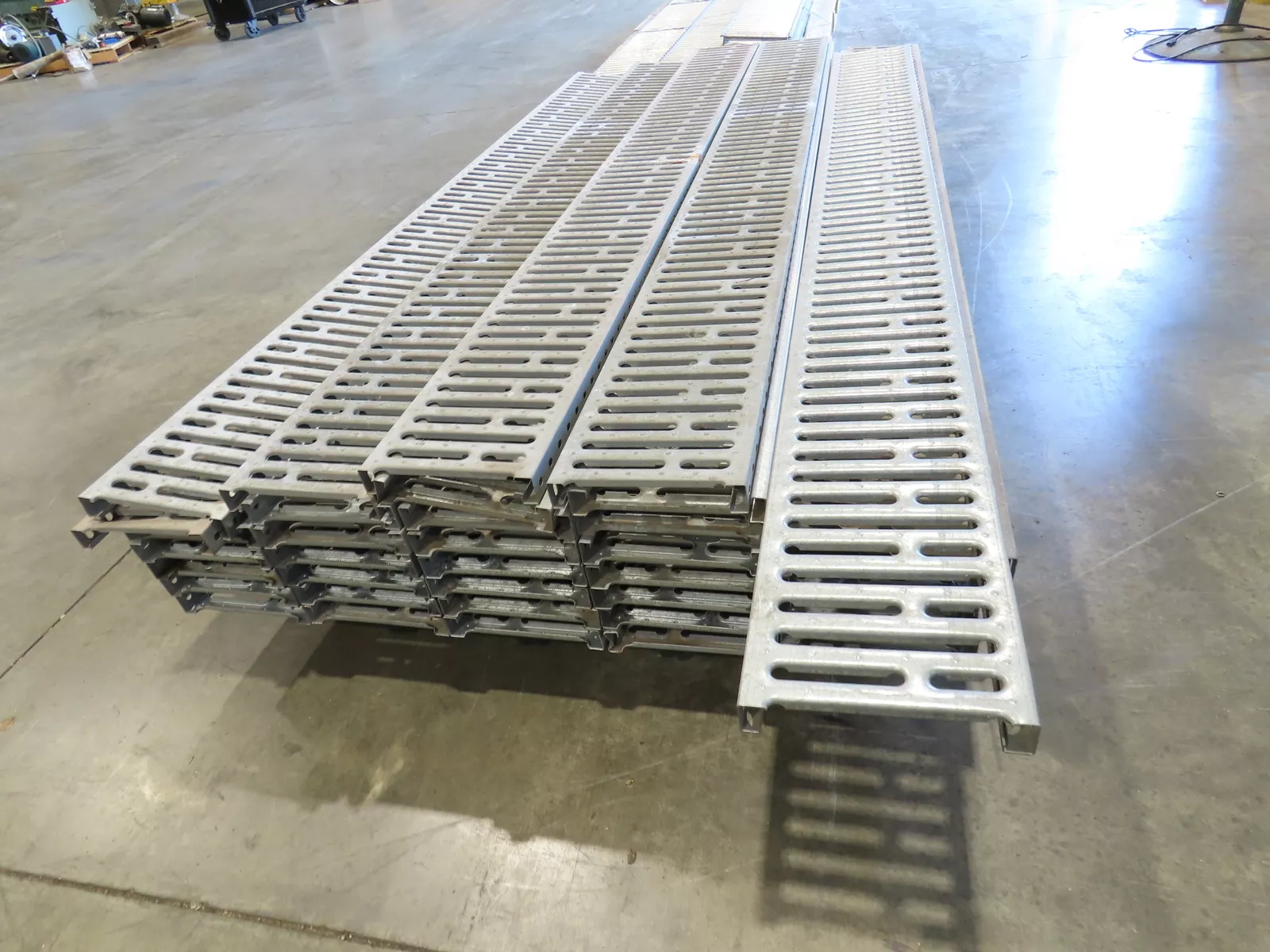
How Do We Prioritize Efficiency and Safety In Our Layout?
How Do We Prioritize Efficiency and Safety In Our Layout?
- Workspace layout impacts efficiency and safety.
- Organized racking systems prevent accidents and enhance productivity.
- Easily accessible tools and materials increase job satisfaction.
- Safety protocols are essential to minimize risks and protect lives.
- A tidy workspace fosters professionalism and instills pride.
- Transforming layouts can encourage ownership and a sense of community.
- Prioritizing efficiency and safety builds a culture of mutual care and commitment.
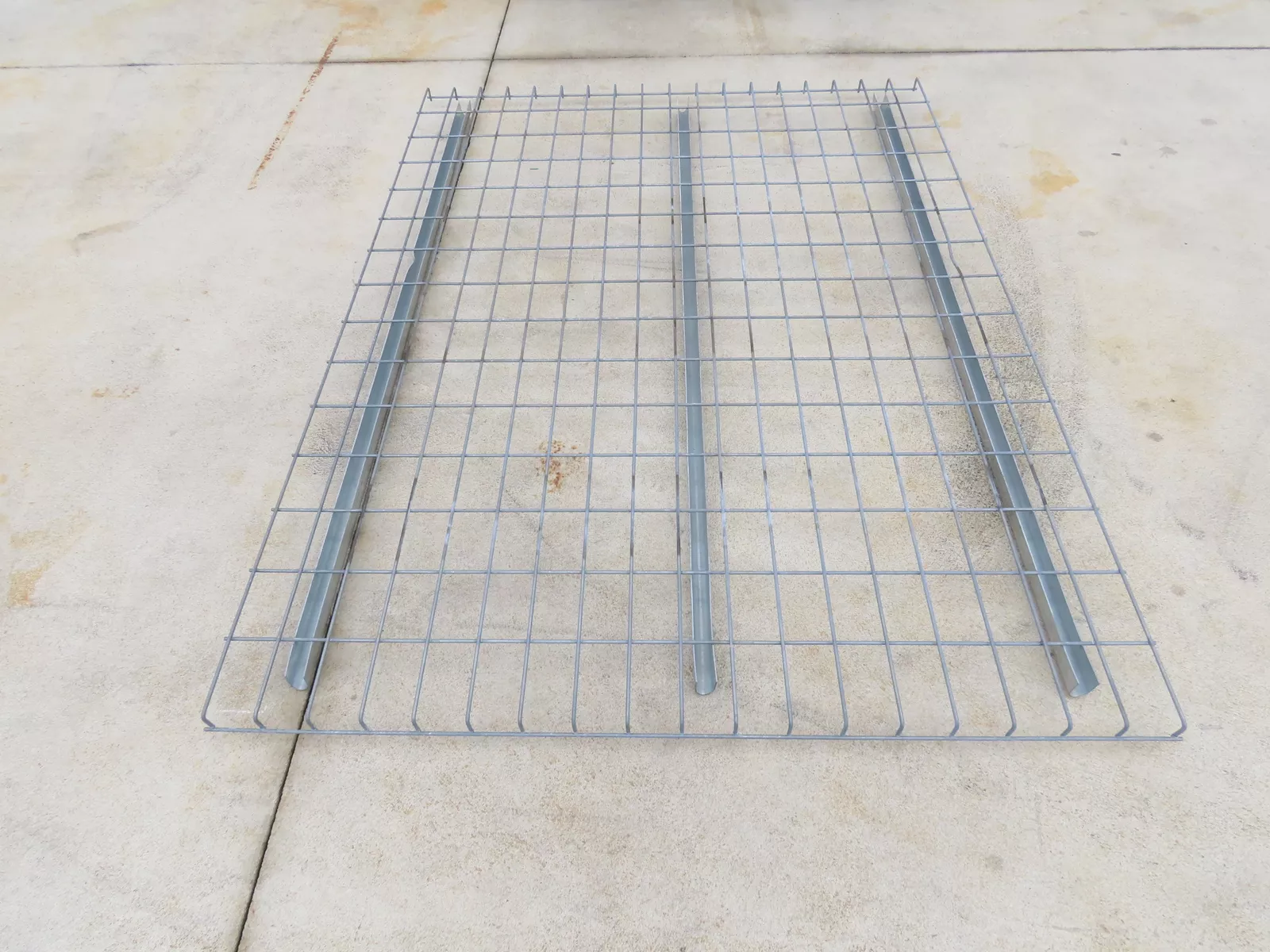
How Do We Prioritize Efficiency and Safety In Our Layout?
Can Proper Signage Drastically Improve Traffic Patterns?
Driving through any bustling town or city, you’ll often find traffic moving like a wrinkled map, twisted and turned in ways that could leave anyone scratching their head. Now, imagine a world where proper signage transforms that chaos into smooth sailing. Proper signage doesn’t just guide vehicles; it creates a flow that nurtures communities and saves lives.
Consider a bustling intersection lacking clear indicators. Cars creep impatiently, and pedestrians wait anxiously. The solution isn’t always more traffic lights or expensive racking systems, but rather a simple, clear, and intuitive set of signs. A well-placed stop sign or a turn indicator can evoke a sense of responsibility in drivers. It’s about creating a space where people feel safety is paramount, fostering a culture of awareness and respect. When drivers see clear signage, they trust the road; they understand where to stop, where to yield, and where to go, transforming their journey into a shared experience rather than a race against time.
From a logical standpoint, poorly marked roads lead to confusion, frustration, and sometimes even accidents. But with the right signage, we see a drop in fender benders and an increase in harmony. Imagine two neighbors, waved through with a nod instead of a honk, because they understand the unspoken rules laid out by these signs. It’s about ethics, responsibility, and respect for one another as we navigate our shared spaces.
Think back to the tales we pass down from generations: the late-night rides home, the Sunday drives, thinking of family waiting at home. Proper signage contributes to these narratives by ensuring everyone gets home safely, fostering an emotional bond among community members who know they can rely on each other.
Moreover, when cities invest in signage, they’re not just putting up words; they’re investing in the community’s heartbeat. Traffic patterns improve, and road rage lessens, leading to happier drivers and fewer accidents. It’s a common goal we can all rally behind, a simple act of ensuring everyone on the road feels valued and safe.
When we look at the bigger picture, we realize that proper signage isn’t just about traffic; it’s about building trust, solidifying connections, and creating a space where every driver, every pedestrian, feels they belong. The next time you’re grumbling in traffic, remember—it might just be a sign that needs fixing. Better signage is a matter of life and death, and every community deserves that chance.

Can Proper Signage Drastically Improve Traffic Patterns?
Can Proper Signage Drastically Improve Traffic Patterns?
- Traffic in towns can appear chaotic without proper signage.
- Clear signage creates a smoother traffic flow and enhances community safety.
- Simple signs, like stop signs and turn indicators, foster driver responsibility.
- Poorly marked roads lead to confusion and accidents, while proper signage reduces fender benders.
- Investing in signage improves traffic patterns and decreases road rage, leading to happier drivers.
- Proper signage builds trust and connections among community members.
- Clear signage is essential for ensuring safe journeys and enhancing community reliance.

Can Proper Signage Drastically Improve Traffic Patterns?
What Are the Costs Associated with Poor Traffic Engineering?
Poor traffic engineering doesn’t just create headaches for drivers; it can have far-reaching effects that impact our wallets and our communities. Imagine a morning commute where poorly designed intersections turn into bottlenecks, wasting fuel and time. Every minute stuck in traffic can lead to frustration, but the real cost hits when you look at the bigger picture. Drivers end up spending more on gas, car maintenance, and even healthcare due to the stress and accidents that stem from these design flaws.
Take a step back and consider the ethical implications too. Each poorly engineered road is a road that doesn’t just inconvenience us; it can jeopardize lives. The impact on emergency services can be significant. An ambulance caught in traffic due to inadequate traffic flow may be delayed by minutes that could save a life. How many times have we heard stories about first responders navigating through a mess of stop-and-go traffic, all because of poor planning?
When we talk about costs, it’s not just about money. Think of the wear and tear on vehicles, the added strain on racking systems used for deliveries caught in traffic jams, and the environmental toll from increased emissions. Incompetent traffic design can lead to a cycle of inefficiency that resonates through a community: businesses suffer when deliveries are delayed, and customers choose to stay away from congested areas.
It’s time we address these issues head-on. Communities have the power to hold their local authorities accountable, demanding better traffic management practices that prioritize safety and efficiency. Supporting initiatives for better planning can foster a sense of community pride. It’s about protecting our neighborhoods and ensuring everyone makes it home safely without unnecessary delays.
Picture a town where efficient traffic design lets families get to school, work, and play without the struggle of snail-paced commutes. When we invest in smart traffic engineering, we’re not merely being rational; we’re caring for one another, ensuring that our roads serve us all rather than hinder us. Let’s come together, push for improvements, and advocate for a future where our streets are safer, and our journeys are smoother, because we all deserve a little less chaos on our daily drives.

What Are the Costs Associated with Poor Traffic Engineering?
What Are the Costs Associated with Poor Traffic Engineering?
- Poor traffic engineering leads to significant frustrations for drivers.
- Design flaws in roads increase costs related to fuel, maintenance, and healthcare.
- Poorly engineered roads can jeopardize lives, impacting emergency services.
- Inadequate traffic designs contribute to vehicle wear and increased emissions.
- Communities can hold local authorities accountable for better traffic management.
- Support for effective traffic planning can enhance community pride and safety.
- Investment in smart traffic engineering benefits families and improves daily commutes.
What Are the Costs Associated with Poor Traffic Engineering?
Conclusion
Traffic engineering within warehouses isn’t just about optimizing space and flow; it’s the backbone of safety, efficiency, and teamwork. In the dynamic environment of a warehouse, where every moment counts, chaos can easily arise without a well-structured traffic plan. Effective traffic management minimizes risks, ensuring that workers can navigate their tasks without the constant threat of accidents. It’s a matter of respect for the workforce, acknowledging their right to a safe workplace while promoting camaraderie among team members.
Financially speaking, poor traffic flow leads to costly inefficiencies. Without clear pathways and organized operations, time is wasted, which translates directly into lost profits. Investing in proper layout design, including designated lanes and clear signage, enhances productivity and reduces labor costs. These rational adjustments offer not just immediate gains but long-term benefits that resonate with the core promise of timely and effective service to customers.
On a deeper level, these operational strategies tap into the emotional and ethical dimensions of work. Workers face stress and anxiety when navigating cramped spaces filled with heavy machinery and inventory. A well-engineered system fosters an atmosphere where employees feel valued and safe, reducing this emotional toll. It enables them to focus on their tasks rather than worrying about collision risks.
Narratives play a significant role in illustrating the importance of traffic engineering. Tales of near misses or accidents remind us that behind every warehouse statistic lies a real person with loved ones. These stories resonate, creating a moral imperative for prioritizing safety in design. Moreover, technology’s integration into traffic management enhances both operational flow and worker well-being. Automated systems are transforming traditional tasks, allowing human workers to engage more meaningfully in their roles while reaping the psychological benefits of an organized environment.
Lastly, consider how a warehouse layout impacts overall workplace culture. When safety and efficiency are prioritized, it cultivates a community of trust, respect, and accountability. Employees feel empowered when they can navigate their environment confidently, leading to improved morale and productivity. Every aspect of traffic engineering, from signage to the arrangement of racking systems, contributes to building a culture where everyone shares responsibility for maintaining a safe and efficient workplace. The aim is to create an environment that honors the hard work of its people and facilitates seamless operations, making it an essential cornerstone of any successful warehouse.
Conclusion
Conclusion:
- Traffic engineering in warehouses is crucial for safety, efficiency, and teamwork.
- Effective traffic management minimizes risks, allowing workers to complete tasks safely.
- Poor traffic flow results in inefficiencies, wasting time and leading to lost profits.
- Investing in layout design and clear signage boosts productivity and reduces labor costs.
- A well-engineered system alleviates stress and anxiety for workers in busy environments.
- Integrating technology into traffic management improves operational flow and worker well-being.
- A thoughtful warehouse layout enhances workplace culture, fostering trust, respect, and accountability.
Conclusion
Other Resources
Other Resources
Here is a list of other resources you can review online to learn more:
- IIWS Inc. Rack Installation Illinois & Rack Repairs Illinois
- Crane Manufacturers Association Of America Inc.
- Used Pallet Rack for Sale in Illinois – American Surplus
- Cantilever Racks Chicago
- Logic Material Handling
- IIWS Inc. Rack Installation Illinois & Rack Repairs Illinois
- Interlake Mecalux
- Warehouse Racking System: Powerful Guide to Optimise, 2024
- NSC
- Warehousing Education and Research Council: https://www.werc.org/
- The Ultimate Pallet Racking Guide – Speedrack West
- New Cantilever Racks and Racking Kits
- BMH Equipment LLC
- Teardrop Racks – Pallet Rack World
- Chicago Pallet Racking
- Storage Equipment Manufacturers Association
- Chicago Pallet Racking
- Overhead Lifting
- Intro to Warehouse Racks & Warehouse Racking Systems – ShipBob
- Wolter
Use This Prompt To Get More Resources With Your Favorite Online AI Tool: Please provide me with a list of online articles with their URLs in a bulleted list that I can read regarding Traffic Engineering Inside the Warehouse

Other Resources
Glossary Terms
Traffic Engineering Inside the Warehouse – Glossary Of Terms
1. Aisle: A designated pathway for the movement of goods and personnel within a warehouse.
2. Rack: A structure designed to hold and store products or inventory in an organized manner.
3. Pallet: A flat, portable platform for transporting and storing goods, often made of wood or plastic.
4. Forklift: A powered industrial vehicle used to lift and move materials over short distances within a warehouse.
5. SKU (Stock Keeping Unit): A unique identifier for each distinct product and service that can be purchased.
6. Cross-Docking: A practice where incoming goods are directly transferred to outgoing shipment without being stored.
7. Load Capacity: The maximum weight or volume that a storage system or vehicle can safely handle.
8. Inventory Management: The process of overseeing and controlling the ordering, storage, and use of products.
9. Automated Storage: Systems that use technology to store and retrieve items with minimal human intervention.
10. Safety Stock: Extra inventory kept on hand to prevent stockouts in case of unexpected demand.
11. Traffic Flow: The movement pattern of goods and personnel within the warehouse environment.
12. Dock Leveler: A device that bridges the gap between a loading dock and a truck to facilitate loading and unloading.
13. Warehousing: The act of storing goods in a designated facility until needed.
14. FIFO (First In, First Out): An inventory management principle where the oldest stock is sold first to minimize spoilage.
15. LTL (Less Than Truckload): A shipping method for smaller freight loads that do not fill an entire truck.
16. SKU Rationalization: The process of analyzing and optimizing the number of SKUs to improve efficiency.
17. Picking: The process of selecting items from inventory to fulfill customer orders.
18. Replenishment: The act of restocking inventory to maintain adequate supply levels.
19. Cycle Counting: A recurring inventory auditing procedure where a portion of the inventory is counted on a specific schedule.
20. Material Handling: The movement, protection, and control of materials throughout the manufacturing and warehousing process.
21. Order Fulfillment: The complete process from receiving an order to delivering the product to the customer.
22. Returns Processing: The management of returned goods, including inspection, restocking, and handling.
23. Distribution Center: A specialized warehouse focused on receiving, storing, and distributing goods efficiently.
24. Warehouse Management System (WMS): Software that manages warehouse operations, including inventory tracking and order processing.
25. Congestion: The overcrowding and slowing of movement within the warehouse due to inefficient layout or high traffic volume.
26. Layout Design: The arrangement of physical elements in a warehouse to optimize workflow and space utilization.
27. Cycle Time: The total time from the beginning to the end of a process, such as picking and shipping an order.
28. Buffer Stock: Additional inventory held to safeguard against fluctuations in demand or supply chain disruptions.
29. Custom Clearance: The process of meeting regulatory requirements for transporting goods across borders.
30. Ergonomics: The study of designing workspaces to optimize safety, comfort, and productivity for employees.
Glossary Of Terms
Other Questions
Traffic Engineering Inside the Warehouse – Other Questions
If you wish to explore and discover more, consider looking for answers to these questions:
- What are the first steps to assess current traffic flow and bottlenecks in a warehouse?
- Which metrics and KPIs should we track to measure traffic-engineering improvements?
- How do we calculate the ROI of a traffic-engineering project?
- What are typical costs for implementing traffic-management changes (signage, lane marking, software, hardware)?
- How long does it typically take to implement traffic-engineering improvements and see measurable benefits?
- How do traffic solutions differ for small warehouses versus large distribution centers?
- What are best practices for designing pedestrian routes separate from vehicle routes?
- Which types of forklifts and material-handling equipment require special traffic considerations?
- What signage standards and visual cues are most effective inside warehouses?
- How should speed limits be set and enforced within a warehouse environment?
- What role should floor markings and physical barriers play versus policy and training?
- How can technology (RTLS, RFID, cameras, sensors) be integrated to manage traffic in real time?
- Which software platforms or vendors are commonly used for warehouse traffic management and how do they integrate with WMS/WES?
- How can simulation and digital-twin tools be used to validate layout changes before making them?
- What training programs or change-management steps are needed to ensure staff follow new traffic rules?
- How do you design emergency egress routes and ensure they remain unobstructed?
- What legal, regulatory, and insurance considerations apply to in-warehouse traffic engineering?
- How do traffic-engineering solutions affect throughput, cycle time, and order-fulfillment accuracy?
- What are common pitfalls or mistakes when redesigning warehouse traffic flow?
- How should loading/unloading zones and dock scheduling be coordinated with internal traffic patterns?
- How can we minimize congestion during peak periods and shift changes?
- What maintenance practices are required to keep signage, markings, and sensors effective?
- How can we involve frontline workers in designing and refining traffic flows?
- What ergonomic factors should be considered to reduce worker fatigue and errors caused by traffic patterns?
- How do lighting, visibility, and sightlines influence safe traffic movement?
- What are effective methods for monitoring compliance with traffic rules and for enforcing them fairly?
- How should multi-level mezzanines, narrow aisles, and high-density racking be handled differently?
- What measures reduce the risk of rack damage from collisions and protect inventory integrity?
- How can traffic engineering reduce environmental impacts such as energy use and emissions?
- Are there case studies or before-and-after examples showing measurable improvements from traffic-engineering projects?
- How do you prioritize traffic improvements when budget or space is limited?
- What sensors and data sources provide the most actionable insights for traffic optimization?
- How do shift patterns, staffing levels, and labor schedules interact with traffic-flow design?
- What contingency plans should be in place for equipment failures, spills, or other incidents that disrupt traffic?
- How can signage and traffic rules be designed to be intuitive for temporary workers and contractors?
Other Questions
Checklist
Traffic Engineering Inside the Warehouse – A Checklist
Warehouse Traffic Engineering Checklist: Streamlining Flow, Safety, and Efficiency
✅______ Site
✅______ Date
✅______ Prepared by
Layout and Flow
✅______ Current-state map of people, forklifts, carts, and goods flows documented
✅______ One-way travel aisles where feasible to reduce conflicts
✅______ Dedicated, physically separated pedestrian walkways
✅______ Clearly designated forklift/equipment lanes with adequate width and turning radii
✅______ Receiving, put-away, picking, packing, and shipping zones separated to minimize cross-traffic
✅______ Staging areas sized and located to avoid blocking aisles and fire egress
✅______ High-velocity SKUs placed near docks to reduce travel distance
✅______ Battery charging and maintenance areas located off main aisles
✅______ Blind spots identified; mirrors or barriers installed
✅______ Intersection control (stop/yield rules) defined and marked
Safety and Risk Reduction
✅______ Right-of-way rules established and posted (equipment vs. pedestrians)
✅______ Speed limits set by zone and posted
✅______ Forklift horns, lights, and alarms functional; use policy enforced
✅______ Guardrails, bollards, and rack end protectors installed at impact points
✅______ Rack load ratings posted and observed
✅______ Aisle width and clearance standards meet regulations and equipment specs
✅______ Near-miss and incident reporting process active; trends reviewed
✅______ PPE requirements by zone defined and enforced
Signage and Visual Management
✅______ Standardized floor markings for lanes, walkways, and no-go areas
✅______ Directional arrows and aisle IDs visible from operating height
✅______ Stop/yield signage at intersections; pedestrian crossings marked
✅______ Speed limit, height/clearance, and load-capacity signs posted where relevant
✅______ Dock signage for bay numbers, status, and trailer restraints
✅______ Signage and mirrors kept clean, legible, and unobstructed
Technology and Tools
✅______ WMS/ERP slotting optimized to minimize cross-aisle traffic
✅______ Real-time location (RTLS/RFID) or telematics used to identify congestion
✅______ Geofencing and speed limiting configured on material-handling equipment
✅______ Collision-avoidance sensors or blue spot lights deployed as appropriate
✅______ Digital dashboards for dock/yard appointments to smooth peaks
✅______ Conveyors/AMRs/AGVs evaluated to replace high-traffic manual moves
✅______ Two-way communications (radios/alerts) standardized for traffic coordination
Operations and Scheduling
✅______ Shift start/finish times staggered to reduce surges
✅______ Dock appointment scheduling in place for carriers and vendors
✅______ Task interleaving (put-away vs. picks) balanced to avoid aisle conflicts
✅______ Peak-season traffic plan defined with temporary lanes and staffing
✅______ Clear escalation protocol for clearing blockages or bottlenecks
Housekeeping and Environment
✅______ 5S practices maintained; aisles free of pallets, debris, and obstructions
✅______ Adequate lighting levels in aisles, docks, and intersections
✅______ Floor conditions (levelness, traction) inspected; spills addressed promptly
✅______ Charging and maintenance ventilation and signage compliant
✅______ Winter and weather plans for moisture control at entries and docks
Maintenance and Inspections
✅______ Preventive maintenance program for forklifts and safety systems
✅______ Daily equipment checklists completed and logged
✅______ Racking inspected on a defined cadence; damage tagged and repaired
✅______ Floor markings and signage refreshed on schedule
✅______ Safety devices (mirrors, alarms, barriers) inspected and replaced as needed
People and Culture
✅______ Traffic-flow training included in onboarding and annual refreshers
✅______ Pedestrian awareness and designated-walkway rules reinforced
✅______ Safety huddles include recent near-miss learnings and hotspot updates
✅______ Recognition program for safe driving and housekeeping behaviors
✅______ Multilingual signage and training where applicable
Metrics and Continuous Improvement
✅______ KPIs tracked: travel time per pick, equipment utilization, congestion events
✅______ Safety KPIs tracked: near-miss rate, incident frequency, property damage
✅______ Heat maps from telematics/RTLS used to target redesigns
✅______ 30/60/90-day audits after layout changes; PDCA cycle documented
✅______ ROI tracked for traffic improvements (labor hours saved, damage reduction)
Compliance and Emergency Readiness
✅______ Egress routes and muster points marked and kept clear
✅______ Fire extinguishers, eyewash, and first-aid access unobstructed
✅______ Aisle widths, clearances, and rack labeling meet applicable codes
✅______ Emergency vehicle access routes identified and enforced
✅______ Drills conducted; lessons incorporated into layout and traffic rules
Implementation Roadmap (Quick Guide)
✅______ Assess: map flows, collect incident and delay data, engage operators
✅______ Design: propose lanes, separation, signage, and slotting changes
✅______ Pilot: trial in a limited zone; measure safety and throughput
✅______ Train: communicate rules and visuals; certify operators
✅______ Deploy: roll out in phases; monitor compliance
✅______ Review: audit, gather feedback, and refine continuously

Checklist
At RackingWorld, we help guide you through selecting warehouse storage systems and racking.
Be sure to read our other related stories at RackingWorld to learn more about warehouse storage systems.
0 Comments