
Maximizing Space: Unleashing Profit Through Smart Warehouse Design
By Tom Seest
At RackingWorld, we help guide you through selecting warehouse storage systems and racking.
Be sure to read our other related stories at RackingWorld to learn more about warehouse storage systems.
Warehouse Density As a Financial Strategy
Maximizing warehouse density isn’t just about cramming more goods into less space; it’s about smart, strategic planning for the bottom line. Think of your warehouse as a living, breathing entity—where each square foot is a valuable asset working hard to keep your costs down. You wouldn’t let a penny sit idle in your pocket, so why let valuable space go to waste? When you implement effective racking systems, you’re not just organizing your inventory but also making a conscious choice to bolster your financial stability.
Now, let’s get real. Imagine the hustle and bustle of a warehouse floor, the smell of fresh shipment boxes mixed with the sound of heavy machinery. Every day, hardworking folks are out there moving, lifting, and packing. They understand the grit and grind of running a successful operation. By optimizing the layout with a focus on density, you empower these dedicated hands to do more with less, giving them room to maneuver and efficiency to thrive. This isn’t just a plan on paper; it’s a way to foster a community where safety and productivity marry, ensuring that everyone returns home safely after a hard day’s work.
When you prioritize warehouse density, you’re making an ethical choice to be responsible with resources. Each square foot saved can lead to lower overhead costs, which can then funnel back into your workforce, enhancing job security and stability. It’s a ripple effect that starts with a smarter racking system and blooms into a thriving workplace. You’re not just optimizing space; you’re investing in people, creating a narrative of growth and sustainability.
It’s also about gaining a competitive edge. In an industry where margins are tighter than ever, the ability to store more with less can set you apart. Clients notice a well-organized warehouse; it speaks volumes about your commitment to excellence. They see a team that’s ready to get products out the door faster and more efficiently, earning their trust and loyalty.
So, don’t view warehouse density as just a logistical challenge. Instead, recognize it as a golden opportunity. Embrace the wisdom of experience, the practicality of a well-thought-out plan, and the community spirit that makes every effort worthwhile. It’s about building a legacy of strength and reliability—both for your business and the people who give their all to make it succeed.

Warehouse Density As a Financial Strategy
Warehouse Density As a Financial Strategy
- Maximizing warehouse density involves strategic planning, not just cramming goods into less space.
- A warehouse is a valuable asset; efficient use of space helps keep costs down.
- Effective racking systems organize inventory and enhance financial stability.
- Optimizing layout promotes efficiency and safety for warehouse workers.
- Prioritizing density leads to lower overhead costs and improved job security for employees.
- A well-organized warehouse creates a competitive edge, enhancing client trust and loyalty.
- View warehouse density as an opportunity for growth, sustainability, and community investment.
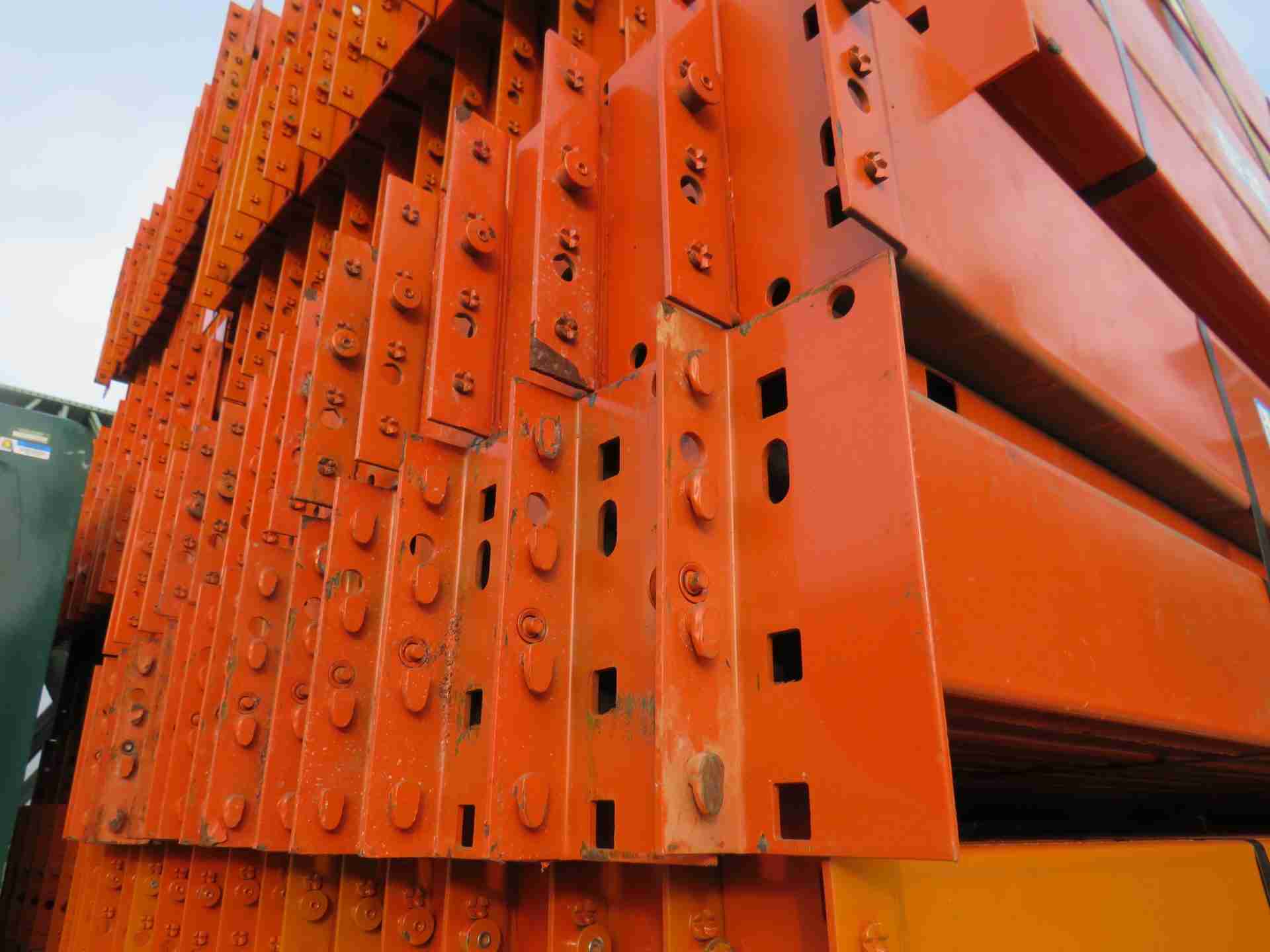
Warehouse Density As a Financial Strategy
Table Of Contents
- Warehouse Density As a Financial Strategy
- What Is the True Cost Of Inefficient Warehouse Density?
- How Can Optimized Space Save Money?
- What Emotional Toll Does a Chaotic Warehouse Environment Take?
- How Does Warehouse Density Impact Employee Morale?
- What Are the Ethical Implications Of Maximizing Storage Space?
- Can Better Warehouse Layout Reduce Operational Stress?
- Conclusion
- Other Resources
- Glossary Of Terms
- Other Questions
- Checklist
What Is the True Cost Of Inefficient Warehouse Density?
Inefficient warehouse density isn’t just about lost space; it’s about lost potential. Picture this: a warehouse crammed with products, but the racking systems are haphazard, making it a headache for workers instead of a well-oiled machine. You can almost hear the sighs of frustration as people navigate through aisles piled high with boxes. This isn’t just a story—it’s a reality that affects businesses every day.
Every inch of wasted space means higher operational costs. When a company can’t find items quickly, time gets eaten up. Employees scramble to locate products, slowing down the workflow and leading to missed deadlines. Think of the impact on customer satisfaction when orders are delayed—not just frustrating customers but also tarnishing the reputation of a business built over years. Emotionally, it can feel like watching a team lose a game because someone fumbled the ball.
Let’s get real: inefficiency can hit hard where it counts—your wallet. When warehouse layouts are confusing and racking systems are not optimized, labor hours soar. It’s like pouring money down the drain. Each dollar spent on extra labor could have been invested back into the business—perhaps in better equipment or employee training. Here lies the rational argument: making sense of your space can pay off significantly in the long run.
Ethically, every business has a duty to its workforce. A chaotic workspace can lead to accidents, increased stress, and even high turnover rates. When workers feel overwhelmed and undervalued, the company suffers, but so does the community that relies on those jobs. A productive, thoughtful layout can foster a sense of pride—workers feel more respected and engaged, knowing they’re part of a team that cares.
Stories abound from those on the ground about revolutionizing warehouse spaces. Companies that invest in smart racking systems often share tales of transformation—a cramped, dark corner turned into a hub of efficiency where team members thrive. There’s a shared sense of accomplishment that comes from creating a space where productivity isn’t just a number; it’s a way of life.
Warehouse density isn’t merely a metric; it’s a call to action. Optimize those racking systems and make every square inch count. When you do, you’re not just improving operations; you’re building a community, fostering teamwork, and driving success that ripples out far beyond the walls of your warehouse.

What Is the True Cost Of Inefficient Warehouse Density?
What Is the True Cost Of Inefficient Warehouse Density?
- Inefficient warehouse density results in lost potential and operational challenges.
- Cramped and disorganized spaces lead to frustration among workers and impact workflow.
- Wasted space increases operational costs and delays customer orders, harming business reputation.
- Confusing layouts result in higher labor costs, diverting potential investments from the business.
- A chaotic workspace can negatively affect employee morale, leading to accidents and high turnover.
- Investing in smart racking systems can transform productivity and create a more engaged workforce.
- Optimizing warehouse density enhances operations and fosters a sense of community within the workplace.
What Is the True Cost Of Inefficient Warehouse Density?
How Can Optimized Space Save Money?
Optimized space isn’t just a fancy term thrown around in corporate meetings; it’s about making every square inch of your workspace work for you. Imagine your warehouse or shop organized like a well-oiled machine—each tool, material, and piece of equipment in its rightful spot. A well-designed layout cuts down on wasted time searching for items, which means your workers spend more time doing what they do best. When you implement things like racking systems, you’re not just stacking goods—the vertical space becomes a goldmine, and you’ll find your productivity soaring.
Now, let’s get real. Your bottom line doesn’t lie. Every minute wasted means money lost. By optimizing your space, you can reduce costs measurably—less time to navigate, fewer mistakes made in hectic search for tools, and decreased labor costs. Those clunky old shelves take up floor space, but sleek racking systems give you room to operate. When space efficiently holds everything in its place, it invites a smoother workflow, significantly cutting down on those frustrating delays during busy hours.
Think about your community, too. Supporting local suppliers not only fosters connections but it often means better prices and better service. When your operation runs efficiently thanks to optimized space, you could find yourself in a position to take on new clients, growing your reputation and influence in the area. You’re not just saving money; you’re also investing in relationships your business thrives on.
Also, it all comes down to dignity and respect for your team. In a hustling environment, when each worker knows where to find what they need, it shows care for their labor and time. An organized space helps avoid the chaos that often weighs heavily on morale. Employees aren’t just cogs in a machine; they’re critical to the heart of your business. Happy workers contribute to a thriving business, and that impacts your success directly.
Whether it’s boosting your efficiency, trimming fat from overheads, or creating a culture of pride in your work, optimized space is key. By leaning on practical solutions like racking systems, you cultivate an environment where confidence flourishes, operations run smoothly, and trust can be built—both with your team and within the community. It’s about doing good business, and a little common sense goes a long way. It’s not just smart; it’s necessary.

How Can Optimized Space Save Money?
How Can Optimized Space Save Money?
- Optimized space enhances workspace efficiency by organizing tools and materials.
- A well-designed layout reduces time wasted searching for items, increasing worker productivity.
- Implementing racking systems utilizes vertical space, leading to higher productivity levels.
- Optimizing space minimizes costs by reducing navigation time, errors, and labor costs.
- Supporting local suppliers through efficient operations can improve prices and service.
- An organized workspace promotes worker morale, fostering dignity and respect for employees.
- Implementing optimized space cultivates a thriving business culture and strengthens community ties.

How Can Optimized Space Save Money?
What Emotional Toll Does a Chaotic Warehouse Environment Take?
In a chaotic warehouse environment, the emotional toll cannot be overstated. Picture a bustling floor filled with racking systems teetering under the weight of unmet expectations. Workers rush from one end to the other like pieces in a game of Tetris, their minds racing to keep up with constant demands. The high stakes of productivity turn camaraderie into competition, relationships fraying under the pressure. Each misstep—a misplaced item, a missed deadline—stings, amplifying anxiety that hangs in the air like dust.
On a human level, the stress manifests itself in sleepless nights. That clock ticking down until the next shipment arrives? It feels like a drum echoing in the background of their lives. Each noise associated with the racking systems—the clank of steel on steel or the hum of forklifts—becomes a reminder of their relentless pace, a call to arms to disregard their own wellbeing. The tangible physicality of the job contrasts sharply with the emotional emptiness it may breed, leaving workers depleted, both mentally and physically.
The rational mind has its own narrative: Efficiency is king, and the chaos must be managed. Yet behind the spreadsheets and performance metrics lies the ethical question of how we treat those who keep the operation running. It’s simple math: overworked employees are less effective, and that can cost the company far more in the long run. Investing in a healthier workplace isn’t just good for morale; it’s smart business.
This situation has social implications too. The chaotic environment breeds isolation rather than connection. Workers bond not over shared drinking after hours, but over shared fatigue. Agency and autonomy are often stripped down to basic survival, making it all the more essential to cultivate a culture of support. When a colleague lends a hand or offers a word of encouragement, it starts to counteract the emotional weight of the chaotic atmosphere.
We might ask ourselves: How long can we expect people to endure this strain? This isn’t just about moving boxes; it’s about moving hearts and minds. When we recognize that behind every racking system is a human being carrying emotional burdens, we can begin to reshape that narrative. It’s about fostering trust and confidence; it’s time to act—not just in the name of productivity, but for the people who keep our operations alive.

What Emotional Toll Does a Chaotic Warehouse Environment Take?
What Emotional Toll Does a Chaotic Warehouse Environment Take?
- The chaotic warehouse environment leads to significant emotional tolls on workers.
- High demands create a competitive atmosphere, straining relationships and increasing anxiety.
- Stress manifests in sleeplessness and impacts workers’ mental and physical wellbeing.
- Efficiency pressures can compromise ethical treatment of employees, affecting overall productivity.
- Isolation replaces connection among workers, with shared fatigue as a common bond.
- Cultivating a supportive culture is essential to counteract the emotional weight of the environment.
- Recognizing the human aspect behind operations can foster trust and enhance workplace morale.
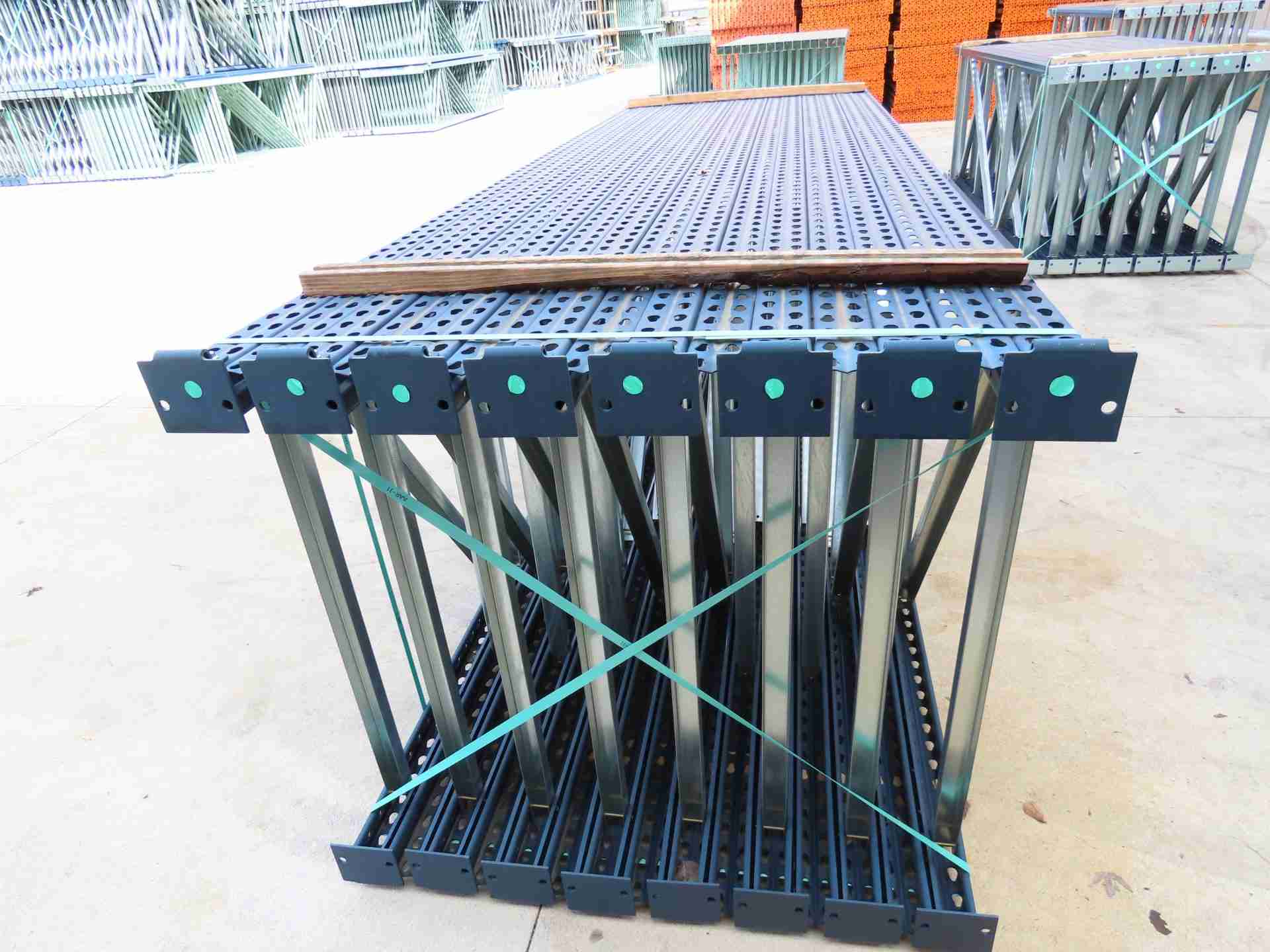
What Emotional Toll Does a Chaotic Warehouse Environment Take?
How Does Warehouse Density Impact Employee Morale?
Title:
When we talk about warehouse density, we’re not just juggling numbers and racking systems; we’re diving into how the setup affects the people working within those walls. Picture a warehouse filled to the brim—aisles narrow enough to feel like you’re shoulder-to-shoulder with your coworker, and it’s hard to breathe without bumping into a pallet. This isn’t just a logistical headache; it hits your morale like a ton of bricks.
Employees are like engine parts; when it’s crowded and uncomfortable, they don’t run smoothly. Clutter can be a real soul-sucker. It demotivates workers and makes them feel like they’re cogs in a machine rather than valued contributors. This isn’t just about efficiency; it’s about feeling like you belong. When people can’t move freely, frustration bubbles up. A breakroom that feels more like a storage closet can dampen the spirits of even the most dedicated worker. Everyone needs a space to recharge, share a laugh, or talk shop—facilities matter more than we realize.
On a more rational note, a well-designed racking system eliminates chaos. When goods are stored effectively, it minimizes the time spent searching for products. This means workers can get their jobs done quicker, leading to a sense of accomplishment and control. Proper organization breeds confidence. When employees know where things are and can access them easily, it sparks a sense of pride in their workplace.
Now, let’s not ignore the ethical angle here. Companies that prioritize employee well-being, including their physical workspace, signal that they care. When management invests in an efficient layout that respects both space and autonomy, it builds trust. Employees recognize those efforts, which can foster loyalty and a strong team atmosphere—people want to show up for a company they feel values them.
Think about your greatest stories in this line of work. Often, they’re not about the numbers or the products, but about the camaraderie you build with those around you during long shifts. A welcoming and less dense environment encourages social interaction, strengthens bonds, and creates a family vibe. It turns a job into a community.
Warehouse density is more than just an operational detail; it’s the heart of your workplace culture. It impacts how workers feel about their day-to-day, shaping everything from productivity to the stories shared during lunch breaks. So, when considering how to optimize your space, always keep that human element front and center.

How Does Warehouse Density Impact Employee Morale?
How Does Warehouse Density Impact Employee Morale?
- Warehouse density affects employee morale and comfort, impacting overall productivity.
- Overcrowded spaces can demotivate workers, making them feel undervalued.
- A well-organized racking system leads to increased efficiency and a sense of control.
- Employee well-being should be a priority, as it fosters trust and loyalty.
- A welcoming environment enhances social interaction and builds camaraderie among workers.
- Warehouse density is a key component of workplace culture, influencing daily experiences.
- Optimizing space should consider human factors to create a positive work environment.

How Does Warehouse Density Impact Employee Morale?
What Are the Ethical Implications Of Maximizing Storage Space?
Maximizing storage space is about more than fitting in boxes and pallets; it’s about how we live, work, and connect as communities. Racking systems can help, but they also deep dive into ethical waters that merit our attention. Think for a moment about that warehouse down the street, where every inch is crammed with goods. It’s a marvel of efficiency, sure. Yet, what happens to the people who work there? Are they just cogs in a machine, their well-being sacrificed on the altar of productivity?
We’ve all experienced the pinch—raised expectations about space and output can lead to overwork. It might seem rational to push every last bit of capacity, but at what cost? A safer, more respectful work environment where employees can thrive contributes not just to a robust bottom line but also builds community trust. We need to tread carefully here, as the pressure to perform can lead to burnout or accidents. However, with effective racking systems, we can create order from chaos, allowing folks to do their jobs without having to navigate a labyrinth of clutter.
On a broader scale, consider the social responsibility of maximizing storage space. Choosing to operate ethically isn’t just good for the heart; it makes great business sense. When companies foster environments that prioritize health and safety alongside efficiency, they promote loyalty and retention. Employees who feel valued are far more likely to give their all. This isn’t just some pie-in-the-sky notion; it’s grounded in common sense—people don’t just work for pay; they work for respect and purpose.
Then there’s the environmental angle. In our quest to maximize space, we must also consider waste and sustainability. Implementing smart storage solutions can reduce excess and make our operations leaner and cleaner. When we design with an eye toward responsibility—balancing what we can store and what we need to reduce—we forge a pathway to a sustainable future.
The key lies in finding a balance. We can enhance productivity without sacrificing our values. It’s about designing spaces with people in mind, thinking beyond numbers and metrics to recognize the human element behind our industry. Let’s not forget, in the race to maximize storage space, it’s the human experience that ultimately holds the most weight. We owe it to ourselves and our communities to consider the ethical implications of how we utilize and organize our environments.

What Are the Ethical Implications Of Maximizing Storage Space?
What Are the Ethical Implications Of Maximizing Storage Space?
- Maximizing storage involves not only physical space but also community connection and well-being.
- Racking systems can improve efficiency but also raise ethical concerns regarding worker treatment.
- Overemphasis on capacity can lead to employee burnout and safety issues.
- Creating a safe and respectful work environment fosters community trust and enhances productivity.
- Operating ethically benefits business by promoting employee loyalty and job satisfaction.
- Environmental sustainability must be considered when maximizing storage to reduce waste.
- A balanced approach can enhance productivity while prioritizing values and the human experience.
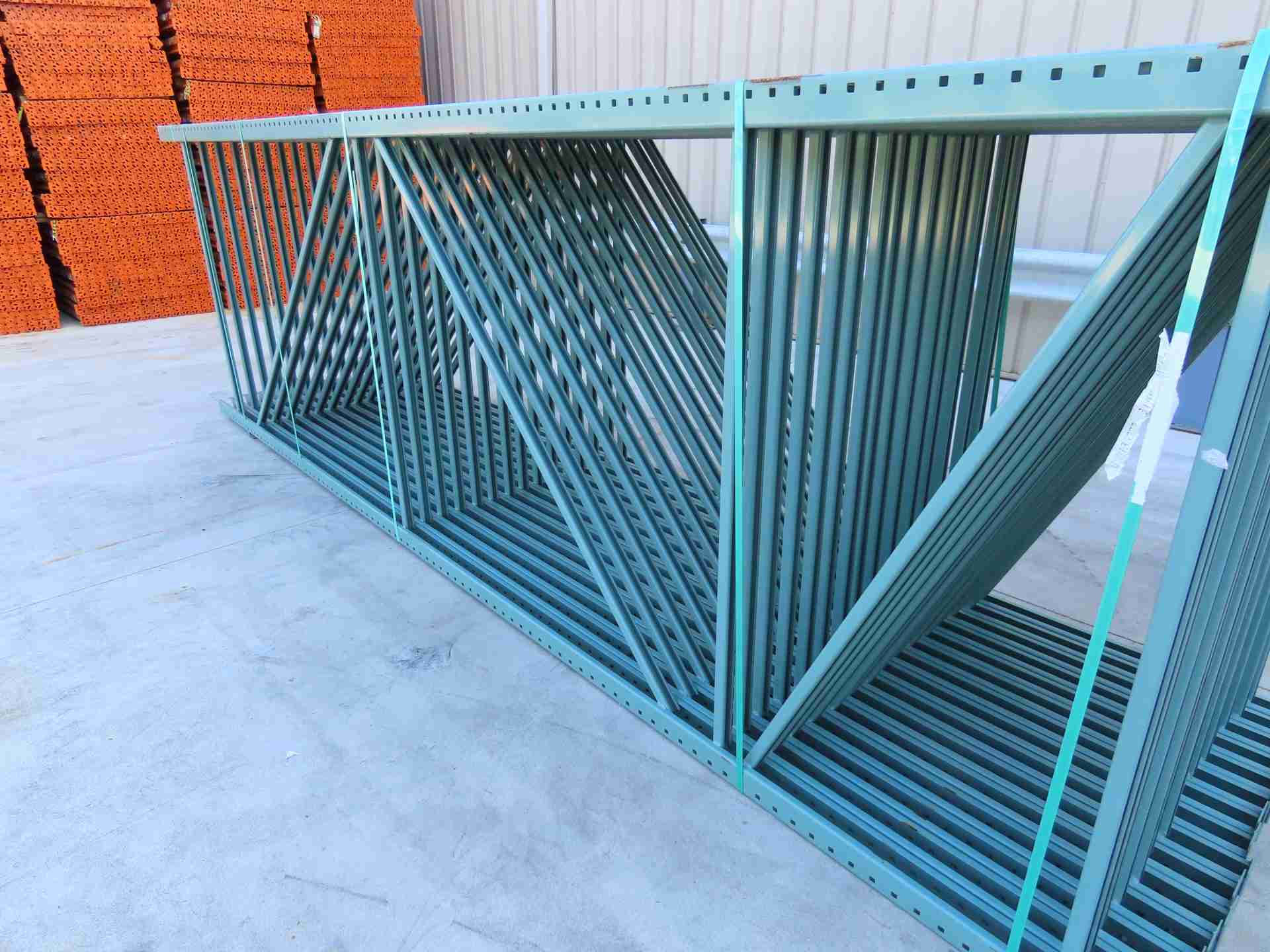
What Are the Ethical Implications Of Maximizing Storage Space?
Can Better Warehouse Layout Reduce Operational Stress?
In the heart of any busy warehouse, the layout can either be a well-oiled machine or a tangled mess. A thoughtful warehouse design can redefine not just the workflow but the very essence of the work environment. When folks step into a space where everything has its place—where racking systems are strategically placed for smooth navigation and swift access—they feel a sense of purpose. It’s like a craftsman stepping into his workshop, tools neatly organized, ready to tackle the day’s challenges without unnecessary fuss.
Think about it: the stress of constant miscommunication, the delays in finding essential stock, and the weariness that creeps in when workers are left wandering through chaos. A well-designed warehouse layout goes beyond efficiency; it taps into the emotional landscape of those doing the job. Workers who feel supported by their environment are more likely to take pride in their tasks. Imagine a team moving like a choreographed dance—each person knows their role, seamlessly passing items through well-considered pathways. There’s unity in this flow, creating a shared purpose that resonates deeply.
Rationally, the numbers don’t lie. A robust layout reduces time wasted searching for products and minimizes the risk of accidents caused by cramped or confusing spaces. Implementing effective racking systems can transform available space into a thriving hub of productivity. The savings in labor, enhanced accuracy in inventory management, and faster shipping times all point toward one undeniable conclusion: investing in infrastructure pays off. It’s not just about lifting boxes; it’s about lifting spirits and fortifying a much-needed sense of accomplishment.
Ethically, there’s a responsibility to create safe and manageable working environments. Workers deserve to clock in, do their jobs, and clock out without feeling drained by inefficiencies or dangerous conditions. A commitment to a well-laid-out warehouse is a commitment to quality and care for every individual in that building.
This isn’t just theory; it’s lived experience. Picture a seasoned warehouse veteran sharing stories over coffee, recalling the days of clutter and confusion, now juxtaposed against a backdrop of organized bliss. Every colleague knows the transformation that comes from a smart layout. It binds them together, fostering camaraderie based on shared success, progress, and the pride of a job well done. The heart of operational stress lies in the spaces we occupy. A better layout isn’t just a nice-to-have; it’s a game-changer that can lift weights off shoulders, foster connection, and make every day at work feel a little bit lighter.
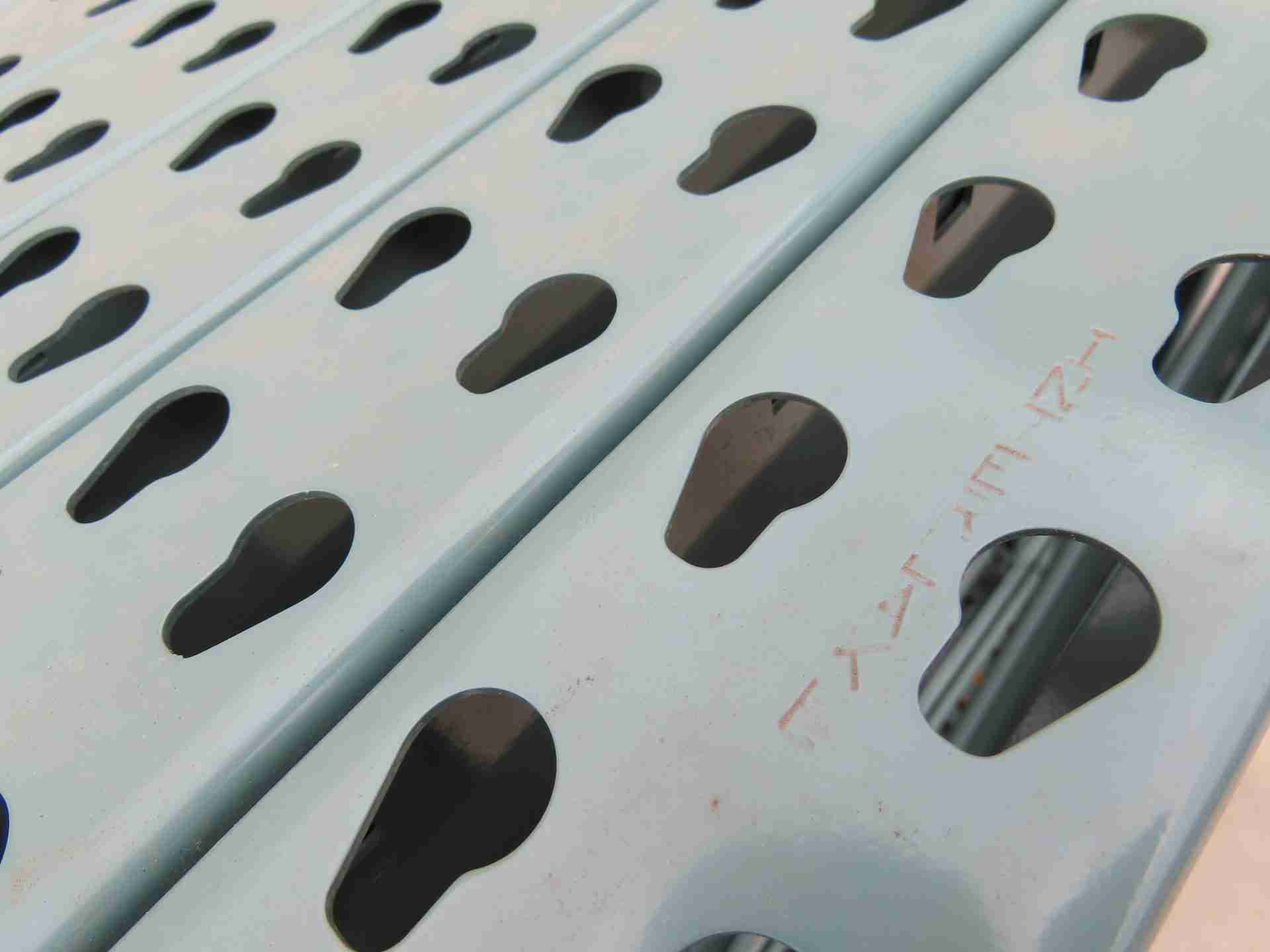
Can Better Warehouse Layout Reduce Operational Stress?
Can Better Warehouse Layout Reduce Operational Stress?
- A well-designed warehouse layout enhances workflow and creates a purposeful work environment.
- Organized spaces reduce stress, miscommunication, and the delays of searching for stock.
- Effective layouts tap into the emotional landscape of workers, fostering pride in their roles.
- A robust layout minimizes risks of accidents and improves operational efficiency.
- Investing in infrastructure leads to significant savings in labor and enhances productivity.
- Creating safe and manageable working conditions is an ethical responsibility for employers.
- A smart layout fosters camaraderie among workers, transforming the workplace into a supportive community.

Can Better Warehouse Layout Reduce Operational Stress?
Conclusion
Maximizing warehouse density isn’t merely a logistical exercise; it’s a strategic financial decision that resonates on multiple levels—emotionally, ethically, and rationally. Think of the warehouse not just as a storage facility but as a vital asset, where every square inch counts. Utilizing effective racking systems transforms a chaotic space into an organized environment, allowing employees to navigate with ease and efficiency. This organization nurtures a thriving workplace where safety and productivity go hand in hand, ensuring that every worker leaves at the end of the day feeling accomplished and respected.
When warehouse density is prioritized, we make a commitment to responsible resource management. By optimizing space, companies can drastically reduce overhead costs, which frees up funds for reinvestment in the workforce, creating job security and stability. This transformation isn’t limited to operational metrics; it fosters a narrative of growth that enhances both company culture and community ties. Satisfied employees who work in a structured environment are more motivated, contributing to a positive atmosphere that spills over into customer relations, as clients recognize and appreciate a well-organized operation.
Conversely, inefficient use of space leads to frustration and wasted potential. Picture workers scrambling through a cluttered aisle, searching for items amid disarray. This scenario results in missed deadlines, a tarnished reputation, and unnecessary strain on the team’s morale. The human cost of inefficiency manifests in stress and fatigue, underscoring the ethical responsibility employers have to create a supportive work environment. By investing in better warehouse layouts, organizations can alleviate the burdensome chaos and cultivate an atmosphere where employees thrive.
Optimized space pays financial dividends by minimizing labor costs and enhancing productivity. It’s essential to acknowledge the direct correlation between an organized workspace and worker morale—when employees can easily access the tools and materials they need, it elevates their sense of purpose and pride in their work. This aspect of morale is crucial; satisfied workers are loyal workers who contribute to a company’s success in ways that numbers alone cannot measure.
Ultimately, embracing warehouse density as a core principle of operation is not just about enhancing performance metrics; it’s about building a respected community and fostering a culture of dignity, care, and shared success. As organizations strive for efficiency, they must remember the human element at play, ensuring that the metrics of productivity never overshadow the well-being of the people behind the operation. Investing in intelligent, ethical warehouse management lays the groundwork for a resilient, robust future for both the business and its community.

Conclusion
Conclusion:
- Maximizing warehouse density is a strategic financial decision that impacts emotional, ethical, and rational aspects.
- Effective racking systems create organized environments, enhancing employee navigation and productivity.
- Prioritizing warehouse density fosters responsible resource management and significantly reduces overhead costs.
- A well-organized space contributes to job security, stability, and a positive company culture.
- Inefficient space usage results in frustration, missed deadlines, and negative impacts on team morale.
- Optimized warehouse layouts minimize labor costs and enhance worker morale, boosting productivity.
- Investing in warehouse management nurtures a culture of dignity and shared success, benefiting both the business and its community.

Conclusion
Other Resources

Other Resources
Here is a list of other resources you can review online to learn more:
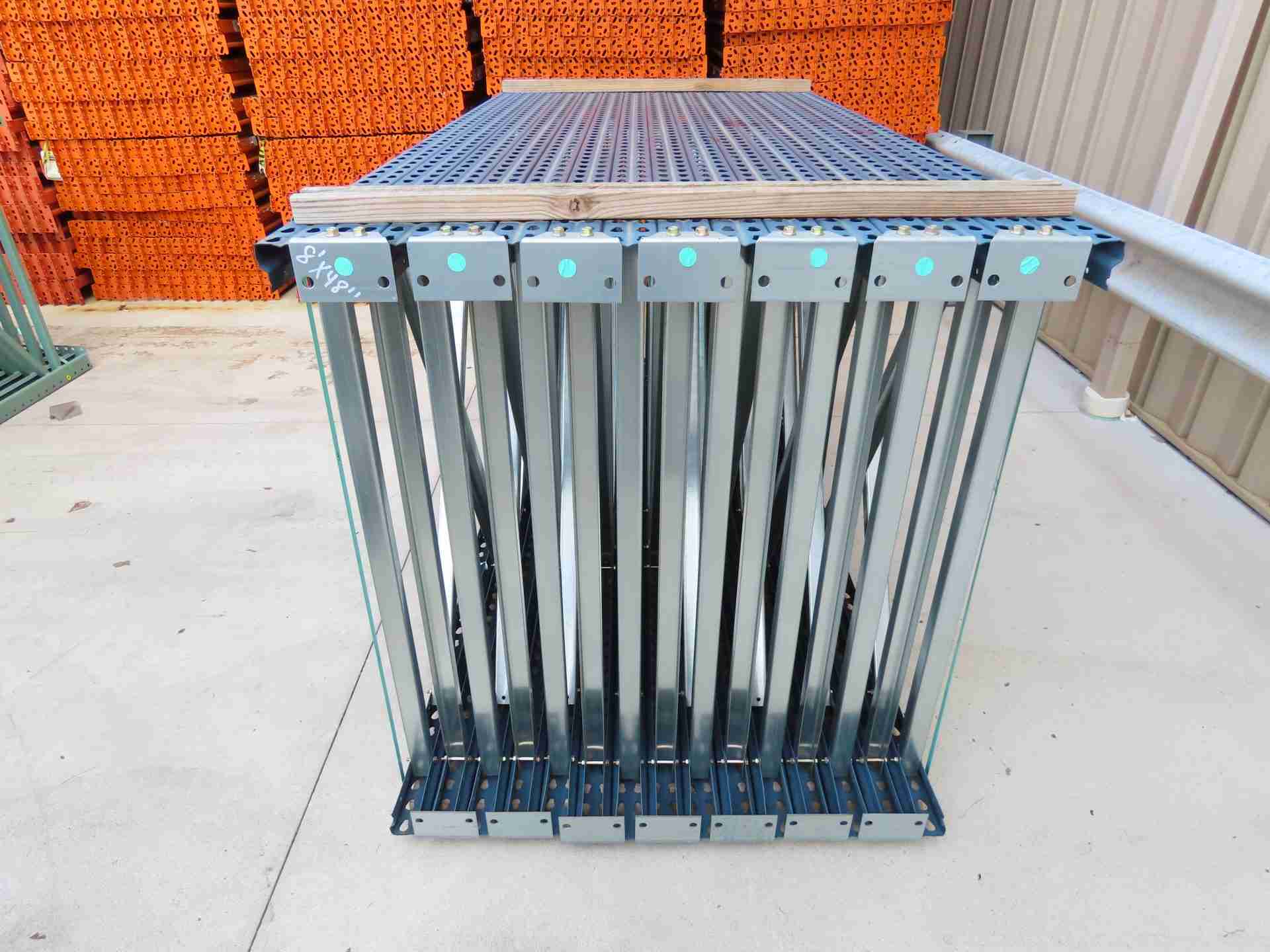
- Teardrop Racks – Pallet Rack World
- Warehouse Storage Racking in Illinois
- American Society of Safety Professionals
- Interlake Mecalux
- Teardrop Pallet Rack – Ridg-U-Rak
- IWLA
- Warehouse Racks, Warehouse Racking in Stock – ULINE
- Pallet Rack Systems – New and Used Pallet Racking and Shelving Experts
- The Complete Pallet Rack Guide – Simply Rack
- Rack Manufacturers Institute
- Illinois
- IIWS Inc. Rack Installation Illinois & Rack Repairs Illinois
- Interlake Mecalux
- Warehouse Racking Systems: Beginner’s Guide to Rack Systems
- Interlake
- BMH
- Cantilever Rack Configuration & Installation: A Comprehensive Guide – BMH
- Storage Equipment Manufacturers Association
- Warehouse Racking Chicago, IL
Use This Prompt To Get More Resources With Your Favorite Online AI Tool: Please provide me with a list of online articles with their URLs in a bulleted list that I can read regarding Warehouse Density As a Financial Strategy
Other Resources
Glossary Terms
Warehouse Density As a Financial Strategy – Glossary Of Terms
1. Warehouse Density: The measurement of how much storage space is utilized within a warehouse relative to its total capacity.
2. Utilization Rate: The percentage of warehouse space that is actively used for storage and operations.
3. Inventory Turnover: The rate at which inventory is sold and replaced over a specific period, impacting warehouse density.
4. Space Optimization: The process of arranging warehouse layouts to maximize storage efficiency and reduce waste.
5. Slotting: The strategic placement of products in a warehouse to enhance picking efficiency and space utilization.
6. SKU (Stock Keeping Unit): A unique identifier for each distinct product in inventory, critical for managing warehouse density.
7. Racking System: A structural framework for storing goods in a warehouse, influencing density based on configuration and height.
8. Palletization: The practice of stacking goods onto pallets to improve storage efficiency and facilitate handling.
9. Vertical Storage: Utilizing vertical space in the warehouse to increase storage capacity without expanding the footprint.
10. Overhead Space: The area above the floor level in a warehouse that can be leveraged for additional storage.
11. Mezzanine: An intermediate floor in a warehouse that adds to the storage capacity without expanding the building’s footprint.
12. Cross-Docking: A logistics practice where goods are directly transferred from inbound to outbound transportation, reducing storage time.
13. Lead Time: The amount of time taken from ordering to delivery, affecting inventory levels and warehouse density.
14. Just-in-Time (JIT): An inventory strategy that aims to reduce carrying costs by receiving goods only as they are needed.
15. Safety Stock: Extra inventory held to mitigate the risk of stockouts, influencing space requirements in the warehouse.
16. Picking Efficiency: The effectiveness of the process of selecting items from inventory for fulfillment, linked to warehouse layout.
17. Consolidation: The practice of combining multiple smaller shipments into a single larger shipment to improve handling and storage.
18. Demand Forecasting: The process of estimating future customer demand to adjust inventory levels and optimize warehouse density.
19. Dynamic Storage: A flexible storage solution that allows for adjustments based on varying inventory levels and types.
20. Lean Warehousing: A methodology focused on minimizing waste and maximizing efficiency in warehouse operations.
21. Automated Storage and Retrieval System (AS/RS): Technology that automates the storage and retrieval of products, enhancing density and efficiency.
22. Pick-to-Light System: A warehouse picking system that uses lights to direct workers to the correct items, improving accuracy and speed.
23. FIFO (First-In, First-Out): An inventory management strategy where the oldest stock is sold first, impacting storage organization.
24. LIFO (Last-In, First-Out): An inventory management strategy that sells the most recently received stock first, which can influence warehouse space.
25. Bulk Storage: A method of storing large quantities of items in a warehouse, typically using less space but may reduce accessibility.
26. Storage Capacity: The total amount of inventory that can be held in a warehouse, determined by physical layout and design.
27. Warehouse Management System (WMS): Software that helps manage warehouse operations, including inventory tracking and space utilization.
28. Supply Chain Management: The oversight of materials, information, and finances from vendor to customer, affecting warehouse density strategies.
29. Order Fulfillment: The complete process of preparing and delivering a customer’s order, influenced by warehouse layout and density.
30. Inventory Accuracy: The degree to which inventory records match the actual stock on hand, critical for optimizing warehouse operations.
Glossary Of Terms
Other Questions
Warehouse Density As a Financial Strategy – Other Questions
If you wish to explore and discover more, consider looking for answers to these questions:
- What specific metrics should I track to measure warehouse density and utilization?
- How do I calculate the return on investment (ROI) for new racking systems or a redesign?
- What are the common racking system types and which suit different product profiles?
- How does increasing density affect pick-and-pack times and order throughput?
- What trade-offs exist between maximizing density and maintaining picking accessibility?
- How much does it typically cost to retrofit an existing warehouse for higher density?
- What is the expected payback period for space-optimization investments?
- How can a Warehouse Management System (WMS) support higher-density operations?
- What safety standards and building codes apply when increasing vertical storage?
- How do fire suppression, sprinklers, and egress requirements change with denser racking?
- What impact does increased density have on forklift traffic flow and collision risk?
- How should aisles, clearances, and ergonomics be designed to protect workers in denser layouts?
- What training and change-management steps are needed for staff after a redesign?
- How does density optimization affect inventory accuracy and cycle-count procedures?
- Which picking strategies (zone, batch, wave, pick-to-light) work best in high-density warehouses?
- How can slotting optimization be used to maximize both density and efficiency?
- What are the environmental and sustainability implications of packing more into less space?
- How can I balance ethical concerns—worker wellbeing and safety—against cost savings?
- What measurable effects on employee morale and turnover can result from layout improvements?
- How can I quantify reductions in labor hours and error rates after optimization?
- Are there case studies or benchmarks from similar companies that show typical gains?
- How do seasonal demand fluctuations influence density strategies and flexibility?
- When is it better to expand footprint versus increasing density within the same building?
- How do automated storage and retrieval systems (AS/RS) compare to traditional racking?
- What maintenance and inspection regimes are required for denser racking installations?
- How do insurance premiums and liability exposure change with higher-density storage?
- What permits or approvals are typically required for major warehouse reconfiguration?
- How should emergency response plans be adjusted for a denser warehouse layout?
- What role do lighting, ventilation, and climate control play as density increases?
- How can technology—sensors, IoT, real-time location systems—improve utilization and safety?
- What criteria should I use when selecting vendors or integrators for racking and layout design?
- How do you preserve product FIFO/LIFO requirements when stacking more densely?
- What are the common pitfalls or hidden costs when implementing a density-focused redesign?
- How can small or medium-sized operations prioritize density improvements with limited capital?
- What KPIs should leadership monitor post-implementation to ensure sustained benefits?
Other Questions
Checklist
Warehouse Density As a Financial Strategy – A Checklist
Goals and Baseline
✅______ Define target storage density (pallet positions per sq ft or cubic ft)
✅______ Capture current cube and vertical utilization (%)
✅______ Measure aisle widths against equipment specifications
✅______ Record travel time per pick and overall order cycle time
✅______ Establish inventory accuracy baseline (%)
✅______ Establish labor productivity baseline (lines per hour, cost per order)
✅______ Establish safety baseline (incidents and near misses) and turnover
Layout and Flow
✅______ Map clear inbound, storage, pick, pack, and ship paths
✅______ Set one-way flows; eliminate cross-traffic pinch points
✅______ Right-size staging for inbound and outbound
✅______ Slot fast movers near shipping at ergonomic heights
✅______ Separate returns and rework from active pick zones
✅______ Protect clean, dedicated break areas
Racking and Storage Systems
✅______ Match rack type to SKU profile (selective, double-deep, drive-in, push-back, pallet flow, carton flow, mezzanine)
✅______ Maximize safe vertical space (clearances, sprinklers, seismic, roof height)
✅______ Standardize beam levels to unit loads; reduce dead space
✅______ Label aisles and locations with high-visibility signage and barcodes
✅______ Inspect racks; repair or protect uprights; install end-of-aisle guards
Inventory and Slotting
✅______ Run ABC/velocity analysis at least quarterly
✅______ Re-slot high-velocity SKUs to minimize travel and bends and lifts
✅______ Set min/max levels with directed replenishment
✅______ Enforce FIFO or FEFO, as applicable
✅______ Target ≥99% inventory accuracy via cycle counting
Equipment and Technology
✅______ Align lift trucks to aisle width and rack depth
✅______ Use WMS for directed putaway, pick paths, and location control
✅______ Deploy scanners, voice, or pick-to-light where ROI is proven
✅______ Maintain batteries and chargers; minimize downtime
✅______ Provide ergonomic lift assists for heavy or fast picks
Safety and Ergonomics
✅______ Mark pedestrian lanes, crossings, and right-of-way
✅______ Set speed limits; add mirrors and visibility aids
✅______ Keep aisles, exits, and fire equipment clear (per 5S discipline)
✅______ Post safe load ratings on racks; audit compliance
✅______ Train on safe stacking, lifting, and equipment operation
People and Morale
✅______ Ensure uncluttered, comfortable breakrooms and restrooms
✅______ Standardize work; cross-train to balance peaks
✅______ Monitor overtime and workload fairness
✅______ Hold brief daily huddles; share performance wins
✅______ Track morale signals (turnover, absenteeism, feedback)
Financials and KPIs
✅______ Track storage cost per pallet position and per order
✅______ Track labor cost per line and per order, and picks per hour
✅______ Monitor order cycle time and on-time ship rate
✅______ Monitor cube and vertical utilization (%)
✅______ Quantify savings from density changes; set a reinvestment plan
Community and Sustainability
✅______ Prioritize local suppliers where viable
✅______ Reduce packaging waste; use reusable totes and dunnage
✅______ Upgrade to energy-efficient lighting and chargers
✅______ Track kWh and waste per order
✅______ Recycle or repurpose retired racking and materials
Continuous Improvement
✅______ Conduct monthly KPI and layout reviews with action items
✅______ Conduct quarterly rack, safety, and 5S audits
✅______ Pilot changes in a test zone; standardize after results
✅______ Train new hires on layout, safety, and slotting within the first week
✅______ Document before-and-after metrics and communicate to the team and clients
Go/No-Go Gate for Density Changes
✅______ Safety risk does not increase; compliance confirmed
✅______ Travel time, touches, and errors decrease
✅______ Employee feedback is positive after trial
✅______ ROI meets target payback period
✅______ Morale spaces (e.g., breakrooms and rest areas) remain protected

Checklist
At RackingWorld, we help guide you through selecting warehouse storage systems and racking.
Be sure to read our other related stories at RackingWorld to learn more about warehouse storage systems.
0 Comments