
Empower Your Mind: Simplify Choices With Thoughtful Design
By Tom Seest
At RackingWorld, we help guide you through selecting warehouse storage systems and racking.
Be sure to read our other related stories at RackingWorld to learn more about warehouse storage systems.
Designing Layouts That Reduce Decision Fatigue
Designing layouts that reduce decision fatigue is like setting up a well-organized workshop; everything has its place, and that clarity allows us to get straight to work. Imagine stepping into a warehouse filled with racking systems, each neatly labeled and logically arranged. With everything in sight, you’re not wasting time rummaging through clutter or second-guessing where to find what you need. This kind of efficiency speaks to our gut—it feels good to know that you can jump into action without hesitation.
When you design for clarity, you’re also engaging the head. It’s about making the rational choice to simplify decisions. The fewer choices we face in a day, the better we can concentrate on what truly matters. Instead of grappling with a dozen options, a streamlined layout guides users naturally to the right decisions, fostering mental ease and boosting productivity.
Let’s not forget about the heart. Think about the frustration that comes from too many choices, that sinking feeling when you can’t decide what to grab from a chaotic layout. A well-thought-out design prevents that weariness. It encourages a sense of trust, showing that you care about the user’s experience. It expresses respect for their time and mental energy, making them feel valued in their space, whether it’s at home or at work.
Ethically, creating an environment that minimizes decision fatigue isn’t just smart; it’s the right thing to do. As designers, we carry the responsibility for how people interact with the spaces we create. A thoughtful layout that prioritizes ease makes life better, fostering a sense of community where everyone can thrive.
Authority comes into play when we respect tried-and-true design principles, drawing from the experiences of those who’ve walked the path before us. There’s wisdom in simplicity. This isn’t just theory—this is hands-on work learned from years of observation and real-life practices.
Finally, there’s a social element. Share your experiences about creating efficient spaces; it builds connections. When others see your commitment to reducing their decision fatigue, they’re more likely to adopt those practices in their own setups. Together, we can cultivate environments that don’t just look good but work like a charm—where racking systems are not just about storage, but about fostering a smooth flow for a better life.

Designing Layouts That Reduce Decision Fatigue
Designing Layouts That Reduce Decision Fatigue
- Designing layouts to reduce decision fatigue is akin to organizing a workshop for clarity and efficiency. .
- Well-organized spaces with clear labeling prevent wasted time and encourage immediate action.
- Simplifying choices enhances focus on what truly matters, boosting productivity.
- A thoughtful design minimizes frustrations associated with excessive choices, fostering trust and respect for users.
- Ethical design prioritizes minimizing decision fatigue, enhancing overall quality of life and community well-being.
- Authority in design comes from respecting established principles and learning from past experiences.
- Sharing experiences about efficient spaces builds community and encourages others to adopt similar practices.

Designing Layouts That Reduce Decision Fatigue
Table Of Contents
- Designing Layouts That Reduce Decision Fatigue
- What Choices Drain Your Energy the Most?
- How Does Clutter Affect Your Thinking?
- Can Minimalism Enhance Your Creativity?
- What Layout Makes You Feel Most At Ease?
- Do Colors Influence Your Decision-Making Process?
- How Can Design Promote Clearer Thinking?
- Conclusion
- Other Resources
- Glossary Of Terms
- Other Questions
- Checklist
What Choices Drain Your Energy the Most?
Life is a series of choices, and some of those choices weigh heavier than others. You get up in the morning with good intentions, ready to tackle the day, but before you know it, you’re running on empty. It’s the subtle shifts, the everyday decisions that, like a slow leak, drain your energy bit by bit. A wise friend once said that life is a bit like managing a racking system in a warehouse. You’ve got to keep the flow moving, but if you overload the racks or don’t manage the inventory right, everything comes crashing down.
Consider the decision to take on too much at work. We all know the feeling—stepping up to cover for a colleague, agreeing to lead another project, and suddenly, you’re juggling more balls than you can catch. It’s a gallant effort, sure, but eventually, you find yourself exhausted and frustrated, like an overworked machine. You might impress a few folks, but at what cost? This isn’t about showing off your strength; it’s about knowing your limits.
Then there are the choices we make about the people we surround ourselves with. Ever found yourself in a group that feels more draining than uplifting? Perhaps it’s a couple of acquaintances who just seem to suck the joy out of conversations, leaving you feeling weighed down and spent. Positive connections energize, while negative ones drain. It’s crucial to recognize which relationships feel like a helpful racking system, keeping you organized and supported, and which ones are just cluttering up your emotional space.
Let’s not forget the choice of what we consume. It’s not just about food; it’s also about content. Scrolling through endless social media feeds or watching the news can be like having a leaky faucet, drenching us in anxiety and stress. Instead, curate what you take in. Engage with content that inspires you, fuels your passions, and makes you feel alive—something that energizes rather than drains.
We’ve all got the power to make choices that respect our energy. By finding the right balance and being mindful of our decisions, we can avoid the energy drainers and embrace what lifts us. It’s about cultivating a life that functions like a well-organized racking system, where every choice supports a structure that stands tall, allowing us to thrive rather than just survive.

What Choices Drain Your Energy the Most?
What Choices Drain Your Energy the Most?
- Life consists of a series of choices that can significantly impact energy levels.
- Everyday decisions can drain energy subtly, akin to a slow leak.
- Overcommitting at work can lead to exhaustion and frustration.
- Surrounding oneself with positive relationships enhances energy, while negative ones drain it.
- Choosing what to consume—both food and content—affects emotional well-being.
- Curating inspiring and uplifting content can counteract stress and anxiety.
- Mindful decision-making helps cultivate a balanced, thriving life.

What Choices Drain Your Energy the Most?
How Does Clutter Affect Your Thinking?
Clutter has a sneaky way of creeping into our lives, taking over spaces, and clouding our thoughts. Picture a garage crammed with old tools, boxes, and forgotten mementos. It’s a scene that many of us can relate to in one way or another. Racking systems that organize those tools and keep everything in its place can change that chaos into clarity. When everything is arranged neatly, it’s not just about aesthetics; it’s about mental space. When we can see what we have, we can think clearer. It’s like untangling a messy ball of yarn—suddenly, the threads of our thoughts start to flow smoothly.
On a rational level, the brain thrives in order. Clutter leads to distractions, making it hard to focus on tasks at hand. A study might show that people working in disorganized spaces have a harder time concentrating. That disconnect can weigh heavy on the mind, causing stress and frustration. When we clear our surroundings, we clear our minds—and this isn’t just advice from self-help books; it’s an echo from everyday reality, where the simplest improvements yield the best results.
Digging deeper, we realize clutter doesn’t just affect us physically but touches our emotional and ethical selves. We hold onto items that no longer serve us, thinking they’re part of our identity. Letting go becomes a battle. Yet, imagine the freedom you feel donating that boxed-up treasure you haven’t used in years. It’s a lightness that inspires courage in others who witness your change. When we share our stories of decluttering, we foster connection. Others relate to the struggle, igniting conversations that empower us to take action together.
Consider this: a well-organized space speaks to our humanity. It’s a reflection of our lives, our values, and our hopes. Just as a good racking system can make a workplace more efficient, organizing our environments makes room for creativity and productivity in our everyday lives.
Clutter isn’t just physical; it intertwines with our thoughts and emotions. When we address the mess around us, we’re not just cleaning up; we’re taking charge of our lives. As we clear out the clutter, we begin to make room for what’s truly important, and as we take those steps, we invite trust, confidence, and a sense of belonging into our lives and the lives of those around us.

How Does Clutter Affect Your Thinking?
How Does Clutter Affect Your Thinking?
- Clutter disrupts physical spaces and mental clarity.
- Organizational systems can transform chaos into order.
- Clutter leads to distractions and affects concentration.
- Clearing clutter can alleviate stress and frustration.
- Letting go of unnecessary items fosters emotional freedom.
- Sharing decluttering experiences builds connections and empowers others.
- An organized environment enhances creativity and productivity.

How Does Clutter Affect Your Thinking?
Can Minimalism Enhance Your Creativity?
Minimalism isn’t just a trend; it’s a lifestyle that can reshape how we interact with our surroundings and, crucially, how we foster our creativity. At its core, minimalism strips away the excess – the clutter, the noise, the distractions – and reveals a clearer path to our thoughts and ideas. Imagine a workspace defined by racking systems that hold only what you need, where each item serves a purpose. This practical setup isn’t just about aesthetics; it’s about efficiency and focus.
When we reduce the chaos around us, we create room for the mind to wander, to explore, and to come up with fresh ideas. Picture a writer sitting in a simple, organized room, the only sounds being the tapping of fingers on the keyboard. Here, the mind can dive deep without tripping over unnecessary interruptions. It’s about finding that quiet space where inspiration can make itself known.
In a world constantly throwing information at us, minimalism equates to taking a stand. It’s a statement that says, “I’m in control.” This is more than a personal choice; it’s an ethical declaration we make about the value of quality over quantity. Each item kept or idea pursued should have weight, meaning, and purpose. Think of it as curating your own gallery of thoughts – each idea displayed is significant and thought-provoking.
Emotionally, minimalism invites us to connect with what truly matters. It enables us to strip back the noise and focus on the deeper narrative of our lives. There’s a certain comfort in having a space that reflects internal clarity. It’s not just about what you create; it’s about the headspace you cultivate during the process.
Socially, embracing minimalism demonstrates a commitment to community and sustainability. By living with less, we can share more. Our creativity flourishes when we collaborate and connect with others, using our skills to uplift one another instead of bogging ourselves down with excess. The beauty of minimalism is that it fosters an environment of trust and camaraderie, where ideas can be exchanged freely without the hindrance of overwhelming distractions.
Ultimately, engaging in minimalism can spark a genuine transformation in creativity. It’s about reclaiming your time, sharpening your focus, and finding inspiration in simplicity. Embrace it, and watch as your imagination begins to flourish in ways you never thought possible.

Can Minimalism Enhance Your Creativity?
Can Minimalism Enhance Your Creativity?
- Minimalism is a lifestyle that enhances creativity by removing excess distractions.
- A minimalist workspace promotes efficiency and focus with only essential items.
- Reducing chaos allows the mind to explore and generate new ideas.
- Embracing minimalism is a statement of control and prioritizes quality over quantity.
- It fosters emotional clarity and helps connect with what truly matters in life.
- Socially, minimalism encourages community and sustainability through sharing and collaboration.
- Engaging in minimalism can transform creativity by reclaiming time and sharpening focus.

Can Minimalism Enhance Your Creativity?
What Layout Makes You Feel Most At Ease?
When thinking about how to make a space feel right, whether it’s a workplace, a workshop, or your own home, it’s not just about the aesthetics; it’s also about the functionality. A layout that puts you at ease often revolves around practicality and good old-fashioned common sense. It’s about creating an environment that understands how we live and work. Take racking systems, for instance. When you’ve got items organized and easily accessible, there’s a sense of order that calms the mind. You know where everything is, and you don’t spend your valuable time rummaging around for that one tool or piece of equipment you need.
Imagine walking into a room that’s clutter-free, where everything has its place. Your eyes aren’t darting around in a nervous frenzy, trying to make sense of chaos. Instead, your focus stays sharp, and you can breathe easier. A well-designed space fosters confidence. It says, “You belong here; this is yours.” It’s the little things, like a comfortable chair positioned just right or a workspace that flows naturally from one task to the next, that make a big difference in how we feel.
Layout isn’t just about the feel; it’s about the story it tells. A place isn’t merely walls and furniture; it’s where memories are made, where challenges arise and are tackled head-on. Think of a community workshop filled with dedicated folks sharing skills, swapping stories, and building trust in each other’s abilities. That kind of social connection transforms an ordinary space into a hub of inspiration and motivation.
Beyond the emotional aspect, there’s a rational appeal to a thoughtful layout. It’s about efficiency and effectiveness in your daily tasks. You don’t want to waste energy or time; you want to harness it. Good layouts reduce unnecessary movement, enabling you to tackle your projects with gusto, empowered by a space that supports and mirrors your dedication.
Trust your instincts when laying out your space. Blend the needs of your heart, head, and gut. Create a layout that feels as comforting as an old flannel shirt and as empowering as a sturdy pair of work boots. After all, we’re creatures of comfort, and the right layout can bring out the best in us, fostering a productive environment where we can all thrive.
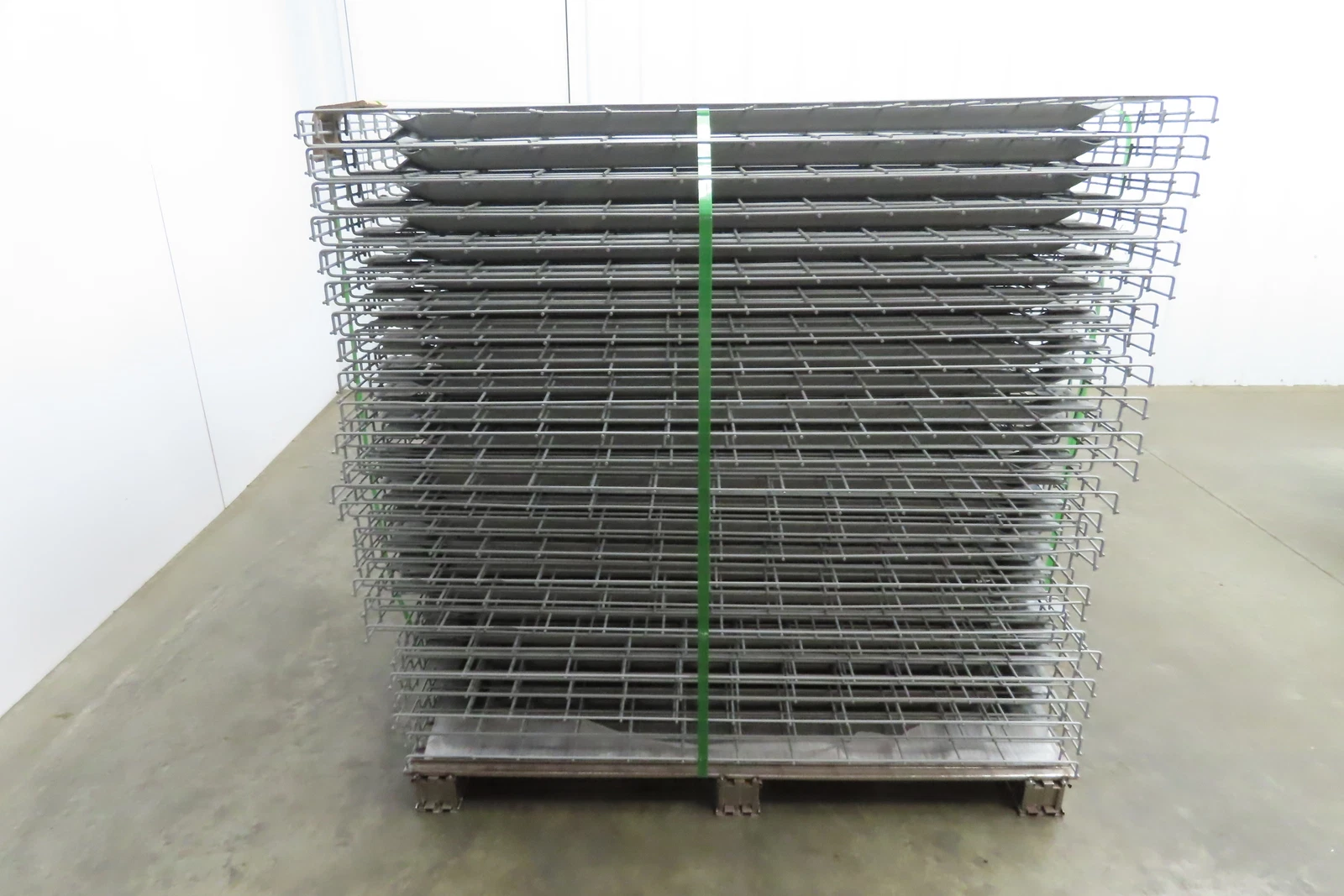
What Layout Makes You Feel Most At Ease?
What Layout Makes You Feel Most At Ease?
- Creating a space involves both aesthetics and functionality.
- A practical layout promotes ease and reduces clutter, enhancing focus.
- Organization, such as using racking systems, contributes to a calming environment.
- A well-designed space fosters confidence and a sense of belonging.
- The layout tells a story and can transform a space into a hub of inspiration.
- Thoughtful layouts improve efficiency and minimize unnecessary movements.
- Trust your instincts to design a comforting and empowering environment.

What Layout Makes You Feel Most At Ease?
Do Colors Influence Your Decision-Making Process?
When it comes to decision-making, it ain’t just the facts or figures that steer us; colors play their own subtle part in the mix. Think about it: when you’re facing a choice, the hues surrounding you can speak louder than the words coming at you. Picture yourself walking into a hardware store looking for racking systems. The bright red paint on the sale signs grabs your attention and pulls you in, making you feel an urgency to buy. That simple color choice can push you to seize a fleeting chance that you might otherwise overlook.
Now shift gears and imagine the calming blue of a well-organized display of racking systems. It doesn’t just present those shelves; it conveys reliability and trust. In that moment, your brain is making connections, deciding whether to choose something based not only on its utility but how it makes you feel. The blues and greens can nudge you toward a thoughtful decision, while reds and yellows jolt your instincts into action.
Colors also weave into the stories we tell ourselves. If you’ve got that bright yellow in your workspace, it might kindle feelings of optimism and creativity. You’re more likely to take calculated risks, like investing in a new racking system that fits just right for your setup, inspired by that burst of warmth. When people share tales about their renovations, they often speak of how colors transformed not just their spaces but their mindsets too. That shared experience can create a bond, nudging you toward similar paths.
On the flip side, colors can raise ethical flags too. Green evokes thoughts about sustainability, especially when it comes to choosing materials or systems that don’t just look good but are good for the earth. Deciding on eco-friendly racking systems isn’t just a choice; it’s a statement about who you are and what you value. It speaks to your conscience and connects you with a community that shares those beliefs.
Colors do more than merely decorate our lives; they become integral to the decisions we make every day. Whether it’s the rush of red that prompts you to act or the steadiness of blue that helps you think it through, understanding this interplay can empower you to make choices that resonate with your heart, head, and gut. Each decision can build trust, foster connection, and inspire meaningful action.

Do Colors Influence Your Decision-Making Process?
Do Colors Influence Your Decision-Making Process?
- Colors influence decision-making beyond just facts and figures.
- Bright red can create urgency, attracting attention to products like racking systems.
- Calming blue promotes feelings of reliability and thoughtful decision-making.
- Colors like yellow can inspire optimism and encourage calculated risks.
- Shared experiences related to color can foster connections among people.
- Green symbolizes sustainability and reflects personal values in decision-making.
- Understanding the role of colors can enhance choices that align with emotions and beliefs.

Do Colors Influence Your Decision-Making Process?
How Can Design Promote Clearer Thinking?
Design is more than just aesthetics; it shapes the way we think, work, and connect with the world around us. Consider a warehouse filled with Racking Systems. A well-designed layout enhances efficiency and reduces confusion, helping workers find what they need without fumbling through clutter. It’s like organizing a toolbox: when everything has its place, you grab the right wrench without needing to sift through a pile of tools. This clarity fosters a straightforward workflow, allowing folks to focus on their tasks rather than distractions.
Now, dig a little deeper. Think about how a functional workspace can impact a team’s morale. An office designed with collaborative spaces encourages conversations and brainstorming, igniting ideas that can change the game. When a space feels inviting, people feel motivated to share their thoughts. It’s a good reminder that design impacts not just how things look, but how we feel and act. On the gut level, a well-thought-out design resonates with comfort and belonging, making it easier for individuals to immerse themselves in their work.
Emotionally, we all crave connection. Design that emphasizes user experience invites empathy. Picture a community center shaped around the needs of locals: a welcoming entrance, open areas for gatherings, and carefully placed signage. It’s not just about function; it’s a reflection of the values that the community holds dear. When people see their needs considered, they feel valued, fostering loyalty and trust.
From a rational standpoint, clear design facilitates better decision-making. When information is presented in an understandable way—like the easy-to-read labels on a Racking System—people can process data quickly and accurately. This clarity breeds confidence; they trust their judgment and can act decisively. Ethical design compels us to consider the environment, too. Choosing sustainable materials and methods is good practice and shows respect for the planet, making a statement about who we are as a society and the legacy we want to create.
Design is a powerful tool that can affect all aspects of our lives—our thoughts, feelings, and decisions. When we prioritize clarity in design, we don’t just improve efficiency; we enhance the human experience itself. It’s about building spaces that resonate, lift spirits, and lead to mutual understanding—a true reflection of how thoughtful design can transform thinking.

How Can Design Promote Clearer Thinking?
How Can Design Promote Clearer Thinking?
- Design influences thoughts, work, and connections with the world.
- A well-structured layout in workspaces enhances efficiency and reduces confusion.
- Functional designs improve team morale by fostering collaboration and creativity.
- Design impacts emotions, creating a sense of comfort and belonging in spaces.
- User-centric designs build empathy and reflect community values, fostering loyalty.
- Clear presentation of information aids decision-making and builds confidence.
- Ethical design prioritizes sustainability, reflecting societal values and legacies.

How Can Design Promote Clearer Thinking?
Conclusion
Designing layouts that reduce decision fatigue taps into the practical wisdom of everyday life. Think of a crowded workshop filled with tools and materials tossed about willy-nilly; it’s chaos that drains energy before the day even begins. Now picture that same space transformed into a well-oiled machine, racking systems in place, each item labeled and easy to find. This clarity not only speaks to our gut but also engages our heads, simplifying choices so we can focus on what truly matters. Each time we eliminate unnecessary options, we lighten our mental load and enhance productivity. It’s about respecting users’ time and energy, making them feel valued and understood in their environments, whether they’re at a job site or at home.
Ethically, designers hold a responsibility to create spaces that reduce mental strain, acknowledging the impact that thoughtful design can have on community well-being. By following established design principles, we draw on the wisdom accumulated from those who came before us, knowing that simplicity often yields the best results. Life is awash with choices, and the burdensome ones can sap our energy like an old, leaky faucet. Understanding which choices empower us versus those that weigh us down helps us lead more fulfilling lives.
Clutter does more than fill our physical spaces; it fogs our thoughts. Clearing away the mess allows for clearer thinking and taps into deeper emotional connections. Organizing our surroundings enables us to articulate our values and memories more openly, ultimately empowering ourselves and those around us. Minimalism plays a relevant role here, as it forces us to strip away the nonessential and focus on what truly inspires us, enriching our creativity and connections.
Design’s impact runs deeper than aesthetics; it promotes comfort and functionality, easing us into our day-to-day tasks. The layout tells our story and reflects who we are, fostering an environment that drives trust and confidence. Colors wield their own influence, subtly guiding our decisions as they cultivate moods and intentions. Whether it’s the warmth of yellow fueling our optimism or the calm of blue promoting thoughtful choices, understanding color’s role helps us make intentional decisions that resonate with our core values.
Ultimately, a well-designed space can enhance our lives significantly, nurturing both individual creativity and collective community spirit. The choices we make in design reflect our beliefs, encouraging a sense of belonging and empowering us to thrive amidst life’s many challenges.

Conclusion
Conclusion:
- Designing layouts reduces decision fatigue by simplifying choices and enhancing productivity.
- A well-organized space fosters clarity, allowing users to focus on what truly matters.
- Designers have an ethical responsibility to create environments that alleviate mental strain.
- Simplicity in design often leads to better outcomes, drawing from established design principles.
- Clearing clutter aids in clearer thinking and strengthens emotional connections.
- Colors in design influence moods and decisions, promoting intentionality in choices.
- A well-designed space nurtures creativity, community spirit, and a sense of belonging.

Conclusion
Other Resources

Other Resources
Here is a list of other resources you can review online to learn more:
- CA Wire
- Storage Equipment Manufacturers’ Association
- BMH
- Shipping Boxes, Packaging Materials, Pallet Racking
- New Cantilever Racks and Racking Kits
- Crane Manufacturers Association Of America Inc.
- Heavy-Duty Cantilever Storage Racks
- IWLA
- Warehouse Racking Systems: Beginner’s Guide to Rack Systems
- Storage Equipment Manufacturers Association
- Warehouse Automation
- IIWS Inc. Rack Installation Illinois & Rack Repairs Illinois
- Teardrop Industrial Shelving Rack
- Interlake
- Pallet Racking systems in Illinois and Great Lakes
- IIWS Inc. Rack Installation Illinois & Rack Repairs Illinois
- Arrow Industrial Sales
- Cantilever Rack Guide: Ordering Cantilever Racking
- Warehouse Racking Layout: The Ultimate Guide – Conger
- Teardrop Racks – Pallet Rack World
Use This Prompt To Get More Resources With Your Favorite Online AI Tool: Please provide me with a list of online articles with their URLs in a bulleted list that I can read regarding Designing Layouts That Reduce Decision Fatigue

Other Resources
Glossary Terms
Designing Layouts That Reduce Decision Fatigue – Glossary Of Terms
1. Aesthetics: The branch of philosophy concerned with the nature and appreciation of beauty in design.
2. Affordance: A property of an object that suggests its use, guiding user interactions effectively.
3. Cognitive Load: The amount of mental effort being used in the working memory during the decision-making process.
4. Color Psychology: The study of how colors influence perceptions and behaviors in design.
5. Consistency: Maintaining uniformity in design elements to help users predict outcomes and reduce confusion.
6. Contextual Design: Creating layouts that fit the specific environment and circumstances of use, enhancing usability.
7. Decision Fatigue: The deteriorating quality of decisions made by an individual after a long session of decision-making.
8. Hierarchy: The arrangement of elements in a design that conveys their importance, guiding user attention.
9. Information Architecture: The structural design of shared information environments, enabling ease of navigation.
10. Layout: The arrangement of visual elements on a page or screen to facilitate understanding and engagement.
11. Minimalism: A design approach focused on simplicity, prioritizing essential elements to reduce clutter.
12. Navigation: The methods through which users interact with and traverse through a layout or interface.
13. Proximity: The principle that elements placed closer together are perceived as related, helping organize information.
14. Problem-Solving: The process of working through details of a challenging issue in design to reach effective solutions.
15. Redundancy: The inclusion of extra components that reinforce the message, aiding in comprehension and decision-making.
16. Simplification: The act of making designs easier to understand by removing unnecessary elements and complexities.
17. Spacing: The intentional arrangement of empty space between elements, improving readability and focus.
18. Typography: The style and appearance of printed matter, which influences readability and user interaction.
19. Usability: The degree to which a product or service can be used by specific users to achieve specific goals effectively.
20. User-Centered Design: A design philosophy that places the needs and preferences of the end user at the forefront of the process.
21. Visual Hierarchy: The arrangement of elements in a way that leads the viewer’s eye towards the most important features.
22. Workflow: The sequence of processes through which a piece of work passes from initiation to completion.
23. Layout Grids: A framework for organizing content in a consistent structure, enhancing clarity and flow.
24. Interactivity: The degree to which users can engage with a design or layout, influencing their decision-making experience.
25. Feedback: Information returned to the user about their actions within the layout, aiding in decision clarity.
26. Experience Design: The process of creating products that provide meaningful and relevant experiences to users.
27. Clarity: The quality of being coherent and intelligible, crucial in designs to avoid confusion and fatigue.
28. Call to Action: A prompt within a design that encourages users to take a specific action, guiding decisions.
29. Intuitiveness: The quality of a design that allows users to navigate and use it without confusion or instruction.
30. Emotional Design: Designing with consideration of the users’ emotional responses to create a more engaging experience.
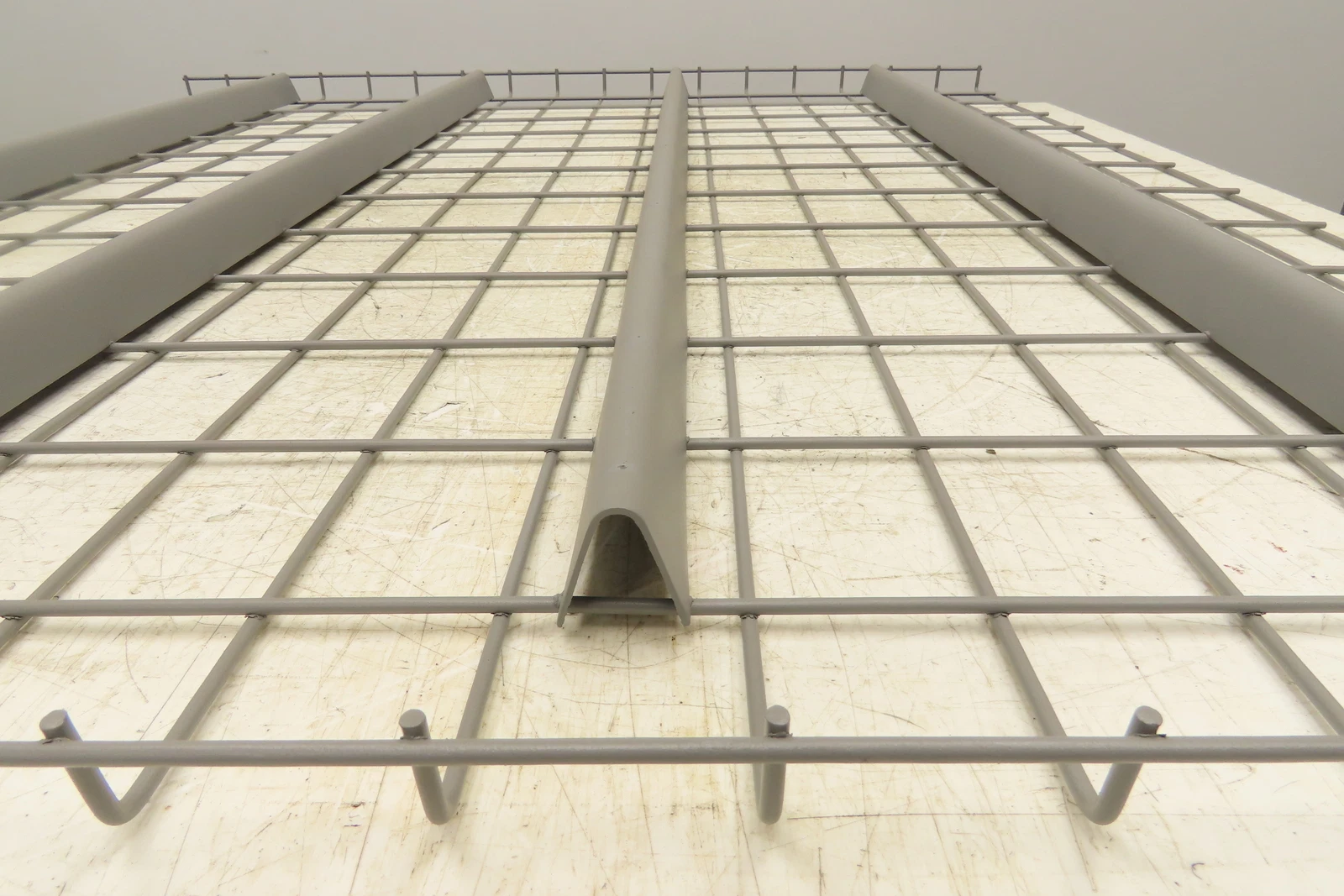
Glossary Of Terms
Other Questions
Designing Layouts That Reduce Decision Fatigue – Other Questions
If you wish to explore and discover more, consider looking for answers to these questions:
- What are the first practical steps to redesign a space to reduce decision fatigue?
- How do you measure whether a layout change actually lowers decision fatigue?
- What specific layout patterns work best for homes versus workplaces versus warehouses?
- How much time and budget should be expected for a typical redesign focused on clarity?
- What are simple low-cost interventions that produce big gains in mental clarity?
- How do you prioritize which decisions to simplify first?
- How can digital interfaces be designed to mirror the benefits of physical racking systems?
- What metrics or KPIs should organizations track to evaluate layout effectiveness?
- How do you balance minimalism with the need to have frequently used items immediately accessible?
- What are common pitfalls designers make that inadvertently increase decision fatigue?
- How can color palettes be chosen to support different kinds of decisions (urgent vs deliberative)?
- Which colors should be avoided in spaces where clear thinking is required?
- How can layouts be designed to support neurodiverse or neuro-atypical users?
- What role does signage, labeling, and wayfinding play in reducing cognitive load?
- How often should a space be reassessed and reorganized to prevent clutter from returning?
- What behavioral techniques help people stick to a simplified layout (habits, rituals, nudges)?
- How do social and cultural differences affect perceptions of clutter and minimalism?
- What ethical considerations arise when designing spaces that influence user choices?
- How can designers test layout options with real users before committing to a full redesign?
- Are there proven case studies showing productivity improvements from decluttered layouts?
- How do you design for collaboration while still minimizing distractions for focused work?
- What storage systems or racking solutions are best for small footprint spaces?
- How should organizations manage the trade-off between personalization and standardized layouts?
- Which tools or software help plan and visualize layout changes effectively?
- How can sustainability and eco-friendly materials be incorporated without increasing decision load?
- What guidance should be given to employees or household members to maintain an organized layout?
- How can designers quantify the emotional benefits (reduced stress, improved trust) of better layouts?
- What lighting and acoustics choices complement a layout designed for clearer thinking?
- How do you design transitional zones (entryways, hubs) to minimize decision overload?
- What resources or checklists can help someone get started immediately on decluttering and redesign?

Other Questions
Checklist
Designing Layouts That Reduce Decision Fatigue – A Checklist
Clarify Purpose and Priorities
✅______ Define a single primary goal for the space or page
✅______ List the top three tasks the layout must make effortless
✅______ Identify must-have items; remove or defer nice-to-haves
✅______ Set success metrics (time to find, errors, completion rate)
Simplify Choices
✅______ Limit visible options to the essentials (use the 3–5 rule)
✅______ Use progressive disclosure to reveal advanced options
✅______ Provide smart defaults that fit common use cases
✅______ Eliminate duplicates and consolidate overlapping actions
✅______ Standardize patterns so similar tasks look and work alike
Structure and Flow
✅______ Group related items by proximity and function
✅______ Establish clear visual hierarchy (size, weight, spacing)
✅______ Use a consistent grid and alignment
✅______ Create an obvious first-use path to the key action
✅______ Place frequent-use and critical items at eye and hand level
✅______ Minimize reach, steps, and crossings in the workflow
✅______ Ensure one-way, uncluttered paths with logical sequencing
Labeling and Wayfinding
✅______ Use plain-language, consistent labels
✅______ Pair icons with text; avoid icons without labels
✅______ Color-code zones and provide a visible legend
✅______ Add aisle and shelf numbers or section markers
✅______ Make labels readable at the use distance; face labels outward
✅______ Provide a simple “You Are Here” map or an overview card
Clutter Control and Inventory
✅______ Remove anything not used in the last 90 days (adjust for context)
✅______ Assign a single “home” for every item (no orphan items)
✅______ Use clear bins or open storage for quick visual scans
✅______ Set work-in-progress (WIP) limits; cap what can be in process at once
✅______ Implement one-in/one-out and an inbox for new items
✅______ Schedule a quick daily reset and a monthly audit
✅______ Create donate, recycle, or dispose pathways with triggers
Minimalism for Focus
✅______ Keep only tools and information needed for current tasks
✅______ Hide nonessentials by default; reveal on demand
✅______ Preserve white space; avoid decorative noise
✅______ Mute backgrounds; spotlight what requires action
Color and Contrast
✅______ Use color intentionally: warm for alerts/attention; cool for calm/trust
✅______ Limit to a neutral base plus one to two accent colors
✅______ Ensure accessible contrast and avoid red/green-only cues
✅______ Apply consistent meanings to colors across the layout
✅______ Mark eco-friendly or sustainable choices clearly when relevant
Ergonomics and Comfort
✅______ Keep frequent-use items within primary reach zones
✅______ Store heavy items between knee and chest height
✅______ Maintain clear walkways (36 in or wider) and no dead ends
✅______ Provide adequate task lighting; control glare and noise
✅______ Ensure comfortable seating or stance and surface heights
✅______ Place tools in task order from left to right (or the dominant flow)
Decision Supports
✅______ Provide point-of-use checklists and quick-start cards
✅______ Offer templates or presets for common scenarios
✅______ Bundle choices into curated sets (“starter,” “pro,” “eco”)
✅______ Include immediate feedback and an easy undo
✅______ Timebox complex decisions; defer low-impact choices
Social and Shared Use
✅______ Define norms for use, restock, and reset; post them visibly
✅______ Separate focus zones from collaboration zones
✅______ Provide clear signals of availability (open or quiet indicators)
✅______ Capture and share user tips near the point of action
Sustainability and Ethics
✅______ Choose durable, modular, repairable components
✅______ Prefer low-VOC, recycled, or responsibly sourced materials
✅______ Plan for end of life—reuse, refurbish, or recycle
✅______ Use inclusive, respectful language and imagery
Measure and Iterate
✅______ Track time to find and error rates before and after changes
✅______ Observe friction points; fix the top three first
✅______ Run small A/B tests on labels, color, or placement
✅______ Collect quick feedback (QR code or card); act within a week
✅______ Log changes with version and date on maps and labels
Launch and Maintenance
✅______ Provide a two-minute orientation script or signage
✅______ Assign owners for daily and weekly resets
✅______ Set triggers for re-layout (for example, a 25% change in volume or tasks)
✅______ Review quarterly against goals and retire unused elements
Personal Energy Guardrails
✅______ Pre-decide daily top three tasks; default to them first
✅______ Batch similar decisions and actions
✅______ Set quiet hours and notification rules for the space
✅______ Curate an intentional content diet visible in the area (dashboards, feeds)
✅______ Remove or relocate items that repeatedly distract or drain energy

Checklist
At RackingWorld, we help guide you through selecting warehouse storage systems and racking.
Be sure to read our other related stories at RackingWorld to learn more about warehouse storage systems.
0 Comments