
Make The Right Choice: Safeguard Safety And Save Costs
By Tom Seest
At RackingWorld, we help guide you through selecting warehouse storage systems and racking.
Be sure to read our other related stories at RackingWorld to learn more about warehouse storage systems.
When to Replace Vs Repair Damaged Racking
When it comes to deciding whether to replace or repair damaged racking systems, there’s more than just metal and bolts at play. It’s about safety, integrity, and the well-being of your team who rely on those structures day in and day out. Picture the warehouse buzzing with activity—forklifts whizzing by, workers maneuvering around stacks of goods. In the hustle, that racking system stands as the unsung hero. But when it shows signs of wear, the decision-making process needs a keen eye and sound judgment.
First, let’s talk about safety. If you notice noticeable damage—bent beams, rusting connectors—it’s not just aesthetic; it’s a potential disaster waiting to happen. Relying on compromised racking systems might save a few bucks in the short term, but it risks your workers’ safety and the integrity of your operations. An accident caused by faulty racking can lead to injuries, lost time, and mounting costs that far exceed the price of new racking systems. When you weigh the options, the case for repair versus replacement often tilts heavily toward prioritizing safety over frugality.
From a rational standpoint, repairing might seem like the quick fix, especially if the damage appears minor. However, consider the longevity of your investment. A repair might provide a temporary solution, but if the issues are recurring, it’s worth considering if that racking system is worth keeping at all. Investing in new systems is an investment in reliability. New racking systems offer better durability, ensuring your operation runs smoothly over the long haul.
Ethically, there’s a responsibility to your workforce. Providing a safe work environment isn’t just a regulatory requirement; it’s a moral obligation. Workers should feel secure and supported, knowing that their employers value their safety over saving a dollar. They should trust that the systems they work around every day are reliable.
The narratives shared in break room conversations about near-misses or accidents due to faulty racking echo loudly in the halls of company culture. Allowing doubt to creep in undermines the trust between the crew and management. So, when it’s time to evaluate whether to repair or replace, engage your team in the decision-making process. Their voices matter and can contribute to a more thoughtful, informed conclusion.
Ultimately, the choice between repair and replacement is as much about the heart as it is about the head. Make decisions that uphold safety, trust, and community. When the racking systems are strong, your workforce feels empowered, making the entire operation run smoother—not just for today, but for the future.
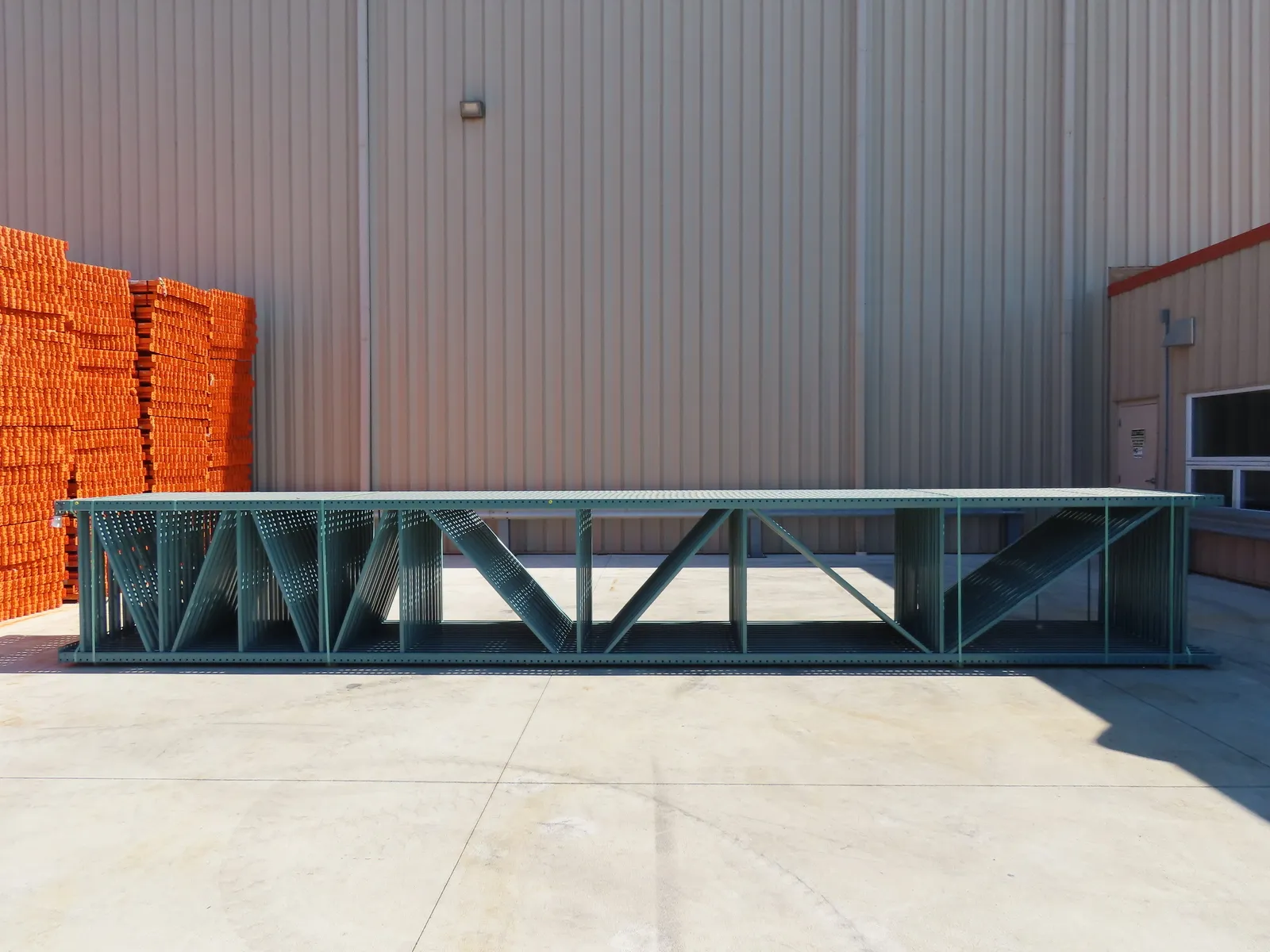
When to Replace Vs Repair Damaged Racking
When to Replace Vs Repair Damaged Racking
- Repairing or replacing damaged racking systems involves more than just physical considerations; it impacts safety and team well-being.
- Visible damage, like bent beams and rusting connectors, poses safety risks and could lead to severe accidents.
- Choosing to repair may save costs initially, but long-term safety and investment in new systems often outweigh short-term frugality.
- New racking systems provide better durability and reliability, ensuring smoother operations over time.
- Employers have a moral obligation to ensure a safe work environment, prioritizing employee safety over cost-saving measures.
- Engaging team members in the decision-making process fosters trust and addresses concerns about workplace safety.
- Ultimately, the decision between repair and replacement should focus on safety, trust, and the overall well-being of the workforce.
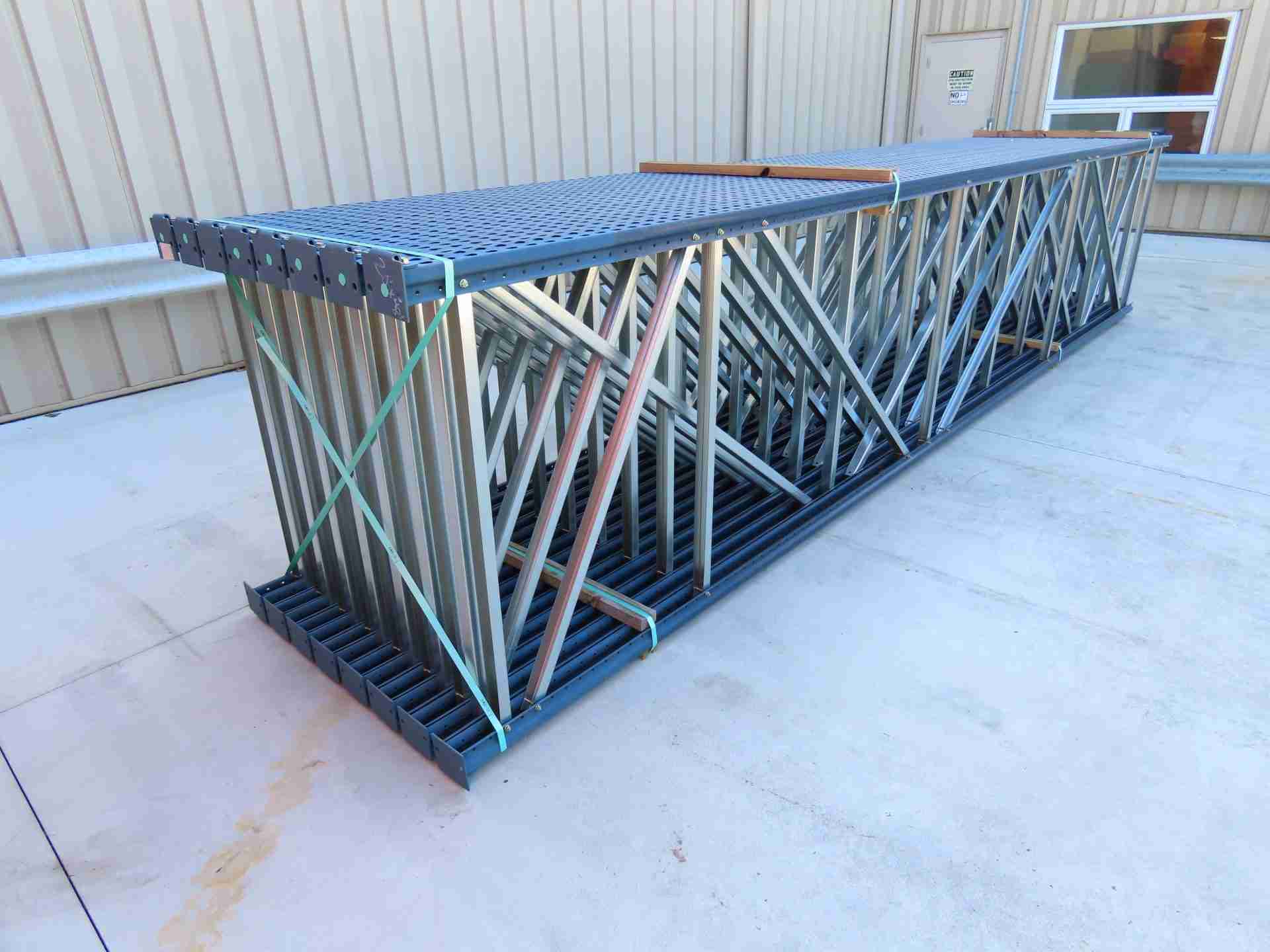
When to Replace Vs Repair Damaged Racking
Table Of Contents
- When to Replace Vs Repair Damaged Racking
- When Is It Cost-Effective to Repair Damaged Racking?
- How Can I Assess Racking Safety?
- What Are the Signs Of Racking Needing Replacement?
- Is It Worth Repairing Damaged Racking Long-Term?
- How Does Damaged Racking Affect Warehouse Efficiency?
- What Impact Does Damaged Racking Have on My Inventory?
- Conclusion
- Other Resources
- Glossary Of Terms
- Other Questions
- Checklist
When Is It Cost-Effective to Repair Damaged Racking?
When it comes to worn-out racking systems, the choice between repair and replacement often boils down to a mix of practicality and intuition. Picture this: it’s a Monday morning, and your warehouse crew spots a few battered racking beams. It’s easy to think, “Just replace the darn things,” but hold on. There’s more to consider.
First, weigh the financial aspect—the dollars and cents. Repairing damaged racking can often be a fraction of the cost of a full replacement. Those operational funds can stretch a lot further when you channel them toward repairs rather than a brand-new racking system. So, if the damage is minor, a repair might just save your bottom line.
But repairs aren’t just about the numbers. They speak to a larger narrative of resourcefulness. In a world where sustainability is becoming not just a buzzword but a way of life, fixing up existing racking systems contributes to a culture of reuse. You’re not just saving money; you’re making an ethical choice to reduce waste. It’s about respect—for your budget, your environment, and your team’s hard work.
Then there’s the emotional slope of it all. Imagine the camaraderie built when the team pulls together to assess and fix the racking. Each repair is a shared learning moment, turning routine into growth. As the team collaborates, they foster a sense of belonging, standing united in the face of challenge. Every repaired beam tells a story of teamwork—a reminder that every challenge can be turned into an opportunity to strengthen bonds.
Trust your gut, though. If the damage seems cosmetic, a repair could breathe new life into the whole set-up. On the other hand, if you find structural integrity compromised, it might be safer, and therefore smarter, to bite the bullet and replace rather than risk injury or loss of product.
It’s not just about racks in a warehouse. It’s about aligning decisions with your values—making smart, pragmatic choices that reflect your commitment to sustainability, teamwork, and responsibility. Engaging with your racking systems thoughtfully not only enhances safety and efficiency but builds a culture of pride and ownership that echoes through every aisle of your operations.
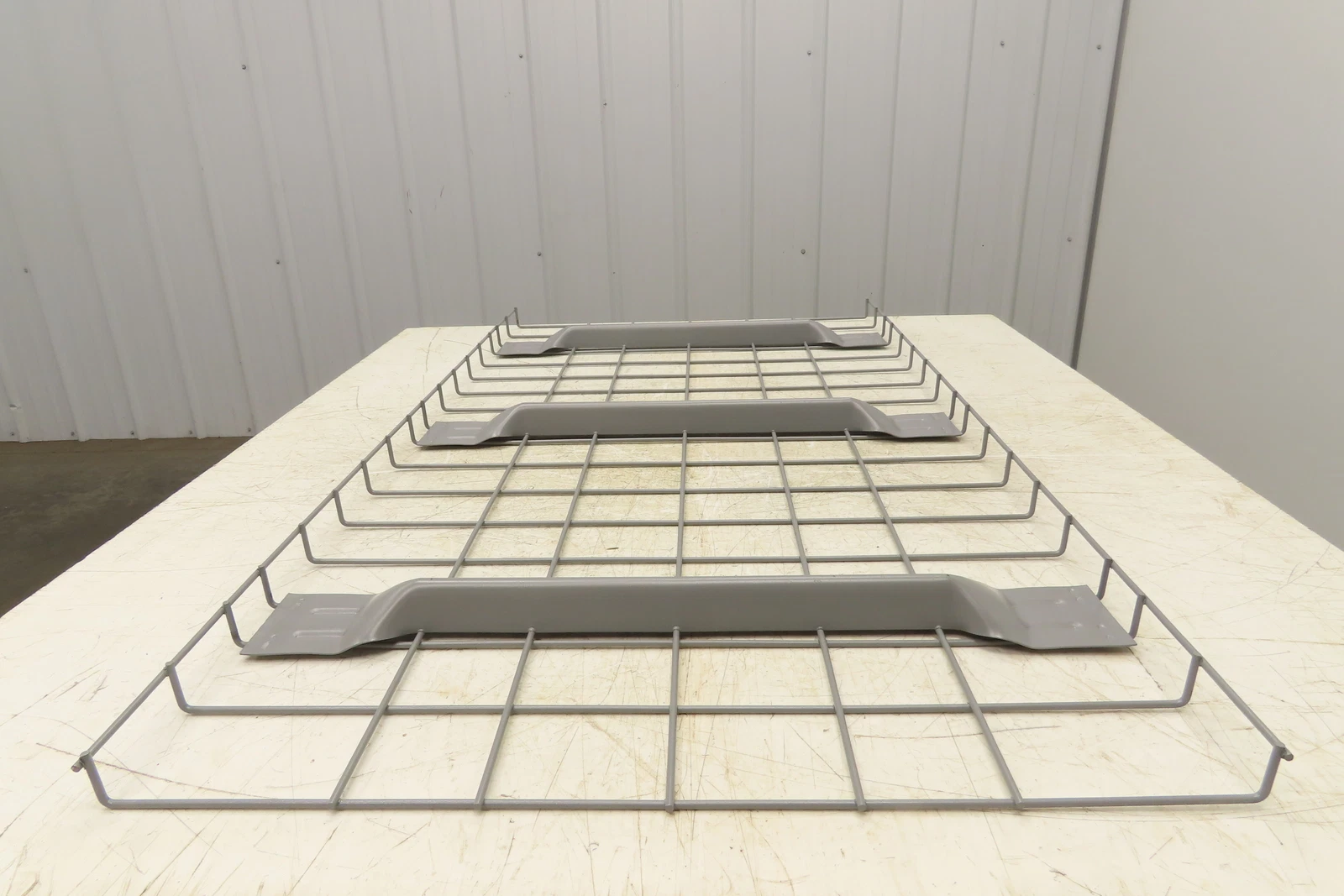
When Is It Cost-Effective to Repair Damaged Racking?
When Is It Cost-Effective to Repair Damaged Racking?
- The decision between repairing or replacing worn-out racking systems involves both practicality and intuition.
- Repairing racking can be significantly cheaper than replacement, preserving operational funds.
- Repairs promote sustainability and resourcefulness, contributing to waste reduction.
- Team collaboration during repairs fosters camaraderie and shared learning experiences.
- Cosmetic damage can justify repairs, while compromised structural integrity may necessitate replacement for safety.
- Choices regarding racking systems should align with values of sustainability, teamwork, and responsibility.
- Thoughtful engagement with racking enhances safety, efficiency, and a culture of pride within operations.
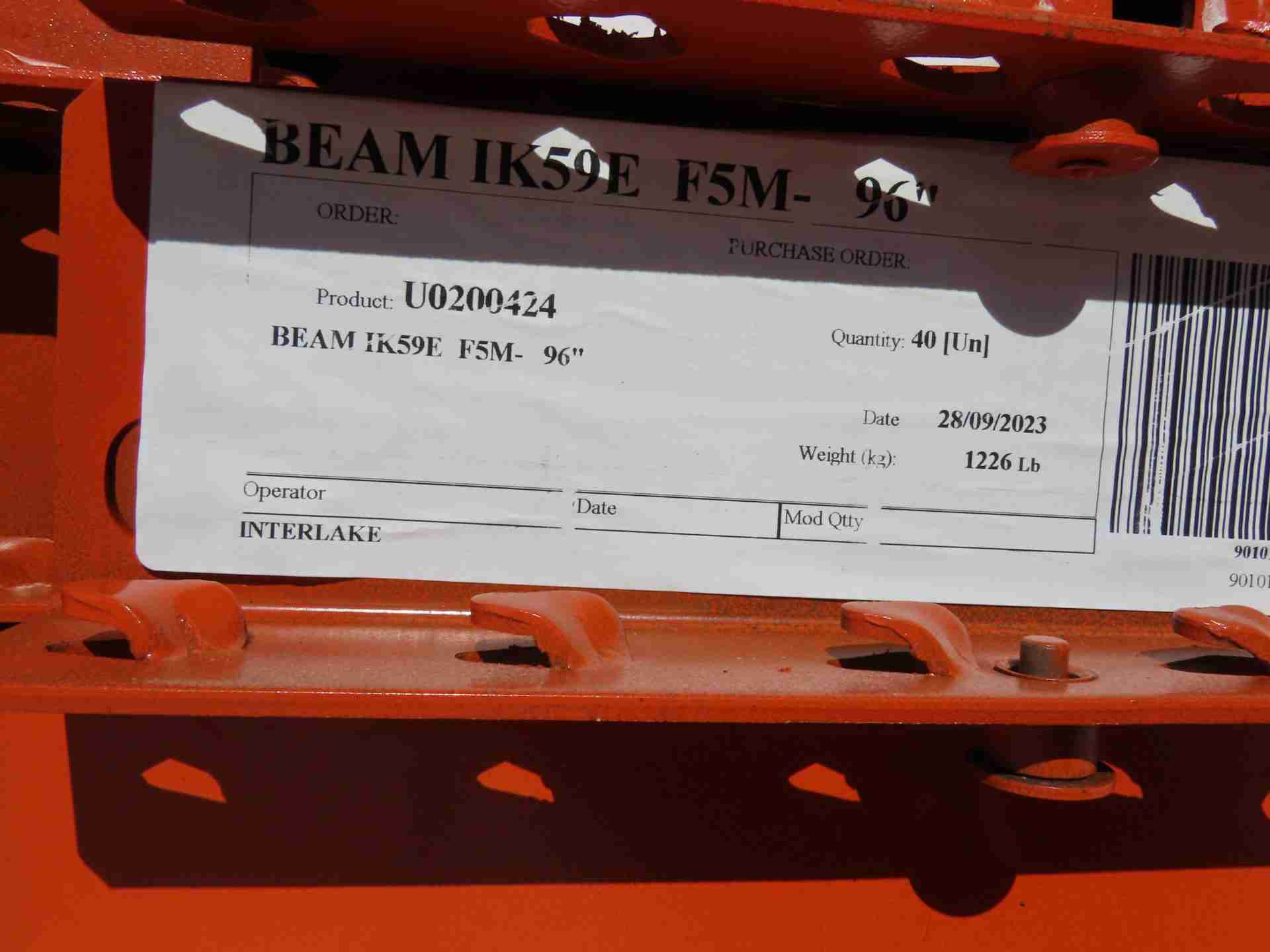
When Is It Cost-Effective to Repair Damaged Racking?
How Can I Assess Racking Safety?
Assessing racking safety is not just a box to check; it’s about protecting lives and ensuring that every worker goes home safe. When you look at racking systems in a warehouse or storeroom, think about the weight they carry—both in terms of materials and the responsibility you have for those around you. A safe racking system is not merely a convenience; it’s an essential backbone of efficient and effective operations.
Start by using your head: examine the design and condition of your racking systems. Is everything standing straight? Look for any signs of wear and tear—bends, rust, or poor welds that could compromise their integrity. This isn’t just about aesthetics; it’s about stability. If something looks off, trust your instincts and investigate further. Remember, a small crack today can lead to a big mess tomorrow, costing time, money, and, most importantly, safety.
Then there’s the emotional side—connect with your team. Encourage open dialogue about safety. Everyone should feel empowered to speak up if they see anything concerning. Establish a culture where safety isn’t just discussed in meetings but woven into the daily routine. Share stories of past incidents in the workplace; those lessons can stick with people and drive home the importance of vigilance. The warehouse doesn’t just belong to management; it’s a community where everyone has a stake in safety.
Next, let’s consider ethics: make racking safety a priority that reflects your values. It’s your duty to ensure the safety of the workforce over expediency or cost-cutting measures. Investing in robust racking systems pays off, showing that you care about your people. You’re setting an example—lead the way with adherence to safety standards and regulations. Get your certifications in order; those credentials express accountability and show that you’re one step ahead.
Finally, harness the power of narrative. Share successes—when a racking system was adjusted, or a procedure implemented that saved the day during a near-accident. Let those stories inspire others to act. When safety becomes a shared goal, you build trust and camaraderie. People know they’re not just workers; they’re part of something bigger. You set a precedent where safety prevails, making every shift a little brighter and more secure. From the ground up, racking safety isn’t just a policy; it’s a shared responsibility. Embrace it, and together you’ll foster a culture that prioritizes both work and welfare.

How Can I Assess Racking Safety?
How Can I Assess Racking Safety?
- Assessing racking safety is crucial for protecting lives and ensuring worker safety.
- Racking systems must be examined for design integrity and signs of wear, such as bends or rust.
- Encourage open dialogue about safety among the team, promoting a culture of vigilance.
- Make racking safety a priority reflecting company values, prioritizing workforce safety over cost-cutting.
- Investing in robust racking systems demonstrates care for employees and adherence to safety standards.
- Use narrative by sharing success stories to foster trust and collaboration in safety efforts.
- Recognize that racking safety is a collective responsibility that enhances both work and welfare.

How Can I Assess Racking Safety?
What Are the Signs Of Racking Needing Replacement?
When it comes to racking systems, knowing when they’re on their last legs can save you a lot of grief down the line. It’s not just about keeping things in order; it’s about the safety of everyone who works around them. Take a moment to look closely at your racking—there are signs that should not be ignored.
First off, keep an eye out for physical damage. If you see bent beams, dents, or cracks, it’s a glaring red flag. These racking systems are built to handle weight, but over time, wear and tear takes its toll. A small crack can become a bigger problem, risking the stability of the whole system. Think of it like a tire on a truck—something that looks minor today could blow out at the worst possible moment.
Next, observe how the racking is performing under load. If you’re noticing that shelves are bowing or leaning under weight, it’s like your body telling you that you’ve carried too much. It’s time to lighten the load or rethink your racking. Structural integrity is key; otherwise, you’re not only risking product damage but also put the safety of those who work around it in jeopardy.
Don’t forget about corrosion and rust. If you’re in an environment where moisture lingers, the metal components can become compromised. This isn’t just an aesthetic issue—corrosion weakens the metal, making it more prone to failure. Regular maintenance can help, but if you’re constantly battling rust, it’s a sign that your racking system may need replacement.
Finally, consider your specific needs as your business grows. If you find your racking systems crowded or inefficient, it may be time to invest in a new setup that better serves the hustle of your day-to-day operations. Outdated racking can hinder productivity, putting unnecessary strain on your workforce.
Recognizing these signs early allows you to take action before a minor issue becomes a major disaster. Investing in reliable racking systems not only fosters a safer workplace but shows your team that you care about their well-being. The bottom line? Don’t wait until it’s too late. Trust your instincts, keep a close watch, and when the time comes, take the leap to ensure a safe and efficient working environment.
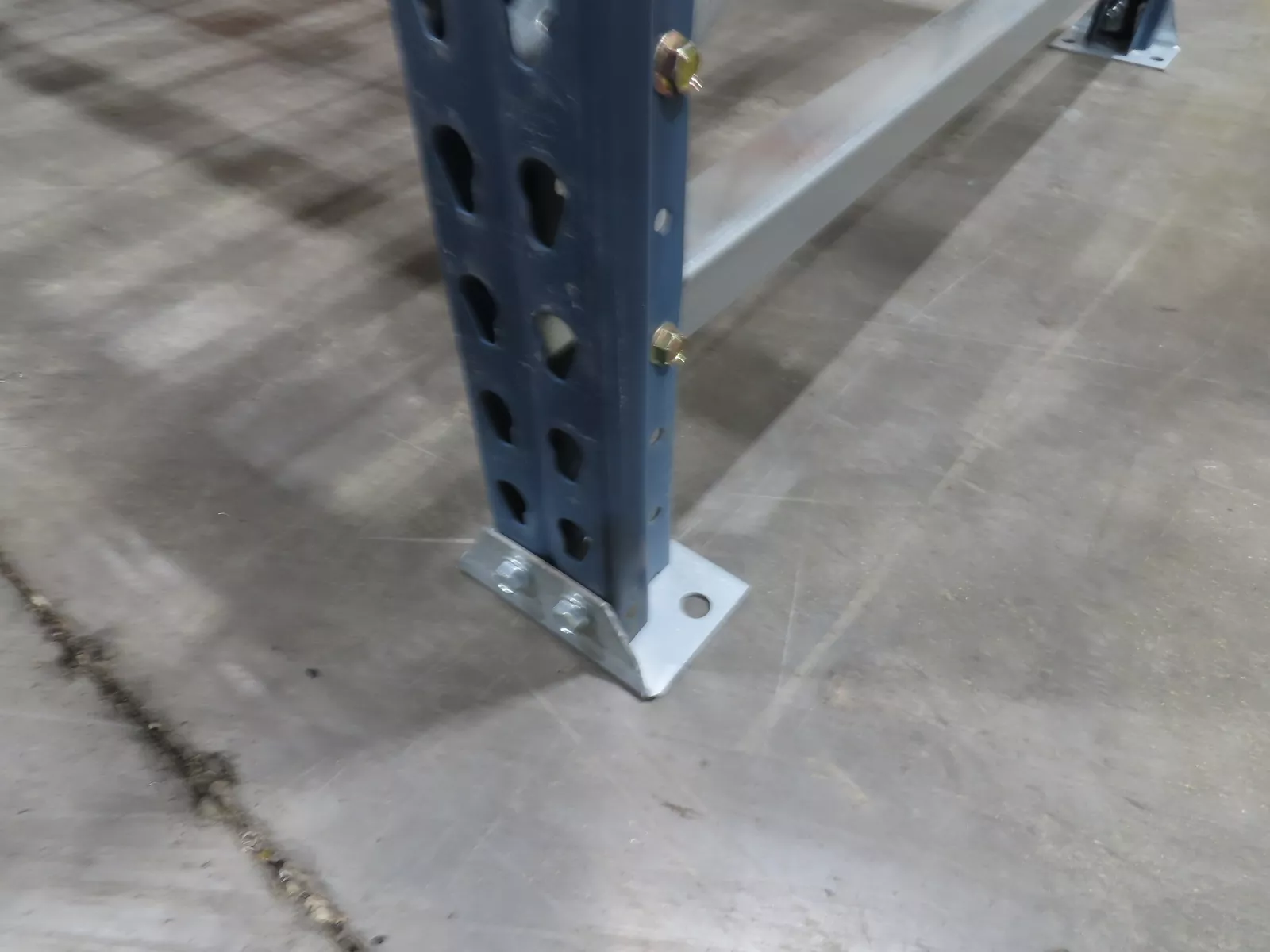
What Are the Signs Of Racking Needing Replacement?
What Are the Signs Of Racking Needing Replacement?
- Monitor racking systems for signs of physical damage such as bent beams, dents, or cracks.
- Assess the performance of racking under load; bowing or leaning shelves indicate potential issues.
- Corrosion and rust can compromise the integrity of metal components, especially in moist environments.
- Regular maintenance is important, but persistent rust suggests a need for racking system replacement.
- Evaluate the efficiency of racking systems as business needs evolve; crowded systems may require upgrades.
- Recognizing early signs of racking failure helps prevent minor issues from becoming major disasters.
- Investing in reliable racking systems enhances workplace safety and demonstrates care for employee well-being.
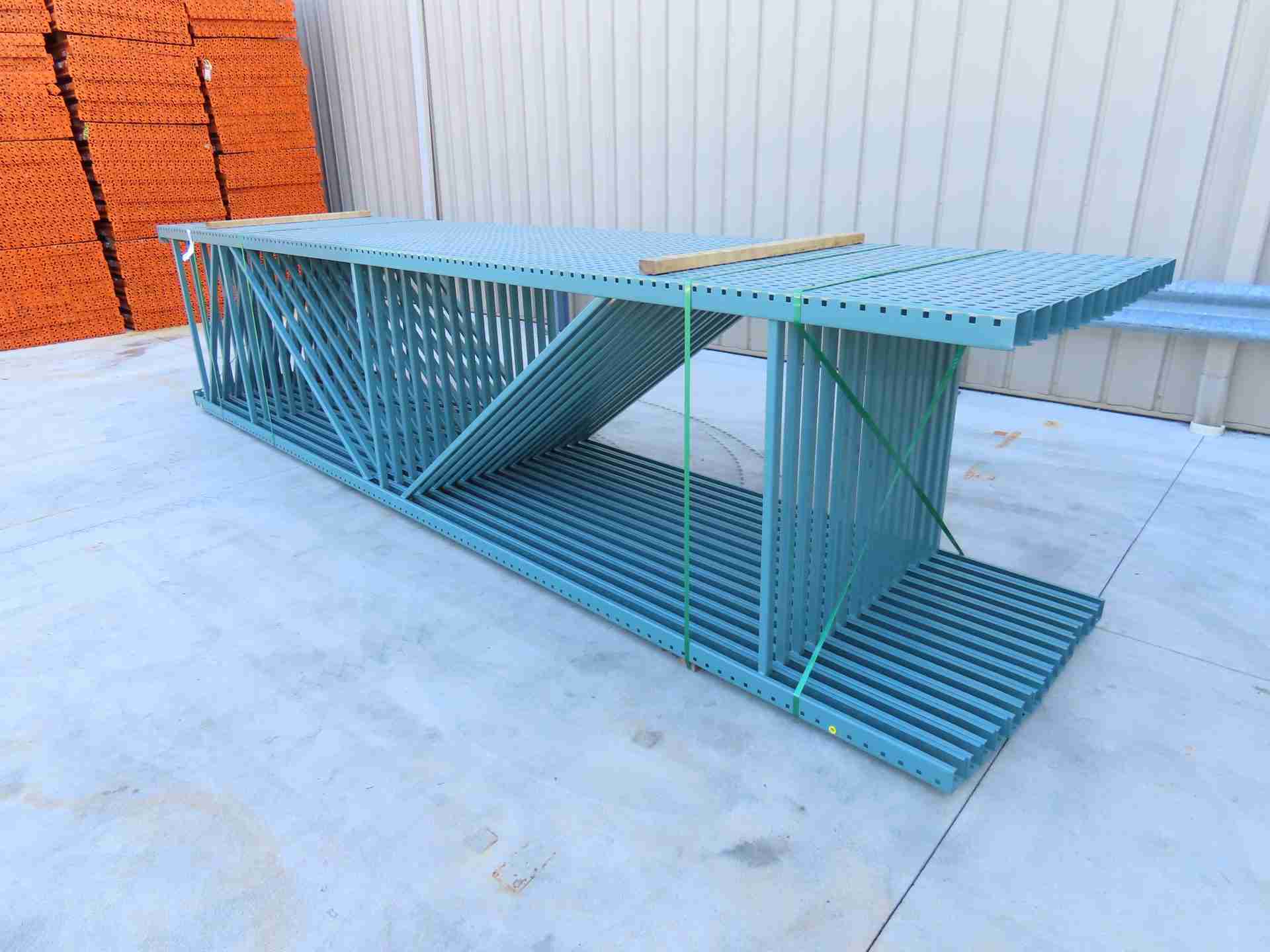
What Are the Signs Of Racking Needing Replacement?
Is It Worth Repairing Damaged Racking Long-Term?
When you stand in a warehouse, surrounded by towering racking systems that have seen better days, it’s easy to feel a mix of urgency and nostalgia. You remember the first time those structures were installed, how they held your business together through thick and thin. But now, as you eye the cracks and dents, the question looms larger: Is it worth fixing what’s broken, or is it time to call it a day?
From a practical standpoint, repairing damaged racking can be an investment in the future. Sure, the upfront costs seem intimidating, like trying to fix an old truck that’s served you well but is starting to fall apart. Yet, consider the long-term gains. New, sturdy components can extend the life of your racking systems and prevent collapse during busy seasons. By reinforcing what you already have, you avoid the headache of a full replacement, which can disrupt workflows and eat into profits.
On the emotional side, think about your crew who rely on these structures daily. They’ve navigated these aisles, stocked them, and have a history with them. A collapsed rack doesn’t just mean lost goods; it means jeopardizing jobs. It’s hard to put a price on peace of mind, knowing that your team can operate safely and confidently. Choosing to repair isn’t just a decision about metal; it’s about investing in your people.
Ethically, demonstrating a commitment to maintenance sends a powerful message. It shows that you care about sustainability and the safety of your working environment. When your employees see you making efforts to repair rather than replace, it builds trust. They’ll appreciate a leader who prioritizes their well-being over quick financial gains.
Look around; your rivals are likely eyeing their own racking systems, weighing their options. By taking the leap to repair, you’re not just fixing shelves; you’re creating a competitive edge. A reliable, well-maintained racking system can streamline operations and keep your bottom line healthy.
The choice is simple yet profound. Investing in the repair of your damaged racking systems isn’t just about fixing what’s broken; it’s about ensuring continuity, safety, and trust in your workplace. Your racking system may just be a collection of beams and storage, but to you and your team, it stands as a testament to resilience and hard work—values that never go out of style.

Is It Worth Repairing Damaged Racking Long-Term?
Is It Worth Repairing Damaged Racking Long-Term?
- Standing in a warehouse brings feelings of urgency and nostalgia regarding aging racking systems.
- Repairing damaged racking can be a future investment despite intimidating upfront costs.
- New components can extend racking life and prevent collapse during busy periods.
- Repairing fosters employee safety and solidifies job security, enhancing team morale.
- Commitment to maintenance demonstrates ethical leadership and a focus on sustainability.
- Repairing rather than replacing can give a competitive advantage by streamlining operations.
- Investing in repairs symbolizes continuity, safety, and trust within the workplace culture.
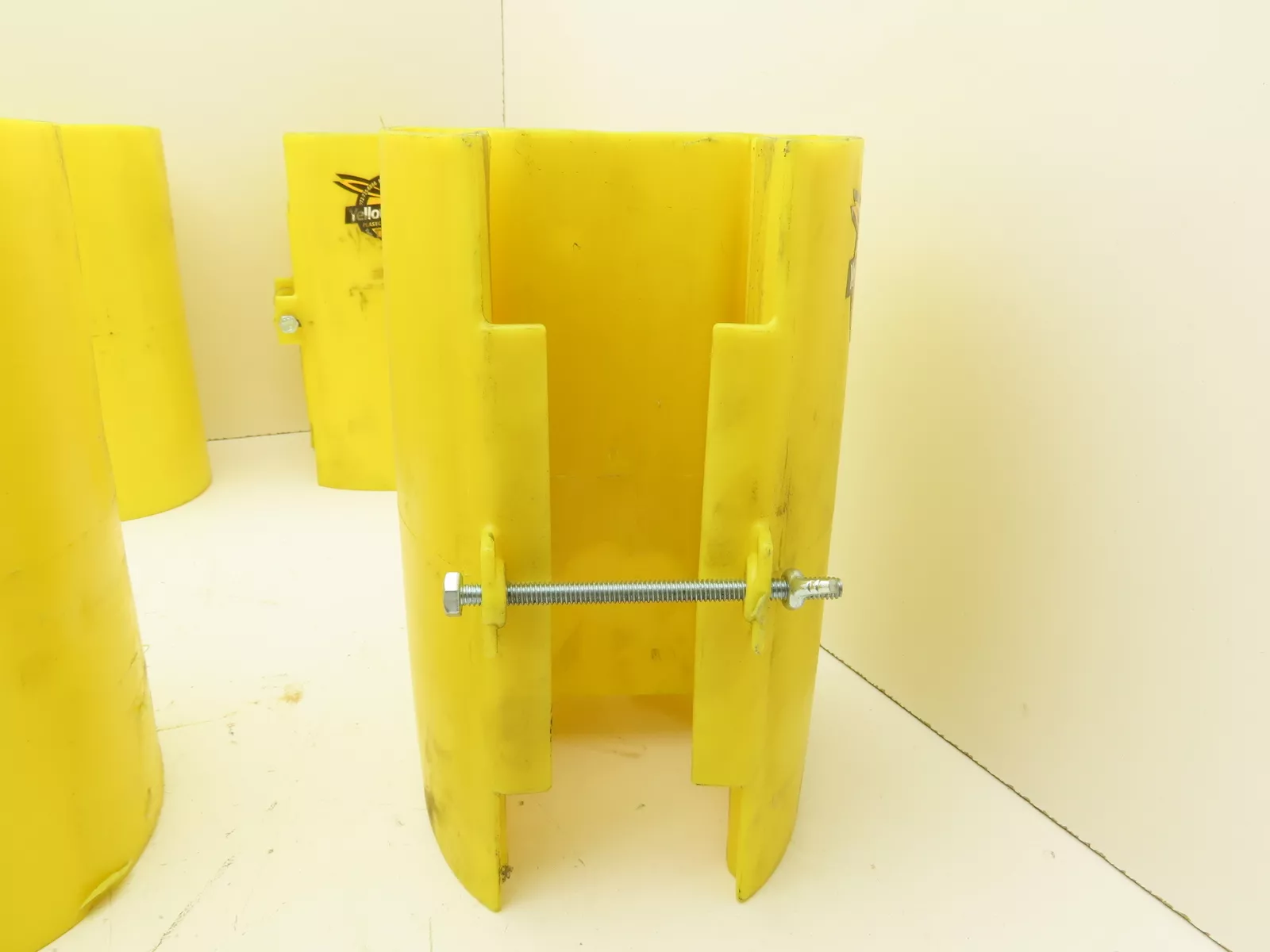
Is It Worth Repairing Damaged Racking Long-Term?
How Does Damaged Racking Affect Warehouse Efficiency?
When it comes to Racking Systems in a warehouse, a little damage can cause a whole lot of trouble. Picture this: a busy warehouse buzzing with workers, forklifts zipping around like it’s race day. Suddenly, one of those Racking Systems shows signs of wear and tear—maybe a bent beam or a loose connection. That damage doesn’t just put the racking at risk; it puts the whole operation on shaky ground.
First off, let’s talk about safety. No one wants to see a falling load or, worse, an injury. When racking isn’t in tip-top shape, it creates a ticking time bomb. Workers feel uneasy, and that anxiety slows them down. They start hovering over pallets instead of moving swiftly, leading to a bottleneck that can throw off the entire day’s productivity. It’s not just about keeping products off the ground; it’s about the people who make everything happen.
Now consider the financial side of things. Damaged racking means you might have to pull items from circulation or even relocate them, wasting time and money. Companies often underestimate how damaged racking can ripple out, causing delays and impacting customer satisfaction. Stock that should be flying off the shelves can get stuck, and each minute lost translates to dollars down the drain.
From an ethical standpoint, investing in sturdy, well-maintained racking isn’t just good business practice; it’s a commitment to the workforce. A warehouse that prioritizes safety and efficiency fosters pride among its employees. They know their lives matter, and that boosts morale. A strong team is built on trust and respect, which in turn makes them more productive and engaged.
Lastly, let’s not forget about reputation. Word spreads. A warehouse known for shoddy upkeep might attract some initial business, but it won’t take long for partners and customers to look elsewhere. Maintaining your Racking Systems speaks volumes, showcasing a diligent, responsible operation ready to meet its commitments.
In short, the impact of damaged racking goes beyond the physical. It’s about safety, trust, profit, and pride—all critical pieces in the puzzle that keep warehouses not just running but thriving. Investing in well-maintained racking isn’t just a cost; it’s a pathway to building a resilient and effective workplace.
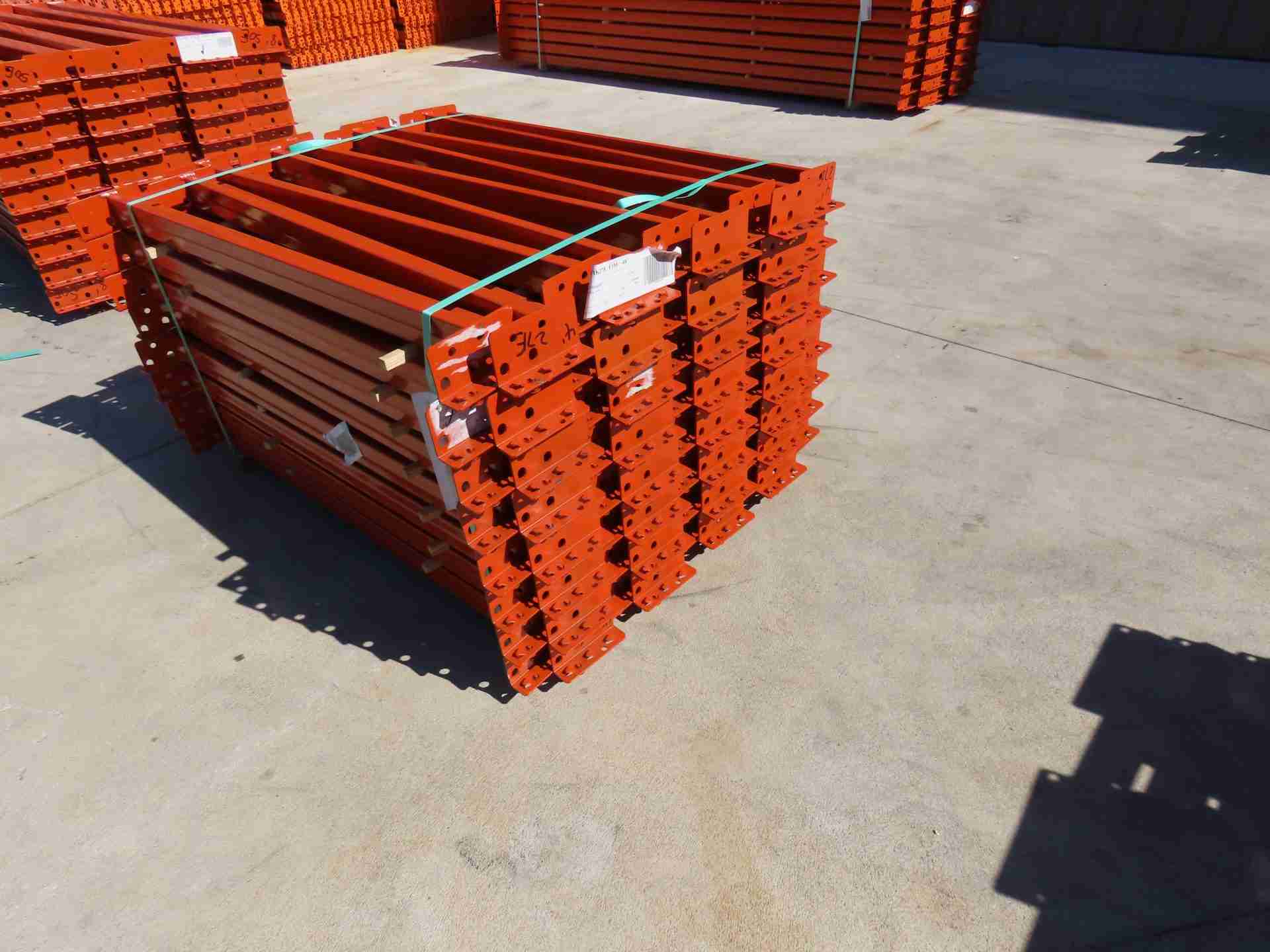
How Does Damaged Racking Affect Warehouse Efficiency?
How Does Damaged Racking Affect Warehouse Efficiency?
- Damaged racking systems can jeopardize overall warehouse operations.
- Safety risks include potential injuries from falling loads and increased worker anxiety.
- Financial implications arise from delays, inefficiency, and customer dissatisfaction.
- Investing in sturdy racking is an ethical commitment to worker safety and morale.
- A well-maintained racking system builds trust and respect among employees, enhancing productivity.
- A warehouse’s reputation is at stake; poor maintenance can lead to loss of customers and partners.
- Effective racking management contributes to a resilient and thriving workplace.

How Does Damaged Racking Affect Warehouse Efficiency?
What Impact Does Damaged Racking Have on My Inventory?
When you walk into a warehouse and see bent racking systems, it’s more than just an eyesore; it’s a warning sign. Damaged racking can lead to a domino effect that impacts your entire inventory. Picture this: a heavy load on a compromised shelf. The clatter of falling goods isn’t just noise; it’s lost revenue, shattered trust, and the headache of untangling a mess that could’ve been avoided.
Rationally, the numbers don’t lie. Damaged racking typically results in inventory loss. Each broken item represents money down the drain. If your stock isn’t safe, your balance sheet is at risk. Businesses thrive on efficiency and reliability, and a lack of trust in your system can lead to hesitant buyers. It might be hard to quantify the impact of a tarnished reputation, but it’s there, lurking in the shadows of your business decisions.
Ethically, there’s a responsibility to maintain a safe workspace. Employees depend on safe conditions for their well-being. A racked item that comes crashing down can lead to injuries. Beyond the workplace, if your operation appears careless with equipment, clients may question your commitment to their needs. When it comes to handling products, safeguarding your employees and inventory goes hand in hand.
In terms of authority, it’s essential to remember that maintaining racking systems properly reflects good management. Prospective clients often look for signs of professionalism and care. By investing in sturdy, well-maintained racking, you showcase that you take your inventory and your workforce seriously. This commitment fosters confidence, inspiring faith in your capabilities.
Then there’s the social angle. The community around your business is watching. A warehouse that prioritizes safety and inventory management sets a standard. It sends a message to competitors and partners alike: you’re in this for the long haul. Celebrate the stories of growth that emerge from sound practices, of businesses that evolve when they eliminate risks and prioritize maintaining secure racking systems.
Ultimately, the connection between damaged racking and your inventory is deeply personal, financial, and ethical. It’s about trusting that every item has its place and that your operation runs smoothly. Invest the time and resources to keep your racking in good shape, and trust will flourish not just in shelves, but in every corner of your business.

What Impact Does Damaged Racking Have on My Inventory?
What Impact Does Damaged Racking Have on My Inventory?
- Bent racking systems serve as a warning sign, indicating potential inventory loss.
- Damaged racking can lead to falling goods, resulting in lost revenue and operational headaches.
- Each broken item contributes to financial risk and can harm business reputation.
- Ethical responsibility to ensure a safe workspace is crucial for employee well-being.
- Proper maintenance of racking systems reflects good management and professionalism to clients.
- Warehouse safety and inventory management influence community perception and competitiveness.
- Maintaining racking systems builds trust in business operations and fosters growth.
What Impact Does Damaged Racking Have on My Inventory?
Conclusion
When it comes to the decision to repair or replace damaged racking systems, the stakes are high. This choice extends far beyond metal structures; it revolves around the safety and well-being of your team who depend on these systems daily. A racking system, often overlooked, is essential for smooth warehouse operations. Damage—be it bent beams or rusted connectors—signals potential dangers that can’t be ignored. While repairs might seem like a way to save money, they can put not just finances, but lives at risk. The financial burden of an injury or lost productivity far outweighs the cost of implementing new, reliable systems.
From a practical standpoint, opting for repairs might appear to be an easy fix. Yet, consider the longevity of your investment. Minor repairs may work temporarily, but persistent issues highlight a system that is no longer reliable. Choosing to replace old racking is an investment in safety and efficiency. That long-term thinking pays dividends in both operational integrity and employee trust— a key part of your workplace culture.
Ethically, maintaining a safe working environment is non-negotiable. Every worker should feel secure, knowing their safety is prioritized over short-term savings. Near-misses and accidents undermine morale and trust, creating a culture of fear rather than one of safety. Engaging your team in these decisions fosters a sense of responsibility and community, showing that you value their input and safety.
When contemplating repairs, think not just about the costs but about the resourcefulness of maintaining what you have. Repairing minor damage can tell a story of teamwork and resilience, where employees pull together to problem-solve. However, if the damage compromises the system’s integrity, the safer route is certainly to replace it.
Evaluating racking systems also means assessing signs that indicate a need for replacement—like physical damage, performance under load, and rust. Each indication is a chance to take action before setbacks spiral into crises. Investing in solid racking not only improves safety but boosts warehouse efficiency. A reliable system lifts the burden off workers’ shoulders, allowing them to focus on their tasks without fear.
Ultimately, the choice between repairing and replacing damaged racking reflects your deeper values as a leader. It’s a commitment to your team’s safety, trust, and overall well-being, ensuring a productive and secure workplace that looks out for everyone involved.
Conclusion
Conclusion:
- The decision to repair or replace racking systems impacts team safety and well-being.
- Damage to racking signals potential dangers, regardless of the perceived cost-saving of repairs.
- Long-term investments in new racking systems promote safety and operational efficiency.
- Maintaining a safe working environment is ethical and fosters employee trust and morale.
- Engaging employees in decision-making reflects a value on their safety and input.
- Physical damage and performance under load are key indicators for the need for replacement.
- The choice to replace or repair reflects leadership values concerning team safety and productivity.
Conclusion
Other Resources
Other Resources
Here is a list of other resources you can review online to learn more:
- The Ultimate Pallet Racking Guide – Speedrack West
- American Surplus
- Warehouse Racking Chicago, IL
- Crane Manufacturers Association Of America Inc.
- The Complete Pallet Rack Guide – Simply Rack
- Logic Material Handling
- Used Teardrop Pallet Rack – American Surplus
- Cantilever Racks Chicago
- Cantilever Rack Configuration & Installation: A Comprehensive Guide – BMH
- Selective Pallet Racking Systems
- Cantilever Racking Specialists – Get the Right Racks
- Selective Rack – Raymond West
- Arrow Industrial Sales
- NSC
- Warehouse Automation
- Chicago Pallet Racking
- Material Handling Safety
- Used Pallet Rack for Sale in Illinois – American Surplus
- Total Warehouse
- Illinois
Use This Prompt To Get More Resources With Your Favorite Online AI Tool: Please provide me with a list of online articles with their URLs in a bulleted list that I can read regarding When to Replace Vs Repair Damaged Racking

Other Resources
Glossary Terms
When to Replace Vs Repair Damaged Racking – Glossary Of Terms
1. Assessment: The evaluation of racking condition to determine if repair or replacement is necessary.
2. Corrosion: The gradual destruction of material, commonly metal, due to chemical reactions, which can compromise racking integrity.
3. Structural Integrity: The ability of racking to support load without collapsing or failing.
4. Load Capacity: The maximum weight a racking system can safely support.
5. Visual Inspection: A preliminary examination of racking for visible signs of damage or wear.
6. Safety Standards: Regulations and guidelines ensuring that racking systems are maintained for safe use.
7. Repair: The process of fixing damaged components to restore functionality.
8. Replacement: The act of removing damaged racking and installing new equipment.
9. Warranty: A guarantee provided by the manufacturer regarding the performance and lifespan of racking systems.
10. Forklift Traffic: The movement of forklifts around racking that can lead to potential damage.
11. Deflection: The displacement of a racking system under load, indicating potential structural issues.
12. Buckling: The failure mode where racking collapses due to compressive forces.
13. Wear and Tear: Gradual damage occurring due to regular use of racking systems.
14. Compliance: Adherence to local and industry regulations regarding safety and maintenance of racking.
15. Stress Testing: Procedures to determine the limits of racking capacity and safety.
16. Indicators: Signs or symbols that suggest the condition of racking, informing repair or replacement needs.
17. Inventory Management: The organization and tracking of stored items, influencing racking upkeep.
18. Retrofit: Updating or modifying existing racking to improve safety or functionality without complete replacement.
19. Damage Profile: A detailed account of the types and extent of damage present in the racking system.
20. Stability: The ability of racking to remain upright and secure under various conditions.
21. Component: An individual part of the racking system, such as beams or columns, each susceptible to damage.
22. Inspection Frequency: The recommended regularity of checks performed on racking to ensure safety.
23. Replacement Cost: The financial outlay required to remove and install new racking.
24. Downtime: The period during which racking is not usable due to damage or maintenance.
25. Risk Assessment: The process of evaluating potential hazards associated with damaged racking.
26. Maintenance Schedule: A planned timetable for regular checks and upkeep of racking systems.
27. Impact Damage: Physical harm caused by collisions, often requiring immediate attention.
28. Fail-Safe: A design feature ensuring that racking remains stable under unforeseen circumstances.
29. Expert Evaluation: The process of having a specialist assess the condition of racking for accurate guidance.
30. Life Cycle Cost: The total cost of ownership for racking, including installation, maintenance, and potential replacements.
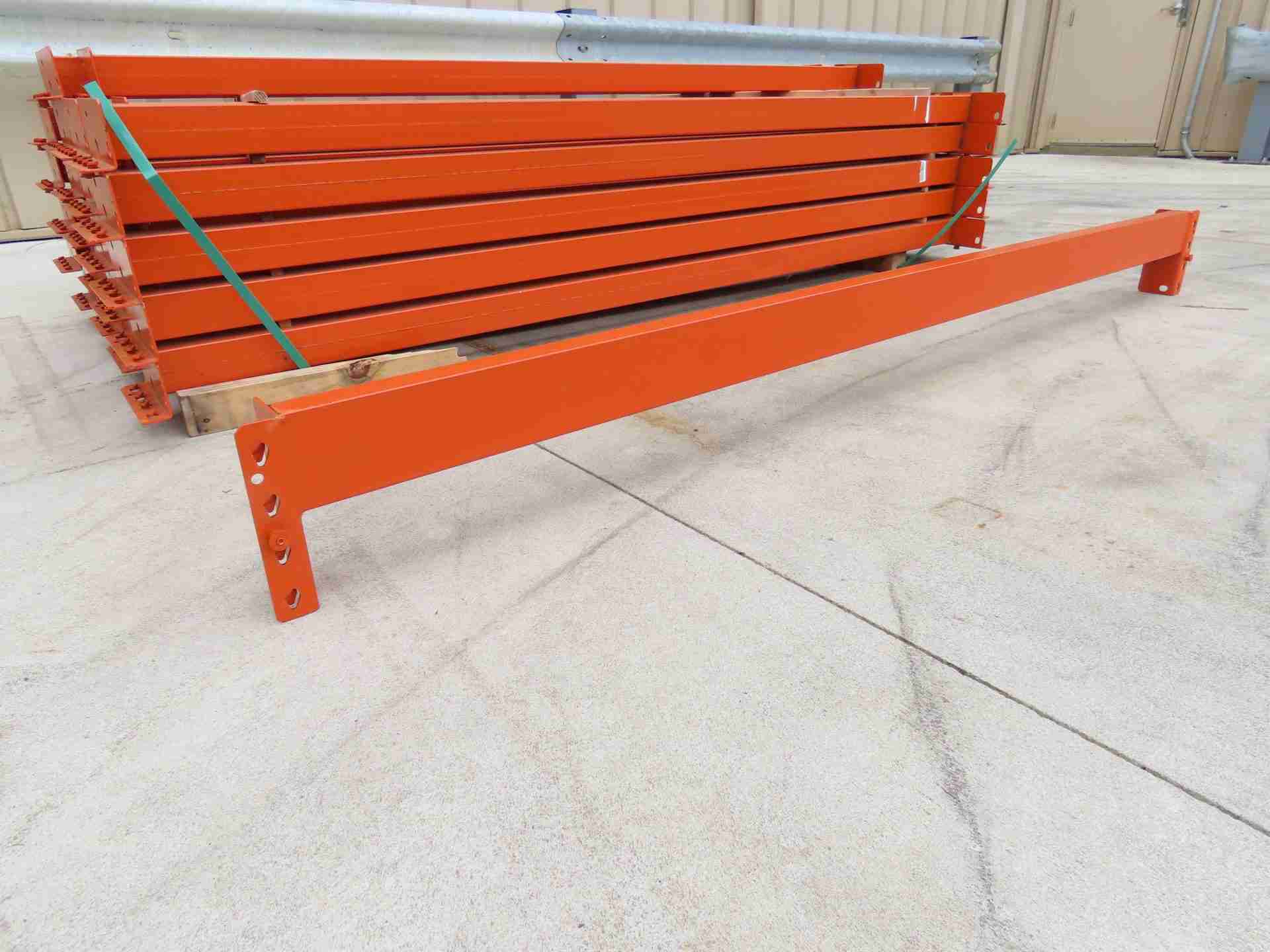
Glossary Of Terms
Other Questions
When to Replace Vs Repair Damaged Racking – Other Questions
If you wish to explore and discover more, consider looking for answers to these questions:
- How often should racking systems be inspected and by whom?
- What does a proper racking inspection checklist include?
- What are the industry standards and regulations that apply to pallet racking?
- How do I determine the load capacity of individual beams and uprights?
- How can I calculate safe load distribution for my specific inventory mix?
- What are the common causes of racking damage and how can they be prevented?
- Which types of damage are repairable and which require full replacement?
- What non‑destructive testing methods exist to detect hidden or internal damage?
- How much does a typical repair cost versus a full replacement?
- What is the expected remaining service life after different types of repairs?
- How long does a replacement project usually take and how will it affect operations?
- What temporary measures can be used to secure damaged racking until repair/replacement?
- Who is qualified or certified to perform racking repairs and inspections?
- Are OEM parts required, or can generic/aftermarket components be used safely?
- How should repairs and inspections be documented for compliance and insurance?
- Will insurance cover damage to racking and associated inventory losses?
- What are the legal liabilities if damaged racking causes injury or product loss?
- How do environmental factors (moisture, chemicals, temperature) affect racking integrity?
- What corrosion mitigation and maintenance strategies are effective long term?
- When is retrofitting or upgrading existing racking more cost‑effective than replacement?
- How can racking be modified to meet seismic or other region‑specific requirements?
- What safety accessories (row-end protectors, column guards, netting) should be used?
- How should load testing be performed and how often?
- What are best practices to minimize downtime during repair or replacement?
- How should inventory be relocated or protected during racking work?
- How can forklift and operator training reduce racking damage?
- What operational changes (layout, stacking rules) reduce future racking stress?
- How do I prioritize which racks to repair first when multiple areas are damaged?
- What spare‑parts inventory should I keep on hand for rapid repairs?
- How should a maintenance plan and lifecycle budget for racking be structured?
- How do racking failures impact warehouse KPIs like throughput, picking accuracy, and lead times?
- What emergency response procedures should be in place for a racking collapse or near‑miss?
- How do I choose and evaluate racking vendors, contractors, and third‑party inspectors?
- What financing or procurement options are available for large replacement projects?

Other Questions
Checklist
When to Replace Vs Repair Damaged Racking – A Checklist
Record
✅______ Date
✅______ Facility/area/aisle–bay
✅______ Rack type/manufacturer/model
✅______ Posted load rating is visible
✅______ Inspector name/signature
✅______ Photos taken and attached
✅______ Incident or near-miss reported (if applicable)
Immediate Hazards – Shut Down and Plan to Replace
✅______ Any bent, twisted, or torn upright/column
✅______ Broken, cracked, or missing welds
✅______ Missing, loose, sheared, or pulled anchor bolts/base plates
✅______ Deformed or cracked beam connectors/end plates
✅______ Beams that do not return to level after unloading
✅______ Racking out of plumb or leaning
✅______ Missing or damaged safety locks/beam clips
✅______ Significant corrosion, pitting, or flaking metal
✅______ Impact damage from forklift or pallet contact
✅______ Repeated damage in the same location
✅______ Field modifications or mismatched components
✅______ Fire, chemical, or water damage compromising metal
✅______ Floor/slab damage around anchors
Repair May Be Viable If
✅______ Damage is superficial (light dents or scratches) with components straight and aligned
✅______ Light surface rust only; no section loss
✅______ Guard/rail/column protector absorbed impact; rack structure is sound
✅______ Replacement of small hardware (clips or locks) restores original function
✅______ Compatible OEM repair parts are available
✅______ No history of recurring damage at the same spot
✅______ Verified by a qualified person: capacity and geometry are uncompromised
Safety Assessment Steps
✅______ Unload affected bays and tag out to prevent use
✅______ Check vertical plumb and horizontal alignment of frames and beams
✅______ Inspect anchors, base plates, shims, and floor condition
✅______ Verify beam locks are engaged on every connection
✅______ Confirm load plaques match current use and SKU weights
✅______ Review pallet condition and handling clearances
✅______ Document findings with a location map and photos
Operational and Cost Considerations
✅______ Compare total repair cost vs. full replacement (materials, labor, freight, permits)
✅______ Account for downtime, bay closures, and re-slotting
✅______ Confirm parts availability and lead times
✅______ Evaluate effect on throughput, order accuracy, and service levels
✅______ Consider warranty, insurance, and compliance implications
✅______ Assess likelihood of recurrence and cost of future incidents
✅______ Evaluate adding impact protection or changing traffic patterns
Inventory and Workflow Impact
✅______ Quarantine and inspect potentially affected product
✅______ Adjust inventory counts and record losses, if any
✅______ Identify and correct root causes (traffic, overloading, pallet fit, training)
✅______ Update putaway and retrieval rules if needed
Team and Culture
✅______ Communicate findings and actions to the crew
✅______ Capture and share lessons learned and near-miss stories
✅______ Reinforce operator and spotter training where relevant
✅______ Encourage ongoing reporting of hazards
Decision and Follow-Up
✅______ Replace
✅______ Repair with OEM components
✅______ Monitor (set reinspection date: ___/___/____)
✅______ Post-repair/replacement inspection completed
✅______ Load rating verified and signage updated
✅______ Protection installed (end-of-aisle or column guards) where needed
✅______ Records filed and maintenance log updated
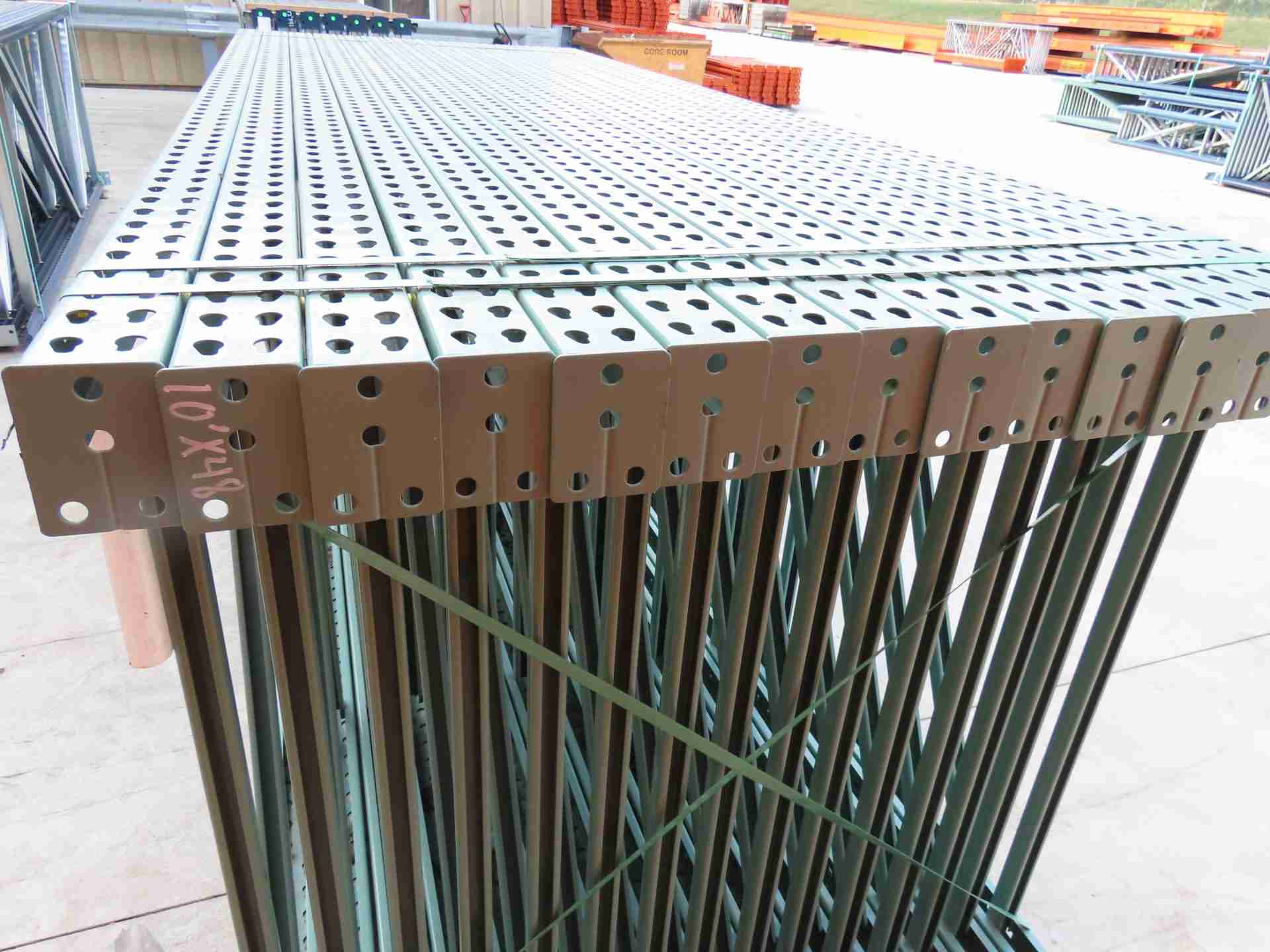
Checklist
At RackingWorld, we help guide you through selecting warehouse storage systems and racking.
Be sure to read our other related stories at RackingWorld to learn more about warehouse storage systems.
0 Comments