
Streamlining Efficiency: Transform Your Workflow With Smart Rack Solutions
By Tom Seest
At RackingWorld, we help guide you through selecting warehouse storage systems and racking.
Be sure to read our other related stories at RackingWorld to learn more about warehouse storage systems.
Reducing Double Handling Through Rack Placement
In the bustling world of warehouses and distribution centers, the term “double handling” can evoke a sense of dread and frustration. It’s that gut feeling when you realize that your time, and your team’s efforts, are being wasted because items are being shuffled around unnecessarily. It’s not just inefficient; it’s downright maddening. But what if a simple change in racking systems could eliminate that headache?
Picture a crew working hard, sweat beading on their brows, straining to move pallets from one end of the building to another. Now imagine that same crew, focused and streamlined, moving swiftly from pick to pack because everything they need is right where it should be. This isn’t just about saving time; it’s about respecting their labor and acknowledging that every minute saved is a minute they can spend on something that adds value instead of drudgery.
Racking systems offer a practical solution to the challenge of double handling. When we strategically place racks, we’re not just optimizing space; we’re crafting an efficient workflow that enhances productivity. Think of it like putting your tools within arm’s reach instead of buried at the bottom of a toolbox. This kind of setup reduces confusion and the chaos that comes with searching for the right items.
From an ethical standpoint, our responsibility to our workers and the business is clear. Creating an organized and effective racking system isn’t just a nice-to-have; it’s a necessity. Morale boosts when people feel they’re working in a space designed for efficiency. A well-thought-out rack placement instills confidence, demonstrating that leadership values hard work and is genuinely invested in the team’s success.
But it’s not just about dollars and cents; it’s about connection. This approach nurtures a culture where everyone feels they play a part in the bigger picture. When team members see the fruits of their labor streamlined by proper racking, their investment in their work grows. Sharing stories of successes from implementing these systems can rally the team, boost spirits, and foster a sense of unity.
Innovative rack placement stands as a testament to common sense and practical experience. It invites action not through lofty promises but through tangible improvements that resonate with everyone involved. By tackling the problem of double handling, we honor not just the space we work in, but the people who bring that space to life.

Reducing Double Handling Through Rack Placement
Reducing Double Handling Through Rack Placement
- Double handling in warehouses leads to wasted time and frustration.
- A change in racking systems can eliminate inefficiencies and streamline operations.
- Strategically placed racks enhance productivity by optimizing workflow.
- Creating an organized racking system is essential for efficiency and worker morale.
- An effective racking system demonstrates leadership’s investment in team success.
- Proper racking fosters a sense of unity and connection among team members.
- Innovative rack placement leads to tangible improvements, honoring both space and workforce.

Reducing Double Handling Through Rack Placement
Table Of Contents
- Reducing Double Handling Through Rack Placement
- How Can Proper Rack Placement Minimize Double Handling?
- What Emotional Toll Does Double Handling Take on Staff?
- Are There Cost Savings From Reducing Double Handling?
- How Does Efficient Rack Placement Enhance Workflow Efficiency?
- What Are the Ethical Implications Of Excessive Double Handling?
- How Can Employees’ Morale Improve with Better Rack Placement?
- Conclusion
- Other Resources
- Glossary Of Terms
- Other Questions
- Checklist
How Can Proper Rack Placement Minimize Double Handling?
Proper rack placement can be the cornerstone of an efficient operation, minimizing the need for double handling and saving precious time and resources. Picture a bustling warehouse floor where every team member is a cog in the machine, their movements choreographed for maximum efficiency. Racking systems, when thoughtfully designed and strategically placed, not only organize inventory but streamline workflows. Imagine the difference it makes when items are stored close to where they’re needed, rather than shuffled around like pieces on a chessboard.
Let’s talk about the heart of the matter. Every time a worker has to go back and forth, fetching items from the farthest corners of the facility, it creates frustration and fatigue. It’s not just about lifting heavy boxes; it’s about the mental strain that comes with inefficiency. Workers want pride in their day-to-day tasks, to feel like they’re part of a well-oiled machine rather than just numbers in a spreadsheet. Proper rack placement fosters a sense of ownership and responsibility, encouraging people to take pride in their work environment and outcome.
Rationally speaking, we know that double handling is a waste of time and resources. It’s like trying to fill a bucket with holes; no matter how hard you try, you’re ultimately losing valuable product and labor. By designing racking systems that are intuitive and accessible, you cut down on redundant moving and handling. This not only leads to smoother operations but also boosts productivity. It’s about being smart with logistics and making every movement count.
There’s also the ethical angle to consider. A well-organized warehouse is a safer warehouse. When racking systems are placed thoughtfully, it reduces the risk of accidents. Workers shouldn’t have to worry about navigating through clutter or reaching for items placed out of reach. You create an environment where safety is prioritized, and people can focus on their jobs without fear of injury.
Sharing a story from the trenches: a small warehouse revamped its layout based on these principles. They created zones for fast-moving items and located racks in a way that optimized paths for pickers. The results were staggering. Productivity soared as workers reported less fatigue and greater satisfaction. It was a win-win situation—less time spent aching over heavy loads and more hours spent making their mark. The connection between proper rack placement and minimizing double handling isn’t just a technical adjustment; it resonates on a personal level, reinforcing the dignity and value of hard work. Each small change leads to bigger victories for the team, creating a culture where everyone feels they contribute to the shared goal of efficiency.

How Can Proper Rack Placement Minimize Double Handling?
How Can Proper Rack Placement Minimize Double Handling?
- Proper rack placement minimizes double handling, saving time and resources.
- Thoughtful design of racking systems organizes inventory and streamlines workflows.
- Keeping items close to the point of need reduces worker frustration and fatigue.
- Effective rack placement fosters ownership and pride among workers in their tasks.
- Intuitive racking systems cut down on unnecessary movement, boosting productivity.
- A well-organized warehouse enhances safety by reducing accident risks.
- Revamping warehouse layout can significantly increase productivity and worker satisfaction.
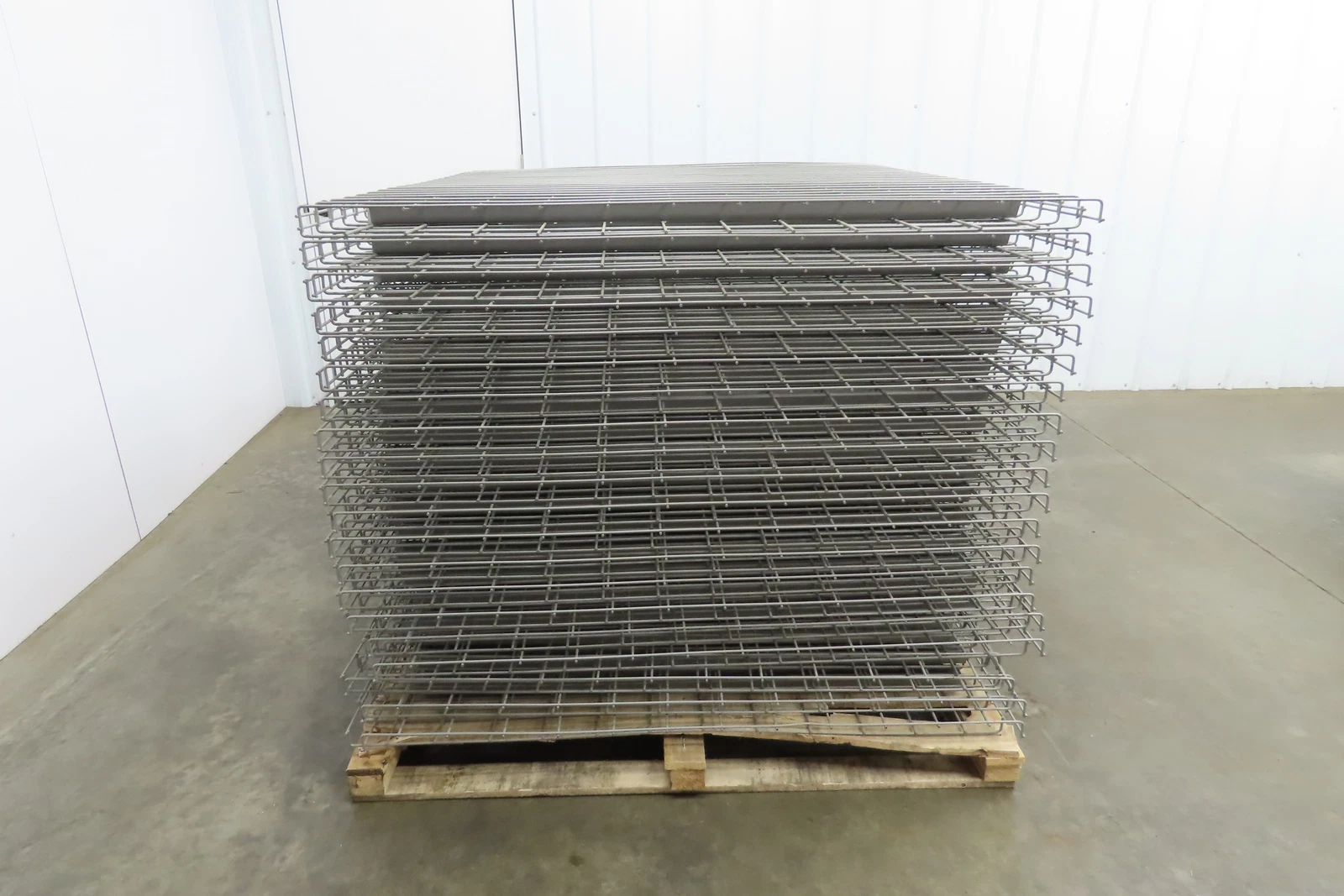
How Can Proper Rack Placement Minimize Double Handling?
What Emotional Toll Does Double Handling Take on Staff?
In the buzz of a busy warehouse, where racking systems tower like giants, the daily grind can wear down even the strongest of us. Double handling – that frustrating cycle of moving goods from one location to another only to shift them again – isn’t just a logistical nightmare; it also takes a significant emotional toll on staff. It’s where the heart meets hard work, and the results aren’t pretty.
Imagine a worker, clocking in day after day, only to find themselves in a constant loop. They lift, move, set down, and repeat. Physically, it’s exhausting. But the mental burden is heavier. Each unnecessary move chips away at motivation and morale. Workers start to feel like cogs in a machine rather than valued team members. The energy that once fueled their passion for the job dims, replaced by frustration and feelings of futility. This isn’t just about efficiency; it’s about a sense of purpose. When folks feel their efforts are in vain, the drive to excel dwindles.
Rationally speaking, we can see how double handling clogs the flow of productivity. Time wasted on unnecessary tasks could be spent on value-added activities. The numbers don’t lie: inefficiency leads to increased costs and reduced satisfaction on both sides of the equation. Ethically, it raises a question about respect for workers. Every minute spent on needless labor is a minute that could be invested in developing skills and building a stronger team culture.
The challenge deepens when we consider the stories shared around the water cooler, where camaraderie is forged. Workers bond over shared struggles, but they also share strategies for coping with the emotional fallout. The narrative around double handling evolves into tales of resilience, frustration, and ultimately, a desire for change. It’s in these moments that communities form – when staff come together to voice their need for better systems, like optimized racking systems that reduce the back-and-forth.
The emotional toll is not just a statistic to crunch; it’s a real issue impacting real lives. Addressing it isn’t just about boosting the bottom line. It’s about restoring pride in work and rebuilding trust within the team. When we find solutions that alleviate the burdens of double handling, we invest in not just our operations but our people, fostering an environment where everyone feels valued and supported. The call to action is clear: let’s streamline our processes, uplift our teams, and keep the spirit of hard work alive.
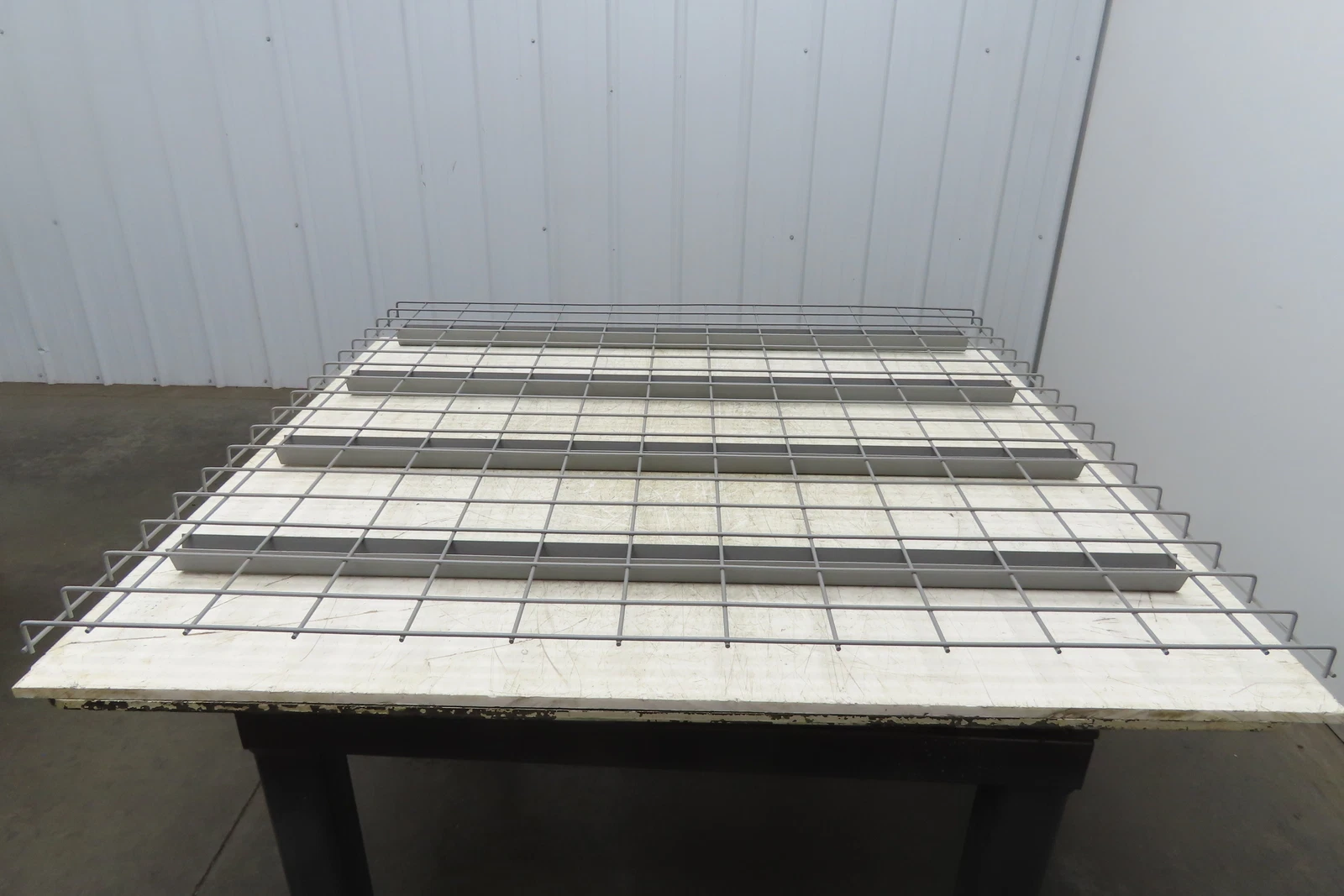
What Emotional Toll Does Double Handling Take on Staff?
What Emotional Toll Does Double Handling Take on Staff?
- Double handling in warehouses leads to emotional and physical exhaustion for workers.
- Constant repetition of tasks diminishes motivation and morale.
- Inefficiency from double handling increases costs and reduces overall job satisfaction.
- Every unnecessary task wastes time that could be used for more valuable work.
- Workers bond over shared struggles and seek solutions to improve their work environment.
- Addressing the emotional toll is crucial for restoring team pride and trust.
- Optimizing processes can enhance worker support and maintain a positive work spirit.

What Emotional Toll Does Double Handling Take on Staff?
Are There Cost Savings From Reducing Double Handling?
Reducing double handling in warehouse operations isn’t just a practical change; it’s a game-changer for both the bottom line and workplace morale. Imagine a bustling warehouse where every worker knows their role and the flow of goods is smoother than a well-oiled machine. When we talk about cost savings from reducing double handling, we’re really talking about efficiency that can transform a good operation into a great one.
First off, let’s consider the rational side. Every time an item is moved unnecessarily, it adds up—not just in wasted time, but in labor costs and the risk of damage. Racking systems can be optimized to ensure that items are stored closer to their point of use, minimizing the need to transport goods back and forth. This means less wear and tear on equipment and fewer injuries among workers. In short, a smarter setup leads to a more efficient operation and better profits.
Now, think about it from the heart’s perspective. No one wants to feel like a cog in the machine. When workers see that their efforts are being streamlined, it fosters a sense of ownership and pride. They know their input is valued, and it transforms the workplace culture into one of collaboration and respect. Nobody enjoys the grind of moving the same box twice; reducing double handling means more time spent on meaningful work, sparking engagement and community.
On the ethical front, it’s about doing right by those who keep the wheels turning. Implementing better racking systems and processes shows a genuine commitment to the workforce. It’s a step towards creating jobs that prioritize safety and efficiency, where every worker can go home at the end of the day feeling that they’ve made a difference—not just in productivity, but also in their own well-being.
Then there’s the narrative aspect. Picture a day where a truck arrives, and everything is ready to go with minimal fuss. Teams feel a surge of confidence as they handle less stress and more success. It’s a story of a solid operation that pulls together, where everyone pitches in, demonstrating the power of teamwork and shared goals.
Lastly, in our connected world, reducing double handling fosters a sense of community. It’s not just about the immediate team but about the larger network of suppliers, shippers, and customers—all benefiting from a streamlined process that builds trust and loyalty. Cost savings aren’t merely figures on a spreadsheet; they represent the pulse of a thriving collective. So, when you think about reducing double handling, remember that it’s an investment in every person and every process that makes the whole operation hum.

Are There Cost Savings From Reducing Double Handling?
Are There Cost Savings From Reducing Double Handling?
- Reducing double handling improves efficiency, impacting both costs and workplace morale.
- Optimizing racking systems minimizes unnecessary movements, reducing wasted time and labor costs.
- A streamlined operation leads to less equipment wear and tear and fewer worker injuries.
- Workers feel valued, leading to a culture of collaboration and ownership.
- Better processes prioritize safety and efficiency, enhancing worker well-being and job satisfaction.
- Streamlined operations reduce stress, fostering teamwork and shared goals among staff.
- Reducing double handling builds community trust among suppliers, shippers, and customers, benefiting the whole network.

Are There Cost Savings From Reducing Double Handling?
How Does Efficient Rack Placement Enhance Workflow Efficiency?
In the world of warehouses and distribution centers, the way racking systems are organized can make a world of difference. Imagine walking into a place where everything’s in its right spot, where products are easy to find, and the team works like a well-oiled machine. This isn’t just a dream; it’s the reality that comes from thoughtful rack placement.
When racking systems are strategically designed, they cut down on the time spent searching for items. Workers don’t waste precious minutes scrambling around to find what they need; instead, they grab it and move on to the next task. This is where the efficiency truly comes from—less downtime means more productivity. It’s about breathing life into a system that respects the labor of the folks on the ground, those who’ve put in the hands-on work day in and day out.
Now, think about the safety aspect. An organized racking system reduces clutter, minimizing the risk of accidents. Workers feel more secure in an environment where they can easily navigate their workspace without tripping over boxes or dodging poorly placed items. That sense of safety fosters a culture of trust among staff—they know their well-being matters, and when they recognize a commitment to their safety, they’re more likely to give their all in their roles.
But efficiency isn’t just about speed or safety; it’s also about moral responsibility. Companies owe it to their employees to create a workspace that’s both functional and ethical. A well-organized racking system reflects care for the people who do the work, honoring their time and efforts. It shows that the organization values its team, breeds loyalty, and builds camaraderie among workers.
Let’s consider the narrative of someone on the warehouse floor. Picture a veteran employee who’s seen both chaos and order. They remember a time when racking systems were haphazard, leading to frayed tempers and long shifts. Now, thanks to intentional layout design, they share stories of how teamwork flourishes in an orderly space. New employees see the positive buzz and feel motivated to contribute their best, building a stronger community.
Efficient rack placement isn’t just a logistical choice; it’s a mindset. It’s about creating an environment that embodies respect for both people and process, making everyone feel valued and empowered. When racking systems are optimized, work isn’t just done; it’s done right.

How Does Efficient Rack Placement Enhance Workflow Efficiency?
How Does Efficient Rack Placement Enhance Workflow Efficiency?
- Organized racking systems improve efficiency in warehouses and distribution centers.
- Strategic design reduces search time, allowing workers to focus on tasks.
- An organized environment minimizes clutter, enhancing safety and reducing accidents.
- A safety-conscious workspace fosters trust and commitment among staff.
- Creating an ethical workspace shows respect for employees’ time and efforts.
- Veteran employees witness transformation from chaos to order, promoting teamwork.
- Optimized racking systems reflect a mindset that values both people and processes.

How Does Efficient Rack Placement Enhance Workflow Efficiency?
What Are the Ethical Implications Of Excessive Double Handling?
Excessive double handling in any operation, especially where goods are moved repeatedly, raises significant ethical considerations that ripple through every part of the process. Picture a warehouse with racking systems overflowing with boxes, each requiring unnecessary handling. This isn’t just wasteful; it costs time, money, and morale. Employees grow weary from the physically demanding cycle of lifting, moving, and sorting items, leading to fatigue and decreased productivity. There’s a gut instinct that tells us this isn’t right.
From a rational viewpoint, excessive double handling translates to inefficiency. Every time a product is moved, labor hours accumulate, directly impacting the bottom line. Think about it: hours that could be spent on actual production or service are instead wasted in a loop of repetitive actions. Companies pride themselves on their operational efficiency, yet many overlook the simplest of solutions – optimizing processes to eliminate unnecessary steps. This isn’t just about profit margins; it’s about respecting the time and energy of hard-working individuals.
Ethically, we must consider the impact on employees. When workers are caught in a cycle of disorganization and redundancy, it can erode their sense of purpose. They become mere cogs in a machine rather than valued contributors. An environment where double handling is rampant can lead to safety issues, as fatigue and frustration mount. Good employers understand that a well-organized warehouse with efficient racking systems not only enhances safety but speaks volumes about the company culture. Trust and respect shouldn’t be mere buzzwords; they should be palpable in the work environment.
Narratively, the story unfolds on the shop floor where camaraderie thrives. Workers immerse themselves in a culture of teamwork and respect, taking pride in their roles. However, when faced with excessive double handling, that pride can diminish. It’s a gut punch to morale. Conversely, streamlined processes create a sense of accomplishment, where every move has purpose and clarity. Employees want to contribute to a well-oiled machine, but they need the tools and structure to do so.
In the wider social context, consider how businesses that efficiently handle products can inspire others. A commitment to reducing excessive double handling not only enhances operational performance but fosters innovation and respect for labor. When we choose to address these ethical implications head-on, we embrace a more productive, respectful, and connected workforce. Making a change isn’t just about the bottom line; it’s about lifting everyone involved, rebuilding trust, and setting a positive example for the industry.

What Are the Ethical Implications Of Excessive Double Handling?
What Are the Ethical Implications Of Excessive Double Handling?
- Excessive double handling in operations raises ethical concerns affecting all process aspects.
- Repeated handling leads to inefficiency, wasting labor hours and affecting productivity.
- Companies must optimize processes to eliminate unnecessary steps, respecting employee time and energy.
- Disorganization and redundancy can erode employees’ sense of purpose, reducing morale and increasing safety risks.
- A well-structured environment fosters a culture of teamwork, enhancing employee pride and clarity of purpose.
- Efficient handling of products can inspire other businesses and promote respect for labor.
- Addressing these ethical implications improves productivity and builds trust within the workforce.

What Are the Ethical Implications Of Excessive Double Handling?
How Can Employees’ Morale Improve with Better Rack Placement?
A cluttered workspace can sap the spirit of even the most enthusiastic worker. When racks aren’t placed thoughtfully, it creates a chaotic environment where employees can feel overwhelmed. That’s where smart racking systems come in. Imagine walking into a space where every tool has its place, every part is easy to access—the difference is palpable. Workers feel empowered, knowing that their environment has been designed to support them, not hinder them.
When racks are optimized, employees can find what they need without the hassle of searching through a disorganized mess. This simple change not only saves time but can also reduce frustration. Think about it: when you’re not wasting precious minutes hunting for equipment, you’re free to focus on what really matters—doing your job well. That sense of efficiency and order feeds directly into morale; when people feel they can work without interruption, they naturally feel more valued and productive.
Moreover, upgrading rack placement shows that management cares about the employees’ experience. This is an ethical consideration that fosters a sense of belonging within the company. It’s more than just metal and bolts; it’s a commitment to creating an environment where employees can thrive. When workers see that their needs are being taken seriously, it builds loyalty. They feel like members of a team that is working toward a common goal, not just cogs in a wheel.
Stories from the shop floor further illustrate this. Take a company that revamped their storage solutions and witnessed a marked uptick in morale. Employees reported feeling more engaged and connected, leading to an increase in overall output. Those are not just numbers on a spreadsheet; they’re the voices of a workforce that feels respected and heard. It’s about more than efficiency; it’s about pride in one’s work and a shared sense of accomplishment.
As the workplace evolves, so too should the systems that support it. Embracing better rack placement isn’t just a logistical decision; it’s a heartfelt commitment to the people who make a business thrive. When employees see their workplace designed with thought and purpose, it ignites a spark within. They don’t just come to clock in—they come to contribute, innovate, and propel the entire organization forward. Investing in proper racking systems isn’t just about making a profit; it’s about fostering an environment where dedication and heart can flourish.

How Can Employees’ Morale Improve with Better Rack Placement?
How Can Employees’ Morale Improve with Better Rack Placement?
- A cluttered workspace reduces employee morale and efficiency.
- Smart racking systems create organized, accessible environments for tools and equipment.
- Optimized racks save time and reduce frustration, allowing focus on core tasks.
- Improved rack placement indicates management’s commitment to employee well-being.
- Revamped storage solutions can enhance employee engagement and output.
- Designing workspaces with intention fosters loyalty and a sense of belonging among staff.
- Investing in racking systems promotes a culture of dedication and innovation.

How Can Employees’ Morale Improve with Better Rack Placement?
Conclusion
In the fast-paced world of warehouses and distribution, the battle against double handling isn’t just about efficiency; it’s about people. When workers shuffle items unnecessarily, frustration mounts, dragging morale and productivity down. Imagine a team slogging through repetitive tasks, feeling like machines rather than valued contributors. It’s heartbreaking to watch dedication dim under such conditions. Yet, there lies an opportunity for transformation through thoughtful rack placement. By strategically designing racking systems, we respect workers’ efforts and streamline workflows, allowing them to focus on meaningful tasks.
Proper rack placement is like keeping tools within easy reach; it fosters efficiency and reduces chaos. It empowers workers to take pride in their roles and creates a sense of ownership over their environment. When employees are no longer caught up in unnecessary movements, they report higher job satisfaction and less fatigue. This sense of purpose translates to greater productivity, demonstrating that operations can thrive when people feel valued.
Morally, we owe it to our teams to create safe and organized workspaces. Fatigue and frustration lead to accidents and dissatisfaction, while an intentional layout fosters a culture of safety and respect. Companies that prioritize effective racking systems are not just looking at the bottom line; they are investing in their workforce. An efficient system improves safety, boosts productivity, and restores trust within the team, creating a community bonded by respect and shared goals.
The heart of warehouse work isn’t just in the tasks but in the stories shared among colleagues. When teams come together to innovate their workflow and share successes born from efficient systems, camaraderie flourishes. Workers feel a personal connection to their organization’s success, and that’s priceless. It’s about creating a culture of unity, where everyone understands their role in the bigger picture.
In sum, tackling double handling through smart rack solutions is more than just a logistical adjustment; it’s a testament to the value we place on hard work and our people. By investing in better racking systems and optimizing warehouse layouts, we not only elevate operations but enrich the lives of those who drive them. This is the blueprint for a thriving workplace—structured, respectful, and driven by the shared success of the whole team. When we get this right, everyone wins.

Conclusion
Conclusion:
- Double handling in warehouses affects not only efficiency but also worker morale and productivity.
- Strategic rack placement can reduce unnecessary movement, allowing workers to focus on meaningful tasks.
- Proper rack placement enhances efficiency and fosters a sense of ownership among employees.
- Reducing fatigue and frustration leads to higher job satisfaction and productivity.
- Creating safe and organized workspaces is a moral obligation for companies.
- Efficient racking systems promote safety, rebuild trust within teams, and cultivate a community atmosphere.
- Investing in better layouts and racking systems results in elevated operations and enriched worker lives.

Conclusion
Other Resources

Other Resources
Here is a list of other resources you can review online to learn more:
- Pallet Racking 101: A Comprehensive Guide & Options Explained
- RMI
- SEMA
- Rack Manufacturers Institute
- Teardrop Industrial Shelving Rack
- Chicago Pallet Racking
- Warehouse Storage Racks
- New Cantilever Racks and Racking Kits
- Teardrop Uprights
- Pallet Racking systems in Illinois and Great Lakes
- ASSP
- Bradford Systems
- BMH Equipment LLC
- Pallet Racks, Pallet Racking, Pallet Shelves in Stock – ULINE
- Teardrop Pallet Rack – Ridg-U-Rak
- Material Handling Industry
- Used Pallet Rack for Sale in Illinois – American Surplus
- Crane Manufacturers Association Of America Inc.
- Selective Pallet Racking Systems – Container Systems
- IWLA
Use This Prompt To Get More Resources With Your Favorite Online AI Tool: Please provide me with a list of online articles with their URLs in a bulleted list that I can read regarding Reducing Double Handling Through Rack Placement

Other Resources
Glossary Terms
Reducing Double Handling Through Rack Placement – Glossary Of Terms
1. Double Handling: The process of moving an item more than once during storage or transport, leading to inefficiencies.
2. Rack Placement: The strategic positioning of storage racks to optimize space and accessibility in a warehouse or storage facility.
3. Efficiency: The ability to achieve maximum productivity with minimum wasted effort or expense.
4. Inventory: The complete list of items or products that a business holds for sale or use.
5. Workflow: The sequence of processes through which a piece of work passes from initiation to completion.
6. Load Optimization: Arranging loads in a way that maximizes space utilization and minimizes handling.
7. Accessibility: The ease with which items can be retrieved from storage.
8. Shelf Life: The length of time that products remain usable or suitable for sale.
9. Spatial Planning: The process of organizing space to enhance functionality and flow.
10. SKU (Stock Keeping Unit): A unique identifier for each distinct item for sale in inventory management.
11. FIFO (First In, First Out): An inventory management method where the oldest stock is sold first.
12. LIFO (Last In, First Out): An inventory management method where the newest stock is sold first.
13. Lean Management: A systematic method for eliminating waste within a manufacturing system.
14. Just-In-Time (JIT): An inventory management strategy that aligns raw-material orders with production schedules.
15. Cross-Docking: A logistics practice where products are unloaded from one transport vehicle and directly loaded onto another.
16. Pallet: A flat structure used to support goods stacked for storage or transportation.
17. Staging Area: A designated space where goods are temporarily placed before storage or distribution.
18. Flow Rack: A type of storage system that allows items to be automatically fed forward using gravity.
19. High-Density Storage: Storage systems designed to maximize space utilization, often by incorporating mobile racks.
20. Inventory Turnover: A ratio that shows how many times inventory is sold and replaced over a period.
21. Material Handling: The movement, protection, and storage of materials throughout the manufacturing, warehousing, and distribution process.
22. Action Plan: A detailed plan outlining actions needed to achieve a specific goal.
23. Supply Chain: The entire system of production, processing, and transportation of goods from supplier to consumer.
24. Load Factor: A measure of how efficiently space within a warehouse or rack system is utilized.
25. Barcoding: The process of using barcodes to identify and track items in inventory.
26. Ergonomics: The study of how designing equipment and workspace can improve worker productivity and comfort.
27. Pushing Systems: A method where products are pushed to the warehouse destination based on forecasted demand.
28. Pulling Systems: A method where inventory is pulled based on actual demand rather than forecasts.
29. Capacity Utilization: The extent to which an enterprise uses its installed productive capacity.
30. Continuous Improvement: Ongoing effort to improve products, services, or processes over time.

Glossary Of Terms
Other Questions
Reducing Double Handling Through Rack Placement – Other Questions
If you wish to explore and discover more, consider looking for answers to these questions:
- What specific rack layouts best reduce double handling in small, medium, and large warehouses?
- How do I measure current levels of double handling before making changes?
- What key performance indicators (KPIs) should be tracked to evaluate impact?
- What is the typical return on investment (ROI) and payback period for rack reconfiguration?
- How much does it cost to redesign and install new racking systems?
- Can existing racking be retrofitted to reduce double handling, or is replacement required?
- Which types of racking (selective, pallet flow, push-back, cantilever) are most effective for minimizing double handling?
- How should fast-moving SKUs be zoned and placed relative to packing and shipping areas?
- What are the best practices for slotting optimization to minimize picker travel and handling?
- How does rack placement interact with warehouse layout, aisles, and traffic flow?
- What role does warehouse management software (WMS) play in reducing double handling?
- How can automation (conveyors, AGVs, AS/RS) complement rack placement strategies?
- What safety regulations and load-capacity standards must be considered when changing rack placement?
- How do ergonomic principles factor into rack height and reach to reduce strain and handling?
- What are common pitfalls and mistakes when redesigning racking to eliminate double handling?
- How long does a typical racking reorganization project take from planning to full operation?
- What change-management and staff-training steps are necessary for a smooth transition?
- How can employee feedback be collected and incorporated into rack placement planning?
- What metrics show improvements in worker morale and fatigue after rack changes?
- How does seasonality or fluctuating SKU velocity affect rack placement strategies?
- How should returns, kitting, and cross-docking areas be arranged to minimize extra moves?
- What are the implications for inventory accuracy and cycle counting when racks are moved?
- How can pick-path optimization and route planning be combined with rack placement?
- Are there simulation or modeling tools to test different rack layouts before implementation?
- How do facility constraints (columns, mezzanines, dock doors) influence rack placement decisions?
- What maintenance and inspection routines are required for newly configured racking?
- How can suppliers and carriers be coordinated to reduce handling at inbound/outbound docks?
- What KPIs indicate reduced product damage after addressing double handling?
- How does rack placement affect throughput, lead times, and order cycle times?
- What are the environmental and energy implications of different racking and flow designs?
- How should perishable or cold-storage items be prioritized in rack placement planning?
- What vendor or consultant expertise is recommended for large-scale rack redesigns?
- How can small, low-budget operations implement meaningful rack improvements?
- Which industries or product types see the biggest gains from reducing double handling?
- How can continuous improvement processes be set up to keep rack placement optimized over time?
- What legal or insurance considerations relate to changing racking and handling practices?
- How do you quantify the human-cost benefits (morale, retention, reduced injuries) of reduced double handling?

Other Questions
Checklist
Reducing Double Handling Through Rack Placement – A Checklist
Objective and Baseline
✅______ Define and document “double handling” for your operation
✅______ Map current end-to-end material flow from receiving to shipping
✅______ Identify and log all double-handling points with photos and timing
✅______ Establish baseline KPIs, including touches per unit, travel distance, pick rate, dock-to-stock time, damages, injuries, and labor cost per order
Inventory and Slotting
✅______ Classify SKUs by A/B/C velocity, size and weight, handling needs, and temperature and hazmat constraints
✅______ Assign “golden zone” locations (knee to shoulder) for A movers
✅______ Create forward pick locations for fast movers with reserve stock nearby
✅______ Group SKUs by order affinity (frequently picked together)
✅______ Apply FIFO/FEFO rules where required and choose compatible rack types
✅______ Define minimum and maximum levels and replenishment triggers for forward picks
Layout and Rack Design
✅______ Place fast movers closest to pick, pack, and ship points
✅______ Put receiving, QC, and put-away adjacent to the first storage touch
✅______ Create one-way, shortest-path travel loops for lift trucks and pickers
✅______ Set aisle widths per equipment specifications for turning radius and clearance
✅______ Provide dedicated cross-dock and staging lanes near dock doors
✅______ Separate pedestrian walkways with barriers and marked crossings
✅______ Assign clear, unique location IDs; label bays, aisles, and bins visibly
✅______ Ensure adequate lighting at all pick faces and staging areas
✅______ Define ergonomic pick heights; eliminate routine floor and overhead picking
✅______ Provide point of use totes, carts, and packaging near work cells
✅______ Reserve bulk and oversize zones that do not obstruct main flow
✅______ Install visual cues for pick paths and zone boundaries
Safety and Compliance
✅______ Verify rack load ratings, beam locks, anchors, and column protection
✅______ Maintain flue spaces, sprinkler clearance, and fire egress widths
✅______ Post load signage on racking and in staging areas
✅______ Implement a rack inspection schedule and damage reporting
✅______ Provide fall protection, pallet stops, and end-of-aisle guards
✅______ Mark emergency equipment and keep access clear
✅______ Align PPE requirements with each task and zone
Process and Systems
✅______ Encode slotting rules in WMS/ERP and keep the location master accurate
✅______ Enable barcode or RFID scanning for put-away, moves, and picks
✅______ Standardize put-away logic to the first final location; avoid temporary drops
✅______ Define replenishment SOPs to minimize touches and travel
✅______ Choose a pick method—single, batch, cluster, or zone—aligned to demand
✅______ Optimize pick paths in the WMS; avoid backtracking
✅______ Implement cycle counting focused on high-velocity and high-value SKUs
✅______ Set dock scheduling to smooth peaks and prevent rehandling
Change Management and Training
✅______ Involve operators and maintenance in layout decisions and pilots
✅______ Document standard work for receiving, put-away, replenishment, pick, pack, and ship
✅______ Train all shifts; certify equipment operators on new paths and zones
✅______ Hold daily huddles on flow, safety, and rack conditions
✅______ Establish a rapid feedback loop for issues and improvement ideas
Pilot and Rollout
✅______ Pilot in one area or SKU family; A/B test against the baseline
✅______ Measure before-and-after KPIs and worker effort
✅______ Capture lessons learned; adjust layout, SOPs, and system rules
✅______ Roll out by zone; freeze inventory and update the location master during cutover
Morale and Culture
✅______ Gather frontline input on pain points and wins
✅______ Track fatigue indicators and near-misses post change
✅______ Recognize teams for improvement in touches, travel, and accuracy
✅______ Share success stories and visuals of improved flow
Operational Readiness
✅______ Confirm MHE charging, parking, and maintenance areas are proximate and safe
✅______ Stage dunnage, pallets, and packing supplies at point of use
✅______ Eliminate dead zones and obsolete inventory; define quarantine areas
✅______ Set 5S housekeeping standards with weekly audits
KPIs to Track Weekly
✅______ Touches per unit or order
✅______ Average pick-path distance and time
✅______ Dock-to-stock time
✅______ Orders or lines picked per labor hour
✅______ Replenishment touches per line
✅______ Damage rate and claims
✅______ Near-miss and recordable incident rates
✅______ Inventory accuracy (percent)
✅______ Overtime hours and temporary labor usage
✅______ Employee engagement pulse via quick survey
Continuous Improvement
✅______ Review velocity and reslot quarterly or seasonally
✅______ Update layout for new SKUs and packaging changes via change control
✅______ Maintain a layout change log and rack maintenance records
✅______ Recalculate ROI and payback; reinvest savings into further flow improvements
ROI and Cost Control
✅______ Model labor and time savings versus racking and MHE CapEx
✅______ Track equipment hours, fuel and energy, and maintenance deltas
✅______ Monitor carrier dwell and turnaround time improvements
✅______ Validate reduction in returns and customer delays linked to rehandling
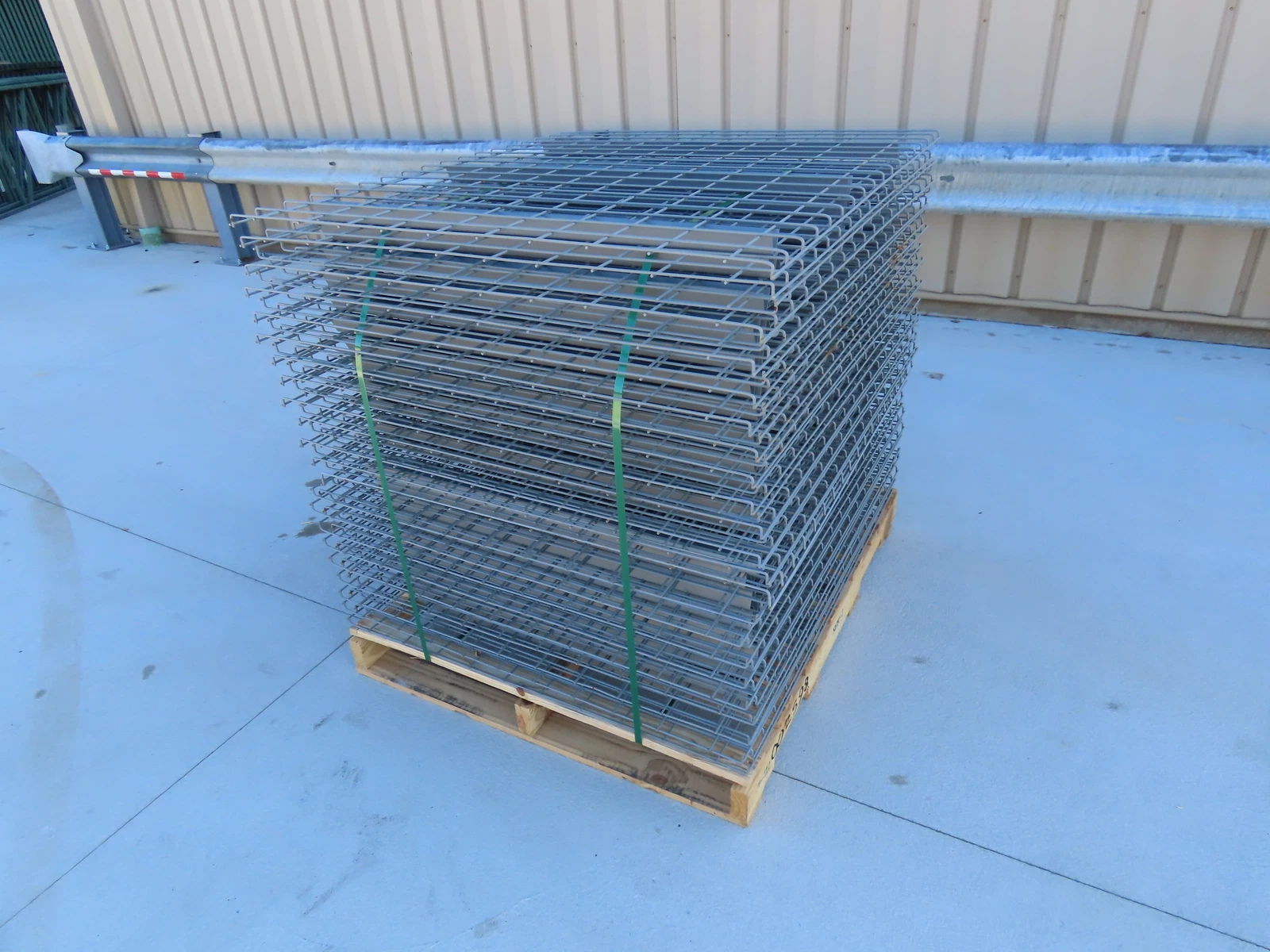
Checklist
At RackingWorld, we help guide you through selecting warehouse storage systems and racking.
Be sure to read our other related stories at RackingWorld to learn more about warehouse storage systems.
0 Comments