
Choosing Wisely: The Emotional And Financial Impact Of Racks
By Tom Seest
At RackingWorld, we help guide you through selecting warehouse storage systems and racking.
Be sure to read our other related stories at RackingWorld to learn more about warehouse storage systems.
Used Rack Vs New Rack: Financial Tradeoffs
When it comes to deciding between used and new racking systems, the financial tradeoffs can feel like a heavy weight on your shoulders. That first instinct is often to save every penny, but let’s break it down with some common-sense clarity.
On one hand, opting for a used rack might seem like the smart choice. You’re looking at significant savings that could be funneled into other areas of your business, like hiring an extra pair of hands or keeping a little more in the bank for a rainy day. Those used racking systems often come with stories of past use—each dent and scratch a testament to their resilience. It’s like wearing a well-loved pair of boots; they’ve proved their worth.
However, let’s not overlook the new racks. They offer that peace of mind—the kind that tells you nothing is on its last legs and that everything will withstand the heavy loads and chaos of daily operations. Sure, they might come with a higher price tag, but think of it as an investment in your future. A sturdy new racking system can boost your efficiency and operations, leading to greater returns down the line. There’s something reassuring about knowing you’ve got gear that can handle whatever you toss at it.
We must also consider the ethical angle. Supporting local manufacturers and suppliers by purchasing new racks can have a ripple effect that builds your community. Investing in new systems can help bolster jobs and keep local economies thriving, fostering a sense of trust and loyalty that comes with keeping it local.
And then there’s the social aspect. When your crew walks into a well-organized warehouse, filled with fresh, sturdy racking systems, morale gets a boost. It’s the difference between a workspace that looks like a battlefield and one that screams efficiency. When you choose well, you inspire confidence—not just in your team but also in your clients, who see that you care about the details that matter.
Ultimately, whether you lean toward a used rack or a new rack, it’s not just about the dollars and cents. It’s about the stories you’ll tell, the trust you’ll build, and the future you’re shaping. Choose wisely, keep your eyes open, and remember that each choice carries the weight of its own experience.
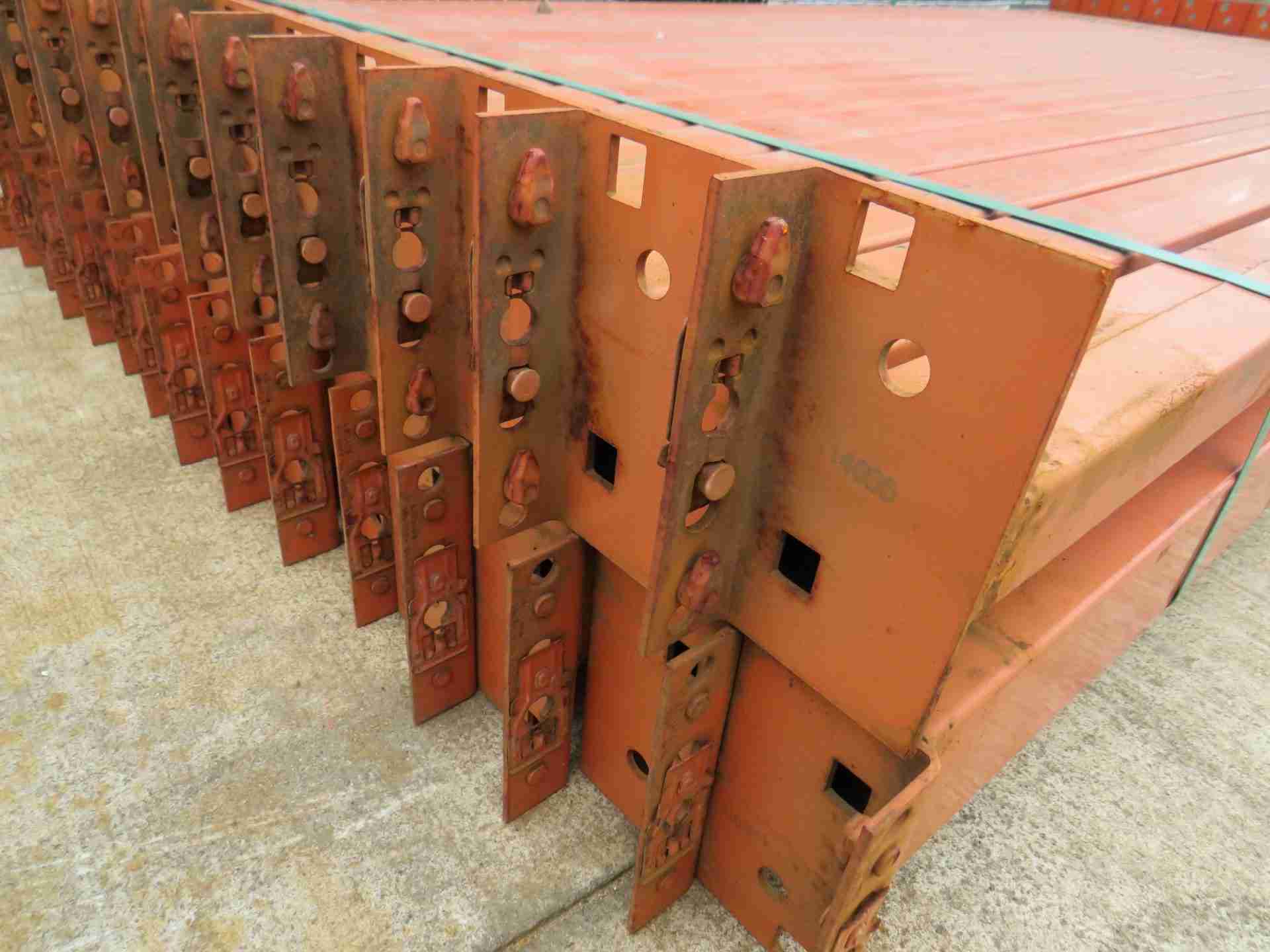
Used Rack Vs New Rack: Financial Tradeoffs
Used Rack Vs New Rack: Financial Tradeoffs
- Deciding between used and new racking systems involves significant financial considerations.
- Used racks offer substantial savings, allowing funds to be allocated to other business needs.
- New racks provide peace of mind regarding durability and reliability for operations.
- Investing in new racking systems can improve efficiency and increase future returns.
- Purchasing new racks supports local manufacturers, benefiting the community and economy.
- A well-organized workspace with new racks can boost team morale and client confidence.
- The decision between used and new racks shapes future stories, trust, and business direction.
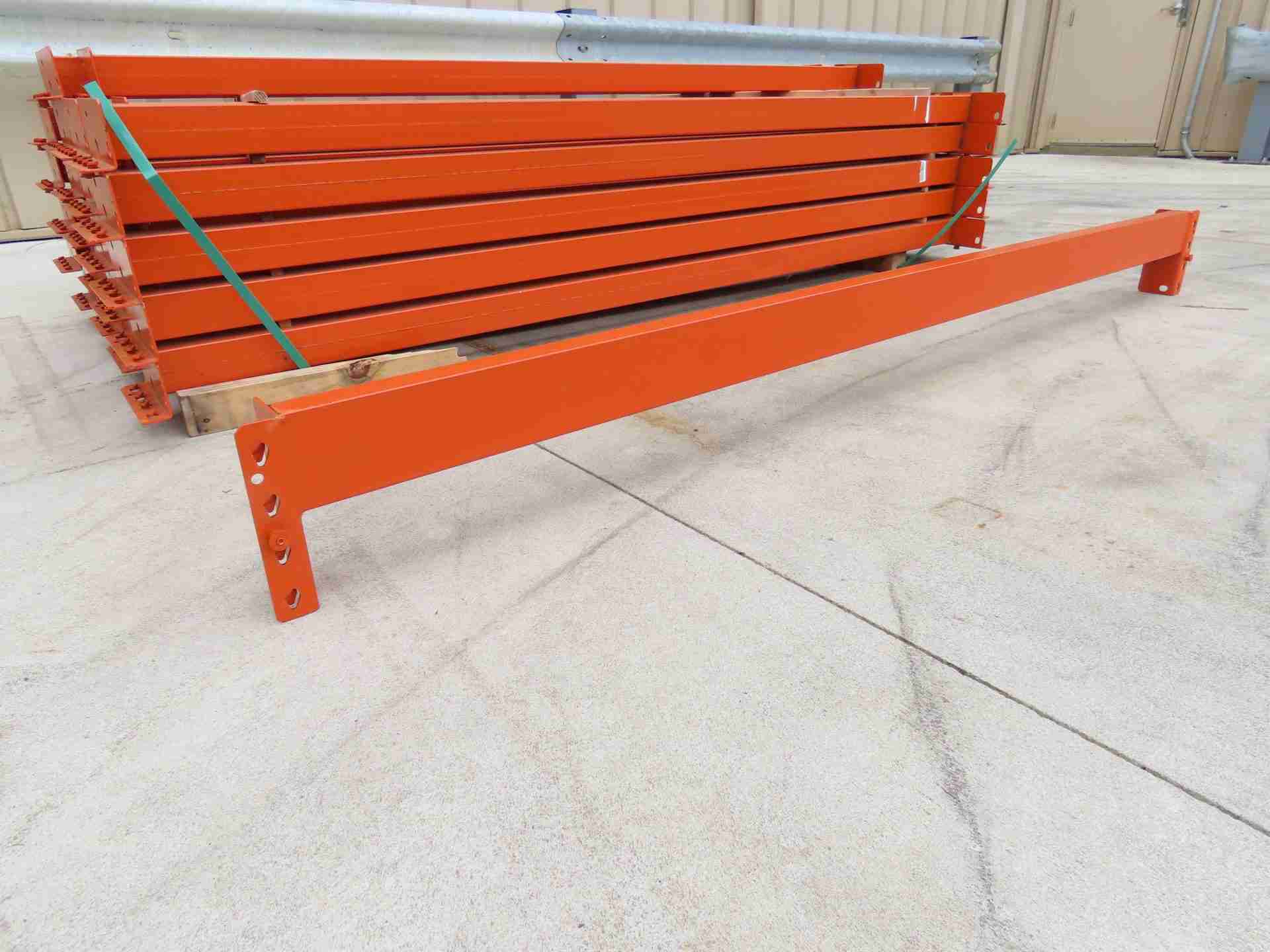
Used Rack Vs New Rack: Financial Tradeoffs
Table Of Contents
- Used Rack Vs New Rack: Financial Tradeoffs
- What Are the Hidden Costs Of Buying a Used Rack?
- Is Investing In a New Rack Worth the Price?
- How Do Used Racks Impact Long-Term Savings?
- What Are the Risks Of Purchasing a Used Rack?
- How Does a New Rack Enhance Productivity?
- What Warranties Are Available on New Racks?
- Conclusion
- Other Resources
- Glossary Of Terms
- Other Questions
- Checklist
What Are the Hidden Costs Of Buying a Used Rack?
Buying a used rack might seem like a straightforward, wallet-friendly decision, but those savings can quickly diminish when you take a closer look at the hidden costs attached to it. First off, think about the initial purchase price. While it may appear like a steal on paper, consider the potential wear and tear on those Racking Systems. You could be inheriting a piece that’s been through the wringer, leading to unexpected repairs down the road. Walking into a deal that looks good at first can lead to feelings of regret later when you’re stuck with a rack that’s anything but dependable.
Next, there are the operational costs. If your used rack isn’t up to industry standards, it may not perform efficiently, costing you more in energy bills or affecting your workflow. Picture this: you’re hustling to meet a deadline, but your makeshift setup fails, slowing everything down. That’s not just annoying; it can dampen morale and create tension in the workplace when your crew relies on its efficiency.
Let’s not overlook safety and compliance issues either. There’s a significant ethical burden in ensuring that the equipment you use doesn’t put your team at risk. If the rack fails under the weight it’s supposed to handle, the consequences could be devastating. Feeling the weight of responsibility for your employees is no small matter—each decision impacts lives. Scanning the history of a rack’s usage, ensuring it’s compliant with safety regulations, is paramount.
Then there’s the story behind the rack. Each scratch and dent tells a tale; maybe it was once part of a thriving business that’s since closed its doors. Engaging with the past helps us understand what we’re investing in; it fosters connection, not just with the rack itself, but with the history of many who relied on that very structure. You’re not just purchasing metal and bolts; you’re stepping into the legacy of hard work and perseverance.
Lastly, there’s community trust. Investing in quality equipment fosters a reputation for being responsible and reliable in your industry. It signals to customers and partners that you value integrity, investing not just in the best equipment, but in the people who operate them. It’s not just about saving a few bucks; it’s about building a foundation that will support you and your team for years to come.
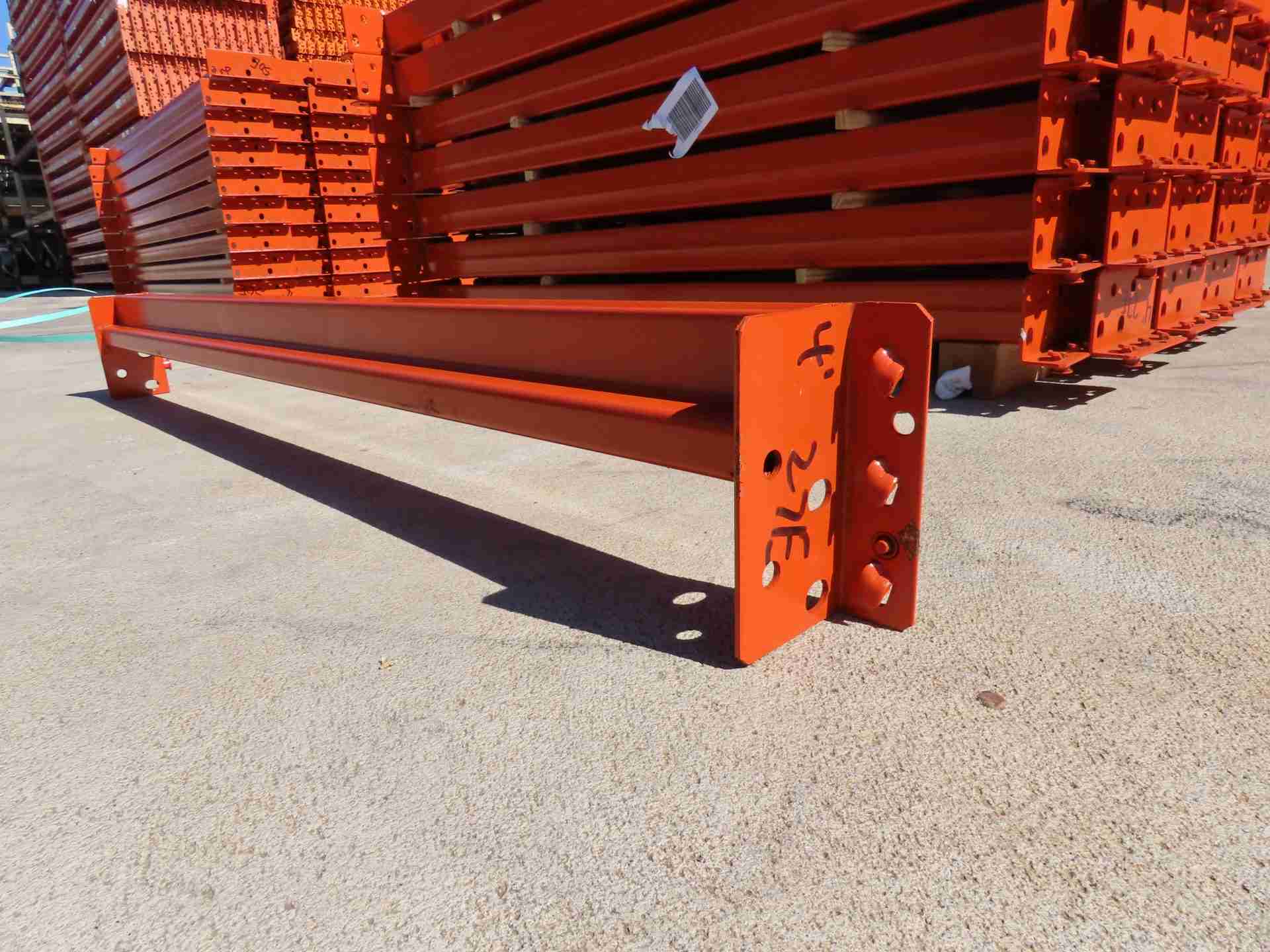
What Are the Hidden Costs Of Buying a Used Rack?
What Are the Hidden Costs Of Buying a Used Rack?
- Buying a used rack may have hidden costs that outweigh initial savings.
- Potential wear and tear can lead to unexpected repairs, impacting reliability.
- Operational inefficiencies can result in higher energy bills and workflow disruptions.
- Safety and compliance issues can pose risks to employee welfare and morale.
- The history of a rack’s usage adds depth to the investment, connecting it to past businesses.
- Investing in quality equipment builds community trust and enhances reputation.
- It’s crucial to prioritize long-term benefits over immediate financial savings.

What Are the Hidden Costs Of Buying a Used Rack?
Is Investing In a New Rack Worth the Price?
Investing in a new Racking System can feel like a big leap. It’s easy to think of it purely in terms of dollars and cents, but there’s more to the picture. Let’s break this down:
First off, think about the heart of your operation. If your workspace is cluttered, if you’re tripping over boxes and searching for tools, that’s not just frustrating—it’s exhausting. A well-designed racking system can transform chaos into order. Imagine walking into your shop and knowing exactly where everything is, every item at your fingertips, ready to go. That peace of mind is worth a lot more than you might realize, and it can reinvigorate your team’s spirit, making every job feel a bit smoother.
Looking at it from a rational standpoint, consider the efficiency gained from a proper racking setup. Time is money. When your inventory is organized, you’ll reduce retrieval times, minimize errors, and prevent damages. A rack might seem like a pricey piece of equipment up front, but if it saves hours of work each week and prevents costly mistakes, that investment pays for itself sooner than you think.
Ethically, investing in a quality racking system can reflect your commitment to safety and professionalism. It signals to your employees and customers alike that you take your work seriously and care about providing a reliable service. A safe, organized environment not only protects your assets but also fosters trust. Your team deserves a space that prioritizes their well-being and efficiency.
When you think about the narrative of your business, every successful operation has an evolution—a story that involves growth and adaptation. Upgrading your racking systems is part of that journey. It’s a step towards larger goals, whether that’s expanding your product lines or improving service delivery. The investment is a testament to your vision and determination to continually improve.
Lastly, consider the social aspect. In many trades or industries, you’re part of a community. Everyone’s keeping an eye on one another and learning from experiences. When you invest in quality, it sends a message that you’re serious about your craft and encourages others to do the same. The right racking system not only boosts your productivity but sets a standard within your circle.
Investing in a new racking system is not just about the cost; it’s about investing in the heart of your operation, enhancing efficiency, and fostering a professional environment that uplifts everyone involved. The right choice can transform your business into a well-oiled machine, and that’s something worth every penny.

Is Investing In a New Rack Worth the Price?
Is Investing In a New Rack Worth the Price?
- A new racking system enhances workspace organization, reducing clutter and improving efficiency.
- Efficiency gained leads to reduced retrieval times, minimized errors, and prevention of damages.
- Investment in quality racking reflects commitment to safety and professionalism.
- A safe and organized environment fosters trust among employees and customers.
- Upgrading racking systems is part of business evolution towards growth and adaptation.
- Investing in quality encourages community standards and boosts productivity.
- The right racking system transforms a business into a well-oiled machine worth every penny.
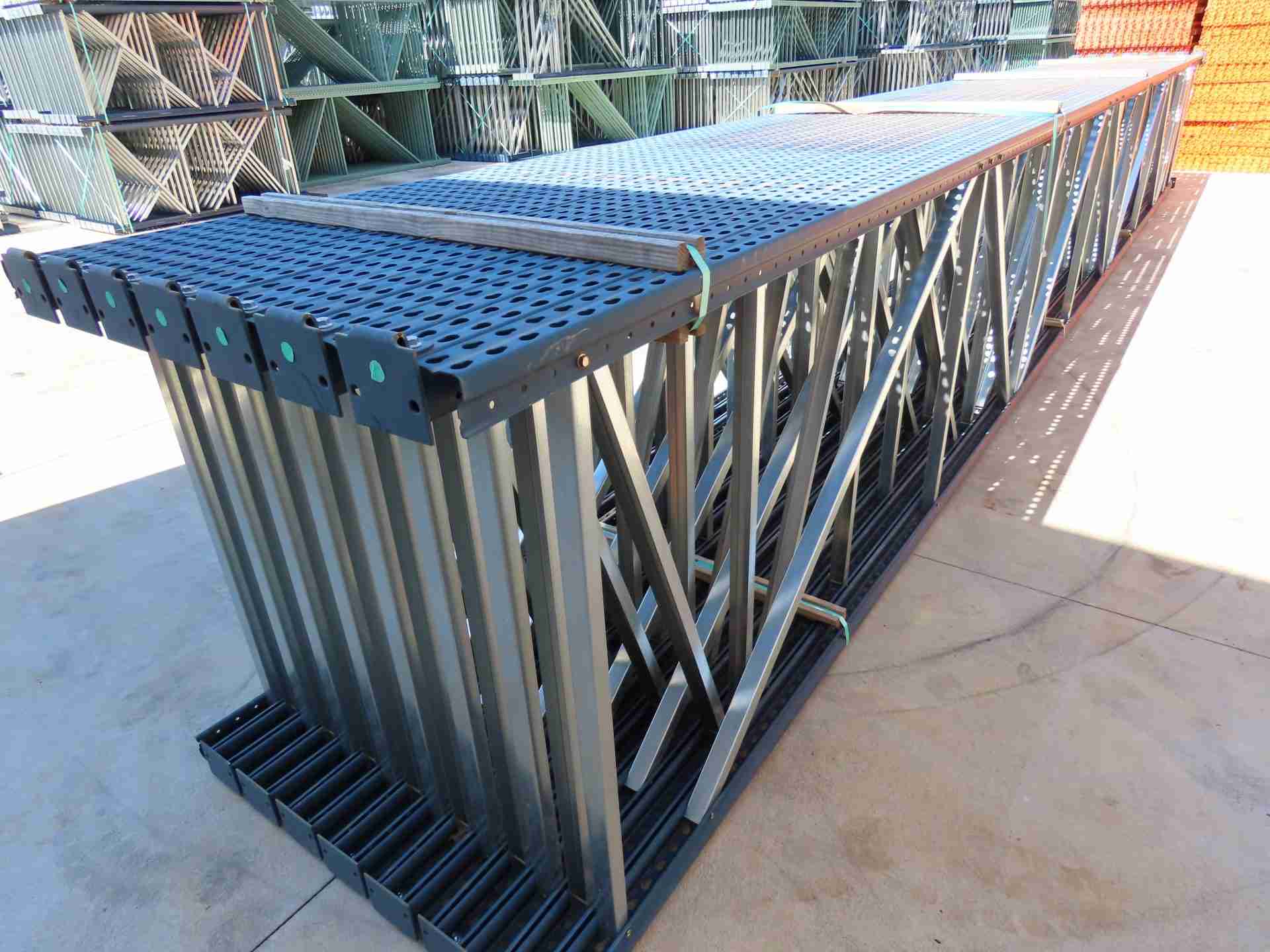
Is Investing In a New Rack Worth the Price?
How Do Used Racks Impact Long-Term Savings?
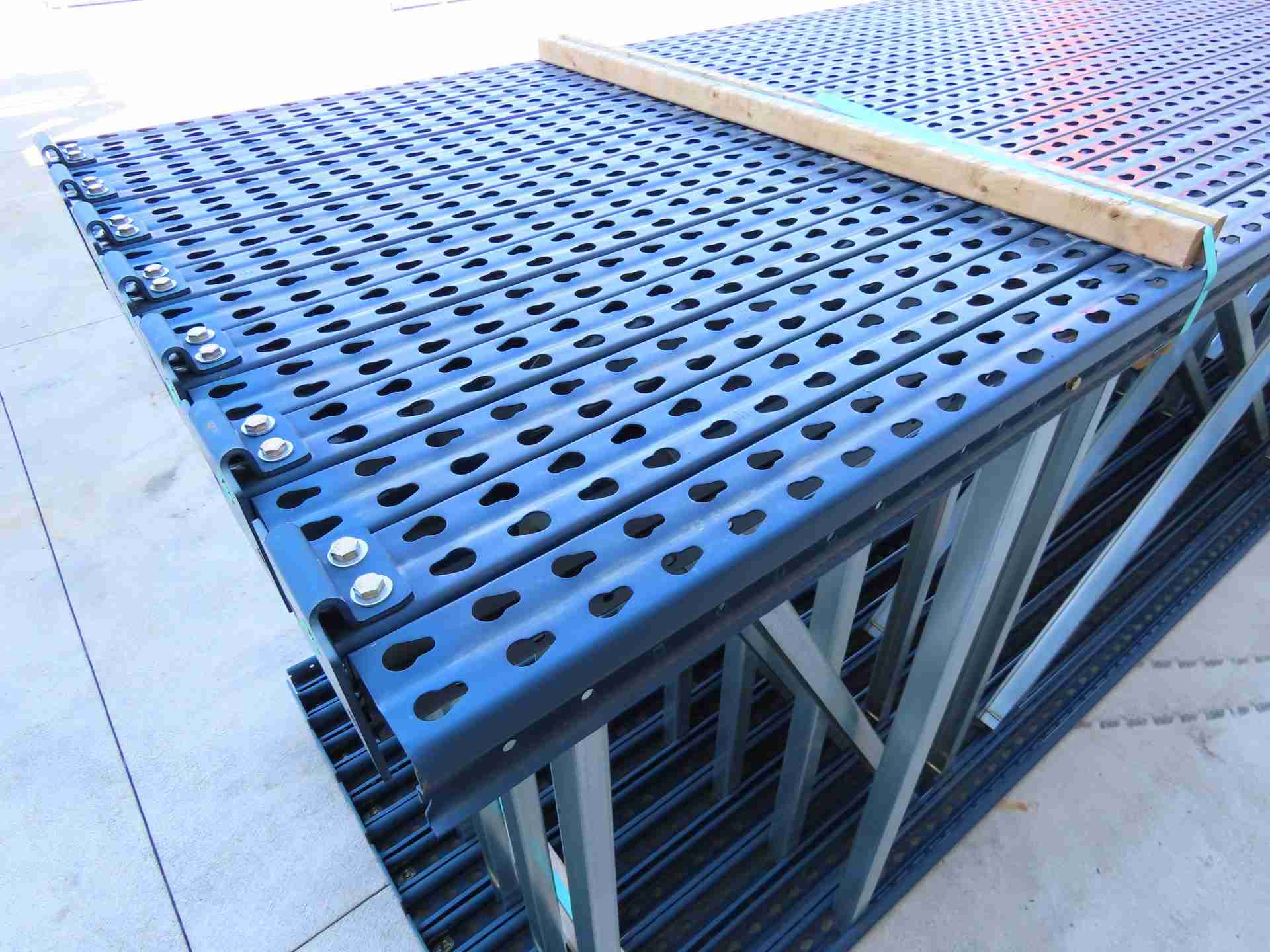
When it comes to racking systems, the decision to invest in used racks can weigh heavy on the shoulders of many. It’s not just about saving a few bucks; it’s about making a smart choice that echoes through the years. Picture this: you’ve got a warehouse bustling with activity, boxes piled high, and inventory stacking up. Now, imagine replacing those wobbly shelves with sturdy, reliable used racks that cost a fraction of what new ones would.
From a financial standpoint, opting for used racks is a no-brainer. Upfront savings are hard to ignore. Many businesses find that by choosing quality second-hand racking systems, they can redirect funds to other crucial areas—perhaps expanding product lines or improving employee training. These racks are not just a cheap solution; they represent a solid investment that can withstand the test of time when chosen wisely. A well-maintained used rack can last just as long as a new one, putting your instinct for thrift to good use.
Then there’s the ethical dimension. Investing in used racking systems means you’re supporting a circular economy. It’s about giving those sturdy shelves a second life, reducing waste, and minimizing your carbon footprint. In a world where sustainability matters more than ever, this choice resonates with a community that values responsibility and ethical practices. You’re not just padding the bottom line; you’re also doing your part for the planet, and that’s something to feel good about.
There’s also a practical side to consider. The hands that have put these racks to use before you have stories to tell about their reliability. You can trust reviews from fellow operators who have relied on these systems day in and day out. They’ve witnessed firsthand how well these second-hand racks perform under pressure, and that kind of shared experience builds trust.
Moreover, in this industry, we’ve all stood shoulder to shoulder, learning from each other. Whether you’re a seasoned pro or a newcomer, the story is the same: good equipment helps build good businesses. Investing in used racking systems cultivates a connection within the industry, showing that we can support one another and make choices that benefit our communities.
In short, choosing used racks preserves resources, strengthens your bottom line, and contributes to a legacy of sustainability. It’s practical, it’s responsible, and it builds a better future. Every time you load those shelves, you’re not just storing items; you’re storing the promise of savings and a brighter tomorrow.
How Do Used Racks Impact Long-Term Savings?
How Do Used Racks Impact Long-Term Savings?
- Investing in used racking systems combines cost savings with smarter long-term choices.
- Used racks offer significant upfront savings, allowing businesses to allocate funds to other vital areas.
- Quality second-hand racks can match the lifespan of new ones when chosen wisely.
- Support for a circular economy by giving used racks a second life, aiding waste reduction and carbon footprint minimization.
- Trust in used racks is reinforced by shared experiences and recommendations from previous users.
- Investing in used racking fosters community support and collaboration within the industry.
- Using used racks contributes to resource preservation, economic strength, and sustainability efforts.

How Do Used Racks Impact Long-Term Savings?
What Are the Risks Of Purchasing a Used Rack?
What Are the Risks of Purchasing a Used Rack?
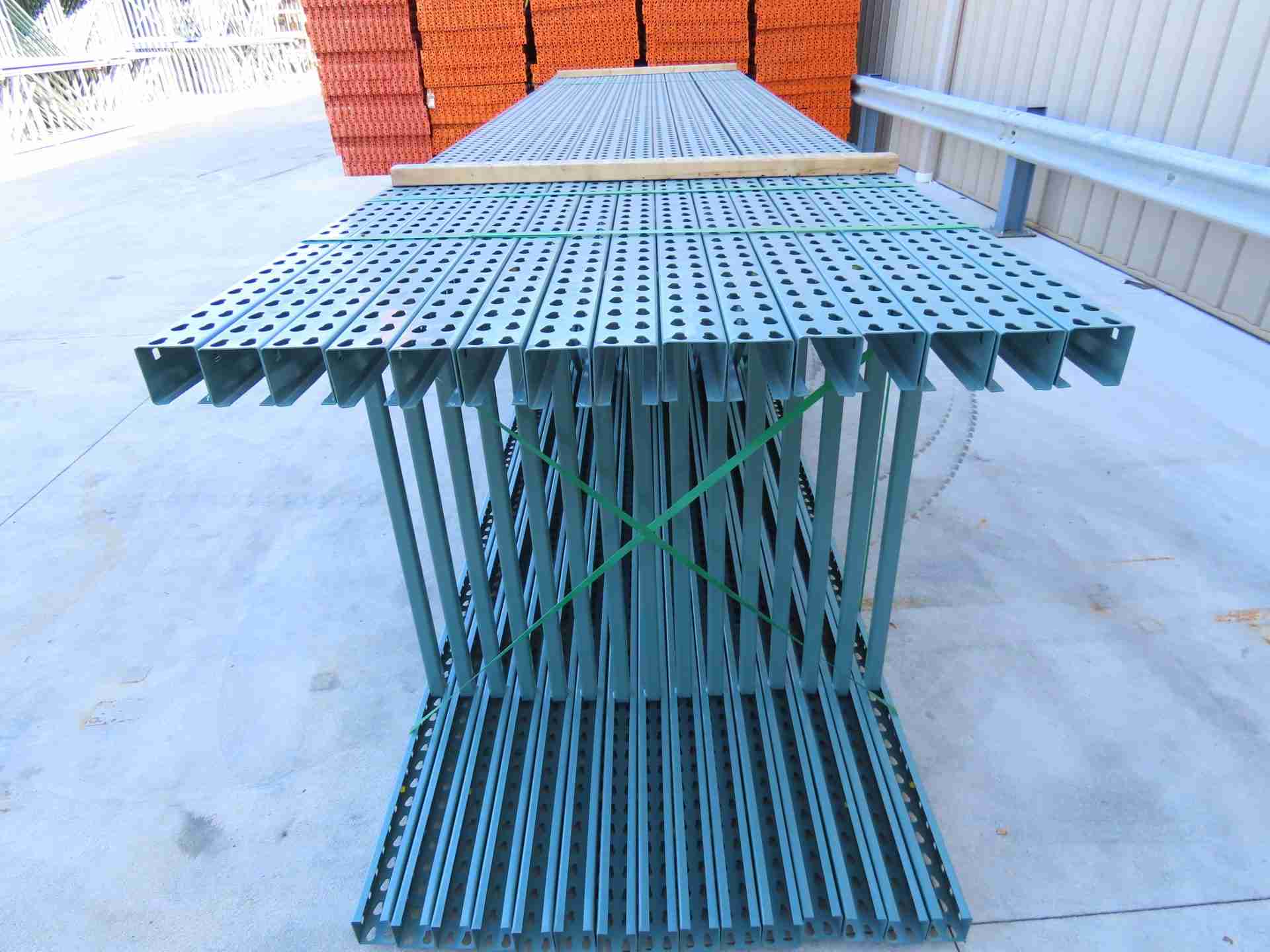
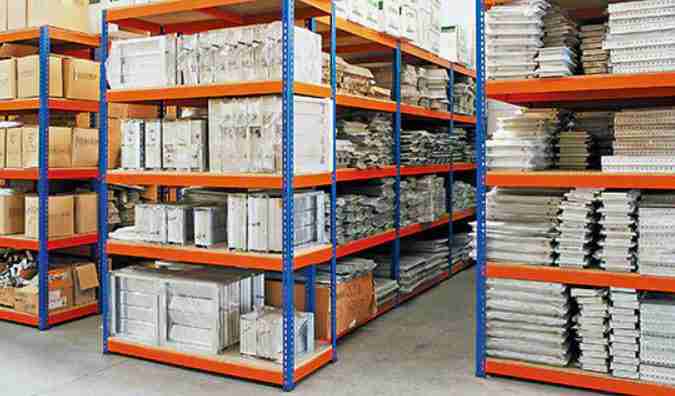
When it comes to buying used racking systems, the risks are as tangible as the steel they’re made from. Sure, the price tag catches the eye, making a seasoned warehouse manager envision savings that could be channeled elsewhere. But there’s more than meets the eye when it comes to purchasing secondhand. The first consideration is safety. A racking system that looks sturdy might harbor hidden damage from improper use or accidents in a previous life. Would you trust your employees to load up something that could come crashing down because the welds are a bit frayed, or the frame’s been misaligned? A cheap racking system isn’t just about saving a few bucks; it’s about ensuring a safe work environment for those who depend on it.
Then, there’s the matter of compliance. Each racking system comes with its own set of regulations. Older racks might not meet current safety standards, meaning you could be buying yourself a world of headaches down the line. This isn’t just a hit to the wallet when compliance checks roll around; it can have serious implications for your workforce and your liability as a business owner. It’s essential to do your homework; trust and confidence come from knowing what you’re dealing with.
Emotionally speaking, the stakes are higher than just steel and screws. Picture your team working in a space that feels secure and organized. A racking system that’s solid fosters a sense of pride and professionalism. Conversely, investing in a used rack that just doesn’t hold up can lead to frustration and diminished morale, as employees worry about their safety and the integrity of operations.
On the narrative front, think about the stories that might emerge if something goes wrong. Imagine the aftermath: costly downtime, an injured employee, or even a lawsuit. These are the realities of cutting corners for the sake of initial savings.
Buying used racking systems might make financial sense at first glance, but do your due diligence. Understand what you’re risking, and weigh those against the potential benefits. Talk to others in the industry, get the scoop from those who’ve walked this path before you. Protect your business, your team, and your bottom line by making informed choices that inspire trust and uphold the integrity of your operations.
What Are the Risks Of Purchasing a Used Rack?
What Are the Risks Of Purchasing a Used Rack?
- Purchasing used racking systems poses risks related to safety and compliance.
- Used racks may have hidden damage from prior misuse, risking employee safety.
- Older racking systems might not adhere to current safety regulations, leading to compliance issues.
- Investing in subpar racking can harm employee morale and workplace organization.
- Potential consequences include costly downtime, injuries, and legal repercussions.
- Conduct thorough research to understand risks and make informed decisions.
- Consult industry peers to gain insights from their experiences with used racks.
What Are the Risks Of Purchasing a Used Rack?
How Does a New Rack Enhance Productivity?
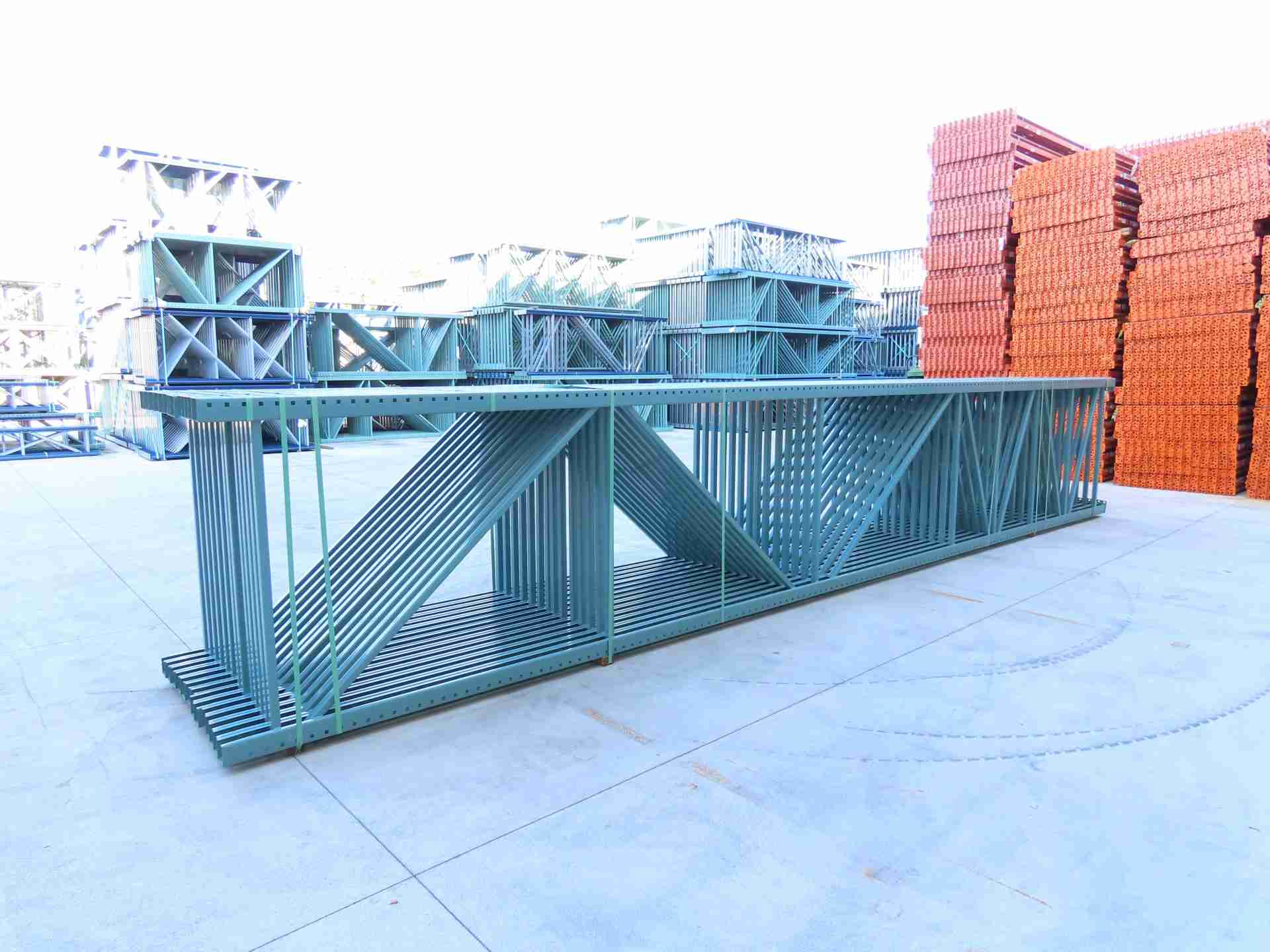
When you step into a workspace equipped with modern racking systems, you notice a subtle shift. It’s not just about shelves and storage; it’s about making life easier for those who make things happen every day. Imagine the first time you saw your tools neatly organized, each in its place. That feeling of relief and clarity resonates across all types of jobs, whether you’re in a bustling warehouse or a small workshop. A new rack isn’t just a piece of equipment; it’s the backbone of efficiency.
Picture a busy day where every minute counts. With effective racking systems, your team can find what they need in seconds, cutting down on search time and minimizing frustration. That’s not just smart; it’s essential. The emotional weight of knowing you can rely on your setup allows you to focus on what truly matters—getting the job done. There’s a sense of pride in working in a space that speaks your language, where everything flows seamlessly.
Rationally, investing in a quality rack pays off. The right systems can hold more, which means less wasted space and fewer trips to restock. You’re able to maximize your operation’s footprint without clutter. This optimization leads to increased output—a direct line to your bottom line. Plus, organized spaces are safer. Reduced risk of accidents boosts morale, creating an environment where everyone can thrive.
Ethically, every workspace deserves organization. It respects the time and effort of each worker. When everyone has access to what they need, it fosters accountability. And let’s not overlook the authority aspect. When you take pride in your setup, you set a standard. A well-maintained rack shows that you care about quality and efficiency, and that can inspire your team to elevate their own performance.
Narratively, think back to the days of makeshift storage and long, fruitless searches. That was the norm, and it caused headaches that no one should have to suffer. Fast forward to the new age of organized racking systems, where each item has a designated home. It’s like turning on a light in a dark room—everything looks brighter and more manageable.
Finally, we need to acknowledge the social aspect. A tidy space invites collaboration and teamwork. It encourages open communication and helps to build camaraderie. When everyone knows where things are, there’s less friction and more collaboration, which leads to a stronger team spirit.
This isn’t just about racks; it’s about creating a place where productivity thrives. A new rack enhances not just efficiency but also the entire atmosphere of work, inspiring confidence, trust, and a shared commitment to excellence.

How Does a New Rack Enhance Productivity?
How Does a New Rack Enhance Productivity?
- Modern racking systems provide organization that enhances efficiency.
- Effective racking reduces search time, allowing teams to focus on productivity.
- Investing in quality racks maximizes space and increases output.
- Organized environments improve safety and boost morale.
- Every workspace deserves organization, fostering accountability among workers.
- Tidy spaces promote collaboration, open communication, and team spirit.
- New racking systems create a productive atmosphere, inspiring commitment to excellence.
How Does a New Rack Enhance Productivity?
What Warranties Are Available on New Racks?
When it comes to investing in new racking systems, knowing what warranties are on the table can make all the difference. After all, you’re not just buying metal and bolts; you’re securing a foundation for your operations, and that deserves some serious thought.
First off, most manufacturers understand that the heart of any racking system is built on trust. They often throw in limited warranties that cover defects in material and workmanship, generally spanning anywhere from one to five years. This tells you they believe in their product’s strength. A solid warranty isn’t just a piece of paper; it’s a promise that if something goes sideways, they’ll step up and make it right. You want this assurance when you’re piling up goods and trusting those racks to hold everything steady. It’s like a handshake in the storage world—if a company stands behind their racking systems, it’s an indicator of quality craftsmanship.
Rationally speaking, let’s break it down. These warranties often outline specific terms, like load limits and installation guidelines. Following these can prevent mishaps that might void your coverage. Knowing how and where you can use your racks makes the whole process smoother and less stressful. It’s easier to plan your warehouse layout when you’ve got a clear set of expectations from the manufacturer.
The ethical side of things pops up too. A good warranty often reflects how a company treats its customers. If a manufacturer is willing to invest in protecting its product and its buyers, you’re likely dealing with a reputable outfit. Check if they have a customer support line or dedicated reps to help resolve issues. That level of service can be a lifeline down the road if you ever encounter problems with your racking systems.
Now, think about the stories shared within the industry. Pull up a stool at any warehouse gathering, and you’ll hear tales of mishaps prevented due to well-respected brands that stood true to their warranties. These narratives connect us to one another and remind us that we’re not alone in the trenches. We’re all working hard for our livelihoods.
Finally, don’t forget about social proof. Recommendations from other businesses can steer you toward brands that deliver not just sturdy racks but also peace of mind. If your peers trust a certain company’s racking systems because of their stellar warranty support, you can bet your bottom dollar it’s worth considering. That communal wisdom fosters confidence, making your choice that much easier.
Warranties are about more than just protection. They’re about building a relationship with the manufacturers that provide your racking systems, ensuring you can focus on what you do best—running your operations without a hitch.

What Warranties Are Available on New Racks?
What Warranties Are Available on New Racks?
- Understanding warranties is crucial when investing in racking systems, as they ensure a reliable foundation for operations.
- Most manufacturers offer limited warranties covering defects in materials and workmanship, typically lasting between one to five years.
- A strong warranty reflects the manufacturer’s confidence in their product and provides assurance in case of issues.
- Warranties specify terms such as load limits and installation guidelines, which help prevent mishaps that might void coverage.
- A reputable manufacturer invests in customer support, enhancing service and assistance when problems arise.
- Industry stories highlight the importance of trusted brands, emphasizing community experiences with warranties.
- Social proof from other businesses can guide decisions towards brands that offer solid warranties and reliability.

What Warranties Are Available on New Racks?
Conclusion
When weighing the decision between used and new racks, remember that this choice extends far beyond immediate cost. On the surface, the allure of lower prices with used racks can pull at your wallet, offering savings for hiring more staff or enhancing your operations in other ways. Each dent and scratch on a used rack tells its tale of resilience, akin to a favorite pair of well-worn boots. But beyond those savings, one must consider the peace of mind new racks offer. They promise reliability and the assurance that your equipment can withstand daily demands, potentially leading to improved overall efficiency and returns.
Ethically, investing in new racks supports local economies and jobs, creating a ripple effect within your community. It reflects a commitment to quality that can inspire confidence among your team and clients alike. An organized warehouse with sturdy new racking can elevate morale, transforming the workspace into a haven of productivity.
However, caution is essential when considering used racks. Hidden costs, such as potential repairs and inefficiencies, can outweigh the initial savings. Older racks may lack modern safety compliance, posing risks to your crew and your operation. The emotional toll of a malfunctioning system—like a work environment fraught with tension—can affect morale and overall workplace atmosphere.
On the flip side, when investing in new racks, you’re doing more than just purchasing equipment; you’re enhancing your operation’s heart. A modern rack system symbolizes pride and professional standards. Time saved through efficient organization translates directly into financial relief and increased productivity, underscoring that the right rack can be a strategic investment rather than a cost.
Moreover, warranties provided with new systems showcase the manufacturer’s confidence in their product and their commitment to maintaining customer trust. These warranties serve as a safety net, reassuring you that should any issues arise, help is just a call away.
In the end, whether opting for used or new racks, each choice carries profound implications for your business. It reflects not only your operational strategy but also your values and vision for the future. Keep in mind the stories these decisions will tell about your dedication to quality, community, and a thriving workplace. Choose wisely, for each decision molds the foundation of your business—an unsteady rack today can lead to instability in your tomorrow.

Conclusion
Conclusion:
- The decision between used and new racks affects more than just initial cost.
- Used racks offer lower prices, which can fund other operational needs but may come with hidden costs.
- New racks provide reliability, potentially leading to improved efficiency and returns.
- Investing in new racks supports local economies and can boost morale within the workplace.
- Used racks may pose safety risks and incur additional repair costs, affecting morale and workplace atmosphere.
- New racks symbolize pride and professionalism, enhancing operational organization and productivity.
- Warranties on new racks ensure manufacturer support, providing reassurance in case of issues.

Conclusion
Other Resources
Other Resources
Here is a list of other resources you can review online to learn more:
- Overhead Lifting
- Warehouse Storage Racks
- Teardrop Pallet Rack – Ridg-U-Rak
- Iowa Illinois Warehouse Racking
- NSC
- Wolter
- CA Wire
- International Warehouse Logistics Association
- Interlake Mecalux
- American Society of Safety Professionals
- Pallet Racking 101: A Comprehensive Guide & Options Explained
- Warehouse Racks, Warehouse Racking in Stock – ULINE
- CMMA
- Teardrop Racks – Pallet Rack World
- Warehouse Racking Chicago, IL
- Intro to Warehouse Racks & Warehouse Racking Systems – ShipBob
- Mustang Material Handling
- Rack Manufacturers Institute
- Used Pallet Rack for Sale in Illinois – American Surplus
- Arrow Industrial Sales
Use This Prompt To Get More Resources With Your Favorite Online AI Tool: Please provide me with a list of online articles with their URLs in a bulleted list that I can read regarding Used Rack Vs New Rack: Financial Tradeoffs
Other Resources
Glossary Terms
Used Rack Vs New Rack: Financial Tradeoffs – Glossary Of Terms
1. Asset: A resource owned by a business that is expected to provide future economic benefits.
2. Depreciation: The reduction in the value of an asset over time, often due to wear and tear.
3. Capital Expenditure: Funds used by a company to acquire or upgrade physical assets like equipment and property.
4. Operational Expenditure: Ongoing costs for running a product, business, or system.
5. Return on Investment (ROI): A measure used to evaluate the efficiency or profitability of an investment.
6. TCO (Total Cost of Ownership): The comprehensive assessment of direct and indirect costs associated with an asset.
7. Salvage Value: The estimated residual value of an asset at the end of its useful life.
8. Lease: A contractual arrangement where one party pays for the use of an asset owned by another party.
9. Financing: Acquiring funds to support the purchasing or leasing of an asset.
10. Cash Flow: The net amount of cash being transferred in and out of a business.
11. Breakeven Point: The sales amount—both in units and revenue—required to cover total costs.
12. Financing Costs: Expenses incurred when borrowing funds to purchase an asset, including interest payments.
13. Asset Life Cycle: The stages an asset goes through from acquisition to disposal.
14. Financial Lease: A lease that transfers substantially all risks and rewards of ownership to the lessee.
15. Operating Lease: A lease agreement where the owner retains risks and rewards of ownership.
16. Opportunity Cost: The potential profit lost when choosing one investment over another.
17. Tax Implications: The consequences on taxation resulting from asset purchases or leases.
18. Cost-Benefit Analysis: A process for comparing the costs and benefits of different financial options.
19. New Rack: A brand new asset that often comes with a warranty and the latest technology.
20. Used Rack: A pre-owned asset that may have a lower acquisition cost but potentially higher maintenance costs.
21. Upgrade: An investment to improve an existing asset to enhance its performance or longevity.
22. Inventory Management: The oversight of ordering, storing, and using a company’s inventory.
23. Depreciable Asset: An asset that is expected to decrease in value over time and can be depreciated for tax purposes.
24. Asset Valuation: The process of determining the fair market value of an asset.
25. Market Demand: The level of consumer desire for a product or service that can influence operational decisions.
26. Financial Leverage: The use of borrowed funds to increase the potential return on investment.
27. Budgeting: The process of creating a financial plan to allocate resources effectively.
28. Replacement Cycle: The predetermined period after which an asset should be replaced due to inefficiency or obsolescence.
29. Negotiation: The process of discussing and reaching an agreement on the terms of an asset purchase or lease.
30. Risk Assessment: The identification and analysis of potential risks associated with an investment decision.
Glossary Of Terms
Other Questions
Used Rack Vs New Rack: Financial Tradeoffs – Other Questions
If you wish to explore and discover more, consider looking for answers to these questions:
- What is the total cost of ownership for used racks versus new racks (purchase price, shipping, installation, maintenance, repairs, and disposal)?
- How do inspection, certification, and compliance requirements differ between used and new racking systems?
- What is the typical remaining lifespan of a used rack compared with a new rack?
- How can I verify the usage history and previous load conditions of a used rack?
- Is there a standard inspection checklist to assess the condition of a used rack before purchase?
- What are the most common hidden repairs or defects found in used racks and what do they typically cost to fix?
- Do used racks meet current regional or industry safety standards (e.g., RMI, EN standards)?
- What specific warranty terms are offered on new racks and what do they cover (materials, workmanship, load limits)?
- Can manufacturers or vendors provide load-testing or re-certification for used racks?
- How will my insurance premiums or liability exposure change if I install used versus new racks?
- What financing, leasing, or payment options are available for purchasing new racks?
- What are typical lead times for acquiring and installing new racks compared to sourcing used ones?
- How much operational downtime should I expect for installation or replacement, and how can it be minimized?
- Are spare parts and compatible replacement components readily available for the used rack models under consideration?
- How compatible are the racks (used or new) with my pallet sizes, forklift types, and warehouse layout?
- What anchoring, foundation, or seismic requirements apply and will used racks comply with them?
- How do maintenance schedules and ongoing service needs compare between used and new racks?
- What are the environmental impacts of buying new versus used racks, and are there tax incentives or grants for sustainable choices?
- How does resale value or residual value compare between used and new racking systems?
- Can used racks be refurbished or upgraded cost‑effectively, and what are typical refurbishment costs?
- How do I evaluate the reputation, references, and reliability of used-rack sellers and new-rack manufacturers?
- What return policies, installation guarantees, or post-sale support should I require from vendors?
- Are there case studies, customer testimonials, or references showing long-term outcomes of used vs new rack purchases?
- What safety accessories (column protectors, load guards, safety nets) are recommended and what do they cost?
- How do I calculate the ROI and payback period for investing in new racking versus buying used?
- What qualifications or certifications should I require for installers and who is responsible for installation quality?
- How do rated load capacities change with age, damage, or past misuse of a rack?
- What documentation should accompany a used rack sale (inspection records, certificates, load rating charts)?
- What are the common failure modes for racking systems and what visual warning signs should be monitored?
- Do regulatory or compliance obligations differ by industry (food, pharma, hazardous materials) when choosing racks?
- What legal or insurance ramifications arise if a used rack fails and causes injury or loss?
- How should I plan for future scalability, reconfiguration, or relocation of racking systems?
- What best practices and training should be provided to staff for safe rack use, inspection, and maintenance?
- When and how should I commission a third-party structural assessment or load test for existing or used racks?
- What are the logistics and costs involved in transporting used racks and reassembling them on-site?
- Are there warranties or guarantees covering installed workmanship, anchoring, and commissioning for new racks?
Other Questions
Checklist
Used Rack Vs New Rack: Financial Tradeoffs – A Checklist
Scope and Requirements
✅______ Defined storage goals (SKU count, inventory turns, pallet sizes and weights, pick methods)
✅______ Measured space, clear heights, slab capacity, columns/obstructions, and dock flow
✅______ Identified required capacities (per pallet, per bay, per level)
✅______ Chosen rack types (selective, drive-in, pushback, pallet flow, cantilever, shelving)
Total Cost of Ownership (TCO)
✅______ Calculated purchase price, freight, installation, permits, engineering, and downtime
✅______ Estimated maintenance, repairs, and replacement parts over 5–10 years
✅______ Quantified productivity gains and losses (travel time, pick rate, errors, damage)
✅______ Included compliance and insurance impacts
✅______ Modeled resale or upgrade value
Used Rack: Condition and Hidden Costs
✅______ Verified manufacturer, model, and original specifications
✅______ Confirmed rated load capacities and visible load plaques
✅______ Inspected frames, beams, welds, and connectors for bends, cracks, and corrosion
✅______ Checked upright plumbness, beam deflection, footplates, and anchors
✅______ Ensured component compatibility (brands, beam profiles, lock types)
✅______ Accounted for missing parts, safety bars, decking, row spacers, and guards
✅______ Priced refurbishment, straightening, painting, and replacement hardware
✅______ Budgeted third-party engineering review if history or ratings are unclear
✅______ Verified prior use environment (freezer, chemical, outdoor) and incident history
✅______ Included reconfiguration costs (cutting, drilling, new hole patterns)
✅______ Planned for certification, labeling, and updated load signage
✅______ Confirmed availability of matching parts for future expansions
Used Rack: Risk and Compliance
✅______ Aligned with current codes (ANSI/RMI MH16.x, OSHA, and seismic/local requirements)
✅______ Assessed liability exposure and insurance requirements
✅______ Scheduled initial and periodic safety inspections
✅______ Confirmed installer qualifications for used systems
New Rack: Warranty and Support
✅______ Documented warranty term (materials and workmanship) and start date
✅______ Reviewed coverage scope, exclusions, and required maintenance
✅______ Verified installation requirements to keep the warranty valid
✅______ Confirmed spare parts availability and lead times
✅______ Secured technical support, drawings, and stamped calculations if needed
Productivity and Operations
✅______ Optimized layout for travel paths, pick faces, and replenishment
✅______ Sized beam levels and bay spacing for current and future SKUs
✅______ Selected decking and safety accessories to reduce product damage
✅______ Planned labeling, slotting, and load signage for fast retrieval
✅______ Measured expected gains (retrieval time, pick accuracy, damage reduction)
✅______ Integrated rack protection (end guards, column protectors, rack netting)
People and Perception
✅______ Evaluated impact on team morale and workspace professionalism
✅______ Considered client-facing tours or audits and brand perception
✅______ Planned training on loading, inspection, and reporting damage
Community and Sustainability
✅______ Considered local manufacturers and suppliers and economic impact
✅______ Assessed environmental footprint (reused steel versus new production)
✅______ Planned responsible end-of-life or resale path
Financial Readiness
✅______ Compared cash outlay versus financing for new systems
✅______ Calculated payback period and ROI from efficiency and damage reduction
✅______ Reserved contingency budget (5–15%) for unforeseen issues
Installation and Onboarding
✅______ Obtained permits and engineering stamps if required
✅______ Scheduled certified installers and coordinated downtime
✅______ Completed load testing and final inspection before go-live
✅______ Implemented inspection log and maintenance schedule
Decision Triggers
✅______ Lean toward used when capacity is verified, documentation is complete, parts are compatible, refurbishment is minimal, and the cost advantage is strong
✅______ Lean toward new when warranty coverage, code changes, scalability, tight timelines, or client/audit demands favor factory-fresh systems
Documentation Packet
✅______ Bill of materials with capacities
✅______ Engineering drawings and stamps, and seismic calculations (if applicable)
✅______ Installation certificate and torque and anchor logs
✅______ Warranty and maintenance requirements
✅______ Inspection checklist and load signage plan
Checklist
At RackingWorld, we help guide you through selecting warehouse storage systems and racking.
Be sure to read our other related stories at RackingWorld to learn more about warehouse storage systems.
0 Comments