
Building Resilience: Empowering Safety Through Thoughtful Design
By Tom Seest
At RackingWorld, we help guide you through selecting warehouse storage systems and racking.
Be sure to read our other related stories at RackingWorld to learn more about warehouse storage systems.
Risk Mitigation Through Structural Planning
When it comes to the world of construction and warehousing, effective structural planning isn’t just a know-how; it’s a lifeline. Picture a warehouse full of goods, each product carefully stacked and stored—a setup that can either succeed or crumble under pressure. This is where risk mitigation through structural planning comes into play, leveling the playing field and ensuring that operations run smoothly.
Racking systems, the backbone of any storage facility, play a crucial role in this equation. Without sturdy, well-designed racking systems, the risk of accidents increases exponentially. Imagine the heart-stopping moment when a poorly constructed shelf buckles under the weight of products. That could mean severe injuries and financial losses, not to mention the gut-wrenching feeling of knowing you could have prevented it.
Effective planning involves assessing risks before they turn into calamities. It’s about taking a step back, analyzing how each beam and rack interacts, and ensuring that everything is built to withstand the day-to-day wear and tear. Workers depend on the integrity of these structures, and that’s a responsibility that weighs heavily on the shoulders of those in charge. There’s an ethical component to this—it’s not just about saving costs; it’s about valuing the safety of every person who steps into that space, and it’s a duty that no one should take lightly.
Moreover, structural planning serves as an authoritative statement about your business’s commitment to quality and safety. When employees see a meticulously organized storage area, confidence blossoms. They know that they’re supported by a foundation that prioritizes their well-being. This fosters a culture of care—one that resonates throughout the organization, encouraging teamwork and shared values.
Stories from the ground tell us that meticulous planning pays off. Consider a local warehouse that mirrored its neighbor’s lack of attention to structural integrity. Where one faced chaos after a shelving collapse, the other thrived, simply because they recognized the importance of their racking systems.
Ultimately, risk mitigation through structural planning isn’t just smart; it’s essential. Awareness of the risks and a commitment to thoughtful, practical solutions can transform any workspace into a sanctuary of safety and efficiency. It’s about building trust—not just in the structures we create but in the people relying on them every single day.

Risk Mitigation Through Structural Planning
Risk Mitigation Through Structural Planning
- Effective structural planning is crucial in construction and warehousing, acting as a lifeline for operations.
- Racking systems are fundamental to storage facilities; inadequate design significantly increases accident risk.
- Risk assessment is essential to prevent accidents and ensure structural integrity under daily use.
- There is an ethical responsibility to prioritize worker safety over merely cutting costs.
- Well-organized storage areas signify a business’s commitment to quality and safety, boosting employee confidence.
- Meticulous planning demonstrates the importance of racking systems, leading to operational success and safety.
- Risk mitigation through structural planning fosters a culture of trust and shared values within the organization.

Risk Mitigation Through Structural Planning
Table Of Contents
- Risk Mitigation Through Structural Planning
- What Are the Key Risks In Structural Planning?
- How Can We Prioritize Risks Effectively?
- What Role Does Ethics Play In Risk Mitigation?
- How Does Poor Planning Impact Community Safety?
- What Structures Minimize Environmental Risks?
- Which Authorities Oversee Structural Safety Regulations?
- Conclusion
- Other Resources
- Glossary Of Terms
- Other Questions
- Checklist
What Are the Key Risks In Structural Planning?
What Are the Key Risks in Structural Planning?
When it comes to structural planning, there are risks that can hit you hard, both in your wallet and your peace of mind. Picture a construction site buzzing with activity, workers hustling under the sun, plans laid out with precision. Now imagine a critical flaw in those plans—a miscalculation or oversight—that can bring the whole operation crashing down, much like a poorly racked shelf in a warehouse. Racking systems, if not designed or executed properly, can lead to accidents that put both lives and investments on the line.
First off, let’s talk about the emotional weight of these risks. You’re not just dealing with blueprints and budget sheets; you’re responsible for people’s livelihoods. If a structure fails, it’s not just a financial hit. It’s the stress, the heartache. The worried faces of workers who depend on your decisions weigh heavy. In planning, it’s essential to foster that connection with your crew, ensuring that they feel safe and valued.
On the rational side, consider the engineering standards and codes that need to be met. Skipping steps or cutting corners can seem tempting, especially when time is ticking, but think of the long-term implications. A solid foundation isn’t just necessary for the structure; it builds trust with stakeholders and ensuring compliance can save headaches down the road. Diligence in this phase can help avoid costly reworks or, even worse, catastrophic failures.
Ethically, there’s a responsibility that comes with structural planning. Are you doing right by your workers and the community? Cutting costs on safety measures might save a buck today, but tomorrow’s accidents come at a much steeper price—both financially and in reputation. Structuring an environment where safety and reliability are non-negotiables isn’t just the right thing to do; it’s vital for sustaining a business.
Narratively, let me share a little wisdom from the trenches. I’ve seen firsthand what happens when hasty decisions are made. One contractor I knew rushed through the racking system installation to meet deadlines. It ended in disaster—equipment failures and injuries. That memory serves as a potent reminder that quality and diligence must never be sacrificed.
The social aspect shouldn’t be overlooked either. Strong partnerships and communication among all parties—from architects to laborers—create a safety net that enhances resilience. People are more likely to speak up about concerns when they feel part of a team, which ultimately leads to a safer work environment.
Planning isn’t just about structures; it’s about building trust and responsibility in every beam, every bolt. Guaranteeing that nothing is overlooked can be the difference between mere survival and thriving in the competitive world of construction.

What Are the Key Risks In Structural Planning?
What Are the Key Risks In Structural Planning?
- Structural planning involves significant financial and emotional risks.
- Critical flaws, like miscalculations, can lead to operational failures.
- Ensuring employee safety and valuing their roles is essential.
- Adhering to engineering standards and codes avoids costly reworks and failures.
- Ethical responsibilities include protecting workers and maintaining community trust.
- Hasty decisions can result in severe consequences and must be avoided.
- Effective partnerships and communication enhance safety and overall project resilience.

What Are the Key Risks In Structural Planning?
How Can We Prioritize Risks Effectively?
When you look at a racking system in a warehouse, it’s not just a stack of metal beams and shelves. It’s a tightrope act, where every decision made can tip the scales, turning a smooth operation into a chaotic mess. Prioritizing risks starts by understanding that every risk factor has a face, a story, and lives behind it. It’s not about being afraid; it’s about being smart and prepared.
Think of the checkout line on a Friday evening – everyone’s ready to get home, but the lines don’t move smoothly. Just like those customers, potential risks in racking systems need to be identified and managed before they become bottlenecks. Start with the basics: assess your environment. What’s at stake? Lives, property, and the financial health of the business are all on the line. Gather your team around, talk openly about what could go wrong, and let that gut feeling guide you. Often, the simplest observations bring the clearest insights.
Then, weigh those risks with a rational approach. Use data, analyze past incidents, and get to the heart of what makes your racking systems tick. A statistic about how many accidents occur due to improper loading can provide the hard evidence needed to make an actionable plan. Combine that with tales of near misses shared during break times—those stories help keep everyone grounded and focused on real-world implications.
It’s also crucial to embrace ethics in risk management. Create an atmosphere where everyone feels responsible for safety. When folks know that their voices matter, they’re more likely to speak up about unsafe practices or concerns. This builds a community spirit that’s hard to shake.
Consult experts if you need to, but don’t forget the voices of those who work directly with your systems daily. They’ve got boots on the ground and see what the data often misses. Their insights form a bridge between heart and head—blending personal stories of risk with the hard facts that drive decisions.
Finally, think about how risks affect everyone involved, from your team to the community outside the warehouse. If prioritizing risks means better racking systems, it means fewer injuries, smoother operations, and jobs that last longer. Such benefits resonate not just in the workplace, but in homes and neighborhoods too. It fosters a culture of trust and accountability where everyone shares in the outcomes, both good and bad.

How Can We Prioritize Risks Effectively?
How Can We Prioritize Risks Effectively?
- Racking systems in warehouses require careful risk management to maintain smooth operations.
- Identifying potential risks is crucial to prevent bottlenecks and disruptions.
- Engage the team in discussions about risks to foster an open environment for sharing insights.
- Use data and past incident analysis to make informed decisions regarding safety practices.
- Encourage an ethical approach to risk management, making everyone accountable for safety.
- Involve frontline workers in risk assessments, as they provide valuable insights often overlooked by data.
- Prioritizing risks benefits not only the workplace but also improves community trust and accountability.

How Can We Prioritize Risks Effectively?
What Role Does Ethics Play In Risk Mitigation?
Life’s full of risks; stepping out the door every morning is a gamble. In the business world, these risks multiply—especially if you’re managing complex operations, like those involving Racking Systems in warehouses or factories. But how do we navigate these murky waters? That’s where ethics come into play, often acting as the compass guiding decision-making.
Ethics isn’t just a buzzword; it’s about doing right by your people and your community. When you prioritize honesty and integrity in your operations, you immediately establish a culture of trust. Employees want to work for a company that values their well-being over profits, and that’s a vital aspect of risk mitigation. Decisions made with an ethical lens naturally gravitate toward safeguarding workers’ health and safety. For instance, neglecting to ensure proper weight limits for Racking Systems to cut corners might save money today but can lead to catastrophic accidents tomorrow. These aren’t just numbers on a balance sheet—they’re real lives at stake.
On the flip side, a strong ethical foundation builds resilience against potential fallout. Customers, partners, and even your competitors notice when a company consistently follows ethical practices. When crunch time hits—say, during a crisis involving safety protocols—those connections matter. They don’t just trust any company; they trust companies that have demonstrated their dedication to ethics and integrity over time. The vast networks of relationships in business thrive on this trust, helping companies bounce back faster from setbacks.
Moreover, sharing stories about real-life challenges and lessons learned can resonate deeply. Picture a small business facing a choice: ignore the safety guidelines for Racking Systems to save a few bucks or invest in better infrastructure to protect employees. The first option might seem easier, but it’s a slippery slope. A simple yet powerful narrative of choosing the right path inspires others to do the same. It shows that ethical decisions have ripple effects, influencing not just the immediate workplace but the broader community.
Ethics and risk mitigation intertwine, creating a sturdy safety net. It’s about holding yourself accountable, not just to the regulations but to your own standards of right and wrong. When these principles are woven into the fabric of a company, it leads to safer work environments, inspired employees, and a reputation built on trust—essential ingredients for long-term success. Investing in ethics isn’t just noble; it’s practical. The heart, head, and gut all agree: doing the right thing pays off.

What Role Does Ethics Play In Risk Mitigation?
What Role Does Ethics Play In Risk Mitigation?
- Life is filled with risks, especially in managing complex operations like Racking Systems.
- Ethics serve as a guiding compass for decision-making in business.
- Prioritizing honesty and integrity fosters a culture of trust among employees.
- Ethical decisions prioritize worker health and safety, preventing potential accidents.
- A strong ethical foundation builds resilience and trust with customers and partners.
- Real-life stories of ethical success can inspire others and have a broader community impact.
- Investing in ethics enhances workplace safety, employee morale, and long-term success.

What Role Does Ethics Play In Risk Mitigation?
How Does Poor Planning Impact Community Safety?
Poor planning can have devastating effects on community safety, often echoing through neighborhoods like a siren warning of an approaching storm. Take a moment to think about the places we call home—the parks where kids play, the streets where families walk, and the businesses that serve our daily needs. When racking systems designed for warehouses or storage units are inadequate, it’s not just shelves collapsing that we worry about; it’s the higher stakes of lives and livelihoods.
In a community that lacks proper safety planning, the chances of mismanaged resources skyrocket. Imagine a local grocery store that has a racking system poorly installed, causing products to tumble unexpectedly. This isn’t just an inconvenience; it can lead to injuries, loss of income for the owner, and a ripple effect that shakes the trust within the community. Residents begin to question, “If the store can’t keep us safe, what about the parks? The schools?” This is how the heart of a community starts to fray.
From a rational perspective, poor planning wastes taxpayer money and puts more pressure on emergency services. Every time a fire truck is called to respond to an injury caused by inadequate safety measures, it’s time and resources that could be spent elsewhere—perhaps on community programs that build trust and reduce crime. When budgets are strained, so are the community ties that hold us together. Smart, thoughtful planning can prevent these unnecessary costs and create spaces where people feel secure.
Ethically speaking, we owe it to each other to create safe environments. Every person in the community deserves the peace of mind that comes from knowing they are protected. Strong racking systems in storage and stock management ensure that businesses can operate smoothly, workers can do their jobs without fear, and customers can shop without worry.
Engaging narratives about communities thriving due to solid planning resonate deeply. Think of a neighborhood where local leaders work hand in hand with residents, ensuring that every detail—from building safety codes to community outreach—is addressed. This cooperative spirit can inspire action, urging others to take charge of their environments.
Ultimately, safety is woven into the fabric of community. It reflects our collective commitment to looking out for one another. Poor planning isn’t just a matter of inconvenience; it’s a threat to the very essence of who we are as a community. Let’s rally together to foster the spaces that support our safety and well-being, ensuring our neighborhoods thrive and our families flourish.

How Does Poor Planning Impact Community Safety?
How Does Poor Planning Impact Community Safety?
- Poor planning negatively impacts community safety, affecting neighborhoods significantly.
- Inadequate racking systems in businesses can lead to injuries and loss of income, eroding community trust.
- Mismanaged resources increase in communities lacking safety planning, resulting in greater risks.
- Poor planning wastes taxpayer money and strains emergency services, diverting resources from community programs.
- Creating safe environments is an ethical obligation, ensuring peace of mind for all residents.
- Strong planning fosters community cooperation, addressing safety codes and inspiring local engagement.
- Safety is essential to community identity, representing a commitment to collective well-being and support.

How Does Poor Planning Impact Community Safety?
What Structures Minimize Environmental Risks?
In the world of construction, minimizing environmental risks is no longer a luxury; it’s a necessity. Racking systems, often overlooked in the façade of grand buildings, play a pivotal role in this endeavor. These aren’t just metal frames and shelves; they are foundational pillars in our quest for sustainability. Picture a racking system designed not only to hold goods but also to maximize efficiency and reduce waste. These systems streamline operations by using space wisely, limiting the need for additional materials, and lowering emissions from transportation.
Think about the families in our communities. They rely on businesses to not just provide goods but to do so responsibly. When a local warehouse uses a smart racking system, it can reduce its overall footprint. Less energy is consumed, more items are stored in a smaller area, and the result is a win-win for both the bottom line and the planet. This kind of thinking fosters a connection to our shared environment, reminding us that every choice impacts those around us.
Rationally, it makes sense. By opting for racking systems engineered for sustainability, businesses can save money in the long run. Energy-efficient designs can lower operational costs while meeting regulations that are increasingly becoming stricter. Moreover, these structures are often built with recyclable materials, bringing a lifecycle approach to construction that’s better for future generations. It’s about more than just saving a buck; it’s about protecting the patch of earth that sustains us all.
Ethically, there’s a responsibility we carry as builders and consumers. We are custodians of our planet. Investing in racking systems that optimize storage and minimize environmental impact speaks to a commitment to doing right by nature and each other. It reflects a broader social consciousness that resonates with customers, employees, and communities alike.
Engagement matters. Stories of businesses that have transitioned to these eco-friendly systems inspire others. Take a small local grocery, once cramped with outdated storage, now transformed with modern racking that not only increased capacity but also showcased their commitment to sustainability. Their story draws in customers who want to support businesses that care about their world.
These structures may seem like just another part of a building, but they are vessels of change. By implementing efficient racking systems, we are not merely stacking boxes; we are building a more responsible, connected, and thriving future for our environment and our communities.

What Structures Minimize Environmental Risks?
What Structures Minimize Environmental Risks?
- Minimizing environmental risks in construction is essential.
- Racking systems serve as foundational pillars for sustainability.
- These systems maximize efficiency, reduce waste, and lower transportation emissions.
- Smart racking systems can decrease overall energy consumption and space usage.
- Sustainable designs lower operational costs and adhere to stricter regulations.
- Investing in eco-friendly racking systems reflects ethical responsibility and social consciousness.
- Success stories of businesses using these systems inspire community engagement and support.

What Structures Minimize Environmental Risks?
Which Authorities Oversee Structural Safety Regulations?
When it comes to ensuring safety in construction and infrastructure, several authoritative bodies play pivotal roles, often working behind the scenes yet essential to our daily lives. From the local building departments to national regulatory agencies, these authorities are tasked with overseeing the frameworks that keep our structures standing strong. They are the backbone of our safety, working to create environments where we can live and work without fear.
Local building codes are usually the first line of defense. These codes set the standard for Racking Systems in warehouses and commercial buildings, dictating how structures must be designed and built to withstand the tests of time and nature. Here, it’s the inspectors and officials who know the ins and outs of the wood and steel, reminding builders that shortcuts can cost lives. Their inspections aren’t just bureaucratic checkboxes; they’re the genuine effort of people who care.
At the state level, departments of labor and industry take a broader view, enforcing regulations and guidelines that protect workers. They ensure that the folks who put the beams in place or the bolts in the racking systems have the right training and equipment. It’s about accountability and ethics—making sure every worker goes home safe after their shift, not just another cog in the machine, but a valued member of the community.
Then there are federal regulatory agencies, like the Occupational Safety and Health Administration (OSHA) and the Federal Aviation Administration (FAA), which make sure that industries adopt best practices—not just for compliance, but to foster a culture of safety. These organizations bring in the big picture, pushing for innovation and constant improvement, always acting as a reminder of why we must prioritize safety above all else.
Community engagement also plays a crucial role. Public forums and discussions allow citizens to voice concerns, share experiences, and suggest improvements. It’s here where the heart and gut of the community meet the rationality of regulatory bodies. The more connected we are, the more effective regulations become. When people understand and trust in the systems that protect them, they can hold not only the authorities accountable but also each other.
Ultimately, the collaboration among local, state, and federal bodies, along with grassroots involvement, forms a robust safety net. By recognizing and supporting these authorities, we not only uphold standards but also ensure a legacy of safety for future generations. It’s about preserving the integrity of our structures and our communities—making sure that when we walk through life, we do so with confidence in the ground beneath our feet.

Which Authorities Oversee Structural Safety Regulations?
Which Authorities Oversee Structural Safety Regulations?
- Various authoritative bodies ensure safety in construction and infrastructure.
- Local building codes provide the first line of defense, outlining design and construction standards.
- Inspectors enforce these codes, emphasizing the importance of safety over shortcuts.
- State departments of labor and industry enforce regulations to protect workers and ensure proper training.
- Federal agencies like OSHA and FAA promote industry best practices and a culture of safety.
- Community engagement is vital for effective regulations, allowing citizen input and fostering trust.
- Collaboration among local, state, federal bodies, and grassroots efforts creates a robust safety net for future generations.

Which Authorities Oversee Structural Safety Regulations?
Conclusion
Effective structural planning is vital for risk mitigation in construction and warehousing. It serves as a lifeline, ensuring organized operations and the safety of both workers and assets. Well-designed racking systems are the backbone of any establishment, and when they fail due to poor planning, it can lead to dire consequences, including injuries and financial losses. A commitment to assessing and addressing risks proactively is not just prudent; it’s essential for operational integrity and worker safety, highlighting the ethical responsibility involved in these decisions.
When companies prioritize structural safety, they send a clear message about their values. An orderly, safe environment fosters confidence among employees, cultivating a culture of trust and teamwork. Stories from the field illustrate the benefits of meticulous planning. Companies that take structural integrity seriously not only thrive but also build reputations as responsible employers and community partners.
Navigating risk in structural planning isn’t merely about avoiding disasters; it’s about understanding the human element involved. Decisions taken lightly can weigh heavily on the lives of workers and the financial well-being of families. Emphasizing ethics in planning is crucial; neglecting safety for cost savings can lead to tragic outcomes, affecting individuals, families, and businesses.
Communication plays a pivotal role in effective risk management. A culture of openness encourages all team members to voice concerns, ultimately leading to a safer work environment. By addressing risks collectively, stakeholders build stronger bonds and accountability, enhancing overall safety vigilance.
Environmental considerations also come into play. Sustainable structural choices minimize the ecological footprint, which benefits both the business and the surrounding community. This creates a shared sense of responsibility, where every aspect of planning impacts the broader world, emphasizing the collective nature of our environments.
Establishing a solid foundation in structural safety involves collaboration among various authorities, from local building departments to federal regulatory agencies. These institutions help ensure compliance with safety standards, providing communities with essential oversight. Engaged communities further enhance safety by informing and holding authorities accountable, leading to more effective regulations that serve all.
Ultimately, rigorous structural planning is not just a regulatory requirement; it’s an investment in human lives, community integrity, and environmental stewardship. Every beam and rack we utilize builds not just structures but a safer future, where businesses thrive, communities flourish, and everyone reaps the rewards of thoughtful, ethical planning.
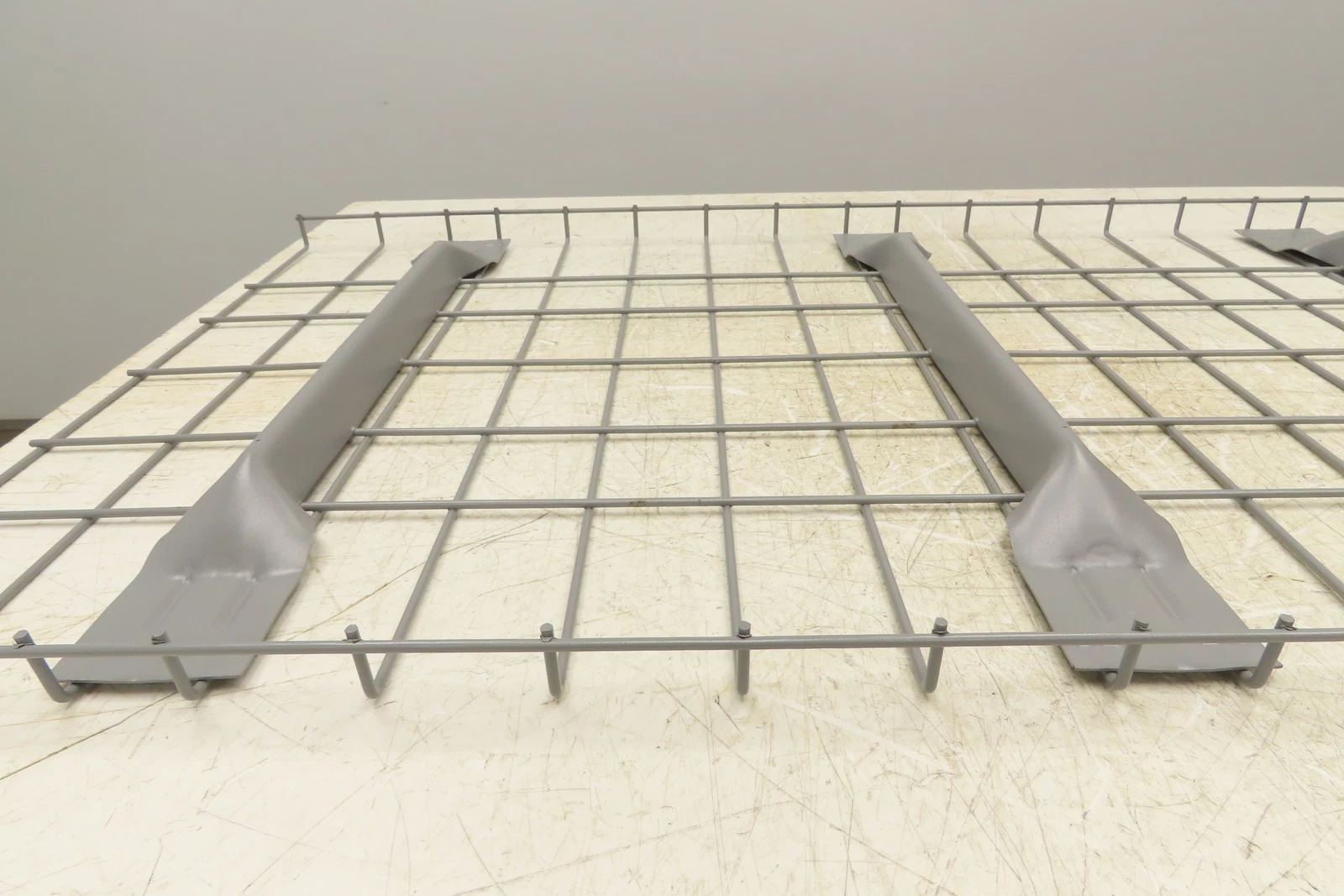
Conclusion
Conclusion:
- Effective structural planning is essential for risk mitigation in construction and warehousing.
- Well-designed racking systems are crucial; failures can result in injuries and financial losses.
- Prioritizing structural safety demonstrates a company’s values and fosters a culture of trust and teamwork.
- Ethical considerations in planning are vital; neglecting safety for cost savings can lead to severe consequences.
- Communication and openness improve risk management, enhancing safety vigilance among team members.
- Sustainable structural choices reduce ecological footprints and encourage shared responsibility in planning.
- Collaboration with regulatory authorities ensures compliance with safety standards and enhances community safety.

Conclusion
Other Resources

Other Resources
Here is a list of other resources you can review online to learn more:
- WERC
- Warehouse Automation
- Pallet Racking systems in Illinois and Great Lakes
- The Complete Pallet Rack Guide – Simply Rack
- Selective Racking
- Material Handling Industry
- Selective Pallet Racking Systems
- NSC
- Material Handling Safety
- Interlake
- American Society of Safety Professionals
- What is Selective Racking: Understanding Benefits & Options
- Rack Manufacturers Institute
- Warehouse Racking Chicago, IL
- Cantilever Rack Guide: Ordering Cantilever Racking
- Teardrop Industrial Shelving Rack
- Storage Equipment Manufacturers Association
- Teardrop Uprights
- Total Warehouse
- Warehouse Storage Racks
Use This Prompt To Get More Resources With Your Favorite Online AI Tool: Please provide me with a list of online articles with their URLs in a bulleted list that I can read regarding Risk Mitigation Through Structural Planning
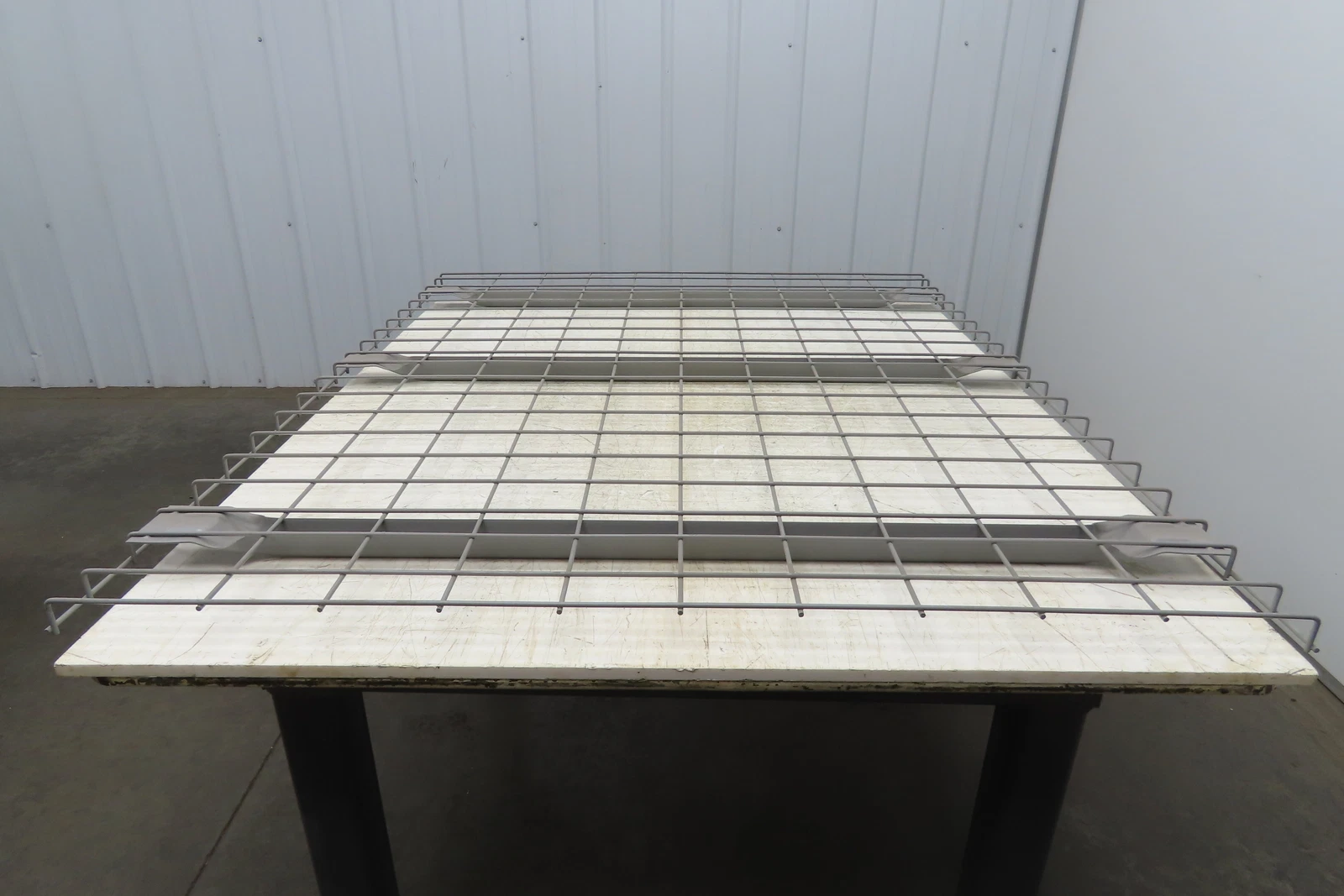
Other Resources
Glossary Terms
Risk Mitigation Through Structural Planning – Glossary Of Terms
1. Assessment: The evaluation of potential risks associated with a project or structure.
2. Contingency: A predefined plan or approach to address unexpected risks or situations.
3. Buffer: An additional resource or margin incorporated to absorb unforeseen impacts.
4. Failure Mode: A specific way in which a structure or system can fail under applied loads or conditions.
5. Hazard: A potential source of harm or adverse effect on people, property, or the environment.
6. Impact Analysis: The process of evaluating the consequences of identified risks or hazards.
7. Load Bearing: The capacity of a structure to support weight and resist applied forces.
8. Mitigation: Actions taken to reduce the severity or likelihood of adverse impacts.
9. Redundancy: The inclusion of extra components or systems to enhance reliability and safety.
10. Resilience: The ability of a structure to withstand and recover from unexpected disruptions.
11. Risk Acceptance: The decision to acknowledge and tolerate a certain level of risk.
12. Risk Analysis: The systematic process of identifying and evaluating risks.
13. Structural Integrity: The ability of a structure to remain sound and dependable under expected loads.
14. Sustainability: Designing structures to minimize environmental impact and ensure long-term usability.
15. Safety Factor: A design criterion that provides a margin of safety in structural calculations.
16. Site Assessment: The evaluation of physical and environmental conditions at a construction location.
17. Compliance: Adhering to regulatory standards and guidelines in the design and construction process.
18. Stakeholder: Individuals or groups with an interest in a project, impacting or being impacted by it.
19. Design Protocol: Established guidelines that dictate how a structure should be planned and constructed.
20. Ingress/Egress: The paths for entering and exiting a structure, critical for safety in emergencies.
21. Vulnerability: The susceptibility of a structure to risks and hazards that can lead to failure.
22. Allocation: Assigning resources effectively to manage risks and ensure project success.
23. Engineering Standard: Accepted criteria for the design and construction of safe structures.
24. Failure Analysis: The process of investigating and analyzing the causes of structural failures.
25. Environmental Impact: The effect that a proposed structure has on its surrounding ecosystem.
26. Monitoring: Continuously assessing a structure’s performance and safety post-construction.
27. Lifespan: The intended operational duration of a structure, influencing design and materials.
28. Adaptation: Modifications made to structures based on changing conditions and risk assessments.
29. Emergency Preparedness: Planning and procedures developed to respond to potential risks effectively.
30. Proactive Planning: Anticipating potential risks and implementing measures before they occur.

Glossary Of Terms
Other Questions
Risk Mitigation Through Structural Planning – Other Questions
If you wish to explore and discover more, consider looking for answers to these questions:
- What specific racking system standards and codes apply to my facility?
- How do I determine the safe load capacity for each rack and shelf?
- How often should racking systems be inspected and by whom?
- What are the common signs of structural fatigue or damage to watch for?
- What are the typical costs of installing compliant racking systems versus the costs of failures?
- How can existing racking be retrofitted to meet current safety standards?
- Which materials and finishes provide the best durability and corrosion resistance?
- How do environmental factors (humidity, temperature, chemicals) affect racking longevity?
- What seismic or wind-load considerations must be included in racking design?
- How should racking layout be planned to optimize both safety and warehouse efficiency?
- What training do workers need to safely load, unload, and interact with racking systems?
- What inspection checklists or documentation should be kept for compliance and audits?
- How can monitoring technologies (sensors, cameras) be integrated to detect issues early?
- What are the legal liabilities and insurance implications of racking failures?
- How do ethical obligations translate into practical policies and procurement decisions?
- What emergency procedures should be in place for racking collapses or related incidents?
- How should near-miss reports and incident investigations be handled to improve safety?
- Which authorities and agencies enforce racking and structural safety in my jurisdiction?
- What certification or accreditation should suppliers and installers possess?
- How can risk be quantitatively prioritized (risk matrices, cost-benefit, probability assessments)?
- What retroactive measures are required when codes or standards are updated?
- How do racking choices impact fire safety and sprinkler system effectiveness?
- What sustainable racking options exist, and how do they affect lifecycle costs?
- How can layout and racking choices reduce energy use and transportation emissions?
- What procurement and vendor-selection criteria best ensure quality and accountability?
- How should businesses balance short-term budgets with long-term safety investments?
- What real-world case studies illustrate best practices and lessons learned?
- How do automated material handling systems (AGVs, conveyors) interact with racking safety?

Other Questions
Checklist
Risk Mitigation Through Structural Planning – A Checklist
Leadership & Ethics
✅______ Written safety policy prioritizes people over schedule and cost
✅______ Clear stop-work authority for all employees
✅______ Safety KPIs avoid incentivizing shortcuts
✅______ Dedicated budget for safety improvements and repairs
✅______ Leaders complete ethics and safety leadership training
Planning & Design
✅______ Formal hazard and risk assessment completed for layout and racking
✅______ Rack system engineered by a qualified professional, and calculations documented
✅______ Floor slab capacity, joints, and anchorage verified for point loads
✅______ Seismic and wind requirements addressed for site conditions
✅______ Aisle widths, egress, and flue spaces meet requirements
✅______ Fire protection and commodity classification integrated (in-rack sprinklers if needed)
✅______ Pallet, decking, and load types compatible with rack design
✅______ Protective devices specified (end-guards, column protectors, row spacers, netting)
Compliance & Authorities
✅______ Local building permits and approvals obtained
✅______ Conforms to applicable standards (e.g., RMI/ANSI MH16.1, OSHA 1910, and local code)
✅______ State labor and industry requirements met
✅______ Required inspections scheduled and passed
✅______ Compliance, inspection, and maintenance records maintained
Installation & Commissioning
✅______ Certified installers follow manufacturer’s instructions
✅______ Plumb, level, torque, and anchor tests documented
✅______ Beam locking devices installed on all beams
✅______ Capacity plaques or labels posted at every bay and level
✅______ Third-party or engineer sign-off completed before use
✅______ As-built drawings and O&M documentation filed
Operations & Loading
✅______ SOPs for loading and unloading and weight limits enforced
✅______ Even loading maintained, and no damaged pallets or irregular loads used
✅______ Material-handling equipment (forklifts, reach trucks) matched to rack design and aisle widths
✅______ Mast and overhead clearance verified at all levels
✅______ No unauthorized modifications (no drilling, welding, or beam removal)
✅______ Housekeeping (5S) keeps aisles, flues, and exits clear
✅______ Traffic plan in place (speed limits, right-of-way, barriers)
Inspection, Maintenance & Repairs
✅______ Daily operator visual checks for damage and misalignment
✅______ Scheduled formal inspections performed (monthly, quarterly, annual)
✅______ Damage classification system used with clear action timelines
✅______ Damaged components unloaded, isolated, and tagged out
✅______ Repairs use OEM parts and are performed by qualified personnel only
✅______ Post-repair verification completed before return to service
✅______ Damage trends analyzed to prevent recurrence
Training & Culture
✅______ Initial and refresher training for operators, pickers, and supervisors
✅______ Forklift certification current; site-specific training completed
✅______ Clear, multilingual signage and visual load maps at point of use
✅______ Near-miss and hazard reporting system active (no retaliation)
✅______ Regular toolbox talks share lessons learned and incident data
✅______ Contractor onboarding includes rack safety requirements
Risk Prioritization & Continuous Improvement
✅______ Risk register uses likelihood and severity scoring
✅______ Top risks have owners, deadlines, and resources
✅______ Reviews held after changes, incidents, or near-misses
✅______ Decisions informed by incident and performance data
✅______ Periodic independent audits or peer reviews conducted
Community & Environmental Stewardship
✅______ Space use optimized to reduce footprint and travel distances
✅______ Energy-efficient lighting and equipment in storage areas
✅______ Racks specified with recyclable or recycled content where feasible
✅______ Noise, traffic, and emissions impacts assessed and mitigated
✅______ Engagement with neighbors and emergency services on safety plans
✅______ End-of-life plan for rack reuse or recycling established
Emergency Preparedness & Incident Response
✅______ Documented rack collapse and damage response plan
✅______ Evacuation routes marked, lit, and unobstructed
✅______ Spill control and fire extinguishers accessible and inspected
✅______ Drills conducted and outcomes documented for improvement
✅______ First-aid kits stocked; trained responders on each shift
✅______ Site maps and contacts shared with local responders
Change Management
✅______ Formal management-of-change (MOC) process for reconfigurations, SKUs, or load changes
✅______ Engineering review before altering beam levels or capacities
✅______ Fire protection and flue spaces re-verified after changes
✅______ Signage, training, and SOPs updated after changes
✅______ Previous configurations and approvals archived

Checklist
At RackingWorld, we help guide you through selecting warehouse storage systems and racking.
Be sure to read our other related stories at RackingWorld to learn more about warehouse storage systems.
0 Comments