
Engineering Solutions: Safeguarding Lives And Assets From Rack Failures
By Tom Seest
At RackingWorld, we help guide you through selecting warehouse storage systems and racking.
Be sure to read our other related stories at RackingWorld to learn more about warehouse storage systems.
Preventing Rack Collapse Through Engineering
In warehouses and distribution centers, racking systems stand as the backbone of operations, holding everything from light boxes to heavy machinery in perfect order. One of the most critical responsibilities of those who manage these spaces is ensuring that these racking systems don’t collapse under pressure. Imagine it: a sudden shift, a poorly engineered rack giving way, and your hard work sprawled across the floor—which no one wants to face.
In the heart of every industrial workspace, the stakes are high. A fallen rack doesn’t just mean a mess; it can mean injuries, halted production, and a hit to morale. No one wants to see a colleague hurt, nor do they want to be the reason for damaging expensive inventory. This isn’t just about dollars and cents; it’s about caring for those we work alongside, fostering a safe environment where everyone can feel secure in their tasks.
So, let’s talk engineering. A well-designed racking system is the difference between stability and catastrophe. It’s not just about slapping together some metal beams and calling it a day. Engineers must consider load capacities, spacing, and the weight distribution across the racks. These aren’t mere numbers; these are principles grounded in real-world experience and expertise. Trusting skilled engineers to design these systems is key. With their guidance, every rack can confidently bear the storm of daily operations.
Consider this: when you walk down the aisles of a warehouse, everything hanging in balance is a testament to thoughtful planning and a commitment to safety. It’s an invisible shield against chaos. And while it’s easy to overlook, recognizing the craftsmanship behind these racking systems brings a sense of respect and duty to maintain them properly.
Finally, fostering a culture of accountability goes hand in hand with engineering brilliance. Training staff on the importance of maintaining these structures, from checking for signs of wear to understanding load limits, creates a community that values safety across the board. When everyone is on the same page, it strengthens trust and cooperation among team members.
Preventing rack collapse through smart engineering isn’t just a technical challenge; it’s an emotional commitment to our coworkers, our community, and the integrity of our workplaces. Let’s build not just scaffolding for goods but a foundation for shared responsibility and care.
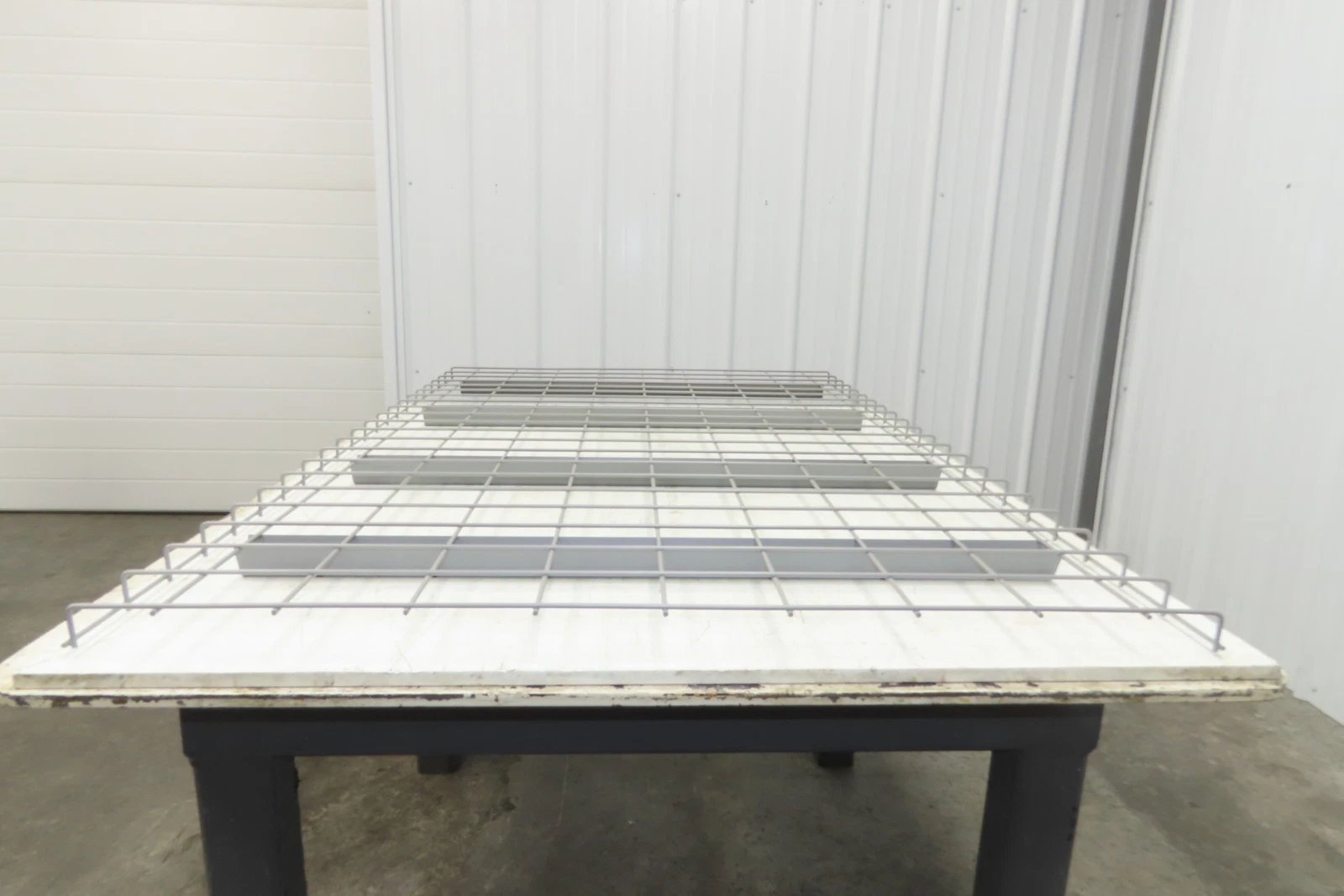
Preventing Rack Collapse Through Engineering
Preventing Rack Collapse Through Engineering
- Racking systems are essential for organizing warehouses and distribution centers, supporting various loads.
- Managers must prevent racking system collapse to avoid injuries, production delays, and morale issues.
- A fallen rack can lead to significant safety risks and damage to inventory, emphasizing the need for a safe work environment.
- Well-designed racking systems require careful consideration of load capacities, spacing, and weight distribution.
- Engineers play a crucial role in ensuring racks are built to withstand daily operational pressures.
- Recognizing the craftsmanship behind racking systems instills respect and responsibility for maintenance among workers.
- Training staff in rack maintenance fosters a culture of safety and accountability, enhancing teamwork and trust.

Preventing Rack Collapse Through Engineering
Table Of Contents
- Preventing Rack Collapse Through Engineering
- What Engineering Solutions Can Prevent Rack Collapse?
- How Do Structural Materials Affect Rack Safety?
- What Role Does Weight Distribution Play In Rack Stability?
- How Can Regular Inspections Reduce the Risk Of Rack Failure?
- What Innovations In Engineering Enhance Rack Safety?
- How Can We Educate Workers on Rack Safety Protocols?
- Conclusion
- Other Resources
- Glossary Of Terms
- Other Questions
- Checklist
What Engineering Solutions Can Prevent Rack Collapse?
When you step into a warehouse, the sight of towering Racking Systems often comes with a mix of awe and dread. While they hold the promise of efficiency and organization, they also carry the heavy responsibility of safety. Just one rack collapse can lead to substantial losses—both human and material. With the right engineering solutions, we can prevent such calamities and ensure a safe environment for all.
First, let’s talk about design. A well-engineered racking system takes into account the weight limits and dimensions of goods stored. This isn’t just numbers on a paper; it’s about understanding the very stuff we handle day in and day out. Imagine workers relying on those racks; their safety should never be an afterthought. Using materials like high-strength steel can create sturdy frames that stand the test of time and strain. It’s not just about building something that looks impressive; it’s about creating a structure that can withstand the pressures of heavy loads.
Next, regular maintenance is key. Just like a trusty old pickup truck, if you neglect it, it’s bound to break down. Schedule regular inspections of your racking systems and address any signs of wear and tear immediately. A small crack can lead to disaster. Workers need to see that their safety is a priority; it builds trust and morale. When they know there are checks in place, they can focus on their jobs instead of worrying about collapsing racks.
Then there’s the human factor. Training is essential. Your team must know how to load racks correctly and recognize when something isn’t right. It’s about fostering a culture where safety comes first, and everyone feels empowered to voice concerns. When they see management taking action based on their feedback, it builds a strong sense of community and accountability.
Using advanced technology also plays a crucial role. Implementing weight sensors and monitoring systems can provide real-time data to alert teams before a rack reaches its limits. Think of it as an insurance policy—one that works tirelessly behind the scenes, catching problems before they escalate.
Finally, let’s not forget the impact of a solid reputation. Businesses that prioritize safety and reliability tend to attract better talent and build stronger partnerships. When the community sees you putting in the effort to prevent accidents, it fosters trust and can even lead to greater business opportunities.
By embracing these engineering solutions, we not only secure our warehouses but also safeguard the livelihoods of all those who work beneath those towering Racking Systems. It’s about common sense, collaboration, and a commitment to doing things right. The stakes are high; let’s make sure we’re building a future that stands tall.

What Engineering Solutions Can Prevent Rack Collapse?
What Engineering Solutions Can Prevent Rack Collapse?
- Towering racking systems symbolize both efficiency and safety responsibilities.
- Proper design considers weight limits and dimensions, prioritizing worker safety.
- Using high-strength steel enhances the structural integrity of racking systems.
- Regular maintenance and inspections prevent potential disasters from neglect.
- Employee training is essential for safe loading practices and recognizing hazards.
- Advanced technology, such as weight sensors, provides real-time safety alerts.
- Prioritizing safety builds reputation, attracts talent, and fosters community trust.

What Engineering Solutions Can Prevent Rack Collapse?
How Do Structural Materials Affect Rack Safety?
When it comes to storing heavy loads and keeping a warehouse running smoothly, the importance of the right structural materials in racking systems can’t be overstated. Let’s break it down. Picture a busy warehouse, filled with rows of racking systems, all stacked high with goods. Now imagine if one of those racks gives way. The thought alone can send a chill down anyone’s spine. Not only could it lead to serious damage, but it could also result in injuries—or worse. This is where the heart of the matter lies: safety.
Racking systems need to be built from materials that can withstand the pressure and weight of the stored items. Steel, for instance, is a popular choice for its strength and durability. It’s the kind of material that doesn’t buckle under pressure, as long as it’s crafted and used correctly. Quality steel can last for years, keeping both goods and workers safe. On the other hand, using substandard or inappropriate materials can lead to disaster. Imagine trusting a flimsy rack to hold thousands of pounds of goods, only to find out it can’t handle the weight. It’s the kind of oversight that keeps you up at night.
Rationally speaking, investing in high-quality materials is not just a matter of safety; it’s about bottom-line savings. Properly constructed racking systems reduce the chance of costly accidents and the downtime that comes with them. This is where the numbers add up. When you consider the expense of injuries, damaged goods, and potential legal ramifications, it’s clear that skimping on materials is a false economy.
Ethically, ensuring that your racking systems are made from the best structural materials reflects a responsibility to your workers. It’s about fostering a culture of care; when everyone knows that the equipment is reliable, it builds trust and morale. Workers feel valued when they know their safety is prioritized.
On a social level, good practices in racking system safety influence industry standards. When a company leads with strong materials in their racking systems, it sets a precedent that others may follow. It becomes a chain reaction, promoting an environment where safety is everyone’s responsibility.
Whether you’re a warehouse manager or a worker in the trench, understanding how structural materials affect rack safety isn’t just about hard facts. It’s about ensuring that every person returns home safe at the end of the day, ready to tackle another one. Choosing the right materials means not just meeting regulations but truly valuing the lives and well-being of those who work under those racking systems every single day.

How Do Structural Materials Affect Rack Safety?
How Do Structural Materials Affect Rack Safety?
- The choice of structural materials in racking systems is critical for safety.
- Steel is a preferred material due to its strength and durability.
- Substandard materials can lead to serious accidents and injuries.
- Investing in quality materials contributes to long-term cost savings.
- Reliable racking systems enhance worker trust and morale.
- Good safety practices can set industry-wide standards and expectations.
- The right materials are essential for ensuring worker safety and well-being.

How Do Structural Materials Affect Rack Safety?
What Role Does Weight Distribution Play In Rack Stability?
Weight distribution is crucial when it comes to the stability of racking systems. Picture this: you walk into a warehouse, and your eyes are drawn to the towering racks filled to the brim with goods. The first thought isn’t just about what’s on those shelves but how secure they are. If those racks are off balance, the whole operation can quickly turn into a disaster. Now, let’s break down why that weight distribution matters.
Imagine stacking a pile of bricks on one side of a table. It starts to lean, creaking with the pressure until it topples over. That same principle applies to racking systems. When weight is unevenly distributed, it places excessive strain on one side, risking collapse. This isn’t just about losing inventory; it could lead to injuries or worse. Workers who trust the stability of their environment feel safe, which fosters a productive atmosphere. A simple check on weight distribution can prevent chaos down the line, reinforcing the idea that smart management saves lives.
Logically, consider the science behind it. Every racking system is designed to handle a specific load. Ignoring those guidelines is like playing a game of Russian roulette—someone’s bound to get hurt, whether it’s a lost shipment or a costlier accident. Ethical responsibility comes into play here; ensuring that the racks are loaded correctly reflects a commitment to employee safety and well-being. It builds trust within the team when supervisors prioritize safety over shortcuts.
Furthermore, sharing stories about mishaps caused by poor weight distribution resonates deeply. Think of the veteran worker who once saw a rack collapse because someone didn’t follow proper loading protocols. The fear in their eyes as they recount the event makes it real and relatable. Everyone can learn from that experience, reminding us that we’re not just managing equipment; we’re maintaining a safe workplace for each other.
Lastly, there’s a communal aspect to racking systems that often gets overlooked. Everyone in the warehouse plays a role in ensuring stability. When coworkers communicate and collaborate on proper weight distribution, it cultivates a culture of accountability and care. It’s a shared responsibility—one that reinforces the bond among team members.
In short, weight distribution in racking systems isn’t merely about physics; it’s about people, safety, and creating an environment where every member of the team can thrive without fear.

What Role Does Weight Distribution Play In Rack Stability?
What Role Does Weight Distribution Play In Rack Stability?
- Weight distribution is critical for the stability of racking systems in warehouses.
- Uneven weight distribution can cause racking systems to collapse, risking inventory loss and employee safety.
- Employees feel safer in environments with properly balanced racks, enhancing productivity.
- Each racking system has specific load guidelines; ignoring them can lead to accidents.
- Proper weight distribution reflects a commitment to workplace safety and builds trust among employees.
- Sharing experiences of mishaps reinforces the importance of following loading protocols.
- Collaborative communication among coworkers fosters a culture of accountability and safety.
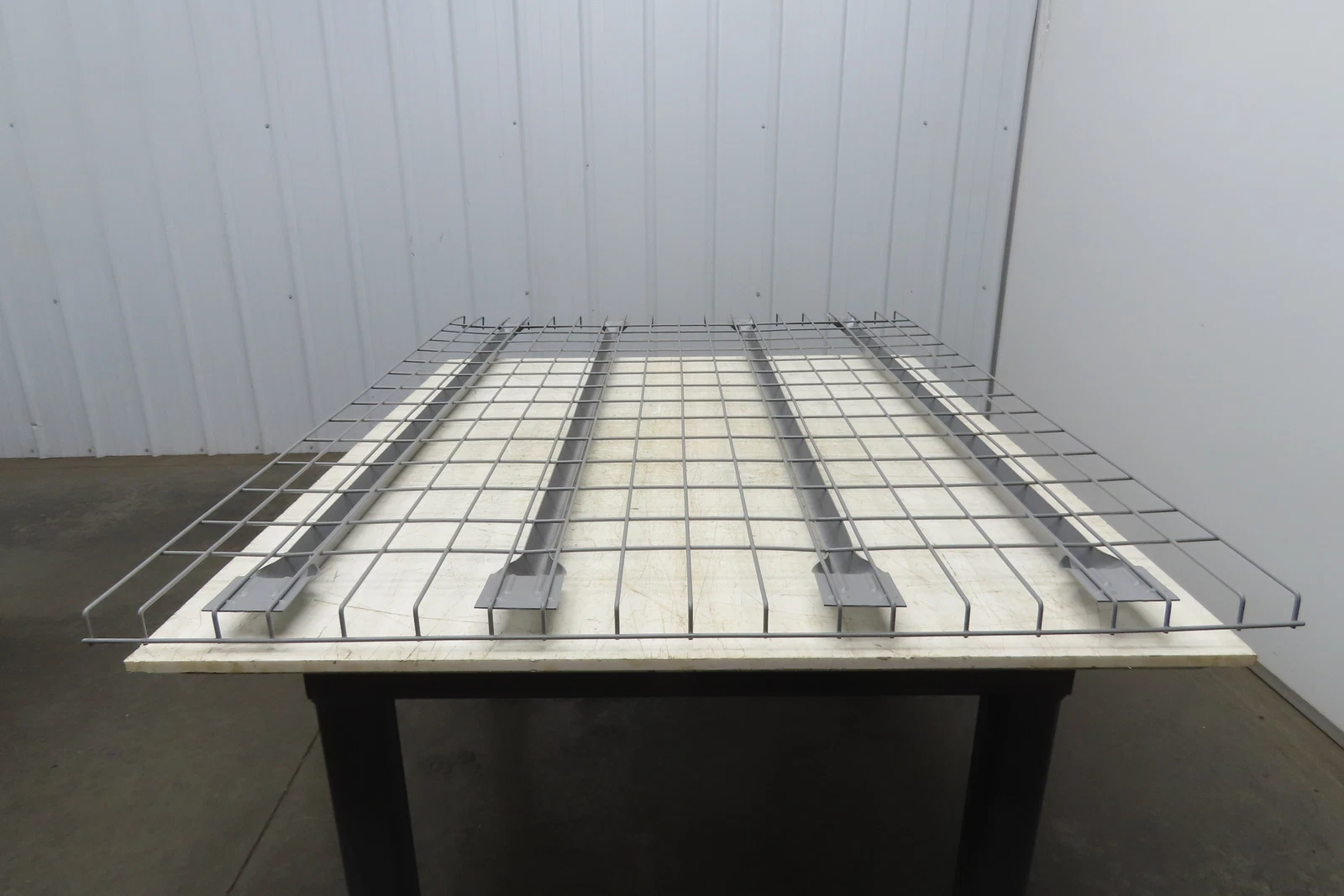
What Role Does Weight Distribution Play In Rack Stability?
How Can Regular Inspections Reduce the Risk Of Rack Failure?
Regular inspections of racking systems are more than just a routine check; they can be the difference between a smooth-running warehouse and a catastrophic failure. Picture this: a busy distribution center, the hum of forklifts echoing, workers scurrying about their tasks. Now imagine, out of nowhere, a racking system buckling under the weight of improperly maintained shelves. It’s not just metal bending; it’s a risk to lives, jobs, and the very foundation of trust that we build in this industry.
The heart of the matter lies in the safety of our coworkers. Each inspection is a promise—one we make to ourselves and to each other—that we care about the conditions under which we work. By spotting issues before they escalate, we keep our team safe, allowing them to focus on their jobs without the specter of accidents lurking in the background. Emphasizing the human element in regular inspections fosters a culture of care and vigilance, reminding everyone that we’re all in this together.
Rationally speaking, the benefits of inspections can’t be ignored. Besides ensuring safety, these checks can extend the lifespan of racking systems, which means fewer costly replacements down the line. It’s simple math: investing time in routine checks saves money in the long run. When workers see the value in maintaining these systems, they buy into the process, leading to a more committed and conscientious workforce.
Ethically, it’s our responsibility to uphold industry standards that protect not just the assets of the company but the lives of those who work within its walls. Regular inspections reaffirm our commitment to excellence, holding ourselves accountable to the highest standards. This ethical obligation resonates with a sense of pride in one’s work.
Authority on the matter stems from experience. Those who have witnessed the consequences of neglecting these checks know the stakes. Sharing stories of past mishaps serves as a stark reminder of why inspections matter. These narratives resonate, engaging others in a real conversation about safety and diligence.
Finally, a culture of inspection promotes teamwork and shared responsibility. When everyone plays a part in maintaining safety, it enhances camaraderie and fosters a community that genuinely cares. A workplace where every individual is trusted to look out for one another is not just more productive—it’s a place where people want to be.
So, embrace regular inspections as a vital tool. They’re not just about compliance; they’re about ensuring that we all go home safely at the end of the day.

How Can Regular Inspections Reduce the Risk Of Rack Failure?
How Can Regular Inspections Reduce the Risk Of Rack Failure?
- Regular inspections of racking systems prevent catastrophic failures in warehouses.
- Inspections prioritize coworker safety and foster a culture of care and vigilance.
- Routine checks can extend the lifespan of racking systems, saving costs in the long run.
- Upholding industry standards through inspections demonstrates ethical responsibility.
- Experience and shared stories about past mishaps highlight the importance of inspections.
- A culture of inspection encourages teamwork and shared responsibility among employees.
- Embracing regular inspections ensures a safe work environment and compliance.

How Can Regular Inspections Reduce the Risk Of Rack Failure?
What Innovations In Engineering Enhance Rack Safety?
In the world of warehousing and logistics, the importance of racking systems can’t be overstated. These systems are the backbone of efficiency, enabling us to optimize space and keep goods accessible. But behind the convenience lies a need for safety—an unwavering pillar that holds the entire operation together. Recent innovations in engineering have been game-changers, redefining standards and offering practical solutions that resonate on many levels—emotionally, ethically, and practically.
Take the surge in seismic bracing technology. This is not just a technical enhancement; it’s a peace-of-mind offering for individuals who spend their days navigating those aisles. Knowing that a racking system is designed to withstand natural disasters makes the work environment feel safer. In addition, engineering advancements like improved anchoring systems ensure that heavy loads are securely in place, reducing the risk of accidents that can lead to injuries or costly damages. This innovation isn’t merely a checkbox in a safety manual; it’s a commitment to the workforce.
Another notable shift is the move towards modular racking designs that allow for flexibility and adaptability. These systems can be configured to suit different environments and needs, ensuring that they can grow with a business. It’s not just about storing products but about fostering a culture of safety and trust. When workers see that their workplace adapts to improve safety measures, it sends a clear message that their well-being matters. This relational aspect builds a sense of community among all those involved, from warehouse managers down to the floor staff.
Moreover, advanced materials are being utilized to enhance the durability and longevity of racking systems. Incorporating lightweight yet robust composites means these structures are not only less likely to fail but also easier to manage. Less brute strength in moving and installing equates to fewer risks of mishaps. This pragmatic approach reflects the everyday realities of the blue-collar worker, who understands that safety doesn’t come from just the hard work put in, but from the smart choices made every day.
Finally, the emphasis on rigorous testing and certification of racking systems signals a broader ethical commitment within the industry. Compliance with safety regulations isn’t merely a legal obligation; it’s a moral stance that ensures that everyone returns home safe each day. It connects the industry’s integrity directly to the heart of those who rely on these innovations. By prioritizing safety in racking systems, we can forge a future that respects both the labor of workers and the products they handle, building a work culture centered on trust, respect, and shared responsibility.

What Innovations In Engineering Enhance Rack Safety?
What Innovations In Engineering Enhance Rack Safety?
- Racking systems are crucial for efficiency in warehousing and logistics, optimizing space and accessibility.
- Safety is a fundamental aspect of racking systems, with recent engineering innovations enhancing safety and operational effectiveness.
- Seismic bracing technology provides peace of mind, ensuring racking systems can withstand natural disasters.
- Modular racking designs offer flexibility and adaptability to suit various environments and business needs.
- Advanced materials improve durability and ease of management, reducing the risk of accidents during handling.
- Rigorous testing and certification reflect a broader ethical commitment to safety in the industry.
- Prioritizing safety fosters a culture of trust and responsibility among workers and management.

What Innovations In Engineering Enhance Rack Safety?
How Can We Educate Workers on Rack Safety Protocols?
When it comes to racking systems in warehouses, understanding safety protocols isn’t just about avoiding fines; it’s personal. It’s about ensuring that everyone heads home safe at the end of the day. Picture this: a team is working hard, pushing boundaries, getting the job done when suddenly, a mishap occurs because someone overlooked a simple safety guideline. That’s not just a statistic—it’s a blow to families and friendships. We’ve all heard stories of accidents that could have been prevented with a little more knowledge and vigilance.
Education on rack safety protocols needs to feel relevant and real. Start with hands-on training that doesn’t just tick boxes but fosters genuine understanding. Bring in experienced workers to share their stories, not just about the protocols, but about what it means when things go wrong. When someone tells you about a close call, their voice carries weight—it builds trust and highlights the importance of safety measures in racking systems.
Leverage visuals that resonate. Use demonstrations that showcase what happens when racks are improperly used. Show how a collapsed rack can completely disrupt not only workflows but lives. This isn’t just statistics on a PowerPoint; it’s a matter of responsibility and respect for one another. Remind everyone that every item stored has a human hand behind it, making it essential to keep those items secure and prevent accidents that could cause injury.
Make safety a shared value. Instead of mandating compliance, cultivate a culture that prioritizes awareness and involvement. Workers should feel empowered to speak up if they notice something off, understanding that it’s not just their neck on the line. It fosters camaraderie and shared responsibility.
Engage in regular “safety huddles” where experiences are shared, and lessons learned are discussed. These casual gatherings around the coffee machine can spark conversation and increase vigilance without it feeling like a burden.
Lastly, recognize those who champion safety in racking systems. Whether it’s a high-five for reporting a hazard or a shout-out in a meeting, celebrate those efforts. When workers see their peers recognized for their commitment to safety, it inspires everyone to step up.
Educating workers about rack safety isn’t just a job requirement; it’s about creating a community that thrives on protection, trust, and accountability. After all, the most valuable asset isn’t the equipment or inventory; it’s the people who work with them each day.

How Can We Educate Workers on Rack Safety Protocols?
How Can We Educate Workers on Rack Safety Protocols?
- Understanding safety protocols in racking systems is crucial for worker safety.
- Education should include hands-on training and real-life stories from experienced workers.
- Utilize visuals and demonstrations to highlight the dangers of improper rack usage.
- Foster a culture of shared responsibility and encourage workers to speak up about safety concerns.
- Conduct regular safety huddles to discuss experiences and lessons learned.
- Recognize and celebrate individuals who promote safety in the workplace.
- Creating a safe work environment is about protecting people, not just adhering to compliance.

How Can We Educate Workers on Rack Safety Protocols?
Conclusion
In the bustling world of warehouses and distribution centers, racking systems play a pivotal role in ensuring smooth operations. Yet, the specter of rack collapse looms large, threatening not just physical safety but the very fabric of teamwork and trust among workers. The risks associated with failure are stark: injuries, damaged goods, and diminished morale. This is more than a bottom-line issue; it’s about nurturing a culture where everyone feels secure and valued.
Effective engineering is the cornerstone of preventing rack collapse. Thoughtful design takes into account load capacities and proper spacing, transforming mere materials into a robust barrier against chaos. Investing in high-quality materials like durable steel isn’t just a technical choice; it’s a commitment to safety and reliability. Regular maintenance is essential, akin to caring for a beloved tool. By scheduling routine inspections, workplaces can identify wear and tear before they escalate into disasters. These proactive measures reinforce the idea that every employee’s safety matters.
Training is another crucial element in this equation. Workers should be well-versed in loading protocols and aware of their role in maintaining safety. This isn’t just management speaking; it’s about fostering an inclusive environment where each voice adds to a collective commitment to safety. Utilizing technology such as weight sensors enhances real-time monitoring, allowing for quick responses to potential risks.
Engaging workers emotionally is key; sharing real-life stories about mishaps due to oversight creates a powerful narrative that resonates deeply. This shared experience instills a sense of duty to protect one another, cultivating a community that prioritizes safety. When every team member understands the stakes involved, accountability flourishes.
Furthermore, leading with strong practices shapes industry standards. Companies that prioritize safety inspire others to follow suit, creating a ripple effect that emphasizes responsibility across the sector. By embedding safety into the very ethos of operations, businesses not only protect their assets but also safeguard the livelihoods of their workers.
Ultimately, preventing rack collapse through prudent engineering and collective vigilance transcends technicalities. It circles back to a deeply rooted respect for each individual who walks through the warehouse doors. Fostering an environment of trust, support, and shared responsibility defines the heart of workplace safety, ensuring that every employee returns home at the end of the day ready to tackle new challenges. In the end, it’s not just about the racks; it’s about the people who rely on them.

Conclusion
Conclusion:
- Racking systems are crucial for efficient warehouse operations but face risks of collapse.
- Rack failure can lead to injuries, damage to goods, and lower morale among workers.
- Effective engineering and thoughtful design are essential for preventing rack collapses.
- Investing in high-quality materials and regular maintenance enhances safety and reliability.
- Training workers on safety protocols fosters a culture of shared responsibility.
- Emotional engagement through shared experiences reinforces the commitment to safety.
- Prioritizing safety sets industry standards and protects both assets and workers’ livelihoods.

Conclusion
Other Resources

Other Resources
Here is a list of other resources you can review online to learn more:
- New Cantilever Racks and Racking Kits
- Total Warehouse
- CA Wire
- Warehousing Education and Research Council: https://www.werc.org/
- BMH
- Selective Pallet Racking Systems
- Pallet Racking systems in Illinois and Great Lakes
- Interlake
- Pallet Racking systems in Illinois, Great Lakes
- What is Selective Racking: Understanding Benefits & Options
- What is Cantilever Racking? – AK Material Handling Systems
- MHI
- SEMA
- Warehouse Racking Layout: The Ultimate Guide – Conger
- American Surplus
- Selective Pallet Racking Systems – Container Systems
- Warehouse Racks, Warehouse Racking in Stock – ULINE
- Illinois
- The Complete Pallet Rack Guide – Simply Rack
- What is Selective Pallet Racking
Use This Prompt To Get More Resources With Your Favorite Online AI Tool: Please provide me with a list of online articles with their URLs in a bulleted list that I can read regarding Preventing Rack Collapse Through Engineering

Other Resources
Glossary Terms
Preventing Rack Collapse Through Engineering – Glossary Of Terms
1. Rack: A framework for supporting goods or equipment in warehouses or storage facilities.
2. Collapse: A failure of a structure to maintain its integrity, leading to a fall or breakdown.
3. Engineering: The application of scientific principles to design and build structures, machines, and processes.
4. Load: The weight or force that a structure must support, typically from goods stored on racks.
5. Stability: The ability of a structure to maintain its position and resist collapse under load.
6. Design: The process of creating a detailed plan for the structure and layout of racks.
7. Safety Factor: A ratio that describes the structural capacity of a system beyond the expected loads, ensuring safety.
8. Inspection: A detailed examination of racks to identify potential weaknesses or hazards.
9. Materials: The substances used to construct racks, such as steel, wood, or plastic.
10. Bending: A deformation that occurs in a structural element when subjected to a load.
11. Strain: The deformation or displacement of material due to an applied load.
12. Failure Mode: The specific way in which a structure can fail or collapse.
13. Bracing: Structural elements added to increase stability and prevent movement in racks.
14. Height: The vertical dimension of a rack, which may alter stability under load.
15. Width: The horizontal dimension of a rack, influencing load distribution and stability.
16. Weight Distribution: The manner in which weight is spread across a rack, affecting stability and risk of collapse.
17. Anchoring: The use of bolts or other fastening methods to secure racks to the ground or walls.
18. Load Capacity: The maximum weight that a rack can safely hold without risk of failure.
19. Tilt: An undesirable slant or angle that may develop in racks due to uneven loading.
20. Shelf: A flat surface on a rack used to store items.
21. Pallet: A flat transport structure that supports goods for storage and handling.
22. Storage Density: The amount of goods stored per unit area in a rack system.
23. Safety Guidelines: Recommended practices to ensure the safe use and maintenance of storage racks.
24. Regulation: Standards and laws governing the construction and maintenance of racks and storage systems.
25. Dynamic Load: Loads that change over time, such as during loading or unloading processes.
26. Static Load: A constant load that does not change, typically when items are stationary on a rack.
27. Modular Design: A design approach using interchangeable parts to create racks that can be easily adjusted or expanded.
28. Seismic Load: Forces exerted on a structure due to earthquakes, influencing rack design in certain areas.
29. Manufacturing Tolerance: The allowable variation in the dimensions or properties of materials used in racks.
30. Load Testing: A procedure to evaluate a rack’s load capacity by applying weights to ensure it can withstand designated loads.

Glossary Of Terms
Other Questions
Preventing Rack Collapse Through Engineering – Other Questions
If you wish to explore and discover more, consider looking for answers to these questions:
- What are the industry standards and codes that govern racking design and installation?
- How do you calculate the safe working load for a specific rack bay?
- What factors determine the required column and beam sizes for a rack system?
- How often should racking systems be inspected and by whom?
- What does a practical racking inspection checklist include?
- When is a damaged rack component repairable versus needing full replacement?
- What are the most common modes of rack failure and their root causes?
- How should weight distribution be managed for mixed-size or mixed-weight loads?
- What training curriculum and frequency best ensure safe loading practices?
- Which monitoring technologies (weight sensors, tilt sensors, cameras) are most reliable?
- How do you validate and calibrate weight- or load-monitoring systems?
- What are the costs and ROI for retrofitting racks with seismic bracing or anchor upgrades?
- How do environmental conditions (humidity, temperature, corrosion) affect rack material selection?
- What materials (steel grades, coatings, composites) provide the best long-term performance?
- How should racks be anchored to different floor types (concrete slab, raised floor)?
- What protective devices (column guards, row-end protectors, bollards) reduce collision damage?
- How do pallet quality and palletizing practices influence rack stability?
- What procedures should be followed immediately after a rack collision or partial collapse?
- Who is qualified to design and certify a racking system (engineers, RMI-certified designers)?
- What documentation and record-keeping are required for inspections, repairs, and load ratings?
- How do seismic zone classifications change racking design requirements?
- What testing protocols exist for new racking installations or after major modifications?
- How do modular racking systems compare to fixed systems in safety and flexibility?
- What are the best practices for signage and labeling of load limits on racks?
- How should racks be reconfigured safely when warehouse layout or product mix changes?
- What are acceptable tolerances for plumbness, alignment, and beam engagement?
- How to calculate the center of gravity for pallet loads and its impact on stability?
- What insurance implications and premium impacts are associated with rack failures?
- Which manufacturers provide warranties or certifications that matter for safety compliance?
- How can routine maintenance be scheduled without disrupting operations?
- What are the legal liabilities for employers and operators when a rack collapse occurs?
- How do automated storage/retrieval systems change racking design and inspection needs?
- What benchmarks or case studies demonstrate effective rack-safety programs?
- How should older racking be evaluated for retrofit or replacement to meet current standards?
- What emergency response and evacuation procedures should be in place for a collapse event?

Other Questions
Checklist
Preventing Rack Collapse Through Engineering – A Checklist
General
✅______ Site, date, and area identified on this checklist
✅______ Responsible person assigned for follow-up actions
Design and Engineering
✅______ Racking designed and specified by a qualified engineer for intended loads and pallet types
✅______ Engineering drawings and load calculations on file; match as-built configuration
✅______ System complies with relevant standards and codes (RMI/ANSI and local building and seismic codes)
✅______ Beam, upright, and connector capacities suitable for maximum unit and bay loads
✅______ Height-to-depth ratio assessed; row spacers and cross-aisle ties installed where required
✅______ Seismic design and bracing, base plates, and anchors specified for site conditions
✅______ Adequate flue spaces and clearances incorporated (transverse and longitudinal)
Materials and Components
✅______ Structural materials (e.g., high-strength steel) verified to specification
✅______ All components (beams, uprights, braces) free of defects and correct model and size
✅______ Decking (wire or solid) rated for load; pallet supports and safety bars installed where needed
✅______ Hardware complete and correct (locking clips, bolts, row spacers, and base anchors)
Floor, Anchoring, and Installation
✅______ Slab capacity, flatness, and levelness verified for rack loads and equipment traffic
✅______ All frames anchored per design; anchor torque checked and documented
✅______ Racks installed plumb and level within tolerance; no visible twist or sway
✅______ End-of-aisle, column, and base protectors installed at high-traffic points
✅______ Adequate aisle widths for equipment; guardrails and bollards in place where needed
Load Management and Weight Distribution
✅______ Load signs posted with allowable beam, bay, and total rack loads
✅______ Pallet quality verified; damaged pallets removed from service
✅______ Loads centered on beams; no point loading beyond design intent
✅______ Heavy items stored low; no top-heavy or unstable stacks
✅______ No overhang beyond design; uniform distribution across levels and bays
✅______ Flue spaces maintained; no product encroachment into required clearances
Operations and Handling
✅______ Forklift speed limits and traffic paths defined and marked
✅______ Impact-prone locations identified; added protection where warranted
✅______ No unauthorized alterations (extra levels, different beams, or add-ons) without engineering review
✅______ Housekeeping maintains clear aisles and access to bases and anchors for inspection
Inspection and Maintenance
✅______ Daily or shift visual checks by operators (obvious damage, missing locks, overloading)
✅______ Routine supervisor inspections (weekly or monthly) documented
✅______ Competent person conducts detailed inspections (quarterly) with records
✅______ Annual review by qualified engineer or third-party auditor
✅______ Defined damage criteria and red-tag and out-of-service process in place
✅______ Timely repairs by qualified rack repair vendor; no hot works or field modifications without approval
✅______ Corrosion, cracks, bent components, loose anchors, and missing hardware addressed promptly
Monitoring and Technology
✅______ Weight sensors, bin-level monitoring, or WMS limits used to prevent overloading (where applicable)
✅______ Upright impact sensors or forklift telemetry deployed in high-risk zones
✅______ Plumb and tilt indicators or periodic laser surveys used for critical installations
✅______ Maintenance and inspection logs maintained and reviewed for trends
Environment and Risk Controls
✅______ Seismic, wind, and vibration risks assessed and mitigated with bracing, ties, and anchors
✅______ Temperature, humidity, and corrosive exposure evaluated; coatings and protection applied as needed
✅______ Fire protection clearances and flue spaces maintained; sprinklers unobstructed
✅______ Emergency egress routes clear; signage and lighting adequate
Training and Culture
✅______ New-hire and refresher training on rack loading, limits, and damage reporting
✅______ Practical demonstrations of correct pallet placement and beam engagement
✅______ Toolbox talks and safety huddles held regularly; lessons learned shared
✅______ Stop-work authority and near-miss reporting encouraged and recognized
✅______ Clear accountability for inspections, housekeeping, and corrective actions
Change Management and Documentation
✅______ Formal process for any reconfiguration, level changes, or new pallet types
✅______ Updated drawings, load signs, and records after any modification
✅______ Vendor manuals, certifications, and warranties retained and accessible
✅______ Incident investigations performed for impacts, near misses, or collapses; corrective actions tracked
Emergency Preparedness
✅______ Spill, damage, and collapse response plan posted and practiced
✅______ First-aid supplies and trained responders available
✅______ Post-incident inspection protocol established before reoccupying affected areas
Sign-off
✅______ All deficiencies recorded with owners and due dates
✅______ Follow-up verification completed and documented

Checklist
At RackingWorld, we help guide you through selecting warehouse storage systems and racking.
Be sure to read our other related stories at RackingWorld to learn more about warehouse storage systems.
0 Comments