
Transforming Chaos Into Clarity: Empower Your Supply Chain Journey
By Tom Seest
At RackingWorld, we help guide you through selecting warehouse storage systems and racking.
Be sure to read our other related stories at RackingWorld to learn more about warehouse storage systems.
Dock-To-Stock Optimization Strategies
In the bustling world of logistics, where time is money and every second counts, efficient dock-to-stock optimization can make or break the success of an operation. It’s not just about moving products faster; it’s about creating a reliable system that builds trust and confidence among your team. Imagine a scenario where your racking systems are so organized that each item has its own rightful place. This isn’t just good for aesthetics; it’s about fostering a culture of responsibility and pride.
Picture the moment when a truck pulls in, and your crew springs into action. They know exactly what to do and where everything goes. No wasted movements. Every hand knows its task, and every eye knows where to look. This isn’t just efficiency; it’s teamwork in its purest form. When racking systems are optimized, it feels like a well-oiled machine—each piece works in harmony. Workers aren’t just clocking in; they’re part of something bigger, something that contributes to the company’s bottom line and their own job satisfaction.
Now, let’s talk about the nitty-gritty. Treat your racking systems like the backbone of your operation. Regular audits can reveal inefficiencies hiding in plain sight. Use data analytics not just for tracking trends, but for real-time decision-making. This takes a bit of thought, yes, but when you see the tangible benefits—fewer delays, less inventory damage, happier employees—you quickly realize it’s worth the investment.
Moreover, ethics plays a crucial role in this journey. When you prioritize transparency in your processes, it cultivates a culture of trust. Employees feel valued when they see that their input matters in optimizing these systems. Encouraging them to share ideas can lead to innovative solutions that practical experience can only inspire.
Let’s not overlook the stories of success unfolding daily in warehouses across the country. Take the example of a small operation that revamped its racking systems. By involving the crew in the overhaul, they discovered hidden talents and fostered camaraderie. Now, everyone rallies together to tackle obstacles, knowing their efforts directly impact the company’s success.
So, as you think about your dock-to-stock processes, keep it grounded. Engage your team, optimize those racking systems, and remind everyone that together, they’re forging a path toward efficiency, accountability, and improvement. This isn’t just another business strategy; it’s about building a legacy that takes everyone along for the ride.
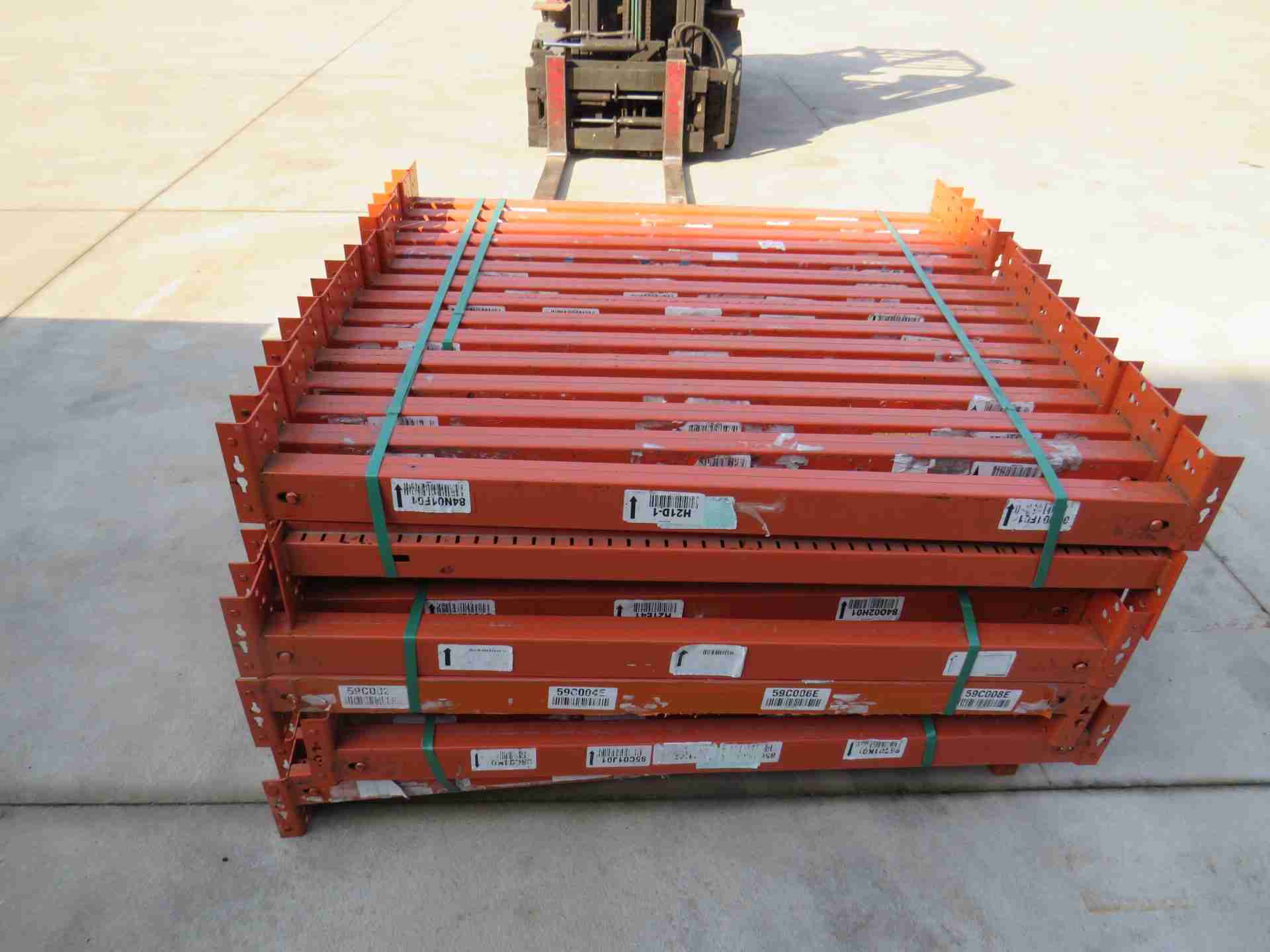
Dock-To-Stock Optimization Strategies
Dock-To-Stock Optimization Strategies
- Efficient dock-to-stock optimization is critical for logistical success, focusing on reliability and team confidence.
- Organized racking systems enhance responsibility and pride among employees by ensuring each item has a designated place.
- Effective teamwork during operations minimizes wasted movements and fosters a sense of belonging and satisfaction.
- Regular audits and data analytics are essential for identifying inefficiencies and making real-time decisions.
- Transparent processes build trust and value employee input, encouraging innovative solutions from their experiences.
- Success stories in warehouses highlight the importance of crew involvement in improving racking systems and fostering camaraderie.
- Engaging the team in optimizing processes contributes to a culture of efficiency, accountability, and continuous improvement.
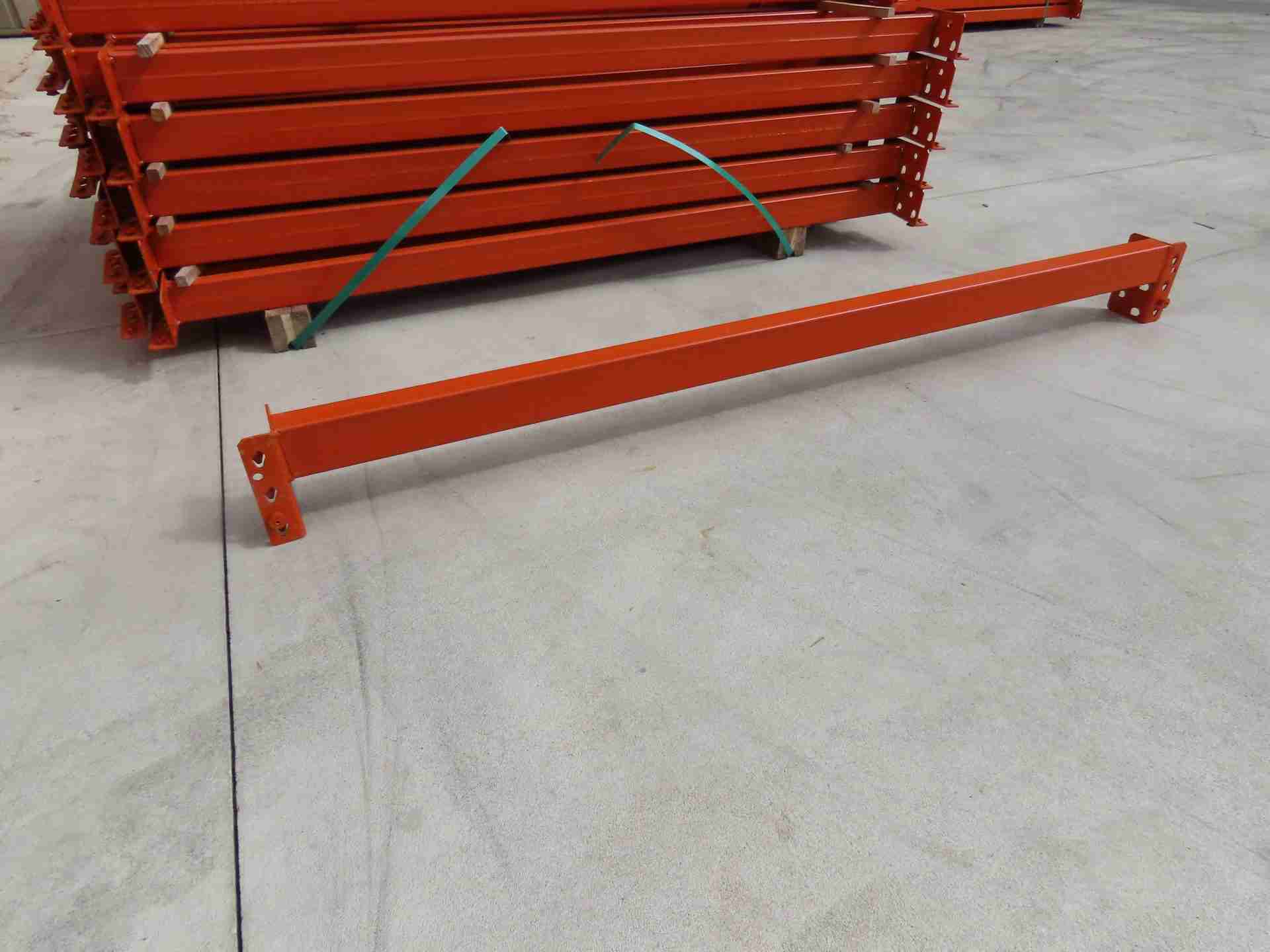
Dock-To-Stock Optimization Strategies
Table Of Contents
- Dock-To-Stock Optimization Strategies
- How Can We Improve Efficiency From Dock to Stock?
- What Are the Key Challenges In Inventory Management?
- How Does Dock-To-Stock Impact Supply Chain Costs?
- What Technology Can Streamline Dock-To-Stock Processes?
- How Can We Enhance Accuracy In Stock Management?
- What Ethical Considerations Arise In Inventory Strategies?
- Conclusion
- Other Resources
- Glossary Of Terms
- Other Questions
- Checklist
How Can We Improve Efficiency From Dock to Stock?
Let’s talk about what really matters on the floor: getting goods in and out efficiently. From dock to stock, efficiency isn’t just a buzzword; it’s a lifeline. Picture the bustling world of a warehouse where goods arrive and need to hit the shelves without hiccups. Racking systems are at the heart of this operation. They aren’t just metal frameworks standing idle; they’re the backbone that holds our workflow steady and secure. Knowing how to optimize these systems brings us a step closer to that seamless process we all yearn for.
Every worker knows the feeling of frustration when a product sits too long at the dock, waiting for someone to move it. That time wasted feels personal. Every minute counts, not only in dollar signs but in the sweat equity we all invest in our jobs. With the right racking systems, we can reduce handling time and ensure that every move is intentional. This isn’t just about having the latest tech; it’s about straightforward solutions that respect the hard work of every team member.
Imagine a scenario where goods flow smoothly from the dock straight to the stockroom. Think about how that alleviates the pressure on the team, fosters a sense of pride, and boosts morale. When we talk about improving efficiency, it’s not just numbers—it’s about families relying on those jobs, friendships built on teamwork, and a community thriving off trust and reliability.
Using a mix of strategies, from thoughtful layout designs to employee training, we can embrace change while keeping grounded in the values that brought us here. It’s important to engage the team in this process—listening to ideas and concerns fosters ownership and empowers everyone involved. When workers feel valued, they invest more in their roles, driving efficiency not just from the top down but from the ground up.
Improving efficiency from dock to stock isn’t just about cutting costs; it’s about enhancing lives—our own and those we serve. When we get this right, we’re not just moving products; we’re weaving together a tapestry of trust, dedication, and hard work that threads through our industry. Let’s take pride in our racking systems, our processes, and, most importantly, our people, and strive toward a smoother, more efficient future.
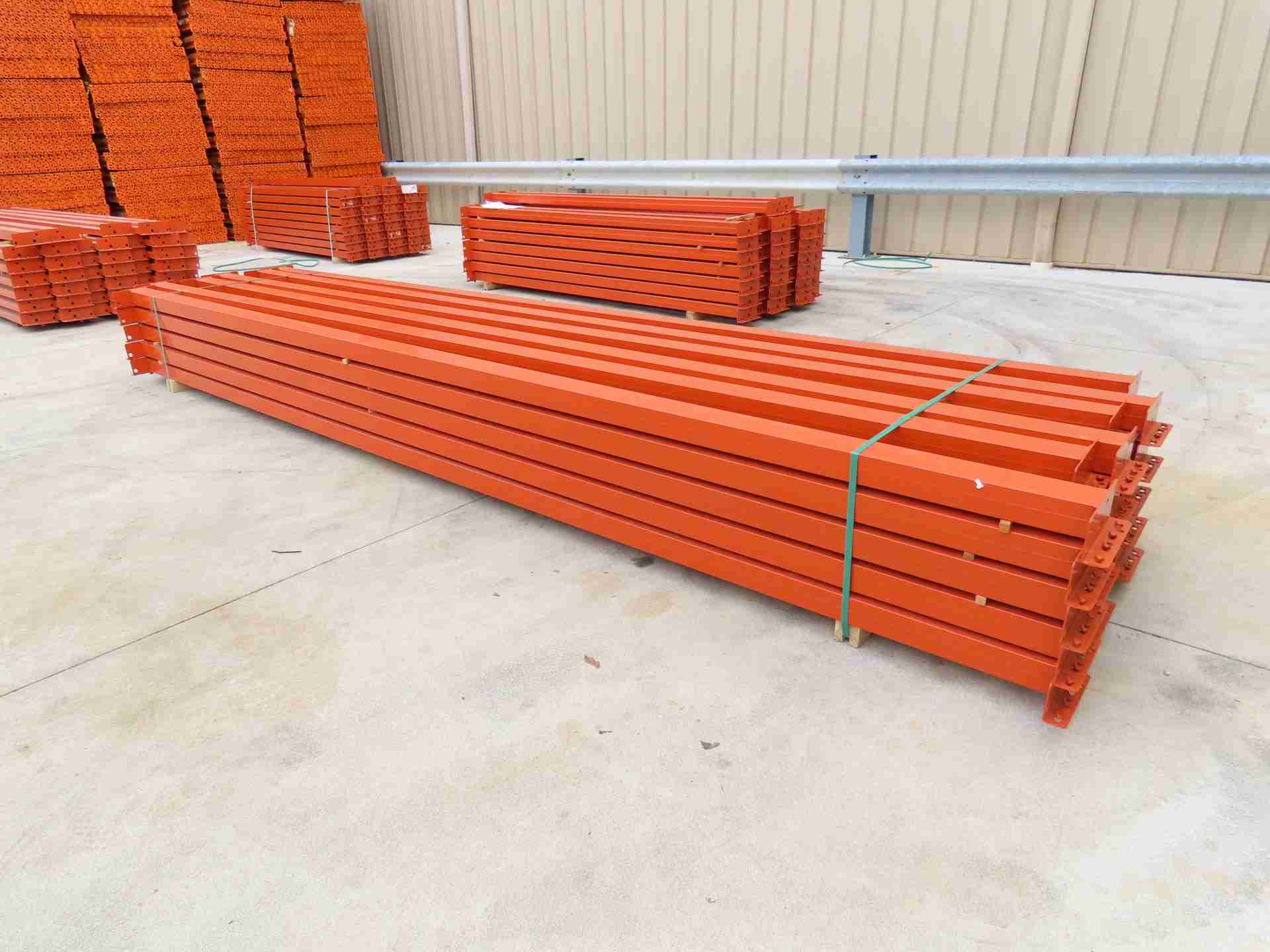
How Can We Improve Efficiency From Dock to Stock?
How Can We Improve Efficiency From Dock to Stock?
- Efficiency in warehousing is crucial for moving goods from dock to stock smoothly.
- Racking systems are essential for maintaining workflow stability and security.
- Reducing handling time through optimized racking enhances productivity and minimizes frustration.
- Smooth goods flow improves team morale and cultivates a sense of pride among workers.
- Implementing thoughtful layouts and employee training fosters engagement and ownership.
- Valuing workers’ input drives efficiency from all levels within the organization.
- Enhancing efficiency is about improving lives and building a community based on trust and dedication.

How Can We Improve Efficiency From Dock to Stock?
What Are the Key Challenges In Inventory Management?
What Are the Key Challenges in Inventory Management?
Inventory management isn’t just a technical task; it’s the lifeblood of any operation that deals with products. Picture this: the shelves are stocked high with goods, yet when a customer walks in, there’s nothing they want. That’s not just a slip-up; it’s a loss of trust. When you rely on racking systems to keep things organized and efficient, a simple oversight can lead to frustration both for the staff and the customers.
One major challenge is forecasting demand. It’s a guessing game, often more art than science. You might think you’ve got it figured out; last summer was a boom, after all. But this year? Perhaps a new competitor or a change in consumer behavior has turned the tide. Without accurate forecasting, you risk either overstocking—tying up cash flow and risking spoilage—or understocking, missing out on sales and disappointing customers.
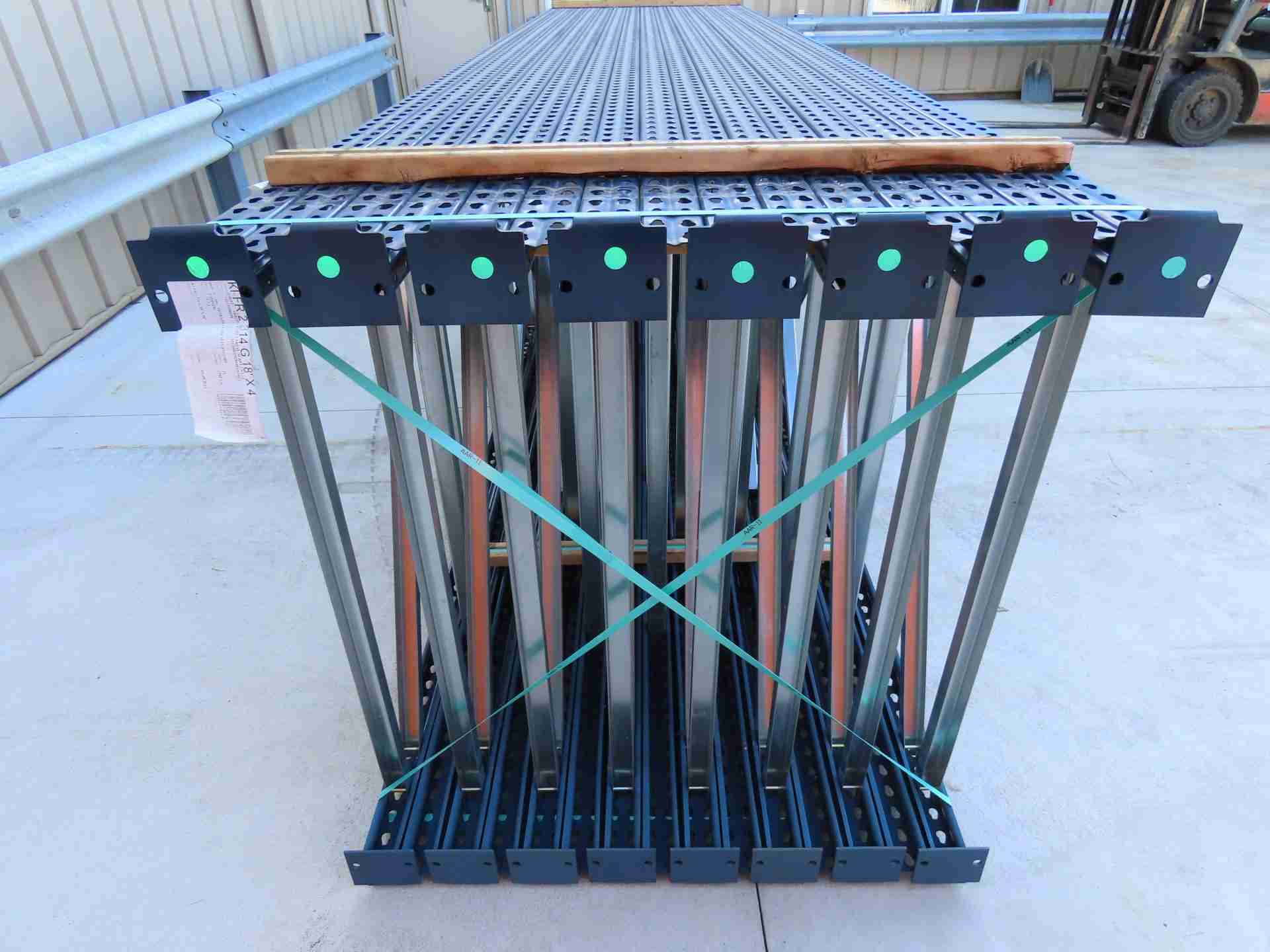
Another hurdle is managing space effectively. Those racking systems play a crucial role here. You can invest in the most advanced technology, but if your layout isn’t optimal, you’re simply shuffling boxes around without a purpose. Getting the right product to the right place at the right time can feel like trying to solve a jigsaw puzzle, especially when delays in deliveries or unexpected returns throw a wrench in the works.
And let’s not forget about the ethical considerations of inventory management. Companies must balance the need for profit with responsible practices. Overproduction can lead to waste and environmental harm, while treating employees in the supply chain fairly ensures that everyone involved shares in the success. Honesty and integrity become the foundation upon which a reliable inventory strategy stands.
Add to that the need for constant communication across departments—sales, marketing, and logistics. If everyone isn’t on the same page, those racking systems can become a maze—with products stuck in limbo instead of reaching eager hands.
Ultimately, navigating these challenges requires a blend of intuition, common sense, and a knack for teamwork. Building a reliable inventory management system is about more than just numbers and shelves; it’s crafting a reliable promise to your customers that when they want it, you’ve got it. Embrace that challenge, and you’ll not only keep the lights on; you could forge lasting connections that pave the way for success.
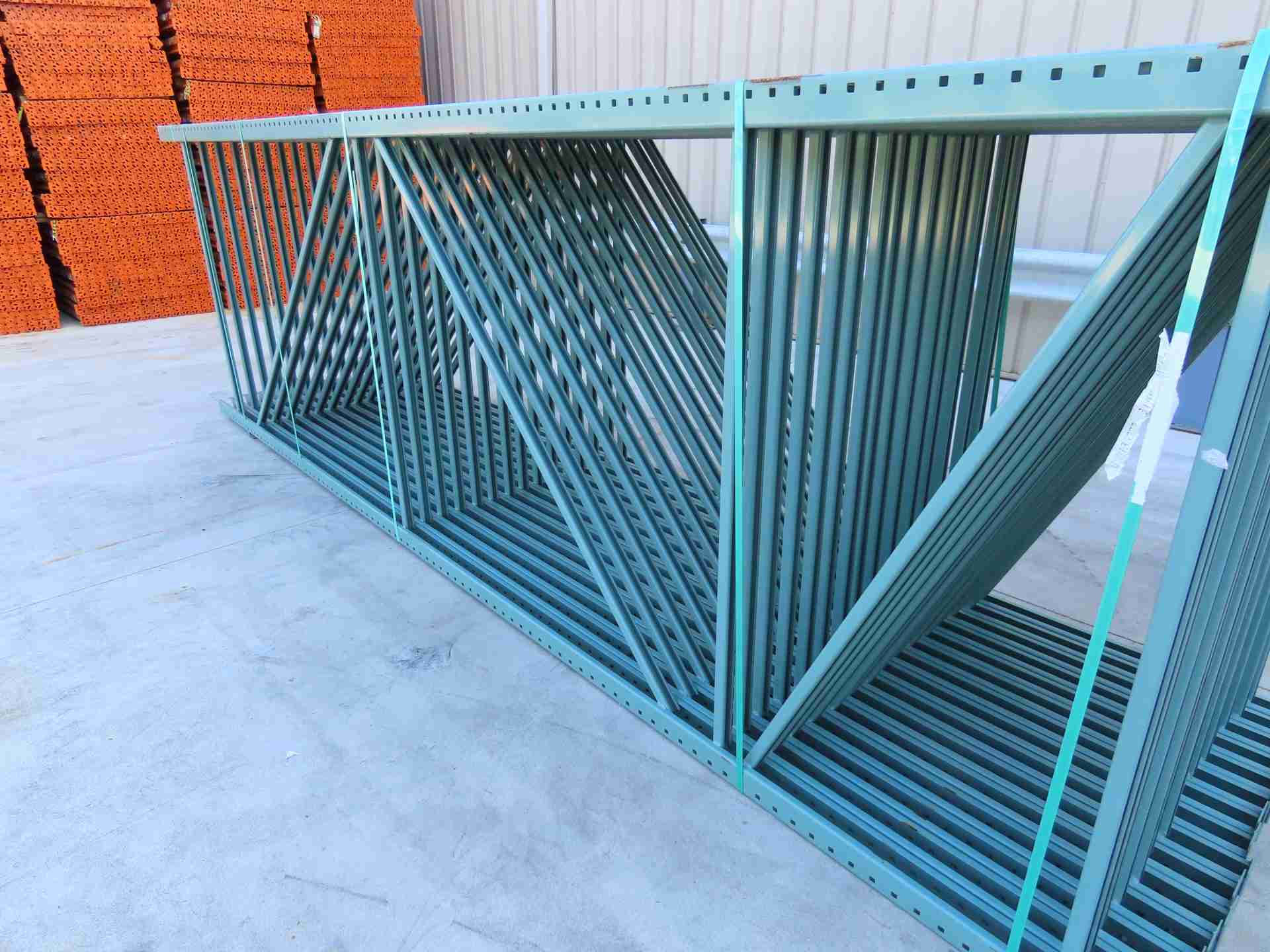
What Are the Key Challenges In Inventory Management?
What Are the Key Challenges In Inventory Management?
- Inventory management is essential for operations dealing with products.
- Demand forecasting is challenging; inaccurate predictions can lead to overstocking or understocking.
- Effective space management is crucial; optimal layout prevents inefficiencies.
- Ethical considerations include balancing profit with responsible practices and fair treatment of supply chain employees.
- Constant communication across departments (sales, marketing, logistics) is vital to avoid inventory mishaps.
- Navigating these challenges requires intuition, common sense, and teamwork.
- A reliable inventory management system builds customer trust and fosters long-term success.
What Are the Key Challenges In Inventory Management?
How Does Dock-To-Stock Impact Supply Chain Costs?
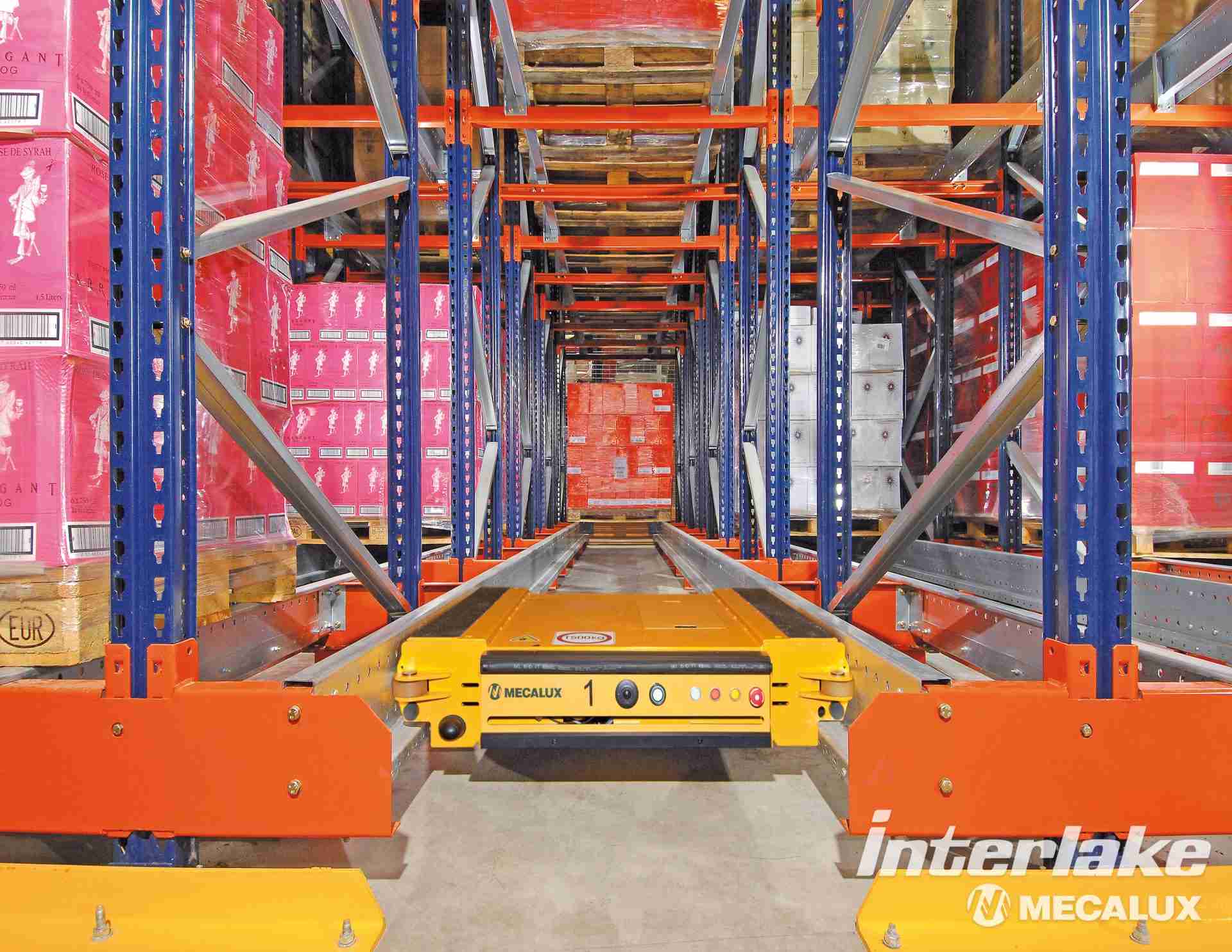
In the world of supply chain management, the dock-to-stock process plays a crucial role in shaping operational efficiency and cost control. Picture a bustling warehouse; the moment a truck backs up to the loading dock, it sets off a series of actions that can either streamline operations or throw everything into chaos. When done right, this transition is as smooth as a well-oiled machine, bringing the product from the racking systems directly to the shelves without unnecessary delays.
The emotional weight of an efficient dock-to-stock process can’t be overstated. For warehouse workers, seeing a truck unloaded quickly and products stored neatly in racking systems instills a sense of pride and accomplishment. It’s the difference between a stressful day filled with mishaps and a productive shift where everything just clicks. This hands-on experience fosters camaraderie among team members, who know that when they pull together, they not only protect the company’s bottom line but also their livelihoods.
On a rational level, consider the numbers. Every minute wasted during the dock-to-stock process translates into higher labor costs and potential penalties for late deliveries. Efficient systems save money, reduce inventory holding costs, and improve cash flow, allowing companies to reinvest in growth. It’s about cutting through the clutter, making smart decisions based on data, and streamlining processes to ensure everything is where it needs to be when it needs to be there.
Ethically, we must recognize the impact on all involved. A well-functioning supply chain doesn’t just benefit the bottom line; it fosters job security for workers and reliability for customers. The trust established with clients can make or break a brand. Knowing that every item that flows through the docks and into the racking systems is accounted for ensures customers receive what they ordered when they expect it.
Narratively, every warehouse has its stories. From the rookie worker handling crates for the first time to the seasoned veteran who knows the ins and outs of the racking systems, everyone plays a part in the overall success. These stories build a social fabric among workers, purchasers, and suppliers. It’s not just a transaction; it’s a network of trust and community.
Embracing a robust dock-to-stock approach is more than managing costs—it’s about fostering a culture of efficiency and pride. When warehouses become well-oiled machines, everyone benefits, and the supply chain flourishes, proving that simple changes can have monumental impacts.

How Does Dock-To-Stock Impact Supply Chain Costs?
How Does Dock-To-Stock Impact Supply Chain Costs?
- The dock-to-stock process significantly influences operational efficiency and cost control in supply chain management.
- Efficient transitions from unloading to shelving reduce delays, enhancing productivity and worker morale.
- Wasted time in the process leads to higher labor costs and potential penalties, making efficiency crucial.
- Well-functioning systems save money, reduce inventory costs, and improve cash flow for reinvestment.
- A reliable supply chain ensures job security for workers and builds trust with customers.
- Every warehouse has unique stories that contribute to a sense of community among workers and suppliers.
- Implementing a robust dock-to-stock approach fosters a culture of efficiency, benefiting all stakeholders.
How Does Dock-To-Stock Impact Supply Chain Costs?
What Technology Can Streamline Dock-To-Stock Processes?
In the fast-paced world of logistics, the dock-to-stock process can feel like a never-ending race against time. But the right technology can turn that sprint into a smooth, efficient journey. Streamlined operations don’t just save a few minutes; they can transform a chaotic warehouse into a well-oiled machine, nourishing both the bottom line and the morale of the workforce.
Racking Systems are at the heart of this transformation. Picture this: a well-organized racking system turns a cluttered space into a treasure trove of accessibility. No more digging through piles of boxes or tripping over misplaced pallets. With thoughtful racking layouts, employees can find what they need and get back on track, reducing frustration and boosting productivity. It’s not just about efficiency; it’s about creating an environment where people can feel proud of their work.
Technological advancements, like automated inventory management, bring a touch of smart decision-making into play. Utilizing barcodes and RFID tags can ensure that every item gets tracked from the moment it rolls off the truck, right to when it hits the shelves. This isn’t only about speed; it’s about accuracy and trust in the process. When stock is correctly logged and accounted for, the whole operation runs smoothly, which means fewer headaches for everyone involved.
Cloud-based systems allow for real-time updates and access from anywhere, fostering a sense of teamwork. No longer confined to spreadsheets and endless phone calls, employees can see current inventory status and coordinate shipments effortlessly. Imagine the connection this fosters among the team, as they work together to tackle each day with clear visibility into operations, all rolling forward together like a well-tuned engine.
But it’s not just the tools that matter; it’s how they empower people. When a worker sees that their ability to perform their job is backed by technology, confidence blooms. They become invested in the success of the operation, knowing that their contributions lead to something greater. This shared commitment fosters a spirit of cooperation; it’s an environment of mutual respect that goes beyond mere transactions.
Ultimately, investing in technology to streamline dock-to-stock processes isn’t just about cutting costs or saving time; it’s about fostering a culture of efficiency where workers feel valued, confident, and connected to their team. They’re not just doing a job; they’re part of a mission to make things better for themselves and for their community.

What Technology Can Streamline Dock-To-Stock Processes?
What Technology Can Streamline Dock-To-Stock Processes?
- Dock-to-stock process efficiency can be enhanced through technology.
- Streamlined operations convert chaotic warehouses into well-organized environments.
- Effective racking systems improve accessibility and productivity for employees.
- Automated inventory management with barcodes and RFID enhances accuracy and trust.
- Cloud-based systems provide real-time updates, improving teamwork and coordination.
- Empowered workers experience increased confidence and investment in their roles.
- Technology investments foster a culture of efficiency and cooperation among teams.

What Technology Can Streamline Dock-To-Stock Processes?
How Can We Enhance Accuracy In Stock Management?
In the bustling world of inventory management, where every item counts and every miscalculation can lead to significant losses, effective stock management becomes a game changer. It’s more than just numbers on a page; it’s about the beating heart of a business. Think about the last time you couldn’t find that crucial part on the shelf while a customer waited impatiently. Frustrating, right? Enhancing accuracy in stock management not only streamlines operations but also nurtures trust and confidence between you and your team, your customers, and your bottom line.
Racking systems are vital in this equation. They provide a structured way to keep your inventory organized, making it easier to find, count, and manage stock. Imagine having a racking system that optimizes every inch of your space, allowing you to see at a glance what you have and what you need. This clarity reduces errors and enhances efficiency. It’s not just about having the right products available; it’s about knowing where they are. A well-organized warehouse with effective racking leads to quicker turnaround times and happier customers, boosting your reputation and profitability.
The emotional weight of a well-kept inventory goes hand-in-hand with the practicalities. Your employees feel the pride of working in a tidy and efficient environment, and customers sense that care when they see their needs being met promptly. By investing in accurate stock management, you’re not just improving the business; you’re solidifying relationships. Everyone benefits—employees, customers, and even suppliers—because trust is built on dependability.
Rationally, the cost of poor stock management is staggering. Inventory write-offs, excess stock, and lost sales can cripple a business. It’s simple math: more accurate stock levels lead to more informed decisions. Analyzing trends becomes easier, allowing you to adjust your purchasing and stocking strategies proactively rather than reactively. This flexibility is what keeps you ahead of the curve in a competitive market.
Taking ethical considerations to heart, being clear and accurate with your stock not only reflects well on your business’s integrity but also embodies respect for your customers. No one wants to deal with unreliable stock levels; by getting it right, you foster loyalty and trust.
Enhancing accuracy in stock management is about more than systems; it’s about creating a culture of excellence where everyone can rely on each other. Build that foundation, and your business can rise stronger, much like a sturdy racking system holding up its load with unwavering strength.

How Can We Enhance Accuracy In Stock Management?
How Can We Enhance Accuracy In Stock Management?
- Effective stock management is crucial for minimizing losses and maximizing efficiency in inventory management.
- Racking systems are essential for organizing inventory, facilitating easier stock management and retrieval.
- Accurate stock management enhances operational speed, reduces errors, and promotes customer satisfaction.
- A well-structured inventory fosters pride among employees and builds trust with customers and suppliers.
- Poor stock management leads to significant costs, such as inventory write-offs and lost sales.
- Data-driven stock management allows for proactive adjustments in purchasing and stocking strategies.
- Creating a culture of accuracy in inventory management strengthens relationships and business integrity.

How Can We Enhance Accuracy In Stock Management?
What Ethical Considerations Arise In Inventory Strategies?
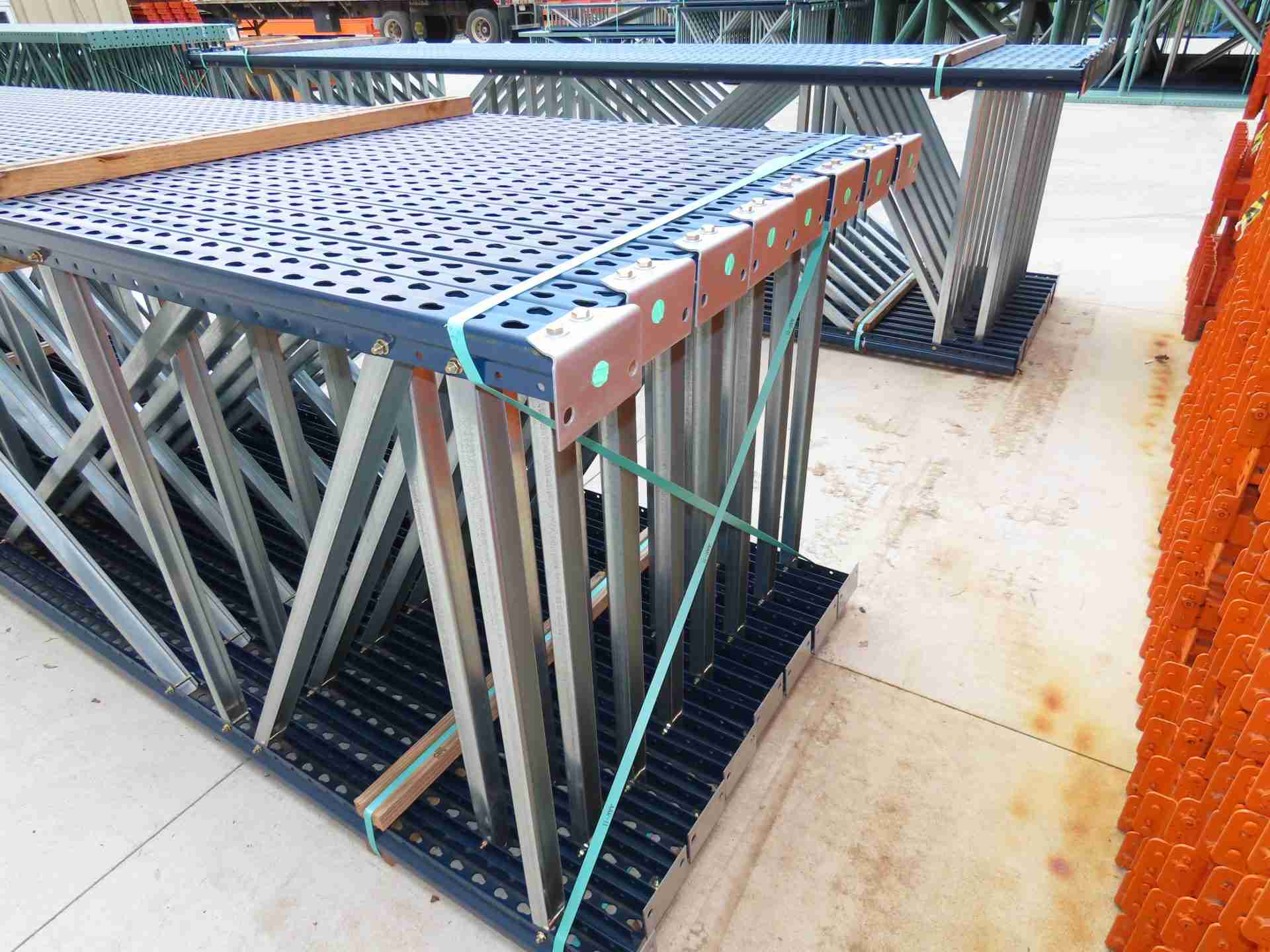
When it comes to inventory strategies, ethical considerations run deeper than just balancing the books. It’s easy to think of the numbers on a spreadsheet as just that—numbers. But behind every figure lies a story, often involving real people whose livelihoods depend on ethical practices. Racking systems in warehouses, for instance, aren’t just about maximizing space; they impact worker safety, job satisfaction, and the environment. Imagine a warehouse worker risking injury daily because the layout encourages chaos instead of order. This isn’t just poor management; it’s a violation of basic ethical principles.
Take a step back, and you might see how our choices in inventory practices ripple through communities. When a company rushes to offload excess stock at discounted prices, it’s tempting to cut corners. But think about the small businesses striving to survive. A discount store’s strategy might undercut local shops, raising questions about fair competition. Each decision impacts not just the bottom line but the fabric of neighborhoods. Emphasizing sustainable practices—like reducing waste or sourcing ethically—shows consumers that profit doesn’t have to come at the cost of community values.
In a world that increasingly holds businesses to a higher moral standard, adopting responsible inventory strategies can be a powerful differentiator. Companies that prioritize ethical sourcing and transparent practices build trust with their customers. Consider a business that showcases its racking systems as part of an eco-friendly initiative. It draws in not just profitability but also support from the community, fostering loyalty that outlasts any fleeting trend.
There’s also the matter of accountability. When businesses invest in systems that leverage technology for better inventory management, they not only streamline operations but also enhance their ethical standing. These systems help minimize waste and overstock scenarios, promoting a more sustainable future for the industry and ensuring resources are used wisely.
Ultimately, these decisions are about more than just profit margins. They are about building a legacy rooted in responsibility and respect. A well-thought-out inventory strategy doesn’t just make financial sense; it reflects a company’s character. The heart of your operation shouldn’t just be about keeping shelves stocked; it should also embrace the responsibility of ensuring that every item, every worker, and every community is treated with the respect they deserve. Choosing ethics in inventory management might just be the best investment a business can make.
What Ethical Considerations Arise In Inventory Strategies?
What Ethical Considerations Arise In Inventory Strategies?
- Ethical considerations in inventory strategies go beyond financial balance.
- Warehouse racking systems affect worker safety, job satisfaction, and environmental impact.
- Inventory decisions can undermine local businesses and affect community dynamics.
- Emphasizing sustainable practices demonstrates commitment to community values.
- Responsible inventory strategies build customer trust and long-term community support.
- Investing in technology for inventory management promotes sustainability and accountability.
- Ethics in inventory management reflects a company’s character and responsibility towards communities.

What Ethical Considerations Arise In Inventory Strategies?
Conclusion
In the relentless world of logistics, effective dock-to-stock optimization stands as the linchpin of operational success. It’s not merely about speeding up movement; it’s about creating an organized, trustworthy system that instills confidence among workers. Visualize a warehouse where every item has a designated spot, transforming chaos into order. When a truck arrives, the team moves in concert, every individual aware of their role, turning efficiency into a well-practiced dance of teamwork. This isn’t just a matter of procedure; it’s about cultivating pride in one’s work and contributing to a culture where each person’s effort is recognized.
Regular evaluations of racking systems serve as a crucial step toward uncovering inefficiencies that may otherwise go unnoticed. By harnessing data analytics for real-time decisions, companies can minimize delays and inventory damage, enhancing employee satisfaction. Transparency in processes fosters trust, encouraging workers to share insights that can lead to innovative improvements. Real stories from warehouses illustrate this: when workers are engaged in system overhauls, hidden talents emerge, camaraderie blossoms, and collective challenges turn into shared victories.
Improvement in dock-to-stock processes is more than boosting efficiency; it connects directly to the lives of families and the community at large. Thoughtful layout designs and comprehensive training help ground these changes in the values that initially fueled the operations. When teams feel heard and valued, their investment in success deepens, creating a ripple effect of empowerment.
Inventory management integrates satisfaction for customers, employees, and the conscious practices that reflect ethical business operations. Accurate forecasting and effective space management are essential to avoiding costly mistakes. Oversight can damage relationships and erode trust, both of which are difficult to rebuild. Ethical considerations emphasize a balance between profitability and responsible operations that respect the community and the environment.
Without a doubt, the dock-to-stock process influences bottom lines, morale, and camaraderie. Efficiency in this arena isn’t simply about reducing costs or time; it’s about nurturing a landscape of mutual respect and shared success. Every interaction in this dance between receiving and stocking product lays the groundwork for future connections, enabling businesses not just to survive but thrive. By prioritizing the human element in these systems, we forge a legacy of collaboration and accountability, ensuring that industry players can lift one another up as they navigate tomorrow’s challenges together.

Conclusion
Conclusion:
- Effective dock-to-stock optimization is crucial for operational success in logistics.
- An organized system enhances worker confidence and teamwork during product processing.
- Regular evaluations of racking systems help to identify and address inefficiencies.
- Data analytics enable real-time decision-making, reducing delays and improving employee satisfaction.
- Engaging workers in system improvements fosters camaraderie and uncovers hidden talents.
- Thoughtful layout designs and training help align process changes with core operational values.
- Prioritizing ethical practices in inventory management strengthens relationships and supports community respect.

Conclusion
Other Resources

Other Resources
Here is a list of other resources you can review online to learn more:
- Pallet Racking systems in Illinois and Great Lakes
- Interlake Mecalux
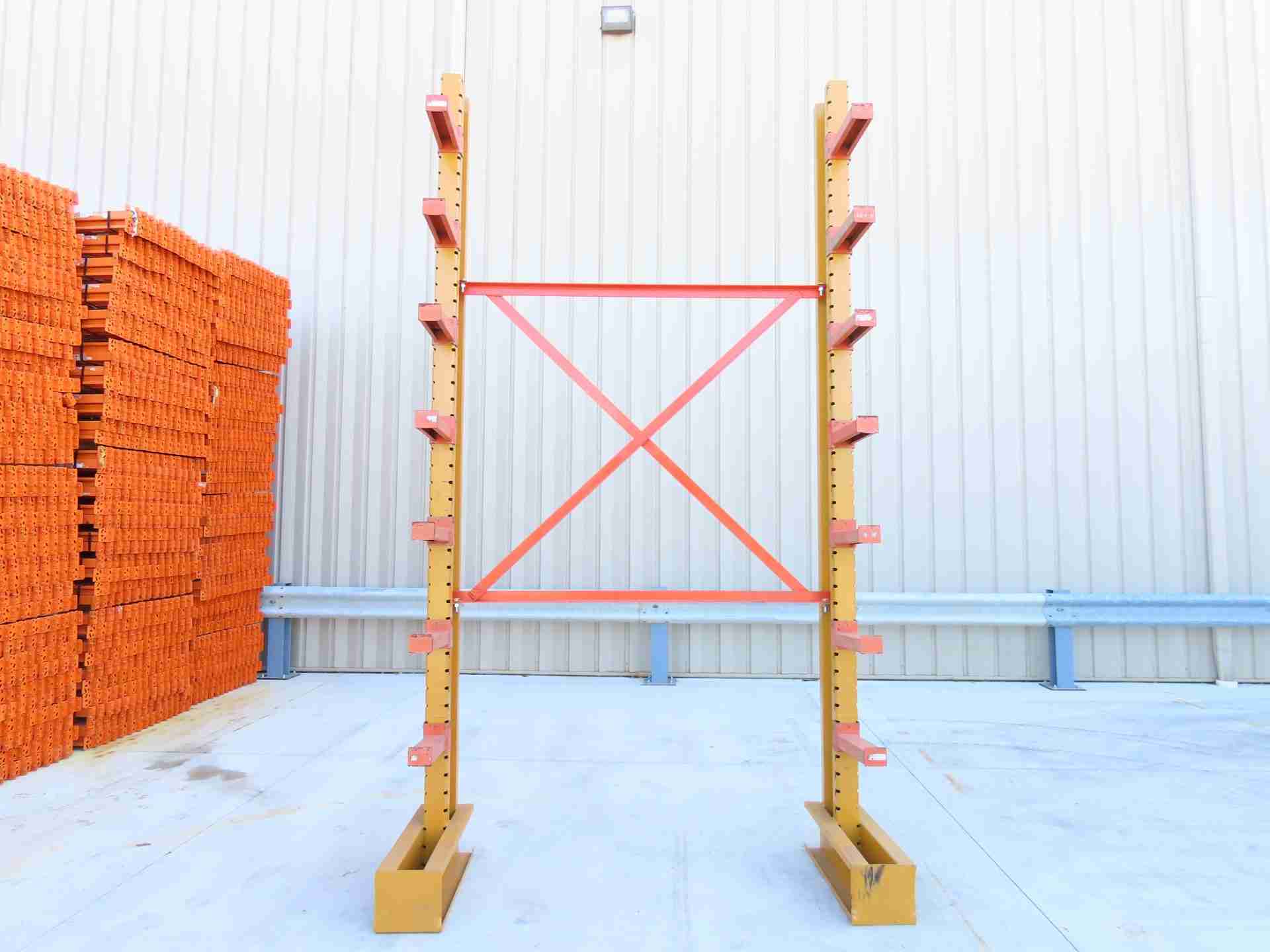
- Cantilever Racking Specialists – Get the Right Racks
- The Complete Pallet Rack Guide – Simply Rack
- Warehouse Racking System: Powerful Guide to Optimise, 2024
- Warehouse Racking Chicago, IL
- Rack Manufacturers Institute
- Pallet Racks, Pallet Racking, Pallet Shelves in Stock – ULINE
- Storage Equipment Manufacturers Association
- American Society of Safety Professionals
- NSC
- Crane Manufacturers Association Of America Inc.
- Warehouse Racking Layout: The Ultimate Guide – Conger
- Warehouse Storage Racking in Illinois
- Selective Pallet Racking Systems
- Warehouse Racking Systems: Beginner’s Guide to Rack Systems
- SEMA
- IWLA
- Teardrop Industrial Shelving Rack
- Chicago Pallet Racking
Use This Prompt To Get More Resources With Your Favorite Online AI Tool: Please provide me with a list of online articles with their URLs in a bulleted list that I can read regarding Dock-To-Stock Optimization Strategies
Other Resources
Glossary Terms
Dock-To-Stock Optimization Strategies – Glossary Of Terms
1. Dock-to-Stock: The process of transferring goods from a docking station to a storage location efficiently.
2. Inventory Management: The supervision of non-capitalized assets, or inventory, and stock items.
3. Supply Chain: The entire system of production, processing, and distribution of goods from supplier to customer.
4. Lean Manufacturing: A production practice that considers the expenditure of resources in any aspect other than the direct creation of value for the end customer to be wasteful.
5. Throughput: The rate at which goods are produced or processed in a certain timeframe.
6. Warehouse Efficiency: The ability to maximize storage capacity and minimize waste in warehousing operations.
7. Just-In-Time (JIT): An inventory strategy that aims to increase efficiency by receiving goods only as they are needed in the production process.
8. Cross-Docking: A logistics practice where incoming shipments are directly transferred to outgoing shipments with minimal or no storage.
9. Cycle Counting: A method of inventory auditing where a portion of the inventory is counted on a specific day.
10. Order Fulfillment: The complete process of receiving, processing, and delivering orders to customers.
11. SKU (Stock Keeping Unit): A unique identifier for each distinct product and service that can be purchased.
12. Barcoding: The use of barcodes to track inventory and products throughout the supply chain.
13. RFID (Radio Frequency Identification): A technology that uses electromagnetic fields to automatically identify and track tags attached to objects.
14. Safety Stock: Extra inventory maintained to mitigate the risk of stockouts caused by uncertainties in supply and demand.
15. Lead Time: The amount of time taken from the initiation of a process until its completion.
16. Demand Forecasting: The process of predicting future customer demand for a product or service.
17. Reorder Point: The inventory level at which a new order should be placed to replenish stock before it runs out.
18. Batch Processing: The processing of data or materials in groups or batches rather than individually.
19. Warehouse Layout: The design and arrangement of the physical elements within a warehouse to optimize space and workflow.
20. Freight Forwarding: The process of organizing the shipment of goods via multiple carriers and logistics services.
21. Cost-Benefit Analysis: A financial assessment that compares the costs and benefits of different strategies to determine profitability.
22. Distribution Center: A specialized warehouse designed to facilitate the efficient distribution of goods.
23. Inventory Turnover: A ratio that shows how many times inventory is sold and replaced over a certain period.
24. Transportation Management: The process of planning, executing, and managing the movement of goods.
25. Vendor Managed Inventory (VMI): A supply chain initiative where the supplier manages the inventory of products for the retailer.
26. Pick-and-Pack: A process where items are picked from a warehouse, packed, and prepared for shipment to fulfill orders.
27. Stockout: A situation in which the inventory is exhausted, and a customer cannot order the product.
28. Zero Inventory: A strategy aimed at reducing or eliminating inventory holding to reduce costs.
29. End-of-Season Inventory: Remaining unsold products at the conclusion of a sales season that must be managed.
30. Continuous Improvement: An ongoing effort to enhance products, services, or processes through incremental improvements over time.

Glossary Of Terms
Other Questions
Dock-To-Stock Optimization Strategies – Other Questions
If you wish to explore and discover more, consider looking for answers to these questions:
- What are the first steps to assess our current dock-to-stock process?
- Which KPIs should we track to measure dock-to-stock performance?
- How do we calculate ROI for dock-to-stock optimization investments?
- What are the most common bottlenecks in dock-to-stock workflows?
- How can racking layout and slotting reduce handling time?
- What technologies deliver the fastest improvements in dock-to-stock times?
- How do RFID, barcode scanning, and WMS compare for accuracy and cost?
- When is automation (conveyors, sorters, AGVs) worth the investment?
- How do we integrate dock-to-stock systems with our ERP or other software?
- What staffing and training changes are required for a new dock-to-stock system?
- How should we design audits and cycle counts to maintain inventory accuracy?
- What frequency of audits or cycle counts is optimal for different product types?
- How can data analytics be used for real-time dock-to-stock decision making?
- What are best practices for receiving inspections and quality checks at the dock?
- How do we handle exceptions and damaged goods efficiently during receiving?
- What layout changes maximize throughput while maintaining safety?
- How can we reduce labor waste and unnecessary movements on the dock?
- What role does cross-docking play in a dock-to-stock strategy?
- How do lead times and supplier reliability affect dock-to-stock performance?
- What contractual or operational changes can improve supplier on-time delivery?
- How do we optimize for perishable or temperature-controlled products?
- What are the safety and compliance considerations for racking systems?
- How do load ratings, inspections, and maintenance schedules for racks impact operations?
- What ethical and environmental considerations should inform inventory decisions?
- How can we minimize overstock, waste, and returns through better dock-to-stock practices?
- How should we involve frontline workers in redesigning dock-to-stock processes?
- What change-management practices ensure staff adoption of new processes or tech?
- How do we measure and improve employee engagement and accountability in receiving?
- What are common implementation pitfalls and how can we avoid them?
- How do we estimate ongoing operating costs versus one-time implementation costs?
- Which metrics demonstrate improved customer service from dock-to-stock changes?
- How can we secure data and protect against inventory fraud or loss?
- What role does labeling, documentation, and GS1 standards play in accuracy?
- How should we handle returns and reverse logistics within the dock-to-stock flow?
- How scalable are proposed solutions for seasonal peaks or future growth?
- What are practical small-budget improvements that deliver quick wins?
- Can you provide case studies or benchmarks for companies that improved dock-to-stock?
- How do we balance speed with accuracy to avoid costly errors?

Other Questions
Checklist
Dock-To-Stock Optimization Strategies – A Checklist
Culture and Transparency
✅______ Share dock-to-stock metrics with the team weekly
✅______ Maintain an open ideas pipeline; track and act on suggestions
✅______ Conduct monthly town halls or floor huddles to review wins and gaps
✅______ Publish clear, accessible SOPs for all dock-to-stock steps
Layout and Racking Systems
✅______ Perform quarterly rack audits; repair or replace damaged components
✅______ Label every location with human-readable IDs and barcodes
✅______ Slot fast movers near docks; group by velocity and compatibility
✅______ Define and mark staging lanes; enforce floor tape and signage standards
✅______ Post rack load ratings; verify anchoring and clearances
✅______ Maintain clean aisles and standardized bay numbering
Receiving (Dock) Excellence
✅______ Use ASNs to pre-assign doors and labor
✅______ Timestamp trailer arrival, unload start, and unload completion
✅______ Verify packaging and pallet standards; note and photograph exceptions
✅______ Scan on receipt (barcode or RFID) at the pallet, case, or item level
✅______ Inspect for damage; quarantine and document variances
✅______ Apply standardized pallet labeling before staging
Putaway Flow
✅______ Use system-directed putaway based on size, velocity, and ABC
✅______ Enforce one-touch handling; minimize restaging
✅______ Scan-confirm item, quantity, and final location
✅______ Cross-dock eligible freight per rules; bypass storage when possible
✅______ Set max travel distance targets and monitor
✅______ Balance workload across zones to prevent bottlenecks
Inventory Accuracy
✅______ Run an ABC cycle count program; investigate root causes of variances
✅______ Lock and reconcile locations after exceptions before release
✅______ Define min/max or reorder points; review monthly
✅______ Standardize returns handling with quarantine and clear dispositions
✅______ Track and reduce write-offs, shrink, and obsolescence
Technology and Data
✅______ Deploy barcodes or RFID; ensure scanners and printers are reliable
✅______ Update the WMS in real time; eliminate paper where possible
✅______ Provide mobile devices and charging stations; track uptime
✅______ Use dashboards for live visibility across teams (cloud-enabled)
✅______ Leverage data for slotting, labor planning, and demand trends
✅______ Integrate with carriers and suppliers for appointment and ASN accuracy
Training and Engagement
✅______ Maintain standard work instructions at point of use
✅______ Schedule onboarding and refresher training; verify competence
✅______ Keep a cross-training matrix current; cover peak and sick days
✅______ Hold daily 10-minute stand-ups with safety and quality checks
✅______ Recognize performance and implemented improvement ideas
Ethics and Sustainability
✅______ Ensure fair pacing and breaks; avoid rate-only pressure
✅______ Prioritize worker safety in layout and task design
✅______ Reuse or recycle dunnage; reduce waste from overproduction
✅______ Communicate ethical sourcing and inventory practices
✅______ Provide ergonomic tools and accessible work areas
Safety and Compliance
✅______ Document periodic rack inspections; tag unsafe bays
✅______ Maintain aisle and egress clearances and posted routes
✅______ Verify equipment certifications (forklifts, PIT) and operator licenses
✅______ Enforce chocks, dock locks, and PPE use at doors
✅______ Post emergency procedures and contact lists at docks
KPIs and Cost Control
✅______ Dock-to-stock cycle time target ____ hours (by product class)
✅______ Receiving productivity ____ lines/hour; ____ pallets/hour
✅______ Putaway accuracy ____%; first-pass yield ____%
✅______ Inventory accuracy ____% (location and item level)
✅______ Damage rate ____% of receipts
✅______ On-time to appointment ____%
✅______ Cost per received unit $____
✅______ Cash-to-cash and days of inventory tracked monthly
Continuous Improvement
✅______ Conduct weekly Gemba walks with cross-functional leaders
✅______ Maintain a kaizen backlog with owners and due dates
✅______ Review post-change results; standardize if successful
✅______ Run quarterly space utilization and slotting reviews
✅______ Use supplier scorecards (ASN accuracy, packaging quality)
✅______ Close the loop with customer fill rate and OTIF feedback
Communication and Alignment
✅______ Maintain a single source of truth for inventory and locations
✅______ Trigger real-time alerts for exceptions and delays
✅______ Define a handoff protocol from receiving to inventory control
✅______ Align forecasts and promotions with sales, marketing, and operations
Contingency and Peak Readiness
✅______ Prepare surge plans for peak receipts and constrained space
✅______ Map secondary staging and overflow locations
✅______ Maintain an on-call staffing bench and temporary staffing agency links
✅______ Document system downtime and manual fallback procedures

Checklist
At RackingWorld, we help guide you through selecting warehouse storage systems and racking.
Be sure to read our other related stories at RackingWorld to learn more about warehouse storage systems.
0 Comments