
Unlocking Efficiency: Transform Your Warehouse And Boost Your Bottom Line
By Tom Seest
At RackingWorld, we help guide you through selecting warehouse storage systems and racking.
Be sure to read our other related stories at RackingWorld to learn more about warehouse storage systems.
Payback Periods for Warehouse Optimization
In the world of warehouse management, every minute and every dollar matters. Picture a busy morning, the hum of forklifts, and the hustle of workers weaving through aisles stocked high with products. Yet, there’s more than just energy in the air; there’s the promise of efficiency and the hope for improved outcomes that come with smart investments. When you think about optimizing your warehouse, the concept of payback periods often comes into play, revealing just how quickly those investments can return the fruits of labor.
Investing in upgraded racking systems is a prime example. Imagine replacing an outdated setup with modern, versatile racking that maximizes vertical space and streamlines picking processes. Initially, it feels daunting—like putting all your eggs in one basket. However, as you recalculate the numbers, the returns start to paint a hopeful picture. The time saved in picking and the reduction in handling errors can drastically reduce labor costs. The emotional weight lifts: you gain not only efficiency but peace of mind, knowing you’ve made a smart choice for your team and bottom line.
From a rational standpoint, the quicker your payback period, the sooner you can reinvest in further enhancements. Maybe it’s a shiny new conveyor belt that shaves minutes off processing times or additional workforce training that empowers employees. Each improvement builds on the last, creating a snowball effect of enhanced productivity. It’s where common sense meets opportunity: the faster you realize returns, the more you can grow.
Ethically speaking, investing in your warehouse isn’t just about profit margins—it’s about people. Productivity leads to job security and an environment where employees feel valued. A well-optimized warehouse means fewer frustrations on the floor and ultimately a better work culture. When team members know their workplace operates efficiently, their morale and performance improve, fostering a sense of ownership and pride.
Socially, success stories spread. When your warehouse runs like a well-oiled machine, word gets around in the industry. Colleagues and competitors alike take notice, and soon, you’re known as the go-to operation. Instant credibility builds trust, inviting new customers and partnerships drawn to your reputation for reliability.
Ultimately, the journey through payback periods is about more than figures; it’s about commitment to improvement, the warmth of teamwork, and the tangible results that come from investing in what truly matters—your people and your processes. Embracing warehouse optimization can ignite a transformation that ripples through your entire operation, proving that smart decisions today pave the way for tomorrow’s successes.

Payback Periods for Warehouse Optimization
Payback Periods for Warehouse Optimization
- Warehouse management is critical where efficiency and investment directly impact outcomes.
- Upgrading racking systems can enhance productivity by maximizing space and reducing picking errors.
- Faster payback periods allow for reinvestment in further enhancements, increasing operational efficiency.
- Improvements create a snowball effect, benefiting labor costs and overall productivity.
- Investments lead to better employee job security, morale, and a positive work culture.
- A well-optimized warehouse builds credibility and attracts new customers and partnerships.
- The journey of optimizing warehouses focuses on improvement, teamwork, and the value of people and processes.

Payback Periods for Warehouse Optimization
Table Of Contents
- Payback Periods for Warehouse Optimization
- What Are the Financial Benefits Of Optimizing Warehouse Operations?
- What Emotional Value Do Employees Find In a Streamlined Warehouse?
- How Can Optimized Warehouse Processes Enhance Customer Satisfaction?
- How Do Industry Leaders Approach Warehouse Optimization Strategies?
- What Narratives Can Illustrate Successful Warehouse Transformation?
- How Does Waste Reduction In Warehouses Contribute to Sustainability?
- Conclusion
- Other Resources
- Glossary Of Terms
- Other Questions
- Checklist
What Are the Financial Benefits Of Optimizing Warehouse Operations?
Optimizing warehouse operations isn’t just a matter of rearranging boxes; it’s about unlocking a treasure chest of financial benefits that can transform your business’s bottom line. Think of your warehouse as the beating heart of your supply chain. When everything runs smoothly, every beat brings reliability and efficiency, creating a pulse that resonates throughout your organization.
Investing in racking systems, for instance, can be a game-changer. Beyond just saving space, these systems organize products in a way that reduces picking time and lowers labor costs. Employees spend less time hunting for items and more time getting crucial orders out the door. This isn’t just a theoretical benefit; it’s a real-world boost to productivity that every warehouse worker experiences daily. When your team operates at peak efficiency, it generates a sense of pride and accomplishment. That’s a powerful motivator, helping to foster a culture of commitment and excellence.
From a financial standpoint, optimizing warehouse operations leads to significant cost savings. You’ll see reductions in overtime costs due to streamlined workflows and fewer mistakes. Happy teams produce fewer errors; fewer errors mean less waste. As a result, your profits rise, allowing for reinvestment in other key areas of your business. Imagine a ripple effect where every dollar saved in the warehouse can be reinvested into improving the quality of your product or expanding your services.
Moreover, there’s an ethical dimension to optimizing operations. By maximizing efficiency, you’re not just benefiting the company’s wallet; you’re also respecting the environment. Reducing unnecessary movement and resource consumption lowers your carbon footprint. This kind of responsibility resonates with customers who appreciate sustainable practices. It builds a reputation for your brand as one that values both quality and responsibility in its operations.
Stories of warehouse transformation often highlight the power of collaboration and innovation. When you bring your team into the conversation about potential changes—be it through new racking systems or improved processes—you’re building trust. Workers feel valued, and their insights can lead to breakthroughs that enhance efficiency. Creating a culture of inclusion where everyone’s voice matters fosters loyalty, and that’s a windfall you can’t put a price on.
Optimizing warehouse operations is about more than just numbers; it’s about nurturing the people behind those numbers and the community around you. When you invest in these changes, you invest in a better future for your business and everyone connected to it.
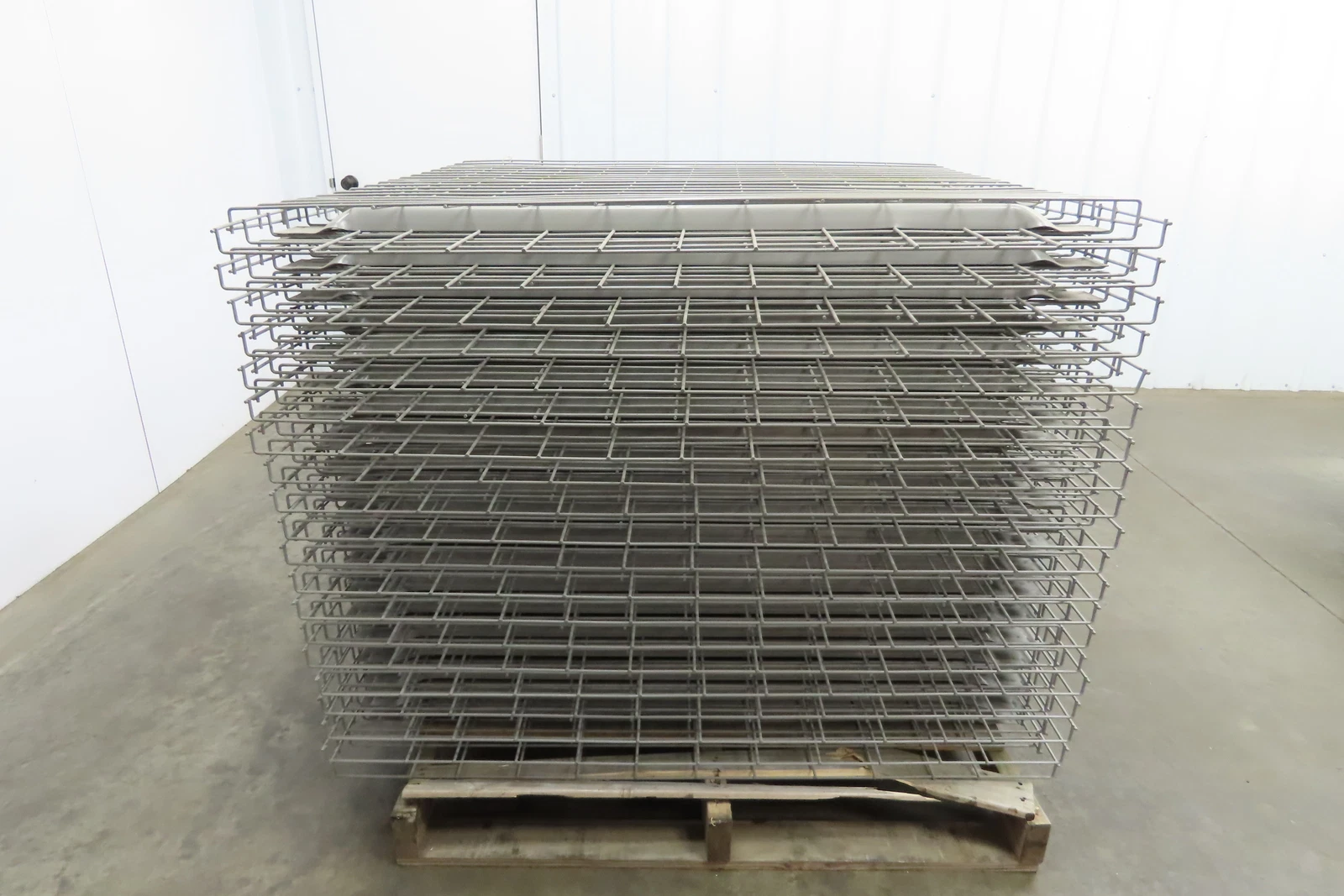
What Are the Financial Benefits Of Optimizing Warehouse Operations?
What Are the Financial Benefits Of Optimizing Warehouse Operations?
- Optimizing warehouse operations unlocks significant financial benefits, enhancing the bottom line.
- The warehouse is crucial to the supply chain, with smooth operations promoting reliability and efficiency.
- Investing in racking systems saves space, reduces picking time, and lowers labor costs.
- Efficient teams experience increased productivity and generate a culture of pride and commitment.
- Streamlined workflows lead to lower overtime costs, reducing errors and waste, thus boosting profits.
- Maximizing efficiency not only benefits finances but also respects environmental sustainability.
- Collaboration and innovation among team members enhance trust, loyalty, and operational breakthroughs.

What Are the Financial Benefits Of Optimizing Warehouse Operations?
What Emotional Value Do Employees Find In a Streamlined Warehouse?
A streamlined warehouse isn’t just about efficiency; it’s about breathing life into the daily grind of hard-working folks. Think of the racking systems that hold everything in its place—these sturdy structures are the backbone of the operation. They remind everyone that order can be found amidst chaos. Imagine walking into a space where every item has its designated spot, where searching for a product doesn’t feel like a scavenger hunt. This organized environment sparks a sense of pride. Employees recognize that their hard work is supported by a system designed for success.
When the warehouse runs smoothly, employees feel valued for their contributions. There’s an unspoken bond that’s woven through the shared efforts of the team. Working in a streamlined space fosters camaraderie; buddies can lean on one another, knowing that they’re all in this together. This shared experience breeds a feeling of belonging, an essential element that encourages them to show up every day, ready to tackle the tasks at hand.
On a practical level, a smooth-running warehouse means less wasted time and more accomplishments clocked in on the timecard. There’s a sense of satisfaction that comes from checking items off the list rather than losing precious minutes to confusion and clutter. Employees draw confidence from their ability to perform well in a well-organized facility. The clear paths of a streamlined warehouse lead to a clearer mind, allowing focus on what truly matters: the job itself.
Not to overlook the ethical side—warehouses that prioritize organization show respect for their employees’ time and health. Safety isn’t just a box to tick; it’s a culture embedded in the architecture of the workplace. When folks know that their safety is paramount, they work with more gusto. This directly translates into better morale and, ultimately, improved productivity.
The story of a well-run warehouse is echoed in the success of every worker who pulls together to create a rhythm. Employees don’t just work for a paycheck; they build their stories within those walls, woven between the shelves and racking systems that silently support them. Each day is a chance to contribute to something bigger, creating a legacy of teamwork and trust that stretches far beyond just moving goods. With every streamlined process, employees invest their heart, head, and gut into a place that recognizes and celebrates their hard work and dedication.

What Emotional Value Do Employees Find In a Streamlined Warehouse?
What Emotional Value Do Employees Find In a Streamlined Warehouse?
- A streamlined warehouse enhances efficiency and employee morale.
- Racking systems provide organization and order, fostering a sense of pride.
- An organized environment allows for easy product retrieval and minimizes confusion.
- Teamwork and camaraderie thrive in a smooth-running warehouse.
- Less wasted time leads to greater job satisfaction and productivity.
- Safety and respect for employees’ well-being are integral to warehouse culture.
- Employees create lasting legacies of teamwork and trust in a well-run warehouse.
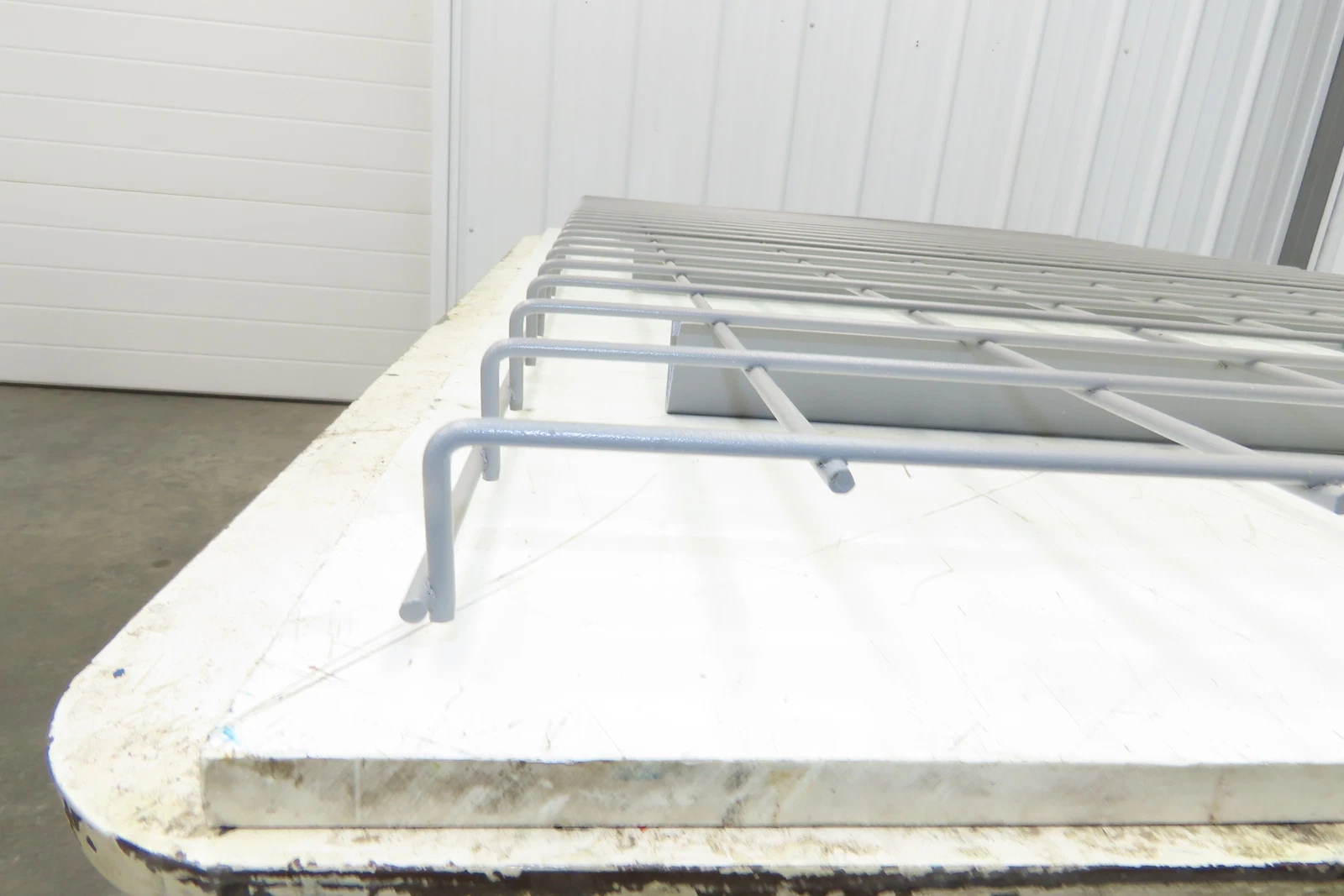
What Emotional Value Do Employees Find In a Streamlined Warehouse?
How Can Optimized Warehouse Processes Enhance Customer Satisfaction?
Optimized warehouse processes are like the backbone of a successful business—strong, reliable, and often overlooked until something goes wrong. When we talk about enhancing customer satisfaction, it all boils down to understanding the nitty-gritty of what goes on behind the scenes. Take racking systems, for instance. These aren’t just metal frameworks storing products; they are a carefully thought-out dance of organization and efficiency. When products are stored properly, picking them becomes a breeze, leading to quicker shipping times and ultimately happier customers.
Think about it—when you order something, you’re waiting, sometimes impatiently, for that doorbell to ring. Knowing that your package is on its way because that warehouse is running smoothly gives you peace of mind. Customers want reliability. They want to know that when they hit that buy button, their product will be there on time, just as promised. A well-organized racking system ensures that every item is easy to find, reducing picking errors and expediting the entire process. This efficiency isn’t just a slick operation; it’s a commitment to quality service.
Then there’s the human side. Every day, warehouse workers show up ready to do their jobs, often in tough conditions. When warehouses invest in optimized processes, including effective racking systems, they’re not just improving operations but respecting the workers on the floor. An organized space where workers can easily navigate means less frustration and lower stress levels. In turn, happy employees lead to better service for customers. That’s a win-win.
And let’s talk ethics and accountability. Businesses that prioritize efficient warehouse practices show they care about their customers and workers alike. By reducing waste and improving logistics, they’re also working towards a greener future, which is a big deal for many folks today. Customers appreciate knowing they’re supporting a company that values sustainability as much as they do.
Moreover, when it comes down to it, optimized warehouse processes build trust. Customers begin to rely on brands that consistently deliver, often becoming loyal advocates who share their positive experiences. Community and social connection thrive when businesses commit to operational excellence, and that impacts the bottom line positively. So, investing in optimized warehouse processes isn’t just smart; it’s essential for nurturing relationships that last. Whether you’re on the receiving end of a shipment or part of the team getting it out the door, everyone feels the difference when things run right.

How Can Optimized Warehouse Processes Enhance Customer Satisfaction?
How Can Optimized Warehouse Processes Enhance Customer Satisfaction?
- Optimized warehouse processes are crucial for business success, enhancing reliability and customer satisfaction.
- Effective racking systems improve organization and efficiency, leading to quicker shipping and happy customers.
- Customers value reliability and timely deliveries, impacting their overall satisfaction and peace of mind.
- Well-organized warehouses reduce picking errors, expediting operations and demonstrating a commitment to quality service.
- Investing in optimized processes respects warehouse workers, reducing stress and improving job satisfaction.
- Prioritizing efficiency in warehouse practices promotes sustainability and ethical operations, appealing to environmentally conscious consumers.
- Optimized processes build customer trust and loyalty, fostering strong community and social connections that benefit businesses.

How Can Optimized Warehouse Processes Enhance Customer Satisfaction?
How Do Industry Leaders Approach Warehouse Optimization Strategies?
In the world of warehousing, where every square foot counts, industry leaders have learned to navigate the complexities of optimization with a blend of common sense and hard-earned experience. Picture the bustling warehouse floor: racking systems rise tall, a maze of meticulously organized SKU locations, each with its own purpose. Leaders recognize that efficient use of space isn’t just about fitting more in; it’s about creating a flow that enhances productivity and ensures safety.
When tackling optimization, the heart of it lies in understanding people—the workers moving boxes, picking items, and handling inventory. Leaders have learned that investing in their staff’s well-being translates into better efficiency. They know that a motivated employee is a productive one. Regular training and open communication foster an environment where workers feel valued, reducing turnover and boosting morale. This isn’t just a nice-to-have; it’s an ethical approach that enhances overall operations.
The head of the operation looks at hard numbers and metrics. Data analytics play a crucial role in determining the best practices. Industry leaders deploy software tools that track performance, highlighting areas for improvement and allowing for a dynamic response to changing demands. By making informed decisions based on solid data, they can streamline processes, minimizing wasted time and ensuring that every movement in the warehouse serves a purpose.
Yet, there’s also a gut feeling that comes into play. Many leaders rely on their instincts, shaped by years in the field. They trust their experience to make quick adjustments when the data doesn’t tell the whole story. This instinct is what often leads to practical solutions—like optimizing racking systems for easy access or rearranging the layout to minimize travel time.
As these leaders share stories of their journey, the lessons learned resonate with others in the industry: the value of trial and error, the importance of community in problem-solving, and the need for adaptability. By fostering connections among peers, leaders create a culture of sharing insights and best practices, ensuring everyone can benefit from collective wisdom.
In this blend of emotional engagement, rational analysis, and ethical commitment, leaders don’t just optimize warehouses; they establish environments where businesses thrive, workers feel fulfilled, and every square foot of space tells a story of efficiency and trust.

How Do Industry Leaders Approach Warehouse Optimization Strategies?
How Do Industry Leaders Approach Warehouse Optimization Strategies?
- Industry leaders in warehousing optimize space for enhanced productivity and safety.
- Understanding and investing in worker well-being leads to improved efficiency and morale.
- Regular training and open communication are essential for reducing turnover.
- Data analytics and software tools help identify improvement areas and streamline processes.
- Leaders often rely on instinct shaped by experience for practical adjustments beyond data.
- Sharing stories and lessons learned fosters community and adaptability within the industry.
- Effective optimization creates work environments where businesses thrive and employees feel fulfilled.

How Do Industry Leaders Approach Warehouse Optimization Strategies?
What Narratives Can Illustrate Successful Warehouse Transformation?
In the heart of every bustling warehouse lies a story of evolution, driven by necessity, innovation, and the tireless sweat of hard-working folks. Picture a facility where outdated racking systems once stood like relics of a bygone era, crammed with inefficiency and frustration. The sound of slamming doors and echoed voices of workers struggling to maneuver amid chaos became the daily soundtrack. Yet, beneath this surface, there thrived an unyielding determination—a collective awareness of the need for change.
Enter the transformation, sparked by a single idea: to streamline operations and optimize space. The crew dug deep, evaluating the existing racking systems, identifying the bottlenecks that plagued their workflow. They embraced a hands-on approach, engaging all levels of staff in discussions about their daily challenges. This shift ignited a fire, empowering everyone from warehouse associates to management to contribute ideas. A sense of ownership bloomed, creating a tapestry woven with the voices of those who know the ground reality best.
As a new racking system was designed and installed, hope hung in the air. Workers watched in anticipation as once-jumbled aisles transformed into organized pathways, systematized for efficiency. Picture the satisfaction of a seasoned worker who’d battled chaos for years now moving confidently down those aisles, taking pride in a clean, navigable space. It wasn’t just a physical change; it was a mental shift, a confidence booster that resonated throughout the team.
But transformation isn’t merely about physical infrastructure—it’s about the people at the heart of it. Trust flourished as management prioritized transparency, involving staff in the decisions that would shape their environment. It fostered camaraderie, igniting a shared vision where everyone felt responsible for success. Challenges turned into opportunities, missteps became lessons learned, and a culture that valued every member’s voice took root.
The success of this warehouse transformation became a local tale—one that other businesses began to take notice of. It spread beyond walls, creating connections with surrounding communities and showcasing a commitment to improvement that resonated ethically and socially. It illustrated that when people work together, leveraging their collective wisdom and experience, remarkable changes can happen.
Ultimately, the story of this warehouse is not just about racking systems or operational efficiency. It’s about resilience, trust, and the commitment to a better tomorrow—a narrative that calls to anyone who has ever toiled in the trenches, reminding us all that transformation begins with a single step, fueled by the hands and hearts of those who dare to envision something greater.

What Narratives Can Illustrate Successful Warehouse Transformation?
What Narratives Can Illustrate Successful Warehouse Transformation?
- The evolution of a warehouse driven by necessity, innovation, and hard work.
- Outdated racking systems created inefficiency and frustration among workers.
- A transformation began with the goal of streamlining operations and optimizing space.
- Staff at all levels engaged in discussions to identify workflow challenges and contribute ideas.
- The installation of a new racking system improved organization and boosted team confidence.
- Management prioritized transparency and built trust, fostering a culture of shared responsibility.
- The success story of the warehouse inspired other businesses and strengthened community connections.

What Narratives Can Illustrate Successful Warehouse Transformation?
How Does Waste Reduction In Warehouses Contribute to Sustainability?
Waste reduction in warehouses isn’t just a matter of keeping the place tidy; it’s about recognizing our responsibility to both the planet and our communities. Imagine a bustling warehouse, cluttered aisles, and overflowing bins—this isn’t just a sight for sore eyes; it’s a waste of resources that could be put to better use. By streamlining operations with efficient racking systems, warehouses can not only boost productivity but also minimize waste, leading to significant environmental benefits.
When we talk about sustainability, it’s not just a buzzword; it’s about the legacy we leave for our kids and grandkids. Reducing waste means less landfill overflow, which in turn means cleaner air and a healthier planet. Every time we optimize our storage with thoughtful racking systems, we’re making a conscious choice to reduce our carbon footprint. This isn’t just good for the environment; it’s the right thing to do. It’s a way to say, “We care.”
By embracing waste reduction practices, warehouses can save money, too. Think about the bottom line: less waste means lower disposal costs and more efficient use of materials. This kind of financial sense helps create a stronger business, which in turn supports local families. It’s a win-win situation that connects us all. When a warehouse cuts down on waste, it improves operations and demonstrates a commitment to ethical responsibility.
Let’s visualize a day in the life of a warehouse worker. The realization hits that every box, every piece of material used, has a story. It’s a cycle of resources—materials that pulse through our economy. When you see the benefits of optimized racking systems, it sparks a sense of pride. You’re not just moving goods; you’re part of a movement toward sustainability. Those steel beams aren’t just for storage; they hold the potential for a greener future.
Each time you step into a well-organized warehouse, you witness the power of conscious choices. Goods flow smoothly, and the waste is at an all-time low. As workers feel valued in their roles, the morale lifts. This sense of connection—between the work they do and the world around them—invites action. It’s about more than just cutting down on excess; it’s about fostering a culture of responsibility. Through waste reduction, warehouses can lead the charge towards a sustainable future, proving that even in the most ordinary tasks, we have the power to make extraordinary changes.

How Does Waste Reduction In Warehouses Contribute to Sustainability?
How Does Waste Reduction In Warehouses Contribute to Sustainability?
- Waste reduction in warehouses is essential for environmental and community responsibility.
- Efficient racking systems can boost productivity and minimize waste.
- Reducing waste leads to cleaner air and a healthier planet for future generations.
- Optimized storage reduces the carbon footprint and shows commitment to sustainability.
- Waste reduction practices can lead to lower disposal costs and more efficient use of materials.
- A well-organized warehouse enhances worker morale and fosters a culture of responsibility.
- Even small changes in waste management can contribute to significant environmental impacts.

How Does Waste Reduction In Warehouses Contribute to Sustainability?
Conclusion
Optimizing warehouse operations is more than just improved efficiency; it’s about creating a vibrant, respectful workplace that values both profits and people. A well-organized warehouse, marked by efficient racking systems and streamlined processes, transforms daily grind into a rewarding experience. Workers find joy in knowing that their contributions matter and are supported by an environment designed for success. This clarity and purpose foster camaraderie, trust, and a shared sense of ownership among team members, which ultimately enhances morale and performance.
Financially, the benefits of optimized warehouses are substantial. By reducing labor costs through efficient workflows, companies can see immediate returns on their investments. Faster pick times mean quicker shipments, resulting in satisfied customers eager to return for more. Every dollar saved can be reinvested into further improvements, creating a cycle of growth that benefits everyone involved. This intelligent use of resources not only helps the bottom line but also opens up new possibilities for development and innovation.
From an ethical perspective, investing in warehouse optimization reflects a commitment to your employees and the broader community. Streamlined processes minimize waste and reduce the company’s carbon footprint, showing respect for the environment. When businesses prioritize sustainability, they connect with customers who value responsible practices, building loyalty based on shared values.
Narratives of transformation reveal the power of engagement. Teams that share ideas and actively participate in changes often observe remarkable improvements in efficiency and productivity. A culture of collaboration allows for the blending of practical experience with data-driven insights, leading to a well-rounded strategy that resonates throughout the organization. People become part of the narrative, each contributing to a vibrant story of progress and resilience.
A commitment to waste reduction further underscores the importance of responsible practices in warehouses. By cutting down on excess, organizations not only save on disposal costs but also contribute to a cleaner planet. Employees take pride in their roles, understanding that their efforts help create a sustainable future. Each act of optimization becomes a step toward a greener tomorrow, transforming what might seem like mundane tasks into meaningful contributions.
In conclusion, investing in warehouse optimization is a holistic approach that impacts the heart, head, and gut. It’s about smart decisions that lead to operational excellence, a supportive work culture, and a sustainable future. By valuing both the process and the people, warehouses can truly flourish, turning challenges into opportunities for everyone involved.

Conclusion
Conclusion:
- Optimizing warehouse operations enhances both efficiency and workplace culture.
- A well-organized warehouse fosters worker satisfaction and a sense of purpose.
- Reduced labor costs and faster shipping improve financial returns for companies.
- Investing in optimization supports sustainability and minimizes environmental impact.
- Active employee engagement leads to significant improvements in productivity.
- Waste reduction initiatives contribute to a cleaner planet and employee pride.
- Overall, warehouse optimization promotes operational excellence and a supportive culture.

Conclusion
Other Resources

Other Resources
Here is a list of other resources you can review online to learn more:
- ASSP
- What is Selective Pallet Racking
- Warehouse Racking Layout: The Ultimate Guide – Conger
- Shipping Boxes, Packaging Materials, Pallet Racking
- Selective Racking
- Logic Material Handling
- Total Warehouse
- IWLA
- Warehouse Racks, Warehouse Racking in Stock – ULINE
- Material Handling Industry
- Pallet Racking systems in Illinois and Great Lakes
- Cantilever Rack Configuration & Installation: A Comprehensive Guide – BMH
- IIWS Inc. Rack Installation Illinois & Rack Repairs Illinois
- WERC
- Illinois
- Arrow Industrial Sales
- IIWS Inc. Rack Installation Illinois & Rack Repairs Illinois
- Illinois Pallet Racking – Storage Solutions
- New Cantilever Racks and Racking Kits
- BMH
Use This Prompt To Get More Resources With Your Favorite Online AI Tool: Please provide me with a list of online articles with their URLs in a bulleted list that I can read regarding Payback Periods for Warehouse Optimization

Other Resources
Glossary Terms
Payback Periods for Warehouse Optimization – Glossary Of Terms
1. Payback Period: The time it takes for an investment to generate enough cash flow to recover the initial cost.
2. Warehouse Optimization: The process of improving warehouse operations to maximize efficiency and productivity.
3. Inventory Turnover: A measure of how many times inventory is sold or used in a period, indicating the efficiency of inventory management.
4. Lead Time: The total time taken from placing an order to receiving the goods.
5. Safety Stock: Extra inventory kept on hand to prevent stockouts due to variability in demand or supply chain delays.
6. Stock Keeping Unit (SKU): A unique identifier for each distinct product and service that can be purchased.
7. Utilization Rate: The percentage of available warehouse space that is being used for storage or operations.
8. Throughput: The amount of material or product a facility can produce or handle in a given period.
9. Inventory Cost: The total cost associated with holding, storing, and managing inventory.
10. Order Fulfillment: The complete process of preparing and delivering goods to customers after an order is placed.
11. Cross-Docking: A logistics practice where incoming goods are directly transferred to outgoing trucks, minimizing storage time.
12. E-commerce Fulfillment: The process of receiving, processing, and delivering orders placed through online retail channels.
13. Pick-and-Pack: The procedure of selecting items from inventory and packing them for shipment to fulfill an order.
14. Flow Rack: A storage system designed to allow easy access to items with a FIFO (first in, first out) methodology.
15. Cycle Counting: An inventory auditing procedure where a small part of the inventory is counted on a specific day.
16. Warehouse Management System (WMS): Software designed to support warehouse operations by managing inventory, space, and order fulfillment.
17. Lean Warehousing: An approach that seeks to minimize waste and improve efficiency in warehouse operations.
18. Barcoding: The use of barcodes to identify products uniquely and track inventory efficiently.
19. Warehouse Layout: The design and arrangement of space within a warehouse to optimize workflow and efficiency.
20. Bulk Storage: Storing large quantities of items in a single location to improve space utilization and reduce handling.
21. Dock-to-Stock Time: The time taken to move products from receiving docks to storage locations within the warehouse.
22. Pick Rate: The average number of items picked by a warehouse worker in a given time frame.
23. Return on Investment (ROI): A performance measure used to evaluate the efficiency of an investment.
24. Cost per Order: The total cost associated with processing and fulfilling a single order.
25. Demand Forecasting: The process of estimating future customer demand to optimize inventory levels.
26. Project Management: The discipline of planning, executing, and closing projects to optimize resources and business objectives.
27. Space Optimization: Techniques and strategies used to maximize the use of available warehouse space.
28. Automated Storage and Retrieval Systems (AS/RS): Computer-controlled systems that automatically store and retrieve items in a warehouse.
29. Supplier Lead Time: The amount of time it takes for suppliers to deliver goods after receiving an order.
30. Reverse Logistics: The process of moving goods from their final destination back to the manufacturer or other location for returns, repairs, or recycling.
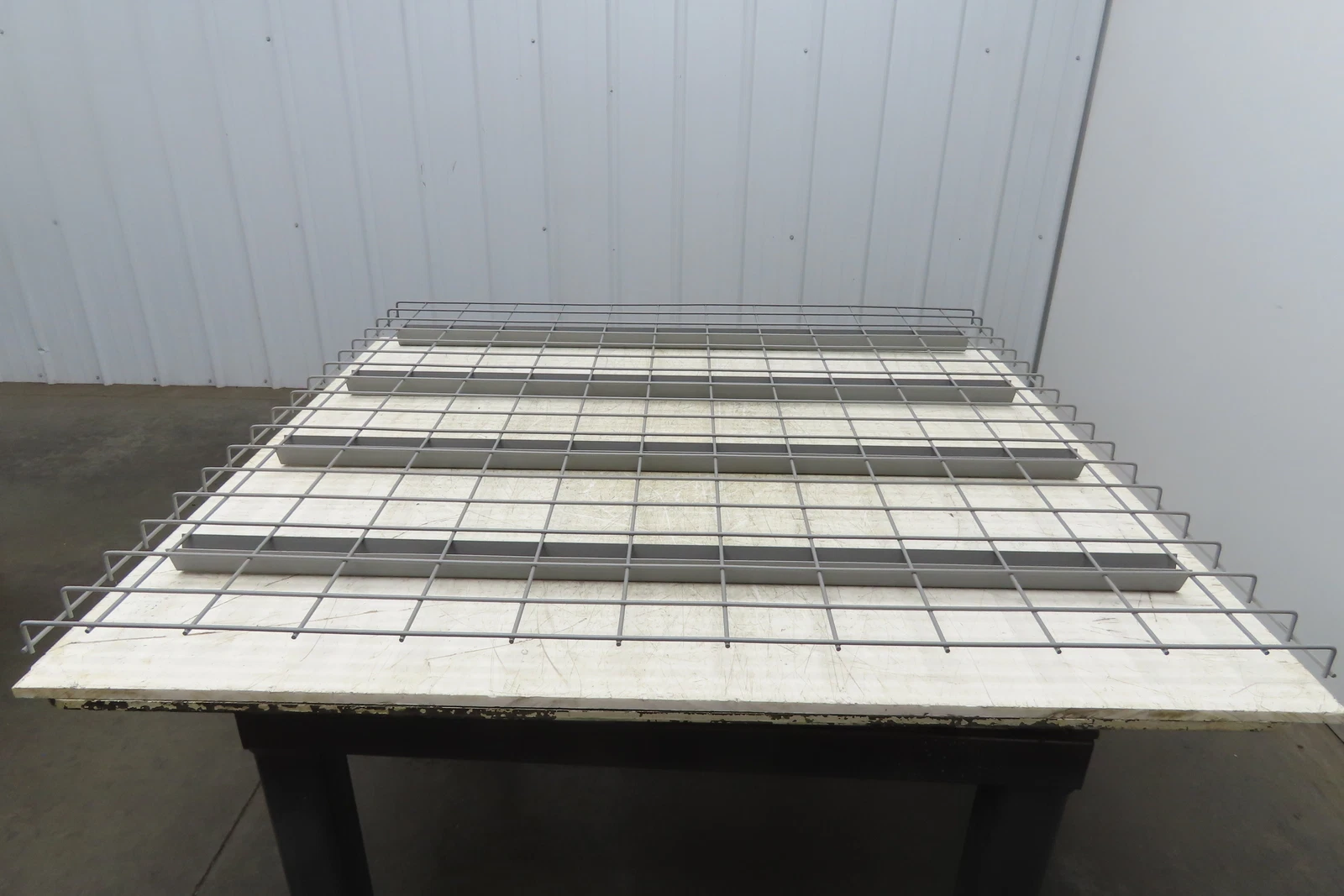
Glossary Of Terms
Other Questions
Payback Periods for Warehouse Optimization – Other Questions
If you wish to explore and discover more, consider looking for answers to these questions:
- How is the payback period for a warehouse optimization project calculated?
- What specific costs should be included when estimating ROI for new racking systems?
- How long does it typically take to recoup expenses from different types of warehouse investments (racking, conveyors, WMS, automation)?
- What are common financing options and lease vs buy considerations for warehouse equipment?
- Which KPIs should be tracked before and after optimization to measure success?
- How do you quantify labor savings from reduced picking time and fewer errors?
- What are realistic labor-cost reduction percentages to expect from racking upgrades?
- How does inventory accuracy improvement impact working capital and cash flow?
- What are typical installation timelines and operational downtime for racking or conveyor upgrades?
- How disruptive is installation to daily operations and what mitigation strategies work best?
- What are the maintenance and lifecycle costs associated with different racking systems?
- How do you factor depreciation, warranties, and resale value into payback calculations?
- What safety and regulatory standards (e.g., OSHA) must be considered when changing racking layouts?
- How do optimization projects affect insurance premiums and liability exposure?
- What change-management and training programs are most effective to gain employee buy-in?
- How can you measure the emotional and morale benefits of a streamlined warehouse?
- Which software tools (WMS, analytics, simulation) are most valuable for planning and monitoring optimization?
- How do you pilot an optimization change and scale successful pilots across facilities?
- What are common implementation pitfalls and how can they be avoided?
- How do you choose between incremental improvements and a full overhaul?
- What metrics demonstrate improved customer satisfaction tied to warehouse changes?
- How do optimized operations contribute to sustainability metrics and carbon footprint reduction?
- Are there government incentives, grants, or tax benefits for energy-efficient or sustainable warehouse upgrades?
- How do you calculate waste-reduction savings (materials, disposal, returns) from optimization?
- What role do automation technologies (AGVs, sorters, robotics) play in payback periods compared with low-tech solutions?
- How interoperable are new systems with legacy ERPs and supply-chain platforms?
- What vendor selection criteria best predict long-term value and serviceability?
- Can you see case-study examples with before-and-after financial and operational metrics?
- How should risk and sensitivity analysis be performed on projected payback timelines?
- What differences in payback expectations exist for small, medium, and large warehouses?

Other Questions
Checklist
Payback Periods for Warehouse Optimization – A Checklist
Purpose and Scope
✅______ Define the primary objective (e.g., reduce labor cost, increase throughput, improve accuracy).
✅______ Identify scope (areas, shifts, SKUs, processes) and constraints (space, budget, timeline).
Baseline and Metrics
✅______ Capture current KPIs: pick rate, lines/hour, OTIF, order accuracy, dock-to-stock time, cycle count accuracy, damage rate, returns rate.
✅______ Quantify current costs: direct labor, overtime, temp labor, MHE, maintenance, space/lease, utilities, packaging, waste disposal.
✅______ Map current process times and travel distances.
Investment Candidates
✅______ Racking upgrades (e.g., selective, double-deep, push-back, pallet flow, carton flow, mezzanines).
✅______ Layout and slotting optimization (ABC, velocity zoning, golden zone).
✅______ Conveyance/automation (conveyors, put-to-light, AMRs where applicable).
✅______ WMS/WES enhancements, barcode/RFID, labeling.
✅______ Workforce training and standard work improvements.
✅______ Safety and ergonomics upgrades.
Payback Period Analysis
✅______ Estimate total investment (CapEx + installation + downtime + training + change management).
✅______ Identify savings streams: labor hours reduced, errors/returns reduced, damages reduced, space utilization gains, throughput gains, overtime elimination, packaging/waste reduction, utility savings.
✅______ Calculate net monthly savings and payback period (months = total investment / net monthly savings).
✅______ Set payback threshold (e.g., ≤ 18 months) and prioritize options meeting the target.
✅______ Run sensitivity analysis on volumes, wage rates, error rates, and seasonality.
Operational Readiness
✅______ Validate data integrity (SKU dimensions/weights, demand history, locations).
✅______ Confirm inventory accuracy and replenishment logic.
✅______ Check MHE compatibility (forks, reach, aisle widths, turning radius).
✅______ Verify fire code, egress, and sprinkler clearance requirements.
Layout and Flow
✅______ Optimize inbound-to-outbound flow; minimize cross-traffic and dead zones.
✅______ Set aisle widths, pick paths, and replenishment routes.
✅______ Maximize vertical space while maintaining safe access and visibility.
✅______ Design fast lanes for high-velocity SKUs; dedicate zones for bulk vs each pick.
Process Improvements
✅______ Standardize receiving, putaway, picking, packing, and shipping SOPs.
✅______ Introduce error-proofing (scanning at pick/pack/ship; weight checks).
✅______ Define exception handling for shorts, damages, and substitutions.
✅______ Establish visual management and real-time dashboards.
People and Culture
✅______ Create role-based training plans and certification.
✅______ Engage floor teams in design, trials, and feedback loops.
✅______ Appoint change champions and peer trainers.
✅______ Reinforce safety culture; update job hazard analyses (JHAs) and safety walks.
✅______ Recognize performance improvements and share wins.
Customer Impact
✅______ Align changes to customer SLAs and cut-off times.
✅______ Track on-time-in-full (OTIF), promise-to-ship time, and delivery accuracy post-change.
✅______ Improve returns handling speed and quality checks.
Sustainability and Waste Reduction
✅______ Reduce travel distance and idle time; track energy use.
✅______ Right-size packaging; implement reuse/recycling streams.
✅______ Minimize damages through better storage/handling.
✅______ Measure waste disposal costs before and after.
Risk and Compliance
✅______ Confirm racking load ratings, anchoring, and inspections.
✅______ Obtain permits and engineering stamps where required.
✅______ Plan phased installs to maintain service levels.
Financial Governance
✅______ Separate CapEx vs OpEx; set depreciation schedules.
✅______ Define budget owner, approval gates, and contingency.
✅______ Establish benefit tracking owner and cadence.
Implementation Planning
✅______ Pilot in a controlled area with clear entry/exit criteria.
✅______ Define milestones, responsibilities, and timeline.
✅______ Plan cutover, downtime windows, and inventory staging.
✅______ Communicate daily during go-live; resolve defects rapidly.
Verification and Benefit Realization
✅______ Compare actuals vs business case at 30, 60, and 90 days.
✅______ Lock in labor standards and engineered rates.
✅______ Retire temporary workarounds; update SOPs and WMS settings.
✅______ Document lessons learned.
Storytelling and Social Proof
✅______ Capture before and after photos, metrics, and operator testimonials.
✅______ Share success narrative with customers, partners, and teams.
Reinvestment Plan
✅______ Define the threshold for reinvestment once payback is achieved.
✅______ Maintain a prioritized roadmap of next improvements.
Continuous Improvement
✅______ Establish weekly Gemba walks and monthly KPI reviews.
✅______ Refresh slotting quarterly or with demand shifts.
✅______ Audit safety, quality, and 5S regularly.
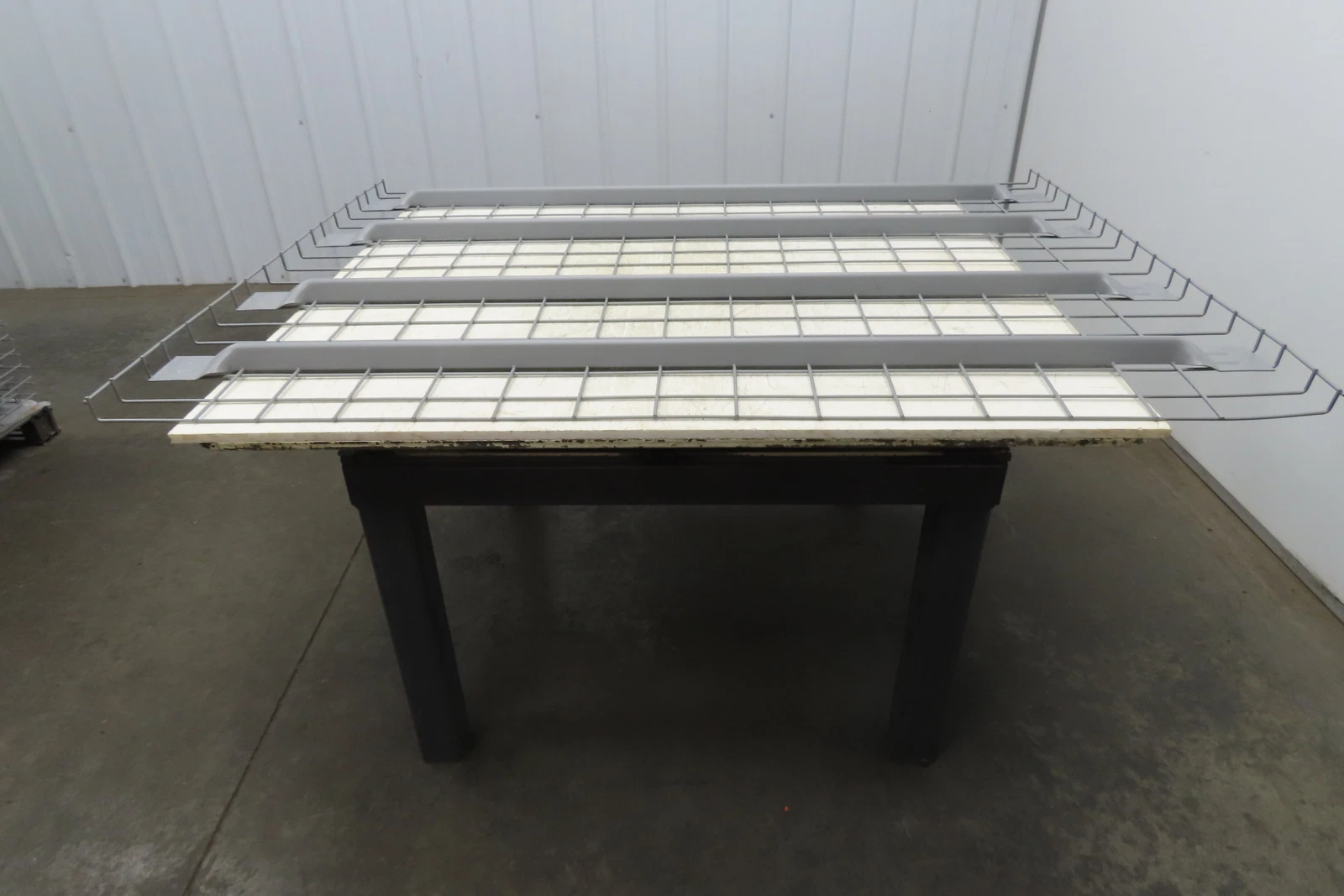
Checklist
At RackingWorld, we help guide you through selecting warehouse storage systems and racking.
Be sure to read our other related stories at RackingWorld to learn more about warehouse storage systems.
0 Comments