
Ensure Safety And Reliability: Key Insights For Effective Rack Inspections
By Tom Seest
At RackingWorld, we help guide you through selecting warehouse storage systems and racking.
Be sure to read our other related stories at RackingWorld to learn more about warehouse storage systems.
Rack Inspections: What to Look For
When it comes to racking systems, safety isn’t just a box to tick off—it’s a way of life. Every inspection carries weight; it’s about the trust you place in these structures to hold not only your inventory but the heart of your business. So, let’s roll up our sleeves and dig into what you should be on the lookout for during these crucial checks.
First, examine the structural integrity of your racking systems. Look for any signs of bending or warping; a slight bend might not seem like much, but it can signal deeper issues that could spiral into serious accidents. Remember, when you spot a potential problem, you’re not just safeguarding steel and shelves; you’re protecting your team, your livelihood, and your peace of mind.
Next, inspect the base and connections where racks meet the floor and each other. These joints should be solid and free from corrosion or wear. Even the toughest systems need to be anchored firmly to the ground; a loose connection could lead to a catastrophic collapse. It’s a sobering thought that a few minutes spent checking these details can lead to countless hours saved in avoiding accidents and repairs.
Don’t forget about load limits. Respecting these specifications is not just a guideline; it’s an ethical responsibility. Overloading racking systems can lead to disaster, not just financially but in lost lives and injuries. Keep a conscience clear by ensuring your inventory stays within safe limits, and train your team to understand the importance of this.
As you inspect, engage your team; they’re often the first line of defense. Make it a conversation, share stories, and tap into their experiences. This is where you build a culture of safety, trust, and responsibility. The more they feel part of the solution, the more invested they’ll be in keeping things secure. Their hands-on insights can often uncover issues that a manager sitting behind a desk might miss.
Lastly, add a touch of routine. Regular inspections shouldn’t feel like a chore; think of them as part of your everyday rhythm—a moment to connect with your workspace and your coworkers. When everyone sees the value in these checks, you create an environment where safety becomes second nature. It’s about fostering a climate of vigilance and pride in your workplace.
Racking systems might seem simple, but their role in the grand scheme is crucial. Quality inspections are the heartbeat of a safe operation. Invest in this practice; your team’s safety and your business’s success depend on it.

Rack Inspections: What to Look For
Rack Inspections: What to Look For
- Safety in racking systems is essential, representing both trust and responsibility.
- Inspect for structural integrity, watching for signs of bending or warping that may indicate deeper issues.
- Check base and connection points for corrosion or wear; loose connections can lead to collapses.
- Adhere to load limits as an ethical responsibility to prevent accidents and injuries.
- Engage team members in inspections to foster a culture of safety and responsibility.
- Make inspections a routine part of operations, promoting safety awareness among staff.
- Quality inspections are vital for maintaining a safe work environment and the success of the business.

Rack Inspections: What to Look For
Table Of Contents
- Rack Inspections: What to Look For
- What Are the Common Signs Of Rack Damage?
- How Can Rack Inspections Save Costs?
- What Safety Regulations Govern Rack Inspections?
- What Are the Consequences Of Neglecting Rack Maintenance?
- How Often Should Racks Be Inspected for Safety?
- What Tools Are Essential for Effective Rack Inspections?
- Conclusion
- Other Resources
- Glossary Of Terms
- Other Questions
- Checklist
What Are the Common Signs Of Rack Damage?
When you’re working in a warehouse, the racking systems are the unsung heroes. They keep everything organized and accessible, yet their welfare often goes unnoticed until trouble strikes. Damaged racks can jeopardize safety, efficiency, and productivity. Recognizing the signs of rack damage can save you a world of headaches—both financially and in terms of risk.
One of the clearest indicators of rack damage is physical deformation. If you notice any bends or warps in the beams or uprights, it’s a red flag that should not be ignored. These structures are designed to bear heavy loads, and any distortion can lead to catastrophic failure. Think about it: no one wants to be on the receiving end of a collapsing pallet.
Another telltale sign is visible cracks or rust. Over time, exposure to moisture and heavy use can take its toll on the integrity of metal racking systems. A spider-web crack might seem small, but it’s a signal that the material has weakened. Don’t be fooled by minor signs; they can snowball into bigger problems that affect your entire operation. The last thing you want is an accident caused by negligence.
Inspecting for loose hardware is also crucial. If bolts are stripped or missing, the entire assembly could be at risk. Tighten things up—literally and figuratively. Regular checks and maintenance not only preserve the equipment but foster a culture of safety in your workplace. Demonstrating commitment to safety sends a message that you value both your team and your assets.
Pallet misalignment is another common indicator. If you find that pallets are hanging off racks or not resting evenly, it’s time to reassess your loading practices. This isn’t just about aesthetics; misaligned loads can lead to instability that puts everyone at risk. A little mindfulness goes a long way.
Finally, always keep an eye on the load capacity markings. If you’re consistently pushing those limits, it’s no wonder the racks are showing signs of wear. Respecting the guidelines not only protects your equipment but also upholds the safety of your co-workers. When you honor these limits, it builds a culture of trust, teamwork, and responsibility.
Understanding these signs of rack damage isn’t just about being diligent; it’s about creating a safe and productive environment. Your racking systems deserve attention, and so does the well-being of everyone who relies on them. Pay attention, take action, and keep your operation running smoothly.

What Are the Common Signs Of Rack Damage?
What Are the Common Signs Of Rack Damage?
- Racking systems in warehouses are essential for organization and accessibility.
- Signs of rack damage include physical deformation, such as bends or warps.
- Visible cracks or rust indicate weakened structural integrity, needing immediate attention.
- Loose hardware, like stripped or missing bolts, poses risks to safety and stability.
- Pallet misalignment can lead to safety hazards and should prompt a review of loading practices.
- Monitor load capacity markings to prevent overloading and equipment wear.
- Recognizing and addressing these signs fosters a safe and productive work environment.

What Are the Common Signs Of Rack Damage?
How Can Rack Inspections Save Costs?
When it comes to warehouses or distribution centers, racking systems are the backbone of operations. These structures hold up everything from boxes of everyday products to valuable inventory, and their reliability is critical. Skipping regular rack inspections might save a couple of bucks in the short run, but the long-term costs can be staggering. Imagine a scenario where a rack collapses under pressure due to unseen damage. Not only do you face the immediate financial loss of inventory, but the ripple effect can cripple operations, leading to delays that frustrate customers and damage your reputation.
Looking at it rationally, conducting routine inspections can catch small issues before they snowball into larger, costlier problems. It’s about being smart with your resources and avoiding unnecessary spending. Each inspection helps identify wear and tear, misalignment, or any flaws in the racking systems, allowing you to get things fixed before they become bigger headaches. Think of these checks as a form of insurance; you’re investing in the longevity of your equipment, which pays dividends down the road.
On an ethical level, maintaining safe racking systems is about more than just dollars and cents. It’s about protecting your employees and the people who rely on your business. A safe work environment fosters a culture of trust and morale among staff, which can translate to increased productivity. When your team knows that their safety is a priority, they’re more likely to take ownership of their work and feel a sense of pride in what they do.
From a narrative standpoint, consider the stories of companies that didn’t prioritize inspections and faced disastrous outcomes. Their tales are cautionary ones—warehouses filled with chaos and lost trust, embarrassing slips that could have been avoided. By sharing these experiences, it becomes clear that consistent inspections are a vital piece of the operational puzzle.
Socially, when you take rack inspections seriously, you set an example in your industry. You show others that you care—about safety, about your team, and about quality. This not only inspires confidence among your employees but also strengthens relationships with your customers. They see a business that doesn’t cut corners and is willing to invest in safety and efficiency.
In short, routine rack inspections are not just a cost, but a wise investment that pays off in safety, productivity, and reliability of your racking systems. Saving money today by ignoring inspections could lead to spending much more tomorrow.

How Can Rack Inspections Save Costs?
How Can Rack Inspections Save Costs?
- Racking systems are essential for warehouse operations, holding significant inventory.
- Skipping regular inspections can result in costly long-term consequences, including inventory loss and operational delays.
- Routine inspections help identify small issues before they become major problems, saving money over time.
- Maintaining safe racking systems protects employees and enhances workplace morale and productivity.
- Stories of companies neglecting inspections highlight the risks of ignoring this critical aspect.
- Conducting inspections sets a positive example in the industry, demonstrating a commitment to safety and quality.
- Investing in regular inspections is a financial strategy that ensures safety, productivity, and system reliability.

How Can Rack Inspections Save Costs?
What Safety Regulations Govern Rack Inspections?
When it comes to ensuring a safe working environment, the backbone lies in understanding the safety regulations that govern rack inspections. Racking systems are not just metal frameworks holding up products; they represent the trust we place in our infrastructure and our coworkers. When we walk into a warehouse, we don’t just see shelves and pallets; we see lives and livelihoods at stake. The safety regulations in place are there to protect every single person who steps into that facility each day.
The Occupational Safety and Health Administration (OSHA) sets the groundwork with a series of standards that require regular inspections of racking systems. These standards urge warehouses to maintain and inspect their racking. Imagine a racking system collapsing due to a simple oversight—sudden, preventable chaos that can easily be avoided with regular, meticulous inspections. Inspecting racks isn’t just a box to check; it’s a way to safeguard all the hands that carefully navigate the aisles, making sure every product is safely stored and that safety remains paramount.
Apart from OSHA, industry standards such as those from the American National Standards Institute (ANSI) underscore the necessity of evaluating the structural integrity of racking systems. Following these guidelines isn’t just compliance; it’s about fostering a workplace culture that prioritizes the well-being of everyone involved. It hammers home the point that safety isn’t merely an obligation—it’s a shared value, an ethical obligation that binds us all as we work side by side.
In practical terms, visual inspections should occur daily, but more in-depth inspections should be undertaken at least annually by trained professionals. This isn’t a luxury or an afterthought; it’s a commitment that reflects the responsibility we carry for each other. Picture your co-worker reaching for a product five feet above their head. If the racking has wear, tear, or unseen flaws, even the smallest slip can have drastic consequences.
Teams that prioritize these inspections not only meet compliance requirements; they build bonds of trust within their workforce. The all-too-common story of the “near miss” serves as a stern reminder that diligence today pays off tomorrow. It’s about recognizing that every inspection leads to lives spared, jobs preserved, and an overall healthier workplace. It all comes down to one simple truth: safety regulations governing rack inspections are here to ensure that every trip through those aisles is grounded in security, responsibility, and respect for the people who make the operation run smoothly.

What Safety Regulations Govern Rack Inspections?
What Safety Regulations Govern Rack Inspections?
- Understanding safety regulations is essential for ensuring a safe working environment during rack inspections.
- Racking systems symbolize trust in infrastructure and the safety of all individuals in the facility.
- OSHA mandates regular inspections of racking systems to maintain safety and prevent accidents.
- Visual inspections should occur daily, while in-depth inspections are recommended annually by trained professionals.
- Compliance with standards from OSHA and ANSI promotes a culture of safety and employee well-being.
- Prioritizing inspections fosters trust within the workforce and helps prevent accidents.
- Safety regulations aim to ensure each trip through warehouse aisles prioritizes security and respect for workers.

What Safety Regulations Govern Rack Inspections?
What Are the Consequences Of Neglecting Rack Maintenance?
Neglecting rack maintenance can lead to a cascade of consequences that affect not just the efficiency of a warehouse, but also the safety and livelihoods of the people working within it. Racking systems, built to hold heavy loads and streamline operations, are only as strong as the care they receive. Over time, without proper inspection and upkeep, these systems can degrade. Picture a warehouse filled with materials, each box balanced precariously on an aging rack. One day, that unsteady load could come crashing down, turning a routine day into a nightmare.
From a safety perspective, the stakes couldn’t be higher. A single failure in a racking system might not just cause delays or damaged merchandise; it could injure workers or even lead to fatalities. This isn’t just about numbers on a spreadsheet; it’s about real people who rely on safe working conditions to provide for their families. When maintenance falls by the wayside, the fabric of trust among coworkers frays. They begin to second-guess the safety of their environment and their reliance on the equipment. Who wants to put their life on the line for a company that cuts corners on essential maintenance?
Rationally speaking, skimping on rack maintenance is a false economy. The cost of repairs and liability from accidents can far outweigh the investment needed for regular upkeep. A bumped corner on a rack could lead to a costly rebuild. When management neglects their racking systems, it sends a clear message: profits come before people—hardly a sustainable business practice. Ethical responsibility should guide all decisions. It’s about doing right by employees and fostering a culture of care and diligence.
Moreover, think about the long-term implications for operations. When racks are maintained, it increases productivity. Workers can navigate safely and efficiently, knowing they’re supported by stable, reliable systems. This engenders a strong sense of pride and community among the workforce. When maintenance becomes a priority, you see a ripple effect; morale improves, and that translates into higher performance and lower turnover rates.
The story of neglect isn’t just about rust and wear; it’s about a workplace becoming a better place for everyone involved. It’s about respect for both the equipment and the people who make operations tick. Ignoring rack maintenance is a choice with far-reaching consequences, but choosing diligence is a commitment to safety, efficiency, and a thriving business.
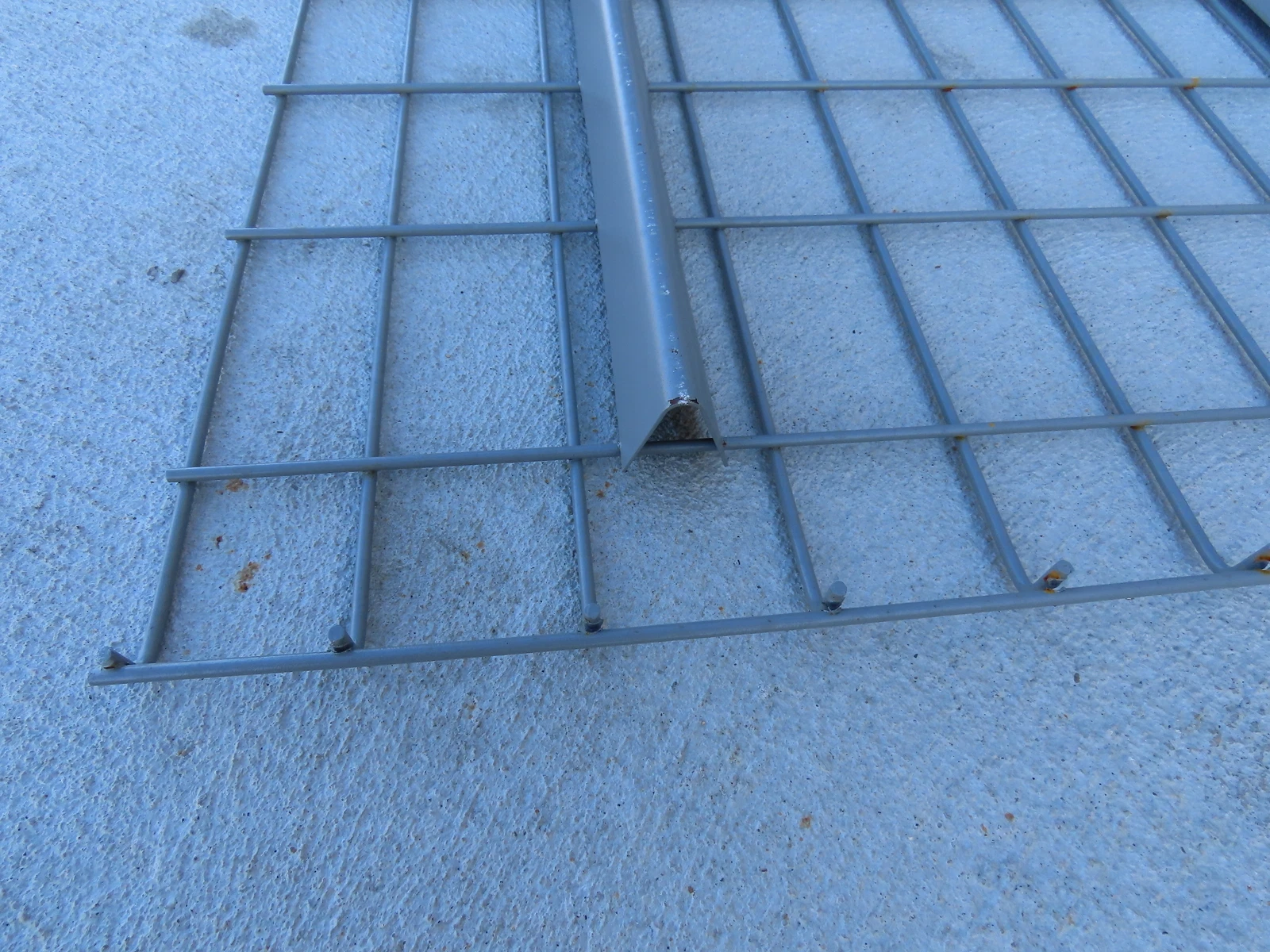
What Are the Consequences Of Neglecting Rack Maintenance?
What Are the Consequences Of Neglecting Rack Maintenance?
- Neglecting rack maintenance can compromise warehouse efficiency and worker safety.
- Racking systems deteriorate without proper inspection and upkeep, risking accidents.
- A failure in racking systems can lead to injuries, fatalities, and damaged merchandise.
- Cutting corners on maintenance erodes trust among workers regarding safety.
- Ignoring maintenance is economically shortsighted; repair costs often exceed maintenance investments.
- Regular maintenance boosts productivity, worker morale, and creates a supportive environment.
- Prioritizing rack maintenance fosters a culture of care and ethical responsibility in the workplace.

What Are the Consequences Of Neglecting Rack Maintenance?
How Often Should Racks Be Inspected for Safety?
When it comes to Racking Systems, the phrase “out of sight, out of mind” can be dangerous. A neglectful attitude toward inspections puts not only equipment at risk but also the safety of everyone in the vicinity. The truth is, the lives and livelihoods of your team hinge on these unseen structures. When racks fail, it’s not just an inconvenience—it can lead to serious injuries or worse. That’s why a regular inspection schedule isn’t just a box to check; it’s a moral responsibility.
Every seasoned warehouse worker knows the hum of daily operations, but few recognize the silent threat of loading injuries due to poorly maintained racks. Emotionally, when you consider the hard work of your colleagues, it’s heartbreaking to think a preventable accident could disrupt not just a shift, but lives and families. Every time you pause to conduct a safety check, you honor their efforts and commitment. You’re not just inspecting metal; you’re safeguarding the people who depend on those racks.
Rationally, a proactive approach to inspections makes sense financially. Regular checks can help identify issues before they escalate, saving resources in the long run. It’s a small investment of time that yields considerable dividends, allowing for timely repairs and reducing the risk of potential loss or liability. Missing an inspection can lead to catastrophic outcomes, now that’s a hit no one wants to take.
From an ethical standpoint, it’s imperative to foster a culture of safety within your workspace. By being diligent, you set a standard for your peers and invite an open dialogue about safety practices. The more attention we give to Racking Systems, the more we cultivate an environment where speaking up about concerns becomes the norm, not the exception.
Moreover, there’s weight in authority when your routine aligns with industry standards. Following regulations and guidelines lends you credibility as a leader in your domain. Sharing success stories or lessons learned from past experiences with rack failures can resonate deeply with your team, creating an engaging narrative for everyone.
Lastly, think about the community you build around these practices. Workers who feel safe and valued are more likely to thrive and invest in their work. Establishing regular inspections creates a shared commitment to safety. It’s not just about preventing accidents; it’s about fostering teamwork, resilience, and ultimately, trust. When everyone takes part in ensuring the integrity of Racking Systems, the entire operation stands stronger and united. Prioritize those inspections—your team deserves it.

How Often Should Racks Be Inspected for Safety?
How Often Should Racks Be Inspected for Safety?
- Neglecting inspections of Racking Systems risks equipment and personnel safety.
- Regular inspections are a moral responsibility to protect the lives and livelihoods of team members.
- Preventable accidents from poorly maintained racks can disrupt lives and operations.
- Proactive inspections save resources and reduce potential loss or liability.
- Fostering a culture of safety encourages open dialogue about safety practices among peers.
- Aligning inspections with industry standards enhances credibility and authority as a leader.
- Building a community around safety promotes teamwork, resilience, and trust within the workspace.

How Often Should Racks Be Inspected for Safety?
What Tools Are Essential for Effective Rack Inspections?
When it comes to keeping your racking systems in top shape, having the right tools at your disposal is non-negotiable. Picture this: you’re about to step onto the warehouse floor, where every beam and bolt of those racking systems tells a story. A story of hard work and dedication. But without the right tools, you might miss the signs that tell you if that story is heading for trouble.
First off, a reliable set of inspection tools—like a good quality torque wrench—is your best friend. It’s all in the details. Those bolts securing the racks must be tightened just right; too loose, and you’re courting disaster. With a torque wrench, you’re not just ensuring safety; you’re taking responsibility for the well-being of every worker who depends on that structure.
Next, consider a robust flashlight. You can’t fix what you can’t see. A bright, durable flashlight allows you to inspect hard-to-reach corners and shadows under the racking systems. It’s more than just a light; it’s a tool that shines a spotlight on potential hazards, ensuring you’re well-equipped to tackle problems before they grow.
Then there’s the inspection checklist, an often-overlooked yet critical component. This isn’t just a piece of paper; it’s your action plan, your roadmap. With a thorough checklist, you won’t get sidetracked. You’ll check every joint, every beam, with purpose. This methodical approach not only builds confidence in your inspections but fosters an ethic of care among your team.
And let’s not forget about mobile devices. In today’s connected world, having access to digital inspection tools can streamline reporting and record-keeping. An app that allows you to log conditions in real-time fosters accountability and keeps the team informed and engaged in the upkeep process, creating a culture of safety.
Lastly, learning materials – whether that’s guidelines on racking systems or best practices for inspections – are essential. Continual learning ensures that everyone involved stays sharp and is updated on safety protocols. This builds a community of knowledgeable workers who not only understand the mechanics of racking systems but are also invested in them.
Equipped with these tools and knowing their significance fosters a deeper connection to the environment you work in. It’s about maintaining trust—not just in the racking systems themselves, but in the people who use them daily. Every inspection done right is a testament to the collective commitment to safety and efficiency. Choosing the right tools doesn’t just protect physical assets; it protects people. That’s what really matters.

What Tools Are Essential for Effective Rack Inspections?
What Tools Are Essential for Effective Rack Inspections?
- Proper tools are crucial for maintaining racking systems and ensuring safety.
- A reliable torque wrench is essential for ensuring bolts are tightened appropriately, preventing hazards.
- A robust flashlight helps inspect hard-to-reach areas, uncovering potential hazards.
- An inspection checklist is a critical action plan that guides thorough inspections and enhances team accountability.
- Mobile devices facilitate digital inspections, streamline reporting, and promote a culture of safety.
- Continuous learning through guidelines and best practices keeps personnel informed and engaged in safety protocols.
- Using the right tools fosters a deeper connection to the work environment and promotes trust among team members.

What Tools Are Essential for Effective Rack Inspections?
Conclusion
When it comes to rack inspections, the stakes are as high as they get. These systems aren’t just metal frameworks; they’re the backbone of a warehouse, cradling the very goods that keep businesses afloat. Ignoring their maintenance isn’t just short-sighted; it’s a gamble with people’s safety and livelihoods. When you take the time to conduct thorough inspections, you’re not only ensuring that your racks are structurally sound, free from bends and warps, but you’re also investing in the well-being of your workforce. A single collapse can have catastrophic consequences, emphasizing the importance of diligence in maintaining these systems.
It’s essential to examine connections at the base and make sure everything is anchored properly. A few minutes spent checking these details can prevent hours of anxiety and potential loss. Pay close attention to load limits, treating them not just as numbers but as ethical guidelines. Overloading racks is a dangerous game, risking more than inventory; it threatens lives. This responsibility extends to engaging with your team, tapping into their hands-on experience—insights they offer can be invaluable to spotting trouble before it escalates.
Regular inspections should be integrated into the fabric of daily operations. When safety checks become routine, they foster a culture of vigilance—a workplace where everyone feels accountable. Skipping these checks might save some time now, but it could result in devastating consequences later, costing far more than just financial resources. A well-maintained racking system leads to increased productivity and morale among workers who feel cared for and valued. It builds trust, not just in equipment but within the team.
Following safety regulations and standards shouldn’t just be about compliance; it should be a reflection of your ethical commitment to protect your team. These checks support a collective responsibility to ensure that everyone can do their job safely. Embracing this mindset fosters a stronger community within your workplace, where every member feels valued and invested in a common mission.
The right tools for inspections don’t just matter for smooth operations; they represent a commitment to safety. Proper equipment, like torque wrenches and bright flashlights, ensure that inspections are thorough, allowing workers to identify and rectify issues before they escalate into disasters. When you equip your team with the necessary tools and knowledge, you cultivate an environment rooted in trust and accountability.
These efforts culminate in a safer, more successful operation. The bottom line is clear: prioritize an effective inspection routine; it’s not just about compliance—it’s about caring for your team, your assets, and ultimately, your business.

Conclusion
Conclusion:
- Rack inspections are crucial as they support the structure of warehouses and protect goods.
- Thorough inspections ensure racks are structurally sound and contribute to workforce safety.
- Pay attention to base connections and load limits to prevent hazards and maintain safety.
- Engage with team members to leverage their insights for identifying potential issues.
- Regular safety checks should be integrated into daily operations to foster a culture of vigilance.
- Following safety regulations reflects a commitment to employee well-being and accountability.
- Proper inspection tools promote thoroughness and enhance trust and safety in the workplace.

Conclusion
Other Resources

Other Resources
Here is a list of other resources you can review online to learn more:
- CMMA
- Chicago Pallet Racking
- Iowa Illinois Warehouse Racking
- Storage Equipment Manufacturers’ Association
- Pallet Racking systems in Illinois, Great Lakes
- Arrow Industrial Sales
- Teardrop Pallet Rack – Ridg-U-Rak
- What is Cantilever Racking? – AK Material Handling Systems
- Teardrop Industrial Shelving Rack
- American Society of Safety Professionals
- Mustang Material Handling
- IWLA
- Shipping Boxes, Packaging Materials, Pallet Racking
- What is Selective Pallet Racking
- BMH
- Racking World
- Bradford Systems
- Rack Manufacturers Institute
- Warehouse Racking Systems: Beginner’s Guide to Rack Systems
- Wolter
Use This Prompt To Get More Resources With Your Favorite Online AI Tool: Please provide me with a list of online articles with their URLs in a bulleted list that I can read regarding Rack Inspections: What to Look For

Other Resources
Glossary Terms
Rack Inspections: What to Look For – Glossary Of Terms
1. Rack: A framework for holding and storing items, typically used in warehouses or storage facilities.
2. Inspection: The act of examining something closely to assess its condition or compliance.
3. Load Capacity: The maximum weight that a rack can safely support without risk of failure.
4. Stability: The ability of a rack to remain upright and secure under load.
5. Alignment: The proper positioning of rack components to ensure efficiency and safety.
6. Deflection: The degree to which a rack bends or deforms under load.
7. Inspection Checklist: A list of criteria to evaluate during a rack inspection.
8. Damage: Any physical harm to the rack structure that may affect its integrity.
9. Corrosion: The deterioration of metal surfaces due to chemical reactions, often caused by moisture.
10. Compliance: Adherence to industry standards and safety regulations in rack design and use.
11. Pallet: A flat structure used as a base for storing or transporting goods on racks.
12. Vertical Clearance: The space above racks that ensures safe movement of equipment and personnel.
13. Aisle Width: The distance between racks that allows safe and efficient access.
14. Framework: The supporting structure of a rack system, usually made of metal or strong materials.
15. Inspection Frequency: The recommended interval at which rack inspections should be conducted.
16. Alteration: Any modifications made to a rack that could affect its safety or functionality.
17. Inventory Management: The process of overseeing and controlling stock on racks to optimize storage.
18. Safety First: A guiding principle emphasizing the importance of safety measures during inspections.
19. Maintenance: Ongoing upkeep required to keep racks in good working condition.
20. Forklift Access: The ability to maneuver forklifts safely around racks for loading and unloading.
21. Vertical Posts: The tall, upright components of a rack that support the structure.
22. Beams: Horizontal supports that connect vertical posts and hold the load.
23. Capacity Label: A tag or marking indicating the maximum load limit for a specific rack.
24. Wear and Tear: The gradual decline in condition of a rack due to regular use.
25. Obstruction: Any item that hinders access to racks or impairs their function.
26. Rack Bracing: Additional supports that enhance stability and strength of racks.
27. Hazardous Materials: Substances that require special handling and storage considerations on racks.
28. Inspections Records: Documentation of previous inspections, including findings and actions taken.
29. Re-Orientation: The process of repositioning racks for improved safety or efficiency.
30. Risk Assessment: The evaluation of potential hazards associated with the use of rack systems.

Glossary Of Terms
Other Questions
Rack Inspections: What to Look For – Other Questions
If you wish to explore and discover more, consider looking for answers to these questions:
- Who is qualified to perform rack inspections — internal staff or third-party inspectors?
- What specific training or certifications should inspectors have?
- Is there a sample or printable rack inspection checklist I can use?
- How should inspection findings be documented and stored?
- What are the legal or insurance reporting requirements after finding rack damage?
- What immediate actions should be taken when damage is discovered?
- When is a rack repair sufficient versus when must a rack be replaced?
- How do you calculate safe load capacities for different rack types?
- What are acceptable deflection or deformation limits for beams and uprights?
- How often should high-traffic or high-impact zones be inspected compared to low-use areas?
- What protective measures (e.g., column guards, bollards) are most effective against forklift impacts?
- How should pallet loads be arranged to avoid misalignment and uneven loading?
- What are the most common causes of rack damage and how can they be prevented?
- How should inspections be integrated into daily operations without disrupting productivity?
- What inspection frequency do industry standards (ANSI/RMI, OSHA) specifically recommend?
- What are the costs of professional inspections and how do they compare to DIY approaches?
- Which digital tools or apps work best for logging inspections and tracking repairs?
- How do you prioritize repairs when multiple issues are found across a facility?
- What PPE and safety procedures should inspectors follow during inspections?
- How should post-incident investigations into rack failures be conducted?
- What are the differences in inspection criteria for various racking types (selective, drive-in, cantilever, pallet flow)?
- How do environmental factors (humidity, chemicals, temperature) affect rack lifespan and inspection needs?
- What non-destructive testing methods are available to detect hidden cracks or material fatigue?
- How should older or legacy racking systems be assessed for continued use or retrofitting?
- What are best practices for training warehouse staff and forklift operators on rack safety?
- How should load capacity signage and labeling be posted and maintained?
- How do seismic or regional building-code requirements affect racking design and inspections?
- What warranty or manufacturer support exists for common racking systems and repairs?
- How can an inspection program be used to reduce liability and insurance premiums?

Other Questions
Checklist
Rack Inspections: What to Look For – A Checklist
Error: Retry failed after 4 tries.

Checklist
At RackingWorld, we help guide you through selecting warehouse storage systems and racking.
Be sure to read our other related stories at RackingWorld to learn more about warehouse storage systems.
0 Comments