
Mastering Efficiency: Aligning Systems For Seamless Success
By Tom Seest
At RackingWorld, we help guide you through selecting warehouse storage systems and racking.
Be sure to read our other related stories at RackingWorld to learn more about warehouse storage systems.
Slotting for Speed and Flow
In the world of warehousing, speed and flow aren’t just quick buzzwords; they’re the backbone of efficient operations. Picture a busy day at the warehouse: trucks rolling in, employees hustling, and every second ticking by like a countdown. This is where effective slotting comes into play. By optimizing your racking systems, you can turn what once felt like an uphill battle into a well-oiled machine, making life easier for everyone involved.
When your racking systems are designed for speed, you’re not just cutting down time; you’re enhancing the flow of the entire operation. Imagine a worker reaching for a product, only to realize it’s jammed in a hard-to-reach spot. Frustration kicks in, productivity drops, and soon the whole team feels the ripple effects. By strategically slotting items based on demand—keeping high-velocity products close to the shipping area—you boost efficiency and morale. It’s a simple change that yields major dividends: fewer steps, less time wasted, and happier employees.
Now let’s talk numbers. Rationally, slotting minimizes travel distance, which means reduced labor costs and quicker order fulfillment. Anyone can appreciate a system that seems to run like clockwork, trimmed down to what really matters. But it’s not just about efficiency; it’s about sustainability. An ethical approach to warehousing recognizes the wear and tear on both equipment and personnel. Well-planned racking systems can extend the life of your tools while ensuring your team stays energized and sharp, ready to tackle whatever comes their way.
On a social level, consider how this all connects us. When everyone knows where things are, it fosters a sense of teamwork and shared purpose. The smoother the flow, the greater the camaraderie; people enjoy working where chaos is minimized and success is palpable. That’s the kind of environment that breeds loyalty.
Through hands-on experience, you see the power of thoughtful slotting in action. It’s where common sense meets deliberate strategy. The stories of teams transforming their operations remind us that practical solutions often lie in the everyday details. When you put the right items in the right places, it’s not just a win for the company; it’s a win for everyone. So, let’s roll up our sleeves and start slotting for speed and flow—it’s a journey worth taking.
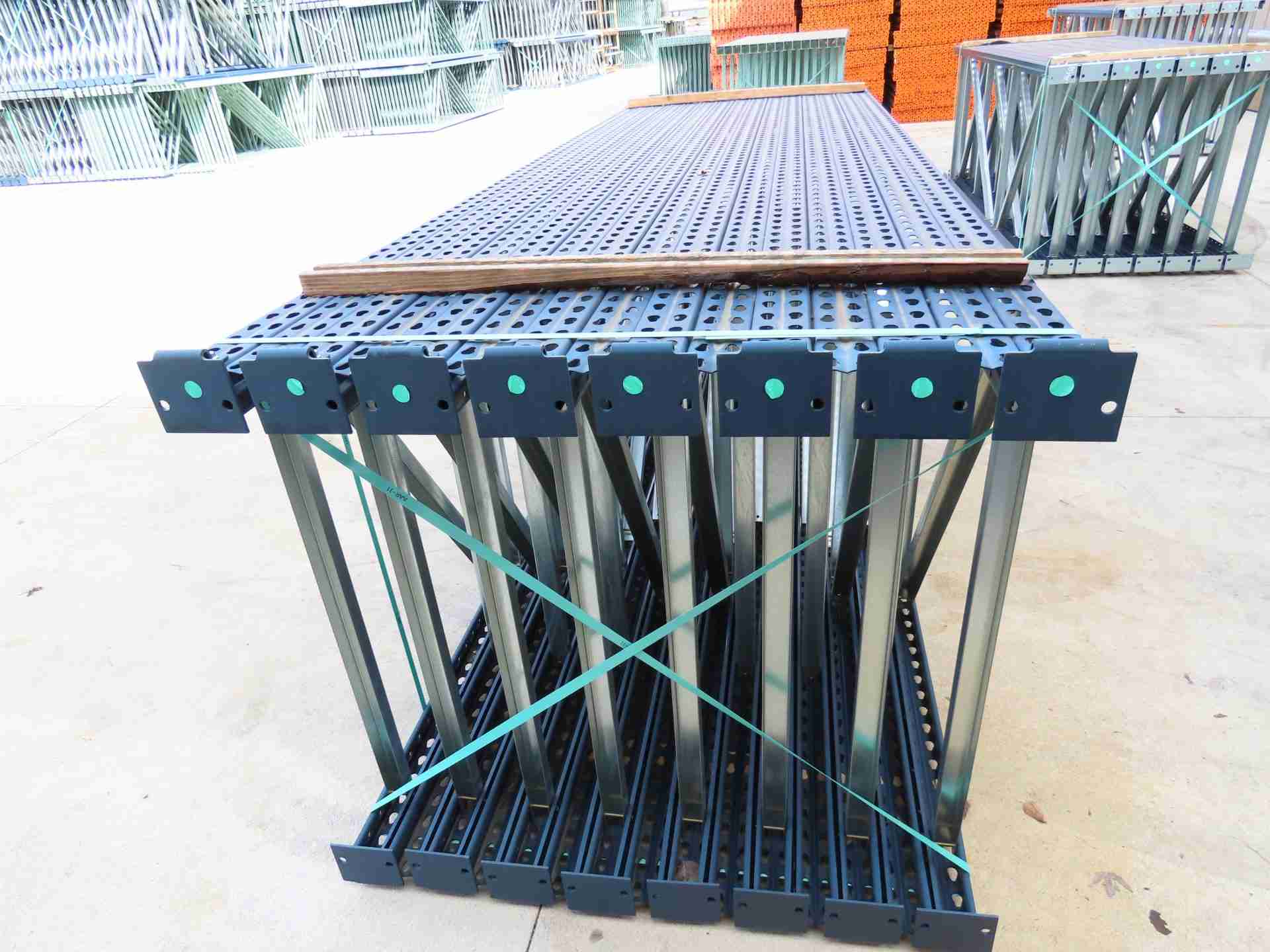
Slotting for Speed and Flow
Slotting for Speed and Flow
- Speed and flow are essential for efficient warehousing operations.
- Effective slotting optimizes racking systems, improving overall workflow.
- Strategically placing high-demand products near shipping areas boosts efficiency and morale.
- Minimizing travel distance through slotting reduces labor costs and enhances order fulfillment.
- Well-planned racking systems promote sustainability by extending equipment life and maintaining workforce energy.
- A clear organization fosters teamwork and camaraderie among employees.
- Thoughtful slotting is a practical solution that benefits both the company and its employees.
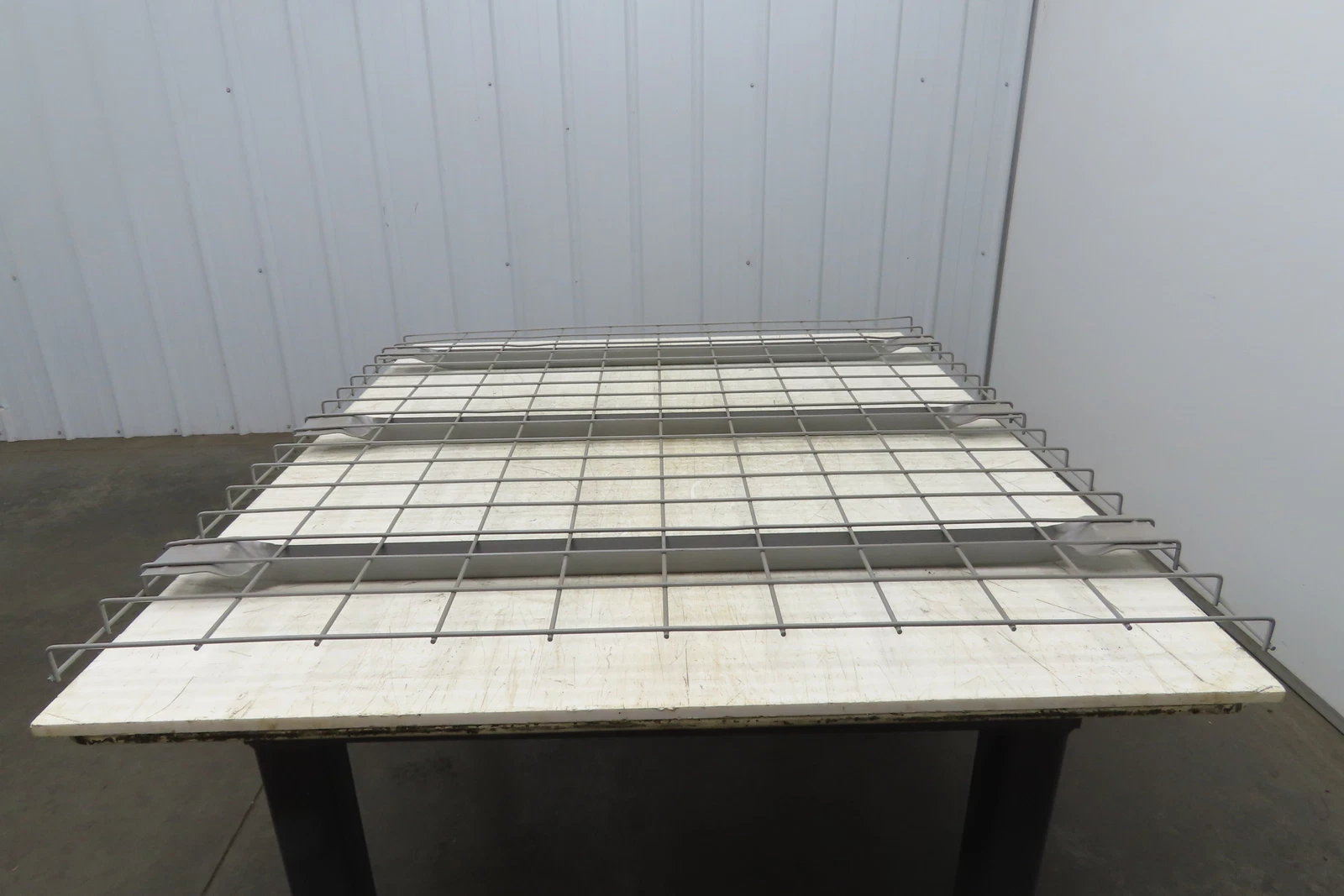
Slotting for Speed and Flow
Table Of Contents
- Slotting for Speed and Flow
- What Does Speed and Flow Mean In Your Daily Life?
- How Can Optimizing Processes Enhance Well-Being?
- What Challenges Do You Face In Achieving Smooth Operations?
- How Do You Measure Success In Flow and Speed?
- What Strategies Could Improve Efficiency for You?
- How Does Chaos Impact Your Productivity?
- Conclusion
- Other Resources
- Glossary Of Terms
- Other Questions
- Checklist
What Does Speed and Flow Mean In Your Daily Life?
In the hustle and bustle of daily life, speed and flow become the unseen forces that drive us forward, shaping our experiences and outcomes. Think about racking systems in warehouses. They’re not just metal frames; they’re lifelines—efficient structures that help us organize, retrieve, and keep our work environments flowing smoothly. When we streamline our tasks, much like optimizing a racking system, we create space for productivity and creativity, allowing us to navigate life with purpose.
Everyday decisions hinge on speed and flow. Imagine the morning rush—coffee brewing, kids to school, and meetings looming. Speed isn’t just about rushing; it’s about cultivating efficiency. When we understand the rhythm of our routines, we start to dance instead of stumble. It’s like those well-organized racks; when things are in their rightful place, everything clicks into gear. We become more effective, reducing the stress that often weighs us down.
But flow goes hand in hand with speed. It’s not enough to be fast; we need to be clearheaded and connected. Flow is that sweet spot where effort feels effortless, where challenges are met with a sense of ease. When we’re in the flow, even tough tasks seem manageable. It’s like when a well-stocked racking system allows us to find what we need quickly and easily; we gain confidence and a sense of accomplishment with every item retrieved.
Chasing speed and flow isn’t just about productivity; it’s about ethics too. In our fast-paced world, we owe it to ourselves and each other to maintain a balance. Speed should not come at the expense of quality or integrity. Much like the sturdy, reliable racking systems that hold our goods, we must build a foundation of trust and respect in our interactions, making sure that while we move rapidly, we also hold our values close.
Narratively, we all have stories where speed and flow defined our outcomes, whether it’s nailing that promotion because we mastered our responsibilities or simply getting through a chaotic day without losing our cool. These tales resonate with others, reminding us that we’re in this together, navigating the same currents.
Ultimately, embracing speed and flow in our lives allows us to connect not just with tasks but with each other, reinforcing our community bonds. It’s a reminder that when we work with intention, we craft a daily life that runs like a well-oiled machine, where every moment counts and every connection matters.

What Does Speed and Flow Mean In Your Daily Life?
What Does Speed and Flow Mean In Your Daily Life?
- Speed and flow are essential forces driving our daily experiences and outcomes.
- Racking systems serve as efficient structures that aid in organization and productivity.
- Streamlining tasks creates space for creativity and purpose in life.
- Understanding routine rhythms enhances efficiency and reduces stress.
- Flow, combined with speed, allows challenges to feel more manageable.
- Maintaining a balance between speed and ethics is crucial for quality and integrity.
- Embracing speed and flow strengthens community bonds and enhances daily life.
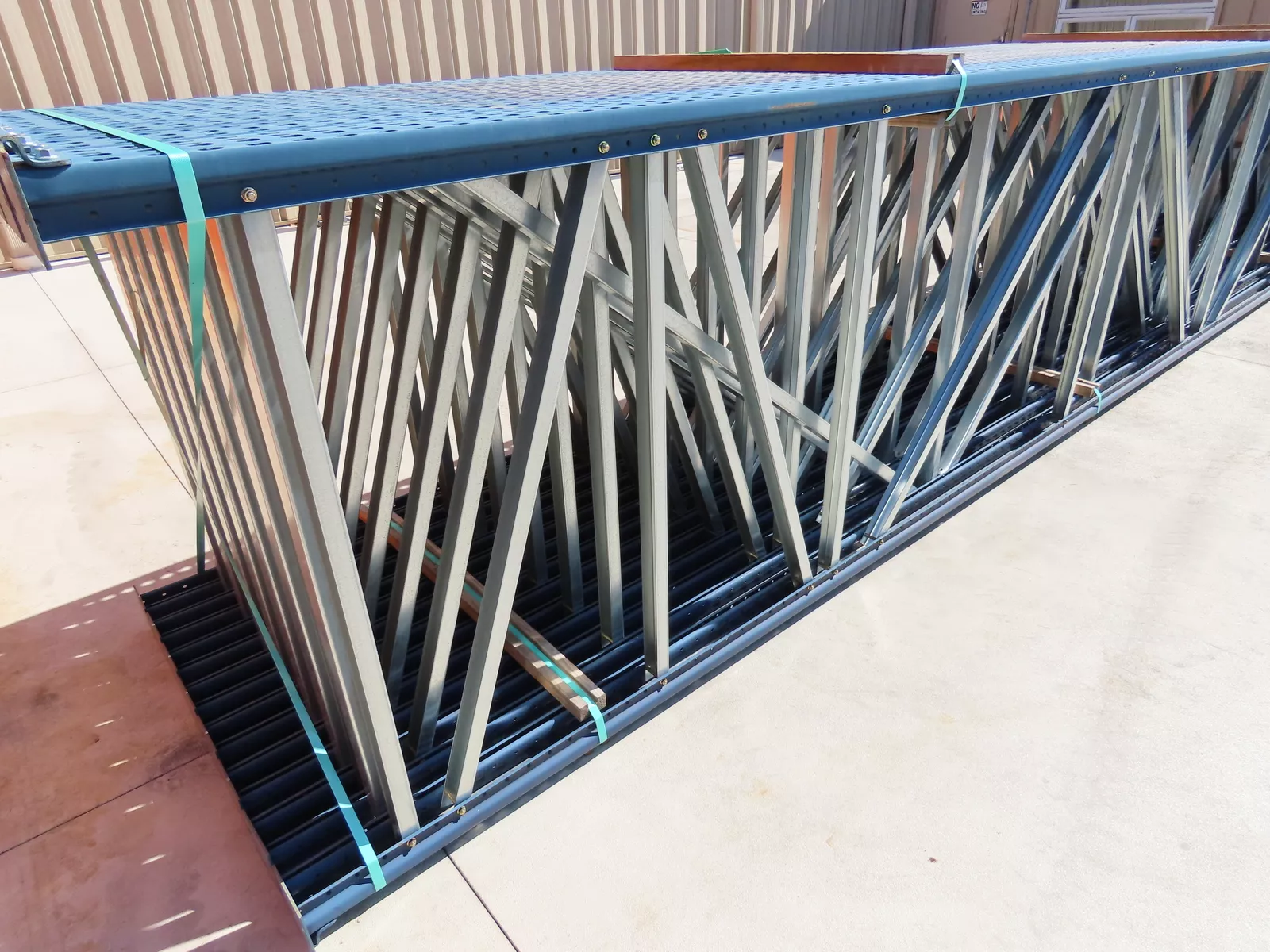
What Does Speed and Flow Mean In Your Daily Life?
How Can Optimizing Processes Enhance Well-Being?
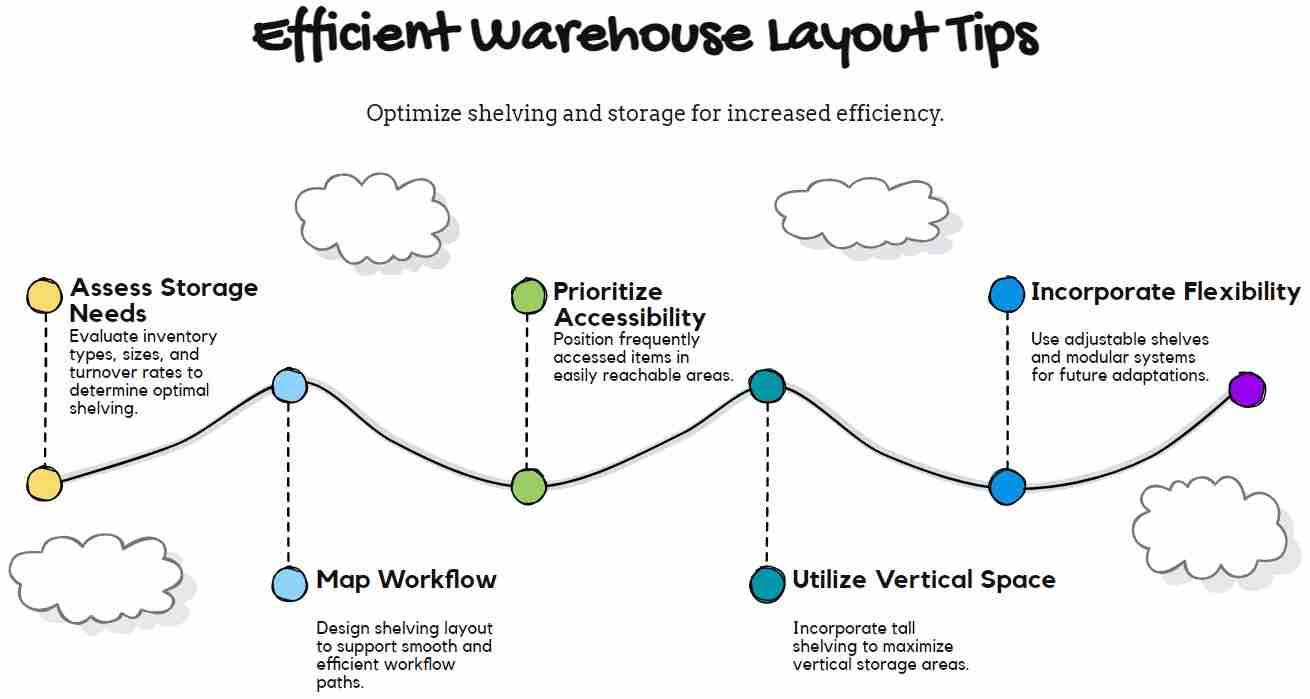
Optimizing processes can significantly enhance well-being in our everyday lives, whether at work or home. Picture a bustling warehouse filled with racking systems, meticulously organized, where each item has its rightful place. This isn’t just about efficiency; it’s about creating a sense of order that fosters mental clarity. When processes are streamlined, the chaos of misplaced tools or mismanaged tasks fades away. This clarity extends beyond the workspace, positively impacting our mental health by reducing stress and anxiety.
On a rational level, consider how much time is wasted in disarray. By optimizing workflows, we’re not only saving minutes but hours. Those minutes can be reinvested into personal pursuits, hobbies, or quality time with loved ones. Each moment spent in efficiency is a moment reclaimed for what truly matters—a dinner with family, pursuing a passion, or simply enjoying some peace. Envision the difference it makes when you’re not racing against the clock but instead moving with intention, supported by reliable systems.
Ethically, the responsibility of creating a well-oiled machine lies with us. A harmonious workplace means happier and healthier employees. It cultivates a culture where everyone feels valued; it’s about lifting each other up rather than getting bogged down by ineffective practices. Organizations that prioritize process optimization show care for their team’s well-being, reinforcing trust and loyalty.
Now, let’s talk about narrative. Think of the small business owner who revamped their inventory management system with new racking systems. Initially overwhelmed, they faced long hours and frustration, constantly searching for misplaced items. But once they optimized their process, their days transformed. Clarity replaced chaos; each product was easily accessible, allowing them to focus on what they loved—serving their customers and improving their craft.
Finally, the social implications of optimized processes cannot be overlooked. In a community where everyone pitches in, tasks become lighter, and people feel connected. Working alongside others, sharing knowledge about efficient practices, fosters bonds and camaraderie. It becomes a shared journey toward not just enhanced productivity but collective well-being.
Optimizing processes isn’t merely about systems; it’s about people. When we take the time to streamline our approach, we’re not just enhancing efficiency; we’re embracing a way of life that nurtures our physical, mental, and emotional well-being.
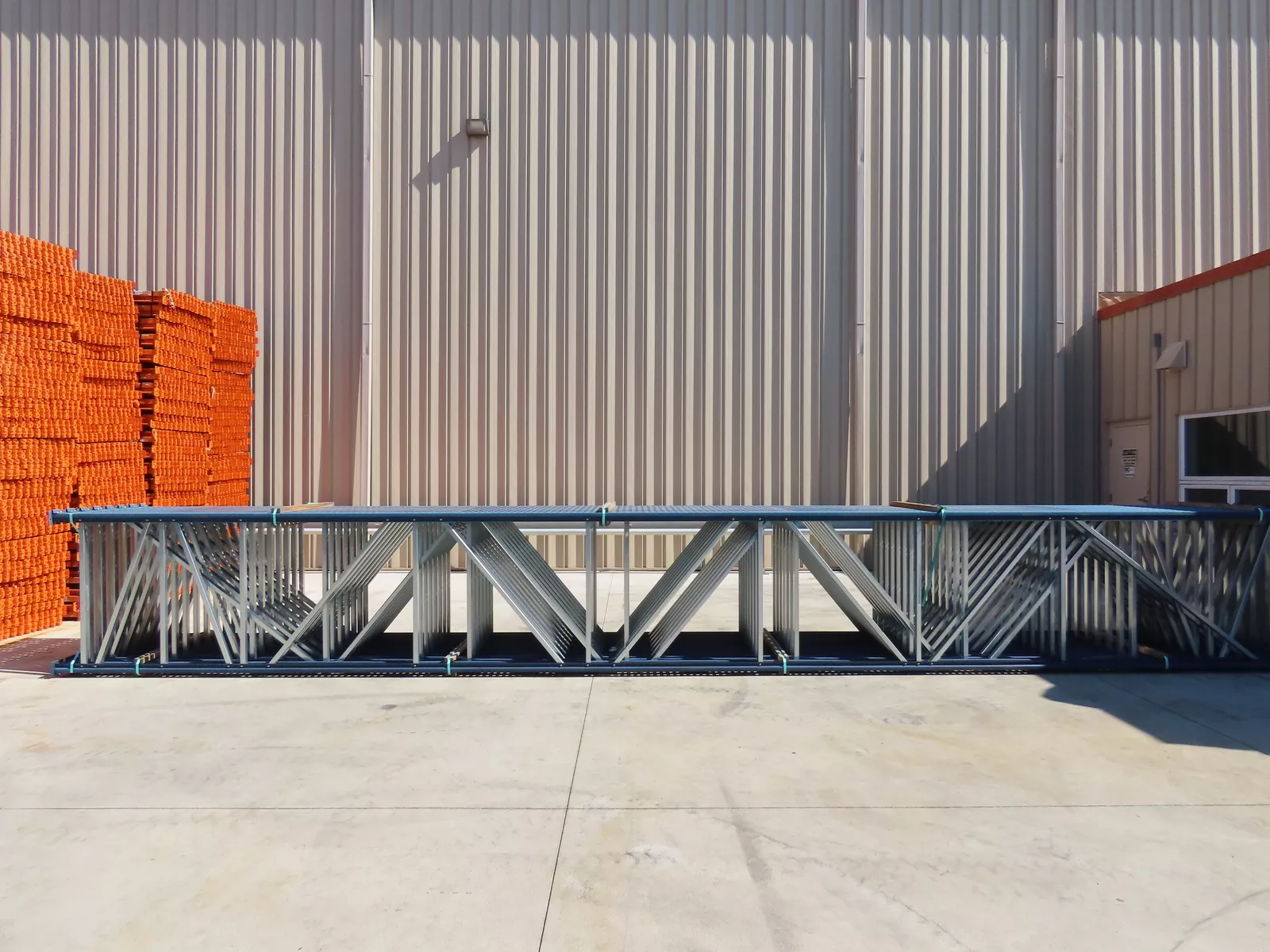
How Can Optimizing Processes Enhance Well-Being?
How Can Optimizing Processes Enhance Well-Being?
- Optimizing processes enhances well-being in daily life, both at work and home.
- Creating order through optimization fosters mental clarity and reduces chaos, positively affecting mental health.
- Streamlined workflows save time, allowing for reinvestment into personal activities and quality time with loved ones.
- A harmonious workplace leads to happier employees, reinforcing trust and loyalty.
- Real-life examples, like small business owners revamping systems, show the transformation from chaos to clarity.
- Social connections are strengthened through shared knowledge and teamwork in optimized environments.
- Optimizing processes is fundamentally about enhancing efficiency and nurturing overall well-being.
How Can Optimizing Processes Enhance Well-Being?
What Challenges Do You Face In Achieving Smooth Operations?
In the world of smooth operations, challenges can feel like an ever-tightening knot, pulling at the seams of efficiency. Whether you’re on the warehouse floor or coordinating logistics, the stakes are high, and the expectations even higher. Without the right tools and systems in place, such as dependable racking systems, even the simplest tasks can turn into daily struggles.
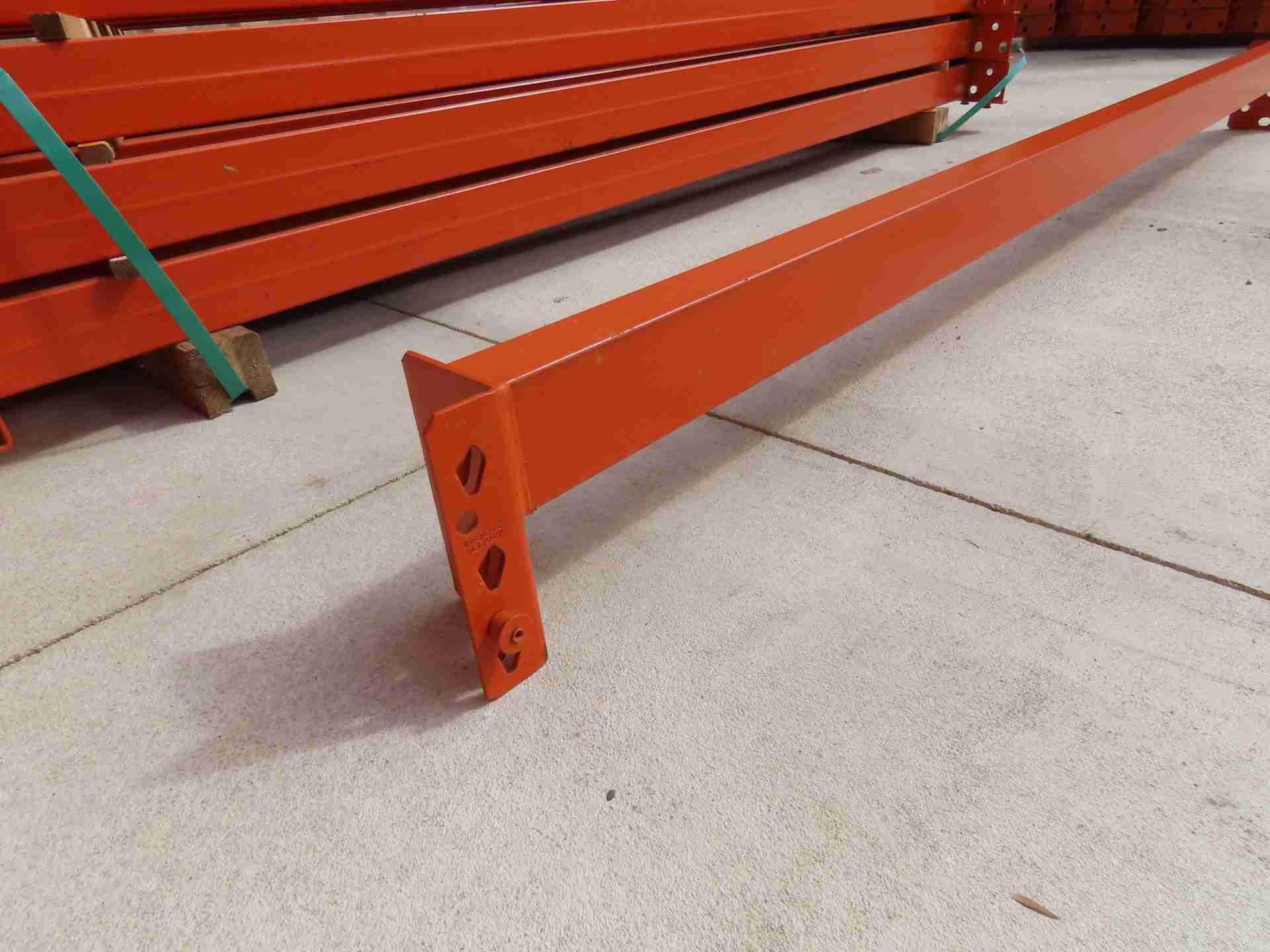
Consider the physical aspect: racking systems are critical in keeping everything organized, but when they’re poorly designed or inadequately maintained, they become not just obstacles but hazards. Picture trying to navigate through a maze of disorganized goods, where every trip to find an item eats away at productivity and morale. This frustration resonates not just with logistics managers, but with every worker who feels the weight of inefficiency tugging at their time and spirit.
From a rational standpoint, investing in proper racking systems isn’t just a smart decision; it’s essential for long-term sustainability. When products are stored and accessed efficiently, it saves time and reduces costs. A tidy operation positively affects everyone, from the folks on the ground to the top-tier decision-makers. Yet, understanding the need for these systems often gets lost in the daily grind of operations. It’s easy to overlook the nitty-gritty details until they spiral into bigger problems—issues that can lead to missed deadlines, frustrated employees, and ultimately, dissatisfied customers.
Ethically, fostering a workspace built on trust and reliability is paramount. When you provide your team with the tools, like effective racking systems, that simplify their tasks, you empower them. You’re not just investing in materials; you’re investing in people—their confidence, their job satisfaction, and their sense of pride. They’ll respond with loyalty and effort, which in turn builds a culture of reliability and excellence.
A well-built narrative can also drive home the message. Picture a veteran worker teaching a newcomer the ropes: “You see this racking system? It ain’t just about stacking boxes. It’s about safety and efficiency. Each item has its place, and we respect that order.” That shared story of learning fosters camaraderie and a common purpose among staff.
Ultimately, the challenges to achieving smooth operations are multifaceted, with each layer requiring attention and care. The real power lies in overcoming them through teamwork and thoughtful strategies. With commitment and the right functional structures in place, smooth operations aren’t just a dream—they’re an attainable reality for everyone involved.
What Challenges Do You Face In Achieving Smooth Operations?
What Challenges Do You Face In Achieving Smooth Operations?
- Challenges in smooth operations can hinder efficiency, particularly in warehouse and logistics settings.
- Dependable racking systems are essential for organization; poorly designed systems can become hazards.
- Inefficient item retrieval negatively impacts productivity and employee morale.
- Investing in effective racking systems is crucial for long-term sustainability and cost reduction.
- Attention to operational details can prevent bigger issues like missed deadlines and employee dissatisfaction.
- Providing the right tools empowers employees, fostering trust and enhancing workplace culture.
- Teamwork and thoughtful strategies are vital in addressing operational challenges and achieving efficiency.

What Challenges Do You Face In Achieving Smooth Operations?
How Do You Measure Success In Flow and Speed?
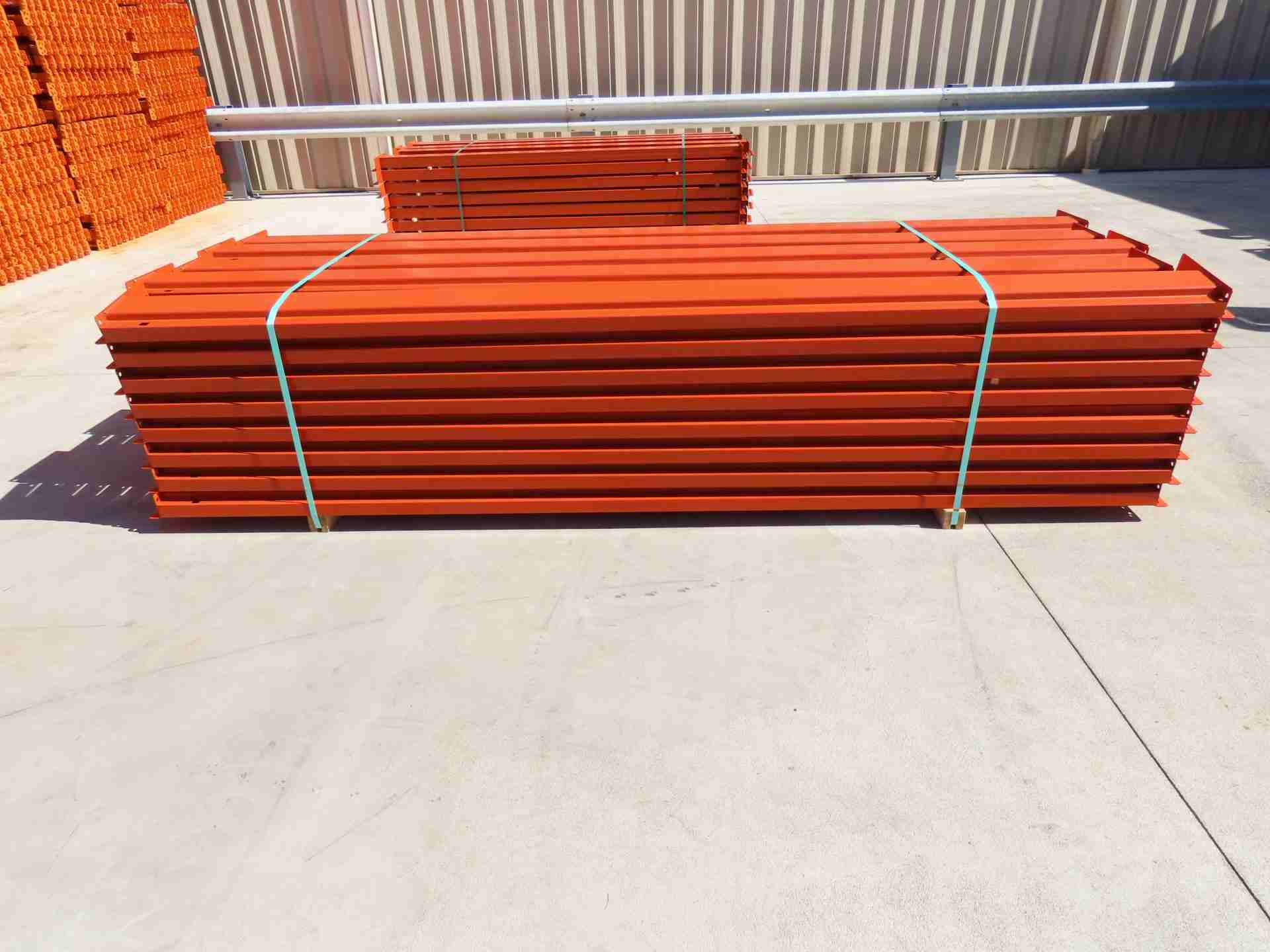
Success in flow and speed isn’t just about how fast things move; it’s about finding that sweet spot where efficiency meets effectiveness. Picture yourself in a workshop, surrounded by racking systems that hold everything in its place, each item arranged neatly. This setup doesn’t just save time; it saves headaches, too. You learn quickly that when items are organized and flow is smooth, everyone can breathe easier.
Think of a busy crew on a job site. When materials and tools are where they need to be, work progresses swiftly; there’s a rhythm and a pulse to the day. Everyone feels it. The foreman sees the crew working like a well-oiled machine, and that brings a sense of pride. Success is tangible when the team finishes ahead of schedule, but you know it’s more than just time; it’s about the satisfaction of a job well done.
Rationally, success in these environments often boils down to measurable results. Look at the metrics—job completion times, errors, and backlogs. These numbers tell a story. But they don’t tell the whole truth. Behind each number is a worker who’s invested in the outcome. Each minute saved is more time for families, hobbies, or simply unwinding after a long stretch of work. That’s where the heart comes into play. And let’s not kid ourselves; when the flow is right, the moral fabric of the workplace strengthens. Workers feel valued; they feel part of something bigger.
Now, let’s not overlook the ethical dimension. Fairness in workloads, transparency in processes, and respect for each team member contribute to a positive culture. This strengthens trust and encourages everyone to pull in the same direction. The camaraderie built fosters not just completion but a sense of belonging.
Stories are everywhere in a day’s work. Remember the last time a minor hiccup threatened to derail progress? It’s those moments, when the team rallied together and adapted—that’s when true success shines. Whether it’s fixing a racking system that’s gone awry or quickly designing a solution, those are the moments that define your group’s character.
In these hands-on environments, flow and speed combine to cultivate trust, sharpen skills, and reinforce teamwork. Success is not simply about the pace at which you move but how well you move together. Through unity and common purpose, you create a legacy of efficiency and pride. Success tastes sweeter when it’s a collective achievement.

How Do You Measure Success In Flow and Speed?
How Do You Measure Success In Flow and Speed?
- Success in flow and speed balances efficiency and effectiveness.
- Organized racking systems save time and reduce stress in the workplace.
- Having tools and materials readily available enhances job site productivity.
- Measurable metrics reflect success but don’t capture the human investment behind them.
- Fair workload distribution and respect foster a positive team culture.
- Teams that adapt together during challenges showcase true character and success.
- Collective achievement builds trust, teamwork, and a lasting legacy of pride.
How Do You Measure Success In Flow and Speed?
What Strategies Could Improve Efficiency for You?
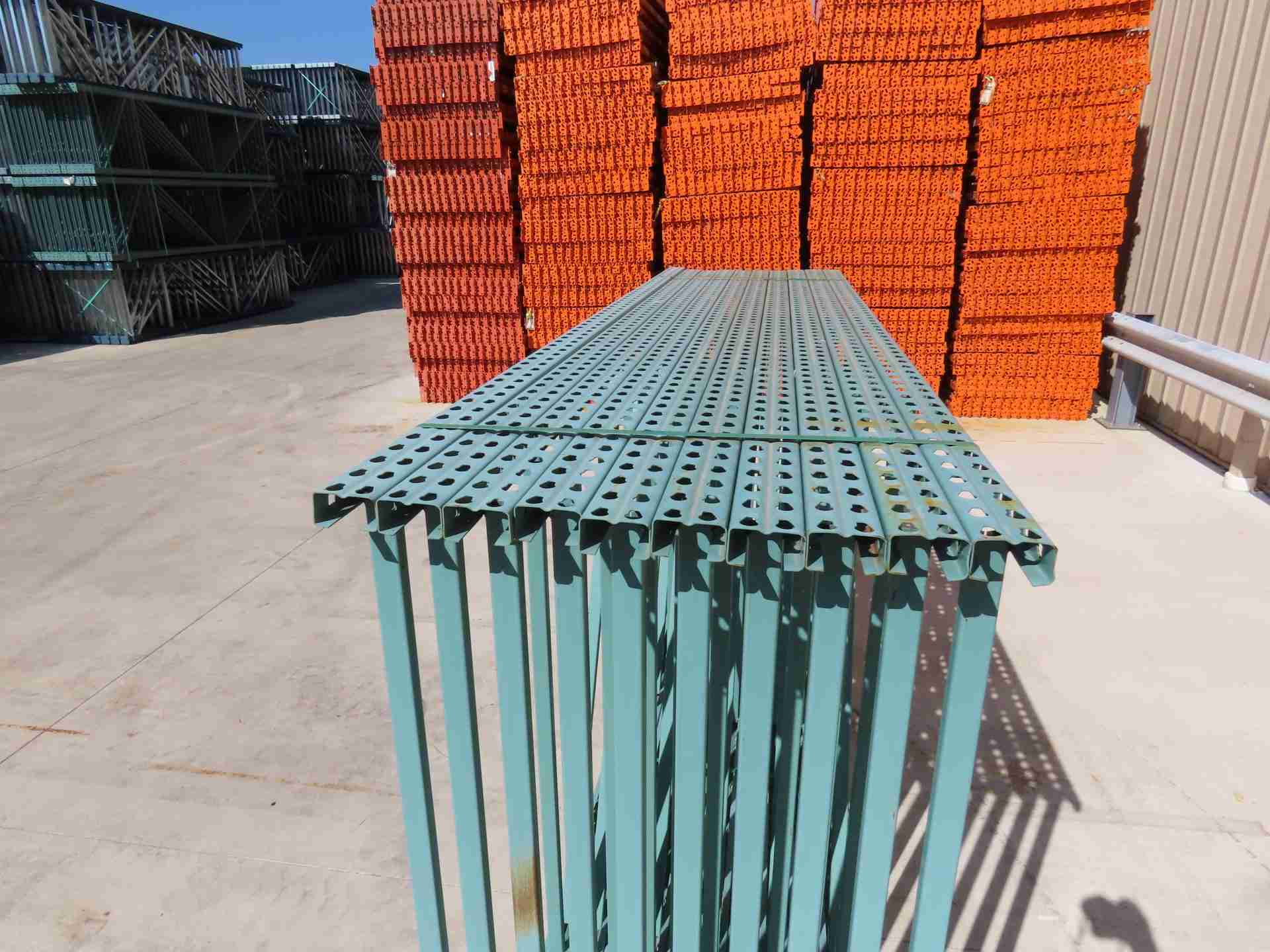
When it comes to improving efficiency, there’s no one-size-fits-all solution. Each of us has our own unique rhythm, but a few key strategies can make a real difference. Take a moment to think about your workspace. Consider implementing racking systems that can optimize your layout. A well-organized space not only saves time but also reduces frustration. Picture this: everything you need right at your fingertips, eliminating the frantic search for tools or materials.
Embrace the idea of simplicity. Many folks get bogged down by complexity, often leading to burnout. Instead, break tasks into manageable chunks. It’s like lifting a heavy load; you wouldn’t try to hoist it all at once. Instead, you’d take it one step at a time, reinvigorating your energy with each small win. Celebrate those wins, no matter how small; they build momentum, and soon you’ll find yourself flying through the day.
Another vital strategy? Cultivate a sense of community among your peers. Share tips and techniques with each other. The best ideas often come from conversations over coffee or during a quick break. When everyone’s on the same page, it creates a supportive atmosphere where efficiency thrives. Trust builds trust, and before long, you’ll have a team not only working more effectively but also enjoying the process.
Invest in retraining or upskilling. Learning new technologies or methodologies keeps things fresh and can streamline your workflow. However, it’s crucial to approach this ethically. Ensure everyone has equal access to training resources. This not only fosters goodwill but also encourages a workplace where knowledge is shared openly, creating a mutual respect that enhances team spirit.
Lastly, don’t underestimate the power of feedback. Regular check-ins with your team can uncover hidden bottlenecks, enabling you to adjust as needed. Think of it as fine-tuning an engine; with the right adjustments, everything runs smoother. Efficiency isn’t just about getting things done; it’s about ensuring the workday is productive and fulfilling.
So, roll up your sleeves and put these strategies into motion. Remember, efficiency isn’t a destination; it’s a journey shared with those around you. As we adapt and grow, we not only improve our work lives but build a culture of collaboration and success that resonates with everyone involved.

What Strategies Could Improve Efficiency for You?
What Strategies Could Improve Efficiency for You?
- No one-size-fits-all solution exists for improving efficiency; individual rhythms vary.
- Implement racking systems to optimize workspace layout for better organization and reduced frustration.
- Adopt simplicity by breaking tasks into manageable chunks to avoid burnout and maintain energy.
- Cultivate community among peers by sharing tips and ideas, creating a supportive atmosphere for efficiency.
- Invest in retraining and upskilling while ensuring equal access to resources to foster goodwill and respect.
- Utilize regular feedback and check-ins to identify and resolve bottlenecks for smoother workflow.
- Efficiency is a continuous journey that enhances workplace culture and collaboration.
What Strategies Could Improve Efficiency for You?
How Does Chaos Impact Your Productivity?
Chaos is an unwelcome guest in any workplace, but it often shows up uninvited. Think about it: your desk piled high with unanswered emails, a project deadline looming, and the constant hum of distractions. Racking systems in warehouses or shops—those metal fixtures housing goods—can tell an important story about organization and efficiency. When chaos reigns, those systems become a mess, just like our productive efforts when they’re left to randomness.
At the heart of productivity lies the need for control. When everything is in disarray, whether it’s disorganized inventory or jumbled schedules, it leads to frustration and uncertainty. You start to second-guess yourself. Each lost minute searching for that crucial file or misplaced tool feels like a punch to the gut. It’s draining, not just physically but mentally, and it weighs down not only your performance but also your spirit.
Rationally, chaos stifles our ability to think clearly. When the environment is cluttered, it mirrors the turmoil in our heads. Decision-making becomes paralyzing as we sift through distractions. A well-organized system—like a sturdy racking system—works wonders, giving clarity and structure. You tackle one task at a time, focusing your energy effectively rather than spreading yourself thin across a landscape of chaos.
Ethically, consider the impact of chaos on your team. As a leader or a colleague, creating an environment of disorder affects not just your work but also everyone around you. Helping each other maintain a clear path fosters a sense of community and trust. When you know your workspace is organized, it’s easier to support one another. You work better, and in turn, everyone else thrives.
Narratively, every tale of success includes a moment where chaos threatened to derail progress. But those who learn to confront the whirlwind head-on—implementing strategies to improve their racking systems or time management—tend to emerge stronger. They realize that order breeds not only increased output but also a healthier mindset.
We all crave connection through shared experiences. Fighting chaos together, understanding its impact, and turning it into a catalyst for productivity creates bonds. It’s about facing the fray with grit and common sense, transforming that disorder into a streamlined operation, one step at a time.

How Does Chaos Impact Your Productivity?
How Does Chaos Impact Your Productivity?
- Chaos disrupts productivity, manifesting as disorganized workspaces and distractions.
- The need for control is central to effective work, preventing frustration and uncertainty.
- Clutter reflects mental turmoil, making decision-making challenging and reducing clarity.
- A well-organized system enhances focus, allowing tasks to be tackled efficiently.
- Disorder negatively impacts team dynamics, emphasizing the importance of a collaborative and organized environment.
- Success stories often involve overcoming chaos through improved organization and time management.
- Shared experiences in combating chaos foster community and strengthen workplace bonds.
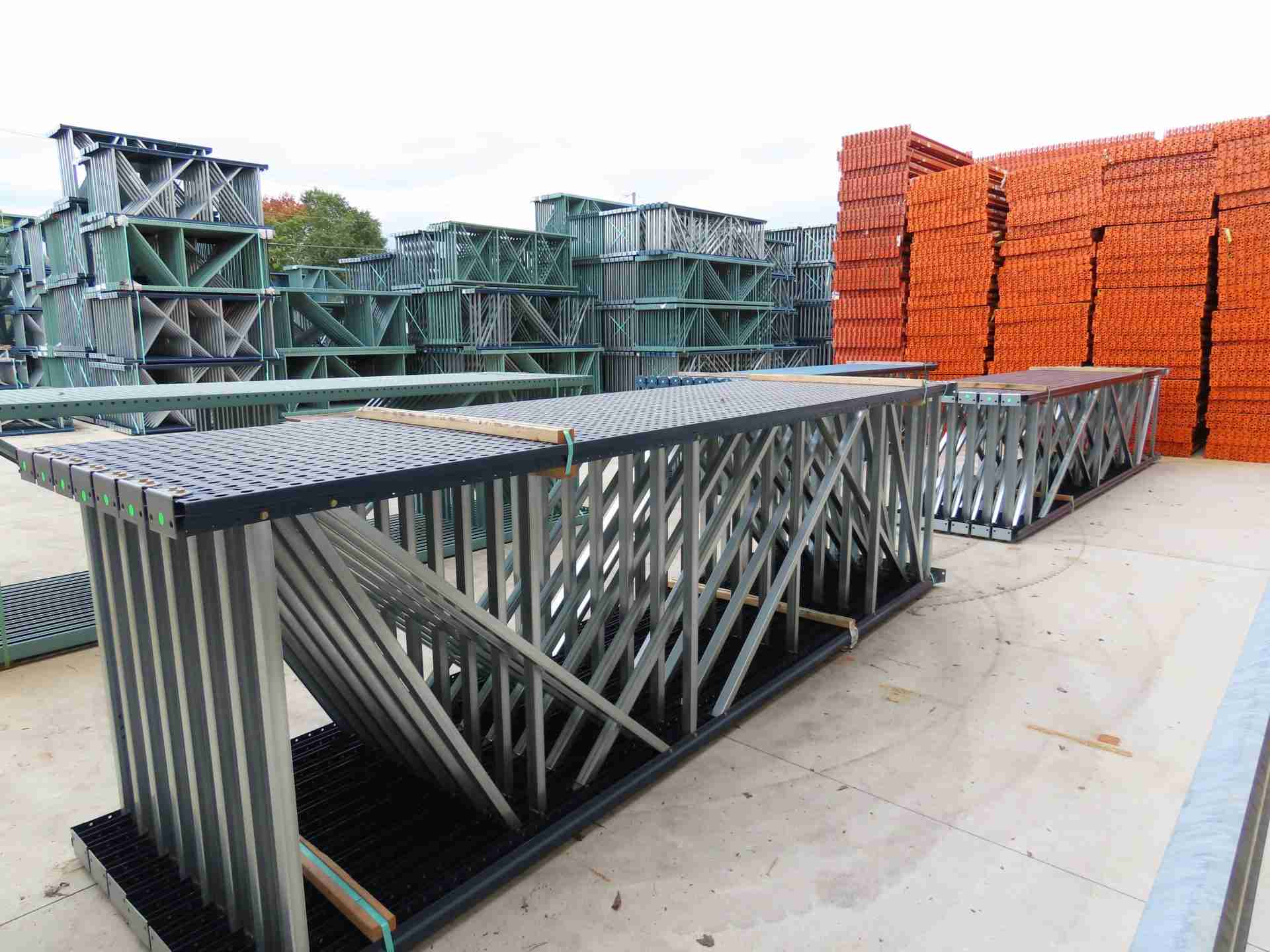
How Does Chaos Impact Your Productivity?
Conclusion
In any warehouse, the push for speed and flow is not just about concepts; it’s about survival, productivity, and ultimately, success. It’s the heart of operations, where a well-optimized slotting system can turn chaos into order. Imagine the daily grind—the trucks are rolling in, workers are on the move, and every second counts. When items are systematically organized based on demand, efficiency skyrockets. Employees find what they need without frustration, leading to quicker order fulfillment and a satisfied workforce. This isn’t just theory; it’s tangible results that lower labor costs and boost morale.
Looking deeper, the ethics of speed and flow become apparent. An efficient racking system doesn’t just benefit the operation; it sustains the well-being of the equipment and the workforce. Employees who work in a balanced, well-structured environment are not only more productive but also healthier and more committed. This culture of respect and organization fosters teamwork, where everyone knows their role in ensuring success. The happier people are, the more likely they’ll stick around, which strengthens the entire operation.
On an everyday level, the principles of speed and flow resonate far beyond the warehouse walls. Whether we’re managing our time at home or tackling tasks on the job, streamlining processes creates mental clarity and reduces stress. It’s about breaking down chaos into manageable parts, allowing for a rhythm that turns hectic into harmonious. Each moment saved is a moment won—time not just for work but for life.
Narrative plays a strong role in these transformations. Think of the small business owner who revamped their inventory, turning chaos into order not just for themselves but for their customers too. These stories remind us that the best solutions are often simple yet profound. They describe bonds formed through shared experiences, where teams navigate challenges together.
Ultimately, achieving success in speed and flow isn’t solely about metrics—it’s about people. It’s about creating an environment where everyone feels valued and is encouraged to contribute. This collective effort fosters loyalty and resilience, forming the backbone of a thriving operation. With thoughtful planning and community spirit, a workplace can flourish, creating not just a system that works but one where everyone enjoys the rewards of their hard work. Adopting a mindset geared toward optimizing, sharing practices, and collectively pushing through challenges guarantees that speed and flow become the lifeblood of success in every endeavor.
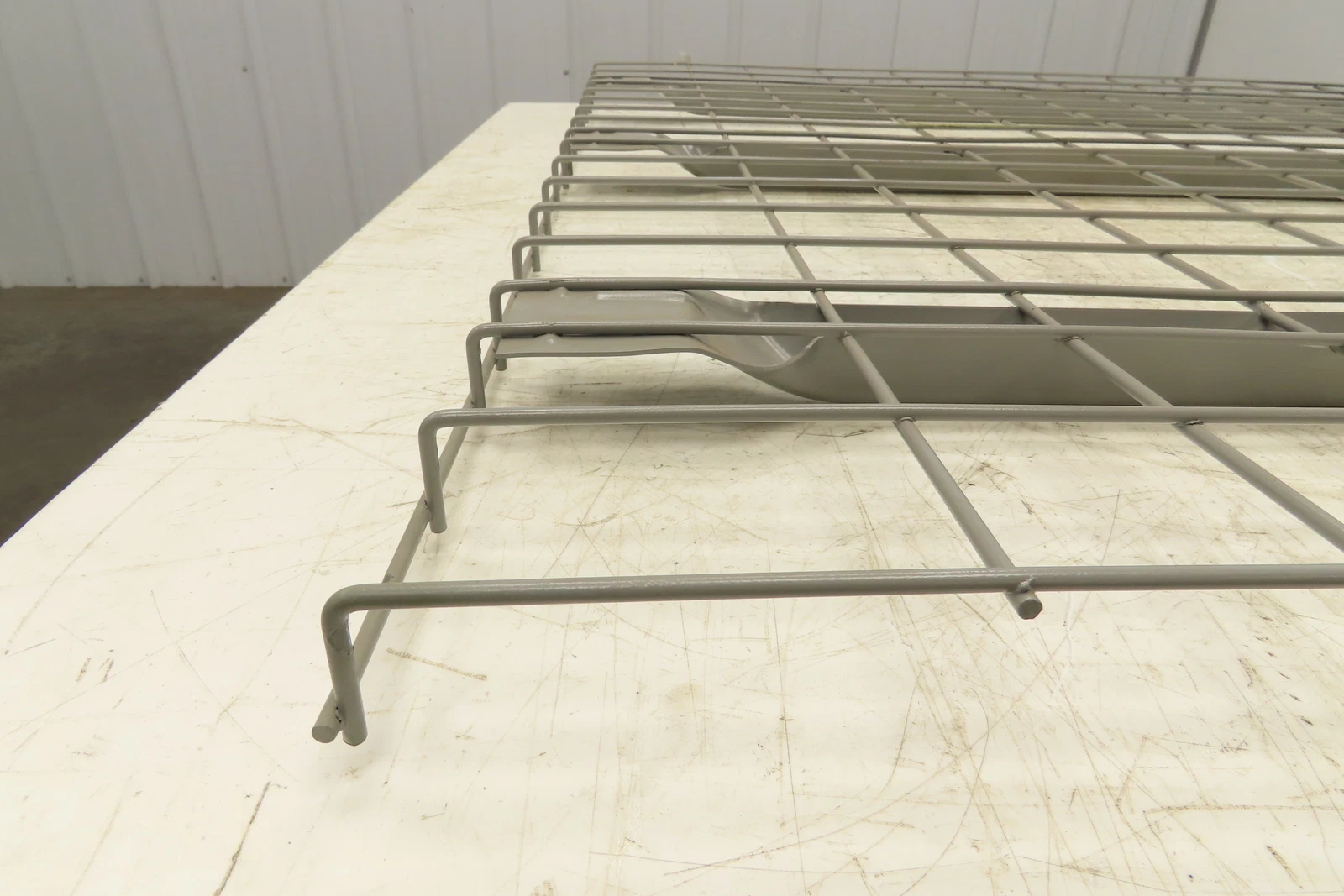
Conclusion
Conclusion:
- The push for speed and flow in warehouses is essential for survival and productivity.
- An optimized slotting system leads to efficient organization and quicker order fulfillment.
- An efficient racking system benefits both operations and the well-being of employees.
- A well-structured environment results in healthier, more committed, and productive employees.
- Streamlining processes promotes mental clarity and reduces stress in various aspects of life.
- Success stories highlight the importance of teamwork and shared experiences in overcoming challenges.
- Creating a respectful and valued workplace fosters loyalty, resilience, and overall success.

Conclusion
Other Resources

Other Resources
Here is a list of other resources you can review online to learn more:
- National Safety Council
- CMMA
- Pallet Racking systems in Illinois and Great Lakes
- Iowa Illinois Warehouse Racking
- Chicago Pallet Racking
- New Cantilever Racks and Racking Kits
- Bradford Systems
- Interlake Mecalux
- Warehouse Racking Systems: Beginner’s Guide to Rack Systems
- Teardrop Uprights
- American Society of Safety Professionals
- Selective Pallet Racking Systems – Container Systems
- Used Teardrop Pallet Rack – American Surplus
- RMI
- Shipping Boxes, Packaging Materials, Pallet Racking
- Warehousing and Fulfillment
- Illinois
- American Surplus
- The Complete Pallet Rack Guide – Simply Rack
Use This Prompt To Get More Resources With Your Favorite Online AI Tool: Please provide me with a list of online articles with their URLs in a bulleted list that I can read regarding Slotting for Speed and Flow
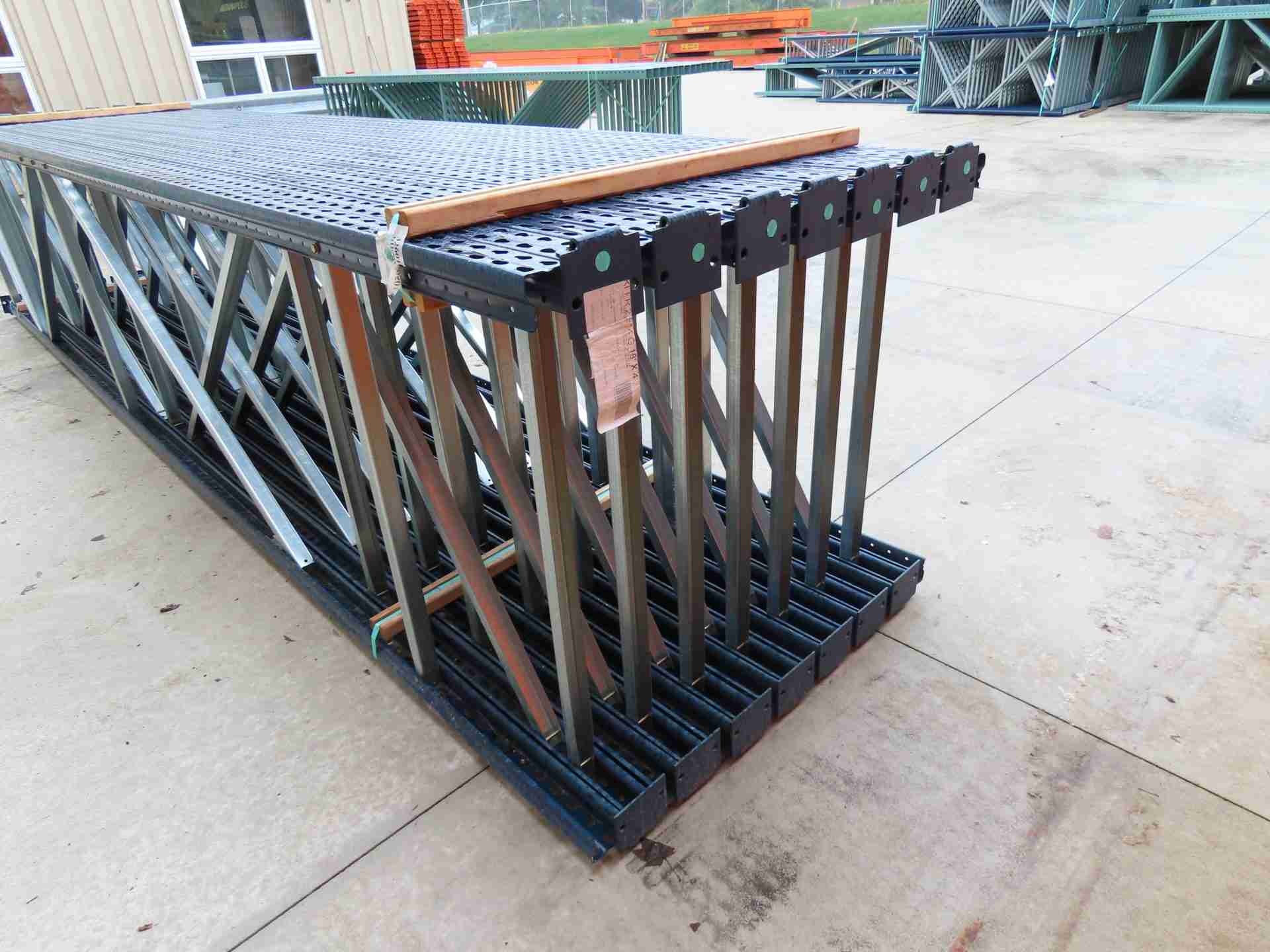
Other Resources
Glossary Terms
Slotting for Speed and Flow – Glossary Of Terms
1. Slotting: The process of organizing products in a warehouse to optimize picking speed and workflow.
2. Inventory: The complete list of items or goods available in a warehouse or retail environment.
3. Picking: The act of selecting items from inventory to fulfill customer orders.
4. Flow: The smooth movement of goods through a warehouse or production line.
5. Efficiency: Maximizing output with minimal wasted resources, time, or effort.
6. Layout: The arrangement of storage locations, pathways, and work areas within a warehouse.
7. Accessibility: The ease with which items can be reached and retrieved for order fulfillment.
8. SKU: Stock Keeping Unit; a unique identifier for each distinct product in inventory management.
9. Replenishment: The process of restocking items to maintain optimal inventory levels.
10. Lead time: The time taken from placing an order until it is received and ready for use.
11. Ergonomics: The design of workspaces to improve comfort and efficiency for workers.
12. Multichannel: A strategy that involves selling and distributing products through various platforms.
13. Automation: The use of technology or machinery to perform tasks without human intervention.
14. FIFO: First In, First Out; an inventory management method where older stock is sold first.
15. LIFO: Last In, First Out; an inventory management method where newer stock is sold first.
16. Cross-docking: A logistical practice where incoming goods are directly transferred to outbound transportation.
17. Safety stock: Extra inventory kept on hand to prevent stockouts due to variability in demand.
18. Physical inventory: A complete count of all inventory items, usually conducted periodically.
19. Slotting analysis: Evaluating product placement based on demand and movement patterns to enhance efficiency.
20. Cycle counting: A method of auditing inventory by counting a subset of items regularly.
21. Warehouse management system (WMS): Software designed to facilitate and optimize warehouse operations.
22. Batch picking: A method of picking multiple orders simultaneously in a single trip.
23. Zone picking: Dividing a warehouse into zones where workers are assigned to specific areas for picking.
24. Consolidation: Gathering items from different locations before shipping to optimize space and reduce costs.
25. Pick-to-light: A system using lights to direct pickers to items, enhancing speed and accuracy.
26. Demand forecasting: Predicting future customer demand to adjust inventory levels accordingly.
27. Reorder point: The predetermined inventory level at which new stock should be ordered.
28. Just-in-time (JIT): An inventory strategy aimed at reducing holding costs by receiving goods only as needed.
29. Inventory turnover: A ratio that measures how often inventory is sold and replaced over a specific period.
30. Kitting: The process of assembling various items into a single package for sale or distribution.

Glossary Of Terms
Other Questions
Slotting for Speed and Flow – Other Questions
If you wish to explore and discover more, consider looking for answers to these questions:
- What are the first steps to evaluate current slotting and racking systems in my facility?
- How do I determine which SKUs should be placed in high-velocity zones?
- Which metrics best measure improvements in speed and flow after re-slotting?
- How do I quantify the ROI of a slotting or racking redesign?
- What are common mistakes companies make when redesigning slotting systems?
- How often should slotting be reviewed and updated?
- How much downtime or disruption is typical during a re-slotting project?
- What safety standards and regulations apply to racking system changes (e.g., OSHA)?
- How do I balance speed with order accuracy to avoid picking errors?
- What software tools or WMS features support dynamic slotting?
- How do automation options (conveyors, AGVs, robots) integrate with slotting strategies?
- What are the best practices for ergonomics and injury reduction when slotting for speed?
- How do I factor seasonal demand and promotions into a slotting plan?
- What training and upskilling are required for staff after changing slotting layouts?
- How do I design a pilot or test phase to validate slotting changes before full rollout?
- What data do I need (pick frequency, travel distance, order profiles) to build an effective slotting model?
- How do I handle slow-moving, bulky, or hazardous items in a slotting strategy?
- What are effective replenishment and putaway rules that complement slotting?
- How can slotting improvements reduce labor costs without harming employee morale?
- Which KPIs best reflect employee well‑being and satisfaction linked to improved flow?
- How can slotting contribute to sustainability goals (energy, materials, lifecycle)?
- What maintenance and inspection schedules should accompany racking upgrades?
- How can I measure reductions in travel distance and translate that into time savings?
- What layout constraints (ceiling height, aisle width, forklift types) most affect slotting options?
- How do different picking methods (single pick, batch pick, zone picking) influence slotting design?
- How should returns and reverse logistics be accommodated within a slotting plan?
- What are the cost ranges for typical racking upgrades and who are reputable vendors?
- How can I prioritize quick wins versus long-term structural changes?
- What change-management strategies help secure buy-in from frontline staff and management?
- How do I ensure slotting changes don’t create bottlenecks elsewhere in the process?
- What role does inventory accuracy (cycle counting) play in effective slotting?
- How do I design slotting for mixed cases, pallets, and pick-face variability?
- Can simulation or digital twins predict the impact of slotting changes?
- What reporting cadence and dashboards best show progress on flow and speed goals?
- How do I prioritize safety upgrades alongside efficiency gains?
- What are typical timeframe expectations to see measurable benefits after slotting changes?
- How do I adapt slotting strategies for multi-site or distributed warehousing networks?
- What success stories or case studies exist for similar operations that improved flow through slotting?
- How should I evaluate trade-offs between capital investment in racking versus ongoing labor costs?
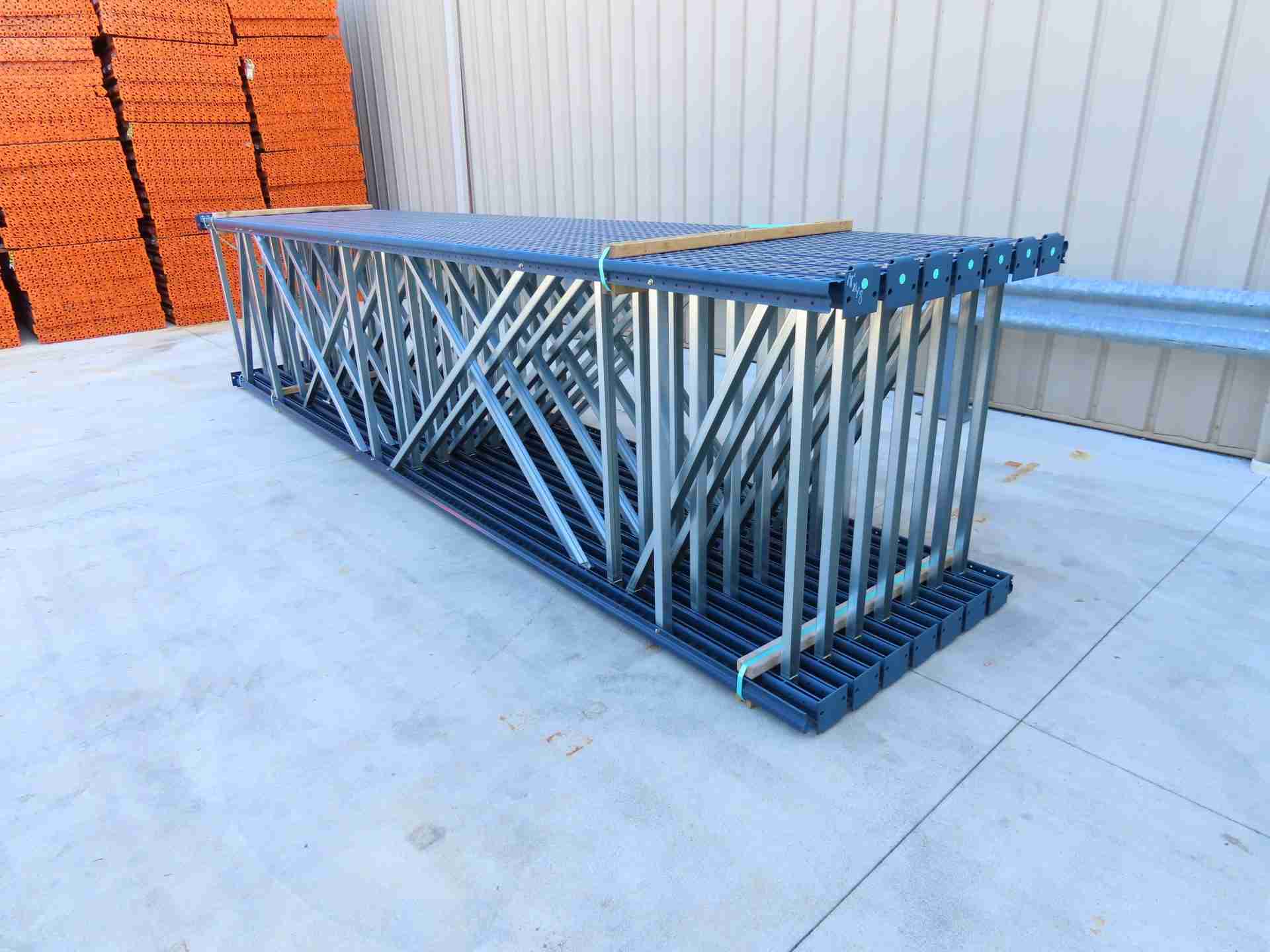
Other Questions
Checklist
Slotting for Speed and Flow – A Checklist
Checklist Details
✅______ Site/Area __________
✅______ Date __________
✅______ Owner __________
✅______ Review cadence __________
Slotting and Layout
✅______ ABC velocity analysis completed within the last 90 days
✅______ Top 20% of SKUs (by picks) positioned closest to shipping
✅______ Golden zone (knee to shoulder) reserved for A movers
✅______ Heavy or bulky SKUs stored at ergonomic height or with assistive devices
✅______ Correlated SKUs co-located to reduce multi-stop picks
✅______ Forward pick area established for fast movers
✅______ Min/max and replenishment triggers set for forward picks
Pick Path and Travel
✅______ Defined pick sequence or one-way aisles to prevent backtracking
✅______ Average pick path distance tracked weekly (current ____ / target ____)
✅______ Picking method selected and documented (batch, zone, or wave)
✅______ Aisles clear; minimum width maintained (____ in or cm)
Identification and Labeling
✅______ Locations clearly labeled; readable at picking distance
✅______ Barcodes or RFID used for locations and items
✅______ Color and visual cues mark zones and hazard areas
✅______ Mislabel rate in the last 30 days under ____%
Racking and Safety
✅______ Monthly rack inspection completed; damage repaired
✅______ Load ratings posted and observed
✅______ Pallet overhang within specification; no protrusions into aisles
✅______ 5S/housekeeping audit score ≥ ____ (with records on file)
Flow from Receiving to Shipping
✅______ Cross-dock rules defined for high-velocity SKUs
✅______ Inbound to putaway time under ____ minutes
✅______ Staging areas sized, marked, and free of mixed orders
✅______ Shipping lanes labeled; FIFO or FEFO rules followed
Labor, Ergonomics, and Well-Being
✅______ High-frequency motions minimized by slotting and layout
✅______ Mechanical assists available for lifts over ____ lb or kg
✅______ Break rotation and job rotation schedules posted and followed
✅______ Near-miss, fatigue, and strain reports reviewed weekly
Team Alignment and Culture
✅______ Daily stand-up covers safety, priorities, and constraints (under 10 minutes)
✅______ Standard work posted at point of use
✅______ Cross-training matrix current; gaps addressed
✅______ Feedback loop active: ideas logged, owners assigned, outcomes shared
Metrics That Matter
✅______ Order cycle time ____ (target ____)
✅______ Lines picked per labor hour ____ (target ____)
✅______ Picking accuracy ____% (target ____%)
✅______ Replenishment touches per week ____ (target ____)
✅______ Overtime hours ____ (trend ____)
✅______ Employee engagement pulse/NPS ____ (target ____)
Continuous Improvement Cadence
✅______ Weekly Gemba walk with documented actions and due dates
✅______ Top 3 bottlenecks identified and prioritized by impact
✅______ One improvement experiment (PDSA) in progress
✅______ Time studies or before/after photos captured for changes
Chaos Control
✅______ Single, current source of shift priorities visible to all
✅______ WIP limits set for picking, packing, and staging
✅______ Interruptions triaged by a named role (lead or dispatcher)
✅______ Expedite or hot-order path defined without derailing flow
Ethics, Fairness, and Safety
✅______ Workload balanced across zones and shifts
✅______ Transparent rules for overtime and incentives
✅______ Anonymous safety/concern channel available; issues closed with proof of closure
✅______ Equal access to training and upskilling resources
Customer and Partner Impact
✅______ Voice-of-customer data reviewed weekly (defects, delays)
✅______ Supplier packaging and labeling standards enforced to reduce rework
✅______ Returns and exception processing time under ____ minutes
Sign-Off
✅______ Owner __________ Date __________
✅______ Next review date __________

Checklist
At RackingWorld, we help guide you through selecting warehouse storage systems and racking.
Be sure to read our other related stories at RackingWorld to learn more about warehouse storage systems.
0 Comments