
Guarding Your Assets: Smart Insurance For Rack Systems
By Tom Seest
At RackingWorld, we help guide you through selecting warehouse storage systems and racking.
Be sure to read our other related stories at RackingWorld to learn more about warehouse storage systems.
Insurance Implications Of Rack Systems
When you think of racking systems, you might picture a warehouse packed to the brim with all sorts of goods, neatly organized yet vulnerable to the unpredictable. These steel stalwarts are more than just storage solutions; they’re the backbone of operations for countless businesses. But with that structure comes a world of insurance implications that can make or break your bottom line.
Consider the heart of a family-owned business that’s relied on these racking systems for generations. They know every dent in the metal tells a story, a hard day’s work, a shipment successfully delivered, or even a near miss that could’ve led to disaster. Insurance isn’t just a policy; it’s peace of mind. Ensuring that racking systems are adequately covered means safeguarding dreams, livelihoods, and the sweat equity that goes into building a business.
From a rational standpoint, think about the financial risks involved. If a racking system fails or a product falls due to improper installation, the costs don’t just add up—they can spiral out of control. Property damage, liability claims, and lost revenue can sound like scary terms, but they represent real-life consequences faced in the field every day. That’s why it’s essential to engage with your insurer, clarifying the scope of your coverage concerning racking systems. It’s through this conversation that business owners can understand how to mitigate risks effectively.
Ethically, there’s a duty to your employees—your most valuable asset. When racking systems are secure, and the workspace is safe, it creates an environment where folks feel valued and protected. Just as a craftsman invests in quality tools, investing in comprehensive insurance ensures that every worker comes home safe after clocking out.
Moreover, having the right coverage and acknowledging safety protocols positions your business as a reliable authority in your industry. In a world where trust is hard to come by, being proactive about insuring your warehouse and its racking systems fosters confidence among customers and partners alike. They see a business that cares not just about profit but about people.
In the grand narrative of your company, insurance for racking systems isn’t just a checkbox on a ledger but a fundamental step toward sustainable success. It paves the way for growth while reflecting a commitment to safety, reliability, and responsibility. In a community where reputation counts, showing that you’ve got your bases covered is a solid foundation for building lasting relationships.

Insurance Implications Of Rack Systems
Insurance Implications Of Rack Systems
- Racking systems are crucial for warehouse organization and business operations.
- Insurance is vital for protecting investments and providing peace of mind for businesses relying on racking systems.
- Financial risks from racking system failures can lead to significant costs, including property damage and liability claims.
- Engaging with insurers helps business owners understand coverage and mitigate risks effectively.
- A secure workspace fosters employee safety and morale, highlighting the importance of comprehensive insurance.
- Proactive insurance measures enhance business credibility and build customer trust.
- Insurance for racking systems is essential for sustainable growth and reflects a company’s commitment to safety and reputation.

Insurance Implications Of Rack Systems
Table Of Contents
- Insurance Implications Of Rack Systems
- How Can Proper Storage Reduce Liability?
- Are Your Rack Systems Compliant with Safety Regulations?
- What Insurance Coverage Do Rack Systems Require?
- How Can You Prevent Damage to Goods on Racks?
- What Are the Consequences Of Rack System Failures?
- How Do Rack System Inspections Impact Your Insurance Rates?
- Conclusion
- Other Resources
- Glossary Of Terms
- Other Questions
- Checklist
How Can Proper Storage Reduce Liability?
When it comes to running a solid operation, the way you store your goods speaks volumes. Improper storage can lead to accidents, loss of property, and ultimately, liability that hits you right in the wallet. Think of racking systems as your first line of defense. They’re not just metal frameworks; they’re the backbone of an organized, efficient workspace. When everything has its place, and your products are safely stored, you lower the chances of mishaps occurring, and that’s something every business owner needs to consider seriously.
Imagine walking into a warehouse where boxes are piled high and goods are scattered everywhere. It’s a recipe for disaster—someone might trip, or an item could fall off a shelf. These moments can lead to injuries and costly lawsuits. However, with proper racking systems in place, not only do you maximize your space, but you also create clear pathways and safe storage levels. This isn’t just about aesthetics; it’s about creating an environment that fosters safety and confidence among your employees and customers alike.
The ethical responsibility of ensuring a safe workplace cannot be overstated. Employee morale bolsters when they know their well-being is a priority. When workers feel secure in their environment, they’re more productive and engaged. That’s a tangible benefit, one that echoes through the fabric of your business. Investing in proper storage isn’t just a financial decision; it’s an emotional one, rooted in respect for your team.
From a rational standpoint, let’s break it down further.Properly designed racking systems can prevent inventory loss and damage. Items safely stored in an orderly manner mean less time spent searching for what’s needed and more time moving product. The return on investment from increased efficiency is substantial. You’re not just saving a buck; you’re saving time—time that can be redirected to building relationships with customers.
Look around the industry. Companies that uphold safety standards and invest in proper equipment earn trust and respect. They become authority figures in their markets, not just by the products they sell but by the professional responsibility they uphold. People want to work with businesses that take their commitments seriously, and that starts with the basics: good storage practices.
So, let’s be real here. Proper storage isn’t just good practice—it’s a badge of honor, a testament to the hard work and grit that defines your business. It’s about cutting down risks that don’t just threaten your bottom line but your reputation. Protect your investment, your team, and your peace of mind by prioritizing proper storage solutions.

How Can Proper Storage Reduce Liability?
How Can Proper Storage Reduce Liability?
- Proper storage is crucial for preventing accidents, loss of property, and financial liability.
- Racking systems serve as the backbone of an organized and efficient workspace.
- Disorganized warehouses increase the risk of injuries and costly lawsuits.
- Investing in proper storage enhances employee morale and productivity.
- Well-designed racking systems prevent inventory loss and improve efficiency.
- Companies that prioritize safety and proper equipment earn industry respect and trust.
- Effective storage solutions protect investments and enhance business reputation.

How Can Proper Storage Reduce Liability?
Are Your Rack Systems Compliant with Safety Regulations?
When it comes to racking systems, compliance isn’t just a box to tick; it’s a commitment to safety, efficiency, and the people who depend on these systems every day. Picture a warehouse bustling with activity. Forklifts zip by, pallets are stacked high, and workers rely on the integrity of racking systems to keep both goods and people safe. Any lapse in compliance can lead to accidents and injuries, which can shake the very foundation of your operation.
Think about it: you invest a lot in your racking systems, ensuring they’re sturdy and capable of handling loads day in and day out. But how often do you pause to consider if those systems align with the latest safety regulations? These regulations aren’t just red tape; they’re established for a reason. They’re built from years of trial and error, hard-learned lessons that nobody should have to experience firsthand. Ignoring them can save a few bucks in the short term, but the long-term costs of an accident could be astronomical, impacting not just finances but morale and community trust.
Ethically, ensuring compliance with safety standards showcases a genuine concern for your workers. You’re not just providing jobs; you’re creating a safe environment where people can feel secure in their roles. That fosters a culture of responsibility and pride among employees, leading to greater productivity and loyalty. When workers know their safety is prioritized, they’re more likely to engage fully and contribute to a positive workplace atmosphere.
Authority comes into play when you realize that compliance also builds credibility with clients and partners. Industries often scrutinize safety standards, and being up to code can open doors for new business opportunities while reinforcing trust with existing partners. It’s not just about maintaining the status quo; it’s about positioning your business as an industry leader.
Consider that every time you check your racking systems for compliance, it’s more than a routine task—it’s a story of care and diligence and knowing you’re doing right by your team. It’s about fostering a community where everyone feels valued and safe. Trust and confidence aren’t built overnight, but taking that simple step towards safety can lay a solid foundation.
Your racking systems are not just metal and bolts; they symbolize your values as a business. A commitment to compliance reflects a commitment to quality, ensuring that the heart of your operation beats strong and steady, supported by systems that are safe and sound.
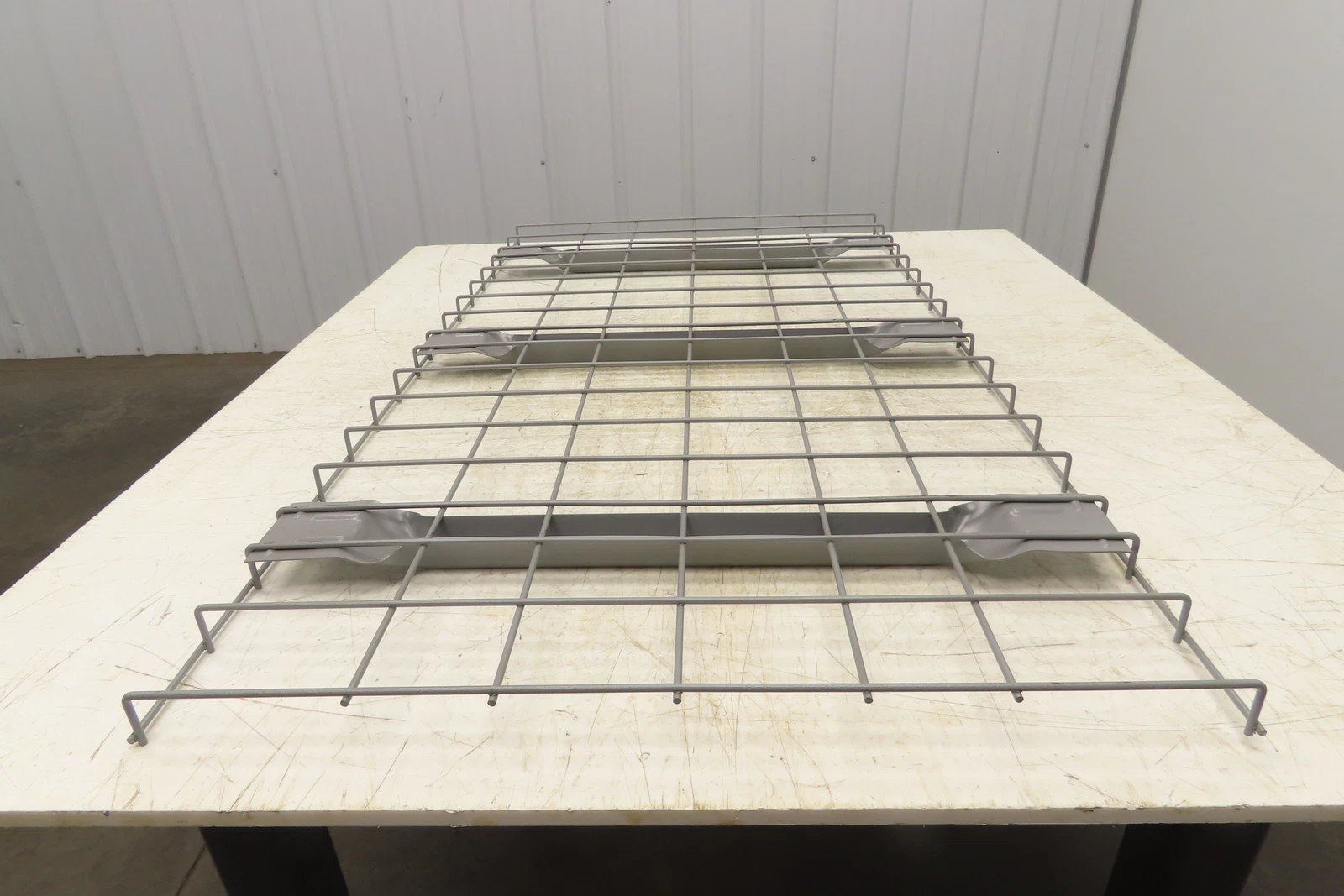
Are Your Rack Systems Compliant with Safety Regulations?
Are Your Rack Systems Compliant with Safety Regulations?
- Compliance with racking systems is essential for safety and efficiency.
- Proper racking systems protect both goods and personnel in busy warehouse environments.
- Ignoring safety regulations can lead to long-term financial and reputational damage.
- Ensuring compliance reflects genuine concern for employee safety and fosters a positive workplace culture.
- Compliance builds credibility, potentially creating new business opportunities and reinforcing existing partnerships.
- Regular checks on compliance demonstrate diligence and care for team safety.
- Racking systems symbolize a company’s values and commitment to quality.
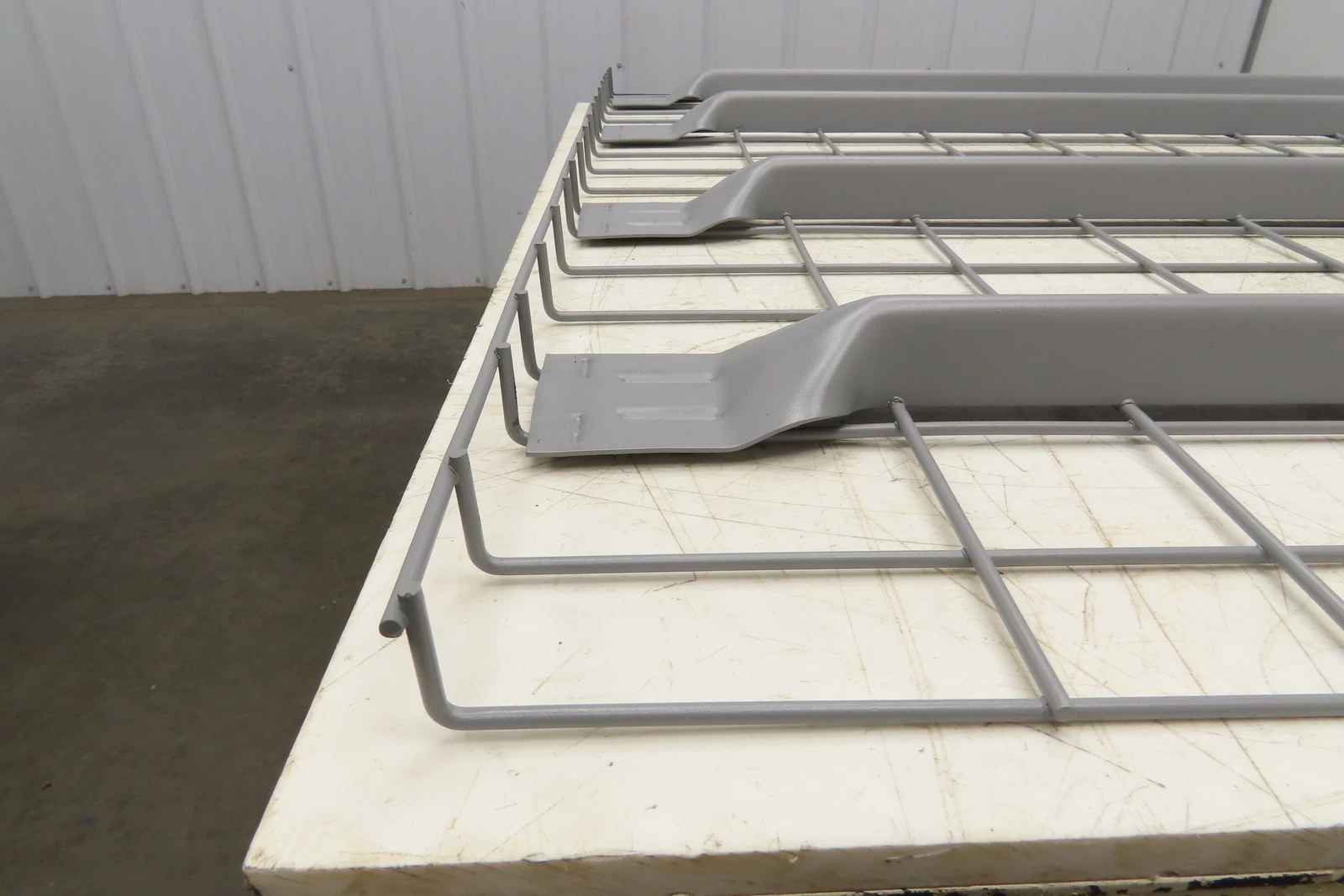
Are Your Rack Systems Compliant with Safety Regulations?
What Insurance Coverage Do Rack Systems Require?
When it comes to Racking Systems, ensuring that they’re covered by the right insurance isn’t just paperwork—it’s about protecting what you’ve built. Picture the warehouse floor buzzing with activity, the hum of machinery, the rhythm of workers loading and unloading. Each rack, standing sturdy and proud, holds not just products but the livelihood of your business. The thought of a catastrophic incident can send shivers down the spine, but having the right coverage can provide a sense of security.
First things first, general liability insurance is essential. This coverage protects against accidents that could happen on-site, like if a worker trips over a misplaced pallet jack or a customer strolls into the warehouse and gets hurt. It’s the kind of safety net that gives you peace of mind as you run your operation day in and day out. Without it, the consequences of even a minor mishap can spiral into overwhelming costs that threaten your entire setup.
Next, look into property insurance. Your Racking Systems are substantial investments, often customized to meet the unique needs of your business. If disaster strikes—be it fire, flood, or theft—property insurance ensures you’re not left shouldering the costs alone. It’s about restoring what’s lost and getting back to the grind without skipping a beat. This coverage isn’t just a wise financial move; it’s a lifeline that reflects your commitment to your employees and clients alike.
Moreover, consider equipment insurance if your racking setup includes specialized machinery. Accidents happen, and repairs can be expensive. Equipment insurance can cover the costs of repair or replacement, so you aren’t sidelined when a critical piece of machinery falters. It’s about keeping the wheels turning and the work moving forward, no matter what life throws your way.
Don’t forget about workers’ compensation insurance. Your employees are the backbone of your operation, and protecting their well-being should be top of mind. This coverage takes care of medical bills and lost wages if someone gets hurt on the job. It shows that you value your team, fostering loyalty and morale.
The right insurance coverage for your Racking Systems is more than a box to check. It’s about creating a resilient foundation for your business. By safeguarding what you’ve built, you’re not just protecting assets; you’re investing in the future of your enterprise and the people who make it thrive.

What Insurance Coverage Do Rack Systems Require?
What Insurance Coverage Do Rack Systems Require?
- Proper insurance for Racking Systems protects business investments and employees.
- General liability insurance covers on-site accidents, ensuring peace of mind for operations.
- Property insurance protects against losses from disasters like fire, flood, or theft.
- Equipment insurance is vital for covering repair/replacement costs for specialized machinery.
- Workers compensation insurance covers medical expenses and lost wages for injured employees.
- The right insurance helps create a resilient foundation for the business.
- Investing in insurance supports the future of the enterprise and employee morale.

What Insurance Coverage Do Rack Systems Require?
How Can You Prevent Damage to Goods on Racks?
When it comes to preventing damage to goods on racks, the stakes feel personal. Picture this: you walk into your warehouse, proud of your organized racking systems, only to find that a careless moment has turned your meticulous setup into a jigsaw puzzle of broken boxes and spilled products. That’s a gut punch to your bottom line and to the pride you take in your work. So, let’s break down how to keep those goods safe and sound.
Start with the basics. First, ensure your racking systems are strong enough to hold the weight and shaped to fit what you’re storing. It’s all about the right tools for the job. If your racks are suited to heavy items but are loaded with lighter ones, you might think you’re saving space, but in reality, you’re just inviting disaster. Items might tumble and crush each other, leading to loss not just in merchandise but in trust with your customers.
Next, think about visibility. Clear labeling and organized placement can save you a lot of grief. When everything has its spot and is easy to find, employees are less likely to rush and make mistakes. The good old rule of “a place for everything and everything in its place” could not be truer. You don’t want to be the person who tries to find what they need in a mess, leading to frustration and, inevitably, accidents.
Now, let’s talk about training your team. It’s essential to foster a culture of safety and responsibility. Engage your staff in regular training sessions, not just as a checkbox to mark but as a means to communicate the value of caring for goods. When everyone understands the impact of mishandling items, it’s easier to build a team that looks out for one another and the products they manage.
Regular inspections are crucial. Make it a routine to check your racking systems for any signs of wear or damage. It’s no different than checking the oil in your truck—if you neglect it, you might end up with a costly breakdown. Catching issues early can prevent larger problems down the line and keep your inventory safe.
Ultimately, it’s about pride in your work. You want to come into a space that reflects your dedication and professionalism, not one filled with chaos and loss. By implementing these strategies, you’re not just protecting goods; you’re safeguarding the heart of your operation. The trust your team builds and the relationships with your customers hinge on taking these steps seriously.

How Can You Prevent Damage to Goods on Racks?
How Can You Prevent Damage to Goods on Racks?
- Preventing damage to goods on racks is crucial for maintaining organizational pride and financial stability.
- Ensure racking systems are strong and appropriately shaped for the items being stored to avoid accidents.
- Implement clear labeling and organized placement for easy access, reducing the risk of employee mistakes.
- Foster a safety culture through regular training sessions that emphasize the importance of care in handling goods.
- Conduct routine inspections of racking systems to catch signs of wear or damage early.
- Maintain a professional environment that reflects dedication, preventing chaos and loss.
- Protecting goods safeguards the operation’s integrity and builds trust with the team and customers.

How Can You Prevent Damage to Goods on Racks?
What Are the Consequences Of Rack System Failures?
When racking systems fail, the repercussions stretch far beyond the immediate disaster. Picture a warehouse bustling with activity—a finely tuned machine that holds the lifeblood of a business: its products. The moment a rack system crumbles, chaos erupts. Products, investments, and livelihoods hang in the balance. It’s not just about damaged goods; it’s about people’s jobs and the trust clients place in your operation.
Financially, the impact can be staggering. There are the obvious costs: damaged inventory, repair bills, and potential legal fees if safety protocols were ignored. But then there are hidden costs—lost productivity, disrupted supply chains, and the hit to reputation. A single failure can create ripples that cost a company its standing in the community and its customer base. Business relationships built over years can be shattered in an instant, and regaining trust can feel like climbing a mountain made of rubble.
Consider the human element. The workers who rely on those systems for their day-to-day tasks face not just job insecurity but emotional stress. Racking system failures can lead to injuries, causing not just physical harm but emotional turmoil for workers and their families. The sense of security that comes from a safe work environment is invaluable. When that security is compromised, it reverberates through every aspect of life—home, family, and community.
Ethically, prioritizing safety and integrity is a non-negotiable. Choosing to cut corners on racking systems in hopes of saving a buck is a gamble that can have disastrous consequences. It’s about more than compliance; it’s about doing right by your team. If you wouldn’t put your loved ones in harm’s way, why risk your workers? Every rack you install should be a promise—a commitment to safety that upholds the dignity of every person involved.
When you engage with your workforce and ensure they understand the importance of maintaining and properly using racking systems, you foster a culture of responsibility. It’s not just about mere compliance—it’s about stewardship. A culture where safety is prioritized leads to better morale and a more motivated team.
Ultimately, racking system failures are a call to action. They remind us that investing in quality and safety isn’t just smart business; it’s a responsibility to everyone who steps through your doors. Trust isn’t built overnight; it’s reinforced through every safe and successful operation. Prioritize the reliability of your racking systems, and in doing so, you preserve not just products but also livelihoods, relationships, and community trust.

What Are the Consequences Of Rack System Failures?
What Are the Consequences Of Rack System Failures?
- Racking system failures cause immediate chaos in warehouses, affecting products, investments, and livelihoods.
- Financial impacts include damage costs, repair bills, legal fees, lost productivity, and reputational damage.
- Human factors involve job insecurity, emotional stress, and potential injuries for workers and their families.
- Prioritizing safety and integrity in racking systems is essential for ethical business practices.
- Engaging the workforce fosters a culture of responsibility and prioritizes safety, improving morale and motivation.
- Racking system failures highlight the importance of investing in quality and safety as a business responsibility.
- Trust is built through consistent safe operations, protecting products, livelihoods, and community relationships.

What Are the Consequences Of Rack System Failures?
How Do Rack System Inspections Impact Your Insurance Rates?
When the rubber meets the road, you start realizing just how vital those racking systems are in your warehouse. They’re not just simple metal frames holding inventory; they’re critical to your operation’s safety and efficiency. Regular inspections of these racking systems can make a significant difference in your insurance rates. It’s not just about keeping the place tidy; it’s about safeguarding your bottom line.
Think about it: a well-maintained racking system means a safer workplace. Fewer accidents equal lower claims. Insurance companies aren’t in the business of losing money, and when they see that you take racking inspections seriously, it sends a clear message: you prioritize safety. That speaks volumes. It’s not just a piece of paperwork; it’s a commitment to ensuring everyone goes home without a scratch. When you foster a culture of safety, it resonates, creating a bond of trust not only within your team but also with your insurers.
Racking systems can make or break productivity. If they’re not up to par, you risk not just your goods but your employees’ well-being. Insurance companies assess risk, and if they find that you’re neglecting inspections, you can bet your premiums will reflect that. Investing time and resources into these inspections isn’t just smart—it’s essential. It’s akin to how a good mechanic checks over your truck. You wouldn’t skip that oil change, would you? Keeping your racking systems in check is no different.
Moreover, demonstrating compliance with industry regulations through regular inspections can enhance your reputation. An ethical business practice draws good attention. When clients know you’re committed to adhering to safety standards, they trust you more. That confidence can lead to new contracts and partnerships, strengthening your position in the industry.
Real stories matter here. Think of the small business owner who saved thousands on their insurance just by keeping their racking systems in check. They invested in inspections, and when the renewal came around, the insurer recognized the commitment to safety. Instead of worrying about escalating costs, they had more resources to reinvest in their business. It’s about taking charge of your fate.
In short, regular inspections of your racking systems aren’t just about compliance or avoiding penalties. They’re about fostering a culture of safety and responsibility that resonates throughout your operation, impacts your insurance rates positively, and builds a reputation that clients can trust. Investing in inspections is investing in peace of mind and the future of your business.
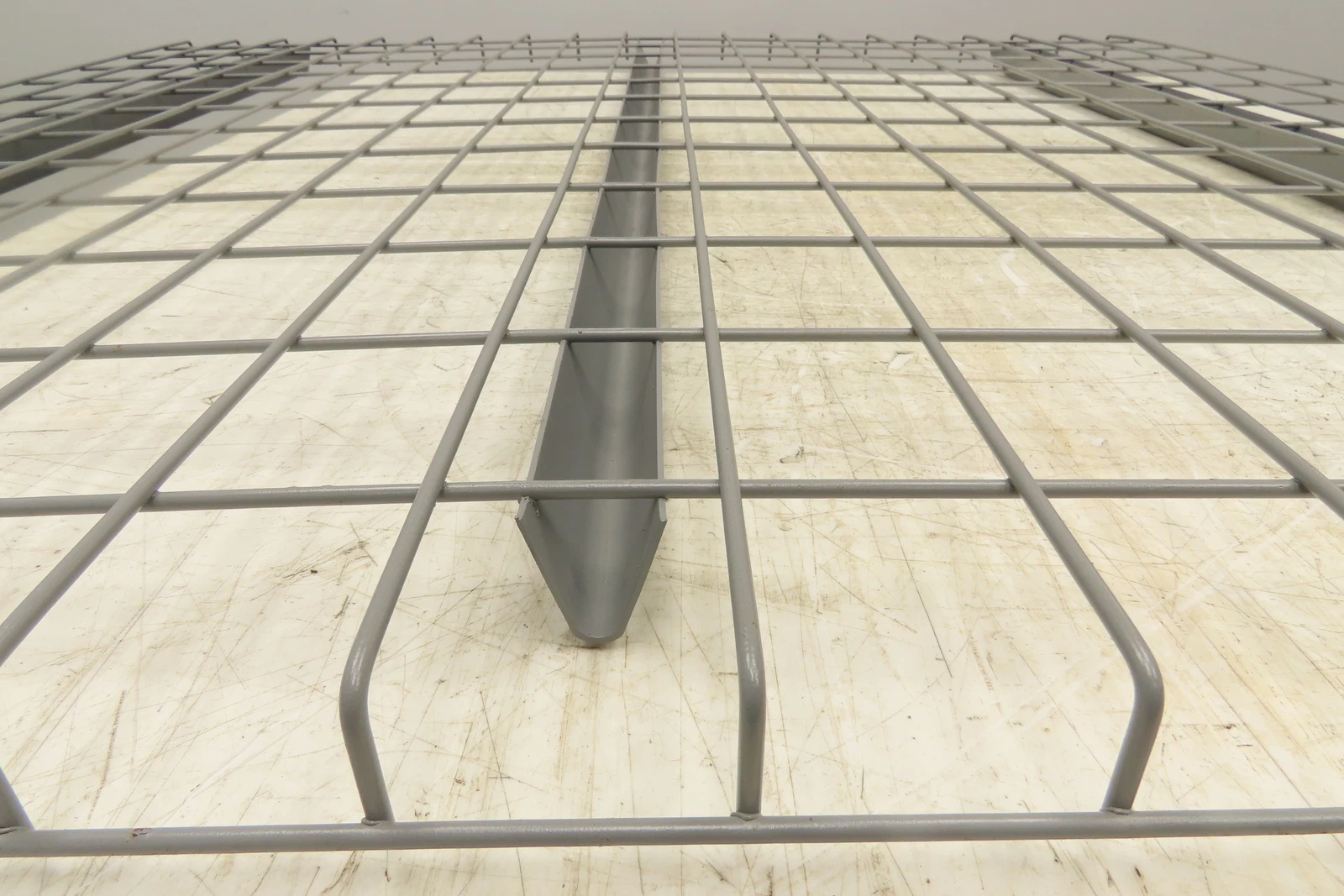
How Do Rack System Inspections Impact Your Insurance Rates?
How Do Rack System Inspections Impact Your Insurance Rates?
- Racking systems are essential for warehouse safety and efficiency, beyond just holding inventory.
- Regular inspections can significantly lower insurance rates and enhance workplace safety.
- Commitment to safety through inspections fosters trust within teams and with insurers.
- Neglecting inspections can lead to heightened risk assessments and increased premiums.
- Demonstrating compliance with industry regulations enhances business reputation and attracts clients.
- Case studies show that proactive inspections can result in substantial insurance savings.
- Investing in inspections promotes a culture of safety and positive business outlook.

How Do Rack System Inspections Impact Your Insurance Rates?
Conclusion
The insurance implications surrounding rack systems are critical, reflecting not only on financial stability but also on the people who rely on these structures every day. Think about the family-run business that has poured generations into building their livelihood—each dent and scratch on their racks tells a story of hard work and resilience. Insurance isn’t just a piece of paper; it’s the promise that their dreams and efforts are protected against the unpredictable twists of fate. Ensuring adequate coverage for these essential systems safeguards not only assets but the heart of the business itself.
Financially, the stakes couldn’t be higher. A racking system malfunction can escalate from an inconvenience to a catastrophe, leading to substantial property damage, liability claims, and lost revenue. Engaging with insurers to ensure clear, comprehensive coverage is vital for any owner who wants to mitigate those risks and maintain a steady course through turbulent times. Ethically, prioritizing workplace safety enhances the business culture. Workers are a company’s most significant asset, and by investing in safety measures, you show a commitment to their well-being that fosters loyalty, morale, and productivity.
Properly designed rack systems also pave the way for operational efficiency. When goods are stored securely and organized, the likelihood of accidents decreases, saving time and resources in the long run. It reflects a commitment to excellence—a trait that resonates with clients and partners alike. This reputation for safety and reliability positions a business as an authority in the industry, fostering trust and secure relationships.
Compliance with safety regulations is imperative; neglecting this can lead to severe consequences that extend beyond financial loss—impacting employee well-being and the community’s perception of the business. Regular inspections do not merely ensure compliance; they build a culture of responsibility and pride within the workforce and reduce potential insurance costs. Every inspection is a testament to the commitment to safety and operational integrity.
In the end, investing in proper insurance coverage and safety measures for rack systems isn’t just smart; it’s a moral obligation. It’s about securing not just the property but the livelihoods that depend on it. By establishing these protections, businesses not only shield themselves against the unpredictable but also create a strong, trustworthy foundation for sustainable success. The integrity of the racking system reflects a deeper commitment to the people who work within those walls, embodying the timeless principles of safety, responsibility, and community trust.

Conclusion
Conclusion:
- The insurance implications of rack systems impact financial stability and the livelihoods reliant on them.
- Insurance protects businesses from unpredictable events, safeguarding their assets and efforts.
- A malfunction in racking systems can lead to serious financial repercussions, including property damage and liability claims.
- Prioritizing workplace safety through effective insurance and measures enhances company culture and employee morale.
- Organized and secure rack systems improve operational efficiency, reducing accidents and resource waste.
- Compliance with safety regulations is critical to prevent financial loss and foster community trust.
- Investing in insurance and safety measures is both a smart business decision and a moral obligation for protecting livelihoods.
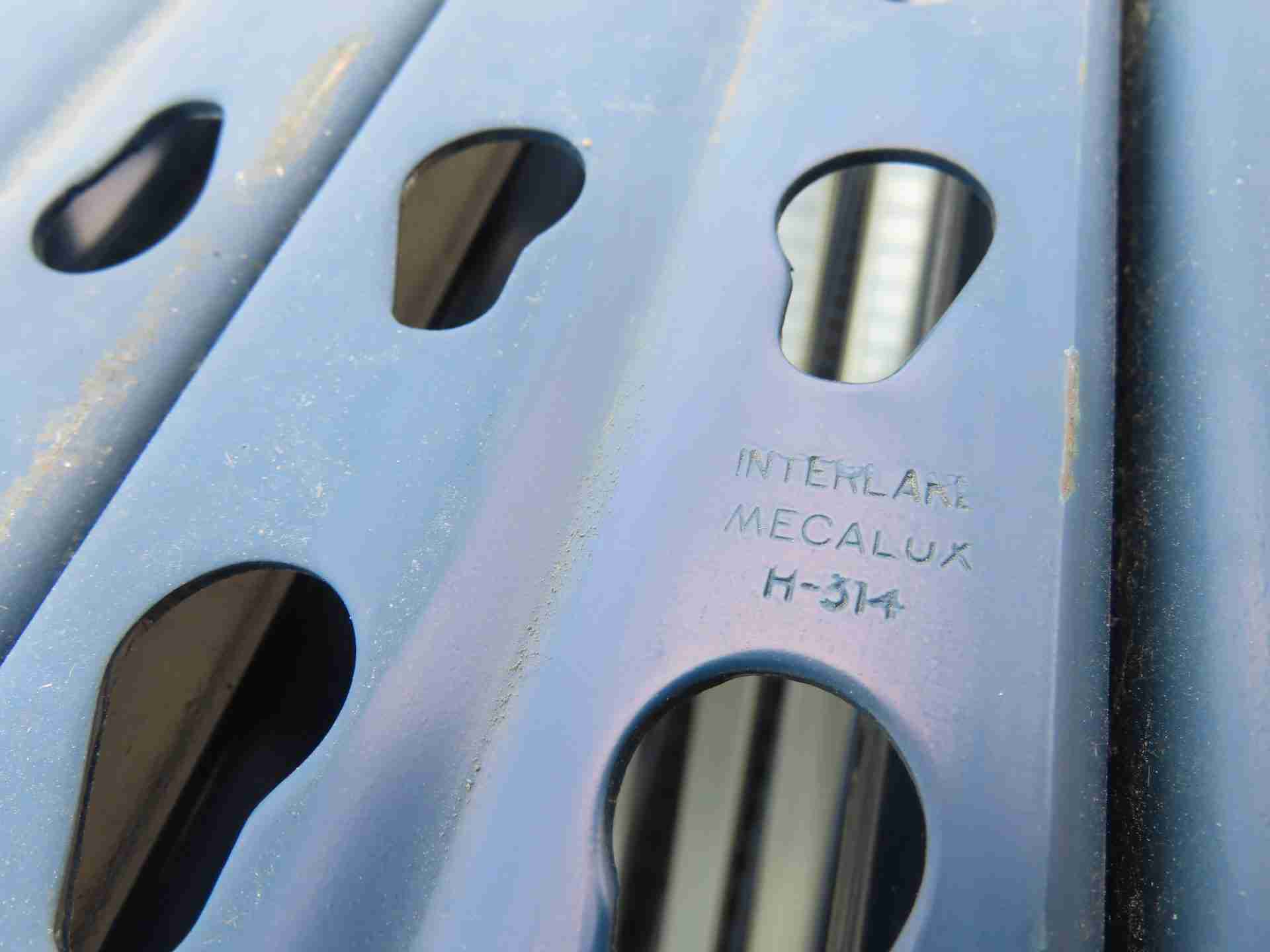
Conclusion
Other Resources

Other Resources
Here is a list of other resources you can review online to learn more:
- Warehouse Racking Chicago, IL
- International Warehouse Logistics Association
- Cantilever Rack Guide: Ordering Cantilever Racking
- Arrow Industrial Sales
- Selective Racking
- Rack Manufacturers Institute
- American Surplus
- Pallet Racking systems in Illinois and Great Lakes
- Warehouse Automation
- Warehouse Racks, Warehouse Racking in Stock – ULINE
- Storage Equipment Manufacturers’ Association
- The Complete Pallet Rack Guide – Simply Rack
- Teardrop Industrial Shelving Rack
- WERC
- Material Handling Safety
- Interlake Mecalux
- Selective Pallet Racking Systems – Container Systems
- Selective Pallet Racking Systems
- Pallet Racking systems in Illinois, Great Lakes
- Heavy-Duty Cantilever Storage Racks
Use This Prompt To Get More Resources With Your Favorite Online AI Tool: Please provide me with a list of online articles with their URLs in a bulleted list that I can read regarding Insurance Implications Of Rack Systems

Other Resources
Glossary Terms
Insurance Implications Of Rack Systems – Glossary Of Terms
1. Rack System: A framework that stores and supports various equipment or products, often used in warehouses or data centers.
2. Load Capacity: The maximum weight that a rack system can safely support without risk of failure.
3. Structural Integrity: The ability of a rack system to withstand loads and forces without collapsing or deforming.
4. Compliance: Adherence to industry regulations and standards in the design and use of rack systems.
5. Risk Assessment: The process of identifying and evaluating potential risks associated with rack systems and their use.
6. Insurance Coverage: Protection provided by an insurance policy for damages or losses related to rack systems.
7. Material Handling: The movement, protection, and control of products and materials throughout the manufacturing, warehousing, and distribution processes.
8. Safety Standards: Established criteria that ensure equipment, including rack systems, operates safely.
9. Liability: Legal responsibility for damages or injuries that occur as a result of the use of rack systems.
10. Fire Safety: Measures and precautions taken to prevent fire hazards associated with rack storage.
11. Inventory Management: The process of overseeing and controlling the ordering, storage, and use of products in a rack system.
12. Ergonomics: The study of people’s efficiency in their working environment, affecting how rack systems are designed for usability.
13. Space Optimization: The effective use of space in warehouse or storage settings to maximize storage capacity with rack systems.
14. Pallet Racking: A type of rack system specifically designed for the storage of pallets.
15. Vertical Storage: Utilizing vertical space in a storage facility through the use of rack systems.
16. Accessibility: The ease with which items stored on rack systems can be reached and retrieved.
17. Damage Assessment: The evaluation of any damages to rack systems or the items they hold to determine insurance claims.
18. Load Distribution: The way weight is spread across the rack system to ensure stability and safety.
19. Maintenance: Regular checks and repairs necessary to keep a rack system functional and safe.
20. Shelving Units: Components of a rack system that provide surfaces for storage and display.
21. Insurance Claims: Requests made to an insurance company for compensation due to losses involving rack systems.
22. Hazardous Material Storage: Guidelines for safely storing dangerous goods within rack systems to prevent accidents.
23. Environmental Impact: The effect that rack systems have on the environment in terms of material use and waste production.
24. Warranty: A guarantee provided by the manufacturer regarding the quality and longevity of the rack system.
25. Forklift Access: The design consideration for enabling forklifts to operate effectively around rack systems.
26. Customization: Modifying rack systems to meet specific warehouse or storage needs.
27. Inspection Protocol: A set procedure for regularly checking rack systems for safety and compliance.
28. End-of-Life Evaluation: Assessing the condition of rack systems when they reach their maximum usable life to determine disposal or replacement.
29. Structural Failure: The point at which a rack system fails to support loads, potentially leading to accidents or damage.
30. Quality Assurance: The process of ensuring that rack systems meet set quality standards through testing and evaluation.
Glossary Of Terms
Other Questions
Insurance Implications Of Rack Systems – Other Questions
If you wish to explore and discover more, consider looking for answers to these questions:
- What specific types of insurance policies should cover racking systems (e.g., property, equipment breakdown, general liability, endorsements)?
- Are racking systems covered under standard property insurance or do they require a separate endorsement?
- How do insurers define “racking system” for coverage and claims purposes?
- What documentation do insurers typically require to prove racking system condition and compliance?
- How do rack inspections and maintenance records affect premiums and coverage eligibility?
- How often should racking systems be inspected to meet insurance requirements?
- Who must perform inspections (internal staff, certified third-party inspectors, licensed engineers)?
- What qualifications or certifications should inspectors have for racking systems?
- What are common causes of rack system failure that lead to insurance claims?
- How do insurers treat damage caused by forklift impacts or operator error?
- Are there coverage exclusions for racks that were modified, repaired, or installed by unqualified personnel?
- How are used or secondhand racking systems treated by insurers compared with new installations?
- What role do rack load ratings and posted capacities play in underwriting and claims?
- How should businesses document load calculations and pallet loads for insurers?
- How do racking systems storing hazardous or flammable materials affect insurance requirements and costs?
- Do different product types (food, pharmaceuticals, electronics) require specialized coverage when stored on racks?
- How do sprinkler systems and fire-protection strategies interact with racking insurance and code compliance?
- What are the insurance implications of high-bay racking versus low-level shelving?
- How do seismic, wind, flood, or other regional risks change coverage needs for racking systems?
- Are there specific anchoring or bracing requirements insurers expect in seismic zones?
- How do tenants and landlords allocate responsibility and insurance for racking systems in leased facilities?
- How does workers’ compensation interact with racking system incidents that cause employee injuries?
- What liability exposure occurs when customers or contractors access racked storage areas?
- How do insurance carriers handle business interruption claims related to racking system failures?
- What documentation and evidence will insurers request when a racking-related claim is filed?
- How does deductible, limits, and sublimits apply to racking and stored goods losses?
- Can maintaining a scheduled maintenance program or third‑party inspection program qualify you for premium discounts?
- What steps should be taken immediately after a rack damage event to preserve coverage and support a claim?
- How long should inspection, maintenance, and incident records be retained for insurance and legal purposes?
- How do retrofit, upgrade, or replacement projects for racks impact current insurance policies?
- What are common policy exclusions or limitations related to racking systems (wear-and-tear, gradual deterioration, design defects)?
- How do manufacturers’ warranties and installer certifications influence insurer decisions and subrogation?
- Should you carry specific endorsements for high-value inventory or specialized storage equipment?
- How do insurers assess risk for automated storage and retrieval systems (AS/RS) versus manual racking?
- What training and operator qualification programs reduce insurance risk and potential rate increases?
- How does pallet condition, stacking practices, and packaging affect racking safety and insurability?
- Are there industry standards or codes (e.g., ANSI, RMI, OSHA) insurers reference when underwriting racks?
- How do remote monitoring, IoT sensors, and CCTV systems influence underwriting and claims investigation?
- What are typical inspection checklists or critical inspection items insurers expect to see for racking systems?
- How do insurers handle cross-border or multi-state operations with differing building codes and safety standards?

Other Questions
Checklist
Insurance Implications Of Rack Systems – A Checklist
Rack Design and Installation
✅______ Rack system designed or reviewed by a qualified engineer for loads, seismic zone, and slab capacity
✅______ Manufacturer specifications, drawings, and load calculations on file
✅______ Load-capacity plaques posted at each bay/aisle; no obscured or missing signage
✅______ Correct anchoring and seismic bracing installed per specifications and code
✅______ Beam locking pins/bolts present and secured; no damaged or missing components
✅______ No mixing of components from different manufacturers without engineered approval
✅______ Adequate clearances (flue spaces, aisle widths, top-of-load to sprinkler/roof deck)
✅______ Impact protection installed (column guards, end-of-aisle barriers, rack-end protectors)
✅______ Backstops, netting, or wire decking installed where applicable to prevent push-through or falling items
✅______ Permits obtained and final inspections passed; as-built documents retained
Operations and Housekeeping
✅______ Documented pallet quality standards; unsafe pallets removed from service
✅______ Loads evenly distributed; no overhanging or oddly shaped items without containment
✅______ Stacking rules and height limits enforced
✅______ Aisles clear; housekeeping program prevents debris, protrusions, or trip hazards
✅______ Adequate lighting for pick/put-away visibility
✅______ Forklift routes, speed limits, and right-of-way rules marked and enforced
✅______ Change management process in place for any rack reconfiguration or SKU changes
Inspection and Maintenance Program
✅______ Daily operator visual checks for damage, misalignment, and missing pins/bolts
✅______ Monthly supervisor inspections documented with photos and corrective actions
✅______ Annual third-party inspection (RMI or qualified PE) with written report
✅______ Red-tag/lockout procedure for damaged bays; immediate offloading of compromised racks
✅______ Spare parts inventory and approved-vendor repair process
✅______ Incident and near-miss log maintained; trend analysis performed
Employee and Contractor Training
✅______ Certified forklift/powered industrial truck training current
✅______ Rack-specific loading/unloading, capacity, and signage training
✅______ New-hire and refresher safety training schedules maintained
✅______ Contractor/vendor onboarding includes site rules, COIs, and supervision requirements
✅______ Culture of reporting (employees empowered to halt unsafe operations)
Risk Controls That Influence Insurance
✅______ Automatic sprinklers suited to commodity/class and rack configuration (e.g., ESFR or in-rack, where needed)
✅______ Fire extinguishers, alarms, and exits accessible; evacuation plan posted and drilled
✅______ Flammable/chemical storage segregated with secondary containment
✅______ Impact sensors or cameras in high-risk aisles; events reviewed
✅______ Temperature/humidity controls where product sensitivity requires
✅______ Security controls (access, intrusion detection, and CCTV coverage of critical areas)
✅______ Business continuity plan addressing alternate storage and fulfillment
Documentation Insurers Expect
✅______ Statement of values current (rack replacement cost, building, equipment, and inventory values)
✅______ COPE details (construction, occupancy, protection, exposure) updated
✅______ All inspection, maintenance, and training records organized and accessible
✅______ Engineering certifications, permits, and compliance letters on file
✅______ Vendor/installer contracts with hold-harmless and additional insured provisions; current COIs
✅______ Inventory controls (cycle counts, WMS reports) and peak-season values documented
✅______ Near-miss/incident logs and corrective action records available
Insurance Coverage Checklist
✅______ General Liability with adequate limits for premises/operations
✅______ Commercial Property covering racks, building, equipment, and stock at replacement cost
✅______ Business Income/Extra Expense with realistic indemnity period and contributions for partial outages
✅______ Debris removal and pollution cleanup sublimits adequate
✅______ Ordinance or Law (A/B/C) for code-required upgrades after loss
✅______ Flood and Earthquake endorsements where exposures exist
✅______ Theft/crime coverage as needed for inventory exposure
✅______ Equipment Breakdown coverage if applicable to automated/mechanized rack systems
✅______ Inland Marine for mobile racking or property off premises/in transit (consider Stock Throughput)
✅______ Workers’ Compensation and Employers Liability current and state-compliant
✅______ Umbrella/Excess Liability limits aligned with catastrophic collapse scenarios
✅______ Confirm policy treatment of “rack collapse” and falling objects; remove restrictive sublimits where possible
✅______ Deductibles, coinsurance, and valuation terms reviewed; peak-season and margin clauses addressed
Carrier Engagement and Credits
✅______ Provide carriers with latest inspection reports and corrective actions for potential credits
✅______ Report material changes in layout, commodities, or protection promptly
✅______ Verify endorsements for additional insured/waiver of subrogation on installer and inspector COIs
✅______ Schedule risk improvement visits; document completion of recommendations
Post-Incident Claims Steps
✅______ Ensure scene safety; isolate affected aisles and control ignition sources
✅______ Notify broker/carrier; preserve failed components and impacted pallets
✅______ Document with photos/video, measurements, and witness statements; secure CCTV footage
✅______ Retain engineer to determine cause; keep maintenance and training records ready
✅______ Segregate damaged stock; inventory and quantify losses
✅______ Track downtime, rerouting, and extra expense for the business income (BI) claim
✅______ Implement interim controls before reopening affected areas
Quick Self-Audit Scoring
✅______ 0–10 items checked: high risk; prioritize engineering and training fixes
✅______ 11–25 items checked: moderate risk; schedule third-party inspection and insurer review
✅______ 26+ items checked: strong posture; pursue premium credits and maintain documentation

Checklist
At RackingWorld, we help guide you through selecting warehouse storage systems and racking.
Be sure to read our other related stories at RackingWorld to learn more about warehouse storage systems.
0 Comments