
Building A Sustainable Future: Smart Strategies For Distribution Centers
By Tom Seest
At RackingWorld, we help guide you through selecting warehouse storage systems and racking.
Be sure to read our other related stories at RackingWorld to learn more about warehouse storage systems.
Long-Term Asset Planning for Distribution Centers
When it comes to distribution centers, long-term asset planning isn’t just about spreadsheets and forecasts; it’s about laying the groundwork for a sturdy, reliable operation that serves the community and the workforce behind it. Think about the racking systems that hold our products aloft—those steel structures do more than just store goods; they carry the weight of expectations. They enable us to get what people need when they need it, and that’s a responsibility we can’t take lightly.
Consider the workers who depend on these systems. Each beam, each shelf, is a promise that we’re delivering not just products but solutions. Every day, a dedicated team clocks in with a sense of purpose, knowing their efforts streamline logistics and ensure homes are stocked with essentials. Those racking systems are more than just hardware; they’re the backbone of a bustling operation that feeds families, supports businesses, and strengthens the community. This connection fosters trust—trust that the hard work put into selecting the right systems means fewer headaches down the line.
Now, look to the future. Are we planning for growth? It’s not just about adding more racks or expanding a warehouse. It’s about scalability. It’s about envisioning how those systems will adapt and grow with evolving demands. A thoughtful asset plan anticipates not just the next quarter but the next decade. This foresight not only protects our bottom line but reinforces our ethical obligation to manage resources wisely. Investing in durable, flexible racking systems means we’re not just band-aiding current needs; we’re future-proofing our operations.
Moreover, let’s talk about the bottom-line impact. A well-executed asset plan translates into efficiency and cost savings. Fewer damages, less waste, and optimizing space lead to better financial health. This rational approach, backed by years of hands-on experience, showcases the authority we gain from understanding our industry. It’s not just about hitting targets; it’s about meaningful progress.
So, as we build for tomorrow, remember that every decision made in the planning room affects lives. Let’s ensure that our long-term asset planning speaks to our industry’s heart, servicing our community with integrity while keeping our team empowered and confident in their roles. That’s the essence of a sustainable distribution center—built with purpose and driven by the people who make it all possible.

Long-Term Asset Planning for Distribution Centers
Long-Term Asset Planning for Distribution Centers
- Long-term asset planning in distribution centers focuses on building reliable operations for communities and workforces.
- Racking systems play a critical role in logistics, enabling timely delivery of products that meet community needs.
- Workers rely on these systems for efficient operations, reinforcing trust and promise in product delivery.
- Future planning must prioritize scalability and adaptability of systems to accommodate evolving demands.
- A comprehensive asset plan protects financial health and ensures responsible resource management.
- Effective asset planning leads to efficiency, cost savings, and reduces waste and damages.
- Each planning decision impacts lives, emphasizing the need for integrity and empowerment in operations.

Long-Term Asset Planning for Distribution Centers
Table Of Contents
- Long-Term Asset Planning for Distribution Centers
- What Are the Long-Term Needs Of Our Distribution Center?
- How Can We Optimize Asset Utilization Effectively?
- What Investments Yield the Best Roi for Our Assets?
- How Do Technological Advancements Affect Our Asset Strategy?
- What Risks Are Associated with Neglecting Long-Term Planning?
- How Can I Align Asset Planning with Business Goals?
- Conclusion
- Other Resources
- Glossary Of Terms
- Other Questions
- Checklist
What Are the Long-Term Needs Of Our Distribution Center?
When you think about a distribution center, it’s easy to focus on the big machinery and the fast-paced hustle. But at its heart, it’s about the people who make it run and the long-term vision that keeps it alive. The backbone of any effective operation lies in having the right racking systems. These aren’t just shelves; they’re the framework that holds everything together—literally and figuratively. Without a solid structure, we lose efficiency, safety, and, ultimately, trust.
That trust is built day by day, as workers navigate the aisles, moving products with care. It’s important to invest in quality racking systems designed for the load they’ll carry. Dependable equipment means fewer accidents and more confidence on the floor. When employees believe they can rely on their tools, their morale rises, leading to better productivity and a safer work environment.
We can’t overlook the ethics of our choices, either. Choosing sustainable materials and practices not only shows respect for our planet but also sets a standard of integrity within the industry. Communities notice when a local business prioritizes responsible decisions, and that fosters loyalty. If we want our distribution center to thrive in the long run, we need to ensure our actions reflect our values.
Crafting a narrative around our distribution center’s journey can deepen connections. Picture this space five, ten, or even twenty years down the line. With the right investments in innovative racking systems, we could be the benchmark for efficiency and reliability in the industry. Employees telling stories of how they adapted to advancements and streamlined operations can result in a shared sense of achievement and ownership.
It’s not just about the here and now but setting a foundation for future generations. When we invest in training and development alongside these essential racking systems, we empower our workforce to thrive and evolve. They’ll not just be workers; they become stewards of a legacy.
As we consider the long-term needs of our distribution center, remember it’s a collective effort. Each decision we make today—from the racking systems we choose to the training programs we implement—shapes the future of our operation. Together, we can create a nurturing environment that feels like home to every employee while meeting demands with confidence and pride. Building this culture requires action, integrity, and a vision that goes beyond mere survival—it’s about creating a thriving community.

What Are the Long-Term Needs Of Our Distribution Center?
What Are the Long-Term Needs Of Our Distribution Center?
- Distribution centers revolve around people and a long-term vision, not just machinery.
- Effective operations depend on robust racking systems, which ensure efficiency and safety.
- Trust is established through daily operations, emphasizing the importance of dependable equipment.
- Sustainable materials and practices enhance industry integrity and foster community loyalty.
- Investing in innovative racking systems positions a distribution center as a benchmark in the industry.
- Training and development help employees evolve into stewards of the organization’s legacy.
- Collective decision-making today shapes the long-term future, creating a nurturing and thriving work environment.

What Are the Long-Term Needs Of Our Distribution Center?
How Can We Optimize Asset Utilization Effectively?
When it comes to making the most of what you’ve got, optimizing asset utilization is like fine-tuning a well-worn engine; any mechanic will tell you it’s all about the details. Think about Racking Systems in a warehouse. These aren’t just metal frames holding stuff; they’re the unsung heroes, transforming chaos into order and inefficiency into productivity. The right racking system isn’t just a choice; it’s a lifeline that connects the heart of your operations to the efficiency you strive for.
Let’s get real: you’ve got valuable assets sitting around, gathering dust. Every piece of equipment, be it a forklift or a conveyor belt, has potential that can either be realized or squandered. The rational approach here is to actively track usage patterns, evaluate the lifespan of your tools, and understand where bottlenecks exist. A simple shift in strategy—like implementing better inventory management—can feel like cleaning a muddy windshield on a foggy day. Suddenly, the road ahead is clearer, and you can see opportunities just waiting to be seized.
On the other hand, it’s not just about numbers and charts—it’s about people. Your team knows where the friction lies. Encouraging open lines of communication fosters a sense of ownership and boosts morale. When everyone feels part of the solution, it’s like bringing together different gears of a machine that all work in harmony. And let’s not forget the ethical side of this; treating equipment and resources with respect not only extends lifespan but also builds a culture of responsibility. Every time you make a conscious decision to optimize, you’re not just saving a buck; you’re doing your part to honor the hard work and investment put into those assets.
From a narrative standpoint, let’s paint a picture: picture a small business grappling with tight margins, where every piece of equipment matters. By streamlining processes and maximizing asset utilization, they transform not just their operations, but their future. They become a story of resilience, proving that with a bit of effort and ingenuity, success is a team victory.
Optimizing asset utilization is not just a task—it’s a journey. When you embrace it, you’re not just improving efficiency; you’re fostering a culture that values every resource, every member of the team, and every opportunity that comes your way. It’s about making those Racking Systems work harder for you, so you can focus on what matters most: serving your customers and growing your business.

How Can We Optimize Asset Utilization Effectively?
How Can We Optimize Asset Utilization Effectively?
- Optimizing asset utilization improves operational efficiency, akin to fine-tuning an engine.
- Racking systems in warehouses are crucial for maintaining order and enhancing productivity.
- Every piece of equipment has untapped potential that can either be realized or wasted.
- Tracking usage patterns and addressing bottlenecks can reveal new opportunities for growth.
- Open communication within the team fosters ownership and improves morale.
- Respecting equipment and resources builds a culture of responsibility and extends their lifespan.
- Optimizing asset utilization is a collaborative journey that supports business growth and customer service.

How Can We Optimize Asset Utilization Effectively?
What Investments Yield the Best Roi for Our Assets?
Investing wisely can feel like navigating a maze, but it boils down to a few key principles that resonate with everyone, regardless of income level or background. Among the options out there, certain investments yield the best return on investment (ROI) when approached with a clear head, a hopeful heart, and the grit to ride out any storm.
One standout choice is racking systems. Imagine the satisfaction of maximizing storage, whether in a warehouse or your own garage. Investing in quality racking can streamline your operations, saving time and reducing stress. It’s not just about the immediate benefits; think of the long-term gains. You’re not only reclaiming space; you’re also increasing efficiency, allowing your business or home to flourish. This is where the emotional connection kicks in—visualizing your once-cluttered environment transforming into an organized haven.
Next up are real estate investments. Don’t let the perceived complexities deter you. When you buy a property, you’re not just investing in bricks and mortar; you’re securing a future for yourself and perhaps your children. There’s a primal assurance in owning something tangible, something that stands tall against the ups and downs of life. It’s this very stability that sparks confidence. You’re laying down roots and creating a legacy, a theme that resonates deeply across generations.
Also worth considering are sustainable investments. This isn’t just an ethical choice; it’s a smart one. More folks are looking for companies that align with their values, favoring green innovations that promise a better planet. Your dollars can make a difference while also offering substantial financial returns. So, when you invest, you contribute to a cause greater than yourself—a powerful motivator that can attract like-minded individuals into your circle.
Don’t overlook the stock market, either. While it may seem intimidating, the potential to grow your wealth is undeniable. With the right research and a bit of patience, you can tap into innovative companies that are changing the game. This journey can be exhilarating, evoking a sense of participation in something much larger than oneself; it’s about being part of a community pushing for progress.
At its core, the best investments are those that reflect your values and goals. By making informed decisions, whether through racking systems, real estate, sustainable investments, or the stock market, you’re not just padding your wallet; you’re building a meaningful life grounded in purpose and connection.

What Investments Yield the Best Roi for Our Assets?
What Investments Yield the Best Roi for Our Assets?
- Investing wisely involves key principles that apply to everyone, regardless of background.
- Racking systems maximize storage efficiency, providing long-term operational benefits.
- Real estate investments secure tangible assets and foster stability for future generations.
- Sustainable investments align financial goals with ethical values, attracting like-minded individuals.
- The stock market offers potential wealth growth through research and patience.
- The best investments reflect personal values and contribute to a meaningful life.
- Informed decisions in investing lead to financial and emotional rewards.

What Investments Yield the Best Roi for Our Assets?
How Do Technological Advancements Affect Our Asset Strategy?
Technological advancements are reshaping how we think about our asset strategy, turning what used to be a straightforward approach into a dynamic game of risk and reward. Take racking systems, for example. These aren’t just metal shelves; they are the backbone of efficient organization and inventory management. A well-designed racking system can transform a disorganized warehouse into a well-oiled machine, boosting productivity and saving time—two resources we can never get back.
Imagine the moment when you’re finally able to locate that one crucial part after hours of searching through a cluttered mess. It’s frustrating, and it wears you down. Now, picture that your warehouse has modern racking systems that optimize every inch of space, allowing you to retrieve items swiftly. That’s not just efficiency; that’s peace of mind. It’s a simple concept, yet it resonates because we all know the stakes. Time wasted is money lost, and with today’s fast-paced market, we can’t afford to lag behind.
On a rational level, technological advancements often come with data and analytics tools that empower decision-makers. With real-time inventory tracking integrated into our racking systems, we can make informed choices about stock levels and ordering processes. This isn’t about bragging rights; it’s about keeping our operations lean and effective. When decisions are backed by solid data, integrity rises. It’s not just a number on a spreadsheet; it’s a reflection of our commitment to quality and reliability.
Ethically, there’s also a case to be made. By investing in advanced technologies, we foster a safer workplace. Smart racking systems can reduce the risk of accidents and injuries, showing that we care about the well-being of our workers. This makes our teams feel valued and supported, creating a culture of trust that translates into better performance across the board.
When you talk about connecting with each other, think about the stories of growth and perseverance that tech can catalyze. Businesses transforming their strategies, staff being trained in new systems, and seeing firsthand how these changes lead to tangible success—these narratives resonate deeply. It’s not just about hitting targets; it’s about the collective journey of improvement and innovation, where every small win builds momentum.
In a world driven by rapid change, adapting our asset strategies to embrace technological advancements isn’t just savvy; it’s essential. Let’s pick up the tools and take action, ensuring our racking systems—and by extension, our operations—are ready for whatever comes next.

How Do Technological Advancements Affect Our Asset Strategy?
How Do Technological Advancements Affect Our Asset Strategy?
- Technological advancements are transforming asset strategies, introducing complexity to risk and reward decisions.
- Modern racking systems enhance organization and inventory management, boosting productivity and saving time.
- Efficient racking systems provide peace of mind by optimizing space and reducing the time spent searching for items.
- Real-time inventory tracking supports informed decision-making, promoting lean and effective operations.
- Investing in advanced technologies fosters workplace safety, showing care for employee well-being.
- Technological innovation leads to collective growth stories within businesses, enhancing team performance.
- Adapting asset strategies to incorporate technology is essential for competitiveness in a fast-paced market.
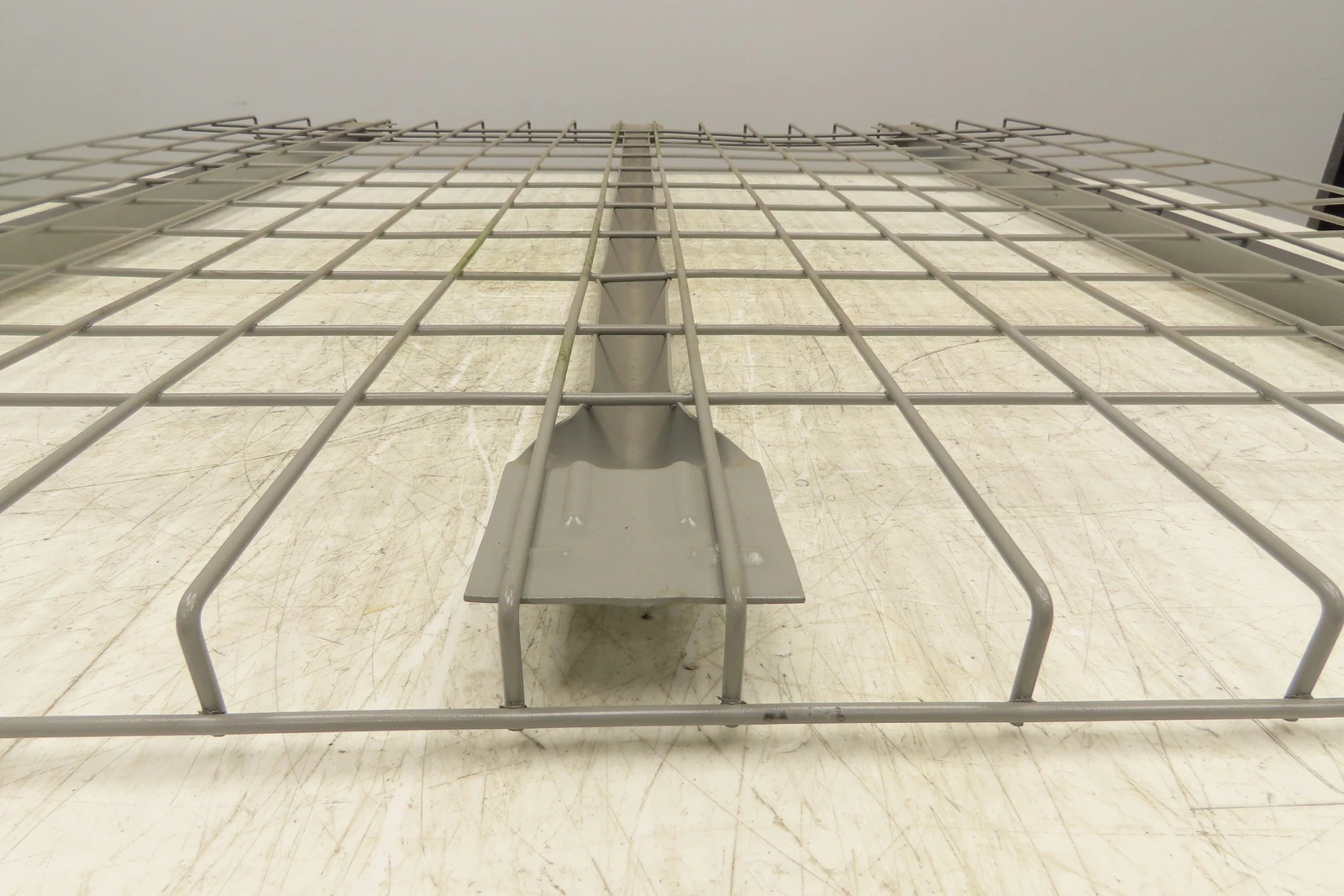
How Do Technological Advancements Affect Our Asset Strategy?
What Risks Are Associated with Neglecting Long-Term Planning?
Neglecting long-term planning can lead to a cascade of risks that affect not only businesses but individuals and families as well. Picture a racking system in a warehouse. You’d never throw one together haphazardly, right? You’d make sure it’s sturdy, well thought out because it holds everything together. Long-term planning is no different. When you skip this step, you risk everything crumbling under the weight of poor decisions.
Take a moment to consider the impact on your finances. Without a roadmap, your budget can feel more like a game of chance than a strategic plan. You might think you’re saving money by cutting corners, but that short-sightedness often leads to higher costs down the line. Think of it like ignoring the maintenance of your tools. Over time, those neglected tools wear out and cost more to replace than if you’d invested in their upkeep from the start.
Then there’s the emotional toll. When life throws curveballs, like an unexpected job loss or a health scare, the lack of a safety net can turn a tough situation into a disaster. By planning ahead, you create a buffer to absorb those shocks, providing peace of mind for you and your loved ones. Reflect on the stories of those who faced crises unprepared; their struggles serve as a painful reminder of what can happen when we neglect the future.
From an ethical standpoint, consider how your decisions impact those around you. Poor long-term planning can have ripple effects, affecting family members, coworkers, and communities. When leaders fail to plan, it isn’t just their downfall; it creates uncertainty for everyone relying on them. Creating a culture of foresight fosters trust and stability, essential elements in any relationship, whether at home or work.
In a world where we’re often pulled in countless directions, staying focused on long-term goals provides a compass. It aligns teams and families with a shared vision, enhancing collaboration and commitment. Remember the satisfaction of completing a project well—it’s that same sense of accomplishment that fuels motivation in planning.
By investing time and thought into your long-term plans, you’re not just protecting yourself; you’re laying the groundwork for success, security, and a legacy worth leaving behind, just like a well-structured racking system supports every item with care and precision. Embrace the future with open arms, because it’s coming, with or without your preparation.

What Risks Are Associated with Neglecting Long-Term Planning?
What Risks Are Associated with Neglecting Long-Term Planning?
- Neglecting long-term planning poses risks for businesses, individuals, and families.
- Effective planning is crucial, much like a sturdy racking system that supports everything.
- Without a financial roadmap, budgeting can become unpredictable and costly.
- Ignoring maintenance and planning can lead to higher replacement costs and unexpected expenses.
- Lack of a safety net during crises can turn challenges into disasters, affecting emotional well-being.
- Poor planning has ripple effects, impacting family, coworkers, and communities, fostering uncertainty.
- Staying focused on long-term goals enhances collaboration, commitment, and overall peace of mind.

What Risks Are Associated with Neglecting Long-Term Planning?
How Can I Align Asset Planning with Business Goals?
Aligning asset planning with business goals can feel like threading a needle in a noisy shop. With stakeholders pulling in various directions, decisions often get bogged down in technical jargon and lofty ambitions. The key, however, lies in grounding your strategy in what truly matters—getting back to basics. Think of every piece of equipment and system you’re managing as an extension of your team. It’s about more than just Racking Systems; it’s about how those systems support the people who rely on them every single day.
Start by bringing your crew into the conversation. Most folks in the field will have a pulse on what works and what doesn’t. Ask them about their daily challenges. When everyone feels heard, the team’s bond strengthens, and ideas flow. Listen to the stories behind the numbers—every malfunction or inefficiency could be a lesson in disguise. These narratives can illuminate paths to align operations with broader business objectives.
Make your asset planning a living, breathing entity. This means revisiting and revising your strategies regularly. When an asset fails, dig deeper than the surface. Understand its ripple effect on productivity and on the morale of your staff. By consistently evaluating how your Racking Systems contribute to efficiency, you’re not just maintaining equipment; you’re fostering an environment where success is achievable and visible.
It’s also crucial to recognize the ethical dimension of asset planning. Every investment you make impacts the lives of your employees and the community at large. Decisions should reflect not just profit motives but also your company’s core values. When your team sees that you prioritize their well-being and safety through thoughtful asset distribution, trust in leadership grows. This connection translates not only into better productivity but also into a stronger, more cohesive workplace.
Remember, business goals evolve, but a solid foundation built through effective planning leads to resilience. Set clear metrics and regularly measure your progress toward those goals. This transparent approach doesn’t just satisfy the mind; it resonates with the heart, showing employees that their hard work translates into real-world success. Encourage a spirit where improvements are celebrated as a collective achievement.
Ultimately, aligning asset planning with business goals is about strengthening the ties between your resources and your people. With clarity, consistent communication, and a focus on shared values, you’ll not only achieve alignment but also inspire your team to embrace the journey toward success, supporting each other with every step forward.

How Can I Align Asset Planning with Business Goals?
How Can I Align Asset Planning with Business Goals?
- Align asset planning with business goals by grounding strategies in basic principles.
- Involve field personnel in discussions to gain insights on daily challenges and foster team bonding.
- Evaluate equipment efficacy through narratives behind malfunctions to align operations with business objectives.
- Regularly revisit and revise asset management strategies; understand ripple effects on productivity and staff morale.
- Recognize the ethical dimensions of asset planning, focusing on employee well-being and core company values.
- Set clear metrics and regularly measure progress to ensure alignment and demonstrate value to employees.
- Encourage collective celebration of improvements to strengthen team relationships and support for success.

How Can I Align Asset Planning with Business Goals?
Conclusion
Long-term asset planning for distribution centers is more than just numbers and machinery; it’s about building a framework that serves the heart of the community and empowers the workforce behind it. Racking systems, which many may see as mere storage, actually represent a promise—a promise to deliver essential goods efficiently and reliably while ensuring that the workers who manage these systems feel supported and safe. By investing in robust and adaptable racking systems, facilities not only cater to immediate logistical needs but also anticipate future growth, making smart choices that will lead to sustainability and resilience.
The emotional connection is palpable as every day, workers show up with purpose, each shelf and beam is a testament to the trust in these systems. This trust translates into reliability, fostering a work environment where employees can thrive. The right racking systems minimize hazards and enable workers to excel in their roles, which in turn elevates morale and productivity. Ethical considerations play a significant role as well; selecting sustainable practices not only exhibits responsibility to the planet but also establishes a deep-rooted loyalty within the community. Doing the right thing ethically culminates in a solid reputation, making all the difference in a competitive market.
From a practical standpoint, optimizing asset utilization is akin to fine-tuning an engine—every detail counts. Streamlined operations that emerge from well-planned asset management not only enhance efficiency but lead to significant cost savings, revealing the tangible benefits of thoughtful investments. Each move made towards better inventory and asset management is one step closer to creating a thriving workplace centered on collaboration and innovation.
Investing in the right assets today means securing the future. Whether it’s upgrading racking systems or embracing cutting-edge technology, each decision echoes in the operational health of a distribution center, impacting everything from profitability to employee satisfaction. This journey of investment and growth invites everyone to feel part of something larger—an empowering story of collective success.
As businesses navigate the uncertainties ahead, the stakes become clear: committing to long-term planning is essential for mitigating risks, safeguarding financial stability, and ensuring that both employees and community interests are prioritized. By aligning asset planning with tangible goals, companies can cultivate an environment of trust and shared purpose, ultimately building a sustainable future for all involved. Every wise choice today sets the groundwork for tomorrow’s legacy, creating not just a successful operation but a community resource that resonates deeply with its surroundings.

Conclusion
Conclusion:
- Long-term asset planning in distribution centers focuses on community support and workforce empowerment.
- Racking systems symbolize a commitment to efficiently delivering essential goods while ensuring worker safety and support.
- Investing in adaptable racking systems prepares facilities for future growth and fosters sustainability and resilience.
- A strong emotional connection exists, where employees trust these systems, enhancing morale and productivity.
- Ethical practices in asset selection build community loyalty and a positive reputation, crucial for a competitive market.
- Optimizing asset utilization improves efficiency and leads to significant cost savings, promoting a collaborative workplace.
- Long-term planning is vital for risk mitigation, financial stability, and aligning employee and community interests for a sustainable future.

Conclusion
Other Resources

Other Resources
Here is a list of other resources you can review online to learn more:
- Warehouse Racking Layout: The Ultimate Guide – Conger
- Wolter
- Overhead Lifting
- New Cantilever Racks and Racking Kits
- Teardrop Uprights
- Material Handling Industry
- Illinois
- American Society of Safety Professionals
- The Complete Pallet Rack Guide – Simply Rack
- Cantilever Racks Chicago
- Heavy-Duty Cantilever Storage Racks
- Interlake Mecalux
- International Warehouse Logistics Association
- Chicago Pallet Racking
- Used Pallet Rack for Sale in Illinois – American Surplus
- Pallet Rack Systems – New and Used Pallet Racking and Shelving Experts
- Rack Manufacturers Institute
- Mustang Material Handling
- Teardrop Industrial Shelving Rack
- American Surplus
Use This Prompt To Get More Resources With Your Favorite Online AI Tool: Please provide me with a list of online articles with their URLs in a bulleted list that I can read regarding Long-Term Asset Planning for Distribution Centers

Other Resources
Glossary Terms
Long-Term Asset Planning for Distribution Centers – Glossary Of Terms
1. Accessibility: The ease with which a distribution center can be reached and utilized by stakeholders, including suppliers and customers.
2. Asset Management: The systematic process of managing and optimizing the assets of a distribution center to improve efficiency and reduce costs.
3. Cost-Benefit Analysis: A financial assessment that compares the costs and benefits of long-term asset investments for decision-making purposes.
4. Depreciation: The reduction in value of physical assets over time, impacting financial planning and asset replacement strategies.
5. Distribution Network: The interconnected system of distribution centers, warehouses, and transport routes used to deliver products to consumers.
6. Efficient Layout: The strategic arrangement of a distribution center’s equipment, storage, and work areas to enhance operational flow and minimize waste.
7. Inventory Management: The process of overseeing and controlling stock levels, orders, and deliveries to reduce holding costs and improve turnover.
8. Lead Time: The amount of time taken from the initiation of a process, such as ordering materials, to its completion, including delivery to the distribution center.
9. Long-Term Planning: The strategic approach to forecasting and preparing for the future needs and changes in asset management over an extended period, typically 3-5 years.
10. Maintenance Strategy: A plan outlining the approach to regular maintenance and repairs of equipment and facilities to prolong asset life and performance.
11. Modernization: Updates and improvements made to systems and equipment within a distribution center to enhance efficiency and technology integration.
12. Operational Efficiency: A measure of how well a distribution center utilizes its resources to achieve optimal performance and minimize waste.
13. Predictive Analytics: The use of statistical methods and data analysis to forecast future trends, aiding in timely asset planning.
14. Projected Cash Flow: The anticipated inflow and outflow of cash related to long-term asset investments, crucial for financial planning.
15. Regulatory Compliance: Adhering to laws and regulations governing the operations and asset management of distribution centers.
16. Risk Management: The identification and mitigation of potential risks associated with long-term asset planning and operational activities.
17. Scalability: The capacity of a distribution center to adjust resources and operations to meet changing demands without sacrificing efficiency.
18. Space Optimization: The process of maximizing storage and operational space within a distribution center to improve capacity and efficiency.
19. Supply Chain Integration: The alignment and coordination of activities across the supply chain to enhance overall effectiveness in asset management.
20. Sustainability: The practice of ensuring that asset planning and operations consider environmental impact and resource conservation.
21. Technology Integration: Incorporating advanced technologies and systems to streamline processes, improve asset tracking, and enhance productivity.
22. Total Cost of Ownership (TCO): The comprehensive assessment of all costs associated with acquiring and maintaining an asset over its lifecycle.
23. Utilization Rate: The degree to which a distribution center’s capacity is used compared to its total potential, indicating operational efficiency.
24. Value Proposition: The unique benefit offered by an effective asset planning strategy in a distribution center, highlighting advantages over competitors.
25. Warehouse Management System (WMS): A software solution that supports day-to-day operations in a warehouse or distribution center, facilitating inventory control and order fulfillment.
26. Workforce Planning: The strategic assessment and allocation of human resources needed to operate and manage distribution center activities effectively.
27. Asset Lifecycle: The stages an asset goes through from acquisition to disposal, critical for planning and optimizing long-term investments.
28. Vendor Relationships: The connections and agreements established with suppliers to ensure a reliable flow of goods and services for distribution centers.
29. Key Performance Indicators (KPIs): Measurable values that demonstrate how effectively a distribution center is achieving its operational objectives.
30. Continuous Improvement: An ongoing effort to enhance products, services, or processes in a distribution center, focusing on efficiency and effectiveness.

Glossary Of Terms
Other Questions
Long-Term Asset Planning for Distribution Centers – Other Questions
If you wish to explore and discover more, consider looking for answers to these questions:
- What are the expected lifespans and lifecycle costs of different racking systems?
- How do we calculate total cost of ownership (TCO) for warehouse assets?
- What specific KPIs and metrics should we track to measure asset utilization and performance?
- How do we prioritize investments when multiple asset needs compete for budget?
- What are the common failure modes of racking systems and recommended inspection frequencies?
- Which regulatory and safety standards (OSHA, ANSI, FM, local codes) apply to racking and storage?
- How can racking systems be designed for scalability and modular expansion?
- What are the integration requirements between racking systems and automation technologies (ASRS, conveyors, shuttles)?
- Which technologies (IoT sensors, RFID, telematics) provide the best return for asset tracking and predictive maintenance?
- How do we estimate ROI and payback periods for asset upgrades or replacements?
- What financing options exist for large asset purchases (capex vs opex, leasing, vendor financing)?
- How should vendors be evaluated—criteria, warranties, service agreements, and references?
- What training and certification programs are needed for staff to safely operate and maintain assets?
- How do we build a maintenance program and spare-parts policy that minimizes downtime?
- What are best practices for retrofitting existing facilities versus building new infrastructure?
- How do we align asset planning with seasonal demand, peak periods, and growth forecasts?
- What environmental and sustainability factors should influence material selection and disposal of assets?
- How do we manage obsolescence and end-of-life disposal, resale, or recycling of racking and equipment?
- What insurance, liability, and risk-transfer considerations apply to racking failures and asset damage?
- How do we pilot-test new systems and quantify benefits before full rollout?
- What are typical lead times and supplier risks for racking components and large equipment purchases?
- How can asset planning be integrated with WMS/ERP systems to improve visibility and decision-making?
- What ergonomic and human-factor considerations should influence racking layout and equipment selection?
- How will increased automation affect workforce requirements, roles, and training needs?
- What benchmarking data or industry standards should we use to compare utilization and efficiency?
- What governance, approval processes, and stakeholder roles are required for long-term asset decisions?
- How do we quantify and report the environmental and social impacts of asset investments?
- What change-management practices ensure smooth transitions during major asset upgrades?
- How do we choose between different storage strategies (pallet racking, drive-in, flow, mezzanine) based on cost and throughput?
- What are the seismic, loading, and site-specific engineering considerations for racking installations?
- How can predictive maintenance and condition monitoring be implemented cost-effectively?
- What metrics demonstrate the financial impact of improved space utilization and reduced damages?
- How should contingency plans and business-continuity strategies incorporate critical asset failures?

Other Questions
Checklist
Long-Term Asset Planning for Distribution Centers – A Checklist
Strategic Vision and Scalability
✅______ Define 5–10-year demand scenarios, peak seasons, and growth triggers
✅______ Set throughput, service-level, and space utilization targets
✅______ Create a phased capacity roadmap (expansion, re-slotting, additional shifts, automation)
✅______ Validate site constraints (zoning, egress, seismic, fire codes, utilities)
Racking Systems and Storage Design
✅______ Confirm load ratings, seismic requirements, and engineer of record approvals
✅______ Select modular, scalable rack types (selective, deep-reach, pushback, pallet flow, mezzanine)
✅______ Perform slotting analysis (ABC/velocity, cube, ergonomics) and document the planogram
✅______ Optimize aisle widths, pick paths, and cube utilization
✅______ Specify rack protection (end-of-aisle guards, column protectors, netting, end stops)
✅______ Post load signage; maintain rack drawings, test certificates, and manuals
✅______ Establish damage reporting and inspection cadence (daily visual, quarterly detailed, annual certified inspections)
✅______ Qualify vendors for quality, lead times, spares, and warranty terms
Asset Utilization and Inventory Flow
✅______ Baseline utilization of MHE, docks, conveyors, and storage locations
✅______ Implement or tune WMS/WES rules (putaway, replenishment, wave and batch)
✅______ Set min/max and reorder points; apply a cycle counting policy
✅______ Reduce dock-to-stock dwell time; enable cross-docking where viable
✅______ Eliminate bottlenecks with standardized work and balanced labor plans
Technology and Data
✅______ Deploy barcode/RFID for real-time inventory accuracy
✅______ Instrument critical assets (IoT sensors for impact, vibration, temperature)
✅______ Establish a data layer for KPIs and alerts; enable mobile dashboards
✅______ Define analytics: inventory accuracy, OTIF, order cycle time, picks per hour, cube utilization, equipment uptime (MTBF/MTTR), and rack incident rate
Workforce, Training, and Culture
✅______ Provide role-based training (forklift, rack safety, WMS, ergonomics)
✅______ Certify operators; refresh at defined intervals
✅______ Implement safety observations and near-miss reporting
✅______ Run continuous improvement huddles; capture floor feedback loops
✅______ Recognize contributions; measure engagement and turnover
Maintenance and Reliability
✅______ Build PM schedules for racks (torque checks, anchor integrity), MHE, conveyors, and sprinklers
✅______ Use CMMS to track work orders, parts, and costs
✅______ Adopt condition-based monitoring where feasible
✅______ Define critical spares strategy and reorder thresholds
✅______ Conduct root cause analysis on failures and impacts
Safety and Compliance
✅______ Verify adherence to OSHA, NFPA, and local codes (sprinklers, clearances, egress, lighting)
✅______ Maintain clear travel lanes, signage, and pedestrian segregation
✅______ Enforce 5S and housekeeping standards
✅______ Audit contractor qualifications and permits
✅______ Review insurance requirements and certificates
Sustainability and Ethics
✅______ Specify recycled/recyclable rack materials and low-VOC finishes
✅______ Implement LED lighting, high-efficiency HVAC, VFDs, and energy monitoring
✅______ Evaluate solar, EV charging, and power factor correction
✅______ Reduce waste (pallet pooling, reusable dunnage, right-size packaging)
✅______ Track ESG metrics (energy intensity, waste diversion, incident rates)
Financials and ROI
✅______ Calculate total cost of ownership (CAPEX, installation, training, maintenance, energy, end-of-life)
✅______ Model payback, NPV, and IRR; run sensitivity analyses
✅______ Compare lease vs. buy; assess Section 179 and bonus depreciation implications
✅______ Budget for obsolescence and refresh cycles
✅______ Validate savings from space gains, labor productivity, damage reduction, and shrinkage
Risk Management and Continuity
✅______ Map single points of failure and create contingencies
✅______ Diversify critical suppliers and validate lead times
✅______ Maintain disaster recovery and business continuity plans (fire, seismic, cyber, utilities)
✅______ Conduct tabletop exercises and update annually
✅______ Review coverage limits and exclusions with the insurer
Governance and Alignment
✅______ Form a cross-functional steering group (operations, safety, finance, IT, HR)
✅______ Link asset decisions to OKRs and customer promises
✅______ Establish stage gates and change control for major purchases
✅______ Set review cadence (monthly KPI review, quarterly roadmap, annual strategy reset)
✅______ Publish a single-source asset register with ownership and lifecycle status
Stakeholders and Community
✅______ Engage frontline teams in design, pilots, and post-mortems
✅______ Communicate changes clearly (what, why, when, how)
✅______ Prioritize local hiring, training, and supplier diversity where possible
✅______ Share progress on safety, sustainability, and service with stakeholders
Implementation Roadmap
✅______ Define 30/60/90-day milestones, owners, budgets, and success metrics
✅______ Pilot high-impact changes in a controlled area; capture lessons learned
✅______ Scale with standard work, updated SOPs, and job aids
✅______ Verify results against baseline; lock in gains and plan the next phase
Quick-Reference KPI Targets (Customize for Your Operation)
✅______ Inventory accuracy ≥ 99%
✅______ Space/cube utilization 80–90% (without constraining flow)
✅______ Dock-to-stock ≤ 4 hours (or site standard)
✅______ Recordable incident rate trending down quarter over quarter
✅______ Equipment uptime ≥ 95%; MTTR improving
✅______ Order cycle time meeting customer SLA ≥ 98% of the time

Checklist
At RackingWorld, we help guide you through selecting warehouse storage systems and racking.
Be sure to read our other related stories at RackingWorld to learn more about warehouse storage systems.
0 Comments