
Transforming Spaces: The Smart Investment Over Traditional Moves
By Tom Seest
At RackingWorld, we help guide you through selecting warehouse storage systems and racking.
Be sure to read our other related stories at RackingWorld to learn more about warehouse storage systems.
When Rack Upgrades Beat Real Estate Moves
When considering the best path to growth, many businesses face a tough choice: invest in real estate or upgrade existing racking systems. While the allure of new office space or a warehouse may seem tempting, let’s take a moment to recognize the hidden potential in revamping what you already have. Upgrading racking systems isn’t just about shiny new shelves; it’s about optimizing what you already own and making a lasting impact on your operations.
Imagine this: you’ve walked the same aisles for years, watching your team struggle to find space for inventory that just keeps piling up. You think expanding into a bigger facility is the answer, but before diving into the costs and commitments of a new lease, consider the real benefits of a well-planned racking upgrade. It often leads to increased efficiency without the hassle and expense of moving and renovating an entirely new space.
Racking systems can radically change the dynamics of your operations. By improving storage capacity and accessibility, you empower your team to work smarter, not harder. This isn’t just a financial decision; it’s an investment in your workforce. When people can easily access the tools and materials they need, productivity soars. You foster a culture of trust where employees feel supported and valued.
Think about the environment, too. New construction often means more waste and greater environmental impact. By enhancing your current setup, you’re making a sustainable choice that echoes ethical responsibility. You show your stakeholders that you’re committed to doing your part for the planet while enhancing operational capabilities.
This isn’t merely theory—countless businesses have seen firsthand the transformative effects of smart racking decisions. Picture a manufacturing floor where goods flow seamlessly, or a retail space where customers can find exactly what they seek, all thanks to logical racking systems that prioritize ease of use and efficiency.
So before you sign that real estate lease, mull over the untapped potential of your current space. By investing in racking systems that cater to your specific needs, you’re not just saving money; you’re collaborating with your team to create a thriving environment where everyone can excel. Sometimes, the best move isn’t moving at all—it’s upgrading what you’ve already built.
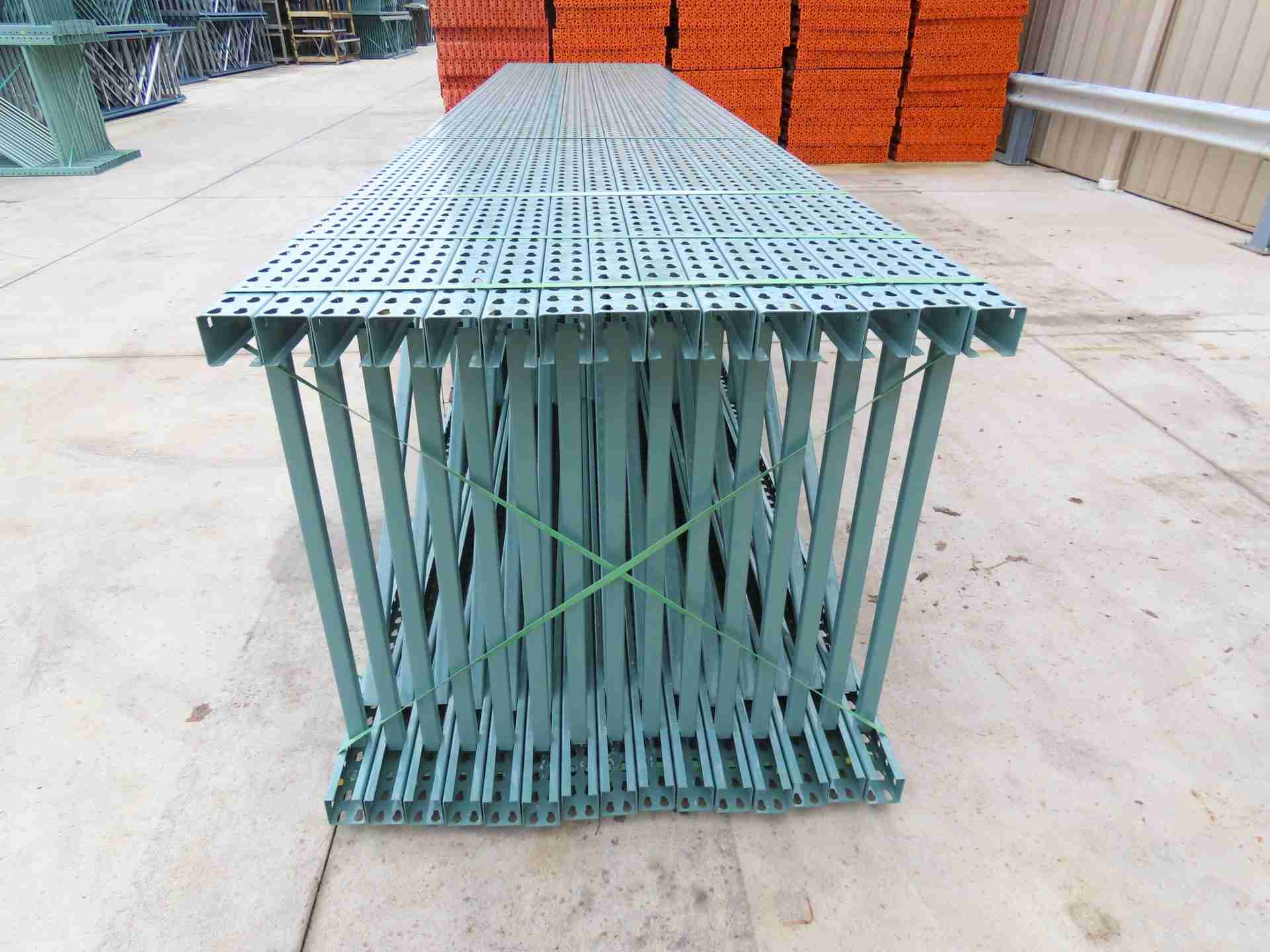
When Rack Upgrades Beat Real Estate Moves
When Rack Upgrades Beat Real Estate Moves
- Businesses face a choice between investing in real estate or upgrading existing racking systems.
- Upgrading racking systems optimizes current assets, enhancing operational impact.
- Well-planned racking upgrades can increase efficiency without the costs of relocating.
- Improved storage capacity and accessibility empower teams to work more effectively.
- Fostering a supportive work environment leads to increased productivity and employee trust.
- Upgrading existing setups is a sustainable choice that reduces environmental impact.
- Smart racking decisions have transformative effects on various business operations.
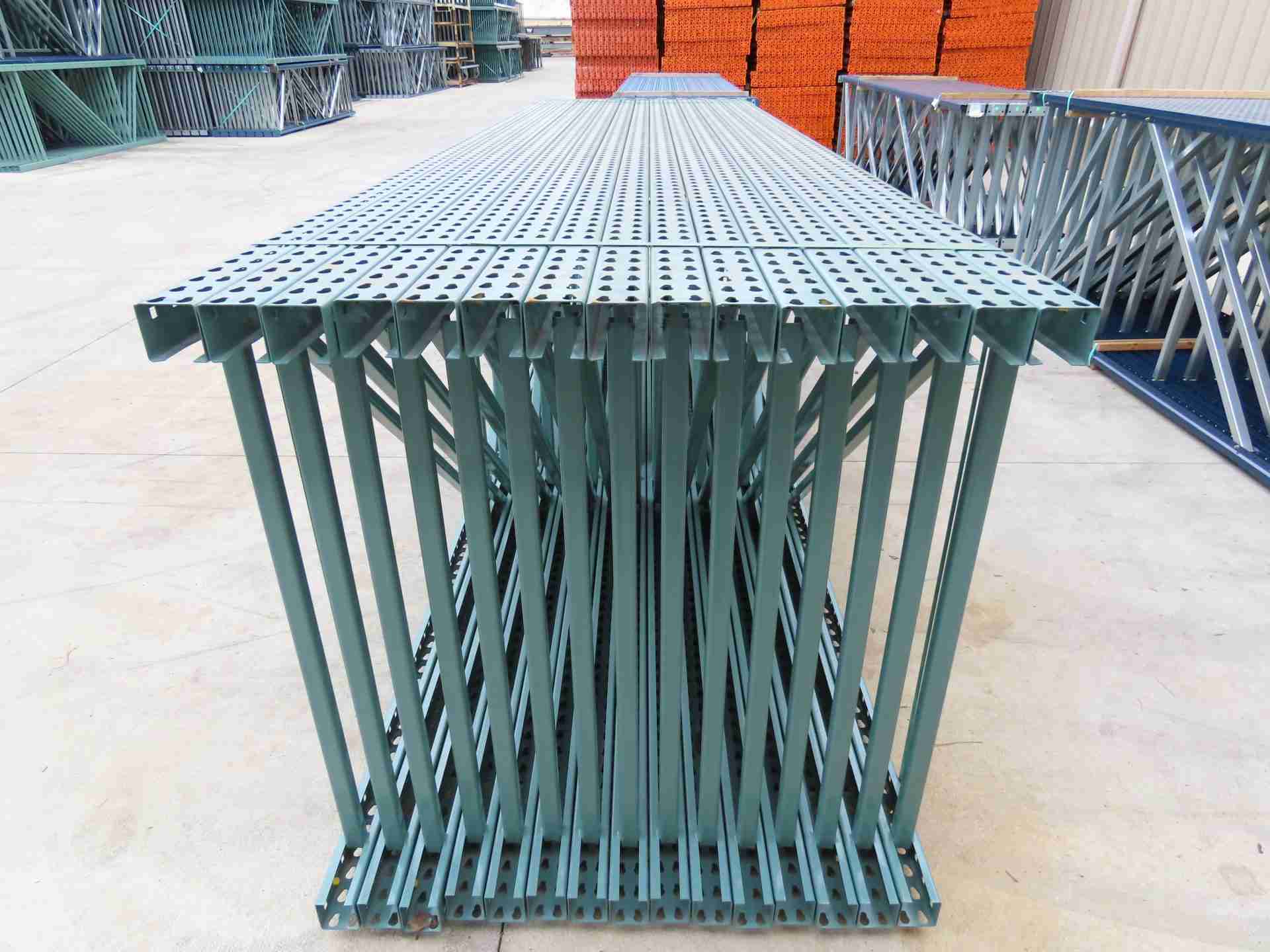
When Rack Upgrades Beat Real Estate Moves
Table Of Contents
- When Rack Upgrades Beat Real Estate Moves
- What If Enhancing Your Rack Could Maximize Profits?
- Can Upgrades Improve Operational Efficiency?
- Is Your Rack Holding Back Your Business Growth?
- How Do Rack Upgrades Impact Your Bottom Line?
- Why Do Smart Businesses Choose Upgrades Over Relocation?
- Can Technology Transformations Render Real Estate Moves Unnecessary?
- Conclusion
- Other Resources
- Glossary Of Terms
- Other Questions
- Checklist
What If Enhancing Your Rack Could Maximize Profits?
You’ve probably heard the saying, “Don’t put all your eggs in one basket.” In the world of business, diversifying isn’t just a clever phrase; it’s a solid strategy. Racking systems can be the backbone of your operations, impacting efficiency and, ultimately, your profits. Now, let me tell you why giving some thought to enhancing your rack may just be the game-changer you didn’t know you needed.
Imagine walking into your warehouse, and everything’s organized, neat, and easily accessible. It’s like a breath of fresh air. That’s not just for show; it’s about how your racking systems work for you. When you optimize your racks, you not only free up space but also streamline your workflow. Less time searching means more time doing, making for happier employees and better service for your customers. And that translates to increased profits—it’s simple math.
But let’s dive deeper. Think about the ethical responsibility you have as a business owner. Investing in top-notch racking systems isn’t just about aesthetics. It shows you value your team’s safety and productivity. A well-designed rack minimizes risks of accidents and injuries. When employees feel valued and safe, they’re likely to stick around, reducing turnover costs. That’s worth its weight in gold.
Now, let’s talk authority. Speaking from years of hands-on experience, I can tell you that state-of-the-art racking systems aren’t just a luxury; they are a necessity in today’s competitive market. Choosing the right system can position your business as a leader, not just in your mind but in the eyes of your customers and peers. It builds trust when they see that you take every detail seriously, from inventory management to product display.
Moreover, think about the social aspect. When your operation runs like a well-oiled machine, it becomes a talking point. People want to see success, and they want to be part of it. Show them your enhanced racking systems, let them see the results, and you might just drum up new business opportunities, referrals, and partnerships.
Enhancing your rack may seem like a small step, but its ripple effect can be huge. This is about more than just maximizing profits; it’s about creating an environment where everyone wins, from employees to customers, and ultimately, you. Don’t underestimate the power of a good rack—it just might be your best-kept secret to success.

What If Enhancing Your Rack Could Maximize Profits?
What If Enhancing Your Rack Could Maximize Profits?
- Diversifying is a crucial business strategy; racking systems are essential for operational efficiency and profit improvement.
- Optimized racking leads to organized and accessible warehouses, enhancing workflow and employee productivity.
- Investing in quality racking systems demonstrates a commitment to employee safety and reduces turnover costs.
- State-of-the-art racking systems are necessary for competitiveness and establishing authority in the market.
- Effective racking builds trust with customers, showcasing attention to detail in operations.
- Well-organized operations can attract new business opportunities, referrals, and partnerships.
- Enhancing racking systems creates a win-win environment for employees and customers, contributing to overall success.
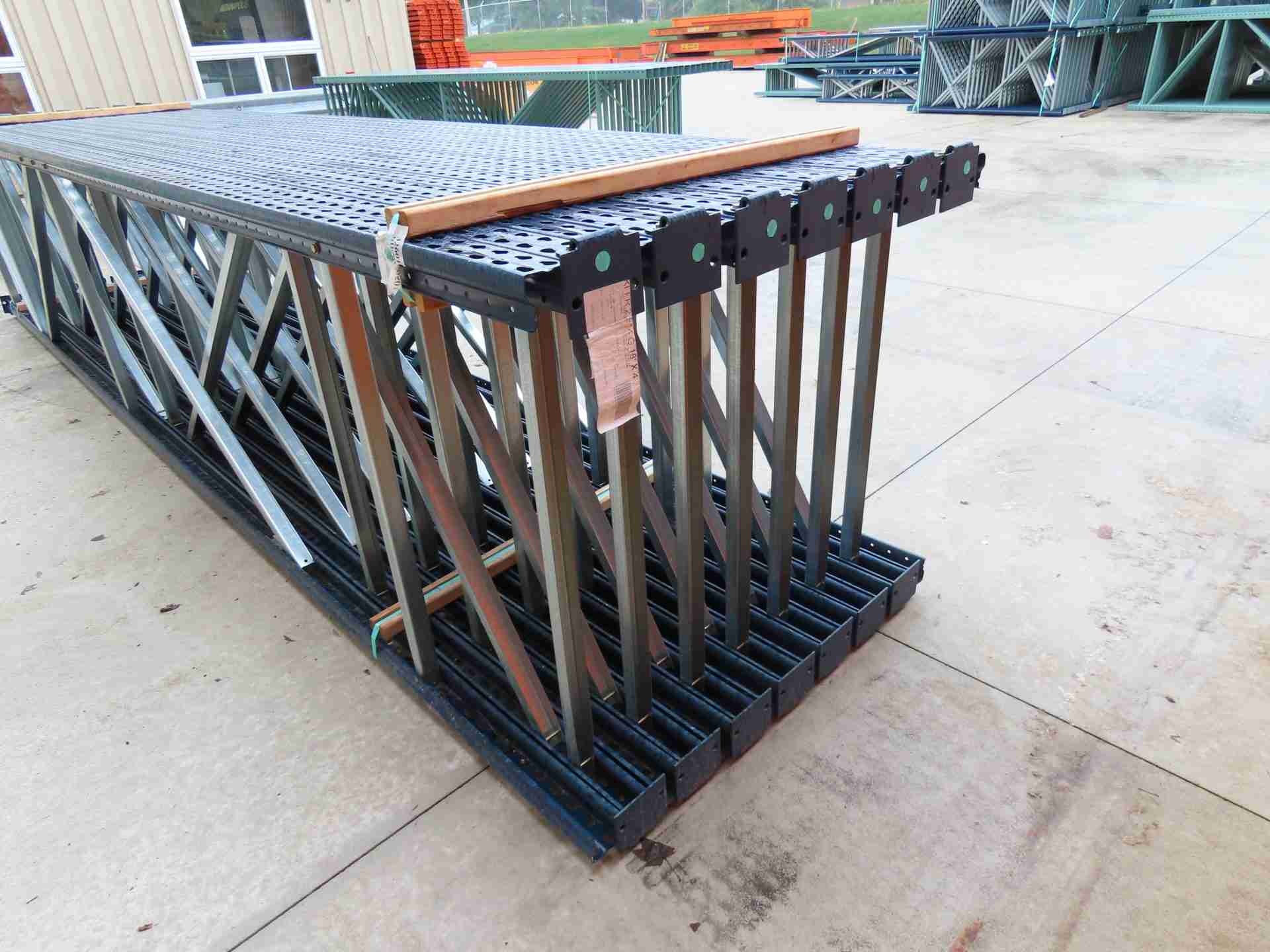
What If Enhancing Your Rack Could Maximize Profits?
Can Upgrades Improve Operational Efficiency?
When you step onto the factory floor, the hum of machinery is the heartbeat of the operation. Each piece of equipment plays its part in creating the rhythm of productivity. But what happens when that rhythm falters? Aging racking systems, worn-out tools, and outdated processes can hinder efficiency, causing frustration among workers and delays in delivery. Upgrades aren’t just shiny new toys; they’re the lifeblood that can transform a stagnant operation into a powerhouse of productivity.
Imagine attempting to stack crates on racking systems that have seen better days. The stress of balancing the load, the time wasted in fumbling around outdated designs—it’s enough to make anyone throw up their hands in defeat. Now, picture a revamped system: sturdy, user-friendly, and designed for maximum space utilization. That’s not just an upgrade. That’s a game changer. It’s about making the daily grind easier and safer, fostering a sense of pride in the workspace.
Upgrades also make financial sense. Sure, the initial investment can sting like a fresh bruise, but consider the long-term savings. When equipment fails, it hits the bottom line hard. Unplanned downtime leads to lost revenue and stressed workers. A reliable, modern racking system means fewer headaches and more time focused on what truly matters—getting the job done right. Rationally speaking, a smart investment in upgrades pays off, reducing long-term costs and enhancing profit margins.
On the ethical side, upgrading operational systems signals a commitment to the workforce. It shows a company values its employees and recognizes their hard work. When workers see their concerns addressed, it fosters loyalty and camaraderie. People want to work for businesses that care; investing in tools that boost efficiency and safety makes a clear statement: “We’ve got your back.”
The stories shared around the break room table often underscore the importance of these upgrades. Tales of past struggles turn into proud testimonies of transformation. Workers share how a state-of-the-art racking system revolutionized their roles, turning tedious tasks into streamlined processes. These narratives create a shared sense of purpose and belonging, lighting the fire of motivation among teams.
Upgrading operational efficiency isn’t just a technical decision; it’s a human one. From the gritty hands that maintain the machines to the driven minds that oversee operations, each upgrade is a step toward building a stronger, more resilient community. When the heart, head, and gut align, the result is not just improved efficiency but a revitalized workplace ready to tackle any challenge.
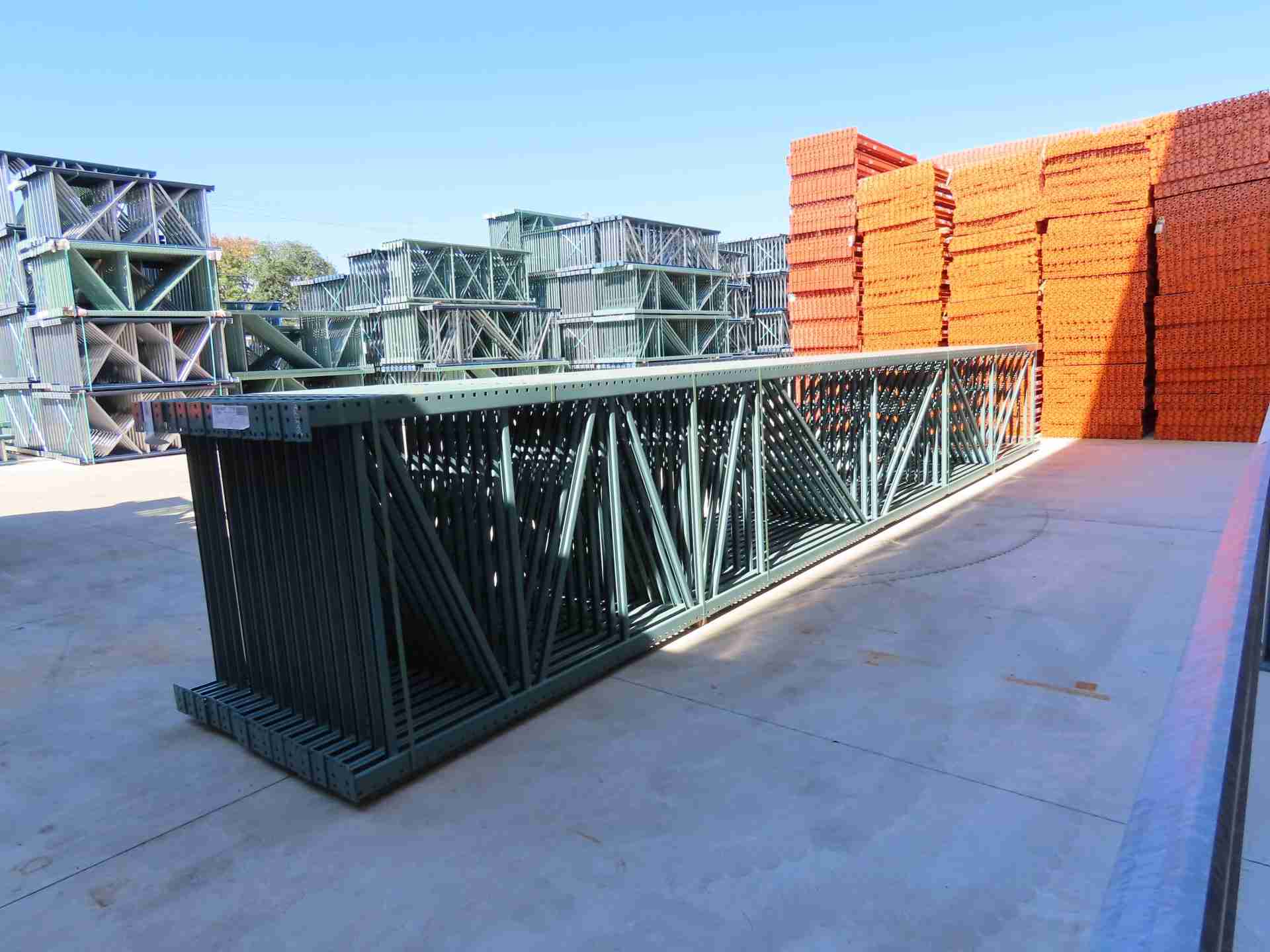
Can Upgrades Improve Operational Efficiency?
Can Upgrades Improve Operational Efficiency?
- The factory floor’s machinery is essential for productivity, but aging systems can disrupt operations.
- Upgraded equipment and processes enhance efficiency, reducing worker frustration and delivery delays.
- Modern racking systems improve safety and usability, fostering pride in the workplace.
- Investing in upgrades leads to long-term savings by minimizing downtime and maintenance costs.
- Upgrades demonstrate a company’s commitment to its workforce, boosting employee loyalty and morale.
- Personal stories from workers highlight the transformative impact of upgraded systems on job roles.
- Enhancing operational efficiency is both a technical and human-centered decision, strengthening community within the workplace.
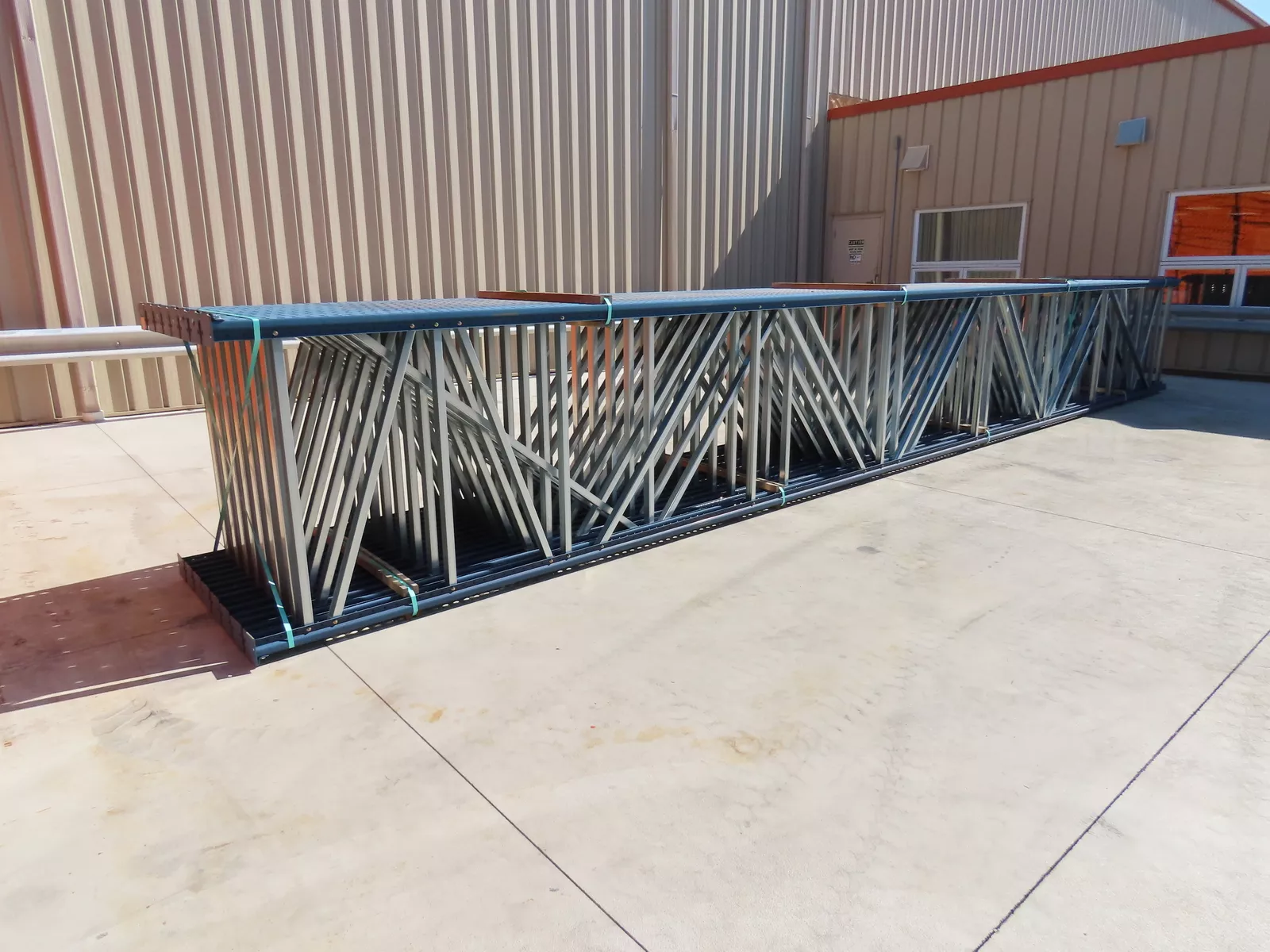
Can Upgrades Improve Operational Efficiency?
Is Your Rack Holding Back Your Business Growth?
When you think about what drives a business forward, it often comes down to the nitty-gritty details—like your racking systems. The backbone of your storage space, these essential structures can either propel your operation into new heights or drag it down into inefficiency. From the outside, it might just seem like a bunch of metal using precious floor space, but those racks are the unsung heroes (or villains) in your story of growth.
Imagine a busy warehouse floor. You walk in, and there’s chaos: pallets stacked haphazardly, workers scrambling to find products, and orders delayed. The frustration in the air is palpable. Now, envision the same space but organized and efficient, every item in its place thanks to a well-designed racking system. It’s not just about aesthetics; it’s about boosting morale, maximizing productivity, and ultimately driving your bottom line.
You’ve likely poured your sweat and tears into building your business, making decisions that weigh heavy on your shoulders. Each choice impacts not just your operations but also the livelihoods of your employees. When you invest in efficient racking systems, you’re not merely enhancing functionality; you’re demonstrating to your team that you value their hard work and are committed to their success. By creating a safe, organized environment, you foster a sense of pride and trust that aligns everyone towards a common goal.
Rationally speaking, consider the numbers. Inefficient storage can lead to lost time, wasted resources, and frustrated staff. An investment in modern racking can yield significant returns through better inventory management, reduced labor costs, and enhanced safety. What happens when you misplace product or can’t locate what you need? Every lost minute is money down the drain. With a reliable racking system, you’re not just cutting costs; you’re paving a clearer path to growth.
On an ethical level, think about sustainability. A well-optimized space allows for smarter inventory practices that reduce waste. It’s a responsible choice that reflects a commitment to both your community and the environment.
Ultimately, your choice in racking systems is a reflection of your business values. It’s not merely utility; it’s about showcasing that you care about the little things that have a big impact. When everything has its place, growth becomes more than a possibility—it becomes inevitable. So take a hard look at your racks. Are they lifting you up, or are they holding you back? Make the choice that drives your business forward.

Is Your Rack Holding Back Your Business Growth?
Is Your Rack Holding Back Your Business Growth?
- Racking systems are crucial for storage efficiency, impacting business operations significantly.
- Effective racking leads to organizational improvements and boosts worker morale.
- Investing in racking systems shows commitment to employee success and safety.
- Inefficient storage can result in lost time, wasted resources, and increased frustration.
- Modern racking solutions enhance inventory management and reduce labor costs.
- Optimized storage practices support sustainability and reflect community responsibility.
- The choice of racking systems mirrors business values, influencing overall growth potential.
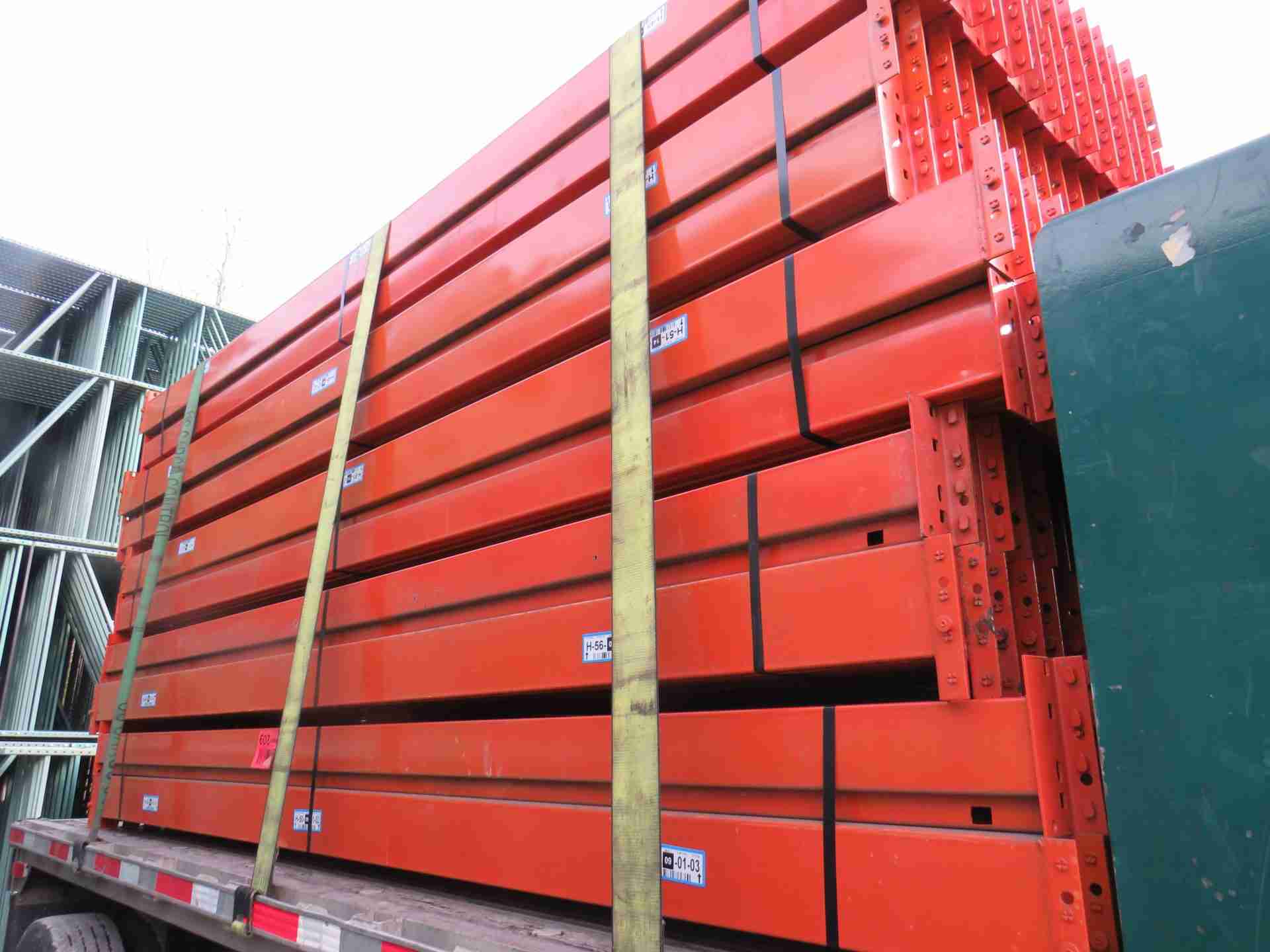
Is Your Rack Holding Back Your Business Growth?
How Do Rack Upgrades Impact Your Bottom Line?
When it comes to the heart of your operation, racking systems can make or break your bottom line. Imagine walking into your warehouse and seeing chaos—pallets stacked haphazardly, product buried under a mountain of clutter. It’s a scene that resonates with anyone who’s faced the frustration of inefficiency. Upgrading your racking systems isn’t just about adding new shelves; it’s about creating order and paving the way for productivity.
Let’s talk numbers. Upgrading can increase storage capacity by as much as 30%. That means fitting more products without expanding your space, which is like finding money under the floorboards. More room means fewer trips to the supplier, reducing labor costs and maximizing manpower. When you can store more in less space, it’s not just a win for organization; it’s a financial game changer.
Now, think about the moral side of the equation. When you invest in racking systems, you’re not just enhancing operations; you’re valuing the people working in those warehouses. A well-organized environment reduces the risk of accidents and injuries, thereby fostering a culture of safety and respect. Employees feel empowered in a space that values their work and wellbeing, leading to better morale and, ultimately, higher retention. It’s that feeling of trust—that your leadership cares enough to provide a safe and efficient workspace.
Narratively, consider the stories of businesses that have taken the plunge into racking upgrades. They’ve transformed chaotic spaces into streamlined operations, telling tales of increased efficiency and growth. Such stories aren’t just fluff; they’re testimonials of businesses reclaiming control over their logistics and, consequently, their livelihoods.
On a social level, an efficient racking system is a badge of honor in the industry. It demonstrates professionalism and reliability to clients and partners. When you present an organized, well-functioning warehouse, you’re not just showcasing your product; you’re showcasing your values—commitment to quality, respect for time, and the drive for excellence.
Investing in upgraded racking systems is more than just an operational decision; it speaks to your commitment to your workforce, your clients, and your future. You’re not just rearranging shelves; you’re building a foundation for sustained growth, ensuring transactions flow smoothly, and creating a workspace that champions safety and efficiency. So, let’s tidy up, invest wisely, and watch as those bottom-line numbers rise.

How Do Rack Upgrades Impact Your Bottom Line?
How Do Rack Upgrades Impact Your Bottom Line?
- Racking systems are crucial for operational efficiency and impact the bottom line.
- Upgrading can increase storage capacity by up to 30%, saving space and reducing labor costs.
- A well-organized warehouse fosters safety, reducing the risk of accidents and enhancing employee morale.
- Successful upgrades lead to improved logistics and operational control for businesses.
- An efficient racking system showcases professionalism and reliability to clients and partners.
- Investing in upgraded racking systems reflects commitment to workforce safety, efficiency, and growth.
- Organized spaces contribute to a culture of respect, ultimately boosting employee retention.

How Do Rack Upgrades Impact Your Bottom Line?
Why Do Smart Businesses Choose Upgrades Over Relocation?
Smart businesses increasingly opt for upgrades over relocation, recognizing that their current space can often be transformed rather than abandoned. Upgrading facilities, whether it’s installing new racking systems or enhancing technology, typically brings multiple benefits that simply make more sense.
The emotional aspect of upgrading eyes the familiar. It’s about community and connection; there’s a certain comfort in staying rooted where relationships have been built. Employees feel a sense of continuity, which fosters loyalty and dedication. There’s history in those walls, and it’s worth preserving. Moreover, investing in upgrades signals to employees that they are valued. It shows a commitment to their work environment, which can greatly enhance morale and productivity. When workers feel their surroundings have improved, it translates into a stronger sense of belonging and purpose.
From a rational standpoint, upgrades avoid the chaos of moving. Relocating can disrupt operations, costs pile up with moving expenses, and productivity takes a hard hit. By contrast, improvements, like modernizing racking systems, can streamline processes right where the action happens. This practical approach not only saves time but often results in increased efficiency and a faster return on investment. Plus, it spares businesses the need to reestablish themselves in a new locale, navigating the labyrinth of local regulations and new client relationships.
Ethically, staying put and reinvesting in the current location fosters a culture of sustainability. It underlines a commitment to the community, demonstrating a thoughtful approach to corporate responsibility. A business that invests back into its existing space builds trust with both local consumers and other small businesses, showing that it values its roots while growing.
The narrative of succeeding where you are often inspires others. Stories of businesses thriving through upgrades are relatable; they resonate with the journey of perseverance and creativity. It encourages others to look at their own spaces with fresh eyes, seeing potential instead of limitations.
Socially, being known as a business that grows without the need to uproot allows for stronger ties with loyal clients. It’s a community touchstone that builds reputation over time. Investing in enhancements rather than shifting gears cultivates a solid, dependable image.
In a world where change is relentless, choosing upgrades over relocation becomes not just a strategy, but a testament to resilience and adaptability. By enhancing what you already have, you’re setting a foundation for sustainable success, rallying the spirit of innovation while keeping true to your roots.
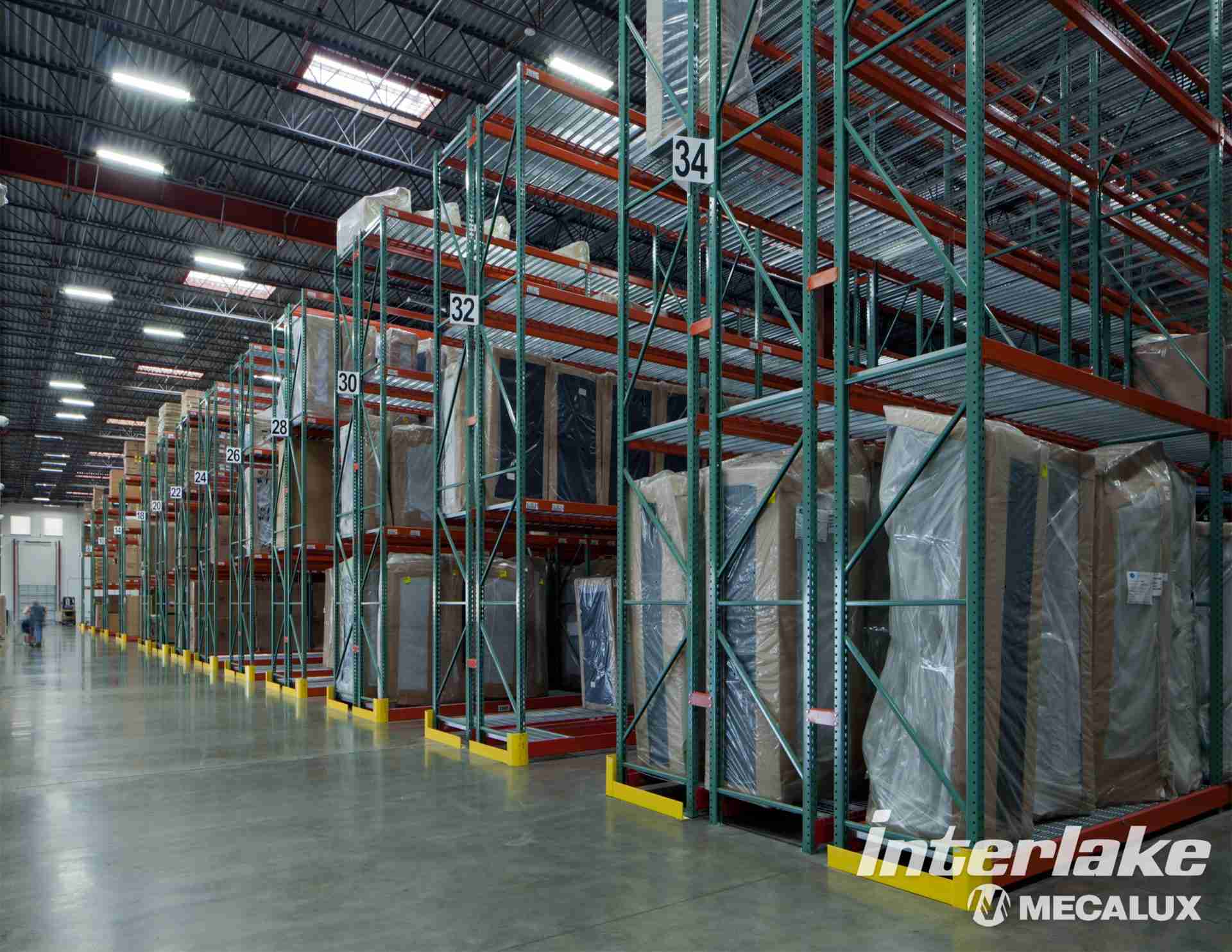
Why Do Smart Businesses Choose Upgrades Over Relocation?
Why Do Smart Businesses Choose Upgrades Over Relocation?
- Smart businesses prefer facility upgrades over relocation to transform their current spaces.
- Upgrades foster community, employee loyalty, and a sense of belonging in the workplace.
- Investing in improvements signals to employees that they are valued, enhancing morale and productivity.
- Upgrades avoid the disruptions and costs associated with moving, leading to increased efficiency.
- Staying and reinvesting in current locations demonstrates corporate responsibility and builds community trust.
- Success stories of businesses upgrading inspire others to see potential rather than limitations in their spaces.
- Choosing upgrades reflects resilience and adaptability, laying a foundation for sustainable success.

Why Do Smart Businesses Choose Upgrades Over Relocation?
Can Technology Transformations Render Real Estate Moves Unnecessary?
In a world that’s always on the go, technology is shaking up how we think about our homes and workplaces. Take the rise of racking systems, for instance. These ingenious storage solutions aren’t just for warehouses; they’re making their way into our homes and small businesses too. Picture this: you’re living in an apartment, and instead of moving to a bigger place to accommodate your growing family or hobbies, you simply rearrange your space with modular shelving and vertical storage. Suddenly, your cozy nook transforms into a multifunctional haven.
This isn’t just a trend; it’s a transformation in how we approach our living and working spaces. The emotional weight of a home often ties us to a particular location—a place that holds memories, a sense of belonging. Yet, with the right technology, we can reshape our environments without the upheaval of a move. It’s about finding comfort in change, creating a place that reflects who we are without jumping through the hoops of the real estate market.
From a practical standpoint, embracing technology offers real savings. Think of the costs associated with moving: agent fees, repairs, expenses for a new mortgage. The rational mind might ask, why not invest in smart solutions instead? A well-designed racking system can increase efficiency in both homes and businesses, leading to more usable space and time saved in your daily routine.
Moreover, there’s an ethical appeal to staying put. Why contribute to urban sprawl and the environmental cost of relocating when you can adapt your current space? It’s about making sustainable choices rooted deeply in a community’s fabric. This approach not only honors the environment but also the people around us.
Socially, we’re entering an age where sharing and collaboration shine. Neighbors can pool resources for communal tools or gear that can be efficiently stored using racking systems. It builds connections, fosters cooperation, and enables a sense of community that’s often lost in the chaos of modern life.
In essence, technology can breathe new life into our spaces, making real estate moves feel less necessary. By harnessing innovation to maximize our existing environments, we create a future where our homes adapt to our lives, rather than the other way around. The heart, head, and gut responses converge here—no need for drastic changes when we can innovate what we already have.

Can Technology Transformations Render Real Estate Moves Unnecessary?
Can Technology Transformations Render Real Estate Moves Unnecessary?
- Technology is changing the way we think about homes and workplaces, particularly with the rise of racking systems.
- Racking systems are not only for warehouses but are also being utilized in homes and small businesses for improved space management.
- This approach allows individuals to adapt their living spaces for growing families or hobbies without moving.
- Embracing technology can lead to practical savings by avoiding costs associated with relocating.
- Staying put encourages sustainable choices and minimizes the environmental impact of urban sprawl.
- Community collaboration is fostered through shared resources and efficient storage solutions, enhancing social connections.
- Overall, technology enables homes to evolve with personal needs, making drastic real estate changes less necessary.
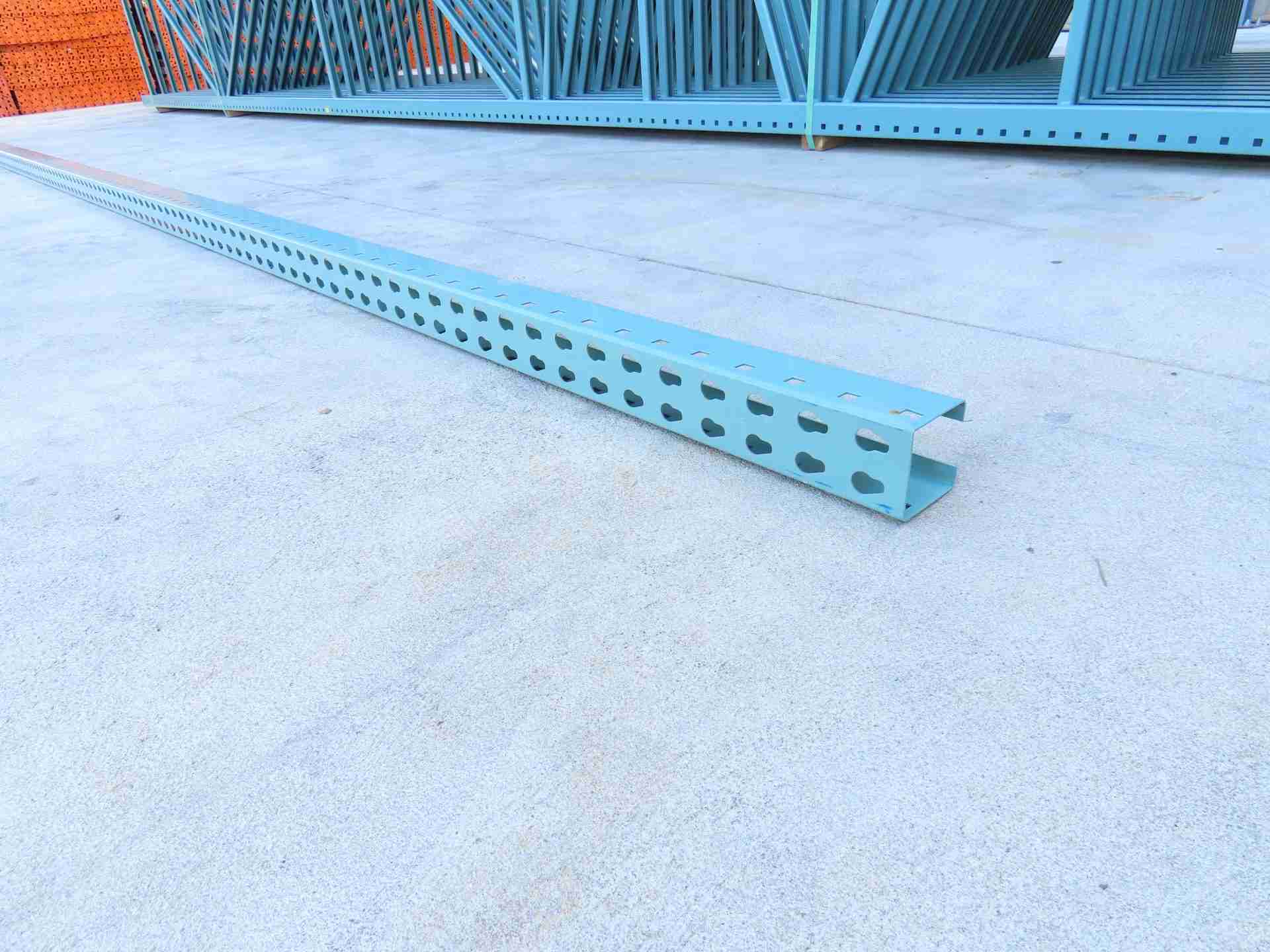
Can Technology Transformations Render Real Estate Moves Unnecessary?
Conclusion
Investing in upgrading racking systems instead of moving into new real estate can prove to be a smarter choice for many businesses. The initial allure of shiny new office spaces often distracts from the hidden potential of optimizing existing setups. By enhancing current racking systems, companies can significantly elevate their efficiency without the headaches and costs associated with relocating. Imagine the difference: a workspace transformed from chaos to order through smart adjustments, allowing teams to navigate easily and access materials swiftly. This isn’t just about adding new shelves; it’s a clear signal to employees that their hard work and safety are priorities, fostering a strong culture of support and trust.
On a rational level, the numbers speak volumes. Upgraded racking can increase storage capacity substantially, often freeing up space and cutting unnecessary operational costs. This translates directly to profitability, streamlining processes, and reducing wasted time. Moreover, investing in better systems reinforces organizational commitment to employee welfare, which further enhances morale and reduces turnover—a benefit that reflects positively on the bottom line.
Ethically, upgrading rather than relocating demonstrates a commitment to sustainability. Avoiding new construction helps minimize waste, demonstrating to stakeholders that the business values the environment. The narrative surrounding successful upgrades illustrates genuine transformation stories where businesses have regained control over their operations, reinforcing reliability and building trust with both clients and employees.
Socially, companies that choose to enhance their current spaces can cultivate a robust community image. Being known for growing from within rather than uprooting showcases resilience, while also deepening ties with local clients and partners. This enhances reputation and fosters a sense of loyalty among customers.
Ultimately, the choice to upgrade rather than relocate is not just a financial decision; it’s a holistic strategy that aligns emotional, rational, and ethical factors towards sustainable growth. It’s about building an environment that facilitates success for everyone involved—employees, clients, and the community. Investing in what you already have, rather than pursuing something new and uncertain, often yields untapped potential that can drive a business forward without the setbacks commonly associated with moving. The best path forward sometimes lies not in the road ahead but in the foundations already laid.
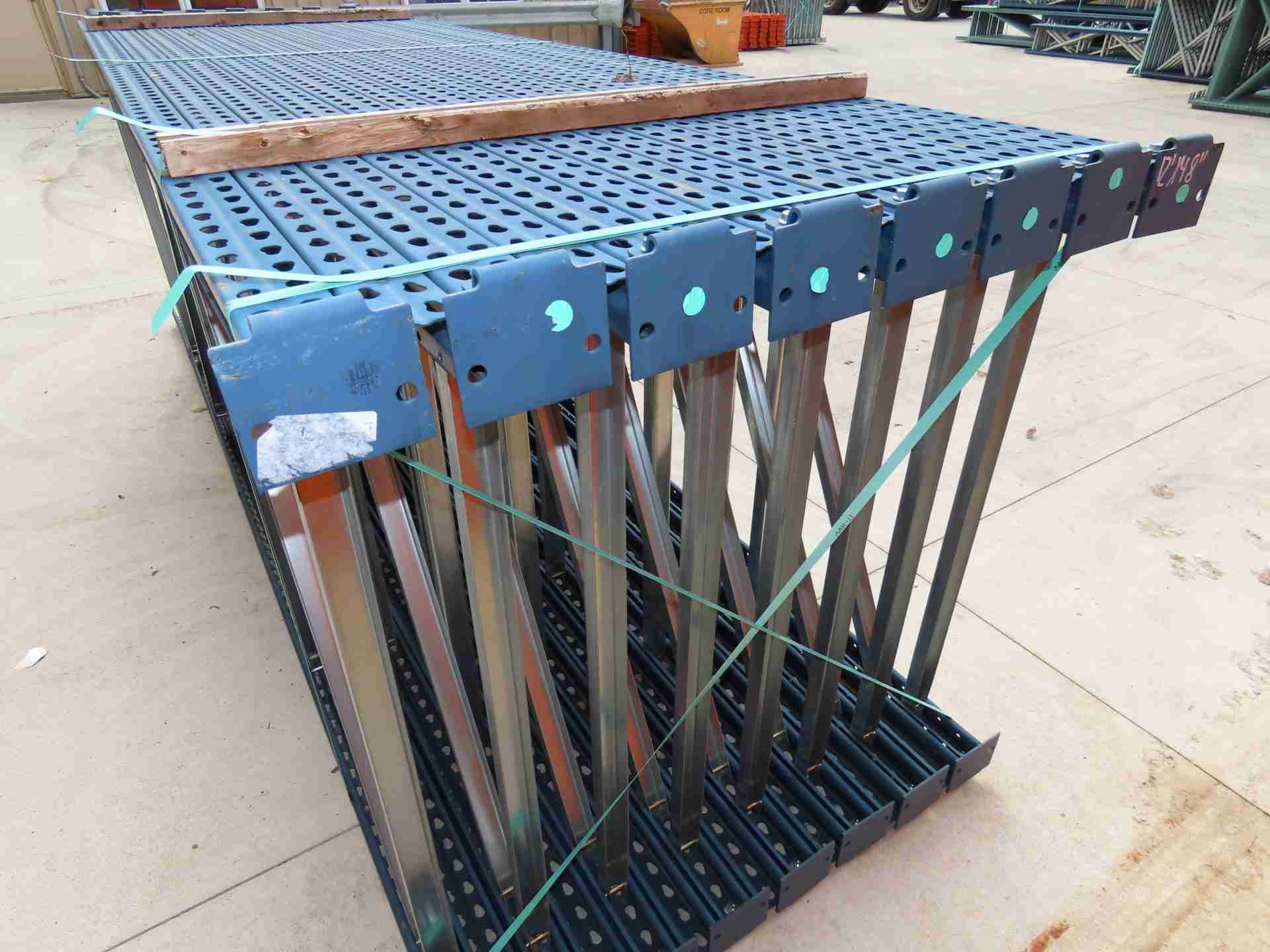
Conclusion
Conclusion:
- Investing in upgraded racking systems can be a smarter choice than moving into new real estate.
- Enhancing current setups improves efficiency and reduces costs associated with relocation.
- Upgraded racking systems increase storage capacity and cut operational costs, translating to higher profitability.
- Such investments reinforce commitment to employee welfare, enhancing morale and reducing turnover.
- Opting to upgrade demonstrates a commitment to sustainability by minimizing waste and avoiding new construction.
- Cultivating a community image by growing from within strengthens local ties and enhances reputation.
- Choosing to upgrade is a holistic strategy that aligns emotional, rational, and ethical factors for sustainable growth.

Conclusion
Other Resources
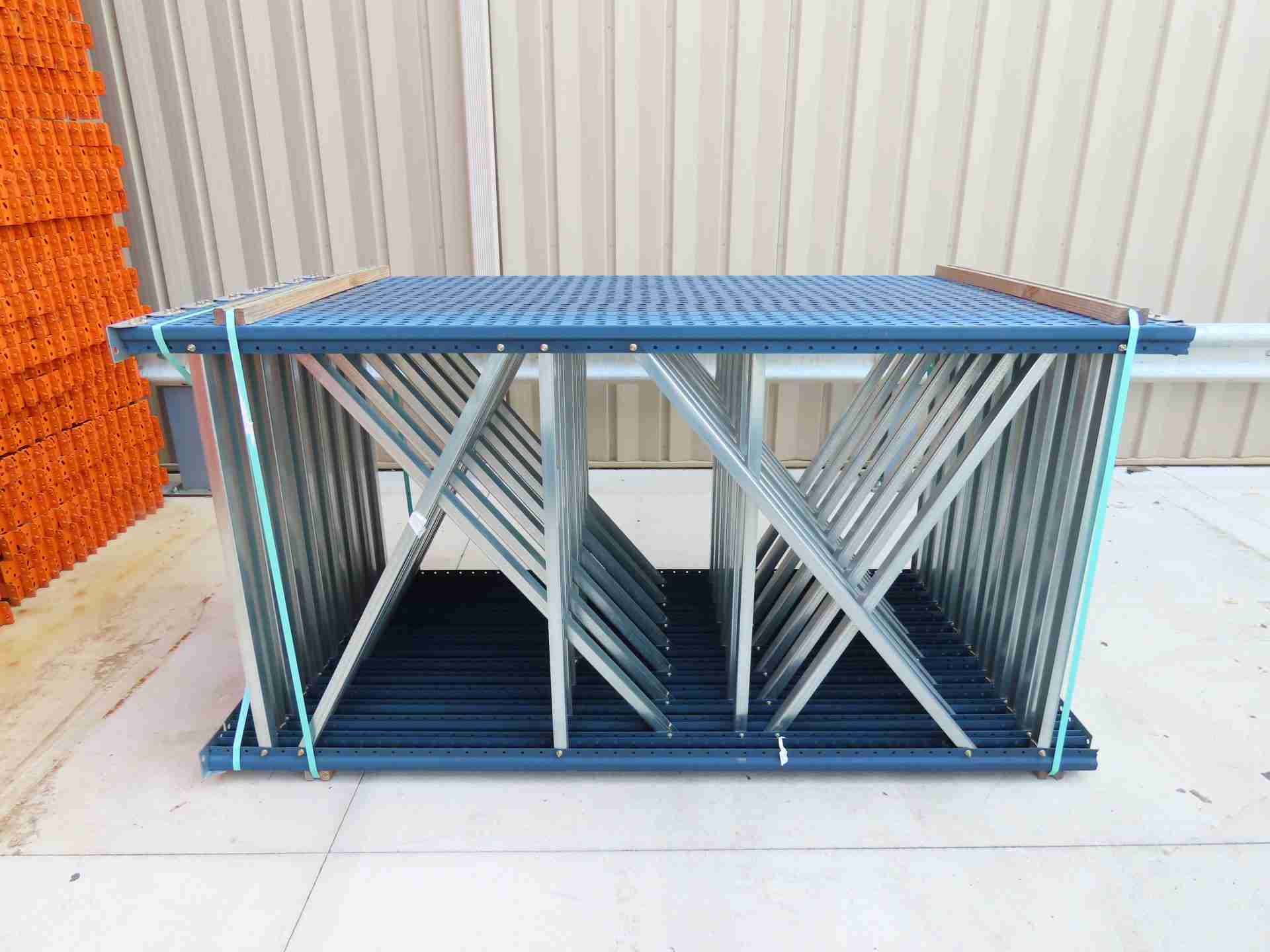
Other Resources
Here is a list of other resources you can review online to learn more:
- Material Handling Industry
- The Ultimate Pallet Racking Guide – Speedrack West
- Crane Manufacturers Association Of America Inc.
- Pallet Racking 101: A Comprehensive Guide & Options Explained
- IIWS Inc. Rack Installation Illinois & Rack Repairs Illinois
- Used Pallet Rack for Sale in Illinois – American Surplus
- Illinois
- Pallet Racks, Pallet Racking, Pallet Shelves in Stock – ULINE
- Teardrop Industrial Shelving Rack
- Teardrop Uprights
- WERC
- What is Selective Pallet Racking
- Warehouse Racking System: Powerful Guide to Optimise, 2024
- Warehouse Racking Chicago, IL
- Used Teardrop Pallet Rack – American Surplus
- Illinois Pallet Racking – Storage Solutions
- Warehouse Storage Racking in Illinois
- Warehousing Education and Research Council: https://www.werc.org/
- Cantilever Rack Guide: Ordering Cantilever Racking
- Warehouse Racking Layout: The Ultimate Guide – Conger
Use This Prompt To Get More Resources With Your Favorite Online AI Tool: Please provide me with a list of online articles with their URLs in a bulleted list that I can read regarding When Rack Upgrades Beat Real Estate Moves
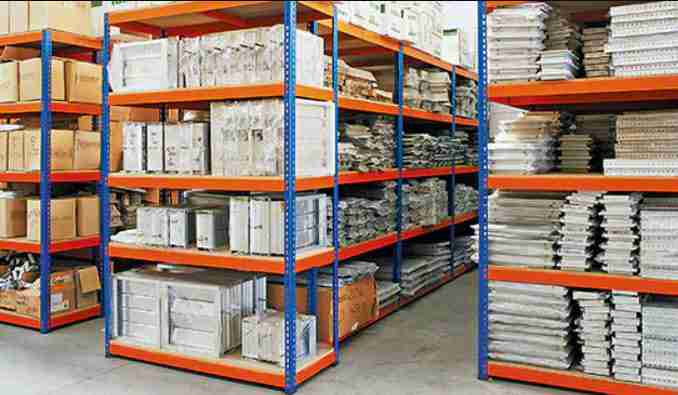
Other Resources
Glossary Terms
When Rack Upgrades Beat Real Estate Moves – Glossary Of Terms
1. Appreciation: An increase in the value of an asset over time, often associated with real estate.
2. Asset: Any item of value owned by an individual or entity, including real estate and upgrades.
3. Capital: Financial assets or resources that can be used for investment or to fund upgrades.
4. Equity: The difference between the value of a property and the amount owed on any mortgages.
5. Market Value: The estimated price a property would sell for in the current market.
6. Renovation: The process of improving or modernizing a property, often to increase its value.
7. Depreciation: A decrease in the value of an asset over time, often due to wear and tear.
8. Return on Investment (ROI): A measure of the profitability of an investment, expressed as a percentage.
9. Demand: The desire of buyers in the market for real estate or upgrades.
10. Supply: The availability of real estate or upgrades in the market.
11. Comparable Sales: Recent sales of similar properties used to assess market value.
12. Improvement: Changes made to a property to enhance its value or functionality.
13. Home Inspection: An evaluation of a property’s condition, often conducted before purchase.
14. Zoning: Regulations governing how land can be used, impacting property development and upgrades.
15. Lease: A contractual agreement allowing one party to use property owned by another for a specified period.
16. Cash Flow: The difference between incoming and outgoing cash, crucial for investment analysis.
17. Financing: Methods of obtaining funds for real estate purchases or upgrades.
18. Property Management: The operation, control, and oversight of real estate properties.
19. Listing: A property that is officially for sale or lease, typically represented by a real estate agent.
20. Investment Property: Real estate purchased for generating income or appreciation.
21. Real Estate Market: The economic arena where real estate properties are bought, sold, or rented.
22. Title: A legal document that provides proof of ownership of a property.
23. Closing Costs: Fees and expenses associated with the finalization of a real estate transaction.
24. Mortgage: A loan secured by real estate, used to finance its purchase.
25. Land Use: The management and modification of natural environment into built environment.
26. Foreclosure: The legal process by which a lender takes possession of a property due to defaulted mortgage payments.
27. Down Payment: An upfront payment made when purchasing a property, representing a portion of the total price.
28. Appreciation Rate: The annual percentage increase in the value of a property.
29. Buyer’s Market: A market condition characterized by a higher supply of properties than demand.
30. Seller’s Market: A market condition where demand for properties exceeds supply, often leading to higher prices.

Glossary Of Terms
Other Questions
When Rack Upgrades Beat Real Estate Moves – Other Questions
If you wish to explore and discover more, consider looking for answers to these questions:
- How much storage capacity can a typical racking upgrade add compared with current layouts?
- What is the average ROI and payback period for common racking upgrades?
- How do upgrade costs compare to the total cost of relocating (rent, fit-out, downtime, moving)?
- Which types of racking systems (selective, pallet flow, drive-in, push-back, cantilever, mezzanine) are best for different operations?
- How do I calculate required load capacities and safety factors for upgraded racks?
- What are the most common safety and regulatory requirements (OSHA, local codes, seismic) affecting racking upgrades?
- How disruptive is a racking upgrade to day-to-day operations and how long does installation usually take?
- Can racking upgrades be phased to avoid full shutdown, and what are best practices for phasing?
- What are typical lead times for purchasing and installing new racking systems?
- How do racking upgrades integrate with existing material handling equipment (forklifts, pallet jacks, conveyors)?
- What inventory management or WMS changes are needed to realize the benefits of new racking layouts?
- How do racking upgrades affect labor costs, picking times, and order accuracy—are there measurable KPIs?
- What financing, leasing, or tax-depreciation options are available for capitalizing racking investments?
- Are there government grants, incentives, or sustainability credits available for upgrading rather than relocating?
- How do you perform a cost-benefit or break-even analysis for upgrade vs relocation decisions?
- What are the environmental impacts of upgrading racks vs building or moving to a new facility?
- How should businesses measure and quantify sustainability gains from upgrading existing space?
- How do upgrades support future scalability and changes in product mix or seasonality?
- What are common failure modes of racking systems and how do upgrades mitigate them?
- How often should racking systems be inspected and maintained after an upgrade?
- What warranties, certifications, and liability protections should you require from racking suppliers and installers?
- How do you select qualified vendors or contractors for design, supply, and installation?
- What questions should be included in an RFP for racking upgrades?
- How can upgrades improve workplace safety and reduce accident-related costs or downtime?
- What training do employees need to use new racking layouts or equipment safely and efficiently?
- How do you manage disposal, resale, or recycling of old racking components?
- What role can automation (ASRS, conveyors, pick-to-light) play with upgraded racks, and what are the cost implications?
- Are there quick-win layout changes or modular options that deliver large benefits with small investment?
- How do you validate design assumptions—such as SKU dimensions, turnover rates, and load profiles—before committing to upgrades?
- Can racking upgrades be designed to improve energy efficiency, lighting, or HVAC performance?
- What are the tax and accounting implications of capitalizing a racking upgrade versus operational expense?
- How do racking upgrades impact insurance premiums and coverage requirements?
- What real-world case studies demonstrate measurable gains from racking upgrades instead of relocation?
- How do you measure the social and cultural benefits (employee morale, retention) from investing in better racking?
- When is relocation still the better option despite promising racking upgrade results?
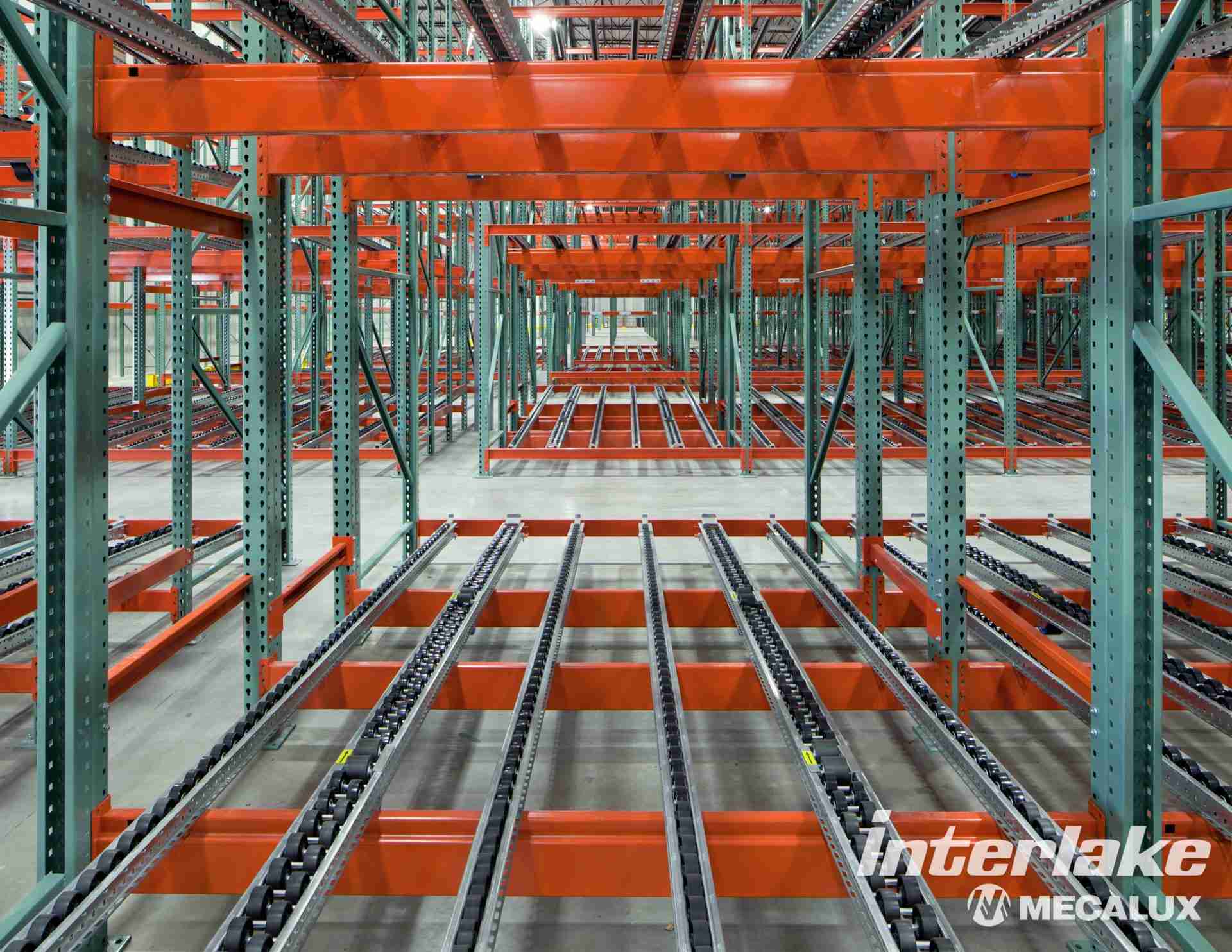
Other Questions
Checklist
When Rack Upgrades Beat Real Estate Moves – A Checklist
Facility and Space Utilization
✅______ Current storage utilization measured (cube and floor)
✅______ Clear height and vertical space mapped for additional tiers
✅______ Aisle widths verified against equipment requirements
✅______ Obstructions identified (sprinklers, columns, HVAC, lighting)
✅______ Slotting and velocity analysis completed to reduce travel
✅______ Target storage capacity increase defined (for example, 20-30%)
✅______ Future growth allowances incorporated (SKUs, order volume)
Operational Efficiency
✅______ Baseline KPIs captured (picks/hour, dock-to-stock, OTIF, damages)
✅______ Pick paths redesigned to minimize travel and congestion
✅______ Replenishment and putaway standards defined
✅______ Fast movers positioned for quick access (golden zone)
✅______ Staging, returns, and value-add areas properly allocated
✅______ Downtime windows and phased installation plan confirmed
Safety and Compliance
✅______ Racking design stamped by a qualified engineer (as required)
✅______ Load ratings posted and legible on all bays
✅______ Seismic, fire code, and egress clearances verified
✅______ Rack protection specified (end of aisle, column guards, netting)
✅______ Anchoring and flooring integrity verified
✅______ Periodic inspection and repair program established
✅______ Operator and pedestrian traffic clearly separated
People and Culture
✅______ Ergonomics addressed (lift heights, reach, bend, step frequency)
✅______ Safety training and SOPs updated for new layouts
✅______ Change impacts communicated early to all shifts and teams
✅______ Skill gaps identified; training scheduled (forklift, WMS, rack use)
✅______ Feedback loop set up for front-line improvement ideas
✅______ Morale and retention metrics tracked before/after upgrade
Technology and Data
✅______ WMS/ERP location schema aligned to the new rack map
✅______ Barcode and RFID labeling plan for bays, levels, and bins
✅______ Cycle counting and inventory accuracy processes enhanced
✅______ Real-time visibility enabled (dashboards for KPIs)
✅______ Equipment compatibility checked (reach trucks, order pickers)
✅______ Future automation pathways reserved (AMRs, conveyors, AS/RS)
Financials and ROI
✅______ Total cost of upgrade budgeted (materials, installation, permits, training)
✅______ Relocation total cost modeled for comparison (move, buildout, downtime)
✅______ Payback period and ROI targets defined and approved
✅______ Labor savings, throughput gains, and damage reduction quantified
✅______ Tax incentives, depreciation, and grants evaluated
✅______ Cash flow and contingency reserves confirmed
Sustainability and Community
✅______ Reuse and refurbish options for existing racks evaluated
✅______ Waste diversion plan for removed materials
✅______ Embodied carbon and energy impacts considered versus relocation
✅______ Lighting and HVAC efficiency opportunities identified with new layout
✅______ Noise and dust control during installation planned
✅______ Local community and landlord coordination addressed
Vendor, Quality, and Legal
✅______ Vendors vetted with references and comparable installations
✅______ Standards compliance confirmed (for example, RMI/ANSI MH16.1)
✅______ Detailed drawings and as-builts provided
✅______ Permits and inspections scheduled
✅______ Lease restrictions and landlord approvals reviewed
✅______ Insurance requirements and certifications met
✅______ Warranty and service and repair terms documented
Implementation and Risk
✅______ Phased installation to maintain operations planned
✅______ Inventory relocation sequence and buffers defined
✅______ Critical-path timeline with an owner per task assigned
✅______ Contingency plan for delays or component shortages
✅______ Post-go-live stabilization window scheduled
✅______ Success criteria and sign-off checkpoints set
Customer and Brand Impact
✅______ OTIF and lead-time improvements targeted
✅______ Order accuracy and damage reduction goals set
✅______ Peak season and promotion readiness validated
✅______ Showroom and retail presentation benefits captured (if applicable)
✅______ Communication plan for key customers if service levels shift
Before-and-After Data to Capture
✅______ Storage capacity (positions, cube utilization)
✅______ Labor hours per order or line and travel distance
✅______ Dock-to-stock time and order cycle time
✅______ Inventory accuracy and damages and returns
✅______ Safety incidents and near misses
✅______ Employee engagement and retention indicators
Fill-In Summary
✅______ Target capacity increase ______%
✅______ Expected labor savings ______% or ______ hours/week
✅______ Payback period ______ months
✅______ Total upgrade budget $________
✅______ Go-live date __________
✅______ Owner(s) accountable __________________
Readiness Score
✅______ Total boxes checked _____ / _____

Checklist
At RackingWorld, we help guide you through selecting warehouse storage systems and racking.
Be sure to read our other related stories at RackingWorld to learn more about warehouse storage systems.
0 Comments