
Unlocking Efficiency: The Heartfelt Guide To Streamlined Warehouse Success
By Tom Seest
At RackingWorld, we help guide you through selecting warehouse storage systems and racking.
Be sure to read our other related stories at RackingWorld to learn more about warehouse storage systems.
Warehouse Flow Mapping Explained
Warehouse flow mapping is all about making the inner workings of a warehouse as smooth as a well-oiled machine. Imagine walking into a space where every item has its place, and every worker knows exactly where to go and what to do. That’s the heart of flow mapping. It’s not just about stacking boxes or organizing racking systems; it’s about creating a rhythm that keeps the operation moving efficiently and effectively.
Think of it as choreographing a dance. Each product entering the warehouse has its own journey to make, whether it’s moving from receiving to storage, from storage to picking, or out the door for delivery. When the moves are mapped out clearly, it reduces wasted time and effort, makes for happier workers, and keeps customers satisfied. There’s nothing quite like the feeling of knowing you’re part of a team that hits its targets and operates like clockwork, right? That sense of pride fuels the work.
From a rational standpoint, flow mapping minimizes bottlenecks and streamlines processes. Picture a busy warehouse on a peak season day. Without an efficient flow in place, chaos reigns as workers scramble to find items lost in the shuffle. But when there’s a clear map, even during the busiest hours, everyone can find their groove. You don’t have to be a genius to appreciate that improving flow can save countless hours and dollars, creating a sharper, more competitive edge for businesses of all sizes.
Ethically, the importance of flow mapping can’t be overstated; it leads to safer workplaces. A meticulously planned layout means less risk of accidents and injuries. When people feel safe and their workspace is designed with care, morale goes up. Flow mapping signals that you value not only productivity but the well-being of your team.
Then there’s the narrative. Picture the weary yet determined warehouse crew from dawn till dusk, facing the same old inefficiencies day after day. They deserve a system that empowers them. By implementing flow mapping, you’re not just pushing products; you’re transforming lives. That’s a story worth telling—a collective effort that builds camaraderie and fosters a culture of respect.
Lastly, flow mapping promotes a sense of community. When everyone understands their role, it binds the team tighter together. The shared experience of overcoming obstacles and celebrating wins builds trust. A well-mapped warehouse isn’t just about efficiency; it’s the heartbeat of a united workforce working towards a common goal, armed with the right racking systems to support their mission.

Warehouse Flow Mapping Explained
Warehouse Flow Mapping Explained
- Warehouse flow mapping enhances operational efficiency and organization.
- Each product has a defined journey through the warehouse, reducing wasted time.
- Improved flow leads to happier workers and increased customer satisfaction.
- Minimizes bottlenecks and chaos, especially during peak seasons.
- Enhances workplace safety, boosting morale and valuing team well-being.
- Empowers workers by addressing inefficiencies and transforming their work experience.
- Fosters a sense of community and teamwork, building trust and shared goals.

Warehouse Flow Mapping Explained
Table Of Contents
- Warehouse Flow Mapping Explained
- Why Is Flow Mapping Essential for Warehouse Efficiency?
- How Can Flow Mapping Reduce Operational Costs?
- What Challenges Arise Without Effective Flow Mapping?
- How Does Flow Mapping Improve Inventory Accuracy?
- Can Flow Mapping Enhance Employee Productivity?
- What Are the First Steps In Creating a Flow Map?
- Conclusion
- Other Resources
- Glossary Of Terms
- Other Questions
- Checklist
Why Is Flow Mapping Essential for Warehouse Efficiency?
In the bustling heart of any warehouse, where every square foot counts, flow mapping stands as the backbone of efficiency. Picture a busy day: pallets stacked high, racking systems lined up like soldiers, and workers hustling to get the job done. This visual might stir a sense of pride, but without a proper map of how goods move through these racking systems, chaos can lurk just around the corner.
Flow mapping is not just about the logistics; it’s about people. When workers know the layout and flow of the warehouse inside and out, they save time, reduce frustration, and feel more empowered. It builds trust among teams. You don’t have to be a seasoned expert to get it—everyone can relate to the feeling of losing time and energy searching for something when a simple map could have pointed the way. A well-executed flow map helps cultivate a culture of support and teamwork, where everyone pulls together rather than feeling isolated in their tasks.
On a deeper level, using flow mapping is an exercise in responsibility. It’s about being ethical to both your employees and your bottom line. By improving the efficiency of the setup, you’re safeguarding jobs, reducing waste, and maximizing output. Every worker wants to feel they’re contributing to something bigger, and by streamlining processes through flow mapping, you showcase how individual efforts fit into the larger puzzle. When workers see the direct impact of their contributions, it sparks a pride in ownership and a sense of belonging.
Then there’s the data—a hard-nosed, rational approach that can’t be ignored. Analyzing patterns and identifying bottlenecks leads to smarter decision-making. It’s not just guesswork; it’s about making informed choices that drive performance and profitability. Flow mapping doesn’t just highlight problems; it unveils solutions hiding in plain sight. This pragmatic clarity inspires confidence in management and teams alike, reinforcing a shared goal of continuous improvement.
Lastly, let’s not forget about community. When warehouses thrive, local economies benefit. Jobs are created, and small businesses in the area see boosts in sales as operations expand. Flow mapping turns warehouses into hubs of productivity, creating ripples that reach beyond the building’s walls. It’s about more than just efficiency; it’s about creating a foundation for a connected workforce and a resilient community.
So, whether you’re standing in front of a wall of racking systems or managing a bustling operation, remember that flow mapping isn’t just a box to check. It’s the vital thread woven through the fabric of warehouse efficiency, a guide that pulls everyone together, ensuring that every effort counts.

Why Is Flow Mapping Essential for Warehouse Efficiency?
Why Is Flow Mapping Essential for Warehouse Efficiency?
- Flow mapping enhances warehouse efficiency by optimizing the movement of goods.
- It empowers workers through knowledge of the layout, saving time and reducing frustration.
- Creates a culture of teamwork and trust among employees.
- Streamlines processes while safeguarding jobs and maximizing output.
- Data analysis through flow mapping leads to informed decision-making and problem-solving.
- Supports local economies by creating jobs and boosting nearby businesses.
- Acts as a vital component in fostering a connected workforce and resilient community.

Why Is Flow Mapping Essential for Warehouse Efficiency?
How Can Flow Mapping Reduce Operational Costs?
Flow mapping isn’t just a tool for efficiency; it’s a lifeline for anyone in the trenches of operational work. Imagine you’re elbow-deep in a project, and the logistics feel like herding cats. You’ve got racking systems piled high with materials, but the workflow is so fractured you’re losing time—and money—by the minute. That’s where flow mapping steps in, like a trusty old saw in a woodshop, ready to bring order to chaos.
At its heart, flow mapping visualizes the entire operational process. It’s like stepping back to see the whole picture instead of squinting at a corner. This broader perspective isn’t just smart; it’s a necessity. When you create a clear visual representation of how work moves through your racking systems, you can identify bottlenecks, redundancies, and waste. That’s the kind of insight that cuts down on unnecessary costs and drives efficiency straight to the bottom line.
Rationally, it’s no magic trick. You gather your data, visualize it, and then tackle the problem areas head-on. You know where your time and resources are bleeding out, and you can make informed decisions about what needs changing—a machine here, a process there. Ethical decisions come into play too. By implementing flow mapping, you’re not just slashing costs for the sake of profit; you’re creating an environment where your team can thrive without grinding against inefficiency every day.
Let’s not forget the power of narrative here. Take the story of a small manufacturing firm that decided to revamp their operations. They were struggling under delays and spiraled costs, but by mapping their workflow, they pinpointed the exact spots where materials sat idle or moved in circles. With some adjustments to their racking systems and logistics, they turned those inefficiencies around. The result? A vibrant workspace where employees felt heard and valued, leading to a surge in morale and productivity like a community rallying behind a common goal.
On a social level, when you openly share the dividends of flow mapping with your team, you strengthen their buy-in and trust. It’s about fostering a culture where everyone plays an active role in cutting costs and boosting performance. When people feel connected to a mission—not just a paycheck—they put their hearts into it. They work smarter, not just harder. And that feeling is priceless.
Flow mapping isn’t just about reducing operational costs; it’s about transforming the way you do business, for the better. So roll up your sleeves, get everyone involved, and watch how clear sight makes all the difference.

How Can Flow Mapping Reduce Operational Costs?
How Can Flow Mapping Reduce Operational Costs?
- Flow mapping is essential for efficiently managing operational tasks.
- It provides a visual representation of the entire operational process, helping identify bottlenecks and waste.
- By analyzing data and visualizing workflows, businesses can make informed decisions to reduce costs.
- Implementing flow mapping fosters an environment where teams can thrive and reduces inefficiency.
- Success stories, such as small manufacturing firms, highlight improved morale and productivity following workflow adjustments.
- Sharing the benefits of flow mapping with teams enhances trust and encourages active participation in efficiency efforts.
- Flow mapping is a transformative approach that benefits both operational costs and business culture.

How Can Flow Mapping Reduce Operational Costs?
What Challenges Arise Without Effective Flow Mapping?
When you think about the backbone of any warehouse or manufacturing facility, it’s easy to focus on the flashy equipment or high-tech systems. But peel back the layers, and you’ll find that the real engine driving efficiency is flow mapping. Without it, you’re stepping into a minefield of challenges that can turn even the best operations into chaos.
Picture a busy factory floor where racking systems are set up without a solid plan. Employees are darting around, searching for materials instead of focusing on their tasks, wasting precious time. It’s like watching a chicken with its head cut off—lots of movement, but no real progress. That disorganization isn’t just frustrating; it’s demoralizing. Workers feel the pressure, and productivity plummets. When everyone is spinning their wheels, it creates an environment of stress and anxiety, undermining both morale and accountability.
On a broader scale, lack of effective flow mapping can lead to significant financial repercussions. Overnight, those inefficiencies mount up. Think about it—the longer employees spend looking for parts, the more labor costs rise. Mistakes become common when pathways are unclear, leading to products getting damaged or misplaced. It’s not just about dollars and cents; it’s a hit to your reputation. Clients notice when deliveries are late or products arrive in poor condition, and soon you’re not just competing for contracts; you’re competing to stay in business.
Then there’s the ethical angle. Every time operations falter due to inefficiency, you risk undercutting the trust that stakeholders place in your organization. Employees want to feel like they’re part of a well-oiled machine, not just another cog. If they see management unwilling to invest in systems that promote teamwork and efficiency, they start to question their own commitment. It’s a downward spiral that can fracture teams and erode company culture.
Weaving through all these challenges is a narrative—this isn’t just about charts and diagrams; it’s about people. It’s about a workforce that deserves the tools to do their jobs efficiently and effectively. Investing in effective flow mapping isn’t blowing smoke; it’s a straightforward investment in the lives of your workers and the longevity of your operation. They need to see a clear pathway, not just in logistics but in their day-to-day roles. If you want a thriving workplace built on trust and reliability, flow mapping is not just a good idea; it’s the only way forward.

What Challenges Arise Without Effective Flow Mapping?
What Challenges Arise Without Effective Flow Mapping?
- Flow mapping is essential for efficiency in warehouses and manufacturing facilities.
- Lack of flow mapping leads to chaotic operations and wasted employee time.
- Disorganization negatively impacts morale and productivity, creating stress for workers.
- Ineffective flow can result in increased labor costs and damaged products.
- Client trust and company reputation suffer when deliveries are delayed or products are damaged.
- Management’s investment in flow mapping is crucial for team cohesion and company culture.
- Effective flow mapping enhances the overall work environment, benefiting both employees and operations.
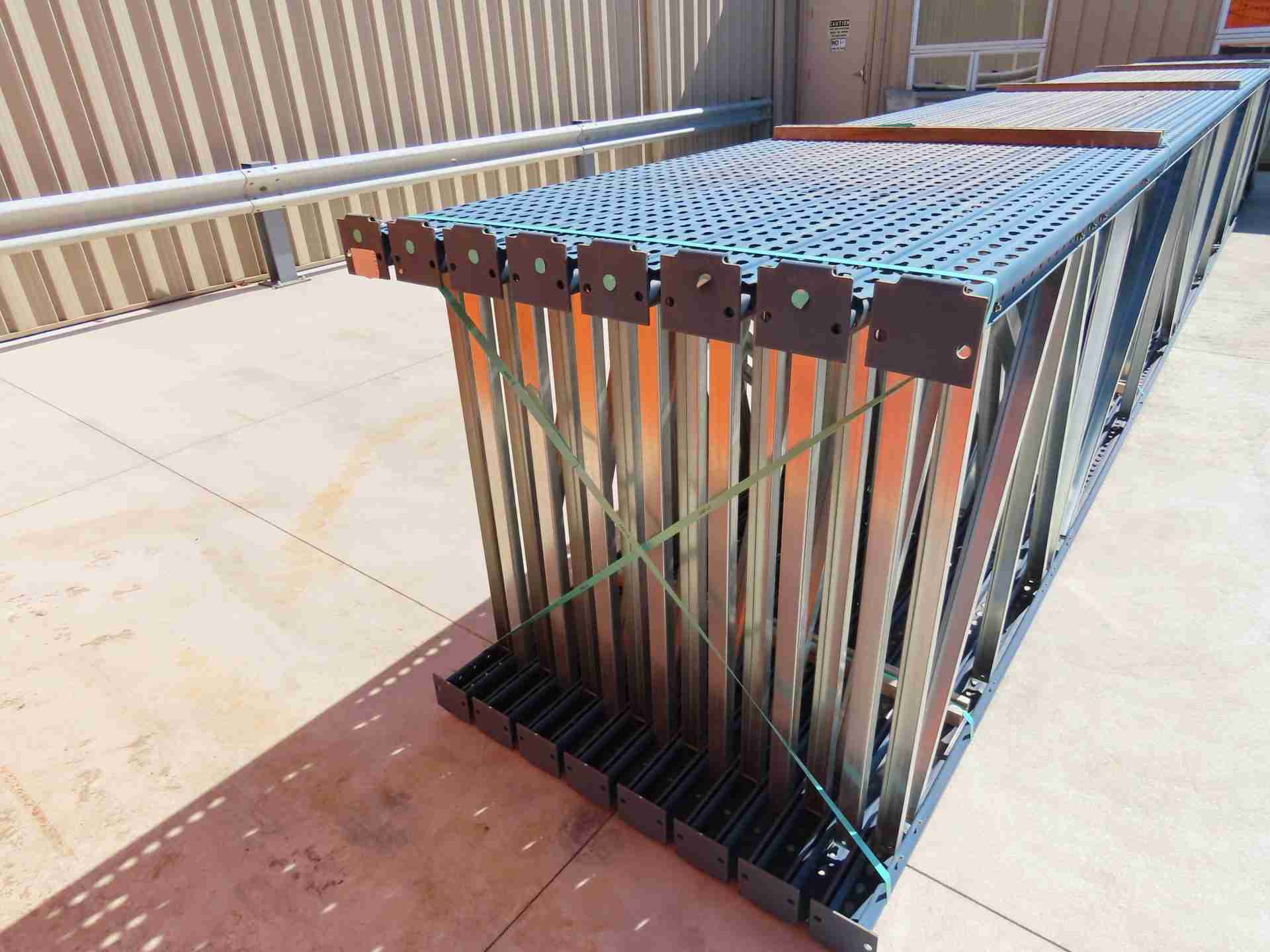
What Challenges Arise Without Effective Flow Mapping?
How Does Flow Mapping Improve Inventory Accuracy?
Flow mapping isn’t just a fancy term tossed around in boardrooms; it’s about getting down to brass tacks in the warehouse. Picture this: a bustling facility filled with racking systems, stacked high with goods. Inventory accuracy isn’t merely numbers on a screen; it’s the lifeblood of operations. When that accuracy dips, it’s not just a loss in revenue; it’s lost time, frustrated employees, and disappointed customers.
Flow mapping digs down into the nitty-gritty of the inventory process. It allows teams to visualize how products move through the system. By mapping out each step, from receiving to storage on those racking systems to shipping out, businesses can see where the bottlenecks lie. Imagine the relief in spotting that one corner where inventory seems to vanish into thin air or where misplacements are routine. When you tackle these inefficiencies head-on, it’s like breathing fresh air into a stuffy room.
Emotion plays a role here. Employees want to feel proud of their work. When the team knows that the inventory is right, morale goes up. They trust the process, and that trust trickles down to the customers who rely on timely deliveries. Nobody wants an irate customer barking at them because the inventory was off. Flow mapping provides clarity, allowing everyone involved to understand their role in the inventory process.
From a financial standpoint, better inventory accuracy means fewer losses due to shrinkage and overstocking. It’s a win-win. Leaders can take the lessons learned from the mapped processes to adjust strategies and improve forecasting. They gain authority in their decision-making, bolstering their reputation internally and externally. Every success stories regarding inventory accuracy gets shared, growing a culture where improvement becomes a community effort.
It often takes lived experience to appreciate the difference flow mapping can make. Think about the days spent searching for misplaced items or dealing with frustrated team members. Now, turn that frown upside down. By embracing flow mapping, a business transforms chaos into order. It’s not just about keeping inventory accurate, it’s about creating a dependable, effective environment for everyone involved. An efficient process makes everyone’s job easier, leading to a collective sigh of relief and a shared commitment to a common goal: meeting customer needs with unwavering precision.

How Does Flow Mapping Improve Inventory Accuracy?
How Does Flow Mapping Improve Inventory Accuracy?
- Flow mapping improves inventory processes in warehouses, providing clarity and efficiency.
- Accurate inventory management prevents revenue loss, time waste, employee frustration, and customer dissatisfaction.
- Visualization of product movement helps identify bottlenecks and misplacements in the inventory system.
- Enhanced employee morale results from trust in inventory accuracy and its positive impact on customer satisfaction.
- Financial benefits include reduced losses from shrinkage and overstocking, improving overall business performance.
- Leaders can utilize insights from flow mapping to refine strategies and bolster decision-making authority.
- Implementing flow mapping cultivates a culture of continuous improvement, promoting teamwork in achieving common goals.

How Does Flow Mapping Improve Inventory Accuracy?
Can Flow Mapping Enhance Employee Productivity?
In the world of work, we all know that getting things done isn’t just about putting in hours; it’s about being efficient and smart with those hours. Enter flow mapping, a tool that’s as straightforward as it sounds. Picture this: you’re in a warehouse, surrounded by racking systems piled high with inventory. You need to grab the right items fast to keep the line moving, but what if you could see a clear map of where everything is and how it connects? That’s the heart of flow mapping.
Flow mapping isn’t just some corporate buzzword—it’s a practical solution drawn from real experiences on the floor. When employees can visualize their tasks and workflows, it’s like giving them a roadmap. It cuts through the clutter and confusion, allowing them to focus on what really matters. It’s the difference between running in circles and hitting the ground running.
Think about it this way: when you’re working with a team on a project, being clear about each person’s role and the steps to get tasks done reduces stress. Everyone knows who’s doing what and when. That clarity builds trust among team members, leading to better collaboration and fewer missteps. And let’s be real, with all the demands we juggle daily, who wouldn’t want to feel confident that their efforts contribute to a bigger picture?
On an emotional level, flow mapping resonates because it speaks to our need for connection. Everyone wants to feel like they’re part of something greater, that their work matters. When employees understand the flow of their work and how it impacts the company, it fosters a sense of pride in their contributions. This pride fuels motivation, and it’s contagious. When one person is inspired, others will likely follow.
From a gut perspective, adopting flow mapping sends a clear message: we care about making your job easier and more fulfilling. It’s about ethics, too—streamlining processes means less wasted time and resources, which benefits not just the bottom line but also provides a healthier working environment. When employees feel valued and their contributions recognized, productivity naturally follows.
So, let’s embrace flow mapping not just as a theory, but as a hands-on strategy that makes a tangible difference. It bridges the gap between chaos and order, turning the daily grind into a well-oiled machine, ensuring that both the individual and the team thrive.

Can Flow Mapping Enhance Employee Productivity?
Can Flow Mapping Enhance Employee Productivity?
- Flow mapping enhances efficiency by providing a clear visualization of tasks and workflows.
- It simplifies processes, reducing confusion and allowing employees to focus on essential tasks.
- Clarity in roles during teamwork promotes trust, collaboration, and reduces stress.
- Flow mapping fosters a sense of connection and pride among employees, enhancing motivation.
- Streamlined processes reduce waste of time and resources, benefiting overall productivity.
- It signifies a commitment to making jobs easier and more fulfilling for employees.
- Adopting flow mapping transforms chaotic environments into organized, efficient workflows.

Can Flow Mapping Enhance Employee Productivity?
What Are the First Steps In Creating a Flow Map?
Creating a flow map is like drawing a map of your own journey, one that reflects your unique experience and vision. The first step begins with understanding what you want to achieve. Picture this: you’re stepping into a workshop filled with racking systems, tools hanging above, all poised for action. Before turning a wrench or grabbing a paintbrush, you need a plan. That’s where your flow map comes in—it’s your blueprint, your guide, laying out the steps that will lead you to your goals.
Start by gathering your thoughts like gathering materials for a project. Write down the main processes involved. This could be moving items in a warehouse with racking systems, or managing tasks for a community project—whatever resonates with you. Once you have those key elements, rank them from start to finish. Think about the sequence, just like fitting pieces into a puzzle.
Then, visualize how these steps connect. Use arrows and shapes if that’s your style; don’t be afraid to let your creativity shine. It’s about making connections that make sense, highlighting the movement through each stage, sharing your knowledge and experience. Each step represents not just an action, but a lesson learned, a challenge overcome. This mapping process isn’t just logical; it’s personal, rooted in your own journey and experiences.
Once your flow map starts to take shape, take a moment to step back. Look at the big picture. Are there any emotional touchpoints? Maybe a certain process reminds you of a time when teamwork made the difference. Connect those feelings back into your map. This is where heart meets head—the rational flow of ideas intertwining with the emotions that drove those ideas.
Finally, share your flow map with your community. Each of us comes from different backgrounds, and pooling our insights creates a richer tapestry of understanding. Your experienced hand may inspire someone else to take a leap of faith, to tackle their own projects with confidence. In sharing, trust grows, and everyone is encouraged to contribute their piece to the puzzle. Like a well-organized racking system, a flow map is ready to hold the weight of ideas, helping you navigate toward success while fostering connection and collaboration along the way.
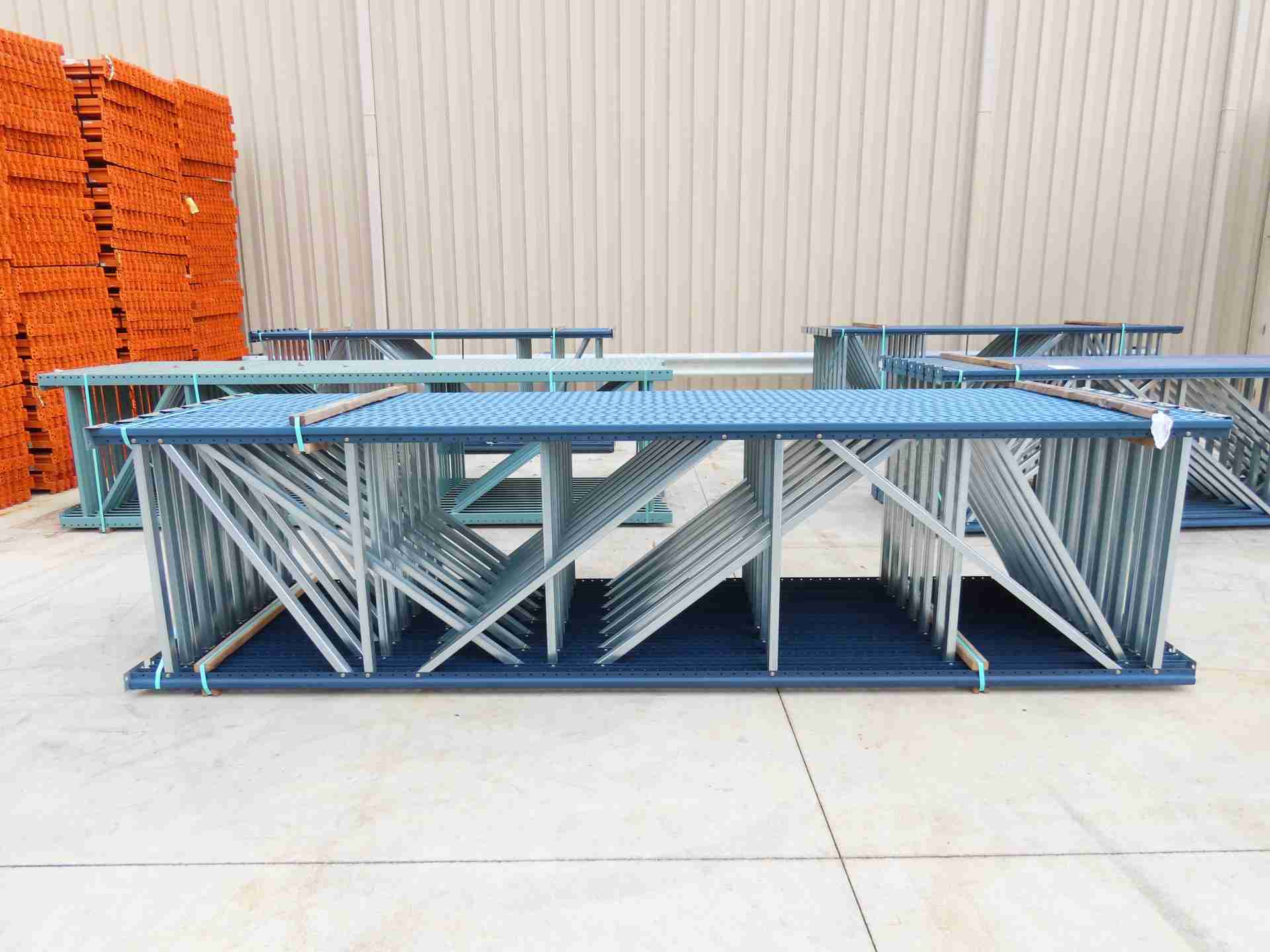
What Are the First Steps In Creating a Flow Map?
What Are the First Steps In Creating a Flow Map?
- Creating a flow map reflects your unique journey and vision.
- Start by understanding your goals and planning before beginning a project.
- Gather main processes and rank them from start to finish for clarity.
- Visualize the steps with arrows and shapes to highlight connections.
- Each step on the map represents actions, lessons learned, and challenges overcome.
- Incorporate emotional touchpoints to connect ideas with personal experiences.
- Share your flow map with the community to inspire collaboration and trust.

What Are the First Steps In Creating a Flow Map?
Conclusion
Warehouse flow mapping is a transformative approach that not only streamlines operations but also breathes life into the workforce. Visualizing the flow of goods creates a well-ordered dance within chaotic environments. Picture a warehouse where each item has a designated path, and every worker knows precisely where to go and what to do—this is more than organization; it’s about instilling a rhythm that promotes efficiency. The satisfaction of being part of a coordinated team fosters a sense of pride, turning daily tasks into collective victories.
Rationally, implementing flow mapping highlights bottlenecks, allowing operations to run smoother, especially during peak times. A visible layout saves time, reducing frustration and stress among employees who can then focus on their roles rather than search aimlessly for materials. By mapping out processes, businesses not only cut costs but also create a sharper operational edge that enhances competitiveness.
From an ethical standpoint, flow mapping significantly contributes to workplace safety. A thoughtful layout minimizes the risk of accidents, demonstrating a commitment to employee well-being. This care for the workforce, in turn, uplifts morale, prompting workers to feel valued and recognized for their contributions.
The narrative behind flow mapping is one of empowerment for the crew tackling daily inefficiencies. Transitioning to a mapped-out process not only optimizes logistics but also transforms individual efforts into a unified mission that enhances camaraderie. It’s a tale of togetherness where triumphs are celebrated, cultivating a sense of community that binds the team.
Moreover, flow mapping has broader social implications—when warehouses operate efficiently, it strengthens local economies as operations expand and create jobs. This interconnectedness reinforces the idea that a well-functioning warehouse is not merely an isolated unit; it impacts the fabric of the community.
Ultimately, flow mapping is essential; it’s not merely an operational tool—it’s the heartbeat of a warehouse, a guide that aligns efforts toward a common goal, ensuring every worker feels like a vital part of the success story. By fostering clarity and connection, it transforms chaos into order, paving the way for not just efficiency, but also a thriving workforce proud of its role in the bigger picture.

Conclusion
Conclusion:
- Warehouse flow mapping streamlines operations and enhances workforce engagement.
- Visualizing goods’ flow creates organization, promoting efficiency and teamwork.
- Identifies bottlenecks, enabling smoother operations during peak times.
- Reduces employee frustration and stress by clarifying roles and pathways.
- Improves workplace safety through thoughtful layout design and risk minimization.
- Strengthens team camaraderie, transforming individual efforts into a unified mission.
- Positively impacts local economies by creating jobs and fostering community interconnectedness.

Conclusion
Other Resources

Other Resources
Here is a list of other resources you can review online to learn more:
- IIWS Inc. Rack Installation Illinois & Rack Repairs Illinois
- Mustang Material Handling
- Interlake Mecalux
- Heavy-Duty Cantilever Storage Racks
- Chicago Pallet Racking
- Pallet Racking systems in Illinois, Great Lakes
- Iowa Illinois Warehouse Racking
- American Society of Safety Professionals
- IWLA
- Pallet Racks, Pallet Racking, Pallet Shelves in Stock – ULINE
- Cantilever Racking Specialists – Get the Right Racks
- Used Pallet Rack for Sale in Illinois – American Surplus
- American Surplus
- What is Selective Pallet Racking
- Selective Pallet Racking Systems
- Teardrop Racks – Pallet Rack World
- The Ultimate Pallet Racking Guide – Speedrack West
- Selective Rack – Raymond West
- Warehouse Storage Racks
Use This Prompt To Get More Resources With Your Favorite Online AI Tool: Please provide me with a list of online articles with their URLs in a bulleted list that I can read regarding Warehouse Flow Mapping Explained

Other Resources
Glossary Terms
Warehouse Flow Mapping Explained – Glossary Of Terms
1. Warehouse Flow Mapping: A visual representation of the processes and pathways within a warehouse, highlighting the movement of goods and information.
2. Inventory Management: The process of ordering, storing, and using a company’s inventory effectively.
3. Receiving: The process of accepting and inspecting incoming goods into the warehouse.
4. Putaway: The procedure of transporting received goods to their designated storage locations.
5. Storage: The act of holding items in a warehouse until they are needed for distribution or sale.
6. Picking: The process of selecting and gathering items from storage locations based on customer orders.
7. Packing: The activity of preparing goods for shipment, which includes boxing, labeling, and ensuring safe transport.
8. Shipping: The process of delivering packaged goods to customers or distribution centers.
9. Cross-Docking: A logistics practice where incoming shipments are directly transferred to outgoing shipments with minimal storage time.
10. Order Fulfillment: The complete process of receiving, processing, and delivering orders to customers.
11. Warehouse Layout: The design and arrangement of the warehouse space to optimize flow and storage efficiency.
12. SKU (Stock Keeping Unit): A unique identifier for each distinct product and service that can be purchased.
13. Lead Time: The amount of time between the initiation of a process and the completion of that process.
14. Cycle Counting: A periodic auditing process to verify inventory accuracy without shutting down warehouse operations.
15. Buffer Stock: Extra inventory kept on hand to account for fluctuations in demand or supply chain disruptions.
16. Replenishment: The process of restocking inventory to maintain adequate levels in storage areas.
17. Workflow: The sequence of processes through which a piece of work passes in a warehouse environment.
18. Automation: The use of technology to streamline warehouse operations, such as robotic systems or automated storage solutions.
19. Workstation: A designated area in the warehouse where specific tasks, like picking or packing, are performed.
20. Transport Equipment: Tools and machinery used to move goods within the warehouse, such as forklifts and conveyor belts.
21. Palletization: The practice of stacking products on pallets for easier handling and transportation.
22. Load Optimization: The strategy of maximizing cargo space on transport vehicles to minimize costs and improve efficiency.
23. Safety Stock: Additional inventory kept to prevent stockouts during demand spikes or unforeseen delays.
24. Returns Processing: The steps taken to handle returned goods, including inspection, restocking, and disposal.
25. Kitting: The process of assembling individual items into ready-to-ship sets or kits.
26. Order Picking Methods: Various strategies for selecting items from a warehouse, including batch picking and zone picking.
27. Inventory Turnover: A measure of how often inventory is sold and replaced over a specific time period.
28. Temperature Control: Maintaining specific temperature ranges for goods that require climate-sensitive storage.
29. Distribution Center: A facility primarily used for the efficient reception, storage, and redistribution of products.
30. Vendor Managed Inventory (VMI): A supply chain practice where the vendor manages the inventory levels for their products at the customer’s location.

Glossary Of Terms
Other Questions
Warehouse Flow Mapping Explained – Other Questions
If you wish to explore and discover more, consider looking for answers to these questions:
- What is the step-by-step process for creating a warehouse flow map?
- Which stakeholders should be involved when developing a flow map?
- What data is required to build an accurate flow map?
- What software or tools are best for flow mapping and visualization?
- How long does it typically take to design and implement a flow map?
- What are the common mistakes to avoid when mapping warehouse flow?
- How do you measure the success of a flow mapping initiative (KPIs and metrics)?
- What is the expected ROI and typical payback period for flow mapping projects?
- How can flow mapping be scaled across multiple warehouses or distribution centers?
- How does flow mapping interact with existing WMS, ERP, and automation systems?
- What role does flow mapping play in improving inventory accuracy specifically?
- How can flow mapping reduce labor costs and travel time for pickers?
- How should racking systems and storage layouts be adjusted based on a flow map?
- What are best practices for optimizing picking strategies (zone, batch, wave) using flow maps?
- How can flow mapping support peak season planning and surge capacity?
- How does one validate and test a new flow map before full rollout?
- How often should a flow map be reviewed and updated?
- How can small or low-budget operations implement flow mapping effectively?
- What training is required for employees to follow a new flow map?
- How does flow mapping improve workplace safety and reduce accidents?
- How should reverse logistics and returns be incorporated into a flow map?
- What are the specific benefits of flow mapping for different industries (e.g., retail, manufacturing, e‑commerce)?
- How should product characteristics (size, weight, fragility) influence flow mapping decisions?
- What metrics best capture improvements in customer satisfaction after implementing flow mapping?
- How can employee feedback be collected and used to refine the flow map?
- What are typical short-term versus long-term gains from flow mapping?
- How can flow mapping accommodate automation: conveyors, AGVs, robots?
- What legal, regulatory, or compliance issues should be considered when changing warehouse flows?
- Are there sample templates or case studies to follow when starting a flow mapping project?

Other Questions
Checklist
Warehouse Flow Mapping Explained – A Checklist
Purpose and Team
✅______ Define clear goals (efficiency, cost, safety, accuracy, throughput, morale)
✅______ Form a cross-functional team (receiving, storage, picking, packing, shipping, maintenance, safety, IT)
✅______ Assign a project owner and timeline
Map the Current State
✅______ Document end-to-end product journeys (receiving → putaway → storage → pick → pack → ship → returns)
✅______ Collect baseline data (travel time, touches, wait/queue time, errors, damages, dock-to-stock)
✅______ Create spaghetti diagrams of high-traffic areas
✅______ Identify bottlenecks, backflows, and cross-traffic
Design the Future State Flow
✅______ Define one-way material and people flows
✅______ Minimize handoffs and touches
✅______ Separate inbound, storage, picking, packing, shipping, and returns zones
✅______ Create dedicated staging, QA, and consolidation areas
Layout and Racking
✅______ Validate rack type, capacity, and condition; label all bays/levels/slots
✅______ Slot fast-movers close to pick/ship (ABC/XYZ)
✅______ Right-size forward pick faces; set reserve storage strategy
✅______ Ensure clear, marked aisles; eliminate dead zones; plan vertical cube use
Standard Work and SOPs
✅______ Document SOPs for receiving, putaway, replenishment, picking (batch/zone/wave), packing, shipping, returns
✅______ Standardize exception handling (shorts, damages, mislabels)
✅______ Define changeover and replenishment triggers (min/max, Kanban)
Visual Management
✅______ Implement clear signage, floor markings, lane arrows, hazard zones
✅______ Use location labels/barcodes consistent with WMS
✅______ Post takt/throughput targets and daily boards
Technology and Data
✅______ Confirm WMS/WES setup supports the new flow
✅______ Enable scanning/barcoding (or RFID), pick-to-light/voice where useful
✅______ Build real-time dashboards for KPIs and alerts
✅______ Set data capture plan and audit cadence
Inventory Accuracy
✅______ Enforce location control and scan compliance at each move
✅______ Schedule cycle counts (ABC frequency) and root-cause discrepancies
✅______ Align unit of measure, packaging, and labeling standards with suppliers
People and Culture
✅______ Clarify roles and handoffs; provide job aids at point of use
✅______ Train and cross-train teams on the new flow and SOPs
✅______ Establish feedback loops (daily huddles, Kaizen ideas)
✅______ Recognize wins to build pride and ownership
Safety and Compliance
✅______ Separate pedestrian and vehicle paths; install guarding where needed
✅______ Validate emergency egress, fire code, and rack load signage
✅______ Implement ergonomic workstations and lift assists
✅______ Schedule regular safety walks and rack inspections
Cost Reduction Levers
✅______ Eliminate non-value-added moves and double handling
✅______ Optimize slotting to reduce travel distance
✅______ Improve dock scheduling and appointment adherence
✅______ Right-size packaging and standardize materials
✅______ Balance labor with demand (labor planning, breaks, shifts)
Peak and Contingency Planning
✅______ Create peak-season flow variants and overflow staging
✅______ Pre-stage fast-movers and flexible pick modules
✅______ Define contingency playbooks (system downtime, carrier delays, recalls)
Execution and Change Management
✅______ Pilot the future state in a confined area; A/B test critical steps
✅______ Phase rollout with clear cutover plans and support coverage
✅______ Measure results vs baseline after each phase
Maintenance and 5S
✅______ Implement 5S (Sort, Set, Shine, Standardize, Sustain) warehouse-wide
✅______ Schedule PM for material handling equipment
✅______ Keep critical spares and inspection logs
External Partners
✅______ Align ASNs, labeling, and packaging specs with suppliers
✅______ Set carrier pickup windows, dock rules, and yard flow
✅______ Share flow expectations and scorecards with partners
KPIs and Review Cadence
✅______ Dock-to-stock time
✅______ Order cycle time and on-time ship rate
✅______ Lines/units picked per labor hour
✅______ Pick accuracy and inventory accuracy
✅______ Space utilization and average travel distance
✅______ Cost per order/line and incident rate
✅______ Establish weekly review and monthly improvement cycles
Deliverables
✅______ Annotated current-state and future-state maps
✅______ Updated layout with rack IDs and aisle plans
✅______ SOPs and training materials
✅______ Safety plan and compliance checklist
✅______ KPI dashboard and reporting cadence
✅______ RACI matrix and rollout timeline

Checklist
At RackingWorld, we help guide you through selecting warehouse storage systems and racking.
Be sure to read our other related stories at RackingWorld to learn more about warehouse storage systems.
0 Comments