
Empowering Your Team: Ensuring Safety To Protect Lives And Livelihoods
By Tom Seest
At RackingWorld, we help guide you through selecting warehouse storage systems and racking.
Be sure to read our other related stories at RackingWorld to learn more about warehouse storage systems.
Training Staff on Rack Safety Basics
When you walk into a warehouse, the towering racking systems can feel like a fortress, both formidable and necessary. But in that impressive structure lies a responsibility that can’t be overlooked—safety. Each piece of equipment, from the beams to the shelves, is designed to keep operations smooth, but the real backbone of safety comes from the people managing these systems.
Let’s not sugarcoat it. Understanding rack safety isn’t just a box to check; it’s about looking out for your teammates. A seasoned operator knows that every time they load or unload a shelf, they’re engaging in a delicate dance—not just with the equipment but with the safety of those around them. This isn’t just about following rules. It’s about sharing a space where even the slightest misstep can lead to serious consequences. That’s why training matters: it’s the bedrock for a culture of safety.
Start with the basics. Staff need to know the weight limits of the racking systems they’re handling. Each rack tells a story through its design and capacity, and being educated on these specifications connects employees to the equipment in a personal way. When folks understand the ‘why’ behind weight limits, it triggers a mental image: a coworker’s grandmother waiting for her at home, or a kid’s soccer game to get back to. It’s a gut check.
Then there’s the ethical side. When team members are trained, they’re investing in each other’s well-being. You build trust when everyone knows what’s expected and why proper training is critical. The gut feeling of looking after one another transforms into a solid belief in responsibility.
Incorporate real-life stories into training sessions. Share experiences—both the near misses and the wins. Hearing firsthand accounts from their peers fosters a sense of community. When workers realize that safety isn’t just another bureaucratic requirement, it becomes a shared mission. Nearly every employee has been on the shop floor long enough to know someone who faced a scare because of poor safety practices. That shared history forms a bond, a tie to the values that safety upholds.
A proactive approach to rack safety goes beyond regulations. It cultivates pride in shared practices, inspires confidence, and keeps your crew focused on what truly matters: heading home safe at the end of the day. By emphasizing hands-on training, you’re not just protecting assets; you’re nurturing a culture where every individual knows their worth and the importance of the role they play in a safe workplace.

Training Staff on Rack Safety Basics
Training Staff on Rack Safety Basics
- Warehouse racking systems require a strong focus on safety among operators.
- Training is essential for a culture of safety and protecting coworkers.
- Employees must understand the weight limits and specifications of racking systems.
- Ethical considerations foster trust and responsibility in the workplace.
- Incorporating real-life safety stories encourages community and shared responsibility.
- A proactive safety approach enhances pride, confidence, and focuses on employee well-being.
- Hands-on training promotes awareness of individual roles in maintaining a safe environment.

Training Staff on Rack Safety Basics
Table Of Contents
- Training Staff on Rack Safety Basics
- What Are the Key Dangers Of Improperly Secured Racks?
- How Can We Ensure Staff Understand Rack Safety?
- What Stories Highlight the Importance Of Rack Safety?
- What Are the Most Common Rack Safety Violations?
- How Can Effective Training Reduce Rack-Related Accidents?
- What Ethical Responsibilities Do We Have In Rack Safety?
- Conclusion
- Other Resources
- Glossary Of Terms
- Other Questions
- Checklist
What Are the Key Dangers Of Improperly Secured Racks?
Improperly secured racks can be more than just a minor inconvenience; they can lead to significant dangers that could jeopardize lives and livelihoods. Racking systems, crucial for organizing products in warehouses and factories, rely heavily on being stable and properly anchored. Yet, when they aren’t, the consequences can be catastrophic. Imagine a worker reaching for an item on the top shelf, trusting that the rack won’t give way. In an instant, that trust can turn into terror as heavy items crash down, risking severe injuries or worse.
The rational mindset should always prioritize safety; the math is simple. If a racking system isn’t installed according to specifications, it creates an unstable environment. A quick calculation reveals that improperly constructed racks can lead to tipping hazards, product loss, and, ultimately, financial damages that can break a business. Businesses thrive on efficiency and safety, and investing time into ensuring that racks are secure pays off in the long run.
From an ethical standpoint, every employer has a responsibility to their employees. Providing a safe workspace isn’t just a legal obligation; it’s a moral one. When racks are not properly secured, you put people’s health on the line. That’s not just bad business; it’s a betrayal of trust. Each person in the warehouse deserves the assurance that they can do their job without the looming fear of an accident.
Narratives of accidents caused by unstable racking systems circulate in the industry like cautionary tales. These aren’t just isolated incidents; they are wake-up calls for everyone involved. A small oversight can lead to devastating outcomes, affecting families and communities. The implications reach far beyond the warehouse doors, damaging reputations and affecting relationships within the supply chain.
On a social level, safety is a collective value. When decision-makers prioritize secure racking systems, they foster a culture of accountability and care. Workers are more engaged when they know that their safety matters. Confidence grows in an environment where everyone feels good about coming to work, knowing they can carry out their tasks without unnecessary risks.
Improperly secured racks are a gamble no one can afford to take. A moment’s carelessness can lead to lifelong regrets. Let’s prioritize the security of our racking systems—not just for compliance, but for the people behind those racks.
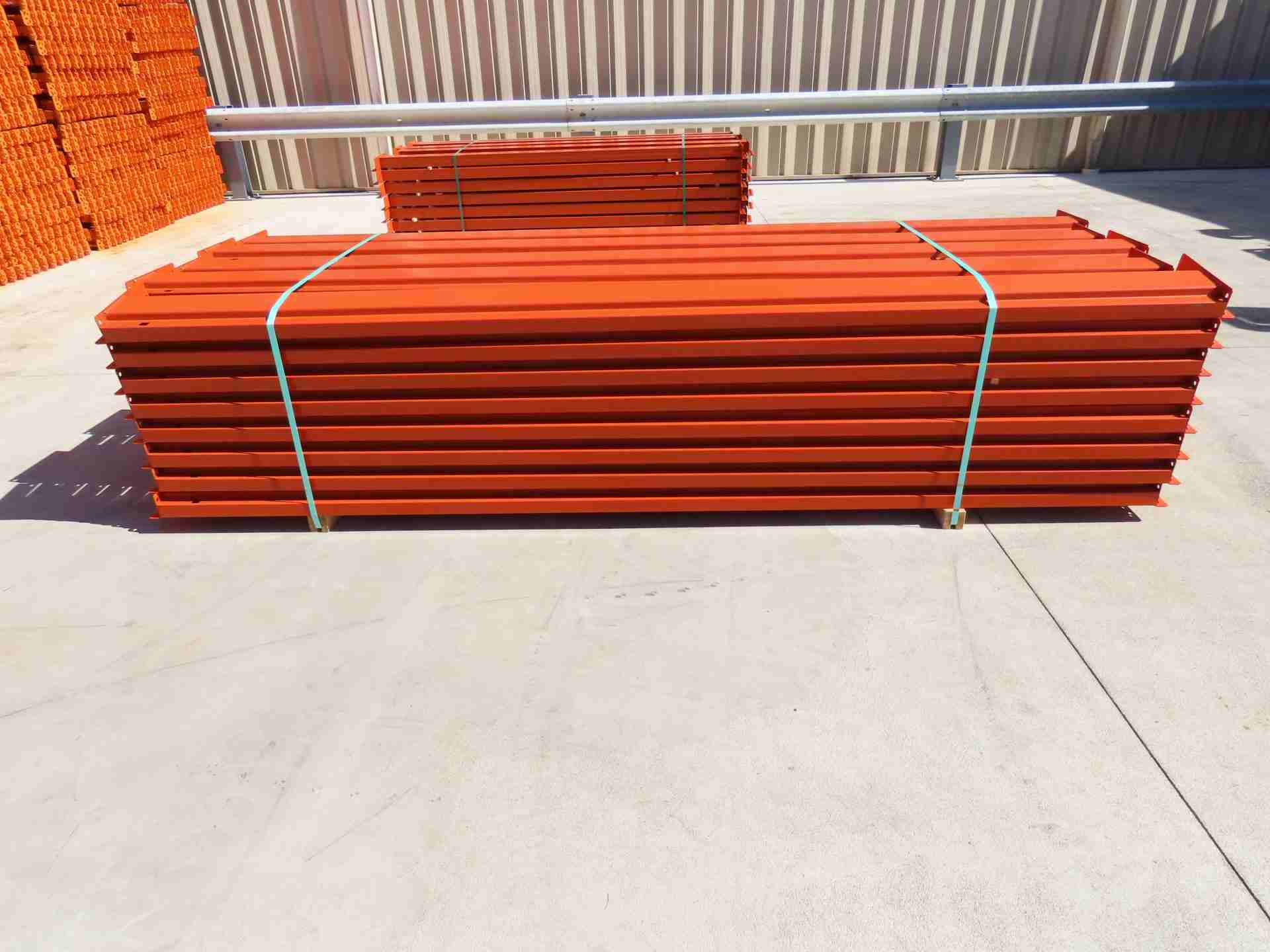
What Are the Key Dangers Of Improperly Secured Racks?
What Are the Key Dangers Of Improperly Secured Racks?
- Improperly secured racks can lead to significant dangers, risking lives and livelihoods.
- Stable and properly anchored racking systems are essential for warehouse and factory safety.
- Lack of proper installation creates tipping hazards and financial damages for businesses.
- Employers have a moral and legal responsibility to provide a safe workspace for employees.
- Accidents from unstable racks can have devastating effects on families and communities.
- Prioritizing safety fosters a culture of accountability and enhances worker engagement.
- Securing racking systems is crucial not just for compliance, but for the welfare of employees.

What Are the Key Dangers Of Improperly Secured Racks?
How Can We Ensure Staff Understand Rack Safety?
Ensuring staff understand rack safety isn’t just a box to check; it’s about creating a culture where everyone feels responsible for their own safety and the safety of their teammates. Racking systems are the backbone of any warehouse, holding everything from tools to heavy equipment. When a rack fails, it can create chaos, injuries, or worse. So, how do we make sure every worker knows the ropes?
First off, it starts from the top. Leaders in the company must model good safety practices. When managers are engaged and show they care about safety, it promotes a culture of awareness. Staff will notice not just the rules but also the enforcement of those rules, reflecting a commitment that resonates. This isn’t just about compliance; it’s about creating a workplace where safety is seen as a shared value.
We’ve all heard of the lady who got hurt because a rack was overloaded. That real-life example sticks harder in the mind than any training manual. Using stories, both about successes and near-misses, encourages your crew to pay attention. Real stories humanize statistics—when a face is attached to a cautionary tale, it becomes personal. Lead with relatable anecdotes, where a worker narrowly escaped danger because they followed safety protocols; it drives the point home.
Training sessions should be hands-on. There’s only so much you can teach from a PowerPoint. Give workers the chance to physically interact with racking systems, loading and unloading them under supervision. Let them feel the weight of what they’re handling. Knowledge is best retained when it’s experiential. It’s about empowering each person to make safe choices based on firsthand experience.
Encouragement and reminders are key. Regular safety briefings don’t have to be dull. Make them engaging, even humorous at times. Keep safety fresh in everyone’s mind without sounding like a broken record. Reward safe practices and create camaraderie; having a buddy system encourages the staff to look out for each other. When everyone feels they have a stake in safety, it’s a win-win.
At the end of the day, it boils down to respect—for the work, the equipment, and each other. When staff understands and values rack safety, it cultivates an environment where everyone can do their job with confidence, knowing they’re protected by their own knowledge and the team around them. That’s not just safety; that’s solidarity.

How Can We Ensure Staff Understand Rack Safety?
How Can We Ensure Staff Understand Rack Safety?
- Creating a culture of safety involves everyone taking responsibility for their own and teammates’ safety.
- Racking systems are essential in warehouses; failures can lead to chaos and injuries.
- Company leaders must model and engage in good safety practices to foster a culture of awareness.
- Real-life anecdotes about safety incidents make training relatable and memorable.
- Hands-on training with racking systems enhances knowledge retention and empowers safe choices.
- Regular, engaging safety briefings and a buddy system encourage camaraderie and mutual support among staff.
- Respect for work, equipment, and colleagues cultivates a safe environment where confidence thrives.

How Can We Ensure Staff Understand Rack Safety?
What Stories Highlight the Importance Of Rack Safety?
In warehouses and distribution centers, racking systems stand as the backbone of operations. But lurking beneath those rows of neatly stacked pallets are stories that remind us of the stakes involved. Take the tale of a worker who made a simple mistake: a rack loaded too high, a careless moment, and suddenly that load tilted and came crashing down. Forget the near miss; what if it had struck a fellow employee? It’s a scene that, while often hidden in the background, plays out every day, reminding us how crucial rack safety is.
Consider another scenario, where a facility manager learned the hard way about the importance of regular inspections. A racking system, once reliable, had begun to show signs of wear. Ignoring those subtle changes didn’t seem like a big deal—until it led to a collapse during peak hours, with product and worker safety hanging in the balance. That manager, once confident in their system, now carries a permanent reminder of what happens when safety protocols are brushed aside.
These stories resonate because they cut to the core of our collective responsibility. Each racking system relies on the proper installation and maintenance to ensure safety. The ethical obligation to safeguard fellow workers is paramount; we owe it not only to our team but also to ourselves to create an environment where safety is prioritized. When we share our experiences, we not only elevate the conversation around rack safety but also foster a culture that values vigilance and care.
On a social level, as industries foster camaraderie among workers, safety becomes a shared value. Conversations around potential hazards can ignite collective action—from forming safety committees to engaging in training sessions. It’s about creating a community where everyone looks out for one another. When a worker spots an unsafe racking situation, they don’t just report it—they’re engaging in a bond of trust and mutual respect that enhances the atmosphere of safety.
Racking systems are more than just storage solutions; they’re part of a larger narrative surrounding workplace safety. Each person’s commitment to maintaining those systems safeguards lives and livelihoods. By recalling these stories—whether tales of triumph or caution—we can materialize a future where every worker returns home safe and sound, confident that the racks above are as solid as the teamwork beneath them.

What Stories Highlight the Importance Of Rack Safety?
What Stories Highlight the Importance Of Rack Safety?
- Racking systems are essential for warehouse operations, but unsafe practices pose serious risks.
- Incidents can occur from simple mistakes, like overloading racks, leading to dangerous situations.
- Regular inspections are crucial; failure to notice signs of wear can result in catastrophic collapses.
- Collective responsibility for safety involves proper installation and maintenance of racking systems.
- Sharing experiences about safety fosters a culture that prioritizes vigilance and care.
- Safety becomes a shared value through open conversations and collective actions in the workplace.
- Commitment to safety helps protect lives and ensures everyone returns home safely.

What Stories Highlight the Importance Of Rack Safety?
What Are the Most Common Rack Safety Violations?
When it comes to racking systems in warehouses and storage facilities, the heart of safety is often overlooked amidst daily hustle. Picture a crew, tired but determined, unable to see the ticking time bomb lurking within poorly maintained racks. The most common rack safety violations can shake the foundation of a workplace, both literally and figuratively.
First off, we have overloaded racks. There’s an unspoken rule of thumb that our racking systems have weight limits for a reason. What might seem like a harmless extra box can lead to a catastrophic failure, causing injuries that could ripple through families and communities. It’s not just about numbers; it’s about the people who depend on those systems every day.
Then there’s improper use of racks. Ever seen a worker stand on a top shelf to reach an item? It’s a sight that sparks anxiety. Racks aren’t designed for acrobatics; they should serve as reliable storage, not daredevil stages. It’s crucial to recognize that using equipment as intended can save lives.
Next up, damage to the racking systems themselves. A dent here and a scratch there may seem minor, but every imperfection can compromise structural integrity. Small mishaps often lead to bigger troubles. It’s essential for warehouse managers to regularly inspect and repair racking systems, ensuring safety is a constant priority.
Lack of proper training and awareness among staff can’t be ignored, either. When workers aren’t educated on safety protocols, it’s like trusting an untrained pilot to fly a plane. It’s our responsibility, as a team, to foster a culture of safety through consistent training and clear communication. This connection cultivates an environment where everyone feels empowered to speak up about potential hazards, reinforcing that safety is a shared value.
Finally, consider the placement of items. Heavy objects should always be stored at eye level, not at the top. Onlookers might chuckle when they hear a humorous quip about a “top-shelf disaster,” but humor doesn’t save lives. Strategic placements not only preserve racking systems but also protect those working around them.
Fostering a culture of safety around our racking systems is not merely a box to check off; it’s a lifeline. Together, we can ensure that every worker returns home safely, safeguarded by the shared commitment to respecting the equipment and caring for one another. It’s about trust, responsibility, and building a legacy where safety takes precedence over shortcuts.

What Are the Most Common Rack Safety Violations?
What Are the Most Common Rack Safety Violations?
- Safety in warehouse racking systems is often neglected despite its critical importance.
- Overloaded racks pose significant risks, leading to potential catastrophic failures and injuries.
- Improper use of racks, such as standing on top shelves, increases the likelihood of accidents.
- Damage to racking systems, even minor, can compromise structural integrity and escalate safety issues.
- Lack of proper training and safety awareness among staff undermines workplace safety.
- Heavy items should be stored at eye level to prevent accidents and ensure safe access.
- Building a culture of safety involves teamwork, responsibility, and a commitment to ongoing training and communication.
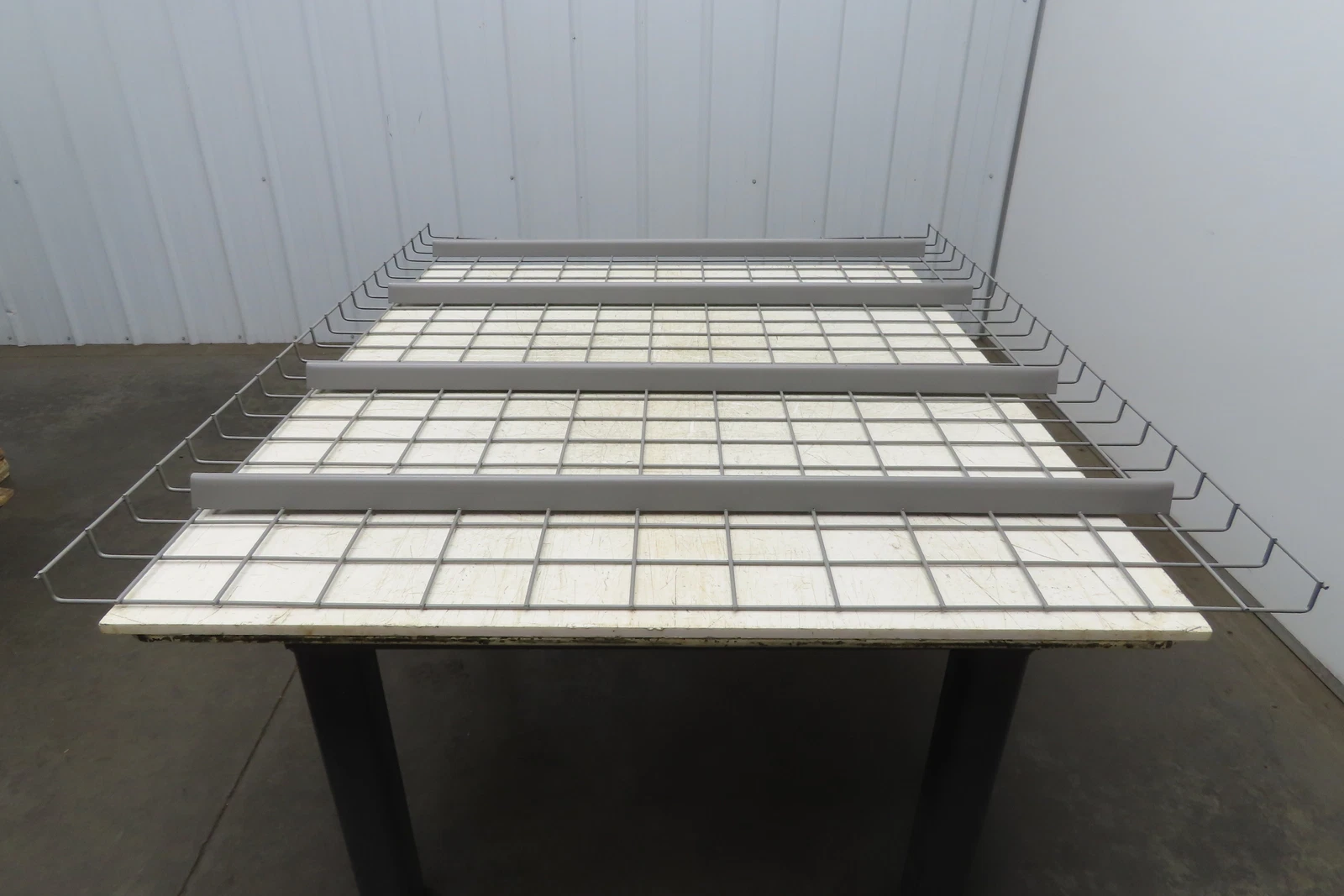
What Are the Most Common Rack Safety Violations?
How Can Effective Training Reduce Rack-Related Accidents?
Racking Systems are a backbone of any warehouse, yet they can become a source of danger if not managed properly. It’s not just about following safety protocols; it’s about creating a culture where every worker feels responsible for their own safety and the safety of their coworkers. Effective training isn’t just a box to check off; it’s a lifeline that connects the dots between knowledge, skill, and action.
Picture a young worker, fresh-faced and eager, standing in front of a towering racking system. The stakes are high; mishandling equipment can lead to serious accidents, devastating not just the workplace but the families of those involved. Training equips that worker with the confidence and skills to recognize potential hazards and take action before accidents happen. It brings awareness to every corner of the warehouse. When workers understand the ins and outs of racking systems, they’re not just playing their part; they’re stepping up as protectors.
Now, think about the broader picture: an environment where safety becomes second nature. When training is done right, it fosters an ethic of care and respect among employees. It builds trust. Nobody wants to go home worrying about what happened on the job that day. When coworkers know how to work together to handle racking systems safely, they can lean on each other and cultivate a brotherhood—or sisterhood—of safety that reverberates throughout the entire place.
Stories are powerful. Recall a time when a seasoned worker noticed a racking system wasn’t properly aligned. Instead of shrugging it off, he took it upon himself to sound the alarm. His training gave him the authority to act, and that simple intervention prevented a potential disaster. These stories resonate deeply; they remind us that hands-on experience can be the difference between danger and safety, between chaos and calm.
When training is effective, it creates a ripple effect throughout the workplace. Workers talk, share, and learn from one another, forging connections that make the workplace feel more like a community. A warehouse isn’t just a place to clock in and out; it’s a space where lives are intertwined.
Investing in rigorous training isn’t just smart; it’s moral. It shows that a company values its workers, that their lives matter more than anything else. Effective training transforms racking systems from potential hazards into reliable assets, ensuring that everyone goes home safe and sound at the end of the day.

How Can Effective Training Reduce Rack-Related Accidents?
How Can Effective Training Reduce Rack-Related Accidents?
- Racking systems are essential for warehouses but can pose dangers if not managed properly.
- Creating a safety culture requires every worker to feel responsible for their own and their coworkers’ safety.
- Effective training connects knowledge, skill, and action, equipping workers to recognize and address hazards.
- A safe work environment fosters trust and respect among employees, reducing anxiety about safety.
- Stories of proactive workers highlight the importance of training in preventing accidents.
- Effective training encourages communication and community within the workplace.
- Investing in training demonstrates a company’s commitment to valuing its workers’ lives and safety.
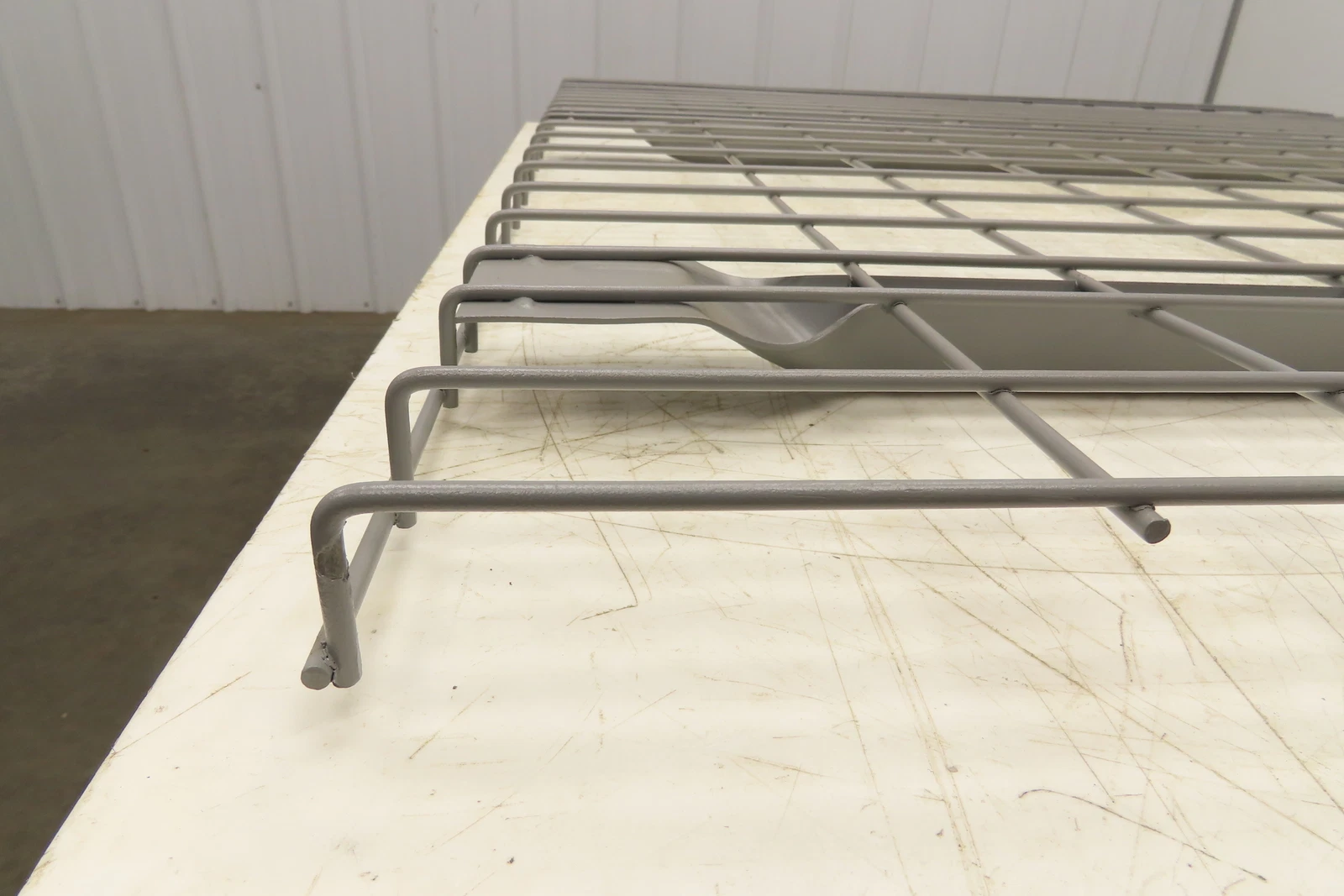
How Can Effective Training Reduce Rack-Related Accidents?
What Ethical Responsibilities Do We Have In Rack Safety?
When it comes to racking systems, it’s more than just metal beams and shelves. It’s about people. Each time we step into a warehouse, we enter a world where safety is not just a box to check—it’s a fundamental responsibility we hold for one another. Picture a bustling facility filled with the sounds of machinery and teamwork. In this setting, every choice we make about rack safety impacts lives. If we overlook a crucial safety inspection or ignore a warning sign, the consequences can be dire. It’s this sense of duty that must lead our actions.
Ethically, we’re bound by the principle of keeping our coworkers safe. That means taking the time to understand the racking systems we rely on day in and day out. Every beam, every post, and every bracket has its purpose. It’s not just about loading freight to the highest point; it’s about distributing weight correctly, ensuring stability, and being mindful of how each load affects the overall structure. Ignorance isn’t bliss; it’s a gamble with the safety of those around us. We owe it to ourselves and to our teams to know the ins and outs of these systems.
From a rational standpoint, safety isn’t just a moral question; it’s a practical one. When racks collapse or fall short, productivity plummets and costly damage ensues. A well-maintained racking system not only protects lives but also safeguards our bottom line. Investing in safety training and regular maintenance pays dividends in trust and efficiency. It reinforces a culture where everyone feels responsible and involved.
Now, let’s talk about authority. Our experiences give us the wisdom to speak on these matters. Think back to times when you’ve witnessed unsafe practices. How did it feel? Those moments raise our awareness. We should step up and share our knowledge. Addressing potential hazards isn’t just necessary; it’s an ethical obligation we owe to those who rely on us to uphold safety standards.
Finally, this is about social connection. When we uphold rack safety, we’re creating an environment where everyone feels valued and protected. It fosters camaraderie and teamwork—qualities that drive us closer together. It’s a matter of pride; it’s about looking out for one another, cultivating a culture of safety. Let’s not wait for accidents to remind us of our responsibilities. Together, let’s commit to making our workplaces safer, one rack at a time.

What Ethical Responsibilities Do We Have In Rack Safety?
What Ethical Responsibilities Do We Have In Rack Safety?
- Racking systems are essential for safety and responsibility in warehouses, impacting lives with every decision made.
- Understanding the purpose of each component in a racking system is crucial for maintaining safety and stability.
- Neglecting safety inspections can lead to dangerous consequences and diminish overall productivity.
- Investing in safety training and maintenance protects lives and supports efficiency within the workplace.
- Experiences with unsafe practices highlight the need for awareness and knowledge-sharing among coworkers.
- Upholding rack safety promotes a sense of value and protection, fostering teamwork and camaraderie.
- Commitment to safety is necessary to prevent accidents and build a culture of responsibility in the workplace.

What Ethical Responsibilities Do We Have In Rack Safety?
Conclusion
In the bustling environment of a warehouse, the towering racking systems symbolize both strength and responsibility. Each day, the safety of workers hinges not only on the sturdiness of these structures but also on the knowledge and vigilance of those managing them. Training in rack safety is not merely procedural; it’s essential for safeguarding lives and enhancing the collective well-being of the team. Employees need to recognize that every action they take—whether loading or unloading—is a serious commitment to not just their own safety but also to their coworkers’. Understanding the weight limits and structural capacities of racks is the first step toward fostering a responsible workplace culture.
Training should resonate on multiple levels—emotionally, ethically, and socially. It’s about more than just rules; it’s about the human connection to each other’s safety. When staff are educated on the implications of rack safety, they mentally conjure images of loved ones awaiting them at home, grounding training in real-life stakes. It’s not just about compliance; it’s about building trust through knowledge-sharing. Encouraging employees to share their experiences—both success stories and near-misses—can cultivate a community where safety transcends mere obligation.
Improperly secured racks present significant dangers, from physical injuries to severe financial repercussions. A simple moment of carelessness can lead to irreversible harm, underscoring the need for constant vigilance and responsible behavior. This isn’t merely a personal issue; it impacts families and communities, as the ripples of workplace accidents extend far beyond the warehouse doors. Ethical responsibility falls on employers to ensure that their systems are secure and that workers are equipped with the necessary training to navigate potential risks. Every employee deserves the peace of mind that comes with knowing they can perform their duties without the constant threat of an accident.
Creating an effective training regimen is about instilling a hands-on culture where safety is a shared mission. When management exemplifies commitment to safety practices, it sends a clear message that every member of the team matters. By keeping training engaging and relevant, organizations can maintain an atmosphere where safety remains a top priority. With stories from peers illustrating the importance of maintaining equipment properly, workers are inspired to take proactive measures.
In essence, prioritizing rack safety is about building a legacy of accountability, care, and shared responsibility. A safe warehouse is one where everyone feels empowered and valued, and where the commitment to ensuring that each person heads home safe every night becomes the norm. This isn’t just good practice; it’s a testament to the integrity of the workplace and the dedication of its people.

Conclusion
Conclusion:
- Towering racking systems in warehouses symbolize strength and responsibility.
- Training in rack safety is essential for safeguarding lives and team well-being.
- Employees must understand the weight limits and structural capacities of racks.
- Training should resonate emotionally, ethically, and socially, grounding it in real-life stakes.
- Improperly secured racks pose significant dangers and can impact families and communities.
- Effective training fosters a culture of shared responsibility and proactive safety measures.
- Prioritizing rack safety builds a legacy of accountability and ensures every individual feels valued.

Conclusion
Other Resources

Other Resources
Here is a list of other resources you can review online to learn more:
- MHI
- Warehouse Racking Layout: The Ultimate Guide – Conger
- National Safety Council
- Illinois Pallet Racking – Storage Solutions
- Teardrop Pallet Rack – Ridg-U-Rak
- BMH Equipment LLC
- The Ultimate Pallet Racking Guide – Speedrack West
- BMH
- American Surplus
- International Warehouse Logistics Association
- The Complete Pallet Rack Guide – Simply Rack
- Storage Equipment Manufacturers’ Association
- Chicago Pallet Racking
- Total Warehouse
- What is Cantilever Racking? – AK Material Handling Systems
- Arrow Industrial Sales
- Iowa Illinois Warehouse Racking
- Intro to Warehouse Racks & Warehouse Racking Systems – ShipBob
- Overhead Lifting
- Cantilever Racks Chicago
Use This Prompt To Get More Resources With Your Favorite Online AI Tool: Please provide me with a list of online articles with their URLs in a bulleted list that I can read regarding Training Staff on Rack Safety Basics

Other Resources
Glossary Terms
Training Staff on Rack Safety Basics – Glossary Of Terms
1. Rack: A framework for storing items, typically pallets or boxes, in warehouses and storage facilities.
2. Pallet: A flat transport structure that supports goods to be lifted by a forklift.
3. Forklift: A powered industrial truck used to lift and move materials over short distances.
4. Load Limit: The maximum weight a rack or shelf can safely support.
5. Safety Data Sheet (SDS): A document that provides information on the properties and handling of substances used in the workplace.
6. Inspection: The process of examining racks to ensure they are in good condition and compliant with safety standards.
7. Hazard: Any condition that could lead to injury or damage in the workplace.
8. Stability: The ability of a rack to maintain its structure and safely hold loads without tipping over.
9. Weight Distribution: The even spreading of weight across a rack to prevent overloading and collapse.
10. Clearance: The space needed above and around racks to allow safe access and prevent accidents.
11. Aisle Space: The width of the pathways between racks, crucial for safe movement of personnel and equipment.
12. Bracket: A support component for attaching shelves to a rack frame.
13. Alignment: The proper positioning of racks to ensure safety and accessibility.
14. Anchoring: Securing racks to the floor or wall to prevent tipping and enhance stability.
15. Overloading: Placing more weight on a rack than it is designed to support.
16. Safety training: Education provided to staff on how to handle equipment and materials safely.
17. Personal Protective Equipment (PPE): Gear worn to minimize exposure to hazards, such as gloves, helmets, and vests.
18. Emergency Procedures: Established actions to take in case of an incident or accident.
19. Incident Report: A documentation of any accident or near miss that occurs in the workplace.
20. Inspection Checklist: A tool used to ensure all aspects of rack safety are evaluated regularly.
21. Ergonomics: The study of people’s efficiency in their working environment, focusing on safety and injury prevention.
22. Maintenance: Routine actions taken to keep equipment and racks in safe working condition.
23. Traffic Flow: The strategic design of paths within a storage facility to minimize congestion and enhance safety.
24. Signage: Visual information posted to convey safety rules and instructions regarding racks.
25. Compliance: Adherence to safety regulations and standards regarding rack usage and maintenance.
26. Training Manual: A comprehensive guide that outlines safety procedures for operating within a rack environment.
27. Risk Assessment: The process of identifying and evaluating potential hazards associated with rack systems.
28. Sustainability: Practices aimed at maintaining safety while optimizing resource use and minimizing waste.
29. Orientation: The initial training session for new staff regarding rack safety and protocols.
30. Incident Prevention: Strategies implemented to avoid accidents and injuries related to rack usage.

Glossary Of Terms
Other Questions
Training Staff on Rack Safety Basics – Other Questions
If you wish to explore and discover more, consider looking for answers to these questions:
- What are the specific weight limits for each type of racking used in our facility?
- How should weight limits be posted and communicated to staff?
- Who is responsible for verifying rack capacity before loading?
- How often should racking systems be inspected and by whom?
- What specific signs of damage or wear should workers look for during daily checks?
- What is the proper procedure for reporting damaged or unsafe racks?
- What immediate actions should be taken if a rack is found to be compromised?
- What training is required for new hires regarding rack safety, and how is competence assessed?
- How frequently should refresher training occur for existing staff?
- What hands-on training exercises are most effective for teaching safe loading and unloading?
- Which regulatory standards or guidelines (OSHA, ANSI, local codes) apply to our racking systems?
- What documentation should be maintained for inspections, repairs, and training records?
- What qualifies as an acceptable repair versus when a rack must be replaced?
- Who is authorized to perform repairs, modifications, or reconfigurations of racks?
- What types of rack protection (column guards, row spacers, pallet supports) should be used and where?
- How should loads be arranged (heavy items placement, pallet orientation) to maintain stability?
- What are safe stacking height limits and how are they determined for different products?
- How do forklift operators and other mobile equipment users minimize impacts to racking?
- What procedures exist for evaluating and approving nonstandard loads or irregularly shaped items?
- How should racks be anchored to the floor, and when are anchors required?
- Do seismic or environmental factors (temperature, humidity) affect rack safety, and how are they addressed?
- What personal protective equipment (PPE) is recommended or required during rack-related tasks?
- How do we investigate and document near-misses and incidents involving racking?
- What are the legal and insurance implications of rack failures or safety violations?
- How can a safety culture be promoted so employees feel empowered to report hazards without fear?
- What incentives or recognition programs effectively encourage safe racking practices?
- Which third-party experts or manufacturers should be consulted for complex racking questions?
- What checklists or audit tools can supervisors use to ensure consistent rack safety practices?
- How should temporary changes (seasonal inventory, contractors, layout changes) be managed safely?
- What training materials, visual aids, or story-based examples work best for adult learners?
- How do we ensure subcontractors, temporary staff, and visitors understand and follow rack safety rules?
- What are the cost implications of implementing stronger rack safety measures versus potential incident losses?
- How are rack capacity labels and signage maintained and updated when configurations change?
- What procedures should be followed after a forklift impact to assess rack integrity before reuse?

Other Questions
Checklist
Training Staff on Rack Safety Basics – A Checklist
Leadership and Culture
✅______ Leaders visibly model rack-safe behaviors on the floor
✅______ Safety treated as a shared value, not just compliance
✅______ Buddy system in place; anyone can stop unsafe work without penalty
Training Essentials
✅______ New-hire, role-specific, and scheduled refresher training completed
✅______ Hands-on practice loading and unloading under supervision
✅______ Staff can read and explain rack capacity signs and limits
✅______ Real incidents and near-miss stories shared to humanize risks
✅______ Competency verified before independent work (observation or quiz)
✅______ Training records current, signed, and accessible
Rack Design, Capacity, and Setup
✅______ Capacity plaques posted, legible, and match the current configuration
✅______ Racks properly anchored, plumb, and level
✅______ Beam locks and retainer clips installed and engaged
✅______ No unauthorized modifications or mixed components
✅______ Pallet types and dimensions approved for the system
Daily Use and Loading
✅______ Loads do not exceed beam, bay, or pallet capacity
✅______ Weight distributed evenly; no point loading on beams
✅______ Heavy items stored at eye level; never on top levels
✅______ No climbing or standing on racks; use approved access equipment
✅______ Only undamaged, compatible pallets used; loads secured
✅______ Required clearances maintained (aisles, sprinklers, and egress)
✅______ Equipment operators trained; impacts on racks avoided
Housekeeping and Layout
✅______ Aisles clear of debris; no storage in walkways or under racks
✅______ Adequate lighting at rack faces and pick locations
✅______ Signage and floor markings visible and followed
Inspections and Maintenance
✅______ Pre-shift visual checks for damage, loose anchors, missing clips, and out-of-plumb conditions
✅______ Scheduled formal inspections documented (monthly or quarterly)
✅______ Any damage tagged out; affected bays unloaded immediately
✅______ Repairs by qualified personnel using approved parts
✅______ Post-repair verification before returning to service
Common Violations to Eliminate
✅______ Overloading racks
✅______ Improper use (climbing or standing on shelves or beams)
✅______ Operating with damaged or missing components
✅______ Inadequate staff training or awareness
✅______ Storing heavy items on top levels
Communication and Reporting
✅______ Easy, no-retaliation reporting for hazards and near misses
✅______ Brief, engaging safety huddles held regularly
✅______ Safe behaviors recognized and reinforced
Change Management
✅______ Any reconfiguration reviewed by qualified personnel
✅______ Capacity signage updated after changes
✅______ Staff retrained on new layouts or limits
Emergency Readiness
✅______ Incident and spill response roles defined and posted
✅______ Evacuation routes and muster points clear and known
✅______ Post-incident reviews completed; lessons integrated into training
Ethics and Responsibility
✅______ Team affirms duty to protect coworkers’ safety and livelihoods
✅______ Decisions prioritize people over speed or throughput
✅______ Everyone empowered to speak up and act on hazards
Sign-Off
✅______ Supervisor name and date
✅______ Safety representative name and date
✅______ Next review date
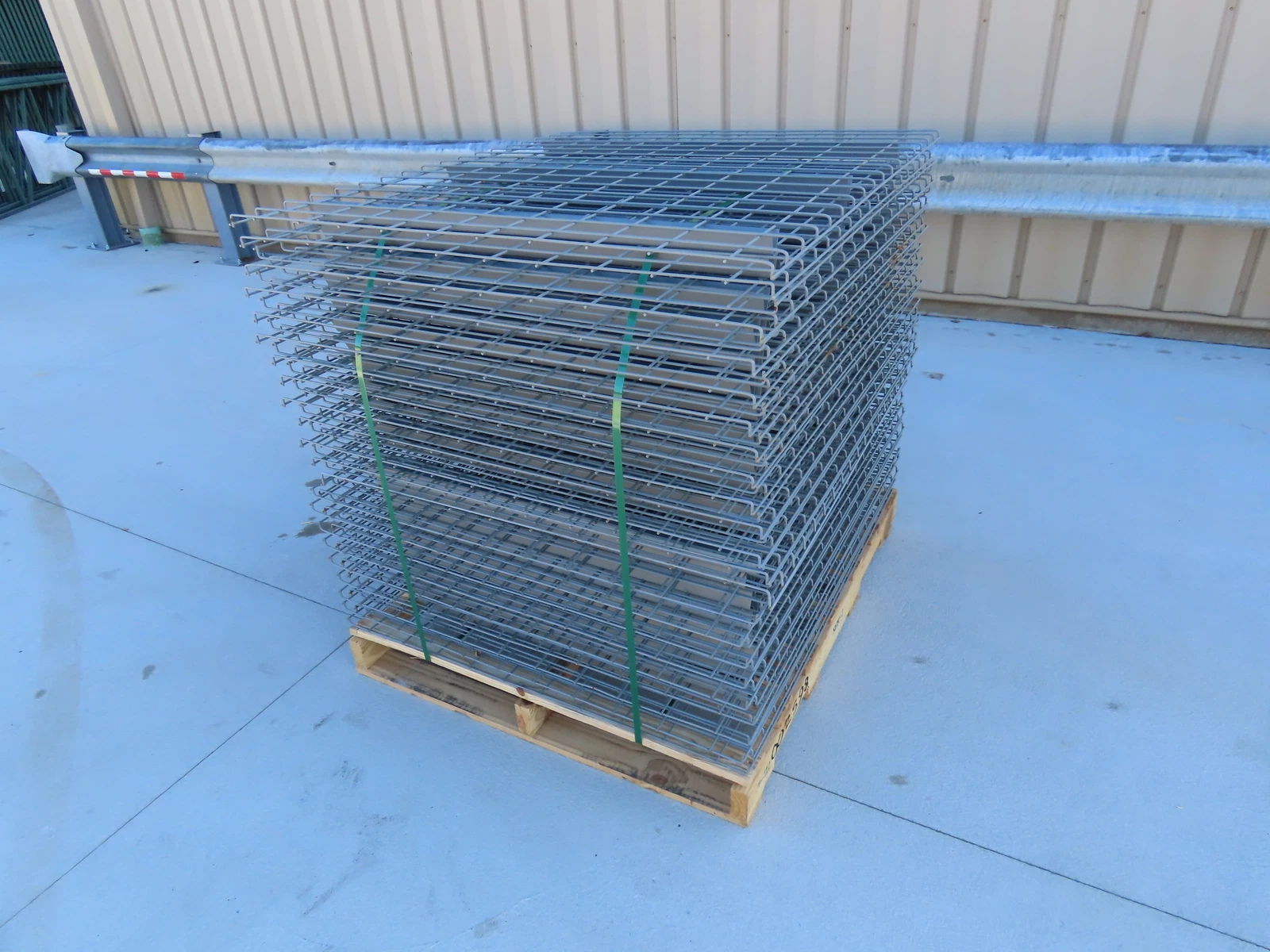
Checklist
At RackingWorld, we help guide you through selecting warehouse storage systems and racking.
Be sure to read our other related stories at RackingWorld to learn more about warehouse storage systems.
0 Comments