
Crafting Strategies That Resonate With Every Moment Of Engagement
By Tom Seest
At RackingWorld, we help guide you through selecting warehouse storage systems and racking.
Be sure to read our other related stories at RackingWorld to learn more about warehouse storage systems.
Designing Around Peak Activity Periods
When it comes to racking systems in warehouses or distribution centers, understanding peak activity periods is essential. These are the times when businesses are bustling, orders are flying, and every inch of space counts. Picture a sweltering summer day when the sun is relentless, yet the warehouse hums with the sounds of hard work. It’s during these moments that the designs we choose can either make or break the flow of operations.
Take a look around at those racking systems—it’s not just metal and shelves; it’s the backbone of efficiency during those peak times. Trust is built here—trust in the design to hold up under pressure and keep the workflow smooth. A solid racking system, one that can adapt and expand, is like a trusted workhorse. It’s got the grit to handle the demands of busy seasons, giving everyone from the floor staff to the logistics managers the confidence they need.
Let’s be real: when the orders pile up and everyone is in a race against time, a well-designed setup feels like a lifeline. The workers, the backbone of any operation, need to navigate the aisles swiftly without the fear of a tipping load or a snagged pallet. Their ability to do their job effectively, without frustration, is what keeps morale high and deadlines met. It’s all about creating an environment that respects their effort and time.
From a practical perspective, think about the ethical implications of design. Choosing a racking system that allows for easier access and better organization isn’t just good sense—it’s good ethics. It shows that we care for the folks on the floor, valuing their safety and efficiency. When they feel supported, it’s not just the speed that benefits; it’s also the quality of work that shines through.
It’s human nature to connect over shared struggles. Picture your team working tirelessly during the holidays, when orders are mountains high. If your racking solutions are thoughtfully designed for those spikes in volume, your team thrives. That’s the kind of success that builds camaraderie, where everyone feels like they’re part of something bigger, tackling challenges together.
So, as you plan your racking systems, consider those peak activity periods not just as statistics but as opportunities to enhance teamwork and trust. It’s about more than just storage; it’s about building a culture where everyone can rise to the occasion and feel confident doing so.

Designing Around Peak Activity Periods
Designing Around Peak Activity Periods
- Understanding peak activity periods is crucial for warehouse efficiency.
- Racking systems serve as the backbone of operations during busy times.
- Well-designed racking systems enhance workflow and build trust among staff.
- A solid racking system adapts to demands, boosting confidence in operations.
- Thoughtful design promotes safety and efficiency for floor workers.
- Effective racking solutions foster camaraderie and teamwork during peak times.
- Planning racking systems should focus on enhancing both functionality and culture.

Designing Around Peak Activity Periods
Table Of Contents
- Designing Around Peak Activity Periods
- What Factors Influence Peak Activity Periods for Your Audience?
- How Can Understanding Peak Times Improve User Engagement?
- What Emotional Triggers Drive Users During Peak Activity?
- How Can Design Create a Sense Of Urgency During Peak Periods?
- Are There Ethical Considerations In Marketing During High Activity?
- What Narratives Resonate Most with Users During These Times?
- Conclusion
- Other Resources
- Glossary Of Terms
- Other Questions
- Checklist
What Factors Influence Peak Activity Periods for Your Audience?
Understanding your audience’s peak activity periods isn’t just a numbers game; it’s about tuning into the rhythm of their lives. It’s as if you’re listening to the heartbeat of a community, and every thump has significance. Just like a well-built racking system that supports heavy loads, knowing when your audience is most engaged can lighten your load in reaching them effectively.
First, consider the emotional landscape. People are influenced by what’s happening around them—today’s hustle is often tomorrow’s concern. Events, seasons, and even holidays shape their availability and moods. For instance, during the winter holidays, folks are wrapped up in family and festivities, possibly less focused on your offerings. But when spring rolls around—like a racking system becoming gloriously organized—people are eager for change and new plans, so targeting your messaging then could spark excitement and action.
Next, let’s get rational. Analyze patterns in data. Use analytics to reveal when your audience interacts the most with your content. It’s no longer just about gut feelings; it’s about real numbers driving decisions. Aligning your campaign with peak activity can significantly boost engagement. The ethical approach here is using that data responsibly, ensuring you’re reaching out at the right times without bombarding them. If they’re checking their phones during lunch breaks, don’t shoot emails at dawn. Make your outreach respect their time.
Storytelling also plays a vital role in connecting with your audience. Share relatable experiences that mirror theirs. Picture this: after a long day on the job, your audience is home, and they stumble upon your message just when they’re winding down. That story about how your product or service solved everyday problems strikes a chord. It’s authentic, it’s real, and it builds a bridge between you and them—like a sturdy racking system that holds everything in place.
Lastly, the social component cannot be ignored. Encourage interactions and discussions. When people see their peers engaging with your content, it fosters a sense of belonging and trust. Sharing what works and what doesn’t enhances the sense of community, and in turn, makes them more likely to return during peak times.
In essence, tuning into these factors is more than strategy; it’s about fostering genuine connections that resonate on every level. Understanding when your audience is most active isn’t just about timing; it’s about building a relationship rooted in shared experiences, mutual respect, and trust—just like a reliable racking system supports everything it’s meant to hold.

What Factors Influence Peak Activity Periods for Your Audience?
What Factors Influence Peak Activity Periods for Your Audience?
- Understanding audience activity periods is essential for effective outreach.
- Emotional factors, such as events and seasons, influence audience engagement.
- Data analytics should drive decision-making about when to connect with the audience.
- Message timing is crucial; align campaigns with peak engagement periods.
- Storytelling fosters connections by sharing relatable experiences with the audience.
- Encouraging social interactions enhances community trust and belonging.
- Building genuine relationships leads to long-term engagement and connection.

What Factors Influence Peak Activity Periods for Your Audience?
How Can Understanding Peak Times Improve User Engagement?
Understanding peak times can make a world of difference in user engagement, much like knowing when to catch a good fish or when the best crops are ready for harvest. Everyone has those moments when they scroll through their phones, and if you can pinpoint when your audience is most active, you’re already ahead of the game. It’s not just about numbers; it’s personal. Imagine the small business owner who spends hours crafting a message only to send it out when nobody’s listening. That’s discouraging. But when you hit the right time, you’re meeting folks where they are, and that connection can lead to genuine engagement.
On a rational level, utilizing peak times means you’re operating with a sharpened toolset. Think of it as racking systems in a warehouse where every Pallet has its place. If you know how to navigate this setup, your goods move faster, and your customers get what they need without delay. By analyzing data on user behavior, you get a clearer picture of these peak periods—those golden hours when your messaging is far more likely to resonate. Ignoring this data is like letting prime real estate sit empty; potential customers are out there waiting for what you’ve got to offer.
Ethically speaking, it’s a matter of respect. To understand your audience’s routine is to honor their time. It’s a trust built on knowing when they want to hear from you rather than bombarding them in a busy moment. It’s about being a good neighbor, not the annoying one who shows up at dinner time unannounced.
Storytelling is at the heart of effective engagement. Imagine sharing a tale about your product that lands just as your audience sits down with their morning coffee or when they’re winding down after a long day. The relatability of a well-timed story can draw people in like a warm fire on a winter night.
It’s about fostering connections. When you engage with your users during peak times, you’re not just shouting into the void; you’re creating a dialogue. That’s where true loyalty starts. By putting in the work to understand the rhythm of your audience, you’re not just gaining clicks; you’re building a community that feels heard, valued, and eager to engage with you time and again.

How Can Understanding Peak Times Improve User Engagement?
How Can Understanding Peak Times Improve User Engagement?
- Understanding peak times enhances user engagement, comparable to the timing of fishing or harvesting crops.
- Identifying when an audience is most active leads to more effective communication.
- Success relies on data analysis of user behavior to identify optimal messaging periods.
- Respecting audience routines fosters trust and prevents over-saturation in busy times.
- Well-timed storytelling can create deeper connections and engagement with the audience.
- Engaging during peak times fosters dialogue, which builds loyalty among users.
- Investing time in understanding audience rhythms cultivates a valued community.

How Can Understanding Peak Times Improve User Engagement?
What Emotional Triggers Drive Users During Peak Activity?
When we think about what pulls at our heartstrings during those peak activity moments, it’s clear that people want not just functionality but a sense of belonging and purpose. In a world overflowing with options, emotional triggers play a profound role in influencing user decision-making. Take Racking Systems, for example. These aren’t just metal beams and shelves; they represent hard work, organization, and efficiency. The sight of a well-organized warehouse can evoke a sense of pride and accomplishment. It’s about creating a space where every item has its place, making life a little easier for those who rely on it daily.
Emotionally, users are driven by stories of success—those of folks like them who’ve transformed their operations through smart choices. It’s one thing to read about racking systems; it’s another to hear how they’ve lifted a company from chaos to clarity. Rationally, when users see how these systems can save time and reduce stress, it makes both business and emotional sense. Who doesn’t want to save a couple of hours each week? That’s not just time; it’s a chance to spend with family or to work on that side project they’ve been dreaming about.
Ethically, there’s the consideration of sustainability and safety within the workspace. Users want to know that their choices align with responsible practices. A racking system that reduces risk and optimizes space fosters a sense of confidence and responsibility among users. They know they’re making a decision that not only benefits their business but supports better practices in their community.
Moreover, community matters. In industries where teamwork is crucial, there’s a social appeal at play. Users feel a connection not just to the product but to other businesses that rely on similar systems. Sharing tips, successes, and even challenges creates a network of support that people can trust. When users see a product backed by their peers—men and women who understand the grind—they’re more likely to dive in.
It comes down to this: people want tools that resonate with their lives—tools that meet their needs, reflect their values, and help them tackle the challenges of everyday work. Racking Systems are not just a purchase; they represent a lifeline to efficiency, safety, and community connection, inviting users to take action and invest in their success.

What Emotional Triggers Drive Users During Peak Activity?
What Emotional Triggers Drive Users During Peak Activity?
- People seek functionality along with a sense of belonging and purpose.
- Emotional triggers significantly influence user decision-making.
- Racking systems symbolize hard work, organization, and efficiency.
- Users are inspired by success stories of others who have improved operations.
- Racking systems can save time, allowing more personal time for users.
- Ethical concerns about sustainability and safety are important to users.
- Community support enhances the appeal of using racking systems in shared industries.
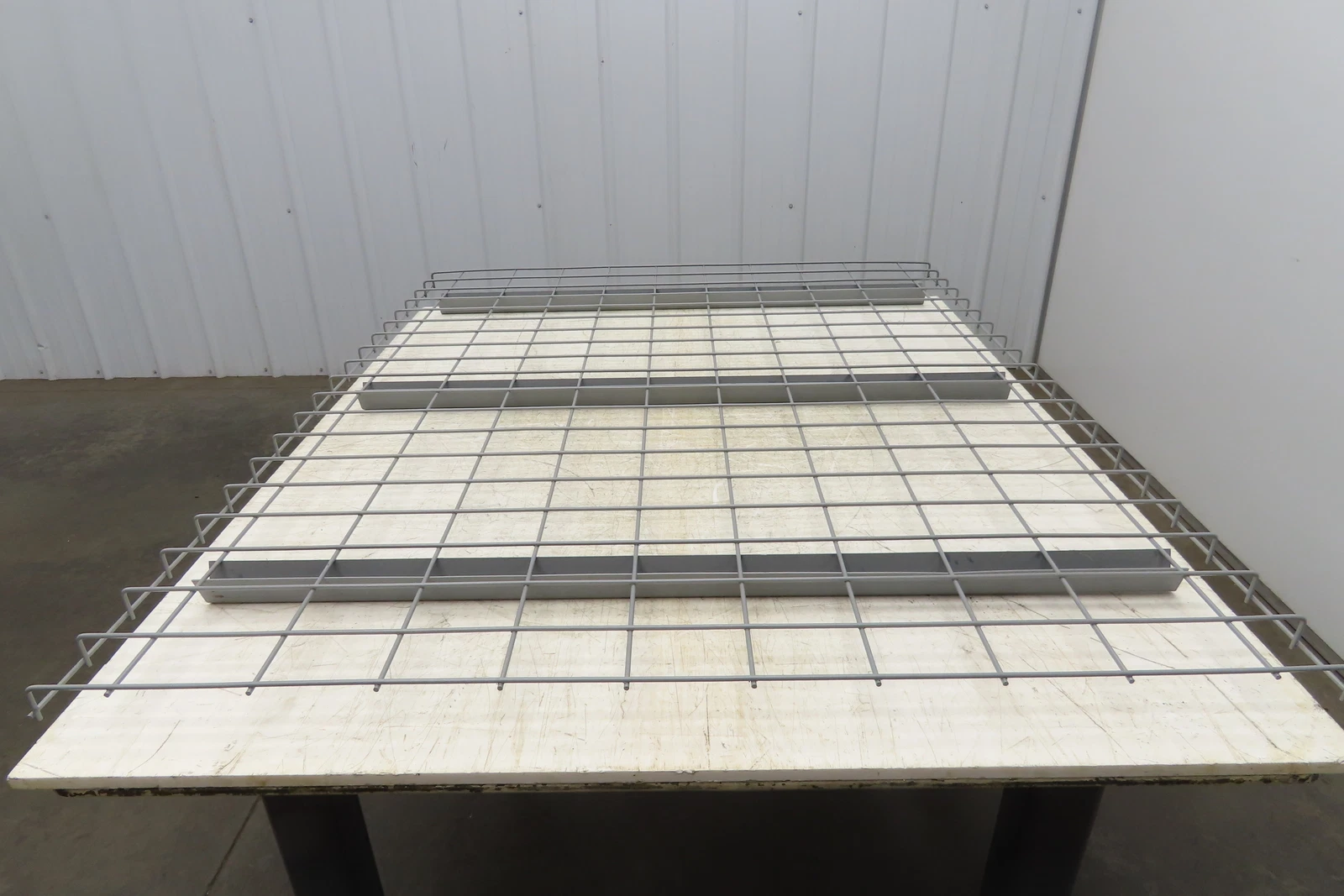
What Emotional Triggers Drive Users During Peak Activity?
How Can Design Create a Sense Of Urgency During Peak Periods?
When it comes to creating a sense of urgency during peak periods, good design plays a crucial role that goes beyond aesthetics. Think about those busy days in a warehouse when every second counts. Racking systems, for example, should not only be functional but intuitively guide workers through their tasks. Visual cues like bright colors for emergency exits or strategically placed signage can quickly direct attention where it’s needed most. Imagine a neon sign that clearly indicates which aisle has the supplies that are flying off the shelves. This kind of design doesn’t just help people get things done faster—it taps into their instinct to respond quickly, easing the chaos and ensuring tasks are tackled efficiently.
In the heat of the moment, emotions run high. It’s about connection—people want to feel like they’re part of a team, pulling together to handle an overwhelming workload. Appropriate design can foster that camaraderie. Interactive elements, like digital dashboards showing real-time stock levels and order statuses, not only inform but engage everyone involved. Workers see their impact reflected right in front of them, motivating them to move faster and smarter. It’s about creating a narrative where everyone feels they’re in this together, helping the organization not just survive peak periods but thrive during them.
On the flip side, a well-designed space also speaks to the head. A cluttered floor with poorly arranged racking systems can lead to confusion, mistakes, and delays. Efficiency isn’t just a nice-to-have; it’s a must. Rational design choices—like using modular racking that can be scaled for different needs—help organizations adapt their workflows seamlessly. That flexibility reassures team members that they can handle any surge. It’s about planning for the unexpected, so when orders start piling up, everybody knows exactly what to do.
Lastly, design must appeal to the gut, fostering trust and confidence. A secure, well-organized environment feels safe and allows people to focus on their work without worry. By ensuring that systems are not only efficient but also safe and reliable, workers feel empowered to act decisively. Design can create urgency by being practical and engaging, inspiring a proactive culture where everyone knows their role in navigating busy periods—because when everyone pulls together, there’s nothing that can’t be accomplished.

How Can Design Create a Sense Of Urgency During Peak Periods?
How Can Design Create a Sense Of Urgency During Peak Periods?
- Good design creates urgency during peak periods, enhancing functionality beyond aesthetics.
- Intuitive racking systems and visual cues guide workers efficiently through tasks.
- Interactive elements, such as digital dashboards, engage and motivate team members.
- Rational design choices help organizations adapt workflows to handle surges effectively.
- A well-organized environment fosters trust and confidence among workers.
- Design can inspire a proactive culture where everyone understands their role.
- Effective design is essential for navigating busy periods and ensuring team cohesion.

How Can Design Create a Sense Of Urgency During Peak Periods?
Are There Ethical Considerations In Marketing During High Activity?
In the midst of a bustling season, when excitement swells and consumer spending peaks, it’s crucial to keep our moral compass in check. Racking systems are often showcased during these high-demand times, but the way we market them can triumph or fail based on ethics. Think about the hardworking folks out there, the small business owners, and the everyday consumer trying to stretch their dollars. They aren’t looking for flashy gimmicks; they want genuine value and integrity in the products they choose.
When companies push the envelope with over-the-top promotions, it may lead to inflated expectations, leaving consumers feeling cheated when the product doesn’t deliver. This disconnect can erode trust—something that’s hard to rebuild. Instead of focusing solely on maximizing profits, imagine shifting your marketing to highlight real stories of how racking systems have transformed businesses. Share experiences from users who benefitted from improved organization and efficiency. This kind of narrative connects on a human level and reinforces trust.
Appealing to the gut in marketing means understanding the emotional stakes involved. A family-run warehouse might be struggling to keep up with demand, while an unexpected price surge can make things tough. Ethical marketing, then, isn’t just about the bottom line, but about standing alongside your customers. It’s about transparency in pricing, honest communication about the products, and ensuring that value remains at the forefront of the conversation.
In an age where consumers are more informed than ever, leaning on ethical practices also stakes a claim to authority. Brands that uphold high standards gain respect and loyalty. Use your platform to educate your audience about racking systems, demonstrating their benefits and efficiencies. This not only positions your brand as a credible resource but builds a community around shared knowledge and practical solutions.
Lastly, consider the social aspect of your marketing approach. In high activity periods, consumers are looking for brands that resonate with their values. Many prefer to support businesses that prioritize ethical considerations over profits. By aligning your marketing strategies with this mindset, you foster a sense of belonging and community. Remember, when you respect and understand your audience, you’re not just selling a product—you’re building a legacy rooted in trust and integrity that stands the test of time.

Are There Ethical Considerations In Marketing During High Activity?
Are There Ethical Considerations In Marketing During High Activity?
- Maintaining ethical marketing is crucial during high consumer demand periods.
- Consumers seek genuine value and integrity, avoiding flashy promotions that create unrealistic expectations.
- Highlighting real stories and user experiences can enhance trust and connection.
- Ethical marketing involves transparency in pricing and honest product communication.
- Educating consumers about the benefits of racking systems establishes brand credibility and authority.
- Aligning marketing strategies with consumer values fosters community and brand loyalty.
- Respecting customers builds a legacy of trust and integrity beyond merely selling products.

Are There Ethical Considerations In Marketing During High Activity?
What Narratives Resonate Most with Users During These Times?
In uncertain times, people crave stories that touch the core of their being—tales that connect the heart, head, and gut. The narratives people find most compelling resonate with their daily lives, particularly when it comes to challenges like managing racking systems in warehouses or homes. These stories aren’t just about solutions; they’re about the grit and determination of everyday folks facing similar struggles.
Consider the story of a small business owner who transformed a chaotic storage space into an efficient operation using racking systems that made sense for her needs. She didn’t just flip a switch; she rolled up her sleeves, made mistakes, learned from them, and inspired her community. This kind of narrative appeals to the heart, as it embodies resilience and the spirit of perseverance, reminding us that we are not alone in our trials.
Rationality plays heavily into these narratives as well. In an age where efficiency matters more than ever, the practicality of good racking systems can’t be ignored. They save time, space, and money—resources people can’t afford to waste. A story that integrates these elements builds trust and confidence, showing that sound decisions are born from data and experience, not mere luck.
Then there’s the ethical appeal. When narratives highlight how businesses prioritize their employees’ welfare—such as when they invest in safe, effective racking systems—it strikes a chord. This commitment to people over profits fosters loyalty, and consumers want to support brands that share their values. Beyond just products, it’s about building a community rooted in shared human experiences.
The authority in these stories often comes from experience—like that seasoned warehouse manager sharing insights on optimizing storage with racking systems after years of navigating inventory chaos. His lessons are hard-earned and relatable, making them trustworthy. When someone shares their hands-on experience, they become a guide rather than just a seller.
As we navigate the complexities of life today, narratives that reflect community bonds, practical wisdom, and personal struggle resonate deeply. They invite us to act—whether that means rethinking our living spaces or supporting businesses that truly care. In this way, every story shared is an opportunity for growth, connection, and a brighter future for all involved.

What Narratives Resonate Most with Users During These Times?
What Narratives Resonate Most with Users During These Times?
- People crave compelling stories that connect emotionally, especially during uncertain times.
- Effective narratives resonate with daily challenges, such as managing racking systems.
- Stories emphasize resilience and determination, showcasing relatable struggles.
- Practicality and efficiency of racking systems save time and resources, enhancing trust.
- Ethical narratives highlight businesses’ commitments to employee welfare, fostering loyalty.
- Authority in stories comes from shared experiences, making them trustworthy guides.
- Such narratives promote community bonds and inspire action towards personal and societal growth.

What Narratives Resonate Most with Users During These Times?
Conclusion
Understanding the dynamics of peak activity periods is crucial for optimizing warehouse and distribution operations. These are the times when businesses operate at their fullest—when orders surge and every square foot counts. Designing racking systems that cater to these high-pressure moments is akin to setting a solid foundation for a sturdy structure. A dependable racking system not only enhances workflow during chaotic times; it solidifies trust among employees who rely on it to navigate their demanding environments safely and effectively.
Good design goes beyond mere functionality; it’s about respecting the people who work within these spaces. When racking systems are intuitive and accessible, workers can perform their tasks with greater efficiency and less frustration. This not only boosts morale but also fosters a culture of productivity. During peak times—like the rush of holiday orders—an effective setup becomes a shared lifeline, directly impacting team spirit and collaboration. It’s in those shared struggles that camaraderie blooms, reminding everyone that they are part of something greater.
From an ethical standpoint, thoughtful design is a reflection of care for the workforce. Systems that prioritize safety and accessibility not just serve operational needs but also demonstrate a commitment to the well-being of the employees, reinforcing their sense of value. Furthermore, understanding when your audience is most engaged allows for strategic outreach that respects their time and needs. It’s about being a considerate partner rather than an intrusive marketer, understanding the rhythm of their lives, and aligning communications accordingly.
Emotional triggers play a key role too. People resonate with stories of triumph and hard work. When success narratives emerge from those who’ve transformed their chaotic environments into orderly and efficient spaces, it strikes a chord. It’s about creating a narrative that encapsulates the daily realities faced by individuals and businesses alike, fostering a deeper connection with the product.
Design and marketing during peak periods also require a firm ethical compass. Transparency and authenticity in outreach solidify your position as a trusted authority. Promoting racking systems based on real-life experiences nurtures community connections and builds a loyal customer base. Ultimately, it’s about crafting an environment and a message that fosters shared experiences, trust, and collective growth, ensuring that as the demand rises, everyone involved can rise to meet it with confidence and resolve.
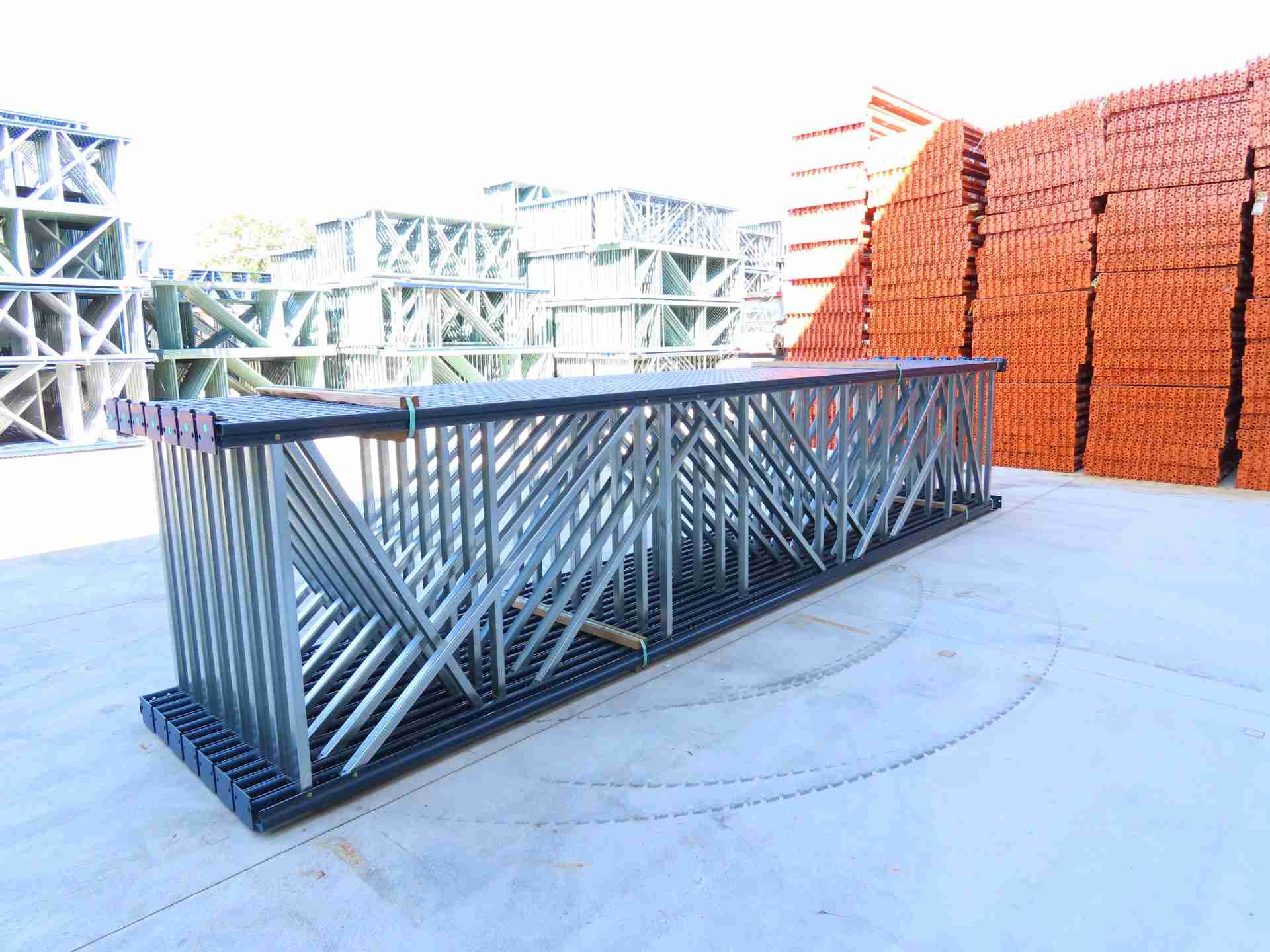
Conclusion
Conclusion:
- Understanding peak activity periods is essential for optimizing warehouse and distribution operations.
- Well-designed racking systems enhance workflow and build employee trust during high-pressure times.
- Intuitive and accessible racking systems improve worker efficiency and morale, fostering a productive culture.
- Effective setups during peak times, such as holiday orders, strengthen team spirit and collaboration.
- Thoughtful design reflects a commitment to workforce safety and well-being, reinforcing employee value.
- Emotional triggers and success narratives create deeper connections with products and brands.
- Ethical marketing and transparency build community connections and a loyal customer base during peak demand.

Conclusion
Other Resources

Other Resources
Here is a list of other resources you can review online to learn more:
- Intro to Warehouse Racks & Warehouse Racking Systems – ShipBob
- Teardrop Pallet Rack – Ridg-U-Rak
- Logic Material Handling
- BMH Equipment LLC
- RMI
- Mustang Material Handling
- Selective Pallet Racking Systems – Container Systems
- Shipping Boxes, Packaging Materials, Pallet Racking
- New Cantilever Racks and Racking Kits
- Selective Pallet Racking Systems
- Interlake Mecalux
- Arrow Industrial Sales
- Warehouse Automation
- Pallet Racks, Pallet Racking, Pallet Shelves in Stock – ULINE
- Cantilever Racking Specialists – Get the Right Racks
- Interlake
- Warehousing Education and Research Council: https://www.werc.org/
- IIWS Inc. Rack Installation Illinois & Rack Repairs Illinois
- Illinois Pallet Racking – Storage Solutions
- Teardrop Industrial Shelving Rack
Use This Prompt To Get More Resources With Your Favorite Online AI Tool: Please provide me with a list of online articles with their URLs in a bulleted list that I can read regarding Designing Around Peak Activity Periods

Other Resources
Glossary Terms
Designing Around Peak Activity Periods – Glossary Of Terms
1. Activity Peak: The time during which user engagement or system demand is at its highest.
2. Load Balancing: Distributing workloads across multiple systems to ensure no single system is overwhelmed.
3. User Experience: The overall satisfaction and usability of a product, influenced by design and functionality.
4. Performance Optimization: Techniques used to improve system efficiency and speed during high-demand periods.
5. Scalability: The capability of a system to handle increased load by adding resources without compromising performance.
6. Traffic Analysis: The study of user activity patterns to identify peak usage times and optimize performance accordingly.
7. Responsive Design: Adjusting a website or application layout to provide an optimal viewing experience across various devices.
8. Resource Allocation: The strategic distribution of limited resources to maximize efficiency during peak periods.
9. Prototyping: Creating an early model of a product to test design concepts before full-scale production.
10. User Flow: The path a user follows through a product, which can change based on peak periods.
11. Stress Testing: Assessing a system’s performance under extreme conditions or simulated peak loads.
12. Data Validation: Ensuring data entered by users is accurate and conforms to required standards.
13. Session Management: Keeping track of user interactions and maintaining consistency during active sessions.
14. Queue Management: Organizing incoming requests to prevent bottlenecks during high activity times.
15. A/B Testing: Comparing two versions of a design to determine which performs better during peak usage.
16. Interaction Design: Designing interactive elements to enhance user engagement and reduce frustration during peak periods.
17. Content Delivery Network (CDN): A system of distributed servers that delivers web content based on the user’s geographic location to improve load times.
18. Usability Testing: Evaluating a product by testing it with real users to identify opportunities for improvement, especially during peak activity.
19. Analytics Tools: Software that tracks and analyzes user behavior to inform design decisions around peak activity.
20. Feature Prioritization: Determining which features to develop or enhance based on user needs during peak times.
21. Accessibility: Designing products to be usable by people with varying abilities, especially during high-traffic periods.
22. User Segmentation: Dividing users into groups based on shared characteristics to tailor design and performance enhancements.
23. Heat Map: Visual representation of user interactions that shows high-traffic areas during peak periods.
24. Incident Response: The process of addressing and managing unforeseen issues encountered during peak activity.
25. Feedback Loop: Systematic collection and analysis of user input to refine design and performance over time.
26. Continuous Integration: A software development practice that encourages frequent integration of code changes to improve responsiveness during high demand.
27. Brand Messaging: Communication strategies designed to resonate with users, particularly important during peak engagement.
28. Ecosystem Integration: Ensuring that various components of a system work together seamlessly, especially during peak usage.
29. Visual Hierarchy: The arrangement of design elements to guide users’ attention effectively, especially during periods of high activity.
30. Crisis Management: Strategies implemented to address and mitigate any issues faced during peak periods effectively.

Glossary Of Terms
Other Questions
Designing Around Peak Activity Periods – Other Questions
If you wish to explore and discover more, consider looking for answers to these questions:
- What specific peak activity periods should we be tracking for our facility and why?
- How do seasonal cycles, holidays, and promotions differently affect racking system demand?
- What metrics and KPIs best indicate a true peak activity period?
- How can we forecast peak periods using historical data and external signals?
- What racking system types perform best under repeated peak loads (e.g., selective, drive-in, pallet flow)?
- How do load capacity ratings and safety margins change during peak operation?
- What are the most common failure modes for racking systems during peak seasons?
- How should facilities plan for modular expansion to handle temporary spikes in volume?
- What are the lead times and logistics for procuring and installing additional racking before a peak period?
- How do retrofit options compare to full replacement in terms of cost, disruption, and scalability?
- What are the best practices for aisle configuration and pick-path design during peaks?
- How can inventory slotting and SKU placement be optimized for peak throughput?
- What role does automation (AS/RS, conveyors, robotics) play in handling peak activity?
- How do you evaluate compatibility between existing racking and new automation solutions?
- What training and staffing strategies reduce error and fatigue during peak periods?
- How do ergonomic design choices for racking and workstations impact worker safety and morale during busy times?
- What signage, visual cues, and wayfinding systems are most effective at accelerating workflow during peaks?
- How can real-time dashboards and KPIs be designed to drive quick decisions during surges?
- What data privacy and ethical considerations arise when tracking worker performance during high activity?
- How do we balance urgency-driven design with long-term worker wellbeing and retention?
- What legal, regulatory, and compliance standards (e.g., OSHA, local codes) apply to racking and operations during peak loads?
- How should safety inspections and maintenance schedules be adjusted around peak seasons?
- What insurance implications exist for increased throughput and temporary racking expansions?
- How do emergency procedures and evacuation routes need to change when capacity or layout is altered for peaks?
- What sustainability and environmental impacts should be considered when scaling storage for peak periods?
- How can material choices and lifecycle analysis reduce environmental cost while maintaining performance?
- What are the cost-benefit and ROI calculations for investing in peak-ready racking solutions?
- How should budgets account for seasonal rentals, temporary systems, or third‑party warehousing during spikes?
- How can suppliers and installers be vetted for reliability and responsiveness before peak demand arrives?
- What warranty, warranty-exclusion, and maintenance-service pitfalls should be watched for in peak scenarios?
- How do cross-docking and transient storage strategies alleviate peak pressure on racking systems?
- What contingency plans should be in place for supply chain interruptions that coincide with peak periods?
- How can communication and coordination with logistics partners be improved for predictable peak handling?
- What storytelling and marketing tactics ethically create urgency around products during high activity?
- How do you avoid manipulative or misleading marketing during high-demand times while still driving conversions?
- What case studies or success stories best illustrate effective racking design for peak periods?
- How can companies measure the impact of design changes on worker morale, retention, and productivity during peaks?
- Which technologies (IoT sensors, RFID, WMS integration) provide the highest leverage for peak-period responsiveness?

Other Questions
Checklist
Designing Around Peak Activity Periods – A Checklist
Identify Peak Activity Windows
✅______ Map historical peaks by hour, day, week, and season over at least 12–24 months.
✅______ Layer external drivers: holidays, weather, promotions, industry events, and supplier lead times.
✅______ Segment peaks by channel (e-commerce, retail, B2B) and by geography and time zone.
✅______ Define peak thresholds (e.g., orders per hour, dock turns) and early-warning triggers.
✅______ Document a peak calendar shared across operations, marketing, and suppliers.
Optimize Racking and Floor Design for Throughput
✅______ Validate load ratings, anchoring, and seismic and fire code compliance for peak loads.
✅______ Slot fast movers at golden-zone height near the shortest travel paths.
✅______ Widen mainline aisles for two-way traffic; designate unidirectional pick paths.
✅______ Implement clear, color-coded signage, bin labels, and aisle IDs visible at a distance.
✅______ Use modular, adjustable racking and planograms for rapid reconfiguration.
✅______ Create overflow, staging, and returns zones sized for peak volume.
✅______ Schedule pre-peak inspections and preventive maintenance on racking and equipment.
Worker Experience, Safety, and Trust
✅______ Minimize reaching, bending, and lift frequency with ergonomic slotting.
✅______ Provide heat and cold mitigation, hydration, and PPE stations near work cells.
✅______ Run peak-readiness training and cross-training refreshers.
✅______ Establish fast feedback loops for floor issues (act within 24 hours).
✅______ Post visible safety KPIs and celebrate incident-free milestones.
✅______ Balance shift design with adequate breaks aligned to demand surges.
Systems, Data, and Visibility
✅______ Integrate WMS and ERP to display real-time stock, pick waves, and backlog.
✅______ Configure threshold-based alerts for stockouts, dwell time, and queue length.
✅______ Pre-build peak wave templates and replenishment rules for fast movers.
✅______ Maintain spares for labels, scanners, batteries, and critical hardware.
✅______ Stress-test system performance at 120–150% of expected peak.
Audience Timing and Channel Strategy
✅______ Identify engagement peaks by channel (email, SMS, social, ads, site analytics).
✅______ Use send-time optimization and respect local time zones.
✅______ Set frequency caps; avoid off-hours pings unless users have opted in.
✅______ Honor preferences and quiet hours; streamline opt-out paths.
✅______ Align campaign cadence with operational capacity to prevent stock or service gaps.
Emotional and Social Triggers
✅______ Highlight time saved, safety improved, and pride in well-run operations.
✅______ Use peer proof—testimonials, case stats, and before-and-after visuals.
✅______ Reinforce community with user tips, shared playbooks, and benchmarks.
✅______ Showcase sustainability and responsible practices tied to racking and layouts.
Create Ethical Urgency by Design
✅______ Surface live availability, queue lengths, and cutoff times transparently.
✅______ Use clear CTAs and priority signals (e.g., “Hot Zone,” “Expedite Lane”).
✅______ Employ countdowns only when accurate and verifiable.
✅______ Place directional cues and floor markings that shorten decision time.
✅______ Provide escalation paths and service SLAs during surges.
Ethical Marketing Guardrails
✅______ Make accurate claims; avoid bait-and-switch and deceptive scarcity.
✅______ Be transparent on pricing, fees, and lead times—especially during peaks.
✅______ Minimize data collection; state purpose and retention clearly.
✅______ Ensure accessibility (contrast, alt text, readable copy, mobile fit).
✅______ Avoid exploiting crises or fear; prioritize customer welfare.
Narratives and Content That Resonate
✅______ Feature frontline voices and lessons learned from real peak seasons.
✅______ Quantify outcomes (pick rate +X%, errors −Y%, space +Z%).
✅______ Tell transformation arcs—chaos to clarity—with actionable steps.
✅______ Provide how-tos, checklists, and templates users can apply immediately.
✅______ Update case studies with fresh metrics post-peak.
Measurement, Debrief, and Iteration
✅______ Set KPIs: throughput, pick time, error rate, dock-to-stock, engagement, CTR, and opt-outs.
✅______ Use control groups and pre- and post-analysis for peak campaigns and layouts.
✅______ Conduct end-of-peak retros with cross-functional teams; publish a one-page summary.
✅______ Convert lessons into a living “Peak Playbook” with owners and due dates.
✅______ Schedule mid-cycle audits to validate sustained improvements.
Contingency and Scalability
✅______ Pre-negotiate temp labor, cross-dock, and carrier capacity.
✅______ Prepare quick-start onboarding for temps with job aids and zone maps.
✅______ Define overflow locations and rapid re-slot plans.
✅______ Maintain a communication tree for incident response and customer updates.
✅______ Run tabletop drills for system outages and major delays.

Checklist
At RackingWorld, we help guide you through selecting warehouse storage systems and racking.
Be sure to read our other related stories at RackingWorld to learn more about warehouse storage systems.
0 Comments