
Streamlining Connections For A More Efficient Future
By Tom Seest
At RackingWorld, we help guide you through selecting warehouse storage systems and racking.
Be sure to read our other related stories at RackingWorld to learn more about warehouse storage systems.
Reducing Touchpoints In Distribution
Reducing Touchpoints in Distribution
Effective distribution can feel like trying to catch smoke with your bare hands; the moment you think you’ve got it down, another wrinkle appears. With every touchpoint in the distribution chain, you add not just complexity but also the risk of hiccups that can throw everything off. That’s where the conversation about reducing touchpoints comes in. It’s about streamlining processes to make life easier for everyone involved.
Picture a warehouse filled with Racking Systems, each shelf piled high with products, waiting to be moved. Every time a product changes hands—whether it’s from supplier to warehouse, warehouse to truck, or truck to retailer—there’s a chance for things to go wrong. Miscommunication happens. Things get scratched. You’ll have to think about it: is every touchpoint absolutely necessary? Or can you take a page from seasoned pros who’ve seen it all? Cutting out unnecessary steps can save time, cut costs, and prevent frustration for everyone from the warehouse worker to the end customer.
Let’s break it down. A well-structured approach helps you maintain quality control while trimming the fat. By looking closely at each stage of the distribution process, you can identify redundancies and staggered timelines that might be dragging you down. Are you bringing in items to sort them before shipment, only to send them right back out again? It’s a bit like lifting a heavy load and then dropping it just to pick it up again. It’s time to rethink those systems.
Making a real change takes guts. You’ll need to have the courage to overhaul outdated practices. But the payoff is worth it. You create an operation that’s not only efficient but also reliable. Customers notice when things run smoothly; they trust you and keep coming back. And when your team sees that the changes you implemented make their work lives easier, it builds a strong sense of camaraderie. United by a common goal, you work together to establish a culture that champions efficiency and accountability.
In the grand scheme of the distribution universe, less truly can be more. By standing up, taking stock, and cutting down on those touchpoints, you carve out a smoother path for everyone involved. It’s about working smarter, not harder, and building a network that thrives on trust and shared experience.
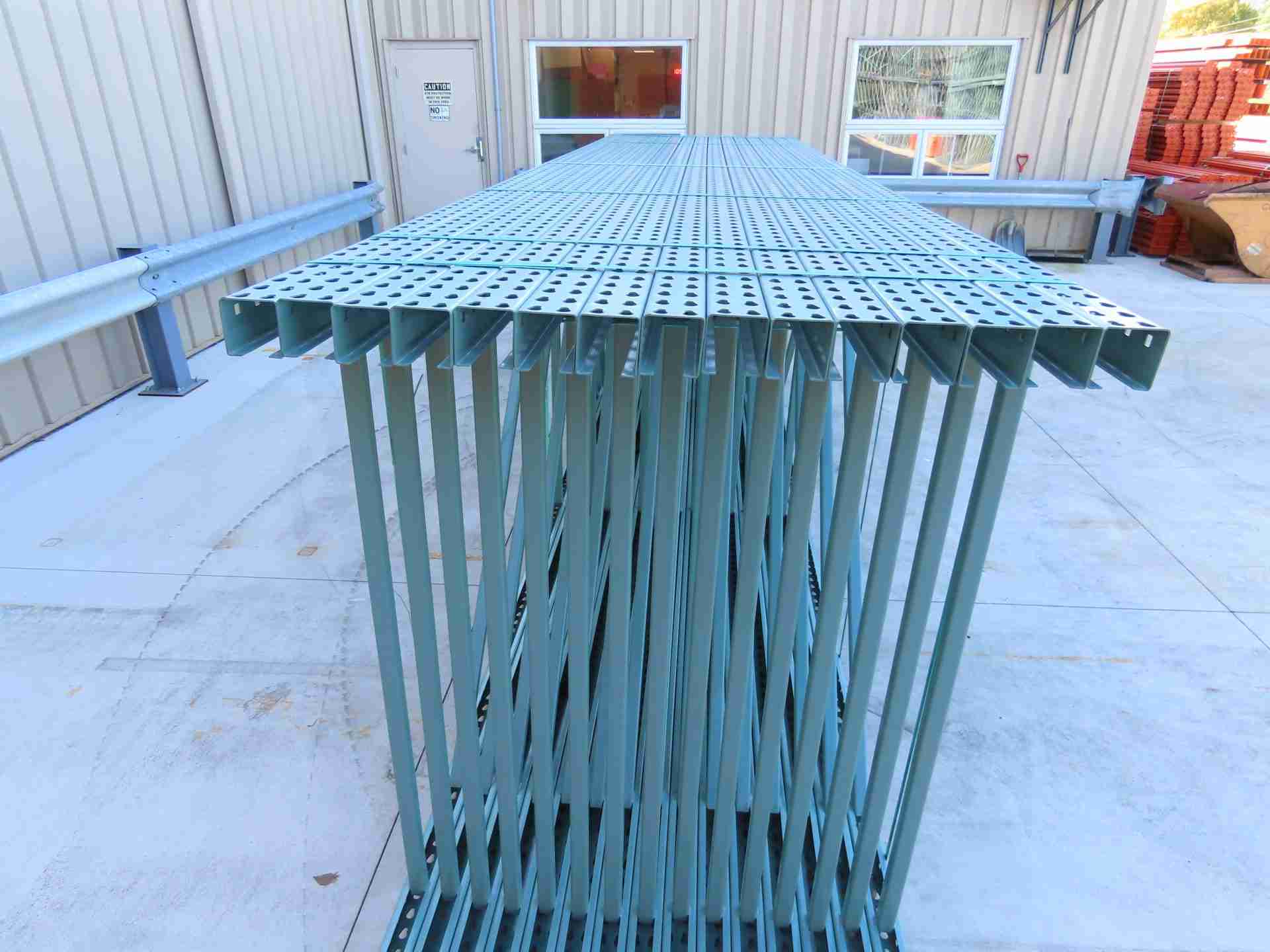
Reducing Touchpoints In Distribution
Reducing Touchpoints In Distribution
- Effective distribution is complex and sensitive to disruptions.
- Reducing touchpoints helps streamline processes and minimize risks.
- Each product handoff has the potential for errors or damage.
- Evaluating touchpoints can lead to time and cost savings.
- A structured approach can enhance quality control while reducing unnecessary steps.
- Implementing changes fosters a culture of efficiency and teamwork.
- Fewer touchpoints contribute to smoother operations and build customer trust.
Reducing Touchpoints In Distribution
Table Of Contents
- Reducing Touchpoints In Distribution
- What Are the Emotional Impacts Of Excess Touchpoints In Distribution?
- How Can Reducing Touchpoints Improve Customer Satisfaction?
- What Data Supports the Need for Fewer Distribution Touchpoints?
- What Ethical Considerations Arise with Streamlined Distribution?
- How Does a Lean Distribution Model Affect Operational Costs?
- Can Fewer Touchpoints Lead to Faster Delivery Times?
- Conclusion
- Other Resources
- Glossary Of Terms
- Other Questions
- Checklist
What Are the Emotional Impacts Of Excess Touchpoints In Distribution?
In the world of distribution, we often find ourselves swimming in a sea of touchpoints—every call, email, and meeting piling on like bricks in a racking system. Just like a poorly organized warehouse, too many touchpoints can clutter our minds and diminish our effectiveness. This isn’t just a logistical issue; it’s an emotional weight that we carry daily.
Imagine a warehouse full of racking systems designed to streamline operations, yet it’s overflowing with too many items. Instead of smooth movement, you end up with chaos. This chaos resonates deeply with those on the front lines—employees who feel overwhelmed, suppliers who sense the frustration, and customers who fade into the background noise. Each additional touchpoint may seem helpful at first, but eventually, it starts to feel intrusive. The human touch, that connection we crave, is lost amidst the barrage of messages and meetings.
From a rational standpoint, it’s clear that excess touchpoints can lead to inefficiencies. Employees, bogged down by constant notifications and requests, often experience burnout. That frustration trickles down the line, affecting morale and productivity. When workers feel scattered, they’re less likely to give their best and to trust that their colleagues appreciate their efforts. We need to foster an environment where touchpoints are meaningful, not just plentiful.
Ethically speaking, we must question the norms dictating our communication styles in distribution. Are we genuinely connecting with one another, or are we just checking boxes? A narrative that values quality over quantity not only builds trust but also strengthens relationships. A single thoughtful conversation can carry more weight than a dozen rushed emails.
In this industry, we’re all in it together. When we recognize that too many touchpoints spawn anxiety and disconnect, it becomes clear that we must advocate for a more streamlined approach. Simplifying our interactions fosters a sense of community and respect among workers, suppliers, and customers alike.
By being mindful of the emotional impact of our communication, we can inspire confidence in our teams. Focusing on connection rather than clutter cultivates an environment where everyone feels valued. So, let’s remember that in distribution, each touchpoint should be like a well-placed item in a racking system—purposeful, effective, and designed to enhance the overall process.

What Are the Emotional Impacts Of Excess Touchpoints In Distribution?
What Are the Emotional Impacts Of Excess Touchpoints In Distribution?
- Excess touchpoints in distribution can clutter communication and reduce effectiveness.
- Overwhelmed employees and suppliers experience frustration, while customers may feel ignored.
- Too many notifications can lead to burnout and decreased morale among workers.
- Quality of communication is more valuable than quantity; thoughtful interactions strengthen relationships.
- A streamlined approach in communication fosters community and respect in the workplace.
- Mindful communication can boost confidence and make team members feel valued.
- Each touchpoint should be purposeful and enhance the distribution process.
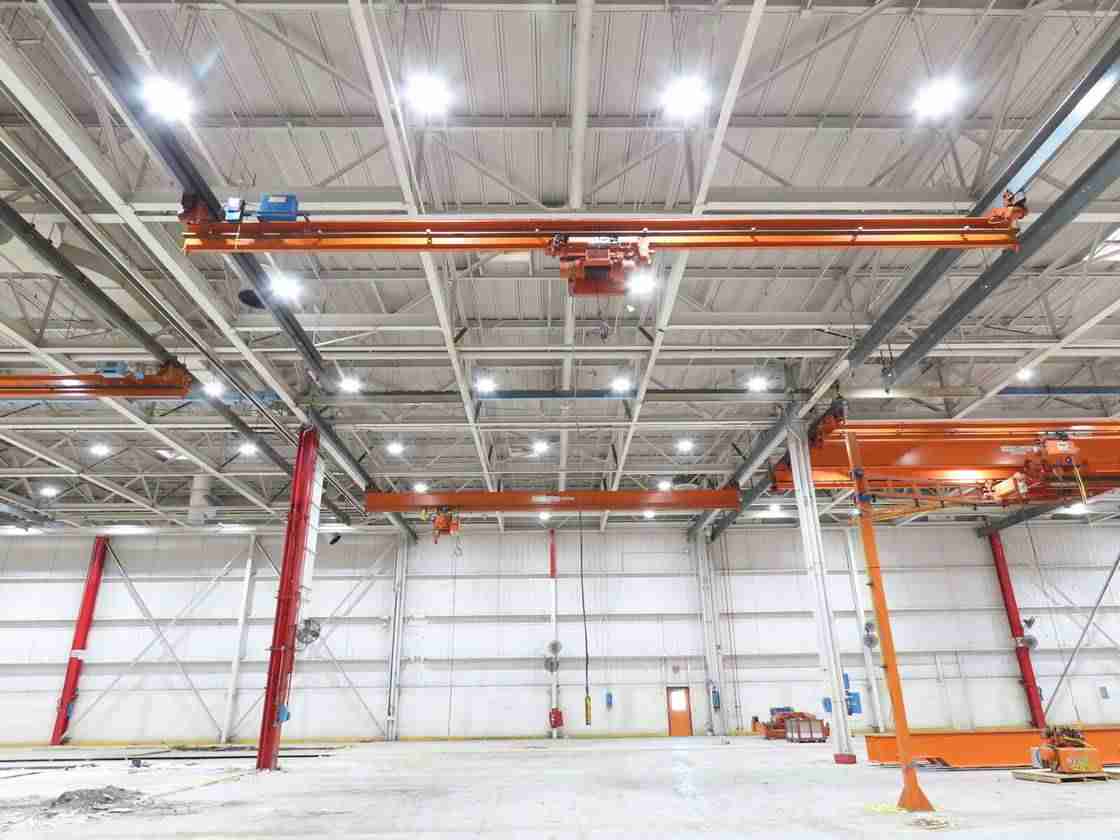
What Are the Emotional Impacts Of Excess Touchpoints In Distribution?
How Can Reducing Touchpoints Improve Customer Satisfaction?
Reducing touchpoints in customer interactions can significantly enhance satisfaction. In the world of business, each interaction between a customer and a company is like a gear in a Racking System—it needs to function smoothly for the entire operation to run well. Too many gears, or touchpoints, can cause friction, leading to frustration instead of the seamless experience customers crave.
Imagine walking into a store, only to be bombarded with various representatives trying to sell you different products. Each voice, while well-meaning, can feel like a cacophony. This can leave customers overwhelmed and, more often than not, dissatisfied. When a business minimizes these touchpoints, it cuts out the noise and makes the process more direct. Instead of feeling like just another sale, customers feel that their needs are understood. This instinctual understanding creates a bond, an emotional connection that money can’t buy.
On a rational level, fewer interactions mean less opportunity for miscommunication. If a customer has to repeat their story multiple times or clarify misunderstandings, it can lead to doubts about a company’s competence. By streamlining the process, businesses foster trust. Customers want to know that they can rely on you; they want the assurance that they won’t be left in a cycle of confusion.
Ethically, focusing on reducing touchpoints reflects a business’s respect for its customers’ time and intellect. When customers see that a company values efficiency over unnecessary complexity, it boosts their confidence. They feel prioritized and recognized. This ethical stance often translates into loyalty—customers are attracted to brands that demonstrate genuine care.
Stories matter. Picture the small family-owned grocery store where the owner knows your name and remembers your favorite purchases. It’s not about how many employees they have; it’s about the quality of engagement. They have created a simple and honest experience, allowing customers to focus on what truly matters: the products and the relationships built around them. This narrative becomes a badge of pride for both the business and the customer, generating positive word of mouth and community trust.
In this fast-paced world, where time is valuable, reducing touchpoints isn’t merely a strategy—it’s a commitment to better service. It’s about cutting through the clutter and making sure that every exchange is meaningful and leaves customers feeling satisfied. A well-implemented Racking System enables this, ensuring the flow of interactions is as smooth and efficient as possible. By leaning into simplicity and respect, businesses can inspire action, loyalty, and a genuine relationship with their customers.

How Can Reducing Touchpoints Improve Customer Satisfaction?
How Can Reducing Touchpoints Improve Customer Satisfaction?
- Reducing customer touchpoints enhances overall satisfaction.
- Each interaction functions like a gear in a Racking System, needing smooth operation.
- Too many touchpoints create friction, leading to customer frustration.
- Minimizing interactions helps customers feel understood and valued.
- Streamlined processes reduce miscommunication and foster trust.
- Respecting customer time by reducing complexity builds confidence and loyalty.
- Quality of engagement matters more than quantity, creating lasting bonds.
How Can Reducing Touchpoints Improve Customer Satisfaction?
What Data Supports the Need for Fewer Distribution Touchpoints?
When it comes to distribution, the numbers are hard to ignore. Industry studies reveal that every additional touchpoint in the supply chain can add costs, delays, and headaches. Picture a racking system: the more time products spend bouncing around from location to location, the greater the risk of damage and the higher the expenses. Each handoff, each extra mile driven, adds not just dollars but complications that can cascade into customer dissatisfaction.
Take a moment to consider the people behind the scenes. Warehouse workers, truck drivers, and sales agents—they’re just trying to do their jobs efficiently. When distribution processes are convoluted, it bogs them down. Data shows that reducing distribution touchpoints not only cuts costs but also streamlines the flow of goods, allowing teams to focus on what matters: delivering value to the customer. This isn’t just numbers on a spreadsheet; it’s about real lives, real jobs, and the simple desire to keep things running smoothly.
Then there’s the ethical side. We operate in a world where sustainability matters. Each unnecessary movement generates additional carbon footprints. Studies indicate that minimizing distribution touchpoints can lead to substantial reductions in greenhouse gas emissions. Less travel means not just savings in fuel and time, but a commitment to holding ourselves accountable for the planet we share. It’s a shift that resonates with customers who increasingly value businesses that demonstrate social responsibility.
Stories from the floor lend weight to these insights. A local manufacturer, for instance, decided to cut down its distribution channels. They transformed their racking systems into more efficient setups. The result? Faster delivery times and happier customers, all while giving their workers a sense of pride in their streamlined operations. It’s this kind of narrative that invites trust—people want to see tangible examples of change, proof that fewer touchpoints can serve their bottom line while fostering a better work environment.
Moreover, social appeal can’t be overlooked. As industries gravitate towards efficiency, sharing success stories can create a powerful movement. When businesses come together and advocate for fewer touchpoints, it fosters a community grounded in common-sense practices. It builds confidence among peers and customers alike, encouraging everyone to reconsider the systems in place.
So, there’s a clear call to action here: streamline, simplify, and embrace fewer distribution touchpoints. The data speaks loud and clear.
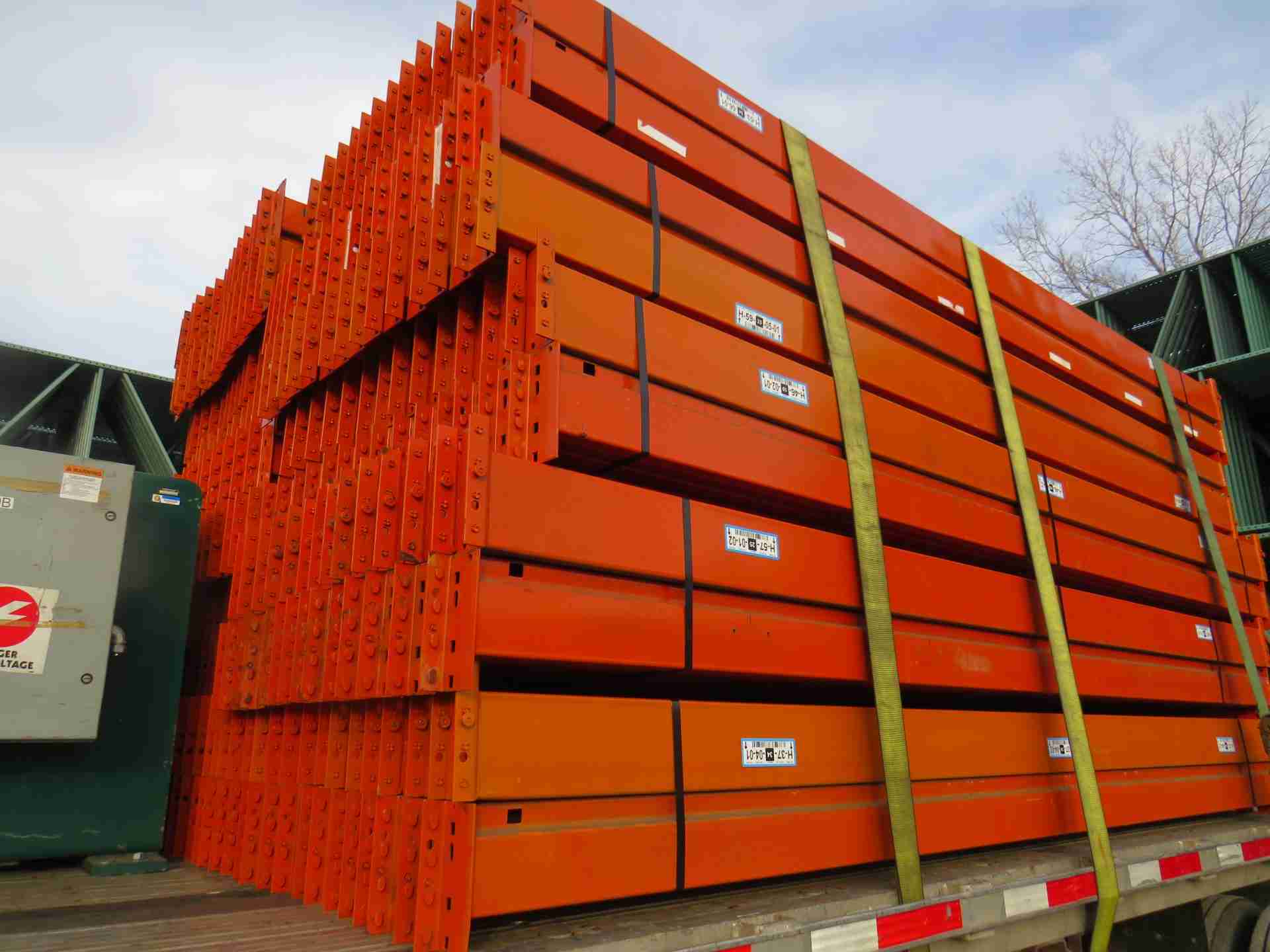
What Data Supports the Need for Fewer Distribution Touchpoints?
What Data Supports the Need for Fewer Distribution Touchpoints?
- Additional touchpoints in the supply chain lead to increased costs, delays, and risks of damage.
- Reducing distribution touchpoints streamlines processes and enhances efficiency for workers.
- Minimizing touchpoints can significantly lower greenhouse gas emissions and is aligned with sustainability goals.
- Real-life examples show that cutting distribution channels can lead to faster delivery times and improved customer satisfaction.
- Efficient distribution fosters a sense of pride among employees and enhances workplace morale.
- Sharing success stories encourages a community focused on best practices and efficiency in distribution.
- The call to action is clear: streamline distribution processes for cost savings and enhanced social responsibility.

What Data Supports the Need for Fewer Distribution Touchpoints?
What Ethical Considerations Arise with Streamlined Distribution?
Streamlined distribution has become a cornerstone of modern logistics, but with that efficiency comes a host of ethical considerations that can’t be ignored. Take, for instance, the backbone of warehousing: racking systems. These systems not only hold the products we rely on but also shape how businesses interact with their workers and the community.
First off, let’s talk about the workforce beneath these racking systems. Every shelf stacked high with goods represents jobs, often at risk due to automation. Companies are racing to optimize operations, and in doing so, they must remember the very real human stories woven into those efficiencies. Employees are not just cogs in the machine; they are folks who need fair wages, opportunities for growth, and a safe work environment. As distribution becomes more streamlined, a company’s responsibility towards its people should be front and center.
Then there’s the environmental piece. Efficient distribution methods often promise a greener footprint by minimizing waste and reducing carbon emissions. However, the materials and processes chosen to create racking systems can make or break that promise. Choosing sustainable materials not only reflects corporate responsibility but also honors the communities affected by these decisions. It’s about making choices that jersey up for future generations, ensuring that our kids inherit a world worth living in.
And let’s not overlook the community aspect. When businesses streamline operations, they often think about their bottom line, but they must also consider the ripple effects. A well-managed racking system that supports local businesses can bolster economies and build relationships. It fosters trust and encourages local partnerships, creating a stronger network of support that everyone can benefit from.
Finally, narrative matters. Every box shipped tells a story—of hard work, dreams, and the shared desire for a better life. Streamlined distribution can amplify these narratives, enabling smaller businesses to compete alongside giants. Empowering these underdogs speaks to our gut feelings about fairness and opportunity.
As we embrace the benefits of streamlined distribution, let’s also commit to doing it right. This means prioritizing the well-being of workers, being mindful of environmental impacts, engaging with communities, and enhancing the stories behind the products we all rely on. Balancing these ethical considerations might not be easy, but it’s a path worth taking for integrity in how we all connect through commerce.
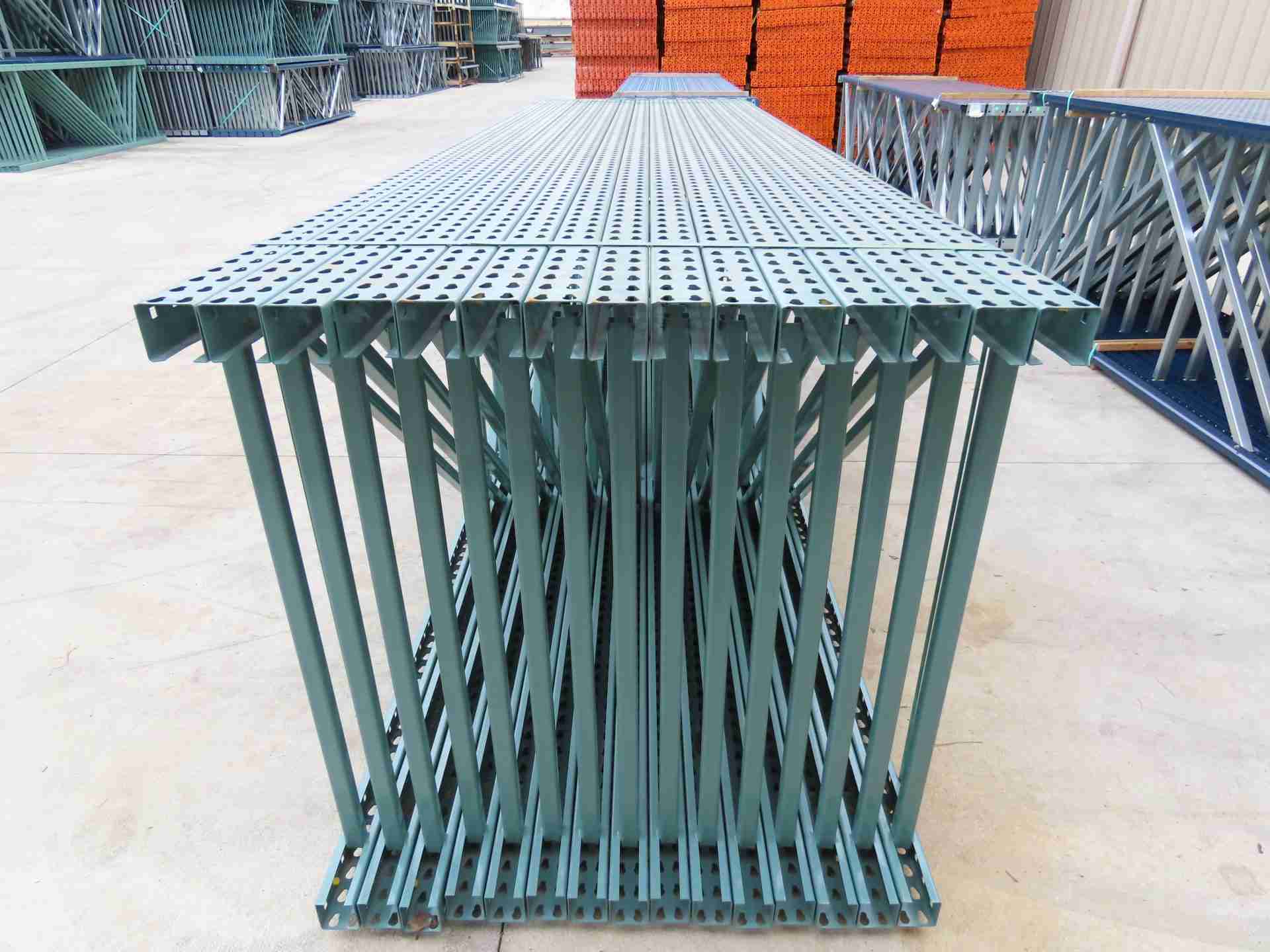
What Ethical Considerations Arise with Streamlined Distribution?
What Ethical Considerations Arise with Streamlined Distribution?
- Streamlined distribution is essential in modern logistics but raises ethical concerns.
- Racking systems in warehouses are crucial and impact workforce dynamics.
- Jobs are at risk due to automation; companies must prioritize fair wages and safe work environments.
- Environmental sustainability in distribution is important, and material choices matter.
- Supporting local businesses through streamlined operations can strengthen community relationships.
- Every shipment tells a story, highlighting the struggle for fairness and opportunity.
- Commitment to ethical considerations in distribution ensures integrity in commerce.
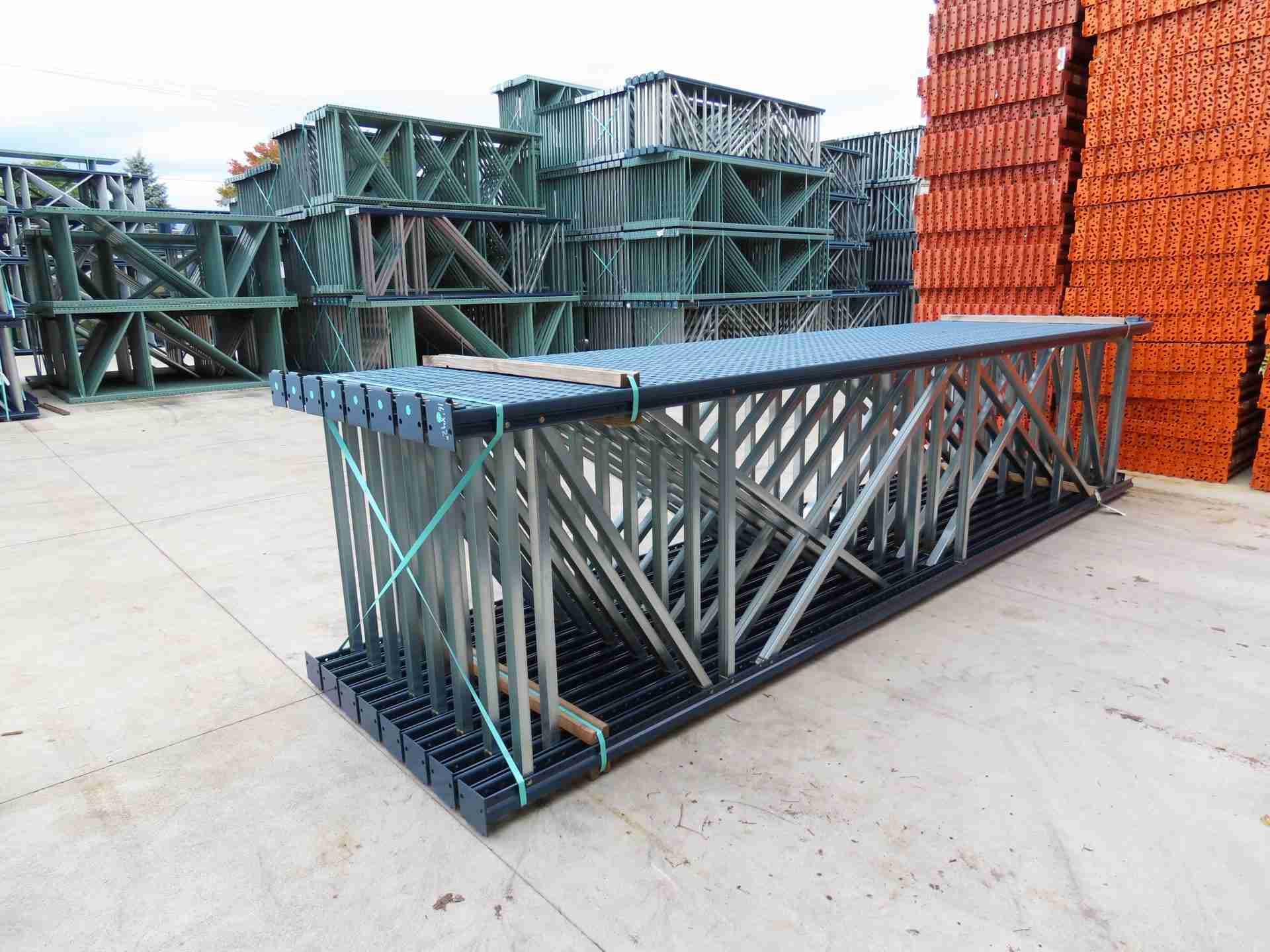
What Ethical Considerations Arise with Streamlined Distribution?
How Does a Lean Distribution Model Affect Operational Costs?
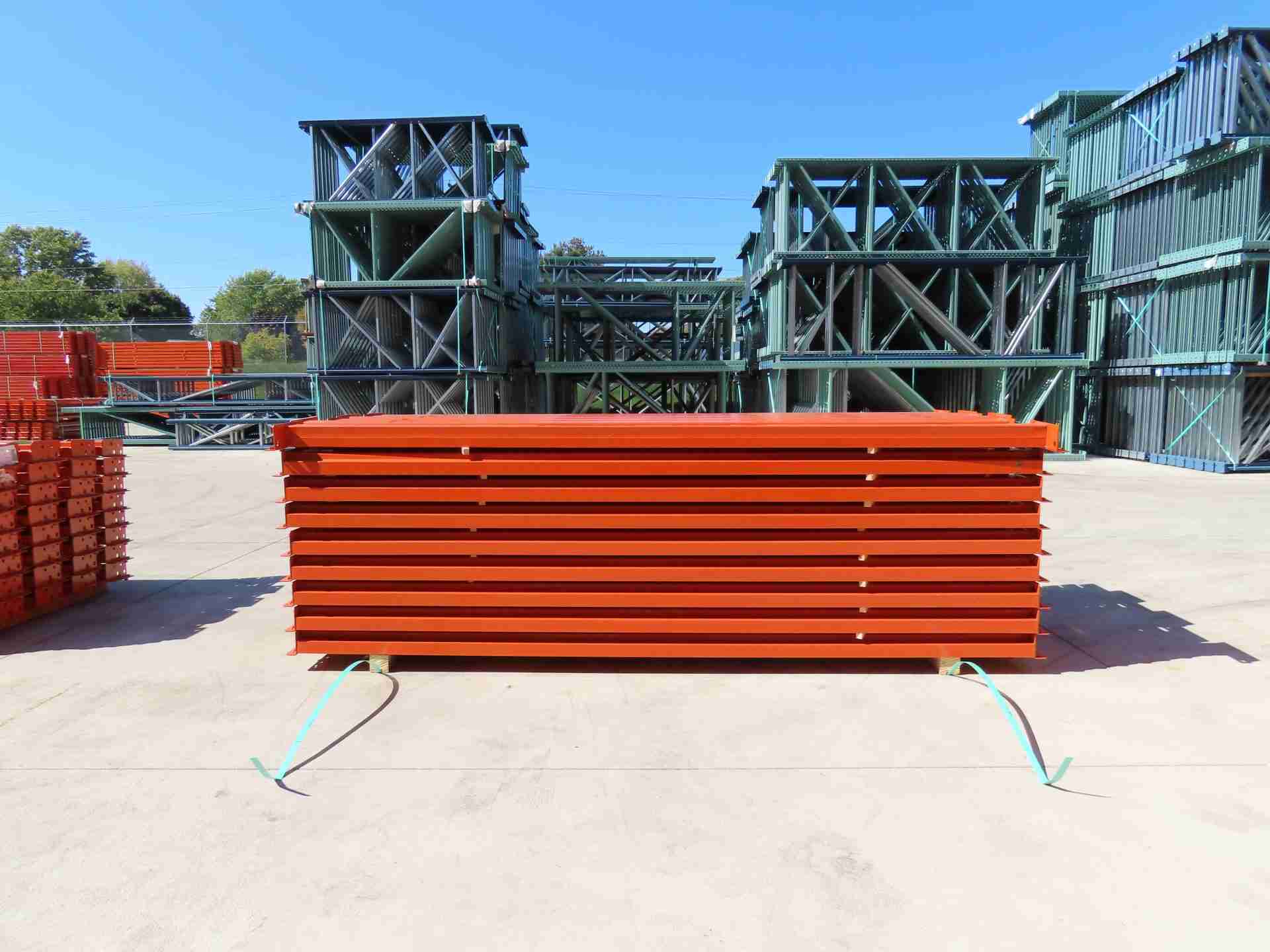
In the world of logistics, where every cent counts, a lean distribution model stands out as a beacon for those looking to tighten the belt without sacrificing quality. Picture a well-oiled machine, where every part has a purpose and every action is intentional. For warehouse managers and operators, embracing lean principles means more than just trimming excess—it’s about creating an environment where Racking Systems, inventory management, and workflow efficiencies come together seamlessly.
Let’s face it, the heart of any distribution center beats from the floor up. Workers, the backbone of the operation, see firsthand how simplifying processes enhances their day-to-day. They feel the rhythm of a lean model—less clutter, more space, and a clear path to productivity. When a worker can navigate effortlessly through organized racking systems, it not only boosts morale but also fosters an atmosphere of teamwork. Feeling part of something bigger, employees take pride in their roles, translating to lower turnover and a more engaged workforce.
On a rational level, operational costs bear the brunt of inefficiencies. A lean distribution model whittles away waste, turning potential losses into savings. With optimized racking systems, you maximize the use of your warehouse space, slashing costs related to underutilization. Fewer interruptions mean quicker turnaround times, which leads to an enhanced bottom line. By streamlining transportation routes and enhancing inventory accuracy, companies can watch their profit margins widen.
Ethically, there’s a compelling argument too. Lean practices advocate for sustainability, guiding businesses to make smarter choices that benefit not just the operation but the environment as well. By reducing waste and energy consumption, companies embrace their corporate responsibility, resonating with consumers who increasingly shy away from businesses that neglect their ecological footprints.
Socially, a lean approach gives a voice to the workforce. When workers share insights about racking systems or processes, they contribute to continuous improvement. This culture of collaboration leads to lasting changes that can shift an entire organization’s perspective on efficiency.
The bottom line? A lean distribution model doesn’t just cut costs; it cultivates a culture of trust, accountability, and shared success. By fostering an environment where everyone knows their role in the grand scheme, operations thrive, and the true essence of teamwork is realized. It’s about making operations leaner while keeping the heart of the organization strong.
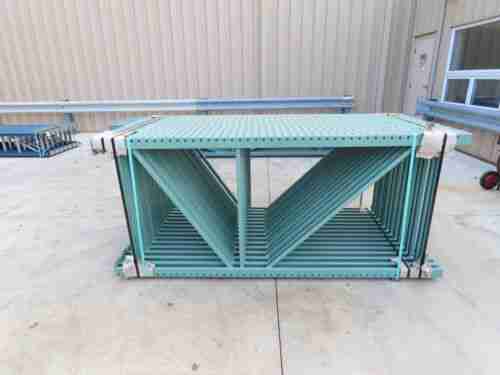
How Does a Lean Distribution Model Affect Operational Costs?
How Does a Lean Distribution Model Affect Operational Costs?
- A lean distribution model reduces costs and improves quality in logistics.
- Optimized racking systems enhance workflow efficiency and inventory management.
- Workers benefit from a clutter-free environment, boosting morale and teamwork.
- Minimizing waste leads to significant operational savings.
- Lean practices promote sustainability, benefiting both business and the environment.
- A collaborative culture fosters continuous improvement and efficiency insights from employees.
- The model enhances accountability and trust, ensuring a thriving workforce and operations.
How Does a Lean Distribution Model Affect Operational Costs?
Can Fewer Touchpoints Lead to Faster Delivery Times?
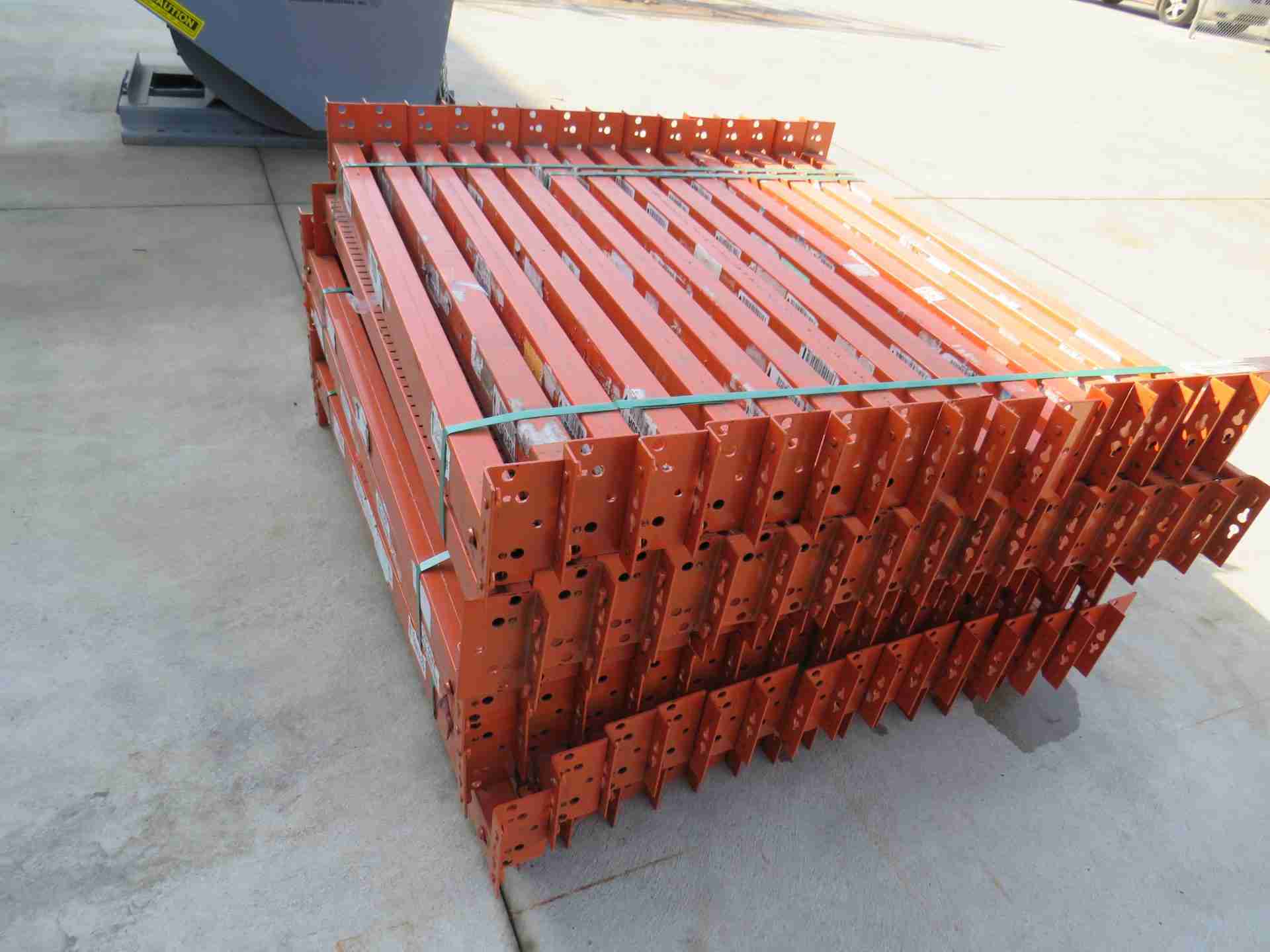
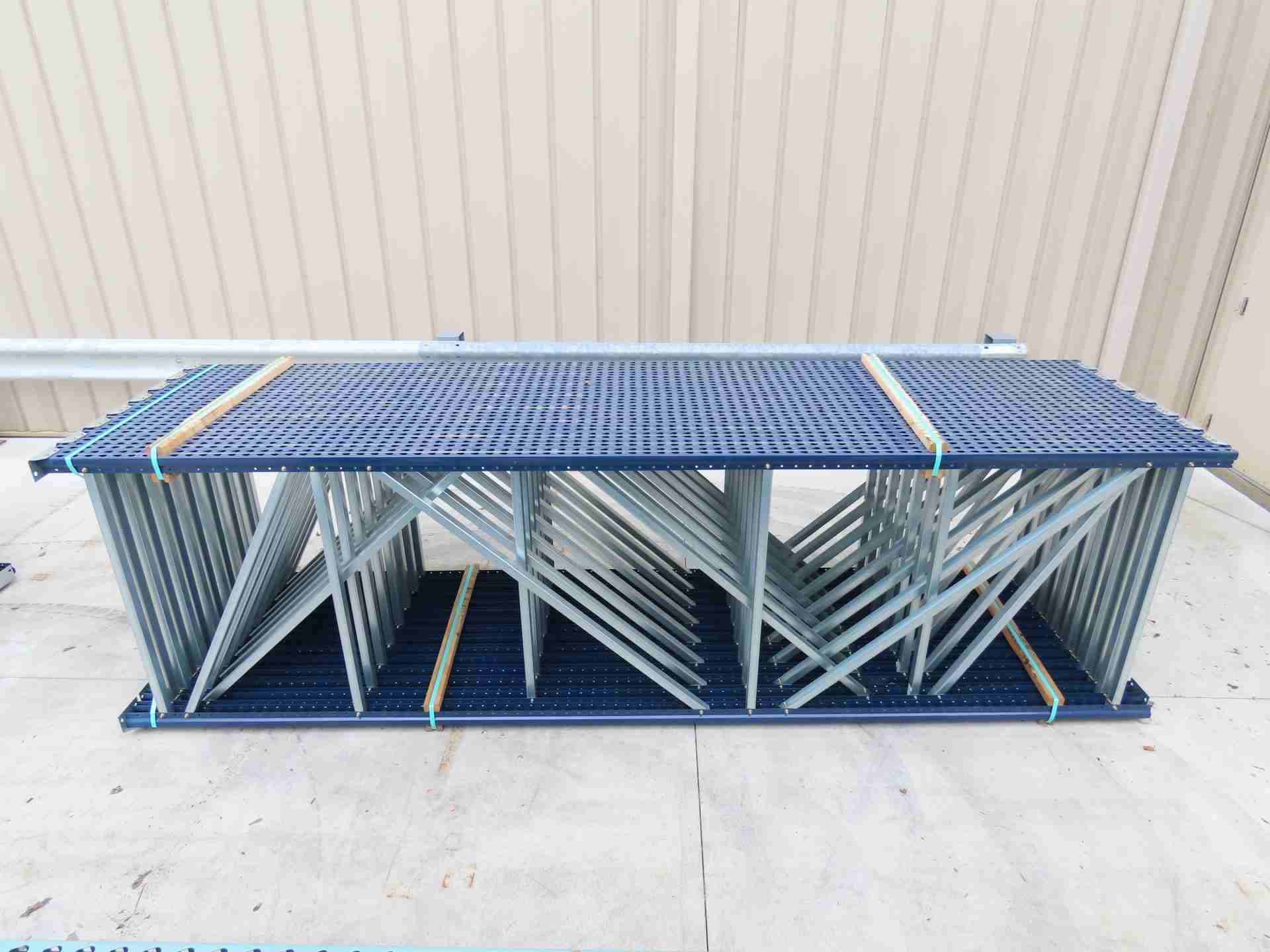
In the world of logistics, the term “touchpoints” often gets thrown around like a buzzword, but it holds real significance for those of us on the ground. It’s all about reducing the number of times a product changes hands, and this can directly impact how quickly a delivery gets from point A to point B. Imagine a team in a warehouse—men and women working hard, their hands calloused and their minds focused on efficiency. They know the rhythm of the Racking Systems, how a well-oiled operation means fewer delays and happier customers.
At the heart of this discussion is trust. When fewer people handle a product, it’s less likely to get lost in the shuffle, less chance for damage. Rationally, fewer touchpoints equate to a smoother path for goods. Each handoff comes with potential miscommunication or mishap. Think back to the last time you ordered something online and waited anxiously for the tracking number to update. Each delay felt like an eternity, didn’t it? That emotional tug of waiting is shared by customers everywhere; we crave speed and reliability.
Ethically, it’s also about accountability. When a product moves seamlessly through fewer hands, it builds confidence not just for the company but for the customers as well. If there’s a problem, it falls back on fewer resources, making responsibility clear. That’s where trust crystallizes.
Now, let’s consider the narrative behind this approach. Picture a delivery truck barreling down the road, carrying goods that went from the manufacturer straight to the customer without unnecessary stops or bumps along the way. Each mile is a mile saved, every minute counts. This story resonates with businesses trying to cut costs and meet demands while maintaining quality.
On a social level, fostering a delivery culture that prioritizes efficiency can unite teams. When folks see the positive impact of fewer touchpoints, it sparks motivation. Workers feel proud knowing they’re part of a system that operates smoothly, where every package delivered on time reflects their hard work.
So, when you ask yourself if fewer touchpoints lead to faster delivery, remember it’s not just about numbers. It’s about human experience, shared stories, and the simple satisfaction of a well-executed plan. Trust in the process, confidence in the people involved, and an unmistakable connection between effort and outcome can ignite true industry change, making every second count.
Can Fewer Touchpoints Lead to Faster Delivery Times?
Can Fewer Touchpoints Lead to Faster Delivery Times?
- Touchpoints in logistics refer to the number of times a product changes hands, impacting delivery speed.
- Fewer touchpoints lead to reduced delays and improved customer satisfaction.
- Trust is crucial; fewer handlers minimize the risk of loss and damage.
- Each handoff introduces potential miscommunication, affecting delivery reliability.
- Accountability increases with fewer people involved, enhancing confidence in the process.
- A streamlined delivery approach saves time and costs while maintaining quality.
- An efficient delivery culture motivates teams and connects hard work to successful outcomes.
Can Fewer Touchpoints Lead to Faster Delivery Times?
Conclusion
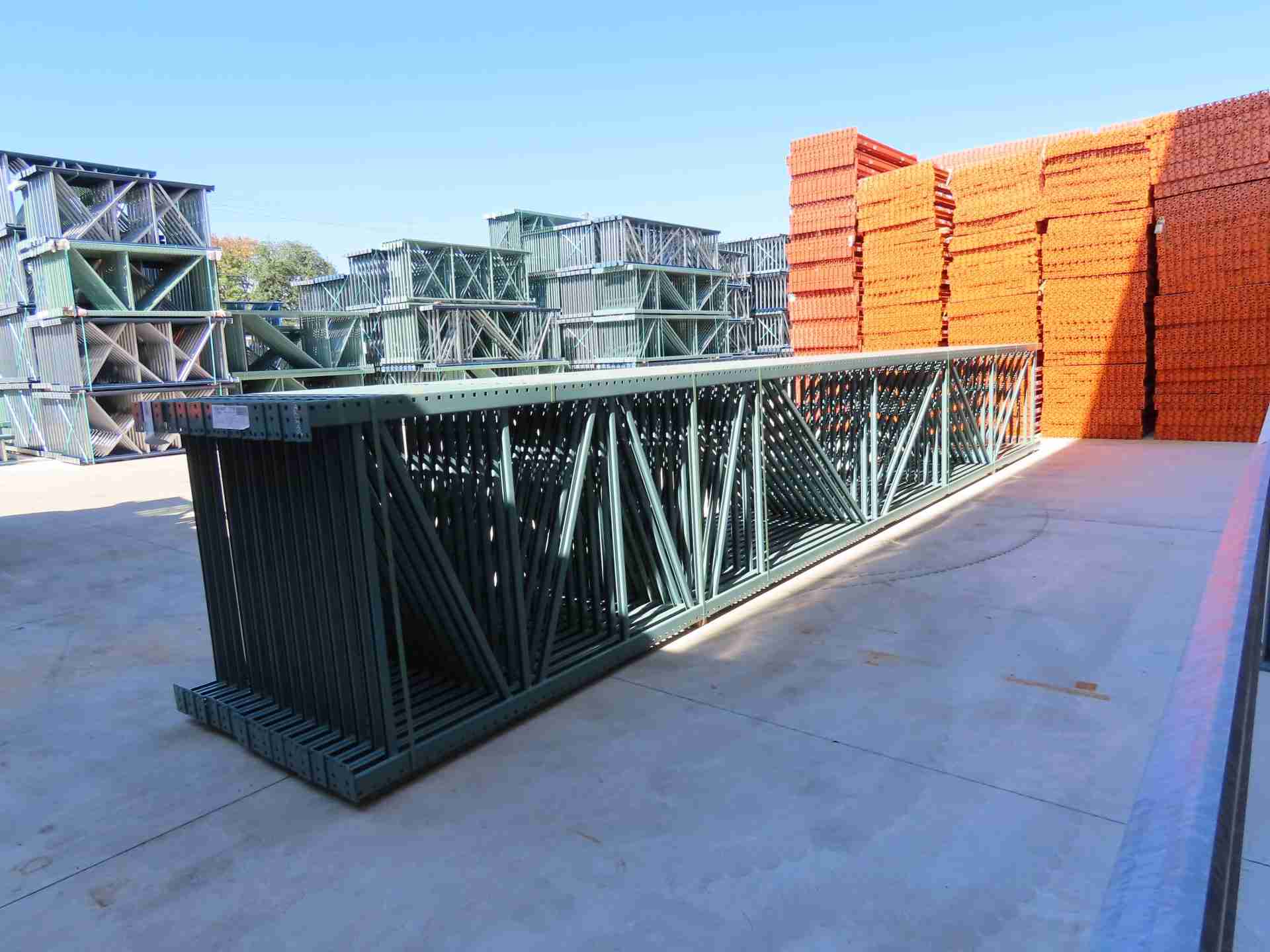
Reducing touchpoints in distribution is a game changer, a practical necessity for streamlining operations and enhancing overall efficiency. In today’s fast-paced environment, the inefficiencies caused by excess touchpoints can feel overwhelming. Each interaction—whether it’s a call, an email, or a handoff—adds complexity and potential for errors in a process that should be straightforward. Imagine a warehouse cluttered with unneeded communication where chaos reigns, instead of a well-oiled machine driving smooth transitions from supplier to customer.
Streamlined distribution transforms day-to-day operations, impacting not just the bottom line but also employee morale and customer satisfaction. Reducing unnecessary steps means less frustration for workers on the floor who are trying to do their jobs effectively. When routines are simplified, employees experience greater satisfaction and engagement, which enhances productivity and camaraderie in the workplace. This isn’t merely a matter of efficiency; it also creates a culture of teamwork and mutual respect.
From a rational standpoint, the benefits of truncating touchpoints are hard to ignore. Each time a product is handled, there’s a risk of miscommunication or damage. Fewer touchpoints enable companies to cultivate smoother, faster delivery processes that foster trust. Customers recognize and appreciate businesses that respect their time, leading to increased loyalty and repeat business. This trust is crucial—when customers feel they are getting efficient service, they are more likely to forge lasting relationships with brands.
Ethically, businesses have a responsibility to prioritize clear communication and sustainability in their operations. Minimizing unnecessary interactions not only streamlines processes but also reflects an understanding of the value of customer time and the social responsibility of reducing waste. Companies that embrace lean practices can simultaneously address ethical considerations and environmental impacts, proving their commitment to both their customers and the planet.
Ultimately, fewer touchpoints in distribution aren’t just a trend; they represent a holistic shift toward smarter operations that foster deeper connections between businesses and their stakeholders. By cutting through the clutter and rethinking how we engage at every level, we open the doors to efficiency that benefits everyone involved, from warehouse workers to end consumers. Each interaction should matter; it should enhance the experience and help build relationships based on trust and shared goals.

Conclusion
Conclusion:
- Reducing touchpoints in distribution streamlines operations and enhances efficiency.
- Excess touchpoints lead to chaos, miscommunication, and errors in processes.
- Streamlined distribution positively impacts employee morale and customer satisfaction.
- Fewer touchpoints reduce frustration for employees and enhance productivity.
- Smooth delivery processes foster customer trust and loyalty.
- Minimizing interactions aligns with ethical responsibilities and sustainability.
- This shift promotes deeper connections between businesses and stakeholders.
Conclusion
Other Resources

Other Resources
Here is a list of other resources you can review online to learn more:
- Teardrop Industrial Shelving Rack
- Pallet Racks, Pallet Racking, Pallet Shelves in Stock – ULINE
- Pallet Racking systems in Illinois, Great Lakes
- Pallet Racking systems in Illinois and Great Lakes
- WERC
- Shipping Boxes, Packaging Materials, Pallet Racking
- Selective Rack – Raymond West
- Material Handling Safety
- NSC
- RMI
- Mustang Material Handling
- Illinois Pallet Racking – Storage Solutions
- Warehouse Storage Racking in Illinois
- Heavy-Duty Cantilever Storage Racks
- Pallet Rack Systems – New and Used Pallet Racking and Shelving Experts
- Illinois Pallet Racking – WPRP
- Teardrop Industrial Shelving Rack
- Warehouse Racking Layout: The Ultimate Guide – Conger
- Cantilever Rack Guide: Ordering Cantilever Racking
- Teardrop Racks – Pallet Rack World
Use This Prompt To Get More Resources With Your Favorite Online AI Tool: Please provide me with a list of online articles with their URLs in a bulleted list that I can read regarding Reducing Touchpoints In Distribution

Other Resources
Glossary Terms
Reducing Touchpoints In Distribution – Glossary Of Terms
1. Touchpoint: Any interaction or point of contact between a customer and a business throughout the distribution process.
2. Distribution Channel: The path through which a product or service travels from the producer to the consumer.
3. Efficiency: The ability to achieve a desired result with minimal wasted resources or time in the distribution process.
4. Streamlining: The process of simplifying or eliminating unnecessary steps in a distribution workflow.
5. Logistics: The management of the flow of goods, information, and resources from the point of origin to the point of consumption.
6. Automation: The use of technology to perform tasks with minimal human intervention within the distribution process.
7. Inventory Management: The practice of overseeing and controlling the ordering, storage, and usage of products in distribution.
8. Supply Chain: The entire network of entities, directly or indirectly interlinked, involved in the production and delivery of a product.
9. Fulfillment Center: A warehouse or distribution center where orders are processed and shipped directly to customers.
10. Cross-Docking: A distribution practice where incoming goods are directly transferred to outbound transportation without long-term storage.
11. Direct Shipping: The delivery method where products are shipped directly from the manufacturer to the customer, bypassing traditional distribution centers.
12. Last-Mile Delivery: The final step in the distribution process, where goods are delivered from a transportation hub to the final customer.
13. Omnichannel: An integrated sales approach providing customers with a seamless shopping experience across multiple channels.
14. Customer Journey: The complete sequence of experiences a customer goes through when interacting with a business in the distribution process.
15. Point of Sale (POS): The location and time where a retail transaction is completed, often involving communication with inventory systems.
16. Demand Forecasting: The process of estimating future customer demand to optimize distribution planning and inventory levels.
17. Return Management: The handling of product returns, including logistics and processes for restocking or disposing of returned items.
18. Drop Shipping: A retail fulfillment method where the retailer does not keep goods in stock but instead transfers customer orders directly to a supplier.
19. Packaging: The technology of enclosing or protecting products for distribution, approaching marketing and physical protection simultaneously.
20. Reverse Logistics: The process of moving goods from their final destination back to the manufacturer for reuse, recycling, or disposal.
21. Procurement: The process of acquiring goods and services needed for distribution operations, including negotiation and supplier management.
22. Warehouse Management System (WMS): Software designed to support warehouse operations and optimize the flow of goods within distribution.
23. Distribution Network: A system of interconnected entities and channels through which products or services are distributed to customers.
24. Vendor Managed Inventory (VMI): A practice where the supplier manages the inventory levels of products at the customer’s location.
25. Straight-Through Processing (STP): The automated completion of business transactions without manual intervention, improving speed and accuracy.
26. Inventory Turnover: A measure of how frequently inventory is sold and replaced over a specific period, indicating efficiency in distribution.
27. Third-Party Logistics (3PL): Outsourcing logistics and distribution functions to a specialized service provider to enhance efficiency.
28. Shipping Manifest: A comprehensive list of items included in a shipment, used for documentation and tracking purposes.
29. Service Level Agreement (SLA): A contract that outlines the expected service level, including speed and quality of delivery in logistics.
30. Customer Relationship Management (CRM): Systems and practices for managing a business’s interactions with current and prospective customers, often influencing distribution decisions.
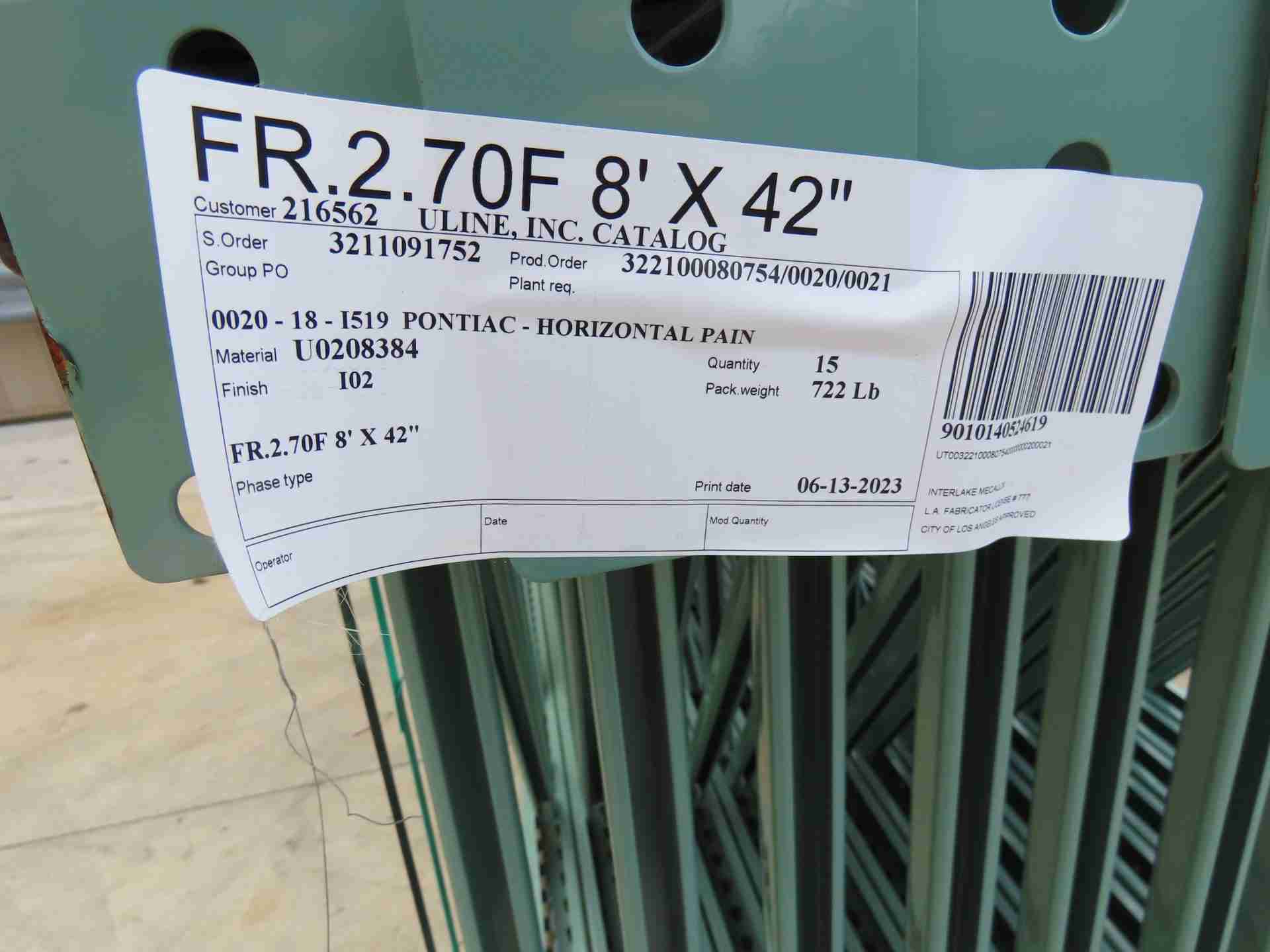
Glossary Of Terms
Other Questions
Reducing Touchpoints In Distribution – Other Questions
If you wish to explore and discover more, consider looking for answers to these questions:
- What exactly is a “touchpoint” in distribution and how is it measured?
- How many touchpoints does a typical supply chain or distribution network have?
- Which touchpoints are most costly, time-consuming, or risk-prone?
- How do you map and audit all touchpoints across multiple channels and partners?
- What criteria should be used to decide whether a touchpoint is necessary or redundant?
- What short-term and long-term cost savings can be expected from reducing touchpoints?
- Which KPIs best reflect improvements (e.g., touches per order, lead time, error rate, OTIF)?
- How does reducing touchpoints directly affect delivery speed and on-time performance?
- What technologies (WMS, TMS, RFID, IoT, automation) most effectively support touchpoint reduction?
- How do you implement cross-docking, consolidation, or direct-to-retailer flows to cut touchpoints?
- How do you balance fewer touchpoints with necessary quality control and inspection steps?
- What risks arise from consolidating handling points and how can they be mitigated?
- How will touchpoint reduction impact workforce roles, headcount, and required training?
- What change-management strategies help employees and partners adapt to new processes?
- How can small businesses apply touchpoint reduction affordably without major capital investments?
- What real-world case studies demonstrate measurable benefits from reducing touchpoints?
- How long does it typically take to realize ROI after streamlining distribution touchpoints?
- What are common pitfalls or mistakes companies make when trying to reduce touchpoints?
- How should contracts, service-level agreements, and KPIs with suppliers and carriers be adjusted?
- How does touchpoint reduction affect reverse logistics, returns handling, and warranties?
- What packaging, kitting, or handling changes reduce touches while protecting product quality?
- How can regional hubs, consolidation centers, or micro-fulfillment centers be leveraged?
- What incentives or collaboration models encourage suppliers and 3PLs to reduce touchpoints?
- How should dashboards and reporting be designed to monitor touchpoint reduction progress?
- Which software vendors or analytics tools are best for touchpoint analysis and optimization?
- How much can touchpoint reduction contribute to sustainability and emissions reduction goals?
- How do you quantify environmental benefits (CO2, fuel, miles avoided) from fewer touchpoints?
- What regulatory, customs, or compliance issues might change when altering distribution flows?
- How do you maintain data security, traceability, and accountability with fewer intermediaries?
- How should you design and run a pilot to test touchpoint reduction (scope, metrics, duration)?
- Which cost components (transportation, handling, inventory carrying) are most affected?
- How does demand variability, seasonality, or peak periods affect the feasibility of fewer touchpoints?
- What contingency plans and resilience measures are needed when consolidating handling points?
- How do you manage customer communication and expectations during transition to fewer touchpoints?
- Can reducing touchpoints support omnichannel fulfillment or personalization, and how?
- How should companies benchmark performance vs. industry peers and set realistic reduction targets?

Other Questions
Checklist
Reducing Touchpoints In Distribution – A Checklist
Map and Measure
✅______ Map end-to-end order flow (from supplier to customer), including every handoff and dwell
✅______ Quantify touchpoints per order, per SKU, and per channel
✅______ Capture baseline KPIs: OTIF, cycle time, damage rate, returns, cost per order, miles per order, and CO2 per order
✅______ Identify rehandling, staging, or “sort-then-resort” loops
Eliminate and Simplify
✅______ Remove nonessential handoffs; consolidate roles where possible
✅______ Introduce direct-ship, cross-dock, or flow-through to avoid storage touches
✅______ Rationalize nodes, carriers, and vendors to reduce fragmentation
✅______ Standardize pack-out to fit the shortest viable path
Warehouse and Racking
✅______ Apply 5S and slotting to reduce travel, rehandling, and congestion
✅______ Align racking layout to the fastest flow paths and highest movers
✅______ Minimize putaway, pick, and pack touches with zone picking or pick-to-ship
✅______ Right-size packaging to reduce damage from remaining touches
Communication and Coordination
✅______ Assign single order ownership to prevent repeated handoffs
✅______ Standardize handoff checklists and EDI/API message sets
✅______ Reduce meetings and emails; make each interaction purposeful and time-bound
✅______ Provide clear escalation paths for exceptions
Customer Experience
✅______ Enable first-contact resolution and self-serve order status
✅______ Eliminate repeated information requests; capture once and reuse everywhere
✅______ Set clear delivery promises; simplify service tiers
✅______ Track NPS/CES and link to touchpoint count
Data and Proof
✅______ Correlate touchpoints with defects, delays, and costs
✅______ A/B test routes and nodes to validate fewer-touch designs
✅______ Monitor exceptions created versus prevented by each removed step
✅______ Publish wins (cycle time, damage, and cost) to reinforce adoption
Ethics and Sustainability
✅______ Assess workforce impact; offer reskilling and safe ergonomics after changes
✅______ Choose sustainable racking and packaging materials
✅______ Measure and report GHG reductions from fewer moves
✅______ Support local partners where efficient to strengthen community ties
Lean Cost Control
✅______ Track handling cost per touch and labor productivity per hour
✅______ Improve space utilization through optimized racking density
✅______ Reduce inventory buffers enabled by faster, simpler flow
✅______ Eliminate overprocessing, waiting, motion, and transport waste
Speed and Reliability
✅______ Design routes with minimal nodes; prefer cross-dock over store-and-forward
✅______ Place quality gates at critical points instead of many small inspections
✅______ Shorten dwell times with appointment scheduling and dock optimization
✅______ Maintain a clear chain of custody to reduce loss and damage
Technology Enablement
✅______ Integrate WMS–TMS–ERP for a single source of truth
✅______ Use scan and label standards to avoid manual data re-entry
✅______ Automate status updates and exception alerts to reduce human handoffs
✅______ Ensure mobile tools support point-of-work decisions
People and Culture
✅______ Involve floor teams in value-stream mapping and Kaizen events
✅______ Train on new flow, roles, and checklists; certify before go-live
✅______ Recognize teams for fewer touches achieved without quality loss
✅______ Maintain a feedback loop for continuous simplification
Governance and Compliance
✅______ Define RACI for order flow and exception management
✅______ Validate that labeling, ASN, and regulatory requirements are still met after changes
✅______ Set risk controls where a removed touch raises exposure
✅______ Audit monthly; retire steps that no longer add value
Execution Cadence
✅______ Prioritize the top three touchpoint removals by ROI and risk
✅______ Pilot in one lane or SKU, then scale by playbook
✅______ Review KPIs weekly for 90 days; lock in standard work
✅______ Remap the value stream quarterly to prevent touchpoint creep
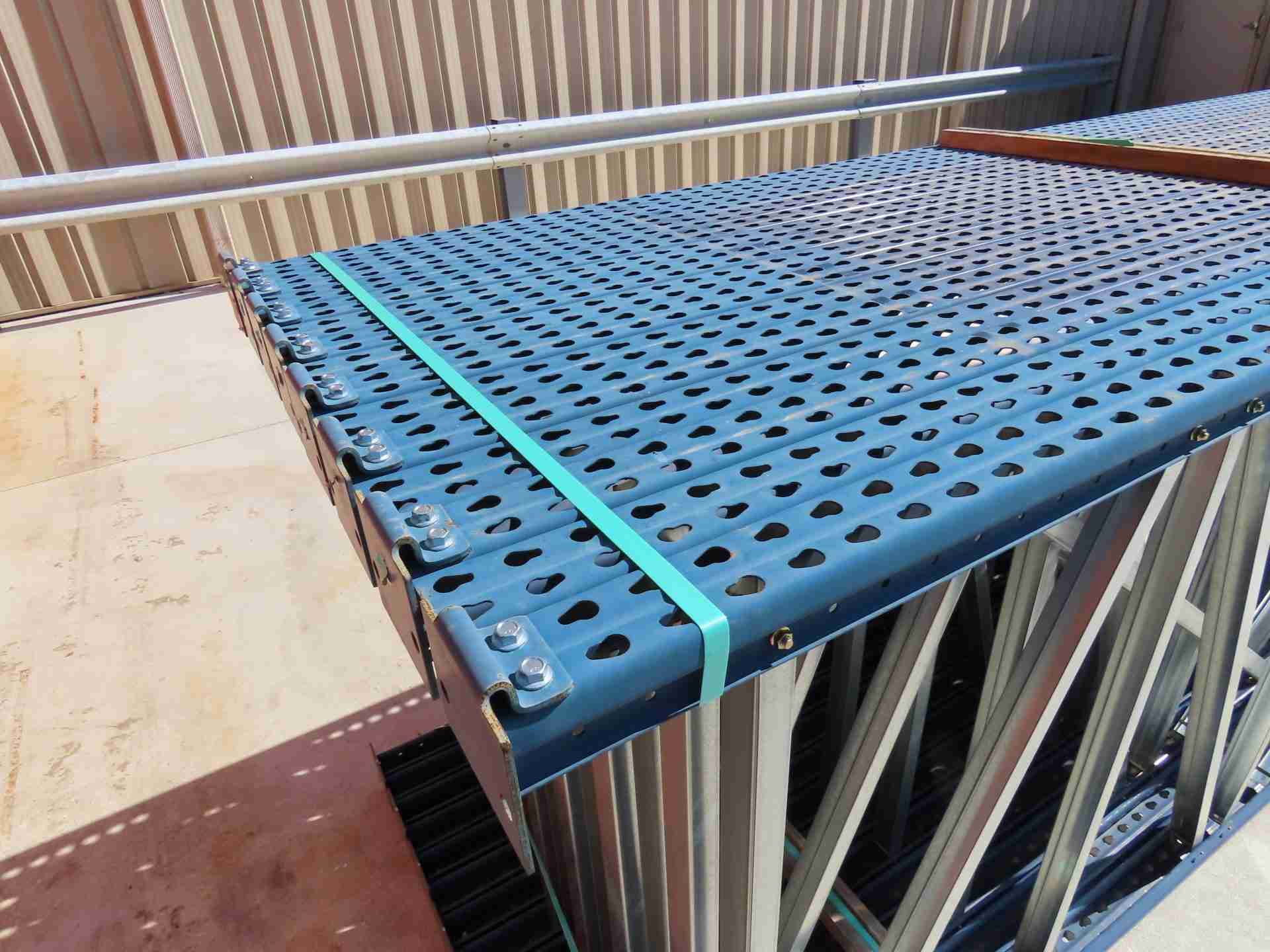
Checklist
At RackingWorld, we help guide you through selecting warehouse storage systems and racking.
Be sure to read our other related stories at RackingWorld to learn more about warehouse storage systems.
0 Comments