
Maximizing Space: Save Costs, Boost Productivity, And Drive Change
By Tom Seest
At RackingWorld, we help guide you through selecting warehouse storage systems and racking.
Be sure to read our other related stories at RackingWorld to learn more about warehouse storage systems.
The Financial Impact Of Underutilized Cube
The financial impact of underutilized cube space is a matter of dollars and sense that hits home for many businesses. Picture a factory floor with racking systems full of unused space. That empty air doesn’t just sit there; it represents money that could be working harder. When you’ve got a chunk of your facility sitting idle, you’re paying for space that isn’t doing its job, and we all know that costs can add up quicker than a speeding freight train.
Take a moment to think about the everyday worker who relies on efficiency. Each worker wants to feel like a crucial part of a smooth operation, yet underutilized spaces can lead to a chaotic environment. The disconnect between available resources and actual utility can sap morale. When employees see racks full of potential but are stuck navigating around clutter, frustration mounts. It’s not just space at stake; it’s the collective spirit of your team.
Rationally, for every square foot of empty space, you’re wasting not just rent or mortgage costs but also utilities, maintenance, or even lost productivity. The heart of the matter is simple: those funds could go toward hiring, new equipment, or even employee benefits, which makes the workplace stronger and builds a loyal workforce. Think about how that translates to a business’s bottom line; it’s about maximizing those resources and finding more efficient ways to allocate space.
From an ethical standpoint, using space wisely can also mean more sustainable practices. Overhead costs reduced by increased efficiency can lead to more competitive pricing, helping your business make its mark. Fewer unutilized areas mean less waste, aligning profits with practices that benefit the planet and community.
Telling the story of an underperforming cube isn’t just about numbers; it’s about harnessing a reliable system to ensure every part of your operation has purpose. When every rack and square inch pulls its weight, you foster a culture of productivity that resonates. This connection isn’t just a showroom; it ignites pride, knowing that everyone’s effort counts.
When you transform underutilized space, you’re not just making a financial improvement; you’re also building a more connected workforce that thrives on efficiency. The workplace becomes a well-oiled machine, encouraging employees to play their part in a lasting legacy of success. Let’s make every inch count, because in the end, it’s all about creating spaces that serve a real purpose.

The Financial Impact Of Underutilized Cube
The Financial Impact Of Underutilized Cube
- Underutilized cube space represents wasted financial resources for businesses.
- Idle space leads to additional costs, increasing overhead expenses such as rent and utilities.
- Employees experience frustration due to a chaotic environment caused by unused spaces.
- Maximizing space can redirect funds toward hiring, new equipment, and employee benefits.
- Efficient space usage promotes sustainable practices and reduces waste, benefiting the planet.
- Effective resource allocation fosters a productive workplace culture and boosts employee morale.
- Transforming underutilized space enhances business efficiency and creates a legacy of success.

The Financial Impact Of Underutilized Cube
Table Of Contents
- The Financial Impact Of Underutilized Cube
- What Costs Are Associated with Underutilized Workspace?
- How Does Workspace Underutilization Affect Employee Morale?
- What Strategies Can Optimize Space Utilization Effectively?
- How Can Technology Enhance Workspace Efficiency?
- What Are the Long-Term Financial Impacts Of Unused Office Space?
- How Does Underutilized Space Affect Company Culture?
- Conclusion
- Other Resources
- Glossary Of Terms
- Other Questions
- Checklist
What Costs Are Associated with Underutilized Workspace?
When we talk about workspace, many folks picture dynamic hustle and bustle—a bright spot where ideas flourish and people connect. But what if that space is more empty than busy? Underutilized workspace doesn’t just collect dust; it drains resources. Every inch of that unused area represents money that could have gone into better investments. We’ve all seen it: rows of desks with only a few lonely chairs occupied, while the costs keep piling up, draining budgets like a leaky faucet.
Think about the costs in practical terms. Rent, utilities, maintenance, and employee frustration all stack up when desks sit vacant. You’ve got racking systems, storage areas, and meeting rooms that could shine with activity but instead stand silent. It’s not just about the space itself, it’s also the talent that’s being wasted. Every time a plan to drive productivity is shelved due to lack of space, you lose momentum, and that can hit hard when competing out there.
Emotionally, it hurts to see a once-thriving environment dwindling to mere shadows. It stings when you’re fostering a culture of collaboration but locked into rooms that feel more like tombs. Imagine the stories those walls could tell if they were alive with energy, laughter, and teamwork. When the air is filled with innovation rather than apathy, it rekindles the spark that drives us.
Ethically, let’s remember the impact on the community. Underutilized spaces don’t just affect the bottom line; they affect livelihoods. By allowing workspaces to go to waste, we risk losing jobs and stunting growth. There’s a responsibility to make every space count, to ensure resources are used wisely and sustain local economies.
The authority of experience tells us that dynamic workplaces thrive on adaptability. Flexible seating arrangements and the right tools can revitalize stagnant areas. Engaging staff in conversations about how to optimize space fosters a sense of ownership and accountability. Plus, it creates champions who see the value in repurposing what we have rather than piling on more costs.
When we make small changes, we unlock potential. Each rung of the ladder, whether it be racking systems for equipment or smart layout choices, can transform a neglected workspace into a bustling hub full of possibilities. It’s time to roll up our sleeves, take stock of what’s not working, and turn that underutilized space into a vibrant part of our collective journey. Each effort reconnects the heart of the workspace with the pulse of productivity.
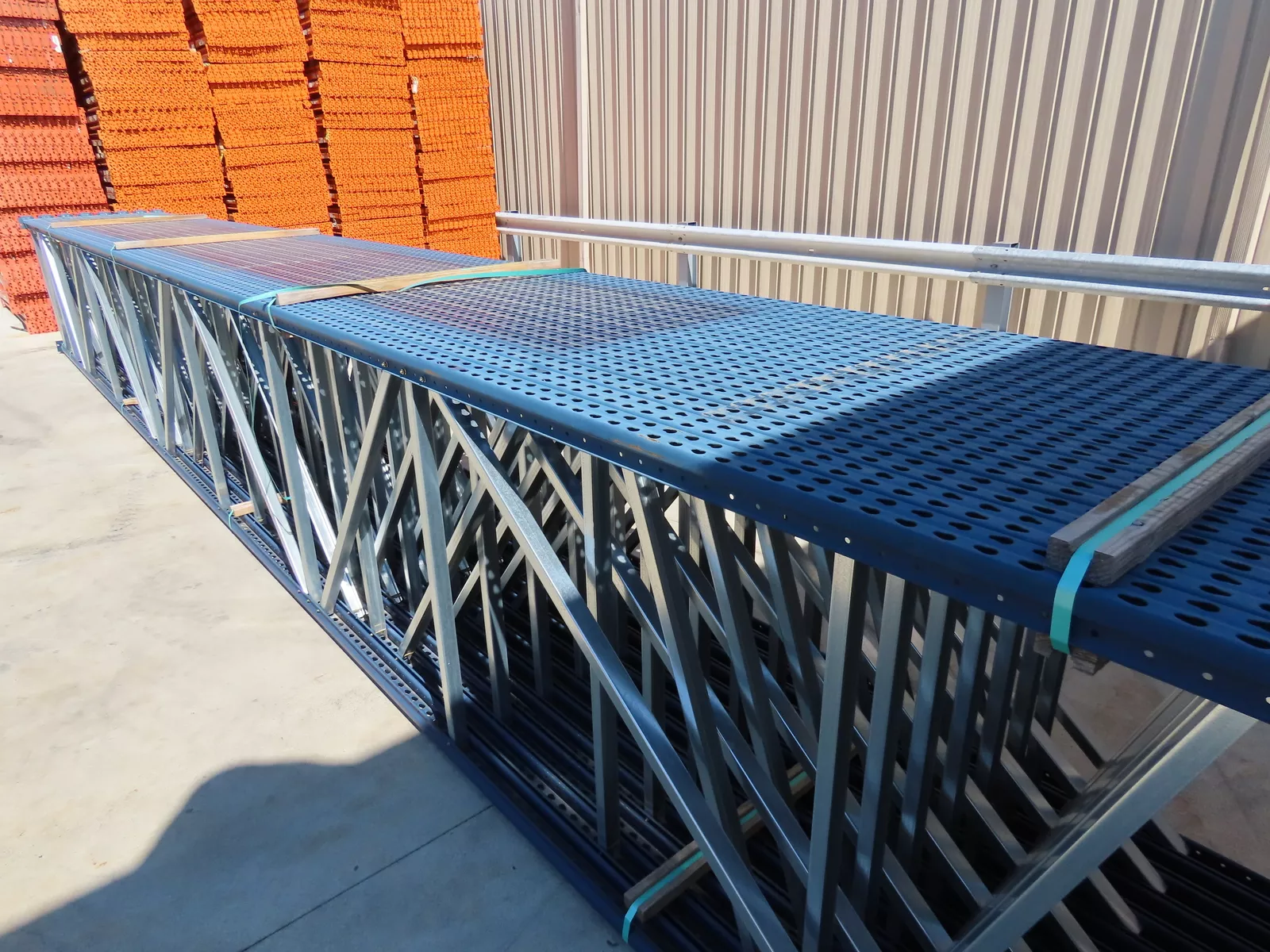
What Costs Are Associated with Underutilized Workspace?
What Costs Are Associated with Underutilized Workspace?
- Underutilized workspaces drain resources and represent lost investment opportunities.
- Costs of vacant desks include rent, utilities, maintenance, and employee frustration.
- Talent is wasted when productivity plans are shelved due to lack of space.
- Empty environments decrease collaboration and morale within teams.
- Communities suffer as underutilized spaces impact local economies and job growth.
- Dynamic workplaces thrive on adaptability, with flexible arrangements revitalizing stagnant areas.
- Small changes can unlock potential and transform neglected spaces into vibrant hubs of activity.

What Costs Are Associated with Underutilized Workspace?
How Does Workspace Underutilization Affect Employee Morale?
Workspace underutilization isn’t just an abstract concept; it hits right at the core of employee morale in ways that can be felt in the guts of the workforce. Picture a shop floor with racking systems designed to maximize efficiency but seldom used. Those metal frames, meant to support teamwork and productivity, become mere relics—symbols of wasted potential. Employees notice this. They see space not filled with collaboration but left empty and idle, leading to a sense of disengagement.
When workers are surrounded by unused resources, feelings of frustration and helplessness can creep in. They start questioning their value in the company. If the space is there but the drive to utilize it is missing, what does that say about the company’s faith in its team? Employees want to feel involved, and seeing physical proof of underutilization can make them feel like their contributions are overlooked. Morale takes a hit, not because of any grand scheme but because of the week-to-week grind where employees sense their environment isn’t fostering the sense of community or productivity they yearn for.
On a practical level, an underutilized workspace suggests inefficiency, which is hard to swallow. Workers know that their productivity is linked to the tools and space provided. A cramped area filled with half-empty racking systems where teamwork should flourish becomes a breeding ground for disengagement. The team feels the weight of this waste every day they walk into work, dampening spirits while the potential for innovation and improvement stagnates.
Moreover, there’s an ethical angle to consider. Companies committed to their employees should be making an effort to cultivate an environment where everyone feels valued and engaged. When significant resources are wasted—whether that’s time, space, or investment—it’s not just a logical oversight; it’s a breaking of trust. Employees want to believe that their workplace respects their time and input. They seek respect, and seeing infrastructure that’s not leveraged effectively can unravel that sense of trust.
By addressing underutilization head-on, businesses can revitalize team spirit and drive productivity. It’s about breathing new life into the existing framework, giving employees a say in how they want to utilize their workspace. In doing so, organizations don’t just foster trust and engagement; they also demonstrate a genuine commitment to their workforce and a willingness to make necessary changes for the better. Restoring a sense of purpose to both space and employees invests in a future where morale can thrive rather than languish amidst the shadows of forgotten racking systems.

How Does Workspace Underutilization Affect Employee Morale?
How Does Workspace Underutilization Affect Employee Morale?
- Workspace underutilization significantly affects employee morale and engagement.
- Unused resources lead to feelings of frustration, questioning of value, and a sense of disengagement among employees.
- Physical underutilization is perceived as a lack of faith from the company in its workforce.
- An underutilized workspace is seen as inefficient, dampening productivity and innovation.
- Companies need to create environments where employees feel valued and invested in their workspaces.
- Widespread underutilization can break trust between employees and management.
- Addressing underutilization can revitalize team spirit and demonstrate a commitment to workforce improvement.
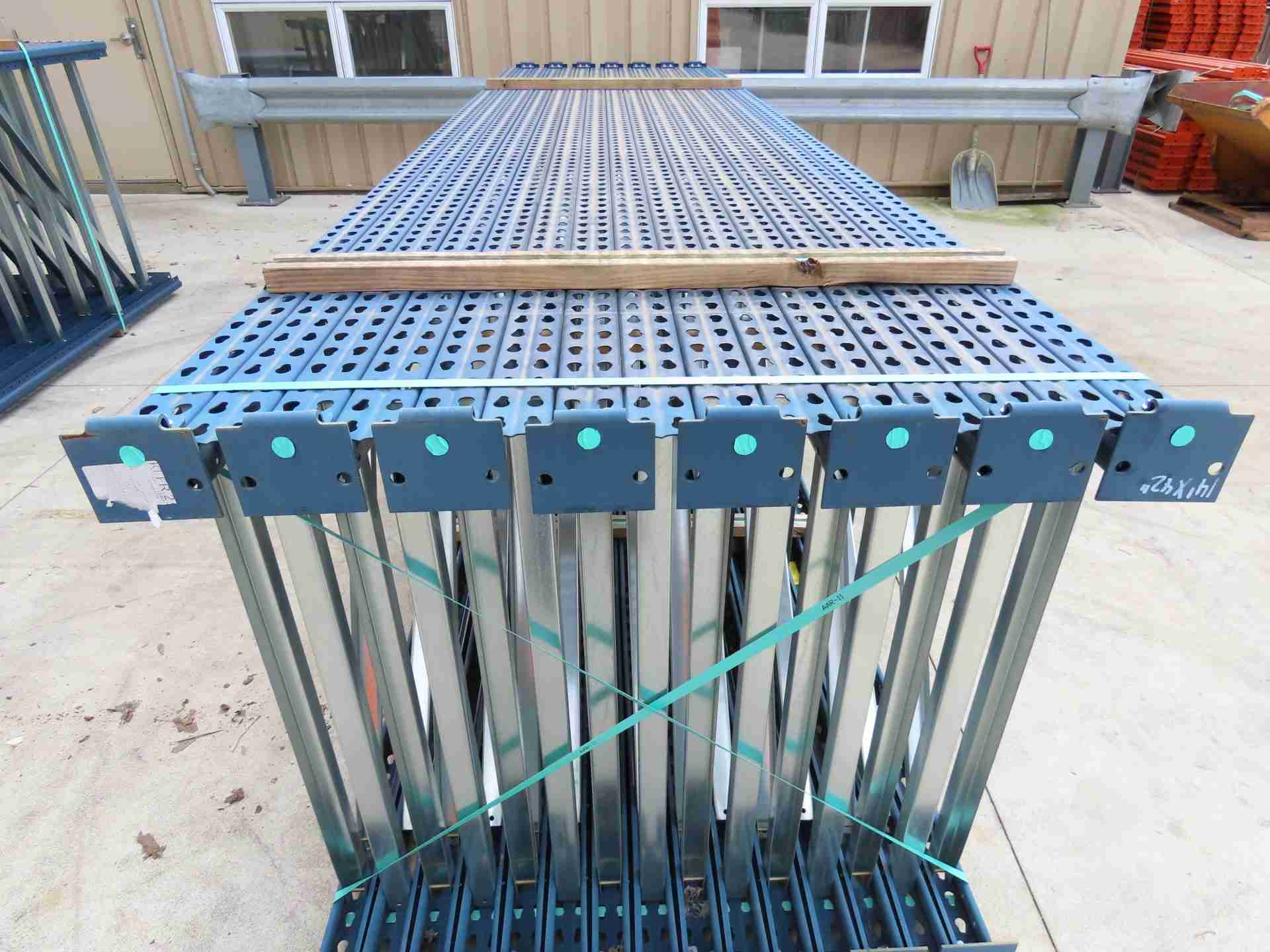
How Does Workspace Underutilization Affect Employee Morale?
What Strategies Can Optimize Space Utilization Effectively?
When it comes to making the most out of every square foot in a workspace, it’s all about smart strategies that don’t just throw around jargon, but speak to real-world needs. Racking systems are a game changer; they’re like the backbone of any well-organized warehouse or workshop. Picture those towering racks, neatly arranged, packed high with valuable inventory or tools. They create vertical space that would otherwise go to waste, turning chaotic clutter into streamlined efficiency.
First off, understanding your flow of work is key. This means knowing what you need to access regularly and what you can tuck away. Just like a well-tended garage, the right racking systems create zones that are intuitive and functional. You’ll help your crew find what they need in a flash and keep things running smoothly. The less time they waste searching for gear, the more they can focus on what really matters, driving productivity and morale up.
It’s also worth bringing in technology. Inventory management systems that track your stock levels in real-time can complement those racks. They not only help you know when to order more but can help prevent overstuffing, which leads to wasted space. When space is optimized, it feels like a breath of fresh air—in a practical sense, but also in boosting the spirit of those who work there. A clean, organized environment fosters pride in the work done, creating not just efficiency but a sense of ownership.
Then there’s the ethical side of space utilization—being mindful of how we use the resources at hand. A warehouse that’s packed to the brim isn’t just a physical concern; it’s a barrier to productivity and safety. Ensuring that safety standards are met and that people can move about without risking injury should weigh heavily in decision-making. It’s about looking out for your team and creating a space that empowers them.
Lastly, think about the stories your space can tell. Every warehouse has its own history, and optimizing it honors that story while propelling it forward. Show your team that you care—invest in their workspace, and they’ll invest in their work. It’s not just about squeezing every drop out of the space; it’s about cultivating an environment that tells everyone that every inch matters and that their contributions do as well. From racking systems to smart inventory management, every choice shapes the experience and drives success.

What Strategies Can Optimize Space Utilization Effectively?
What Strategies Can Optimize Space Utilization Effectively?
- Effective workspace management requires smart strategies that meet real-world needs.
- Racking systems maximize vertical space, improving organization and efficiency in warehouses and workshops.
- Understanding workflow is essential for creating functional zones that enhance productivity and morale.
- Technology, like real-time inventory management systems, helps prevent overstuffing and optimizes space use.
- A clean and organized environment fosters pride and ownership among workers, enhancing overall productivity.
- Ethical resource utilization is crucial; overcrowded spaces can hinder productivity and safety.
- Investing in workspaces shows care for employees, encouraging their investment in work and enhancing the workplace narrative.
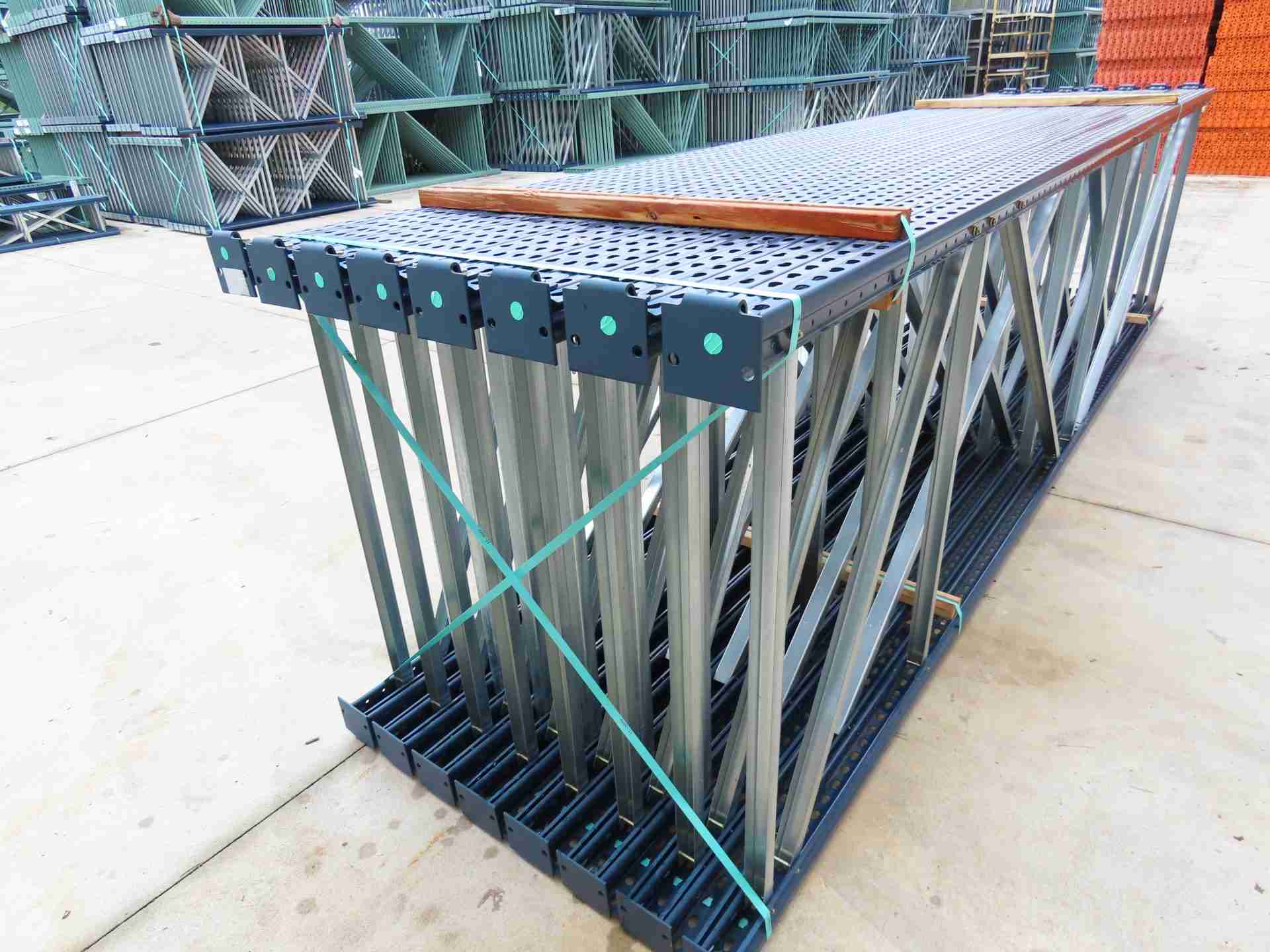
What Strategies Can Optimize Space Utilization Effectively?
How Can Technology Enhance Workspace Efficiency?
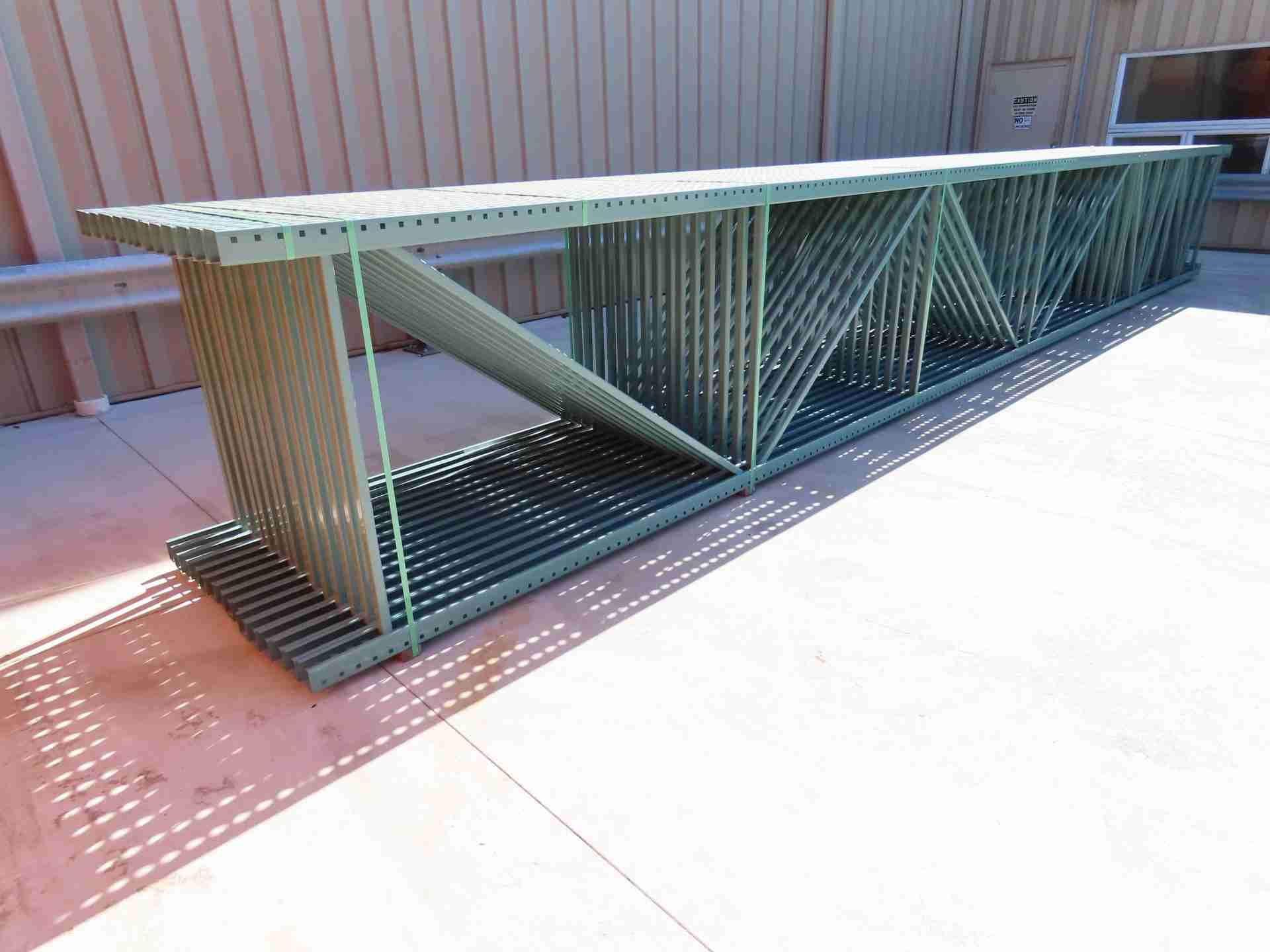
In the ever-evolving landscape of work, technology is like a trusty toolbox that can help us build a more efficient and harmonious workspace. Imagine walking into a warehouse equipped with advanced racking systems. These aren’t just metal shelves; they represent a system designed to maximize every inch of space, reducing clutter and making it easier to find what you need. This kind of organization doesn’t just clear the floor; it clears the mind, allowing workers to focus on getting the job done right.
When we utilize technology, we tap into data-driven insights that reveal patterns we might miss otherwise. This isn’t just about numbers—it’s about better decision-making. Think of it this way: having a well-implemented storage solution means less time searching for tools and materials, which translates to more time for actual work. The result? Increased productivity and less frustration. This rational approach ensures that every worker feels empowered to contribute their best.
On an ethical level, using technology that enhances workspace efficiency shows a commitment to your workforce. It considers their time and well-being by reducing stress. When workers feel valued—when they know their employers are investing in tools that make their lives easier and enhance their output—trust builds. This isn’t a one-way street; it fosters a culture where everyone pulls together, knowing they’re equipped to tackle the challenges ahead.
We all have our stories. Picture an old-timer in the shop, reminiscing about the days when finding a tool meant rummaging through stacks of unused equipment. Fast forward to today, with digital inventory systems where every tool is just a scan away. This isn’t just progress; it’s a lifeline for new employees, easing their transition and making them feel part of a team right from the start.
As communities start to embrace these advancements, a ripple effect forms. Small businesses see their productivity soar, which in turn strengthens local economies. There’s a certain pride that comes when a neighborhood grows stronger because its businesses are thriving, all thanks to smart, efficient choices.
So, let’s think about where we’re headed. By integrating technology into our workspaces, we’re not just enhancing efficiency—we’re creating environments where people feel connected, capable, and ready to tackle the hard work ahead. It’s about making choices that benefit everyone in the long run, from the floor to the top office.
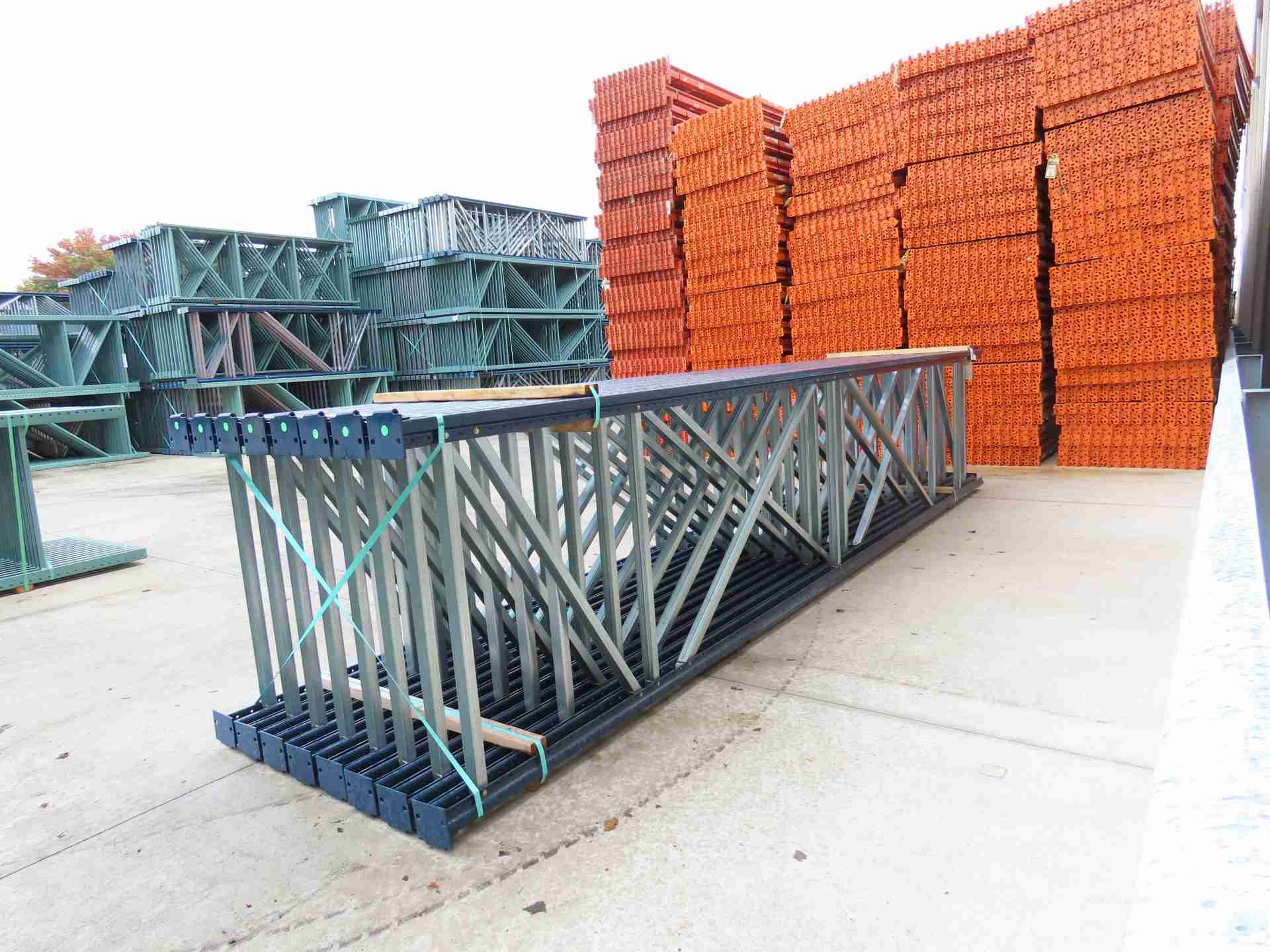
How Can Technology Enhance Workspace Efficiency?
How Can Technology Enhance Workspace Efficiency?
- Technology acts as a toolbox for creating efficient and harmonious workspaces.
- Advanced racking systems optimize space and reduce clutter, improving focus.
- Data-driven insights from technology enhance decision-making and boost productivity.
- Utilizing efficient storage solutions saves time, allowing more focus on actual work.
- Emphasizing worker well-being through technology fosters trust and teamwork.
- Digital inventory systems simplify transitions for new employees and promote inclusion.
- Enhanced productivity in small businesses strengthens local economies and community pride.
How Can Technology Enhance Workspace Efficiency?
What Are the Long-Term Financial Impacts Of Unused Office Space?
Unused office space is like a dilapidated ship slowly sinking at the dock—taking on water while tied down, and it does more than just cost money. Every square foot left empty represents lost productivity and opportunity. Think about it: businesses invested time, effort, and hard-earned cash to establish these spaces. Yet, now they stand dormant. That’s money down the drain, day after day, like a leaky faucet that never gets fixed.
Consider the emotional weight of this situation. The empty desks and silent conference rooms aren’t only about dollars and cents; they symbolize dreams unfulfilled and potential unrealized. Team members might feel displaced or disheartened, lacking the camaraderie and collaboration that come from working side by side. The heart of a business beats in its people, and when those spaces go unused, that heartbeat slows.
From a rational perspective, the financial implications are profound. Renting or owning a property incurs maintenance costs, utilities, and taxes—expenses that don’t disappear just because no one is using the place. In fact, as unused office space sits further neglected, it degrades. Repairs and renovations down the line can skyrocket, turning a simple maintenance issue into a hefty invoice marked “regret.” And let’s not overlook the lost revenue. Every day a square foot remains empty is a day that could have been filled with productivity, and productivity is the lifeblood of any successful venture.
Ethically, the responsibility lies on the decision-makers to make the most of available resources. Keeping office space unoccupied when it could be utilized for teamwork or innovation feels like holding back the potential of a community. Society thrives on collaboration, and unused spaces represent missed opportunities not just for businesses but for the local economy.
We can weave a narrative of adaptability here. Businesses are developing imaginative solutions—turning those once-stagnant areas into engaging workspaces, or even flexible spaces that can adapt to changing needs. This approach can empower teams and invigorate morale.
On a social level, embracing change inspires a culture of resilience and ingenuity. By recognizing the significance of each square foot in our office, we engage with our surroundings, fostering a sense of ownership and belonging. Making the right moves means not just saving money but also nurturing a spirit of community and strength that can ripen into something greater, an ethos enriched by connection and collaboration, just like a well-stocked racking system in a bustling warehouse—efficient, organized, and ready to fulfill its purpose.

What Are the Long-Term Financial Impacts Of Unused Office Space?
What Are the Long-Term Financial Impacts Of Unused Office Space?
- Unused office space incurs financial losses due to wasted investment and increased maintenance costs.
- Empty spaces represent lost productivity, potential, and dreams unfulfilled for businesses and employees.
- Neglected office environments can degrade over time, leading to costly repairs and renovations.
- Decision-makers have an ethical responsibility to utilize available resources effectively.
- Unused spaces hinder collaboration and innovation, impacting both businesses and local economies.
- Innovative solutions can transform stagnant areas into flexible, engaging workspaces that boost morale.
- Embracing change fosters resilience and a sense of community, enhancing overall organizational effectiveness.

What Are the Long-Term Financial Impacts Of Unused Office Space?
How Does Underutilized Space Affect Company Culture?
When you step into a workplace filled with unused corners and empty meeting rooms, it’s hard not to feel that something’s off. Underutilized space isn’t just a waste of money; it’s a missed opportunity to create a thriving culture. These neglected areas can sap the energy out of a team and impact morale in ways that might not be immediately obvious. Employees want to feel that their work environment is vibrant and alive—spaces in disarray suggest a company that’s lost its way.
Consider racking systems in a warehouse setting. If those systems are filled to the brim with products yet the office area remains sparsely furnished, there’s a sense of imbalance. The clutter from racking systems can overshadow the potential for collaboration in those empty spaces. Employees need areas that invite them to gather, brainstorm, and connect. When they work in isolation among unused resources, creativity takes a hit. A workspace that’s thoughtfully utilized fosters camaraderie and can even spark innovative ideas.
Then there’s the ethical dimension. Companies often preach about teamwork and transparency, but when they allow spaces to sit empty, it contradicts those values. Employees notice when a company invest in their environment. By transforming underutilized spaces into lively hubs of activity, a company shows it prioritizes worker engagement and well-being. It’s a visible commitment to cultivating a culture that values every team member’s contribution.
From a narrative standpoint, think of the stories that could emerge from a well-designed office layout. Picture teams gathering around a table in a vibrant break room, sharing not just lunches but ideas and insights. Contrast that with the silence of a neglected conference room—an uninspiring reminder of missed connections. The way space is utilized can become part of the company’s story, weaving together the trials and successes of collective effort.
Finally, in a social sense, well-utilized space brings people together. It fosters an environment of trust and collaboration. When teams feel comfortable in their surroundings, they’re more likely to reach out to one another, sharing insights and support. This unity reinforces a culture where employees feel valued, connected, and motivated.
Addressing underutilized space isn’t a matter of aesthetics; it’s about breathing life into company culture, encouraging teamwork, and supporting innovation. A four-walled structure can become a powerhouse of engagement with the right vision and effort.

How Does Underutilized Space Affect Company Culture?
How Does Underutilized Space Affect Company Culture?
- Unused corners and empty meeting rooms can diminish workplace morale and energy.
- Underutilized spaces are missed opportunities for fostering a vibrant company culture.
- Employees need collaborative areas to stimulate creativity and connection.
- Transforming neglected spaces shows a company’s commitment to worker engagement and well-being.
- A well-designed office layout can generate compelling narratives of teamwork and shared experiences.
- Well-utilized spaces encourage trust, collaboration, and support among teams.
- Improving workspace usage enhances company culture and drives innovation.

How Does Underutilized Space Affect Company Culture?
Conclusion
The financial impact of underutilized workspace resonates deeply across businesses, as stagnant space translates to drained resources and lowered morale. Consider a workshop filled with empty racking systems; every inch not utilized is money wasted—rent, utilities, and potential productivity sit idle like forgotten tools. This inefficiency frustrates employees who thrive on clear paths to collaboration, leading to a growing disconnect between workforce potential and actual output.
Rationally, each unutilized square foot represents lost investment. Funds could bolster hiring, new equipment, or even enhance employee benefits—the lifeblood of a thriving workplace where morale lifts, and loyalty grows. The waste isn’t merely financial; it casts a shadow on the spirit of teamwork, where employees feel valued by their environment. A well-organized workspace not only showcases a commitment to efficiency but also inspires a collective pride among workers eager to make their contributions matter.
Ethically, managing space wisely aligns with a broader responsibility towards sustainability and community. Lowering overhead costs opens the door for competitive pricing, strikes a chord with environmental consciousness, and nurtures local economies. Spaces that hum with energy invite creativity and innovation, fostering an atmosphere where employees realize their work has purpose.
Implementing smart strategies for space optimization is critical. Racking systems serve as the backbone of organization, offering intuitive zones to streamline workflows. This doesn’t just enhance productivity; it cultivates a culture where minds are clear, and spirits are lifted. Technology integration, like inventory management systems, further amplifies efficiency, making tools accessible and indirectly bolstering morale. Workers equipped with the right resources feel respected and capable, energizing the entire operation.
The long-term ramifications of unused office space stretch far beyond immediate financial losses. Vacant areas symbolize unrealized potential, disheartening teams who thrive on collaboration. Each empty desk signifies an opportunity missed—underutilized space can weaken community bonds and slow progress.
Conversely, transforming outmoded layouts into vibrant hubs invigorates teamwork and fosters trust. The care invested into optimizing the work environment is reflected in increased employee engagement and organizational culture—a testament to shared values.
Ultimately, addressing underutilized spaces amplifies every inch’s value, encouraging lively interaction and enhancing productivity. By reimagining these areas, companies can cultivate a thriving culture committed to every individual’s growth and well-being. Harnessing the entirety of a workspace isn’t just about efficiency; it’s about crafting a purpose-driven environment where everyone feels they play a role in the unfolding narrative of success.

Conclusion
Conclusion:
- Underutilized workspace drains resources and lowers employee morale.
- Every unutilized square foot translates to lost investment in potential productivity.
- Waste of space impacts teamwork and employee satisfaction negatively.
- Effective space management aligns with sustainability and community responsibilities.
- Optimizing workspace cultivates a clear and productive environment, boosting engagement.
- Unused office space represents unrealized potential and missed opportunities for collaboration.
- Transforming spaces enhances interaction, productivity, and cultivates a positive organizational culture.

Conclusion
Other Resources
Other Resources
Here is a list of other resources you can review online to learn more:
- Racking World
- Rack Manufacturers Institute
- Rack Manufacturers Institute
- CMMA
- American Society of Safety Professionals
- Intro to Warehouse Racks & Warehouse Racking Systems – ShipBob
- Material Handling Safety
- Illinois Pallet Racking – WPRP
- Iowa Illinois Warehouse Racking
- Illinois
- Pallet Racking systems in Illinois and Great Lakes
- Material Handling Industry
- Warehouse Racking System: Powerful Guide to Optimise, 2024
- What is Cantilever Racking? – AK Material Handling Systems
- WERC
- Arrow Industrial Sales
- What is Selective Pallet Racking
- IWLA
- Teardrop Pallet Rack – Ridg-U-Rak
- Warehouse Storage Racks
Use This Prompt To Get More Resources With Your Favorite Online AI Tool: Please provide me with a list of online articles with their URLs in a bulleted list that I can read regarding The Financial Impact Of Underutilized Cube

Other Resources
Glossary Terms
The Financial Impact Of Underutilized Cube – Glossary Of Terms
1. Underutilization: The state of not using a resource to its full potential, leading to inefficiency.
2. Cube: A small, enclosed workspace typically used in office environments for individual employees.
3. Cost analysis: The process of evaluating the costs associated with an asset or resource to determine its financial impact.
4. Workspace efficiency: A measure of how effectively office space is used to optimize productivity and minimize waste.
5. Occupancy rate: The proportion of workspace that is actively used compared to the total available space.
6. Return on investment (ROI): A financial metric used to evaluate the profitability of an investment compared to its cost.
7. Space allocation: The process of distributing office space among various functions, teams, or departments.
8. Productivity: The effectiveness of effort measured in terms of output per unit of input.
9. Real estate footprint: The total area occupied by a company’s facilities, including office spaces and other properties.
10. Cost per employee: A metric that calculates the average cost of providing workspace for each employee in the organization.
11. Resource optimization: The practice of using resources more effectively and efficiently to enhance performance.
12. Space utilization rate: A metric that indicates the percentage of available workspace being actively used.
13. Lease agreements: Contracts that govern the rental of office space and its associated terms and conditions.
14. Functional design: The arrangement of workspace intended to enhance utility and support the tasks performed in that space.
15. Flexibility: The ability to adapt workspace arrangements to meet changing organizational needs.
16. Employee satisfaction: The degree of contentment employees feel regarding their work environment and conditions.
17. Operational costs: Ongoing expenses required to run an organization, including rent, utilities, and maintenance.
18. Downsizing: The process of reducing the number of employees or office space to cut costs and increase efficiency.
19. Collaborative space: Areas designed for teamwork and group activities to enhance interaction among employees.
20. Virtual workspace: A digital environment where employees can work remotely, often reducing the need for physical office space.
21. Space planning: The strategic design and arrangement of office space to maximize functionality and comfort.
22. Facilities management: The maintenance and oversight of physical office spaces to ensure they meet organizational needs.
23. Asset management: The systematic approach to managing and maximizing the value of an organization’s assets.
24. Employee retention: The ability of an organization to keep its employees and reduce turnover rates.
25. Cost-saving measures: Actions taken to reduce expenses and improve financial efficiency within an organization.
26. Space redesign: The process of reconfiguring existing office space to better meet the needs of the business or its employees.
27. Benchmarking: The practice of comparing business processes and performance metrics to industry bests to identify improvement areas.
28. Demand forecasting: The process of estimating future workplace requirements based on current trends and historical data.
29. Utilization metrics: Quantitative measures used to assess the efficiency and effectiveness of space usage.
30. Workplace culture: The environment created by an organization that influences employee behavior, satisfaction, and productivity.
Glossary Of Terms
Other Questions
The Financial Impact Of Underutilized Cube – Other Questions
If you wish to explore and discover more, consider looking for answers to these questions:
- How do you quantify underutilized cube or square footage in my facility?
- What metrics and KPIs should I track to measure space utilization?
- How much does underutilized space typically cost a business per month or year?
- What is the ROI timeframe for investments in racking systems or storage optimization?
- Which types of businesses and industries are most affected by underutilized space?
- What are the most cost-effective strategies to repurpose unused office or warehouse space?
- How do I conduct a space audit and what tools are required?
- What software or technology solutions best support real-time space and inventory tracking?
- How can I use data to prioritize which areas to optimize first?
- What are common hidden costs associated with unused space (maintenance, taxes, insurance, depreciation)?
- Can unused space be monetized through subleasing, co-working, or short-term rentals, and what are the legal considerations?
- How does underutilized space impact employee productivity and morale in measurable terms?
- What change management steps help ensure employee buy-in for space reconfiguration?
- How do safety and regulatory requirements affect decisions to increase vertical or denser storage?
- What are the risks and pitfalls when implementing aggressive space-utilization changes?
- How do flexible work models (remote, hybrid, hot-desking) influence office space strategies?
- What training or staffing changes are needed to maintain a more efficiently utilized space?
- How do space-optimization initiatives affect operational workflows and lead times?
- What sustainability benefits and measurable environmental impacts come from reducing unused space?
- How do I estimate potential cost savings and reallocate those savings (hiring, equipment, benefits)?
- What case studies or real-world examples illustrate successful space optimization and financial outcomes?
- Which vendors and racking/storage systems are best suited for different facility types?
- How do inventory management systems integrate with physical space planning?
- What is the typical implementation timeline and budget for a mid-sized warehouse reconfiguration?
- How should companies prioritize safety, ergonomics, and accessibility while maximizing space?
- What tax or accounting implications arise from changing how space is used or from subleasing?
- How can small businesses with limited capital begin to address underutilized space?
- How do you benchmark your utilization against industry standards or competitors?
- What governance or decision-making structures help sustain long-term space efficiency?
- How do you measure the cultural impact of repurposing space on collaboration and innovation?
- What pilot approaches can validate space changes before full-scale roll-out?
- How do seasonal demand and inventory fluctuations affect space-utilization strategies?
- When does it make sense to renovate or relocate versus optimize existing space?
- How do you balance maximizing space density with maintaining employee comfort and productivity?
Other Questions
Checklist
The Financial Impact Of Underutilized Cube – A Checklist
Assessment and Goals
✅______ Define target utilization by area (warehouse, office, meeting rooms).
✅______ Baseline current metrics: cube utilization (% of vertical height used), storage occupancy (% of locations filled), seat occupancy (% peak and average), meeting room utilization (% booked vs. attended).
✅______ Identify idle zones: empty bays, wide aisles, vacant rooms, low-velocity areas.
✅______ Document constraints: codes, clear heights, mezzanines, docks, power, IT, HVAC.
Cost and Financial Impact
✅______ Calculate fully loaded cost per square foot (rent/mortgage, taxes, insurance, utilities, maintenance).
✅______ Quantify cost of underutilized space (cost/sq ft x unused sq ft).
✅______ Estimate opportunity costs (lost throughput, overtime, delays, stockouts, travel time).
✅______ Model scenarios: optimize in place, consolidate, sublease or monetize.
✅______ Build ROI and payback for improvements (racking, technology, layout, changeover).
Inventory, Storage, and Racking
✅______ Verify rack capacity, condition, and safety clearances.
✅______ Right-size beam spacing to product height; eliminate “dead air.”
✅______ Add levels or a mezzanine where justified; use vertical cube.
✅______ Standardize bins and totes; fit to product to reduce void.
✅______ Slot by velocity (ABC), ergonomics, and pick frequency; protect the “golden zone.”
✅______ Ensure labeling and location accuracy at 100%; cycle counting in place.
✅______ Apply 5S to all zones (Sort, Set in order, Shine, Standardize, Sustain).
Workflow and Layout
✅______ Map material and people flow; remove cross-traffic and bottlenecks.
✅______ Minimize travel (point-of-use storage, zone picking, cross-docking).
✅______ Right-size aisles and workcells; maintain code-compliant egress.
✅______ Convert underused areas into high-value zones (staging, kitting, collaboration, focus).
✅______ Implement flexible seating and rooms (hoteling, modular furniture).
Technology Enablement
✅______ Deploy WMS/IMS with real-time locations and replenishment rules.
✅______ Use barcodes/RFID for item and location tracking.
✅______ Install occupancy/IoT sensors for space heatmaps and utilization.
✅______ Apply slotting and space analytics; set automated reorder points and min/max.
✅______ Surface dashboards for KPIs; alert on exceptions (overfill, empties, no-shows).
People, Morale, and Culture
✅______ Involve employees in redesign (gemba walks, workshops, pilots).
✅______ Assign area ownership; run regular 5S and utilization audits.
✅______ Provide training on new layouts, tools, and standards; cross-train roles.
✅______ Track engagement (pulse surveys, eNPS) and act on feedback.
✅______ Recognize and reward space-saving and productivity wins.
Safety and Sustainability
✅______ Confirm fire protection, sprinkler clearances, and load ratings.
✅______ Validate ergonomics (lift assists, reach limits, safe heights).
✅______ Optimize lighting/HVAC by zone; measure energy per sq ft.
✅______ Reduce waste (right-sizing packaging, reuse racks/furniture, recycling).
✅______ Maintain clean, obstruction-free aisles and exits.
Governance and KPIs
✅______ Set targets and report weekly and monthly: cube utilization (%), storage density (positions/sq ft), pick lines/hour, travel feet/order, dock-to-stock time, seat occupancy (%), meeting room no-show rate, cost/sq ft, energy/sq ft.
✅______ Establish change control for layout and racking moves.
✅______ Schedule audits (weekly 5S, monthly utilization, quarterly layout review).
Monetization and Consolidation Options
✅______ Sublease or share excess office and warehouse space where permitted.
✅______ Consolidate sites and shifts; rebalance to raise utilization.
✅______ Liquidate idle assets; remove obsolete inventory (with governance).
✅______ Repurpose space for training, showroom, light assembly, or revenue programs.
90-Day Action Plan
✅______ Identify top three quick wins (owner, budget, due date).
✅______ Launch a pilot zone with baseline and target KPIs.
✅______ Approve CapEx/OpEx and vendor selections.
✅______ Communicate changes and success metrics to all teams.
✅______ Review results; scale successful practices across the facility.

Checklist
At RackingWorld, we help guide you through selecting warehouse storage systems and racking.
Be sure to read our other related stories at RackingWorld to learn more about warehouse storage systems.
0 Comments