
Transform Your Warehouse Efficiency: A Human-Centric Approach
By Tom Seest
At RackingWorld, we help guide you through selecting warehouse storage systems and racking.
Be sure to read our other related stories at RackingWorld to learn more about warehouse storage systems.
Warehouse Flow Simulation Basics
Warehouse flow simulation isn’t just a fancy term thrown around in boardrooms; it’s the heartbeat of efficient operations that can make or break your business. Imagine a bustling warehouse, where every racking system and aisle has a purpose, moving products seamlessly from point A to point B. When you dive into simulation, you’re not just running numbers; you’re crafting a story about how your warehouse comes to life.
At the core of this process is the understanding that every inch of space matters. A poorly designed layout could lead to chaos, lost time, and frustrated workers. Racking systems, for instance, are more than metal frames; they’re the backbone of storage solutions that dictate the flow of goods. By simulating various setups, you can visualize how to maximize space and minimize waste. It’s all about making better decisions based on solid data rather than gut feelings alone.
Picture a forklift operator maneuvering through meticulously planned aisles, each turn calculated to save precious seconds. This isn’t just about efficiency; it’s about creating an environment where employees feel empowered and valued. When workers know that their setup isn’t just a random arrangement but a carefully thought-out flow, they take ownership, pride, and ultimately work happier. That’s the real value of simulation—engaging the workforce and fostering a culture of improvement.
Moreover, there’s an ethical responsibility that comes with warehouse management. Ensuring safety and minimizing risk is paramount. Simulation allows you to identify potential hazards before they become an issue. By visualizing the flow, managers can adjust for not only efficiency but also employee welfare. It’s more than just the bottom line; it’s about creating a sustainable work environment that folks feel good about coming to.
Think back to those early days when you were diving into that first warehouse layout. The learning curves, the mistakes, and the small victories created a treasure trove of knowledge. That’s the narrative at play. Sharing these experiences—how a simple tweak in racking systems improved throughput by percentages you never dreamed of—builds connection among peers in the industry. It’s not just your win; it’s a shared victory that inspires others to innovate.
In essence, warehouse flow simulation is a roadmap to smarter, safer, and more humane operations. It’s about harnessing the knowledge of those who’ve rolled up their sleeves and learned through trial and error. So when you’re thinking about how to optimize your space, remember: this is about trust, confidence, and action. It’s time to take the reins and transform your warehouse into a well-oiled machine, where everything has its place and every worker feels part of the bigger picture.

Warehouse Flow Simulation Basics
Warehouse Flow Simulation Basics
- Warehouse flow simulation is essential for efficient operations and overall business success.
- Every aspect of warehouse design, including space and racking systems, significantly impacts workflow and employee productivity.
- Simulation helps visualize and maximize space, facilitating informed decision-making based on data.
- Well-planned layouts empower employees, fostering a culture of improvement and job satisfaction.
- Ethical warehouse management ensures safety and minimizes risk, contributing to a sustainable work environment.
- Sharing experiences and lessons learned enhances industry connections and inspires innovation.
- Overall, warehouse flow simulation leads to smarter, safer, and more humane operations.
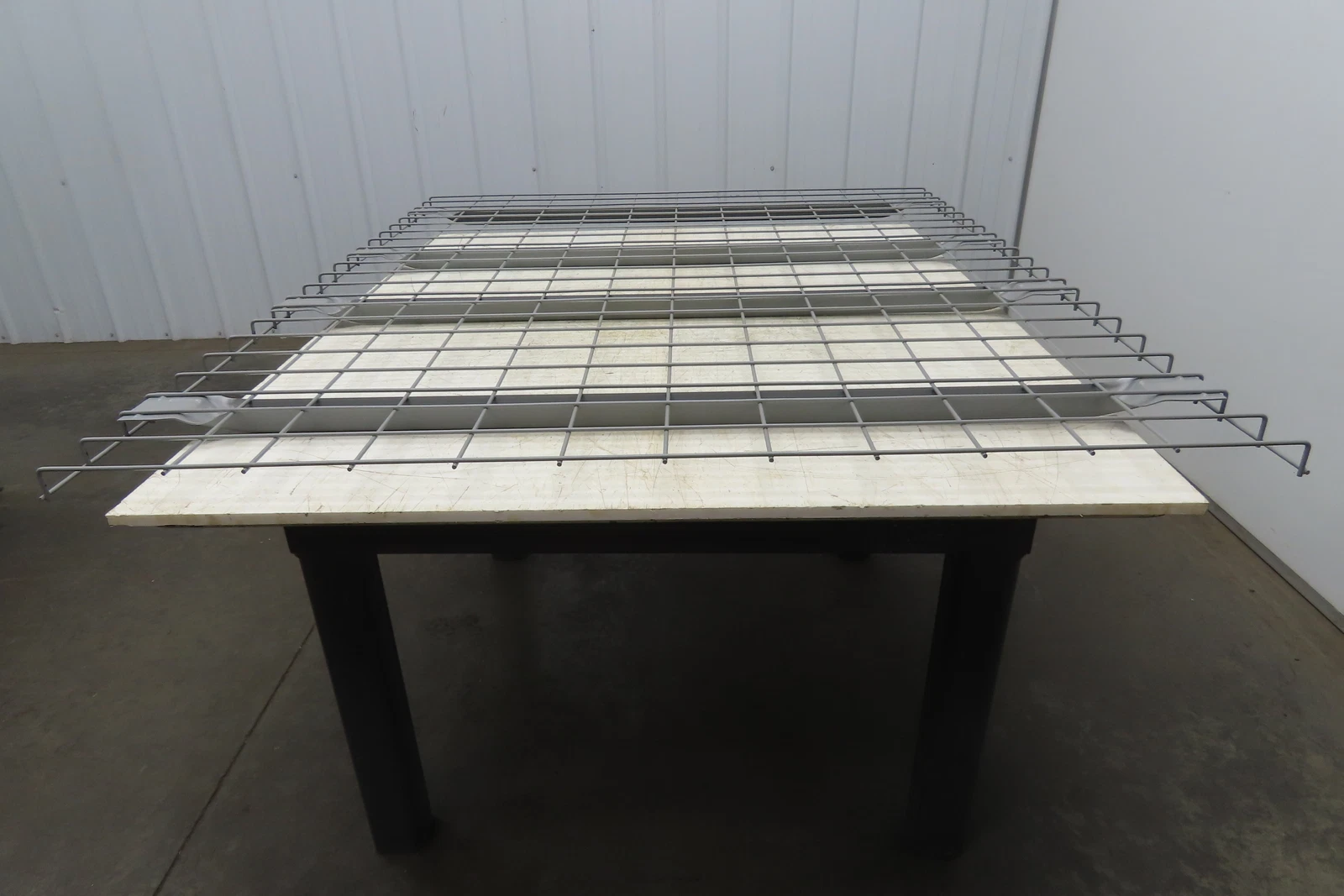
Warehouse Flow Simulation Basics
Table Of Contents
- Warehouse Flow Simulation Basics
- What Defines Efficient Warehouse Flow Management?
- How Can Simulation Reduce Costs?
- What Are the Benefits Of Optimizing Inventory Flow?
- How Does Rush Order Processing Impact Workflow?
- What Simulation Tools Can Enhance Decision-Making?
- Can Layout Changes Improve Warehouse Efficiency?
- Conclusion
- Other Resources
- Glossary Of Terms
- Other Questions
- Checklist
What Defines Efficient Warehouse Flow Management?
Efficient warehouse flow management isn’t just about keeping things moving; it’s about weaving together a system that channels the heartbeat of a warehouse. Imagine a bustling workshop where each piece of machinery, every worker’s effort, and every commodity on the shelf plays a vital role. It’s the synergy of these elements that defines effective management, creating an environment that not only meets demands but exceeds expectations.
At the core of this efficient flow lies strategic racking systems. These aren’t just shelves; they’re the backbone of the operation, a silent but sturdy framework that supports everything. Well-designed racking systems maximize space and accessibility, allowing workers to navigate swiftly to retrieve items. It’s like a well-rehearsed dance where each partner knows their role. When these systems are in place, inventory turns over faster, reducing dead weight and ensuring that every product has its time in the spotlight.
Yet, it’s about more than just physical layout. The emotional and social fabric of a warehouse team impacts flow management significantly. Empowering workers with autonomy fosters engagement and pride in their work, creating a culture of accountability. When team members feel trusted to make decisions and share insights, the operational flow becomes smoother, like a river finding its natural course. Each suggestion, each observation brings the team closer together, building a community that thrives on shared successes.
From a rational perspective, efficient warehouse flow management boosts productivity and profit margins. An optimized warehouse is a competitive advantage, helping businesses meet customer demands promptly. The numbers speak for themselves; reduced operational costs lead to healthier bottom lines.
Ethically, maintaining a well-organized warehouse addresses safety and well-being. A chaotic environment can lead to accidents and injuries, affecting not just the company but the lives of those who keep it running. Prioritizing safety and efficiency is a moral choice that enhances trust and loyalty among workers, fostering a sense of belonging.
In the grand narrative of any successful warehouse, efficient flow management is a critical chapter. It’s about dedication to the craft, an unwavering belief in teamwork, and the understanding that every detail matters. When the pieces fit together—racking systems optimized, workers engaged, and operational goals met—the warehouse doesn’t just function; it flourishes. This isn’t just work; it’s a commitment to excellence, a pledge to create a space where everyone thrives.

What Defines Efficient Warehouse Flow Management?
What Defines Efficient Warehouse Flow Management?
- Efficient warehouse flow management integrates machinery, worker efforts, and inventory for optimal performance.
- Strategic racking systems serve as a backbone, maximizing space and facilitating swift item retrieval.
- Engaged workers empowered with autonomy contribute to a culture of accountability and operational smoothness.
- Productivity and profit margins are significantly boosted through optimized warehouse management.
- A well-organized warehouse prioritizes safety, reducing accidents and enhancing worker well-being.
- Effective flow management fosters trust and loyalty among team members, creating a thriving community.
- Commitment to excellence in flow management leads to an environment where every detail matters and everyone thrives.

What Defines Efficient Warehouse Flow Management?
How Can Simulation Reduce Costs?
In the high-stakes world of manufacturing and logistics, every penny counts. We’ve all seen it: the day-to-day grind where inefficiencies creep in and balloon costs. Picture a warehouse where every product is stored in Racking Systems. Now, imagine a simulation that allows you to visualize how those systems can be optimized, reducing wasted space and enhancing workflow. It’s not just about cutting corners; it’s about smart, informed decisions that save money and time.
Consider the story of a small manufacturing plant. For years, they struggled with overstock complaints and missed deadlines. They decided to take a gamble on simulation technology, a tool they hadn’t explored before. With their new virtual layout, they simulated various scenarios—from changing the arrangement of their Racking Systems to tweaking delivery schedules. What they found was eye-opening: a simple adjustment in racking height allowed them to fit more products while maintaining easy access. Suddenly, the floor space that once felt cramped was transformed. Costs associated with storage and handling dwindled, and productivity soared. This wasn’t just a win on the balance sheet; it restored faith in the entire operation, proving that even established practices could be turned on their heads with a fresh perspective.
On a broader scale, simulation helps businesses make ethical choices. By optimizing resources and reducing waste, companies take an environmentally responsible stand while keeping their budgets in check. People want to support organizations that position themselves as good stewards of their communities, and simulation plays a critical role in that narrative. It’s not just about data; it’s about trust—a bond forged with employees, customers, and stakeholders who see that their values are embraced in every decision.
Let’s not forget the empowering notion of control. When decision-makers can simulate outcomes, they gain confidence. They’re no longer firing shots in the dark; they’re strategists equipped with knowledge that influences every dollar spent. This authority fosters a culture where employees feel valued, knowing their input shapes significant outcomes.
Cost reduction through simulation isn’t just about saving money—it’s about creating a legacy of efficiency, ethics, and empowerment that stands the test of time. When teams come together, armed with data and driven by a shared vision, they build a future that benefits everyone involved. It’s a simple premise: smarter choices lead to better outcomes, proving that when we embrace new tools, the sky’s the limit.
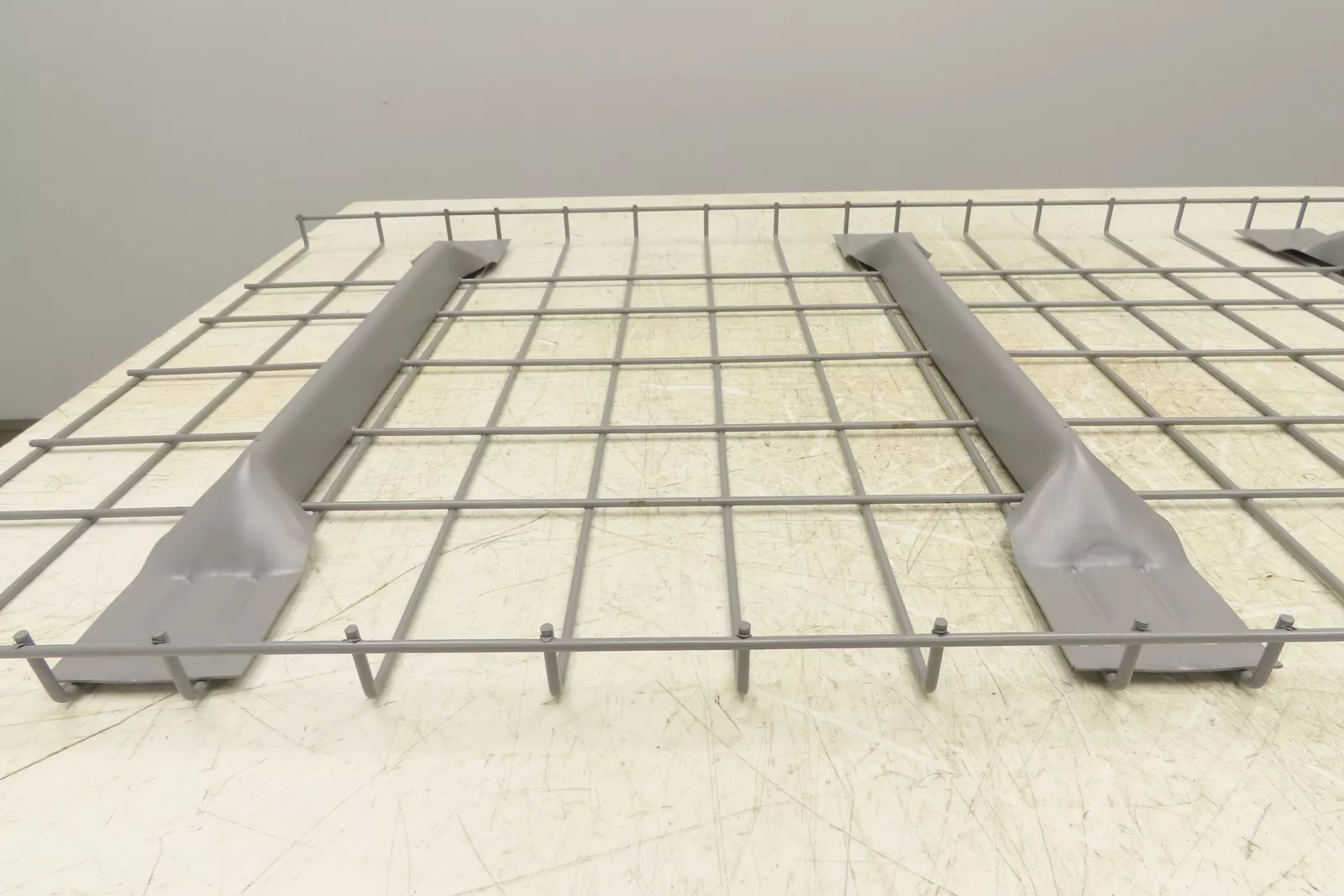
How Can Simulation Reduce Costs?
How Can Simulation Reduce Costs?
- In manufacturing and logistics, reducing costs is crucial due to inherent inefficiencies.
- Simulation technology enables visualization and optimization of warehouse racking systems, enhancing workflow and saving space.
- A manufacturing plant improved its operations by using simulation to adjust racking height and delivery schedules, increasing productivity.
- Simulation contributes to ethical decision-making by optimizing resources and reducing waste, aligning with community values.
- The use of simulation fosters trust among employees, customers, and stakeholders by demonstrating accountability.
- Decision-makers gain confidence through simulation, leading to informed strategic choices that enhance employee value and outcomes.
- Cost reduction through simulation promotes a legacy of efficiency, ethics, and empowerment, demonstrating that smarter choices yield better results.

How Can Simulation Reduce Costs?
What Are the Benefits Of Optimizing Inventory Flow?
Optimizing inventory flow isn’t just a buzzword for warehouses and distribution centers; it’s a lifeline for effective operations. Picture a bustling workshop filled with hard-working folks. When the inventory flows smoothly, life gets a whole lot easier. No more searching high and low for that one part you need, no more wasting time and energy. Racking systems play a crucial role here. Well-organized racking maximizes space and makes picking items a breeze, allowing workers to stay focused on their tasks rather than hunting down misplaced supplies.
At its core, optimizing inventory flow saves money. Think about it: when stock sits idle on the shelves, it doesn’t just gather dust; it ties up cash that could be put to use elsewhere. By streamlining processes and ensuring that product turnover is efficient, businesses can free up resources to invest in growth, equipment, or even their team. This isn’t merely a financial benefit; it invigorates the whole operation, boosting morale as workers see their organization becoming more fluid and responsive.
Now let’s talk about trust and reliability. When inventory is well-managed, customers notice. They feel it every time their orders arrive on time, complete, and in good shape. This builds a business’s reputation, turning one-time buyers into loyal patrons. There’s a certain satisfaction that comes from placing an order and knowing it’ll arrive without a hitch, and that’s how communities thrive—through trust.
There’s an ethical dimension too. In the world of business, every piece of inventory represents not only a transaction but also the livelihood of people involved, from the factory floor to deliveries. Keeping that inventory flowing efficiently means less waste, reducing the environmental footprint and supporting responsible practices. It’s about more than just profit; it’s about doing right by the people and the planet.
When inventory flow is optimized, it creates a ripple effect. Workers feel the impact directly—less frustration means higher job satisfaction. Teams act cohesively, fostering a culture that values productivity and camaraderie. Sharing success stories across a workplace can inspire a sense of pride and ownership in the work, engaging everyone in the collective mission.
Optimizing inventory flow is about real people doing real work. It’s not just a strategy; it’s about enhancing lives—both for those who work with it and those who depend on the products that flow through the system. When inventory moves smoothly, everyone wins.

What Are the Benefits Of Optimizing Inventory Flow?
What Are the Benefits Of Optimizing Inventory Flow?
- Optimizing inventory flow is essential for effective operations in warehouses and distribution centers.
- Well-organized racking systems maximize space and enhance efficiency in picking items.
- Streamlining inventory processes saves money by reducing idle stock and freeing up resources for growth.
- Reliable inventory management builds customer trust by ensuring timely and complete orders.
- Efficient inventory flow reduces waste and supports ethical business practices, benefiting the environment.
- Improved inventory management leads to higher job satisfaction and fosters teamwork among employees.
- Optimizing inventory flow enhances lives for workers and customers, creating a win-win situation for all.

What Are the Benefits Of Optimizing Inventory Flow?
How Does Rush Order Processing Impact Workflow?
Rush order processing can feel like a double-edged sword, especially in industries that thrive on timely deliveries. It’s the kind of pressure that can make or break a business. When you’re dealing with last-minute demands, the stakes are high. Customers expect their orders delivered at lightning speed, and anything short of that can lead to disappointment and lost trust. Remember those days at the shop when a last-minute request came in? Heart racing, you gather your crew and gear up, knowing that every second counts.
From a practical standpoint, rush orders force us to streamline processes. Racking systems become vital here; they must be optimized and accessible, allowing for quick retrieval of products. Efficient systems translate chaotic order fulfillment into a well-oiled machine, reducing the time spent hunting for items. This efficiency ultimately lowers stress levels, fostering a smoother workflow. Employees, feeling the pressure, come together to tackle the challenge head-on, reinforcing a sense of teamwork and purpose.
Consider the emotional aspect. When satisfied customers return, they’re not just happy—they’re advocates. They share their experiences, turning a win into a community of trust and reliance. They know they can count on you, which translates to repeat business and solid referrals. There’s a certain pride in knowing you’ve delivered under pressure, that your hands-on approach made a difference in someone’s day. This sense of accomplishment strengthens the bond between the workforce and the customers.
Yet, there’s an ethical line to walk. While meeting rush demands, it’s crucial that quality doesn’t slip. Shortcuts can lead to shoddy work, and that’s a recipe for disaster. Building a reputation for delivering quality, even on a tight schedule, reinforces a brand’s integrity. It’s about doing what’s right, not just what’s easy.
Then there’s the narrative of your business—the stories shared during breaks or after hours. These moments of camaraderie unite your team, creating a culture that thrives on overcoming challenges together. The face of rush orders isn’t just a grind; it’s a story of resilience, teamwork, and craftsmanship in action.
Rush order processing is more than a task; it’s a catalyst for building confidence in your business and connections with your customers. It’s about knowing that, when the pressure’s on, you and your team can rise to the occasion, ensuring every order, no matter how rushed, is handled with care and precision.

How Does Rush Order Processing Impact Workflow?
How Does Rush Order Processing Impact Workflow?
- Rush orders create high-pressure situations that can significantly impact a business.
- Efficient racking systems and optimized processes are essential for quick order fulfillment.
- Effective management of rush orders fosters teamwork and reduces employee stress.
- Satisfied customers become advocates, promoting trust and repeat business.
- Maintaining quality is crucial; shortcuts can tarnish a brand’s reputation.
- The experience of handling rush orders strengthens team camaraderie and culture.
- Rush order processing builds confidence in the business and strengthens customer connections.

How Does Rush Order Processing Impact Workflow?
What Simulation Tools Can Enhance Decision-Making?
In the fast-paced world of business, making the right choices can feel like navigating a maze blindfolded. That’s where simulation tools come into play, acting as the guiding compass that can help steer decision-makers through uncertainty. These tools aren’t just high-tech gadgets; they’re like having an experienced buddy beside you, sharing insights born from trial and error, all while avoiding the pitfalls.
Take racking systems, for example. When deciding how to optimize storage in a warehouse, simulation tools can illustrate the impact of different configurations. Visualizing how products will move through space and understanding the flow of materials isn’t just a luxury; it’s a necessity. It sparks creativity and inspires action, showing how even small adjustments can lead to significant improvements in efficiency.
But it’s not just about numbers and layouts—there’s an emotional connection here. Picture a team huddled around a virtual model of their workspace, troubleshooting issues together. That moment is where bonds are forged, where shared struggles transform into collective success. Each simulation is a story, a chapter in the journey of turning a challenge into an opportunity. It’s about building trust within the team, knowing that you’re all in it together, seeking out the best path forward.
From a rational standpoint, simulation tools offer a solid foundation for decision-making. They take a mountain of data and distill it into actionable insights. When every dollar counts, these tools help ensure that choices are based on evidence rather than gut feelings. They provide a roadmap that can help leaders mitigate risks and forecast outcomes, leading to smarter, well-informed decisions.
Ethically, using simulation tools demonstrates a commitment to transparency and responsibility. By considering various scenarios and potential impacts, companies not only protect their interests but also take into account the well-being of their employees and customers. This sense of accountability fosters a culture of trust and respect.
In a world where decisions can have far-reaching consequences, simulation tools stand as a beacon of clarity. They remind us that while we can’t predict the future, we can certainly prepare for it. By embracing these tools, we engage our hearts, heads, and guts, making decisions that are not only effective but deeply resonant with our values. Whether through optimizing racking systems or any other aspect of business operations, these tools invite us to step forward confidently, ready to tackle whatever comes next.

What Simulation Tools Can Enhance Decision-Making?
What Simulation Tools Can Enhance Decision-Making?
- Simulation tools help navigate decision-making in a complex business environment.
- They visualize potential outcomes and optimize operations, such as warehouse storage.
- These tools encourage creativity and reveal the impact of small changes on efficiency.
- Collaboration around simulations fosters team bonding and shared success.
- Simulation tools provide data-driven insights, leading to informed decision-making.
- They promote ethical practices by considering diverse scenarios and employees’ well-being.
- Ultimately, simulation tools prepare businesses for future challenges while aligning with core values.

What Simulation Tools Can Enhance Decision-Making?
Can Layout Changes Improve Warehouse Efficiency?
When you step into a warehouse, you might think it’s just a maze of shelves and boxes, but the reality is that every inch matters. With the right layout, those racking systems can transform chaos into order, bringing a level of efficiency that feels almost like a well-rehearsed dance. Imagine walking into a space that flows, where every item is almost begging to be found, and workers glide through aisles with purpose. This isn’t just dreamland; it’s achievable through strategic layout changes.
Rethinking how products are stored can save time and reduce frustration. When you make it easier for workers to find what they need, you also lighten their load—both physically and mentally. No one wants to waste time hunting for a part or digging through clutter. Most folks in a warehouse know the feeling: the clock’s ticking, stress mounts, and productivity takes a nosedive. It’s a gut-check moment, and layout changes can pivot that experience. By placing frequently picked items closer to packing areas and minimizing unnecessary steps, you can cut down on those frantic runs across the floor.
There’s more at stake than just efficiency; it’s about creating a culture of trust and teamwork. When employees see that management is committed to improving their work environment through thoughtful design, it fosters a sense of belonging and investment in the job. You’re not just moving boxes; you’re building a community of problem solvers. And, in today’s competitive market, that’s a strong advantage. A streamlined warehouse not only improves morale but can significantly boost your bottom line.
Think about it—shifting a few racking systems might seem like an ordinary task, but it holds the potential to inspire new habits and routines. Employees will talk, sharing stories about the improvements, and suddenly everyone’s on board. They feel empowered, knowing they play a part in the bigger picture, and that’s how real change happens. It’s about more than just reducing wasted time; it’s a commitment to operational excellence that people can see, touch, and rally around.
In an industry where hard work seems to be taken for granted, transforming a warehouse into a seamless operation through intentional layout changes isn’t just a strategy; it’s a declaration of respect for the people who make it run day in and day out.

Can Layout Changes Improve Warehouse Efficiency?
Can Layout Changes Improve Warehouse Efficiency?
- Warehouse layout affects efficiency and organization, transforming chaos into order.
- Strategic changes in product storage save time and reduce worker frustration.
- Accessibility of frequently picked items minimizes unnecessary movement and stress.
- Thoughtful design fosters a culture of trust and teamwork among employees.
- A streamlined warehouse boosts morale and positively impacts the bottom line.
- Layout modifications can inspire new habits and a sense of empowerment among staff.
- Intentional design changes signify respect for workers and their contributions to operations.

Can Layout Changes Improve Warehouse Efficiency?
Conclusion
Warehouse flow simulation is the vital artery of modern operations, ensuring efficiency and effectiveness that can make or break a business. A well-organized warehouse, where every aisle and racking system plays a crucial role, streamlines operations and fosters a sense of ownership among employees. It goes beyond mere numbers; it’s a narrative of how spaces can be designed to promote productivity while respecting the workforce’s needs. When layouts are thoughtfully designed, a forklift operator can move with ease, navigating an environment that not only values efficiency but empowers workers.
The human element in warehouse management cannot be overlooked. Engaging employees in the process fosters a culture of improvement, where safety and well-being are prioritized. A well-designed layout minimizes risks and enhances trust, creating a workplace that everyone feels good about. This ethical responsibility reinforces that the bottom line isn’t just about profits but also about nurturing a sustainable and supportive environment.
Through the lens of narrative, every story shared about overcoming layout challenges builds connections within the team. Learning from trials and triumphs transforms experiences into shared wisdom that propels the industry forward. This community of practice cultivates resilience, ensuring that every decision made is steeped in the lessons learned along the way.
Moreover, the financial implications of optimizing warehouse flow are unmistakable. By reducing excess inventory and streamlining processes, businesses can significantly cut costs and improve cash flow. The ability to visualize these scenarios through simulation tools enables informed decision-making, making every dollar count. The confidence gained from data-driven choices fosters a culture where employees feel their contributions matter, enhancing morale and productivity.
In moments of urgency, like rush orders, the efficiency of warehouse flow becomes even more critical. Employees who feel prepared and supported turn stress into success, reinforcing customer trust and loyalty. Delivering on time under pressure builds not just clientele but community—creating advocates who share their positive experiences.
Ultimately, optimizing warehouse layouts is a commitment to excellence. It reflects a respect for those who keep the operation running and a dedication to creating a space where everyone thrives. Engaging every level of the team in these improvements transforms operations into a collective mission, ensuring that when the dust settles, the warehouse stands as a testament to teamwork, innovation, and hard-earned success.

Conclusion
Conclusion:
- Warehouse flow simulation is crucial for operational efficiency and effectiveness in businesses.
- A well-organized warehouse streamlines operations and fosters employee ownership and productivity.
- Warehouse layout design prioritizes worker safety and fosters trust within the team.
- Sharing experiences about layout challenges promotes a culture of improvement and resilience.
- Optimizing warehouse flow reduces excess inventory, cuts costs, and improves cash flow.
- Efficient warehouse operations enhance employee morale and customer trust, especially during urgent orders.
- Engaging the entire team in layout improvements creates a collective mission for operational excellence.

Conclusion
Other Resources

Other Resources
Here is a list of other resources you can review online to learn more:
- Warehouse Racking Layout: The Ultimate Guide – Conger
- Teardrop Industrial Shelving Rack
- Iowa Illinois Warehouse Racking
- Cantilever Rack Configuration & Installation: A Comprehensive Guide – BMH
- Warehouse Storage Racks
- Chicago Pallet Racking
- Warehouse Racking Chicago, IL
- Bradford Systems
- Pallet Racking systems in Illinois and Great Lakes
- Cantilever Racks Chicago
- Pallet Racking 101: A Comprehensive Guide & Options Explained
- Selective Pallet Racking Systems – Container Systems
- Interlake
- What is Selective Racking: Understanding Benefits & Options
- American Society of Safety Professionals
- Heavy-Duty Cantilever Storage Racks
- Crane Manufacturers Association Of America Inc.
- Teardrop Pallet Rack – Ridg-U-Rak
- What is Selective Pallet Racking
- Intro to Warehouse Racks & Warehouse Racking Systems – ShipBob
Use This Prompt To Get More Resources With Your Favorite Online AI Tool: Please provide me with a list of online articles with their URLs in a bulleted list that I can read regarding Warehouse Flow Simulation Basics

Other Resources
Glossary Terms
Warehouse Flow Simulation Basics – Glossary Of Terms
1. Queue: A line of items or entities waiting to be processed in a system.
2. Throughput: The rate at which products are processed and moved through a warehouse system.
3. Bottleneck: A point in the warehouse flow where the capacity is limited, slowing down overall processes.
4. Simulation: A method of creating a model to analyze and predict the behavior of a system.
5. Lead Time: The time taken from the initiation of a process until its completion.
6. Inventory: The goods and materials stored in a warehouse for sale or production.
7. Order Fulfillment: The process of receiving, processing, and delivering customer orders.
8. Layout: The physical arrangement of warehouse space and its components.
9. Resource Allocation: The distribution of available resources to various tasks within a warehouse.
10. System Dynamics: The study of how different components of a system interact over time.
11. Cycle Time: The total time from when an order is placed to when it is completed.
12. Optimization: The process of making a system as efficient as possible.
13. Simulation Software: Computer programs that enable the modeling and analysis of warehouse operations.
14. Workstation: A designated area in the warehouse where specific tasks are performed.
15. Task Allocation: The assignment of specific tasks to workers or machines.
16. Performance Metrics: Measurements used to evaluate the efficiency and effectiveness of warehouse operations.
17. Capacity Planning: The process of determining the production capacity needed to meet demand.
18. Workflow: The sequence of processes through which a piece of work passes in a warehouse.
19. Data Analysis: The process of inspecting, cleansing, and modeling data to discover useful information.
20. Inventory Turnover: A ratio that shows how many times inventory is sold and replaced over a period.
21. Demand Forecasting: The process of estimating future customer demand for products.
22. Real-time Monitoring: The continuous observation of warehouse operations as they occur.
23. Simulation Scenario: A specific set of parameters and conditions used in a simulation model.
24. Safety Stock: Extra inventory kept to prevent stockouts due to uncertainties in demand or supply.
25. Fulfillment Center: A specialized warehouse designed for order fulfillment and distribution.
26. Return on Investment (ROI): A measure used to evaluate the profitability of an investment in warehouse systems.
27. Cross-Docking: A practice where incoming goods are directly transferred to outbound trucks, reducing storage time.
28. Flow Chart: A diagram that represents a process or workflow, illustrating the steps involved.
29. Simulation Model: A simplified representation of warehouse operations used for analysis and prediction.
30. Key Performance Indicators (KPIs): Specific metrics used to assess performance against critical business objectives.

Glossary Of Terms
Other Questions
Warehouse Flow Simulation Basics – Other Questions
If you wish to explore and discover more, consider looking for answers to these questions:
- What specific metrics should I track to measure warehouse flow efficiency?
- How do I calculate ROI for a warehouse flow simulation project?
- What data do I need to build an accurate simulation model?
- How long does it typically take to run a meaningful simulation and see results?
- Which simulation software options are best for warehouses of different sizes?
- How do I validate that simulation results reflect real-world performance?
- What are the common assumptions and limitations of warehouse simulations?
- How do I prioritize layout changes suggested by simulation outcomes?
- How should simulation integrate with my existing WMS and ERP systems?
- What are the costs involved in implementing simulation tools and services?
- How do I model human behavior and ergonomics in a simulation?
- How can simulations account for peak season and rush order variability?
- What level of model fidelity is necessary for reliable decision-making?
- How do I include automation (conveyors, AGVs, robots) in the simulation?
- What staffing and training changes might be required after layout optimization?
- How can simulation help reduce safety risks and identify hazards?
- What KPIs improve the most after optimizing inventory flow?
- How do I run sensitivity analyses to test different scenarios?
- What are best practices for conducting pilot projects before full rollout?
- How do I engage frontline workers in simulation planning and validation?
- What types of racking systems should I consider for specific product profiles?
- How do I model throughput and labor utilization accurately?
- What is the impact of SKU velocity and slotting strategies on flow?
- How do I account for inbound and outbound transportation constraints?
- How should I plan layout changes to minimize disruption to operations?
- How can simulation support sustainability and waste reduction goals?
- What reporting and visualization features are most useful for stakeholders?
- How do I choose between cloud-based and on-premise simulation tools?
- How do I ensure data privacy and security when using simulation platforms?
- What criteria should I use when selecting a simulation vendor or consultant?
- How can simulation help optimize order-picking strategies (batch, zone, wave)?
- How do I incorporate maintenance and equipment downtime into models?
- What are realistic expectations for productivity gains after simulation-led changes?
- How do I measure and improve worker satisfaction tied to layout changes?
- How often should simulations be updated as operations or product mix change?
- How do I model and mitigate congestion points such as cross-docking and staging areas?
- What legal, regulatory, or compliance factors should be considered in layout changes?

Other Questions
Checklist
Warehouse Flow Simulation Basics – A Checklist
Purpose and KPIs
✅______ Define clear objectives: throughput, lead time, accuracy, and safety
✅______ Set measurable KPIs: pick rate, dock-to-stock time, order cycle time, and space utilization
✅______ Establish service-level targets for standard and rush orders
✅______ Align goals with customer promises and workforce well-being
Current-State Mapping
✅______ Map end-to-end material flow from receiving to shipping
✅______ Document racking types, aisle widths, and storage zones
✅______ Record pick paths, travel distances, and queue points
✅______ Identify chronic bottlenecks, rework loops, and high-congestion areas
Data Collection and Validation
✅______ Gather SKU master data: dimensions, weight, velocity, and ABC class
✅______ Capture arrival patterns, order profiles, and seasonality
✅______ Measure labor times for key tasks: receiving, put-away, picking, packing, and loading
✅______ Validate data accuracy with floor observations and operator input
Simulation Readiness
✅______ Choose a simulation approach: what-if analysis, discrete-event, or agent-based
✅______ Define model scope, assumptions, and constraints
✅______ Build scenarios for demand peaks, staffing levels, and shift patterns
✅______ Establish run criteria and success thresholds for each scenario
Racking and Layout Optimization
✅______ Test alternative racking configurations and heights to balance capacity and access
✅______ Slot high-velocity SKUs near pick and pack and along the shortest travel paths
✅______ Right-size aisle widths for equipment such as forklifts and tuggers and for bidirectional flow
✅______ Separate fast-move and slow-move zones to reduce interference
✅______ Evaluate cross-aisles and one-way routing to ease congestion
Inventory Flow and Slotting
✅______ Implement ABC/XYZ slotting with a defined review cadence
✅______ Balance case, pallet, and each-pick storage to match the order mix
✅______ Set minimum and maximum levels and reorder triggers to prevent stockouts and overstock
✅______ Simulate replenishment timing to avoid picker waits
Labor, Ergonomics, and Human Factors
✅______ Involve operators in scenario reviews and solution selection
✅______ Minimize excessive travel, bending, and double handling
✅______ Standardize work for critical tasks with clear visual cues
✅______ Plan fair workload distribution across zones and shifts
✅______ Provide targeted training for new layouts and processes
Safety and Risk Mitigation
✅______ Verify equipment clearances, sightlines, and safe turning radii
✅______ Separate pedestrian and vehicle paths with barriers and markings
✅______ Simulate emergency egress and peak traffic conditions
✅______ Add buffer space at docks, staging, and end of aisles
✅______ Confirm racking load ratings and secure anchoring
Rush Order Processing
✅______ Define a dedicated fast-lane path and staging for rush orders
✅______ Pre-slot common rush SKUs for immediate access
✅______ Set escalation rules that protect quality and safety
✅______ Simulate the impact of rush volume on standard orders and staffing
Cost and Sustainability
✅______ Quantify savings from reduced travel, touches, and space
✅______ Compare CAPEX for layout changes against OPEX benefits
✅______ Measure waste reduction: damages, obsolescence, and energy
✅______ Prioritize changes with the fastest payback and lowest disruption
Technology and Tools
✅______ Select a simulation tool that supports your data and workflows
✅______ Use digital twins or 3D visualization for stakeholder buy-in
✅______ Integrate WMS data feeds for ongoing model refresh
✅______ Establish version control and documentation for scenarios
Pilot and Implementation
✅______ Trial changes in a pilot zone before full rollout
✅______ Prepare cutover plans with clear responsibilities and timelines
✅______ Stage materials and signage before go-live to reduce downtime
✅______ Monitor KPIs daily post-implementation and resolve issues quickly
Continuous Improvement
✅______ Schedule quarterly reslotting and layout reviews
✅______ Rerun simulations for seasonality and growth scenarios
✅______ Capture operator feedback and near-miss reports
✅______ Update SOPs and training materials as processes evolve
Communication and Culture
✅______ Share the why, what, and when of changes with all shifts
✅______ Recognize team contributions and wins from improvements
✅______ Create feedback loops for ideas and problem reports
✅______ Maintain a visible dashboard of KPIs and progress

Checklist
At RackingWorld, we help guide you through selecting warehouse storage systems and racking.
Be sure to read our other related stories at RackingWorld to learn more about warehouse storage systems.
0 Comments