
Streamlining Success: Transform Your Operations With Heart And Precision
By Tom Seest
At RackingWorld, we help guide you through selecting warehouse storage systems and racking.
Be sure to read our other related stories at RackingWorld to learn more about warehouse storage systems.
Optimizing Pick-To-Ship Flow
When it comes to the warehouse floor, efficiency isn’t just a buzzword; it’s the lifeblood of operations. A well-optimized pick-to-ship flow can significantly impact productivity and the bottom line. Start by assessing your racking systems, the backbone of any storage setup. It’s more than just putting your goods on shelves; it’s about how those goods are accessed and handled. If your racking systems aren’t organized for quick picks, you can bet your team is losing precious minutes, and time is money.
Imagine a busy warehouse, bustling with workers. They know every inch of their territory, and yet, when racking systems are poorly designed, confusion grows. Products get displaced; the right item takes longer to find. By implementing a clear, streamlined flow, you free up your workers’ minds from stress. It’s not just about the efficiency metrics; it’s about the trust and confidence that your team feels in knowing they can do their jobs without unnecessary hassle. When they can grab what they need without a second thought, morale skyrockets. Good morale translates to better service and fewer errors.
Speaking of service, fast and accurate deliveries have become a badge of honor in today’s market. Customers expect nothing less than perfection. By honing your pick-to-ship flow, you show that you value their time. You build loyalty through reliability. On a gut level, people resonate with the idea of working smarter, not harder. It’s like finding a secret shortcut on your route home that saves you from the hectic rush hour traffic.
Also, don’t overlook the social aspect of an optimized pick-to-ship flow. Workers who know they’re part of a well-oiled machine take pride in their contributions. Celebrate small wins. When targets are met, recognize the effort—it builds a culture of cooperation and accountability. Fostering an environment where everyone feels they have a stake in the outcome drives productivity further.
Ultimately, optimizing pick-to-ship isn’t merely about technology or intricate systems; it’s a commitment to improving the work environment. Enhanced performance is more than numbers on a sheet; it’s about creating an experience that not only elevates your operation but also lifts the spirits of your workforce. When the systems in place work smoothly, you set everyone up for success, ensuring your goods reach their destination faster and keeping customers happy and coming back for more.

Optimizing Pick-To-Ship Flow
Optimizing Pick-To-Ship Flow
- Efficiency is crucial for warehouse operations and directly impacts productivity and profits.
- Assess and optimize racking systems to improve access and handling of goods, reducing time lost during picking.
- Streamlined processes reduce confusion, support worker morale, and lead to better service and fewer errors.
- Timely and accurate deliveries enhance customer loyalty and satisfaction.
- Fostering a team culture through recognition and celebrating success drives accountability and productivity.
- Optimizing pick-to-ship is a commitment to improving the work environment, influencing overall performance.
- Efficient operations not only benefit the bottom line but also boost employee morale and customer relations.

Optimizing Pick-To-Ship Flow
Table Of Contents
- Optimizing Pick-To-Ship Flow
- What Strategies Can Reduce Errors In Pick-To-Ship Processes?
- How Does Improving Flow Impact Customer Satisfaction?
- What Technologies Enhance Efficiency In Order Fulfillment?
- Are There Ethical Considerations In Optimizing Logistics?
- How Can Real-Time Data Improve Decision-Making In Shipping?
- What Are the Cost Implications Of a Streamlined Pick-To-Ship Flow?
- Conclusion
- Other Resources
- Glossary Of Terms
- Other Questions
- Checklist
What Strategies Can Reduce Errors In Pick-To-Ship Processes?
In the world of pick-to-ship operations, where every second counts and accuracy is paramount, a few solid strategies can make all the difference. Imagine the warehouse floor: racking systems lined with products, the hum of activity buzzing around as workers diligently fulfill orders. The goal here isn’t just speed; it’s about getting it right.
Start with a keen examination of your racking systems. Racks should be organized logically, with high-demand items placed in easily accessible locations. This not only cuts down on time spent searching for products but also reduces the likelihood of errors. It’s simple—when someone isn’t scrambling to locate an item, they can focus better on the task at hand.
Investing in technology can be a game changer. Barcode scanning systems streamline the picking process and help verify that the right item is chosen before it ever leaves the warehouse. Picture a worker confidently scanning an item and hearing that reassuring beep, knowing they’ve got the right product. It’s a small sound, but it carries the weight of accuracy, instilling a sense of pride in a job well done.
But technology alone isn’t enough. Training and fostering a culture of accountability are crucial. Take the time to invest in your team, teaching best practices and instilling a sense of ownership over their work. Storytelling can be powerful here. Share stories of how errors can ripple through the supply chain, affecting not only the bottom line but also customer satisfaction. When workers understand the real-world impact of their actions, they’re more likely to take care in their roles.
Create a feedback loop where workers can share their insights or suggest improvements to processes. This not only empowers them but also sparks innovation from the ground up. When staff feels their voices are valued, they’re more engaged and invested in the outcome. A sense of camaraderie can be forged here—everyone working together like cogs in a well-oiled machine.
Lastly, establish regular audits to spot inefficiencies. Regular checks ensure everyone stays on their game, and it provides an opportunity for continuous improvement. This isn’t about pointing fingers; it’s about lifting each other up and resolving issues together, building an operation that’s both efficient and fair.
With these strategies in place, you’ll create an environment that not only reduces errors but also fosters teamwork, trust, and a relentless pursuit of excellence. In pick-to-ship, it’s not just about getting products out the door; it’s about getting them out right, every time.
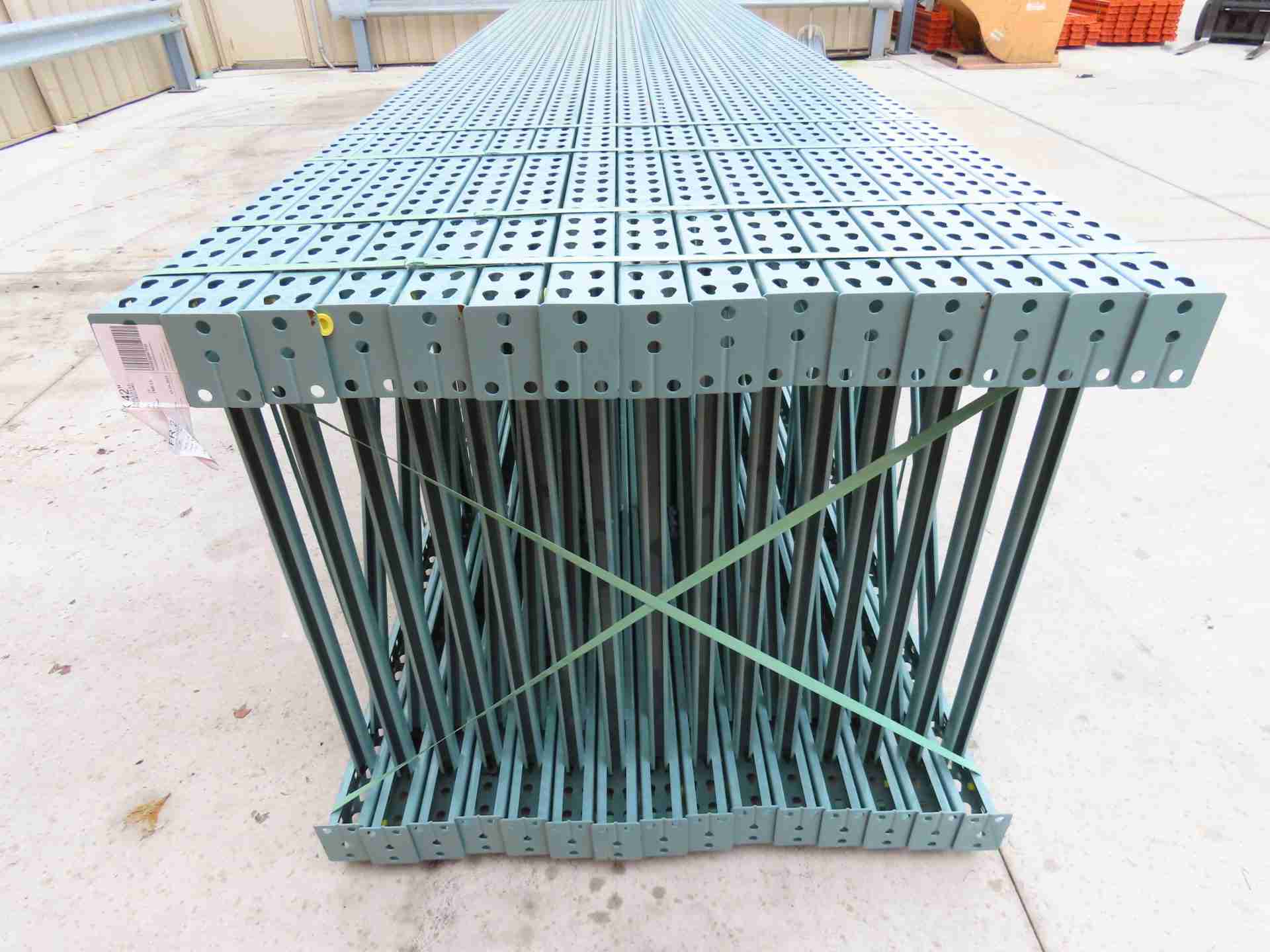
What Strategies Can Reduce Errors In Pick-To-Ship Processes?
What Strategies Can Reduce Errors In Pick-To-Ship Processes?
- Effective pick-to-ship operations prioritize accuracy alongside speed.
- Organize racking systems logically, placing high-demand items in easily accessible locations to minimize search time and errors.
- Utilize technology, such as barcode scanning systems, to streamline picking and verify item accuracy.
- Invest in employee training to foster accountability and ownership over work processes.
- Encourage a feedback loop for workers to share insights and suggest process improvements, enhancing engagement and innovation.
- Implement regular audits to identify inefficiencies and promote continuous improvement without assigning blame.
- Create a supportive environment that emphasizes teamwork, trust, and a commitment to excellence in operations.

What Strategies Can Reduce Errors In Pick-To-Ship Processes?
How Does Improving Flow Impact Customer Satisfaction?
Improving flow in any operation isn’t just a slick business strategy; it’s about crafting a customer experience that resonates on multiple levels. Picture this: a warehouse with crammed aisles and chaotic racking systems. You walk in, and instead of a streamlined operation, you encounter confusion and frustration. That same chaos translates directly to your customers. When they’re trying to purchase or get support, and everything’s disorganized, their satisfaction plummets.
Now, if we flip that scenario, it’s a different story. Imagine racking systems designed for optimal accessibility, ensuring that products are neatly arranged and easy to find. The flow is smooth, like a well-oiled machine. Customers bustling through feel the difference immediately. They find what they’re looking for without the frustration of digging through piled-up goods. This isn’t just about logistics; this is about respect for the customer’s time and needs.
Emotionally, everyone craves connection and ease. When customers see that a business values their experience, it breeds loyalty. They’re not just patrons; they’re part of the story. Every time they have an easy interaction, it strengthens that bond, making them more likely to return. Also, it’s not merely about feeling good; there’s a rational aspect as well. Improved flow cuts down on delays, minimizes errors, and enhances efficiency. This means fewer mistakes and more satisfied customers.
Ethically, businesses have a responsibility to ensure that customers don’t feel lost or overlooked. When operations run smoothly, it reflects a commitment to quality and care, allowing customers to trust that they’ll receive what they expect every time. That integrity fosters a reputation that speaks volumes in any community.
And then there’s the narrative thread we all share: we’ve all had those moments when a great experience turned a frustrating day into a good one. Whether it’s finding a hidden gem in a store or receiving unexpected service that simply gets it right, these stories matter. We share them with friends, creating a web of social connections that can elevate a brand.
Improving flow isn’t just a backend operation—it’s a heart-led strategy that inspires trust. By making every interaction smooth, businesses can turn fleeting moments into lasting relationships, reminding us all that behind every purchase is a human connection worth nurturing.
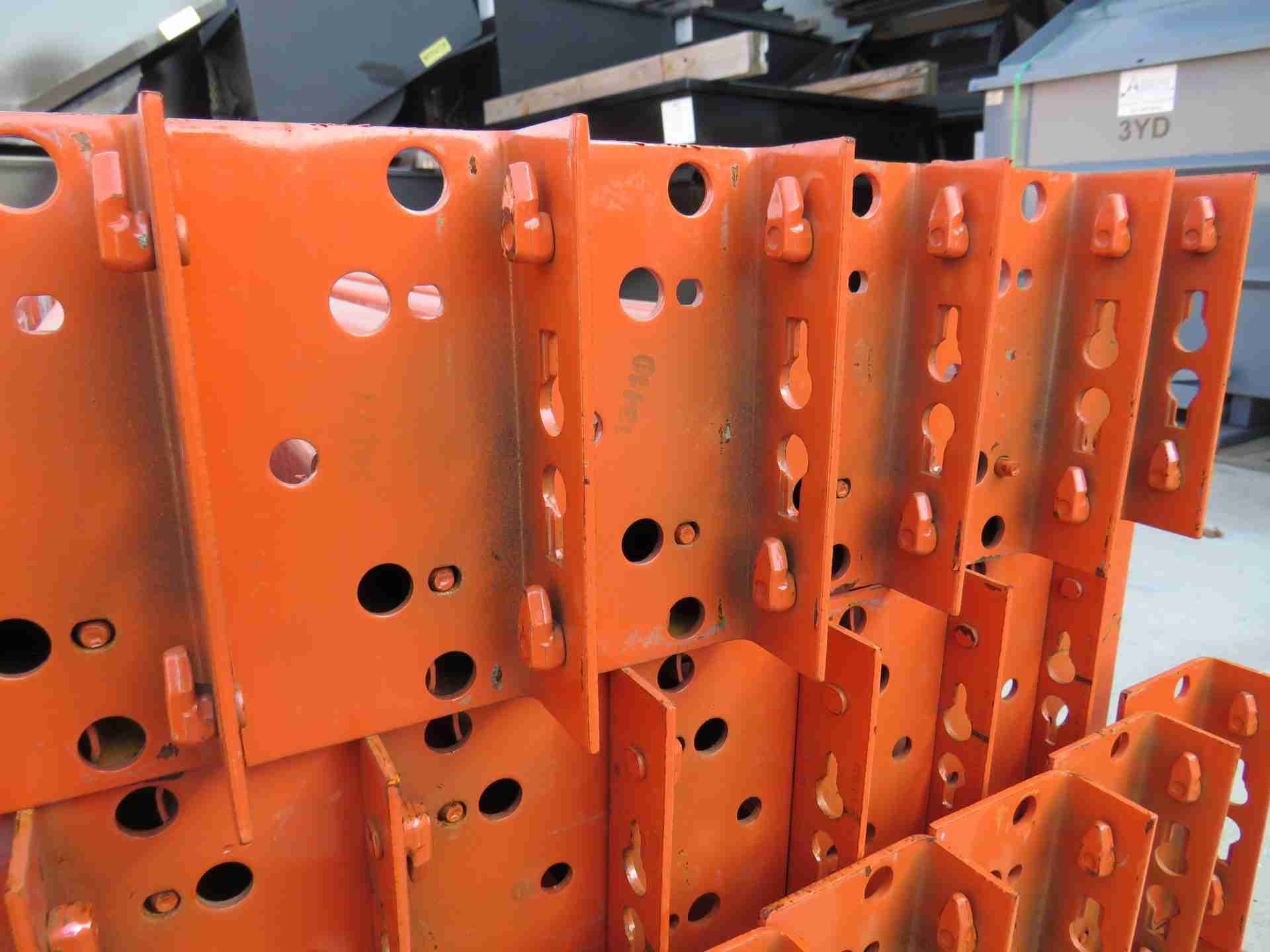
How Does Improving Flow Impact Customer Satisfaction?
How Does Improving Flow Impact Customer Satisfaction?
- Improving flow enhances customer experience, going beyond just operational efficiency.
- Disorganized operations lead to customer frustration and decreased satisfaction.
- Streamlined racking systems improve accessibility and ease of finding products.
- Effective flow respects customers’ time and needs, fostering loyalty and connection.
- Smooth operations reduce delays and errors, increasing overall efficiency.
- Businesses have an ethical responsibility to create reliable and organized environments for customers.
- A positive customer experience builds trust and can elevate brand reputation through shared stories.

How Does Improving Flow Impact Customer Satisfaction?
What Technologies Enhance Efficiency In Order Fulfillment?
In the bustling world of order fulfillment, the right technologies can transform chaos into a streamlined operation. Picture a warehouse where every square foot is maximized, each item finds its way to the right spot, and fulfillment flows like clockwork. This vision often starts with effective racking systems. Sturdy, well-designed racking not only organizes inventory but gives every item a designated place, making it easy for workers to find what they need quickly. When your team moves efficiently, they feel accomplished, and that sense of pride fuels motivation.
Now, let’s consider automation technologies. Automated picking systems can be game-changers. They reduce errors and boost speed, allowing employees to focus on value-added tasks rather than hunting for products. Imagine the relief of knowing that the picking process is backed by smart technology that minimizes the chance of mistake. When workers feel supported by reliable systems, they become more engaged and take ownership of their roles.
Equally vital are inventory management systems. These solutions keep a pulse on stock levels in real-time, helping prevent the dreaded scenario where a customer eagerly awaits a product that’s out of stock. This technology not only saves time but builds trust with customers, knowing they can count on you to deliver. In an era of instant gratification, keeping clients informed is key to keeping them satisfied and coming back for more.
Let’s not overlook mobile technology. Handheld devices that allow workers to check stock, route orders, or even communicate with each other on-the-go enhance connection and collaboration. These tools foster a sense of camaraderie among the team, where everyone works together towards a common goal. When employees feel united, productivity soars.
Moreover, the integration of data analytics brings a rational approach to decision-making. By analyzing fulfillment patterns, businesses can predict trends, allocate resources effectively, and adapt to changing demands. It’s about using information to make informed choices that drive the whole operation forward. When staff sees their hard work leading to concrete results, it reinforces the feeling that their contributions matter.
When these technologies are in harmony, they don’t just enhance efficiency; they create a vibrant, thriving workplace. It becomes a place where teamwork flourishes, and everyone feels they’re part of something bigger. This connection enhances loyalty—both from employees and customers—making the operation a well-oiled machine that not only fulfills orders but builds lasting relationships.
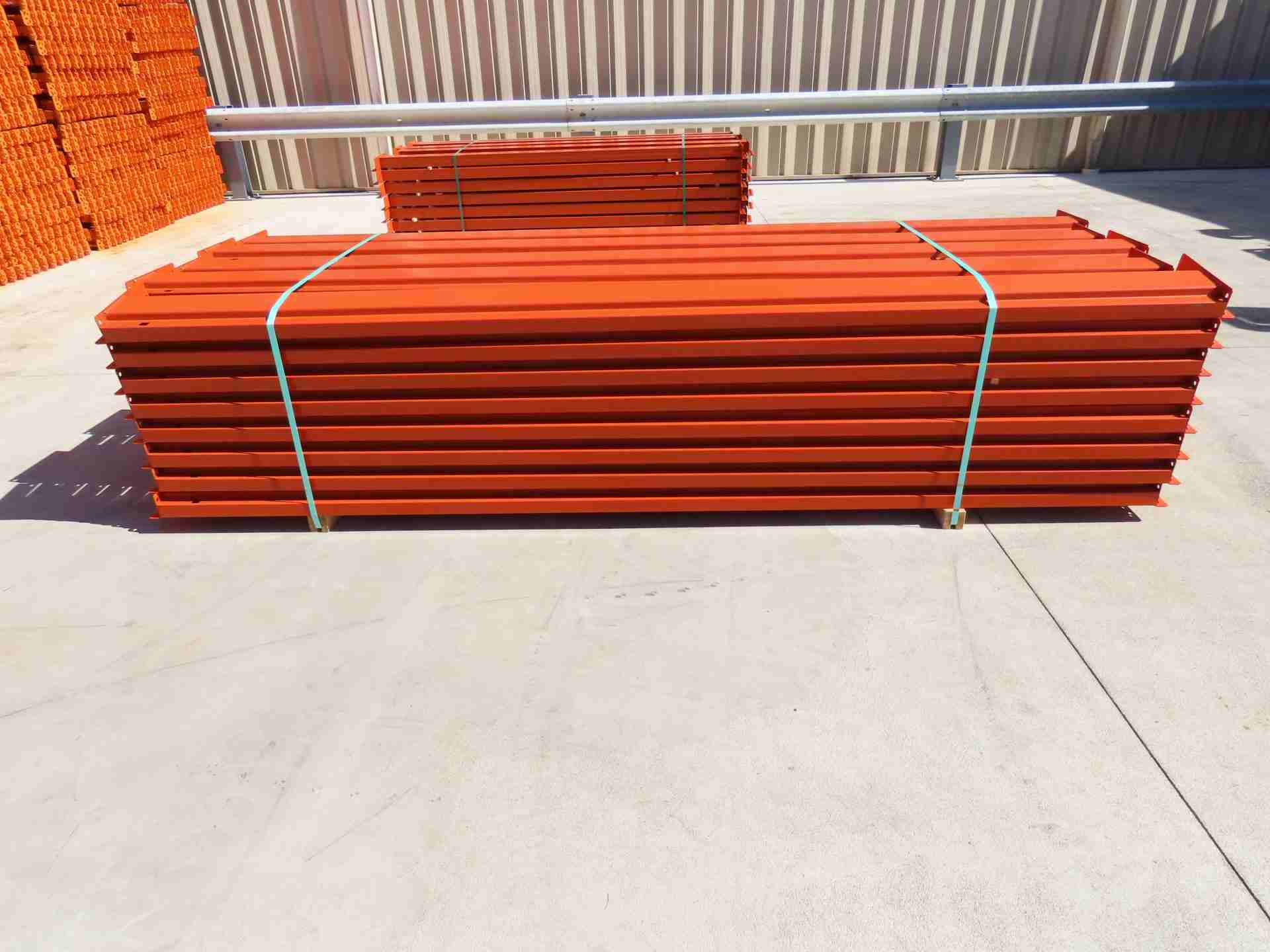
What Technologies Enhance Efficiency In Order Fulfillment?
What Technologies Enhance Efficiency In Order Fulfillment?
- Effective racking systems maximize warehouse space and organization, enabling quick item retrieval.
- Automation technologies, such as automated picking systems, reduce errors and increase efficiency, allowing employees to focus on value-added tasks.
- Real-time inventory management systems help maintain stock levels, enhancing customer trust and satisfaction.
- Mobile technology facilitates communication and collaboration among workers, fostering teamwork and productivity.
- Data analytics integration supports informed decision-making by predicting trends and optimizing resource allocation.
- Harmonized technologies create a vibrant workplace culture where teamwork and employee engagement thrive.
- Strong connections between employees and customers lead to loyalty and long-lasting relationships.
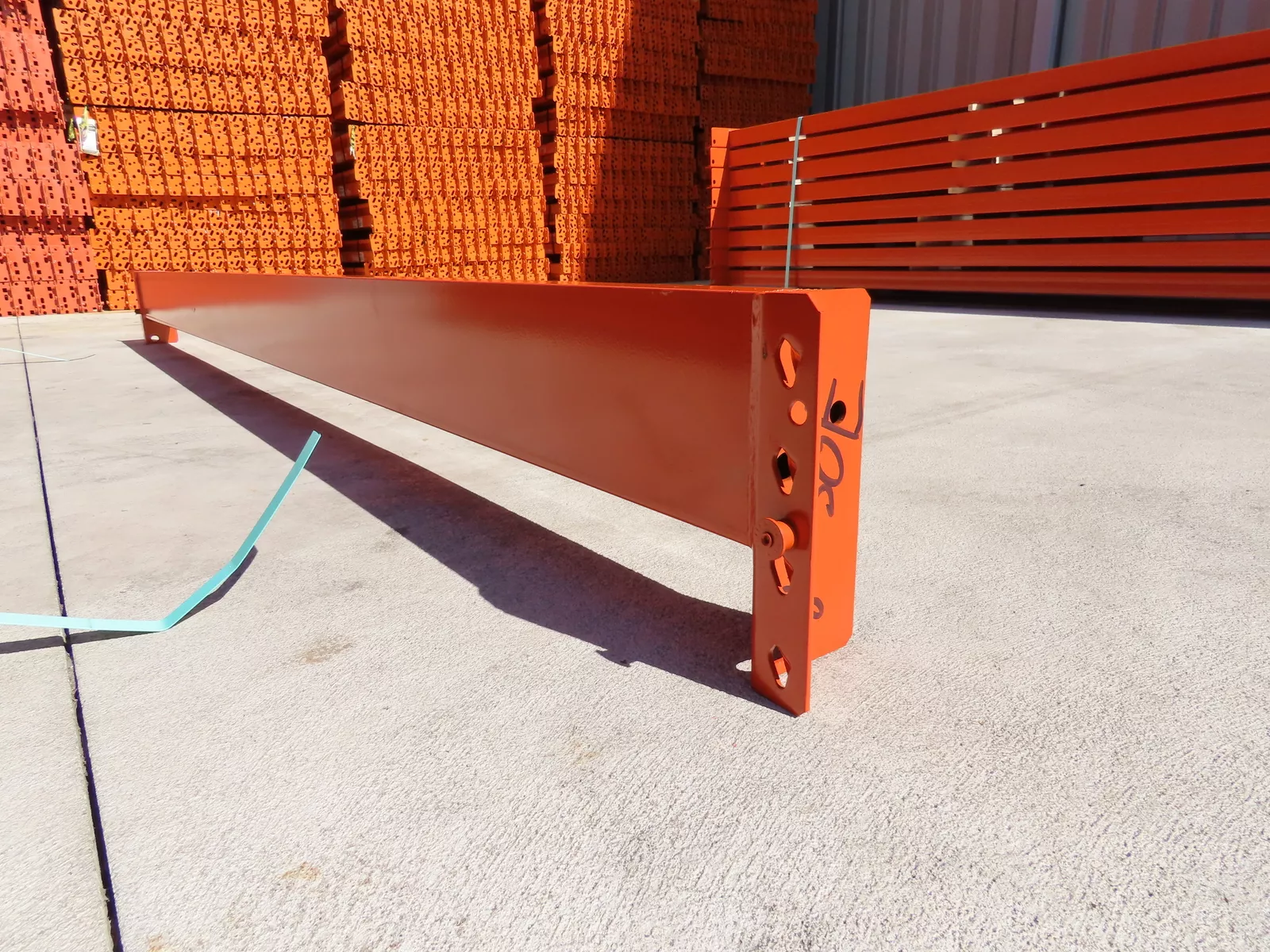
What Technologies Enhance Efficiency In Order Fulfillment?
Are There Ethical Considerations In Optimizing Logistics?
In the bustling world of logistics, the drive to optimize can often overshadow the very real ethical considerations that come with it. Beneath the surface of efficiency and cost-cutting lies a human element that demands attention. Every decision about racking systems, delivery routes, or supply chain adjustments sends ripples through communities and impacts lives.
Picture the warehouse floor, where workers navigate towering racking systems, each shelf stacked with goods destined for homes and businesses. Those racking systems aren’t just structures; they represent livelihoods. When companies prioritize optimizing logistics solely for profit, they risk undervaluing the workforce that makes it all happen. Job security, fair wages, and working conditions directly hinge on these seemingly innocuous decisions. And to overlook this reality is to disregard the very backbone of our economy.
The rational mind knows that efficient logistics can mean reduced costs and faster delivery times, but let’s slow down for a moment. What does this optimization really mean for the people involved? When corners are cut in the name of efficiency, cutting-edge technology can lead to job displacements, or worse, unsafe working conditions.
An ethical approach to logistics doesn’t simply focus on the bottom line. It recognizes the intertwined nature of hard work and human dignity. It requires leaders to exercise humility, understanding that their decisions affect families and communities well beyond the walls of their warehouses. It’s about creating a culture where every employee feels seen and valued, where suggestions flow freely, and where innovation is fostered through collaboration—not fear.
When companies lead with this ethic, they inspire trust. Consumers want to support brands that stand for something beyond profit. A commitment to ethical logistics not only strengthens community ties but also builds a loyal customer base. That connection, grounded in mutual respect, translates into tangible actions—decisions that actively improve both supply chain efficiency and workplace conditions.
Ultimately, this isn’t just about logistics; it’s about recognizing our shared humanity in every box shipped, every pallet stacked, and yes, every racking system used. As we strive for optimization, let’s remember that we have a duty to do so responsibly, creating a logistics landscape that values ethics as much as efficiency. In a world driven by numbers and optimization, let’s not forget the heart of the matter: people matter, and their well-being should be at the core of every logistical decision made.

Are There Ethical Considerations In Optimizing Logistics?
Are There Ethical Considerations In Optimizing Logistics?
- The pursuit of optimization in logistics often overlooks ethical considerations affecting individuals and communities.
- Warehouse racking systems symbolize livelihoods and should not be treated solely as profit-driven assets.
- Decisions regarding logistics impact job security, wages, and working conditions of employees.
- Efficiency should not compromise worker safety or lead to job displacements.
- An ethical logistics approach emphasizes human dignity and humility in decision-making.
- Building trust with consumers involves commitment to ethical practices and community welfare.
- A responsible logistics landscape values the well-being of people alongside efficiency goals.
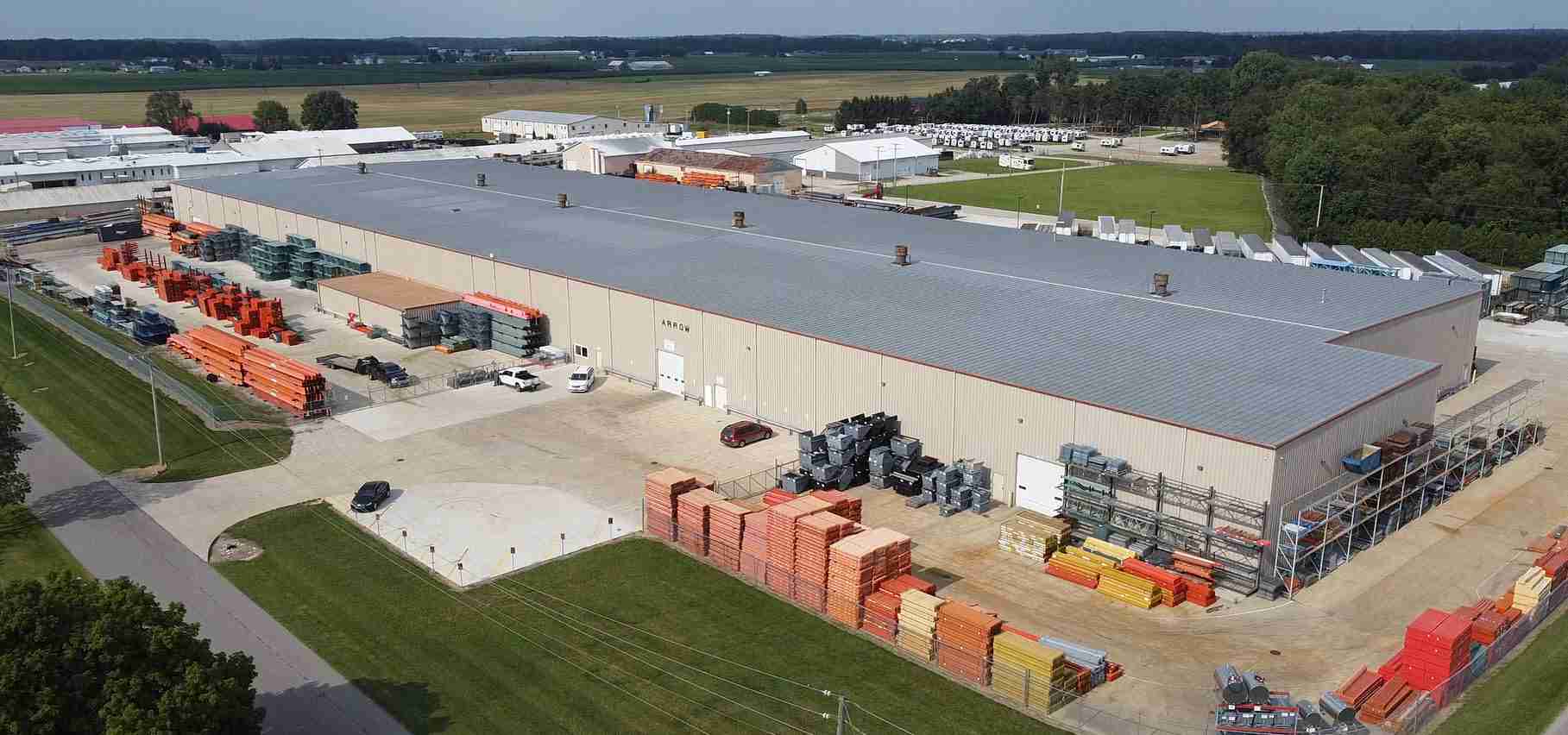
Are There Ethical Considerations In Optimizing Logistics?
How Can Real-Time Data Improve Decision-Making In Shipping?
Real-time data isn’t just a flashy tech term; it’s a lifeline for those in the shipping industry. Picture this: you’re on the docks, surrounded by the smell of saltwater and the noise of loading containers. You’ve got ships coming in and going out, schedules tightening, demands rising. Thanks to real-time data, you’re not just reacting to conditions—you’re anticipating them. The advantage lies in knowing exactly where every container is, how much cargo is being loaded, and when the next vessel is expected.
Now think about racking systems. In a world where efficiency is king, real-time data helps optimize these systems. Instead of waiting on manual reports or guessing what’s where, you have the ability to monitor storage levels and equipment status instantaneously. Every inch of that warehouse is precious real estate. If a shelf is full, you can redirect incoming shipments, avoiding costly delays. This reduces not only the headache of bottlenecks but also enhances the bottom line.
Moreover, it builds trust among teams. Clear, accessible data empowers dockworkers and logistics managers alike. When folks know they can rely on accurate information to tackle unexpected hiccups—like a storm rolling in or a sudden shipment reroute—they feel more competent and confident. That camaraderie on the docks translates into a well-oiled machine, where everyone feels they’re part of something bigger than themselves.
Beyond the mechanics of shipping, there’s the human touch. Real-time data showcases our shared responsibility for safety and efficiency. When decisions are made based on the latest information, it safeguards not only the cargo but also the people handling it. Knowing that every decision taken is anchored in real-time insights fosters a culture of care and accountability.
Engaging in continuous improvement, you can weave narratives that resonate deeply with teams on the ground. Sharing success stories where quick, informed decisions led to seamless operations not only highlights the value of real-time data but inspires others to embrace it. It becomes part of the fabric of how business gets done in shipping, creating a collective ethos that values clarity and action.
In this industry, where every second counts, real-time data isn’t just a tool; it’s a game changer. It’s about making decisions that count, ensuring no ship leaves the dock without being fully prepared, and fostering a culture where everyone feels they have a stake in the journey ahead.

How Can Real-Time Data Improve Decision-Making In Shipping?
How Can Real-Time Data Improve Decision-Making In Shipping?
- Real-time data is essential for the shipping industry, enhancing reaction and anticipation to conditions.
- It improves efficiency in racking systems by allowing instantaneous monitoring of storage levels and equipment status.
- Real-time data helps avoid costly delays by enabling redirection of shipments based on warehouse capacity.
- It fosters trust among teams, empowering dockworkers and logistics managers with accurate information.
- The use of real-time data enhances safety and accountability in shipping operations.
- Sharing success stories of informed decision-making promotes a culture of continuous improvement.
- Real-time data transforms decision-making, ensuring preparedness and engagement among all team members in the shipping process.
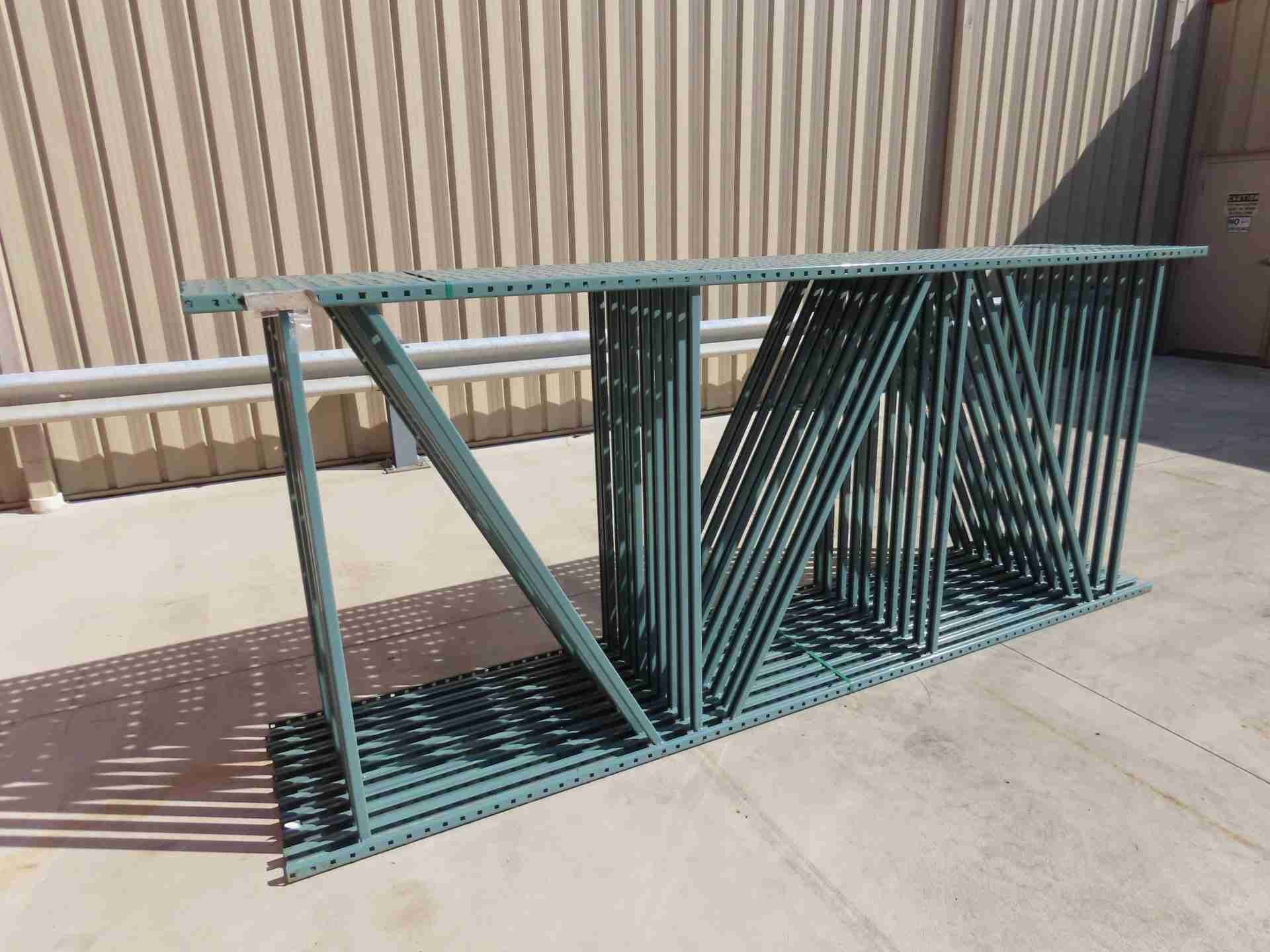
How Can Real-Time Data Improve Decision-Making In Shipping?
What Are the Cost Implications Of a Streamlined Pick-To-Ship Flow?
In the world of logistics, there’s always chatter about cutting costs while boosting efficiency. At the heart of that conversation lies the pick-to-ship flow, a real game-changer in the warehouse. When you streamline this process, you’re not just tightening operations; you’re opening the door to significant savings and greater profits. Imagine a well-oiled machine where every step, from picking to shipping, is as smooth as a fresh coat of paint on a new truck.
Let’s break this down. First, fewer mistakes mean less money spent on returns and re-shipments. When products are picked accurately, everyone wins. You’re not just saving resources; you’re also creating a sense of pride among your staff, knowing they did their job well. Employees work better when they feel their efforts matter, and that kind of morale can positively impact the bottom line. Using advanced racking systems can make this easier, allowing items to be stored more efficiently and accessed quickly.
Now, think about the space. An efficient pick-to-ship flow optimizes your warehouse layout, making better use of your square footage. Less clutter means faster navigation through aisles, leading to quicker turnaround times. This isn’t just about moving boxes; it’s about creating a workflow that respects the time and energy of the people involved. With a slick operation, you can pick, pack, and ship faster than ever, meeting customer demands without breaking a sweat.
From a financial perspective, consider the cost of labor. Streamlined operations mean fewer hours needed to handle the same volume of orders. That’s money back in your pocket. Plus, you avoid the pitfalls of overtime costs, which can sink a budget faster than a leaky boat.
Ethically, this approach fosters a culture of efficiency without sacrificing quality. Customers get their products on time, and they come to trust your brand. That reliability can transform the numbers on your balance sheet, as satisfied customers turn into repeat business and referrals.
Lastly, the social aspect can’t be overlooked. As you engage with your team and celebrate the success of a well-executed pick-to-ship flow, you create a sense of community. Everyone feels a part of something bigger, and that connection nurtures loyalty—from your employees to your customers. At the end of the day, it’s more than just cutting costs. It’s about building a sustainable operation that stands the test of time.
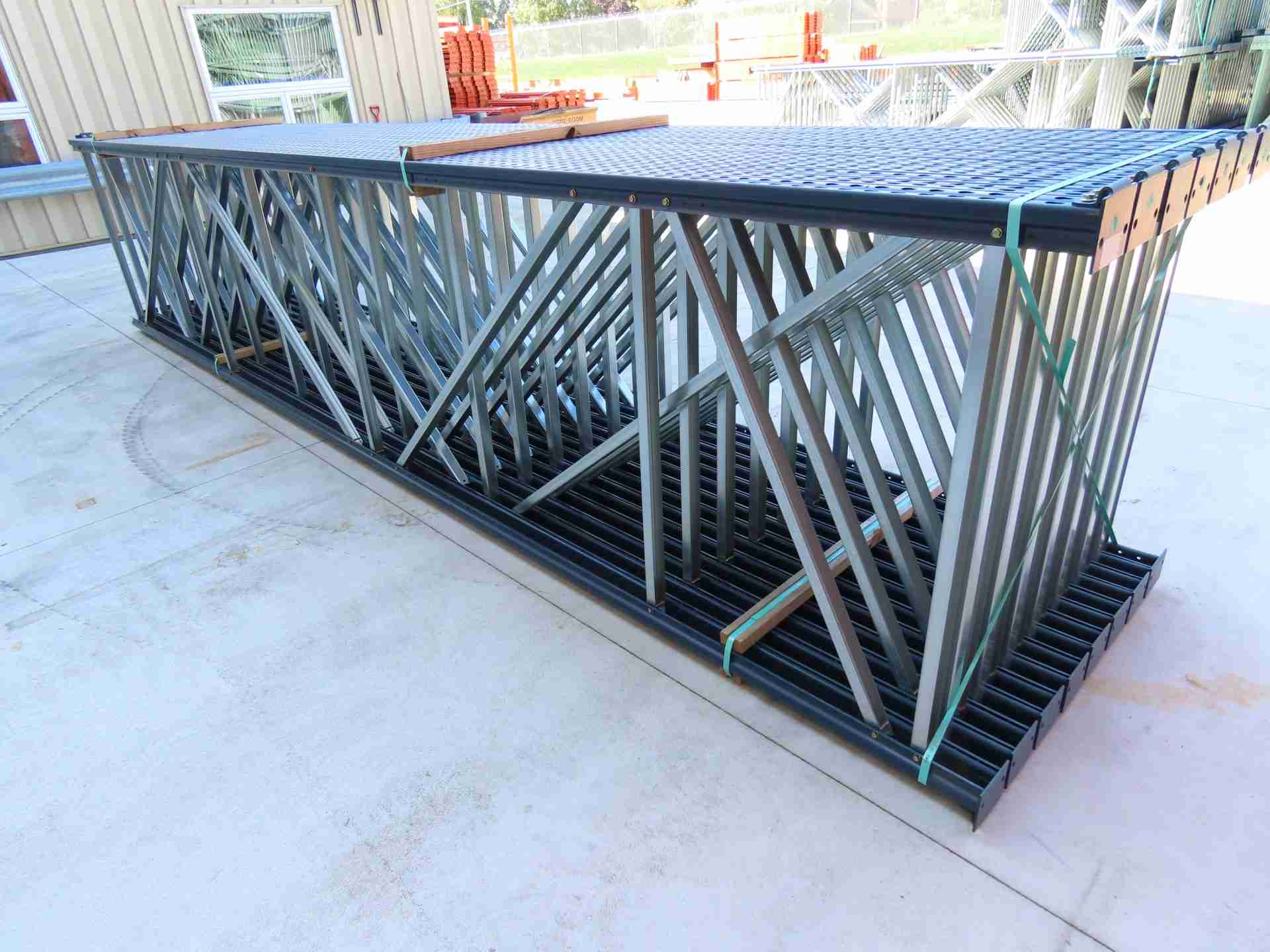
What Are the Cost Implications Of a Streamlined Pick-To-Ship Flow?
What Are the Cost Implications Of a Streamlined Pick-To-Ship Flow?
- Streamlining the pick-to-ship flow enhances efficiency and reduces costs in logistics.
- Fewer mistakes lead to less expenditure on returns and re-shipments, boosting staff morale.
- Advanced racking systems allow for efficient storage and quick access to items.
- Optimized warehouse layouts improve navigation and accelerate turnaround times.
- Reduced labor hours contribute to lower operational costs and avoid overtime expenses.
- A reliable pick-to-ship process fosters customer trust and encourages repeat business.
- Engaging employees in this process builds community and loyalty, enhancing long-term sustainability.
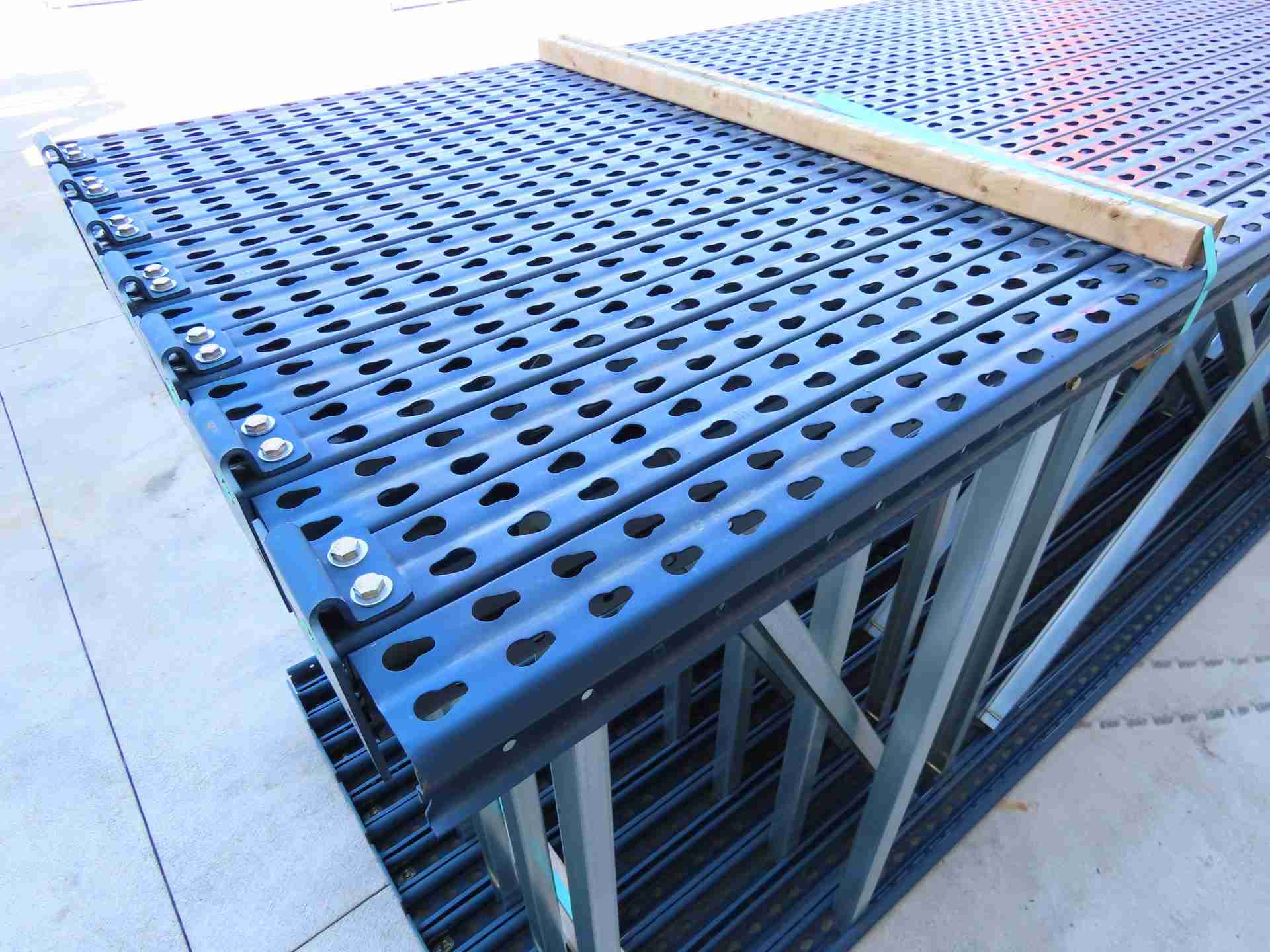
What Are the Cost Implications Of a Streamlined Pick-To-Ship Flow?
Conclusion
In the relentless pursuit of operational excellence, optimizing the pick-to-ship flow stands out as a crucial endeavor that can redefine not just productivity, but the very culture within a warehouse. In a bustling environment where every second counts, the approach taken can spell the difference between chaos and smooth sailing. The foundation lies in the racking systems—how products are placed, accessed, and retrieved. A well-organized racking setup is more than a practical necessity; it fosters confidence among workers, allowing them to navigate their tasks effectively without the constant stress of misplaced goods. With clarity in their workspace, employees often experience a boost in morale, which translates into fewer mistakes and superior service.
Swift and accurate deliveries have become synonymous with customer satisfaction. When businesses prioritize an efficient pick-to-ship flow, they demonstrate a respect for their customers’ time and needs, nurturing loyalty through reliability. Beyond the mechanical benefits lies the essence of human connection—the satisfaction employees derive from being part of a cohesive team that values their contributions cannot be overstated. Recognizing achievements and celebrating small victories cultivates a sense of community and accountability, driving further productivity.
However, the optimization journey doesn’t merely involve technological investment; it encompasses embracing a culture of ethics in logistics. Behind every operational decision is a human element that requires careful consideration. When striving for efficiency, firms must remember the impact on the workforce. Fair wages and safe conditions must never be compromised in the name of streamlining. By fostering a culture that values each worker’s dignity and input, companies can enhance trust and create a loyalty that keeps both employees and customers returning.
Moreover, integrating real-time data into decision-making allows for proactive management of workflows, further minimizing errors and enhancing safety. There’s power in information; it enables workers to anticipate challenges rather than merely react to them. This sense of engagement transforms the workplace into a thriving environment where every individual feels instrumental in the success of operations.
In the end, optimizing the pick-to-ship flow is about more than just the figures—it embodies a commitment to people and processes alike. When efficiency aligns with a focus on well-being, everyone benefits, setting the stage for sustained success that respects not just the bottom line but the heart and spirit of those who make it all happen.
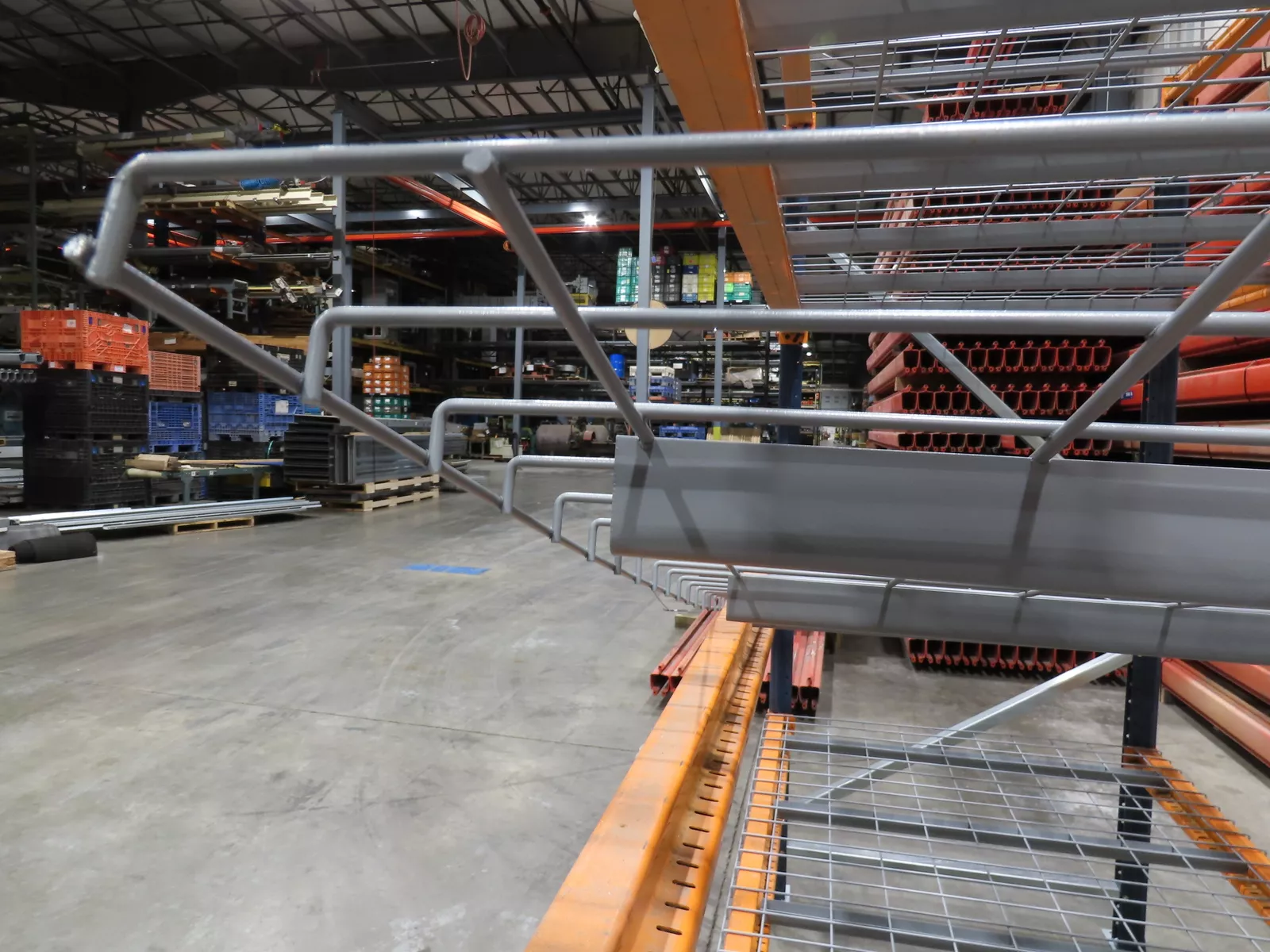
Conclusion
Conclusion:
- Optimizing the pick-to-ship flow enhances productivity and organizational culture in warehouses.
- A well-structured racking system boosts worker confidence and reduces stress associated with misplaced goods.
- Clear workspaces lead to improved morale, fewer mistakes, and enhanced service quality.
- Efficient pick-to-ship processes foster customer loyalty by respecting their time and needs.
- Recognizing employee achievements cultivates a sense of community and accountability in the workplace.
- Emphasizing ethics in logistics is essential, ensuring fair wages and safe conditions for workers.
- Utilizing real-time data for decision-making enhances workflow management and employee engagement.

Conclusion
Other Resources
Other Resources
Here is a list of other resources you can review online to learn more:
- Logic Material Handling
- CMMA
- Illinois Pallet Racking – Storage Solutions
- Used Pallet Rack for Sale in Illinois – American Surplus
- Warehousing Education and Research Council: https://www.werc.org/
- Cantilever Racks Chicago
- Teardrop Industrial Shelving Rack
- Crane Manufacturers Association Of America Inc.
- Rack Manufacturers Institute
- Cantilever Racking Specialists – Get the Right Racks
- Cantilever Rack Guide: Ordering Cantilever Racking
- Interlake Mecalux
- BMH Equipment LLC
- Teardrop Pallet Rack – Ridg-U-Rak
- Iowa Illinois Warehouse Racking
- What is Selective Racking: Understanding Benefits & Options
- American Surplus
- Warehouse Racks, Warehouse Racking in Stock – ULINE
- RMI
- What is Selective Pallet Racking
Use This Prompt To Get More Resources With Your Favorite Online AI Tool: Please provide me with a list of online articles with their URLs in a bulleted list that I can read regarding Optimizing Pick-To-Ship Flow
Other Resources
Glossary Terms
Optimizing Pick-To-Ship Flow – Glossary Of Terms
1. Pick: The process of selecting items from inventory to fulfill a customer order.
2. Ship: The act of transporting goods from one location to another, typically to the customer.
3. Flow: The smooth progression of goods through the supply chain from pick to ship.
4. Inventory: The stock of goods available for sale or distribution.
5. Fulfillment: The complete process of receiving, processing, and delivering customer orders.
6. Warehouse: A facility used for storing goods prior to distribution.
7. Logistics: The detailed coordination of complex operations involving people, facilities, and supplies.
8. Order Management: The system used to track orders from placement through to delivery.
9. Ergonomics: The study of designing workspaces and tasks to optimize efficiency and comfort for workers.
10. Cycle Time: The total time from when an order is placed until it is shipped to the customer.
11. Efficiency: The ability to produce maximum output with minimum input, in this case, time and resources.
12. Picking Accuracy: The measure of how correctly items are selected from inventory compared to what was ordered.
13. Staging: Preparing selected items in a designated area before shipping.
14. Packing: The process of securing goods into containers for transport.
15. Shipping Label: A document attached to a package that contains information about the recipient and destination.
16. Delivery: The final step in the flow where goods reach the customer.
17. Returns Processing: Managing items sent back by customers, including inspections and restocking.
18. Optimization: The process of making adjustments to improve performance and patterns in pick-to-ship flow.
19. Barcode: A series of parallel lines used to identify products and track inventory.
20. RFID: Radio Frequency Identification, a technology used to automatically identify and track tags attached to objects.
21. SKU: Stock Keeping Unit, a unique identifier for each distinct product and service that can be purchased.
22. Transloading: The process of transferring goods from one mode of transportation to another.
23. Cross-Docking: A logistics practice where products are directly transferred from incoming to outgoing transportation with little or no storage.
24. Supply Chain: The entire system of production, processing, and distribution involving providers and consumers.
25. Demand Forecasting: Predicting future customer demand to plan inventory and logistics accordingly.
26. Lead Time: The amount of time taken from the initiation of an order to its completion.
27. Just-in-Time (JIT): A management strategy that aligns raw-material orders with production schedules to reduce inventory costs.
28. Batch Picking: A method of picking where similar orders are grouped together to improve efficiency.
29. Quality Control: The process of ensuring products meet predefined standards during the pick-to-ship process.
30. Last-Mile Delivery: The final step of the delivery process where goods are transported from a distribution center to the final customer.
Glossary Of Terms
Other Questions
Optimizing Pick-To-Ship Flow – Other Questions
If you wish to explore and discover more, consider looking for answers to these questions:
- What specific layout changes to racking systems yield the biggest time savings?
- How do you calculate ROI for investments in racking upgrades or automation?
- Which picking methods (zone, batch, wave, cluster) are best for different order profiles?
- When is it worth implementing automated picking systems versus improving manual processes?
- What are the most effective technologies for reducing pick errors (barcode, RFID, pick-to-light)?
- How do you integrate new technologies with an existing WMS or ERP?
- What KPIs should be tracked to measure pick-to-ship performance?
- How long does it typically take to see measurable improvements after implementing changes?
- What are common pitfalls during pick-to-ship optimization projects and how can they be avoided?
- How should inventory slotting be determined and how often should it be revisited?
- What training programs and timelines are most effective for frontline pickers?
- How do you design a pilot program to test process or technology changes before full rollout?
- What change-management practices help ensure staff buy-in and maintain morale?
- How do optimization efforts affect labor needs, headcount, and job roles?
- What ethical and social impacts should be considered when introducing automation?
- How are safety protocols and ergonomics addressed when redesigning flow or racking?
- What are the maintenance requirements and lifecycle costs of advanced racking and automation?
- How can real-time data feeds be secured and what are the cybersecurity risks?
- Which data sources and sensors deliver the most actionable real-time insights?
- How should alerts and decision rules be configured for real-time shipping decisions?
- What metrics link improved internal flow to customer satisfaction and retention?
- How do you quantify cost savings from fewer returns and re-shipments?
- What are best practices for handling peak season spikes with a streamlined flow?
- How should cross-docking and inbound staging be coordinated with pick-to-ship?
- What considerations apply to reverse logistics and returns processing in the flow?
- How scalable are recommended solutions for small vs. large warehouses?
- What vendor-selection criteria should be used for racking, automation, or software?
- How do you balance capital expenditure vs. operational expenditure for upgrades?
- What legal or regulatory requirements affect storage, picking, and shipping?
- How do you design incentives and recognition programs that reinforce accuracy and speed?
- What continuous-improvement frameworks (e.g., Lean, Six Sigma) work best in warehouses?
- How do you measure and improve order cycle time from pick to carrier handoff?
- What are the environmental and sustainability implications of different optimization choices?
- How do multi-channel or omnichannel fulfillment demands change pick-to-ship design?
- What reporting cadence and dashboards best support managers and floor supervisors?

Other Questions
Checklist
Optimizing Pick-To-Ship Flow – A Checklist
Racking and Layout
✅______ Racking systems inspected for stability, capacity, and accessibility
✅______ High-demand SKUs slotted in the golden zone (waist to shoulder height)
✅______ One-way pick paths and clear aisle markings in place
✅______ Fast-mover zones established near packing and shipping
✅______ Bin labels and shelf signage standardized and legible at distance
✅______ Slot sizes matched to unit dimensions to prevent mixed-SKU bins
✅______ Replenishment lanes separated from pick lanes
✅______ Congestion hot spots mapped and mitigated
✅______ Safety clearances and fire lanes maintained
SKU Slotting and Inventory Health
✅______ ABC velocity analysis updated at least quarterly
✅______ Seasonality and promotions reflected in slotting
✅______ Obsolete or slow movers relocated or liquidated
✅______ Min/max levels set per SKU with auto-replenishment rules
✅______ Cycle counting schedule active with defined variances and actions
✅______ Cross-docking opportunities identified for fast-through SKUs
Picking Process
✅______ Pick method matched to order profile (single, batch, zone, or wave)
✅______ Barcode or QR scanning enforced for location, item, and quantity
✅______ Pick-to-light or voice solutions evaluated or implemented where ROI-positive
✅______ Ergonomic pick carts and totes standardized with color coding
✅______ Pick confirmations required before tote release
✅______ KPIs visible: lines per labor hour, pick accuracy, and dwell time
Technology and Data
✅______ WMS configured for real-time inventory and directed picking
✅______ Handheld and mobile devices reliable and updated; spare units available
✅______ Integrations live with ERP, OMS, and carriers (rates, labels, and tracking)
✅______ Live dashboards for backlog, SLA risk, dock status, and labor utilization
✅______ Automated alerts for stockouts, exceptions, and bottlenecks
✅______ Analytics in place for order patterns, slot heatmaps, and labor productivity
Packing and Quality Control
✅______ QC checkpoint before packing with scan-verify workflow
✅______ Dimensional weight and scale capture automated
✅______ Packaging standards per SKU class (fragile, hazmat, temperature-controlled)
✅______ Inserts, documents, and promo materials verified by scan or checklist
✅______ Tamper-evident sealing with photo or scan-on-pack proof
✅______ Shipping label verification (address, carrier, service, and contents)
Shipping and Dispatch
✅______ Carrier and service selection rules by SLA, zone, and cost
✅______ Ship waves aligned with carrier pickup times
✅______ Staging areas organized by route, carrier, and SLA
✅______ Dock schedule visible to the floor with live updates
✅______ ASN and tracking automatically sent to customers and partners
Training, Culture, and Feedback
✅______ Structured onboarding and recurrent training calendar
✅______ Standard work instructions accessible at point of use
✅______ Daily stand-ups to review goals, wins, and blockers
✅______ Feedback loop for frontline suggestions with rapid trials
✅______ Recognition program for accuracy, safety, and improvements
Ethics, Safety, and Wellbeing
✅______ Fair labor scheduling with protected breaks and overtime controls
✅______ Ergonomics assessments conducted and mitigations implemented
✅______ Safety audits current; near-miss tracking with actions taken
✅______ Automation impact reviewed with reskilling and upskilling plans
Error Reduction and Compliance
✅______ Root-cause analysis for top error codes performed monthly
✅______ Barcode and label compliance at the item, case, and location levels
✅______ Lot and serial tracking enabled where required
✅______ Exception handling SOPs defined for shorts, damages, and mis-picks
✅______ Random audits on high-risk SKUs and high-volume orders
Real-Time Visibility and Decisions
✅______ Live order aging and SLA countdown visible on the floor
✅______ Heatmaps for pick density and congestion monitored
✅______ Weather and route disruptions integrated into carrier planning
✅______ Escalation rules for stalled orders and dock delays
Customer Experience Metrics
✅______ On-time ship rate tracked by promise date and customer segment
✅______ Perfect order rate (complete, accurate, on time, damage-free) measured
✅______ Proactive delay notifications enabled with revised ETAs
✅______ Return reasons analyzed and fed back to slotting and packing
✅______ NPS and CSAT tied to fulfillment events and reported monthly
Cost and Performance
✅______ Cost per order and per line tracked and reviewed
✅______ Labor productivity versus plan reviewed daily; overtime within target
✅______ Space utilization and storage density monitored
✅______ Reship and return cost trends improving with actions logged
✅______ Automation ROI reviews scheduled and documented
5S and Continuous Improvement
✅______ Weekly 5S audits for pick, pack, and staging zones
✅______ Visual controls (kanban, signage, and boards) maintained
✅______ Kaizen pipeline prioritized with owners and due dates
✅______ Pilot tests measured before scale-up; lessons captured
Implementation Roadmap
✅______ 30-, 60-, and 90-day goals defined with measurable targets
✅______ KPI baseline captured before changes
✅______ Owners, budgets, and timelines assigned for each initiative
✅______ Communication plan rolled out to all shifts and teams
✅______ Review cadence set (daily huddles, weekly operations, and monthly executive reviews)

Checklist
At RackingWorld, we help guide you through selecting warehouse storage systems and racking.
Be sure to read our other related stories at RackingWorld to learn more about warehouse storage systems.
0 Comments