
Uniting Strategies For Seamless Efficiency In Dynamic Workflows
By Tom Seest
At RackingWorld, we help guide you through selecting warehouse storage systems and racking.
Be sure to read our other related stories at RackingWorld to learn more about warehouse storage systems.
Cross-Aisle Planning for High-Volume Operations
In the world of high-volume operations, cross-aisle planning isn’t just a strategy; it’s the backbone of efficiency, the oil in the gears of productivity. Picture a busy warehouse floor—forklifts humming, workers bustling from racking systems filled with products, each aisle a lifeline connecting supply and demand. This isn’t just logistics; it’s a rhythm, a dance of organization and timing that, when done right, keeps everything running smoothly.
It starts with a genuine understanding of the environment—each worker has their role, a vital piece in the puzzle. When we talk about cross-aisle planning, it’s about weaving those roles together, making sure everyone knows where to go and what to do. Ensuring that pathways are clear and racking systems are strategically placed can mean the difference between frantic chaos and calm coordination. It’s in these moments that we can inspire confidence among the team. When people know their environment as well as they know their own hands, it breeds trust. They can count on one another.
But let’s get real—this process isn’t just about the nuts and bolts. It’s about the people. It’s about your neighbor, working late to ensure orders go out, feeling the weight of responsibility. It’s about collaboration and the unspoken bond between colleagues hustling together. Each time those racking systems are filled and emptied, we’re not just moving boxes; we’re moving lives. Knowing that you have a say in how the aisles are laid out gives your work meaning—a sense of pride in every decision made.
Rationally, it’s a numbers game, too. Efficient cross-aisle planning reduces time wasted and cuts costs, which keeps the operation healthy. But ethically, it’s about creating a work environment that values every hand in the process. After all, you don’t want your colleagues feeling like cogs in a machine; they deserve to be valued as the skilled artisans they are.
And when you embrace this mindset within your operations, you build a culture of respect. Share stories of success, moments when a well-planned aisle saved the day or when teamwork forged unexpected outcomes. Celebrate those victories—big and small. This not only empowers individuals but helps cement those connections that make high-volume operations not just sustainable but enjoyable. Together, we can make the most out of every inch, every aisle, and every worker who shows up ready to make things happen.

Cross-Aisle Planning for High-Volume Operations
Cross-Aisle Planning for High-Volume Operations
- Cross-aisle planning is essential for efficiency in high-volume operations.
- Understanding each worker’s role is crucial for effective collaboration and coordination.
- Clear pathways and strategic racking enhance operational smoothness and reduce chaos.
- The process emphasizes the importance of teamwork and individual contributions.
- Efficient planning minimizes wasted time and reduces costs, promoting a healthy operation.
- Creating a respectful work environment values employees as skilled artisans rather than cogs in a machine.
- Celebrating successes fosters a culture of empowerment and connection among workers.

Cross-Aisle Planning for High-Volume Operations
Table Of Contents
- Cross-Aisle Planning for High-Volume Operations
- What Are the Key Challenges In Cross-Aisle Planning?
- How Can We Improve Efficiency In High-Volume Operations?
- What Emotional Impacts Do Logistical Failures Have?
- How Do Cross-Aisle Strategies Affect Team Morale?
- What Data Supports the Need for Better Planning?
- How Can Collaboration Between Aisles Enhance Outcomes?
- Conclusion
- Other Resources
- Glossary Of Terms
- Other Questions
- Checklist
What Are the Key Challenges In Cross-Aisle Planning?
Cross-aisle planning isn’t just some fancy corporate term; it’s the practical dance required when teams from different areas come together to get the job done. Picture a warehouse bustling with people, each aisle crammed with racking systems that hold everything from tools to parts, each seemingly isolated but part of a bigger picture. The first challenge is communication. You might have the best of intentions to collaborate, but without clear, honest conversations, even the most experienced hands can find themselves stepping on each other’s toes. Ignoring this foundational step is like trying to load a truck without understanding what’s already in it.
Next up is the clash of priorities. Each gang has its own agenda—the shipping team wants to get goods out the door faster, while the inventory folks need to count their blessings, literally. Finding common ground requires not just logic but also a bit of a gut check. It’s about recognizing that everyone’s job contributes to the same end goal. When you can foster that shared purpose, the teamwork becomes meaningful, like a well-oiled machine; each piece matters, from the racking systems to the delivery bay.
Another hurdle is accountability. Nobody wants to hold the bag when something goes sideways. Establishing clear roles and responsibilities can bedrock trust. If folks know what’s expected of them and see that others are pulling their weight, it inspires confidence. It’s not about shifting blame; it’s about ownership. When people believe they’re part of something bigger and their contributions matter, they’ll go the extra mile to ensure success.
Of course, there’s the ethical dimension. Companies often need to weigh profit against community impact. It’s one thing to plan a cross-aisle project that boosts efficiency but at what cost could it impact workers or the neighborhood? Thoughtful leaders recognize that decisions have a ripple effect, influencing not just their bottom line but the lives tied to it.
Finally, at the heart of all these challenges is relationship building. The folks on the ground, be it in the aisles or at the management table, crave connection. They want to know that their voice matters. When you create an environment where people feel heard and valued, you not only strengthen the team but also enhance your operations, turning those challenges into opportunities. Navigating the complexities of cross-aisle planning isn’t easy, but with diligence and respect, it’s a road worth traveling. Each step taken together helps to build a sturdy framework for future successes, cementing bonds that will last beyond the job at hand.

What Are the Key Challenges In Cross-Aisle Planning?
What Are the Key Challenges In Cross-Aisle Planning?
- Cross-aisle planning involves collaboration between different teams to achieve common goals.
- Effective communication is essential to prevent misunderstandings and ensure smooth operations.
- Different teams may have conflicting priorities that need to be reconciled for successful collaboration.
- Establishing clear roles and responsibilities fosters accountability and encourages ownership among team members.
- Organizations must balance profit goals with their impact on the community and workers.
- Building strong relationships among team members enhances collaboration and operational effectiveness.
- A thoughtful approach to cross-aisle planning can transform challenges into opportunities for future success.

What Are the Key Challenges In Cross-Aisle Planning?
How Can We Improve Efficiency In High-Volume Operations?
In the world of high-volume operations, efficiency isn’t just a buzzword—it’s the lifeblood of success. Picture a bustling warehouse, goods flying off the shelves, people moving with purpose. At the heart of this operation are the racking systems. These structures do more than hold products; they anchor every process, creating a dance of logistics that can make or break a business. Investing in well-designed racking systems can boost storage capacity, enhance safety, and allow workers to navigate their environment with ease.
Here’s the crux: when teams feel empowered, they perform better. Picture your crew tackling the daily grind with a sense of purpose. Upgraded racking systems streamline workflows, minimize the back-and-forth of inefficient picking routes, and reduce the time spent searching for items. Each improvement fosters a sense of pride in the workplace, where every individual knows their role contributes to the bigger picture. It’s that connection—that shared ownership of the operation—that breeds success and inspires everyone to give their best.
Rationally, consider the long-term costs. Investing in quality racking systems might sting the budget upfront, but the payoffs in speed and productivity will far outweigh initial expenses. The numbers don’t lie: with better organization, operators can move more goods in less time, ultimately leading to happier customers and higher profits. Every time a product is picked efficiently, you’re saving time and money—a direct route to strengthening the bottom line.
Ethically, we owe it to our teams to provide a safe, efficient work environment—one that acknowledges their hard work and respects their well-being. A disorganized space filled with clutter can lead to accidents and low morale. By implementing effective racking systems, we not only optimize our operations but also signal to our workers that we value their safety and contributions. It’s about doing right by them and creating an environment where they can thrive.
Let’s not forget the narrative power of a well-run operation. Share stories of improvement, where a simple change in racking systems led to remarkable transformations. Let each worker know their efforts are part of something larger, fostering a sense of community and pride.
So let’s roll up our sleeves and focus on these essential tools. The path to efficiency in high-volume operations starts with understanding the strength of our racking systems and the hardworking individuals who keep the wheels turning. It’s time to make every move count.

How Can We Improve Efficiency In High-Volume Operations?
How Can We Improve Efficiency In High-Volume Operations?
- Efficiency is crucial in high-volume operations, serving as the core of success.
- Racking systems are vital for logistics, enhancing storage capacity and safety.
- Well-designed racking systems empower teams and improve workflow, reducing inefficiencies.
- Investing in quality racking systems yields long-term productivity gains outweighing initial costs.
- Creating a safe and organized work environment is essential for employee morale and safety.
- Sharing success stories fosters community and pride among workers.
- Understanding the importance of racking systems is key to optimizing operations and performance.

How Can We Improve Efficiency In High-Volume Operations?
What Emotional Impacts Do Logistical Failures Have?
Logistical failures can hit harder than the obvious financial losses; they ripple through the fabric of organizations and communities. Imagine a warehouse with outdated racking systems, where the layout creates chaos rather than order. When products are misplaced or shipments delayed, it’s more than just a headache—it’s a breach of trust. For employees relying on their roles to provide for families, this uncertainty fosters anxiety and frustration. The emotional toll can turn a cohesive team into a group of individuals merely clocking in and out, each burdened by the weight of ineffective systems.
Think about a customer waiting for a crucial delivery. The moment they realize it’s not coming, their mind races. What happens to their plans? Their business? It’s a gut punch. Emotional investments are made in every order; when a logistical failure occurs, it feels personal. These aren’t just packages; they represent hope, anticipation, and commitment. When expectations are dashed, resentment builds—not just toward the company but also among customers who simply want to rely on someone to deliver.
On the ethical front, companies have a responsibility to ensure that their logistical operations are sound. When failures occur, it often leads to deeper questioning of a company’s priorities. Are they sacrificing reliability for profit? Are they cutting corners at the expense of their customers and employees? Addressing these failures requires more than a quick fix; it demands a commitment to improving systems and processes to foster trust.
Narratively, every logistical failure tells a story. It’s about individuals—drivers, warehouse workers, managers—who face the brunt of the fallout. Their hard work is eclipsed by circumstances beyond their control. Real stories emerge in these moments, illustrating resilience, frustration, and sometimes, the sheer will to make things right despite the odds. It’s about connecting hearts with heads, where empathy meets business acumen.
In a world where every interaction can manifest new relationships or deepen old wounds, fostering connection is crucial. Building systems that work not only ensures steady operations but creates a sense of community. When businesses take logistical challenges seriously, they inspire loyalty and confidence. People are drawn to those who deliver—not just products, but promises. It’s about being the backbone that helps others stand firm, reinforcing that together, we can navigate even the toughest of logistical storms.
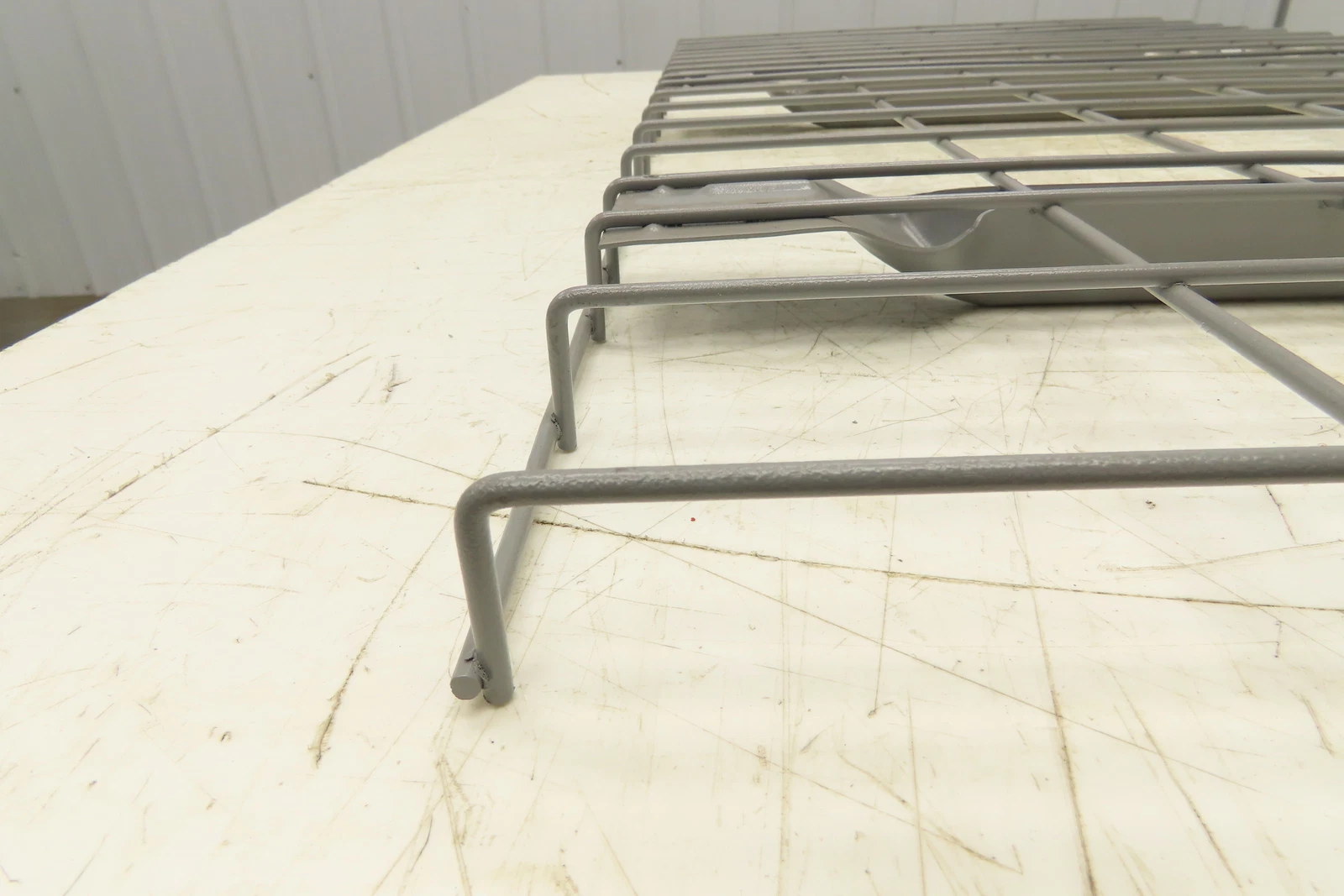
What Emotional Impacts Do Logistical Failures Have?
What Emotional Impacts Do Logistical Failures Have?
- Logistical failures extend beyond financial losses, impacting trust within organizations and communities.
- Outdated warehouse systems create disorder, leading to misplaced products and delayed shipments, which foster employee anxiety.
- Customers experience personal disappointment and frustration when crucial deliveries fail, damaging their expectations and trust.
- Companies must prioritize reliable logistical operations to maintain ethical standards and customer confidence.
- Addressing logistical failures requires a commitment to improving systems and processes rather than quick fixes.
- Each logistical failure reflects the struggles of individuals like drivers and warehouse workers, highlighting their resilience and frustration.
- Building effective systems fosters community and loyalty, reinforcing a company’s role in supporting both customers and employees.

What Emotional Impacts Do Logistical Failures Have?
How Do Cross-Aisle Strategies Affect Team Morale?
Cross-aisle strategies in the workplace can be a game changer for team morale, much like how a well-assembled racking system organizes a cluttered warehouse. Picture this: you’re knee-deep in a project, and frustrations run high. It feels like trying to find a tool in a disorganized shop. That’s where cross-aisle collaboration comes in, breaking down barriers and fostering relationships between departments that usually keep to their corners. When teams from different aisles come together, it’s like opening a window on a hot day—fresh ideas pour in, breathing life into stale routines.
Consider how this collaboration not only boosts creativity but also instills a sense of belonging and purpose. When folks feel included, it fosters a work environment where each person’s voice matters. Everyone brings their skills to the table, much like when a crew bands together to tackle a tough job. This shared purpose connects individuals, turning them into a cohesive unit rather than isolated players. It appeals to our common experience of teamwork; we all know that feeling of accomplishment when something is achieved together.
Now, let’s talk about the rational side. When teams collaborate across aisles, they can tap into a wealth of knowledge. Different perspectives lead to better problem-solving, efficiency, and innovation. Think about the last time you tackled a project alone. Now, consider how much quicker things could have moved along had you had support from someone who knows their stuff. Joining forces can make a team feel more confident in overcoming obstacles and reaching targets. That boost in competence translates directly to a positive workplace atmosphere.
On top of that, there’s an ethical angle to it. When leaders promote cross-aisle strategies, they show commitment to inclusivity, valuing diverse backgrounds and experiences. This commitment builds trust and respect among team members. People are more likely to align with a company that champions collaboration, leading to higher retention and job satisfaction.
Wrapping it all together, fostering cross-aisle strategies is not just good for the projects at hand—it’s good for the heart of the team. It connects people, inspires action, and elevates everyone involved, turning a workplace into a community where common goals lead to shared victories. Like a sturdy racking system that keeps everything in order, a strong collaborative culture creates a structured foundation that supports success for everyone.

How Do Cross-Aisle Strategies Affect Team Morale?
How Do Cross-Aisle Strategies Affect Team Morale?
- Cross-aisle strategies improve team morale and collaboration, similar to an organized racking system in a warehouse.
- Collaboration breaks down departmental barriers, fostering relationships and creativity.
- Inclusivity creates a sense of belonging, making every team member’s voice matter and enhancing teamwork.
- Diverse perspectives from cross-aisle collaboration lead to better problem-solving, efficiency, and innovation.
- Teams working together feel more confident in overcoming challenges and achieving goals.
- Leaders promoting cross-aisle strategies demonstrate commitment to inclusivity, building trust and respect among team members.
- A strong collaborative culture enhances job satisfaction and retention, transforming the workplace into a community focused on shared victories.

How Do Cross-Aisle Strategies Affect Team Morale?
What Data Supports the Need for Better Planning?
In the world of logistics and warehousing, the numbers tell a tale that resonates not only with industry veterans but also with anyone who’s ever felt the weight of poorly organized spaces. Racking systems, the backbone of any warehouse, can make or break efficiency. A study shows that businesses utilizing optimized racking systems can increase storage capacity by up to 40% while simultaneously reducing retrieval times by more than half. Imagine the frustration of searching for an item lost in a mess—it’s a pain that’s all too familiar. Every minute spent hunting down inventory is a minute lost and a dollar wasted.
Rationally speaking, the costs of disorganized shelving aren’t just financial; they impact morale. When the warehouse crew can’t find what they need, it slows down productivity and can lead to a grumpy workplace. This isn’t just theoretical. Employees want to feel effective and proud of their work. A clean, well-planned racking system fosters an environment where they can thrive, boosting job satisfaction and reducing turnover. The data doesn’t lie; better planning leads to happier workers and, ultimately, a stronger bottom line.
Ethically, we owe it to our teams to provide them with the best tools possible. Imagine workers struggling daily, battling with faulty setups that could be easily rectified through thoughtful design. It’s about respect for those who labor day in and day out. Real stories emerge from the floor— tales of workers finding a rhythm and enjoying their work because they’re not battling outdated practices.
Authority figures in logistics acknowledge that efficient racking systems are critical for success. Leading organizations have adopted lean principles, demonstrating that smart planning leads to faster operations and better safety outcomes. When big players make changes, it’s a clear signal for others to follow suit.
Socially, we thrive on connection, and in a workplace, that means collaboration. Teams perform better when they can trust that the space around them is built for efficiency and organization. Just think of the camaraderie that develops when everyone knows where everything is. It fosters teamwork and builds a sense of shared purpose.
Better planning isn’t just about fitting more items in less space; it’s about transforming how we work, inviting efficiency, and fostering an environment where every worker can shine their brightest. All it takes is a commitment to upgrading our racking systems and a little humility to recognize the need for change.

What Data Supports the Need for Better Planning?
What Data Supports the Need for Better Planning?
- Optimized racking systems can increase warehouse storage capacity by up to 40% and reduce retrieval times by over 50%.
- Poorly organized spaces lead to frustration and lost productivity, costing businesses time and money.
- Disorganization impacts employee morale, slowing down productivity and leading to a less positive workplace environment.
- A well-planned racking system enhances job satisfaction and can reduce employee turnover.
- Efficient racking systems are essential for success, with leading organizations adopting lean principles for improved safety and operation speed.
- Collaboration and teamwork thrive in organized work environments, building camaraderie among employees.
- Better planning and upgrades to racking systems transform workplace efficiency, allowing workers to perform at their best.

What Data Supports the Need for Better Planning?
How Can Collaboration Between Aisles Enhance Outcomes?
When you pull a team together from different departments, it’s like assembling a patchwork quilt made from the best materials each person brings. Take a factory floor, for example. On one side, you’ve got the production crew working with Racking Systems, moving heavy materials and keeping things organized, while on the other, the inventory team is crunching numbers and making sure stock levels stay healthy. When these two groups collaborate, magic happens.
Picture this: the production crew is ready to double output, but if they can’t access the right materials efficiently because the inventory team hasn’t communicated the supply levels, it all goes to waste. That’s where a simple chat across the aisle can save the day. By openly sharing information, they not only streamline operations but also build trust. Transparency is key; it’s what turns coworkers into teammates. Trust fosters confidence that when you reach out for help, someone will be ready to lend a hand or offer insights that help everyone succeed.
Moreover, the heart of collaboration lies in shared goals. When everyone understands just how their role contributes to the company’s bottom line, it ignites something inside. It’s not just about moving boxes or ticking off to-do lists. It’s about coming together to create something bigger than oneself. Everyone wants to feel like they’re part of a greater mission, to know that their hard work matters.
Ethically, there’s a responsibility each team has not only to their department but to the company as a whole. By sharing successes and setbacks, teams learn from one another. It’s about developing a culture that values learning over blame. When one team wins, everyone wins.
Narratives play a big role, too. Sharing stories of triumph and even failure across departments humanizes the process. It reminds us all that behind every task are people. Imagine a team meeting where the inventory specialists tell the story of how their quick thinking on stock adjustments prevented a production shutdown. This kind of dialogue enriches relationships and enhances collaboration.
Collaboration isn’t just a buzzword; it’s a necessity. It requires humility, willingness to listen, and the readiness to step outside one’s own area of expertise. By breaking down silos and forging connections, teams can create smoother, more efficient operations that benefit everyone. It’s about rolling up your sleeves together and tackling challenges head-on—because when aisles work together, everyone comes out ahead.
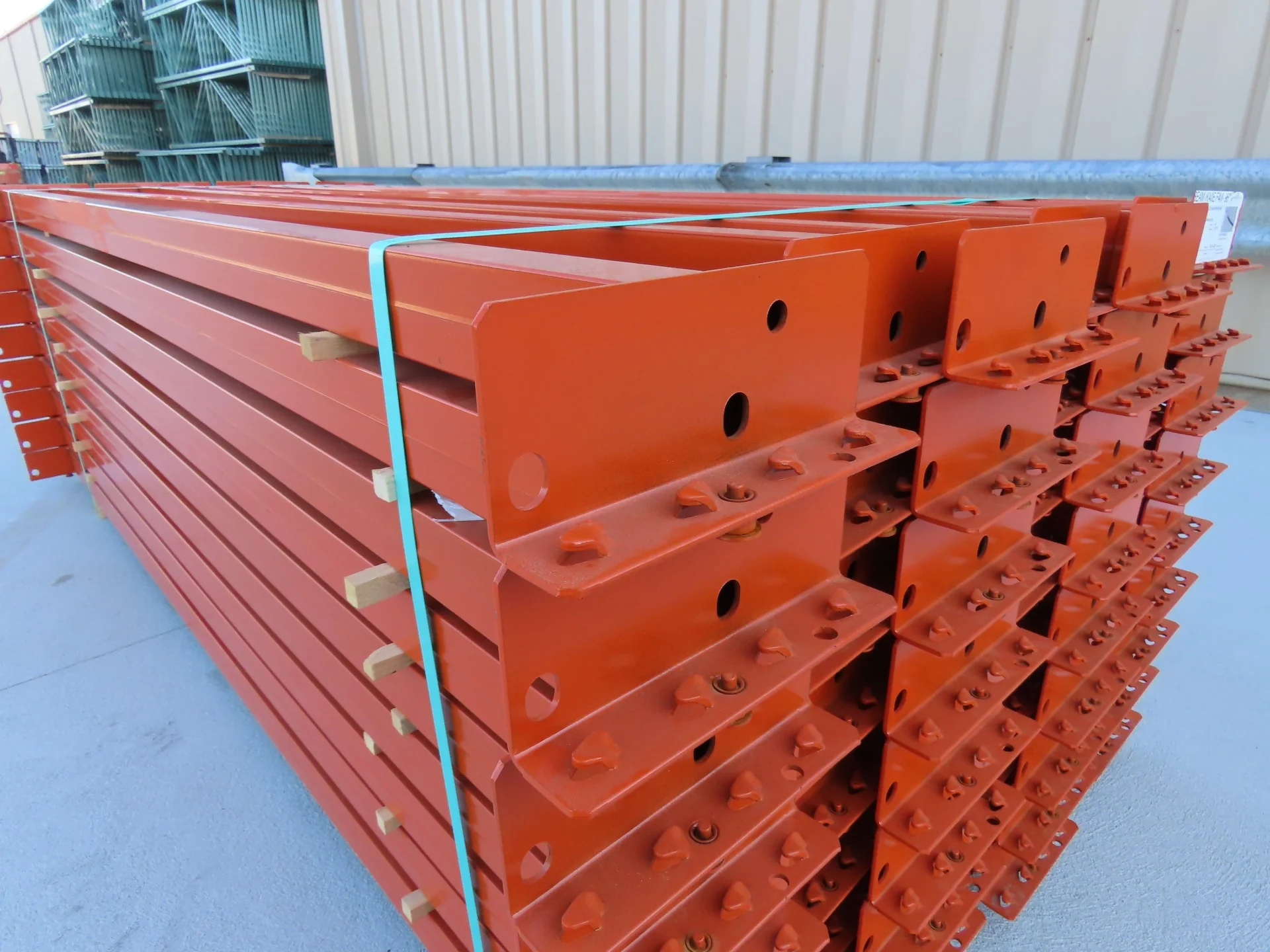
How Can Collaboration Between Aisles Enhance Outcomes?
How Can Collaboration Between Aisles Enhance Outcomes?
- Collaboration among different departments is crucial, resembling a patchwork quilt of diverse skills and resources.
- Effective communication between production and inventory teams enhances efficiency and prevents waste.
- Transparency fosters trust, turning coworkers into teammates who support one another.
- Shared goals ignite motivation and connect individual efforts to the company’s success.
- Ethical responsibility involves sharing both successes and setbacks to foster a culture of learning.
- Narratives of triumph and failure humanize the work process and strengthen interdepartmental relationships.
- Collaboration requires humility and a willingness to engage beyond individual expertise for overall efficiency.
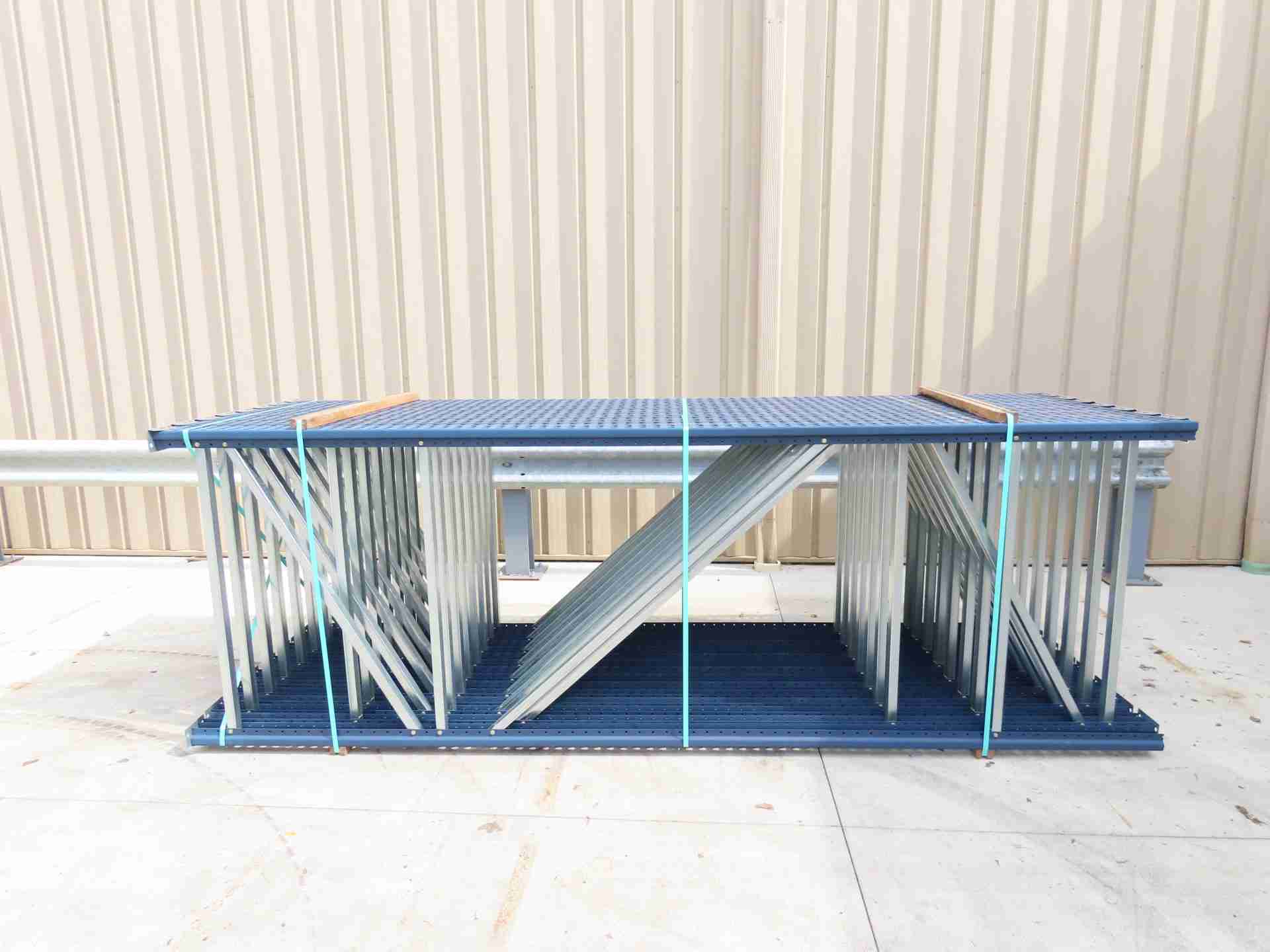
How Can Collaboration Between Aisles Enhance Outcomes?
Conclusion
Cross-aisle planning in high-volume operations emerges as a vital strategy for driving efficiency and fostering a collaborative work environment. It’s about more than logistics; it’s akin to orchestrating a complex symphony where every worker plays a crucial role. Within the busy backdrop of warehouses, where the hum of activity never ceases, the effectiveness of operations lies in understanding each person’s contribution while harmonizing their efforts. Clear communication stands as the cornerstone of this planning, creating pathways that keep operations running smoothly and avoiding the chaos that often ends in frustration and delays.
Every worker feels the weight of responsibility as they navigate their tasks, and this awareness fosters a culture of trust and respect. Empowering them to have a say in how workflows are structured nurtures pride in their roles. Beyond mere productivity, there’s an ethical commitment to ensure each team member feels valued, transforming the workplace from a mere job site into a community of skilled artisans. Celebrating collective victories, no matter how seemingly small, reinforces these bonds and motivates people to strive for excellence together.
Challenges in cross-aisle collaboration, such as miscommunication and differing priorities, can strain relationships. Balancing the shipping team’s demands with inventory management requires a shared understanding of goals. Establishing clear roles and accountability lays the groundwork for making each worker feel integral to the operational success. It’s not only about who gets the job done but how they feel doing it, and ensuring they understand their value promotes higher morale and job satisfaction.
Investments in tools like optimized racking systems directly influence efficiency and safety. A well-planned workspace empowers workers to perform at their best, making every second count and directly impacting the bottom line. Numbers demonstrate the benefits: streamlined operations lead to happier employees and satisfied customers. When logistical failures occur, the emotional impact reverberates, reinforcing the necessity of sound planning.
Creating environments where cross-aisle strategies thrive builds community and sparks innovation. As teams share insights and celebrate collective achievements, they become more than just a workforce—they transform into a cohesive unit. Every success story shared strengthens the narrative of collaboration, illustrating the human investment behind the processes.
Ultimately, cross-aisle collaboration isn’t simply a strategic directive; it’s a human-centered approach that values every contribution. By working together, harnessing the strengths of diverse teams, organizations not only enhance productivity but create a vibrant culture that nourishes both heart and soul, paving the way for sustainable success in high-volume operations.

Conclusion
Conclusion:
- Cross-aisle planning is essential for efficiency in high-volume operations.
- Understanding individual contributions and harmonizing efforts is crucial in a warehouse setting.
- Clear communication is key to smooth operational flow and reducing chaos.
- Empowering workers in workflow decisions fosters pride and respect in their roles.
- Challenges like miscommunication must be addressed to maintain relationships and shared goals.
- Investment in tools and workspace optimization enhances safety and productivity.
- Cross-aisle collaboration builds community and innovation, leading to sustainable success.

Conclusion
Other Resources

Other Resources
Here is a list of other resources you can review online to learn more:
- BMH
- SEMA
- Storage Equipment Manufacturers’ Association
- IWLA
- Teardrop Pallet Rack – Ridg-U-Rak
- Chicago Pallet Racking
- Teardrop Industrial Shelving Rack
- Selective Rack – Raymond West
- Selective Racking
- BMH Equipment LLC
- International Warehouse Logistics Association
- Overhead Lifting
- What is Cantilever Racking? – AK Material Handling Systems
- Interlake
- American Society of Safety Professionals
- Warehouse Racks, Warehouse Racking in Stock – ULINE
- Warehouse Automation
- Cantilever Racks Chicago
- MHI
Use This Prompt To Get More Resources With Your Favorite Online AI Tool: Please provide me with a list of online articles with their URLs in a bulleted list that I can read regarding Cross-Aisle Planning for High-Volume Operations

Other Resources
Glossary Terms
Cross-Aisle Planning for High-Volume Operations – Glossary Of Terms
1. Agile: A methodology that promotes flexibility and efficiency in operations through iterative planning and execution.
2. Benchmarking: The process of comparing business processes and performance metrics to industry bests to identify areas for improvement.
3. Coordination: The organization of different services and activities to ensure they work together effectively.
4. Demand Forecasting: The practice of predicting future customer demand to optimize inventory and resource allocation.
5. Efficiency: The ability to achieve maximum productivity with minimum wasted effort or expense.
6. Fulfillment: The process of receiving, processing, and delivering customer orders effectively and efficiently.
7. Integrated Planning: A holistic approach that combines various operational planning functions for cohesive strategy execution.
8. Just-in-Time (JIT): An inventory strategy that aims to reduce waste by receiving goods only as they are needed in the production process.
9. Key Performance Indicators (KPIs): Metrics used to evaluate the success of an organization in achieving its objectives.
10. Lean Operations: A methodology focused on minimizing waste within manufacturing systems while simultaneously maximizing productivity.
11. Logistics: The management of the flow of goods, services, and information from origin to consumption.
12. Market Analysis: The assessment of market conditions including trends, competition, and customer needs to inform strategic planning.
13. Operational Efficiency: The ability to deliver products or services in an optimal manner to maximize profitability and performance.
14. Resource Allocation: The process of distributing available resources effectively to different departments or projects.
15. Risk Management: The identification, assessment, and prioritization of risks followed by the coordinated application of resources to minimize, control, or monitor the impact of unforeseen events.
16. Scalability: The capability of a business or system to grow and manage increased demand without compromising performance.
17. Stakeholder Engagement: The process of involving all parties with an interest in the operations, including employees, clients, and suppliers, in planning and decision-making.
18. Strategic Planning: The formulation of long-term goals and the actions required to achieve them, typically involving a broad analysis of the organization’s environment.
19. Supply Chain Management (SCM): The management of the flow of goods and services, including all processes that transform raw materials into final products.
20. Sustainability: The practice of conducting operations in a manner that meets present needs without compromising the ability of future generations to meet theirs.
21. Technology Integration: The process of incorporating technology into business processes to enhance efficiency and performance.
22. Time Management: The process of planning and controlling how much time to spend on specific activities to maximize productivity.
23. Total Quality Management (TQM): An organization-wide approach to continuous improvement of processes, products, and services through ongoing feedback and learning.
24. Workflow Optimization: The systematic analysis and improvement of workflows to enhance efficiency and productivity.
25. Cross-Functional Team: A group composed of members from different departments working together towards a common goal.
26. Value Stream Mapping: A visual tool used to analyze and design the flow of material and information required to bring a product to a consumer.
27. Inventory Turnover: A ratio that indicates how many times inventory is sold and replaced over a period, reflecting the efficiency of inventory management.
28. Collaboration: Working jointly with others to achieve shared goals, especially across different departments or organizations.
29. Forecast Accuracy: The degree to which a forecast matches actual outcomes, important for effective planning and decision-making.
30. Performance Review: A formal assessment of an employee’s work performance, often tied to evaluations of operational efficiency and strategic planning.

Glossary Of Terms
Other Questions
Cross-Aisle Planning for High-Volume Operations – Other Questions
If you wish to explore and discover more, consider looking for answers to these questions:
- What are the first steps to assess current cross-aisle efficiency?
- How do you measure ROI for new racking systems and layout changes?
- Which KPIs best evaluate cross-aisle performance (throughput, travel time, errors)?
- How much does reconfiguring aisles and racking typically cost?
- How long does planning and implementation usually take?
- What software tools (WMS, route optimization, simulation) support cross-aisle planning?
- How can automation and robotics be integrated with existing racking systems?
- What safety risks are introduced by layout changes and how are they mitigated?
- How do layout changes affect worker ergonomics and injury rates?
- What training programs or change-management practices are most effective?
- How do you secure frontline buy-in and maintain morale during transitions?
- What governance and communication protocols ensure cross-aisle coordination?
- How are roles and accountability assigned across departments for cross-aisle tasks?
- How do you handle peak-season surges within cross-aisle plans?
- What are best practices for inventory slotting and product placement to minimize travel?
- How do cross-aisle strategies differ by industry, facility size, or SKU profile?
- What data is required to build accurate simulations or proofs of concept?
- How do you benchmark performance against industry standards or competitors?
- What common implementation pitfalls should organizations avoid?
- How do you balance throughput targets with ethical considerations and community impact?
- How will cross-aisle changes affect labor demand, scheduling, and staffing models?
- What metrics capture employee morale, engagement, and perceived fairness after changes?
- How can small or budget-constrained operations implement meaningful improvements?
- What criteria should be used when selecting vendors for racking and material-handling equipment?
- How do regulatory or compliance requirements influence aisle and racking design?
- How should racking and aisle maintenance be scheduled and funded?
- What contingency and risk-management plans are recommended for disruptions?
- How do you document and share success stories to reinforce cultural change?
- What case studies show measurable benefits from cross-aisle reconfiguration?
- How should continuous improvement processes be structured after rollout?
- What data-security or privacy concerns arise from sharing operational data across teams?
- How can sustainability and waste-reduction goals be integrated into aisle planning?
- How do cross-aisle strategies integrate with last-mile delivery and external partners?
- What visualization tools help communicate proposed layout changes to stakeholders?
- How can you pilot layout or process changes with minimal operational risk?

Other Questions
Checklist
Cross-Aisle Planning for High-Volume Operations – A Checklist
Purpose, Goals, and Alignment
✅______ Define cross-aisle planning objectives: throughput, lead time, OTIF.
✅______ Align department priorities—receiving, inventory, picking, packing, and shipping—to a shared goal.
✅______ Establish success criteria and a target go-live date for changes.
✅______ Document scope, constraints, and key dependencies.
✅______ Secure executive sponsorship and name an accountable owner.
✅______ Communicate the “why” to all teams in plain language.
Layout and Flow Design
✅______ Map current-state material, people, and equipment flows with time-stamped paths.
✅______ Identify bottlenecks, congestion points, and unsafe cross-traffic.
✅______ Standardize aisle widths, turning radii, and dedicated cross-aisles.
✅______ Place fast movers near cross-aisles and shipping/pack-out zones using velocity-based slotting.
✅______ Create one-way travel rules where feasible to reduce conflicts.
✅______ Install clear floor markings, signage, and location labels visible at approach height.
Racking Systems Optimization
✅______ Verify rack engineering specifications, load ratings, and seismic/permit compliance.
✅______ Conduct routine rack inspections and document repairs and replacements.
✅______ Implement ABC slotting and reslot quarterly based on demand patterns.
✅______ Use end-of-aisle protectors, upright guards, and pallet stops where needed.
✅______ Ensure safe clearances for lifts, pickers, and pedestrians at all rack faces.
✅______ Standardize pallet quality and orientation rules per location.
Communication and Coordination
✅______ Run daily cross-aisle huddles with receiving, inventory, picking, packing, and shipping.
✅______ Define an escalation path for stockouts, blocked aisles, and urgent reslots.
✅______ Maintain a single source of truth for locations, tasks, and exceptions.
✅______ Set radio and communication protocols and call signs by zone.
✅______ Publish a live dock schedule and cross-aisle priority board.
✅______ Confirm shift handoff templates include open work, risks, and mitigations.
Roles, Accountability, and Training
✅______ Create a RACI for cross-aisle planning, slotting, replenishment, and exception handling.
✅______ Define role-based SOPs for all aisle and cross-aisle activities.
✅______ Cross-train staff for peak coverage and absence resilience.
✅______ Validate certifications for lift equipment operators and pedestrian safety rules.
✅______ Provide new layout orientation before go-live.
✅______ Audit adherence to SOPs and retrain based on findings.
Workflow and Inventory Accuracy
✅______ Optimize pick paths to minimize backtracking and cross-traffic.
✅______ Implement wave, batch, or zone picking as appropriate to volume and SKU mix.
✅______ Enforce real-time location updates in the WMS for every move.
✅______ Achieve and maintain cycle count accuracy ≥ 99%.
✅______ Set replenishment triggers and safety stock at the location level.
✅______ Standardize cartonization and staging rules to reduce repicks.
Safety, Housekeeping, and Wellbeing
✅______ Apply 5S standards to aisles, cross-aisles, and staging zones.
✅______ Keep emergency exits, eyewash stations, and extinguishers unobstructed.
✅______ Separate pedestrian and vehicle lanes with markings and barriers where feasible.
✅______ Post right-of-way rules and speed limits; enforce consistently.
✅______ Schedule microbreaks and rotation to reduce fatigue in high-traffic areas.
✅______ Track and resolve near-miss reports within defined SLAs.
Data, KPIs, and Visual Management
✅______ Instrument metrics for travel time per line, pick rate, dock-to-stock, and order cycle time.
✅______ Monitor OTIF, fill rate, and on-hand accuracy at the location level.
✅______ Track a congestion index—e.g., queue length and dwell time—at key intersections.
✅______ Display live KPIs at cross-aisles and in team huddles.
✅______ Run root cause analysis on misses within 48 hours.
✅______ Tie performance reviews to flow, accuracy, and teamwork metrics.
Collaboration, Culture, and Morale
✅______ Hold cross-functional kaizen events focused on flow improvement.
✅______ Share quick wins and stories where collaboration prevented delays.
✅______ Recognize teams publicly for safety, accuracy, and on-time performance.
✅______ Provide channels for frontline feedback with closed-loop responses.
✅______ Rotate representatives across departments to build empathy and insight.
✅______ Conduct weekly pulse checks on morale and workload balance.
Continuous Improvement and Change Management
✅______ Pilot layout or slotting changes in one zone with defined rollback criteria.
✅______ Measure pre- and post-change impacts on KPIs and document learnings.
✅______ Update maps, SOPs, and training after each change.
✅______ Maintain a change log with owner, date, and affected areas.
✅______ Schedule quarterly layout reviews aligned to demand shifts.
✅______ Budget for iterative rack enhancements and signage upgrades.
Customer Reliability and Risk Management
✅______ Map critical orders and SLAs to protected paths and staging areas.
✅______ Create contingency routes for aisle blockages or equipment downtime.
✅______ Standardize exception playbooks for delays, shorts, and substitutions.
✅______ Proactively notify customers of risks to promise dates and share recovery plans.
✅______ Stress-test peak scenarios and staffing plans before seasonal surges.
✅______ Ensure post-incident reviews focus on process fixes, not blame.
Community and Ethical Considerations
✅______ Evaluate shift patterns and overtime for fairness and sustainability.
✅______ Minimize noise, traffic, and curbside impact from dock operations.
✅______ Source ergonomic tools and aids to reduce strain and injury risk.
✅______ Ensure equitable access to training, advancement, and recognition.
✅______ Balance cost savings with worker wellbeing in investment decisions.
✅______ Report on safety and engagement outcomes alongside productivity.

Checklist
At RackingWorld, we help guide you through selecting warehouse storage systems and racking.
Be sure to read our other related stories at RackingWorld to learn more about warehouse storage systems.
0 Comments