
Streamlining Safety And Efficiency For A Safer Workplace
By Tom Seest
At RackingWorld, we help guide you through selecting warehouse storage systems and racking.
Be sure to read our other related stories at RackingWorld to learn more about warehouse storage systems.
Eliminating Cross-Traffic In Industrial Facilities
Eliminating cross-traffic in industrial facilities isn’t just about traffic flow—it’s about the people who work there. Picture a bustling factory floor where employees navigate a maze of machinery and racking systems, each step a calculated risk. The chaos can lead to accidents, wasted time, and lost productivity. You want a space where workers can focus on their tasks without the worry of dodging forklifts or tripping over pallets. This isn’t merely an operational concern; it’s a matter of safety and respect for every person on the floor.
Think about it: every time someone feels unsafe, it chips away at their confidence. Employees need to trust their environment. Implementing strategic layouts and dedicated pathways can transform how they interact with their workspace. Racking systems can be designed to minimize obstructions, offering clear routes for both people and machines. It’s a simple but powerful design principle that pays dividends in morale and efficiency. By investing in these solutions, employers signal that they value their workers’ well-being, leading to a stronger, more dedicated team.
In practical terms, let’s look at day-to-day experiences. Workers not only seek safety, but they thrive on predictability in their routines. A clear separation of pedestrian traffic and equipment movement can reduce anxiety and increase job satisfaction. Employees can complete their tasks without the constant distraction of navigating a dangerous dance of machinery. It leads to a smoother workflow, where everyone knows what to expect. That level of predictability builds a sense of community, fostering connections among workers who share the same goals—getting the job done effectively and safely.
From an ethical standpoint, creating a safer work environment is the right thing to do. It’s not just about compliance or ticking boxes on a safety checklist; it’s about paying respect to those who dedicate their time and effort day in and day out. You owe it to them to provide a workplace that prioritizes their safety above all.
Ultimately, a thoughtfully designed facility that eliminates cross-traffic does more than streamline operations; it cultivates trust, builds confidence, and fosters camaraderie among the workforce. This is more than just a structural change; it’s about establishing a culture committed to care and excellence, transforming an industrial space into a community where everyone can thrive.

Eliminating Cross-Traffic In Industrial Facilities
Eliminating Cross-Traffic In Industrial Facilities
- Eliminating cross-traffic enhances safety and respects workers in industrial facilities.
- Strategic layouts and dedicated pathways can reduce chaos and accidents.
- Well-designed racking systems minimize obstructions, improving workflow and morale.
- Safe environments increase employee confidence and job satisfaction.
- Predictability in routines fosters a sense of community among workers.
- Creating safer workspaces goes beyond compliance; it reflects care for employees.
- A thoughtful facility design builds trust, confidence, and camaraderie in the workforce.

Eliminating Cross-Traffic In Industrial Facilities
Table Of Contents
- Eliminating Cross-Traffic In Industrial Facilities
- What Risks Does Cross-Traffic Pose to Worker Safety?
- How Can We Improve Workflow Efficiency?
- What Technologies Can Reduce Cross-Traffic Incidents?
- Are Our Current Layouts Truly Optimizing Space Usage?
- How Does Cross-Traffic Impact Employee Morale?
- What Best Practices Can Be Adopted for Traffic Management?
- Conclusion
- Other Resources
- Glossary Of Terms
- Other Questions
- Checklist
What Risks Does Cross-Traffic Pose to Worker Safety?
In the world of warehousing and distribution, cross-traffic poses a significant risk that can’t be overlooked. Picture this: a bustling work environment filled with forklifts zipping through aisles, a flurry of moving parts, and workers maneuvering among racking systems stacked high with goods. While it’s easy to get caught up in the rhythm of productivity, it’s crucial to remember that safety must remain a priority.
Cross-traffic incidents aren’t just numbers on a report; they represent real risks to real people. When a forklift barrels through, visibility may be limited. Workers can easily find themselves in the path of a swiftly moving machine, leading to potentially devastating consequences. It’s not just about drops in productivity or financial losses; it’s about the lives of our coworkers, friends, and family members. We need to foster an environment where everyone looks out for one another, creating a collective sense of responsibility on the floor.
From a practical standpoint, it’s essential to employ clear marking systems and designated pathways to manage traffic flows. Such strategies not only protect individuals but also streamline the operation, preventing collisions before they happen. It’s about respecting the intelligence and intuition of workers — people inherently know when things feel off. When they see dangers, they should feel empowered to speak up, without fear of being brushed off or ignored. That’s how a strong safety culture is built, where everyone feels invested in one another’s wellbeing.
Ethically, we have a duty to safeguard our workforce. Every worker who steps onto the floor deserves to go home whole and healthy at the end of the day. If we fail to address the risks that cross-traffic presents, we’re not just putting individuals in harm’s way; we’re jeopardizing the integrity and trust within the whole operation.
Engaging leadership in safety conversations is also paramount. When managers openly discuss risks and involve team members in safety training, it sends a clear message: our people matter. Sharing stories of near misses can deepen awareness, highlighting just how vital adherence to safety protocols is. Building a narrative around these experiences fosters connection and encourages a mutual commitment to vigilance amidst the hectic pace.
We all have a role to play when it comes to safety. The bustling environment we work in may be challenging, but together, with an understanding of the risks of cross-traffic, we can maintain a culture that prioritizes life and health. Let’s honor the hands-on work that goes into keeping our operations smooth, while ensuring everyone walks away in one piece. Safety isn’t just a protocol; it’s a shared responsibility.

What Risks Does Cross-Traffic Pose to Worker Safety?
What Risks Does Cross-Traffic Pose to Worker Safety?
- Cross-traffic in warehouses poses significant safety risks in busy environments with forklifts and moving parts.
- Incidents involve real dangers, potentially leading to devastating consequences for workers.
- Establishing clear marking systems and designated pathways can help manage traffic and prevent collisions.
- Workers should feel empowered to report potential dangers without fear of being ignored.
- There is an ethical duty to ensure every worker returns home safe and healthy.
- Engaging leadership in safety discussions fosters a culture that values employee wellbeing and awareness.
- Safety is a shared responsibility, requiring collective effort to prioritize life and health in the workplace.

What Risks Does Cross-Traffic Pose to Worker Safety?
How Can We Improve Workflow Efficiency?
Improving workflow efficiency doesn’t have to be some complicated corporate jargon; it’s about getting back to the basics and focusing on real solutions that work. Picture the daily grind on the shop floor or in the warehouse, where time is money, and every minute counts. You want your team to move like a well-oiled machine, and that starts with how you set things up. A good place to start is with Racking Systems. When these are organized and optimized, they clear up space and make it easier to find what you need. Imagine no more rummaging through piles of equipment; instead, everything is just a step away.
This isn’t just about saving a few seconds or fitting in more items; it’s about the sweat and effort your team puts in every day. Embracing efficient racking means your crew can focus on what truly matters – getting the job done right. Beyond the mechanics of movement, consider the morale boost when your team sees how little time it takes to handle tasks. They’re not feeling bogged down or frustrated. They feel empowered, and that enthusiasm translates directly to productivity.
Additionally, fostering a culture where everyone contributes to workflow improvements can create a strong sense of ownership and camaraderie. When individuals share ideas on how to make processes easier, you’re not just building efficiency; you’re creating a community. This practicality resonates on an ethical level too. Investing in proper tools and systems shows you care about their work experience. It’s about respect – for their time, their skills, and for the shared goals of the business.
Authority comes from expertise, and tapping into the knowledge of those who get their hands dirty every day can shed new light on potential improvements. Real-life insights can lead to innovative solutions that suit your specific environment. Share stories and examples of what’s worked: a simple adjustment here, a creative look at racking there.
Improved workflow efficiency isn’t just a goal; it’s a collective journey. With every tweak and adjustment, you’re not only refining the way you work but also nurturing a deeper bond within your team. Let’s roll up our sleeves and get to work, turning our spaces into something that doesn’t just hold our tools but enhances our craft. When we do, we turn challenges into opportunities, and every victory, big or small, is a step forward together.

How Can We Improve Workflow Efficiency?
How Can We Improve Workflow Efficiency?
- Improving workflow efficiency focuses on practical solutions rather than complex jargon.
- Organized and optimized racking systems enhance space and accessibility, reducing time spent searching for equipment.
- Efficient racking allows teams to concentrate on essential tasks, boosting productivity and morale.
- Encouraging contributions from all team members fosters a sense of ownership and community within the workplace.
- Investing in tools and systems shows respect for employees’ time, skills, and shared business goals.
- Tapping into the expertise of frontline workers can lead to innovative, environment-specific improvements.
- Improved efficiency is a collective journey that strengthens team bonds and transforms challenges into opportunities.
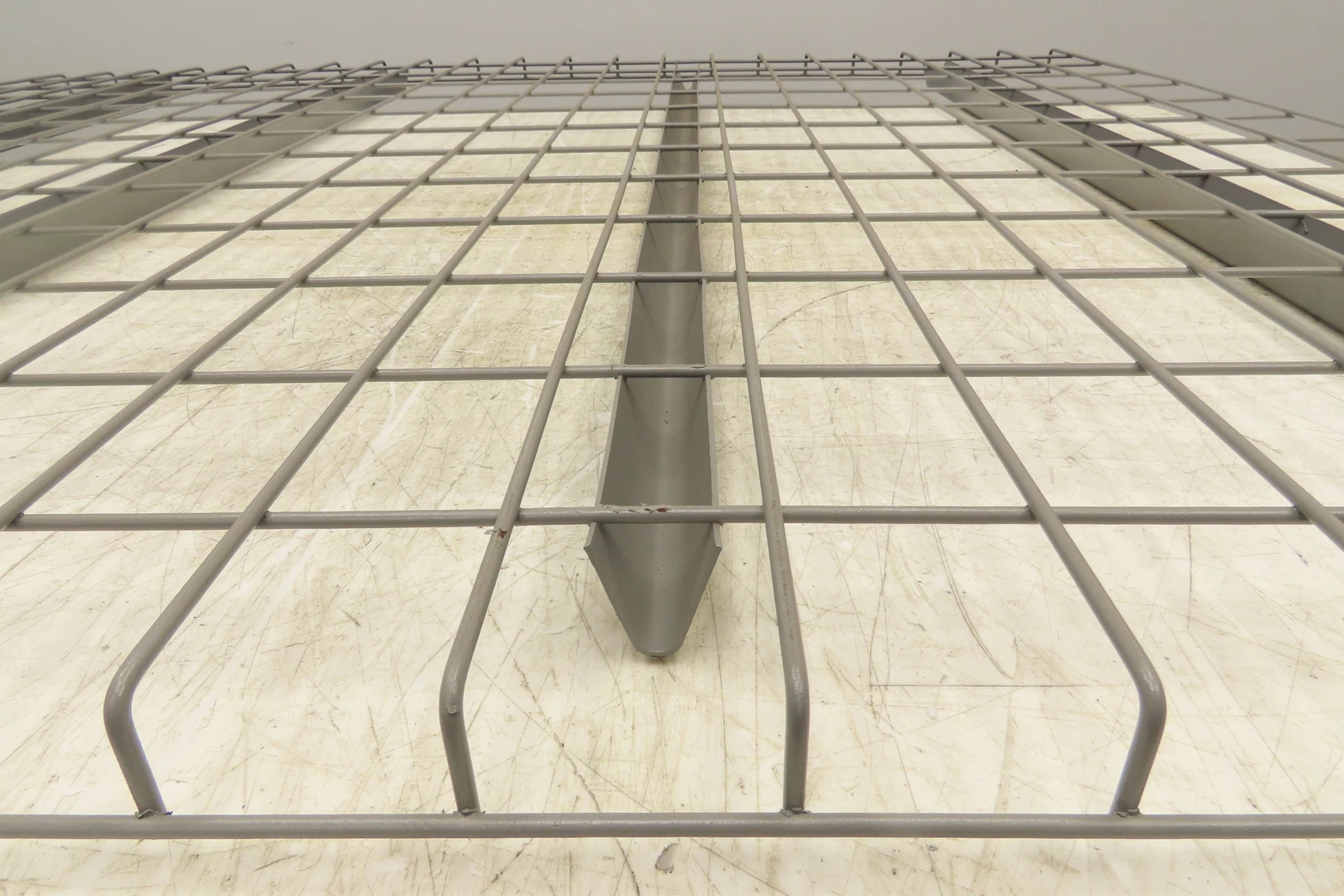
How Can We Improve Workflow Efficiency?
What Technologies Can Reduce Cross-Traffic Incidents?
When you think about cross-traffic incidents, it’s easy to feel the weight of the statistics and the loss that comes with them. Nobody wants to hear about another accident, especially when it could have been prevented. That’s where technology steps in, providing tools that aim to keep our roads safer. Racking systems, sound like something you’d find in a warehouse, but in this case, they relate directly to how we manage the chaos of heavy traffic flow.
Installing smart traffic signals is one effective way to reduce incidents. These aren’t your standard red, yellow, and green lights; they adapt in real-time, responding to current traffic conditions rather than sticking to a set timing schedule like an old clock. Think about a busy intersection where it feels like everyone is in a hurry. With smart signals, the flow becomes more organized, reducing the risk of those dangerous cross-traffic encounters. The anticipation of lights changing can even calm drivers, making them feel more in control.
Then, there’s the value of advanced warning systems. Imagine driving down a road when suddenly a sign lights up, indicating a potential hazard ahead or a nearby accident. These systems receive real-time data and relay it straight to drivers, empowering them to make quick decisions—like slowing down or taking an alternate route. The emotional relief of knowing there’s time to react cannot be overstated.
Moreover, technology such as vehicle-to-vehicle (V2V) communication has emerged. This allows cars to “talk” to each other, sharing important information about speed, direction, and braking. Picture a busy city block where cars are constantly in motion. With V2V, your vehicle knows if another car is about to run a red light, and you can be alerted in a heartbeat. That proactive approach helps you avoid dreaded collisions, serving as a guardian on the road.
It’s not just about the gadgets but the community bond they foster. When we rely on technology to keep us safer, it instills a sense of collective responsibility among drivers. Each of us plays a role in reducing incidents, and these technologies provide a shared commitment to safer roads.
Investing in these technological advancements shouldn’t just be seen as a cost but as a commitment to our families and neighbors. We all know the heartache of a traffic incident; let’s harness these tools to prevent them, turning our roads into safer places for everyone—because we all deserve to get home safe and sound.

What Technologies Can Reduce Cross-Traffic Incidents?
What Technologies Can Reduce Cross-Traffic Incidents?
- Cross-traffic incidents evoke significant emotional and statistical weight.
- Technology plays a vital role in improving road safety and managing traffic flow.
- Smart traffic signals adapt in real-time to current conditions, enhancing organization and reducing accidents.
- Advanced warning systems provide real-time data to drivers, enabling proactive decision-making.
- Vehicle-to-vehicle (V2V) communication alerts drivers to potential collisions, enhancing road safety.
- Technology fosters a sense of community responsibility among drivers towards safer roads.
- Investing in these technologies is a commitment to the safety of families and communities.

What Technologies Can Reduce Cross-Traffic Incidents?
Are Our Current Layouts Truly Optimizing Space Usage?
When we step into a warehouse or a stockroom, the first thing that hits us is the vastness of space. But is it really being utilized to its full potential? That’s where the rubber meets the road— examining our racking systems. These systems, often taken for granted, can either be a game-changer or a silent killer of efficiency. The truth is, we might just be standing in the middle of unused square footage, wondering how to make sense of it all.
Think about the stories wafting through the aisles as workers maneuver around poorly designed layouts. It’s not just about moving goods; it’s about the sweat on their brows and the time wasted navigating a system that could be streamlined. A well-planned racking system can eliminate confusion and chaos, creating a rhythm that feels almost instinctual. It’s like knowing where the right tool is in a cluttered garage—you arrive at your destination faster and with less hassle.
However, the numbers paint a grim picture. Many facilities are operating with racking systems that don’t meet their needs. When space is underutilized, it doesn’t just affect productivity; it can lead to increased costs and frustration. That’s an ethical issue. We owe it to our teams to respect their efforts by providing a setting that fosters efficiency and safety. When morale is high because the environment is conducive to getting the job done, it shows in the quality of work and the company’s bottom line.
We have the authority to make changes that can transform these spaces. Research and experience tell us that reorganizing layouts to improve accessibility and flow can dramatically enhance operational efficiency. However, change can be daunting, often met with resistance from those who fear the unknown. That’s why it’s essential to foster connection among all employees. Open discussions about layout optimization can lead to innovative solutions born from those who know the space best—the workers themselves.
Optimizing space usage isn’t just a numbers game; it’s about respect for our workforce and recognition of the hard work they put in daily. It’s about taking a long, hard look at our racking systems and asking, “Are we making the most of this space?” Let’s roll up our sleeves, gather our insights, and start moving towards layouts that aren’t just functional but are designed with the people who use them in mind. Getting it right can boost both productivity and workplace satisfaction, creating a win-win for everyone involved.

Are Our Current Layouts Truly Optimizing Space Usage?
Are Our Current Layouts Truly Optimizing Space Usage?
- Warehouse and stockroom spaces often underutilized, impacting efficiency.
- Racking systems can significantly affect productivity and employee morale.
- A well-designed racking system streamlines operations, reducing wasted time.
- Many facilities use racking systems that do not meet their needs, leading to increased costs.
- Improving layouts fosters a conducive environment for efficiency and safety.
- Employee-driven discussions on optimizing layouts can lead to effective solutions.
- Optimizing space reflects respect for the workforce and enhances overall satisfaction.

Are Our Current Layouts Truly Optimizing Space Usage?
How Does Cross-Traffic Impact Employee Morale?
Cross-traffic in the workplace can feel like a chaotic symphony, where the melody is often drowned out by the clatter and noise of constant interruption. Picture a bustling warehouse, where racking systems are stacked high with goods waiting to be processed. Employees are moving about, but the disruptive flow of cross-traffic can lead to frustration. When team members must dodge each other’s paths or compete for resources, it’s not just a physical barrier; it creates a psychological one.
Imagine a hardworking team member, focused on a task, suddenly diverted by the stream of colleagues rushing past. Each interruption chips away at their concentration, leading to a sense of disconnection from the work at hand. This feeling can snowball, affecting not just individual productivity but team morale as a whole. When workers feel constantly pulled in different directions, they start to view their environment as chaotic instead of supportive, leading to a growing discontent that can be hard to shake.
From a practical standpoint, understanding the impact of cross-traffic is crucial. Employees thrive in organized spaces where they can move freely and efficiently. It’s about ensuring that operational flow respects their time and effort. When management prioritizes layout and workflow in a way that minimizes interruptions, it signals to employees that their work matters—this fosters a culture of respect and consideration. Even small changes, like rearranging workstations or implementing staggered schedules, can renew a sense of purpose in the workplace.
Moreover, this isn’t just about efficiency; it’s an ethical responsibility towards those who contribute daily to the company’s success. By addressing the clutter of cross-traffic, leadership shows they value employee well-being. When workers see that their comfort and productivity are prioritized, they build trust and a stronger bond with their workplace.
Relatable stories abound: an employee recalls how a simple change in the racking systems allowed for smoother operations, paving the way for teamwork to flourish. The atmosphere shifted as morale lifted; people cheered when they realized how little adjustments could lead to significant improvements. They felt heard and understood, nurturing a sense of community.
We all want to work in an environment where we can focus, where every voice matters. By tackling the issue of cross-traffic, organizations can not only boost morale but also foster a sense of belonging and trust that keeps employees engaged and committed to the collective mission. It all starts with creating flow—because when the workplace flows, so does the spirit of the team.

How Does Cross-Traffic Impact Employee Morale?
How Does Cross-Traffic Impact Employee Morale?
- Cross-traffic in the workplace disrupts productivity and creates psychological barriers for employees.
- Frequent interruptions lead to decreased concentration and a sense of disconnection from tasks.
- Understanding the impact of cross-traffic is essential for creating organized workspaces.
- Management can minimize disruptions by prioritizing layout and workflow considerations.
- Small changes can significantly improve employee morale and create a supportive environment.
- Addressing cross-traffic demonstrates leadership’s commitment to employee well-being and fosters trust.
- Effective flow in the workplace enhances team spirit and engagement in the collective mission.

How Does Cross-Traffic Impact Employee Morale?
What Best Practices Can Be Adopted for Traffic Management?
Traffic management isn’t just about red lights and road signs; it’s about the daily hustle of life, the rhythms that keep our communities moving. When we think about best practices, we need to consider the real people who depend on effective traffic systems—those juggling work, school runs, or late-night shifts. Implementing smart, practical strategies can make a dramatic difference.
First off, optimizing signal timing is key. Think of how often delays sour your mood. When lights are synced well, traffic flows, sparing us the stress of stop-and-go. It’s about creating a rhythm that feels almost instinctual, like knowing when it’s time to get off the couch and grab that last cup of coffee. This isn’t just about saving time; it’s about fostering a sense of ease in our daily lives.
Racking systems for parking can also revolutionize how we deal with heavy traffic. By employing multi-level parking structures that maximize space, we could wave goodbye to those frustrating scavenger hunts for spots. Imagine driving into a garage knowing there’s a place for you, reducing congestion on the streets while keeping everyone’s spirits high.
Public transportation needs to be robust and reliable. When buses and trains run like clockwork, lives transform. It allows individuals to ditch the car, saving money, reducing wear and tear, and lightening their carbon footprint. It’s a communal effort, building connections within the community while caring for the environment we all share.
Education plays a pivotal role too. Teaching safe driving practices, especially among new drivers, fosters a sense of responsibility that echoes through families and neighborhoods. Share stories of the “old-timers” who’ve experienced firsthand how road safety impacts everyone. These tales carry weight, uniting generations with a common understanding of respect and caution on the streets.
Engagement with local communities through consultations can enhance traffic planning. Inviting residents to share their experiences and insights ensures that systems in place resonate with those who live there. Tapping into local knowledge can reveal undercurrents of traffic flow that charts and maps simply cannot.
At the end of the day, traffic management is about creating trust and safety within our communities. When we treat the roads as shared spaces, we act not just as drivers but as stewards of the environment we navigate every day. It’s about developing a culture where reaching our destination isn’t just a mindless task, but a shared journey, feeling connected to the streets we all travel.

What Best Practices Can Be Adopted for Traffic Management?
What Best Practices Can Be Adopted for Traffic Management?
- Traffic management involves the daily dynamics of community life, not just signs and signals.
- Optimizing signal timing improves traffic flow and reduces stress from delays.
- Implementing multi-level parking structures can alleviate congestion and enhance parking experiences.
- Reliable public transportation fosters community connections and reduces individual carbon footprints.
- Education on safe driving practices promotes responsibility among drivers, impacting families and neighborhoods.
- Community engagement in traffic planning leads to systems that align with residents’ needs.
- Traffic management fosters trust and safety, promoting a shared responsibility for road usage..

What Best Practices Can Be Adopted for Traffic Management?
Conclusion
Eliminating cross-traffic in industrial facilities is essential for enhancing both safety and productivity in the workplace. In bustling environments filled with machinery and personnel, the need for clear pathways and designated routes becomes paramount. This isn’t just about streamlining operations; it’s about creating an atmosphere where workers feel secure and respected. When employees don’t have to navigate the chaos of equipment and frequent interruptions, their confidence increases, leading to higher morale and job satisfaction.
Strategically designed layouts minimize obstructions, allowing for a clear separation between pedestrian traffic and equipment movement. This kind of thoughtful design empowers workers, enabling them to focus on their tasks without the constant distraction of potential hazards. Such improvements signal to staff that their safety and well-being are priorities, fostering a sense of community and belonging.
From a practical standpoint, addressing the risks posed by cross-traffic requires clear communication and teamwork. Employees need to feel empowered to raise concerns about their safety and the integrity of their workspace. Involving them in the planning process not only improves safety but reinforces their trust in management. It’s crucial to remember that every worker has the right to return home healthy and whole at the end of each day.
Innovative technologies can also play a significant role in reducing cross-traffic incidents. Smart traffic systems adapt in real-time, enhancing the organization of traffic flow, while advanced warning systems provide crucial information to staff, allowing them to anticipate and avoid hazards. These tools foster a sense of shared responsibility, promoting a culture where everyone looks out for one another.
Optimizing space usage through effective racking systems is another key component. When facilities make the most of their physical layout, efficiency thrives, translating into better productivity and a more satisfying work environment. Listening to the voices of employees during layout discussions can lead to practical, on-the-ground solutions that yield significant improvements.
Ultimately, enhancing workflow efficiency and eliminating cross-traffic is not just about maintaining productivity; it’s about creating an atmosphere of respect and teamwork. A commitment to safe design transforms industrial spaces into thriving communities where workers feel valued. By prioritizing safety and efficiency, facilities can cultivate a culture that empowers employees, fosters camaraderie, and builds trust across the organization. This unified approach is essential in turning a workplace into a community where everyone can thrive together.

Conclusion
Conclusion:
- Eliminating cross-traffic enhances safety and productivity in industrial facilities.
- Clear pathways and designated routes create an atmosphere of security for workers.
- Strategically designed layouts minimize obstructions between pedestrian and equipment traffic.
- Employees should be involved in safety planning to build trust and promote open communication.
- Innovative technologies, like smart traffic systems, can reduce cross-traffic incidents.
- Optimizing space usage through effective racking systems improves efficiency and work satisfaction.
- Creating a safe and efficient workplace fosters camaraderie and empowers employees.

Conclusion
Other Resources

Other Resources
Here is a list of other resources you can review online to learn more:
- CMMA
- Selective Pallet Racking Systems
- Cantilever Racking Specialists – Get the Right Racks
- RMI
- Warehouse Racking Layout: The Ultimate Guide – Conger
- Pallet Racking systems in Illinois, Great Lakes
- BMH
- SEMA
- Interlake
- Teardrop Pallet Rack – Ridg-U-Rak
- Material Handling Industry
- Rack Manufacturers Institute
- Used Pallet Rack for Sale in Illinois – American Surplus
- Warehouse Racking Systems: Beginner’s Guide to Rack Systems
- Warehousing and Fulfillment
- MHI
- Selective Racking
- Wolter
- BMH Equipment LLC
- Cantilever Rack Guide: Ordering Cantilever Racking
Use This Prompt To Get More Resources With Your Favorite Online AI Tool: Please provide me with a list of online articles with their URLs in a bulleted list that I can read regarding Eliminating Cross-Traffic In Industrial Facilities
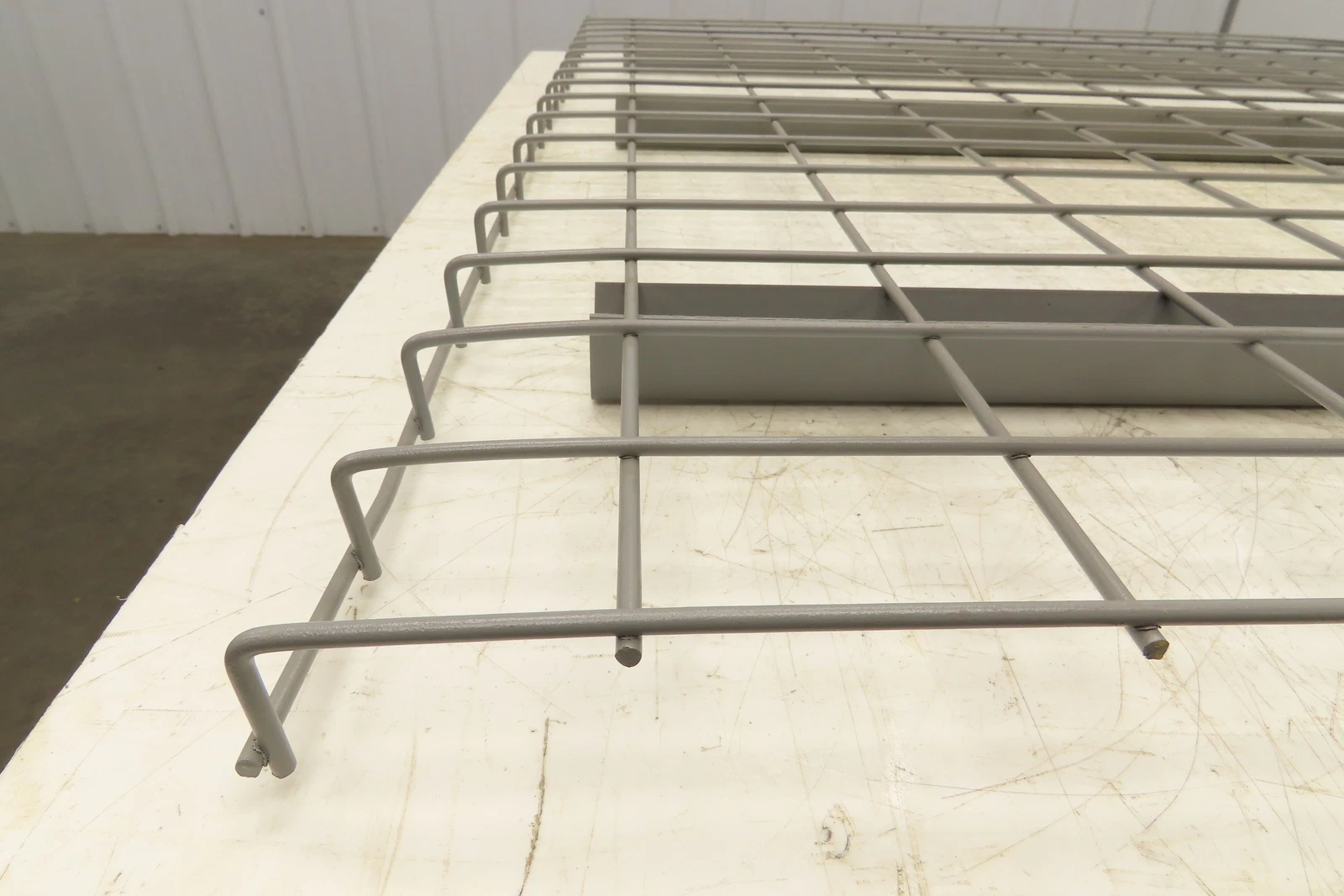
Other Resources
Glossary Terms
Eliminating Cross-Traffic In Industrial Facilities – Glossary Of Terms
1. Access Control: Systems or processes that regulate who can enter specific areas within an industrial facility.
2. Cross-Traffic: Unintentional movement of personnel or materials between different operational areas, causing potential hazards.
3. Traffic Management: Strategies employed to optimize the flow of vehicles and personnel within a facility.
4. Safety Protocols: Established guidelines designed to minimize risk and ensure safe operations.
5. Workflow Design: The strategic arrangement of processes to enhance efficiency and reduce cross-traffic issues.
6. Zoning: Dividing an industrial facility into specific areas to limit the movement of different functions.
7. Signage: Visual indicators used to guide personnel and vehicles, thereby reducing confusion and cross-traffic.
8. Dedicated Pathways: Designated routes for pedestrians or vehicles to minimize interactions between different operational areas.
9. Surveillance Systems: Monitoring setups that track movements within a facility, aiding in traffic flow management.
10. Load Zones: Specific areas designated for loading and unloading, reducing cross-traffic in operational zones.
11. Time-Restricted Access: Limitations on when personnel or vehicles can enter certain areas to prevent conflicts.
12. Safety Barriers: Physical obstacles designed to segregate different traffic types and enhance safety.
13. Incident Reporting: Procedures for documenting and addressing any occurrences of unsafe cross-traffic.
14. Training Programs: Educational initiatives aimed at enhancing awareness of cross-traffic issues among employees.
15. Flow Analysis: Evaluating movement patterns within a facility to identify and address potential bottlenecks.
16. Coordination Meetings: Regular discussions among staff to align on best practices for reducing cross-traffic.
17. Emergency Exits: Designated escape routes that should remain clear and accessible at all times.
18. Automation: Technology employed to streamline processes and reduce the need for cross-traffic.
19. Material Handling: Methods for moving goods efficiently within a facility, limiting unnecessary movement.
20. Risk Assessment: Evaluating potential hazards associated with cross-traffic and implementing mitigation strategies.
21. Facility Layout: The overall design of the physical space, which significantly influences traffic patterns.
22. Communication Systems: Means to relay important information regarding traffic management to personnel.
23. Incident Prevention: Strategies focused on reducing the likelihood of accidents related to cross-traffic.
24. Visual Controls: Tools like floor markings and barriers that help guide movement and reduce conflicts.
25. Traffic Flow Optimization: Adjusting processes and layouts to enhance movement efficiency and safety.
26. Personal Protective Equipment (PPE): Gear worn by personnel that minimizes risk when navigating cross-traffic zones.
27. Pilot Programs: Trial initiatives used to test new methods for managing cross-traffic before full implementation.
28. Shift Scheduling: Planning employee hours to minimize congestion during peak operational times.
29. Maintenance Protocols: Regular checks and repairs on equipment and pathways to ensure they remain clear and safe.
30. Incident Response Plan: A developed course of action for addressing emergencies that may arise due to cross-traffic.

Glossary Of Terms
Other Questions
Eliminating Cross-Traffic In Industrial Facilities – Other Questions
If you wish to explore and discover more, consider looking for answers to these questions:
- What specific incidents or accident types are most commonly caused by cross-traffic in industrial facilities?
- What are the measurable safety and productivity benefits of eliminating cross-traffic?
- How do you conduct a risk assessment to identify cross-traffic hotspots?
- Which industry regulations or standards relate to pedestrian and vehicle separation (e.g., OSHA, local codes)?
- How much does it typically cost to implement separation measures like dedicated walkways, barriers, or reconfigured racking?
- What is the expected return on investment (ROI) and payback period for these changes?
- What low-cost or temporary solutions can be used immediately to reduce cross-traffic risks?
- How do you design effective pedestrian pathways in facilities with limited floor space?
- What are best practices for racking layout to minimize obstructions and improve visibility?
- How should traffic flow be mapped and redesigned to reduce intersections and conflict points?
- How can signage, floor markings, and lighting be optimized to guide both pedestrians and equipment operators?
- What technologies (e.g., sensors, RTLS, wearable alerts, automatic speed limiters, AGV integration) are most effective in warehouses?
- How do you integrate new traffic-management technologies with existing warehouse management systems (WMS) and operations?
- What training programs and frequency are most effective for teaching safe movement and traffic rules to staff?
- How do you encourage reporting of near-misses and ensure employees feel safe to speak up?
- What key performance indicators (KPIs) should be tracked to measure improvements in safety and efficiency?
- How do you run a pilot program to test layout changes or technology before full deployment?
- What maintenance and inspection routines are required to keep traffic-control measures effective over time?
- How do you manage mixed traffic environments where pedestrians, forklifts, and autonomous vehicles coexist?
- What physical barriers or protective systems (e.g., bollards, guardrails, mezzanine edge protection) are recommended?
- How should emergency evacuation routes and procedures be adapted when separating pedestrian and vehicle flows?
- How can shift scheduling and workflow sequencing be adjusted to reduce peak cross-traffic periods?
- How do organizational culture and leadership engagement influence the success of traffic-management initiatives?
- What change-management practices help overcome resistance from staff when redesigning layouts?
- How do racking design choices (e.g., pallet flow, selective vs. drive-in) affect traffic patterns and safety?
- What considerations apply when retrofitting older facilities versus designing new-build layouts?
- How do you evaluate and select vendors for traffic-management technology and racking systems?
- What legal and insurance implications arise from cross-traffic incidents and how can they be mitigated?
- How do facility size, product mix, and throughput volumes influence the optimal traffic-management strategy?
- What role can automation (e.g., AGVs, conveyors, pick-to-light) play in reducing human-machine interactions?
- How should visitors, contractors, and temporary workers be managed to minimize cross-traffic risks?
- What are common mistakes facilities make when attempting to eliminate cross-traffic?
- How can continuous improvement processes be structured to sustain traffic-management gains?
- What case studies or real-world examples demonstrate successful elimination of cross-traffic?
- How do lighting, floor conditions, and ergonomics contribute to safe movement and reduced incidents?

Other Questions
Checklist
Eliminating Cross-Traffic In Industrial Facilities – A Checklist
Error: Retry failed after 4 tries.

Checklist
At RackingWorld, we help guide you through selecting warehouse storage systems and racking.
Be sure to read our other related stories at RackingWorld to learn more about warehouse storage systems.
0 Comments