
Strengthening Safety: Essential Bracing For Resilient Rack Systems
By Tom Seest
At RackingWorld, we help guide you through selecting warehouse storage systems and racking.
Be sure to read our other related stories at RackingWorld to learn more about warehouse storage systems.
Seismic Bracing Requirements for Rack Systems
When it comes to racking systems, the stakes are high. Picture this: a bustling warehouse filled with stacks of inventory, machinery humming, and employees moving about with purpose. Now imagine that seismic event shaking the ground beneath their feet. Without proper seismic bracing, those carefully organized racks could become dangerous liabilities, turning a dynamic workspace into a chaotic risk zone.
It’s not just about meeting regulations—there’s a responsibility to protect the people who work there and the equipment that fuels the business. Seismic bracing for rack systems is about creating an environment where folks can focus on their jobs without the nagging worry that a natural disaster could bring everything crashing down. That feeling of security is invaluable.
Racking systems must be designed for resilience, working to absorb and distribute forces that come with seismic activity. It’s not merely a technical necessity; it’s an ethical obligation to prioritize safety on the job. Each bolt and brace serves as a commitment to stability, a promise to keep both products and people secure. By reinforcing those racking systems, you’re not just following the rules—you’re embodying a culture of care that resonates deeply throughout the ranks.
From the foreman checking the specs to the worker loading the product, everyone has a stake in ensuring that the systems they rely on can withstand the shaking of the earth. The right seismic bracing can mean distinguishing between a minor inconvenience and a major catastrophe. Those towers of racking don’t just hold equipment; they hold livelihoods.
It can be tempting to overlook the finer details in the rush of daily operations, but remember: the cost of cutting corners can be catastrophic. You can always replace products, but you can’t replace lives. Investing in robust seismic bracing isn’t just about compliance; it’s about fostering an environment where everyone feels they can do their job safely and effectively.
This narrative is about building trust—between leaders and teams, between the company and its workforce. Each successful bracing installation makes a statement: we care. So let’s commit to properly bracing our racking systems, reinforcing our workplaces against the unthinkable, and ensuring that when the ground shakes, we stay grounded.

Seismic Bracing Requirements for Rack Systems
Seismic Bracing Requirements for Rack Systems
- Seismic bracing is essential to prevent racking systems from becoming hazardous during earthquakes.
- It protects both employees and vital equipment, fostering a secure workplace environment.
- Racking systems must be resilient, designed to absorb and distribute seismic forces.
- Every component, like bolts and braces, is a commitment to safety and stability.
- Proper seismic bracing helps avoid catastrophic consequences and protects livelihoods.
- Cutting corners in safety can lead to severe repercussions; compliance is necessary for worker safety.
- Successful bracing installations build trust between leaders and teams and reflect a culture of care.

Seismic Bracing Requirements for Rack Systems
Table Of Contents
- Seismic Bracing Requirements for Rack Systems
- What Are the Seismic Risks for Unbraced Rack Systems?
- How Do Seismic Braces Protect Valuable Assets?
- What Materials Are Best for Seismic Bracing?
- How Do Local Codes Influence Bracing Requirements?
- What Ethical Standards Apply to Seismic Bracing?
- How Can Seismic Bracing Prevent Business Interruptions?
- Conclusion
- Other Resources
- Glossary Of Terms
- Other Questions
- Checklist
What Are the Seismic Risks for Unbraced Rack Systems?
When the earth shakes, it doesn’t just rattle our nerves; it puts our racking systems at risk, jeopardizing the very foundations of our workspaces. Imagine a warehouse filled to the brim with stock, all meticulously organized—now, envision that inventory crashing down, causing not only financial loss but risking the safety of workers too. Unbraced rack systems, while cost-effective, often turn into silent liabilities when a quake hits.
The core of the problem lies in stability. Racking systems rely on a framework that should withstand the pressures of movement to keep everything upright. Yet, without proper bracing, these structures become vulnerable, swaying under seismic forces and potentially collapsing. A lack of foresight can lead to chaos—products destroyed, aisles blocked, and injuries that could have been avoided.
Feeding into the gut feeling is the truth that many think, “It won’t happen to us.” This false sense of security fosters complacency. The reality? Seismic events can strike unexpectedly, like a thief in the night. There’s no reason to dismiss local history; in areas prone to tremors, utilizing unbraced racks can be like playing with fire. When the community lives under the shadow of seismic risks, it becomes crucial to approach these systems with a level of respect and care they demand.
On the ethical side, it’s a matter of responsibility. Warehouse managers have a duty to ensure the safety of their employees. Is saving a few bucks worth the risk of lives? Adopting bracing mechanisms isn’t just a recommendation; it’s an investment in human safety. Trust comes from the choices we make, and when leaders prioritize stability in racking systems, it resonates through the ranks. Workers feel valued and protected, creating a culture of confidence.
Then there’s the narrative of resilience. Stories abound of businesses that faced disasters but bounced back stronger, thanks to proper planning. They recognized the importance of reinforcing their racking systems and, in doing so, they not only safeguarded their assets but also their people. These tales inspire others to act, cultivating a more prepared workplace.
Finally, it’s not just a conversation about risk; it’s about community. Engaging with local experts and peers creates a network of shared knowledge. When businesses unite to address these seismic challenges, they bolster their resilience collectively. Taking action now isn’t just smart; it’s essential to ensure that when the next quake hits, it’s not devastation we face, but preparedness that shines through.
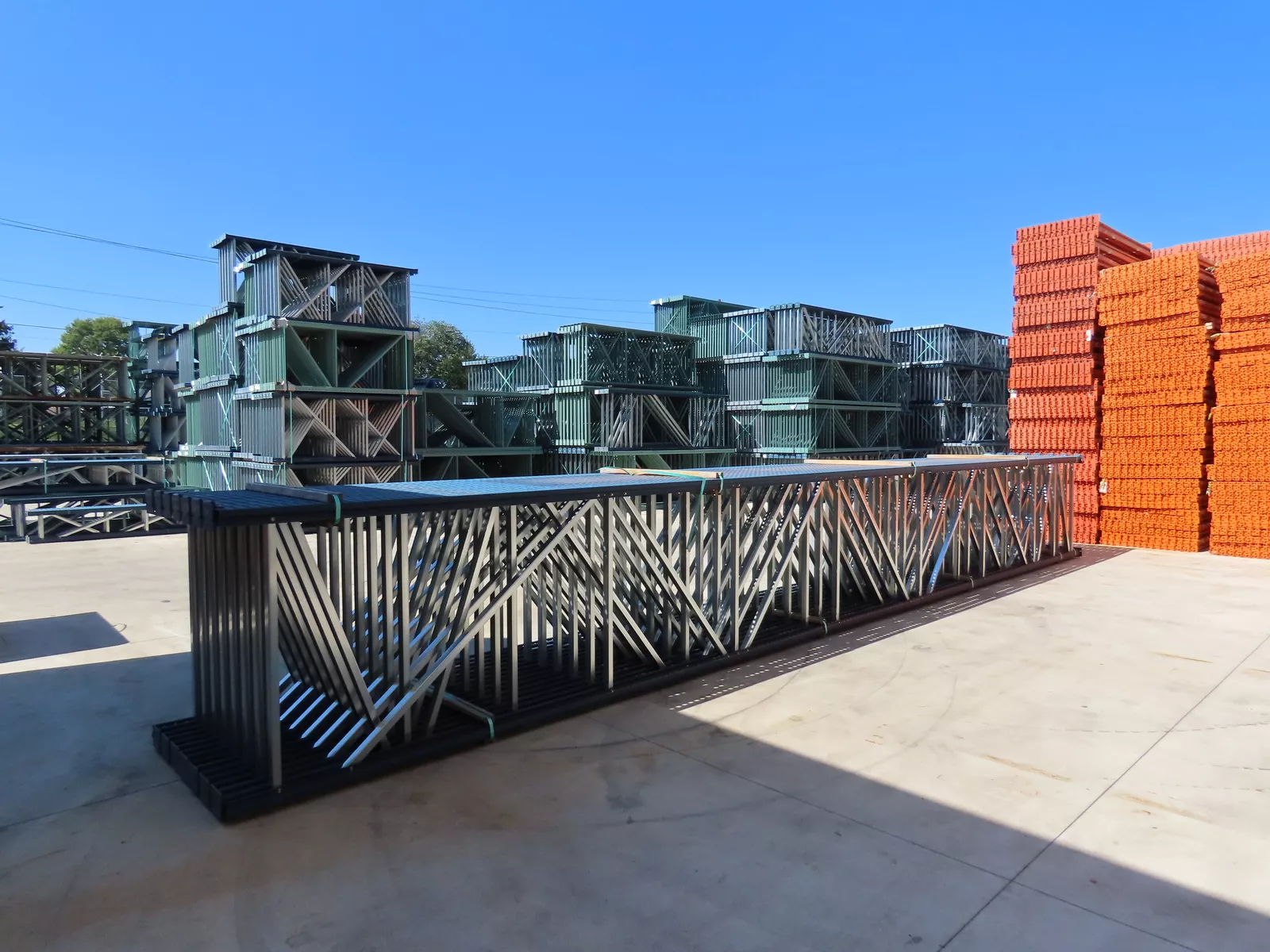
What Are the Seismic Risks for Unbraced Rack Systems?
What Are the Seismic Risks for Unbraced Rack Systems?
- Earthquakes jeopardize racking systems and workspace safety.
- Unbraced rack systems can lead to chaos, causing financial loss and injuries.
- Proper bracing is essential for stability against seismic forces.
- Complacency due to a false sense of security can have dire consequences.
- Warehouse managers have a responsibility to ensure employee safety.
- Investing in bracing mechanisms fosters a culture of trust and protection.
- Collaboration among businesses enhances community resilience against earthquakes.
What Are the Seismic Risks for Unbraced Rack Systems?
How Do Seismic Braces Protect Valuable Assets?
When the earth shakes, the last thing you want is to watch your hard-earned investments rattle and roll. Seismic braces, specifically designed racking systems, step up to the plate during those uncertain moments, acting as a silent guardian for everything from machinery to precious inventory. It’s not just about keeping things in place; it’s about preserving the lifeblood of your business.
Picture this: a warehouse filled with costly equipment and years of dedication. Each machine, each item has a story tied to it—maybe it’s the breadwinner for a family or the dream project of a passionate entrepreneur. Racking systems fortified with seismic braces ensure that these stories don’t meet a tragic end when the ground starts to tremble. The peace of mind that comes from knowing your assets are safe isn’t just a nice-to-have; it’s essential for the heart of every operation.
But there’s more to it than emotions; there’s a solid rationale behind investing in these systems. Seismic bracing isn’t just a trend; it’s backed by engineering principles that minimize movement during earthquakes. You break it down into dollars and sense—failure to protect your assets can lead to substantial financial losses. Businesses often spend years building their reputation and finances, only to see it all crumble in seconds when the ground shakes. Investing in these protective measures is about valuing what you’ve built and making sensible decisions that safeguard your future.
Ethically speaking, there’s a responsibility to your employees, customers, and the community. A business that cares for its assets also cares for the people woven into its fabric. You want to walk into your warehouse knowing that you’ve taken steps to create a safer environment for everyone involved. Seismic braces reflect ethical stewardship—offering protection not just for physical items but for those livelihoods tied to them.
Moreover, there’s an unspoken authority in having a reliable, well-structured racking system. The kind that shows you mean business and that you’re prepared for whatever might come your way. Having that level of confidence resonates through your team, making them feel secure and ready to tackle challenges.
Seismic braces aren’t just about steel and bolts; they’re a commitment to protecting every aspect of your business, and when you foster that trust, you create a stronger community. Each brace reinforces not just your assets but the very foundation of safety and resilience in the face of nature’s unpredictability.
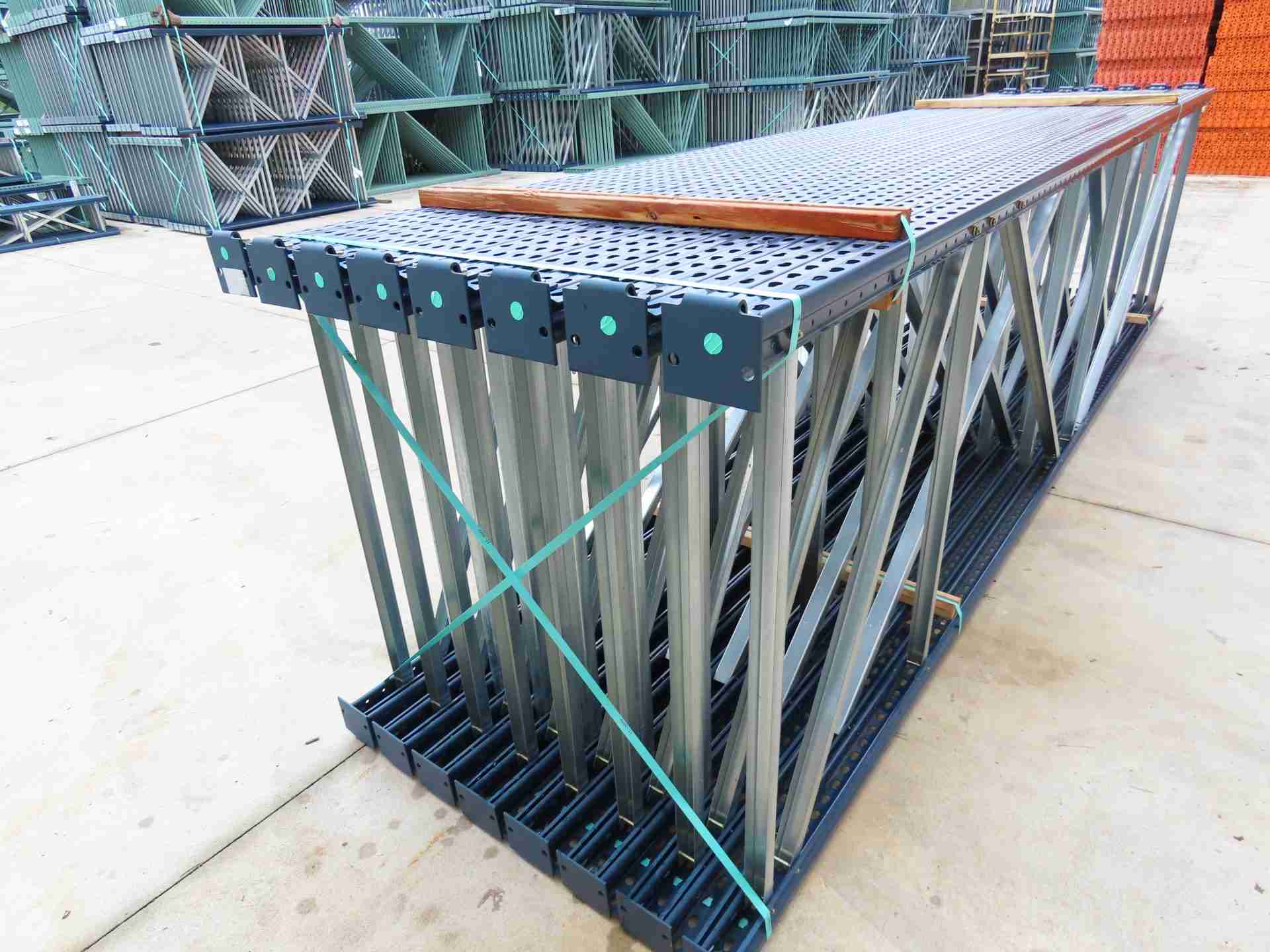
How Do Seismic Braces Protect Valuable Assets?
How Do Seismic Braces Protect Valuable Assets?
- Seismic braces act as guardians for machinery and inventory during earthquakes.
- They preserve the business’s core assets and ensure operational continuity.
- Investing in seismic bracing is essential to prevent financial losses from asset damage.
- It reflects ethical responsibility towards employees and the community.
- Seismic braces contribute to a safer environment, protecting both physical items and livelihoods.
- A reliable racking system instills confidence and preparedness among the workforce.
- Each brace enhances safety and resilience against natural disasters.
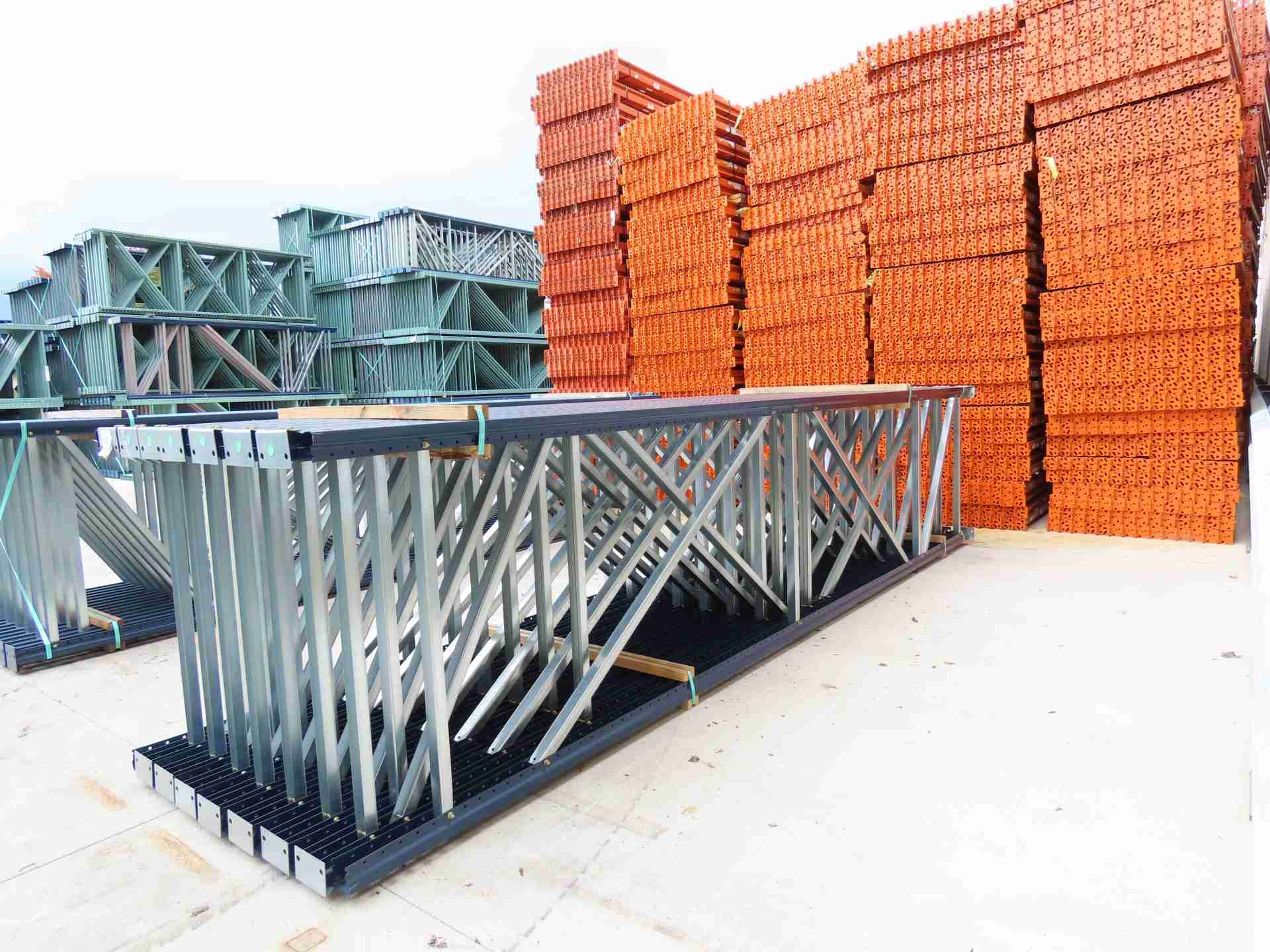
How Do Seismic Braces Protect Valuable Assets?
What Materials Are Best for Seismic Bracing?
When it comes to seismic bracing, choosing the right materials isn’t just a matter of technical specifications; it’s about safeguarding lives and communities. In a world where natural disasters can strike at any moment, the strength and reliability of bracing systems weigh heavily on our minds. The materials must withstand the unpredictable forces of nature while providing peace of mind to builders, families, and businesses alike.
Steel and reinforced concrete often take center stage. Steel is a staple in construction, valued for its strength and ductility. It bends rather than breaks, absorbing shock far better than many alternatives. When racking systems are engineered with steel bracing, they stand a better chance against the kind of lateral forces that earthquakes unleash. Everyone recalls the images of buildings swaying in the wake of seismic events, and it’s the sturdy materials beneath that make the difference between safety and catastrophe.
Reinforced concrete is another robust option, offering thriving versatility in design and construction. It provides mass and rigidity, which are critical when resisting the forces that come with seismic activity. What’s more, blending concrete and steel creates a formidable composite that capitalizes on the strengths of both materials, forming a synergy that can withstand unimaginable pressure.
Beyond raw strength, ethical considerations come into play when selecting materials. Sourcing sustainable materials not only ties back to our responsibility for the planet but also fosters a sense of community and resilience. Builders who prioritize environmentally friendly materials contribute to a future where safety is a shared value, ensuring that homes are not just structures but havens for families and businesses during uncertain times.
Real-world experience backs these choices. The stories of communities coming together to rebuild stronger after seismic events, often led by local craftsmen who understand their unique needs, are grounded in the reliable use of tried-and-true materials. These local heroes—engineers, architects, and builders—know intimately how crucial it is to use the right materials for their racking systems to keep families safe.
By understanding the options and the stories behind them, we can feel more connected to the materials that protect our lives. It’s about building trust, not just in the structures themselves but in the community that supports one another through thick and thin. When we choose wisely, we can lay the groundwork for a safer, more resilient future.
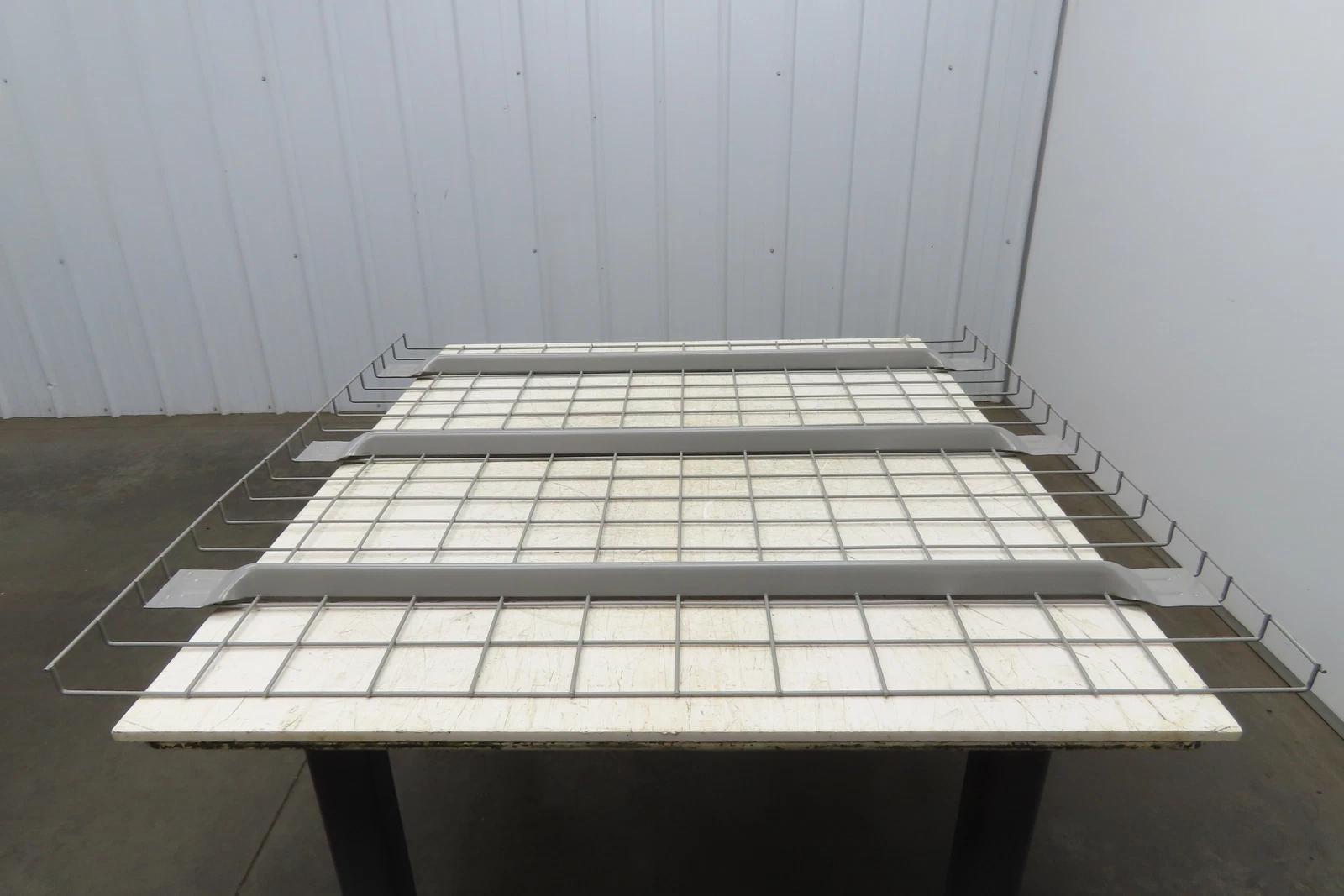
What Materials Are Best for Seismic Bracing?
What Materials Are Best for Seismic Bracing?
- Choosing materials for seismic bracing prioritizes safety and community welfare.
- Steel is favored for its strength and ductility, crucial for absorbing shock during seismic events.
- Reinforced concrete offers versatility, mass, and rigidity for resisting seismic forces.
- A composite of steel and concrete combines the strengths of both materials for enhanced durability.
- Sourcing sustainable materials promotes environmental responsibility and community resilience.
- Local craftsmen play a vital role in rebuilding stronger communities through their expertise in material selection.
- Understanding the materials used fosters trust between builders and communities, enhancing future safety.

What Materials Are Best for Seismic Bracing?
How Do Local Codes Influence Bracing Requirements?
Local building codes are the unsung heroes behind the strength of our homes and workplaces; they dictate everything from racking systems to seismic considerations that keep us safe. When you build, you’re not just putting up walls; you’re crafting a shelter that needs to withstand the test of time and Mother Nature’s whims. Those codes arise from lessons learned in the trenches, where outdated structures have crumbled, and new innovations have risen from the ashes.
Picture a community after a natural disaster; homes are flattened, lives disrupted. That heartbreak fuels the regulations we follow today. It’s not just a matter of bureaucracy but real people who have felt the sting of losing their homes. When local governments set bracing requirements, it’s rooted in those experiences – a promise that every nail and beam can bear the weight of what matters most: safety, family, memories.
Consider how these codes shape our construction methods. Racking systems, for instance, are more than just jargon tossed around at building sites; they’re the backbone of stability. These systems absorb and distribute the forces that would otherwise rattle our homes during storms or quakes. Each building process embeds a layer of trust between the builders and the community they serve. Folks want to know that when the wind howls or the earth shakes, their homes will keep them safe. That’s where these codes step in, striving to ensure that our hard-earned investments stand firm against the elements.
There’s also an ethical dimension to consider. Builders and contractors who know and adhere to these codes have a responsibility to their community. They’re not merely constructing buildings; they’re fostering environments where families can thrive. It’s about integrity, a bond of trust that encourages neighbors to invest in their local area. When people rally around the local code, it builds a sense of pride and unity.
So, next time you swing a hammer or lay a foundation, remember that the local codes are not just red tape. They represent a profound commitment to safety and community welfare. Engaging with these regulations isn’t just about compliance; it’s about ensuring that everyone can rest easy at night, knowing their homes are built to last. It’s a call to action – to build wisely, honorably, and with the future in mind, creating spaces where families can nest for generations to come.

How Do Local Codes Influence Bracing Requirements?
How Do Local Codes Influence Bracing Requirements?
- Local building codes enhance the safety and strength of homes and workplaces.
- Codes are developed from past disasters and lessons learned from structural failures.
- They reflect the experiences of communities affected by natural disasters.
- Racking systems provide stability and protect homes during severe weather and earthquakes.
- Compliance with codes fosters trust between builders and the communities they serve.
- Builders have a responsibility to create safe environments for families to thrive.
- Engaging with building codes is a commitment to safety, community welfare, and future generations.

How Do Local Codes Influence Bracing Requirements?
What Ethical Standards Apply to Seismic Bracing?
When it comes to seismic bracing, we’re not just talking steel and bolts; we’re considering the very safety of our own communities—our family, friends, and neighbors. When the ground shakes, it’s our responsibility to ensure that our buildings stand firm, safeguarding lives. Ethical standards in this critical field go beyond mere compliance; they embody a promise to prioritize human life over profit.
An important element is the reliability of racking systems. These systems must be rigorously designed and tested, with a focus on their ability to withstand adverse conditions. Imagine a warehouse full of heavy equipment. If those racking systems fail during an earthquake, it’s not just a loss of material but a potential hazard that endangers lives. Each engineer, architect, and contractor plays a pivotal role in ensuring these systems are built to standards that reflect not only technical precision but a deep-seated commitment to community welfare.
The ethics surrounding seismic bracing speak to our collective responsibility. When we participate in designing and implementing safety measures, we forge a bond with our communities. We aren’t merely showing up for a job; we’re investing our skills into safeguarding the lives of those who depend on our work. It’s a silent promise that echoes through our towns every time the earth rumbles.
We also have to consider the broader impact of our choices. Scrimping on materials or cutting corners to save costs might yield short-term savings for a company, but at what cost to society? Ethical decision-making compels us to reflect on the long-term consequences of our actions. When we put in the extra work—using only top-notch materials and adhering to best practices—we not only build solid structures; we build trust with the people who inhabit them.
Inside every building we brace, there’s a story—a family, a business, a dream. Each seismic event is a reminder that nature doesn’t wait for us to be ready; it tests our resolve, our ethics, and our craftsmanship. By committing to ethical standards in seismic bracing, we ensure our capabilities are not just about engineering but about humanity.
We’ve walked the walk, seen the tremors, and felt the weight of responsibility. It’s up to us to lead with integrity, building a future where safety isn’t just a line item in a budget but the foundation of our work. When disaster strikes, we need to stand tall, knowing we did right by those who matter most.
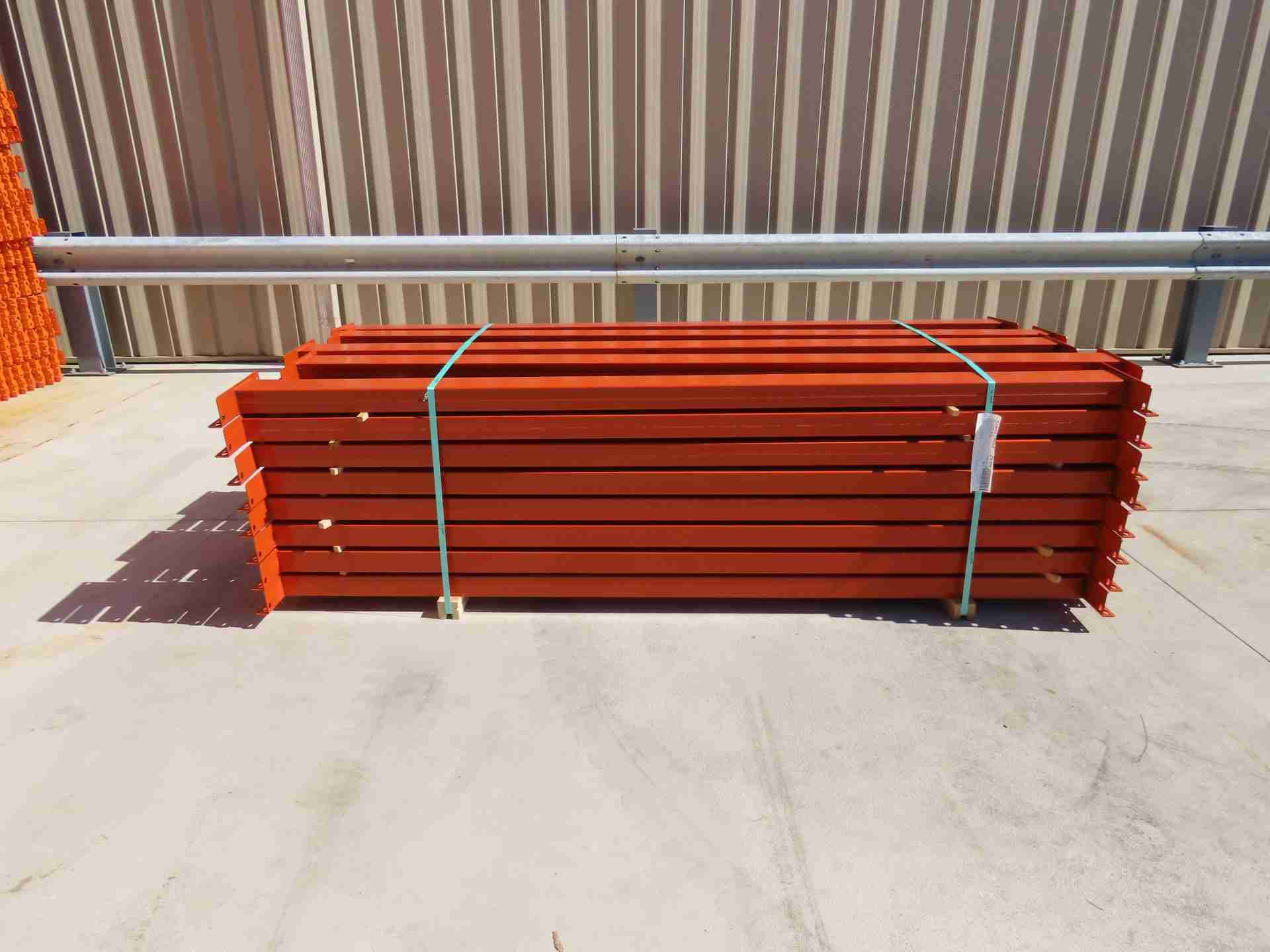
What Ethical Standards Apply to Seismic Bracing?
What Ethical Standards Apply to Seismic Bracing?
- Seismic bracing is vital for community safety, prioritizing lives over profits.
- Racking systems must be rigorously designed and tested to withstand adverse conditions.
- Engineers, architects, and contractors are crucial in ensuring safety standards are met.
- Ethical practices in seismic bracing forge strong bonds with communities.
- Cost-cutting can lead to long-term negative consequences for society.
- Every building braced represents a story, highlighting the human impact of engineering work.
- Commitment to ethical standards enhances trust and reinforces responsibility in the field.

What Ethical Standards Apply to Seismic Bracing?
How Can Seismic Bracing Prevent Business Interruptions?
Seismic bracing isn’t just some fancy term thrown around by engineers; it’s a lifeline for businesses that face the unpredictable wrath of earthquakes. Picture this: you’ve poured your sweat, time, and hard-earned cash into building your dream enterprise. Then, out of nowhere, the ground shakes, and suddenly, your livelihood hangs in the balance. That’s where seismic bracing comes into play, serving as the unsung hero that keeps your operation upright and running.
Racking systems, that sturdy backbone of warehouses and stores, rely heavily on these bracing solutions. When a quake hits, racking systems without proper seismic support can buckle under pressure, leading to damaged goods or worse—injuries to your employees or customers. Investing in these safety measures might seem like just another expense, but think about it: every dollar spent on seismic bracing could save you thousands in repairs, lost merchandise, and disrupted operations. It’s not just smart business; it’s a conscious decision to protect your community and your team.
Connect with the reality of how seismic bracing can prevent business interruptions. A story shared among tradespeople highlights this very point. A family-owned hardware store in a quake-prone area thought it was invincible—until disaster struck. The store was unprepared, and the aftermath wasn’t just collapsed shelves; it was a community lost without a vital resource. The owners, devastated, learned the hard way that a few bolts and braces could have made all the difference. Their experience serves as a cautionary tale: businesses thrive when they invest in preventive measures, fostering resilience against nature’s most erratic whims.
This isn’t just about bricks and mortar; it’s about the people behind the scenes. As business owners, there’s an ethical responsibility to ensure the safety of your staff and the environment in which you operate. Seismic bracing allows you to walk through your doors each day with confidence, knowing you’ve taken steps to shield your people from harm. It builds trust with your employees and customers alike. They’ll see your commitment to their safety and security, fostering a culture of reliability and strength.
Ensuring your business can weather any storm—literal or figurative—means making informed choices today. Seismic bracing might not be the most glamorous topic, but it’s one that could save lives and livelihoods. So, let’s face it—being prepared isn’t just good business; it’s a testament to principled leadership in the face of uncertainty.
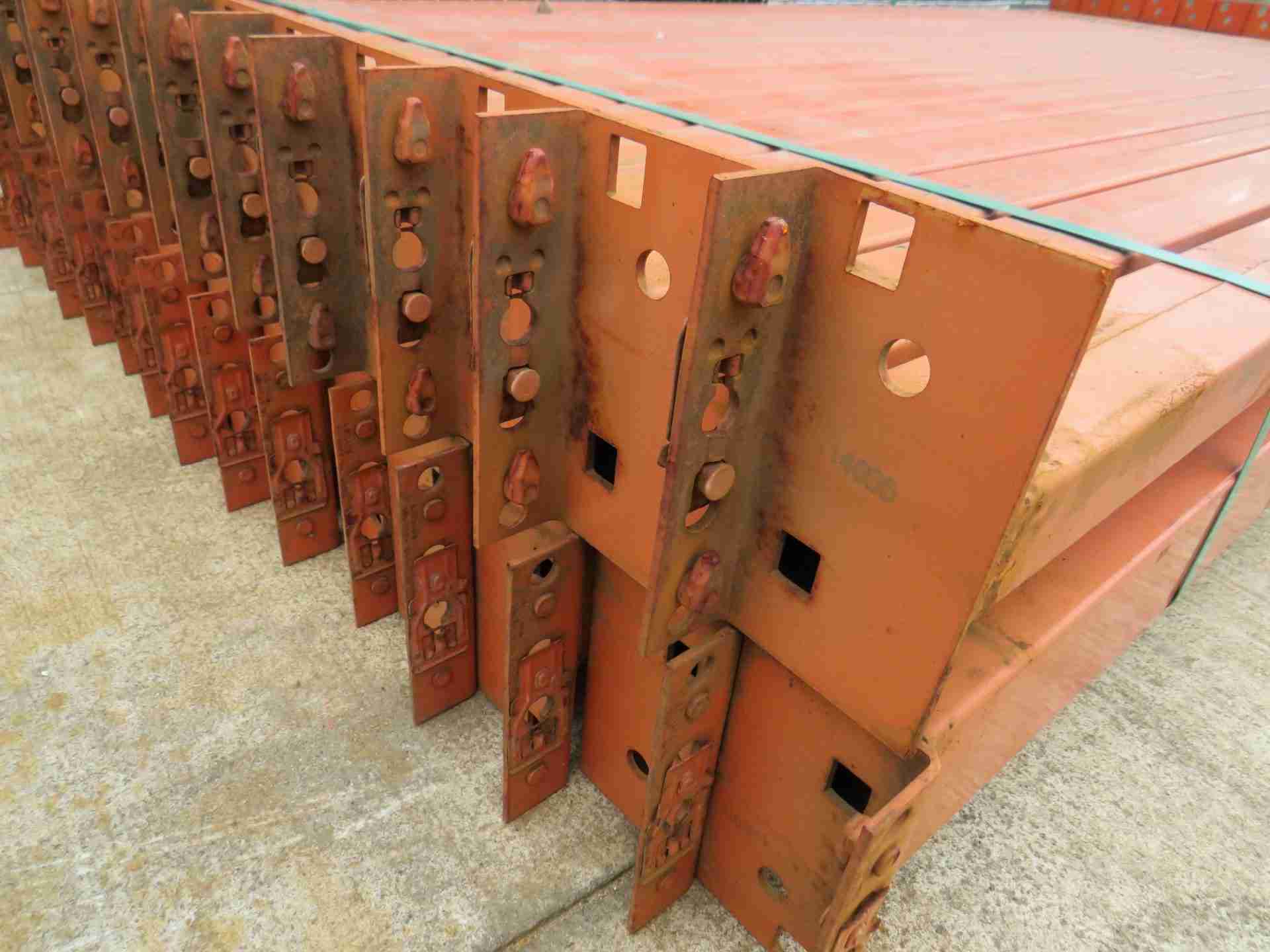
How Can Seismic Bracing Prevent Business Interruptions?
How Can Seismic Bracing Prevent Business Interruptions?
- Seismic bracing is essential for businesses facing earthquake risks, providing vital support to operations.
- Racking systems in warehouses need proper seismic support to prevent damage and injuries during quakes.
- Investing in seismic bracing can save businesses significant costs related to repairs and lost merchandise.
- A cautionary tale illustrates the consequences of neglecting seismic safety, highlighting the importance of preventive measures.
- Business owners have a responsibility to protect their staff and community through effective safety measures.
- Seismic bracing fosters trust and reliability between business owners, employees, and customers.
- Being prepared with seismic bracing demonstrates principled leadership and commitment to safety amidst uncertainty.
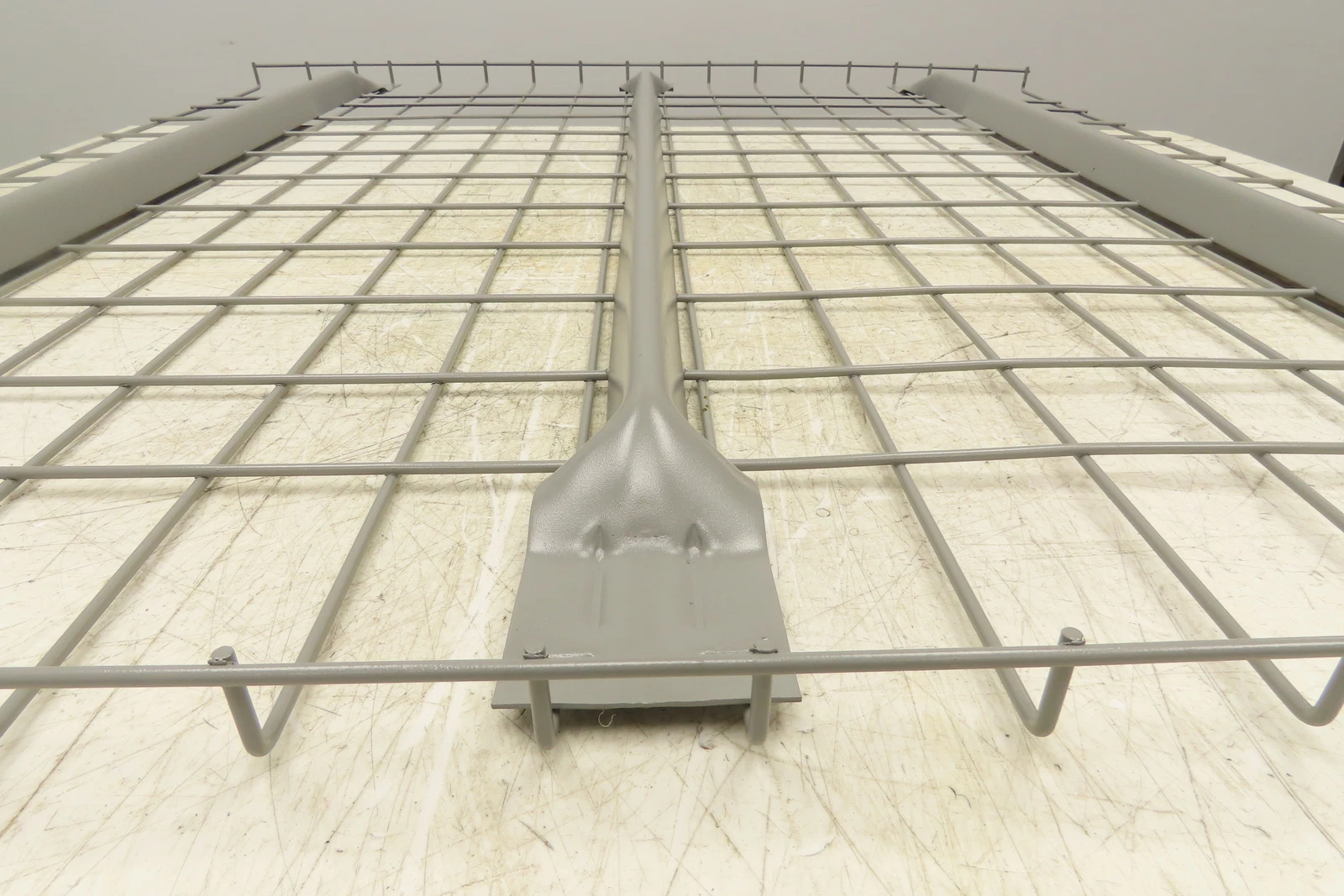
How Can Seismic Bracing Prevent Business Interruptions?
Conclusion
Seismic bracing for rack systems is a critical investment that safeguards not only physical assets but also the lives of employees and the overall integrity of businesses. Imagine a bustling warehouse where the rhythmic operations can quickly turn chaotic during a seismic event. The stakes are high, as inadequate bracing can turn sturdy racking systems into unstable hazards. This underscores a responsibility stronger than regulatory compliance; it’s about ensuring a secure working environment where employees can perform their jobs without constant fear of disaster.
Racking systems must be engineered to endure seismic stresses, absorbing and redistributing forces effectively. This dedication to safety promises stability, transforming each installation into a cornerstone of a culture that genuinely values worker well-being. Cutting corners in this area—often tempting in the fast-paced rush of operations—can have dire consequences. It’s imperative to prioritize safety over short-term savings, as the temptation to ignore these safeguards can lead to disasters that could take lives and livelihoods away in an instant.
Investing in seismic bracing reflects a broader narrative of communal responsibility and ethical stewardship. When businesses choose to embrace robust bracing mechanisms, they’re not just creating resilient workplaces; they’re enhancing trust and solidarity among teams. A properly braced system speaks volumes: we care about our people and our community.
The materials selected for seismic bracing play a significant role as well. Choosing durable options like steel and reinforced concrete not only fortifies racking systems but also builds a legacy of safety and ethical building practices. When builders select sustainable materials, they contribute to a collective sense of resilience, ensuring that facilities are not just structures but safeguarding havens for communities.
Local building codes provide another layer of protection, originating from the hard-earned lessons of past disasters. These regulations serve to ensure that every structure is equipped to withstand nature’s unpredictable challenges. Builders and contractors are entrusted with adhering to these codes, fostering a sense of duty to their community to deliver safe environments.
Ultimately, the conversation around seismic bracing transcends technical jargon; it’s a heartfelt commitment to protect lives and businesses from the uncertainties of nature. When the ground shakes, those who have taken preventive measures reinforce their strength not just in structures but in community trust. Through humility and hands-on diligence, the commitment to safety becomes a shared value, ensuring that when disaster strikes, resilience prevails.
Conclusion
Conclusion:
- Seismic bracing for rack systems protects physical assets and ensures employee safety and business integrity.
- Inadequate bracing can convert sturdy racking systems into unstable hazards during seismic events.
- Racking systems should be engineered to absorb and redistribute seismic forces effectively.
- Investing in seismic bracing prioritizes long-term safety over short-term cost savings.
- Using durable materials like steel and reinforced concrete enhances safety and builds a legacy of ethical practices.
- Local building codes provide essential guidelines for creating structures that withstand natural disasters.
- The commitment to seismic bracing fosters community trust and enhances workplace resilience.
Conclusion
Other Resources

Other Resources
Here is a list of other resources you can review online to learn more:
- Racking World
- Warehouse Storage Racking in Illinois
- Teardrop Uprights
- Used Pallet Rack for Sale in Illinois – American Surplus
- Storage Equipment Manufacturers Association
- Wolter
- American Surplus
- MHI
- Warehouse Racking Layout: The Ultimate Guide – Conger
- Rack Manufacturers Institute
- Interlake
- BMH Equipment LLC
- Warehousing and Fulfillment
- IWLA
- Cantilever Racks Chicago
- NSC
- Crane Manufacturers Association Of America Inc.
- The Complete Pallet Rack Guide – Simply Rack
- Used Teardrop Pallet Rack – American Surplus
- Heavy-Duty Cantilever Storage Racks
Use This Prompt To Get More Resources With Your Favorite Online AI Tool: Please provide me with a list of online articles with their URLs in a bulleted list that I can read regarding Seismic Bracing Requirements for Rack Systems

Other Resources
Glossary Terms
Seismic Bracing Requirements for Rack Systems – Glossary Of Terms
1. Bracing: Structural components used to stabilize racks against lateral forces during seismic events.
2. Rack System: A framework designed to hold and store products, often used in warehouses and distribution centers.
3. Seismic: Relating to or denoting geological and seismic activity, particularly earthquakes.
4. Load: The weight or force exerted on a structure, including static and dynamic loads.
5. Lateral Forces: Forces acting horizontally on a structure, often caused by wind or seismic activity.
6. Anchor: A device used to attach a structure to a foundational element, preventing movement during seismic events.
7. Compliance: Adherence to established standards and regulations related to seismic safety.
8. Resilience: The ability of a structure to withstand and recover from seismic events without significant damage.
9. Retrofit: Modifying existing structures to meet updated seismic standards or improve stability.
10. Structural Integrity: The ability of a structure to withstand its intended load without failure.
11. Seismic Design Category (SDC): A classification system that determines the required level of design for seismic safety based on location and usage.
12. Tension: The force that attempts to elongate or stretch a structural element, relevant in bracing systems.
13. Compression: The force that attempts to shorten or compress a structural element, crucial for understanding load distribution in racks.
14. Diaphragm: A structural element that transfers lateral loads to vertical elements, enhancing stability.
15. Moment Frame: A structural system designed to resist bending moments, providing stability during seismic events.
16. Stability: The state of being steady and secure, particularly regarding a structure’s ability to remain upright during lateral forces.
17. Earthquake: A sudden release of energy in the earth’s crust, resulting in ground shaking and potential structural damage.
18. Foundation: The lower portion of a structure that transfers its load to the ground and provides stability.
19. Bracing Types: Various configurations of bracing systems, including X-bracing and K-bracing, used to enhance structural support.
20. Horizontal Displacement: The movement of a structure’s components horizontally due to seismic forces.
21. Vertical Load: The weight borne by a structure acting downward, relevant in load calculations.
22. Seismic Codes: Regulations that establish the minimum design criteria for structures in seismic zones.
23. Dynamic Analysis: A method of assessing a structure’s response to seismic loads through simulation.
24. Passive Resistance: The inherent ability of a structure to resist seismic forces without active involvement of structural elements.
25. Material Strength: The capacity of a material to withstand applied forces without failure, critical in designing bracing systems.
26. Seismic Isolation: Techniques used to mitigate the transfer of seismic forces to a structure, enhancing safety.
27. Performance-Based Design: An approach to structural design focused on achieving specific performance objectives during seismic events.
28. Vibration Control: Techniques employed to reduce the impact of vibrations on structures during seismic activity.
29. Code Compliance Document: Official documents that outline how a structure meets specific seismic design codes.
30. Emergency Preparedness: Strategies and plans developed to ensure safety and operational continuity following a seismic event.

Glossary Of Terms
Other Questions
Seismic Bracing Requirements for Rack Systems – Other Questions
If you wish to explore and discover more, consider looking for answers to these questions:
- What specific codes and standards (IBC, ASCE 7, RMI, AISC, local ordinances) apply to seismic bracing of rack systems?
- How do local seismic zone maps and site-specific soil conditions influence bracing requirements?
- How do I determine whether an existing rack system needs seismic retrofit or only minor upgrades?
- What types of seismic bracing (diagonal, moment frames, cross-braces, sway frames, anchor systems) are available and when is each appropriate?
- How are seismic forces for rack systems calculated and what load cases must be considered?
- When is a licensed structural or seismic engineer required for design or approval?
- What are the recommended anchorage solutions for different floor types (thick concrete slab, thin slab-on-grade, raised floors, soft substrates)?
- How does bracing interact with pallet rack capacities—does bracing reduce usable load capacity or storage density?
- What are the material options (grades of steel, coatings, corrosion protection) and their expected lifespans in typical warehouse environments?
- How do bracing details change for specialty systems (mezzanines, cantilever racks, mobile/compact storage, very high bay racks)?
- What are typical costs to install or retrofit seismic bracing (per rack bay, per pallet position, or per square foot)?
- What is the expected payback or ROI from bracing in terms of reduced damage, downtime, and insurance costs?
- Are prefabricated bracing kits available, and how do they compare to custom-engineered solutions?
- How long does installation or retrofit typically take and can it be done without removing inventory?
- What inspection frequency and maintenance are required for seismic bracing and anchors?
- Who is qualified to inspect and certify rack bracing (engineer, certified inspector, manufacturer rep)?
- What documentation, drawings, and calculations must be kept for code compliance and insurance purposes?
- How should warehouses prioritize which racks or areas to brace first under a limited budget?
- What are common failure modes of unbraced or poorly braced rack systems during earthquakes?
- How does bracing affect day-to-day operations, aisle clearances, and forklift access?
- What are anchor repair options when existing concrete is cracked, contaminated, or too thin?
- How do seismic bracing requirements differ for new construction vs tenant improvements vs retrofit of older buildings?
- What testing, certification, or third‑party verification exists for bracing components and systems?
- Are there industry case studies or performance data showing outcomes for braced vs unbraced racks?
- What insurance incentives, credits, or premium reductions are available for properly braced racking?
- What legal or regulatory consequences can arise from non‑compliant racking (fines, shutdowns, liability exposure)?
- How do seismic performance goals (Immediate Occupancy, Life Safety, Collapse Prevention) translate into rack design requirements?
- How should hazardous, bulky, or high‑value inventory be prioritized and braced differently?
- What worker training and post‑quake inspection procedures should be implemented after an event?
- How to coordinate seismic bracing work with building structure reinforcement or other trades?
- Are there monitoring or sensor technologies that can detect racking damage or changes after seismic events?
- What are acceptable temporary bracing strategies during construction or while awaiting permanent solutions?
- How does environmental exposure (humidity, chemicals, coastal salt) affect bracing material selection and maintenance?
- What warranties, guarantees, and manufacturer support should be required from bracing suppliers and installers?
- How to verify contractor qualifications and ensure proper installation practices are followed?
- What recordkeeping (inspection logs, installation photos, calculations) should owners maintain for audits and claims?
- How to integrate seismic bracing decisions into emergency response and continuity‑of‑operations planning?
- What common cost‑cutting shortcuts or poor practices should be avoided to maintain ethical and safe bracing?

Other Questions
Checklist
Seismic Bracing Requirements for Rack Systems – A Checklist
Leadership and Accountability
✅______ Safety and resilience are stated priorities over cost or speed
✅______ A responsible person is designated for seismic bracing compliance
✅______ Budget allocated for design, installation, and maintenance
Site and Risk Assessment
✅______ Local seismic hazard identified and documented
✅______ Facility history of seismic events reviewed
✅______ Soil, slab, and foundation conditions assessed for anchorage capacity
Inventory and Layout
✅______ Maximum pallet weights and load distributions verified
✅______ Rack height, depth, and aisle widths confirmed for stability
✅______ Heavier items stored lower; overhang and eccentric loads minimized
✅______ Clear egress paths maintained; no obstruction of aisles
Rack Design and Materials
✅______ Racks specified for seismic use in the facility’s zone
✅______ Structural steel components and connections selected for ductility
✅______ Components from a single, compatible manufacturer
✅______ Beam-to-upright locks/clips specified and counted for all connections
Bracing and Anchorage
✅______ Cross-aisle and down-aisle bracing requirements defined
✅______ Column base plates sized for seismic forces
✅______ Anchor type, size, embedment, and quantity engineered for slab conditions
✅______ Row spacers, wall ties, and overhead ties used where required
✅______ Pallet stops, backstops, and load containment provided to prevent dislodgement
Code and Documentation
✅______ Local building code seismic requirements identified and applied
✅______ Stamped engineering drawings and calculations on file
✅______ Manufacturer installation manuals available to installers and maintenance staff
✅______ Load signage posted on every rack bay (capacity, beam levels, restrictions)
Installation and Commissioning
✅______ Installers trained and qualified for seismic rack systems
✅______ Anchors installed per specification and torque-verified
✅______ Plumbness, level, and alignment verified across rows and bays
✅______ Nonconformances corrected and documented before use
✅______ Final inspection completed; as-built drawings updated
Operations and Housekeeping
✅______ Forklift impacts reported and racks taken out of service if damaged
✅______ No field drilling, cutting, or part substitutions without engineering approval
✅______ Pallet quality monitored to prevent broken or undersized pallets
✅______ Housekeeping prevents debris that could block aisles or hide damage
Inspection and Maintenance
✅______ Routine visual inspections scheduled (daily or weekly)
✅______ Formal inspections performed by qualified personnel (quarterly or annually)
✅______ Fastener torque and anchor integrity checked on schedule
✅______ Damaged components tagged, unloaded, and replaced with like-for-like parts
✅______ Post-event inspections triggered after any seismic activity or impact
Training and Culture
✅______ Staff trained on load limits, proper placement, and reporting damage
✅______ Supervisors reinforce compliance and stop-work authority
✅______ Ethical standards emphasized—no cutting corners on safety
Emergency Preparedness and Continuity
✅______ Earthquake response plan in place (Drop, Cover, and Hold; evacuation routes)
✅______ Secured storage for critical spares and tools
✅______ Business continuity plan addresses inventory protection and rapid restart
✅______ Coordination with local authorities and peer facilities established
Periodic Review and Improvement
✅______ Annual review of seismic data, codes, and lessons learned
✅______ Upgrades planned for changes in load, layout, or code requirements
✅______ Metrics tracked: incidents, findings resolved, training completion
Checklist
At RackingWorld, we help guide you through selecting warehouse storage systems and racking.
Be sure to read our other related stories at RackingWorld to learn more about warehouse storage systems.
0 Comments