
Balancing Performance And Convenience: The Heart Of Rack Choices
By Tom Seest
At RackingWorld, we help guide you through selecting warehouse storage systems and racking.
Be sure to read our other related stories at RackingWorld to learn more about warehouse storage systems.
Rack Height and Travel Time Tradeoffs
When it comes to racking systems, choosing the right height can feel a bit like deciding how high to climb a ladder—there’s a balance between reaching for what’s up there and knowing how much effort it takes to get there. Every warehouse manager has faced this dilemma at some point, weighing the benefits of maximizing vertical space against the impact it has on travel time and overall efficiency.
Picture this: a busy warehouse bustling with activity. You’ve got goods flying in and out, but that tall racking system you installed a year ago is starting to feel like an obstacle course. Sure, it looks impressive towering above the aisles, but those precious seconds spent retrieving items from the top shelves add up fast. Every minute counts when you’re racing against the clock, and those long travel times can slice into productivity like a hot knife through butter.
From a rational standpoint, the height of your racks should not just be a number on a wall but a calculated decision. If you’ve crammed every inch of vertical space with inventory, consider the time it takes for your team to pick items. Workers may need to climb ladders or use forklifts, and that translates into labor costs and potential safety risks. Is it worth squeezing in a few extra pallets at the expense of morale and efficiency?
Ethically, we owe it to our teams to create an environment that prioritizes their safety and well-being. The potential strain of constant climbing, reaching, and navigating tight spaces can lead to fatigue and accidents. Trust in your racking systems should come from knowing they enhance workflow rather than hinder it.
Connecting with the heart of your workforce can inspire better practices. Engage them in discussions about their experiences with current racking systems. Let their voices be heard; after all, they’re the ones on the ground, maneuvering through the aisles day in and day out.
By sharing stories of how different setups have changed the pace of operations, managers can paint a picture of the real impact height and travel time have on everyone involved. It’s not just about productivity numbers; it’s about creating a space that feels intuitive and efficient.
Ultimately, the trade-off between rack height and travel time is more than just logistics; it’s a choice that shapes your warehouse culture and operational success. Finding that sweet spot could mean the difference between a smooth operation and a chaotic scramble.
Rack Height and Travel Time Tradeoffs
Rack Height and Travel Time Tradeoffs
- Choosing racking system height balances vertical space and effort required to access goods.
- High racks can hinder productivity by increasing travel time for retrieval.
- Maximizing vertical space may lead to labor costs and safety risks from climbing or using forklifts.
- Workplace safety and team morale should be prioritized over cramming inventory.
- Engaging warehouse staff in discussions can lead to better racking system practices.
- Sharing experiences of racking setups can highlight the importance of height and efficiency.
- The trade-off between rack height and travel time impacts warehouse culture and operational success.

Rack Height and Travel Time Tradeoffs
Table Of Contents
- Rack Height and Travel Time Tradeoffs
- What Is the Ideal Rack Height for Efficient Access?
- How Does Rack Height Impact Travel Time?
- Are You Maximizing Space with Your Rack Design?
- How Can Adjusted Rack Height Improve Workflow?
- What Travel Time Reductions Can Be Achieved with Optimal Rack Height?
- Do You Prioritize Ease Of Access Over Storage Density?
- Conclusion
- Other Resources
- Glossary Of Terms
- Other Questions
- Checklist
What Is the Ideal Rack Height for Efficient Access?
Finding the right rack height for your racking systems isn’t just about numbers on a blueprint; it’s about making your work life smoother, more efficient, and safer. Picture yourself stretching awkwardly on your tiptoes or bending down at an awkward angle to grab a tool or a box. Frustrating, right? The ideal rack height strikes a balance—a human-centered design that recognizes we’re not all built the same.
When setting the height for your racks, consider what you need on hand most often. The items you reach for daily should sit at eye level—it’s where your most-used tools or parts should call home. Placing them higher or lower might feel like a game of hide-and-seek, and we all know that wastes precious time. Think of your coworkers, too; nobody wants to play catcher to someone scrambling to reach the top shelf. A well-thought-out rack height can keep your team moving like a well-oiled machine, boosting productivity and morale.
Racking systems that are easy to access lead not only to efficiency but also to safety. Safety isn’t just an abstract concept—it’s about knowing your team can work without unnecessary risk. When racks are positioned thoughtfully, it minimizes the need for ladders or reaching into no man’s land, where accidents lurk. By genuinely prioritizing safety in your design, you build a culture of care that resonates throughout the workplace.
Moreover, consider the ethical aspect of rack heights. Every worker has the right to a quality workspace, and it’s our duty as leaders and peers to create environments that respect everyone’s capabilities. By paying attention to access and arranged heights, you’re ensuring inclusivity in your operations—every person matters here.
When everyone feels confident that they can access what they need without endless searching or struggling, it fosters a positive atmosphere. Stories circulate in the break room about the setup that actually works for everyone, lending credibility to your choices and inspiring others to evaluate their own systems.
Ultimately, a well-considered rack height reflects your commitment to efficiency, safety, and community. It’s not just about racks; it’s about creating a workspace that’s functional and feels right, helping everyone do their best work without unnecessary hassle. In this way, you’re not just shelving boxes—you’re building trust and paving a path toward success.
What Is the Ideal Rack Height for Efficient Access?
What Is the Ideal Rack Height for Efficient Access?
- Optimal rack height enhances efficiency and safety in the workplace.
- Items used frequently should be placed at eye level for easy access.
- Properly set rack heights prevent accidents and reduce the use of ladders.
- Designing with inclusivity ensures a quality workspace for all workers.
- A well-planned system boosts productivity and team morale.
- Accessible racking fosters a positive atmosphere, promoting teamwork.
- Commitment to thoughtful design builds trust and contributes to success.
What Is the Ideal Rack Height for Efficient Access?
How Does Rack Height Impact Travel Time?
In the bustling warehouse where time is money, the height of your racking systems can make all the difference in the world. Picture this: you’re racing against the clock to fulfill a last-minute order. Each second counts as you navigate the aisles. If your racking systems are set too high or poorly configured, you find yourself climbing up and down ladders, wasting precious minutes. Those minutes add up, turning a smooth operation into a frantic scramble.
Raising the talking point of efficiency isn’t just an academic exercise; it’s a matter of survival in today’s competitive landscape. Businesses faced with tight timelines and razor-thin margins can’t afford to let travel time slip through their fingers. It’s about making thoughtful, strategic choices—like setting the right rack height for the workforce’s actual needs. Too low, and you might think you’re saving time, but in reality, you’re bending over more than you should. Too high, and you’re adding unnecessary steps to an already demanding job. Striking that balance creates a rhythm that allows workers to move swiftly and safely through their tasks.
Beyond just the numbers, there’s an emotional thread woven into the fabric of a smoothly running operation. Workers pride themselves on efficiency, feeling a sense of accomplishment when the day’s targets are met without hassle. When racking systems are designed with ergonomics in mind, employees feel valued. It reflects an understanding by management—people are not just cogs in a machine; they are integral to the engine that drives success.
Rack height also resonates on an ethical level. Mindful design respects the workforce and acknowledges their health and safety. A warehouse that prioritizes this fosters a culture of trust and cooperation. Workers stay engaged and cultivate a pride in their environment. When you look out for your employees’ welfare, it results in better morale and, in turn, improved results.
Real-life accounts echo throughout the industry, illustrating that optimal rack height can lead to a substantial increase in overall productivity. One company reported a 30% reduction in picking times after re-evaluating their storage solutions, proving that even simple changes can yield significant gains.
In this arena of measured efficiency, travel time is not just a statistic; it’s a lifeline. Investing time and consideration into rack height ultimately pays dividends in both speed and workforce satisfaction, allowing organizations to thrive and adapt in a constantly shifting marketplace.
How Does Rack Height Impact Travel Time?
How Does Rack Height Impact Travel Time?
- The height of racking systems significantly impacts warehouse efficiency and productivity.
- Poorly configured racks can waste time, causing operational delays in order fulfillment.
- Strategic rack height choices are critical for balancing employee movement and task demands.
- Ergonomic design in racking fosters employee pride and a sense of accomplishment.
- Mindful design practices improve worker safety and morale, enhancing overall results.
- Optimal rack height adjustments can lead to substantial productivity increases, such as a 30% reduction in picking times.
- Investing in rack configuration ultimately benefits speed and workforce satisfaction in a competitive market.

How Does Rack Height Impact Travel Time?
Are You Maximizing Space with Your Rack Design?
When you’re out on the floor, the last thing you want is a cluttered mess. It’s frustrating, isn’t it? You’ve got your tools, materials, and inventory all fighting for attention, and at the end of the day, you just want to get the job done without fumbling through a pile of stuff. This is where smart racking systems come in. They don’t just save space; they can transform the way you work. Imagine walking into a space where everything has its place, and you can grab what you need in a heartbeat. That’s the kind of efficiency you want.
Let’s get real—space is valuable. Every square foot costs money, and wasting it on poorly designed storage isn’t just impractical; it’s unethical. You owe it to yourself and your team to create a workspace that enhances productivity. Good racking systems aren’t just about fitting things in; they’re about maximizing the potential of your environment. They bring order to chaos, making it easier to find tools and materials when you need them. It’s about elevating the standard of work, promoting safety, and reducing the risk of accidents. A clear space translates to peace of mind.
Reflect on the times you’ve lost track of that crucial piece because it was buried under a mess of disorganized materials. Frustration turns to momentum when you shift to a design that works for you, not against you. Ask yourself if your current racking design is really serving its purpose or just taking up space. When you invest time in crafting an effective system, you’re not just rearranging; you’re setting the stage for success.
Additionally, there’s a collective benefit to consider. When the workspace is organized and efficient, everyone wins. Team members feel empowered, morale boosts, and there’s a sense of camaraderie that happens when everyone can find what they need without a fuss. You’re not just creating a more efficient space; you’re fostering a culture where every hand on deck can contribute more effectively.
So, take a moment to evaluate your current setup. Are you truly maximizing the space you have with your rack design? Make adjustments where needed. Whether you’re working in a warehouse, a shop, or even at home, the right racking systems can spark a chain reaction of positivity and productivity. Don’t settle for anything less than what can really optimize your working environment.
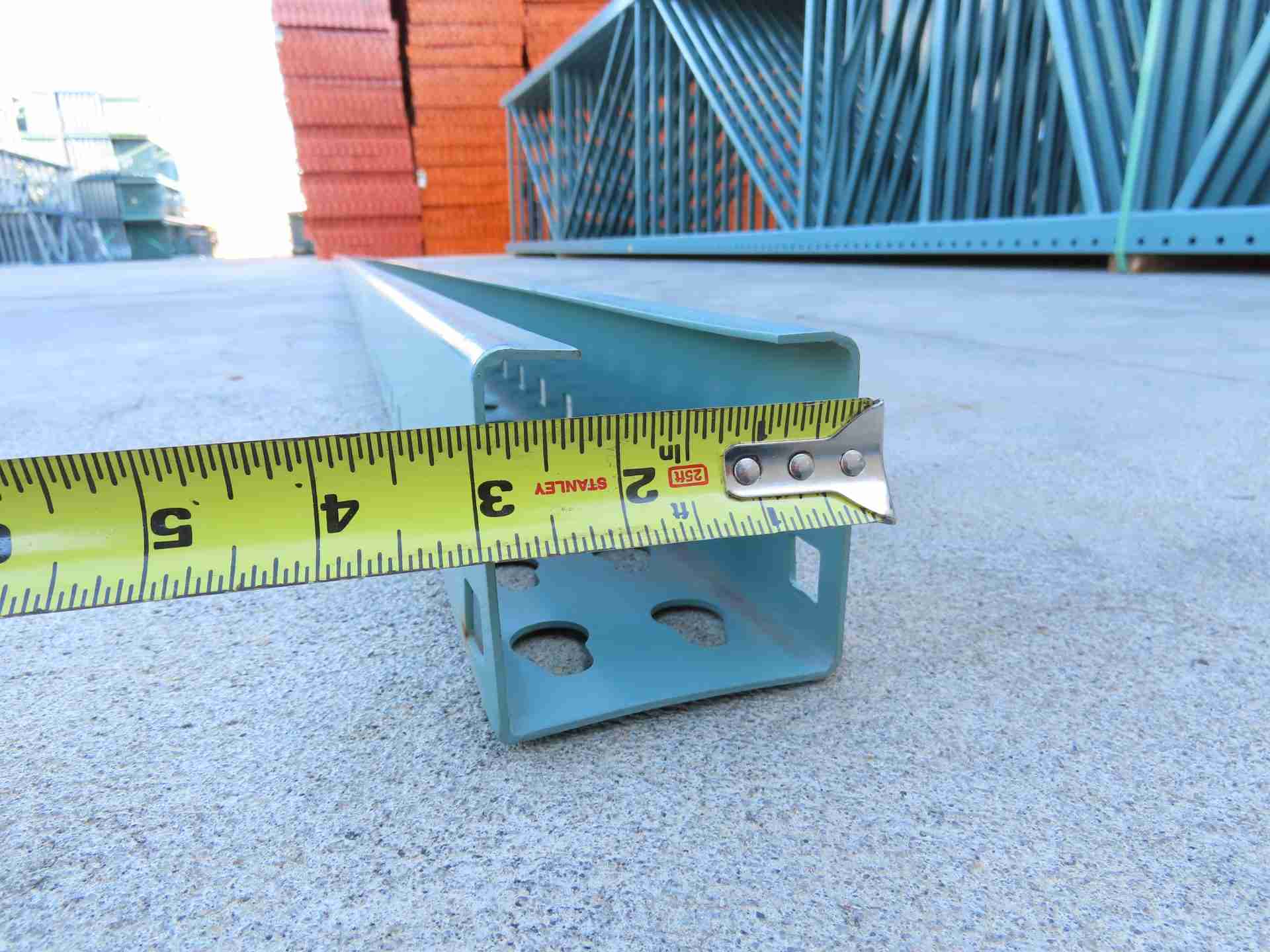
Are You Maximizing Space with Your Rack Design?
Are You Maximizing Space with Your Rack Design?
- A cluttered workspace is frustrating and hampers productivity.
- Smart racking systems save space and transform work efficiency.
- Every square foot of space costs money; efficient storage is essential.
- Good racking systems maximize the environment’s potential and promote safety.
- An organized space leads to enhanced team morale and collaboration.
- Evaluate current racking designs to ensure they serve their purpose effectively.
- Proper racking systems can enhance productivity in various environments.

Are You Maximizing Space with Your Rack Design?
How Can Adjusted Rack Height Improve Workflow?
Adjusted rack height can be a game changer in any workspace, especially for those who spend long hours in warehouses or factories. Picture this: a worker standing on tiptoes to reach a box on a high shelf—frustration and wasted time creeping in with every stretch. Now, consider a setup that allows easy access from the ground up. Adjusted rack height optimizes workflow by minimizing those awkward reaches, thus making tasks smoother and quicker.
When racking systems are designed with flexibility in mind, they speak to the very essence of efficiency. Research shows that when workers can access materials without fuss, their productivity skyrockets. It’s not just about reaching up or bending down; it’s about saving those precious seconds that add up over a long shift. Every minute spared can be redirected toward adding value elsewhere, creating an operation that runs like a well-oiled machine.
Then there’s the ethical angle to consider. A well-thought-out design isn’t just about profits; it reflects a commitment to worker safety and well-being. By allowing for adjustments, companies show they care, fostering a more engaged workforce. This isn’t just smart business; it speaks to the heart of community spirit within the workplace.
Every worker has stories—about spilled boxes, pulled muscles, and moments of exasperation. A robust racking system that allows for easy adjustments can turn those tales of woe into narratives of success. An optimized workspace breeds confidence, as workers feel empowered and efficient rather than defeated by their environment.
In a world that often seems to favor the flashy over the functional, it’s crucial to remember the power of common sense. Simplicity in design leads to harmony in operations, making it relatable for everyone involved. No one wants to feel like a cog in a machine; they want to feel like they are part of something bigger. When employees see that their physical environment respects their needs, it fosters a sense of belonging and loyalty.
So, embrace the potential of adjusted rack height. It’s not merely a tweak in the structure; it’s an invitation for better workflow, a commitment to safety, and a hands-on approach to real-world problems that resonates deeply. That shift could be the difference between a job that exhausts and one that inspires.
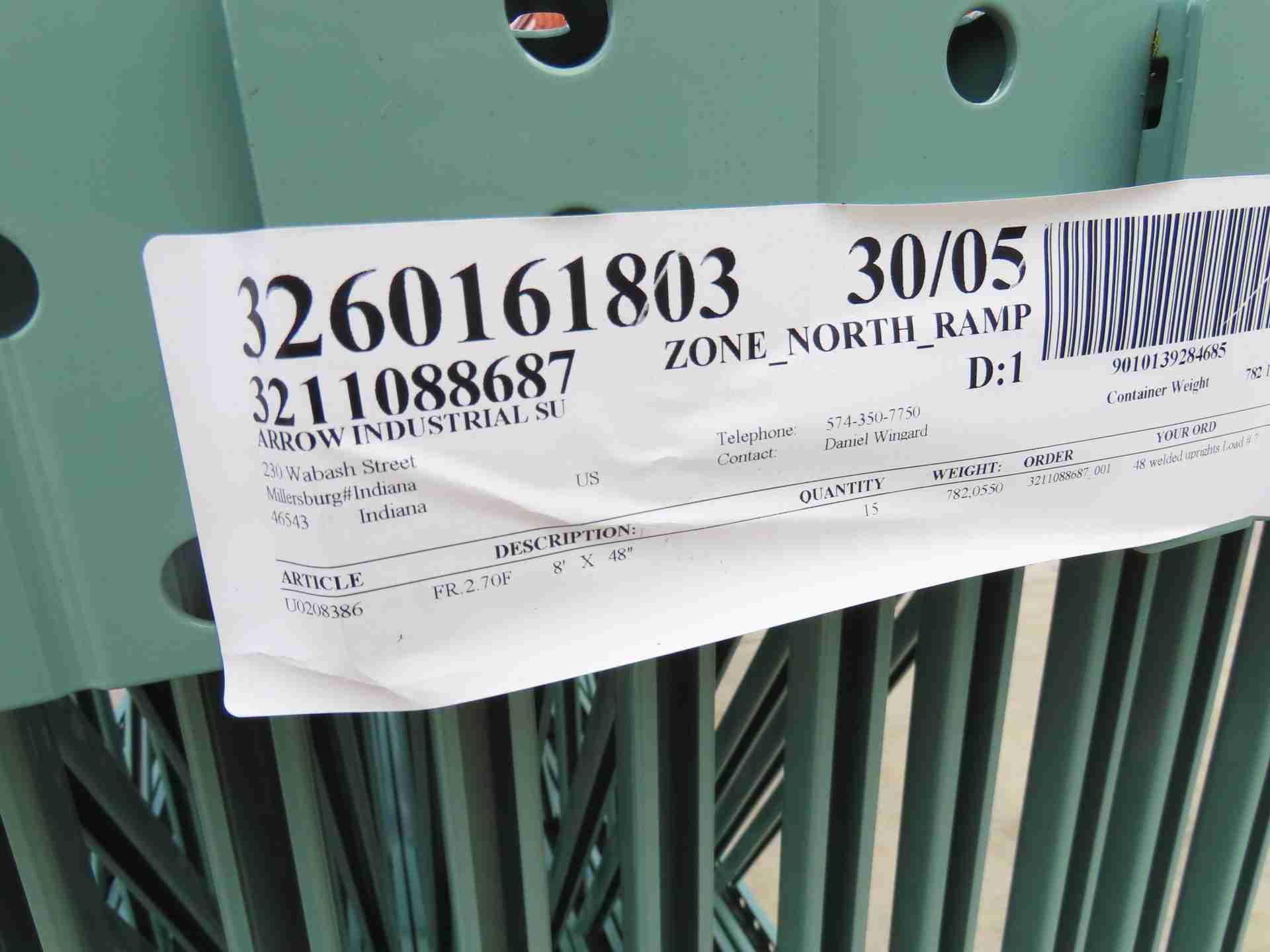
How Can Adjusted Rack Height Improve Workflow?
How Can Adjusted Rack Height Improve Workflow?
- Adjusted rack height enhances workflow in warehouses and factories by minimizing awkward reaches.
- Flexibly designed racking systems significantly improve productivity by facilitating easy material access.
- Saving time on manual reaching translates to increased operational efficiency.
- Prioritizing safe designs demonstrates a company’s commitment to worker well-being and fosters engagement.
- An optimized workspace empowers workers, converting frustration into confidence and success.
- Simplicity in design creates a relatable environment, fostering a sense of belonging and loyalty among employees.
- Implementing adjusted rack height benefits both workflow and safety, offering practical solutions to workplace challenges.
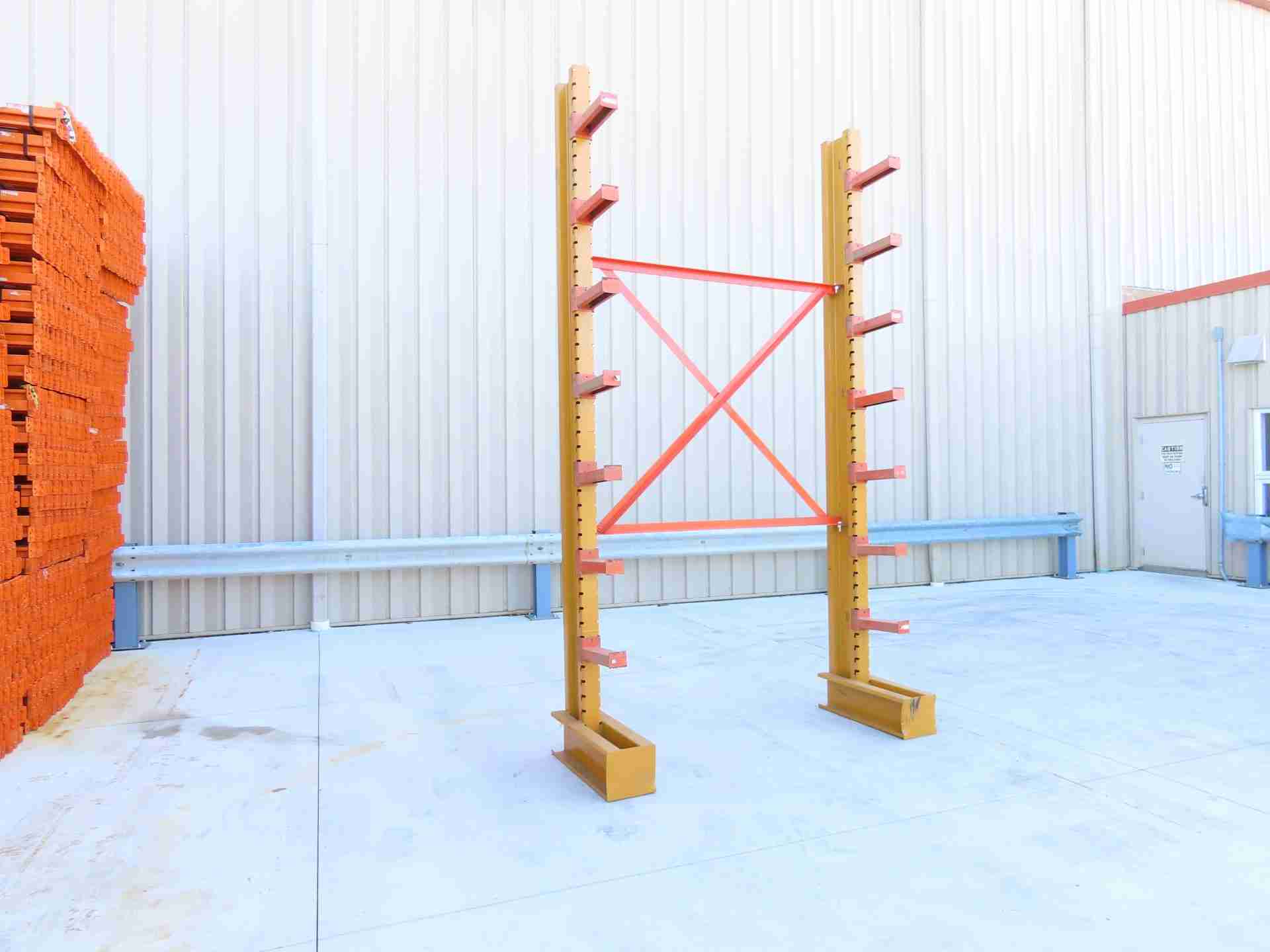
How Can Adjusted Rack Height Improve Workflow?
What Travel Time Reductions Can Be Achieved with Optimal Rack Height?
When it comes to racking systems, getting the rack height just right isn’t just about having a tidy warehouse; it cuts down on travel time and boosts efficiency. Picture the average warehouse worker, hauling boxes hurriedly from one side of the floor to the other. If those racking systems are not designed with optimal height, the back-and-forth becomes exhausting, not to mention a time sink. But what if we took a moment to consider how a minor tweak in height can save precious minutes, or even hours, from the daily grind?
Think about it—when racks are set at the right height, workers can snag items without the hassle of climbing or stretching awkwardly. It means fewer injuries and a more motivated team. Less wear and tear on the physical body translates directly into happier, more productive employees. It’s common sense: if folks can do their job easier, they’re going to feel better about it.
From a rational standpoint, reducing travel time saves money. Each minute spent wandering through aisles adds up to costs that can bore holes into the bottom line. Adjusting rack height can mean the difference between a productive day and a frustrating slog. It’s not just dollars; it’s about using our resources wisely—fuel, time, and human energy. The decision to optimize rack height is as logical as it is ethical—it directly affects the health and happiness of those who work on the floor.
And let’s not overlook the social angle. A well-planned warehouse fosters teamwork. When everyone knows the setup is designed for efficiency, there’s a shared sense of purpose. Employees feel valued when their comfort and safety are prioritized. They’re more likely to engage with their roles when they see that management cares enough to tweak those racking systems for the better.
So, when it comes to making decisions about racking systems, remember this: the impact of optimal rack height ripples outward. It saves time, cuts costs, ensures safety, and builds a healthier work environment. By investing in smart storage solutions, we’re not only improving our operations; we’re nurturing a culture that respects the hard work of every employee. That’s a win-win all around. The heart, head, and gut all agree—let’s put those racks where they belong, at the perfect height for productivity.
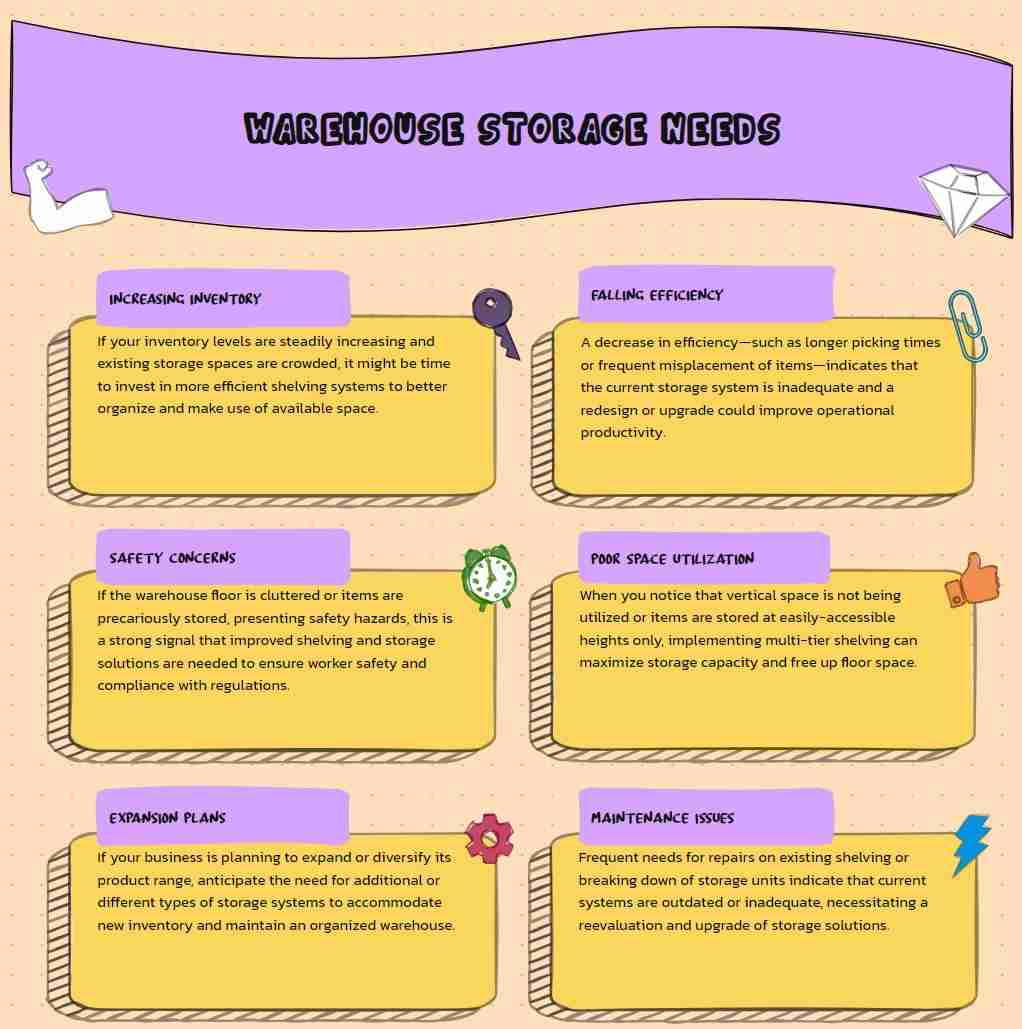
What Travel Time Reductions Can Be Achieved with Optimal Rack Height?
What Travel Time Reductions Can Be Achieved with Optimal Rack Height?
- Optimal rack height increases efficiency and reduces travel time for workers.
- Improperly designed racks lead to fatigue and time loss, impacting productivity.
- Well-designed racking minimizes injuries, contributing to a motivated workforce.
- Reducing travel time in the warehouse saves operational costs and utilizes resources wisely.
- Adjusting rack height promotes employee safety and well-being, fostering job satisfaction.
- A well-organized warehouse encourages teamwork and a sense of shared purpose among employees.
- Investing in proper storage solutions enhances productivity and cultivates a respectful workplace culture.
What Travel Time Reductions Can Be Achieved with Optimal Rack Height?
Do You Prioritize Ease Of Access Over Storage Density?
In the world of storage solutions, the choice often boils down to a fundamental question: do you prioritize ease of access over storage density? This isn’t just a technical decision—it’s personal, rooted in the practicalities of day-to-day life. Picture yourself at the beginning of a busy workday, sifting through a cluttered warehouse or garage. You’re searching for essential tools or materials while dodging stacks of items piled in every corner. Frustration builds, and suddenly that looming deadline feels even heavier. In moments like these, ease of access takes precedence.
Racking systems can bring order to chaos. They provide a sense of calm, creating designated spaces for every item. With well-designed racking, items are right where you need them, whether you’re retrieving that seldom-used equipment or the everyday essentials. Think about it: how often has time wasted on hunting down a tool cost you in productivity or stressed you out? When ease of access is built into your system, your efficiency skyrockets, allowing you to focus on what truly matters.
But let’s not ignore the numbers. The rational argument speaks loudly when running a business. The savings associated with reduced labor time and increased productivity quickly add up. An investment in racking systems isn’t merely about fitting more into a tight space; it’s about optimizing what you have for a better return. Efficiency isn’t just a buzzword—when your workflow improves, so does your bottom line.
The ethical aspect of this decision can’t be overlooked, either. In choosing a racking system that emphasizes access over cramming in a few more pallets, you create a safer working environment. Less overreach and fewer accidents lead to a happier, healthier workforce. People matter, and making choices that prioritize their well-being fosters loyalty and satisfaction.
Narratively, consider the stories of those who’ve faced storage dilemmas, each leading them to find the right racking system. Connecting these experiences creates a network of shared understanding. You’re not alone in this struggle—others have made the leap. When you hear about their successes, it empowers you to take the same step.
Socially, think about how ease of access enhances collaboration. A well-organized space invites teamwork, encourages innovation, and builds community. When the tools are at your fingertips, everyone thrives, fostering an environment ripe for growth and success. So ask yourself: what’s integration worth to you—convenience or density? The answer might just redefine your workspace dynamics for the better.
Do You Prioritize Ease Of Access Over Storage Density?
Do You Prioritize Ease Of Access Over Storage Density?
- Choosing between ease of access and storage density impacts daily operations.
- Racking systems simplify organization, reducing frustration and enhancing efficiency.
- Time spent searching for tools decreases productivity and increases stress.
- Investing in racking systems improves workflow and offers financial returns.
- Prioritizing access creates a safer work environment, reducing accidents.
- Shared experiences in storage dilemmas foster community and support.
- Effective organization promotes collaboration and innovation in the workplace.

Do You Prioritize Ease Of Access Over Storage Density?
Conclusion
Choosing the right rack height in a warehouse isn’t merely a logistics decision; it’s a balancing act that directly influences productivity, safety, and employee morale. Warehouse managers face the challenge of maximizing vertical storage while minimizing the time workers spend navigating high shelves or awkwardly reaching for items. Each decision echoes through the daily rhythm of operations. As teams hustle to meet deadlines, long travel times and difficult access can hinder their efficiency and create stress, underscoring the importance of thoughtful design.
The ideal rack height is not just about cramming in as much inventory as possible. It’s about creating a workspace that reflects respect for the workers who rely on those systems day in and day out. When items are placed at eye level or within easy reach, efficiency soars, workers feel valued, and fatigue decreases. Healthy, engaged employees contribute positively to the workplace culture, enhancing productivity as they maneuver through their tasks without unnecessary strain.
Moreover, ethical considerations play a pivotal role in rack design. A work environment should prioritize safety and inclusivity, acknowledging the diverse capabilities of the workforce. By engaging employees in discussions about racking systems and listening to their stories of daily operations, managers can create a sense of community and shared experience. This connection fosters trust and loyalty, encouraging workers to invest their best efforts into their roles.
Investing in strategic rack height adjustments provides tangible benefits, such as reduced travel time and increased efficiency, translating to higher profits. Research shows that even small changes can lead to significant productivity gains; organizations that have embraced thoughtful rack design often report dramatic reductions in order picking times and accidents.
The emotional side of this discussion underscores the human experience behind efficiency—no one enjoys fumbling through disorganized aisles or struggling to reach what they need. By prioritizing ease of access over sheer storage density, warehouse environments can be transformed into spaces that inspire collaboration and foster pride in one’s work. The ripple effect of such improvements benefits the entire organization, enhancing safety, morale, and ultimately profitability.
Crafting a racking system that’s not just functional but also intuitive requires humility and hands-on experience, making design choices rooted in real-world feedback. When racks are set at optimal heights, organizations are not just storing products—they’re building a framework for success that emphasizes the well-being of every employee involved. This approach leads to a warehouse culture grounded in efficiency, safety, and collective achievement, paving the way for a brighter, more productive future.
Conclusion
Conclusion:
- Choosing rack height in a warehouse impacts productivity, safety, and employee morale.
- Warehouse managers must balance vertical storage with accessibility for workers.
- Ideal rack height enhances efficiency and reduces worker fatigue by placing items at eye level.
- Ethical considerations in rack design prioritize safety and inclusivity for diverse workforce capabilities.
- Employee engagement in racking discussions fosters community and trust within the workplace.
- Strategic rack height adjustments lead to reduced travel time, increased efficiency, and higher profits.
- Optimal rack design creates an intuitive and effective workspace, enhancing overall workplace culture and success.
Conclusion
Other Resources

Other Resources
Here is a list of other resources you can review online to learn more:
- Rack Manufacturers Institute
- Warehouse Racking System: Powerful Guide to Optimise, 2024
- Selective Racking
- Pallet Racks, Pallet Racking, Pallet Shelves in Stock – ULINE
- Selective Pallet Racking Systems – Container Systems
- Teardrop Pallet Rack – Ridg-U-Rak
- Selective Racking
- Used Teardrop Pallet Rack – American Surplus
- Illinois Pallet Racking – Storage Solutions
- Pallet Racking 101: A Comprehensive Guide & Options Explained
- BMH Equipment LLC
- What is Selective Pallet Racking
- The Complete Pallet Rack Guide – Simply Rack
- Racking World
- Teardrop Industrial Shelving Rack
- Warehouse Racks, Warehouse Racking in Stock – ULINE
- Warehouse Racking Layout: The Ultimate Guide – Conger
- Total Warehouse
- Interlake Mecalux
Use This Prompt To Get More Resources With Your Favorite Online AI Tool: Please provide me with a list of online articles with their URLs in a bulleted list that I can read regarding Rack Height and Travel Time Tradeoffs

Other Resources
Glossary Terms
Rack Height and Travel Time Tradeoffs – Glossary Of Terms
1. Rack Height: The vertical distance from the ground to the highest point of a storage rack system, affecting accessibility and storage capacity.
2. Travel Time: The duration required to move items from one location to another within a storage system or facility.
3. Tradeoff: A balance achieved between two competing factors, such as rack height and travel time, necessitating compromises.
4. Accessibility: The ease with which stored items can be reached, influenced by the height of the racks and layout of the facility.
5. Storage Capacity: The total volume or number of items that can be stored within a given space, impacted by rack height and configuration.
6. Picking Efficiency: The rate at which items can be retrieved from storage, affected by travel time and rack design.
7. Load-Bearing: The ability of a rack to support weight without structural failure, related to material and design standards.
8. Safety Regulations: Guidelines and standards established to ensure safe practices in storage solutions, particularly regarding rack height.
9. Ergonomics: The study of people’s efficiency in their working environment, important in determining optimal rack height for user comfort.
10. Dynamic Storage: A system where items are stored and retrieved using mobility, often impacting travel time and rack design.
11. FIFO (First In, First Out): An inventory management method that emphasizes the rotation of stock to reduce age-related losses.
12. SKU (Stock Keeping Unit): A unique identifier for each distinct product and service that can be purchased, important for organizing rack height and travel logistics.
13. Pallet Racking: A storage system utilizing pallets as the primary means of loading and unloading items, impacting travel time based on height.
14. Vertical Space Utilization: The effective use of height in storage systems to maximize capacity and reduce floor area usage.
15. Material Handling: The movement, protection, and control of materials throughout the manufacturing and distribution process, influenced by rack height.
16. Lead Time: The total time it takes to fulfill an order, during which travel time and storage efficiency play major roles.
17. Slotting: The process of determining the optimal storage location for products within a system based on various metrics, including travel time.
18. Inventory Turnover: A ratio showing how many times inventory is sold and replaced over a period, affected by efficiency in travel and access.
19. Cubic Storage: A term referring to maximizing storage volume within a confined area, closely related to rack height.
20. Lean Warehousing: A methodology aiming to minimize waste and optimize operations, impacted by the tradeoffs between rack height and travel time.
21. Gravity Feed Racks: A system of racks that uses gravity to keep stock moving toward the operator, impacting picking efficiency and time.
22. Batch Picking: A method where multiple orders are picked simultaneously to minimize travel time and improve efficiency.
23. Multi-Level Racking: Storage systems involving multiple levels of racks, potentially increasing storage but complicating travel time.
24. Replenishment: The process of restocking shelves or racks, often influenced by the height of storage solutions.
25. Warehouse Optimization: Strategies applied to enhance storage and retrieval processes, addressing tradeoffs between accessibility and efficiency.
26. Space Utilization Rate: The percentage of available space that is effectively used for storage, crucial when considering height and layout.
27. Warehouse Layout: The design format of a warehouse, including the arrangement of racks, influencing both height and travel efficiency.
28. Automation: The application of technology to perform tasks, often increasing efficiency and reducing travel time in high-rack environments.
29. Cross-Docking: A logistics practice where incoming goods are directly transferred to outbound shipping, minimizing storage time and travel.
30. Ergonomic Racking Systems: Racks designed to enhance user experience and efficiency, taking into account the impact of height on travel time.
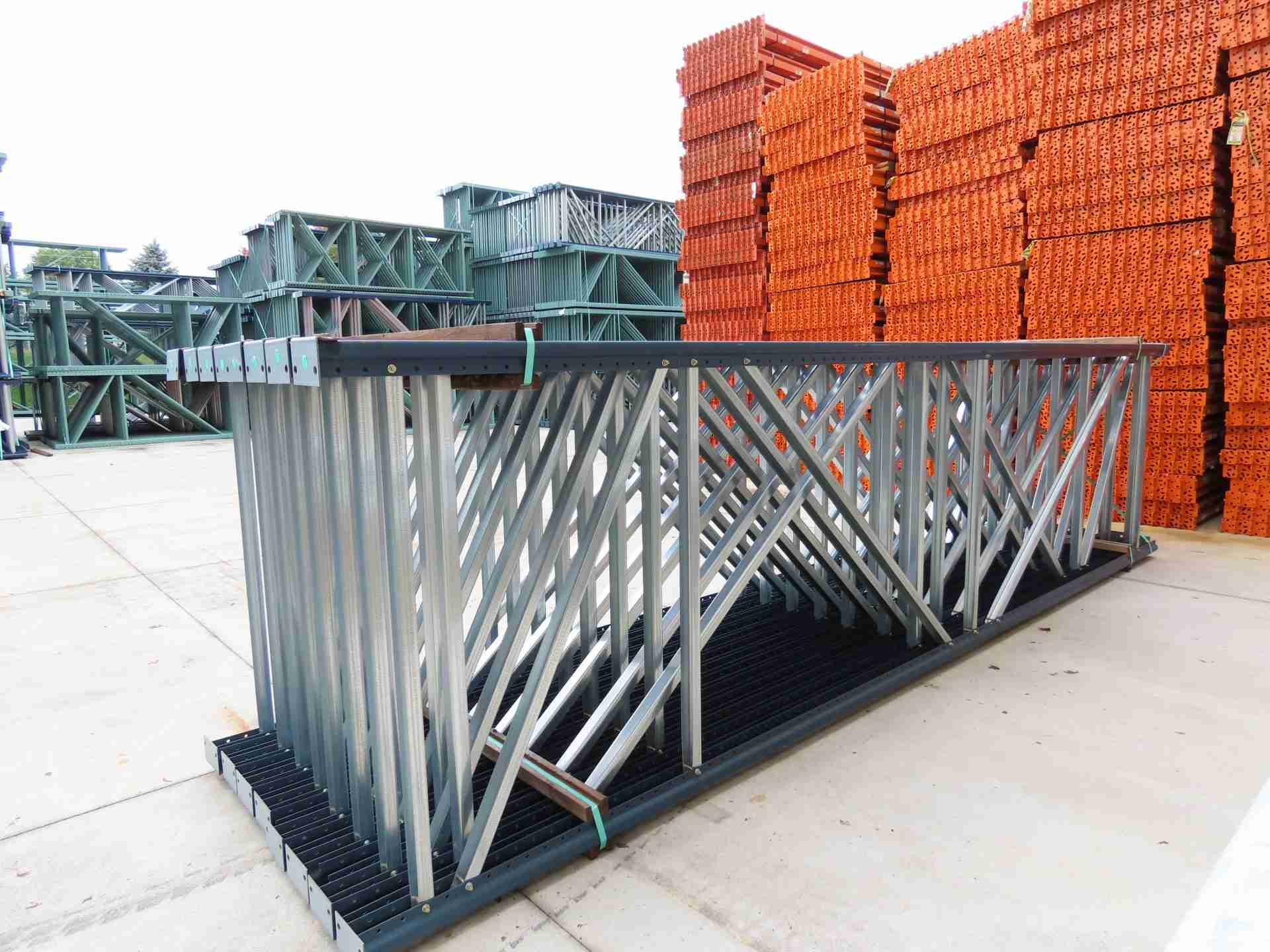
Glossary Of Terms
Other Questions
Rack Height and Travel Time Tradeoffs – Other Questions
If you wish to explore and discover more, consider looking for answers to these questions:
- How do I quantify the trade-off between added storage capacity and increased travel time?
- What is the typical return on investment (ROI) for lowering or raising rack heights?
- How do rack height choices affect labor costs over time?
- What ergonomic standards or guidelines should inform rack height decisions?
- Which safety regulations and codes (OSHA, local, fire) apply to rack height and storage configurations?
- How does rack height influence the types of handling equipment I need (forklifts, order pickers, lifts)?
- What are best practices for slotting and placing high-turnover items relative to rack height?
- How do aisle width and rack height interact to affect travel time and safety?
- What metrics should I track to measure the impact of rack height on picking efficiency?
- Are there established KPI benchmarks for travel time per pick by industry or facility size?
- How can I model or simulate travel-time impacts before changing rack configurations?
- What are the costs and practicalities of retrofitting existing racks versus installing new systems?
- How do different racking systems (selective, drive-in, push-back, pallet flow, ASRS) change the height/access trade-offs?
- What maximum safe rack heights apply for various pallet sizes and load types?
- How do seismic or wind-load requirements influence allowable rack heights?
- How does rack height affect fire sprinkler clearance and fire suppression system requirements?
- What are the implications for lighting, visibility, and signage when racks are taller?
- How will taller racks affect maintenance, inspection schedules, and access for repairs?
- What training and certification do workers need to operate at increased rack heights safely?
- How does rack height choice impact picking accuracy and error rates?
- What equipment or ergonomic aids (picking platforms, adjustable shelves, lift-assist tools) mitigate the downsides of taller racks?
- How can automation (AMRs, conveyors, ASRS) reduce travel time regardless of rack height?
- What are common human-factor issues (fatigue, reach strain) associated with poorly chosen rack heights?
- How should I incorporate worker input and usability testing into rack-design decisions?
- What are the insurance and liability implications of different rack heights and access methods?
- How much space efficiency can I realistically gain per linear foot by increasing height versus reorganizing layout?
- What seasonal or peak-demand considerations should influence temporary versus permanent rack-height changes?
- How do mixed SKUs, varying unit-load sizes, and irregular pallet dimensions affect optimal rack height?
- What guidelines exist for multi-level picking platforms and mezzanines as an alternative to taller racks?
- How do travel-time reductions translate into throughput improvements or order-cycle time reductions?
- What are typical case studies or industry examples showing measurable travel-time improvements after reconfiguring racks?
- How do I decide between prioritizing ease of access and maximizing storage density for different product families?
- What are the lifecycle costs (installation, maintenance, replacement) associated with taller racking systems?
- How do rack-protection measures (column guards, bollards) and aisle safety features change with height?
- What software or tools help with slotting optimization and pick-path planning tied to rack height?
- How does rack height affect HVAC, dust control, and climate requirements for sensitive goods?
- What are the time and labor implications for inventory counting and cycle counting at different heights?
- How should I phase implementation to test different heights without disrupting operations?
- What procurement criteria should I use when selecting racking vendors or integrators for high racks?
- How do accessibility and inclusivity considerations (height limits for certain workers) factor into rack design?
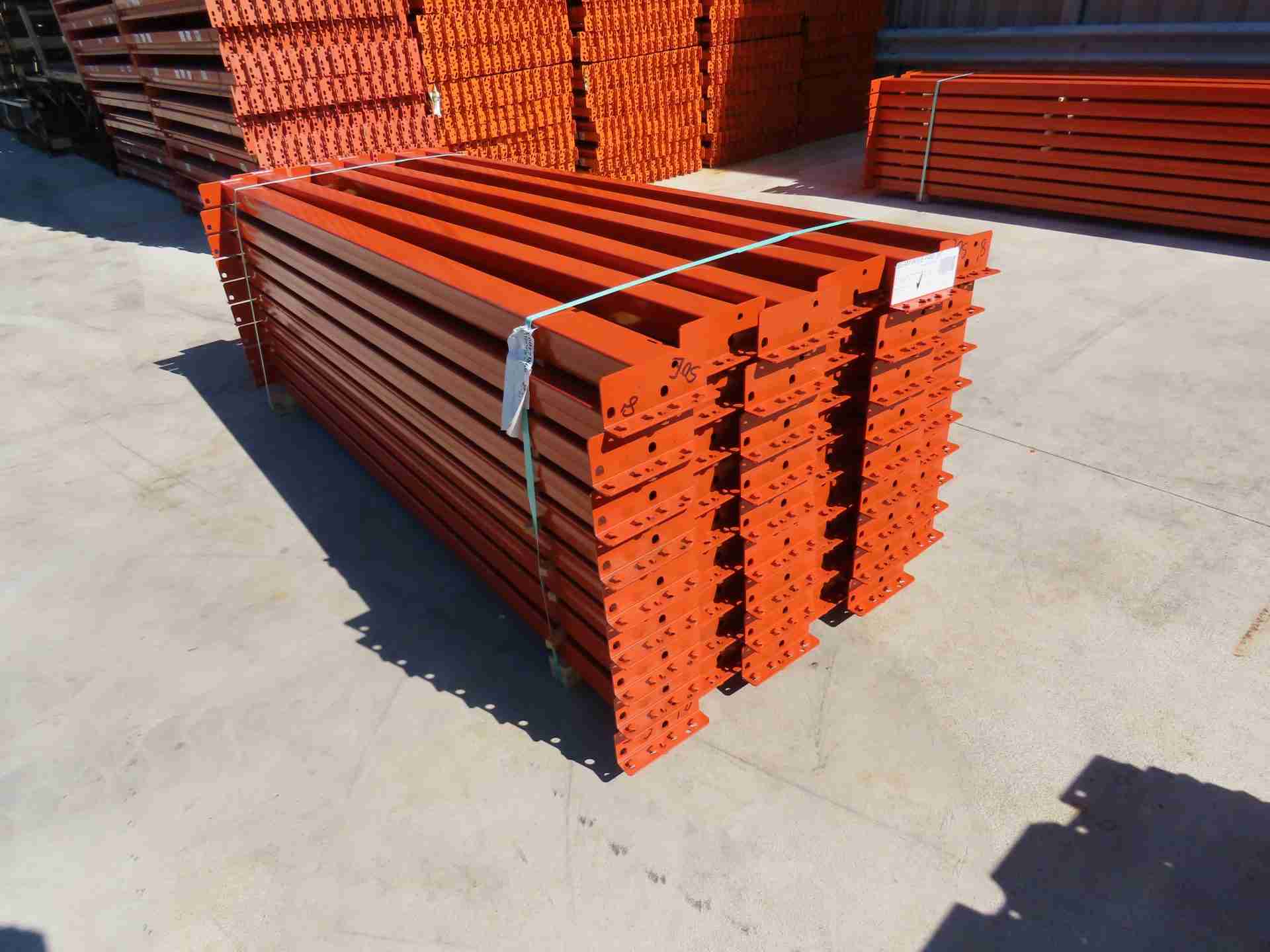
Other Questions
Checklist
Rack Height and Travel Time Tradeoffs – A Checklist
Objectives and Constraints
✅______ Define target order cycle time and service levels.
✅______ Set storage density goal (cube utilization percentage) and maximum footprint.
✅______ Confirm code and insurance limits (sprinkler clearance, seismic requirements, and fire egress).
✅______ Verify equipment limits (lift reach and height, lift speed, turning radius, and aisle width).
Inventory and Slotting
✅______ Run ABC and velocity analysis and size tiers by true demand.
✅______ Place highest-frequency SKUs in the Golden Zone (roughly knuckle-to-shoulder height).
✅______ Slot heavy and bulky items at waist height; place fragile items where handling is easiest.
✅______ Assign slow movers to upper and lower tiers; assign fast movers to fast-pick areas.
✅______ Standardize carton and pallet heights to tighten beam spacing.
✅______ Define replenishment triggers and off-peak top-off rules.
Travel Time and Layout
✅______ Baseline travel time per pick and the share of time spent walking versus picking.
✅______ Map pick paths; minimize backtracking and dead ends; add cross-aisles where useful.
✅______ Evaluate zone, batch, or wave picking to reduce travel.
✅______ Place fast movers near pack and ship; keep high-volume SKUs close to docks.
✅______ Reduce vertical touches; limit picks that require ladders or lifts.
Rack Design and Height
✅______ Validate top-beam height against equipment reach with a safety margin.
✅______ Set beam spacing to SKU profiles to eliminate “empty air.”
✅______ Ensure clear labeling and line of sight to locations from the aisle.
✅______ Provide backstops, end-of-aisle protection, and adequate lighting at upper levels.
✅______ Post load ratings and rack capacities at the point of use.
Ergonomics and Access
✅______ Target 60–80% of all picks in the Golden Zone.
✅______ Keep over-shoulder and below-knee picks to a small share of total activity.
✅______ Limit manual lifts above shoulder height and excessive reaches.
✅______ Maintain clear aisles and turning space for people and equipment.
Workforce Engagement
✅______ Involve operators in walkthroughs and mock slots before changes.
✅______ Collect feedback on difficult reaches, congested zones, and mis-slotted SKUs.
✅______ Train teams on new locations, pick paths, and replenishment rules.
✅______ Establish an easy channel for continuous improvement suggestions.
Space Utilization
✅______ Measure current cube utilization (by bay, aisle, and building).
✅______ Consolidate partials; right-size packaging to fit beam spacing.
✅______ Rationalize SKUs and remove obsolete or excess safety stock.
✅______ Create a seasonal re-slotting plan for demand shifts.
Performance Measurement
✅______ Track lines picked per hour, travel time percentage, touches per order, and error rate.
✅______ Conduct time studies before and after changes; aim for measurable travel-time reduction.
✅______ Monitor replenishment labor and equipment utilization.
✅______ Review near-miss and strain reports tied to access issues.
Cost and ROI
✅______ Quantify labor savings from reduced travel and fewer vertical touches.
✅______ Compare against capital expenditures for rack modifications, labeling, and equipment.
✅______ Calculate the payback period and ongoing maintenance impacts.
Governance and Sustainment
✅______ Document slotting rules and location schema; maintain version control.
✅______ Schedule quarterly audits of slotting, beam spacing, labeling, and congestion.
✅______ Refresh ABC analysis and re-slot on a defined cadence.
✅______ Assign ownership for metrics and continuous improvement actions.
Quick Diagnostics
✅______ 10–20% or fewer of picks require equipment or ladders.
✅______ Average pick-path distance and time are trending down month over month.
✅______ Upper-tier locations hold predominantly slow movers.
✅______ Operator feedback confirms easier access and smoother flow.
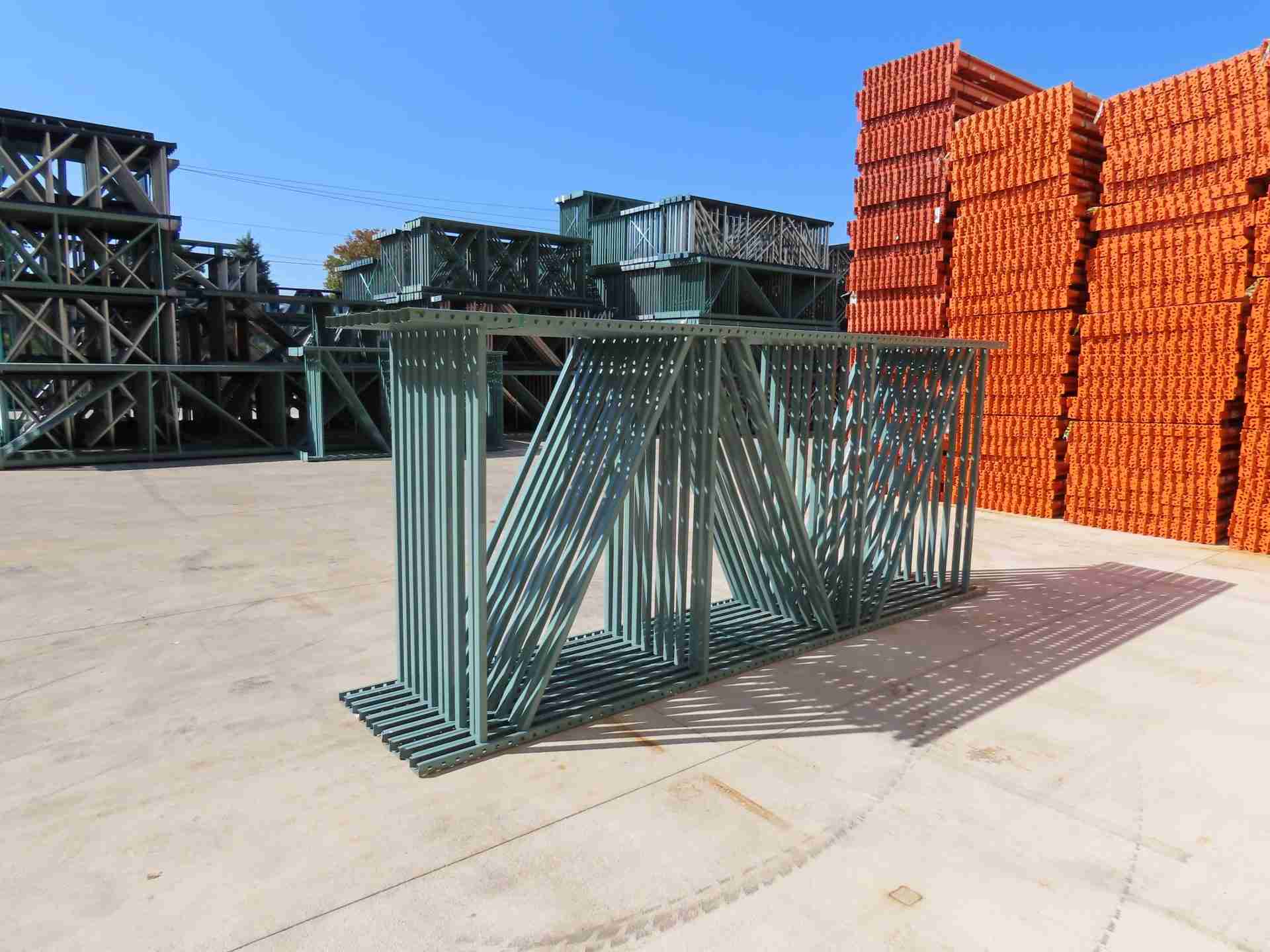
Checklist
At RackingWorld, we help guide you through selecting warehouse storage systems and racking.
Be sure to read our other related stories at RackingWorld to learn more about warehouse storage systems.
0 Comments