
Unlocking Efficiency: Transform Operations With Strategic Throughput Insights
By Tom Seest
At RackingWorld, we help guide you through selecting warehouse storage systems and racking.
Be sure to read our other related stories at RackingWorld to learn more about warehouse storage systems.
Throughput Mapping for Industrial Operations
Throughput mapping for industrial operations isn’t just a technical process; it’s about the heart of what keeps factories running smoothly. Picture this: you’re standing on the shop floor, surrounded by the hum of machines and the rhythm of people working hard. Each part of the operation, be it Racking Systems or assembly lines, plays a crucial role. Understanding how materials flow through these systems transforms chaos into order. It’s a hands-on task that requires more than just data; it demands an eye for detail and a respect for the people doing the work.
In the world of manufacturing and logistics, the numbers tell a story. Throughput mapping captures that narrative, revealing bottlenecks and inefficiencies. When you look at the flow of materials from the moment they enter a warehouse to when they leave as finished goods, you begin to see where the hitches are. Are the Racking Systems efficient? Is product retrieval a straightforward process or a messy scramble? By addressing these questions, operations managers can streamline processes, saving time and money—two things that resonate deeply in every worker’s pocket.
Yet, it’s not just about optimizing efficiency. There’s an ethical responsibility to ensure that the workplace is safe and that the employees are valued. When throughput mapping highlights ways to reduce overtime or minimize unnecessary stress, it fosters a culture of care. Workers know they matter, that their effort is seen and appreciated. This connection builds trust, and trust is the foundation of a productive workforce.
Equally important is the authority with which we approach this mapping. Experienced operators and managers, having spent years in the trenches, understand the value of these insights. They’re the folks who can walk through the facility and spot potential issues that data alone might overlook. Their hands-on experience adds a layer of depth that can’t be replicated by charts alone.
Finally, this process isn’t performed in isolation. The entire workforce contributes to throughput mapping. Employees on the ground have insights that can revolutionize workflow and instill pride in their contributions. When every team member is engaged in this journey, it invites collaboration and shared ownership of the operational goals.
Throughput mapping is not merely a task; it’s a commitment to process improvement that touches every aspect of industrial operations. It’s about honoring the work done day in and day out and ensuring that every person feels part of the success story being crafted in the heart of industry.
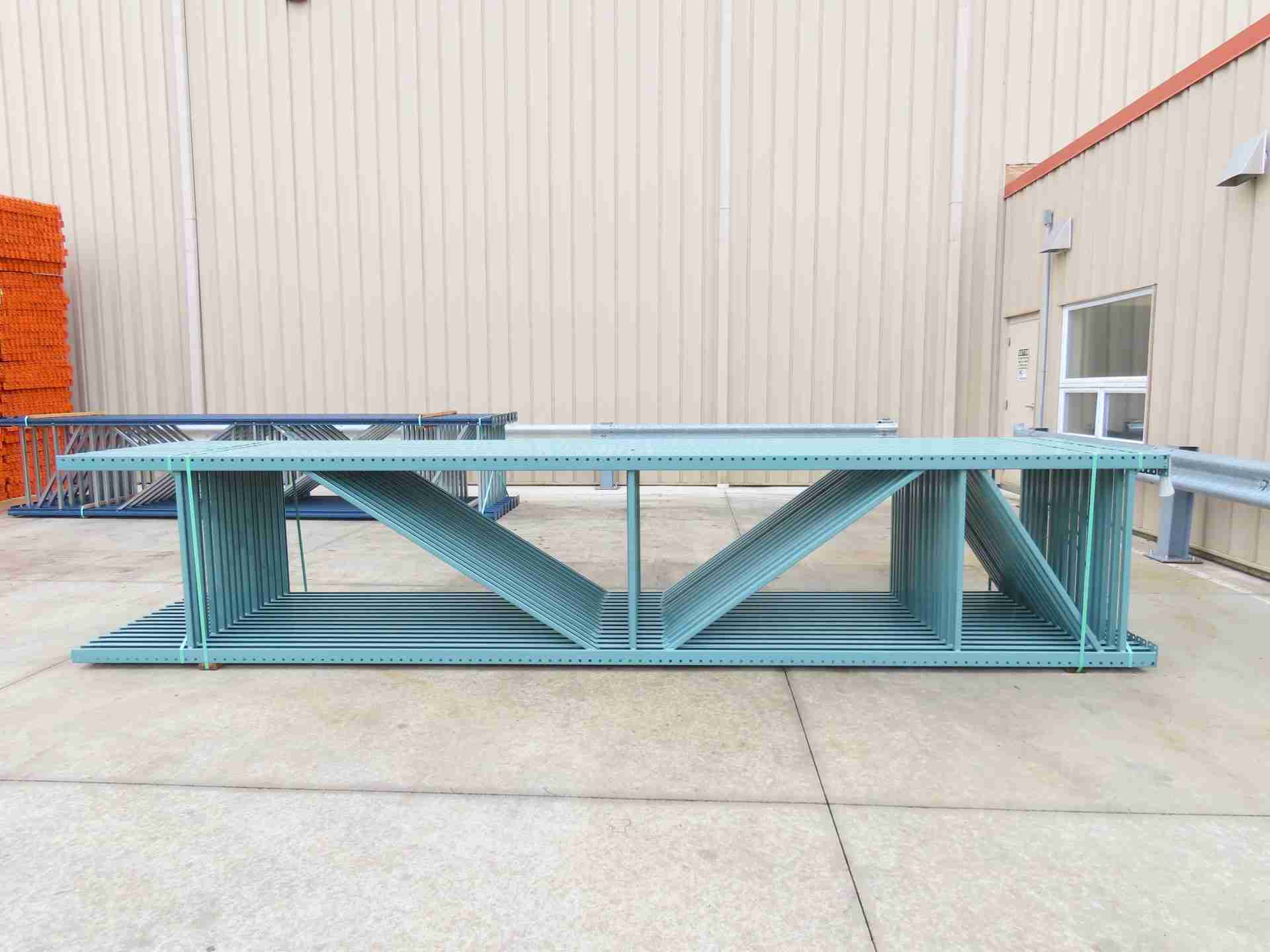
Throughput Mapping for Industrial Operations
Throughput Mapping for Industrial Operations
- Throughput mapping is essential for efficient factory operations, transforming chaos into order.
- It reveals bottlenecks and inefficiencies in material flow from warehouses to finished goods.
- Operations managers can streamline processes, ultimately saving time and money.
- This practice promotes workplace safety and values employee contributions, fostering a culture of care.
- Experienced operators offer critical insights that data alone cannot provide.
- The entire workforce is involved, allowing for collaboration and shared ownership of operational goals.
- Throughput mapping reflects a commitment to continuous process improvement and employee recognition.

Throughput Mapping for Industrial Operations
Table Of Contents
- Throughput Mapping for Industrial Operations
- What Are the Key Benefits Of Throughput Mapping for Operations?
- How Can Throughput Mapping Reduce Operational Costs Effectively?
- What Steps Are Involved In Creating an Accurate Throughput Map?
- Why Is Data Accuracy Crucial In Throughput Mapping Processes?
- How Does Throughput Mapping Impact Overall Productivity In Industries?
- What Common Challenges Arise During Throughput Mapping Efforts?
- Conclusion
- Other Resources
- Glossary Of Terms
- Other Questions
- Checklist
What Are the Key Benefits Of Throughput Mapping for Operations?
Throughput mapping is like putting your ear to the ground and listening to the pulse of your operations. It gives you a clear picture of how materials and information flow through your processes, helping you identify bottlenecks and areas ripe for improvement. For anyone who’s ever shuffled inventory around a warehouse or wrestled with machinery that won’t cooperate, you know how crucial it is to keep things moving efficiently.
When you understand your throughput, you’re not just crunching numbers—you’re gaining insights that can save time, money, and stress. Think of it as playing chess with your operations; every piece matters, and having a strategy can lead to victory. Racking systems, for example, play a pivotal role in how products are stored and retrieved. By mapping out how your racking systems interact with the overall flow, you can maximize space and speed up movement.
This isn’t just about improving the bottom line; there’s an ethical responsibility to your team as well. A well-mapped throughput means less frustration for workers. There’s nothing more disheartening than being stuck in a process that feels like mud. When you eliminate these roadblocks, you free up the talent and energy of your people to focus on what they do best. They feel empowered, and that boosts morale.
From a rational standpoint, throughput mapping offers measurable benefits. It sets the stage for informed decision-making—no more guesswork. You can analyze data, spot trends, and implement changes with confidence. Every improvement is a step toward a more agile operation, allowing you to pivot quickly when the market shifts. This adaptability is crucial in today’s fast-paced world.
On a broader scale, engaging with throughput mapping fosters a sense of community within your organization. When employees see that their input directly affects operational efficiency, it builds trust and camaraderie. It’s like a team effort; everyone’s got a role, and when you all work in sync, great things can happen.
Throughput mapping is more than just a tool; it’s a mindset. It encourages continuous improvement and a culture of collaboration. By embracing it, you’re not just running an operation; you’re building a thriving enterprise that looks after its people and its processes, ensuring that everyone—from the warehouse team to upper management—has a stake in its success.

What Are the Key Benefits Of Throughput Mapping for Operations?
What Are the Key Benefits Of Throughput Mapping for Operations?
- Throughput mapping provides insight into material and information flow, identifying bottlenecks and improvement areas.
- Understanding throughput aids in efficient operations, saving time, money, and reducing stress.
- Effective racking systems enhance product storage and retrieval, maximizing space and movement speed.
- A well-mapped throughput reduces frustration for workers, empowering them and boosting morale.
- Throughput mapping supports informed decision-making, enabling data analysis and trend spotting.
- Engaging in throughput mapping fosters community and trust within organizations, promoting teamwork.
- It embodies a mindset of continuous improvement and collaboration, benefiting both people and processes.
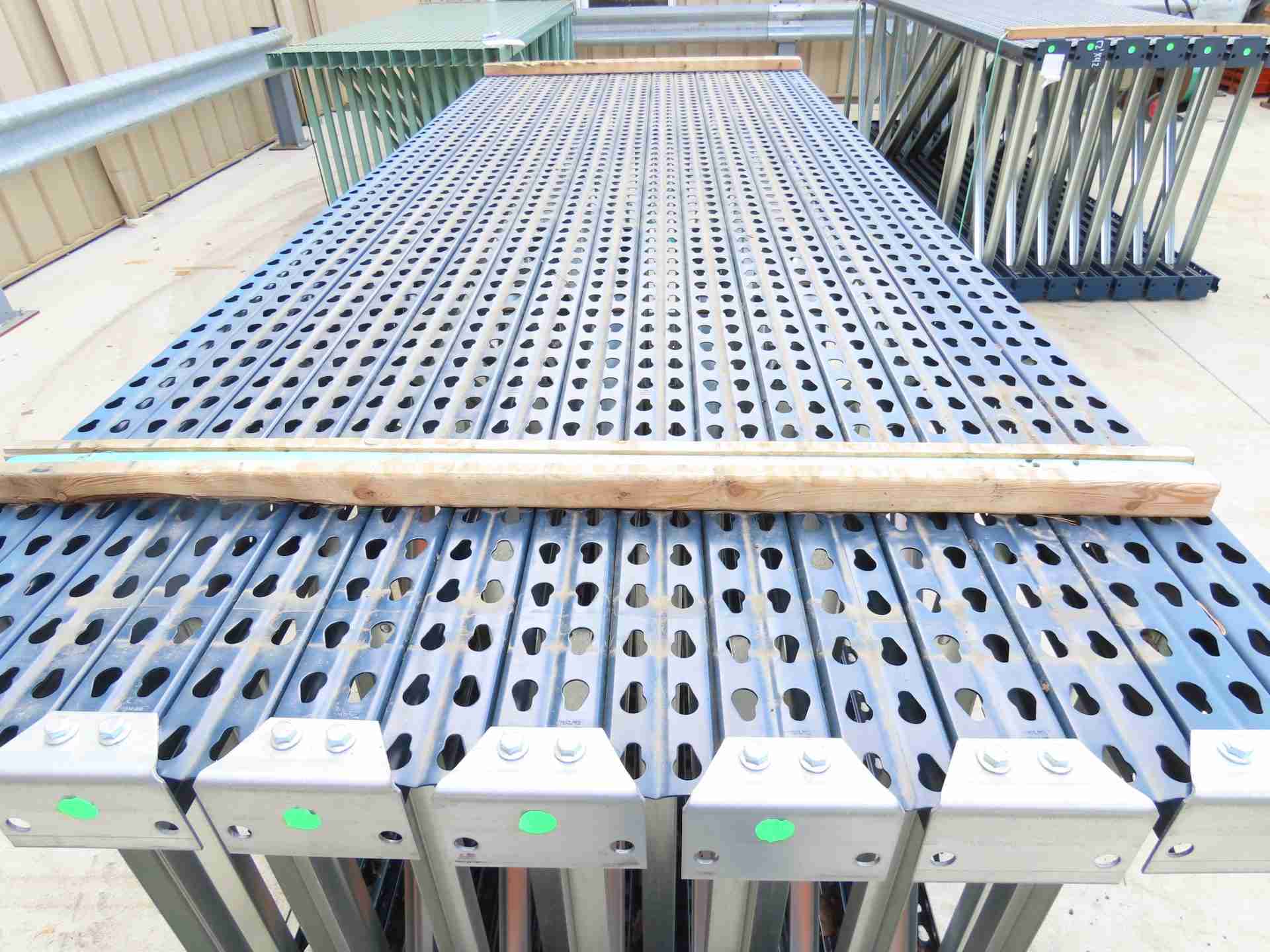
What Are the Key Benefits Of Throughput Mapping for Operations?
How Can Throughput Mapping Reduce Operational Costs Effectively?
Throughput mapping is a game changer when it comes to slashing operational costs. Imagine walking into your warehouse, where every corner is optimized and every rack is working hard for you. Racking systems, those metal giants holding your inventory, aren’t just structures; they can be transformed into your best allies in the quest for efficiency. This isn’t just about saving a few bucks here and there; it’s about ensuring your operation runs smoother than a well-oiled machine.
First off, let’s talk about the heart of the matter. Every penny saved means more resources for investing in your team and enhancing your facility. When you map your throughput, you’re not merely crunching numbers; you’re tuning into the pulse of your operation. You begin to see where delays are happening, where processes can be streamlined, and where your racking systems can be adjusted to maximize flow. It’s like crafting a tune—you want everything to harmonize. This emotional connection feeds back into the morale of your workforce. When they see that their hard work in organizing and managing these systems translates into real savings, it sparks pride in what they do.
From a rational standpoint, throughput mapping gives you the data needed to make informed decisions. It highlights inefficiencies and pinpoints where improvements can be made. Operating with too many racking systems for excess inventory clutters pathways and slows movement. By identifying bottlenecks, you can adjust your layout to not just save time but also reduce labor costs. That’s dollars going back into your pocket, not disappearing into the ether.
Ethically speaking, improving operational costs isn’t just about the bottom line; it’s about treating your people and resources with respect. They deserve an environment where they aren’t struggling against preventable inefficiencies. Throughput mapping fosters a workplace where every inch of space and every minute of labor counts, creating a culture of respect for resources and people alike.
Let’s not forget the human element. Sharing success stories with your team—how a simple adjustment in racking systems led to a noticeable drop in expenses and an uptick in morale—creates a sense of belonging and camaraderie. It’s not just numbers on a spreadsheet; it’s about forging connections with your crew. When they see their input valued, it’s not just operational costs being reduced—it’s motivation soaring.
In the world of logistics and warehousing, throughput mapping is an invitation to roll up your sleeves and do the hard work needed to transform your operation into a leaner, meaner, cost-saving machine. Embrace it, and watch how it not only improves your bottom line but enriches your team’s spirit and performance.

How Can Throughput Mapping Reduce Operational Costs Effectively?
How Can Throughput Mapping Reduce Operational Costs Effectively?
- Throughput mapping significantly reduces operational costs in warehouses.
- Optimized racking systems enhance efficiency and support smooth operations.
- Mapping throughput reveals delays and areas for process improvements.
- Identifying bottlenecks allows for layout adjustments, saving time and reducing labor costs.
- Creating a respectful work environment enhances morale and values employee contributions.
- Success stories from mapping foster camaraderie and motivation among the team.
- Implementing throughput mapping transforms operations into more cost-efficient and effective systems.

How Can Throughput Mapping Reduce Operational Costs Effectively?
What Steps Are Involved In Creating an Accurate Throughput Map?
Creating an accurate throughput map is no walk in the park, but it’s a task that can turn chaos into clarity. It begins with gathering the right data. You can’t nail anything down without first understanding what you have on your hands. Picture this: a warehouse filled with racking systems, each one a cog in the wheel of your operation. Take the time to observe how goods move through these structures. Get your hands dirty; walk the floor, track the flow. You want to know how long it takes to pick an order and where the bottlenecks lie.
Once you’ve got your data, it’s time to analyze it. Look for patterns and anomalies—what’s working and what’s not? This isn’t just number-crunching. It’s about recognizing the stories that the numbers tell. Maybe those racking systems are causing delays, or perhaps the layout leads to unnecessary movement. By understanding these dynamics, you’re not just improving efficiency; you’re creating a safer, more effective environment for your team.
Next comes the mapping itself. But don’t just throw some lines on a graph. Think of this as storytelling. Each section of your map should represent a part of the journey. Connect the dots between racking systems, and illustrate the flow of items through your processes. Engage your team in this step—let them share their insights. They’re the ones wrestling with the daily grind and have valuable input to offer. This fosters ownership and builds trust, making everyone feel part of the mission.
Finally, it’s about continuous improvement. Your first throughput map is a starting point, not a finish line. Regularly revisit and refine it based on feedback and changing conditions in the warehouse. This agility not only keeps operations running smoothly but also keeps morale high. Your team will see that their input matters, fostering a culture of collaboration.
In this journey, you’re not just charting a course for goods; you’re laying down a roadmap for success. Remember, the strength of your throughput map lies not just in accuracy, but in the connections it creates among your racking systems, your data, and your dedicated team. This isn’t just about efficiency—it’s about people working together to make the job easier and the outcomes greater.

What Steps Are Involved In Creating an Accurate Throughput Map?
What Steps Are Involved In Creating an Accurate Throughput Map?
- Creating an accurate throughput map transforms chaos into clarity.
- Data gathering is crucial; understanding current warehouse operations is the first step.
- Analyze collected data for patterns and bottlenecks affecting efficiency.
- Map the process as a story, illustrating the flow of items through racking systems.
- Engage team members in the mapping process to gather valuable insights and foster ownership.
- Continuous improvement is essential; regularly refine the throughput map based on feedback and changes.
- The goal is to enhance collaboration and create a safer, more efficient working environment.
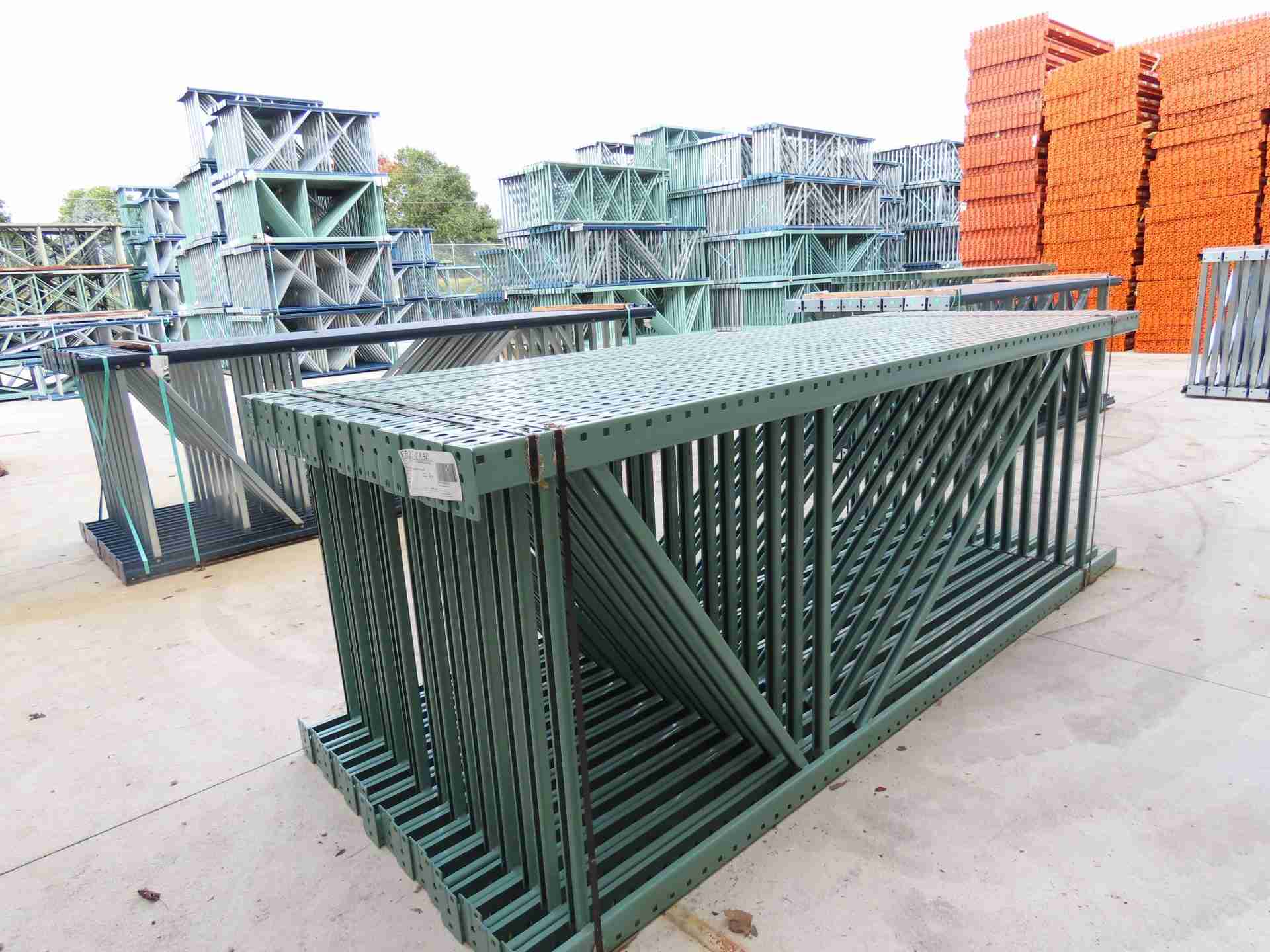
What Steps Are Involved In Creating an Accurate Throughput Map?
Why Is Data Accuracy Crucial In Throughput Mapping Processes?
When we talk about throughput mapping processes, we’re diving into the nuts and bolts of what makes a system work efficiently. Imagine a bustling warehouse filled with racking systems. Each shelf, each product, and each piece of equipment has a story and a purpose. The heart of that operation isn’t just the physical layout; it’s the data that guides every decision made. Without accurate data, we’re flying blind, and things can go sideways faster than a flat tire on a gravel road.
Think about it: when you’re managing racking systems, every item has to be in the right place at the right time. If the data is off, you’re risking delays, frustrated workers, and unhappy customers. That’s not just inefficiency; that’s lost revenue and reputational damage. It’s a heavy load to carry, especially when you know that every misstep can ripple through the entire operation. Accurate data acts like the oil in a well-tuned engine—it keeps everything running smoothly, reducing friction and preventing breakdowns.
Now, let’s get real. The ethical side of data accuracy can’t be overlooked. If you’re misrepresenting numbers or relying on guesswork, it’s not just bad for business; it’s unfair to your team and your customers. You owe it to your employees to provide them with the tools and information they need to do their jobs right. Creating a culture of trust starts with transparency. When your people trust the data, they trust the process, and that builds a stronger team all around.
Moreover, there’s an authority in accuracy. It speaks volumes when your decisions are backed by solid, reliable information. It shows that you know your stuff, that you respect your craft. When front-line workers see leaders making decisions based on credible data, it inspires them to take their roles more seriously. They’ll feel a part of something bigger, contributing to an efficient, cohesive operation.
Lastly, there’s the social aspect to consider. We all want to be part of a winning team. When everyone inputs accurate data, it creates a well-oiled machine where success is shared. It’s a camaraderie built on solid facts rather than wild guesses. In this fast-paced world, where each moment counts, data accuracy in throughput mapping processes means not just surviving but thriving—keeping the wheels turning and the goods flowing. That’s the kind of operation everyone can be proud to be a part of.
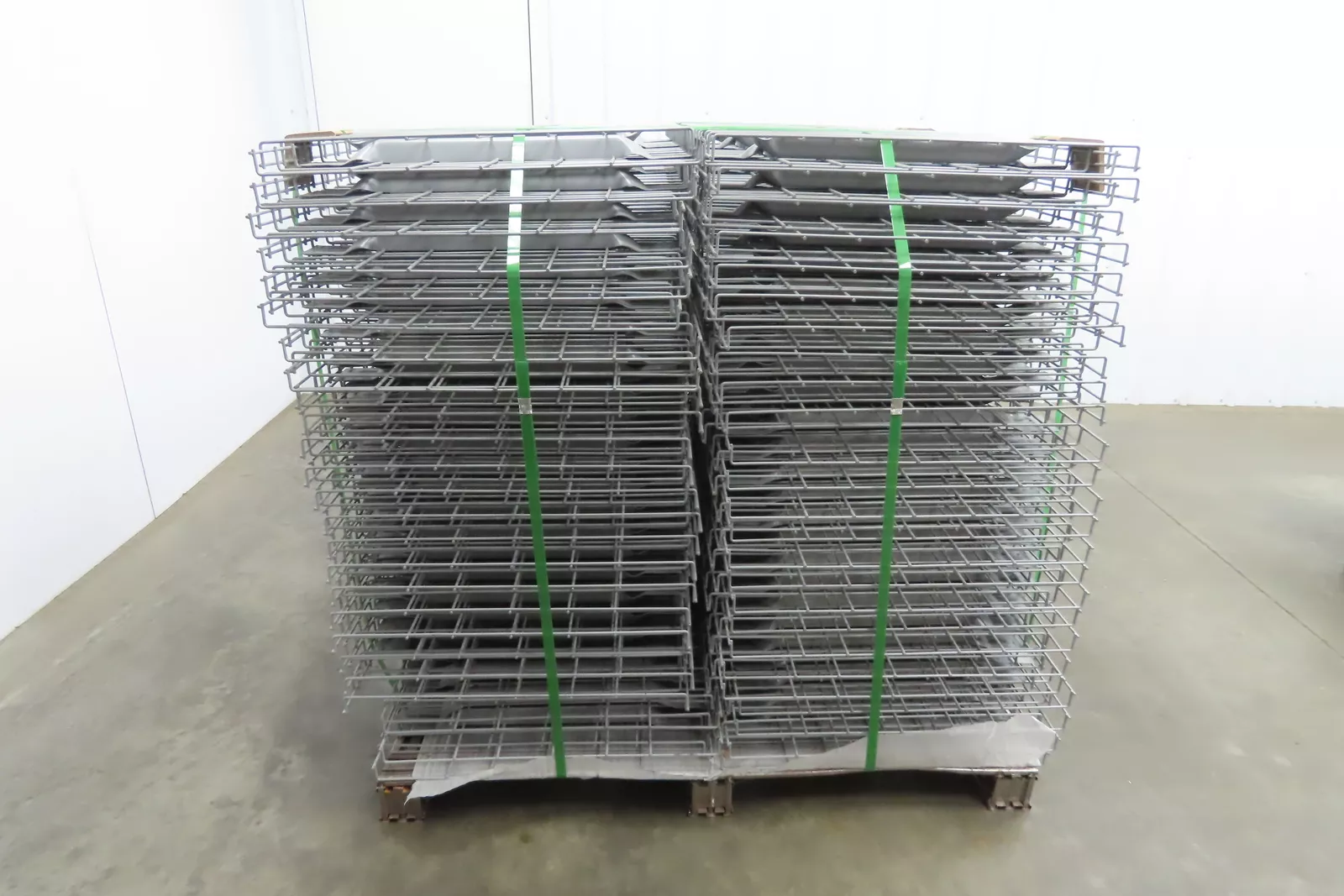
Why Is Data Accuracy Crucial In Throughput Mapping Processes?
Why Is Data Accuracy Crucial In Throughput Mapping Processes?
- Throughput mapping processes are essential for system efficiency in operations like warehousing.
- Data accuracy is critical; inaccuracies lead to delays, frustrated workers, and lost revenue.
- Accurate data functions like oil in an engine, ensuring smooth operations and preventing breakdowns.
- The ethical dimension of data accuracy fosters trust among teams and customers, enhancing workplace culture.
- Reliable data-driven decision-making instills authority and respect for leadership among front-line workers.
- Inputting accurate data builds camaraderie and a shared sense of success within the team.
- Data accuracy in throughput mapping enables businesses to thrive in a competitive environment.
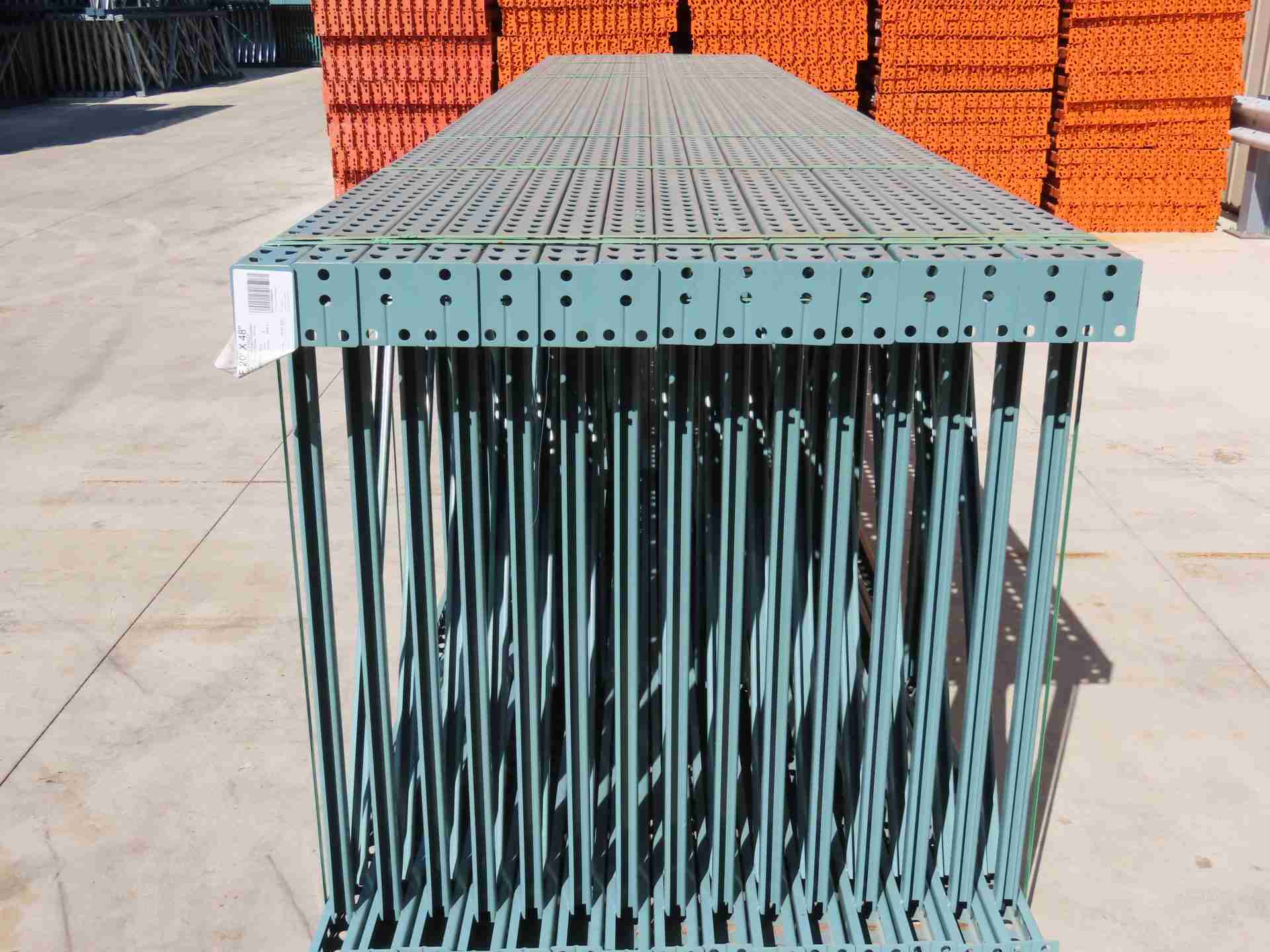
Why Is Data Accuracy Crucial In Throughput Mapping Processes?
How Does Throughput Mapping Impact Overall Productivity In Industries?
Throughput mapping isn’t just a fancy term tossed around in boardrooms; it’s a game-changer for industries that understand the real heartbeat of their operations. Imagine a bustling factory floor, where each piece of equipment and every hand on deck plays a vital role. When you break down operations into clear pathways through throughput mapping, you don’t just see where things are moving slowly; you uncover the sheer potential that’s waiting to be tapped. Each bottleneck identified is not just data on a spreadsheet; it’s a story of wasted time and unrealized ambition.
Now, consider the racking systems in any warehouse. They’re the unsung heroes that hold everything together. When we map the flow of goods and pinpoint how they’re stored, the entire system is streamlined. You’re not running around like a headless chicken trying to find what’s needed; instead, you’ve got a clear route laid out, saving time and making the team more efficient. That’s the crux of it—less time searching means more time producing and, ultimately, more money in the bank.
But it goes deeper than just numbers. Think about the ethical responsibility we have as workers and employers. We owe it to ourselves and our communities to operate efficiently, reduce waste, and maximize output. That’s not just good business; it’s about fostering a culture of respect. When you can map out throughput effectively, you’re saying to your team, “Your time matters, and we value your hard work.” There’s pride in knowing that every ounce of effort is being harnessed towards a common goal.
Tying it all together is the narrative of teamwork. It’s about people who come in early and stay late, putting in the sweat to make things right. Throughput mapping becomes a tool not just for efficiency, but for connection. By sharing insights and developing a common language of productivity, teams are galvanized. When everyone knows their role in the bigger picture, it inspires action; folks feel empowered to hit those targets and make a difference.
Ultimately, throughput mapping transforms more than just productivity; it transforms the workplace. It creates an environment where everybody feels like a key player in a greater mission. The path is clearer, teamwork is stronger, and together, industries don’t just survive; they thrive.
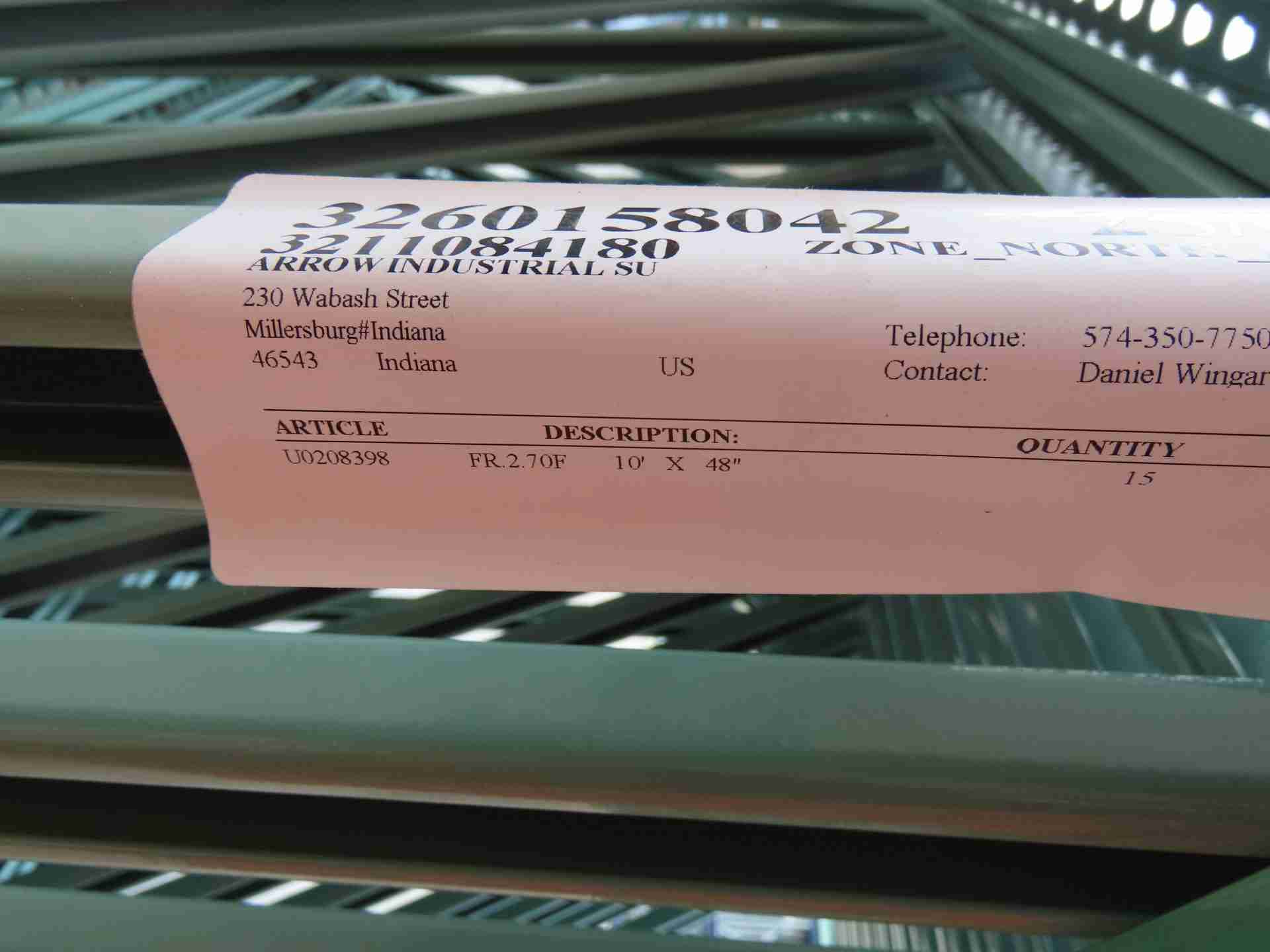
How Does Throughput Mapping Impact Overall Productivity In Industries?
How Does Throughput Mapping Impact Overall Productivity In Industries?
- Throughput mapping is essential for optimizing operational efficiency in industries.
- It identifies bottlenecks and unveils potential by breaking down operations into clear pathways.
- Efficient racking systems are crucial for streamlined storage and flow of goods.
- Mapping reduces time spent searching for items, increasing productivity and profitability.
- It embodies a shared ethical responsibility to minimize waste and maximize output.
- Throughput mapping fosters teamwork by connecting individuals and clarifying roles.
- Overall, it enhances workplace culture, leading to a thriving environment for all employees.
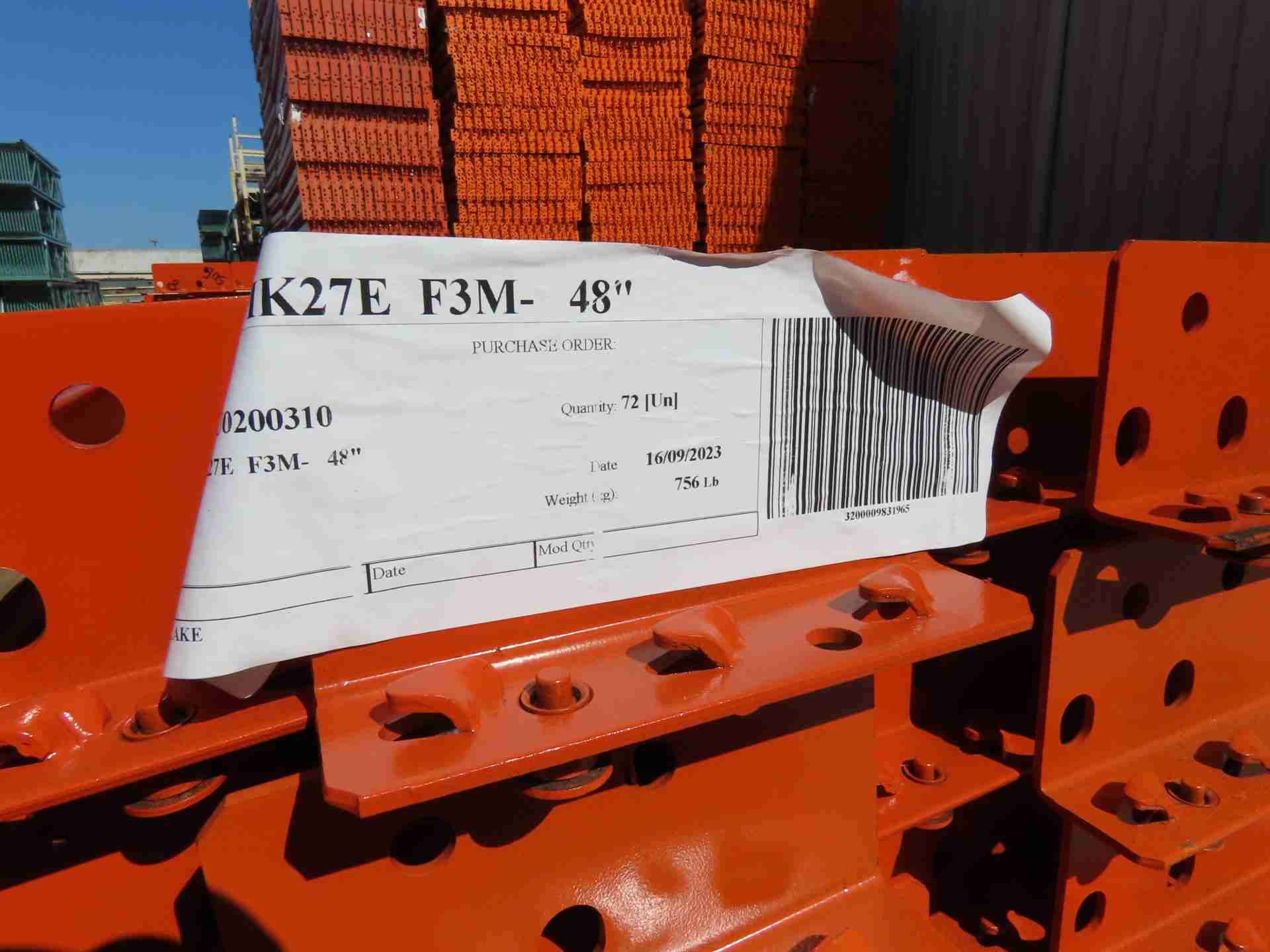
How Does Throughput Mapping Impact Overall Productivity In Industries?
What Common Challenges Arise During Throughput Mapping Efforts?
Throughput mapping can feel like a tough climb up a steep hill, especially when you’re knee-deep in Racking Systems and the nitty-gritty of operations. Every operation has its own set of quirks, yet certain challenges seem to crop up time and again.
One of the first hurdles is the sheer complexity of processes. Different teams may have their own systems and metrics, leading to inconsistencies that can derail mapping efforts. Without a solid understanding of how each part of the operation ties into the next, it’s like trying to complete a jigsaw puzzle with missing pieces. Team members may feel overwhelmed, leading to frustration and apathy about the process.
Then, there’s the issue of data reliability. You can have all the metrics in the world, but if they’re not accurate, they’re as useful as a hammer without a head. Getting buy-in from everyone involved is crucial. When team members understand the importance of their contributions to throughput mapping, they’re more likely to provide accurate data. Trust is built when people see their role as vital, not just another checkbox to tick off.
Communication also plays a pivotal role. It’s easy for those digging into Racking Systems to get lost in technical jargon. If the language isn’t accessible, it creates a barrier that stifles collaboration. Everyone should feel like they can voice their concerns and insights, ensuring that mapping efforts reflect the real-world challenges faced in the field.
Another significant challenge is the ever-fluctuating nature of operations. External factors like supply chain disruptions can blindside even the most well-laid plans. The ability to adapt and pivot becomes essential. Those involved must cultivate a mindset that welcomes change as part of the process rather than viewing it as a setback.
Finally, the ethical responsibility to empower workers cannot be overlooked. When you involve teams ethically and collaboratively in throughput mapping, it fosters a sense of ownership that translates into better engagement and improved performance. This isn’t just about data; it’s about people working together, sharing their stories and experiences, and finding common ground.
Throughput mapping is as much about the hearts and minds of the people involved as it is about the numbers. Recognizing and tackling these challenges creates successful outcomes, turning roadblocks into stepping stones toward a more efficient, connected operation.

What Common Challenges Arise During Throughput Mapping Efforts?
What Common Challenges Arise During Throughput Mapping Efforts?
- Throughput mapping can be complex, particularly within Racking Systems and operational details.
- Processes may vary across teams, leading to inconsistencies that hamper mapping efforts.
- Data reliability is crucial; inaccurate metrics provide little utility.
- Team buy-in is essential to encourage accurate data contributions and build trust.
- Effective communication is necessary to avoid jargon that creates barriers to collaboration.
- Operations are subject to external challenges, requiring adaptability and a positive attitude towards change.
- Empowering workers through ethical collaboration fosters engagement and improves performance.

What Common Challenges Arise During Throughput Mapping Efforts?
Conclusion
Throughput mapping is the backbone of efficient industrial operations, transforming complex, chaotic processes into a well-oiled machine. By closely observing how materials and people interact on the shop floor, managers can pinpoint bottlenecks that hinder productivity and implement changes that resonate throughout the organization. This isn’t just a numbers game; it’s a critical narrative about the workplace, where each improvement has a tangible impact on workers’ lives and the business’s bottom line.
At its core, throughput mapping fosters a culture of respect and value for every employee. By streamlining operations, it alleviates stress and reduces unnecessary overtime, signaling to workers that their well-being is as important as productivity. Employees feel empowered, which builds trust—a vital factor in a cohesive work environment. Collectively, this engagement results in a sense of belonging; when people see their input reflected in the processes, their morale and pride in their work rise.
Operational efficiency is about more than just cutting costs; it’s an ethical imperative. Clear communication and collaboration help to ensure that every team member understands their role in the larger picture. This not only enhances individual responsibility but also leads to improved outcomes. Each data point collected from the shop floor tells a story that enhances the decision-making process, providing insights that guide operational adjustments. When workers see positive changes resulting from their contributions, it fosters an environment of camaraderie rather than competition.
Moreover, the authority of experienced hands on the floor cannot be overlooked. Those who’ve spent years handling equipment and navigating challenges possess invaluable insights that no amount of data can replace. Their expertise deserves a place at the table, ensuring that any throughput mapping effort is grounded in practical, real-world observations. This blend of practical wisdom and data-driven insights paves the way for continual improvement.
Throughput mapping isn’t simply a process; it’s a mindset that cultivates ongoing collaboration and creativity. As operations continuously evolve, having a responsive mapping system allows industries to adapt swiftly, maintaining productivity in the face of changing demands. By prioritizing effective mapping, organizations are not just running operations—they’re building a thriving community where every individual has a stake in success. Ultimately, the story of throughput mapping is one of teamwork, respect, and the relentless pursuit of excellence that fuels the engine of industry.
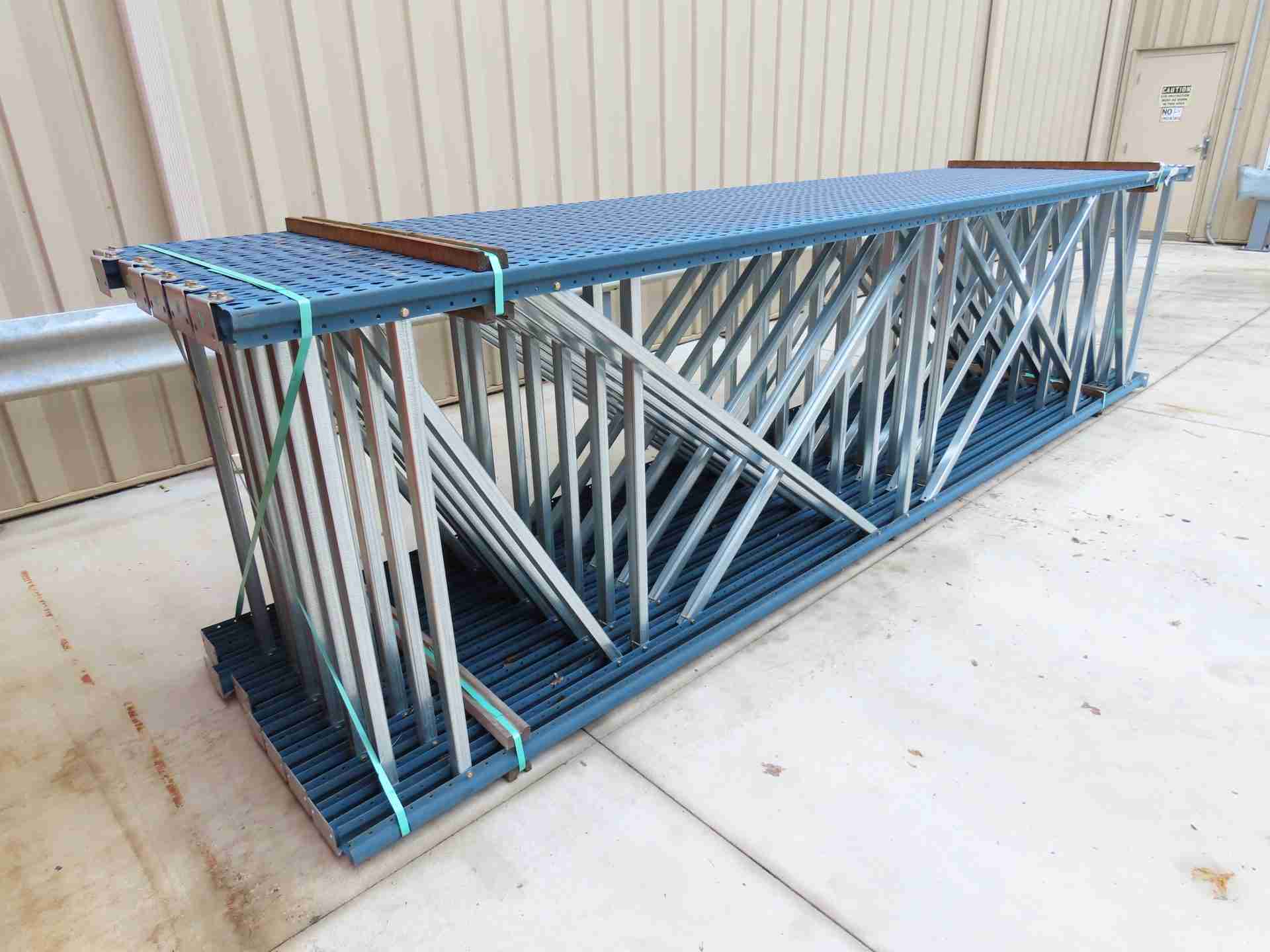
Conclusion
Conclusion:
- Throughput mapping enhances industrial operations by identifying and addressing bottlenecks, leading to improved productivity.
- This process values employee well-being, reducing stress and unnecessary overtime while promoting a culture of respect.
- Enhanced communication and collaboration increase individual responsibility and overall outcomes within the team.
- Collecting data from the shop floor provides insights that inform decision-making and operational adjustments.
- Experienced workers offer valuable practical insights that complement data analysis in throughput mapping efforts.
- Throughput mapping fosters a mindset of continuous improvement and adaptation, encouraging collaboration and creativity.
- Ultimately, it builds a thriving community where every employee is invested in the organization’s success and excellence.

Conclusion
Other Resources
Other Resources
Here is a list of other resources you can review online to learn more:
- American Surplus
- Teardrop Racks – Pallet Rack World
- IWLA
- Pallet Racking systems in Illinois, Great Lakes
- What is Selective Pallet Racking
- Mustang Material Handling
- Used Pallet Rack for Sale in Illinois – American Surplus
- National Safety Council
- WERC
- SEMA
- Warehousing Education and Research Council: https://www.werc.org/
- Warehouse Racking Chicago, IL
- Rack Manufacturers Institute
- Teardrop Pallet Rack – Ridg-U-Rak
- Material Handling Safety
- Bradford Systems
- Storage Equipment Manufacturers Association
- Warehousing and Fulfillment
- Logic Material Handling
- Cantilever Rack Configuration & Installation: A Comprehensive Guide – BMH
Use This Prompt To Get More Resources With Your Favorite Online AI Tool: Please provide me with a list of online articles with their URLs in a bulleted list that I can read regarding Throughput Mapping for Industrial Operations

Other Resources
Glossary Terms
Throughput Mapping for Industrial Operations – Glossary Of Terms
1. Throughput: The amount of material or items passing through a system or process within a given time frame.
2. Mapping: The process of creating a visual representation of a system, identifying relationships and flows.
3. Capacity: The maximum output that a system can produce under normal conditions.
4. Bottleneck: A stage in a process that limits overall throughput, reducing efficiency.
5. Workflow: The sequence of processes through which tasks or materials move in a system.
6. Efficiency: The ratio of useful output to total input, indicating how well resources are utilized.
7. Cycle Time: The total time taken to complete one full cycle of operations from start to finish.
8. Lead Time: The total time it takes for an order to be processed from initiation to completion.
9. Process Flow: The path that materials or information follow through a series of operations.
10. Utilization: The percentage of capacity that is actually used in a given period.
11. Value Stream: The series of steps that add value to a product from start to finish.
12. Lean Manufacturing: A production practice that considers the expenditure of resources in any aspect other than the direct creation of value for the end customer to be wasteful.
13. Six Sigma: A set of techniques and tools for process improvement aimed at reducing defects and variability.
14. Kaizen: A philosophy of continuous improvement involving all employees.
15. KPI (Key Performance Indicator): A measurable value that demonstrates how effectively a company is achieving key business objectives.
16. Standard Operating Procedure (SOP): A set of step-by-step instructions to help workers carry out routine operations.
17. Inventory Turnover: A ratio indicating how many times a company’s inventory is sold and replaced over a period.
18. Process Mapping: A visual representation of a process, outlining each step in the workflow.
19. Resource Allocation: The distribution of resources among various projects or business units.
20. Waste: Any activity that does not add value to the product or service.
21. Throughput Time: The time it takes for a unit to pass through a process from start to finish.
22. Work in Progress (WIP): The total value of all unfinished goods in the production process at any given time.
23. Batch Processing: A method of processing where a group of items is processed together in a single run.
24. Point of Use: The location where materials are required, reducing unnecessary movement and transportation.
25. Scrappage: The percentage of materials discarded as waste during the production process.
26. Agility: The ability of a system or organization to respond quickly and effectively to changes.
27. Production Schedule: A detailed timetable that outlines when and how much to produce.
28. Post-Production: Activities that occur after the main production process, including packaging and shipping.
29. Demand Forecasting: The process of estimating future customer demand for products or services.
30. Continuous Flow: A production method where items are processed one after another without interruptions.

Glossary Of Terms
Other Questions
Throughput Mapping for Industrial Operations – Other Questions
If you wish to explore and discover more, consider looking for answers to these questions:
- What exactly is a throughput map and which elements should it include?
- Which quantitative metrics (KPIs) should I track to measure throughput?
- How do I collect the data needed for throughput mapping and from which sources?
- What methods ensure the accuracy and reliability of throughput data?
- How often should throughput maps be updated and reviewed?
- Which software or visualization tools work best for creating throughput maps?
- Can throughput mapping be integrated with WMS, ERP, or other existing systems?
- How do I involve frontline workers effectively in the mapping process?
- What roles and responsibilities are required to run a throughput mapping project?
- How do I prioritize which bottlenecks or issues to address first?
- What are typical quick wins that result from throughput mapping?
- What common pitfalls and mistakes should I avoid during throughput mapping?
- How do I calculate ROI and payback for throughput improvement initiatives?
- How can I scale throughput mapping from a single line to multiple sites?
- What specific impacts do racking system changes have on throughput and safety?
- What safety and ergonomic considerations must be addressed when reconfiguring layouts?
- How does throughput mapping align with Lean, Six Sigma, or Theory of Constraints?
- How should I run a pilot or proof-of-concept before full implementation?
- What sensors, IoT devices, or automation technologies support real‑time throughput monitoring?
- How do I account for variable demand, seasonality, and supply chain disruptions in the map?
- How do I incorporate inbound logistics, suppliers, and shipping processes into throughput maps?
- How do I map information flow as well as material flow?
- How should proposed layout or process changes be simulated or modelled beforehand?
- What documentation, templates, or standards should I use for throughput maps?
- How do I communicate changes and secure buy‑in from staff and management?
- What training and skills do teams need to perform mapping and continuous improvement?
- Are there industry‑specific considerations for throughput mapping (e.g., pharma, food, heavy industry)?
- How do I measure and track the impact on worker morale, overtime, and workload?
- How do I balance space utilization versus throughput speed and accessibility?
- What are the typical costs and lead times associated with reconfiguring racking systems?
- How do I maintain and sustain throughput improvements over time?
- How should throughput mapping coordinate with maintenance, spare parts, and facility planning?
- How do I secure executive sponsorship and funding for throughput mapping projects?
Other Questions
Checklist
Throughput Mapping for Industrial Operations – A Checklist
Purpose and Scope
✅______ Define business goals (lead time, cost, service level, safety, space)
✅______ Set success criteria and target KPIs (throughput/hour, lead time, WIP, OEE, pick rate, dock-to-stock, overtime %, on-time ship, labor/units, space utilization)
✅______ Select products/processes, shifts, and sites in scope
✅______ Identify constraints and assumptions (demand profile, service windows, regulations)
Team and Governance
✅______ Assign sponsor, project lead, data analyst, and process owners
✅______ Include frontline representatives from each shift/area, maintenance, safety, and IT/WMS
✅______ Establish cadence (daily huddles, weekly reviews) and decision rights
Data and Tools Readiness
✅______ Verify master data accuracy (SKU dimensions/weight, velocity, units of measure)
✅______ Validate location master (racking addresses, capacities, slot types)
✅______ Confirm system timestamps and device clocks are synchronized
✅______ Create a data dictionary and define access permissions
✅______ Gather 60–90 days of WMS/ERP event logs (receive, move, pick, pack, ship)
✅______ Prepare floor plans, current layout, and equipment lists
✅______ Assemble tools (stopwatch, distance wheel, tablets, labels, cameras)
Gemba Observation and Time Study
✅______ Walk the flow from receiving to shipping across all shifts
✅______ Map material, people, and information flow; note exceptions and rework
✅______ Conduct time studies for key tasks (receive, putaway, replenish, pick, pack, load)
✅______ Create spaghetti diagrams for travel paths; measure distances and congestion
✅______ Capture sample sizes sufficient to reflect variability (SKU mix, order profiles)
Current-State Mapping
✅______ Build a SIPOC for major processes
✅______ Create a value stream map including queue times, WIP, cycle times, and changeovers
✅______ Document interfaces with racking systems (types, capacities, replenishment points)
✅______ Identify buffers, inspection points, rework loops, and decision nodes
Racking Systems Assessment
✅______ Inventory rack types (selective, drive-in, pallet flow, carton flow, mezzanine)
✅______ Check space utilization (horizontal/vertical), damaged bays, and dead stock zones
✅______ Validate slotting strategy (ABC/velocity, cube-per-order index, golden zone)
✅______ Review labeling, signage, and address logic for clarity
✅______ Evaluate pick paths, aisle widths, travel distance, and choke points
✅______ Assess replenishment triggers, min/max, and staging locations
✅______ Verify safety clearances, guards, and inspection logs
Data Accuracy Controls
✅______ Cross-check system times vs. stopwatch samples
✅______ Audit scan compliance and missing event rates
✅______ Perform cycle counts for high-velocity SKUs; record variance
✅______ Validate order start/complete definitions and clock drift
✅______ Establish single source of truth and data freshness standards
Bottleneck and Waste Identification
✅______ Identify the system constraint (Theory of Constraints)
✅______ Quantify constraint utilization, queue length, and starvation/blockage
✅______ Apply 5 Whys/fishbone to top bottlenecks
✅______ Catalog wastes (transport, inventory, motion, waiting, overproduction, overprocessing, defects, underused talent)
Safety, Ergonomics, and Ethics
✅______ Review near-miss data, forklift–pedestrian interactions, and line-of-sight
✅______ Check ergonomic risks (reach, lift height, repetition) and golden zone adherence
✅______ Monitor overtime drivers; align schedules to reduce fatigue
✅______ Ensure transparent use of data and respect for worker privacy
Improvement Design
✅______ Prioritize countermeasures by impact/effort and constraint relief
✅______ Optimize layout to reduce travel (zone picking, forward pick areas, cross-dock)
✅______ Refine slotting and replenishment (fast-mover density, family grouping)
✅______ Standardize work; reduce changeover (SMED) and batch delays
✅______ Right-size inventory and rack footprint; remove obsolete storage
✅______ Improve information flow (visual cues, pick-to-light/voice, clear SOPs)
Pilot and Implementation
✅______ Select a pilot area with clear boundaries and owners
✅______ Define pilot targets and success metrics; baseline before changes
✅______ Train affected roles; update SOPs and visuals
✅______ Conduct risk assessment and go-live checklist
✅______ Implement with rollback plan and capture lessons learned
Monitoring and Control
✅______ Deploy dashboards for KPIs and constraint health
✅______ Set alert thresholds and daily management routines (tiered huddles)
✅______ Validate benefits with control charts and before/after studies
✅______ Schedule layered process audits and Gemba walks
Continuous Improvement and Engagement
✅______ Maintain a CI backlog; review at 30/60/90 days post-implementation
✅______ Recognize operator ideas implemented; close feedback loops
✅______ Refresh maps when product mix, volume, or layout changes
✅______ Keep cross-training matrices current for flexibility
Change Readiness
✅______ Prepare playbooks for demand spikes, supplier delays, and staffing gaps
✅______ Stress-test flow with scenario simulations
✅______ Align staffing and equipment maintenance to takt and seasonality
Documentation and Handoff
✅______ Archive final maps, data dictionary, SOPs, decisions, and risk log
✅______ Transfer ownership to line leaders with clear responsibilities
✅______ Schedule periodic audits and strategy reviews
✅______ Celebrate wins and communicate outcomes across all shifts

Checklist
At RackingWorld, we help guide you through selecting warehouse storage systems and racking.
Be sure to read our other related stories at RackingWorld to learn more about warehouse storage systems.
0 Comments