
Navigating Safety: Essential Insights For Resilient Pallet Racking
By Tom Seest
At RackingWorld, we help guide you through selecting warehouse storage systems and racking.
Be sure to read our other related stories at RackingWorld to learn more about warehouse storage systems.
Understanding Seismic Requirements for Pallet Racking
When it comes to racking systems, especially in areas prone to earthquakes, you can’t afford to take shortcuts. It’s not just about stacking boxes; it’s about safeguarding lives and assets. Picture a bustling warehouse, the hum of forklifts in the background, and the weight of inventory looming high above. Each pallet racking setup is not only a means of organization but a structure that needs to stand firm when the earth shakes.
Understanding seismic requirements for pallet racking can make the difference between chaos and safety. In a seismic event, the forces exerted on these systems can be immense. Those racks that seemed sturdy during your last inspection could become dangerous if not engineered for the worst. The ethical responsibility to ensure safety translates into practical action. The men and women who work in these warehouses trust that the systems they’ve relied on daily will protect them. This isn’t just regulation; it’s about looking out for one another.
Imagine having to pick up the pieces after a disaster, the aftermath of a hefty investment turned into a heap of twisted steel and shattered goods. That rubber-meets-the-road moment can happen in an instant if pallet racking is improperly designed. Engaging with local regulations and building codes isn’t merely a box to tick; it’s the foundation of a safe working environment. The authorities in your area have established these requirements for a reason, often grounded in hard-earned lessons from the past. A good understanding of seismic requirements not only aligns with legal standards but also expresses a commitment to best practices.
Sharing stories of near-misses or catastrophic failures in the industry builds a narrative that underlines the importance of compliance. Those stories resonate deeply, reminding us why preparation matters. You’re not just stacking products; you’re laying the groundwork for a safer warehouse. Racking systems that are designed with seismic issues in mind foster trust among workers. When employees see that their employers prioritize safety, morale goes up, and so does efficiency.
The bottom line? Investing in the right pallet racking designs not only protects your inventory but also secures your workforce’s peace of mind. It’s about standing strong through the tremors of life, ensuring that when the ground shakes, your operations remain steady.

Understanding Seismic Requirements for Pallet Racking
Understanding Seismic Requirements for Pallet Racking
- Earthquake-prone areas require robust racking systems to safeguard lives and assets.
- Seismic requirements are critical for preventing chaos during seismic events.
- Proper engineering of pallet racking can prevent dangerous situations in a disaster.
- Compliance with local regulations ensures a safe working environment based on past lessons.
- Sharing industry failures emphasizes the importance of safety preparedness.
- Confidence in safety measures boosts employee morale and operational efficiency.
- Investing in appropriate racking designs protects inventory and enhances workforce peace of mind.

Understanding Seismic Requirements for Pallet Racking
Table Of Contents
- Understanding Seismic Requirements for Pallet Racking
- What Are the Critical Seismic Standards for Pallet Racking?
- How Can Seismic Forces Impact Pallet Racking Systems?
- What Materials Are Best for Seismic-Resistant Pallet Racks?
- How Do Local Codes Influence Pallet Racking Design In Earthquakes?
- What Is the Importance Of Proper Anchoring In Racking Systems?
- How Can I Assess the Seismic Risks Of My Warehouse?
- Conclusion
- Other Resources
- Glossary Of Terms
- Other Questions
- Checklist
What Are the Critical Seismic Standards for Pallet Racking?
In the world of warehousing, safety isn’t just a checkbox; it’s a lifeline. When it comes to pallet racking, the critical seismic standards are paramount. They are the foundation on which we stack not just goods, but also the trust our teams and communities place in us. The last thing anyone wants is to see that towering rack of products come crashing down during a tremor. Every piece of equipment we use should reflect our determination to protect lives and investments.
Understanding seismic standards isn’t just about compliance; it’s about fostering an environment where every worker feels secure. Picture a scenario where the warehouse is buzzing with activity. Workers move with purpose, unaware that just below the surface, the earth is restless. Without proper racking systems designed with seismic considerations in mind, that peace can shatter in an instant. The product might be insured, but the well-being of your crew isn’t something you can just file a claim for.
From an ethical standpoint, ensuring your racking systems meet seismic standards isn’t just good business—it’s the right thing to do. It’s about respect for the people who depend on these structures every day. By investing in durable, compliant racking systems, you send a clear message: their safety matters.
There’s an undeniable authority in preparing for the unpredictable. Seismic codes and regulations are not arbitrary; they’re crafted from years of research, collective experience, and real data. Trust in these standards is built upon the back of lessons learned from catastrophic failures. It’s a testament that when we stick to science, we stack the odds in our favor.
Think of the impact on company culture when seismic preparedness is a priority. It creates an intrinsic bond among workers, supervisors, and management. They come together, united by a common goal of safety and reliability. They don’t just work in the warehouse; they share a commitment. The stories they tell of safety drills, of compliance checks, and of emergency preparedness become part of the fabric of the workplace.
So, as you navigate the complexities of pallet racking and the seismic standards that govern them, remember it’s about more than just metal and nuts and bolts. It’s about people, protection, and purpose. Ensuring that our racking systems are up to the task provides not just peace of mind but inspires action toward a resilient future. Together, we stand strong—unshaken, unbroken.

What Are the Critical Seismic Standards for Pallet Racking?
What Are the Critical Seismic Standards for Pallet Racking?
- Safety in warehousing is essential and reflects a commitment to protecting lives and investments.
- Critical seismic standards are crucial for ensuring the stability of pallet racking systems.
- Understanding seismic standards fosters a secure environment for all workers.
- Adhering to seismic codes demonstrates respect for the safety of those relying on these structures.
- Seismic regulations are based on comprehensive research and experiences from past failures.
- Prioritizing seismic preparedness strengthens company culture and unites all team members in safety goals.
- Effective racking systems enhance resilience, providing peace of mind and inspiring proactive safety measures.
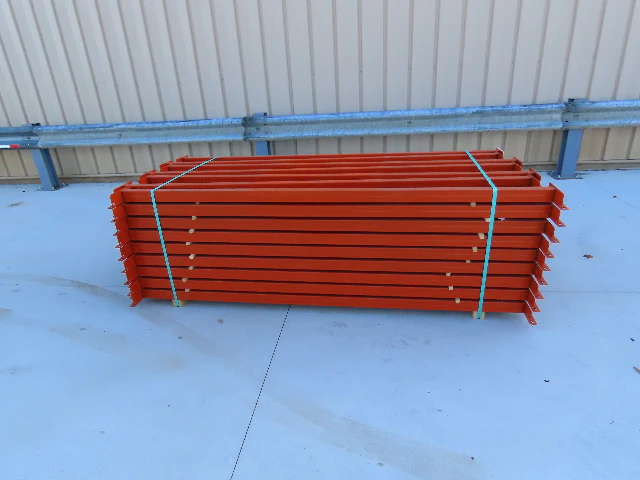
What Are the Critical Seismic Standards for Pallet Racking?
How Can Seismic Forces Impact Pallet Racking Systems?
Seismic forces can turn a warehouse into a chaotic scene, especially when it comes to pallet racking systems. Picture this: you’re in a bustling distribution center, surrounded by rows of neatly stacked pallets. The hard work of many people fills the air, but the ground beneath you starts to rumble. That’s when the true test of your racking systems begins.
When earthquakes hit, the integrity of your racking systems is crucial. An improperly designed or installed racking system can lead to massive losses—both in terms of product and the safety of your crew. You see, it’s not just about the merchandise; it’s about the people who rely on these systems day in and day out. A well-engineered racking system stands tall against seismic forces, providing stability and support. This matters not only in a business sense but in an ethical sense too. We owe it to our workers to ensure the environment they work in is safe and secure.
Think of it like this: each pallet, each rack, and each piece of equipment represents hard work, investment, and livelihood. When we talk about the impact of seismic forces, we’re also acknowledging the emotional stakes. Every time a shelf collapses during a quake, it’s not just a structural failure; it’s the loss of jobs, trust, and community engagement. Investing in robust racking systems is investing in that community spirit, in the shared goal of success and safety.
Rationally, understanding how seismic forces interact with your racking systems can save time and resources in the long run. It’s a smart move to ensure your infrastructure can withstand nature’s unpredictability. Industries that prioritize sound engineering and adherence to safety regulations cultivate an environment of trust and reliability. When clients know you’ve built your business on solid principles, they’re more likely to sprinkle some good word-of-mouth around, helping you grow.
Narratively, the tale of a strong racking system during an earthquake can be told in every corner of your workplace. “Remember that time when the ground shook, and everything held together?” It becomes part of your company folklore, a badge of honor worn by those who weathered the storm. By investing in the right design and materials, your racking systems can be the backbone that supports not just products, but an entire workforce, fostering pride and resilience in their workplace.
Safety isn’t a luxury; it’s indispensable. With the right racking systems in place, that sense of safety translates into productivity, loyalty, and a commitment to the job at hand, no matter what challenges lie ahead.
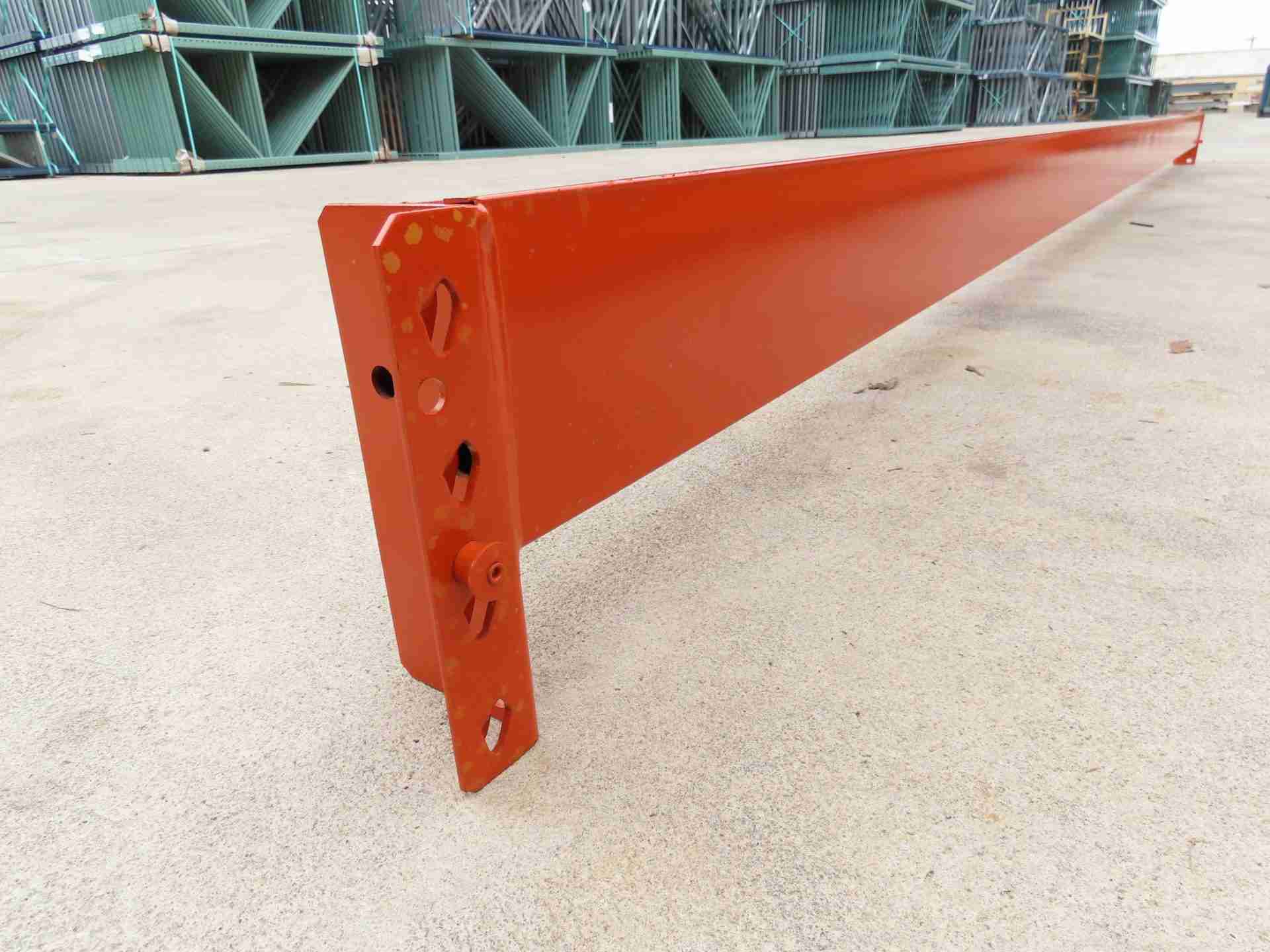
How Can Seismic Forces Impact Pallet Racking Systems?
How Can Seismic Forces Impact Pallet Racking Systems?
- Seismic forces can disrupt warehouse operations, particularly affecting pallet racking systems.
- The integrity of racking systems is crucial during earthquakes to prevent product loss and ensure worker safety.
- A well-engineered racking system provides stability, highlighting the ethical responsibility to maintain a safe work environment.
- Every pallet and rack represents hard work and livelihood, with seismic impacts also encompassing emotional stakes.
- Understanding seismic forces can save time and resources, enhancing infrastructure resilience against natural disasters.
- Investing in robust racking systems fosters trust and reliability, benefiting business growth through positive reputation.
- Proper safety measures contribute to productivity, loyalty, and overall commitment among the workforce.
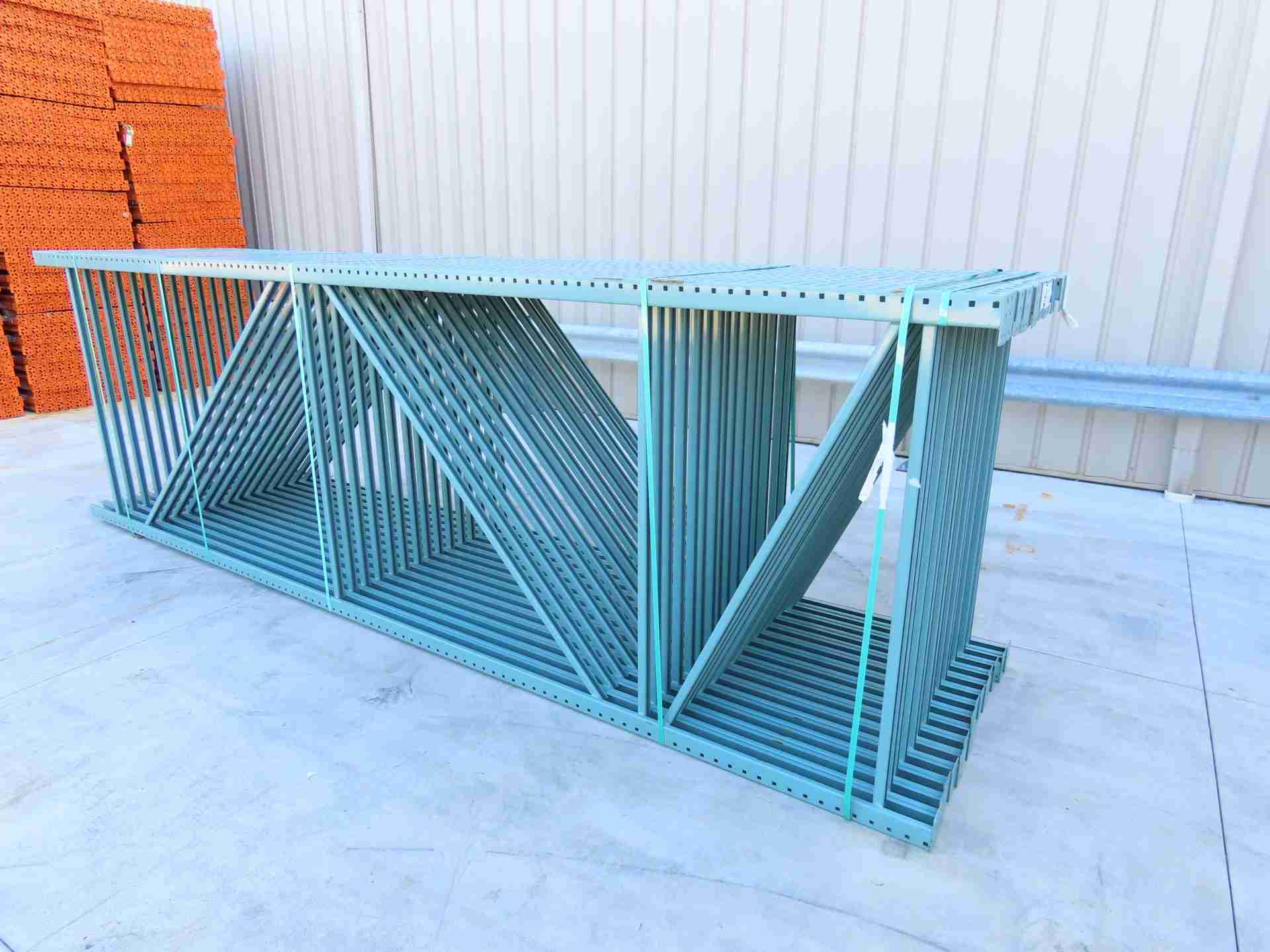
How Can Seismic Forces Impact Pallet Racking Systems?
What Materials Are Best for Seismic-Resistant Pallet Racks?
When it comes to building seismic-resistant pallet racks, the choice of materials boils down to a mix of practicality and reliability. In regions prone to earthquakes, ensuring that racking systems can withstand violent shakes is paramount. Each material has its story; each plays a role in creating a robust defense against nature’s unpredictability.
Steel is the backbone of most seismic-resistant pallet racks. It’s tough, durable, and can flex under pressure without breaking, much like a seasoned worker who knows how to bend without cracking. Galvanized steel, in particular, adds another layer of protection against corrosion, and that’s powerful. You don’t want to find your racks rusting away when they should be supporting your livelihood and your team’s hard work.
Next on the list is the importance of engineering standards. Just like a solid foundation in a house, your racking systems need to be designed and installed by pros who know their stuff. It’s not just about slapping some steel together; it’s about calculating load limits, understanding seismic zones, and constructing a system that can take a hit and keep standing. Trusting in experienced engineers is key. Knowing the right folks are behind the design gives you peace of mind.
Wood, while often overlooked, can also play a role in seismic designs. Timber racks can resonate with an aesthetic charm while serving functions in environments that don’t require the heavy-duty weight-bearing of steel. There’s an ethical approach to using responsibly sourced wood, connecting us back to the land and communities we depend on, but it’s crucial to assess its capabilities under stress.
Then there’s the coating of those racking systems. A tough paint or finish can do wonders for a structure that faces the elements while providing a polished look that stands as a testament to your commitment to quality.
Finally, let’s talk about the community. The strength of your racking system resonates beyond your warehouse; it extends to your team. When workers know they’re supported by solid racking systems, it builds trust and boosts morale. It’s about knowing your setup is safe, which, in turn, cultivates an environment where hard work flourishes.
Choosing the right materials isn’t just a technical decision; it’s about supporting livelihoods, fostering trust, and ensuring safety in the face of nature’s challenges. Constructing seismic-resistant pallet racks is an investment in a future that’s not just stable but also resilient, for everyone who depends on it.

What Materials Are Best for Seismic-Resistant Pallet Racks?
What Materials Are Best for Seismic-Resistant Pallet Racks?
- Building seismic-resistant pallet racks requires a combination of practicality and reliability.
- Steel is the primary material due to its durability and ability to flex under pressure, with galvanized steel offering additional corrosion resistance.
- Engineering standards are crucial, necessitating professional design and installation that account for load limits and seismic zones.
- Wood can be used in seismic designs, particularly in lighter-duty applications, but must be responsibly sourced and assessed for strength.
- A durable coating or finish enhances the racking’s resistance to elements and maintains a quality appearance.
- The strength of racking systems supports community morale and trust among workers, who feel safe and valued.
- Choosing appropriate materials is a holistic decision impacting safety and livelihoods, fostering resilience against nature’s challenges.

What Materials Are Best for Seismic-Resistant Pallet Racks?
How Do Local Codes Influence Pallet Racking Design In Earthquakes?
When it comes to pallet racking systems, the old adage “better safe than sorry” takes on a whole new meaning, especially in earthquake-prone areas. Local codes, often shaped by past experiences and tragic lessons learned, are designed to protect not just property, but lives. Imagine a warehouse full of goods and workers, buzzing with activity. Now picture the ground shaking beneath you. It’s in these moments that the strength and reliability of racking systems are truly put to the test.
Local building codes serve as a critical framework for designing these racking systems, guiding engineers and warehouse operators toward solutions that can withstand seismic events. In places like California, where the earth has its own rhythm, rigorous standards dictate how high racks can go, how they should be anchored, and what materials must be used. These codes remind us that it’s not just about maximizing storage; it’s about securing the safety of every person who walks under those towering shelves.
From a practical standpoint, understanding local codes isn’t just the job of the engineers; it’s crucial for every worker and manager on the floor. A well-designed racking system ensures that heavy pallets won’t topple over during a shake, avoiding not only loss of inventory but protecting the people who rely on those products. The stakes are high, and knowing that the racks in your warehouse reflect thoughtful adherence to these codes fosters confidence throughout the team. Everyone benefits when safety is prioritized.
Moreover, recognizing the ethical responsibility behind these codes creates a stronger sense of community. It’s about looking out for one another, ensuring that every employee knows their workplace is designed with their well-being in mind. A warehouse owner who invests in compliant racking systems shows that they value their workforce, creating a culture of trust and respect.
Real-life stories abound of warehouses that withstood earthquakes thanks to proper racking designs rooted in local codes. These narratives are powerful reminders of what can be achieved when we take safety seriously. They inspire action, urging businesses to not just comply with codes but to embrace them as part of their operational ethos.
Choosing to uphold these standards isn’t just a legal obligation; it’s a commitment to safeguarding lives and livelihoods. In a world where uncertainty looms, fortified racking systems can be the difference between chaos and safety. Embracing local codes isn’t simply adherence; it’s building a future where we all can thrive.

How Do Local Codes Influence Pallet Racking Design In Earthquakes?
How Do Local Codes Influence Pallet Racking Design In Earthquakes?
- Pallet racking systems are critical in earthquake-prone areas, emphasizing safety over just storage.
- Local building codes are essential for designing racking systems that withstand seismic events, particularly in regions like California.
- Understanding these codes is vital for engineers, workers, and managers to ensure safety and prevent inventory loss.
- Compliant racking systems foster confidence and safety for everyone working in the warehouse.
- Ethical adherence to safety codes strengthens community and promotes employee well-being.
- Success stories of warehouses surviving earthquakes highlight the importance of proper racking design rooted in local codes.
- Upholding safety standards reflects a commitment to preserving lives and creating a secure working environment.

How Do Local Codes Influence Pallet Racking Design In Earthquakes?
What Is the Importance Of Proper Anchoring In Racking Systems?
When it comes to racking systems in warehouses and storage facilities, proper anchoring isn’t just a detail; it’s the foundation of safety and efficiency. Picture a bustling warehouse, filled with pallets stacked high. If those racking systems aren’t anchored correctly, the potential dangers are real. We’ve all heard the stories or seen the aftermath of a toppled rack. Those aren’t just tales; they’re reminders that negligence can lead to serious consequences.
Imagine your team working late to meet a deadline, the warehouse filled with the sounds of clattering equipment and shuffling feet. Confidence in your racking systems can make all the difference. Proper anchoring ensures that racks withstand the everyday stresses of a busy environment. It reduces the risk of accidents, protecting your coworkers and ultimately your business. After all, an injury on the job doesn’t just affect the individual; it ripples through the whole operation.
On a more rational level, think about the costs. Quality racks that are intentionally anchored keep inventory safe, reducing product loss due to accidents. It’s not just about preventing injuries; it’s about protecting your bottom line. Investing in proper anchoring means you’re investing in your business’s long-term stability. Plus, the peace of mind that comes from knowing your warehouse operates safely is invaluable. You can focus on the tasks at hand, rather than worrying about what might go wrong.
Ethically, we owe it to our teams to provide safe working conditions. That’s a non-negotiable. Proper anchoring is a straightforward measure that demonstrates a commitment to the workforce’s well-being. It fosters a culture of care, showing that you understand the importance of safety.
Using real-world experience, we learn that life and work require practicality. These are not just metal frames; they’re vital components of a well-functioning environment. When we share stories of what went wrong—mind you, those aren’t fun tales to tell—we connect on a deeper level. It reminds us that behind every system is human effort. We are all engaged in a collective dance of safety, efficiency, and responsibility.
So when it comes to racking systems, don’t skimp on the anchoring. It stands as a silent guardian of your workplace, holding everything in place—quite literally. And trust me, a well-anchored racking system is the unsung hero keeping your operation running smoothly. Fostering that trust and confidence through proper practices can only lead to a stronger, more resilient team.
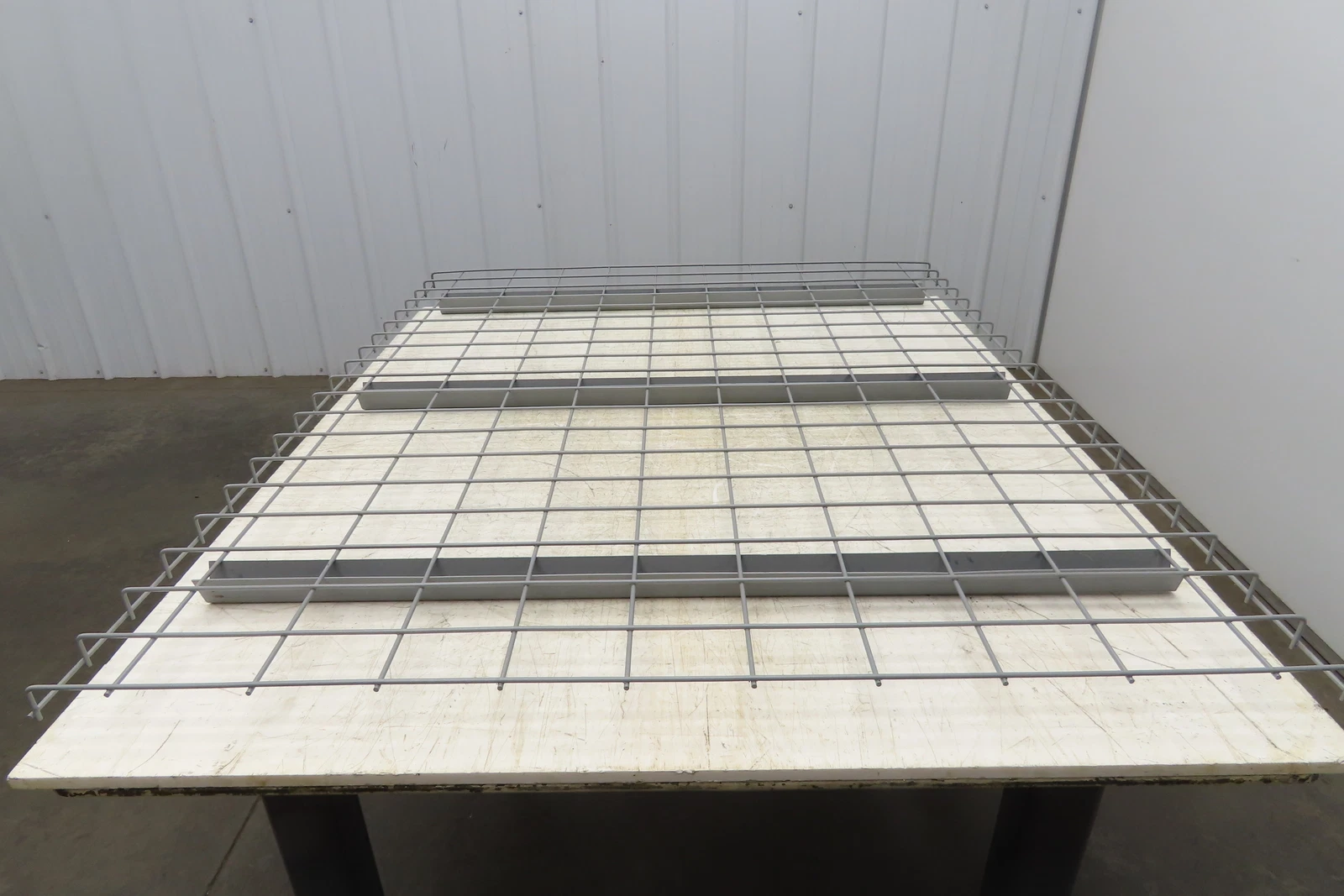
What Is the Importance Of Proper Anchoring In Racking Systems?
What Is the Importance Of Proper Anchoring In Racking Systems?
- Proper anchoring of racking systems is essential for safety and efficiency in warehouses.
- Incorrectly anchored racks pose real dangers, including accidents and damage.
- Safety measures protect not only employees but also the overall operation of the business.
- Investing in anchored racks reduces product loss and contributes to financial stability.
- Providing safe working conditions is an ethical obligation that fosters a culture of care.
- Racking systems are critical components of a functional work environment and require practical considerations.
- A well-anchored racking system enhances team trust and operational resilience.

What Is the Importance Of Proper Anchoring In Racking Systems?
How Can I Assess the Seismic Risks Of My Warehouse?
Assessing the seismic risks of your warehouse isn’t just a numbers game; it’s about securing the lives of your employees and protecting your livelihood. You might think it’s just another line item in the budget, but consider what’s at stake: family, jobs, and your hard work. The floor might look steady, but the right earthquake could turn those sturdy racking systems into dangerous projectiles.
Start with a thorough inspection of your warehouse structure. Look for cracks, uneven floors, or any signs of distress. Grab a flashlight and get familiar with the layout. Where’s the heavy machinery? The stored materials? Understand how these elements interact during seismic events. It’s a lot like knowing where to stand during a windstorm; the right positioning can make all the difference.
Next, consult with experts in seismic assessments. You want someone who isn’t just shuffling papers but has stood in the trenches, understands your trade, and can speak your language. Engage an engineer who knows what your racking systems can handle and what they can’t. Their insights will guide you on how to reinforce your structure and ensure safety measures are in place. It’s about being smart and prepared for whatever Mother Nature throws your way.
Involve your team in the conversation. They’re the ones who understand the day-to-day operations. By fostering an open dialogue about safety, you’re not just ticking a box; you’re building a culture of awareness and preparedness. Share stories of close calls and lessons learned. Those tales bring a shared understanding of the real implications of seismic risks.
Finally, stay informed about local seismic activity and regulations. Knowledge is your strongest ally. When you understand the landscape of potential earthquakes in your area, you can take proactive measures. Adapt your operations to align with best practices. This isn’t just about compliance; it’s about ethically managing the risk and ensuring everyone goes home safe at the end of the day.
When you take these steps, you’re not only protecting your warehouse—you’re making a commitment to your employees and their families. That builds trust, fosters loyalty, and creates a safer working environment. Remember, it’s about doing what you can today to safeguard tomorrow’s dreams.

How Can I Assess the Seismic Risks Of My Warehouse?
How Can I Assess the Seismic Risks Of My Warehouse?
- Assessing seismic risks protects employees and safeguards livelihoods.
- Conduct thorough inspections of warehouse structures for signs of distress.
- Consult with experienced experts who understand industry-specific challenges.
- Involve employees in safety discussions to foster awareness and preparedness.
- Stay informed about local seismic activity and relevant regulations.
- Implement proactive measures based on expert insights and best practices.
- Commit to creating a safer work environment for employees and their families.

How Can I Assess the Seismic Risks Of My Warehouse?
Conclusion
Understanding seismic requirements for pallet racking is more than a technical necessity—it’s a fundamental obligation toward workers and a community investment. In earthquake-prone regions, the stakes are high; racking systems must endure forces that threaten safety and stability. Each setup represents not just a storage solution, but a shield that protects lives and livelihoods.
These structures require solid engineering, compliant with local codes designed from the lessons of past disasters. Investing in systems that meet these seismic standards reflects a conscientious approach to safety, demonstrating to employees that their well-being matters. A well-designed rack isn’t just a functional tool; it’s a commitment to fostering trust and respect within the workforce.
Consider the emotional weight of a warehouse bustling with activity. When the ground quakes, a soundly engineered racking system stands firm, preventing chaos that leads to injury or loss. Ignoring seismic standards risks lives and can undo years of hard work. Each pallet piled high isn’t just a dollar amount; it symbolizes effort, dedication, and the families depending on a stable job.
Materials play a crucial role in earthquake resistance. Steel racks, particularly galvanized to prevent corrosion, provide durability, while the expertise of engineers ensures that these structures meet the challenges ahead. Incorporating responsible practices, like using ethically sourced wood where fitting, reinforces the connection between business and community. Safe, compliant racking nurtures a culture of care—workers feel valued and motivated when they know they are in a secure environment.
The importance of proper anchoring can’t be overstated. Each anchor bolt is a safeguard against potential calamity, allowing operations to function smoothly, even under duress. This isn’t merely about prevention; it’s about peace of mind, knowing that your warehouse is a place where hard work flourishes without fear.
Assessing seismic risks is a proactive step that pays dividends. Through thorough inspections and expert consultations, one can identify vulnerabilities before they lead to disaster. When workers are brought into the conversation, it builds a shared sense of responsibility for safety—a culture that transcends routine compliance.
Ultimately, prioritizing seismic requirements for pallet racking means standing up for your workforce and reinforcing a collective commitment to safety. Addressing these challenges head-on not only safeguards assets but also lays the groundwork for a resilient, unified team ready to face whatever comes their way. With sturdy racks and secure foundations, the promise of a stable, productive future stands tall.

Conclusion
Conclusion:
- Seismic requirements for pallet racking are essential for worker safety and community investment, especially in earthquake-prone areas.
- Racking systems must be engineered to comply with local safety codes derived from past disaster lessons.
- Well-designed racks symbolize a commitment to employee well-being and foster trust within the workforce.
- Durable materials, such as galvanized steel, are crucial for earthquake resistance, alongside responsible sourcing practices.
- Proper anchoring of racking systems is essential for operational safety and provides peace of mind in a warehouse setting.
- Assessing seismic risks through inspections and consultations helps identify vulnerabilities and builds a culture of safety responsibility.
- Prioritizing seismic standards strengthens workforce commitment and ensures a stable, productive future for the organization.

Conclusion
Other Resources

Other Resources
Here is a list of other resources you can review online to learn more:
- CMMA
- Teardrop Pallet Rack – Ridg-U-Rak
- Cantilever Racking Specialists – Get the Right Racks
- Warehouse Racking Systems: Beginner’s Guide to Rack Systems
- Cantilever Rack Guide: Ordering Cantilever Racking
- SEMA
- Warehouse Automation
- Illinois
- Warehousing and Fulfillment
- Warehouse Storage Racks
- Chicago Pallet Racking
- Storage Equipment Manufacturers Association
- The Complete Pallet Rack Guide – Simply Rack
- CA Wire
- ASSP
- Warehouse Storage Racking in Illinois
- Material Handling Safety
- IWLA
- Warehousing Education and Research Council: https://www.werc.org/
- Interlake Mecalux
Use This Prompt To Get More Resources With Your Favorite Online AI Tool: Please provide me with a list of online articles with their URLs in a bulleted list that I can read regarding Understanding Seismic Requirements for Pallet Racking

Other Resources
Glossary Terms
Understanding Seismic Requirements for Pallet Racking – Glossary Of Terms
1. Seismic: Relating to or caused by earthquakes.
2. Pallet Racking: A storage system that uses horizontal rows of supported racks to hold goods.
3. Load Bearing: The ability of a structural element to support weight.
4. Lateral Stability: Resistance to side-to-side movement during seismic events.
5. Anchorage: Mechanisms used to secure racking systems to the floor or wall.
6. Deflection: The degree to which a structural element bends under load.
7. Vibration: Oscillation of the structure during seismic activity.
8. Bracing: Structural support that strengthens and stabilizes the racking system.
9. Code Compliance: Adherence to building regulations and standards.
10. Safety Factor: The ratio between the maximum load a structure can handle and the expected load.
11. Tilt-Up: A construction method where vertical panels are poured on-site and lifted into position.
12. Structural Integrity: The ability of a structure to withstand its intended load without failure.
13. Base Isolators: Devices that help reduce seismic forces on structures.
14. Seismic Zone: Geographic area classified based on its seismic risk.
15. Critical Load: The maximum load that can be applied before structural failure occurs.
16. Foundation: The underlying base that supports the racking system.
17. Material Strength: The measure of a material’s ability to withstand an applied load.
18. Column: A vertical structural element that supports weight.
19. Rack Stability: The ability of a racking system to maintain its position during seismic events.
20. Mass: The quantity of matter in a structure affecting its seismic response.
21. Flexibility: The ability of a structure to deform without breaking under stress.
22. Overloading: Applying a load that exceeds the designed capacity of the racking system.
23. Seismic Analysis: The evaluation of a structure’s response to seismic forces.
24. Vertical Load: Weight that is applied downwards onto the racking system.
25. Diaphragm: A structural element that transfers lateral loads to the vertical elements.
26. Resilience: The capacity of a structure to recover from seismic impacts.
27. Retrofitting: Modifying existing structures to meet current seismic standards.
28. Clearance: The required space above and around the racking system for safety.
29. Impact Resistance: The ability of a structure to withstand sudden forces or shocks.
30. Compliance Check: A verification process to ensure adherence to seismic regulations.

Glossary Of Terms
Other Questions
Understanding Seismic Requirements for Pallet Racking – Other Questions
If you wish to explore and discover more, consider looking for answers to these questions:
- What specific seismic codes and standards apply to pallet racking in my jurisdiction (e.g., IBC, ASCE 7, RMI/ANSI MH16.1, Eurocode)?
- How do seismic design categories or seismic zones influence racking design requirements?
- How are seismic loads on pallet racking calculated (equivalent static vs. dynamic/modal analysis)?
- When is a dynamic analysis required instead of a simple static approach?
- What are acceptable anchor types, embedment depths, and baseplate requirements for seismic anchoring?
- How do floor and foundation conditions (concrete quality, cracks, slab thickness) affect anchorage and design?
- What retrofit options exist for bringing existing racks up to seismic standards?
- How much does a seismic retrofit typically cost, and what factors drive that cost?
- How can I determine whether my existing racking needs retrofitting or replacement?
- What types of bracing, restrainers, or seismic accessories are most effective for pallet racking?
- How does rack height, bay length, and configuration affect seismic performance?
- What are allowable drift and deflection limits for racking under seismic loading?
- How should pallet loads be stored or restrained to reduce seismic risk (load restraint, pallet pattern, weight limits)?
- What inspection frequency and procedures are recommended for seismic-critical racking?
- Who is qualified to perform seismic inspections and sign off on racking safety (engineers, certified inspectors)?
- What documentation should be maintained (design calculations, installation drawings, inspection reports, anchor load tests)?
- How do local permitting processes and building official reviews interact with racking installations and retrofits?
- How do regional differences (e.g., California vs. low-seismic regions) change design and compliance expectations?
- What common failure modes have been observed in past earthquakes and how can they be prevented?
- Are there manufacturer or third‑party certifications or listings for seismic-resistant racking systems?
- Can components from different manufacturers be mixed safely in a seismic design?
- What testing and quality-assurance steps should be done during installation (anchor torque checks, pullout tests)?
- How should racking be maintained over time to ensure continued seismic performance (corrosion control, weld inspections, recoating)?
- What immediate actions should be taken after an earthquake to assess and secure racking and inventory?
- What staff training and emergency procedures should warehouses implement for seismic events?
- How do insurance requirements and premiums change when racking is seismically rated or retrofitted?
- What are best practices for rack layout and aisle design to improve seismic resilience and safe evacuation?
- How should mezzanines, conveyors, and other integrated systems be treated in seismic design of racking areas?
- Are there funding programs, incentives, or grants available to offset seismic retrofit costs for industrial facilities?

Other Questions
Checklist
Understanding Seismic Requirements for Pallet Racking – A Checklist
Planning and Compliance
✅______ Confirm warehouse location’s seismicity (obtain site seismic parameters from the local authority or project engineer).
✅______ Identify applicable local building codes and adoption year.
✅______ Determine permitting requirements for new racks, reconfigurations, and repairs.
✅______ Define rack use, load types, and operational constraints (equipment, aisles, pallet sizes).
✅______ Assign an internal owner responsible for seismic compliance and documentation.
Engineering and Design
✅______ Engage a qualified rack design professional with seismic experience.
✅______ Verify engineered calculations address seismic loads, load combinations, and drift.
✅______ Ensure design reflects actual pallet weights, load heights, and load eccentricities.
✅______ Specify maximum bay elevations, number of beam levels, and beam spacing per design.
✅______ Confirm frame bracing configuration and upright capacity under seismic demand.
✅______ Require stamped drawings and calculations for the specific site and slab conditions.
✅______ Include seismic separation, expansion joint considerations, and building interaction.
✅______ Plan for future reconfiguration controls (no changes without engineering review).
Materials and Components
✅______ Specify structural or roll-formed steel components suitable for seismic use.
✅______ Use corrosion protection appropriate to the environment (e.g., galvanized where needed).
✅______ Use OEM components only; do not mix incompatible brands or connectors.
✅______ Include beam locking devices, pallet stops, backstops, or anti-fall mesh where required.
✅______ Provide row spacers and cross-aisle ties for multi-deep or tall systems as designed.
✅______ Select anchors and base plates sized and detailed for seismic loads.
Slab and Anchoring
✅______ Verify slab thickness, strength, and reinforcement with drawings or scanning as needed.
✅______ Match anchor type, diameter, embedment, and edge distances to engineered details.
✅______ Install seismic base plates per drawings; do not substitute without approval.
✅______ Torque anchors to manufacturer’s specs; record torque values for QA.
✅______ Avoid drilling through slab reinforcement or post-tension cables.
✅______ Grout or shim bases properly; eliminate gaps per specification.
Installation Quality
✅______ Use trained installers; follow manufacturer’s instructions and engineered drawings.
✅______ Keep frames plumb and straight within tolerance; verify out-of-plumb limits.
✅______ Seat beams fully; engage safety locks on every connection.
✅______ Avoid field welding, cutting, or drilling of structural members.
✅______ Maintain clearances to walls, columns, sprinklers, and egress per code and design.
✅______ Document as-built conditions; note any field changes and obtain engineer approval.
Load Management
✅______ Post load plaques at each bay with maximum unit load, beam level elevations, and total bay capacity.
✅______ Verify pallets, decking, and containers are compatible with beams (no point loading beyond design).
✅______ Control pallet overhang and load placement to limit eccentricity.
✅______ Keep heaviest loads at lower levels when feasible per design assumptions.
✅______ Prohibit overloading; implement checks at receiving and stocking.
Protection and Accessories
✅______ Install column guards, end-of-aisle barriers, and rack-end protection.
✅______ Use pallet backstops or netting where fall hazards exist at walkways or work areas.
✅______ Provide flue spaces and pallet containment per fire code and rack design.
✅______ Mark floor lines and keep impact zones clear.
Operations and Training
✅______ Train operators and staff on seismic rack limitations and safe loading practices.
✅______ Establish a rack change control process; no adjustments without written approval.
✅______ Implement speed limits and traffic plans for forklifts near racks.
✅______ Communicate emergency procedures specific to rack collapse risks.
Inspection and Maintenance
✅______ Conduct initial post-installation inspection with the engineer or qualified inspector.
✅______ Schedule routine inspections (e.g., monthly visual, annual comprehensive).
✅______ Check for damage (bent uprights/brace members, missing locks, loose anchors, rust).
✅______ Repair using OEM kits and qualified personnel; document all repairs.
✅______ Re-torque anchors and connector bolts per maintenance schedule.
✅______ Keep inspection and maintenance logs accessible.
Seismic Event Preparedness
✅______ Secure hazardous or high-value items in designated, reinforced locations.
✅______ Stage emergency equipment and mark evacuation routes.
✅______ Conduct periodic drills that address rack areas and potential obstructions.
Post-Event Actions
✅______ Cease operations in affected rack areas until inspected.
✅______ Perform a qualified post-event inspection; tag unsafe areas.
✅______ Remove or stabilize compromised loads before repairs.
✅______ Document damage, repairs, and any design updates.
✅______ Debrief the team; capture lessons learned and update procedures.
Documentation Package
✅______ Maintain permits, stamped drawings, calculations, anchor schedules, and cut sheets.
✅______ Keep as-built plans reflecting final installation.
✅______ Archive inspection, maintenance, repair, and training records.
✅______ Store seismic data, site class/slab information, and a contact list for the engineer and installer.
Culture and Continuous Improvement
✅______ Encourage reporting of near-misses and rack damage without penalty.
✅______ Review incidents and update SOPs and training accordingly.
✅______ Reassess rack design when operations, loads, or layout change.

Checklist
At RackingWorld, we help guide you through selecting warehouse storage systems and racking.
Be sure to read our other related stories at RackingWorld to learn more about warehouse storage systems.
0 Comments