
Forging A Future: Why Steel Shapes Our Economy, Society, And Values
By Tom Seest
At RackingWorld, we help guide you through selecting warehouse storage systems and racking.
Be sure to read our other related stories at RackingWorld to learn more about warehouse storage systems.
Steel As a Strategic Asset
Steel as a Strategic Asset
Steel is more than just a material; it’s the backbone of our society. It’s found in the buildings we work in, the bridges we drive over, and the tools we use. When you think about it, steel is the quiet hero of our everyday lives. It’s the strength behind that sturdy racking system in your local warehouse or the frame of the house protecting your family.
From a rational perspective, consider the numbers. The global steel market is a multi-trillion-dollar industry, reflecting the demand for a resource that’s both versatile and essential. It’s not just an economic powerhouse; it’s a factor that drives innovation and progress. When a community invests in steel production or usage, it also invests in jobs, infrastructure, and the future.
Yet, there’s an emotional side to steel that often goes overlooked. Think of the workers in the mills and factories—hardworking folks who sweat and toil to forge this vital material. Their labor is steeped in tradition and pride, knowing their output helps build the world. These are people who come from generations of steelworkers, each carrying the weight of their ancestors’ expectations and ambitions. When they turn up at the job, they bring not only their skills but also their stories and dreams, intertwining lives and aspirations in every piece they produce.
Ethically, the steel industry is at a crossroads. Our world is grappling with sustainability and the impacts of production on the environment. As consumers, we must push for accountability and practices that protect our planet. Choosing steel that’s sourced sustainably isn’t just a choice; it’s a statement of values. Supporting green initiatives and technologies can lead to a healthier planet for future generations, ensuring that steel remains a strategic asset not only economically but also morally.
The narrative around steel is one of resilience and adaptability. Throughout history, steel has been a symbol of strength in adversity. During tough times, communities rally together to support each other, often using steel to rebuild what was lost. It’s about forming connections and standing firm in the face of challenges. A racking system in a warehouse, for example, isn’t just about storage; it reflects the heartbeat of logistics and teamwork, where every item has its place, much like each person in a community.
In a world where trust is earned, embracing steel as a strategic asset is about more than its physical properties—it’s about recognizing its role in shaping communities and lives. Investing in steel means investing in a robust future, fostering connections grounded in common purpose and shared values.

Steel As a Strategic Asset
Steel As a Strategic Asset
- Steel is fundamental to society, found in buildings, bridges, and tools.
- The global steel market is a multi-trillion-dollar industry driving innovation and job creation.
- Steelworkers contribute to their communities through their labor, steeped in tradition and pride.
- Sustainability is crucial in the steel industry, requiring consumer accountability for environmental impact.
- Choosing sustainable steel reflects personal values and supports green initiatives for future generations.
- Steel symbolizes resilience, enabling communities to rebuild and support each other during tough times.
- Investing in steel fosters connections, shaping communities through shared purpose and values.
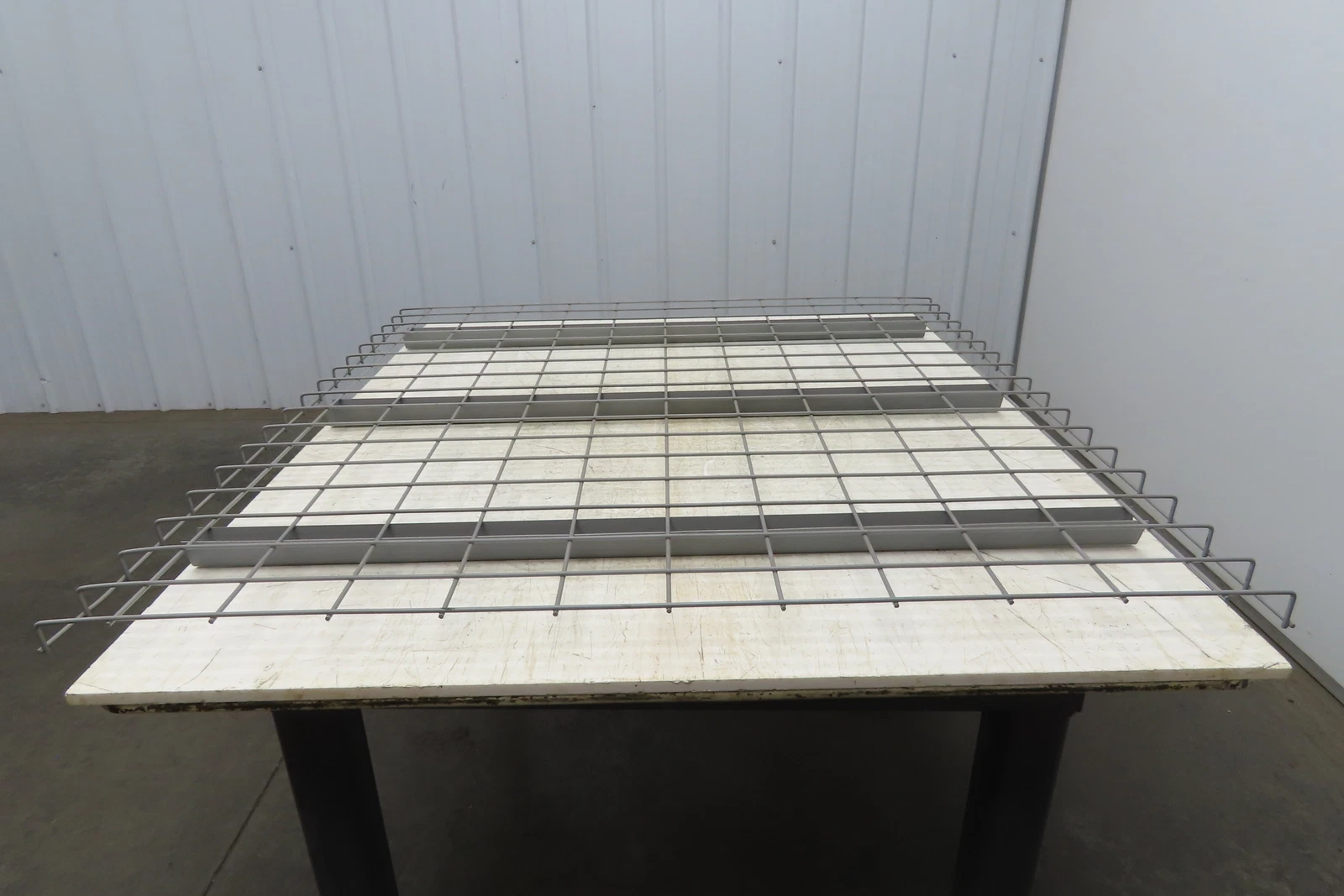
Steel As a Strategic Asset
Table Of Contents
- Steel As a Strategic Asset
- What Role Does Steel Play In Global Economies?
- How Does Steel Impact Sustainability?
- Why Is Steel Critical for Infrastructure Development?
- What Are the Strategic Advantages Of Steel Production?
- How Does Steel Influence National Security?
- What Ethical Concerns Arise From Steel Production?
- Conclusion
- Other Resources
- Glossary Of Terms
- Other Questions
- Checklist
What Role Does Steel Play In Global Economies?
Steel is more than just a metal; it’s the backbone of modern civilization, a true workhorse that drives economies around the globe. Picture the towering skyscrapers, the bridges that connect us, and the machinery that powers industries. All of these rely on the strength and versatility of steel. It’s like the unsung hero that stands tall behind every advancement we see, fostering not just growth but also hope.
When we think about economies, it’s easy to get lost in charts and numbers, but at the heart of it lies the stories of everyday people. Steel mills, often located in small towns, provide jobs that support families and communities. They are places where craftsmanship meets innovation, where generations have forged their livelihoods. The sound of a racking system being loaded with steel beams isn’t just industrial noise; it’s the pulse of an economy, a reminder that hard work and determination fuel progress. In many ways, every piece of steel has a story, connecting workers from the assembly line to the construction site.
Rationally, steel is indispensable. It’s known for its durability and strength, essential for building infrastructures that last. In construction, the use of racking systems allows for maximum efficiency in warehouses and factories, translating to cost savings and better productivity. This efficiency leads to a healthier bottom line for businesses, enhancing competitiveness. When industries invest in steel, they’re investing in longevity, supporting not just their own growth but that of the community around them.
Ethically, we face responsibilities in how we produce and use steel. Sustainable practices in steel production are vital, as they influence everything from environmental impacts to social equity. A commitment to ethical sourcing and production methods can pave the way for a cleaner and fairer industry, inspiring trust and confidence in consumers.
Steel isn’t just a material; it’s a catalyst for connection. It embodies community spirit, the gatherings of laborers who work side by side, bound by a shared mission. The strength of steel reflects the resilience of the human spirit. Each time a beam is hoisted into place, it’s the result of countless hands coming together, each one playing a vital role in building not just structures but dreams. Through steel, we craft not just buildings, but futures—ones forged on the anvil of hard work and ambition. This humble metal symbolizes the strength we possess when we unite toward a common goal, inspiring action for a brighter tomorrow.

What Role Does Steel Play In Global Economies?
What Role Does Steel Play In Global Economies?
- Steel is essential to modern civilization and global economies, supporting construction and infrastructure.
- Steel mills provide jobs in small towns, fostering community and craftsmanship.
- Racking systems in construction enhance efficiency, leading to cost savings and improved productivity.
- Sustainable steel production is crucial for environmental and social equity.
- Steel acts as a catalyst for connection among workers, reflecting community spirit and resilience.
- Each piece of steel carries a story of hard work, ambition, and collective effort.
- Investing in steel supports industry longevity and overall economic growth.

What Role Does Steel Play In Global Economies?
How Does Steel Impact Sustainability?
When you think about steel, it’s easy to conjure up images of towering buildings or sprawling bridges. But steel is more than just a foundational element of our infrastructure; it’s a vital player in the narrative of sustainability. Racking systems, for instance, showcase steel’s adaptability and strength, providing efficient storage solutions that maximize space and reduce waste in warehouses and distribution centers. This isn’t just about making a profit; it’s about crafting a more sustainable future.
Steel is endlessly recyclable, which should hit home for anyone concerned about the footprint we leave behind. Unlike many materials, steel can be melted down and reused countless times without losing quality. When we reuse steel, we cut down on the need for virgin resources, slashing energy consumption and minimizing pollution. It’s a clear, rational choice that benefits both our planet and our wallets, showcasing how smart decisions can lead to sustainable outcomes.
On the ethical front, choosing steel means supporting industries that often prioritize sustainable practices. Many steel manufacturers are adopting cleaner technologies and energy-efficient processes, showing that they can do business without compromising the environment. When you support these companies, you’re not just buying steel; you’re investing in a greener future.
The emotional appeal comes from understanding the impact of our choices. Steel structures can withstand the test of time, bringing communities together and creating spaces where lives unfold. Think about a local sports arena or a community center—these steel-framed buildings are more than mere structures; they are gathering places for people, a testament to the strength of both materials and community spirit. Every steel beam you see is a story of resilience and connection.
Finally, consider the social implications. When we advocate for sustainable steel, we becoming part of a larger movement, urging others to think critically about what materials we use in our homes and cities. Sharing knowledge about the importance of steel’s role in sustainability doesn’t just inform; it inspires action among friends, families, and colleagues.
Steel impacts sustainability not just through its physical properties but through its story. It’s about making choices that resonate with our shared values, creating a future that blends economic sense with environmental stewardship. By choosing steel, especially in innovative forms like racking systems, we’re not just building structures; we’re forging a better world for the generations to come.

How Does Steel Impact Sustainability?
How Does Steel Impact Sustainability?
- Steel is crucial for infrastructure and sustainability, exemplified by adaptable racking systems that optimize storage and reduce waste.
- It is endlessly recyclable, allowing for reuse without quality loss, thereby conserving resources and reducing pollution.
- Supporting steel production promotes sustainable practices, as many manufacturers are adopting cleaner, energy-efficient technologies.
- Steel structures provide resilience, serving as community hubs that foster social connections and shared experiences.
- Advocating for sustainable steel encourages awareness and action regarding material choices in construction and daily life.
- Steel’s benefits extend beyond physical properties to its role in promoting shared values and environmental stewardship.
- Choosing innovative steel solutions contributes to a sustainable future and supports economic and ecological balance.

How Does Steel Impact Sustainability?
Why Is Steel Critical for Infrastructure Development?
Steel is the backbone of our infrastructure, and it’s been that way for generations. Just think about it: every time you drive over a bridge, enter a skyscraper, or walk into a stadium, steel is there, doing its job quietly, but effectively. It’s reassuring to know that this metal, forged in the fires of industry, holds our communities, jobs, and futures together.
From the bustling highways to rural roads, steel is essential. It forms the racking systems that keep goods moving in warehouses, ensuring that the shelves are stocked and the economy keeps ticking. When you see those high-stacked pallets, remember that sturdy steel racking systems are supporting not just the weight of products but also livelihoods. It’s not just about steel beams and girders; it’s about the lives that depend on well-built structures.
Ethically, investing in steel is investing in safety. When communities choose to use high-quality steel for their projects, they are prioritizing the wellbeing of their citizens. Cheaper materials might save a few bucks today, but they can lead to costly repairs and risks down the line. Choosing steel is a decision rooted in responsibility, ensuring that our children and grandchildren walk on solid ground—literally and figuratively.
Rationally, steel stands out for its durability and versatility. It’s not just strong; it can be molded into virtually anything—from rebar in concrete to intricate architectural designs. This adaptability means that, whether we’re building a school or a power plant, steel is up for the task. It’s a material that’s tried and true, giving us confidence that our investments will withstand the test of time.
The narrative of steel is a story of progress. Our history is marked by the rise of mighty structures, each built with steel, pushing boundaries and uplifting communities. The legacy we leave behind isn’t just in the structures we build; it’s in the sense of connection we foster. Steel unites us, creating shared spaces where memories are made.
Ultimately, steel is vital for the infrastructure that binds us. It embodies hard work, resilience, and a commitment to bettering our world. Every project undertaken with steel is a step toward a future where everyone has a place, a purpose, and the opportunity to thrive. It’s not just metal; it’s the strength of our communities and the heart of our progress.

Why Is Steel Critical for Infrastructure Development?
Why Is Steel Critical for Infrastructure Development?
- Steel is essential to infrastructure, present in bridges, skyscrapers, and stadiums.
- It supports logistics, ensuring warehouses are stocked and the economy functions.
- Investing in high-quality steel prioritizes community safety over short-term savings.
- Steel is durable and versatile, suitable for various applications from construction to design.
- The history of steel showcases progress and community upliftment through iconic structures.
- Steel creates shared spaces that foster connections and memories within communities.
- Ultimately, steel represents resilience and commitment to a better future for everyone.

Why Is Steel Critical for Infrastructure Development?
What Are the Strategic Advantages Of Steel Production?
Steel production stands as a pillar of industry, underpinning everything from the homes we live in to the cars we drive. It’s more than just a process; it’s the lifeblood of modern civilization. From a pragmatic standpoint, the strategic advantages of steel production are manifold. It is crucial for infrastructure development, providing the strength and durability essential for structures that withstand the test of time. Think about the racking systems used in warehouses; these frameworks support goods, making logistics efficient and reliable. Without steel, our ability to organize and distribute products quickly would falter, affecting economies and livelihoods.
Beyond the hard facts, steel production connects deeply with our shared values. It’s about creating a future for the next generation—one that’s built on solid ground. Every steel beam laid is a promise of stability and growth. It fosters community connection, providing jobs that sustain families and drive local economies. Steel mills bring life to towns, fostering a sense of pride rooted in hard work and dedication.
Moreover, the ethical implications of steel production cannot be ignored. Sustainable practices within the industry are rising to the forefront. There’s a growing awareness of our environmental responsibilities, with innovations that reduce emissions and promote recycling steel for future generations. When we think of steel, we should also think of the ethics involved in its production, ensuring we care for our planet while building it.
On a rational level, investing in steel production ensures resilience. In an unstable world, countries with robust steel capabilities can fortify their infrastructure and defense, enabling national security and economic sovereignty. Steel isn’t just a material; it’s a strategic asset on the global stage, enhancing a nation’s standing in trade and industry.
Engaging with steel production isn’t just about machines and materials; it’s a narrative of innovation that unites skilled laborers, engineers, and visionaries. The stories behind the creations of steel—the sweat, the risk, the triumph—connect us all. As communities rally around this industry, they find strength in collective effort and a shared goal.
In summary, the strategic advantages of steel production lie at the intersection of practical need, ethical responsibility, and communal pride. It’s the solid foundation upon which we can all build a better future, ensuring that the backbone of our industries remains strong and reliable.

What Are the Strategic Advantages Of Steel Production?
What Are the Strategic Advantages Of Steel Production?
- Steel production is essential for modern civilization and various industries.
- It plays a critical role in infrastructure development, providing strength and durability.
- Steel supports logistics through efficient warehouse systems, impacting economies positively.
- The industry fosters community connections by creating jobs and supporting local economies.
- Sustainable practices in steel production address environmental responsibilities, promoting recycling.
- Investing in steel enhances national security and economic sovereignty through resilient capabilities.
- Steel production embodies a narrative of innovation, uniting skilled laborers and engineers.

What Are the Strategic Advantages Of Steel Production?
How Does Steel Influence National Security?
Steel is more than just a metal; it’s the backbone of national security, forming the very framework of our defense systems and infrastructure. When you think of steel, picture those towering buildings and bridges, sure. But it’s also about the tools of defense that keep our country safe. Racking systems, for example, are essential for organizing and storing military equipment, ensuring everything from weapons to supplies is accessible when it matters most. Every piece of steel, cut and shaped with precision, plays a role in protecting lives and preserving peace.
Let’s bring this closer to home. Imagine the local factory, a bustling hub of activity where the smell of steel fills the air. The workers there aren’t just manufacturing parts; they are weaving a safety net for the nation. Each beam and rack they produce contributes to the strength and reliability of our military operations. You can almost hear the echo of hammers in concert with the heartbeat of a community that knows its work has tangible impacts. This isn’t just about jobs; it’s about jobs that matter, connecting us to a larger mission.
Thinking rationally, steel’s durability makes it an ideal material for defense structures. It withstands the elements, the test of time, and the pressures of attack. Our national security depends on equipment and infrastructure that can endure. When we invest in steel production, we’re investing in a shield that protects our way of life. The ethical implications are clear: ensuring our armed forces are equipped with the best materials reflects our commitment to those who serve and protect us.
Yet, there’s also a social appeal within our steel industry. It unites us across different backgrounds and fosters collaboration. Working together in the manufacturing sector creates connections—workers alongside engineers, planners, and soldiers, all sharing a common goal. The pride in crafting something essential for national defense is what builds community spirit.
So, as we forge ahead, let’s recognize steel not just as a resource but a symbol of resilience and hope. This connection between industrial might and national security empowers us to take action—supporting local manufacturing, promoting responsible practices, and ensuring our defense capabilities remain strong. When we stand behind steel, we stand up for our country. Together, we’re building a future that acknowledges the past while shaping a secure tomorrow.

How Does Steel Influence National Security?
How Does Steel Influence National Security?
- Steel is fundamental to national security, forming the backbone of defense systems and infrastructure.
- It is essential for organizing military equipment, ensuring accessibility to weapons and supplies.
- Local factories contribute to national safety, with workers creating vital components for military operations.
- The durability of steel makes it ideal for defense structures, capable of withstanding various challenges.
- Investment in steel production is an investment in national safety and support for armed forces.
- The steel industry fosters collaboration among diverse backgrounds, creating community connections.
- Steel symbolizes resilience and hope, encouraging support for local manufacturing and responsible practices.

How Does Steel Influence National Security?
What Ethical Concerns Arise From Steel Production?
Steel production is a backbone of modern industry, but it doesn’t come without a hefty price tag—one that we can’t afford to ignore. Picture the massive racking systems that hold up our warehouses, the sturdy beams that support skyscrapers, and the reinforced roads we drive on daily. Each piece of steel carries the weight of not just physical materials but also ethical considerations that resonate deeply with our shared humanity.
At the heart of the issue, we find the laborers, often toiling in hazardous conditions with little regard for their safety or well-being. These workers, who are the backbone of steel production, sometimes face exposure to harmful substances without adequate protections. This isn’t just a statistic; it’s a real-life story of a father coming home exhausted, dust clinging to his skin, wondering if he’ll see his children grow up healthy. It challenges our conscience and makes us rethink what progress means.
Rationally, the environmental impact of steel production cannot be understated. The industry is a significant contributor to carbon emissions. A simple calculation shows how much energy it takes to produce one ton of steel, contributing to climate change and harming ecosystems. When we think about the future of our planet, we must consider whether the convenience of steel in our lives justifies the damage to the air we breathe and the water we drink.
Ethically, there’s a growing awareness and demand for sustainable practices. Consumers increasingly want to know where their steel comes from, creating an expectation for transparency in sourcing and production methods. The challenge lies in balancing economic growth with ethical responsibility. How do we ensure that steel production does not exploit communities or deplete natural resources?
Stories from the field illustrate the complex relationships between steel plants and their surrounding communities. When steel mills close, the ripple effect is devastating—jobs lost, families displaced, and local economies struggling to find their footing. This narrative connects us to something larger—a collective responsibility to uplift communities affected by industrial practices.
By fostering an understanding of these ethical concerns, we invite a dialogue that encourages innovation and sustainable practices. The call to action is clear: as consumers, we have the power to demand change. Advocating for responsible sourcing and supporting companies that prioritize ethical production creates a path forward where steel can still play a vital role in our infrastructure without sacrificing our values. It’s about making informed choices, championing fairness, and ensuring that progress benefits everyone, not just a select few.

What Ethical Concerns Arise From Steel Production?
What Ethical Concerns Arise From Steel Production?
- Steel production is crucial for modern industry but has significant ethical and environmental costs.
- Laborers in steel production work in hazardous conditions, often lacking safety protections.
- Environmental impact includes substantial carbon emissions and energy consumption contributing to climate change.
- Consumer demand for transparency in steel sourcing and production methods is increasing.
- Closure of steel mills has a devastating effect on local communities, leading to job loss and economic struggles.
- There is a growing need for a dialogue on sustainable practices in steel production.
- Consumers can advocate for responsible sourcing and support ethical production to drive positive change.

What Ethical Concerns Arise From Steel Production?
Conclusion
Steel stands as a foundational element of modern society, serving as both a physical and metaphorical backbone. It’s present in our infrastructure—bridges, buildings, racking systems—and speaks to the hardworking individuals behind its creation. These steelworkers, often from generations of labor in mills, embody resilience and pride, connecting their skills to our communities’ vitality. From a practical standpoint, the global steel industry, worth trillions, is essential for economic growth and innovation. Investing in steel production means investing in jobs and livelihoods that support families and drive local economies.
The emotional narrative surrounding steel reveals deeper values; it represents strength amidst adversity and the bonds forged in collaborative labor. Each steel beam or rack signifies not just a product but a story of shared aspirations and community spirit. Despite the undeniable contributions of steel to society, we face critical ethical challenges. The industry grapples with sustainability issues and the ecological damage tied to production practices. As consumers, we wield the power to demand accountability and support companies committed to responsible sourcing and recycling.
Moreover, steel’s role in sustainability cannot be understated. It’s infinitely recyclable, minimizing waste and energy consumption while fostering a more sustainable future. Supporting eco-friendly practices within steel production isn’t merely a choice; it’s a reflection of our values and responsibilities. Opting for sustainably sourced steel emphasizes our commitment to both economic and environmental stewardship.
From a national security perspective, steel is indispensable. It forms the backbone of defense structures and tools, critical for ensuring safety and stability. The pride in contributing to the nation’s security unites workers across various fields, emphasizing the collaborative spirit inherent in steel production.
Ethically, the industry must navigate labor conditions and environmental impact, highlighting the need for progressive practices that safeguard both workers’ rights and ecological health. The call for ethical sourcing and production emerges from our collective conscience, demanding transparency and commitment to improvement.
Ultimately, embracing steel as a strategic asset encompasses economic, emotional, rational, and social dimensions. Steel empowers communities, shapes our infrastructure, and drives innovation while calling upon us to reflect on our collective responsibility toward sustainable practices. In championing steel, we advocate for a future where strength, durability, and ethical considerations coexist, shaping a better world for generations to come.

Conclusion
Conclusion:
- Steel is essential to modern infrastructure and symbolizes the strength and resilience of steelworkers.
- The global steel industry, valued in trillions, drives economic growth and supports local livelihoods.
- Steel represents collaborative labor and shared aspirations within communities.
- The industry faces ethical challenges regarding sustainability and environmental impact.
- Steel is infinitely recyclable, promoting a more sustainable future and reducing waste.
- Steel plays a crucial role in national security, forming essential defense structures.
- Embracing steel as a strategic asset promotes economic, social, and ethical responsibilities for a better future.

Conclusion
Other Resources

Other Resources
Here is a list of other resources you can review online to learn more:
- Teardrop Uprights
- Teardrop Pallet Rack – Ridg-U-Rak
- Teardrop Racks – Pallet Rack World
- Illinois Pallet Racking – WPRP
- WERC
- Warehouse Automation
- MHI
- Cantilever Rack Configuration & Installation: A Comprehensive Guide – BMH
- Pallet Racks, Pallet Racking, Pallet Shelves in Stock – ULINE
- Chicago Pallet Racking
- Cantilever Rack Guide: Ordering Cantilever Racking
- Mustang Material Handling
- Storage Equipment Manufacturers Association
- NSC
- Material Handling Safety
- What is Selective Racking: Understanding Benefits & Options
- Heavy-Duty Cantilever Storage Racks
- Cantilever Racks Chicago
- What is Cantilever Racking? – AK Material Handling Systems
- Warehouse Racking System: Powerful Guide to Optimise, 2024
Use This Prompt To Get More Resources With Your Favorite Online AI Tool: Please provide me with a list of online articles with their URLs in a bulleted list that I can read regarding Steel As a Strategic Asset
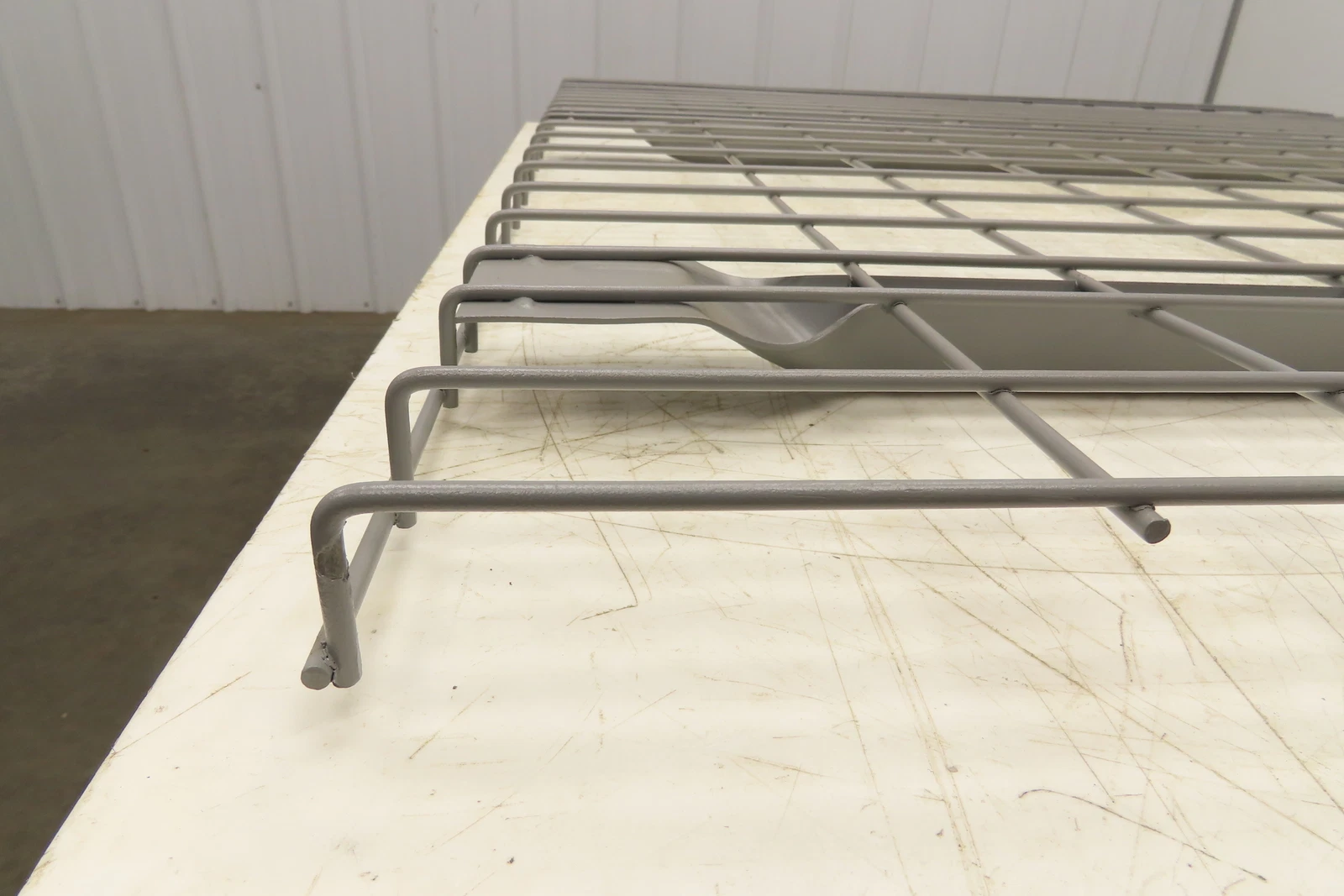
Other Resources
Glossary Terms
Steel As a Strategic Asset – Glossary Of Terms
1. Alloy: A combination of metals used to enhance strength and resistance, crucial in steel production.
2. Barriers to Entry: Factors that prevent or hinder new competitors from entering the steel industry.
3. Billet: A semi-finished steel product that serves as a raw material for further processing.
4. Carbon Steel: Steel that contains carbon as the main alloying element, widely used in construction and manufacturing.
5. Cold Rolling: A process that reduces the thickness of steel at room temperature, improving surface finish and strength.
6. Corrosion Resistance: The ability of steel to withstand environmental degradation, important for longevity and durability.
7. Demand-Supply Dynamics: Interactions between the desire for steel and its availability, influencing market prices.
8. Durability: The ability of steel to withstand wear, pressure, or damage over time.
9. Economic Impact: The effect that the steel industry has on a nation’s economy, including employment and trade.
10. Forging: A manufacturing process that shapes steel using compressive forces, enhancing material properties.
11. Galvanization: The process of applying a protective zinc coating to steel to prevent rusting.
12. Global Steel Market: The international trade and pricing of steel products affecting local industries.
13. Heat Treatment: A controlled process of heating and cooling steel to alter its physical properties for improved performance.
14. Infrastructure: Essential facilities, services, and installations needed for the operation of a steel-dependent economy.
15. Iron Ore: The primary raw material for steel production, mined from the earth, processed, and refined.
16. Market Fluctuations: Variability in steel prices and demand due to economic trends or geopolitical events.
17. Rebar: Reinforcement bars made of steel, used to strengthen concrete in construction.
18. Scrap Steel: Recycled steel that can be melted down and reused, reducing the need for new material extraction.
19. Specialization: The focus on specific steel grades or products to meet unique industry needs.
20. Sourcing: The process of obtaining raw materials necessary for steel production.
21. Stainless Steel: An alloy of steel containing chromium, known for its corrosion resistance and aesthetic appeal.
22. Supply Chain: The interconnected network involved in the production and distribution of steel products.
23. Technological Advancement: Innovations in steel manufacturing processes that improve efficiency and product quality.
24. Trade Policies: Government regulations that affect the import and export of steel, impacting global competitiveness.
25. Value Chain: The full range of activities needed to create a product, from raw materials to final sale in steel production.
26. Weldability: The ability of steel to be welded without defects, crucial in construction and manufacturing applications.
27. Yield Strength: The maximum stress that steel can withstand without permanent deformation, an important material property.
28. Environmental Impact: The effects of steel production on ecosystems, highlighting sustainability concerns.
29. Market Share: The percentage of the total steel market controlled by a specific company or country.
30. Zinc Coating: A layer of zinc applied to steel to enhance corrosion resistance, commonly used in outdoor applications.

Glossary Of Terms
Other Questions
Steel As a Strategic Asset – Other Questions
If you wish to explore and discover more, consider looking for answers to these questions:
- What are the main processes used to produce steel (e.g., blast furnace, electric arc furnace) and how do their environmental footprints compare?
- How much carbon dioxide and other greenhouse gases does steel production emit per ton of steel?
- What technologies exist to decarbonize steel production (e.g., hydrogen reduction, carbon capture) and how commercially mature are they?
- How recyclable is steel in practice and what percentage of steel in circulation is currently recycled?
- What is the lifecycle environmental impact of steel compared with alternative materials like aluminum, timber, or composites?
- What certifications or standards indicate that steel was produced sustainably or ethically (e.g., ResponsibleSteel)?
- How can buyers verify the provenance and sustainability claims of steel suppliers?
- What are the major environmental risks associated with steel mills for local communities (air, water, soil contamination)?
- What worker health and safety issues are common in steel production and how are they being addressed?
- How do closures or downsizing of steel mills affect local economies and what mitigation strategies exist?
- How do global trade policies, tariffs, and geopolitical tensions influence steel supply and prices?
- What role do scrap markets play in steel supply and pricing volatility?
- How resilient are steel supply chains to disruptions (pandemics, wars, shipping bottlenecks)?
- How important is domestic steel production for national security and critical infrastructure resilience?
- What strategic stockpiles or policies do countries use to secure steel for defense and infrastructure?
- How is automation and Industry 4.0 transforming steel manufacturing and the workforce?
- What skills and training will future steelworkers need as the industry adopts new technologies?
- What ethical concerns arise from steel procurement in construction and public projects?
- How do lifecycle costs of steel structures compare to other materials when accounting for durability and maintenance?
- What are the main forms and grades of steel used in infrastructure and how do they differ by application?
- How do racking systems and other steel storage solutions meet safety and seismic codes?
- What standards govern the design, testing, and certification of steel racking systems?
- How do corrosion, weathering, and maintenance affect the lifespan of steel structures?
- What are best practices for extending the service life of steel (coatings, cathodic protection, inspection)?
- How does the cost of steel fluctuate over time and what factors drive those changes?
- What incentives or policies exist to encourage low-carbon steel production and adoption?
- How do large infrastructure projects evaluate and choose between locally produced versus imported steel?
- What are the emerging innovations in steel alloys and high-strength steels for construction and defense?
- How do lifecycle social impacts—such as labor conditions and community wellbeing—factor into steel procurement decisions?
- What role can businesses and consumers play in promoting ethical and sustainable steel practices?
- How do recycling rates and scrap availability constrain or enable a circular steel economy?
- What metrics and reporting frameworks should companies use to disclose the environmental impact of their steel usage?
- How do small and medium-sized enterprises access sustainably produced steel and green supply chains?
- What future scenarios exist for global steel demand over the next 10–30 years, and what drives them?

Other Questions
Checklist
Steel As a Strategic Asset – A Checklist
Economic and Community Impact
✅______ Quantify local jobs supported (direct, indirect, induced) by steel purchases/projects.
✅______ Prefer suppliers with documented community investment and workforce development programs.
✅______ Assess total economic impact over the project life (not just upfront cost).
✅______ Verify domestic sourcing feasibility for critical components to strengthen local industry.
✅______ Include small and diverse steel vendors where possible.
Sustainability and Circularity
✅______ Require mill-specific EPDs (Type III) for all major steel products.
✅______ Specify minimum recycled content (%) aligned with project goals.
✅______ Prioritize lower-carbon routes (EAF, H2-DRI) or certified “green steel.”
✅______ Confirm supplier decarbonization targets (SBTi or equivalent) and progress reporting.
✅______ Include an end-of-life recovery plan (design for disassembly and take-back agreements).
✅______ Verify ISO 14001 certification and water/energy intensity benchmarks.
Ethical Labor and Governance
✅______ Source from suppliers adhering to ResponsibleSteel, SA8000, or equivalent standards.
✅______ Verify ISO 45001 (worker safety) and recent safety performance (TRIR/LTIR).
✅______ Require traceability (heat numbers, mill certificates) and anti-corruption policies.
✅______ Confirm fair wages, the right to organize, and grievance mechanisms.
✅______ Assess community impact plans for mills (air, noise, traffic) with public reporting.
Infrastructure Quality and Safety
✅______ Meet or exceed applicable codes and standards (AISC, ASTM, EN, and local building codes).
✅______ Specify corrosion protection for the environment class (galvanizing, coatings, weathering steel).
✅______ Include NDE/QA protocols (MT, UT, RT) and third-party inspections at critical joints.
✅______ Validate seismic, wind, and fire-resistance requirements with calculations and stamps.
✅______ Document maintenance schedules and warranties for structural and protective systems.
Operational Efficiency and Racking Systems
✅______ Design racking to RMI/ANSI MH16.1 and local seismic requirements.
✅______ Post load ratings and aisle clearances; verify with PE-stamped calculations.
✅______ Implement routine inspections (monthly visual, annual expert) and damage repair protocols.
✅______ Add impact protection (column guards, end-of-aisle barriers) and anti-collapse mesh.
✅______ Optimize layout for throughput, picking accuracy, and space utilization; track KPIs.
Strategic Advantage and Security
✅______ Map supply chain risk (single-source, geopolitics, transport bottlenecks) and mitigations.
✅______ Evaluate domestic/ally sourcing for defense-critical or time-sensitive projects (DFARS/Buy America).
✅______ Build inventory buffers and dual-source plans for key sections and fasteners.
✅______ Assess facility hardening needs (redundancy, blast resistance, cyber-physical security).
✅______ Include business continuity and rapid repair strategies with prequalified fabricators.
Risk, Cost, and Lifecycle
✅______ Perform lifecycle cost analysis (capex, opex, maintenance, carbon price, salvage value).
✅______ Use durability targets aligned with the service environment and design life.
✅______ Set measurable performance KPIs (downtime, defects, rework, scrap rates).
✅______ Insure with accurate valuations and risk profiles (natural hazards, industrial hazards).
✅______ Establish change control for material substitutions with full impact review.
Innovation and Future-Readiness
✅______ Pilot advanced materials and processes (high-strength steels, hybrid systems, additive fabrication).
✅______ Integrate digital twins/BIM with embedded material passports for traceability.
✅______ Specify modularity for future upgrades and repurposing.
✅______ Partner with suppliers on R&D for low-carbon processes and yield improvement.
✅______ Track regulatory trends (carbon disclosure, EPR, CBA) and update specifications accordingly.
Transparency and Accountability
✅______ Publish a one-page summary of sourcing, carbon, labor, and community outcomes.
✅______ Align commitments with recognized frameworks (GHG Protocol, GRI, ResponsibleSteel).
✅______ Conduct annual supplier audits and corrective action follow-ups.
✅______ Engage stakeholders (workers, neighbors, customers) with feedback loops.
✅______ Celebrate and document stories of workers and community impact tied to the project.

Checklist
At RackingWorld, we help guide you through selecting warehouse storage systems and racking.
Be sure to read our other related stories at RackingWorld to learn more about warehouse storage systems.
0 Comments