
Unlock Hidden Potential: Transform Your Warehouse’s Efficiency Today
By Tom Seest
At RackingWorld, we help guide you through selecting warehouse storage systems and racking.
Be sure to read our other related stories at RackingWorld to learn more about warehouse storage systems.
Why Your Warehouse Feels Slower Than It Should
In many warehouses, the daily grind can feel sluggish, leaving you scratching your head over why productivity doesn’t match the effort put in. It’s like pouring gasoline into a battered old truck; you keep expecting it to rev up, but the engine just sputters. Understanding the reasons behind that drag can make all the difference, and it starts with recognizing the heart of the matter: racking systems.
Picture this: a row of racking systems, well-structured yet not optimized, creates a bottleneck where goods sit instead of moving. If the layout doesn’t allow easy access to frequently picked items, the time spent searching feels like a cruel joke. Workers know the agony of a packed rack where they have to climb like a mountain goat just to retrieve a box of widgets, all while the clock ticks away. It’s frustrating, and it’s a morale killer. When folks can’t find what they need or are constantly fighting the setup, it creates a ripple effect that dulls enthusiasm.
Now, let’s talk logic. Every minute spent navigating through poorly organized racking systems is a minute that could be utilized elsewhere. Streamlining operations isn’t just about saving time; it’s about maximizing every square foot of space. If your racking isn’t built for what you’re storing, it might as well be a wall of bricks. Investing in the right systems doesn’t just make sense—it makes good business. It’s about the bottom line and the capability to keep your team focused on what matters: fulfilling orders efficiently.
Ethically, consider the impact of a slowed warehouse. It’s more than just numbers; it’s about livelihoods. Employees deserve a work environment that respects their time and effort. When everything runs smoothly, everyone benefits, from the front-line workers hustling to meet targets to managers who can rest easy knowing things are under control.
Connecting with others who’ve faced similar challenges lays the groundwork for practical solutions. Share stories of triumph over disorganization. Whether it’s a chat over the lunch table or at a team meeting, those shared experiences foster camaraderie and inspire action. By taking the time to address the underlying issues with your racking systems, you’ll ignite a spark that can turn sluggishness into a well-oiled machine, uplifting spirits and driving forward momentum. Together, let’s tackle the inertia and reclaim that productivity, ensuring the warehouse runs like it’s supposed to—smoothly and efficiently.
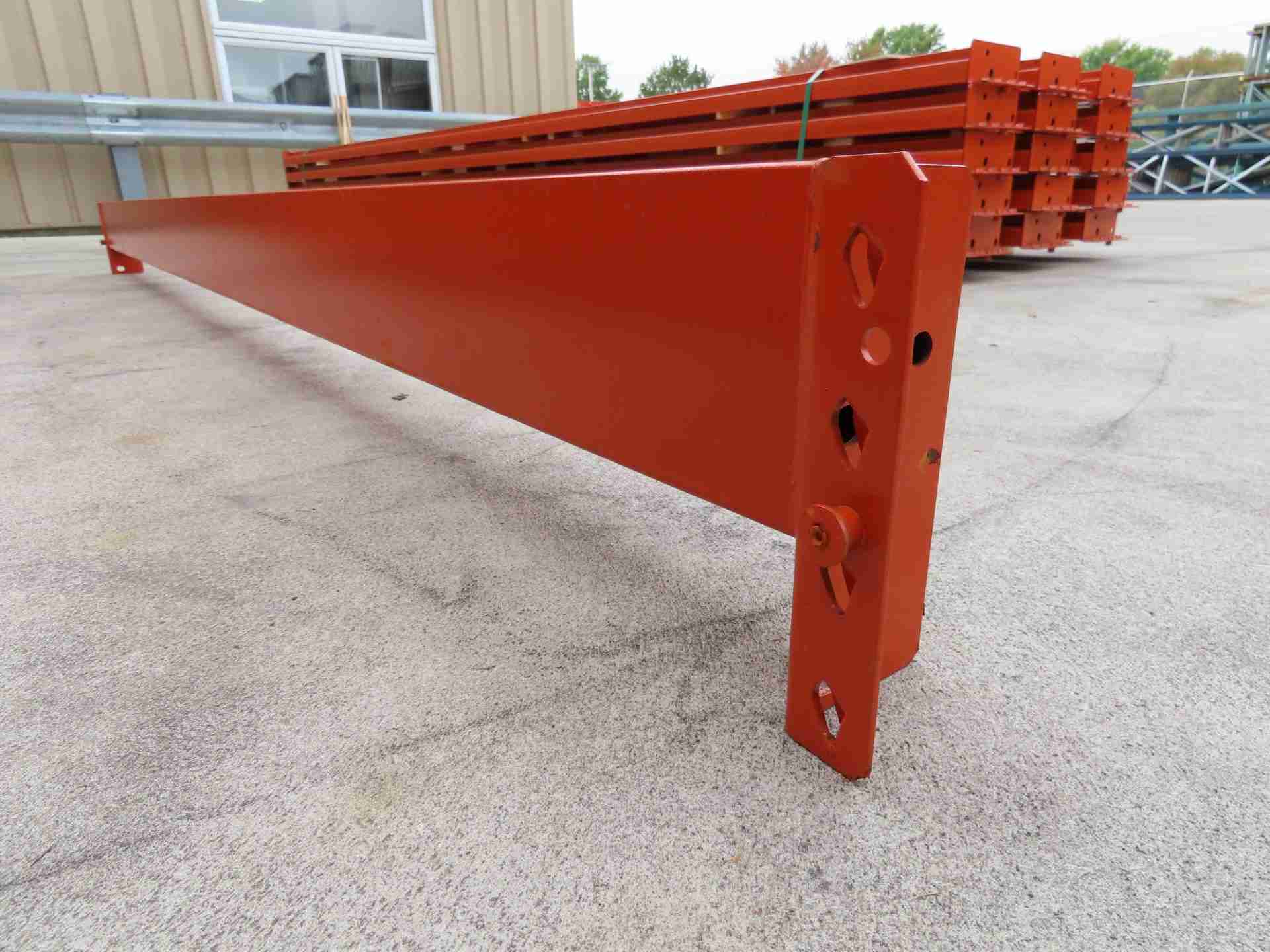
Why Your Warehouse Feels Slower Than It Should
Why Your Warehouse Feels Slower Than It Should
- Many warehouses experience sluggish productivity despite high effort levels.
- Poorly optimized racking systems can create bottlenecks, hindering movement and access to goods.
- Employees often struggle to retrieve items from crowded racks, leading to frustration and decreased morale.
- Every minute spent navigating disorganization can detract from more productive activities.
- Investing in suitable racking systems is crucial for maximizing space and operational efficiency.
- A smooth-running warehouse positively impacts employees’ livelihoods and overall job satisfaction.
- Sharing experiences and solutions among colleagues can inspire action and improve warehouse efficiency.

Why Your Warehouse Feels Slower Than It Should
Table Of Contents
- Why Your Warehouse Feels Slower Than It Should
- Why Does My Warehouse Struggle with Efficiency?
- What Factors Slow Down Operations?
- How Can I Identify Bottlenecks In My Warehouse?
- Are My Staff Properly Trained for Their Roles?
- How Does Technology Impact Warehouse Speed?
- What Metrics Should I Monitor for Efficiency?
- Conclusion
- Other Resources
- Glossary Of Terms
- Other Questions
- Checklist
Why Does My Warehouse Struggle with Efficiency?
Efficiency in a warehouse isn’t just a buzzword; it’s the lifeline that connects hard work to real results. If your warehouse feels like it’s spinning its wheels in the mud, it’s time to roll up your sleeves and take a closer look at what’s really going on. Many warehouses struggle with basic issues like outdated racking systems or poor inventory management, which can lead to slower operations and lost profits. A well-organized racking system isn’t just about space; it’s about creating a flow that keeps products moving.
On a gut level, think about how frustrating it is for your team when they’re hustling but not seeing the outcomes they deserve. Morale takes a hit when workers feel their efforts are wasted. This isn’t just about numbers; it’s about the sweat equity that each employee pours into their work. When a racking system is poorly designed, items aren’t easily accessible, leading to confusion and wasted time. Each minute lost searching through disorganized shelves can spiral into hours over time, wearing down the resolve of even the most dedicated workers.
Rationally, consider the financial implications. Inefficiencies can spike operational costs. Each hour costs money, and inefficient use of resources translates directly to lost margins. Implementing smart racking systems and regularly auditing your inventory can streamline processes, ensuring your warehouse runs like a well-oiled machine. Data doesn’t lie—better organization leads to faster processing, and in turn, happier customers.
Ethically, the responsibility lies with management to foster an environment where operational efficiency is prioritized. Workers deserve the right tools to perform at their best, and investing in proper racking systems isn’t merely a financial decision; it’s an ethical one that shows your commitment to your team. When they see you investing in improvements, they’ll feel valued and more engaged.
From a narrative perspective, think about the stories of warehouses that turned their operations around. A small investment in racking systems can convert chaos into order, invigorating the entire workforce. As each employee sees the fruits of an organized setup, the collective pride grows, turning individual effort into team success.
Socially, integrating employee feedback into the redesign of your warehouse can create a sense of community. When workers share their experiences and ideas, it fosters teamwork. They’re not just following orders; they’re part of a solution that drives productivity and pride.
Ultimately, the journey to improved efficiency in your warehouse is not just a numbers game; it’s about uplifting the very teams that make it all possible. Take action, embrace change, and watch as the tide shifts in your favor.
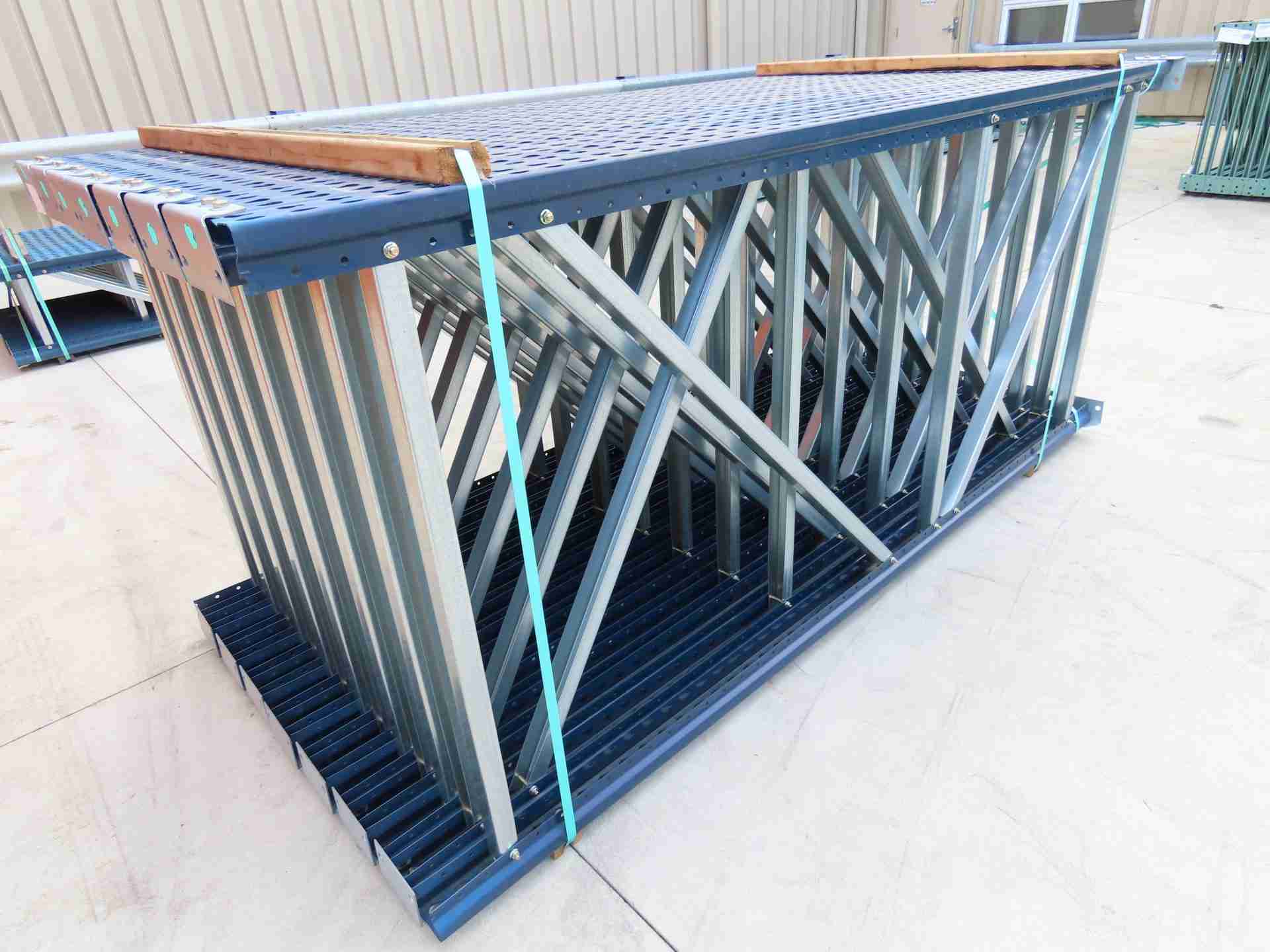
Why Does My Warehouse Struggle with Efficiency?
Why Does My Warehouse Struggle with Efficiency?
- Efficiency in a warehouse is crucial for connecting hard work to tangible results.
- Outdated racking systems and poor inventory management can hinder operations and reduce profitability.
- A well-organized racking system enhances product flow and accessibility, boosting morale among workers.
- Inefficiencies increase operational costs, making resource optimization essential for better margins.
- Investing in proper racking systems demonstrates management’s commitment to the workforce, increasing employee engagement.
- Success stories of improved warehouse operations highlight the positive impact of organized setups on team morale and productivity.
- Incorporating employee feedback in warehouse redesign can foster teamwork and create a community-driven approach to efficiency.

Why Does My Warehouse Struggle with Efficiency?
What Factors Slow Down Operations?
In the bustling world of warehousing and logistics, every moment counts. Yet, there are numerous factors that can grind operations to a halt, often catching even the most seasoned pros off guard. One major culprit is outdated racking systems. When these aren’t optimized for efficiency, you can see workers wasting precious minutes trying to navigate through a chaotic maze of shelves. The frustration of searching for that one box amid a sea of misplaced items is all too familiar. It’s not just about slowdowns; it’s about understanding that each second lost can ripple out, impacting delivery times and customer satisfaction.
Moreover, there’s the human element. Our teams are the backbone of operations, and when they’re not fully trained on the racking systems or new protocols, mistakes happen. A simple mislabel can lead to searching for goods that everyone swears were right there just an hour ago. It’s a morale killer when everyone is scrambling to rectify what could’ve been avoided with clear communication and proper training. This isn’t about pointing fingers; it’s about fostering an environment where every worker feels empowered and confident in their role.
Tech integration plays a massive role as well. Systems that aren’t harmonized can throw a wrench in the works. Imagine a warehouse where your racking systems are top-notch, but the software doesn’t sync up. Workers double-checking inventory on outdated systems means delays that can be avoided with simple upgrades. Investing in technology that actually works together can speed up operations dramatically and lower frustration levels on the floor.
Furthermore, consider the ethical obligation to have safe practices. If equipment or racking systems aren’t maintained, safety becomes a concern that further complicates operations. A workplace that prioritizes safety inspires trust and confidence among workers, minimizing hesitation and creating a more fluid operation.
Lastly, let’s not forget the social dynamic. In a well-functioning team, communication channels must flow freely. Workers should feel comfortable to speak up about potential hang-ups they see with racking systems or processes. An operation where everyone’s voice is heard moves like a well-oiled machine. Creating that environment doesn’t just ensure efficiency; it builds camaraderie, trust, and ultimately, a more resilient workforce ready to tackle any challenge.
By addressing these slowdowns head-on—outdated racking systems, training gaps, technology mismatches, maintenance issues, and fostering open communication—we can pave the way for smoother operations and a thriving team spirit.

What Factors Slow Down Operations?
What Factors Slow Down Operations?
- Outdated racking systems hinder efficiency, causing delays in operations.
- Human errors from inadequate training and communication reduce morale and productivity.
- Integration of technology is crucial for seamless operations; mismatched systems lead to inefficiencies.
- Maintaining equipment and racking systems is a safety obligation that affects operational flow.
- Open communication among team members fosters trust, empowerment, and efficiency.
- A collaborative work environment enhances team spirit and resilience in addressing challenges.
- Addressing these issues leads to smoother operations and improved customer satisfaction.

What Factors Slow Down Operations?
How Can I Identify Bottlenecks In My Warehouse?
When you step into your warehouse, it should feel like a well-oiled machine, each part working in harmony to keep the wheels of business turning. But when things start dragging, it doesn’t take long for frustration to build. Identifying bottlenecks is essential to ensure smooth operations, and it begins with observing the racking systems. These structures are not just for storage; they influence the entire flow of goods.
Start by looking at the layout. Are your racking systems organized for efficient picking and putting away? If your team is zigzagging across the floor, wasting precious time, it’s a clear sign of trouble. Imagine a worker trying to navigate through cramped aisles, only to find a product out of reach or misplaced. It’s like trying to run a marathon in a maze; the path is there, but getting to the finish line feels impossible.
Next, pay attention to your inventory levels. Overloaded racks can lead to chaos, with orders piling up and slowing down fulfillment. If your team is spending more time searching for items than actually packing them, you’ve got a bottleneck on your hands. Tighten up your inventory management; a clearer view leads to swifter decisions, keeping operations clicking along.
Engage with your staff—they’re on the front lines, facing lulls, delays, and hiccups daily. Their insights can shine a light on stubborn problem areas you might overlook. Hold regular chats, ask them what slows them down. This creates a culture of teamwork and trust, giving everyone a stake in optimizing processes.
It’s not just about profits or speed, either. The ethical side of running a warehouse involves respecting your workforce’s time and energy. If your staff feels like they’re in a never-ending cycle of frustration, morale drops, and turnover increases. Investing in a better layout or updating your racking systems isn’t just a financial decision; it’s a commitment to treating your team right.
A well-organized warehouse is like a well-groomed engine; it runs better and lasts longer. Don’t wait for things to grind to a halt. Keep an eye out for those bottlenecks, roll up your sleeves, and make the changes needed. Your warehouse isn’t just a place for storage; it’s the beating heart of your operation. Keep it strong, and let the entire system thrive.

How Can I Identify Bottlenecks In My Warehouse?
How Can I Identify Bottlenecks In My Warehouse?
- A well-functioning warehouse operates like a harmonious machine, crucial for business efficiency.
- Identifying bottlenecks starts with examining racking systems, which impact the flow of goods.
- The layout of racking systems should facilitate efficient picking and storing to prevent time wastage.
- Overloaded racks can create chaos, hindering order fulfillment and inventory management.
- Engaging with staff for insights can highlight persistent issues and foster a culture of improvement.
- Ethical warehouse management involves respecting workforce time and morale, reducing turnover.
- A well-organized warehouse enhances operational longevity and effectiveness, vital for overall success.
How Can I Identify Bottlenecks In My Warehouse?
Are My Staff Properly Trained for Their Roles?
When it comes to ensuring your staff is properly trained for their roles, think about it like checking the racking systems in your warehouse. If those racks aren’t sturdy and well-maintained, your entire operation is at risk. The same goes for your people. You wouldn’t want a load of heavy pallets sitting on a shaky shelf, and you certainly don’t want unprepared staff trying to hold up the business.
Training isn’t just about ticking boxes – it’s about building a crew that’s ready to take on challenges head-first. Picture this: a new employee stepping into the role, unsure and anxious, much like a rookie trying to load a racking system without knowing how to secure the boxes properly. That’s where your responsibility as a leader comes in. It’s our job to provide them with the right tools – training materials, hands-on experiences, and mentorship. When staff feel equipped, they transform their nerves into confidence. They become part of a well-oiled machine, ready to support each other and your business’s goals.
Think of those long shifts, when everyone pulls together like a tight-knit family. Every good crew knows how to adapt and communicate effectively, which stems from thorough training. This is where the heart comes in. Each employee should know the importance of their role – how every task, whether it’s stacking shelves or managing inventory, affects the bigger picture. Highlighting the impact of their contributions fosters a sense of pride, promoting not just productivity but a deeper connection to the team.
On the rational side, consider the metrics: well-trained staff improve efficiency, reduce errors, and ultimately save money. It’s simple math. You wouldn’t install a racking system without first checking load ratings and installation instructions. Why would you do the same with your employees? Investing in training ensures everyone is up to speed, and that translates into fewer headaches down the line.
Ethically, as a leader, you have a duty to uphold standards. Your team depends on you to create a safe and knowledgeable work environment. They deserve the time and effort it takes to ensure they’re competent and confident in their roles. This commitment translates into trust – when your staff knows you’ve invested in their training, they in turn invest themselves in their work.
Ultimately, proper training is an act of care that resonates through the ranks. It builds a reliable workforce, one that performs like a well-stocked racking system: strong, efficient, and always ready for what comes next.
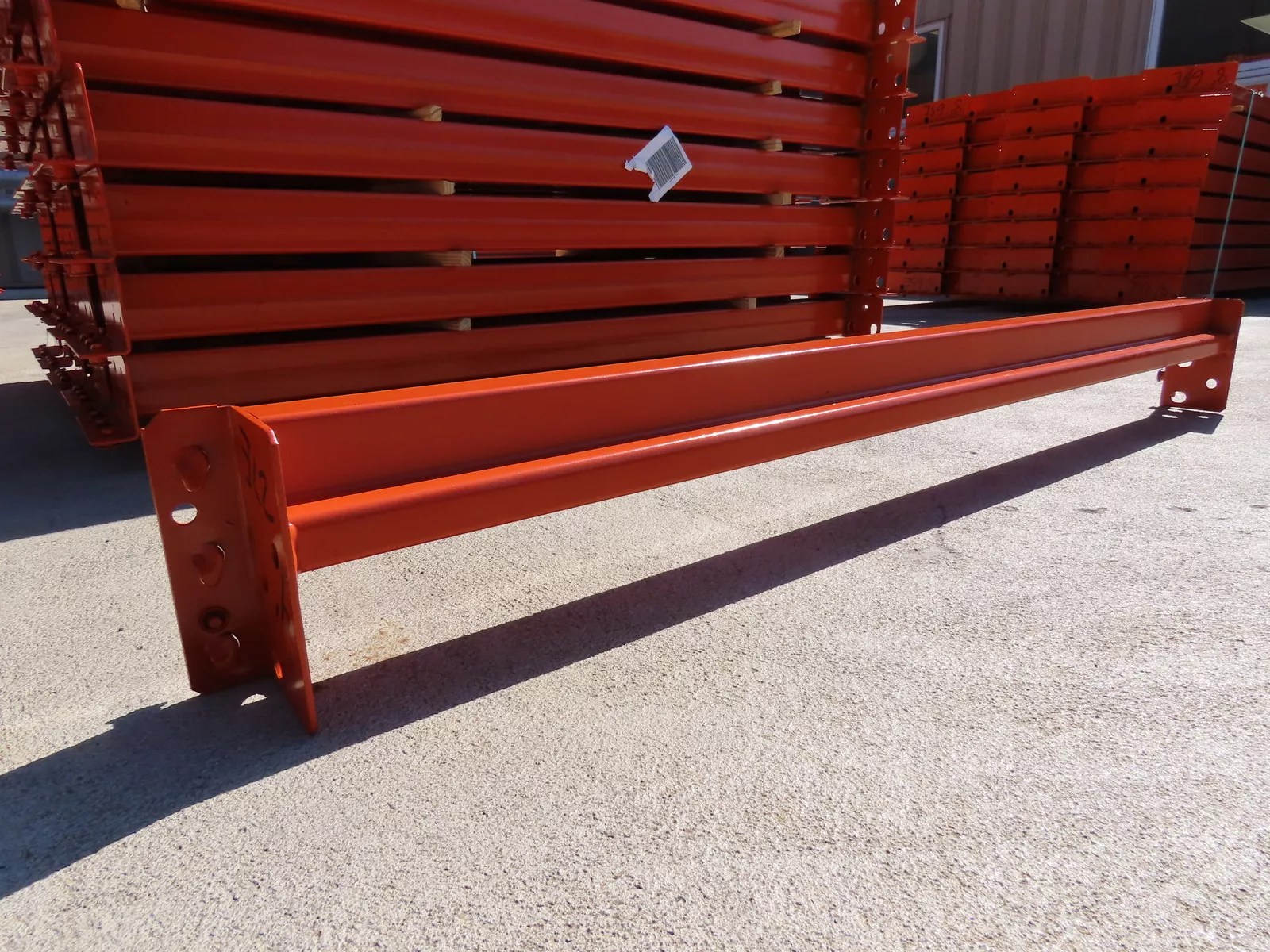
Are My Staff Properly Trained for Their Roles?
Are My Staff Properly Trained for Their Roles?
- Proper staff training is crucial for maintaining operational integrity, similar to maintaining racking systems in a warehouse.
- Training should build a capable team ready to tackle challenges, not just fulfill requirements.
- Providing tools such as training materials and mentorship enhances employee confidence and teamwork.
- Effective communication and adaptability stem from comprehensive training, fostering a supportive work environment.
- Well-trained employees improve efficiency, reduce errors, and save money, highlighting the importance of investment in training.
- Leaders have an ethical duty to create a safe and knowledgeable work environment that fosters trust among staff.
- Investing in training cultivates a reliable workforce that operates effectively and is prepared for future challenges.
Are My Staff Properly Trained for Their Roles?
How Does Technology Impact Warehouse Speed?
In the heart of a bustling warehouse, speed isn’t just a goal; it’s a lifeline. The clock ticks, and every second counts. Imagine a crew hustling through rows of racking systems, where each shelf is stocked with the promise of timely deliveries. With modern technology, that promise becomes a reality, transforming how warehouses operate. This isn’t about fancy gadgets; it’s about real people finding better ways to do their jobs.
Picture the scene. A worker is armed not just with a scanner, but with a handheld device that connects directly to a vast network of information. No more waiting around for someone to fetch details or sort through clunky paperwork. The instant access to inventory and order information speeds up decision-making and keeps the workflow smooth. It’s like shifting from a horse-drawn cart to a high-speed train. Suddenly, getting orders out the door isn’t just faster; it’s more reliable, too.
This isn’t a passing trend; it’s a shift backed by experience and data. Studies show that warehouses equipped with advanced racking systems and automation can boost productivity by as much as 30%. That’s not just numbers on a page; it’s families getting their packages on time, businesses thriving, and employees feeling the pride that comes from doing a job well.
But speed shouldn’t come at the cost of safety. Embracing technology means improving work conditions, too. Automated systems reduce the physical strain on workers, minimizing the risk of injuries that can sideline a valued team member. With fewer accidents, everyone feels more secure, and morale climbs.
On the ground, the changes are tangible. When a team faces a tight deadline, it’s the reliability of technology that supports them. Smart systems guide the way, optimizing pathfinding within the warehouse and making sure precious hours aren’t wasted. Each success story reinforces trust—a belief that the tools they wield are not just for cutting corners, but for building a better, more efficient operation.
As these technologies integrate into daily routines, they create a culture of collaboration and empowerment, where employees take ownership of their roles. They’re not just clocking in and out; they’re part of a mission, making sure that every package that leaves the dock is a testament to their hard work and dedication. In this new era, technology doesn’t just enhance speed; it fosters a sense of pride and community within the warehouse. It’s about a shared commitment to excellence, where everyone plays a vital role in the bigger picture, driving forward with confidence and purpose.

How Does Technology Impact Warehouse Speed?
How Does Technology Impact Warehouse Speed?
- Speed is essential in modern warehouses, acting as a lifeline for timely deliveries.
- Technology transforms operations, empowering workers with instant access to information.
- Automation and advanced racking systems can increase productivity by up to 30%.
- Improving safety is crucial; technology reduces physical strain and minimizes injury risks.
- Smart systems optimize workflows, ensuring efficiency and reliability in meeting deadlines.
- Cultivates a culture of collaboration and ownership among employees.
- Technology enhances speed while fostering pride and community within the workforce.

How Does Technology Impact Warehouse Speed?
What Metrics Should I Monitor for Efficiency?
In the hustle and grind of daily operations, understanding the right metrics is like having a trusty toolbox. You wouldn’t go into a job without the right tools; the same goes for monitoring efficiency. First up, look at your Racking Systems. These are crucial for organizing inventory and maximizing space. Keep track of how often you use each section—are you using every bit of that precious square footage? Seeing inventory move smoothly through your racking not only saves time but also fosters a sense of accomplishment.
Next, always keep an eye on turnaround time. This metric tells the story of your workflow. Are tasks moving from start to finish without unnecessary delays? A quicker turnaround builds momentum, energizing the team and promoting a shared sense of purpose. If you can shave hours off processes, that’s not just numbers on a spreadsheet; it’s a win for everyone involved.
Then there’s resource utilization. You want to ensure your equipment and workforce are working efficiently. This is where gut feelings and hard data meld; if a machine is running at half capacity, something’s not right. Have conversations with your team to uncover issues. Sometimes, a simple tweak in schedules or processes can unlock hidden potential.
Don’t overlook quality control metrics either. Efficiency isn’t just about speed; it’s about getting the job done right the first time. Track returns or defects over time. If there’s an uptick in issues, that’s a direct call to action. Addressing these problems not only builds trust with your customer base but also strengthens the bonds within your team as everyone rallies to solve the puzzle together.
Finally, make room for social metrics. How well do your coworkers collaborate? Are there communication breakdowns that impede progress? Strong social dynamics are the glue that holds efficient operations together. Bring the team together for discussions on processes and workflows. This isn’t just about productivity figures; it’s about building a culture of support and shared success.
By monitoring these metrics, you equip yourself not just with a clear view of efficiency but also with the insights needed to foster a proactive team environment. Efficiency isn’t just a set of numbers; it’s the heartbeat of your operation. Keep it strong, and the results will follow.

What Metrics Should I Monitor for Efficiency?
What Metrics Should I Monitor for Efficiency?
- Understanding the right metrics is essential for monitoring efficiency in daily operations.
- Racking systems are crucial for organizing inventory and maximizing space; track usage to improve efficiency.
- Turnaround time indicates workflow efficiency; minimizing delays enhances momentum and team morale.
- Resource utilization ensures equipment and workforce operate efficiently; engage with the team to identify issues.
- Quality control metrics are vital; addressing defects and returns can strengthen customer trust and team collaboration.
- Social metrics assess coworker collaboration and communication; fostering a supportive culture enhances productivity.
- Monitoring these metrics provides insights to foster a proactive team environment, vital for operational success.

What Metrics Should I Monitor for Efficiency?
Conclusion
In the world of warehousing, sluggish operations can feel disheartening, like pouring time and effort into a rusty old machine that just won’t turn over. The heart of these issues often lies within the racking systems, those seemingly innocuous structures that can stifle productivity when not optimized. It’s crucial to analyze how these systems are arranged; if they don’t facilitate quick access to commonly needed items, workers find themselves tangled in a frustrating maze, not achieving the results their hard work deserves. Frustration grows when employees waste precious minutes hunting down products only to face disorganized racks—a demoralizing experience that leads to reduced enthusiasm and engagement.
From a logical standpoint, inefficiency translates directly to lost revenue. Each minute spent searching for misplaced items is a minute that could be redirected toward fulfilling orders and attending to customers. Enhancing these layouts isn’t merely about aesthetics; it’s about maximizing the return on every square foot of space and ensuring that each team member can do their part effectively. The ethical responsibilities of management come into play here—every worker deserves an environment that respects their contributions and time. Well-organized operations benefit everyone, from those packing orders to the managers overseeing the workflow.
Sharing experiences and solutions among team members can break the cycle of frustration. When workers discuss challenges and victories, it fosters a sense of community and collective problem-solving. Elevating morale is a key part of sustaining a workforce that remains engaged and productive. Addressing the root of inefficiencies can reignite passion among staff, transforming a sluggish atmosphere into a driven, cohesive unit.
To truly optimize operations, it’s essential to maintain open lines of communication, ensuring that everyone’s input is valued. Workers should have the opportunity to voice concerns and suggestions regarding layout and processes—this collaborative approach empowers individuals and makes them integral to the solution. Streamlining workflows, updating technology, and investing in training for staff can create a culture of collaboration, where everyone feels they’re part of a mission that drives success.
Embracing these changes not only aids productivity but uplifts the entire team’s spirit. By tackling bottlenecks head-on, each warehouse can transform from a sluggish operation into an efficient powerhouse that proudly meets its goals, creating a nurturing environment for both progress and people.
Conclusion
Conclusion:
- Sluggish warehousing operations often stem from poorly optimized racking systems.
- Disorganized racks hinder quick access to items, causing frustration and inefficiency among workers.
- Inefficiency directly results in lost revenue due to time wasted searching for misplaced items.
- Enhancing layout and organization maximizes space and improves productivity for all team members.
- Fostering open communication and sharing experiences can break the cycle of frustration and elevate morale.
- Streamlining workflows and investing in staff training create a culture of collaboration and engagement.
- Addressing inefficiencies transforms warehouses into efficient operations that support both progress and team spirit.
Conclusion
Other Resources
Other Resources
Here is a list of other resources you can review online to learn more:
- MHI
- IWLA
- Selective Racking
- Iowa Illinois Warehouse Racking
- Storage Equipment Manufacturers Association
- Selective Rack – Raymond West
- CMMA
- Intro to Warehouse Racks & Warehouse Racking Systems – ShipBob
- IIWS Inc. Rack Installation Illinois & Rack Repairs Illinois
- Teardrop Pallet Rack – Ridg-U-Rak
- NSC
- Used Pallet Rack for Sale in Illinois – American Surplus
- Selective Pallet Racking Systems – Container Systems
- Storage Equipment Manufacturers’ Association
- Warehouse Storage Racking in Illinois
- Cantilever Racks Chicago
- IIWS Inc. Rack Installation Illinois & Rack Repairs Illinois
- BMH
- Warehouse Storage Racks
Use This Prompt To Get More Resources With Your Favorite Online AI Tool: Please provide me with a list of online articles with their URLs in a bulleted list that I can read regarding Why Your Warehouse Feels Slower Than It Should
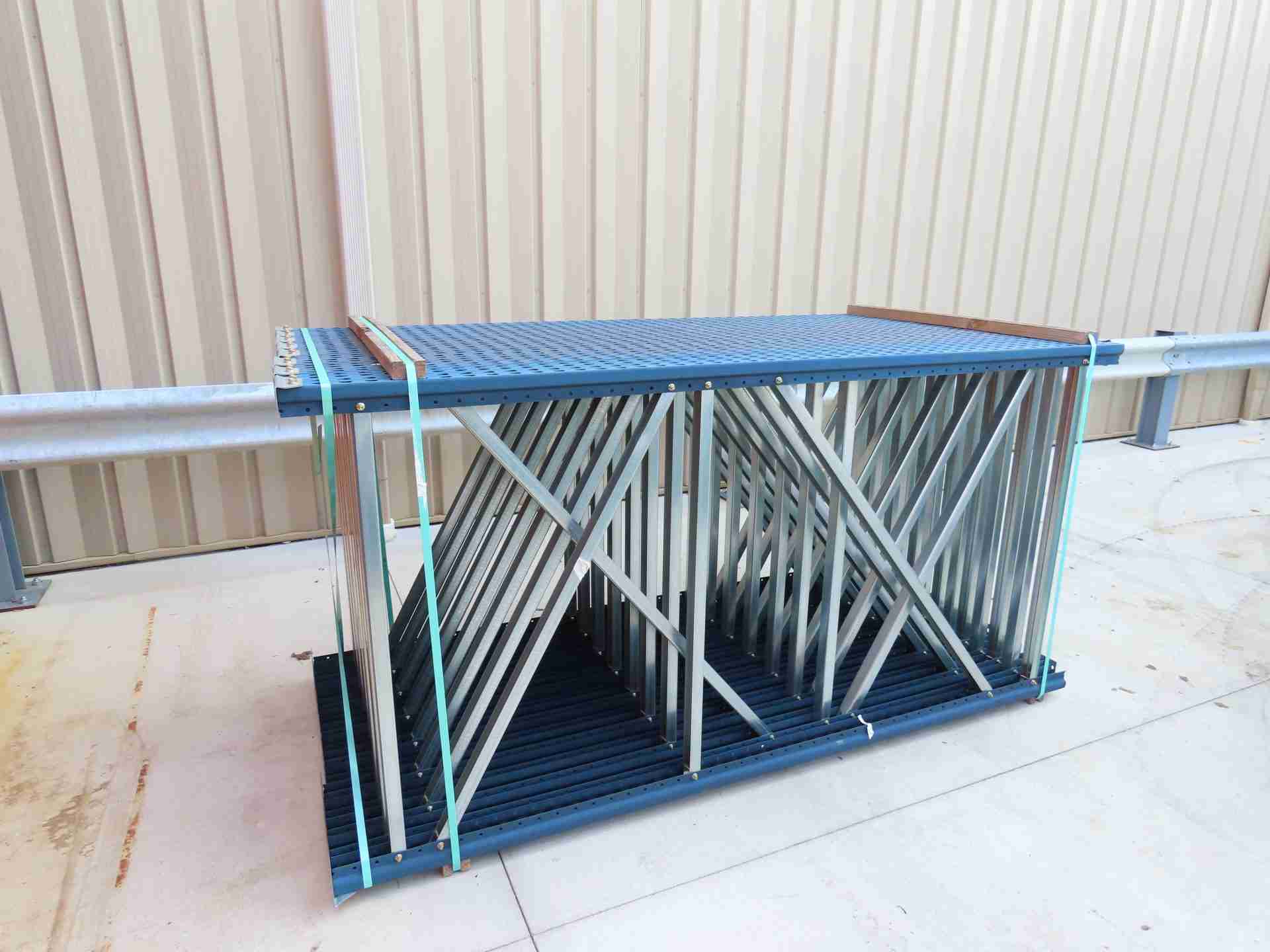
Other Resources
Glossary Terms
Why Your Warehouse Feels Slower Than It Should – Glossary Of Terms
1. Warehouse Efficiency: A measure of how effectively a warehouse operates in relation to the resources used.
2. Inventory Turnover: The rate at which inventory is sold and replaced over a specific period.
3. Picking Time: The duration taken to retrieve products from storage for orders.
4. Lead Time: The time taken from order placement to order fulfillment.
5. Layout Optimization: The arrangement of warehouse space and items to improve operational flow.
6. Workflow Management: The coordination of tasks and processes to maximize efficiency in operations.
7. Supply Chain: The network between a company and its suppliers to produce and distribute products.
8. Storage Solutions: Various methods and systems used to store items efficiently.
9. Labor Productivity: The output of workers in relation to the hours worked in the warehouse.
10. Fulfillment Rate: The percentage of orders fulfilled accurately and on time.
11. Order Accuracy: The degree to which shipped orders match customer requests.
12. Automation: The use of technology to perform processes with minimal human intervention.
13. Space Utilization: The effective use of warehouse space to store inventory.
14. Cross-Docking: The practice of unloading products from suppliers and shipping them directly to customers.
15. Cycle Counting: A method of verifying inventory accuracy through partial counts at regular intervals.
16. Stockout: A situation where inventory for a product is unavailable, leading to lost sales.
17. Pallet Racking: A storage system that uses pallets to organize goods for easy access and retrieval.
18. Backorder: An order for a product that is temporarily out of stock but will be fulfilled once available.
19. Transportation Management: The planning and execution of moving goods from one location to another.
20. Returns Processing: The handling of returned goods within the warehouse.
21. Packaging Efficiency: The effectiveness of packaging materials and methods in protecting products during transport.
22. Safety Stock: Extra inventory kept on hand to prevent stockouts during demand fluctuations.
23. Demand Forecasting: The process of predicting future customer demand for products.
24. SKU (Stock Keeping Unit): A unique identifier for each distinct product and service that can be purchased.
25. RFID (Radio Frequency Identification): A technology used for tracking items through radio waves.
26. Bill of Lading: A legal document between a shipper and carrier detailing the shipment of goods.
27. Zone Picking: A picking strategy where the warehouse is divided into zones, with workers assigned to specific areas.
28. Inventory Aging: The process of tracking how long items have been in stock to determine which products are slow-moving.
29. JIT (Just in Time): An inventory management strategy that seeks to reduce carrying costs by ordering inventory only as needed.
30. Lean Warehousing: A methodology focused on minimizing waste and maximizing efficiency in warehouse operations.

Glossary Of Terms
Other Questions
Why Your Warehouse Feels Slower Than It Should – Other Questions
If you wish to explore and discover more, consider looking for answers to these questions:
- What is the typical cost range for upgrading racking systems and layouts?
- How do I calculate the ROI and payback period for racking or technology investments?
- Which racking type (pallet racking, cantilever, drive-in, shelving) is best for my product mix?
- How do I analyze SKU velocity and perform slotting/ABC analysis effectively?
- What specific layout changes will reduce travel and picking time in my facility?
- How do I identify and measure the single biggest bottleneck in my operation?
- What metrics and benchmarks should I use for my industry to gauge performance?
- How do I run a time-and-motion study or process-mapping exercise in my warehouse?
- Which warehouse management systems (WMS) and technologies integrate best with existing racking?
- What are the pros and cons of automation options (conveyors, AS/RS, AGVs, robotics) for my size of operation?
- When does it make sense to automate versus optimize manual processes first?
- How do I phase an upgrade to minimize downtime and disruption to orders?
- How do I select and evaluate racking and equipment vendors or installers?
- What common pitfalls and hidden costs should I watch for during upgrades?
- How can I finance upgrades—leasing, loans, grants, or tax incentives?
- What training programs and competency checks are most effective for warehouse staff?
- How do I measure training effectiveness and reduce onboarding time for new hires?
- What maintenance schedules and inspection protocols are required for racking safety and compliance?
- Which safety standards and regulations apply to racking and material handling in my region?
- How do I improve inventory accuracy and reduce mis-picks and stock discrepancies?
- What are best practices for labeling, signage, and pick-path optimization?
- How do I reduce product damage and shrinkage in storage and picking?
- How should I adjust operations for seasonal peaks or fluctuating demand?
- How can cross-docking, zone picking, batch picking, or wave picking improve throughput?
- What KPIs should I include on a real-time operations dashboard?
- How do I calculate labor cost savings versus capital expenditure for improvements?
- How should I incorporate employee feedback into redesign and continuous improvement plans?
- What change-management steps ensure staff buy-in and minimal resistance?
- How do I plan for scalability—expansion, new channels, or increased SKU counts?
- How can technology (RFID, barcode, pick-by-voice, wearable devices) improve accuracy and speed?
- What are the best practices for returns handling and reverse logistics in the warehouse?
- How do environmental controls (cold storage, humidity) affect racking choice and throughput?
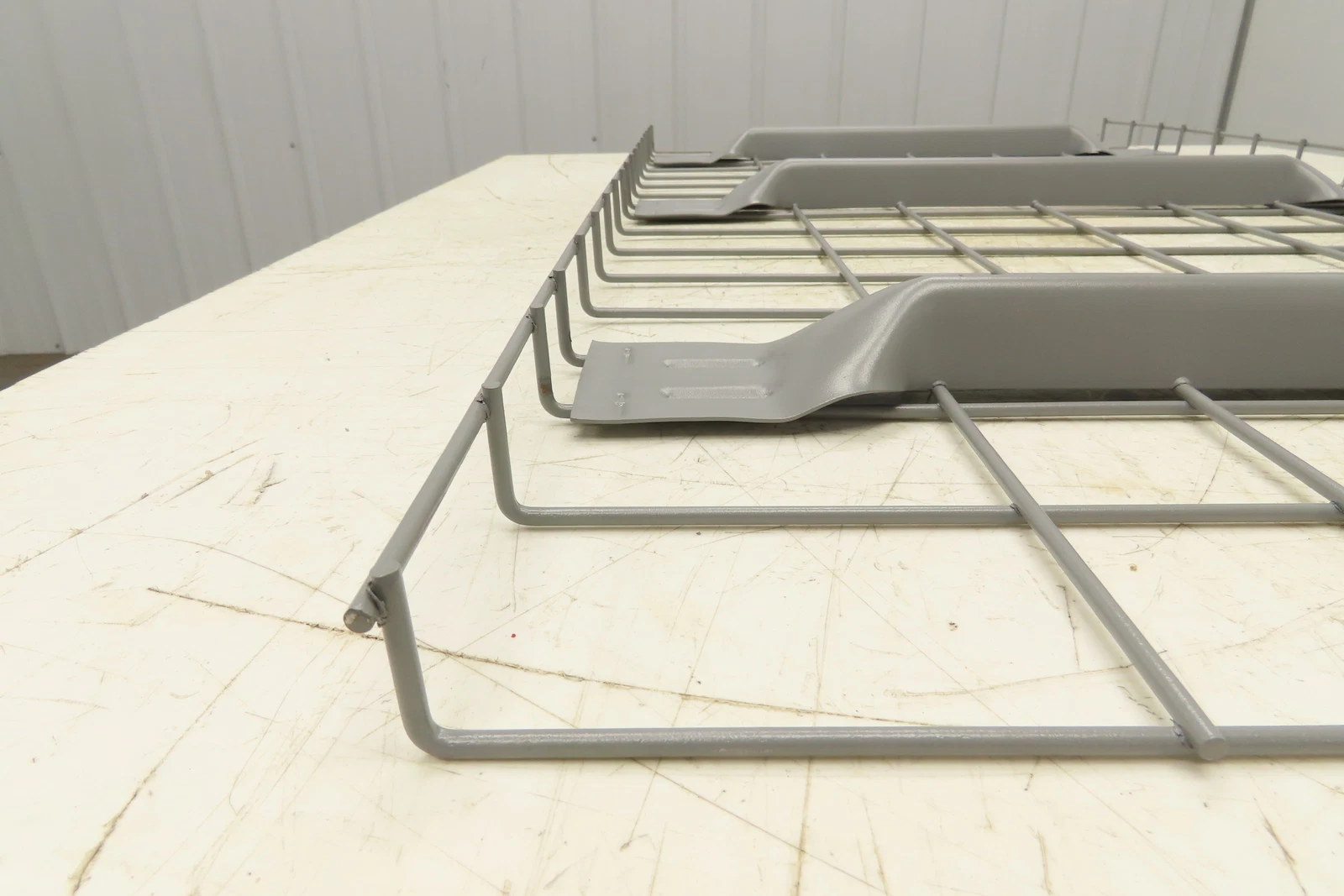
Other Questions
Checklist
Why Your Warehouse Feels Slower Than It Should – A Checklist
Error: Retry failed after 4 tries.
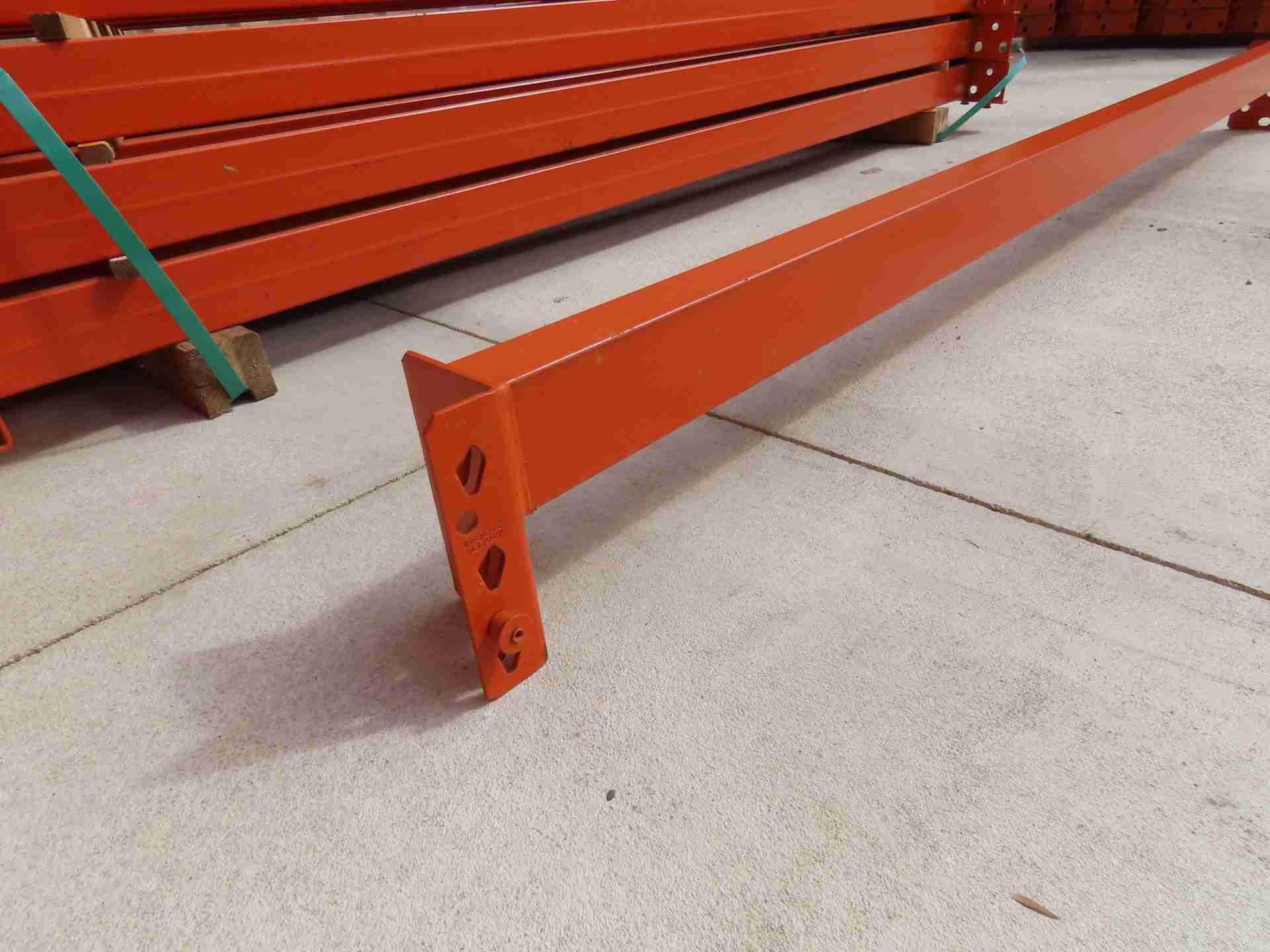
Checklist
At RackingWorld, we help guide you through selecting warehouse storage systems and racking.
Be sure to read our other related stories at RackingWorld to learn more about warehouse storage systems.
0 Comments