
Protect Lives And Assets: A Heartfelt Approach To Rack Design Safety
By Tom Seest
At RackingWorld, we help guide you through selecting warehouse storage systems and racking.
Be sure to read our other related stories at RackingWorld to learn more about warehouse storage systems.
Fire Code Compliance In Rack Design
When it comes to racking systems, fire code compliance isn’t just a box to check; it’s a lifeline. Picture this: a bustling warehouse, goods stacked high, floor bustling with activity. In an instant, a spark can turn that chaos into a conflagration. The heart of the matter here is ensuring that every shelf—every rack—meets fire safety standards. This isn’t merely about legalities; it’s about protecting livelihoods, families, and communities.
Think of the implications: your employees rely on those racks to do their jobs safely and efficiently, while customers trust you to deliver their products without a hitch. When your racking system is built in line with fire codes, you’re not just complying with regulations; you’re showing your crew and your clients that you care about their well-being. That’s the emotional thread that connects us all. We’ve all got loved ones at home waiting for us at the end of the day, and the last thing we want is to compromise their safety for a few extra inches of space.
Now, let’s get down to brass tacks. From a rational standpoint, fire codes are there for a reason—they mitigate risks that can lead to devastating losses. Complying with these codes means integrating fire-suppressive materials and maintaining proper spacing between racks to allow for effective sprinkler coverage. Think about it: when you adhere to these guidelines, you’re not only protecting your investment but also avoiding costly fines and potential shutdowns.
On an ethical level, it’s our responsibility to foster a safe working environment. No one should ever feel like their safety is an afterthought. By prioritizing fire code compliance in your racking systems, you’re making a statement about the company culture you wish to cultivate—one that values and respects every individual on the floor.
Let’s face it: the stories of warehouse fires gone wrong remind us why we need to be diligent. Those tales of loss and survival resonate deeply; they push us to act, to ensure we’re doing everything possible to prevent future tragedies. It’s not just about following regulations; it’s about being part of a larger community that values safety and security.
When you design your racking systems with fire code compliance at the forefront, you’re not only safeguarding your operation but also fostering an environment that others can trust. So, roll up your sleeves and dive into this with the knowledge that your efforts can save lives and build a legacy of safety. It’s more than just a rack—it’s a commitment to a safe and secure space for everyone involved.

Fire Code Compliance In Rack Design
Fire Code Compliance In Rack Design
- Fire code compliance in racking systems is crucial for safety, not just a regulatory obligation.
- Non-compliance poses risks to employees and the community, potentially leading to devastating fires.
- Properly designed racking systems integrate fire-suppressive materials and maintain appropriate spacing for effective sprinkler coverage.
- Adhering to fire codes protects investments and helps avoid costly fines and operational shutdowns.
- Prioritizing safety reflects a company’s culture and commitment to employee well-being.
- Historical incidents of warehouse fires emphasize the importance of diligence in safety practices.
- Investing in fire code compliance is a commitment to building a safe and trusted working environment.

Fire Code Compliance In Rack Design
Table Of Contents
- Fire Code Compliance In Rack Design
- What Are the Key Regulations for Fire Code Compliance?
- How Does Rack Design Influence Fire Safety?
- What Materials Are Best for Fire-Resistant Racks?
- Are There Specific Load Limits for Fire Safety Designs?
- How Can I Ensure Proper Spacing In Rack Design?
- What Role Does Fire Suppression Play In Rack Systems?
- Conclusion
- Other Resources
- Glossary Of Terms
- Other Questions
- Checklist
What Are the Key Regulations for Fire Code Compliance?
In the world of construction and warehousing, fire safety isn’t just a box to tick; it’s a lifeline. Whether you’re a seasoned contractor or a fresh-faced employee on the job, understanding the fire code regulations isn’t just about compliance; it’s about protecting lives and property. Imagine a bustling warehouse with complex racking systems, filled with goods and equipment, when suddenly an unexpected spark ignites. The rules laid out in fire codes are the very barriers preventing a small fire from turning into a catastrophic disaster.
Fire codes govern everything from the materials used in building to the layout of your racking systems. They dictate how close those racks can be to walls, how much space you need for emergency exits, and what types of sprinklers and alarms must be installed. These regulations are developed based on years of hard-earned experience in handling emergencies; they balance science with a deep understanding of human instinct during a crisis. You’re not just following rules—you’re participating in a community effort to keep each other safe.
No one wants to be the one responsible for a fire that could have been prevented. When you adhere to these regulations, you’re not only protecting your business from potential fines and legal issues but also ensuring that your coworkers return home safe every night. That matters. It’s about ethics. Think about it—your family depends on you, and your colleagues count on you to do the right thing. This builds a sense of trust within the workplace, enhancing morale and productivity.
Moreover, engaging with fire code compliance fosters a culture of responsibility. When everyone understands the importance of these regulations, it cultivates pride in the workplace. It isn’t just about compliance; it’s about leading by example, sparking conversations, and inspiring others to make safety a priority.
So, roll up your sleeves and get familiar with those fire codes. Delve into the nuts and bolts of your racking systems and layout plans. Embrace those regulations because they are rooted in practical wisdom, hard lessons learned over decades. This isn’t just bureaucracy; it’s a roadmap to a safer future for you, your colleagues, and the community. Be part of the solution, invest in safety today, and together we’ll keep the flames at bay.

What Are the Key Regulations for Fire Code Compliance?
What Are the Key Regulations for Fire Code Compliance?
- Fire safety in construction and warehousing is crucial for protecting lives and property.
- Understanding fire code regulations is essential for compliance and disaster prevention.
- Fire codes regulate materials, racking layouts, emergency exits, and safety installations.
- Adhering to fire codes protects businesses from fines and ensures employee safety.
- Promoting fire code compliance fosters workplace trust, morale, and productivity.
- Engaging with fire safety regulations cultivates a responsible and safety-oriented culture.
- Understanding and applying fire codes is a commitment to a safer future for all.

What Are the Key Regulations for Fire Code Compliance?
How Does Rack Design Influence Fire Safety?
When it comes to racking systems, one thing that often gets overlooked is how these structures can impact fire safety. Picture a warehouse filled with tons of goods—each item neatly stacked, but if those racking systems aren’t designed with safety in mind, it could spell disaster. It’s not just about optimizing space to squeeze in more inventory; it’s about laying the groundwork for a secure environment that prioritizes the lives of those who work there.
Imagine the gut-wrenching feeling as smoke fills a warehouse, and your team is trapped. Emotionally, the stakes are high—workers should be able to trust that their workplace is designed with their safety at the forefront. This isn’t just about regulations or meeting codes; it’s about protecting your crew like family. As a fire spreads, flawed racking can hinder quick access to essential firefighting equipment or act as a highway for flames, endangering lives and livelihoods.
Rationally, the science speaks for itself. Properly engineered racking systems limit the potential for fire spread. By allowing adequate spacing between shelves and ensuring the materials used are fire-resistant, the risks dwindle. Good design means clear pathways that enable fast evacuations and fire department access. Investing in adequate fire protection systems, like sprinklers adapted to the height and arrangement of your racks, equates to savings in the long run—ruined stock and damaged facilities can wipe out profits in an instant.
Ethically, it’s our responsibility to forge workplaces that don’t just meet minimum standards. We owe it to each employee to create an environment where they can focus on their tasks without the unsettling nag of an unaddressed fire hazard weighing on their minds. It’s about fostering trust that their safety isn’t an afterthought.
Consider real-life experiences: a former warehouse manager shared how an overlooked design flaw in racking led to an explosion of flames during a drill. They learned that a slight adjustment in the aisle width could’ve made all the difference. Such stories resonate deeply within the industry, reminding us that sometimes it’s the smallest decisions that protect our greatest assets—our people.
Yet, it’s not just a personal issue but a societal one. When we invest in safe racking systems, we’re not just protecting a warehouse; we’re building a community anchored in responsibility, care, and teamwork. Strong fire safety practices make stronger businesses, and that’s the bottom line every worker deserves to trust in.

How Does Rack Design Influence Fire Safety?
How Does Rack Design Influence Fire Safety?
- Racking systems significantly impact fire safety in warehouses.
- Proper design prioritizes worker safety, not just space optimization.
- Flawed racking can obstruct access to firefighting equipment and escalate fire spread.
- Engineered racking systems limit fire risks through adequate spacing and fire-resistant materials.
- Investing in fire protection systems, like adaptable sprinklers, saves long-term costs.
- Creating safe environments fosters trust and reduces employee anxiety about fire hazards.
- Community responsibility is enhanced through safe racking investments, strengthening businesses.

How Does Rack Design Influence Fire Safety?
What Materials Are Best for Fire-Resistant Racks?
When it comes to racking systems, choosing the right materials is about more than just meeting safety standards; it’s about protecting what matters most. Fire-resistant racks need to do their job without cutting corners, ensuring that valuable items stay safe when the heat is on. Steel is often the backbone of these systems. Its strength and durability make it a trusted choice for warehouses and industrial settings. Unlike wood or plastic, steel won’t catch fire easily, giving you that crucial peace of mind.
Then there’s the treatment of the steel itself. Consider powder coating or galvanization, which adds an extra layer of protection against rust and corrosion, and by extension, fire. This isn’t just about keeping your racks looking good; it’s about longevity and reliability. Every extra step taken is an investment in safety and durability. When you look at the big picture, it’s not just steel, but also how it’s treated that can make or break your fire safety game.
Sharing experiences, it’s clear that folks who work in high-risk environments often swear by aluminum for certain applications. It’s lightweight but packs a punch when it comes to heat resistance. Imagine a warehouse filled with inventory, and you’ve got racks that can withstand intense heat without buckling under pressure. Aluminum saves weight without sacrificing the strength of your racking systems—important when time is money, and safety is non-negotiable.
But let’s not overlook the impact of planning and design. Even the best materials won’t mean much if the installation isn’t done right. Getting expert guidance from reputable professionals can make a world of difference. Use trusted brands and consult with those who have experience in fire safety. The right recommendations can save you headaches and heartaches down the line.
Installing fire-resistant racks isn’t a task that should be taken lightly. It’s a commitment to safety, care, and responsibility. You’re not just looking for materials; you’re building a fortress of reliability that stands against one of our worst fears—fire. The stakes are real, and with the right choices, you can forge a safe environment for your business, your employees, and your community. Let each decision reflect an understanding that in the world of racking systems, safety isn’t a luxury; it’s a necessity.

What Materials Are Best for Fire-Resistant Racks?
What Materials Are Best for Fire-Resistant Racks?
- Choosing materials for racking systems is crucial for safety and protection.
- Fire-resistant racks must be reliable, with steel being a preferred choice for its strength and durability.
- Steel treatments like powder coating or galvanization enhance rust and corrosion resistance.
- Aluminum is favored in high-risk environments for its lightweight and heat resistance benefits.
- Proper planning and expert installation are essential for effective racking systems.
- Consulting with professionals and using trusted brands ensures compliance with fire safety standards.
- Installing fire-resistant racks is a commitment to creating a secure environment for employees and inventory.

What Materials Are Best for Fire-Resistant Racks?
Are There Specific Load Limits for Fire Safety Designs?
When it comes to fire safety designs, one of the most pressing concerns is load limits. After all, lives depend on making sure that structures can safely bear the weight of everything from building materials to equipment during a blaze. The hard truth is that load limits aren’t just a theory; they have real consequences that affect communities, families, and livelihoods.
Take racking systems, for instance. Imagine a warehouse stocked to the rafters with inventory. If those racking systems can’t handle the load—whether it’s from heavy machinery or stored goods—someone’s life could be at risk when a fire strikes. The heart of the matter is trust. Workers need to feel secure, knowing the structures around them are reliable. A setback during an emergency can mean the difference between safety and catastrophe. That’s why regulations are strict: they exist to protect people and property, ensuring that everyone goes home to their loved ones at the end of the day.
From a rational standpoint, understanding load limits is critical for any design plan. Engineers and safety experts have developed formulas and guidelines based on extensive research and experience. These guidelines aren’t just numbers on a page; they are rooted in historical data and case studies that highlight the importance of adhering to established standards. When racking systems are engineered correctly, they reinforce the integrity of fire safety designs and provide peace of mind.
Ethically, adhering to load limits is about more than compliance; it’s about accountability. When building owners and operators prioritize safety measures, they demonstrate a commitment to the well-being of their employees and the community. Ensuring that structures can withstand emergency situations is a moral obligation that reflects well on all involved.
Stories abound of businesses that became beacons of safety and success because they respected load limits. They not only avoided potential disasters but also fostered a sense of community trust. Their employees felt valued and protected, knowing their welfare was prioritized.
Keep in mind, safety is a collective responsibility. It’s not just the engineers or safety officers who have a stake in this; every worker should understand why load limits matter. The more everyone gets involved, the stronger the safety culture becomes. So remember, when considering fire safety designs, racking systems play a crucial role in safeguarding lives—let’s make sure they’re up to the challenge.

Are There Specific Load Limits for Fire Safety Designs?
Are There Specific Load Limits for Fire Safety Designs?
- Load limits are critical for fire safety designs, affecting community livelihood and safety.
- Inadequate racking systems in warehouses can pose serious risks during a fire.
- Trust in the structural integrity is essential for worker safety.
- Strict regulations exist to ensure buildings can withstand emergency situations.
- Understanding load limits is crucial for engineers; guidelines are based on research and history.
- Prioritizing load limits reflects accountability and commitment to employee safety.
- Safety is a collective responsibility; all workers should recognize the importance of load limits.

Are There Specific Load Limits for Fire Safety Designs?
How Can I Ensure Proper Spacing In Rack Design?
When it comes to racking systems, proper spacing is crucial, both for efficiency and safety. Imagine working in a bustling warehouse, where every inch counts. If the racks are too close, you’re risking not just damaged goods but also the wellbeing of everyone on the floor. The last thing you want is a narrow aisle that can turn into a bottleneck during a busy shift or, even worse, an accident waiting to happen.
Start with the basics: assess your load requirements. Consider the size and weight of the items you’re storing. Large, bulky items need room to breathe, while smaller ones can fit tighter. Understanding the nature of your inventory helps you make informed decisions about the spacing between racks. A well-thought-out layout can make your operations smoother, allowing workers to move freely, reducing the chance of injury and improving morale.
It’s essential to think about accessibility and maneuverability. Imagine a team member trying to access a product only to find themselves wedged between two racks, struggling against a tight fit. That frustration can lead to mistakes and inefficiencies. By ensuring that there’s enough room for machinery like forklifts, you’re making a commitment to safety and productivity. Proper spacing isn’t just about following regulations; it’s about fostering an environment where employees can do their best work without hindrance.
There’s an ethical component here too. Providing a safe work environment shows you care about the people who contribute to your success. Workers who feel valued and safe are more likely to be engaged and invested in their work. It’s about building a culture where everyone looks out for one another, something that will resonate deeply across your team.
Don’t overlook the wisdom that comes from experience. Talk to your crew; they know the ins and outs of the space. Make it a point to involve them in the planning process. Gather their insights during meetings and let their voices shape the design. When employees feel their opinions matter, you foster a stronger sense of community and trust.
Finally, remember that a well-designed racking system isn’t just a layout; it tells a story of collaboration, care, and dedication. It’s about standing solid as a team while ensuring that everything runs like a well-oiled machine. So, as you’re putting together your racking systems, keep that vision in mind—spacing is just as much about people as it is about products. Create an environment that reflects your values, and the results will speak for themselves.

How Can I Ensure Proper Spacing In Rack Design?
How Can I Ensure Proper Spacing In Rack Design?
- Proper spacing in racking systems is crucial for efficiency and safety.
- Narrow aisles can lead to damaged goods and safety hazards.
- Assess load requirements based on item size and weight for optimal spacing.
- Accessibility and maneuverability are essential to avoid operational inefficiencies.
- A safe work environment fosters employee engagement and investment.
- Involve workers in planning to leverage their experience and enhance community trust.
- A well-designed racking system reflects collaboration and dedication to safety and efficiency.

How Can I Ensure Proper Spacing In Rack Design?
What Role Does Fire Suppression Play In Rack Systems?
When you step into a warehouse or a data center, the towering rows of racking systems can look like a well-organized maze. But lurking in that orderly setup is a real danger: fire. Fire suppression isn’t just a technical add-on; it’s a crucial lifeline for protecting inventory, equipment, and, most importantly, lives. Imagine a situation where a spark ignites flammable materials nestled in those racks. Without effective fire suppression, what could start as a small fire could spiral into chaos.
On a logical plane, think of fire suppression as insurance. The upfront costs might seem daunting, but when weighed against the catastrophic aftermath of a fire — lost products, damaged infrastructure, and the potential for injury — it becomes clear that prevention is worth every penny. It’s not just about saving merchandise; it’s about ensuring that every worker feels secure in their environment, knowing that measures are in place to mitigate risks.
From an ethical standpoint, any facility manager or business owner carries the responsibility to protect their employees. Racking systems are often crowded with products, and a single oversight could endanger lives. Prioritizing fire safety isn’t just smart; it’s the right thing to do. It fosters a culture of care and professionalism, showing that you value not only your assets but also the people who contribute to the success of the business.
Stories shape our understanding, and we can learn from those who’ve faced the unthinkable. Picture a warehouse that experienced a small electrical fault. Without fire suppression in place, it quickly escalated, resulting in extensive damage and significant downtime. On the flip side, consider the facility that invested in fire suppression. When a fire broke out, the suppression system activated promptly, containing the flames and limiting damage. Those who prepared were able to bounce back, demonstrating resilience that comes not just from resources but wisdom and foresight.
Socially, the normalization of fire safety in rack systems encourages everyone to take it seriously. When teams are engaged in fire drills and aware of suppression systems, they contribute to a workplace culture that values safety. It becomes a collective effort, fostering trust among colleagues and leadership.
Ensuring effective fire suppression in racking systems is about more than compliance; it’s about safeguarding your future and showing that every life, every employee, matters. Whether you’re stocking shelves or managing a complex inventory system, understanding the vital role of fire suppression can be your beacon in securing a safer workspace.

What Role Does Fire Suppression Play In Rack Systems?
What Role Does Fire Suppression Play In Rack Systems?
- Racking systems in warehouses pose a significant fire risk, making fire suppression essential for safety.
- Fire suppression acts as insurance against potential catastrophic damage and loss from fires.
- Investing in fire safety measures ensures a secure environment for all workers, prioritizing their well-being.
- Facility managers bear an ethical responsibility to protect employees from fire hazards in crowded racking systems.
- Case studies show that effective fire suppression can prevent extensive damage and downtime during incidents.
- Encouraging engagement in fire drills and awareness fosters a culture of safety among employees.
- Implementing fire suppression is vital for compliance and demonstrates a commitment to employee safety and future security.

What Role Does Fire Suppression Play In Rack Systems?
Conclusion
Fire code compliance in racking design is a fundamental duty that transcends mere regulatory need; it is a direct commitment to the safety and well-being of employees and the community at large. Picture the hustle and bustle of a warehouse—goods towering, equipment moving. In such environments, the threat of fire is a constant shadow, where a spark can escalate into disaster in moments. Ensuring your racking systems are compliant with fire codes is not just a legal obligation; it demonstrates a commitment to safeguarding the lives within that space. When racks are constructed with fire safety in mind, they create a protective barrier for workers, allowing them to focus on their tasks without the specter of danger looming overhead.
From a straightforward perspective, adhering to fire codes is a matter of good business sense. Regulations are crafted from lessons learned through experience, safeguarding against risks that lead to loss and devastation. By using fire-resistant materials and maintaining necessary spacing for emergency protocols, businesses not only protect their assets but also avoid significant fines and operational downtime. The cost of compliance pales in comparison to the potential financial ruin and human tragedy that could arise from negligence.
Ethically, the onus rests on leaders to prioritize safety. Employees deserve to work in environments where their safety is paramount, turning the workplace into a realm of trust and care. This results in a dependable company ethos where workers feel valued and are motivated to perform at their best. A culture that emphasizes safety enhances morale, productivity, and fosters loyalty, enabling everyone involved to return home each day to their families unharmed.
The stories of near-misses and tragedies in warehouses act as poignant reminders of this responsibility. Each incident speaks to the urgent need for vigilance in fire safety practices—a call to action that can’t be ignored. As you design racking systems, consider these narratives; they serve as lessons on why safety protocols matter. Good design prioritizes pathways for escape and access for first responders, ensuring that safety measures are not just theoretical but practically embedded in the architecture of daily operations.
Ultimately, the investment in compliant racking systems is an investment in community well-being. It is a shared responsibility that strengthens bonds among workers and reinforces a collective commitment to safeguarding each other. As you design and implement these systems, remember that it’s not just about meeting standards; it’s about creating a legacy of safety, trust, and respect for every individual who enters the space. Each decision made in this context is a building block for a safer future.

Conclusion
Conclusion:
- Fire code compliance in racking design is essential for employee and community safety.
- Fire threats in warehouses can escalate rapidly, making compliance a critical obligation.
- Adhering to fire codes is a smart business choice, safeguarding against losses and fines.
- Using fire-resistant materials and proper spacing helps protect assets and avoid operational downtime.
- Leaders have an ethical responsibility to prioritize worker safety, fostering a trusting workplace.
- Designing racking systems should consider safety protocols to ensure effective escape routes and access for emergency responders.
- Investment in compliant racking systems reinforces community well-being and creates a legacy of safety and respect.

Conclusion
Other Resources
Other Resources
Here is a list of other resources you can review online to learn more:
- Interlake Mecalux
- Rack Manufacturers Institute
- IIWS Inc. Rack Installation Illinois & Rack Repairs Illinois
- Cantilever Racks Chicago
- Pallet Racking systems in Illinois and Great Lakes
- Selective Pallet Racking Systems – Container Systems
- NSC
- SEMA
- Chicago Pallet Racking
- Selective Rack – Raymond West
- CA Wire
- Illinois Pallet Racking – WPRP
- National Safety Council
- IIWS Inc. Rack Installation Illinois & Rack Repairs Illinois
- Chicago Pallet Racking
- Illinois Pallet Racking – Storage Solutions
- Teardrop Uprights
- Selective Pallet Racking Systems
- Teardrop Industrial Shelving Rack
- Selective Racking
Use This Prompt To Get More Resources With Your Favorite Online AI Tool: Please provide me with a list of online articles with their URLs in a bulleted list that I can read regarding Fire Code Compliance In Rack Design

Other Resources
Glossary Terms
Fire Code Compliance In Rack Design – Glossary Of Terms
1. Rack: A structured system for storing items, often used in warehouses or commercial settings.
2. Fire Code: A set of regulations designed to prevent and control fire hazards in buildings and structures.
3. Compliance: Adherence to established fire safety regulations and standards.
4. Sprinkler System: A fire suppression system that delivers water to douse fires, often required in certain rack designs.
5. Egress: The path or route for evacuation during a fire or emergency situation.
6. Flammable Material: Substances that can easily ignite and sustain combustion, often requiring special attention in rack design.
7. Fire Rating: The measurement of a material’s ability to withstand fire and prevent its spread.
8. Aisle Width: The designated space between racks, crucial for safe movement and access during a fire.
9. Occupancy Load: The maximum number of individuals permitted in a space, influencing fire safety design considerations.
10. Heat Release Rate: The speed at which a fire generates heat, impacting the fire code requirements for rack systems.
11. Smoke Detectors: Devices that sense smoke and trigger alarms, essential in areas with rack storage.
12. Fire Stop: A material or system used to prevent the spread of fire through openings or joints in walls and ceilings.
13. Clearance Height: The vertical space above racks required to prevent fire hazards and ensure effective sprinkler coverage.
14. Load Capacity: The maximum weight a rack can hold, critical for preventing structural failure during a fire.
15. Fire Barrier: A partition designed to restrict the spread of fire between different areas within a structure.
16. Storage Configuration: The arrangement of items within racks that must comply with fire safety regulations.
17. Material Safety Data Sheet (MSDS): Information documents that outline the hazards of materials and handling requirements, important for compliance.
18. Emergency Lighting: Lighting that activates during a power failure, aiding safe evacuation in emergencies.
19. Firefighter Access: The provision of space and routes for emergency responders to reach and manage a fire incident.
20. Hazardous Material Storage: Safe storage practices for chemicals and other dangerous substances within rack systems.
21. Inspection: Regular evaluations to ensure racks and storage meet fire safety codes.
22. Fire Department Approval: Official endorsement from local fire authorities, required for compliance before operation.
23. Storage Height: The maximum height items can be stored on racks, which can affect fire response strategies.
24. Vertical Space: The air volume above storage racks, essential for effective fire suppression measures.
25. Combustible Storage: Guidelines for storing materials that can ignite and contribute to fire spread.
26. Testing and Maintenance: Routine checks and servicing of fire safety equipment and systems in rack environments.
27. Coded Regulations: Specific legal codes that govern fire safety and compliance in industrial and commercial settings.
28. Thermal Imaging: Technology used to detect heat sources, useful for identifying fire hazards in rack systems.
29. Fire Marshals: Officials responsible for enforcing fire safety codes, including those related to rack design.
30. Fire Drill: An organized practice of emergency procedures, ensuring compliance and preparedness in case of a fire.

Glossary Of Terms
Other Questions
Fire Code Compliance In Rack Design – Other Questions
If you wish to explore and discover more, consider looking for answers to these questions:
- Which specific codes and standards govern fire safety for racking systems (e.g., NFPA, IBC, local ordinances)?
- How do national standards differ from local fire codes for rack design?
- What are the minimum aisle widths required for firefighting access and safe egress?
- How should rack heights influence sprinkler design and coverage?
- What types of sprinkler systems are recommended for high-piled racking (e.g., ESFR, standard density, dry pipe)?
- How is sprinkler design affected by different pallet configurations and load patterns?
- What clearances are required between racks and building walls, ceilings, and fire barriers?
- How are commodity classifications and fire hazard classes determined for stored products?
- What materials and finishes for racks improve fire resistance or reduce fire spread?
- Are there specific load-rating requirements that change based on fire safety design?
- How should load limits be posted, verified, and enforced in daily operations?
- What passive fire protection measures (e.g., fireproofing, fire-resistant shelving) are effective with racking systems?
- How does storage of hazardous materials or flammable liquids affect rack layout and suppression needs?
- What special considerations apply to lithium batteries and other high-energy storage in racks?
- How often should rack systems be inspected, tested, and certified for fire safety compliance?
- What documentation and recordkeeping are required to demonstrate ongoing compliance?
- Who is qualified to perform fire-safety inspections and approve rack designs (e.g., fire protection engineer, AHJ)?
- How should existing racking be retrofitted to meet updated fire codes or sprinkler requirements?
- What are the best practices for integrating smoke detection and early-warning systems with rack layouts?
- How do ventilation and smoke-control systems interact with rack configuration and fire suppression?
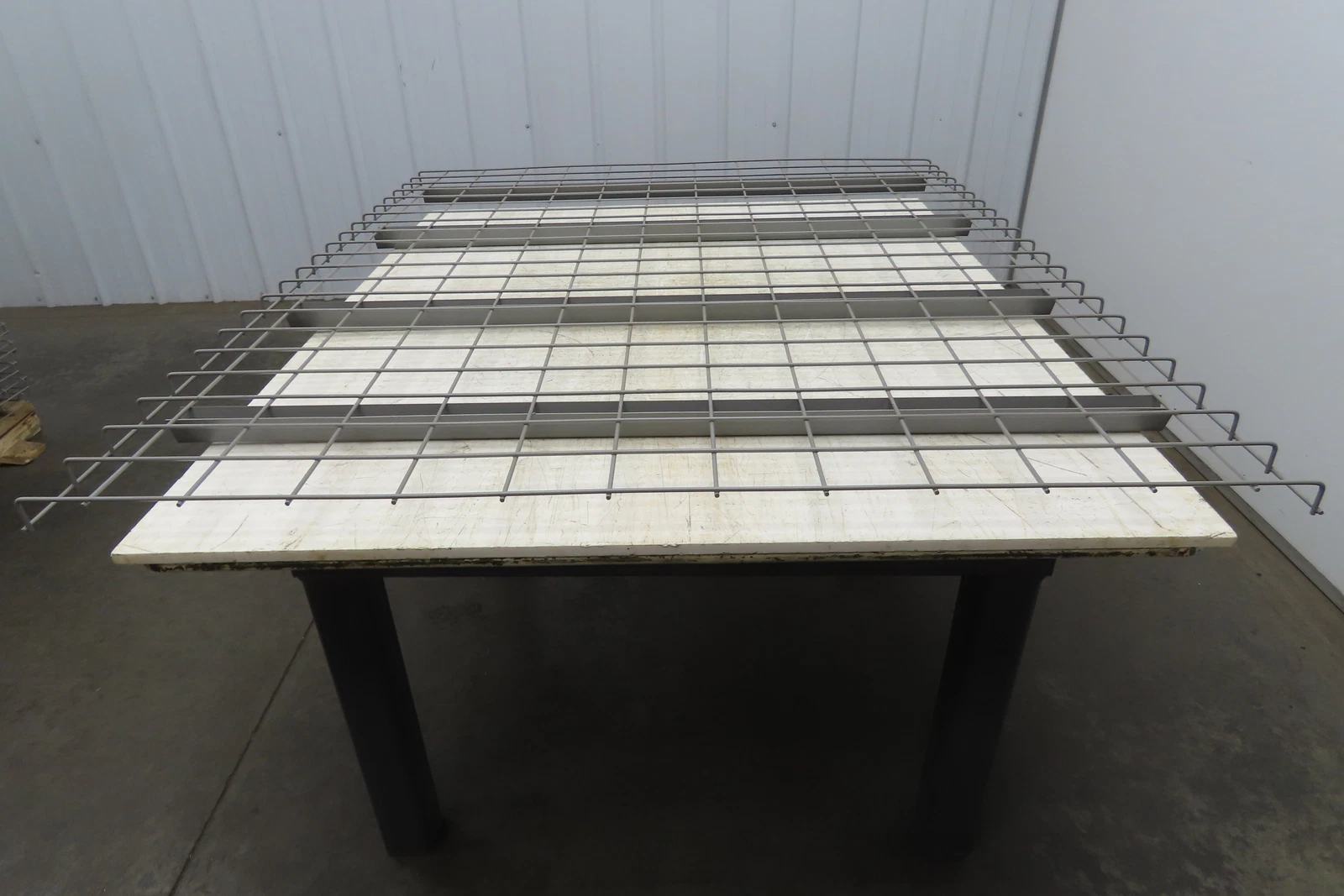
- What are acceptable shelving deck materials (wire mesh, solid decking) for fire-sprinkler effectiveness?
- How should pallet quality and placement be managed to avoid impeding sprinkler operation?
- What collision protection and seismic bracing are required to maintain rack integrity during emergencies?
- How should emergency egress routes and signage be planned around racking systems?
- What training and fire drills should warehouse staff perform specific to racking-related fires?
- How do insurance requirements and premiums change based on rack fire protection measures?
- What are common violations found by authorities having jurisdiction (AHJs) in rack fire-safety inspections?
- How do cost, lifecycle, and ROI compare for different fire-suppression and rack-protection options?
- What maintenance practices preserve the effectiveness of fire suppression in racked storage?
- How should emergency response plans be coordinated with local fire departments given the racking layout?
- What metrics and KPIs should facilities track to measure rack fire-safety performance over time?
- How do automated storage and retrieval systems (AS/RS) affect fire suppression design and detection?
- What role do third-party approvals, UL listings, and manufacturer specifications play in rack selection?
- When is a fire protection engineering analysis required versus standard prescriptive design?
- How should new construction versus retrofit projects approach rack fire-safety differently?
- What are the steps to secure AHJ approval and permits for a proposed rack design and suppression system?
- Are there notable case studies or incident reports that illustrate lessons learned about racking and fire safety?
Other Questions
Checklist
Fire Code Compliance In Rack Design – A Checklist
Planning and Code Alignment
✅______ Identify the Authority Having Jurisdiction (AHJ) and adopted codes/editions (e.g., IFC/IBC, NFPA 1, NFPA 13, NFPA 101)
✅______ Classify commodities and packaging; document storage methods and maximum storage heights
✅______ Obtain required permits and approvals before installation or reconfiguration
✅______ Engage qualified fire protection and structural professionals for design review
Rack Design and Materials
✅______ Use noncombustible rack components (e.g., steel) with appropriate protective coatings
✅______ Avoid solid shelving that obstructs water unless specifically protected or engineered
✅______ Provide seismic bracing and base-plate anchorage per engineering and local requirements
✅______ Install end-of-aisle and column protection (guarding, bollards) where vehicle impact is possible
Load Limits and Stability
✅______ Engineer rack capacities; secure stamped calculations when required
✅______ Post load plaques showing maximum load per level and per bay
✅______ Maintain even load distribution; avoid point loading outside the manufacturer’s guidance
✅______ Inspect for damage (bent uprights, missing bolts, corrosion) and repair before reloading
Layout, Egress, and Aisles
✅______ Lay out aisles to meet forklift turning needs and fire code minimums
✅______ Keep exit-access aisles clear and continuously maintained to exits
✅______ Limit dead-end aisles per code or eliminate them; provide cross-aisles as needed
✅______ Mark floor aisles and exits; maintain door swing and hardware functionality
Flue Spaces and Vertical Clearances
✅______ Maintain continuous longitudinal and aligned transverse flue spaces through all tiers
✅______ Control pallet overhang and use flue-space keepers/separators as needed
✅______ Maintain required clearance below ceiling sprinklers (e.g., standard-spray vs. ESFR clearances)
✅______ Keep storage clear of sprinkler deflectors, piping, lights, and structural obstructions
Fire Detection and Suppression
✅______ Select sprinkler protection based on commodity class, storage height, and rack type (CMDA, CMSA, ESFR, in-rack)
✅______ Provide in-rack sprinklers where required by code/design (e.g., obstructed or solid shelving, high-piled storage)
✅______ Verify sprinkler spacing, K-factors, temperature ratings, and obstruction rules
✅______ Provide fire alarm and detection and monitoring where required; ensure devices are accessible and visible
✅______ Locate and size portable fire extinguishers per hazard and travel-distance rules
Electrical and Ignition Control
✅______ Maintain required working clearance around electrical equipment; keep panelboards accessible
✅______ Control hot work with permits, fire watches, and area preparation
✅______ Segregate and ventilate battery charging; provide spill control, eyewash, and signage
✅______ Prohibit open flames and smoking in storage areas; post “No Smoking” signage
Housekeeping and Storage Practices
✅______ Keep aisles, exits, and sprinkler heads free of encroachments and debris
✅______ Prevent storage of combustibles near heat sources and under mezzanines without protection
✅______ Manage waste, pallets, and overstock to prevent blocking flue spaces and egress
✅______ Store hazardous materials per applicable standards; use approved cabinets or rooms as needed
Training and Emergency Preparedness
✅______ Train staff on alarm procedures, evacuation routes, and muster points
✅______ Conduct regular fire drills and document performance and improvements
✅______ Train personnel on safe loading, rack use, and reporting of rack damage
✅______ Provide extinguisher training appropriate to the workplace hazards
Inspection, Testing, and Maintenance
✅______ Perform sprinkler, alarm, and hydrant ITM per NFPA 25 and NFPA 72 schedules
✅______ Inspect racks routinely for damage, missing components, corrosion, and loose anchors
✅______ Verify flue spaces, clearances, and signage during routine walkthroughs
✅______ Document deficiencies, corrective actions, and re-inspections
Documentation and Change Management
✅______ Maintain as-built drawings, calculations, cut sheets, and approvals on site
✅______ Post emergency egress maps and equipment locations
✅______ Implement management of change for commodity, packaging, or layout modifications
✅______ Revalidate protection and loads after any operational changes or incidents
Pre-Occupancy and Periodic Verification
✅______ Complete final acceptance testing of fire protection systems with the AHJ
✅______ Verify all load plaques, signage, and floor markings are in place and legible
✅______ Schedule periodic audits to confirm ongoing compliance with codes and company policy

Checklist
At RackingWorld, we help guide you through selecting warehouse storage systems and racking.
Be sure to read our other related stories at RackingWorld to learn more about warehouse storage systems.
0 Comments