
Maximizing Resources Wisely: Navigating Challenges With Heart And Strategy
By Tom Seest
At RackingWorld, we help guide you through selecting warehouse storage systems and racking.
Be sure to read our other related stories at RackingWorld to learn more about warehouse storage systems.
Capital Efficiency In Tight Markets
In tight markets, where every dollar spent counts, businesses must dig deep to stretch their resources further than ever before. This is where capital efficiency comes into play, a principle as old as the hills but increasingly vital in today’s landscape. Picture a small warehouse filled to the brim with inventory, yet still managed with a keen eye for efficiency through racking systems. These systems aren’t just stacks of metal; they’re the backbone of smart storage, allowing for maximum use of space and easier access to goods.
When resources are limited, it’s like being a tightrope walker. One misstep—over-investing in unused resources or allowing inefficiencies to creep in—and the whole business can sway dangerously. A thoughtful approach to cash flow, along with strategic investments in racking systems, cultivates a culture of thoughtful resource management. The best run businesses understand that it’s not just about what you spend, but how you spend it. By focusing on capital efficiency, they can not only weather the storm but thrive amid uncertainty.
Take a look around, and the stories unfold—small businesses adapting cleverly, implementing lean strategies, and leveraging technology to enhance operations without breaking the bank. These aren’t just numbers and spreadsheets; they’re real people relying on their hard work and ingenuity. Someone—maybe a single parent or a veteran—puts in countless hours to keep their operation afloat. They know the value of each piece of equipment, and they’ve tailored their operations to maximize returns on every dollar spent.
Ethically, there’s a responsibility to do right by employees and customers. Capital efficiency isn’t just a buzzword; it’s about creating sustainable practices that ensure everyone benefits. Businesses that invest in efficient systems foster loyalty and trust, building a community around their brand that stands the test of time.
In a world where many are all bark and no bite, being pragmatic and showing up with real solutions matters. Economizing isn’t just about cutting costs; it’s about cultivating a mindset where every resource is cherished. Efficient racking systems symbolize this commitment, proving that with grit, determination, and a little common sense, tighter margins can lead not to despair but to innovation and success.

Capital Efficiency In Tight Markets
Capital Efficiency In Tight Markets
- Businesses must prioritize capital efficiency in tight markets to stretch limited resources.
- Efficient racking systems optimize inventory management and maximize space utilization.
- A strategic approach to cash flow and resource management prevents costly inefficiencies.
- Successful businesses focus not only on spending but on how resources are utilized for greater impact.
- Small businesses leverage lean strategies and technology to enhance operations cost-effectively.
- Ethical responsibility towards employees and customers fosters sustainable practices and builds brand loyalty.
- Economizing embodies a commitment to valuing resources, leading to innovation and success in challenging markets.

Capital Efficiency In Tight Markets
Table Of Contents
- Capital Efficiency In Tight Markets
- What Drives Your Decisions About Capital Allocation?
- How Do You Measure Success In Tight Markets?
- What Risks Do You Face In Capital Efficiency?
- How Do You Prioritize Investments Under Pressure?
- What Ethical Considerations Guide Your Capital Choices?
- How Can Trust Enhance Capital Efficiency Strategies?
- Conclusion
- Other Resources
- Glossary Of Terms
- Other Questions
- Checklist
What Drives Your Decisions About Capital Allocation?
In the world of capital allocation, decisions are often shaped by a blend of head, heart, and gut instincts. At the core, you need to weigh your options like a seasoned foreman assessing a job site, making sure every tool is in its right place. Racking systems, for instance, aren’t just about storing products; they symbolize the foundation of your operational efficiency. When resources are allocated wisely, like when you pick the best racking system for a warehouse, it reflects thoughtful planning that goes beyond just numbers. It’s about the people relying on those systems, the workers moving products, and the families depending on the company’s success.
Rational thinking is indispensable—after all, the cold hard facts often guide where the money goes. You look at costs, potential returns, and where the competition is heading. This analytical approach helps ensure that investments align with your long-term vision. A sturdy racking system might cost a bit more upfront, but the durability it brings saves headaches down the line. Whenever you can lower operational downtime, you’re better positioned to thrive. That’s not just common sense; it’s about creating a reliable environment for everyone involved.
Yet, let’s not shy away from the gut feeling. Sometimes, there’s a palpable intuition that guides our judgments. You might find yourself drawn to a local supplier for racking systems, not only because the numbers add up but also because you trust them to deliver when it counts. Their success is interwoven with your success, fostering a connection that transcends mere transactions. It’s about cultivating relationships that matter, creating a web of community support.
There’s also an ethical dimension to consider. Every allocation decision carries weight. Are you allocating resources in a way that benefits your team, your clients, and the wider community? Taking a stand for ethical investments fosters trust—people want to work with a company that values responsibility. When you prioritize both profitability and ethics, it speaks volumes.
Ultimately, capital allocation is woven into the everyday fabric of what you do. Each decision is a thread that connects to your mission and values. Trust in that process. Listen to your heart and head, and don’t overlook your gut. When you allocate wisely, considering every angle, you not only drive the bottom line—you inspire those around you, build a thriving enterprise, and create a legacy that lasts.

What Drives Your Decisions About Capital Allocation?
What Drives Your Decisions About Capital Allocation?
- Capital allocation decisions blend head, heart, and gut instincts.
- Racking systems symbolize operational efficiency and reflect thoughtful planning.
- Rational thinking guides investments, focusing on costs, potential returns, and competition.
- Investing in durable resources, like a sturdy racking system, reduces future headaches.
- Intuition plays a role, fostering trust and relationships with local suppliers.
- Ethical considerations in allocation foster trust and demonstrate company values.
- Wise allocation inspires others and contributes to a lasting legacy.

What Drives Your Decisions About Capital Allocation?
How Do You Measure Success In Tight Markets?
In tight markets, measuring success isn’t just about the numbers; it’s about understanding the heartbeat of your business and the community around it. Think of your operation like a complex racking system. Each shelf in that system represents a part of your strategy—inventory, marketing, customer service. When one shelf is overloaded or left empty, the whole structure can wobble. Success lies in balancing those loads and ensuring every section supports the others, just like your business needs to flex and adjust according to real-time demands.
You start to gauge success by tuning into your customers’ needs and desires. In tight markets, people are looking for value, and they can sense when a business truly cares. It’s about standing shoulder to shoulder with your customers, knowing their struggles, and addressing them head-on. We’ve all seen moments when a small gesture of genuine service makes a world of difference. It’s those times that sow trust and loyalty. Relationships, after all, are built on mutual understanding—not just transactions.
From a rational standpoint, you can measure success by analyzing sales data, customer feedback, and market trends. But these numbers only tell part of the story. Pair hard data with ethical practices. Make choices that reflect your values, and stand by your decisions even when times get tough. This solid groundwork builds a reputation that can withstand the pressures of a tight market. When customers see you operate with integrity, they’re more likely to stick around, even when the options seem plentiful.
Engage the gut by telling your story and the stories of those whose lives you touch through your business. People love a good narrative, especially when it showcases resilience and community. Share those tales of overcoming obstacles together, and invite your audience to be a part of your journey. It’s these authentic connections that inspire action—people want to support a business that stands for something bigger.
Lastly, measure your success socially. Check in with your team and customers. Whether it’s a quick chat or a thoughtful survey, understanding how you’re perceived can guide your next steps. That connection not only fosters loyalty but also fortifies your position in the market. A successful venture is one that grows not just in profit, but in relationships, community impact, and ethical standing, proving that in tight markets, heart, head, and gut working together lead to true success.

How Do You Measure Success In Tight Markets?
How Do You Measure Success In Tight Markets?
- Measuring success in tight markets involves understanding both business metrics and community insights.
- Your business operates like a racking system—each aspect must be balanced for overall stability.
- Tuning into customer needs fosters genuine connections and builds trust and loyalty.
- Success can be gauged through sales data, customer feedback, and market trends alongside ethical practices.
- Making decisions that reflect your values enhances your reputation and customer retention.
- Sharing stories of resilience and community engagement strengthens relationships with your audience.
- Measuring social connections through feedback solidifies your market position and encourages loyalty.

How Do You Measure Success In Tight Markets?
What Risks Do You Face In Capital Efficiency?
What Risks Do You Face in Capital Efficiency?
In the quest for capital efficiency, businesses often find themselves walking a tightrope, balancing the desire for rapid growth with the risks that can come back to bite them. Picture a factory floor, buzzing with activity, where every piece of equipment—from the smallest hand tool to the complex Racking Systems—is carefully optimized for maximum output. Everyone is hustling, chasing targets, saving costs, and pushing limits. But it’s in that very hustle where the risks can lurk, often unnoticed until it’s too late.
One of the first mistakes is getting caught in the trap of under-investment. Companies, hungry to improve their bottom line, sometimes skimp on essential upgrades or maintenance. Imagine a piece of machinery sitting idle because the budget couldn’t stretch to repair it. It becomes a bottleneck, draining resources and morale. An efficient operation today can be a stagnant one tomorrow if equipment isn’t nurtured properly.
Then, there’s the risk of becoming overly reliant on data without the human touch. Analytics can provide powerful insights, but they can’t replace judgment born of experience. Relying solely on numbers can lead to decisions that overlook the practical, day-to-day realities of the shop floor—like knowing which workers excel at problem-solving on the fly or understanding the deeper, unquantifiable connections among your team.
The ethical implications can’t be ignored either. In the scramble for efficiency, businesses can lose sight of their duty to their workers and community. Cutting corners, sacrificing quality, or pushing employees to their limits may yield short-term gains but at what long-term cost? It’s like a seasoned operator of Racking Systems who knows that a well-maintained system fosters not just productivity but also safety. Trust in a company’s commitment to its people and practices builds loyalty that’s invaluable.
Lastly, there’s a powerful element of social responsibility. How a business approaches capital efficiency speaks volumes to its customers and community. When a company demonstrates a commitment to sustainable practices and fair treatment of employees, it builds a rapport that resonates beyond the balance sheet. Taking a stand on these issues is a call to action—not just for business leaders but for every worker who wants to be part of something bigger.
Capital efficiency shouldn’t just be about numbers; it should be a holistic approach that respects people, processes, and purpose. Embracing this philosophy can illuminate a path forward that balances profitability with ethical responsibility, creating a legacy that counts.

What Risks Do You Face In Capital Efficiency?
What Risks Do You Face In Capital Efficiency?
- Businesses strive for capital efficiency while managing risks associated with rapid growth.
- Under-investment can lead to bottlenecks and decreased morale, hindering long-term efficiency.
- Over-reliance on data analytics may overlook practical, experiential judgments essential for operations.
- Ethical considerations, such as employee welfare and product quality, are critical in pursuing efficiency.
- A commitment to sustainable practices can strengthen customer and community relationships.
- Capital efficiency should integrate respect for people, processes, and purpose, not just financial metrics.
- A holistic approach fosters a balance between profitability and ethical responsibility, establishing a meaningful legacy.

What Risks Do You Face In Capital Efficiency?
How Do You Prioritize Investments Under Pressure?
When it comes to prioritizing investments under pressure, the stakes are high, and it can feel like you’re standing at the edge of a cliff, looking down at the unknown. In tough times, every dollar counts, and the decisions you make can make or break your future. Racking systems are a prime example of a smart investment; they maximize space and increase efficiency, making it easier to manage inventory without unnecessary waste.
Take a moment to think about the last time you had to make a tight decision. Perhaps it was repairing a vehicle with parts that might hold for a while longer or investing in new tools that could improve your work. Each choice carries weight, affecting not just your bottom line but also your peace of mind and wellbeing. By focusing on practical investments like racking systems, you can transform your workspace, enabling you to navigate challenges with confidence instead of chaos.
When pressure mounts, it’s essential to balance head and heart. The emotional side urges you to consider the impact on your team and family, while the rational side demands a careful examination of potential returns. Racking systems offer a tangible solution that aligns with both perspectives. They save time and reduce frustration by streamlining workflow, which can boost morale and productivity.
Ethically, investing in systems that work efficiently shows a commitment to sustainability. You’re not just throwing money into the void; you’re building a foundation for the future that respects both resources and people. The authority of successful business practices backs this up; many have paved the way, demonstrating that sound investments lead to greater resilience.
Narratives of those who have found success through smart investments highlight the importance of community and sharing knowledge. When people come together to support each other, trust begins to build. You share your stories and tactics with colleagues or friends, creating an environment where everyone can thrive.
Society depends on shared wisdom, and by taking it to heart, each investment becomes less of a gamble and more of a calculated step toward triumph. So, when the pressure is on, remember that there’s strength in choosing investments thoughtfully. Prioritize what brings value, and let that grounded, practical wisdom guide your decisions. You’re not just investing in systems; you’re investing in a brighter, more organized future that benefits you and those around you.

How Do You Prioritize Investments Under Pressure?
How Do You Prioritize Investments Under Pressure?
- Prioritizing investments is crucial under pressure, as decisions can significantly impact the future.
- Racking systems are a beneficial investment, maximizing space and enhancing efficiency in inventory management.
- Investing in practical solutions transforms workspaces, enabling better navigation of challenges.
- Balancing emotional considerations and rational analysis is essential when making investment decisions.
- Efficient systems demonstrate a commitment to sustainability and resource management.
- Community support and shared knowledge enhance the investment process, fostering trust and collaboration.
- Thoughtful investment choices contribute to a more organized and resilient future for individuals and their communities.

How Do You Prioritize Investments Under Pressure?
What Ethical Considerations Guide Your Capital Choices?
When it comes to making capital choices, the process often leads us to a crossroads where ethics and financial gains confront one another. Imagine standing in a warehouse, surrounded by Racking Systems that hold the weight of your investments and the dreams of your team. Each decision you make echoes beyond the balance sheets; it ripples through the lives of employees, communities, and the environment.
Consider the employees who depend on the stability of your business. Your capital choices should reflect a commitment to their well-being. Investing in their safety means upgrading equipment and creating efficient Racking Systems that ensure no one is at risk while they work. This isn’t just a financial obligation; it’s a moral one, rooted in the belief that people matter more than profits.
Then there’s the community. Each investment should consider the broader social impact. Are the materials sourced ethically? Are you contributing to a local economy or seeking cheaper labor overseas? When your capital helps build a stronger neighborhood, you’re not just boosting your bottom line—you’re nurturing a sense of belonging and shared purpose. This kind of thoughtfulness fosters trust. If your community feels valued, they’ll invest back in you—not with money, but with loyalty and support.
On the financial side, rational analysis plays a crucial role. Look at the numbers, but don’t lose sight of the human side of the equation. When you weigh potential returns against ethical stewardship, you may decide that investing in green technologies or sustainable practices is worth the upfront cost. It’s not just about the next quarter; it’s about the legacy you leave behind.
Engaging with authority on sustainability can open doors and inspire action. Leaders in your field who have prioritized ethical considerations can serve as examples. Their stories showcase that doing the right thing often leads to unexpected benefits—growing a company reputation or attracting customers who share your values.
At the gut level, it’s about how you feel at the end of the day. When you lay your head down at night, can you honestly say you made choices that align with your values? Capital decisions made with integrity not only build financial success but create a lasting trust that’s invaluable in the long run. Remember, ethics in capital choices aren’t just measurements on a spreadsheet; they’re the heart of what makes a business truly worthwhile.

What Ethical Considerations Guide Your Capital Choices?
What Ethical Considerations Guide Your Capital Choices?
- Capital choices often present conflicts between ethics and financial gains.
- Decisions impact employees, communities, and the environment beyond financial metrics.
- Investing in employee safety and efficient operations is a moral obligation.
- Consider the social impact of investments, including ethical sourcing and local support.
- Rational analysis is essential, but the human aspect should not be neglected.
- Engagement with sustainability leaders can inspire ethical practices and enhance reputation.
- Integrity in capital decisions fosters trust and contributes to a meaningful business legacy.

What Ethical Considerations Guide Your Capital Choices?
How Can Trust Enhance Capital Efficiency Strategies?
Trust isn’t just a warm feeling; it’s a hard-nosed necessity when it comes to capital efficiency strategies. This is especially true in industries where Racking Systems play a pivotal role in managing resources. When companies operate within a framework of trust, they make decisions grounded in shared interest rather than suspicion. Imagine a warehouse manager and a logistics partner working together seamlessly—when both sides know they can count on each other, it fosters an environment where resources are utilized to their fullest potential.
Let’s paint a picture. Picture a factory floor where every worker understands their role, and the supply chain runs like a well-oiled machine. There’s a sense of camaraderie that rises above paychecks and deadlines—people feel accountable not just to themselves, but to their coworkers and the greater mission of the company. This commitment drives down waste and brings about better capital efficiency. When trust fuels teamwork, you see the benefits reflected in the bottom line.
On the rational side, studies show that companies with a high level of trust experience lower transaction costs and higher returns on investment. The math is simple: when you don’t have to constantly verify your partner’s next move or audit every aspect of a project, you save time and resources. It’s the difference between a worker who’s clocking in and out, versus one who’s emotionally invested in their work and the success of the company. That engagement translates into innovation and efficiency; after all, who’s going to suggest a new way to use Racking Systems if they think their ideas won’t be heard?
Ethically, fostering trust sets a tone that resonates through the ranks. Employees who know they’re valued are more likely to act in ways that promote long-term organizational health rather than short-term gain. This culture not only attracts talent but also retains it, assisting companies in building a backbone of experience and skill that minimizes turnover costs.
Stories of success don’t just come from the numbers on a balance sheet—they come from the relationships built on trust. When companies believe in each other’s integrity and commitment, they can more effectively navigate challenges together. That’s where the real meat of capital efficiency lies: in the connections formed that lead to smoother operations and shared victories. Trust, then, isn’t simply an asset; it’s the very foundation that holds capital efficiency strategies together.

How Can Trust Enhance Capital Efficiency Strategies?
How Can Trust Enhance Capital Efficiency Strategies?
- Trust is essential for capital efficiency strategies, especially in resource management industries like Racking Systems.
- A trusting relationship between a warehouse manager and a logistics partner enhances resource utilization.
- A collaborative and accountable atmosphere improves overall efficiency and reduces waste.
- High levels of trust correlate with lower transaction costs and higher returns on investment.
- Engaged employees contribute to innovation and efficiency, benefiting the organization.
- Trust fosters a positive corporate culture, supporting long-term organizational health and talent retention.
- The real value of capital efficiency comes from trust-based relationships that facilitate smoother operations.
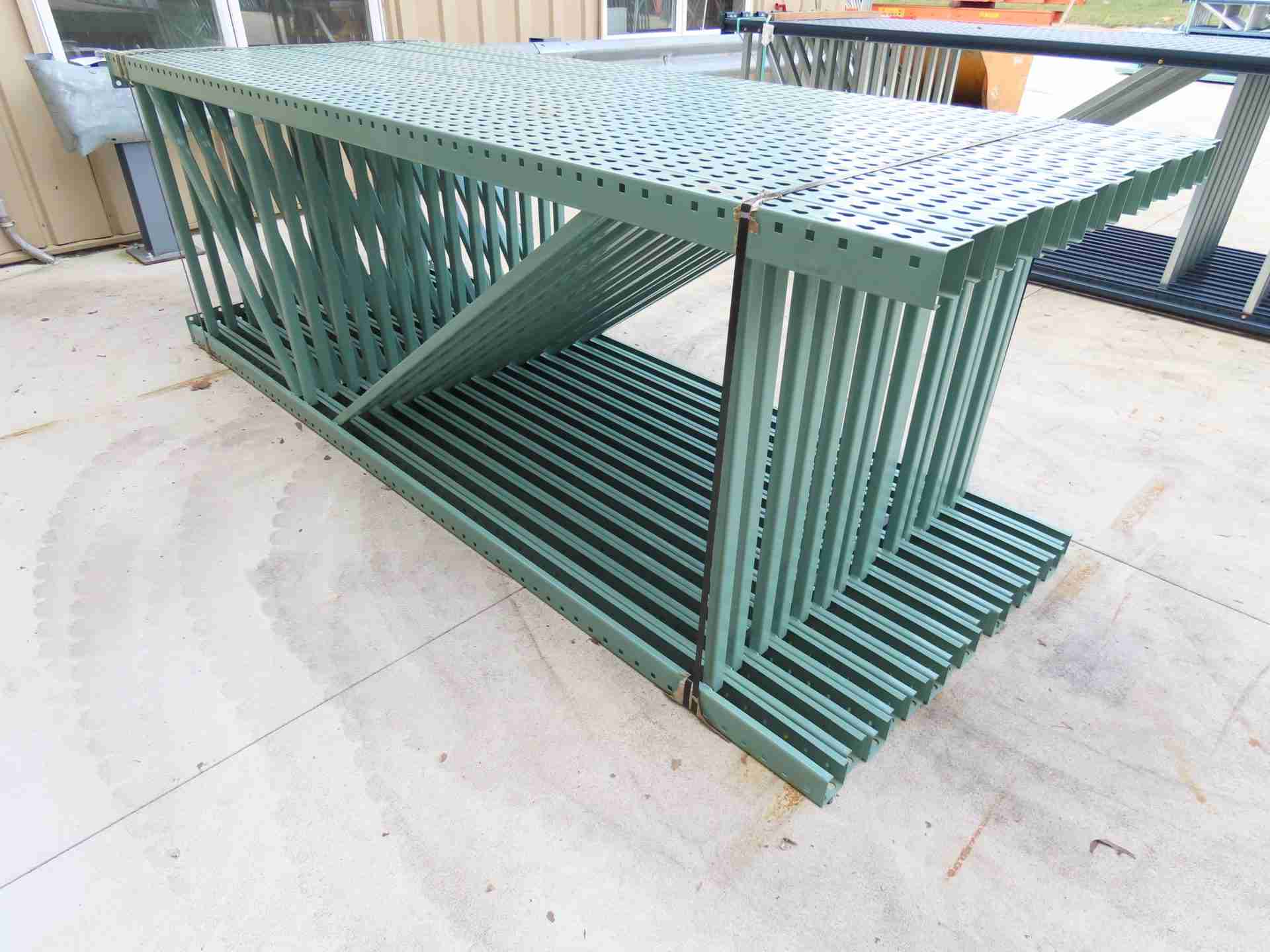
How Can Trust Enhance Capital Efficiency Strategies?
Conclusion
In the realm of tight markets, capital efficiency emerges as a crucial lifeline for businesses striving to thrive amidst constraints. Every decision counts, making the wise allocation of resources paramount. Just as a well-organized warehouse maximizes space and productivity through efficient racking systems, businesses must cultivate an environment where each dollar spent is meticulously scrutinized. This isn’t merely about cost-cutting; it’s about cultivating a culture that prioritizes thoughtful management. The heart of this endeavor lies in real stories of resilience: small business owners striving to make ends meet, honing their operations with ingenuity and grit.
Rational thought plays an indispensable role in guiding these decisions, as vital as knowing which tools work best for a job. Each investment, whether in racking systems or new technologies, needs a careful balance of analysis and intuition. A sturdy racking system represents not just practicality but a commitment to efficiency that pays off down the line through enhanced productivity and reduced downtime. It illustrates how the best decisions ripple out to positively impact employees and customers alike, reinforcing an ethical commitment that fosters loyalty and community ties.
Success in tight markets transcends mere numbers. Measuring true impact involves understanding relationships and values that underpin a business. Listening to customers’ needs fosters trust, turning transactions into meaningful connections. Engaging with the earnest narratives of those affected by a business’s operations creates a rich tapestry where success is defined not just by profits but also by community impact and ethical integrity.
However, the pursuit of capital efficiency carries inherent risks. A company must avoid the pitfalls of under-investment, which can stifle growth and morale, as well as the reliance on pure data devoid of human insight. Ethical considerations are always present, as the choices made in pursuit of efficiency must reflect a commitment to employee welfare and social responsibility. Companies that prioritize ethical investments resonate with consumers, building brand trust that withstands fluctuations.
Ultimately, the essence of capital efficiency is rooted in trust and collaboration. When a workforce feels valued and motivated, it spurs innovation and commitment. These bonds transform challenges into opportunities, creating a robust framework for enduring success. Thus, capital efficiency in tight markets is not just a strategy; it’s a holistic approach that harmonizes heart, head, and gut, driving sustainable growth while nurturing a community both behind and around the business.

Conclusion
Conclusion:
- Capital efficiency is vital for businesses to succeed in tight markets.
- Wise resource allocation and thoughtful management are essential, beyond mere cost-cutting.
- Real stories of small business owners emphasize resilience and ingenuity in operations.
- Investments need a balance of rational analysis and intuitive understanding to maximize benefits.
- True success involves building relationships and understanding values that impact the community.
- Companies must avoid under-investment and ensure decisions reflect social responsibility and employee welfare.
- Capital efficiency fosters trust and collaboration, transforming challenges into opportunities for sustainable growth.

Conclusion
Other Resources

Other Resources
Here is a list of other resources you can review online to learn more:
- Selective Rack – Raymond West
- BMH
- Illinois Pallet Racking – Storage Solutions
- Mustang Material Handling
- Shipping Boxes, Packaging Materials, Pallet Racking
- Warehousing and Fulfillment
- Illinois Pallet Racking – WPRP
- Used Pallet Rack for Sale in Illinois – American Surplus
- Selective Racking
- IIWS Inc. Rack Installation Illinois & Rack Repairs Illinois
- Arrow Industrial Sales
- Cantilever Racks Chicago
- Selective Pallet Racking Systems
- MHI
- Teardrop Pallet Rack – Ridg-U-Rak
- Bradford Systems
- Material Handling Safety
- Teardrop Industrial Shelving Rack
- Logic Material Handling
- NSC
Use This Prompt To Get More Resources With Your Favorite Online AI Tool: Please provide me with a list of online articles with their URLs in a bulleted list that I can read regarding Capital Efficiency In Tight Markets

Other Resources
Glossary Terms
Capital Efficiency In Tight Markets – Glossary Of Terms
1. Capital Efficiency: The ability to maximize outputs or returns per unit of capital invested.
2. Tight Market: A market characterized by limited availability of resources or products, leading to increased competition.
3. ROI (Return on Investment): A measure used to evaluate the profitability of an investment relative to its cost.
4. Asset Utilization: The effectiveness of a company in using its assets to generate revenue.
5. Liquidity: The ease with which assets can be converted into cash without affecting their market price.
6. Cost-Reduction Strategies: Techniques employed to lower operational expenses and increase profitability.
7. Operating Margin: The percentage of revenue that remains after covering operating expenses.
8. Leverage: The use of borrowed funds to amplify returns on investment.
9. Market Entry Barriers: Obstacles that make it difficult for new competitors to enter a market.
10. Inventory Turnover: A measure of how quickly a company sells and replaces its stock of goods.
11. Supply Chain Management: The handling of the entire production flow of a good or service to maximize quality and efficiency.
12. Competitive Advantage: A favorable position a company holds over its competitors in the market.
13. Value Proposition: The promise of value to be delivered to customers, highlighting the benefits they will receive.
14. Financial Modeling: The process of creating a representation of a company’s financial performance.
15. Fixed Costs: Expenses that do not change regardless of the level of goods or services produced.
16. Variable Costs: Expenses that vary directly with the level of production or output.
17. Market Share: The portion of a market controlled by a particular company or product.
18. Risk Management: The identification, assessment, and prioritization of risks followed by coordinated efforts to minimize impact.
19. Pricing Strategy: The method used by a business to price its products or services to maximize profitability.
20. Demand Forecasting: The process of predicting future customer demand for a product or service.
21. Customer Segmentation: The practice of dividing a customer base into groups based on shared characteristics.
22. Break-even Analysis: A calculation to determine the level of sales a company needs to cover its costs.
23. Capital Allocation: The process of distributing financial resources among various projects or assets.
24. Strategic Planning: The process of defining a company’s strategy and making decisions on resource allocation.
25. Profit Margin: The difference between sales and the cost of goods sold, expressed as a percentage of sales.
26. Performance Metrics: Indicators used to measure the success of an organization in achieving its objectives.
27. Yield Management: A pricing strategy based on forecasted consumer behavior to maximize revenue.
28. Cash Flow Management: The monitoring and optimizing of cash inflows and outflows to ensure liquidity.
29. Competitive Landscape: The overview of the competition within a specific market or industry.
30. Stakeholder Engagement: Involvement of individuals or groups that have an interest in the company’s performance and decisions.

Glossary Of Terms
Other Questions
Capital Efficiency In Tight Markets – Other Questions
If you wish to explore and discover more, consider looking for answers to these questions:
- What exactly do you mean by “capital efficiency” in the context of tight markets?
- How do you calculate the return on investment (ROI) for racking systems and other infrastructure upgrades?
- What specific KPIs should companies track to measure capital efficiency?
- How often should those KPIs be reviewed and who should own them?
- What are the short-term versus long-term costs of upgrading versus repairing existing equipment?
- How do you compare leasing, financing, or buying racking systems from a capital-allocation standpoint?
- What are the most common hidden or ongoing costs associated with racking systems (maintenance, inspections, replacement parts)?
- How can small businesses fund efficiency improvements when cash is constrained?
- Which operational changes yield the biggest efficiency gains for the least capital outlay?
- How do you quantify the value of improved space utilization and reduced handling time?
- What role does inventory optimization play in capital efficiency and what techniques work best?
- How do you balance data-driven decisions with frontline workers’ experiential knowledge?
- What metrics capture the social and ethical impacts of capital allocation decisions?
- How should companies measure employee morale and safety improvements resulting from investments?
- What are the main risks of under-investing versus over-investing in infrastructure?
- How can businesses create contingency plans to avoid operational bottlenecks caused by deferred maintenance?
- What governance structures or decision frameworks help prioritize investments under pressure?
- How do you evaluate suppliers and local partners for reliability, ethics, and long-term value?
- What criteria should be used to choose between modular, scalable racking systems and fixed installations?
- How do automation and warehouse management systems integrate with racking investments, and when do they pay back?
- What sustainability metrics should be incorporated when assessing capital projects?
- Are there tax incentives, grants, or rebates available for efficiency or sustainability upgrades?
- How can companies measure and report the community impact of their capital decisions?
- What legal, health, and safety regulations affect racking system selection, installation, and maintenance?
- How do you evaluate lifecycle cost versus upfront cost for major capital items?
- What best practices exist for training staff to use new systems safely and efficiently?
- How can trust be measured or evidenced between partners, suppliers, and internal teams?
- What are clear early warning signs that a capital-efficiency strategy is failing?
- Can you share examples or case studies of businesses that improved capital efficiency without large capital expenditure?
- How should leaders communicate capital-allocation decisions to build buy-in from employees and the community?

Other Questions
Checklist
Capital Efficiency In Tight Markets – A Checklist
Alignment and Guardrails
✅______ Define mission-critical outcomes for the next 6–12 months
✅______ Set ROI hurdle rate and maximum payback period
✅______ Establish budget caps and contingency reserves
✅______ Document ethical standards: safety, sourcing, sustainability, community impact
Cash Flow and Working Capital
✅______ Build a 13-week cash flow forecast and update weekly
✅______ Track DSO, DPO, and inventory days; act to shorten the cash conversion cycle
✅______ Separate maintenance reserve from growth CapEx
✅______ Stress-test liquidity under downside scenarios
Operational Efficiency and Racking Systems
✅______ Audit current space utilization and inventory slotting
✅______ Optimize racking layout for density, access, and safety
✅______ Standardize labeling, pick paths, and replenishment rules
✅______ Schedule preventive maintenance for racking and material handling
✅______ Choose modular, scalable systems that support future changes
✅______ Validate local supplier reliability and lead times to reduce risk
Capital Allocation: Head, Heart, Gut
✅______ Head: Quantify ROI, risk, and operational impact
✅______ Heart: Assess effects on employees, customers, and community
✅______ Gut: Weigh trust, track record, and timing fit
✅______ Approve only when all three align with stated guardrails
Measures of Success
✅______ Financial: gross margin, EBITDA, cash flow, payback vs. plan
✅______ Inventory: turns, GMROII, shrink, stockout rate
✅______ Operations: order cycle time, pick accuracy, downtime
✅______ Customer: retention, repeat rate, satisfaction feedback
✅______ People: safety incidents, engagement, turnover
✅______ Community/Ethics: local spend, compliance, sustainability markers
Risk Scan and Mitigations
✅______ Underinvestment or deferred maintenance creating bottlenecks
✅______ Overreliance on data without operator judgment
✅______ Single-vendor or single-SKU concentration risk
✅______ Quality erosion or cutting corners under cost pressure
✅______ Burnout and safety risks from throughput pushes
✅______ Compliance, insurance, and cybersecurity gaps
✅______ Mitigation plans in place with owners and timelines
Prioritizing Under Pressure
✅______ Rank initiatives by impact, urgency, and reversibility
✅______ Fund quick-payback, constraint-breaking investments first
✅______ Pause or kill low-ROI, nice-to-have projects
✅______ Stage investments with milestone-based releases
✅______ Convert CapEx to OpEx where it preserves flexibility
Ethical Checkpoints
✅______ Safety-first design and training for all systems
✅______ Ethical sourcing and transparent supplier practices
✅______ Energy-efficient equipment and waste reduction
✅______ Fair treatment and opportunity for employees
✅______ Clear communication of trade-offs to stakeholders
Trust Builders
✅______ Shared dashboards with real-time KPIs for teams and partners
✅______ Simple SLAs and roles and responsibilities with suppliers
✅______ Regular feedback loops; act on frontline ideas
✅______ Recognize and reward efficiency and safety wins
✅______ Post-implementation reviews shared openly
Cadence and Governance
✅______ Weekly operations review; monthly capital review council
✅______ Owner assigned for every major initiative and KPI
✅______ Standard decision template: problem, options, ROI, risks, ethics
✅______ Quarterly re-baselining of priorities and portfolio
Story and Community
✅______ Capture and share customer and employee impact stories
✅______ Communicate why each investment matters
✅______ Invite partners to co-create improvements
Triggers to Act
✅______ Thresholds defined for pausing spend: missed KPIs, safety flags
✅______ Preplanned actions for demand spikes or drops
✅______ Reconfiguration plan for racking and inventory in downturns
Sign-Off
✅______ Checklist reviewed and approved by leadership
✅______ Dates set for the next audit and progress check

Checklist
At RackingWorld, we help guide you through selecting warehouse storage systems and racking.
Be sure to read our other related stories at RackingWorld to learn more about warehouse storage systems.
0 Comments