
Unlocking Value: The Emotional And Rational Choices In Rack Systems
By Tom Seest
At RackingWorld, we help guide you through selecting warehouse storage systems and racking.
Be sure to read our other related stories at RackingWorld to learn more about warehouse storage systems.
Leasing Vs Buying Rack Systems
When it comes down to the nuts and bolts of Racking Systems, the decision to lease or buy can paint a clear picture of where your operation stands. Let’s break it down.
Leasing often feels like renting an old pickup truck — it works for getting you from point A to B, but there’s always a nagging thought about whether you’re throwing money away. On the surface, it seems easier. You get the latest gear without a hefty upfront cost, and maintenance? That’s usually on the leaser’s dime. For small businesses or those just starting out, this option can reduce risk in tight financial corners. But here’s the thing: when the lease runs out, you’re left with nothing tangible to show for it. It’s like pouring your hard-earned cash into a black hole.
Now, buying your own Racking Systems might come with a bigger price tag upfront, but think of it as investing in a solid workhorse that you can depend on for years. You own it outright; it’s like putting down roots in good soil. It can be a game changer for your bottom line, especially if you plan to stick around. It builds wealth, not just for now but for the long haul. There’s something rewarding about seeing your investment pay off when that rack system stands strong in your warehouse, growing with your needs, and giving you the flexibility to adapt.
Ethically, there’s a sense of pride in ownership. You’re not just a player in the business; you’re taking charge and shaping your destiny. The community often respects those who own their equipment, showcasing a level of commitment and stability that resonates with clients and suppliers alike.
Think of your peers — the folks you see at trade shows or local meet-ups. Many of them have faced this same crossroads. Some share stories of regret after sticking with leasing and wishing they had invested in their own systems. Others proudly mention how ownership allowed them to pivot quickly when the market demanded it.
Ultimately, the choice between leasing and buying goes beyond dollars and cents. It’s about aligning your values, your vision, and your business’s future. Whether you choose the easy way or the sturdy path, remember: this decision is a reflection of your journey. Make it count.

Leasing Vs Buying Rack Systems
Leasing Vs Buying Rack Systems
- Leasing Racking Systems can feel like renting, offering ease but lacking long-term benefits.
- Leasing requires lower upfront costs and includes maintenance, making it suitable for small businesses.
- At lease end, there’s no tangible asset, potentially leading to feelings of wasted investment.
- Buying Racking Systems involves a higher initial cost but provides long-term ownership and stability.
- Ownership fosters a sense of pride and is often respected within the business community.
- Many businesses regret leasing and value the flexibility and adaptability that ownership offers.
- The choice between leasing and buying should reflect business values and future vision.

Leasing Vs Buying Rack Systems
Table Of Contents
- Leasing Vs Buying Rack Systems
- Is Leasing a Rack System the Best Financial Choice for You?
- What Long-Term Benefits Come with Buying a Rack System?
- How Does Leasing Impact Your Cash Flow Compared to Buying?
- Are the Latest Innovations Only Available for Purchase?
- What Are the Maintenance Responsibilities When Leasing?
- Does Ownership Of a Rack System Give You More Control?
- Conclusion
- Other Resources
- Glossary Of Terms
- Other Questions
- Checklist
Is Leasing a Rack System the Best Financial Choice for You?
When it comes to deciding whether to lease a racking system, it often boils down to how you weigh the costs and benefits. Picture this: your hard-earned money tied up in equipment that might not be tailored to your needs or could become obsolete faster than you think. Leasing allows you to keep your options open. You’re not just paying for metal shelves and beams; you’re investing in flexibility.
From a financial standpoint, leasing racking systems can lighten the load on your capital. Instead of shelling out a hefty sum upfront, you spread that cost over time. This approach frees up cash to invest in other vital areas of your business, whether that’s improving operations or hiring skilled workers who keep the wheels turning. A racked-out warehouse isn’t just about maximizing storage space; it’s about maximizing potential. When you lease, you gain access to the latest and greatest without the worry of being stuck with outdated machinery that adds more weight to your worries.
Now, let’s get real about reliability. Working with a reputable leasing company means you don’t just get racks; you gain a partner. If something goes sideways, you’ve got support from folks who understand the ins and outs of racking systems. Finding a partner with a solid track record builds trust—something that’s invaluable when it comes to the heavy lifting of running a business.
In a society where “going green” is more than just a trend, leasing promotes sustainability. By opting for a racking system lease, you contribute to less waste. Just think: when the lease ends, the racks can be refurbished or recycled, unlike old, purchased equipment just taking up space in a landfill. Every choice counts, and people notice the ones that align with ethical aspirations.
Moreover, sharing your experience with leasing racking systems encourages others in your community to evaluate their financial strategies. When you talk about the benefits you’ve seen, it fosters a sense of camaraderie. You’re not alone; many business owners face similar trials. By openly discussing the impact of your decision, you’re paving the way for constructive conversations.
Leasing is often more than just a choice—it’s a lifeline. It’s about ensuring your business runs smoothly today while keeping an eye on tomorrow. In a world of uncertainties, having that choice gives you a bit more control. Trust in that flexibility, and let it lead the way to smarter financial decisions for your business.

Is Leasing a Rack System the Best Financial Choice for You?
Is Leasing a Rack System the Best Financial Choice for You?
- Leasing a racking system balances costs and benefits, allowing flexibility in equipment use.
- It reduces upfront capital expenditure, freeing funds for other business investments.
- Leasing provides access to modern equipment without the risk of obsolescence.
- Working with reputable leasing companies offers support and reliability in managing racking systems.
- Leasing promotes sustainability by minimizing waste through refurbishing or recycling options.
- Sharing leasing experiences fosters community and encourages discussions on financial strategies among business owners.
- Leasing serves as a strategic choice for maintaining operational efficiency while planning for the future.
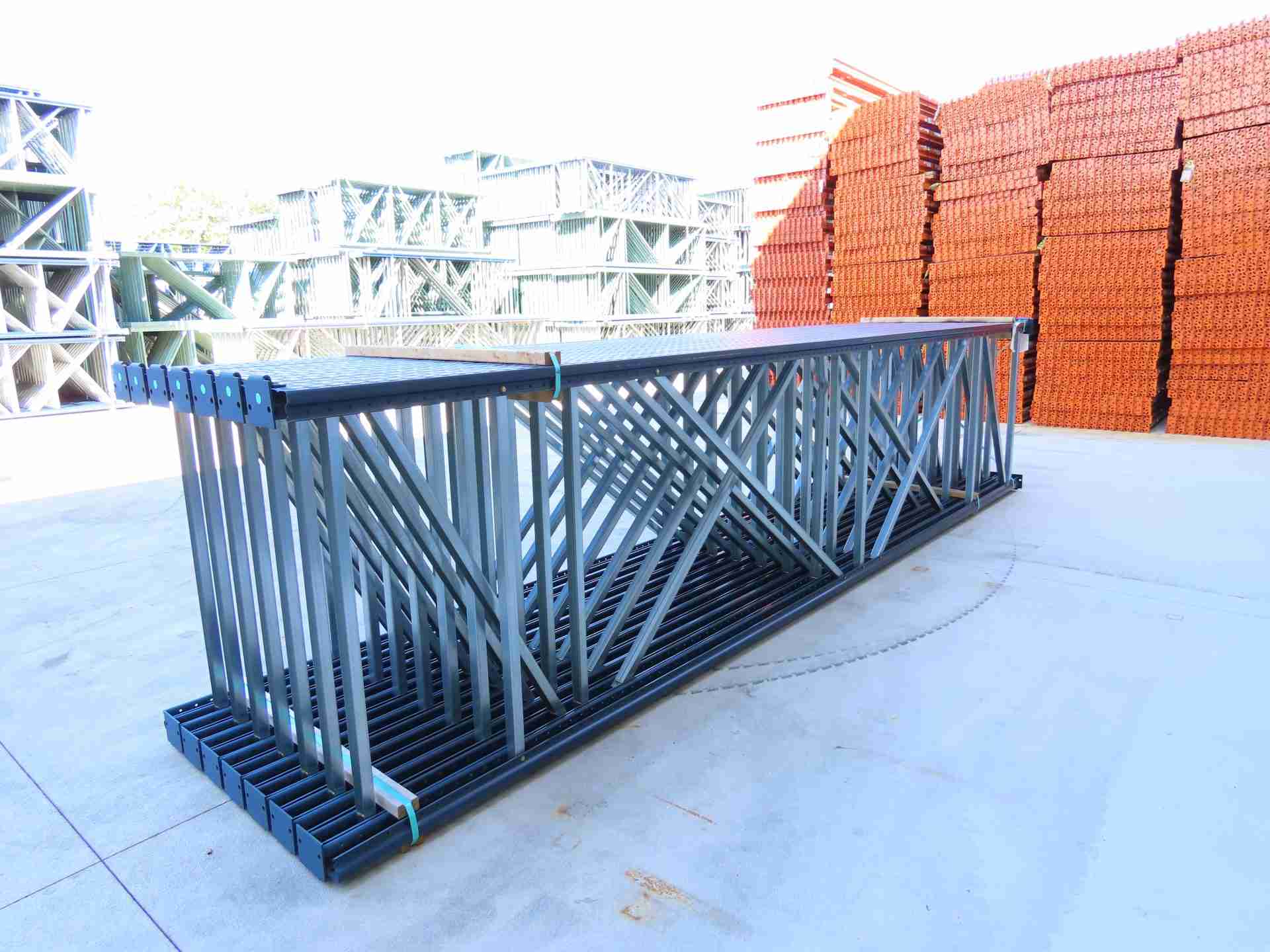
Is Leasing a Rack System the Best Financial Choice for You?
What Long-Term Benefits Come with Buying a Rack System?
When it comes to investing in your workspace, racking systems can seem like just another expense. But the truth is, they’re an investment in efficiency, safety, and organization. Imagine walking into your garage or warehouse and not having to trip over boxes or dodge tools scattered everywhere. That sense of clarity starts with a solid racking system. These structures are not just metal shelves; they represent a commitment to a better, more organized life.
First off, consider the emotional relief that comes from order. A well-structured space means less time spent searching for items and more time focused on what matters. The chaos of clutter can weigh you down, both mentally and physically. Picture the satisfaction of knowing exactly where every tool and box is, and how that translates into increased productivity. Racking systems help you cultivate that sense of calm amidst the demands of work and life.
From a practical standpoint, these systems maximize your storage options. Most folks overlook the vertical space available in their environments. By utilizing a racking system, you’re not just storing items; you’re transforming a crowded space into a well-organized haven. This rational benefit extends beyond mere organization—it can free up valuable floor space for other projects or activities, enhancing your overall workflow.
Ethically speaking, investing in quality racking systems also translates to a safer workspace. Poorly organized areas can lead to accidents, injuries, and unnecessary stress. By prioritizing organization and safety, you foster a culture of care—for yourself, your family, and your teammates. It sends a message that you value well-being and efficiency, which is something everyone can respect.
Then there’s the authority that comes with investing in good equipment. When you make the effort to get a reliable racking system, you’re showcasing your commitment to your craft and your environment. People notice when you put in that extra effort. It builds trust and connection with those around you, promoting a sense of community.
Lastly, think about the stories you’ll tell. Every time you pull out a tool you can find, or discover an old box filled with forgotten treasures neatly stored, you’re building memories. A racking system is more than just metal and screws; it’s a testament to your journey, your growth, and your commitment to an organized, efficient life. Embrace the long-term benefits of investing in a racking system, and watch as your space—and life—transforms for the better.

What Long-Term Benefits Come with Buying a Rack System?
What Long-Term Benefits Come with Buying a Rack System?
- Racking systems are investments in efficiency, safety, and organization.
- A well-structured space reduces clutter, leading to emotional relief and increased productivity.
- Utilizing vertical space with racking systems transforms crowded areas into organized environments.
- Quality racking systems enhance workplace safety by reducing accidents and stress.
- Investing in reliable racking showcases a commitment to one’s craft and fosters community trust.
- Organized storage builds memorable experiences through easy access to tools and items.
- Long-term benefits of racking systems lead to a transformed workspace and improved quality of life.

What Long-Term Benefits Come with Buying a Rack System?
How Does Leasing Impact Your Cash Flow Compared to Buying?
Leasing versus buying can feel like a tug-of-war for your finances, particularly when it comes to your cash flow. It’s the difference between being tied down to an investment or having the flexibility to adapt as your needs change. When you lease, like with those versatile racking systems that streamline the way you store goods, you’re not just renting a space; you’re choosing to keep your cash where it can work best for you.
Leasing means lower upfront costs, which allows you to conserve capital for other essential needs. Picture this: instead of draining your savings to purchase that bulk racking system outright, you can make smaller monthly payments that don’t gut your finances. That leaves breathing room in your budget, letting you reinvest in your business, hire another worker, or upgrade your inventory. That’s the head talking—the numbers add up; cash flow stays steady.
But let’s not ignore the gut. Sometimes, it feels good to have options. With leasing, there’s less stress about value depreciation. You’re not stuck worrying about whether that shiny racking system loses its appeal or efficiency after a few years. Instead, when the lease is up, you can reassess what’s out there. Maybe you want higher efficiency or a different layout. Life shifts, and having that fluidity is comforting. It feels like you’re in control, rather than being boxed into a corner.
Now, there’s the ethical angle too. In a world where sustainable practices are becoming the norm, leasing can be seen as a more responsible choice. You’re not left holding the bag for an asset that may not be future-proof. By leasing, you can often upgrade to more energy-efficient or smarter technologies as they become available—an appeal to your sense of responsibility toward the environment and your community.
A seasoned business owner knows it’s not all about numbers and trends; it’s about the community too. When you lease, you’re part of a larger ecosystem. You partner with a dealer who understands your needs, someone who offers support and solutions tailored just for you. The relationships built in this space foster trust and confidence. You’re not just another transaction; you’re a partner navigating the rough waters of business together.
Leasing isn’t just a financial decision; it’s about empowering yourself with options while ensuring your cash flow is not only stable but also thriving. It’s about making choices that will carry you and your business to new heights, ensuring you’re ready for whatever comes next.

How Does Leasing Impact Your Cash Flow Compared to Buying?
How Does Leasing Impact Your Cash Flow Compared to Buying?
- Leasing offers flexibility versus buying, impacting cash flow and investment decisions.
- Lower upfront costs with leasing help conserve capital for essential business needs.
- Monthly payments allow for budget flexibility, enabling reinvestment in the business.
- Leasing reduces concerns about asset depreciation over time.
- Provides the opportunity to upgrade to newer technologies and solutions when the lease ends.
- Leasing fosters partnerships with dealers, supporting tailored solutions and community building.
- It empowers businesses with choices, ensuring financial stability and growth potential.

How Does Leasing Impact Your Cash Flow Compared to Buying?
Are the Latest Innovations Only Available for Purchase?
In today’s world, it feels like the latest innovations are always sitting behind a shiny paywall, out of reach for everyday folks. It’s tempting to believe that only those with deep pockets can access the best tools, the latest gadgets, or breakthrough technologies. But let’s take a step back and consider what that really means for us as a community.
Think about racking systems, a simple yet transformative innovation that’s come a long way from your grandfather’s warehouse setups. These aren’t just for big businesses anymore; they’re accessible to the little guy too. With the right research and a little sweat, you can retrofit a garage or reclaim storage space in your home. This isn’t just about saving money; it’s about making your space work smarter for you. It’s a declaration that innovation belongs to us all, not just an elite few.
From a practical standpoint, many companies offer DIY kits that can be customized to fit personal needs. Instead of breaking the bank, you can invest in a racking system that increases efficiency and organization in your life. There’s a certain satisfaction in rolling up your sleeves to tackle a project that saves both time and money. That’s a value we can all relate to, where effort meets reward, a story we’ve all lived.
Ethically speaking, there’s a growing movement toward sharing resources and knowledge within communities. Online forums and local meet-ups bring together people who are eager to swap tips, stories, and even spare parts. It’s a chance to learn from each other, cultivating not just individual skills but strengthening community bonds. When we share what we know and what we can do, we lift each other up.
Trust isn’t just built on promises; it’s earned through action. As more people engage with easily accessible innovations, they become ambassadors for change; they take the leap and start using what was once thought to be unattainable. These transformative tools foster a sense of belonging and empowerment. When we can create something from scratch, when we can make our lives better with our own hands, we’re not just using innovations; we’re living them.
So, while it may seem like the latest innovations are strictly for purchase, with a bit of ingenuity and collaboration, they can become part of our everyday lives. Let’s embrace that challenge together.

Are the Latest Innovations Only Available for Purchase?
Are the Latest Innovations Only Available for Purchase?
- Innovations often seem behind paywalls, accessible primarily to wealthy individuals.
- Racking systems serve as an example of accessible innovations for everyone, not just big businesses.
- DIY kits allow individuals to customize projects for personal use, enhancing efficiency and organization.
- Engaging in hands-on projects offers satisfaction and a tangible sense of reward.
- Community movements focus on sharing resources and knowledge through online forums and meet-ups.
- Trust is built through action and engagement, empowering people to utilize innovative tools.
- Innovation can be integrated into daily life through collaboration and creativity.

Are the Latest Innovations Only Available for Purchase?
What Are the Maintenance Responsibilities When Leasing?
When leasing a space, understanding your maintenance responsibilities is crucial. It’s not just about the structure, but the overall quality of the environment you call home or operate your business in. Racking systems, for instance, are pivotal in warehouses and storage facilities. Keeping them in top shape isn’t just good practice; it’s essential for safety and efficiency.
First off, landlords typically handle major issues like the roof and plumbing, while tenants are often responsible for day-to-day maintenance. This might seem straightforward, but it’s essential to get it right. A small leak can lead to mold or structural damage if left unattended. It’s a bit like maintaining your old truck: let one problem slide, and soon you’re in the shop for serious repairs.
Think of maintenance as a partnership. You and your landlord both have roles to play. Regular checks on the racking systems not only keep your inventory safe but also show you care about the space. This vigilance helps build trust with your landlord. When a tenant takes pride in their area, it reflects positively on the whole property. It shows a commitment to the space and fosters a sense of community.
Consider the ethical reasons behind maintaining your leased space. A clean, well-kept area respects not just your business but also the neighbors and the larger community. It’s about more than just aesthetics; it’s about creating a welcoming environment. People want to feel comfortable entering a well-maintained space, whether it’s customers walking into a store or employees coming to work.
From a rational perspective, regular maintenance prevents small issues from turning into significant expenses. If a racking system isn’t regularly inspected, it could collapse under weight, leading not only to damaged goods but also to possible injury. Keeping up with these tasks is an act of foresight, a way to safeguard both people and possessions. Maintenance isn’t a burden; it’s an investment in your peace of mind.
Now, let’s get real. Building a solid relationship with your landlord can lead to smoother negotiations when it comes to lease renewals or upgrades. Being proactive shows you’re not just a tenant; you’re a responsible steward of the space. So, roll up your sleeves, check those racking systems, and keep things in shape. When it comes to leasing, maintaining your space is about pride, responsibility, and laying the groundwork for a successful future together.

What Are the Maintenance Responsibilities When Leasing?
What Are the Maintenance Responsibilities When Leasing?
- Understanding maintenance responsibilities is crucial when leasing a space.
- Landlords handle major issues like the roof and plumbing, while tenants manage day-to-day maintenance.
- Regular inspections of racking systems are essential for safety and efficiency.
- Maintenance fosters a partnership between tenants and landlords, building trust.
- A clean, well-maintained space respects the community and enhances the environment.
- Proactive maintenance prevents small issues from becoming costly problems.
- Building a solid landlord-tenant relationship facilitates smoother lease negotiations.

What Are the Maintenance Responsibilities When Leasing?
Does Ownership Of a Rack System Give You More Control?
Owning a rack system is not just about having a piece of equipment in your space; it’s about having control over your environment and your work. Whether you’re managing a warehouse, a gym, or a workshop, having your own racking systems allows you to organize your resources efficiently, making day-to-day tasks easier. Imagine walking into your garage and seeing everything neatly stored on racks you set up. It’s more than just visual appeal; it’s about knowing where everything is, reducing the time spent searching for tools, supplies, or inventory.
With control comes confidence. When you decide how to set up your racking systems, you’re putting your own stamp on things. If you’re the type who believes that no one knows your business better than you do, then this setup lets you create a system that works for your specific needs. It’s not just a job; it’s your livelihood, your passion. You’re not bound by someone else’s rules or designs. Instead, you’re crafting an environment that helps you work most effectively.
Then there’s the ethical side of ownership. Investing in racking systems means putting your hard-earned money into something that directly benefits you and your community. A well-organized space enhances productivity, which can lead to better service for customers or clients. It’s about pulling together as a community—helping each other out by having what you need at hand. When you control your environment, you also contribute to a culture of efficiency and respect for the craft.
The social appeal comes in when you invite others to see what you’ve built. Friends, family, or colleagues can appreciate the functionality of a well-designed storage system. It fosters conversations about how to optimize a space, sharing tips, and stories of trials and successes. That shared knowledge builds a bond and inspires others to take on projects of their own.
Lastly, there’s a narrative in every rack system. They tell the story of hard work and progress. Each shelf is a step towards a more organized, productive future. When you have ownership, you’re not just controlling a piece of equipment; you’re claiming a slice of independence that reflects your journey, your struggles, and your successes. Taking charge doesn’t just give you power over your tools; it empowers you to accomplish more, inspiring those around you to do the same.

Does Ownership Of a Rack System Give You More Control?
Does Ownership Of a Rack System Give You More Control?
- Owning a rack system provides control over your environment and work.
- Racking systems enable efficient organization of resources, simplifying day-to-day tasks.
- Personalizing your racking setup boosts confidence and ensures the system meets specific needs.
- Investing in racking systems benefits both individual productivity and community service.
- A well-organized space contributes to a culture of efficiency and respect for craftsmanship.
- Showcasing a rack system fosters community engagement and sharing of optimization tips.
- Each rack tells a story of progress, reflecting personal growth and accomplishments.
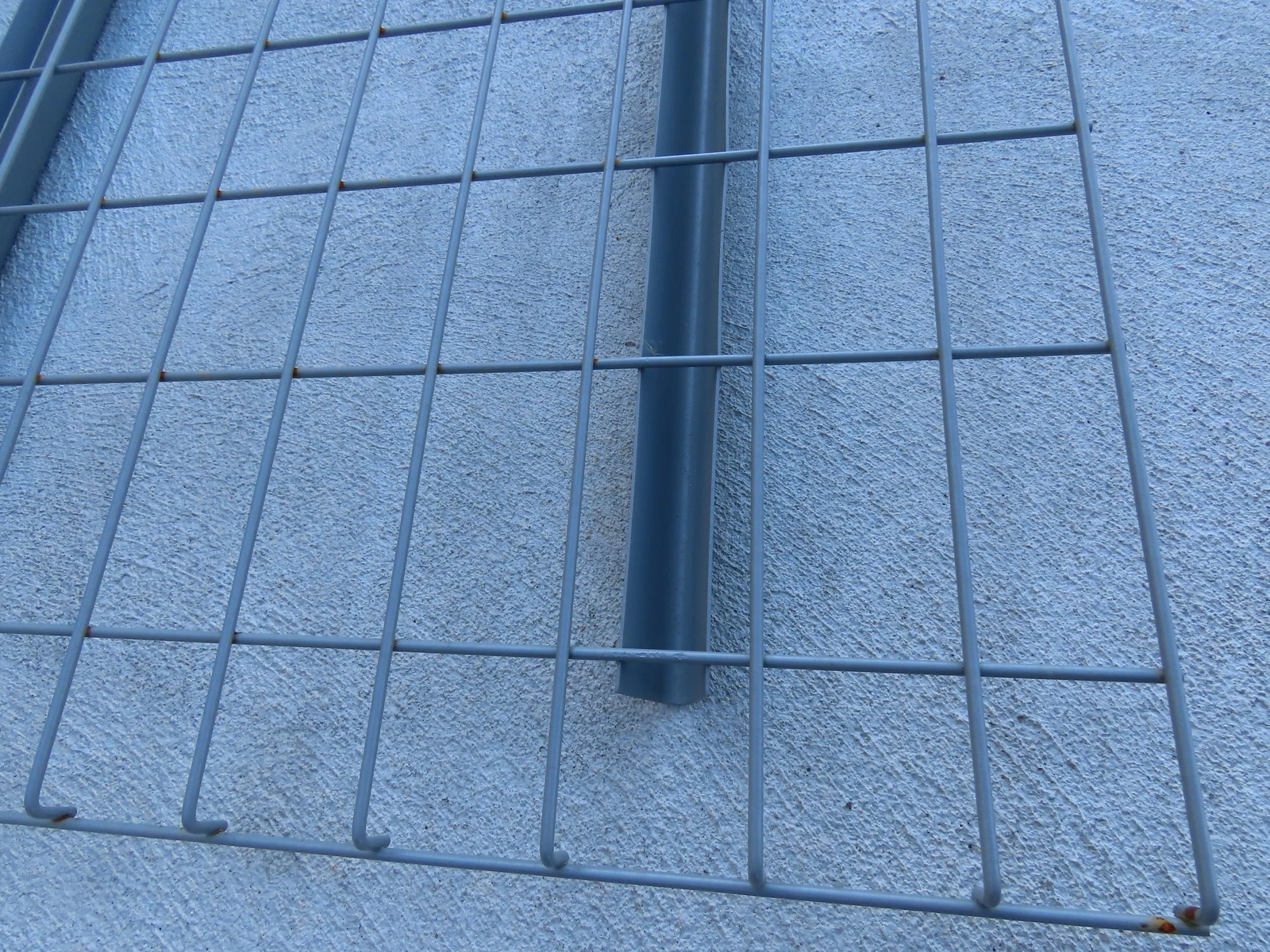
Does Ownership Of a Rack System Give You More Control?
Conclusion
The choice between leasing and buying rack systems is more than a financial decision; it reflects the core values and aspirations of your business journey. Both options have their merits, but the underlying implications run deeper than dollars and cents. Leasing can seem like an attractive shortcut, akin to renting a truck for a weekend. It alleviates immediate financial strain and provides access to modern equipment without a significant investment. This approach appeals to those in tight financial situations or who value flexibility. However, when the lease ends, there’s a gnawing emptiness—a realization that the hard-earned money spent has not built tangible equity.
Conversely, owning a rack system means investing in a solution that pays dividends over the long haul. Picture it as nurturing a solid foundation; the racks symbolize stability and growth. The emotional satisfaction derived from ownership resonates with something deeper: commitment to your craft and care for your community. A sturdy rack system, tailored to meet your business needs, enhances productivity and transforms chaos into order. It fosters a space where creativity can thrive, allowing you to pivot and adapt when necessary without the limitations that leasing imposes.
Owning your equipment builds authority and respect among peers. Many have navigated the same crossroads and can attest to the freedom and flexibility of ownership. Sharing stories of triumph and regret creates a rich tapestry of shared experience, cultivating a sense of camaraderie in the community. The conversation often shifts toward empowerment, illustrating how decisions shape not only businesses but also futures.
Moreover, there’s a substantial ethical dimension to consider. Opting for ownership underscores a commitment to long-term safe practices and responsible resource management. When honoring the space you occupy, you’re not only looking out for yourself but also setting an example for those around you. People appreciate when one invests in the environment they use, leading to a culture of respect.
Ultimately, your choice should resonate with your values, vision, and the future you wish to create. Whether you opt for the safe harbor of leasing or embrace the solid ground of ownership, remember that this decision will forge the path ahead. Choose wisely and make it count.

Conclusion
Conclusion:
- The choice between leasing and buying rack systems reflects core business values and aspirations.
- Leasing offers immediate access to modern equipment with less financial strain but lacks equity building.
- Owning a rack system is an investment in stability and long-term growth, enhancing productivity.
- Ownership fosters emotional satisfaction and commitment to craft and community.
- Having owned equipment builds authority and respect within the business community.
- Choosing ownership promotes ethical practices and responsible resource management.
- Your choice should align with your values and the future you wish to create.

Conclusion
Other Resources

Other Resources
Here is a list of other resources you can review online to learn more:
- Warehouse Storage Racking in Illinois
- CA Wire
- Warehouse Racking Chicago, IL
- Pallet Racking systems in Illinois, Great Lakes
- Pallet Racking 101: A Comprehensive Guide & Options Explained
- Pallet Racking systems in Illinois and Great Lakes
- Warehouse Storage Racks
- Warehouse Racking System: Powerful Guide to Optimise, 2024
- NSC
- Cantilever Racks Chicago
- Cantilever Rack Guide: Ordering Cantilever Racking
- Illinois
- What is Selective Pallet Racking
- Warehousing Education and Research Council: https://www.werc.org/
- Pallet Racking systems in Illinois and Great Lakes
- New Cantilever Racks and Racking Kits
- Crane Manufacturers Association Of America Inc.
- Cantilever Rack Guide: Ordering Cantilever Racking
- ASSP
- Iowa Illinois Warehouse Racking
Use This Prompt To Get More Resources With Your Favorite Online AI Tool: Please provide me with a list of online articles with their URLs in a bulleted list that I can read regarding Leasing Vs Buying Rack Systems

Other Resources
Glossary Terms
Leasing Vs Buying Rack Systems – Glossary Of Terms
1. Asset: An item of value or a resource owned by an individual or company.
2. Capital Expenditure: Money spent by a business on acquiring or maintaining fixed assets.
3. Depreciation: The reduction in value of an asset over time, often due to wear and tear.
4. Financing: The act of providing funds for business activities, including purchasing or leasing equipment.
5. Lease: A contractual arrangement in which one party provides an asset for use to another party for a specified time in exchange for payment.
6. Lease Agreement: A legal document outlining the terms and conditions under which an asset is leased.
7. Operating Expenses: Expenses incurred during normal business operations, excluding capital expenditures.
8. Purchase Agreement: A legal document that outlines the terms of sale between a buyer and seller.
9. Return on Investment (ROI): A measure used to evaluate the efficiency or profitability of an investment.
10. Ownership: The state of possessing something, which involves legal rights and responsibilities.
11. Maintenance Costs: Expenses associated with keeping an asset in good working condition.
12. Buyout Option: A provision in a lease agreement allowing the lessee to purchase the leased asset at the end of the term.
13. Financing Costs: The total cost of borrowing, including interest rates and fees related to financing.
14. Total Cost of Ownership (TCO): A financial estimate intended to help buyers and owners determine direct and indirect costs related to an asset.
15. Equipment Leasing: The process of renting equipment rather than purchasing it outright.
16. Balance Sheet: A financial statement that provides a snapshot of a company’s financial condition at a specific point in time.
17. Equity: The value of an ownership interest in an asset, calculated as the asset’s value minus any liabilities.
18. Depreciation Rate: The percentage at which an asset loses value over time.
19. Capital Lease: A lease in which the lessee assumes some or all of the risks and benefits of ownership.
20. Operating Lease: A lease agreement that allows the lessee to use an asset without acquiring ownership or assuming risk.
21. Tax Implications: The effects that buying or leasing an asset may have on an individual’s or business’s tax obligations.
22. Financial Flexibility: The ability to adapt to changing financial circumstances, often enhanced by leasing rather than purchasing.
23. Cash Flow: The net amount of cash being transferred in and out of a business.
24. Equipment Purchase: The act of acquiring equipment outright as opposed to leasing it.
25. Lease Terms: The specific conditions and duration of a lease agreement.
26. Residual Value: The estimated value of an asset at the end of its useful life or lease term.
27. Usage Fees: Charges associated with the use of leased equipment that may be included in lease agreements.
28. Warranty: A guarantee that an asset will perform as specified, often detailing repair or replacement conditions.
29. Cost-Benefit Analysis: A process to evaluate the advantages and disadvantages of buying versus leasing an asset.
30. Asset Management: The systematic approach to managing assets to maximize their value and performance.

Glossary Of Terms
Other Questions
Leasing Vs Buying Rack Systems – Other Questions
If you wish to explore and discover more, consider looking for answers to these questions:
- What is the total cost of ownership (TCO) for buying versus leasing over 3, 5, and 10 years?
- How do lease payments compare to loan payments for the same rack system?
- What are the typical lease terms, fees, and hidden charges (maintenance, delivery, setup, insurance)?
- Are there end-of-lease options such as buyout, renewal, or return—and what do they cost?
- What happens if I terminate a lease early or need to scale down/up mid-lease?
- How does leasing affect my company’s balance sheet and tax treatment compared to buying?
- Are lease payments treated as operating expenses while purchased racks are capital expenditures?
- What depreciation schedules apply if I purchase the racking system?
- Can I finance a purchase, and what financing options or incentives are available?
- How does ownership impact my ability to modify or customize rack layouts?
- What maintenance, inspection, and repair responsibilities fall to the tenant in a lease vs. the owner?
- Who is liable for accidents, injuries, or damage related to racking under a lease vs. ownership?
- Do leased racks come with warranties or service-level agreements, and what do they cover?
- How reliable are lessors—what are their service response times and track records?
- What are the installation, delivery lead times, and associated costs for leased vs. purchased racks?
- How easy is it to upgrade or replace components under a lease compared to when you own the system?
- What resale value can I expect if I buy—and how liquid is the secondary market for used racks?
- Are there sustainability or refurbishment programs offered by lessors or manufacturers?
- How does either choice affect warehouse layout, throughput, and storage density?
- What load ratings, safety certifications, and code compliance requirements apply to the racks?
- Do racks need engineering stamps, permits, or inspections for my jurisdiction, and who arranges them?
- How do floor load limits, seismic bracing, and building constraints influence the buy vs. lease decision?
- What training or certification do staff need for safe use and maintenance of the racking system?
- How does either option impact insurance premiums and coverage requirements?
- What contingencies exist for damaged or obsolete racks at end-of-lease or end-of-life if purchased?
- Are there bundled services (design, installation, maintenance) available and at what cost?
- How should I conduct a break-even or payback analysis to decide between buying and leasing?
- What are common pitfalls or contractual clauses to watch for in rack leases or purchase agreements?
- How does expected growth or seasonality of my business affect the choice to lease or buy?
- Are there tax credits, grants, or government incentives for purchasing energy-efficient or sustainable systems?
- What is the typical lifespan and service life expectancy of various rack types and materials?
- How compatible are rack systems with existing equipment (forklifts, conveyors, automation)?
- Can leased racks be relocated between facilities and what are the costs and logistics?
- What examples or case studies exist showing the financial and operational outcomes of buying vs. leasing?
- How do market conditions (interest rates, steel prices) influence the timing of buying versus leasing?

Other Questions
Checklist
Leasing Vs Buying Rack Systems – A Checklist
Business Horizon and Stability
✅______ My operation will stay in this facility for 3+ years
✅______ Growth plans are clear enough to commit to a long-term layout
✅______ Possible relocation or major pivots in the next 1–3 years
Cash Flow and Capital
✅______ Upfront capital is available without constraining hiring, inventory, or operations
✅______ Preserving cash and smoothing monthly expenses is a priority
✅______ Lease payments fit comfortably within current cash flow
Flexibility and Adaptability
✅______ I need the option to reconfigure or upgrade systems frequently
✅______ Comfort with returning or replacing equipment at end of term
✅______ Minimal risk tolerance for owning gear that could become outdated
Ownership, Control, and Equity
✅______ Building equity in assets aligns with my strategy
✅______ I want full control over configuration, use, and modifications
✅______ Asset ownership supports collateral and long-term value on the balance sheet
Maintenance and Reliability
✅______ Preference for the lessor to handle maintenance and support
✅______ If buying, I have a plan for routine inspections and repairs
✅______ Defined schedule for load checks, anchoring, and safety audits
Innovation and Upgrades
✅______ Access to the latest designs and technologies is important
✅______ End-of-term upgrade paths (via lease) are valuable to my operation
✅______ DIY or customization options are sufficient if I own
Safety, Organization, and Workflow
✅______ Racks will materially improve safety and efficiency
✅______ Layout maximizes vertical space and clears floor congestion
✅______ Team training and SOPs for safe use are in place
Sustainability and Ethics
✅______ Preference for refurbish, reuse, or recycle programs (often easier with leasing)
✅______ If buying, I have a plan for responsible end-of-life disposition
✅______ The choice reflects my values on waste reduction and stewardship
Brand, Community, and Trust
✅______ Ownership reinforces a message of commitment and stability to clients and suppliers
✅______ A trusted leasing partner strengthens reliability and support
✅______ The decision aligns with how I want peers to perceive my business
Partner and Vendor Due Diligence (Leasing)
✅______ Verified service SLAs, response times, and safety compliance
✅______ Clear terms on replacements, repairs, and downtime remedies
✅______ Transparent end-of-term options (return, renew, buyout)
Total Cost and Lifecycle View
✅______ 5-year comparison completed: total lease payments and fees vs. purchase price, installation, and maintenance
✅______ Accounted for productivity gains from better organization and safety
✅______ End-of-term reality: leasing leaves no owned asset; purchase retains asset value
Terms, Risks, and Exit Options
✅______ Clear on lease length, early termination fees, and buyout terms
✅______ Insurance, liability, and damage responsibilities are defined
✅______ For purchase, warranty coverage and spare parts availability are confirmed
Readiness Checklist
✅______ Space survey completed (loads, aisles, clearances, sprinklers, code)
✅______ Future capacity plan documented (expansion, SKUs, weight and height changes)
✅______ Implementation timeline and downtime impact assessed
✅______ Stakeholders aligned on goals and decision criteria
Decision Snapshot
✅______ Most checks favor preserving cash and frequent upgrades → leasing fits
✅______ Most checks favor control, long-term use, and equity → buying fits
Notes/Actions
__________________________________________________________________
__________________________________________________________________
__________________________________________________________________

Checklist
At RackingWorld, we help guide you through selecting warehouse storage systems and racking.
Be sure to read our other related stories at RackingWorld to learn more about warehouse storage systems.
0 Comments