
Maximize Space, Safeguard Profits: The Power Of Density And Margin
By Tom Seest
At RackingWorld, we help guide you through selecting warehouse storage systems and racking.
Be sure to read our other related stories at RackingWorld to learn more about warehouse storage systems.
Storage Density and Margin Protection
In the world of warehousing and logistics, no one knows better than the hands-on workers the sheer importance of storage density. Picture a bustling warehouse, boxes stacked high, aisles navigated with the precision of a well-rehearsed dance. The ability to maximize the vertical space with robust racking systems isn’t just about fitting more in; it’s about protecting the margins that keep businesses afloat. When every square foot counts, a thoughtful approach to storage can mean the difference between thriving and merely surviving.
Consider the quiet satisfaction when a well-designed racking system holds its ground. You know that feeling—like the weight of expectation is lifted off your shoulders. Efficiency doesn’t come easy, but when designed right, it empowers everyone involved: from the warehouse staff to the businesses relying on them. It’s not just a matter of squeezing in one more pallet; it’s about creating an organized system that allows for quick retrieval and safety on the floor. Every item has its place, reducing errors, saving time, and cutting costs. It’s about respect—respect for the goods you handle and the people you work alongside.
The ethical layer here touches on stewardship. When storage is optimized, waste is minimized. You’re reducing excess inventory and eliminating unnecessary overflow. It’s a narrative of responsibility; businesses show they care for their product and their people. By running a tight ship, workers can focus on quality control, ensuring that every item shipped is worthy of the brand’s reputation.
Moreover, the social dynamic can’t be overlooked. The warehouse crew becomes a community, a tightly knit unit relying on one another. The camaraderie strengthens when everyone knows their role in making that system work. Each person can take pride in their contribution to maintaining a safe and efficient environment. As margins tighten across industries, fostering that connection can drive motivation and inspire new ideas, turning challenges into collective victories.
So, as we stack those boxes higher and navigate through tight aisles, let’s remember the real win comes not just from filling space but from protecting the margin of every endeavor. It’s knowing that behind each pallet is a promise—one that brings trust, boosts confidence, and ultimately leads to action. Together, let’s embrace storage density as a powerful tool in our arsenal, not merely as a necessity but as a pathway to success.

Storage Density and Margin Protection
Storage Density and Margin Protection
- The significance of storage density in warehousing and logistics is paramount, impacting business margins.
- Efficient racking systems enhance vertical space utilization and contribute to overall organizational effectiveness.
- Optimized storage leads to reduced errors, time savings, and cost efficiency, creating a safe and orderly work environment.
- Ethical responsibility emerges from optimizing storage, minimizing waste, and showing care for products and workers.
- Strong community dynamics within warehouse teams foster motivation and collaboration to overcome challenges.
- The emphasis on storage density as a strategic tool highlights its role in achieving business success beyond mere necessity.
- Each pallet symbolizes a promise that enhances trust and confidence in warehouse operations.

Storage Density and Margin Protection
Table Of Contents
- Storage Density and Margin Protection
- How Can We Maximize Storage Density Effectively?
- What Are the Risks Of Low Storage Density?
- How Does Storage Density Impact Operational Costs?
- What Strategies Protect Margins In Storage Solutions?
- How Can Technology Enhance Storage Density?
- What Ethical Considerations Arise In Maximizing Storage?
- Conclusion
- Other Resources
- Glossary Of Terms
- Other Questions
- Checklist
How Can We Maximize Storage Density Effectively?
Maximizing storage density isn’t just about cramming more stuff into a space; it’s about being smart and efficient, keeping in mind the sweat equity we pour into our work. Picture the cramped warehouse where every inch matters. A person steps back, surveying the rows of boxes stacked high, considering how many more could fit if only the right move was made. This is where racking systems come into play, transforming a chaotic jumble into a well-organized operation.
Using racking systems effectively can feel like a second home to those of us who’ve spent long hours in warehouses. Imagine a set-up that minimizes wasted space while improving accessibility. With the right racking, items aren’t stacked precariously or buried under piles of forgotten goods. Instead, they’re organized logically—allowing for quick retrieval and keeping the workflow smooth. It’s that moment when you reach for the exact item you need without digging through a mountain of inventory. It’s efficiency that feels good, that makes sense.
But let’s be practical; no matter the size of a space, every corner counts. Using vertical space is a game-changer. When traditional shelving feels like a dead end, turning to the walls and going up can unlock the potential of high ceilings, providing newfound storage opportunities. It’s all about creative problem-solving and applying a bit of elbow grease. Racking systems, whether adjustable or fixed, allow businesses not just to maximize their storage density but to redefine their workspace.
Yet, the heart of any operation lies in its people. A well-implemented racking system doesn’t just serve the goods; it serves the workers. It shows respect for their time, effort, and safety. When workers can navigate a well-organized space easily, that translates into better morale, less burnout, and ultimately a more successful operation. Each organized aisle and every accessible shelf fosters a sense of pride and ownership.
Leaders should inspire their teams to be involved in the planning. Listening to their hands-on insights can lead to decisions that resonate, ensuring the setup meets not just the logistical needs but also reflects the values and sweat that everyone brings to the table. When the team feels heard, respect builds, creating a culture where safety and efficiency reign supreme.
Maximizing storage density isn’t just a technical task; it’s about fostering a collaborative spirit, sharing in the work, and celebrating the everyday victories we achieve together as we create a space that works for everyone.

How Can We Maximize Storage Density Effectively?
How Can We Maximize Storage Density Effectively?
- Maximizing storage density involves smart and efficient organization, considering worker effort.
- Racking systems transform chaotic spaces into organized operations, optimizing storage and accessibility.
- Efficient setups allow for quick retrieval of items, enhancing workflow without wasted movement.
- Utilizing vertical space maximizes storage potential in warehouses, providing additional opportunities.
- Well-implemented racking systems prioritize worker safety, effort, and ease of navigation.
- Involving workers in planning fosters respect, morale, and a culture of efficiency and safety.
- Storage density maximization is a collaborative effort, celebrating shared successes in workspace improvement.

How Can We Maximize Storage Density Effectively?
What Are the Risks Of Low Storage Density?
Low storage density poses a range of risks that can hit hard, not just in numbers but in the everyday operations of businesses that rely on efficient space management. When the shelves are sparse, and the aisles feel empty, it’s not just about the visible waste—it’s about resources and morale. Racking systems that aren’t optimized can lead to frustration as employees shuffle around in search of products that should be easy to find. Imagine a warehouse where every inch counts but instead, it feels like a maze of lost opportunities.
From a financial standpoint, low storage density translates into wasted space that takes a bite out of your budget. When your racking systems aren’t built to maximize vertical space or utilize the floor efficiently, you’re paying for square footage that isn’t delivering value. Every inch of space is an investment. The dollars tied up in unused space could be better spent elsewhere—whether it’s upgrading equipment, hiring more hands, or investing in training.
Ethically, it raises questions about responsibility. When a company isn’t maximizing its resources, it’s not just a matter of profit; it’s about stewardship in the community. Poor storage practices can lead to increased operational inefficiency, which ultimately affects not just the bottom line but also customer satisfaction. No one likes waiting for products, and time wasted in retrieval can mean lost trust.
Narratively, picture the small business owner who has poured blood, sweat, and tears into their enterprise, only to see it stifled by inadequate storage solutions. It’s a familiar story, one that resonates with anyone who has worked tirelessly only to see their efforts undermined by avoidable mistakes.
Low storage density can also have sociocultural implications within a workforce. A disorganized environment breeds discontent. Workers in chaotic surroundings often feel undervalued. When everyone knows that resources are mishandled, it can stir up feelings of helplessness—a sentiment that can linger long after the shifts end.
Ultimately, by addressing low storage density, we’re not just making a practical decision; we’re nurturing a culture of efficiency and respect for the hard work that goes into every product. Investing in effective racking systems is more than just smart logistics; it’s an acknowledgment of the shared struggle and triumph in the everyday grind of business. Let’s transform that empty space into a beacon of opportunity, turning potential risks into pathways for growth and success.

What Are the Risks Of Low Storage Density?
What Are the Risks Of Low Storage Density?
- Low storage density risks efficient space management and daily operations.
- Empty shelves and aisles contribute to resource waste and decreased employee morale.
- Financially, wasted space leads to budget losses and underutilized square footage.
- Poor storage practices raise ethical concerns about resource stewardship and customer satisfaction.
- Inadequate storage affects small business owners’ efforts, leading to operational inefficiencies.
- Disorganized environments create workforce discontent and feelings of undervaluation.
- Addressing low storage density nurtures a culture of efficiency and respect within businesses.

What Are the Risks Of Low Storage Density?
How Does Storage Density Impact Operational Costs?
When folks get to talking about storage density, they might think it’s just industry jargon, but let’s break it down to something everyone understands. Imagine a warehouse floor filled with rows of racking systems, tall and proud, each one holding goods at varying levels. The higher they go, the more they hold, and that’s where the magic happens. More storage in less space can translate directly into significantly lower operational costs. It’s about making every square inch of your facility work for you.
Now, consider a small, cramped setup with low storage density. You’re paying top dollar for space, and if your racks are spread out like a lazy Sunday picnic, you’re wasting money and time. It’s not just about collecting dust; it’s about moving products efficiently. The more you can stack, the fewer people you need running around, and the quicker you can get those goods out the door. That’s the heart of the matter—efficiency equals savings, and that’s a win-win.
On the flip side, let’s not pretend it’s all roses. Higher-density storage requires careful planning and robust equipment. Safety is paramount, and investing in reliable racking systems and regular maintenance keeps both your workers and your bottom line safe. We all know those tight spaces can pose hazards; a broken pallet jack or a toppled stack can mean costly delays. Companies that take shortcuts often find themselves paying for it in the long run. The ethical choice is to prioritize safety and invest appropriately.
It’s more than just numbers on a spreadsheet; it’s about creating a culture of accountability where everyone feels responsible for keeping the place running smoothly. When employees understand the value of high-density storage, they become stewards of efficiency, turning that cost-saving initiative into a shared goal. A well-oiled operation not only saves money but also fosters pride among workers. You see them figuring out how to maximize space, how to streamline processes—that’s the kind of engagement we need.
You’ve got to view your storage solutions not just as a means to an end but as the backbone of your operation. Those racking systems are more than metal beams; they’re the structure that can support your growth and profitability. When every inch counts, your approach to storage density becomes a critical asset in navigating the complexities of operational costs. It’s about making smart choices today that will lead to a more fruitful tomorrow.

How Does Storage Density Impact Operational Costs?
How Does Storage Density Impact Operational Costs?
- Storage density enhances operational efficiency by maximizing space utilization in warehouses.
- Higher storage density can lead to lower operational costs by reducing the need for excess labor and time.
- Low-storage density setups incur higher costs and inefficiencies, wasting both space and resources.
- Implementing higher-density storage necessitates careful planning and reliable equipment to ensure safety.
- Cultivating a culture of accountability helps employees recognize the value of efficient storage practices.
- Effective storage solutions are vital for supporting business growth and profitability.
- Smart decisions regarding storage density today lead to long-term benefits and operational success.

How Does Storage Density Impact Operational Costs?
What Strategies Protect Margins In Storage Solutions?
In the game of storage solutions, keeping your margins healthy often feels like navigating a maze. It’s about making choices that resonate not just in the balance sheet but in the daily hustle of the warehouse. One tried-and-true strategy is investing in proper racking systems. A sturdy racking system doesn’t just hold your goods; it optimizes space efficiently, reduces the time employees spend searching for items, and minimizes damage to products. When workers can easily access what they need, it fosters a sense of pride and ownership, driving productivity up.
Margins often take a hit when companies overlook the importance of layout and design. Consider this: a well-thought-out racking system can increase your storage capacity significantly. It’s not just about stacking boxes; it’s about understanding how items flow in and out. Think about the last time you had to squeeze through narrow aisles cluttered with unsorted goods. Frustrating, right? By investing in thoughtful design, you’re not only cutting costs but also unhitching your team from inefficiency. This portrays an ethical commitment to your employees’ welfare, showing you value their time and effort.
Beyond the physical space, there’s a mindset shift that can protect margins: collaboration. Teamwork in implementing and managing these systems builds a culture of accountability and shared goals. When everyone is on the same page, the entire operation runs smoother, and the benefits are clear—less waste, faster processing, and happier clients. It promotes a story everyone can get behind, where each team member plays a vital role in achieving success.
Also, keep an eye on technology. Utilizing inventory management software that integrates seamlessly with your racking systems leads to accuracy and real-time tracking. This tech-savvy approach speaks to the rational mind, delivering data and insights that help make informed decisions.
As you weigh your options, remember that protecting your margins isn’t just a number on a ledger; it’s about respecting what you’ve built. It’s about ensuring that every piece of equipment, every racking system, and every employee is empowered to do their best work. Embrace these strategies, and you’ll find that a robust approach to storage not only secures your profits but builds a legacy where everyone thrives together.

What Strategies Protect Margins In Storage Solutions?
What Strategies Protect Margins In Storage Solutions?
- Investing in proper racking systems optimizes space, reduces search time, and minimizes product damage.
- A well-designed layout increases storage capacity and enhances workflow efficiency.
- Thoughtful design cuts costs and values employees’ time, fostering a positive work environment.
- Collaboration and teamwork in managing storage systems build accountability and shared goals.
- A smooth operation results in less waste, faster processing, and increased client satisfaction.
- Utilizing inventory management software enhances accuracy and provides real-time tracking.
- Protecting margins requires respecting equipment and empowering employees for optimal performance.

What Strategies Protect Margins In Storage Solutions?
How Can Technology Enhance Storage Density?
In the hustle and bustle of daily operations, maximizing storage density can feel like fitting a square peg into a round hole. Yet, with the advent of smart racking systems, we can turn that seemingly impossible task into a reality. These systems don’t just stack boxes higher; they organize, optimize, and allow us to reclaim precious floor space that can be put to better use. Imagine transforming a chaotic mess of boxes into a well-ordered setup where every inch counts.
Consider the sheer efficiency of modular racking systems. These systems adapt and evolve to meet the needs of your business. They are designed for flexibility and can easily be adjusted or expanded as inventory changes. This isn’t just about storing goods; it’s about making a commitment to operational excellence. When a racking system is utilized to its full potential, the increase in storage density can lead to improved workflow. You can find what you need when you need it, saving time and reducing frustration—brilliant for the heart of the operation.
From a rational standpoint, every footprint matters. With advanced technologies like automated vertical storage, you can squeeze more into less space, effectively doubling the amount you can keep on hand without the need for more square footage. Whether you’re in manufacturing, retail, or logistics, the benefits are clear—greater storage density leads to lower overhead costs and increases the bottom line, a compelling reason to embrace these innovations.
Ethically, investing in modern racking systems reflects a commitment to sustainability. By maximizing space and minimizing wasted resources, businesses become stewards of the environment, resonating with a growing consumer demand for responsible practices. It’s a narrative of progress, showcasing how technology serves a higher purpose.
Socially, adopting these solutions fosters a sense of pride among employees. When they see their workplace organized and efficient, it bolsters morale. A well-structured environment translates to a better attitude and a stronger team, which ultimately benefits everyone involved. Sharing stories about the difference these racking systems make can inspire others to follow suit, creating a ripple effect through entire industries.
As we embrace this technology, think about the potential it brings—not just to save space, but to revolutionize how we work. Whether it’s optimizing processes or fostering a culture of innovation, you need only to look at the benefits of utilizing advanced racking systems to see how they can make a monumental difference.

How Can Technology Enhance Storage Density?
How Can Technology Enhance Storage Density?
- Smart racking systems maximize storage density and optimize space utilization.
- Modular racking systems are flexible and can adapt to changing inventory needs.
- Improved workflow and efficiency result from utilizing racking systems effectively.
- Advanced technologies like automated vertical storage can significantly increase storage capacity.
- Investing in modern racking reflects a commitment to sustainability and resource minimization.
- Organized workplaces enhance employee morale and foster a stronger team environment.
- Adopting these technologies can revolutionize operations and promote a culture of innovation.

How Can Technology Enhance Storage Density?
What Ethical Considerations Arise In Maximizing Storage?
Maximizing storage isn’t just about squeezing every last inch from a warehouse; it’s a matter of ethical responsibility that can trickle down to affect real lives. When we talk about efficient racking systems, we’re not just considering the physical structures that hold our materials. We’re examining how those systems impact the folks who rely on them and the environment they inhabit. Each efficient rack doesn’t just save space; it saves time, reduces waste, and can prevent the kind of clutter that drives a person crazy at work.
It’s crucial to think about what happens when decisions around storage are made without care or responsibility. Sure, the bottom line matters, but so do the people who work in those spaces day in and day out. They deserve environments that are safe, organized, and conducive to productivity. When you cut corners for the sake of maximizing storage by cramming racks too tightly or ignoring proper safety codes, you’re inviting chaos into the lives of those employees. It’s like trying to win a race by running on a crumbling track; it’s going to lead to trouble.
Moreover, there’s the environmental side of things. The manufacturing and use of racking systems have a carbon footprint we can’t ignore. Thoughtful design considers not just how much we can store, but how to achieve that storage sustainably. Choosing materials that are recyclable or ensuring that systems are designed for longevity instead of quick fixes reflect a commitment to ethical stewardship. This isn’t just greenwashing; it’s about fostering a culture where every stakeholder, including future generations, is considered.
Think about the stories behind those racking systems. Behind every neatly organized warehouse, there’s a team that works hard to keep everything running smoothly. They find pride in knowing that the systems they depend on are built on trustworthy principles, not just profit motives. When management prioritizes ethical storage practices, that trust strengthens morale and fosters collaboration.
So, as you sit down to make decisions about storage solutions, remember it’s about more than just maximizing space; it’s about maximizing a sense of responsibility. It’s about ensuring each rack you set up isn’t just a tool for productivity but also a symbol of respect—for your workers, your community, and the environment. By choosing wisely, we can create spaces that not only function efficiently but also bring us together, grounded in common purpose and shared values.
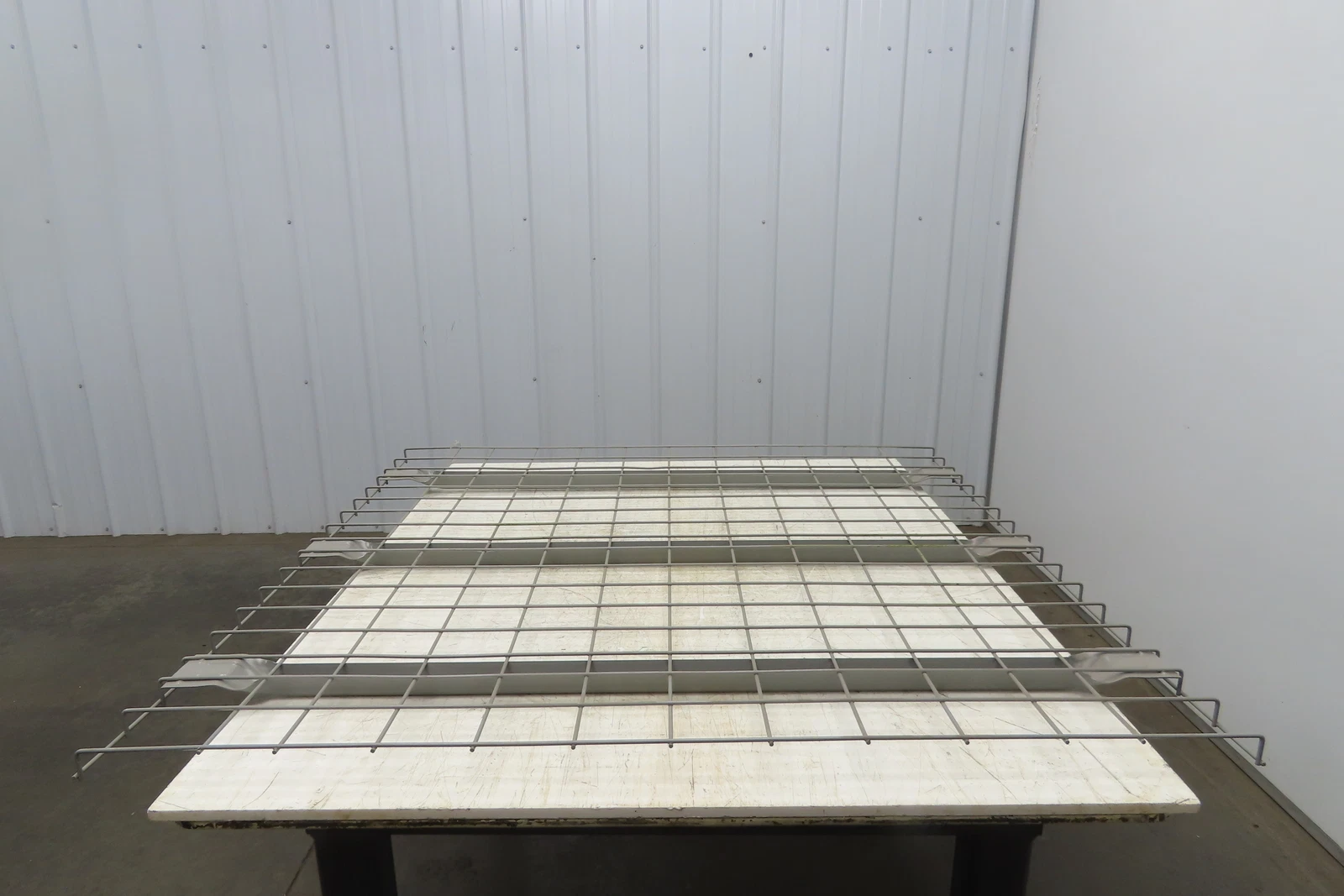
What Ethical Considerations Arise In Maximizing Storage?
What Ethical Considerations Arise In Maximizing Storage?
- Maximizing storage involves ethical responsibility that impacts lives and the environment.
- Efficient racking systems enhance organization, save time, reduce waste, and minimize workplace clutter.
- Decisions made without care can compromise safety and disrupt employee productivity.
- Consideration of the environmental footprint of racking systems is essential for sustainable practices.
- Choosing recyclable materials and designing for longevity reflect commitment to ethical stewardship.
- Trust and morale are strengthened when management prioritizes ethical storage practices.
- Effective storage solutions symbolize respect for workers, community, and the environment.

What Ethical Considerations Arise In Maximizing Storage?
Conclusion
In the realm of warehousing and logistics, the importance of storage density cannot be overstated. It’s the lifeblood of efficient operations that shapes not only how businesses function but also how they respect their workforce and environment. When we talk about maximizing storage density, it’s about more than just cramming products into a space; it’s about curating a thoughtful system that prioritizes safety, efficiency, and morale. A well-designed racking system transforms chaotic stacks into harmonious order, making every inch of space count. The satisfaction of navigating through a well-organized warehouse isn’t just practical; it’s profoundly empowering for the workers who take pride in their environment.
Yet, the ethics of optimizing storage go deeper than the operational benefits. By minimizing waste and creating an organized workplace, companies show responsibility to both their employees and the community. Streamlined processes reduce errors, which enhances customer satisfaction and fosters a narrative of trust. When workers feel valued and see their contributions aiding the company’s success, it cultivates a culture of collaboration and commitment.
The financial aspect follows suit. Low storage density equates to costly inefficiencies, wasted resources, and, ultimately, lower profits. Adopting high-density solutions means avoiding unnecessary expenditures, allowing businesses to funnel their resources into growth and quality enhancements. Investing in robust racking not only secures profits but also reinforces the quality of products that leave the warehouse, aligning with a respect for consumer expectations.
Moreover, embracing technology in storage solutions introduces a dimension of innovation. Advanced systems allow businesses to maximize vertical space, offering new avenues for efficiency and lower operational costs. This technological adaptability signals a commitment to continual improvement, showcasing an organization’s willingness to invest in itself and its people.
The essence of maximizing storage density lies in the stories that unfold in these spaces. Behind every rack are the dedication and teamwork of workers collaborating towards a common goal. Ethical practices, employee engagement, and evidence-based decision-making create a symbiotic relationship that breathes life into what could otherwise be a sterile environment. Thus, the real win in storage density isn’t merely about numbers—it’s about nurturing a thriving community that respects the hard work it takes to move products, protect margins, and foster success. In the balance of profit and responsibility, the call to action remains clear: champion a space that respects integrity, embraces innovation, and celebrates the everyday victories that come from shared effort.

Conclusion
Conclusion:
- Maximizing storage density is crucial for efficient warehousing and logistics operations.
- A well-designed racking system enhances safety, efficiency, and worker morale.
- Organized workplaces demonstrate responsibility towards employees and the community.
- High storage density reduces inefficiencies and improves financial performance.
- Investing in technology boosts vertical space utilization and lowers operational costs.
- Collaboration and ethical practices cultivate a positive workplace culture.
- Maximizing storage density nurtures a thriving community focused on success and integrity.

Conclusion
Other Resources

Other Resources
Here is a list of other resources you can review online to learn more:
- Chicago Pallet Racking
- Logic Material Handling
- Pallet Racking 101: A Comprehensive Guide & Options Explained
- Overhead Lifting
- Warehouse Automation
- Illinois Pallet Racking – WPRP
- American Surplus
- Cantilever Racking Specialists – Get the Right Racks
- What is Selective Pallet Racking
- Used Teardrop Pallet Rack – American Surplus
- Warehouse Racking Systems: Beginner’s Guide to Rack Systems
- RMI
- Storage Equipment Manufacturers’ Association
- Pallet Racking systems in Illinois, Great Lakes
- CA Wire
- Cantilever Racks Chicago
- Pallet Racks, Pallet Racking, Pallet Shelves in Stock – ULINE
- The Ultimate Pallet Racking Guide – Speedrack West
- Used Pallet Rack for Sale in Illinois – American Surplus
- Arrow Industrial Sales
Use This Prompt To Get More Resources With Your Favorite Online AI Tool: Please provide me with a list of online articles with their URLs in a bulleted list that I can read regarding Storage Density and Margin Protection

Other Resources
Glossary Terms
Storage Density and Margin Protection – Glossary Of Terms
1. Storage Density: The amount of data that can be stored in a given physical space or medium.
2. Margin Protection: A risk management strategy to minimize potential losses in trading or investments.
3. Data Integrity: The accuracy and consistency of stored data over its lifecycle.
4. Redundancy: The inclusion of extra components or systems to ensure reliability and availability.
5. Capacity Planning: The process of determining the necessary storage resources to meet expected demands.
6. Data Compression: Reducing the size of data files to save storage space and improve transfer speed.
7. Backup: The process of creating copies of data to prevent loss in case of system failure.
8. Storage Medium: The physical device used to store data, such as HDD, SSD, or tape.
9. Disaster Recovery: Strategies and processes for recovering data and systems after a catastrophic event.
10. Access Time: The time it takes to retrieve data from storage after a request.
11. Scalability: The ability to increase storage capacity as needs grow without performance loss.
12. Data Migration: The process of transferring data between storage systems or formats.
13. Retention Policy: Guidelines determining how long data should be stored before deletion.
14. Encryption: The process of converting data into a coded format to prevent unauthorized access.
15. Data Lakes: Storage repositories that hold vast amounts of raw data in its native format.
16. Latency: The delay before a transfer of data begins following an instruction for its transfer.
17. Tiered Storage: A strategy that uses multiple storage classes based on data access frequency.
18. Snapshot: A state of a system at a specific point in time, often used for backups.
19. Load Balancing: Distributing workloads across multiple resources to ensure optimal performance.
20. Archiving: The process of moving older data to a separate storage system for long-term retention.
21. Thin Provisioning: A storage management technique that allows resources to be allocated on-demand.
22. Physical Security: Measures taken to protect storage devices from physical threats and unauthorized access.
23. SLA (Service Level Agreement): A contract that defines service expectations between a provider and client, including storage performance metrics.
24. File System: A method and data structure that an operating system uses to manage files on a storage device.
25. Virtualization: The creation of virtual versions of physical storage resources for flexibility and optimization.
26. Data Lifecycle: The stages data goes through from creation and storage to archiving or deletion.
27. Capacity Utilization: The percentage of total storage capacity that is currently being used.
28. Synthetic Backup: A backup method that integrates previous backups to create a new complete backup without affecting operational performance.
29. Data Governance: The overall management of data availability, usability, integrity, and security.
30. Continuous Data Protection: A backup strategy that captures data changes in real time to ensure minimal loss in case of failure.

Glossary Of Terms
Other Questions
Storage Density and Margin Protection – Other Questions
If you wish to explore and discover more, consider looking for answers to these questions:
- What exactly is storage density and how is it measured (e.g., pallet positions per square foot, cubic utilization)?
- How do different racking systems (selective, double-deep, drive-in, push-back, pallet flow, mobile, mezzanine, AS/RS, VLM) compare in terms of density, accessibility and cost?
- Which racking system is best for my product mix, SKU velocity and picking profile?
- What are the upfront and ongoing costs associated with each storage solution?
- What is the expected return on investment (ROI) and payback period when increasing storage density?
- How do higher-density solutions affect picking speed, order accuracy and labor requirements?
- How do I calculate optimal aisle width and rack height for both density and safe forklift operation?
- What are the structural and floor-loading requirements for installing taller racking or mezzanines?
- What safety standards, building codes and racking certifications (e.g., RMI/ANSI) must be met?
- How does increased storage density impact fire suppression, sprinkler coverage and emergency egress?
- What inspection and maintenance schedule is recommended for racking systems to avoid failures?
- What are the most common failure modes (impacts, corrosion, improper installation) and how are they mitigated?
- How does maximizing density affect worker ergonomics, fatigue and injury risk?
- What training and change-management steps are required for staff when transitioning to higher-density systems?
- How should inventory management practices (FIFO, LIFO, FEFO) be adapted for different high-density approaches?
- Which technologies (WMS, barcode/RFID, pick-to-light, voice, automation, AS/RS, automated guided vehicles) best complement dense storage?
- How do I integrate new racking systems with existing warehouse management or ERP systems?
- What cybersecurity or data-integration risks come with automated, tech-enabled storage systems?
- How do refrigerated/cold-storage or hazardous materials requirements change when increasing density?
- How do denser layouts affect airflow, temperature control and product quality for perishables?
- What insurance implications or premium changes should I expect after modifying storage density?
- How do I plan for scalability and future growth when choosing a densification strategy?
- What are best practices for phasing installation to minimize downtime and disruption?
- How do retrofit options compare with full replacement in terms of cost, time and benefit?
- How do different densification strategies impact inventory visibility and cycle-count processes?
- What KPIs should be tracked to measure the success of a storage-density initiative (cost per pallet position, throughput, order cycle time, occupancy rate)?
- What common mistakes do companies make when pursuing higher storage density and how can they be avoided?
- How can layout optimization and slotting improve effective density without big capital outlays?
- What are the environmental impacts of various racking materials and how recyclable or sustainable are they?
- How should companies weigh sustainability and ethical considerations against cost and performance?
- What financing or leasing options exist for expensive racking, automation or mezzanine installations?
- How do I select and vet racking and automation vendors and installers?
- What warranties and service-level agreements should I expect from suppliers?
- How do dense storage solutions affect customer lead times, fulfillment reliability and service levels?
- What specific metrics or case studies demonstrate margin protection from increased storage density?
- How does increased density influence inventory carrying costs and working capital needs?
- Are there tax incentives, grants or regulatory programs that support warehouse modernization and densification?
- How do cultural and workforce factors (morale, pride, community) change after implementing denser storage systems?

Other Questions
Checklist
Storage Density and Margin Protection – A Checklist
Baseline and Targets
✅______ Document current storage density (pallet positions per 1,000 sq ft or per cubic foot)
✅______ Measure vertical utilization (percentage of clear height used safely)
✅______ Map average pick path distance and touches per order
✅______ Record inventory accuracy (percentage), cycle count frequency, and shrink and damage rates
✅______ Track labor cost per line or pallet, and lines picked per labor hour
✅______ Calculate occupancy cost per unit stored and per unit shipped
✅______ Set 90-day improvement targets for density, accuracy, labor, and damage
Space and Layout Fundamentals
✅______ Confirm clear measurements: building footprint, clear height, column spacing, and door locations
✅______ Eliminate dead zones; convert underused areas to storage or flow
✅______ Define zones: fast movers, bulk reserve, staging, returns, and value-add
✅______ Right-size aisles based on equipment class (standard, narrow, very narrow) with safe clearances
✅______ Establish dedicated inbound and outbound staging with capacity limits
✅______ Minimize cross-traffic and pinch points in travel paths
✅______ Post visual floor markings and lane IDs
Racking and Vertical Utilization
✅______ Select rack types to match load and velocity (selective, double-deep, drive-in, push-back, pallet flow, cantilever)
✅______ Fit beam elevations to load heights to reduce empty air (allow safe clearances)
✅______ Verify rack capacity labels and seismic compliance
✅______ Use wire decking, backstops, and pallet supports where needed
✅______ Install end-of-aisle guards and rack protection at impact points
✅______ Apply bin and level labeling, and location barcodes readable from working height
✅______ Implement a top-of-rack utilization plan (for example: slow movers and seasonal items)
Inventory and Slotting
✅______ Complete ABC and velocity analysis to drive slot assignments
✅______ Slot A items at the golden zone; minimize bending and reaching for fast picks
✅______ Group SKUs by family and packaging to reduce mispicks
✅______ Separate case-pick, each-pick, and pallet-pick zones
✅______ Define replenishment minimums, maximums, and triggers for each pick face
✅______ Remove obsolete, expired, and slow SKUs; set a disposition cadence
✅______ Standardize pallet footprints and heights; enforce packaging specifications
Workflow and Labor
✅______ Standardize receiving checks: count, quality, labeling, and dimensions
✅______ Use directed putaway rules that favor density and accessibility
✅______ Balance pick paths; avoid backtracking and congestion
✅______ Implement batch, wave, or cluster picking where appropriate
✅______ Provide ergonomic aids (such as lift tables, rollers, and handles) at high-use areas
✅______ Cross-train staff for critical roles to maintain flow
✅______ Post clear SOPs at the point of use
Safety and Compliance
✅______ Maintain required egress widths and emergency access
✅______ Keep flue spaces and sprinkler clearances unobstructed
✅______ Perform scheduled rack inspections and document repairs
✅______ Set safe stacking limits and secure loads (wrapping and strapping standards)
✅______ Enforce speed limits and right-of-way rules for equipment
✅______ Provide PPE and certify operators for equipment in use
✅______ Conduct incident reviews and corrective actions promptly
Technology and Data
✅______ Use a WMS or IMS with location control and real-time inventory
✅______ Enable barcode or RFID scanning for all moves (receiving, putaway, picking, and shipping)
✅______ Track slot accuracy, dwell time, and location utilization analytics
✅______ Consider AS/RS, shuttles, VLMs, or mobile racking where volumes justify
✅______ Integrate dimensioning and weighing to validate cube and optimize slotting
✅______ Deploy mobile devices with clear RF workflows and error prompts
✅______ Back up data and maintain system downtime procedures
Cost and Margin Controls
✅______ Monitor cost-to-serve by SKU and channel (labor, storage, and damage)
✅______ Measure pick productivity and replenishment efficiency weekly
✅______ Track damage and return rates; tie them back to locations and handling
✅______ Benchmark storage cost versus alternative space or 3PL options
✅______ Use KPIs to trigger reslotting and layout changes
✅______ Validate ROI for upgrades (racking, technology, and equipment) with payback windows
✅______ Negotiate supplier packaging to improve cube and reduce touches
Sustainability and Stewardship
✅______ Specify durable, repairable racking, and recycle damaged steel and wood
✅______ Standardize reusable pallets and totes where feasible
✅______ Reduce overpackaging and void fill; right-size cartons
✅______ Implement energy-efficient lighting and charging schedules
✅______ Track waste streams and diversion rates from landfill
✅______ Assess noise, dust, and traffic impacts on workers and neighbors
✅______ Publish a simple policy on safe, efficient, and responsible storage
Team Engagement and Culture
✅______ Involve operators in layout and slotting decisions
✅______ Run quarterly kaizen events focused on density and flow
✅______ Recognize ideas that cut travel, errors, or damage
✅______ Share KPI boards visibly on the floor
✅______ Provide refresher training for SOP changes
✅______ Capture lessons learned from peak seasons and special projects
✅______ Maintain an open channel for hazard and improvement reporting
Readiness and Maintenance
✅______ Schedule preventive maintenance for racks, lifts, and conveyors
✅______ Keep a critical spares list (beams, uprights, anchors, and wheels)
✅______ Calibrate scanners, scales, and dimensioners regularly
✅______ Audit labels, signage, and floor markings for legibility
✅______ Verify housekeeping standards (5S) daily
✅______ Stress-test staging capacity for peak volumes
✅______ Validate emergency drills and equipment quarterly
Quarterly Audit Summary
✅______ Density improved versus target
✅______ Accuracy and damage within thresholds
✅______ Labor productivity on plan
✅______ Safety incidents reduced or stable
✅______ ROI on changes tracked and verified
✅______ Next quarter’s top three actions identified and assigned

Checklist
At RackingWorld, we help guide you through selecting warehouse storage systems and racking.
Be sure to read our other related stories at RackingWorld to learn more about warehouse storage systems.
0 Comments