
Empowering Efficiency: Transforming Replenishment For Lasting Impact
By Tom Seest
At RackingWorld, we help guide you through selecting warehouse storage systems and racking.
Be sure to read our other related stories at RackingWorld to learn more about warehouse storage systems.
Designing for Smooth Replenishment Cycles
When it comes to smooth replenishment cycles, it’s all about knowing what’s around the corner. In the world of inventory, timing can feel like a game of chess. One wrong move and the whole operation stumbles. Racking systems aren’t just metal and wood; they are the backbone of a well-oiled machine, helping to keep things in check. This isn’t just about moving products from A to B; it’s about the peace of mind that comes from knowing you’ve got what you need when you need it.
Consider the worker on the floor, who has seen firsthand how delays cause frustration and ripple effects throughout the entire operation. She understands that if one shelf is out of stock, it can hold up an entire assembly line. This is where solid designs in racking systems come into play. It’s not just about fitting in as many boxes as possible; it’s about thinking ahead—designing systems that allow for easy access, visibility, and control. That’s how we build a rhythm, a cycle that flows seamlessly.
Now, maybe it’s easy to forget the human side of this puzzle. Behind every product is a person counting on it. There’s a connection there, an understanding of the importance of getting things done right. When we speak of replenishment cycles, we’re talking about reliability. Trust comes when systems are designed not just to hold stock, but to respect the people who depend on them. It’s about creating a workspace where every team member feels confident that the product will be available when needed, leading to smoother operations and, ultimately, customer satisfaction.
Let’s tackle the ethics here. Designing for these cycles means we’re considering the environment, too. Efficient racking systems reduce waste by optimizing space and promoting better inventory practices. When we act responsibly, we inspire others to do the same. It’s a simple idea—if your racking systems are smart and sustainable, everyone benefits.
Lastly, these systems should tell a story—your story. A successful replenishment cycle doesn’t just happen. It’s built on years of experience, trial and error, and a concerted effort to learn from past mistakes. Sharing these lessons creates a culture of improvement and camaraderie, uniting everyone around a common goal. Each racking system should echo this ethos, reminding us that behind every product is a journey marked by hands-on experience and a commitment to doing things right.

Designing for Smooth Replenishment Cycles
Designing for Smooth Replenishment Cycles
- Successful replenishment cycles rely on anticipating inventory needs, akin to a chess game.
- Racking systems are integral to operations, providing reliability and peace of mind in inventory management.
- Designing accessible and visible racking systems prevents delays and maintains assembly line flow.
- The human aspect of inventory relies on trust and respect for those who depend on the products.
- Efficient racking systems help reduce waste and promote sustainability in inventory practices.
- Sharing experiences and lessons fosters a culture of improvement and teamwork in the workspace.
- Every racking system reflects a commitment to quality and the journey behind each product.

Designing for Smooth Replenishment Cycles
Table Of Contents
- Designing for Smooth Replenishment Cycles
- What Challenges Do You Face In Managing Inventory Levels?
- How Does Product Availability Impact Customer Satisfaction?
- What Strategies Help Maintain a Steady Supply Chain Flow?
- How Can Technology Enhance Replenishment Efficiency?
- Are Your Suppliers Aligned with Your Replenishment Goals?
- What Role Does Data Analysis Play In Order Forecasting?
- Conclusion
- Other Resources
- Glossary Of Terms
- Other Questions
- Checklist
What Challenges Do You Face In Managing Inventory Levels?
Managing inventory levels is a balancing act that often feels like walking a tightrope. Every product on the shelves tells a story, and every decision impacts the livelihood of a business. You might find yourself staring at racks filled with items—some moving out the door like hotcakes, while others gather dust like old memories. It’s not just about counting boxes; it’s about understanding the heartbeat of your operation.
One major challenge is predicting demand. It’s like trying to figure out the weather a month in advance. You can look at patterns and trends, but nothing beats the reality of customer behavior. If you overstock, you end up with excess inventory just sitting in your racking systems, draining your resources. This translates into wasted money, and it can feel like pouring hard-earned cash down the drain. On the flip side, understocking can spell disaster; shelves that are bare send customers running straight to the competition. Each choice weighs heavy, stirring frustration and anxiety.
Then there’s the emotional aspect—the pressure to fulfill orders on time, the fear of disappointing loyal customers, and the weight of knowing that your decisions impact your team’s livelihoods. You’re not just managing numbers; you’re managing people’s lives, their hopes for a paycheck, their dreams for a stable job. That connection is what makes the challenge not just logistical, but personal.
Let’s talk about space—an often-overlooked battlefront. Every inch on the floor matters, and when space is tight, that can lead to chaotic stocking practices. The efficiency of your racking systems can either simplify or complicate your operations. Optimizing that space can save time and hassle, but making the wrong call can lead to headaches that echo down the supply chain.
Ethically, there’s a responsibility to handle inventory truthfully, avoiding the temptation to misrepresent stock levels just to save face. Integrity in managing inventory builds trust—not just with customers, but within the team as well. When everyone understands the challenges and sees transparent actions, it strengthens the bond and fosters a supportive culture.
In a world where every retailer seems to feel the pinch, facing these challenges requires the grit and resolve that comes from hands-on experience. It’s about finding that sweet spot in the middle of chaos, learning from the bumps along the way, and realizing that effective inventory management is not just a process, but a craft rooted in common sense and a genuine respect for everyone affected by our decisions.

What Challenges Do You Face In Managing Inventory Levels?
What Challenges Do You Face In Managing Inventory Levels?
- Managing inventory involves balancing supply and demand, akin to walking a tightrope.
- Predicting demand is challenging and can lead to overstocking or understocking issues.
- Excess inventory results in wasted resources, while bare shelves may drive customers to competitors.
- The emotional burden includes meeting customer expectations and influencing employees’ livelihoods.
- Space optimization is crucial for efficient inventory management and operational effectiveness.
- Ethical inventory practices foster trust among customers and team members.
- Effective inventory management is a skill developed through experience and respect for all stakeholders.

What Challenges Do You Face In Managing Inventory Levels?
How Does Product Availability Impact Customer Satisfaction?
When you walk into a store, there’s nothing worse than finding the shelf bare when you’re looking for that one item that could make your day. Whether it’s the latest tool to tackle a home project or a simple ingredient for a family meal, availability can make or break that experience. Picture a father trying to fix a leaking sink on a Saturday morning. He’s on a time crunch, kids are running around, and he just wants to grab a replacement part. Only—no luck. That frustration isn’t just about the product; it seeps into the entire day, impacting his mood and, ultimately, the family’s enjoyment.
Product availability isn’t just a practical concern; it strikes a chord emotionally. It touches on our expectations. When shoppers invest their time and energy into a brand, they form a connection, often basing their loyalty on trust and reliability. They want to feel that their needs are understood and prioritized. A brand that consistently stocks what customers want creates a sense of reassurance, almost a pact. When a store frequently runs out of popular items, customers might start to feel like an afterthought, leading to discontent and a search for alternatives.
On a rational level, think about the economics. Businesses thrive on repeat customers. When stocks run low, sales plummet, and that translates to lost revenue. A well-run operation understands this balance and manages inventory effectively. Companies that employ racking systems to maximize their stock potential show they’re committed to maintaining that flow.
Ethically, it comes down to respect. Brands owe it to their customers to deliver on promises. A store that runs out of products may not just lose a sale; it can lose respect and loyalty. Reliability isn’t just good business; it’s good ethics. People want to support businesses that honor their commitments and evolve based on customer needs.
Stories about brands going the extra mile to meet customer demands resonate well. Perhaps a small local hardware store reaches out to loyal customers, letting them know when the exact part they need is back in stock. These efforts build community and trust.
Ultimately, the essence of successful businesses lies in understanding that product availability impacts not just satisfaction but emotional connections. It fosters loyalty born out of shared experiences and a grounded commitment to serving customers. When businesses take this to heart, they don’t just fill shelves; they build relationships that last.

How Does Product Availability Impact Customer Satisfaction?
How Does Product Availability Impact Customer Satisfaction?
- Product availability enhances customer experience and satisfaction.
- Emotional connections arise from reliability and trust in a brand.
- Frequent stockouts can lead to customer discontent and loss of loyalty.
- Businesses benefit economically from repeat customers and effective inventory management.
- Maintaining stock reflects a brand’s commitment to customer needs and respect.
- Brands that engage with customers to inform them of restocks build community and trust.
- Successful businesses understand that availability influences emotional connections and loyalty.

How Does Product Availability Impact Customer Satisfaction?
What Strategies Help Maintain a Steady Supply Chain Flow?
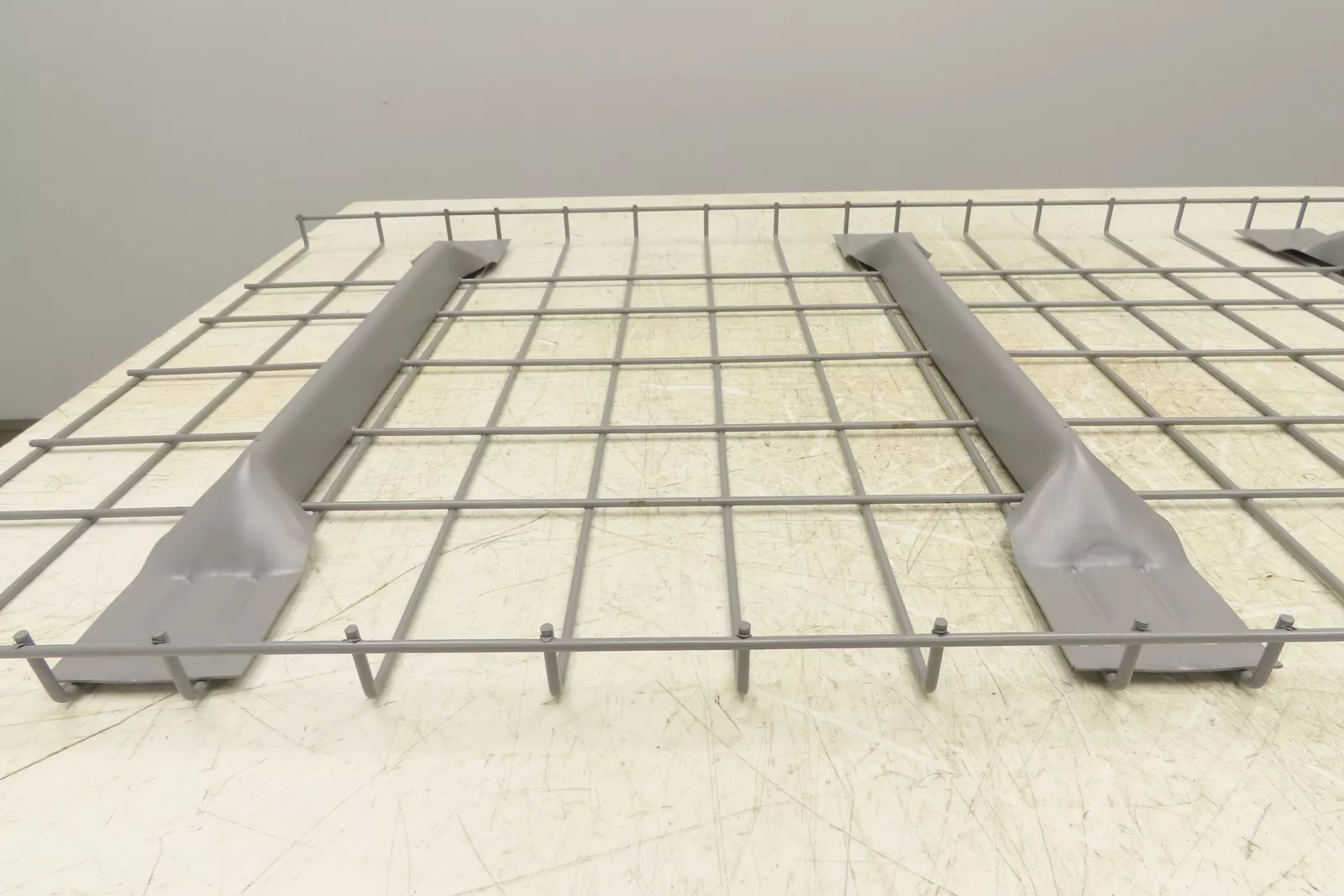
When you think about keeping a supply chain moving smoothly, it often comes down to a few key strategies built on practical experience. First off, investing in efficient racking systems can streamline operations. Imagine a warehouse where every item has its designated spot, making retrieval as easy as pie. This isn’t just about aesthetics; it’s about getting products in and out without wasting time hunting. It’s like having a toolbox where every tool is hanging up, ready to grab when you need it.
Next, it’s essential to embrace technology that fosters communication between all players in the supply chain. Simple tools can make a world of difference. When everyone—suppliers, manufacturers, and retailers—are on the same page, it ensures that everyone knows what’s coming and what’s going out. This clarity cuts down on errors and builds a sense of teamwork that goes beyond just numbers on a ledger. It taps into that human connection, reminding us that we’re all in this together.
Let’s not forget about flexibility. A solid strategy hinges on the ability to adapt to changing circumstances. Think of weathering storms—sometimes, you have to adjust your sails to keep moving forward. If a supplier runs into trouble, having backup plans or alternative suppliers can make all the difference. It’s about resilience, which is a trait every seasoned professional knows well.
Investing in relationships is another vital piece of the puzzle. Establishing solid connections with suppliers and customers fosters trust. It’s a handshake that goes a long way and can lead to favorable terms and better service when the chips are down. Those relationships often yield insights and opportunities that technology simply can’t provide. It’s about cultivating that sense of community where everyone feels invested in the outcome.
Moreover, regularly reviewing and refining processes can prevent bottlenecks that slow everything down. An honest evaluation—like asking, “What can we do better?”—can unveil hidden gaps just waiting to be fixed. It encourages a culture of continuous improvement, where everyone feels empowered to make a difference.
In this busy world, maintaining a steady supply chain flow is more than just a task; it’s about connecting people and ideas through tangible efforts. By blending solid strategies with heartfelt relationships and a mind for innovation, businesses can ensure their supply chains remain resilient and ready for whatever comes next.
What Strategies Help Maintain a Steady Supply Chain Flow?
What Strategies Help Maintain a Steady Supply Chain Flow?
- Invest in efficient racking systems for streamlined operations and easy retrieval of items.
- Embrace technology that enhances communication among suppliers, manufacturers, and retailers.
- Maintain flexibility to adapt to changing circumstances and develop backup plans.
- Invest in relationships with suppliers and customers to foster trust and collaboration.
- Regularly review and refine processes to prevent bottlenecks and encourage continuous improvement.
- Connect people and ideas to maintain a steady supply chain flow through tangible efforts.
- Blend solid strategies with relationships and innovation to ensure supply chain resilience.

What Strategies Help Maintain a Steady Supply Chain Flow?
How Can Technology Enhance Replenishment Efficiency?
In a world where every minute counts, technology becomes the unsung hero on the factory floor or in the warehouse. Imagine a day when you walk into your facility, and everything is running like a well-oiled machine. Racking systems are neatly organized, items are stocked exactly where they need to be, and replenishment happens without a hitch. That’s not just a dream; it’s the reality that technology can create.
When you think about it, replenishment efficiency isn’t merely a fancy term for supply chain jargon; it’s about people’s lives, too. Workers depend on a smooth flow of materials to do their jobs effectively. With the aid of smart inventory management systems, businesses can track stock levels in real-time. This means no more frantic searches for a misplaced item or wasted time waiting for supplies. Those on the front lines deserve tools that make their work easier and allow them to focus on what they do best—getting the job done.
Let’s get into the nitty-gritty. Advanced software and automation can optimize racking systems, reducing waste and improving space utilization. Picture this: a team that works with one another, thanks to data-driven insights displayed on screens that tell them exactly what needs replenishing. These systems build a rhythm—the heart of the operation starts beating steadily, reducing frustration and increasing satisfaction among workers.
In terms of ethics, adopting these technologies isn’t just smart business; it’s about respect for every individual’s time and effort. Investing in efficient systems shows that a company values its people, its resources, and its mission. Everyone wants to feel that they’re part of something bigger, contributing to a shared goal. By embracing these advancements, a company can foster trust—workers know they are supported and equipped to handle the demands of their roles.
Imagine sharing those success stories with friendlier competition across your industry. Companies that tackle replenishment challenges head-on can lead by example, encouraging others to elevate their standards, too. It’s about creating a community rooted in collaboration and shared growth.
So, let’s take a step forward, armed with the right technology and mindset. Trust in the systems you employ, empower your team, and watch as replenishment efficiency rises like never before. After all, when technology meets the hands and hearts of dedicated workers, incredible things can happen.

How Can Technology Enhance Replenishment Efficiency?
How Can Technology Enhance Replenishment Efficiency?
- Technology enhances efficiency on factory floors and in warehouses.
- Workers rely on a smooth flow of materials for effective job performance.
- Smart inventory management allows real-time stock level tracking.
- Advanced software optimizes racking systems, reducing waste and improving space utilization.
- Data-driven insights promote teamwork and streamline replenishment processes.
- Investing in technology reflects respect for workers’ time and effort, fostering trust and motivation.
- Companies can lead by example and encourage industry collaboration through shared success stories.

How Can Technology Enhance Replenishment Efficiency?
Are Your Suppliers Aligned with Your Replenishment Goals?
In the fast-paced world of supply chains, your suppliers are more than just vendors; they’re partners in a well-oiled machine that keeps your operations moving. Think of your warehouse filled with racking systems, each shelf meticulously planned not just to hold stock, but to anticipate needs. When you assess your suppliers, you’re really examining the heart of your replenishment strategy. You want to be certain that each supplier aligns not just with your pragmatic needs but resonates with your values and vision.
Picture a small, family-owned supplier who knows your business like the back of their hand. They understand that delays in delivery don’t just disrupt schedules; they could mean disappointed customers and lost revenue. Trust has been built over years, and each conversation feels less like a transaction and more like a collaboration. This connection, this reliance, goes beyond contracts; it finds its roots in shared goals and mutual respect. Good suppliers challenge you to think bigger, ensuring your racking systems aren’t just filled to the brim, but organized to optimize flow and functionality.
Let’s talk numbers. Rational thinking tells us that suppliers must deliver on time and within budget to keep our margins healthy. Yet, the implications stretch deeper than mere financial figures. A reliable supplier means fewer headaches down the road, less emergency ordering, and a smoother operation. When your need for replenishment is met without hiccups, you can focus on growing the business, innovating for your customers, and building a reputation for reliability.
Consider the ethical side of things. Choosing suppliers who practice sustainability, treat their workforce right, and contribute positively to their communities not only aligns values, but also enhances your brand’s story. Your choice impacts more than your bottom line; it reflects the kind of business you wish to run—a responsible one that can proudly stand by its commitments.
We’ve all heard stories of how a misaligned supplier can break confidence, lead to stockouts, and tarnish reputations. As you reflect on your supplier relationships, think about where they stand on your journey. Engaging suppliers who work as allies can elevate your entire operation. Build those relationships grounded in trust and accountability, and watch your replenishment goals transform from mere targets into shared achievements. Choose wisely, and together, let’s keep those racking systems not just stocked but thriving.

Are Your Suppliers Aligned with Your Replenishment Goals?
Are Your Suppliers Aligned with Your Replenishment Goals?
- Suppliers are essential partners in the supply chain and play a critical role in operations.
- Assessing suppliers involves aligning their capabilities with your values and vision.
- Building trust and collaboration with suppliers enhances operational efficiency and customer satisfaction.
- Reliable suppliers contribute to smoother operations and reduced emergency ordering.
- Ethical sourcing, sustainability, and positive community impact enhance brand reputation.
- Misaligned suppliers can disrupt operations and harm business credibility.
- Strong supplier relationships are key to achieving replenishment goals and operational success.

Are Your Suppliers Aligned with Your Replenishment Goals?
What Role Does Data Analysis Play In Order Forecasting?
In today’s world, where every penny counts and every decision could mean the difference between a thriving business and one that just survives, data analysis has become the unsung hero in order forecasting. With the right tools and know-how, business owners can transform raw numbers into a roadmap for success. This isn’t just about crunching numbers; it’s about making sense of the chaos and predicting future demand with the confidence of a well-trained mechanic diagnosing a worn-out engine.
Picture a busy warehouse filled with racking systems, each shelf a testament to hard work and organization. But without data analysis, that warehouse is just a jumble of stock waiting for direction. By looking at previous sales patterns, seasonal fluctuations, and even current market trends, businesses can forecast what products will fly off the shelves and which ones will gather dust. The beauty lies in the ability to lean on concrete data rather than gut feelings alone. It’s about having a reliable GPS for navigating the often-turbulent waters of inventory management.
But it goes deeper than just numbers; it taps into the emotional heartbeat of a business. Imagine a small-town shop that consistently runs out of popular items because it couldn’t predict demand. Customers leave disappointed, and trust erodes. Conversely, when a business uses data analysis effectively, it sees happy customers returning, forging connections and cultivating loyalty. The stories of satisfied customers become a powerful narrative, showcasing how thoughtful analysis leads to better service and stronger relationships.
On a practical level, having accurate forecasts means fewer missed opportunities and minimized losses. When you know what to expect, you can plan better, allocate resources smarter, and keep those racking systems filled with the right stock. No one wants to face the frustration of overstocking or having too little stock on hand. It’s about maintaining a balance that supports not only the business’s bottom line but also its ethics—ensuring that resources are utilized effectively without waste.
In an era where collaboration and community matter more than ever, data analysis fosters that spirit. It empowers teams to work together, aligning their efforts towards common goals. This shared success builds a culture of trust and accountability, creating an environment where everyone thrives. So, the next time you think about forecasting, remember that it’s more than just numbers; it’s about building a brighter future for your business and those it serves.

What Role Does Data Analysis Play In Order Forecasting?
What Role Does Data Analysis Play In Order Forecasting?
- Data analysis is crucial for order forecasting, turning raw numbers into actionable insights for businesses.
- Understanding sales patterns, seasonal trends, and market dynamics aids in accurate product forecasting.
- Data-driven forecasts prevent stockouts and overstocking, enhancing inventory management.
- Effective data analysis fosters customer loyalty by ensuring popular items are in stock, improving trust and satisfaction.
- Accurate forecasts lead to better resource allocation and minimized losses, supporting ethical business practices.
- Collaboration is strengthened through data analysis, aligning team efforts towards shared goals and cultivating a thriving work culture.
- Forecasting transcends numbers, aiming to build a sustainable future for both businesses and their customers.

What Role Does Data Analysis Play In Order Forecasting?
Conclusion
Designing for smooth replenishment cycles stands as a testament to the synergy between efficiency and human connection in the world of inventory management. The backbone of operations lies in well-crafted racking systems that do more than just store items—they serve a purpose: to ensure that products are available when needed, mitigating delays that frustrate workers and disrupt teams. Each piece of inventory tells a story, and managing it with foresight leads to a rhythm in operations that is both reliable and efficient.
The challenge of predicting demand can feel like an uphill battle, akin to reading the weather months in advance. With a careful balance between overstocking and understocking, businesses must navigate these waters judiciously, recognizing that each decision impacts livelihoods. It’s essential to understand that behind every product is a person who relies on the consistency of stock to fulfill their role effectively.
Space management cannot be overlooked; every inch in a workplace carries weight, echoing the importance of effective racking designs. The ethical implications also extend beyond logistics: earning customer trust through transparency builds a culture of loyalty and integrity, fostering a supportive workplace environment. When inventory is managed with honesty, it strengthens bonds within teams, creating a robust company culture that values each member’s contribution.
When considering product availability, the emotional ties bind customers to their shopping experiences. A bare shelf can lead to frustration, impacting not just the individual’s day but their overall perception of a brand. Therefore, fulfilling consumer demands fosters not only satisfaction but loyalty, as reliable product availability resonates deeply with customers. Businesses that optimize their inventory management will find that maintaining flow leads to far-reaching benefits.
Technology now plays a crucial role in enhancing replenishment efficiency. Smart systems connect employees, streamline tasks, and minimize wasted time. These tools, when trusted and effectively integrated, empower workers, helping them focus on what truly matters. Additionally, aligning with suppliers who share these values paves the way for a more resilient supply chain. Strong partnerships cultivate trust and create an environment where businesses can thrive.
In conclusion, effective replenishment is not merely about logistics; it’s a philosophy steeped in humanity, responsibility, and shared growth. Each step taken toward refining processes, respecting relationships, and embracing technology encourages a cycle of improvement that ultimately benefits all parties involved in the inventory landscape. Engaging with these principles leads not only to operational success but also to a community that stands united, sharing in achievements and lessons learned along the journey.

Conclusion
Conclusion:
- Replenishment cycles enhance efficiency and foster human connection in inventory management.
- Well-designed racking systems ensure product availability and reduce delays affecting workers.
- Predicting demand requires careful balancing to avoid overstocking and understocking.
- Space management is crucial, as every inch in a workplace significantly impacts operations.
- Transparency in inventory management builds customer trust and strengthens team bonds.
- Technology plays a vital role in improving replenishment efficiency and empowering workers.
- Effective replenishment is a philosophy that leads to operational success and a supportive community.

Conclusion
Other Resources

Other Resources
Here is a list of other resources you can review online to learn more:
- International Warehouse Logistics Association
- Pallet Racking systems in Illinois and Great Lakes
- IWLA
- Warehouse Racking Layout: The Ultimate Guide – Conger
- Teardrop Racks – Pallet Rack World
- Interlake Mecalux
- American Surplus
- IIWS Inc. Rack Installation Illinois & Rack Repairs Illinois
- Material Handling Industry
- Pallet Racking systems in Illinois, Great Lakes
- Shipping Boxes, Packaging Materials, Pallet Racking
- Chicago Pallet Racking
- Illinois Pallet Racking – Storage Solutions
- Used Teardrop Pallet Rack – American Surplus
- Selective Pallet Racking Systems
- Selective Racking
- ASSP
- Pallet Racking 101: A Comprehensive Guide & Options Explained
- What is Selective Pallet Racking
- National Safety Council
Use This Prompt To Get More Resources With Your Favorite Online AI Tool: Please provide me with a list of online articles with their URLs in a bulleted list that I can read regarding Designing for Smooth Replenishment Cycles

Other Resources
Glossary Terms
Designing for Smooth Replenishment Cycles – Glossary Of Terms
1. Replenishment: The process of refilling stock or resources to maintain supply levels.
2. Supply Chain: A network involved in the production, handling, and distribution of goods.
3. Inventory Turnover: A ratio showing how many times inventory is sold and replaced over a period.
4. Lead Time: The amount of time needed to fulfill a customer’s order.
5. Demand Forecasting: Predicting future customer demand for products or services.
6. Just-In-Time: An inventory strategy to increase efficiency by receiving goods only as needed.
7. Stock Keeping Unit (SKU): A unique identifier for each distinct product and service that can be purchased.
8. Safety Stock: Extra inventory kept on hand to prevent stockouts due to variability in demand or supply.
9. Cycle Counting: A method of taking inventory that involves counting a portion of the inventory in rotation.
10. Reorder Point: The inventory level at which a new order should be placed to replenish stock.
11. Economic Order Quantity (EOQ): A formula used to determine the optimal order quantity that minimizes total inventory costs.
12. Backordering: A customer order that is not fulfilled at the time of purchase but will be delivered later.
13. Bullwhip Effect: A phenomenon in supply chains where small changes in consumer demand cause larger fluctuations in demand at the wholesale, distributor, manufacturer, and raw material supplier levels.
14. Consignment: An arrangement where goods are held by a retailer but paid for only when sold.
15. Inventory Optimization: The process of adjusting inventory levels to minimize costs and maximize service levels.
16. Demand Variability: Fluctuations in customer demand for products over time.
17. Automated Replenishment: Technology-driven systems that manage the restocking of products autonomously.
18. Stockout: A situation where inventory is depleted, preventing sales.
19. Product Lifecycle: The stages a product goes through from development to decline in the market.
20. Distribution Center: A warehouse or storage facility where goods are stored before being sent to retailers or customers.
21. Vendor-Managed Inventory (VMI): A supply chain initiative where the supplier manages the inventory of their products at the retailer’s location.
22. Unit of Measure: The standard quantity used to measure and track inventory items.
23. Cross-Docking: A logistics practice where incoming shipments are directly transferred to outbound transport with minimal storage time.
24. Fulfillment Center: A type of warehouse used to accept, process, and ship ecommerce orders.
25. Lean Inventory: An inventory strategy aimed at reducing waste and enhancing efficiency.
26. Inventory Aging: Tracking how long products have been in inventory and their sales performance over time.
27. Demand Planning: The process of forecasting customer demand to ensure adequate product availability.
28. Slotting: The process of assigning the right products to the right locations in a warehouse for efficiency.
29. Product Assortment: The variety of products offered for sale, impacting inventory strategies.
30. Inventory Visibility: The ability to track and manage inventory levels across the supply chain in real time.
Glossary Of Terms
Other Questions
Designing for Smooth Replenishment Cycles – Other Questions
If you wish to explore and discover more, consider looking for answers to these questions:
- What are the upfront and ongoing costs of upgrading racking systems?
- How do I calculate optimal safety stock levels for different SKUs?
- Which KPIs best measure replenishment efficiency and performance?
- How quickly can new racking designs or technologies be implemented with minimal disruption?
- What ROI and payback period should I expect from automation or inventory-management software?
- How do I choose between FIFO, LIFO, FEFO, or other inventory rotation methods?
- How should replenishment strategies change to handle seasonal or promotional demand spikes?
- How do I integrate racking/warehouse systems with ERP, WMS, and supplier systems?
- What data quality standards and cleansing steps are needed for accurate forecasting?
- Which forecasting methods (statistical, machine learning, collaborative) work best for my product mix?
- How do I evaluate and select suppliers who truly align with replenishment goals?
- What contractual terms and SLAs should be in place with suppliers (lead times, penalties, communication)?
- What contingency plans and supplier diversification strategies reduce disruption risk?
- What are best practices for cycle counting, regular inventory audits, and reconciliation?
- How do racking design and layout impact worker ergonomics, safety, and throughput?
- What sustainability metrics should I track for racking systems and inventory practices?
- How can I quantify environmental impact reductions from optimized storage and replenishment?
- What training and change-management steps are required for staff when new systems are introduced?
- How should returns, damaged goods, and quality exceptions be handled within replenishment cycles?
- How can racking and replenishment processes scale as the business grows or product lines expand?
- What are common implementation pitfalls and how can they be avoided?
- What roles do barcode, RFID, and IoT sensors play, and what are typical costs and benefits?
- How can I optimize space utilization within a constrained warehouse footprint?
- How should replenishment differ for omnichannel operations versus single-channel retail?
- How do I determine appropriate reorder points and reorder quantities (EOQ) for varied SKUs?
- What are the trade-offs between centralized vs. decentralized inventory locations?
- What regulatory, fire-code, or hazardous-materials considerations affect racking and storage?
- How do I ensure data security and vendor compliance when adopting cloud-based inventory tools?
- How can replenishment be coordinated effectively with production schedules and lead times?
- Are there industry benchmarks or case studies that demonstrate successful replenishment redesigns?
- How can frontline workers be engaged to contribute to design improvements and continuous improvement?
- How often should replenishment processes, forecasts, and supplier agreements be reviewed?
- How can improved product availability be directly linked to customer-satisfaction metrics and revenue?
- What financing or leasing options exist to fund racking, automation, or software investments?

Other Questions
Checklist
Designing for Smooth Replenishment Cycles – A Checklist
Vision and Goals
✅______ Target service levels and fill rate goals defined by category and channel
✅______ Stockout tolerance and substitution rules documented
✅______ Clear ownership for forecasting, replenishment, and inventory accuracy
Racking and Layout Design
✅______ Racking enables easy access, visibility, and control for fast replenishment
✅______ Forward-pick and reserve locations defined for high-velocity SKUs
✅______ Slotting based on velocity, size, weight, and ergonomics
✅______ FIFO, LIFO, or FEFO policy aligned with product requirements and enforced
✅______ Aisle widths, clearances, and load ratings compliant and posted
✅______ Location IDs, signage, and labels clear and durable
✅______ Safe, dedicated lanes for replenishment that do not block picking
Inventory Policy and Demand Planning
✅______ Forecasts incorporate seasonality, promotions, and market trends
✅______ Reorder points and min-max levels calibrated to demand and lead time variability
✅______ Safety stock set using defined service level targets
✅______ ABC classification used to focus controls and counting frequency
✅______ Slow-mover and obsolete stock strategy in place (markdowns, liquidation)
✅______ Cycle counting program with reconciliation and root cause actions
✅______ Returns, damages, and rework flows standardized
Technology and Data
✅______ Real-time inventory visibility across sites and channels
✅______ Automated replenishment triggers (ROP, Kanban, system suggestions)
✅______ Mobile scanning for receiving, putaway, picking, and counts
✅______ Exception alerts for low stock, late POs, and forecast errors
✅______ Slotting and space optimization tools utilized and reviewed
✅______ Dashboards for OTIF, fill rate, turns, days of supply, accuracy
✅______ Data hygiene standards (SKU attributes, UOM, pack sizes) enforced
Supplier Alignment and Sourcing
✅______ Supplier scorecards tracking OTIF, quality, lead time, MOQ compliance
✅______ Dual or backup sourcing for critical SKUs and components
✅______ Shared forecasts and collaboration cadence established
✅______ SLAs for lead times, packaging, labeling, and ASN/EDI defined
✅______ Ethical, labor, and sustainability standards confirmed
✅______ Regular business reviews with corrective action plans
Operations and Flow
✅______ Standard replenishment windows, cutoffs, and task priorities set
✅______ Defined pick paths to minimize travel and congestion
✅______ Staging areas for inbound, cross-dock, and returns organized
✅______ Visual controls (bin flags, Kanban cards, color codes) in place
✅______ 5S audits and housekeeping standards maintained
✅______ Clear escalation path for exceptions and shortages
Product Availability and Customer Experience
✅______ In-stock targets by SKU class and channel monitored daily
✅______ Backorder, partial-ship, and substitution rules configured
✅______ Proactive customer notifications for out-of-stock (OOS) and accurate ETAs
✅______ Priority allocation rules for key accounts and critical orders
Risk and Resilience
✅______ Contingency plans for supplier, transport, and system disruptions
✅______ Time and capacity buffers for seasonal peaks
✅______ Critical SKU list with expedited procurement and fulfillment paths
People, Training, and Culture
✅______ Role clarity for planners, buyers, and floor teams
✅______ Cross-training to cover absences and peak loads
✅______ Ergonomic and safety training for replenishment tasks
✅______ Feedback loop from floor to planning for continuous fixes
✅______ Recognition for accuracy, uptime, and improvement ideas
Ethics and Sustainability
✅______ Space and route optimization to reduce waste and energy use
✅______ Reusable packaging, pallet, and dunnage standards adopted
✅______ Transparent, accurate stock reporting and KPI sharing
Continuous Improvement
✅______ Weekly review of exceptions and systemic root causes
✅______ Quarterly slotting and layout refresh based on data
✅______ Post-mortems on stockouts and overstocks with actions tracked
✅______ Pilot-and-scale approach for new tech and process changes
✅______ SOPs documented and updated after improvements

Checklist
At RackingWorld, we help guide you through selecting warehouse storage systems and racking.
Be sure to read our other related stories at RackingWorld to learn more about warehouse storage systems.
0 Comments