
Protect Lives And Livelihoods: The Heart Of Rack Safety Compliance
By Tom Seest
At RackingWorld, we help guide you through selecting warehouse storage systems and racking.
Be sure to read our other related stories at RackingWorld to learn more about warehouse storage systems.
Osha Guidelines for Rack Safety
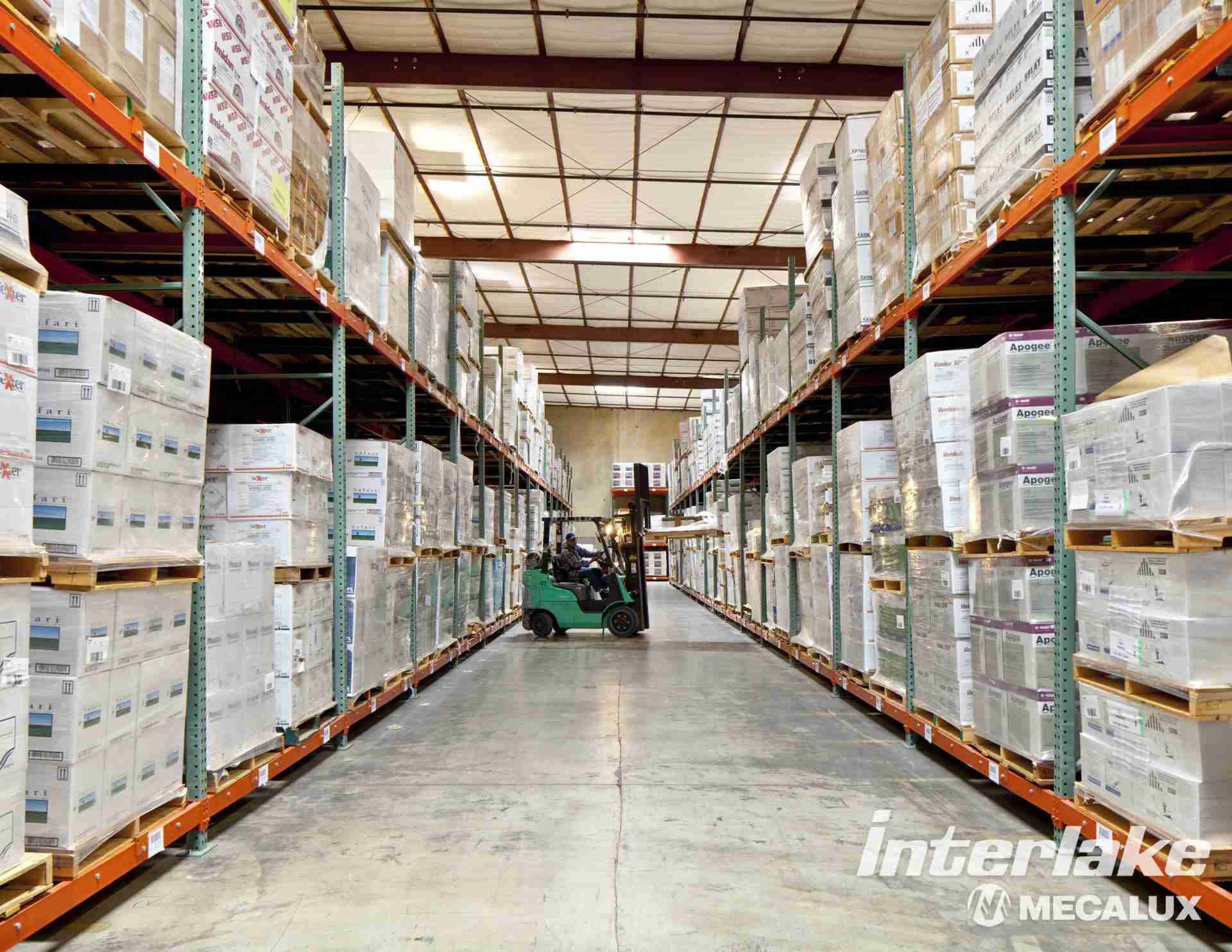
When you walk into a warehouse, the sight of towering racking systems filled to the brim with stock can be both impressive and intimidating. These structures hold the lifeblood of operations, the products that keep businesses running. But with great height comes great responsibility. OSHA guidelines for rack safety aren’t just a set of rules; they represent the difference between a smooth-running operation and a disaster waiting to happen.
Every worker knows that safety starts with solid equipment. Racking systems are designed to optimize storage, but if they aren’t properly maintained or installed, they can become a hazard. It’s crucial to conduct regular inspections and follow the necessary guidelines to ensure the integrity of the system. Imagine knowing that a simple check can prevent a load from toppling over and causing injuries. It’s a tangible way to protect yourself and your teammates, reinforcing a culture of safety.
Failing to adhere to these guidelines isn’t just a risk to life and limb; it can lead to expensive damage and liability for the company. Ethics come into play here. Every worker deserves a safe environment. Following OSHA guidelines is not only the law—it’s a moral responsibility. When companies invest in safety, they showcase their commitment to the well-being of their employees. This bond fosters a sense of trust, knowing that the company values its people.
Furthermore, safe practices can be the backbone of productivity. An operation that prioritizes proper racking systems and adherence to safety guidelines can see fewer accidents and a more efficient workflow. When workers feel secure, their focus shifts from worrying about their safety to performing their tasks with confidence.
There’s also an element of community in this. Each warehouse is a hub where people come together, and a culture of safety creates unity. When everyone pulls together to uphold OSHA standards, it creates an environment where workers look out for one another, sharing knowledge and experiences that can lead to better practices.
In storytelling, we learn from the past. Many accidents have occurred due to negligence around racking systems, and thankfully, we have guidance like OSHA guidelines to steer us clear of those tragedies. Embracing these standards is not just about compliance; it’s about weaving safety into the fabric of our daily operations and ensuring that every worker goes home in one piece. When we prioritize safety, we build workplaces where people not only work hard but thrive together.

Osha Guidelines for Rack Safety
Osha Guidelines for Rack Safety
- Warehouse racking systems are vital for operations but require proper maintenance.
- OSHA guidelines are essential for preventing accidents and ensuring safety.
- Regular inspections of racking systems can prevent injuries and property damage.
- Adhering to safety guidelines is a moral responsibility and fosters trust in the workplace.
- Safe practices enhance productivity and allow workers to focus on their tasks.
- A culture of safety promotes community and collaboration among workers.
- Embracing safety standards is crucial for protecting workers and ensuring operational success.
Osha Guidelines for Rack Safety
Table Of Contents
- Osha Guidelines for Rack Safety
- What Are the Key Osha Guidelines for Rack Safety?
- How Can Rack Safety Prevent Workplace Injuries?
- What Legal Implications Arise From Rack Safety Violations?
- How Does Proper Rack Safety Improve Productivity?
- What Training Is Required for Employees on Rack Safety?
- How Can We Assess the Stability Of Our Racking Systems?
- Conclusion
- Other Resources
- Glossary Of Terms
- Other Questions
- Checklist
What Are the Key Osha Guidelines for Rack Safety?
What Are the Key OSHA Guidelines for Rack Safety?
When it comes to racking systems, safety isn’t just a buzzword; it’s the backbone of a well-functioning workplace. It’s easy to overlook those towering racks filled with products, but remember that every box and pallet represents a potential hazard if not properly managed. OSHA guidelines provide essential standards aimed at safeguarding workers, and understanding these can make all the difference.
The heart of the matter lies in the emotional impact of workplace injuries. Picture this: a busy warehouse, the hum of machinery, and employees moving swiftly to meet targets. Now, envision that sudden crash as a poorly secured load topples, endangering lives. It’s a stark reminder that those racks, while efficient, demand respect and diligence. Following OSHA guidelines ensures that every worker can clock out at the end of the day, returning home safe to their loved ones, not carrying the weight of a workplace accident.
Rationally, adhering to these guidelines translates to fewer accidents and, ultimately, cost savings. Regular inspections, proper training, and maintenance of racking systems aren’t just box-checking exercises; they prevent loss of life and productivity. A well-maintained system provides a solid foundation for operation, reducing the chances of costly disruptions. Invest a little time and resources now, and you’ll save a lot of heartache—and money—down the line.
Ethically, it’s about accountability and creating a culture of safety. Employers hold the responsibility not just to meet OSHA standards but to foster an environment where safety is ingrained in daily practices. Workers should feel empowered to speak up about hazards and confident that their concerns will be addressed. Racking systems should enable, not endanger, the workforce.
From an authority perspective, OSHA has laid out clear guidelines: ensure the racking systems are designed for the load capacities, conduct frequent inspections, and train all employees on proper loading and unloading techniques. These standards are based on extensive research and real-world incidents, making compliance not just wise, but essential.
On a personal level, we all have stories about close calls or narrowly avoided injuries—those moments stick with you. Remembering them can inspire action. Together, by promoting safe practices in racking systems, we can create shared narratives of success instead of regret.
So next time you step into that warehouse, look up. Consider those racks as partners in productivity rather than mere storage. Let’s commit to making every shift safer, ensuring every worker goes home with stories worth telling.

What Are the Key Osha Guidelines for Rack Safety?
What Are the Key Osha Guidelines for Rack Safety?
- OSHA guidelines are crucial for ensuring safety in racking systems within the workplace.
- Improperly managed racks can pose significant hazards, risking worker safety.
- Adherence to OSHA standards leads to fewer accidents and cost savings through regular inspections and training.
- Employers must cultivate a safety culture, empowering workers to report hazards without fear.
- OSHA mandates include ensuring racking systems meet load capacities and staff is trained in safe loading techniques.
- Personal experiences with close calls underline the importance of safety practices in racking systems.
- Viewing racks as productivity partners fosters a commitment to workplace safety.
What Are the Key Osha Guidelines for Rack Safety?
How Can Rack Safety Prevent Workplace Injuries?
In the hustle and bustle of a busy warehouse, it’s easy to overlook the quiet sentinel of safety that’s right under our noses: the racking systems. These structures, vital for organization and efficiency, can quickly turn from helpful to hazardous if not properly maintained. It’s not just about rules and regulations; it’s about looking out for each other. When a load falls from a poorly designed racking system, it’s not just equipment that gets damaged—it’s real lives that hang in the balance, often causing pain that echoes far beyond the workplace.
Picture your buddy Mike, a hard worker with kids at home. He’s just doing his job when a stack of boxes teeters off an overloaded shelf. In that split second, a common day at work turns into a nightmare. Injuries can change everything—lost wages, missed family time, and the haunting worry of what the future holds. This is where rack safety steps in, a bulwark against these dangers. We’re not just talking about compliance with industry standards; we’re talking about a culture of care that resonates through every aisle, through every employee.
Implementing robust rack safety measures—like regular inspections and proper load limits—is an investment in our workforce. It’s acknowledging that every member of the team adds value and deserves to return home safe. Beyond being a rational decision for productivity, it’s an ethical commitment to your colleagues. Safety protocols instill confidence and foster an environment where everyone knows that their well-being matters. No one should feel anxious walking beneath a racking system; they should feel empowered, knowing that their workplace prioritizes their safety.
The importance of proper racking systems extends beyond the individual; it entwines with the fabric of the workplace community. Imagine a culture where everyone is vigilant, caring for one another like family. When we all pull together to maintain a safe environment, we’re not just preventing injuries; we’re building trust, reinforcing bonds, and setting an example for future generations.
Connecting with the sheer responsibility that comes with ensuring safety in the workplace isn’t just a task—it’s a calling. With every safe day that passes, we’re saying, “We care. We’ve got your back.” It’s this spirit that turns a simple system of racking into a fortress of safety, solid as steel, standing as a testament to the strength of teamwork against the unseen threats of the working world.
How Can Rack Safety Prevent Workplace Injuries?
How Can Rack Safety Prevent Workplace Injuries?
- Racking systems are crucial for safety and efficiency in warehouses.
- Poorly maintained racking can lead to serious injuries and damage, affecting lives beyond work.
- Injuries from racking incidents can result in lost wages and family time.
- Implementing rack safety measures, like inspections and load limits, enhances workforce safety and morale.
- A culture of care and vigilance among employees strengthens workplace community and trust.
- Safety in the workplace is an ethical commitment, ensuring everyone returns home safely.
- Promoting safety fosters teamwork and prepares future generations for responsible workplace practices.
How Can Rack Safety Prevent Workplace Injuries?
What Legal Implications Arise From Rack Safety Violations?
When it comes to Racking Systems, the implications of safety violations can hit harder than a heavy load falling from a faulty shelf. This isn’t just about misplaced boxes; it’s about people’s lives, jobs, and livelihoods. Picture this: an employee reaches for a pallet high up, trusting that the racking is secure. If it isn’t, what follows can be tragic, leading to injuries that could have been avoided. The reality is, the stakes are high, and so are the consequences.
Legally, companies must comply with safety regulations. When these regulations are disregarded, the fallout can be significant. Businesses face fines and penalties, which might seem like just numbers on a ledger. But let’s break it down: those fines come from somewhere—often impacting the paychecks of employees and job stability. An organization’s reputation can take a dive too. Customers and clients don’t want to partner with those who cut corners on safety; they want assurance that their goods—and the people handling them—are safe.
Beyond financial risks, ethical obligations are at play. Each warehouse belongs to hardworking individuals, families relying on those jobs to make ends meet. Ignoring safety protocols sends a message that profit outweighs people. That’s not just bad business; it’s a betrayal of trust. Think about the worker who gets hurt on the job. The repercussions ripple through their family, their community, and could even strain the very fabric of the workplace.
In the long run, negligence in racking safety can lead to civil lawsuits. Affected employees could claim damages for medical expenses, lost wages, and emotional distress. A courtroom isn’t just about legalese; it’s about lives disrupted, carelessness confronted, and accountability demanded. Every glaring safety violation could become a story of pain that a judge and jury must reckon with.
Consider this: organizations that take rack safety seriously not only protect their workers but also foster a culture of care and responsibility. As stories of safety violations resound, those who act proactively to maintain Racking Systems gain not just legal compliance but the respect of their teams. This insistence on safe practices turns employees into advocates for their own welfare, creating a workplace committed to collective well-being. Prioritizing safety is not just a legal obligation—it’s a moral one, driven by a commitment to do right by everyone who steps into that facility. Trust in safety builds a stronger, more resilient workforce, ready to face the challenges ahead.
What Legal Implications Arise From Rack Safety Violations?
What Legal Implications Arise From Rack Safety Violations?
- Safety violations in racking systems pose serious risks to employee lives and jobs.
- Failure to comply with safety regulations can result in significant fines and reputational damage.
- Ignoring safety protocols affects employee paychecks and job stability.
- Neglecting safety sends a message that profit is prioritized over people, leading to a betrayal of trust.
- Negligence can result in civil lawsuits for medical costs, lost wages, and emotional distress.
- Organizations prioritizing rack safety foster a culture of responsibility and care among employees.
- Trust in safety enhances workforce resilience and commitment to well-being.

What Legal Implications Arise From Rack Safety Violations?
How Does Proper Rack Safety Improve Productivity?
Proper rack safety isn’t just a set of rules; it’s the backbone of a thriving workplace that affects everyone from the floor to the executive suite. When you take a moment to invest in racking systems that are safe and sturdy, you’re not just ticking boxes—you’re laying down a foundation for a more productive environment. Employees are more likely to focus on their tasks instead of worrying about accidents or injuries. That peace of mind translates into increased efficiency and output.
Think about it: a well-maintained racking system means less downtime. When racks are organized and stable, products are easier to find and access. That means workers spend less time looking for items and more time getting things done. When you consider the hours saved on the floor, it becomes clear just how much impact proper rack safety can have. Every minute saved is money in the bank, and that’s something everyone can understand.
Furthermore, there’s a strong ethical aspect to investing in quality racking systems. Providing a safe workspace shows that you value your team. When employees see that their safety is a priority, it fosters loyalty and boosts morale. People want to work for a company that cares about their well-being and gives them the tools to succeed. They’ll put in the hard work, knowing their employer stands behind them. This creates a strong, inclusive culture where everyone feels part of something bigger.
Stories of narrow escapes from workplace accidents are far too common, but they don’t have to be part of your narrative. Consider the worker who slipped while retrieving items from a makeshift rack—an accident that could have been avoided with proper safety measures in place. By ensuring that your racking systems are secure and well-organized, you create an environment where these near-misses become stories of the past. It’s about more than just safety; it’s about nurturing a culture of respect and care.
When the whole team rallies around safety, it binds them together. There’s a shared understanding that everyone is in this together. The commitment to proper rack safety can foster a sense of camaraderie, building trust across the workforce. It’s not merely about regulations; it’s about real people working hard to support one another. When you prioritize proper racking and maintain that commitment, you’ll find that productivity naturally follows. The benefits ripple out, improving not just the bottom line but the entire workplace atmosphere.

How Does Proper Rack Safety Improve Productivity?
How Does Proper Rack Safety Improve Productivity?
- Proper rack safety is essential for a productive workplace, affecting all levels of staff.
- Investing in safe racking systems reduces accidents and increases employee focus and efficiency.
- A well-maintained racking system minimizes downtime by improving item accessibility.
- Quality racking systems demonstrate a company’s commitment to employee safety, fostering loyalty and morale.
- Preventing accidents creates a culture of respect and care within the workplace.
- Team commitment to safety builds trust and camaraderie among employees.
- Prioritizing proper racking enhances both productivity and overall workplace atmosphere.

How Does Proper Rack Safety Improve Productivity?
What Training Is Required for Employees on Rack Safety?
When it comes to warehouse work, few things can make your heart race quite like the thought of a racking system loaded to the brim and ready to topple. It’s not just a fear of broken goods; it’s about the safety of each person on the floor. The importance of rack safety training can’t be overemphasized. It’s not just a box to check off during onboarding; it’s a lifeline that connects the workforce and the workplace, ensuring everyone can leave their job whole and safe at the end of the day.
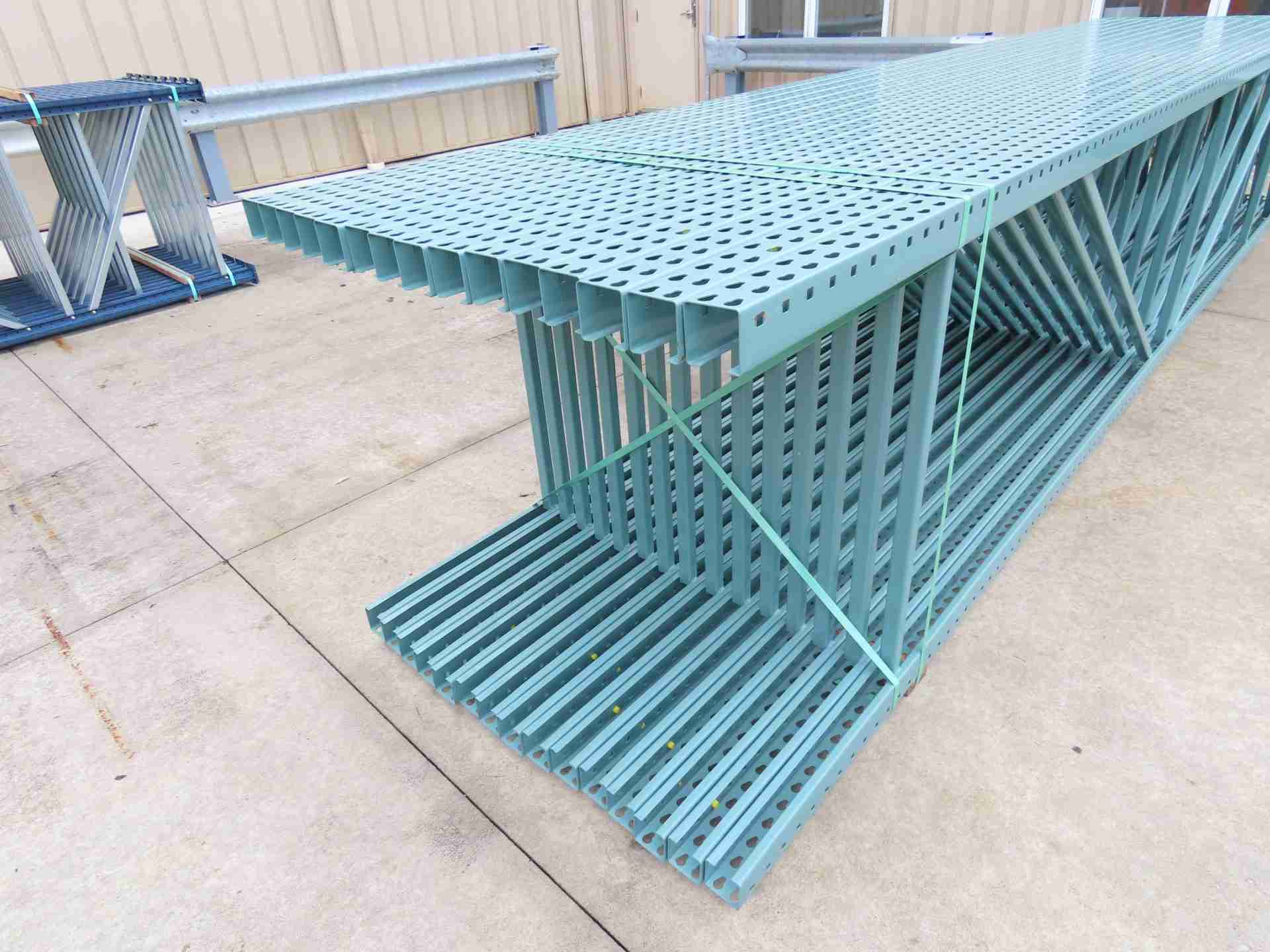
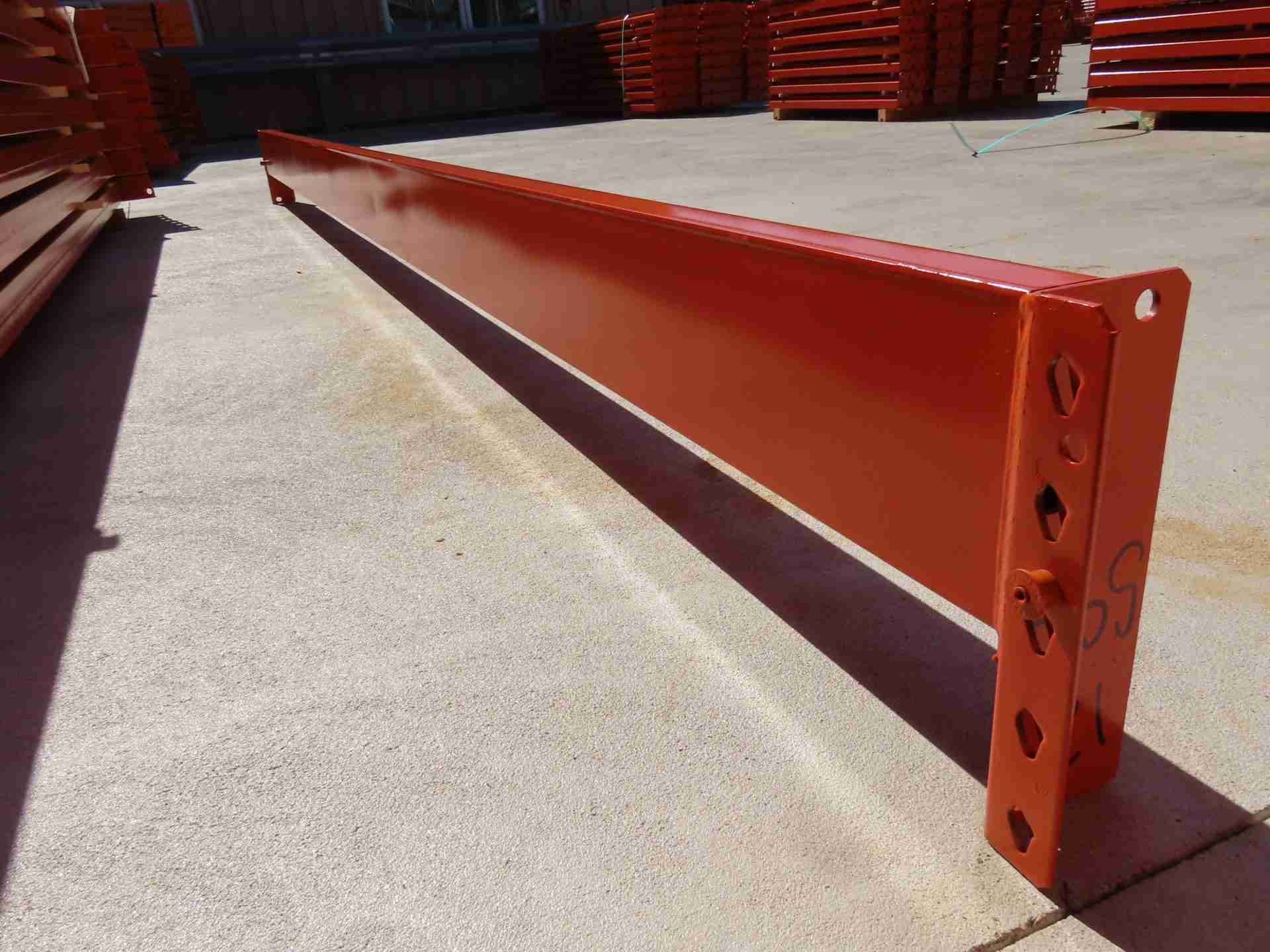
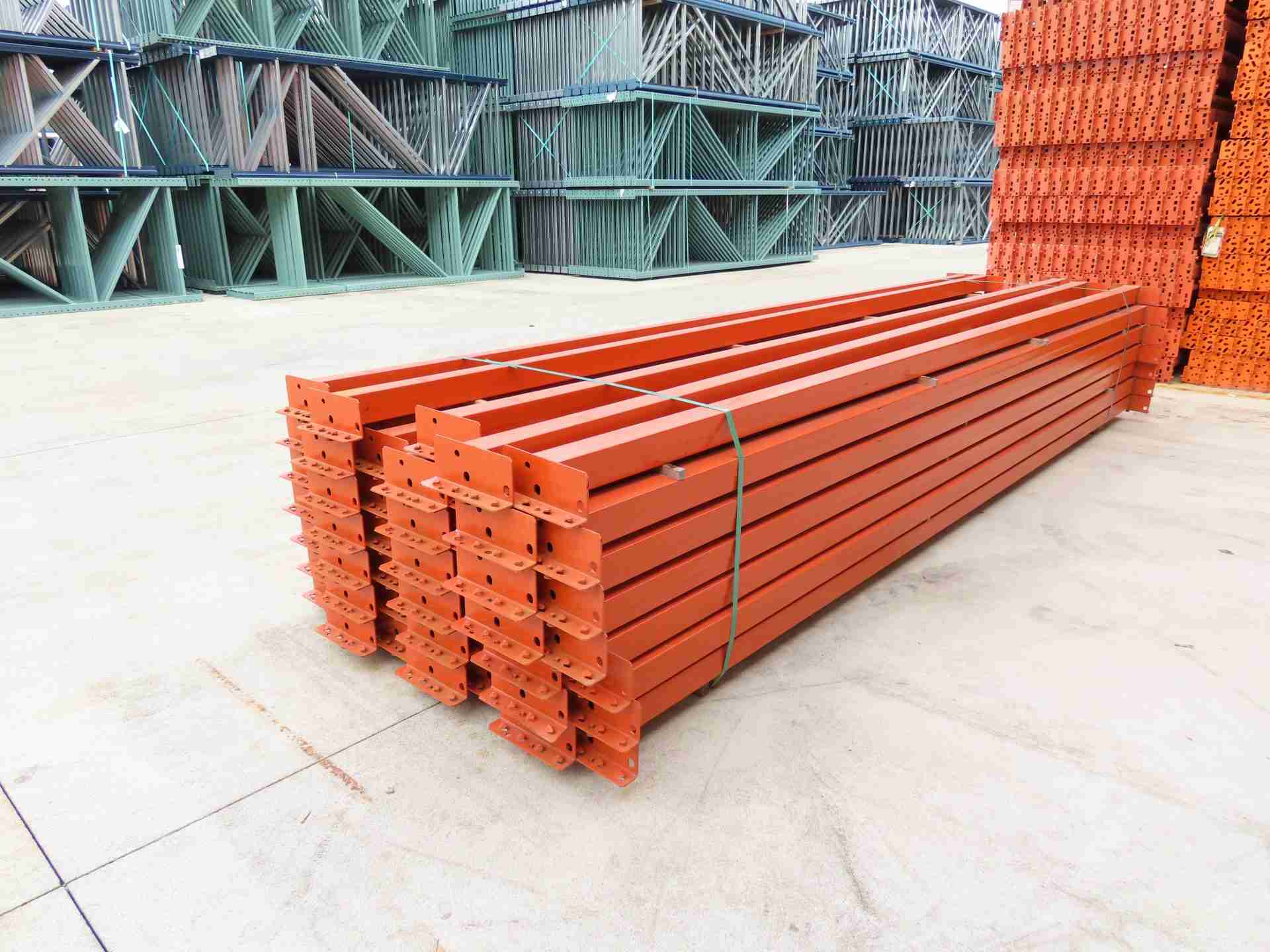
First off, hands-on training is vital. Employees need to get up close and personal with the racking systems they’ll be handling daily. They should learn to recognize potential hazards—like how to identify signs of wear or damage on those steel beams that hold so much weight. It’s not enough to just memorize safety protocols; they need to feel them in their bones. Real stories—whether it’s about an unfortunate accident or a near miss—can drive the point home. These narratives remind us that complacency can lead to reality crashing down, literally.
Equally, employees must grasp the rational side of rack safety. Understanding load limits, the physics behind weight distribution, and how racks are engineered can transform casual workers into safety advocates. It’s about more than just keeping inventory organized; it’s about protecting lives. When you educate your team on the why behind these guidelines, you give them the tools they need to make sound decisions on the job.
From an ethical perspective, providing adequate training demonstrates that a company values its employees. It shows that their well-being matters more than mere productivity. By investing time and resources into comprehensive rack safety training, employers foster trust. Workers can feel confident knowing that their organization is committed to ensuring a safe working environment. They’re not just another cog in the machine; they are integral to a culture that prioritizes safety.
Lastly, embrace the social aspect. Encourage experienced team members to mentor newcomers. Create a culture where discussing safety is normal. This camaraderie strengthens bonds and makes every employee feel they have a role in maintaining a safe workspace. Everyone should feel comfortable speaking up if something doesn’t look right.
Training for rack safety isn’t just a requirement; it’s a commitment to each other. It’s about going home to our families, knowing we did our part to safeguard ourselves and our coworkers. In the world of racking systems, a little knowledge can go a long way in keeping everyone upright—both physically and emotionally.
What Training Is Required for Employees on Rack Safety?
What Training Is Required for Employees on Rack Safety?
- Rack safety training is crucial for protecting the workforce and ensuring a safe work environment.
- Hands-on training allows employees to identify hazards and understand safety protocols through real stories and experiences.
- Understanding load limits and weight distribution empowers employees to become safety advocates.
- Providing adequate training shows a company values its employees’ well-being over productivity.
- Investing in comprehensive training fosters trust and a culture of safety among workers.
- Encouraging mentorship and open discussions about safety promotes camaraderie and accountability.
- Training for rack safety is a commitment to safeguard employees and their families, enhancing overall well-being.

What Training Is Required for Employees on Rack Safety?
How Can We Assess the Stability Of Our Racking Systems?
Assessing the stability of our racking systems is more than a checklist; it’s about ensuring the safety and efficiency of our workplaces. Imagine a warehouse where every item is secure, and each worker moves with confidence. Much like the bones in our bodies, racking systems support the structure of our daily operations. An unstable rack isn’t just an inconvenience; it can lead to injuries, lost products, and costly downtime.
Start by taking a good, hard look at your racking systems. Check for bent beams or signs of wear and tear. Don’t ignore the little things — a slight wobble today might signal a bigger issue tomorrow. It’s like keeping an eye on your old truck; if it starts acting funny, you don’t drive it to the far end of the state. Regular inspections aren’t just about compliance; they build a culture of safety that resonates throughout the entire team. Everybody wants to go home in one piece after a hard day’s work, and knowing that the racking systems are solid gives peace of mind.
Beyond inspections, let’s talk about training. It’s crucial that everyone understands how to load racks correctly and knows the limits. This isn’t just a box-checking exercise; it’s about protecting one another. Every team member plays a role in the workplace, and their actions directly impact the stability of the racking systems. Sharing experiences or near-misses creates a bond, reinforcing the idea that we’re all in this together. Teach each other what stability looks like; discuss stories where things went right or wrong, making the issue real and relatable.
Next, think about the materials used in your racking systems. Quality matters. You wouldn’t build a house out of flimsy materials, so why would you compromise in your racking systems? Cheaper isn’t better when it comes to safety. Invest in reliable products that stand the test of time and loads. It’s a long-term investment that pays off not just in dollars but in employee trust and morale.
Lastly, consider engaging with industry standards and experts who can offer insight into best practices. Getting a fresh perspective can illuminate blind spots and strengthen your systems. When you take these steps, you’re fostering an environment where safety and reliability aren’t just buzzwords but a way of life. Strengthening our racking systems creates a foundation for success, ensuring everyone leaves the job site as they arrived — safe and sound.

How Can We Assess the Stability Of Our Racking Systems?
How Can We Assess the Stability Of Our Racking Systems?
- Assessing racking system stability ensures safety and efficiency in workplaces.
- Regular inspections help identify issues like bent beams and wear and tear.
- Training is essential for understanding correct loading practices and limits.
- Team cohesion is reinforced by sharing experiences and near-misses.
- High-quality materials are crucial for the reliability of racking systems.
- Engagement with industry standards and experts can improve practices and insights.
- Prioritizing safety fosters an environment where everyone leaves the job site safe and sound.

How Can We Assess the Stability Of Our Racking Systems?
Conclusion
In the world of warehousing, the towering racking systems are a sight to behold, yet they come with significant responsibility. OSHA guidelines surrounding rack safety aren’t merely bureaucratic formalities; they’re vital to the well-being of every worker. A well-maintained racking system is paramount to both the physical safety and mental peace of everyone involved. Regular inspections and adherence to guidelines are low-cost investments that can prevent catastrophic accidents. It’s not just about compliance; it’s about creating a workplace where people feel secure in their environment.
The emotional reality of workplace injuries is stark—losing a colleague or seeing someone hurt can leave scars that extend past the workplace. Every worker deserves to clock out at the end of the day and return home safe, free from the burden of worry or regret. Ethically, it is imperative for companies to prioritize safety, thus demonstrating that they genuinely value their people. This commitment cultivates trust and morale among workers, fostering a culture where safety is a shared responsibility.
Racking safety isn’t just a legal obligation; it’s about looking out for one another. Imagine the camaraderie that flourishes in environments where safety protocols form a shared narrative, where workers not only collaborate but become advocates for safety. Each safety measure reinforces the foundation of teamwork and community within the warehouse.
On a practical level, adherence to safety standards translates directly into improved productivity. A secure environment reduces downtime and compels workers to focus on their tasks without the distraction of potential disasters looming overhead. Safe racking systems enhance operational efficiency; when items are readily accessible and well-organized, the entire team benefits.
Training plays a crucial role in rack safety. It’s not enough to check a box during hiring; fostering a culture of learning ensures that everyone understands the importance of load limits and proper equipment use. Encouraging seasoned workers to mentor newcomers builds rapport and transmutes safety measures from abstract concepts into living practices that become instinctive.
Let’s remember that the real measure of racking safety lies not just in compliance but in how these systems are integrated into daily operations. By prioritizing safe practices, organizations are laying a positive groundwork for their entire workforce, reflecting a commitment to not just productivity, but to the people behind the processes. The way forward is to cultivate these values deep within the fabric of workplace culture, where every worker can flourish, together, under the same protective roof.
Conclusion
Conclusion:
- Racking systems in warehouses require significant responsibility and adherence to OSHA guidelines for worker safety.
- Regular inspections and guideline adherence are low-cost investments that help prevent catastrophic accidents.
- Creating a safe workplace enhances mental peace and cultivates trust and morale among workers.
- Camaraderie flourishes in environments where safety protocols are shared, promoting teamwork and community.
- Adherence to safety standards improves productivity by reducing downtime and minimizing distractions.
- Training is essential for ensuring proper understanding of load limits and equipment use among all workers.
- Prioritizing safe practices reflects a commitment to the workforce and fosters a positive workplace culture.
Conclusion
Other Resources
Other Resources
Here is a list of other resources you can review online to learn more:
- MHI
- Warehouse Racking Layout: The Ultimate Guide – Conger
- What is Selective Racking: Understanding Benefits & Options
- Selective Rack – Raymond West
- Logic Material Handling
- International Warehouse Logistics Association
- Wolter
- Cantilever Racks Chicago
- Teardrop Pallet Rack – Ridg-U-Rak
- Mustang Material Handling
- Interlake
- Warehouse Automation
- Arrow Industrial Sales
- Illinois Pallet Racking – Storage Solutions
- Pallet Racks, Pallet Racking, Pallet Shelves in Stock – ULINE
- Teardrop Pallet Rack – Ridg-U-Rak
- Pallet Rack Systems – New and Used Pallet Racking and Shelving Experts
- Teardrop Uprights
- SEMA
Use This Prompt To Get More Resources With Your Favorite Online AI Tool: Please provide me with a list of online articles with their URLs in a bulleted list that I can read regarding Osha Guidelines for Rack Safety

Other Resources
Glossary Terms
Osha Guidelines for Rack Safety – Glossary Of Terms
1. Accessory: Items used to enhance the safety and functionality of racks, such as safety straps or load dividers.
2. Audit: A systematic examination of a facility’s rack systems to ensure compliance with safety standards.
3. Capacity: The maximum load a rack system can safely support without risk of failure.
4. Clearance: Space needed around racks for safe operation and maintenance access.
5. Deflection: The degree a rack can bend or deform under load, impacting its integrity.
6. Inspection: A thorough evaluation of rack systems to identify potential hazards or damage.
7. Loading: The process of placing items on racks, which must be done within weight limits for safety.
8. Pallet: A flat structure used for storing or transporting goods, commonly utilized on racks.
9. Rack Conversion: Modification of existing racks to improve safety and functionality.
10. Rack Design: The structural planning and engineering involved in creating safe and efficient rack systems.
11. Rack System: An assembly of components designed to store goods in a vertical or horizontal arrangement.
12. Restraint: Mechanisms used to secure loads on racks to prevent movement or falling.
13. Safety Barrier: Protective structures used to shield racks from physical damage by equipment or vehicles.
14. Safety Factor: A design criterion that provides a margin of safety beyond expected loads.
15. Shelving: Horizontal surfaces within racks for the purpose of storing items securely.
16. Sway Brace: A diagonal support used to stabilize rack structures and prevent tipping.
17. Tagging: Labeling of racks and loads to indicate compliance and inspection history.
18. Torque: The rotational force applied to rack components, critical in securing them properly.
19. Training: Instruction provided to staff on safe rack usage and maintenance procedures.
20. Inspection Frequency: The recommended intervals at which racks should undergo safety checks.
21. Load Distribution: The even spreading of weight across a rack to minimize stress on individual components.
22. Configuration: The arrangement and design of racks to optimize space and safety.
23. Spacing: The distance between racks and adjacent structures, ensuring safe access and operation.
24. Vertical Storage: The practice of using height in storage solutions to maximize floor space.
25. Compliance: Adhering to OSHA and industry standards regarding rack safety.
26. Material Handling: The movement, protection, and control of goods throughout the manufacturing and warehousing process.
27. Stability: The ability of a rack system to maintain its position and integrity under load.
28. Load Limit: An established maximum weight that a rack can safely support.
29. Work Zone: The area around rack systems designated for safe operation and maneuvering.
30. Hazard Assessment: Identifying potential risks associated with rack systems to implement preventive measures.

Glossary Of Terms
Other Questions
Osha Guidelines for Rack Safety – Other Questions
If you wish to explore and discover more, consider looking for answers to these questions:
- What specific OSHA standards and code sections govern rack and pallet racking safety?
- How often should racking systems be inspected and who is qualified to perform those inspections?
- What items should be included on a racking inspection checklist?
- How do you determine the safe load capacity for a particular rack or beam?
- How should load capacities be labeled and communicated to employees?
- What are best practices for proper pallet placement and load distribution?
- When is a damaged rack component repairable versus when must it be replaced?
- What approved repair methods and materials should be used for racking systems?
- How should racks be anchored to the floor and what are anchoring requirements?
- What special considerations apply to racking in seismic or high-wind regions?
- How can racks be protected from forklift impacts and what types of guards or protectors are recommended?
- What training topics, frequency, and documentation are required for employees who load, unload, or inspect racks?
- How should incidents, near-misses, and rack damage be documented and reported internally?
- What are OSHA’s enforcement procedures and typical penalties for rack safety violations?
- How do OSHA requirements compare with ANSI/RMI (Rack Manufacturers Institute) standards and when should each be applied?
- When is it necessary to engage a structural engineer for rack design, layout, or post-damage assessment?
- What are acceptable methods for modifying existing racking systems (extensions, relocations, retrofits)?
- How should hazardous materials or irregularly shaped loads be stored on racking systems?
- What types of wire decking, backstops, or pallet supports are required or recommended for particular applications?
- How is deflection measured and how much deflection is acceptable for beams and uprights?
- How should temperature, humidity, and corrosive environments influence racking selection and maintenance?
- What personal protective equipment (PPE) and safe work practices are required when working near racking?
- How should rack safety be integrated into pre-shift inspections, SOPs, and the site’s overall safety management system?
- What documentation and records (inspection logs, repair records, training certificates) must be retained and for how long?
- How do insurance requirements and premiums change based on rack safety practices and incident history?
- What are the most common rack safety violations and proactive steps to prevent them?
- How should a facility respond operationally and legally after a rack collapse or major rack-related injury?
- What metrics and KPIs best measure the effectiveness and ROI of rack safety programs?
- How should temporary storage, overflow areas, and pallet-stacking practices be managed to avoid overloading racks?
- What qualifications and scope should third-party rack inspection or certification services provide?
- How do different rack types (selective, drive-in, push-back, cantilever, mezzanine) affect safety requirements and inspection focus?
- What are the recommended procedures for labeling rack aisles, load limits, and traffic patterns to improve safety?
- How should employee reports of damaged or unsafe racks be handled to ensure timely corrective action?
- What are practical, low-cost interventions that immediately reduce rack-related risks in a busy operations environment?

Other Questions
Checklist
Osha Guidelines for Rack Safety – A Checklist
Pre-Design and Installation
✅______ Rack system engineered and specified for intended loads, pallets, equipment, and building conditions (including seismic and wind, where applicable)
✅______ Manufacturer drawings, installation manuals, and capacity data available on site
✅______ Components compatible (same manufacturer and model where required)
✅______ Floor suitable for loads; slab condition verified before installation
✅______ Uprights plumb and level within manufacturer tolerances
✅______ Base plates installed; all anchors present, tight, and undamaged
✅______ Beam connectors fully seated; locking pins or clips installed at every beam
✅______ Row spacers installed for back-to-back rows; top ties used where required
✅______ Wire decking and pallet supports installed where specified and rated for loads
✅______ End-of-aisle guards, column protectors, and rack end barriers installed
✅______ Load capacity plaques posted at each rack or bay (clear and legible)
✅______ Aisle widths adequate for equipment turning and safe operation
✅______ Fire protection clearances and flue spaces maintained per local codes
✅______ Lighting sufficient for safe loading and unloading and for inspections
✅______ No field drilling, welding, or unapproved modifications
Daily Operations (All Employees)
✅______ Never climb racks or walk on beams or decking
✅______ Report impacts, damage, or missing hardware immediately
✅______ Keep aisles, flue spaces, and egress routes clear
✅______ Store heaviest items on lower levels; do not exceed posted capacities
✅______ Maintain even, stable, unitized loads; avoid overhang beyond design
✅______ Use pallets in good condition only (no broken stringers or deck boards)
✅______ Do not mix pallet types if it reduces stability or support
✅______ Place pallets fully seated on both beams or supports
✅______ Use approved platforms or equipment for elevated work (no makeshift access)
✅______ Maintain safe speeds and controlled maneuvers with lift equipment
Forklift and Handling Practices
✅______ Operators trained and certified for powered industrial trucks in use
✅______ Approach racks squarely; avoid pushing, racking, or snagging beams or uprights
✅______ Tilt and raise only as needed; ensure clearance before lifting or traveling
✅______ Lower loads before traveling; maintain visibility and use horn at intersections
✅______ Use spotters where visibility is limited
Inspection Program
✅______ Pre-shift: Operators visually check for obvious rack damage, missing pins, loose anchors, and blocked aisles
✅______ Weekly: Supervisor walk-through for beam deflection, bent or dented uprights, damaged bracing, loose or missing hardware, deck damage, and protector damage
✅______ Monthly/Quarterly: Documented inspection by a designated competent person; verify plaques, flue spaces, anchorage, plumb and level, corrosion, and floor condition
✅______ Post-Impact/Alteration: Immediate inspection of the affected area; unload and isolate if damage is suspected
✅______ Annual: Audit by a qualified person; update drawings, capacities, and records
Damage Criteria and Response
✅______ Clear color-coded or severity criteria used to classify damage (for example: safe, monitor, repair/unload)
✅______ Any upright, beam, or connector with tears, kinks, twists, cracks, or severe dents is unloaded, tagged out, and isolated
✅______ Sheared or loose anchors, or missing beam locks, trigger unloading and repair
✅______ Repairs performed by qualified personnel using manufacturer-approved parts
✅______ Do not return rack to service until re-inspected and released
✅______ All incidents, findings, and corrective actions documented
Training and Communication
✅______ New-hire and refresher training on rack basics, capacities, loading, and damage recognition
✅______ Employees trained to read capacity plaques and follow SOPs
✅______ Clear process for hazard reporting without retaliation
✅______ Mentorship and peer checks encouraged; near-miss sharing practiced
✅______ Lift operators receive task-specific training for racking interfaces
Housekeeping and Environment
✅______ Trash, stretch wrap, and debris removed from aisles and rack bases
✅______ No storage on base plates or over anchors that blocks inspection
✅______ Corrosion, water intrusion, or chemical exposure monitored and addressed
✅______ Temperature and ventilation suitable for stored materials and equipment
✅______ Adequate signage and labeling for locations, heights, and restrictions
Change Management
✅______ Any reconfiguration, relocation, or elevation change reviewed and approved by a qualified person
✅______ Capacity plaques updated after any change
✅______ Only like-for-like or manufacturer-approved components used
Documentation
✅______ Current SOPs for loading and unloading, inspections, and incident response available
✅______ Training records maintained and up to date
✅______ Inspection checklists and corrective actions retained
✅______ Impact and damage logs maintained; trends reviewed for prevention
Emergency Preparedness
✅______ Collapse and impact response plan posted and trained
✅______ First aid supplies accessible; employees know reporting channels
✅______ Evacuation routes marked and unobstructed; drills conducted
✅______ Spill control and fire protection equipment accessible; sprinklers unobstructed
Productivity Through Safety
✅______ Slotting and labeling support safe, fast picking without overstretching or unsafe reaches
✅______ Sufficient equipment and attachments available to handle loads safely
✅______ Workflows minimize congestion and conflicting traffic patterns
Sign-Off
✅______ Responsible person completed this checklist
✅______ Date completed
✅______ Follow-up actions assigned with due dates
Checklist
At RackingWorld, we help guide you through selecting warehouse storage systems and racking.
Be sure to read our other related stories at RackingWorld to learn more about warehouse storage systems.
0 Comments