
Transforming Spaces: Empowering Efficiency And Sustainability In Warehousing
By Tom Seest
At RackingWorld, we help guide you through selecting warehouse storage systems and racking.
Be sure to read our other related stories at RackingWorld to learn more about warehouse storage systems.
Lean Warehouse Design Principles
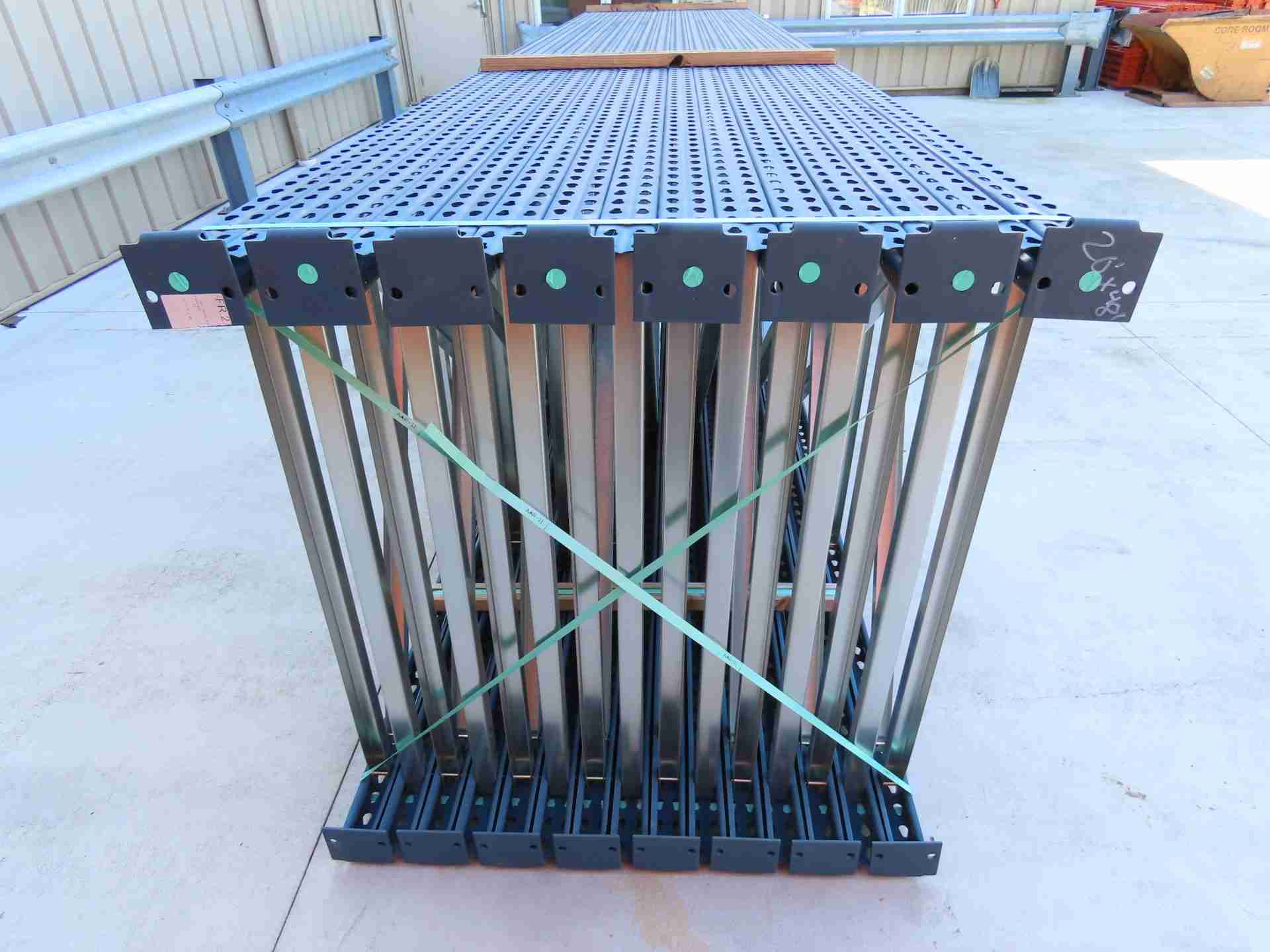
When it comes to lean warehouse design, the heart of the operation beats strongest in the racking systems. These systems aren’t just shelves to hold goods; they’re the backbone of efficiency and productivity. Picture a well-organized warehouse, where every square foot is utilized, and every item has its place. That’s the kind of environment where workers feel pride in their work, knowing they’re part of a streamlined operation that values their effort and time.
From a rational standpoint, effective racking systems reduce the time spent searching for products. Think of a time wasted rummaging through cluttered aisles. It’s frustrating and counterproductive. With a well-planned racking system, items are easily accessible and organized logically, allowing for faster picking times and fewer errors. This isn’t just theory; it’s about creating a smooth flow that mirrors the rhythm of well-oiled machinery. When your team can quickly grab what they need, it sparks a sense of accomplishment and boosts morale.
Ethically, designing a lean warehouse means recognizing the value of your workforce. A cluttered, chaotic environment doesn’t just waste time; it can lead to accidents, injuries, and low morale. A thoughtfully designed space, with optimized racking systems, shows employees that their safety and well-being matter. It fosters a sense of trust and loyalty when people see their needs prioritized. Moreover, a clean and organized workspace creates a culture of respect where everyone pitches in to maintain order, knowing it benefits them all.
On the narrative front, consider sharing the story of a warehouse that transformed its operations by adopting lean principles. With the introduction of space-efficient racking systems, employees went from battling daily frustrations to celebrating swift order fulfillment. They shared stories over coffee breaks, proud of their quick turnaround times and reduced stress levels. These tales resonate and spread, inspiring others to consider similar changes.
In social terms, lean warehouse design builds community. When teams work more efficiently, there’s time for camaraderie. Workers collaborate, share tips, and take satisfaction in collective achievements. It’s not just about saving time; it’s about fostering relationships and a sense of shared purpose.
Embracing lean warehouse design, particularly through effective racking systems, cultivates an environment where people thrive, processes improve, and outcomes shine. It’s about more than just flow; it’s about heart, head, and gut working in unison to create a space where everyone—workers, managers, and customers alike—benefits.
Lean Warehouse Design Principles
Lean Warehouse Design Principles
- Effective racking systems are central to lean warehouse design, enhancing efficiency and productivity.
- A well-organized warehouse utilizes space effectively, improving worker pride and morale.
- Optimized racking reduces time spent searching for products, leading to faster picking times and fewer errors.
- Thoughtful design prioritizes workforce safety, fostering trust and loyalty among employees.
- A clean, organized workspace cultivates respect and encourages collective responsibility.
- Implementing lean principles can transform warehouse operations, leading to improved employee satisfaction and order fulfillment.
- Lean design promotes community building and teamwork, enriching workplace relationships and shared goals.

Lean Warehouse Design Principles
Table Of Contents
- Lean Warehouse Design Principles
- What Challenges Do You Face In Optimizing Warehouse Space?
- How Can You Reduce Waste In Your Current Processes?
- What Strategies Increase Efficiency In Inventory Management?
- How Do You Ensure Safety While Implementing Lean Principles?
- What Role Does Employee Training Play In Lean Design Success?
- How Can Technology Enhance Your Warehouse Operations?
- Conclusion
- Other Resources
- Glossary Of Terms
- Other Questions
- Checklist
What Challenges Do You Face In Optimizing Warehouse Space?
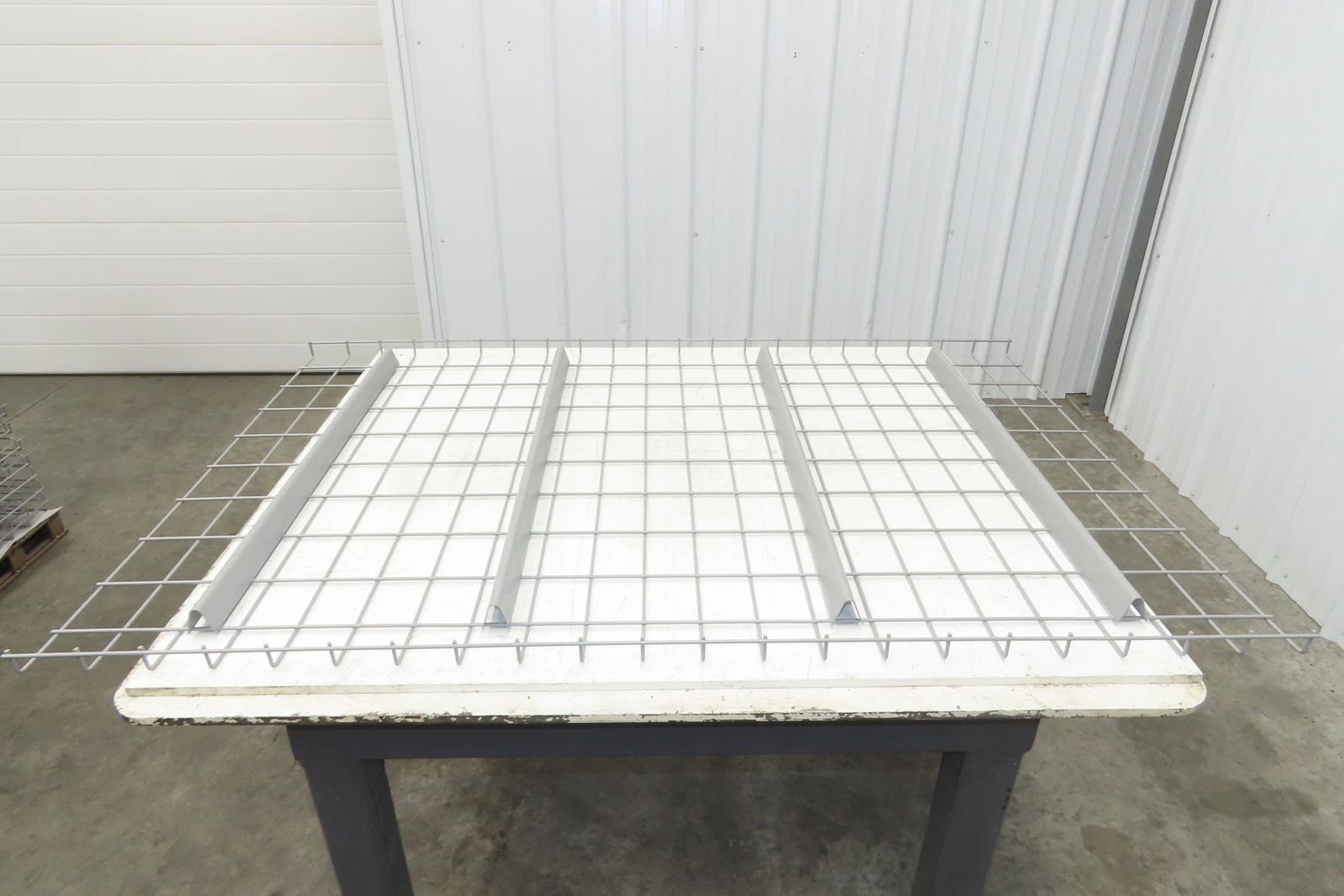
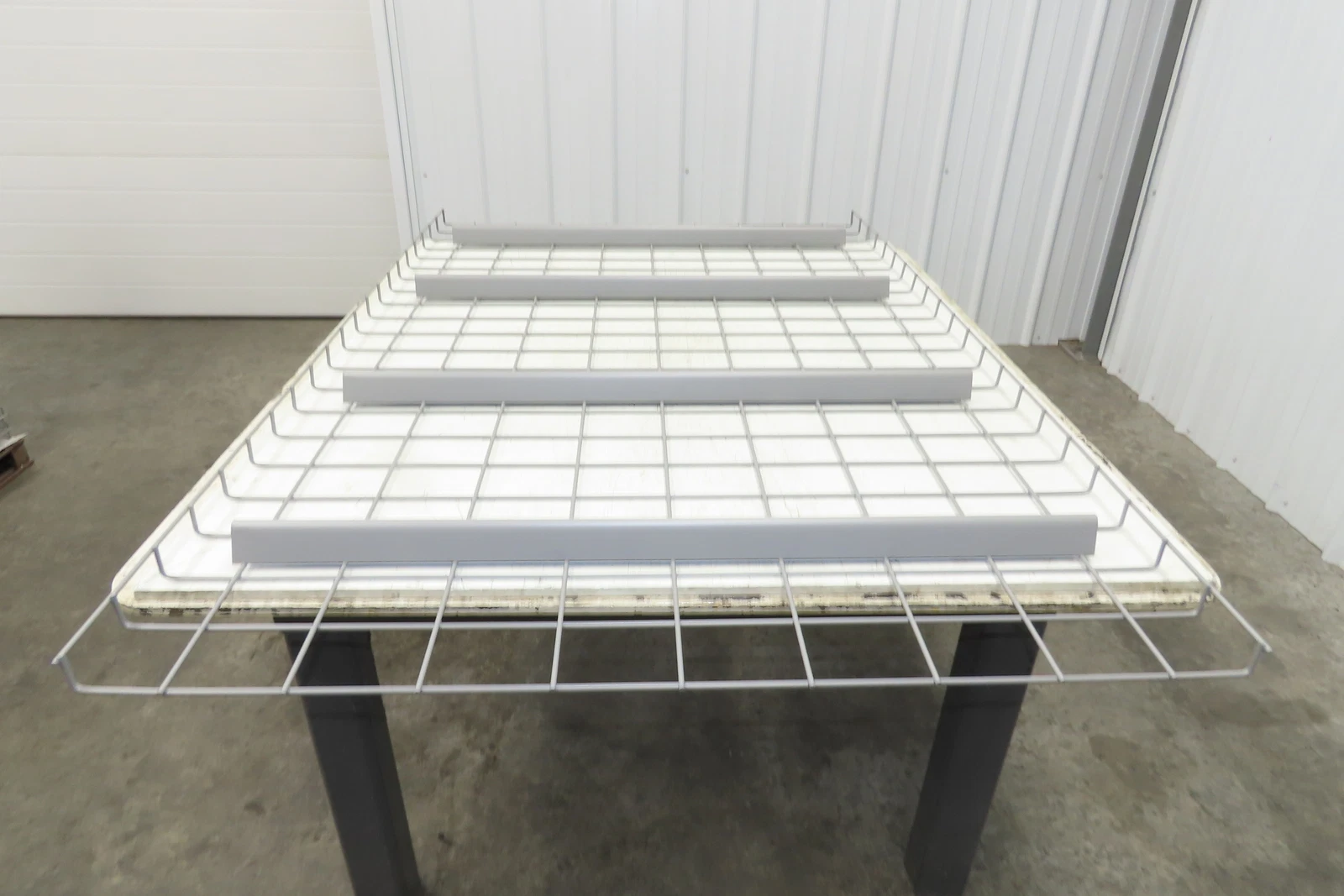
When it comes to optimizing warehouse space, the hurdles can feel like climbing a mountain with a backpack full of stones. You need every inch, yet somehow it never seems to be enough. One of the biggest challenges lies in the racking systems. These essential structures can either uplift your operations or weigh them down. Choosing the right system isn’t just a matter of preference; it’s a balance of efficiency and cost. The wrong choice can leave you with aisles too narrow for pallet jacks, or shelves too high for practical access—all while inventory stacks up like a Jenga tower waiting for the inevitable topple.
Then there’s the human factor. It’s important to foster a culture of teamwork and communication. A well-optimized warehouse isn’t just about steel and concrete; it’s about people working together. That means training staff to understand the layout and the racking systems, ensuring they know how to use the available space without causing chaos. When workers feel empowered to contribute ideas for improvement, it fosters ownership and accountability. Each voice adds value and perspective—valuable insights often get overlooked until they bubble up from the floor.
Let’s not forget the emotional weight of the job. Handling goods efficiently means dealing with frustration and time constraints. Everyone feels the pressure, from management to the floor crew. The tension can create a cloud, making it harder to see solutions when they’re right in front of you. Recognizing this, leaders must appreciate the efforts of their teams, celebrating wins, no matter how small. Building morale goes a long way in easing stress and boosting productivity.
Moreover, space optimization needs a keen eye on the ethical side of operations. How do we balance maximizing our investments with sustainable practices? Using every available area efficiently must not come at the expense of safety or the environment. It’s a tightrope walk, but finding ways to reduce waste and recycle materials can be both effective and rewarding. This approach builds trust and sets a standard for responsibility across the industry.
At the end of the day, every warehouse is a unique organism, with its quirks and challenges. Optimizing space is a constant effort, filled with lessons learned through trial and error. Whether you’re adjusting racking systems or rethinking your layout, remember that every bit of progress is a testament to hard work and grit. It’s about making the most of what you have while striving for a little better each day. Embrace the journey, and you’ll find not just efficiency, but pride in your work.
What Challenges Do You Face In Optimizing Warehouse Space?
What Challenges Do You Face In Optimizing Warehouse Space?
- Optimizing warehouse space presents challenges, particularly with racking systems affecting both efficiency and costs.
- The wrong racking choice can hinder operations, leading to inaccessible aisles and impractical shelf heights.
- Communication and teamwork among staff are crucial for effective warehouse operations.
- Empowering workers to share improvement ideas fosters ownership and accountability.
- Addressing emotional stress in the workplace is essential for enhancing productivity.
- Sustainable practices should guide space optimization without compromising safety or efficiency.
- Continuous improvement through trial and error highlights the unique characteristics of each warehouse.
What Challenges Do You Face In Optimizing Warehouse Space?
How Can You Reduce Waste In Your Current Processes?
Reducing waste in your current processes isn’t just a lofty idea; it’s a practical step that can save you money, time, and a heap of frustration. Picture this: each day in your shop, piles of material get tossed aside—scraps of wood, bits of metal, and other remnants that add up over time. This isn’t just trash; it’s hard-earned resources down the drain. By reevaluating how you manage what comes in and goes out, you’re not just cleaning house; you’re getting smarter about running your show.
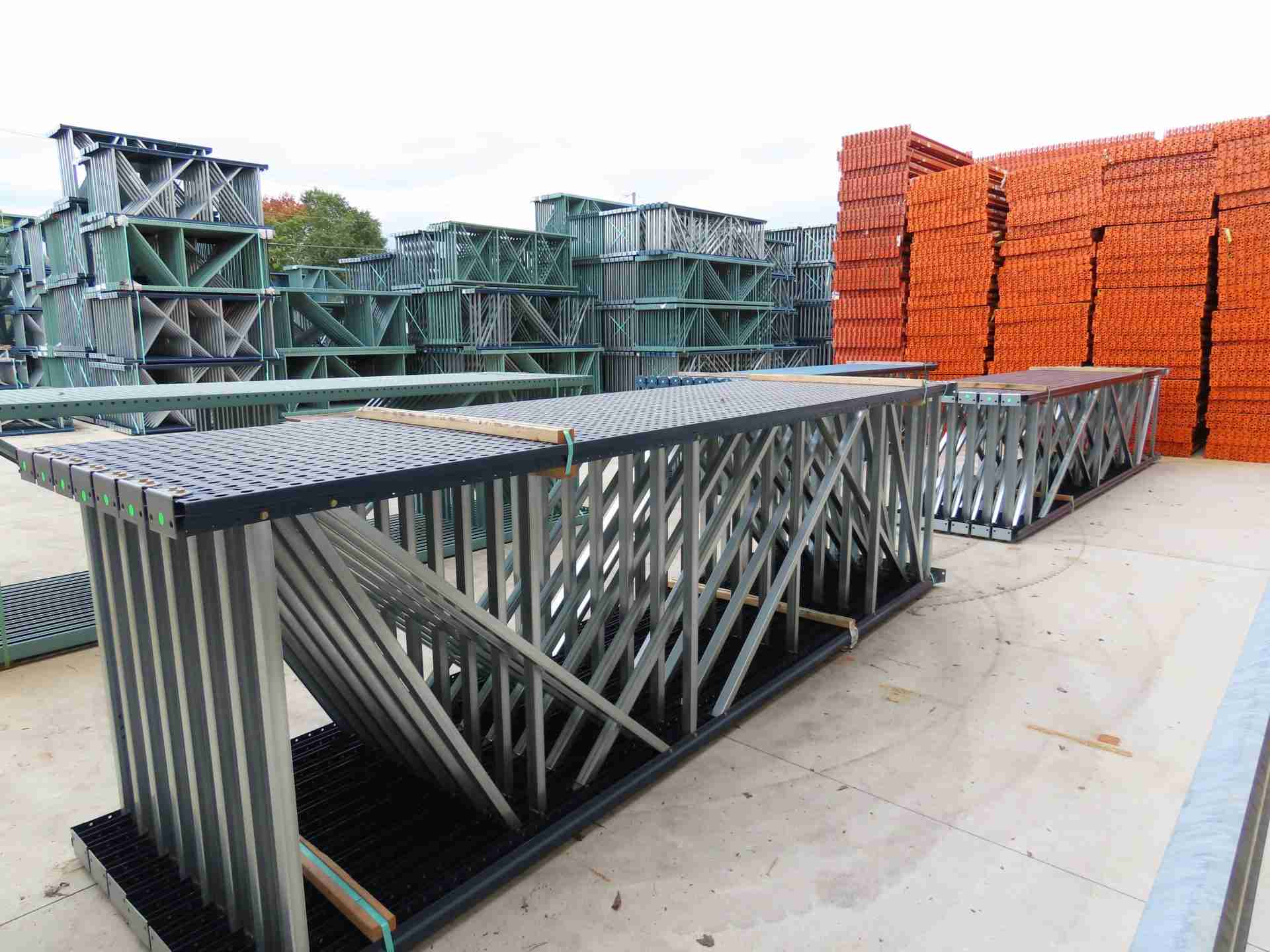
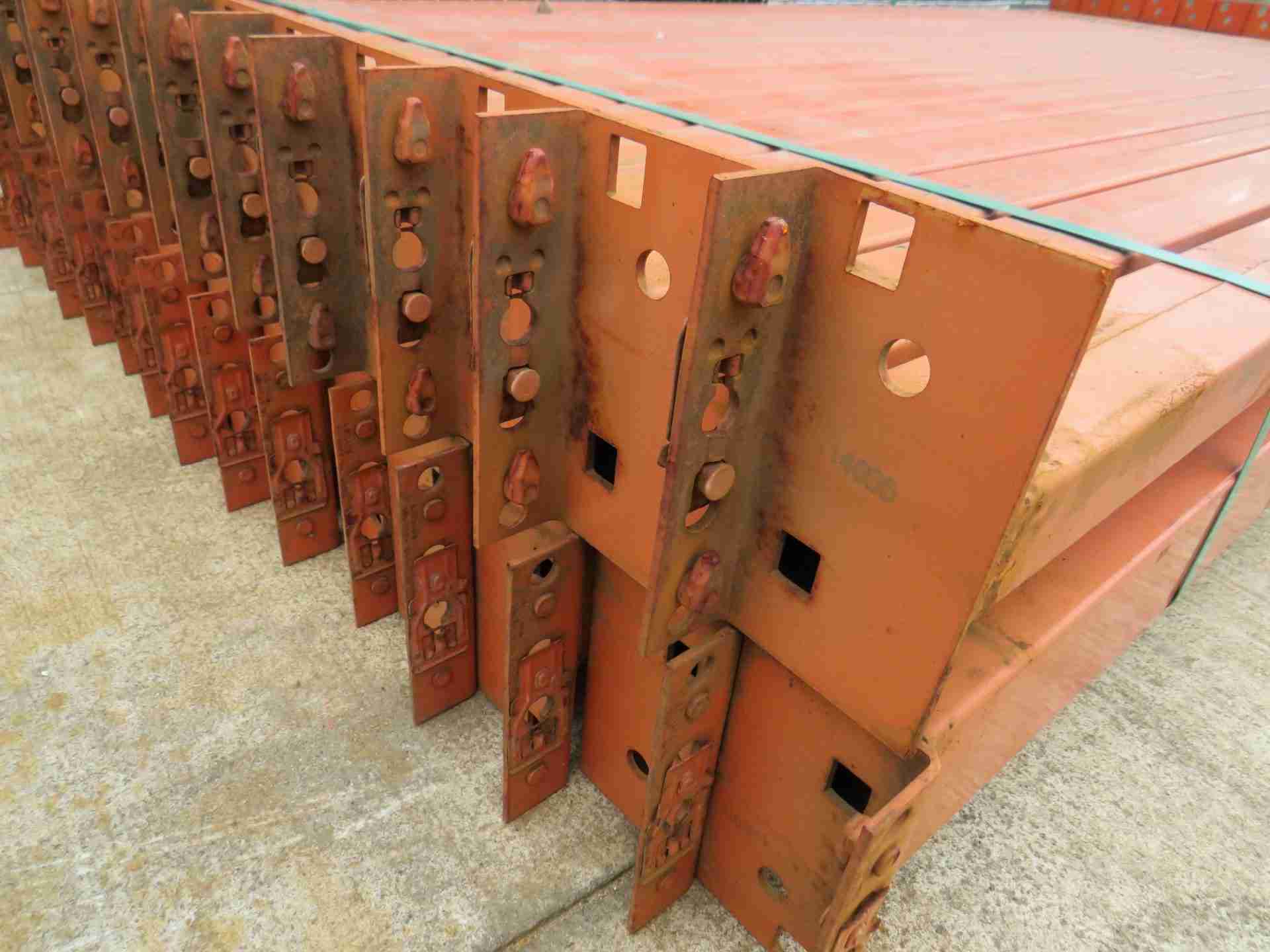
Let’s talk Racking Systems. Utilizing efficient racking can transform your workspace. When you store materials neatly and intuitively, you’re not just making it easier to find what you need; you’re also cutting down on waste. Less time digging through disorganized piles means fewer mistakes and less material thrown away. Invest time in setting up a system that works for you, and it’ll pay off with dividends in efficiency and reliability. This isn’t about fancy gadgets; it’s about what makes sense on the ground, where every inch matters.
Tackling waste requires a two-pronged approach: the head and the heart. Start with the numbers—measure how much waste you produce and identify the areas where you can make cuts. Each scrap you save is a penny in your pocket. But don’t just stop there; what if you shared your progress with your crew? Involve them in brainstorming sessions. When your team feels invested in the process, they’ll bring their ideas to the table. That’s where real innovation happens, driven by people who know the grind and want to improve it.
Think about the impact on your community and the environment. Reducing waste isn’t merely an internal benefit; it resonates outside your walls. It’s about leading by example and showing others in your industry what’s possible. Being the business that values resources and takes ethical shortcuts sets a standard. It inspires others to follow your lead, fostering a culture of responsibility.
Finally, remember, every journey starts small. Begin with one change—be it adjusting how you use racking systems for better storage or involving your team in waste audits—and build from there. It’s these small shifts that lead to significant transformations. Get your hands dirty, listen to your gut, and take action. Your workspace and everyone in it will thank you.
How Can You Reduce Waste In Your Current Processes?
How Can You Reduce Waste In Your Current Processes?
- Reducing waste is a practical step that saves money, time, and resources.
- Daily material scraps such as wood and metal represent lost resources.
- Efficient racking systems improve organization and reduce waste from disorganization.
- Measuring waste production helps identify areas for improvement.
- Involving your team in the process leads to innovative ideas and a sense of investment.
- Reducing waste benefits both the community and the environment, setting a positive example.
- Small initial changes can lead to significant transformations in waste management practices.
How Can You Reduce Waste In Your Current Processes?
What Strategies Increase Efficiency In Inventory Management?
Efficient inventory management isn’t just about numbers; it’s about people, the heart of every operation. Picture the warehouse floor, where every box and pallet tells a story. One crucial strategy that can transform the chaos into order is the implementation of racking systems. These tools are more than just shelves; they are the backbone of smooth operations, allowing workers to navigate their tasks without feeling overwhelmed.
Consider this: when a warehouse is cluttered, it not only drains productivity but also heightens stress levels among employees. A well-designed racking system organizes products logically, making it easy for staff to find what they need when they need it. This saved time translates to saved money, and that’s a language everyone understands. By reducing retrieval times, the team can focus on what truly matters—serving customers.
Let’s talk about inventory turnover, which is the mother of efficiency. When stock sits too long, it becomes a liability. Racking systems optimize storage space, letting businesses avoid overstocking while keeping pace with demand. It’s about working smarter, not harder. Implementing technology—like barcode scanners or inventory management software—can integrate seamlessly with these systems, offering real-time tracking and insights. Employees become more than just workers; they evolve into informed decision-makers, equipped with the tools to prevent stockouts and manage surplus effectively.
On a more human level, fostering a culture of accountability and collaboration encourages trust. When teams know they can rely on streamlined processes, morale improves. Workers feel valued as their roles become clearer, and they can take pride in knowing that their efforts contribute directly to the company’s success.
Moreover, sharing success stories within the organization builds a sense of belonging. When management highlights improvements made through adaptive racking systems or efficient practices, it sparks enthusiasm. Employees see not just a job but a part of something bigger. They rally together, breaking down silos and finding innovative solutions as a cohesive unit.
At the end of the day, effective inventory management touches every facet of a business—from the warehouse employee to the customer receiving products on time. By embracing strategies that prioritize organization and efficiency, businesses not only thrive but create an environment where innovation flourishes. Trust grows, confidence builds, and those small, daily victories lead to greater successes, reinforcing a communal spirit that benefits everyone involved.

What Strategies Increase Efficiency In Inventory Management?
What Strategies Increase Efficiency In Inventory Management?
- Efficient inventory management focuses on people, not just numbers.
- Racking systems provide organization, reducing chaos and helping employees navigate tasks effectively.
- A well-designed racking system enhances productivity and reduces stress by logically organizing products.
- Inventory turnover is critical; racking systems help prevent overstocking and manage demand efficiently.
- Technology integration, such as barcode scanners, supports real-time tracking and informed decision-making.
- Cultivating a culture of accountability and collaboration improves morale and fosters trust among employees.
- Sharing success stories boosts enthusiasm and creates a sense of belonging, reinforcing a cohesive work environment.

What Strategies Increase Efficiency In Inventory Management?
How Do You Ensure Safety While Implementing Lean Principles?
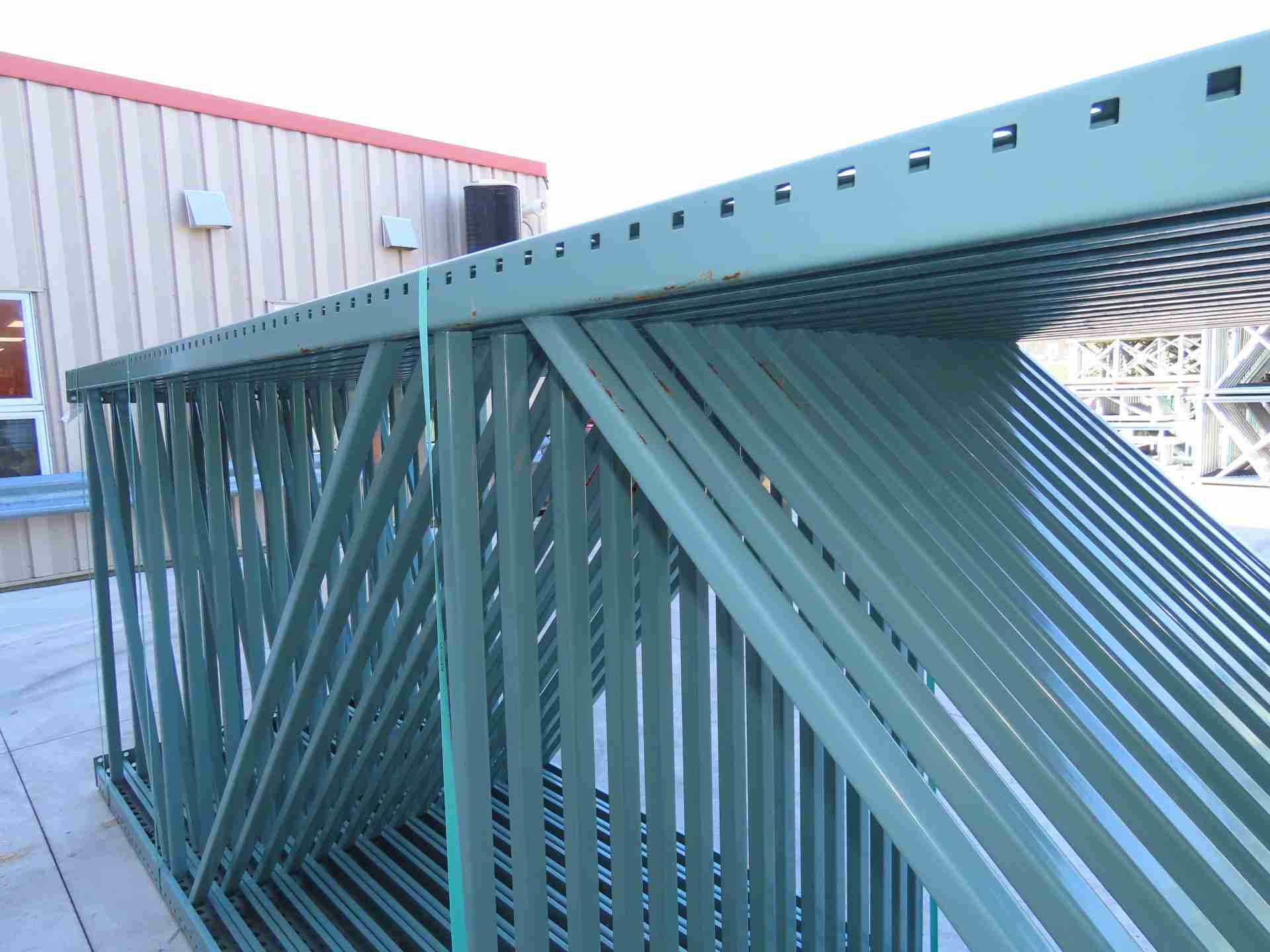
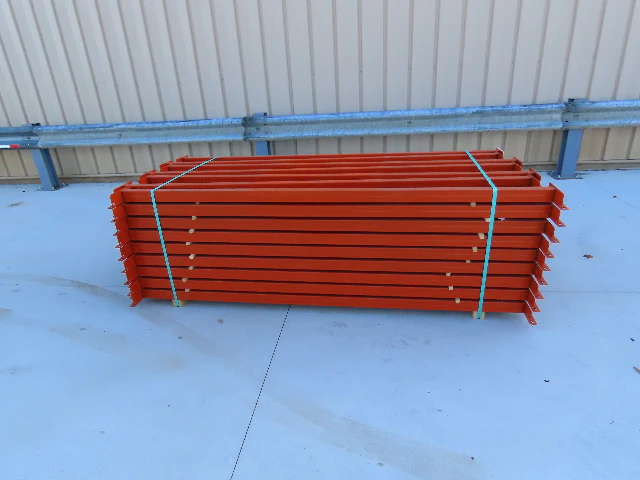
Implementing lean principles can revolutionize the way a workplace operates, but safety must always remain at the forefront. It starts with a tried-and-true approach: understanding that every worker deserves a safe environment. Racking systems, for instance, can streamline inventory, but they also pose risks if not properly managed. Picture a warehouse buzzing with activity—skids of product moving in and out of racking systems, each piece full of potential. Now imagine if one of those systems fails because proper weight limits weren’t observed or because there wasn’t a clear pathway marked for pedestrian traffic. That scene can quickly turn into chaos, risking not just your product but the very people who make it move.
Emphasizing safety isn’t just about following the rules; it’s about fostering an ethos of care within the team. When you invest in safety equipment and training, you’re not only complying with regulations but also sending a powerful message: you value your team’s wellbeing. Everyone gets that feeling when they know their boss stands behind them, making it easier for them to focus on their work instead of worrying about what could go wrong.
Next comes the data. Rational decisions backed by statistics can drive the point home. Studies show that companies prioritizing safety see fewer accidents and reduced costs over time. There’s a clear financial incentive to get it right. Lean principles yield plenty of efficiency, but if you cut corners on safety standards, you’re setting yourself up for costly disruptions, both financially and in terms of morale.
There’s an ethical layer, too. When you ensure safe operations, you’re not just protecting your employees, you’re building a culture of respect and accountability. People work harder when they feel cared for, and that creates a communal spirit within the workplace. It’s not just about getting the job done faster; it’s about making sure everyone gets home safe at the end of the day.
It’s simple: safety and lean principles can and should go hand in hand. By empowering your team with proper training and the right tools—the better racking systems, the clear signage, the defined protocols—you’re not just optimizing your processes; you’re nurturing a community that thrives on trust and care. After all, when everyone knows their part plays a role in the collective safety, that’s when teams become truly unstoppable.
How Do You Ensure Safety While Implementing Lean Principles?
How Do You Ensure Safety While Implementing Lean Principles?
- Implementing lean principles can improve workplace operations, but safety is paramount.
- Every worker deserves a safe environment; racking systems can streamline inventory but carry risks.
- Investing in safety equipment and training demonstrates a commitment to employee well-being.
- Companies prioritizing safety tend to see fewer accidents and reduced costs over time.
- Cutting corners on safety can lead to financial disruptions and lower morale.
- A culture of safety fosters respect and accountability, leading to increased productivity.
- Safety and lean principles should work together to create a trusted and caring work community.
How Do You Ensure Safety While Implementing Lean Principles?
What Role Does Employee Training Play In Lean Design Success?
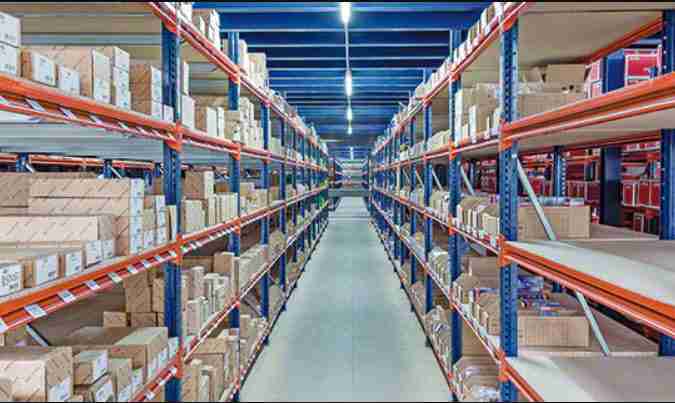
When it comes to lean design, the backbone is often the folks on the ground — the employees who sweat it out day after day. Think about it: you can have the best machinery and racking systems in the world, but if the people operating them don’t know the ins and outs of efficiency, you’re going to hit roadblocks fast. Employee training isn’t just a box to check; it’s the lifeblood of success.
Training fosters a culture where everyone feels they have a stake in the game. It’s that spark that ignites passion and ensures every employee understands the lean principles at play. When people feel confident and competent, it shows. They own their roles, and that ownership translates into tangible improvements. It’s not just about numbers; it’s about pride in the work. Each time a team member confidently moves through the racking systems, utilizing lean practices, they aren’t just saving time — they’re also contributing to a bigger picture of efficiency that elevates the entire operation.
Emotionally, lean design can feel daunting. But when employees receive proper training, they see firsthand how their actions impact not only their own success but also the overall goals of the company. That connection creates their desire to push beyond the bare minimum. When they realize their work is an integral part of a larger mission, you’re cultivating a workforce that’s not just clocking in and out but is genuinely engaged.
Rationally, training equips employees with the knowledge they need to identify waste and streamline processes. It arms them with tips and tricks that cut through the noise, allowing them to see where improvements can be made. This informed perspective cuts costs and improves quality, giving leadership the reassurance that they’re steering the ship in the right direction.
Then there’s the ethical angle. Investing in employee training isn’t just good business; it’s the right thing to do. It respects their potential and acknowledges that they’re more than just cogs in the machine. When companies value their workforce through continuous learning, they build loyalty and foster an environment where ideas flow freely.
By focusing on the whole person, tailoring the approach to the unique dynamics of the team, and celebrating small victories, training becomes a social glue that bonds the workforce. It’s shared experiences and collective wins that inspire trust and action, driving the lean design mindset to the forefront of daily operations. Consequently, this hands-on approach ensures that every inch of those racking systems is utilized to its fullest, making the whole process smoother and more efficient. So, put in the effort to train your people, and you’ll see lean design not just succeed but thrive.
What Role Does Employee Training Play In Lean Design Success?
What Role Does Employee Training Play In Lean Design Success?
- Employee training is essential for successful lean design, serving as the backbone of operations.
- Training fosters ownership among employees, leading to improved efficiency and pride in their work.
- Proper training helps employees understand the impact of their actions on overall company goals.
- Empowered employees are motivated to exceed basic expectations and engage more deeply with their roles.
- Training equips staff with skills to identify waste and streamline processes, enhancing efficiency.
- Investing in training shows respect for employees and builds loyalty, generating a positive work environment.
- A collaborative training approach strengthens team dynamics and drives the lean design mindset in daily operations.
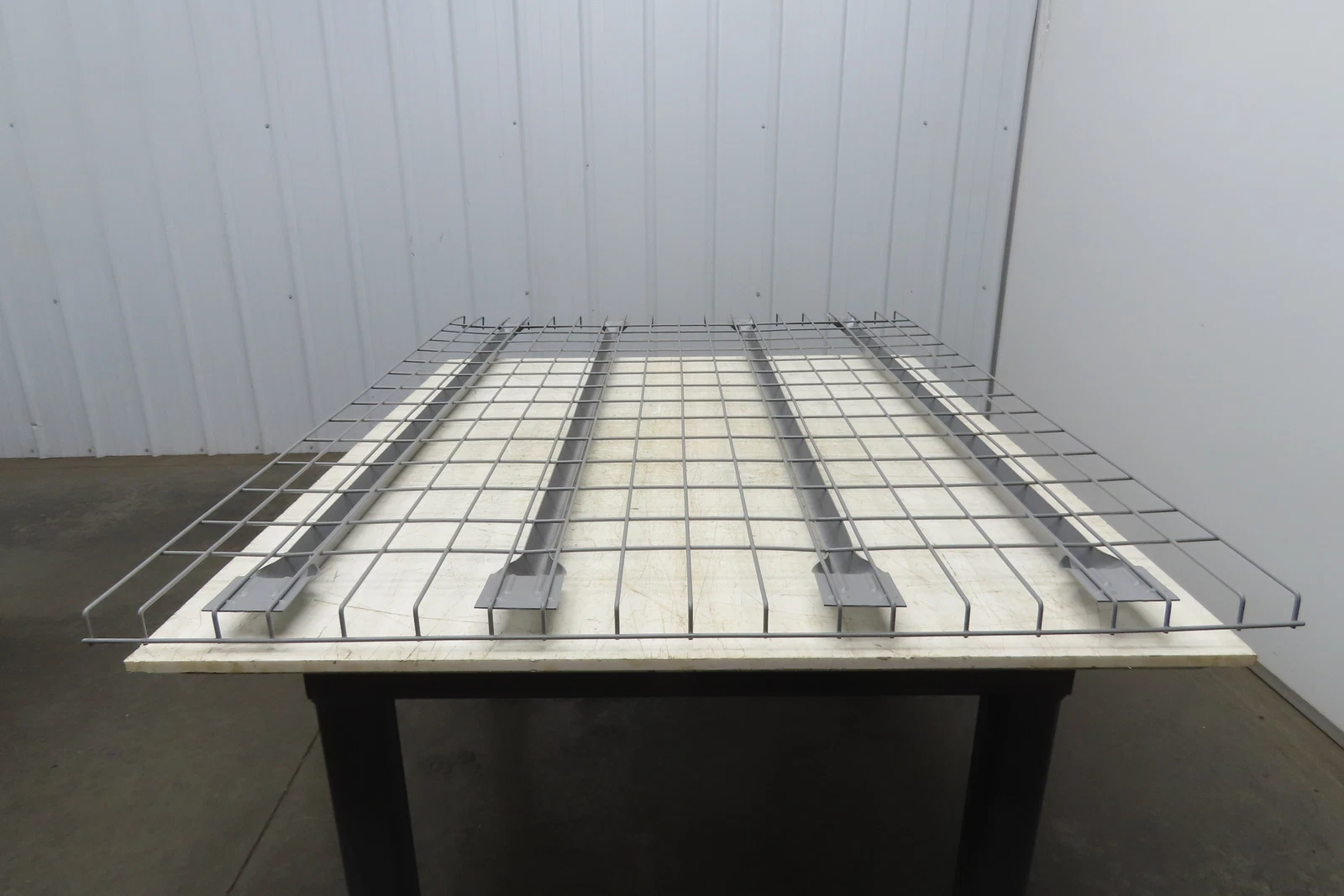
What Role Does Employee Training Play In Lean Design Success?
How Can Technology Enhance Your Warehouse Operations?
In the ever-changing landscape of warehouse operations, technology stands as a beacon of possibility, transforming how we handle everyday challenges. When you think about all those hours spent pushing carts, stacking boxes, and navigating tight spaces, it’s hard not to wonder: how can we make this smoother? The answer lies in a mix of practicality and innovation, especially with racking systems that adapt to modern needs.
Picture this: your warehouse is a symphony, each product a note. Technology, when applied right, can turn chaos into harmony. Smart racking systems, equipped with sensors, not only maximize space but also minimize risks of injury. Just think about the last time someone twisted an ankle trying to reach for that last box on the top shelf. Those accidents can add up, leading to unnecessary costs and heartache. By adopting automated systems that track inventory in real-time, your team spends less time hunting for items and more time where it counts: keeping the operation running smoothly.
The financial side of things is equally compelling. Implementing advanced racking systems means less wasted space and better workflow. By optimizing storage layouts, you’re saving money on overheads and, let’s be honest, nobody wants to throw cash away on extra square footage. A well-organized warehouse isn’t just efficient—it’s smart business. That’s dollars and sense working for you.
But let’s not forget the human element. Imagine the pride your team feels when they see that everything runs like clockwork, thanks to smart technology. It’s an investment not just in equipment but in morale. When workers feel supported by their tools, they perform better, and success becomes a team effort. Plus, having state-of-the-art racking systems aligns with ethical practices—it reduces waste, promotes safety, and respects the environment.
Now, share these wins with your peers. When other warehouse managers hear about your successes, it inspires them to rethink their own operations. You’re not just another cog in the machine; you’re setting an example. In a world where every penny and every moment counts, let technology lead the way toward a more efficient, safer, and more connected future. Let’s roll up our sleeves and embrace the change; there’s a better way to do this, and it starts with the tools we choose.

How Can Technology Enhance Your Warehouse Operations?
How Can Technology Enhance Your Warehouse Operations?
- Technology transforms warehouse operations, addressing everyday challenges.
- Smart racking systems optimize space, reducing risks of injury.
- Automated inventory tracking saves time and enhances operational efficiency.
- Advanced racking systems lead to better workflow and cost savings on overhead.
- Investment in technology boosts team morale and performance.
- State-of-the-art systems align with ethical practices, reducing waste and promoting safety.
- Sharing success stories encourages industry-wide improvements in warehouse management.
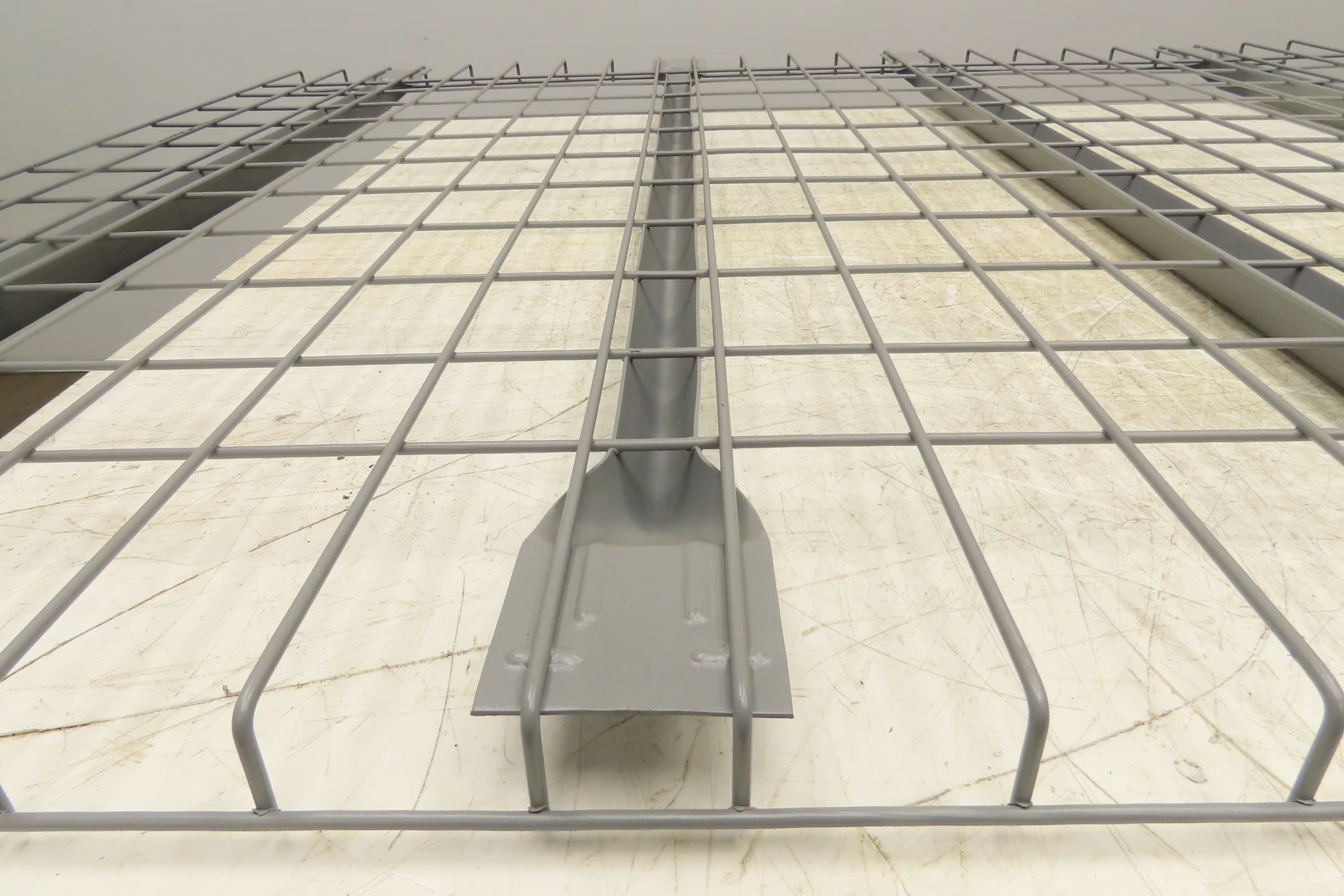
How Can Technology Enhance Your Warehouse Operations?
Conclusion
Lean warehouse design is essential for creating efficient, organized, and productive workspaces. At the core of this transformation are racking systems, which serve as more than mere storage; they are critical to optimizing operations. A well-structured racking system allows for effective space use, enhances employees’ pride in their environment, and fosters a sense of belonging. Workers experience direct benefits as their search times are minimized, leading to fewer errors and boosting morale within the team.
A lean warehouse not only embraces efficiency but also prioritizes the well-being of its workforce. An orderly, safe environment reduces accidents and promotes higher motivation levels. When employees see management’s commitment to their safety and comfort, trust flourishes, encouraging them to uphold a culture of respect and order amongst themselves. This positive culture translates into improved teamwork and shared accountability, creating a vibrant community in the workplace.
The narrative of transformation is compelling—learning from stories of warehouses embracing lean principles showcases the tangible benefits. Workers who once faced daily chaos now celebrate swift order fulfillment and reduced stress, leading to shared victories that enhance camaraderie. By connecting individual roles to a larger mission, a sense of purpose is cultivated, driving engagement.
Challenges in optimizing warehouse space revolve around selecting the right racking systems and fostering a culture of collaboration. Well-trained staff who understand both the layout and purpose of the racking systems are pivotal. These employees can suggest valuable improvements, enhancing ownership and accountability across the board. Additionally, reducing waste is both financially wise and ethically necessary. Every scrap saved not only adds to the bottom line but demonstrates an overarching commitment to responsibility and sustainability.
Furthermore, technology plays an increasingly vital role in enhancing warehouse operations. Smart racking solutions and automated inventory management systems minimize risks while maximizing efficiency. The financial implications are significant; businesses can save money by optimizing their storage and workflow, translating into higher profitability.
Above all, lean design principles hinge on investing in employee training. Well-trained workers ensure a seamless operation, making efficiency a shared goal. Creating a workplace where individuals feel valued leads to loyalty and innovation, reinforcing the community spirit that drives success. By embracing these principles, a warehouse transforms into an environment where everyone thrives, producing significant collective benefits that echo throughout the organization and beyond.

Conclusion
Conclusion:
- Lean warehouse design enhances efficiency, organization, and productivity.
- Racking systems optimize operations and use space effectively.
- Employees experience reduced search times, fewer errors, and boosted morale.
- Workplace safety and order promote employee well-being and trust in management.
- A culture of respect and collaboration improves teamwork and accountability.
- Technology, such as smart racking and automated systems, maximizes efficiency.
- Investment in employee training fosters loyalty, innovation, and a thriving community.

Conclusion
Other Resources
Other Resources
Here is a list of other resources you can review online to learn more:
- Storage Equipment Manufacturers’ Association
- IIWS Inc. Rack Installation Illinois & Rack Repairs Illinois
- Illinois
- Illinois Pallet Racking – WPRP
- Warehouse Automation
- The Ultimate Pallet Racking Guide – Speedrack West
- What is Selective Pallet Racking
- Heavy-Duty Cantilever Storage Racks
- IWLA
- IIWS Inc. Rack Installation Illinois & Rack Repairs Illinois
- Illinois Pallet Racking – Storage Solutions
- Interlake Mecalux
- New Cantilever Racks and Racking Kits
- Teardrop Pallet Rack – Ridg-U-Rak
- Rack Manufacturers Institute
- Pallet Racking systems in Illinois and Great Lakes
- Storage Equipment Manufacturers Association
- Material Handling Industry
- National Safety Council
- Selective Pallet Racking Systems – Container Systems
Use This Prompt To Get More Resources With Your Favorite Online AI Tool: Please provide me with a list of online articles with their URLs in a bulleted list that I can read regarding Lean Warehouse Design Principles

Other Resources
Glossary Terms
Lean Warehouse Design Principles – Glossary Of Terms
1. Value Stream: The series of activities and processes that add value to a product from conception to delivery.
2. Pull System: A production approach that responds to customer demand rather than forecasting.
3. Waste: Any activity that consumes resources without adding value to the product.
4. Just-in-Time (JIT): An inventory strategy that aligns raw-material orders with production schedules.
5. Kaizen: A continuous improvement process that seeks incremental changes in processes.
6. 5S: A workplace organization method (Sort, Set in order, Shine, Standardize, Sustain) aimed at improving efficiency.
7. Flow: The smooth movement of materials and information through a warehouse or production process.
8. Layout Optimization: The arrangement of physical space in a warehouse to minimize waste and maximize efficiency.
9. FIFO (First In, First Out): An inventory management method where the oldest stock is sold first.
10. LIFO (Last In, First Out): An inventory management method where the most recently acquired stock is sold first.
11. Lean Principles: Guidelines aimed at maximizing customer value while minimizing waste.
12. Cross-Docking: A logistics practice where products are unloaded from incoming transport and directly loaded onto outbound transport.
13. Kanban: A scheduling system for lean manufacturing and just-in-time production.
14. Takt Time: The maximum allowable time to produce a product in order to meet customer demand.
15. Cycle Time: The total time from the beginning to the end of a process.
16. Standard Work: A defined and documented method for performing a task to ensure consistency and efficiency.
17. Continuous Flow: A production strategy where items flow through processes without delays.
18. Inventory Turnover: A ratio showing how many times inventory is sold and replaced over a period.
19. Work Cell: A designated area where different processes are integrated to improve efficiency.
20. Lean Six Sigma: A methodology that combines lean manufacturing principles with Six Sigma to enhance quality and efficiency.
21. Bottleneck: A stage in a process that limits the overall speed and efficiency.
22. Stakeholder: Anyone with an interest in the operations and outcomes of the warehouse’s performance.
23. Supply Chain: The network between a company and its suppliers to produce and distribute a specific product.
24. Segmentation: The process of dividing the warehouse into areas based on different types of products or services.
25. Automation: The use of technology to perform tasks with minimal human intervention.
26. Ergonomics: The study of people’s efficiency in their working environment, integral to warehouse design.
27. Safety Stock: Extra inventory held to prevent stockouts due to fluctuations in demand or supply chain disruptions.
28. Lean Culture: An organizational mindset focused on continuous improvement and waste reduction.
29. Value Stream Mapping: A visual tool to analyze and design the flow of materials and information.
30. Performance Metrics: Quantitative measures used to assess the efficiency and effectiveness of warehouse operations.
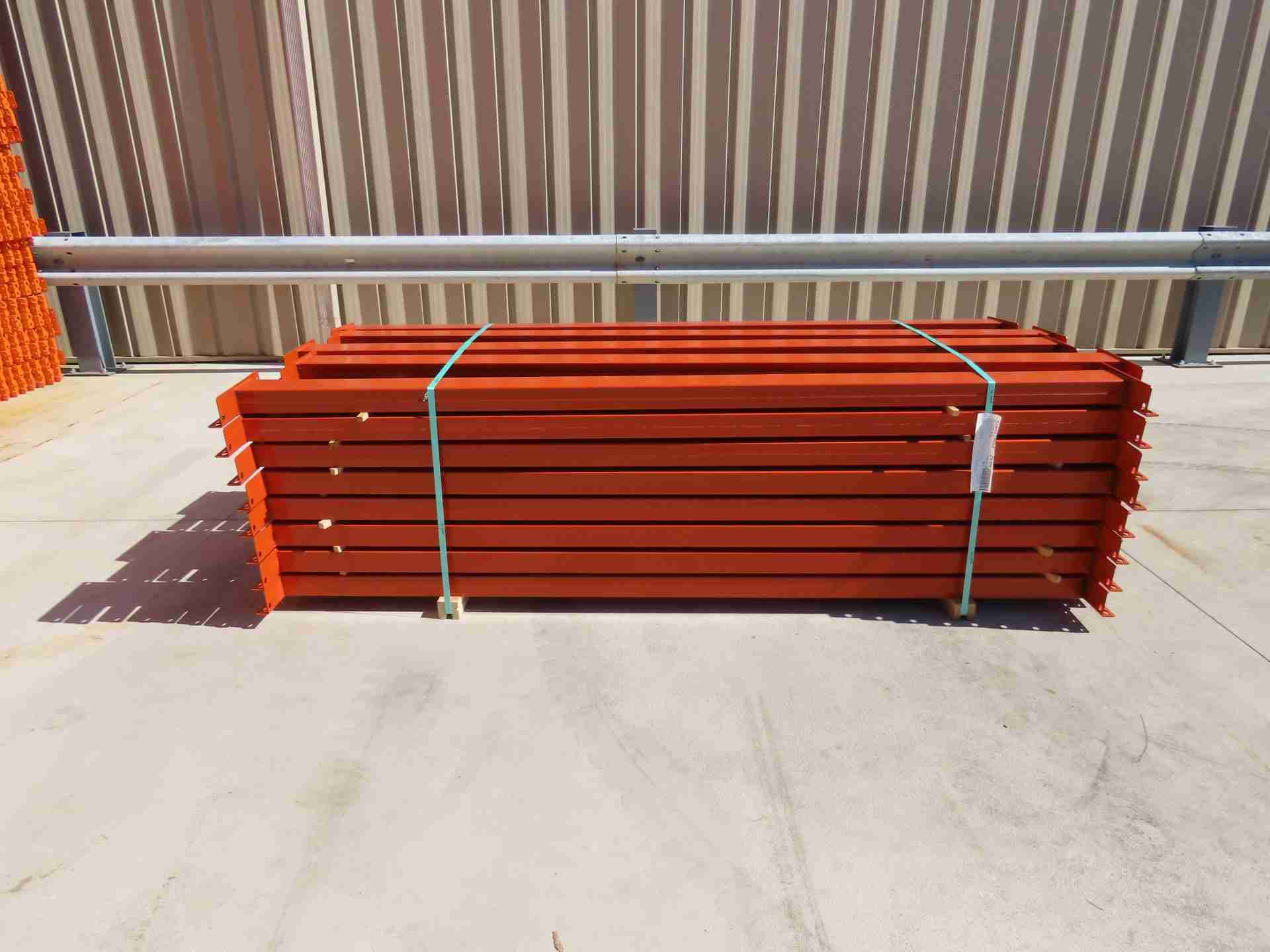
Glossary Of Terms
Other Questions
Lean Warehouse Design Principles – Other Questions
If you wish to explore and discover more, consider looking for answers to these questions:
- What specific types of racking systems are best for different product profiles (palletized, bulk, long items, small-parts)?
- How do I calculate the optimal racking layout for my warehouse dimensions and SKU mix?
- What are the required aisle widths for different material-handling equipment (forklifts, pallet jacks, order pickers)?
- How do I determine safe load limits for each rack level and the entire racking structure?
- Which industry standards and regulations (OSHA, RMI/ANSI, local codes) apply to racking design and installation?
- How often should racking be inspected and what should a maintenance checklist include?
- What are the comparative costs (capital and lifecycle) of common racking options (selective, drive-in, push-back, pallet flow, mezzanines)?
- How do I calculate return on investment (ROI) for a racking upgrade or automation project?
- What are the best practices for retrofitting racking into an existing warehouse with minimal downtime?
- How can racking design support different picking strategies (FIFO, LIFO, batch picking, zone picking, wave picking)?
- What slotting and storage assignment methods maximize space utilization and picking efficiency?
- How do I integrate warehouse management systems (WMS) with racking layouts and picking workflows?
- What technologies (RFID, barcode, pick-to-light, voice picking, wearable scanners) work best with various racking types?
- When does investing in automation (AS/RS, conveyors, automated guided vehicles) make financial sense?
- How do smart racking systems and sensors improve inventory accuracy and safety?
- What data and KPIs should I track to measure the success of lean warehouse changes (pick rate, order accuracy, inventory turnover, space utilization)?
- How do I perform a waste audit to quantify material, time, and motion waste in current processes?
- What practical steps reduce packaging, handling, and product damage waste within racking and storage operations?
- How can I design racking and workflows to support reverse logistics and returns processing?
- What training programs and frequency produce measurable improvements in lean practices and safety?
- How do I structure employee onboarding and cross-training so staff adapt quickly to new layouts or technologies?
- Which 5S, Kaizen, or Kanban practices are most effective in a warehouse context, and how are they applied to racking?
- How do I manage change and gain employee buy-in for lean redesign projects?
- What ergonomic considerations reduce injury risk during picking, stocking, and maintenance of racking systems?
- How do I balance maximizing storage density with clear egress, fire protection, and emergency access requirements?
- What are the fire-suppression, sprinkler-clearance, and aisle-access requirements for high-rise racking?
- How should hazardous materials be stored differently within racking systems to meet safety and regulatory requirements?
- What environmental and sustainability strategies can be incorporated into racking choices and warehouse operations?
- How do I calculate and reduce the carbon footprint and energy usage of warehouse racking and lighting systems?
- What are the pros and cons of buying new vs. used racking equipment from a safety and warranty perspective?
- How do I select and evaluate racking vendors, integrators, and installers (certifications, references, lead times)?
- What are typical installation timelines and expected operational disruptions when installing new racking or automation?
- How should insurance, warranties, and liability be handled when modifying racking systems?
- What preventative maintenance schedule minimizes unplanned repairs and prolongs racking life?
- How do seasonal peaks and SKU variability affect racking configuration and temporary storage strategies?
- What are the best methods for inventory counting and auditing within dense or automated racking systems?
- How can simulation, digital twins, or 3D modeling help validate a proposed racking design before installation?
- What cybersecurity and data-privacy considerations arise when deploying IoT sensors and connected racking systems?
- How do I plan for scalability—adding capacity or reconfiguring racking as product mix and volumes change?
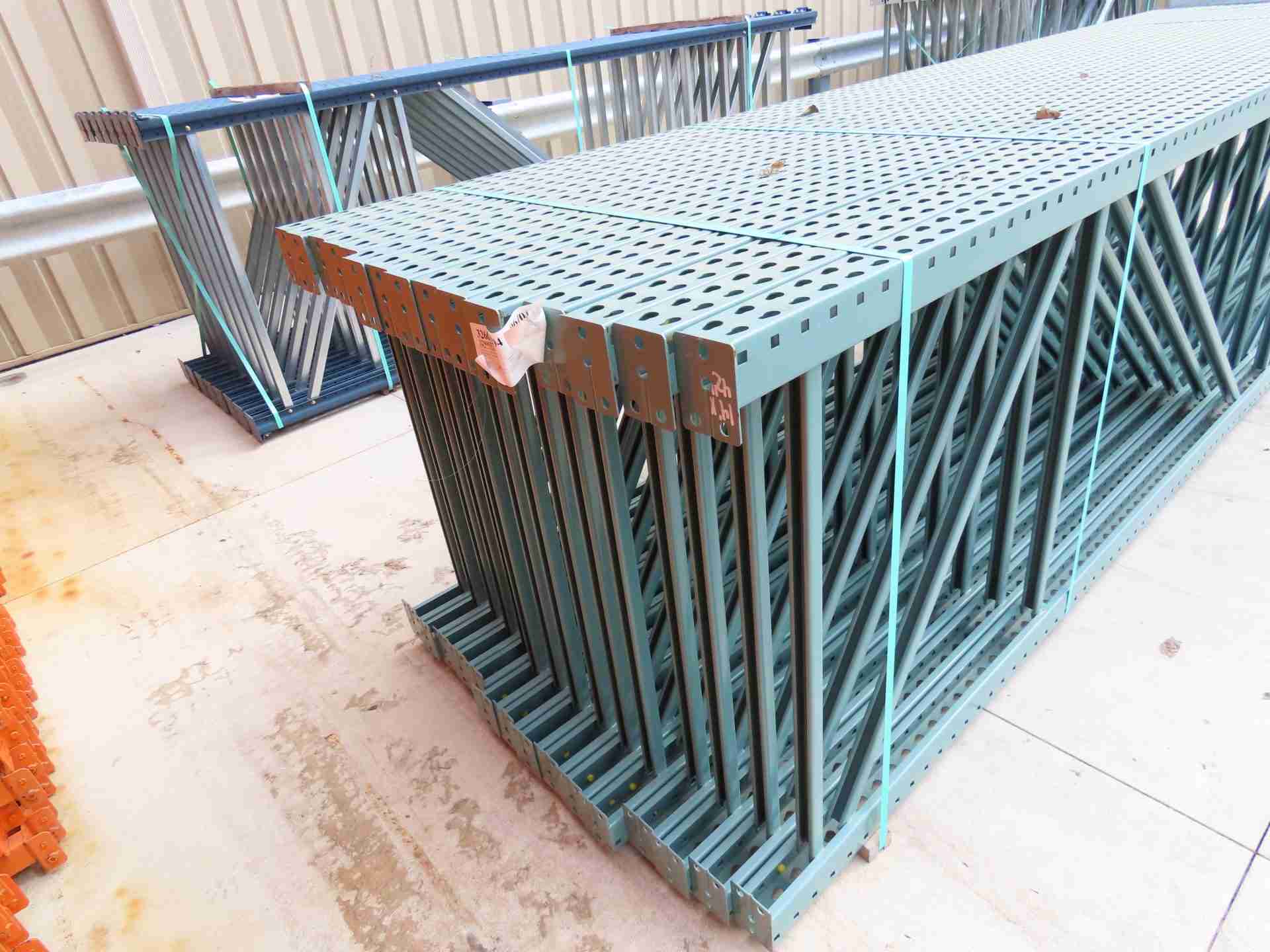
Other Questions
Checklist
Lean Warehouse Design Principles – A Checklist
Foundation and Goals
✅______ Define customer demand profiles and order patterns
✅______ Map end-to-end value streams and material flows
✅______ Set baselines and targets for KPIs: order cycle time, pick rate, inventory accuracy, space utilization, OTIF, injury rate, return/defect rate, energy per order, and waste diversion
✅______ Establish governance: owners, cadences, and review meetings
Racking Systems Design
✅______ Select rack types by SKU mix and throughput (selective, drive-in/through, push-back, pallet flow, carton flow, cantilever, mezzanine, VNA)
✅______ Validate load ratings, beam levels, and post capacities; post clear load signage on each bay
✅______ Confirm clearances (sprinklers, seismic, MHE mast height) and pallet overhang allowances
✅______ Set aisle widths to equipment specifications (forklifts, reach trucks, VNA, pallet jacks)
✅______ Apply slotting logic: velocity, size/weight, affinity, ergonomic “golden zone”
✅______ Install safety accessories (row spacers, end guards, anti-collapse mesh, rack protection)
✅______ Label every location (aisle-bay-level-position) with scannable IDs
✅______ Create a rack inspection program with damage criteria and a repair workflow
Layout and Flow
✅______ Design one-way travel paths; minimize pedestrian-vehicle crossings
✅______ Define fast-pick zones and reserve storage strategy
✅______ Separate inbound, outbound, staging, returns, quality hold, and VAS areas
✅______ Implement cross-dock and flow-through where applicable
✅______ Use visual management: floor markings, signs, standardized color codes
✅______ Apply 5S (Sort, Set, Shine, Standardize, Sustain) with an audit schedule
Inventory Management
✅______ Classify SKUs with ABC/XYZ and review quarterly
✅______ Set min/max or reorder points; align safety stock to service targets
✅______ Enforce FIFO/FEFO with date/lot tracking and flow rack where needed
✅______ Standardize barcodes and labeling for items, cases, pallets, and locations
✅______ Implement WMS/mobile scanning; enable real-time visibility
✅______ Establish a cycle counting cadence; track accuracy and reconcile variances
✅______ Identify and dispose of obsolete/slow-moving stock via a defined process
Waste Reduction and Sustainability
✅______ Map and remove the seven wastes: transport, inventory, motion, waiting, overproduction, overprocessing, defects
✅______ Right-size packaging; use returnable/reusable containers where feasible
✅______ Standardize pallets and dunnage; inspect and repair to extend life
✅______ Segregate scrap and recyclables; track diversion rates
✅______ Optimize energy use (LED, motion sensors, charging strategy, HVAC zoning)
✅______ Reduce travel and idling with dock scheduling and yard management
People, Training, and Culture
✅______ Provide role-based training (safety, equipment, WMS, lean basics, ergonomics)
✅______ Use standard work at the point of use with visuals and job aids
✅______ Run daily huddles; track actions on a visible board
✅______ Operate a kaizen system; collect, implement, and recognize ideas
✅______ Cross-train to balance workloads and improve resilience
✅______ Conduct regular Gemba walks with leaders
Safety Integrated with Lean
✅______ Perform risk assessments for all layout and process changes
✅______ Separate pedestrians and vehicles (guardrails, lines, mirrors, crossings)
✅______ Post speed limits; define horn and no-go zones
✅______ Keep egress routes, extinguishers, and sprinklers clear; verify signage
✅______ Inspect pallet quality; enforce load stability and wrapping standards
✅______ Audit housekeeping; remove trip hazards and debris promptly
✅______ Provide and enforce PPE; maintain first-aid and eyewash stations
✅______ Track incidents and near misses; apply root-cause corrections
Technology Enablement
✅______ Configure WMS/WES for slotting, replenishment, and wave/flow picking
✅______ Deploy mobile scanning, voice, or pick/put-to-light where ROI-positive
✅______ Use sensors/telematics for rack impacts, equipment utilization, occupancy, and temperature
✅______ Implement KPI dashboards and alerting in real time
✅______ Evaluate automation fit (conveyors, AMRs/AGVs, shuttles, AS/RS) with pilots
✅______ Integrate ERP, carriers, and labeling; ensure master data hygiene
Operational Excellence Routines
✅______ Balance labor to takt; plan for peaks with smoothing or buffers
✅______ Standardize replenishment triggers (kanban, min/max) and routes
✅______ Define changeover/line setup standards for VAS and kitting
✅______ Use A3/5-Why for defects, returns, and service failures
✅______ Refresh slotting and layout based on demand changes
Compliance and Ethics
✅______ Verify OSHA/local safety codes, racking standards, and fire/seismic compliance
✅______ Maintain equipment certifications and operator licenses
✅______ Track environmental compliance and waste manifests
✅______ Apply ethical sourcing and ESG criteria for materials and vendors
Customer Impact
✅______ Measure order accuracy and damage rates; implement pack-out QA
✅______ Align promised lead times with capacity and variability
✅______ Define returns SLAs and rapid root-cause loops to reduce recurrence
Implementation and Sustainment
✅______ Pilot improvements in a contained area with clear success criteria
✅______ Capture before/after metrics; communicate results visibly
✅______ Execute a go-live checklist; confirm training completion and sign-offs
✅______ Set an audit calendar (5S, safety, rack, process) with owners and cadence
✅______ Schedule reviews: weekly performance, monthly capacity, quarterly strategy, and annual rack certification
Checklist
At RackingWorld, we help guide you through selecting warehouse storage systems and racking.
Be sure to read our other related stories at RackingWorld to learn more about warehouse storage systems.
0 Comments