
Balancing Forces: The Heart Of Safe And Sound Structures
By Tom Seest
At RackingWorld, we help guide you through selecting warehouse storage systems and racking.
Be sure to read our other related stories at RackingWorld to learn more about warehouse storage systems.
Load Distribution and Structural Integrity
When it comes to load distribution, think of it like balancing a heavy load on your back as you navigate a steep hill. Every step matters. Properly managing how weight is spread across a structure isn’t just a technical detail; it’s the backbone of safety and reliability. For folks who work in warehouses, factories, or construction sites, racking systems are critical. These systems are designed to hold loads securely, ensuring that the weight is evenly distributed. If not, you might find yourself in a precarious situation, literally watching everything you’ve built come crashing down.
Imagine a warehouse filled to the brim with inventory. Each box, each pallet, has its own weight, and how we stack and support these loads matters. A racking system that is off-kilter can lead to a domino effect; a single miscalculation can jeopardize more than just steel and wood—it can endanger lives. It’s heart-wrenching to think about the impact on families if someone gets hurt due to instability.
Beyond emotions, there’s a rational aspect. This isn’t just about good intentions; it’s about the math and science of engineering. Load calculations are like a recipe—too much of one ingredient, and everything can go awry. Engineers spend countless hours ensuring that structures can withstand not just the common day-to-day use but also unexpected loads, like during peak times when shelves are packed. That’s where trust comes in; knowing that every bolt and beam is placed with care inspires confidence.
Refreshingly, it’s not just the engineers who need to be in the know. Every worker plays a vital role in maintaining the integrity of these structures. Regular inspections, adherence to guidelines, and a culture of safety foster a community that looks out for one another. It’s about pride in your work and knowing that you’re contributing to something bigger than yourself.
So let’s treat load distribution with respect. We can prevent mishaps with awareness and diligence. Whether you’re pulling a pallet jack or climbing a ladder to check the beams, remember that each action impacts everyone around you. Building a structure isn’t just about materials; it’s about building trust within a community—the kind that doesn’t let anyone down. When we focus on solid load distribution in our racking systems, we’re ensuring structural integrity that stands the test of time, lifting not only the weight of goods but also the weights of responsibility and care for our fellow workers.
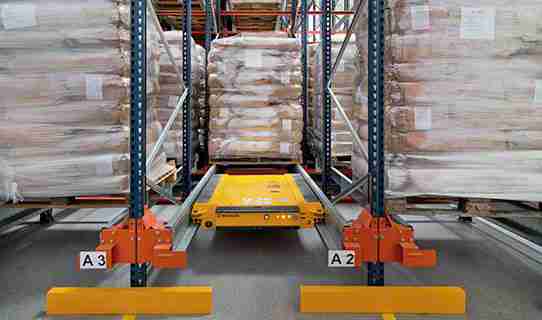
Load Distribution and Structural Integrity
Load Distribution and Structural Integrity
- Load distribution is essential for safety and reliability in construction and warehousing.
- Racking systems must securely hold loads and evenly distribute weight to prevent accidents.
- Improperly stacked inventory can create dangerous situations and endanger lives.
- Engineering calculations ensure structures withstand both regular and peak loads.
- All workers share responsibility for maintaining structural integrity through inspections and guidelines.
- A culture of safety and pride fosters a community that supports one another.
- Proper load distribution ensures long-lasting structural integrity and responsibility for fellow workers.

Load Distribution and Structural Integrity
Table Of Contents
- Load Distribution and Structural Integrity
- What Factors Affect Load Distribution In Structures?
- How Can We Ensure Structural Integrity?
- What Materials Provide the Best Load Distribution?
- How Does Load Distribution Impact Safety?
- What Are the Consequences Of Poor Load Distribution?
- How Can Technology Improve Load Analysis?
- Conclusion
- Other Resources
- Glossary Of Terms
- Other Questions
- Checklist
What Factors Affect Load Distribution In Structures?
When we talk about load distribution in structures, it’s about more than just engineering; it’s about understanding the very bones of a building and how its weight, stress, and forces are handled. Picture a seasoned carpenter trying to level an old barn. He knows every racking system that holds it together, how each beam shares the load, and how a single miscalculation can lead to disaster. The right load distribution keeps structures upright, just as a well-balanced life keeps us steady.
First, the materials used play a critical role. Steel, wood, concrete—they each react differently under pressure. Think about it. A frame of solid steel beams can bear weight like a workhorse, while a wooden post, though strong, can twist under strain. Knowing how these materials interact with loads is essential. A builder equipped with this knowledge not only protects the structure but also the lives that depend on it.
Beyond materials, the design itself is a factor. Engineers consider everything from shapes to stress points. An archway, for instance, can funnel weight ideally and distribute it beautifully across a structure. But when designs overlook these principles, it leads to trouble. It’s much like baking a loaf of bread; ignore the ratios, and you’re left with a collapsed mess instead of a golden crust.
Moreover, environmental influences are a huge part of the equation. Wind loads, seismic activities, and even snow accumulation matter. A house on a windy hill faces different challenges than one nestled in a valley. Builders must anticipate these forces and design load paths accordingly, much like a smooth driver anticipates the next curve on a country road.
Community also shapes how we think about structures. A strong building is a safeguard for families, a place where memories are made. It’s about trust—knowing that the roof over our heads won’t cave in during a storm. This connection to safety bonds people together, resonates in the heart, and reassures the gut.
Ultimately, every decision made in load distribution reflects a respect for the craft. Each building stands as a testament to the skills and ethics of those who constructed it. Recognizing these factors fosters a deeper appreciation for the sweat and knowledge that goes into every beam, every rafter, and every carefully calculated load path. It’s about more than just a structure; it’s about the lives it supports.

What Factors Affect Load Distribution In Structures?
What Factors Affect Load Distribution In Structures?
- Load distribution in structures involves understanding how weight, stress, and forces are managed.
- The choice of materials—such as steel, wood, and concrete—affects structural integrity under pressure.
- Design is crucial, with considerations of shapes and stress points influencing how loads are distributed.
- Environmental factors, including wind, seismic activity, and snow, must be anticipated in structural design.
- Strong buildings are vital for community safety and trust, providing shelter and reassurance.
- Every decision in load distribution reflects the skills and ethics of builders, acknowledging their craftsmanship.
- A building’s design and load management ultimately support the lives it shelters.

What Factors Affect Load Distribution In Structures?
How Can We Ensure Structural Integrity?
Ensuring structural integrity is not just a matter of numbers and calculations; it’s about the people who rely on these structures day in and day out. Take a moment to think about those racking systems in warehouses—those steel giants holding countless goods. When we think of structural integrity, it’s easy to get lost in technical jargon and design codes. But let’s not forget the human element behind these designs.
The heart of the matter lies in our responsibility. When racking systems fail, it’s not just the metal that crumples; it’s the trust that’s broken, the safety of workers put at risk. Every beam and bolt tells a story, and behind each of those stories is a person going home to their family at the end of the day. The stakes are high. We’ve all seen what can happen when a structure falls short—injuries, damages, even tragedies that could have been avoided with a little more care, solid engineering, and persistent vigilance. It’s more than just ethics; it’s about our duty to ensure that the spaces we create don’t just hold up, but truly support lives.
From a technical standpoint, investing in quality inspections and employing seasoned professionals can make all the difference. Experience teaches us that a little oversight can lead to devastating outcomes. Investing time and resources into regular maintenance checks and staying up to date with industry standards is more than a best practice; it’s a commitment to safety and reliability that resonates with everyone involved. It’s about securing the future for teams on the ground who depend on a safe work environment.
Let’s not kid ourselves; there’s a bit of pride in doing the right thing. Whether it’s ensuring those racking systems are properly anchored or choosing materials that won’t back down under pressure, there’s confidence in a job well done. There’s a story to be told in every warehouse where the racking systems stand strong, where workers can focus on their tasks instead of worrying about their safety.
Finally, it’s vital to foster a culture of accountability. When everyone—from the highest office to the folks out on the floor—feels a shared responsibility for safety and integrity, that’s when trust builds. A strong foundation, both literally and figuratively, leads us toward a future where we can all thrive—together.

How Can We Ensure Structural Integrity?
How Can We Ensure Structural Integrity?
- Structural integrity is crucial for the safety of individuals relying on these structures.
- Racking systems in warehouses illustrate the importance of human elements in structural design.
- Failures in racking systems can lead to broken trust and jeopardized worker safety.
- Investing in quality inspections and experienced professionals is essential for safety and reliability.
- Regular maintenance checks and adherence to industry standards are vital commitments to securing safe work environments.
- There is pride in ensuring racking systems are safely anchored and made from reliable materials.
- Fostering a culture of accountability builds trust and leads to a thriving work environment for all.

How Can We Ensure Structural Integrity?
What Materials Provide the Best Load Distribution?
When it comes to choosing materials for effective load distribution, you want solutions that get the job done without fuss. In industries ranging from warehousing to construction, the right choices can mean the difference between a well-organized workspace and a chaotic one. Just think of racking systems; they’re the backbone of storage, making it possible to stack heavy loads safely and efficiently. Without robust materials, that stack of boxes could turn from a neat display to a dangerous hazard in an instant.
Steel, for instance, has long been a champion in load distribution. Its strength-to-weight ratio speaks volumes. A well-designed steel racking system can handle considerable weight, providing both durability and stability. Every time you load up your shelves, you’re trusting that steel to hold things together. This isn’t just metal—it’s peace of mind, a promise that the setup won’t come crashing down under pressure.
Wooden racking systems can also be effective, especially for lighter loads. The warmth of wood appeals to our emotions, bringing a human touch to industrial spaces. Yet, with wood comes caution; it can warp or deteriorate over time, especially if exposed to moisture. Balancing aesthetics and practicality is crucial. A solid wood rack can evoke a sense of history and craftsmanship, but it requires the right care, much like any relationship.
Then there’s composite materials, which have been gaining ground due to their innovative properties. These modern solutions often combine the best of both worlds—strength and weight management—while being easier on the environment. They reflect a growing consciousness about sustainability and ethics in material selection. When businesses opt for eco-friendly racking systems, they’re not just thinking about their bottom line. They’re building a legacy of responsible stewardship that resonates with employees and customers alike.
Consider that every choice in materials affects not just the load but the people around it. A faulty rack can hinder productivity, frustrate employees, and create a ripple effect on morale. In contrast, a well-planned, high-quality racking system fosters a sense of community, where everyone feels safe to do their jobs. The story isn’t just about strength but connection—a network of trust in the materials we use.
The best load distribution relies on materials that honor the hard work of those using them. Steel’s resilience, wood’s warmth, and composites’ promise offer unique advantages in creating spaces where efficiency meets heart. We’re all in this together, and the choices we make reflect the values we hold. So go for racking systems that work as hard as you do, ensuring safety and reliability for everyone involved.
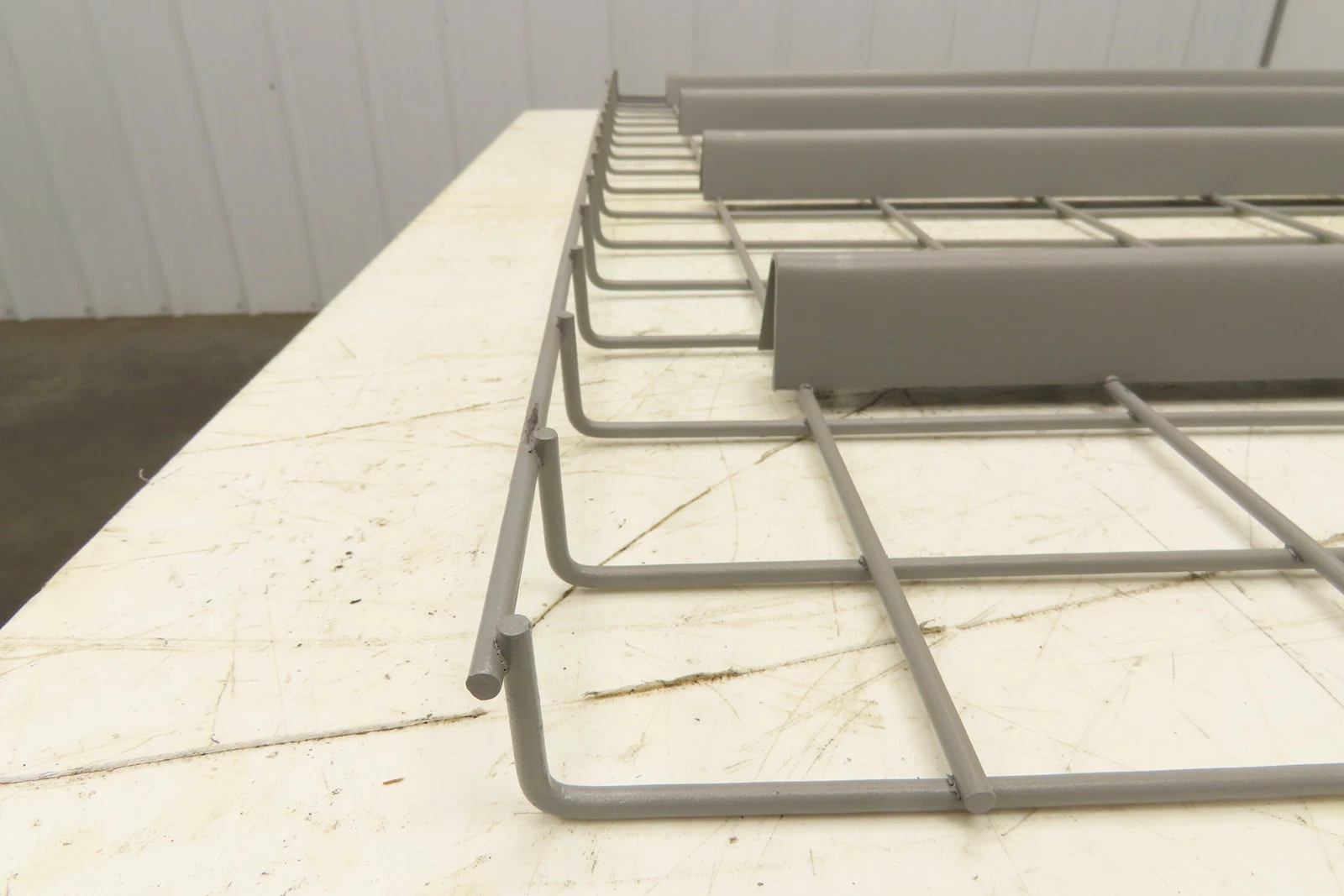
What Materials Provide the Best Load Distribution?
What Materials Provide the Best Load Distribution?
- Choosing the right materials for load distribution is essential for organized workspaces.
- Racking systems are crucial for safely stacking heavy loads and preventing hazards.
- Steel is favored for its strength-to-weight ratio, providing durability and stability.
- Wooden racking systems offer aesthetic appeal but may warp or deteriorate over time.
- Composite materials combine strengths of steel and wood while promoting sustainability.
- Material choices impact productivity and employee morale, fostering a safe work environment.
- Effective load distribution systems reflect the values of safety, reliability, and community.
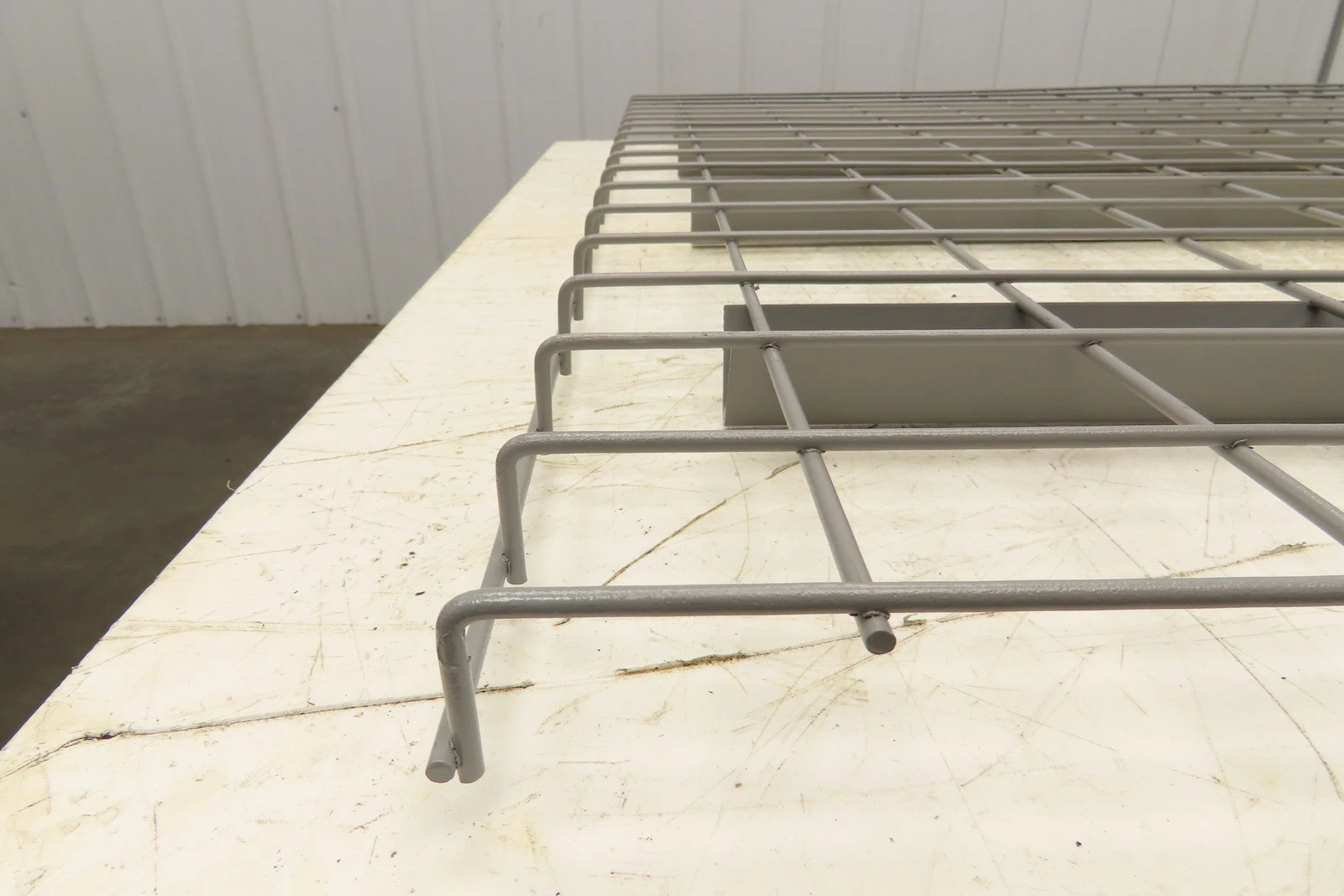
What Materials Provide the Best Load Distribution?
How Does Load Distribution Impact Safety?
Load distribution is a crucial factor in ensuring safety across various industries, particularly in environments where large loads are handled. Consider the racking systems found in warehouses, where pallets stacked high can reach dizzying heights. When loads are poorly distributed, it can lead to catastrophic failures. Imagine a worker reaching for a box at the top of a racked pallet. If that pallet wasn’t loaded correctly, the whole thing could come crashing down, sparking fear among coworkers and creating chaos in what should be a controlled environment.
The heart of this issue lies in understanding that safety is not just about following rules—it’s about the lives of real people. Each box or piece of equipment is connected to someone’s livelihood. Picture the warehouse manager juggling schedules, ensuring everything runs smoothly while knowing that the safety of their team hinges on how well the loads are distributed. Every decision made reflects a commitment to their welfare, fostering a culture where employees feel valued and secure.
Rationally speaking, load distribution isn’t just a matter of physics; it’s an everyday necessity that impacts productivity and efficiency. Knowledgeable supervisors rely on their experience and expertise to establish safe racking systems, recognizing that a small oversight can lead to big losses. When loads are balanced properly, it leads to better workflow and minimizes the risk of accidents. That’s just common sense.
Ethically, prioritizing load distribution is about taking responsibility. Workers trust their leaders to provide a safe work environment. When they see measures being taken to ensure proper distribution of weight in racking systems, it cultivates confidence. This trust doesn’t just enhance morale; it enhances the bottom line. A safe environment reduces injury claims, lost time, and ultimately leads to a stronger company.
Finally, from a social perspective, fostering safety at work builds camaraderie. When employees observe each other adhering to load distribution guidelines, it creates a community of care. They start looking out for one another, monitoring loads together, discussing best practices, and sharing experiences. By engaging the heart, head, and gut in the daily operations surrounding load distribution, organizations can create a culture that not only protects but inspires confidence and unity among their workforce. Safety in load distribution isn’t just a procedure; it’s a shared commitment to protect lives and livelihoods all around.

How Does Load Distribution Impact Safety?
How Does Load Distribution Impact Safety?
- Load distribution is essential for safety in industries handling large loads, particularly in warehouses.
- Poorly distributed loads can cause catastrophic failures, posing risks to workers and creating chaotic environments.
- Safety is about real people’s lives, and decisions regarding load distribution impact employee welfare.
- Proper load distribution enhances productivity and minimizes accident risks, showcasing its practical importance.
- Prioritizing load distribution fosters trust between workers and leaders, improving morale and company performance.
- Adhering to load distribution guidelines builds camaraderie and a culture of care among employees.
- Safety in load distribution represents a shared commitment to protecting lives and livelihoods.

How Does Load Distribution Impact Safety?
What Are the Consequences Of Poor Load Distribution?
When it comes to managing heavy loads in warehouses or industrial settings, the importance of proper load distribution can’t be overstated. Picture a racking system filled to the brim with pallets. You’ve got the top shelves heavy with weight while the bottom remains woefully underloaded. This imbalance isn’t just bad for your equipment—it can lead to serious consequences that affect every part of your operation.
Let’s start with safety. A poorly distributed load can become a disaster waiting to happen. Imagine a worker, hands full, standing beneath a racking system ready to shift deliveries. If that load were to shift unexpectedly, the results could be catastrophic—injuries, fatalities, and crashes that shake the very foundation of your workplace. It’s a gut-wrenching reality that no one should have to face. Taking simple steps to ensure every load is distributed properly keeps people safe, and it feeds the soul of any responsible business owner.
Then there’s the damage to your equipment. Just as our bodies have limits, so do the mechanics of racking systems. A load that exceeds the design specifications can lead to structural failure—bent racks, damaged pallets, and the loss of valuable inventory. Keep in mind, every replacement or repair adds unnecessary strain on your budget. Ethically and financially, we owe it to ourselves and our teams to respect these limits. It’s about safeguarding assets and maintaining an environment where everyone can do their job without worry.
Additionally, poor load distribution can lead to inefficiencies that trickle down through the operation. When workers have to navigate around precariously stacked products, productivity suffers. Time wasted moving around, taking additional care, and avoiding trouble can lead to frustration and burnout. And let’s face it, no one wants to feel like they’re dancing around a disaster zone day after day. Managing loads properly fosters a smoother workflow, empowerment, and morale—a sense that everyone’s contributing to a well-oiled machine.
Let’s not underestimate the message we send to our teams when we prioritize effective load distribution. It shows a commitment to safety and efficiency, building trust among those doing the heavy lifting. A solid racking system, well-managed, becomes not just a structure for support but a cornerstone of a community that values hard work, safety, and accountability. Embracing proper load distribution isn’t just a task—it’s a promise to ourselves and our colleagues that we’re all in this together.

What Are the Consequences Of Poor Load Distribution?
What Are the Consequences Of Poor Load Distribution?
- Proper load distribution in warehouses is crucial for safety and equipment integrity.
- Imbalanced loads can lead to serious safety hazards, including injuries and fatalities.
- Overloaded racking systems risk structural failure, resulting in damage and increased costs.
- Poor load distribution leads to operational inefficiencies and decreased productivity.
- Managing loads effectively improves morale and creates a smoother workflow.
- Prioritizing load distribution shows commitment to safety and builds trust among workers.
- Effective load management fosters a responsible, cohesive work environment.

What Are the Consequences Of Poor Load Distribution?
How Can Technology Improve Load Analysis?
In the world of heavy lifting and transport, every load matters. When you think about racking systems, you see the backbone of any warehouse operation. They hold everything together, literally. But what if I told you that technology is reshaping how we analyze and manage these loads? Just like a seasoned worker knows the heft of a load without needing a scale, technology goes a step further, offering precision and insight that can save time, money, and even lives.
Gone are the days when you’d jot down measurements on a clipboard or squint at a tape measure. Modern tools, like load sensors and software, can provide real-time data on how much weight each racking system is bearing. Imagine standing in a bustling warehouse, feeling the energy of workers efficiently moving goods, and knowing that technology is quietly overseeing the load, ensuring everything stays balanced. This isn’t just about improving efficiency; it’s about safety. With new analytics, you can pinpoint potential overloads before they become a problem, reducing the risk of accidents. No one wants to be the reason a racking system fails.
The rational side of this story is crucial, too. Using intelligent software systems means we can track loads more accurately. Real-time data allows us to make smarter decisions, adapting on the fly to the dynamics of our operation. If a shipment arrives heavier than expected, those smart systems can alert us immediately, saving us from costly mistakes. It’s about being proactive, not reactive.
From a grounded perspective, these improvements also speak to our common sense. In an industry where every day is a lesson learned, leveraging technology can help you work smarter, not harder. It’s an evolution that respects hard work and acknowledges that we can always do better.
And let’s not forget the community angle. When we invest in technology that enhances load analysis, we’re not just improving our operations; we’re setting a standard in our field. We’re fostering a culture of safety and efficiency that everyone can be proud of, encouraging others to adopt these innovations. As we share our successes and challenges, we build a network of support, reinforcing the idea that we’re all in this together.
So, the next time you walk through a warehouse, remember: technology in load analysis isn’t just a tool; it’s a partner in navigating the heavy lifting we do every day. Embrace it, and let it elevate your operation.

How Can Technology Improve Load Analysis?
How Can Technology Improve Load Analysis?
- Technology is transforming load analysis in heavy lifting and transport operations.
- Modern tools such as load sensors provide real-time weight data, enhancing efficiency and safety.
- Advanced analytics help identify potential overloads, minimizing risk of accidents.
- Intelligent software enables accurate tracking of loads and proactive decision-making.
- Leveraging technology allows workers to operate smarter and respect hard work.
- Investing in load analysis technology promotes a culture of safety and efficiency in the industry.
- Collaboration and sharing successes in technology use strengthen community support among professionals.
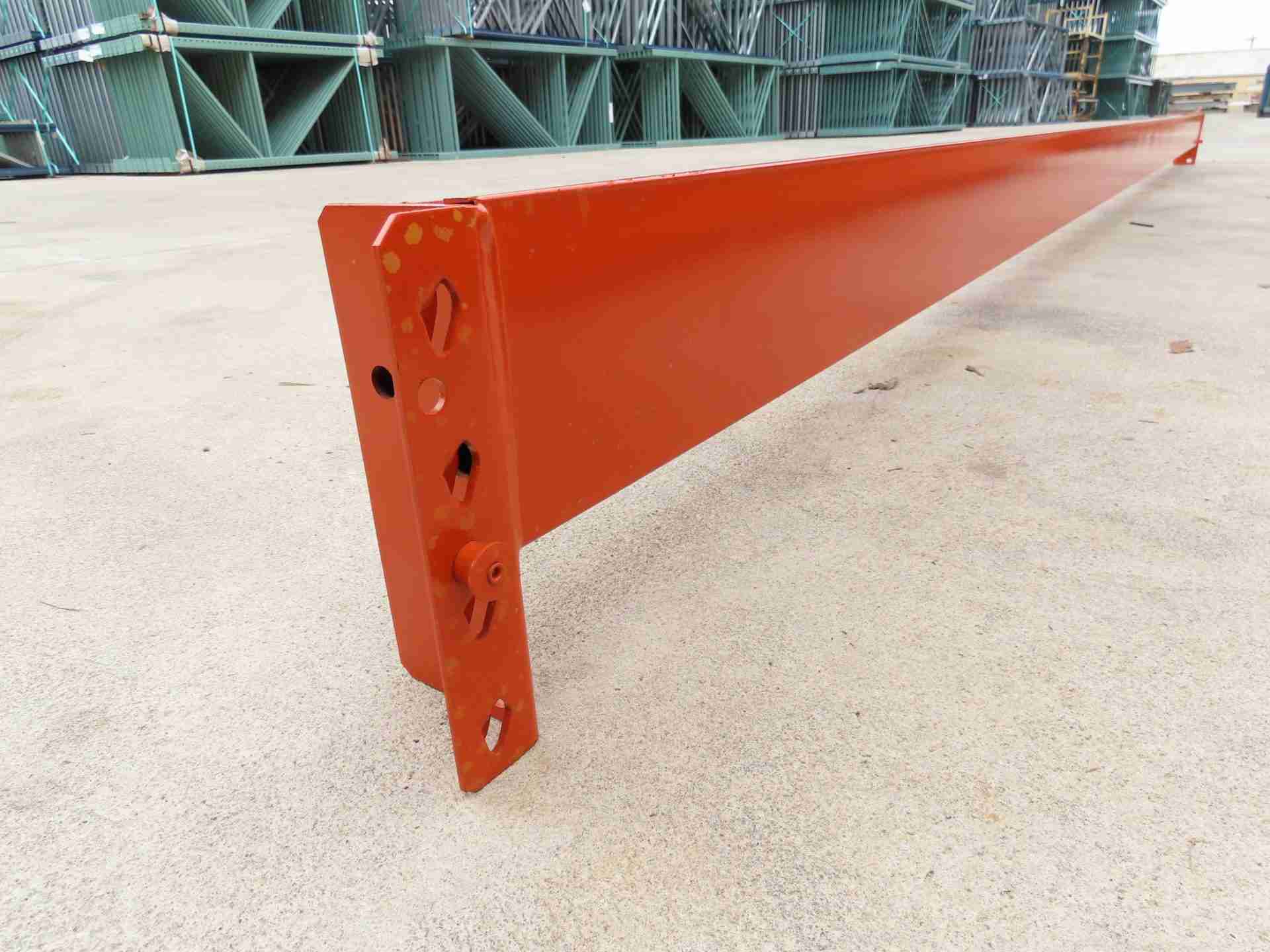
How Can Technology Improve Load Analysis?
Conclusion
Load distribution is the unsung hero of safety and structural integrity, a critical theme running through construction and warehousing. Picture the palpable tension in a bustling warehouse; every racking system, every beam, and every pallet holds responsibility for not just products, but the lives of the people working in its shadow. When that load is distributed well, it’s like a finely tuned machine—each part plays its role, ensuring stability and security for everyone involved. This isn’t mere engineering jargon; it’s about lives, families, and the simple promise that we all want to go home safe at the end of the day.
On a rational level, understanding load distribution translates into better planning and execution. It’s about knowing the materials—steel, wood, composites—and how they react under stress. As experienced workers recognize, every decision in design and load management directly affects how structures withstand pressure, environmental stress, or even unexpected disturbances. Professionals in the field—whether engineers, workers, or managers—must maintain a steadfast dedication to adhering to industry standards and promoting a culture of safety.
It’s not just about you or me; it’s about the entire team. When everyone takes responsibility for safety, from the top management to the ground workers, trust is built. A culture where each person is empowered to speak up about safety and load concerns fosters not just compliance, but camaraderie. This sense of community nurtures pride and reinforces the importance of every role, cultivating an environment where each worker feels valued and protected.
Ethically, the commitment to maintaining proper load distribution reflects our duty to each other. No one wants to be the one responsible for a preventable accident. Investing in technology and best practices safeguards lives and assets, highlighting a clear ethical responsibility that extends beyond profit margins. Moreover, embracing innovation, like load sensors and software for real-time analysis, offers a dual benefit: it enhances efficiency while reducing risks. Managing risk is as much about safeguarding company assets as it is about ensuring worker safety.
Ultimately, good load distribution isn’t merely about physics; it’s about heart. Every structure tells a story of effort, cooperation, and mutual respect. When racking systems are constructed mindfully, they uphold not just goods but the well-being of communities. Choosing the right materials and practices signifies respect for those whose livelihoods depend on the integrity of these systems. Every time a worker lifts a box off a shelf, they’re relying on a shared legacy of safety and trust that should never be taken lightly. This commitment to proper load management is about more than just heavy lifting—it’s about lifting spirits and ensuring we all thrive together.

Conclusion
Conclusion:
- Load distribution is crucial for safety and structural integrity in construction and warehousing.
- Proper load distribution ensures stability and security, protecting both products and the lives of workers.
- Understanding materials and their reactions under stress is essential for effective load management.
- A culture of safety is built when every team member, from management to ground workers, takes responsibility.
- Ethical commitment to load distribution prevents accidents and shows responsibility beyond profit margins.
- Innovative technologies like load sensors enhance efficiency and reduce risks.
- Good load distribution signifies respect for workers’ livelihoods and fosters a community of trust and cooperation.

Conclusion
Other Resources

Other Resources
Here is a list of other resources you can review online to learn more:
- International Warehouse Logistics Association
- Logic Material Handling
- The Complete Pallet Rack Guide – Simply Rack
- Selective Pallet Racking Systems – Container Systems
- Material Handling Safety
- Warehousing Education and Research Council: https://www.werc.org/
- RMI
- Intro to Warehouse Racks & Warehouse Racking Systems – ShipBob
- Warehouse Storage Racking in Illinois
- Overhead Lifting
- Teardrop Pallet Rack – Ridg-U-Rak
- Wolter
- NSC
- What is Selective Pallet Racking
- IIWS Inc. Rack Installation Illinois & Rack Repairs Illinois
- Crane Manufacturers Association Of America Inc.
- Chicago Pallet Racking
- Iowa Illinois Warehouse Racking
- Warehouse Racking Systems: Beginner’s Guide to Rack Systems
Use This Prompt To Get More Resources With Your Favorite Online AI Tool: Please provide me with a list of online articles with their URLs in a bulleted list that I can read regarding Load Distribution and Structural Integrity

Other Resources
Glossary Terms
Load Distribution and Structural Integrity – Glossary Of Terms
1. Load Distribution: The way in which loads are shared among structural elements in a building or structure.
2. Structural Integrity: The ability of a structure to withstand its intended load without experiencing failure.
3. Shear Force: The force that acts parallel to the surface of a material, causing distortion.
4. Bending Moment: The internal moment that causes a structure to bend under load.
5. Compression: The act of reducing the volume of a material by applying pressure.
6. Tension: The pulling force that stretches a material.
7. Moment of Inertia: A measure of an object’s resistance to changes in its rotation.
8. Factor of Safety: The ratio of the maximum load a structure can support to the intended load.
9. Load Bearing Wall: A wall that supports weight from above.
10. Static Load: A load that does not change over time, such as the weight of the structure itself.
11. Dynamic Load: A load that varies over time, such as moving vehicles on a bridge.
12. Live Load: The weight of temporary loads on a structure, such as furniture and occupants.
13. Dead Load: The weight of permanent fixtures within a structure, like walls and roofs.
14. Load Path: The route that loads follow through a structure to the ground.
15. Structural Analysis: The process of evaluating a structure’s ability to support loads.
16. Finite Element Method: A numerical technique for finding approximate solutions to complex structural problems.
17. Load Factor: A multiplier applied to the nominal load to account for uncertainties in load conditions.
18. Deflection: The deformation of a beam or structure under load.
19. Reinforcement: Materials added to a structure to enhance its strength.
20. Anchorage: A method of securing structural elements to resist loads.
21. Corrosion Resistance: The ability of materials to withstand degradation due to chemical exposure.
22. Impact Load: A sudden force applied to a structure, causing a transient effect.
23. Applied Load: Any external forces acting on a structure.
24. Serviceability: The condition of a structure under normal conditions that affects its usability but not its safety.
25. Buckling: The failure mode where structural elements deform drastically under compressive load.
26. Load Combinations: Various combinations of loads that a structure may be subjected to during its life.
27. Materials Strength: The capacity of a material to withstand loads without failure.
28. Welding: The process of joining materials through melting and solidifying.
29. Joint: The point where two structural elements connect.
30. Vibration: Oscillations in a structure caused by dynamic loads or external forces.

Glossary Of Terms
Other Questions
Load Distribution and Structural Integrity – Other Questions
If you wish to explore and discover more, consider looking for answers to these questions:
- What is load distribution and why does it matter for racking systems?
- How do engineers calculate load distribution for a given rack or structure?
- What’s the difference between live loads, dead loads, point loads, and distributed loads?
- How do you determine the load capacity of a specific racking unit or shelf?
- What safety factors are applied when designing racking systems?
- Which building codes, industry standards, and regulations apply to racking and load distribution (e.g., OSHA, ANSI, local codes)?
- How often should racking systems be inspected and by whom?
- What are common signs of rack overload or impending structural failure?
- What are the most frequent failure modes in racking systems (e.g., buckling, connector failure, foundation issues)?
- How should pallet placement and orientation be managed to ensure even load distribution?
- How do material choices (steel, wood, composites) affect load distribution and long‑term performance?
- What environmental factors (temperature, moisture, corrosion, wind, seismic activity, snow) most affect load distribution and how should they be addressed?
- How should racks be anchored or braced to maintain stability under uneven or dynamic loads?
- How can poor ground or foundation conditions impact load paths and racking integrity?
- What role does pallet quality and condition play in safe load distribution?
- How can uneven or off‑center loads be mitigated during storage and handling?
- What inspection and maintenance schedule ensures ongoing structural integrity?
- How can technology (load sensors, IoT devices, monitoring software) be integrated for real‑time load analysis?
- What types of load sensors and monitoring systems are available and how reliable are they?
- What software tools or analysis methods are commonly used for rack/load modeling and simulation?
- How should alerts, thresholds, and alarms be configured in a monitored system?
- What are best practices for training workers on safe loading, unloading, and rack inspection?
- How should weight limits and load plans be communicated and enforced on the warehouse floor?
- What are recommended procedures for load testing and certification of racking systems?
- How can older or damaged racking be safely retrofitted or repaired?
- What are the cost implications and ROI of investing in stronger materials or monitoring technologies?
- How do dynamic loads (impact, forklift collisions, shifting during handling) affect racking and how can these be minimized?
- What emergency response steps should be in place if a rack collapse or partial failure occurs?
- What insurance, liability, and legal considerations arise from racking failures?
- How do manufacturers’ warranties, certifications, and traceability factor into rack selection?
- What documentation (load tables, drawings, inspection logs) should be maintained for compliance and auditing?
- How should layouts and traffic flows be designed to reduce the risk of rack damage?
- What are the best practices for storing irregularly shaped or non‑uniform loads?
- How should peak periods or temporary overloads be planned for and managed?
- What role does organizational culture and accountability play in preventing load‑related incidents?
- Are there notable case studies of racking failures and lessons learned that operators can study?
- How long can a racking system be expected to perform before replacement, and what factors affect its lifespan?
- What sustainability and end‑of‑life options exist for racking materials and systems?
Other Questions
Checklist
Load Distribution and Structural Integrity – A Checklist
Planning and Assessment
✅______ Define maximum unit load weight, pallet types, dimensions, and center of gravity
✅______ Map clear load paths from shelf or beam to frame, base plate, slab, and subgrade
✅______ Identify peak, transient, impact, and dynamic loads (for example, during peak seasons)
✅______ Verify floor slab capacity, flatness and levelness (FF/FL), and soil bearing limits
✅______ Assess environmental loads (seismic, wind, snow/ice, temperature, humidity, chemicals)
✅______ Establish aisle widths, clearances, and forklift turning envelopes
Design and Engineering
✅______ Use engineered, rated components from compatible manufacturer systems; do not mix unknowns
✅______ Confirm beam, frame, and bracing capacities for level, bay, and system loads
✅______ Include torsional stability, out-of-plane bracing, and row spacers and ties in the design
✅______ Design anchorage (base plates, anchors, edge distances, embedment) for all frames
✅______ Incorporate impact protection (column guards, end-of-aisle guards, rack backs and stops)
✅______ Obtain sealed drawings and calculations where required; retain for reference
Materials and Components
✅______ Select appropriate steel grade and finish; specify corrosion protection for the environment
✅______ If using wood or composites, verify grade, moisture content, and durability requirements
✅______ Use specified fasteners; apply torque specifications and locking features per manufacturer
✅______ Maintain component traceability and keep product data and load tables accessible
Installation and Commissioning
✅______ Erect racks plumb and level within tolerances; shim as required
✅______ Anchor every base plate; verify torque, embedment, and edge clearance
✅______ Install all beam safety locks and clips; none missing
✅______ Install row spacers, cross-aisle ties, and back-to-back ties where designed
✅______ Label load ratings at each aisle or bay; ensure visibility
✅______ Document as-built conditions and deviations from drawings
Load Management and Operations
✅______ Distribute weight evenly across beams and shelves; avoid point loading
✅______ Place the heaviest pallets at lower levels; avoid top-heavy bays
✅______ Do not exceed beam, level, bay, or floor load ratings
✅______ Center pallets; respect overhang limits and pallet compatibility with decking
✅______ Remove damaged pallets from service; no cracked or broken stringers or blocks
✅______ Control forklift impact speeds; prohibit pushing racks with equipment
✅______ Implement WMS and put-away rules that enforce load and location limits
Inspection and Maintenance
✅______ Daily: Check for missing beam locks, visible damage, spills, or obstructions
✅______ Weekly: Verify plumbness, loose or absent bolts, beam deflection, and labels
✅______ Monthly: Inspect anchors, column and base guards, decking, row spacers, and ties
✅______ Post-incident, weather event, or seismic event: Perform special inspection before reuse
✅______ Annual: Competent person audit; update signage, drawings, and training
✅______ Tag and quarantine damaged components (red/yellow/green system) and replace in kind
Environmental and Site Conditions
✅______ Monitor corrosion, condensation, and chemical exposure; maintain coatings
✅______ Account for cold storage brittleness and thermal movement
✅______ Manage water intrusion; prevent wood or composite warping or decay
✅______ Consider roof or mezzanine snow drift or uplift effects where applicable
Training and Safety Culture
✅______ Train operators on load ratings, proper put-away and retrieval, and clearances
✅______ Establish a no-blame damage reporting process; act on reports promptly
✅______ Assign a rack safety lead; define responsibilities and escalation paths
✅______ Conduct regular refreshers and toolbox talks focused on load balance
Technology and Data
✅______ Deploy load sensors and IoT devices where needed for real-time weight and overload alerts
✅______ Use digital checklists and torque and inspection logs for traceability
✅______ Integrate WMS and EMS rules to prevent location overloading and top-heavy stacking
✅______ Analyze trends in near-misses, overload alerts, and impacts; implement corrections
Emergency Preparedness
✅______ Keep egress routes and aisles clear; maintain marked emergency pathways
✅______ Install end-of-aisle and post protection and rack backs to prevent product drop
✅______ Maintain a collapse or impact response plan (cordon, evacuate, notify, assess, restore)
✅______ Ensure first-aid and spill kits are accessible; staff know locations and procedures
Change Management
✅______ Re-evaluate ratings when product mix, pallet type, or equipment changes
✅______ Engineer and document any rack modifications or reconfigurations
✅______ Verify floor capacity before adding levels, decking, or denser storage
Documentation and Compliance
✅______ Post and maintain current load plaques at each rack run or aisle
✅______ Keep manufacturer manuals, approvals, calculations, and as-builts on file
✅______ Retain inspection, maintenance, and incident records with corrective actions
✅______ Align with applicable standards and local codes; update when standards change
Continuous Improvement
✅______ Track KPIs (damage rate, overload alerts, downtime, and near-misses)
✅______ Conduct periodic third-party reviews for unbiased assessment
✅______ Close the loop on corrective actions and share lessons learned with the team

Checklist
At RackingWorld, we help guide you through selecting warehouse storage systems and racking.
Be sure to read our other related stories at RackingWorld to learn more about warehouse storage systems.
0 Comments