
Transforming Storage Solutions: Unlock Efficiency And Reduce Waste
By Tom Seest
At RackingWorld, we help guide you through selecting warehouse storage systems and racking.
Be sure to read our other related stories at RackingWorld to learn more about warehouse storage systems.
How Poor Storage Design Creates Labor Waste
Imagine a bustling warehouse where every second counts, yet employees find themselves tripping over misplaced boxes and scrambling to locate essential tools. This chaos isn’t just an inconvenience; it’s a prime example of how poor storage design leads directly to labor waste. Racking systems that lack organization can transform a well-intentioned workflow into a frustrating maze. The result? Tired workers who leave their shifts feeling drained, not inspired.
Consider the emotional weight carried by the team members laboring day in and day out. When they’re forced to navigate poorly arranged racking systems, it breeds frustration. Think about the morale of an employee who spends twenty minutes searching for a part that should have been easy to access. That’s not just wasted time; it can lead to a drop in job satisfaction and productivity. No one wants to feel like they’re fighting against their own workspace, and this disconnect can create a rift in the team dynamic.
Rationally, investing in smarter storage solutions makes sense. Well-designed racking systems enhance workflow efficiency and reduce the time spent on mundane tasks. When everything has its rightful place, inventory can move seamlessly. This isn’t just about saving minutes here and there; it’s about creating a workplace where every member of the team feels valued and productive. A little effort in layout planning can lead to satisfying returns in efficiency and output.
Ethically, companies owe it to their employees to provide a workspace that doesn’t hinder their efforts. It fosters a culture of respect and acknowledgment, where workers feel seen and heard. This isn’t just good for the bottom line; it’s good for the soul of the operation. When the storage design reflects thoughtfulness, workers thrive, leading to better service for customers and a stronger reputation in the market.
A narrative about a struggling warehouse overhauling its racking systems illustrates this point perfectly. After redesigning their storage layout, one team saw a dramatic reduction in time lost searching for materials—a change that boosted morale and productivity. This success story is a testament to the power of good design, where trust and efficiency feed into each other.
Socially, when we share these experiences of transformation, we create a community of learning and growth. Poor storage doesn’t have to be the norm. Together, by recognizing the impact of our environment on labor, we can foster workplaces that inspire action and connection amongst our teams. Let’s turn the tide on wasteful practices and champion strong storage systems that support everyone.

How Poor Storage Design Creates Labor Waste
How Poor Storage Design Creates Labor Waste
- Disorganization in warehouses leads to increased labor waste and employee frustration.
- Poorly arranged racking systems decrease morale and job satisfaction, impacting productivity.
- Investing in optimized storage solutions enhances workflow efficiency and reduces mundane task time.
- Effective storage design can create a workspace where all team members feel valued and productive.
- Companies have an ethical responsibility to provide workspaces that support employees’ efforts.
- A successful warehouse redesign improved material retrieval times, boosting morale and productivity.
- Sharing transformation experiences fosters a culture of learning and encourages better storage practices.

How Poor Storage Design Creates Labor Waste
Table Of Contents
- How Poor Storage Design Creates Labor Waste
- What Inefficiencies Arise From Inadequate Storage Design?
- How Does Clutter Impact Employee Morale?
- Can Better Storage Reduce Workplace Accidents?
- What Storage Solutions Enhance Productivity?
- How Do Poor Layouts Affect Employee Stress Levels?
- What Costs Are Associated with Wasted Storage Space?
- Conclusion
- Other Resources
- Glossary Of Terms
- Other Questions
- Checklist
What Inefficiencies Arise From Inadequate Storage Design?
When we think about our workspaces, the focus often lands on the big, flashy equipment or the latest technology. But what we often overlook is the backbone of these operations—storage design. Racking systems should be the unsung heroes of any warehouse or workshop, yet when they’re poorly designed or inadequately installed, they can lead to a cascade of inefficiencies that hit everyone from the warehouse manager to the employees on the ground.
Imagine a bustling warehouse floor. Workers are trying to retrieve parts, stacking items incorrectly in makeshift shelves due to disorganized racking systems. It’s chaotic. Productivity takes a nosedive because people waste precious time searching for what they need, juggling items that shouldn’t even be on the same level, and risking safety in the process. The emotional strain of frustration can wear down even the most dedicated worker. Morale dips when the space feels cramped and disheveled.
Now, let’s think rationally. Inefficiencies don’t just create headaches—they can affect the bottom line. Every minute your team spends digging through clutter translates into lost income. Disorganized storage can lead to overstocking or stockouts, which might force your operation to make costly last-minute orders. These mistakes can tarnish not just business relationships but also your reputation. You wouldn’t want to be the team that can’t deliver, right?
Ethically, we have a duty to our employees to provide an environment that promotes safety and efficiency. A poorly designed racking system can increase the risk of accidents, and we have to ask ourselves: is it worth the risk? A simple investment in better storage can show your team that you value their safety and time.
From an authority standpoint, seasoned managers know what works and what doesn’t. They’ve seen the difference that proper storage design makes in a thriving business. It’s not just a theory—it’s backed by hands-on experience. Those who understand the value of well-structured racking systems have often turned struggling operations into well-oiled machines.
Lastly, it’s about connection. When we work together in a space that’s organized and efficient, it fosters camaraderie. Employees can focus on the tasks at hand, not overwhelmed by clutter. Strong teamwork flourishes in environments where trust is established, and a good storage design lays the foundation for just that. Investing time and resources into better storage solutions doesn’t just optimize space—it cultivates a thriving workplace where everyone can succeed.
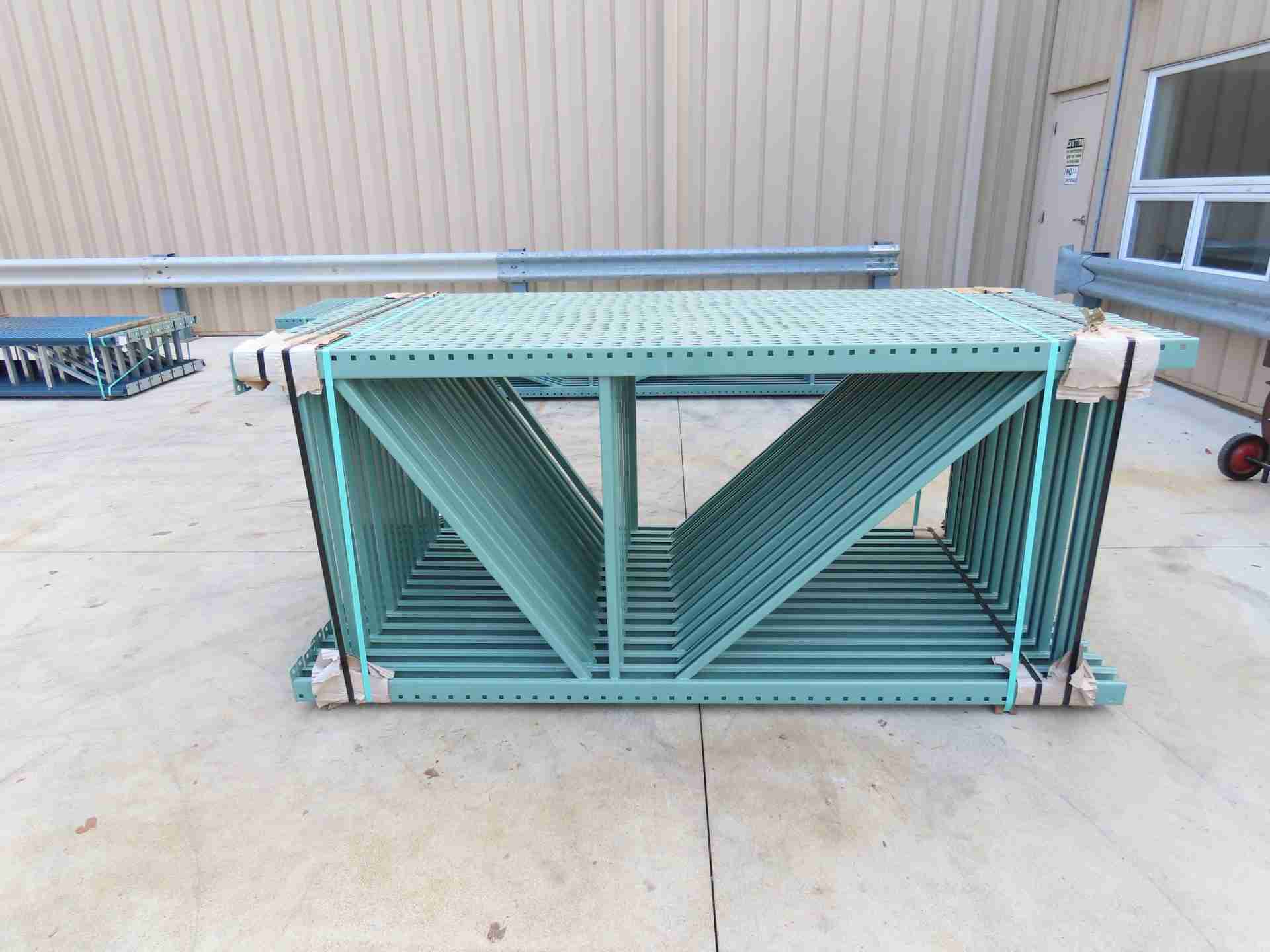
What Inefficiencies Arise From Inadequate Storage Design?
What Inefficiencies Arise From Inadequate Storage Design?
- Storage design, particularly racking systems, is crucial yet often overlooked in workspaces.
- Poorly designed racking leads to inefficiencies, affecting warehouse managers and employees alike.
- Disorganized storage results in lost productivity, increased frustration, and lowered employee morale.
- Inefficiencies can negatively impact a company’s bottom line, leading to costly last-minute orders.
- There is an ethical responsibility to create a safe and efficient work environment for employees.
- Experienced managers recognize the importance of proper storage design based on practical experience.
- Investing in effective storage solutions fosters an organized, collaborative workplace that enhances teamwork.
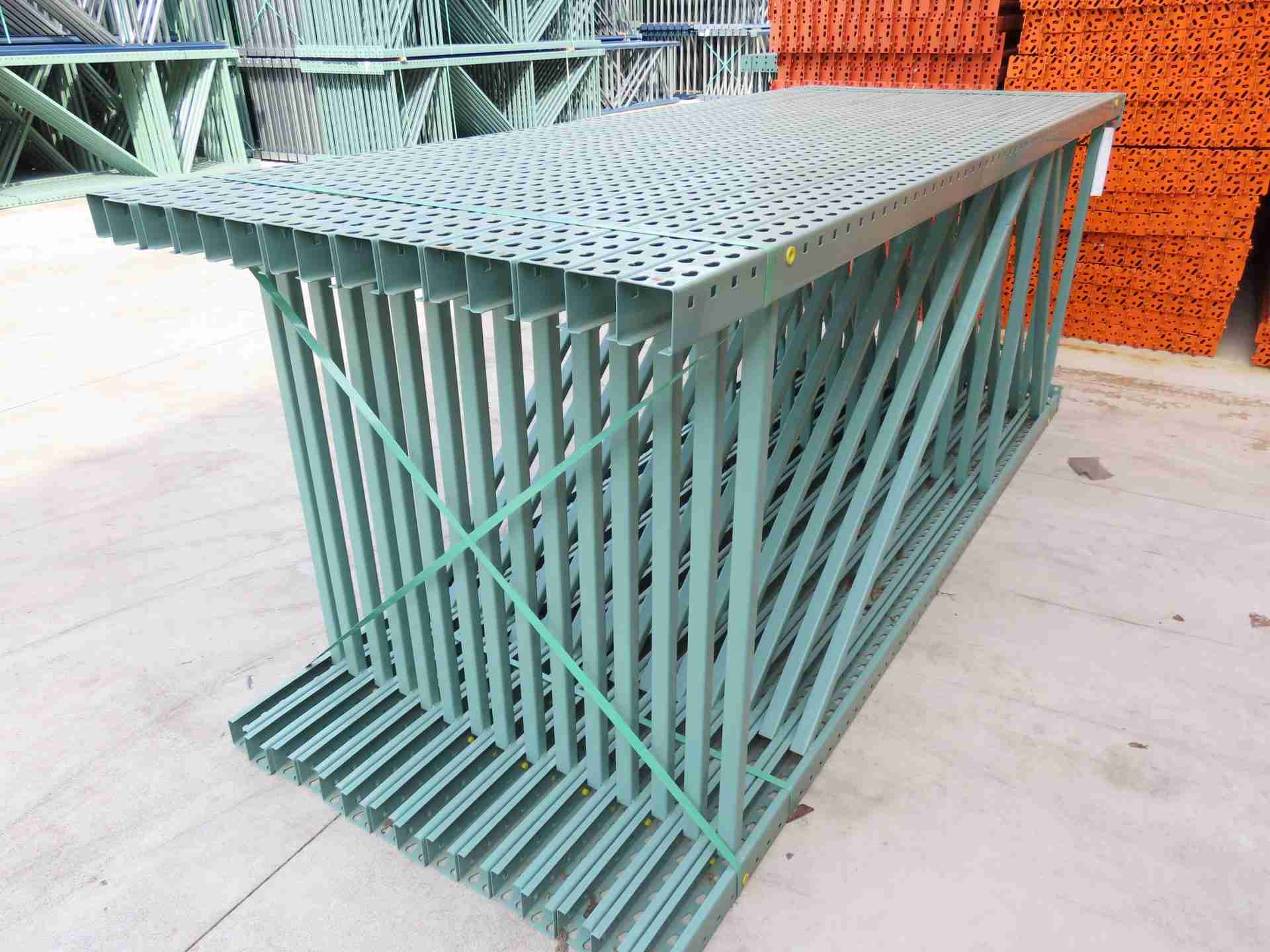
What Inefficiencies Arise From Inadequate Storage Design?
How Does Clutter Impact Employee Morale?
A clean workspace, like a well-organized racking system in a warehouse, acts as the backbone of efficiency. When clutter takes over, it’s not just the physical space that feels cramped; it seeps into our mental landscape, affecting morale like a fog on a sunny day. Employees often find themselves overwhelmed, unable to focus on their tasks, leading to a drop in productivity. Imagine a mechanic working on a car engine buried under tools and parts that don’t belong. Frustration sets in, and that good old-fashioned spark of motivation dims.
Clutter can breed discontent. When teammates walk into a disorganized environment, it sends the message that care and pride in the workplace have taken a backseat. This perception can erode the trust that binds a team together, making collaboration and camaraderie harder to achieve. On the flip side, an orderly workspace fosters a sense of belonging and pride. People want to feel as though their workplace reflects their values and standards. Just as a well-maintained racking system shows a commitment to organization and safety, a tidy environment builds confidence among employees that they matter.
Let’s not forget the emotional side of the coin. Working in a cluttered space can lead to feelings of anxiety. The stress of navigating through a mess can overshadow even the most exciting projects. Good morale thrives in environments that support clarity and creativity. And let’s face it, when a workplace feels chaotic, it’s hard to spark that creative fire that drives innovation.
Moreover, consider the narrative behind a clean workspace. It tells a story of respect—not just for the job at hand but for coworkers and the company itself. Employees take note when their environment reflects a culture that values their comfort and wellbeing. They’re more likely to give their all when they feel that the working conditions are a true reflection of the heart of the organization.
Keeping spaces organized is not merely an administrative task; it’s a collective responsibility. Each person plays a part in creating a work environment that inspires action and fosters connection. A focus on decluttering can transform not just spaces but also spirits, creating a culture where everyone contributes, feels valued, and thrives—just like a well-functioning racking system that supports the entire structure.
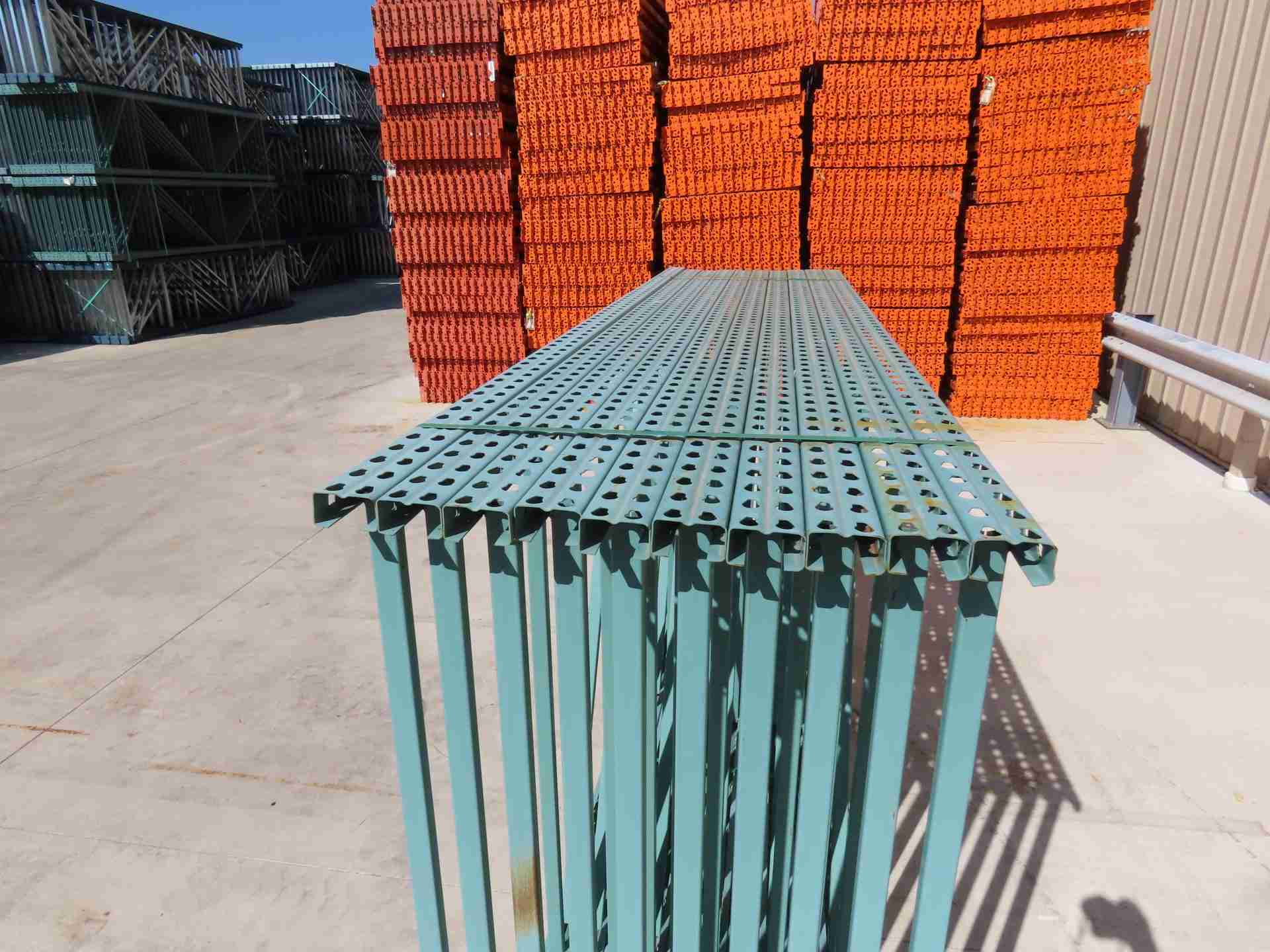
How Does Clutter Impact Employee Morale?
How Does Clutter Impact Employee Morale?
- A clean workspace is essential for efficiency, similar to a well-organized racking system.
- Clutter negatively impacts mental clarity and can lead to decreased productivity among employees.
- A disorganized environment breeds discontent and undermines trust within teams.
- An orderly workspace fosters a sense of belonging and reflects employees’ values.
- Clutter can cause anxiety and hinder creativity, affecting overall morale.
- A clean workplace signifies respect for coworkers and the organization as a whole.
- Maintaining organization is a shared responsibility that enhances culture and collaboration.
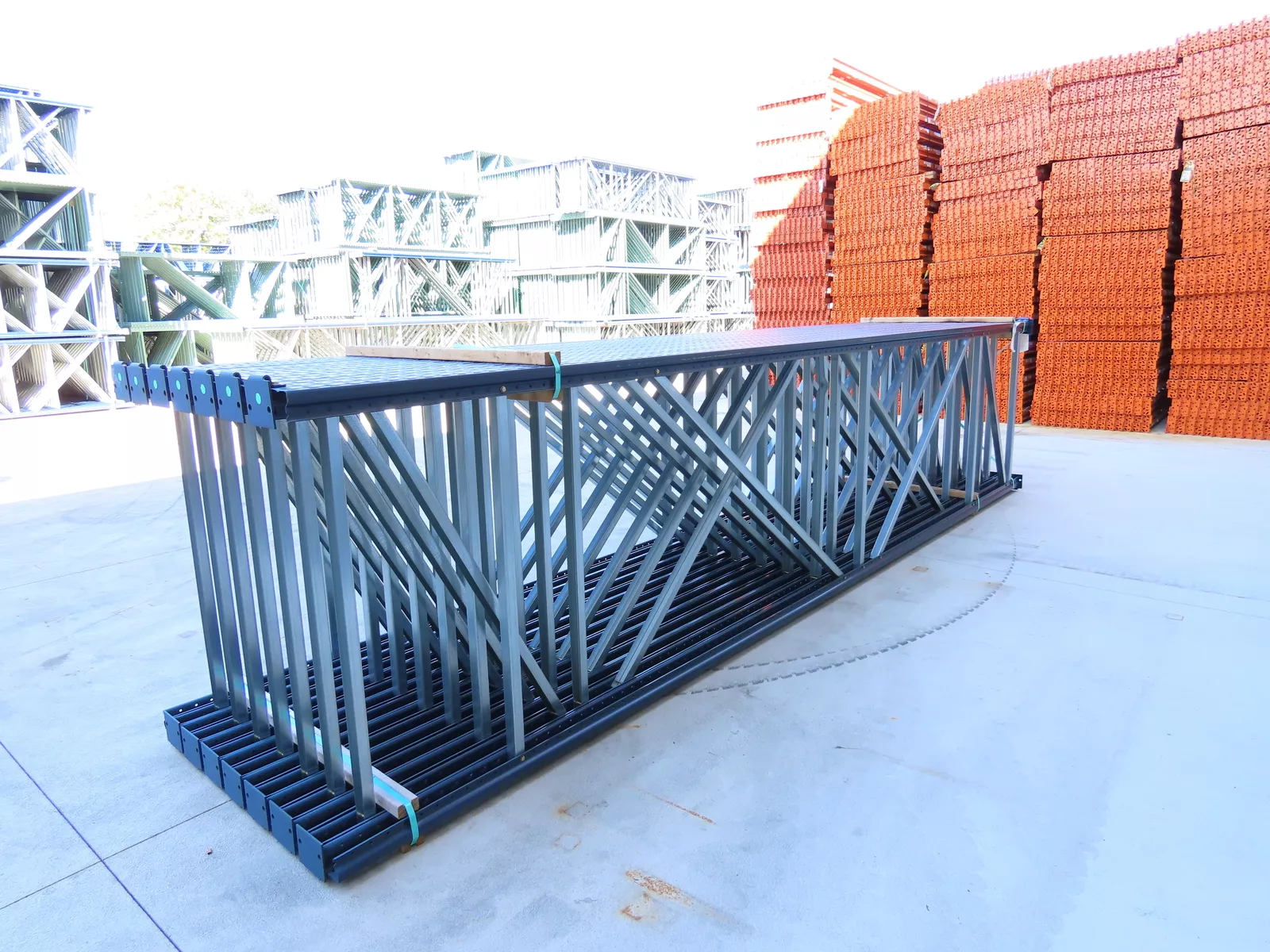
How Does Clutter Impact Employee Morale?
Can Better Storage Reduce Workplace Accidents?
In the hustle and bustle of a busy workplace, the difference between a productive day and a workplace accident often comes down to the basics—like where and how things are stored. Racking systems play a crucial role in this. If you think about it, those metal shelves are more than just storage; they’re the backbone of a safe work environment.
Picture a warehouse where tools and materials are strewn about. It’s chaotic. Workers are sidestepping things, reaching for items they can’t find, and this disarray leads to accidents. Now, imagine that same warehouse but with organized racking systems. Tools are labeled, materials are easily accessible, and the whole environment feels more manageable. Emotionally, it brings peace of mind. Workers can focus on their tasks rather than navigating a minefield of clutter.
Rationally, proper storage alleviates the risk of hazards. A well-designed racking system reduces the chances of items falling, allows for easier movement, and makes it less likely that someone will trip over misplaced tools. Those common-sense observations aren’t just good practices; they’re essential for maintaining a safe site. It reflects not just on our work ethic but on our respect for one another’s well-being.
Ethically, providing a safe working environment isn’t just a legal obligation; it’s a moral responsibility. Every day, employees put their trust in their employers to look out for their safety. Investing in quality racking systems is a tangible way to honor that trust. It shows that you care—not just about productivity but about the people who make it happen.
Moreover, when it comes to authority, industry leaders consistently highlight the impact that organized storage has on worker safety. They back it up with data showing that workplaces with effective storage solutions experience lower accident rates. It’s not just hearsay; these systems save lives and reduce costly downtime.
Let’s get to the heart of it: A safe workplace is one where everyone feels they can do their job without fear. With effective racking systems in place, we’re not just organizing material; we’re protecting our people, fostering a culture of safety, and building a sense of camaraderie. It’s about creating an environment where individuals can thrive. This connection to purpose drives us to take action—not just for efficiency’s sake, but for the well-being of everyone in the workplace.
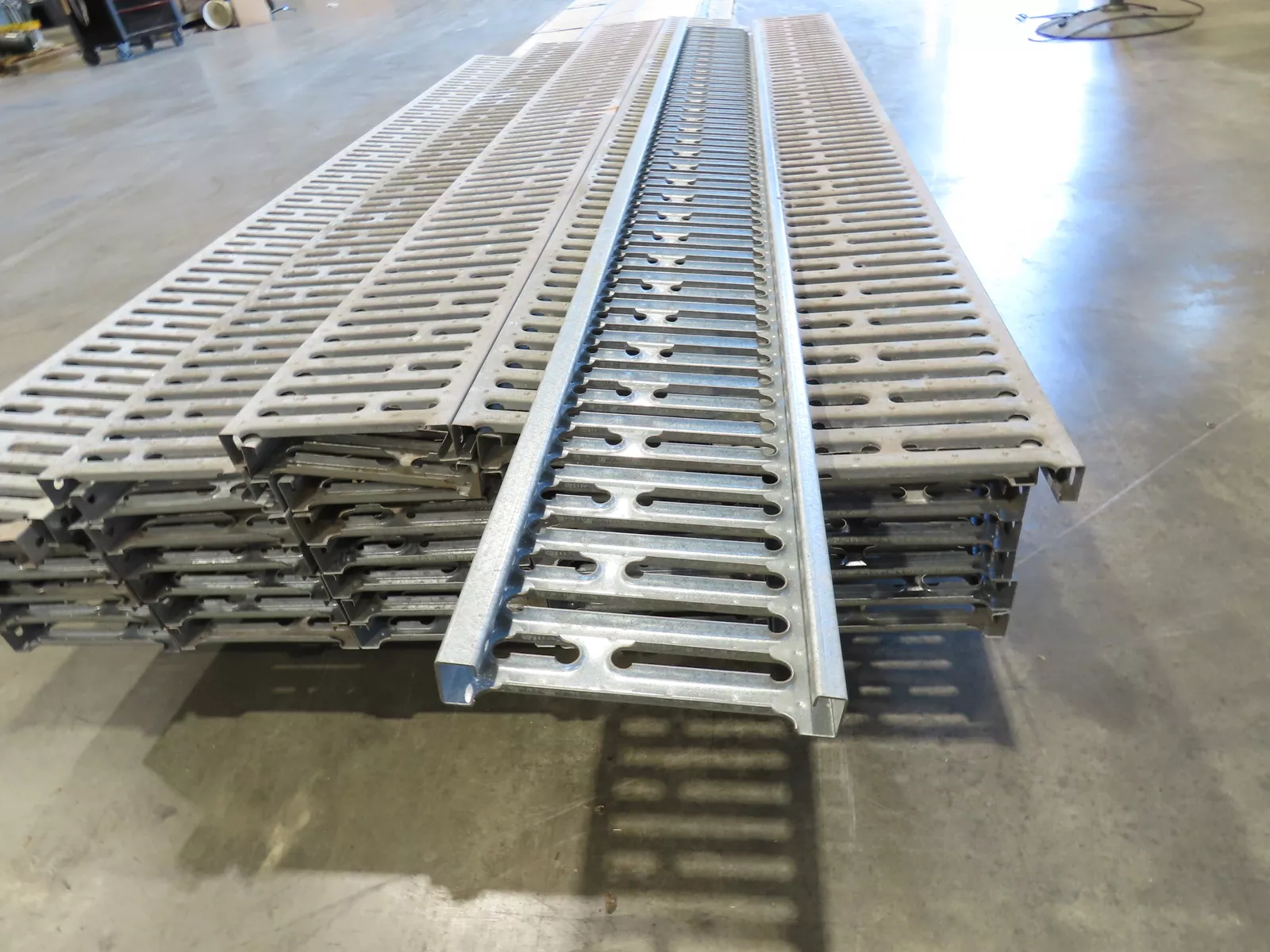
Can Better Storage Reduce Workplace Accidents?
Can Better Storage Reduce Workplace Accidents?
- Racking systems are essential for maintaining safety in busy workplaces.
- Disorganized storage can lead to chaos and increased risk of workplace accidents.
- Organized racking improves accessibility to tools and materials, enhancing focus and efficiency.
- Proper storage reduces hazards and minimizes the likelihood of items falling or trip hazards.
- Creating a safe work environment reflects a commitment to employee well-being and trust.
- Industry leaders emphasize the correlation between organized storage and lower accident rates.
- A safe workplace fosters a culture of safety, camaraderie, and overall employee satisfaction.
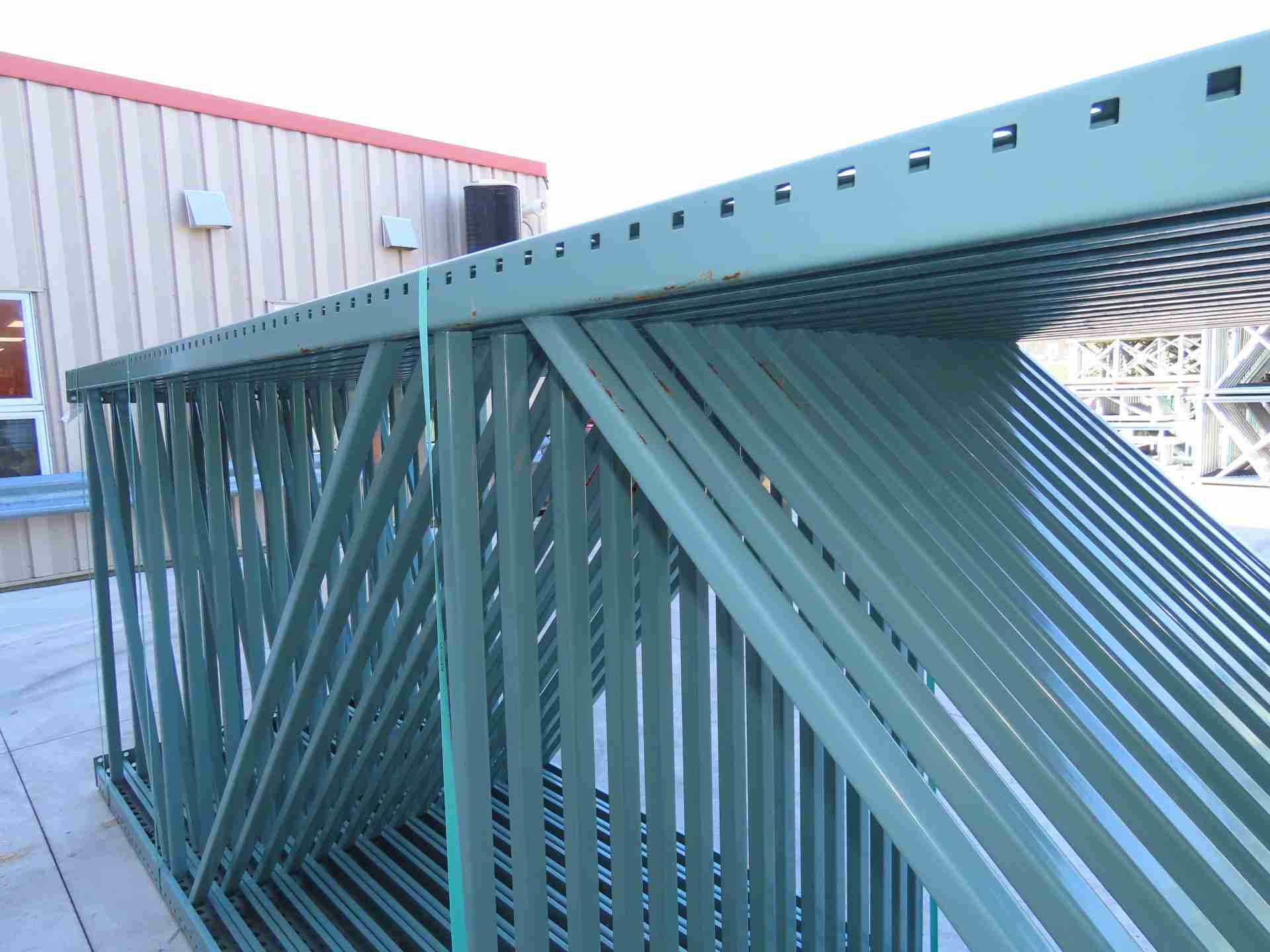
Can Better Storage Reduce Workplace Accidents?
What Storage Solutions Enhance Productivity?
In the world of work, clutter can crush creativity and slow down productivity faster than an unsteady table in a busy workshop. One of the best routes to reclaiming that lost energy is through smart storage solutions, like racking systems. Imagine stepping into a space where tools aren’t buried under a heap of old boxes, where everything has its place, ready for action. That’s not just a dream—it’s a real benefit of investing in good storage.
Racking systems are the backbone of many productive operations, whether you’re running a bustling warehouse or a modest garage. They offer a sturdy, efficient way to organize materials and equipment, making sure that your workspace is not just functional, but inspiring. The emotional impact of a clean, ordered environment can’t be overstated. It’s like clearing your mind; suddenly, you can think straight, focus on the task at hand, and unleash your best work without distractions.
From the practical standpoint, racking systems make the most of vertical space, turning what may feel like a cramped area into a well-oiled machine. This kind of efficiency saves time and reduces frustration, allowing you to reach for what you need without a scavenger hunt. When each item is easy to find and access, employees feel empowered and motivated, leading to higher morale and a can-do attitude.
Ethically, investing in effective storage solutions is also about valuing the resources at hand—less wasted time means more time spent innovating and creating. It’s like putting a premium on respect for your craft; when you’re orderly, you’re telling yourself, your team, and your customers that you care about quality and efficiency.
And let’s not forget the social aspect. In places where teams work together, organized spaces foster cooperation. When folks aren’t tripping over each other or the equipment, they communicate better. This teamwork can transform the atmosphere, leading to camaraderie and support that fuels productivity.
Hands-on experience shows that well-implemented racking systems invite trust. When you have your act together, clients and coworkers alike will see you as capable and reliable. So, consider stepping up your storage game. Embrace the shift from chaos to clarity, and watch not just your productivity but your enthusiasm for your work soar. Every tool and piece of material deserves a home—make it happen, and let that order elevate your output to new heights.

What Storage Solutions Enhance Productivity?
What Storage Solutions Enhance Productivity?
- Clutter hampers creativity and productivity in workspaces.
- Smart storage solutions like racking systems reclaim lost energy.
- Racking systems effectively organize materials, enhancing workspace functionality.
- A clean environment boosts focus and allows for better performance.
- Utilizing vertical space improves efficiency and reduces frustration.
- Organized spaces encourage teamwork and effective communication.
- Investing in storage reflects commitment to quality and resource management.
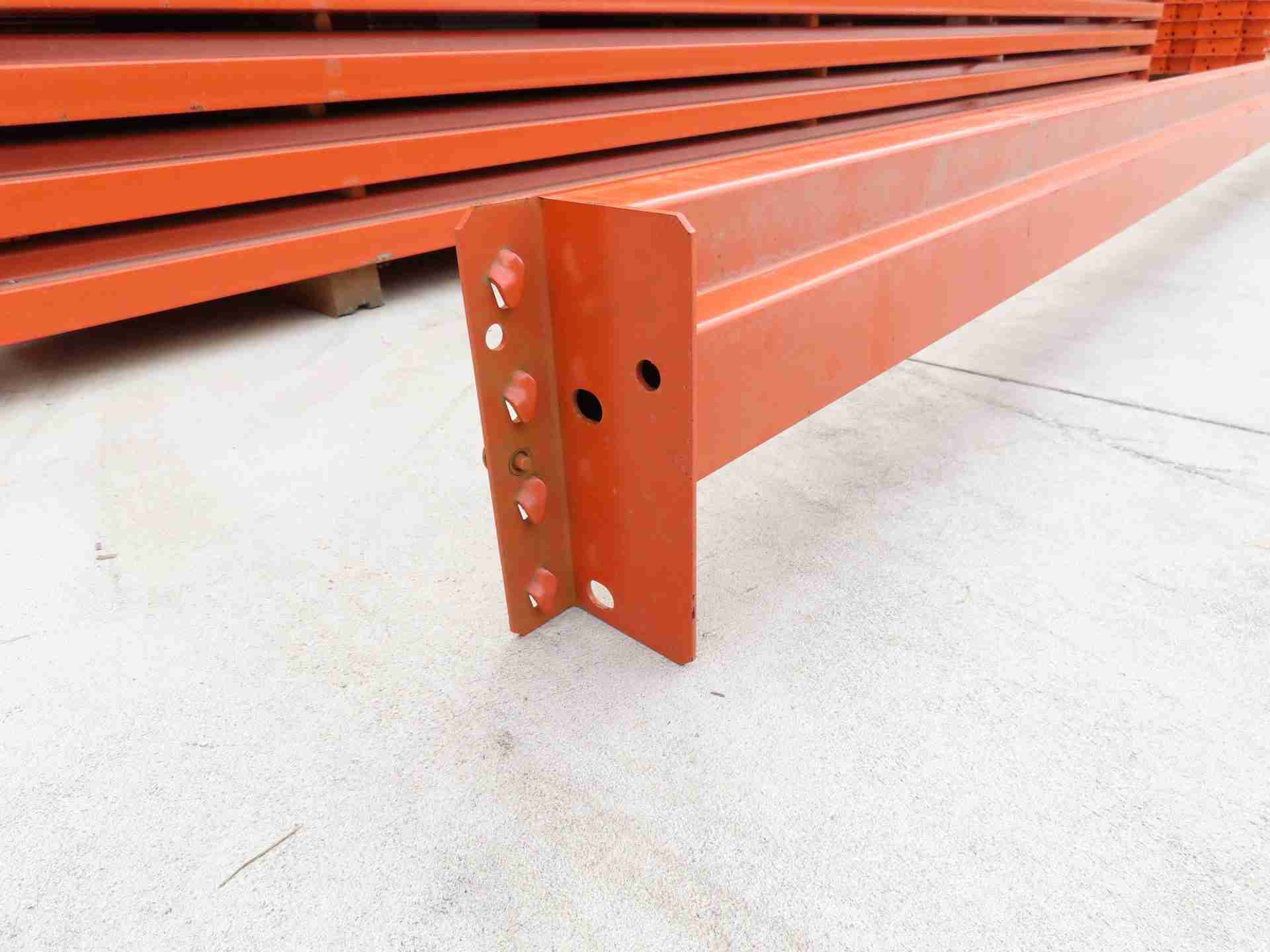
What Storage Solutions Enhance Productivity?
How Do Poor Layouts Affect Employee Stress Levels?
Poor layouts in workplaces can weigh heavily on employees, much like a racking system that’s disorganized, making it harder to find what you need. Imagine coming to work each day in a space where the flow is all wrong—where you have to navigate around unnecessary obstacles just to do your job. This constant struggle isn’t just a minor irritation; it breeds stress, frustration, and even burnout.
Our minds thrive in organized environments. A tangled mess can drain energy faster than a leaky faucet. When desks are cluttered, pathways are blocked, and the overall layout is chaotic, it creates mental clutter. This isn’t just about aesthetics; it directly impacts productivity and morale. Workers begin to feel like cogs in a machine that’s malfunctioning, unable to perform their best because they’re too busy battling their surroundings instead of focusing on the task at hand. This chaotic environment doesn’t just affect individual performance; it ripples through the entire team, causing a loss of connection and camaraderie. People lose trust in their workplace if they feel like their needs—like having a clear and functional space—aren’t being met.
From an emotional standpoint, think about how it feels to walk into a place where you can’t find your tools or supplies. You might start your day motivated but quickly become exasperated. It’s disheartening when workers feel like their environment is actively working against them. It erodes the sense of dignity that comes with a job well done. When layouts are improved, workers feel valued, fostering a connection to their work and their peers.
Rationally speaking, countless studies highlight the link between workplace design and employee wellbeing. Businesses that invest in thoughtful layouts often see a corresponding boost in productivity and employee retention. It’s straightforward: a well-structured environment not only sharpens focus but also nurtures collaboration. Teams become more engaged, and communication flows better, creating a more harmonious work culture.
Ethically, we owe it to our employees to create spaces that support their needs and aspirations. Investing in thoughtful racking systems and layouts isn’t just a business decision; it’s a commitment to the people who make the business run. Without a conducive layout, we risk not only the sanity of our workforce but the very heart of our operations. The voices of employees matter—after all, an empowered team is the backbone of any successful enterprise.
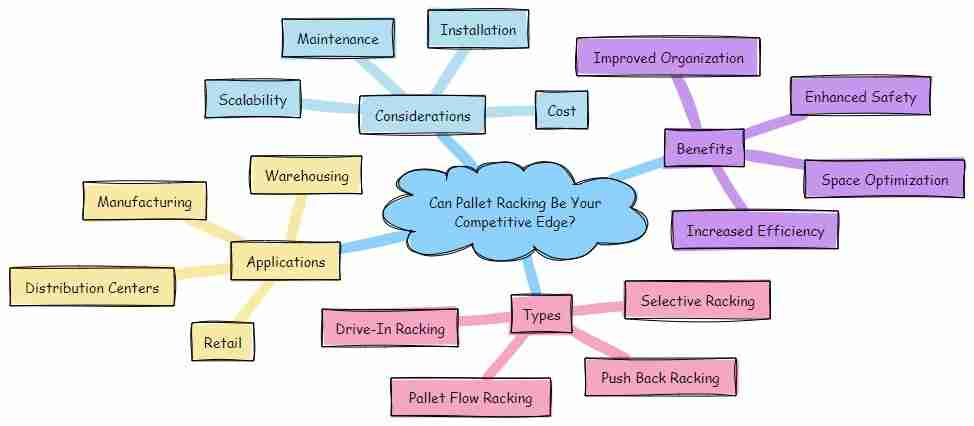
How Do Poor Layouts Affect Employee Stress Levels?
How Do Poor Layouts Affect Employee Stress Levels?
- Poor workplace layouts cause stress, frustration, and burnout for employees.
- Disorganized environments drain energy and create mental clutter, impacting productivity and morale.
- Chaotic layouts hinder individual performance and disrupt team connection and camaraderie.
- Workers may feel disheartened when unable to find necessary tools, eroding their sense of dignity.
- Research shows that thoughtful workplace design boosts productivity and employee retention.
- A well-structured environment enhances focus and fosters collaboration among teams.
- Investing in effective layouts is a commitment to employee wellbeing and the success of the business.

How Do Poor Layouts Affect Employee Stress Levels?
What Costs Are Associated with Wasted Storage Space?
When you look around your warehouse or storage facility, what do you see? Piles of disorganized boxes or unused racking systems tell a story of inefficiency. Wasted storage space isn’t just a matter of aesthetics; it’s a heavy burden on the bottom line. Think about it: every square foot of space that isn’t utilized means lost opportunity. Each empty shelf could be holding valuable inventory, and every inch that isn’t optimized is money literally thrown away.
The emotional toll can be just as heavy. Employees who navigate a cluttered space may find themselves frustrated and less productive. A disorganized environment creates stress, leading to errors and wasted time. The heartache of mismanagement extends beyond the workspace; it impacts team morale. No one wants to feel bogged down by chaos when they could be working in a smooth, efficient operation where every piece of the puzzle fits perfectly.
Rationally, consider the costs associated with wasted storage. Think about the extra rent paid for space not being used. Over time, those costs accumulate, adding strain to your budget. Additionally, if your racking systems are underutilized, you’re missing out on scaling up your operations.
From an ethical standpoint, organizations should strive for efficiency and responsibility. Wasted space means wasted resources, and in a world increasingly focused on sustainability, it’s vital to utilize all available space effectively. Doing so not only drives profitability but also reflects a commitment to ethical practices that resonate with both customers and employees.
There’s authority in having a well-run facility. When clients see a neatly organized space with logical racking systems, trust builds. They know you’re in control and running a lean operation. Your reputation hinges on competent management, and that starts with how well you use your space.
Consider the narrative of a successful warehouse operation: they started by tackling wasted storage head-on. By restructuring their racking systems and optimizing every corner, they turned clutter into a streamlined flow of goods. The result? Increased efficiency, improved employee satisfaction, and a noticeable boost to the bottom line.
Ultimately, the social appeal is strong. When your workplace reflects order and efficiency, it attracts talent. People want to work for a company that values clarity and respect for resources. In a climate where every dollar counts, wasting storage space is a choice no one can afford to make. It’s time to take a hard look at your setup—because wasted space equals wasted potential.

What Costs Are Associated with Wasted Storage Space?
What Costs Are Associated with Wasted Storage Space?
- Wasted storage space leads to inefficiency and lost opportunities.
- Disorganized environments frustrate employees, reducing productivity and morale.
- Extra costs associated with unused space impact budgets over time.
- Organizations should prioritize efficiency and resource management for sustainability.
- A well-organized facility builds client trust and enhances reputation.
- Successful operations optimize space to improve efficiency and employee satisfaction.
- A clear, efficient workplace attracts talent and reduces wasted potential.
What Costs Are Associated with Wasted Storage Space?
Conclusion
In the world of storage and organization, the impact of poor design is profound, creating inefficiencies that ripple through every layer of an operation. A chaotic workspace, filled with misplaced items and disorganized racking systems, sets the stage for frustration. Employees find themselves wasting crucial time hunting for tools, leading not only to reduced productivity but also to a decline in morale. Workers are like cogs in a machine, and when that machine is running poorly due to a cluttered environment, everyone feels the strain. The emotional toll is heavy; employees who can’t find what they need feel undervalued and detached from their work.
Rationally, investing in effective storage solutions makes sense. Well-structured racking systems streamline processes, allowing for faster access to materials and reducing the incessant waste of time. The efficiency gained doesn’t just save minutes; it creates a workplace atmosphere where workers feel appreciated and capable. A tidy and organized layout speaks volumes about a company’s commitment to their team, fostering a culture of respect and acknowledgment.
On an ethical level, companies owe their employees a workspace that prioritizes safety and efficiency. A disorganized environment can lead to accidents and injuries, underscoring the necessity of thoughtful design. When businesses invest in proper storage solutions, they send a strong message: they care about their employees’ well-being. This investment transforms the workplace into a safe haven where trust and camaraderie can flourish.
Narratives of success illustrate the change that proper storage design can bring. Consider a warehouse that restructured its space and saw a significant reduction in search time for materials, resulting in boosted employee morale and productivity. These success stories highlight the powerful interplay between environment and performance; when storage design is prioritized, it not only enhances workflow but also nurtures a sense of belonging among workers.
Socially, sharing experiences of transformation creates a community committed to improvement. Poor storage doesn’t have to set the standard; collective recognition of its impact can lead to better practices that elevate everyone involved. It’s about shifting away from wasteful environments and building strong systems that support rather than hinder. By prioritizing effective storage, businesses not only enhance efficiency but also cultivate workplaces where every employee can thrive, turning chaos into clarity and inspiration.
Conclusion
Conclusion:
- Poor storage design creates inefficiencies in operations and leads to a chaotic workspace.
- Employees waste time searching for tools, resulting in decreased productivity and lower morale.
- An organized workspace enhances employee appreciation and cultivates a positive atmosphere.
- Companies have an ethical responsibility to provide safe and efficient work environments.
- Investing in proper storage systems reduces accidents and demonstrates care for employee well-being.
- Success stories show that improved storage design boosts morale and productivity in warehouses.
- Collective recognition of storage issues can lead to better practices and a supportive workplace culture.
Conclusion
Other Resources
Other Resources
Here is a list of other resources you can review online to learn more:
- WERC
- Chicago Pallet Racking
- IIWS Inc. Rack Installation Illinois & Rack Repairs Illinois
- Cantilever Rack Guide: Ordering Cantilever Racking
- Warehousing and Fulfillment
- Teardrop Pallet Rack – Ridg-U-Rak
- Storage Equipment Manufacturers’ Association
- Teardrop Industrial Shelving Rack
- Illinois Pallet Racking – WPRP
- Logic Material Handling
- Selective Pallet Racking Systems
- Chicago Pallet Racking
- Rack Manufacturers Institute
- Selective Rack – Raymond West
- Warehouse Racking Layout: The Ultimate Guide – Conger
- New Cantilever Racks and Racking Kits
- Illinois Pallet Racking – Storage Solutions
- SEMA
- Warehouse Racking Systems: Beginner’s Guide to Rack Systems
- Illinois
Use This Prompt To Get More Resources With Your Favorite Online AI Tool: Please provide me with a list of online articles with their URLs in a bulleted list that I can read regarding How Poor Storage Design Creates Labor Waste

Other Resources
Glossary Terms
How Poor Storage Design Creates Labor Waste – Glossary Of Terms
1. Storage Optimization: The process of organizing and arranging goods efficiently to maximize space and minimize waste.
2. Labor Efficiency: A measurement of how effectively labor resources are utilized in the storage process.
3. Workflow: The sequence of processes through which work passes, impacting the efficiency of storage operations.
4. Access Time: The duration required to retrieve items from storage, influencing overall labor productivity.
5. Inventory Control: Methods used to manage and track inventory levels to avoid excess or deficit.
6. Ergonomics: The study of designing workspaces to enhance comfort and reduce strain on workers.
7. Space Utilization: The effectiveness of using available space within a storage area.
8. SKU (Stock Keeping Unit): A unique identifier for each distinct product or item in inventory.
9. Forklift Efficiency: The effectiveness of forklift operations in moving goods within storage areas.
10. Handling Costs: Expenses associated with moving and storing inventory, impacting overall cost efficiency.
11. Value Stream Mapping: A visual tool used to analyze the flow of materials and information to identify waste.
12. Storage Density: The amount of product stored in a given space, affecting labor requirements for retrieval.
13. Replenishment: The process of restocking inventory to maintain optimal levels, influencing labor demand.
14. FIFO (First In, First Out): An inventory management method ensuring older stock is used before newer stock.
15. LIFO (Last In, First Out): An inventory management method where the newest stock is used before older stock.
16. Lean Principles: Management strategies aimed at reducing waste in operations, including storage.
17. Cross-Docking: A logistics practice where incoming shipments are directly transferred to outgoing shipments, reducing storage time.
18. Inventory Turnover: A ratio showing how often inventory is sold and replaced over a period.
19. Storage Layout: The physical arrangement of storage systems to facilitate efficient movement and access.
20. Automated Storage Systems: Technology used to store and retrieve items automatically, enhancing efficiency.
21. Order Picking: The process of selecting items from storage to fulfill customer orders, impacting labor intensity.
22. Batch Picking: A picking method where multiple orders are consolidated to minimize trips and save time.
23. Cycle Counting: An inventory auditing procedure where a portion of inventory is counted on a specific day to ensure accuracy.
24. Warehouse Management System (WMS): Software that supports warehouse operations through tracking inventory and optimizing storage.
25. Lead Time: The time it takes from placing an order to receiving the goods, influencing storage turnover.
26. Bin Location System: A method for assigning specific locations for items in storage to improve access and reduce search time.
27. Damage Rates: The frequency with which items are damaged during storage or handling, affecting labor and costs.
28. Environmental Conditions: Factors like temperature and humidity that can affect storage quality and labor processes.
29. Safety Protocols: Guidelines established to ensure safe operations in storage environments, impacting labor and efficiency.
30. Training Programs: Educational initiatives aimed at improving worker skills and knowledge regarding storage procedures.

Glossary Of Terms
Other Questions
How Poor Storage Design Creates Labor Waste – Other Questions
If you wish to explore and discover more, consider looking for answers to these questions:
- What are the most common types of racking systems and which one fits my operation?
- How do I assess current storage inefficiencies in my facility?
- What is the typical cost range to redesign and install new racking?
- What is the expected ROI and payback period for investing in improved storage?
- How can I calculate space utilization and density improvements?
- What safety standards and regulations apply to racking systems in my region?
- How does better storage design reduce accident rates and workers’ compensation claims?
- What maintenance and inspection routines are required for racking systems?
- How disruptive is installation or retrofit to daily operations and how can downtime be minimized?
- What are the ergonomic considerations to reduce strain and injury when accessing stored items?
- How can storage layout improvements support faster picking and reduced travel time?
- What technologies (WMS, barcoding, RFID) integrate best with racking to improve efficiency?
- How should inventory slotting be planned to maximize throughput?
- What training do employees need after a storage redesign to maintain new processes?
- How can I measure the impact of storage changes on employee morale and productivity?
- What common design mistakes lead to recurring labor waste?
- Should I prioritize vertical space, floor capacity, or pick-face accessibility?
- How do I choose between custom vs. off-the-shelf racking solutions?
- What are the lifecycle costs of racking systems (installation, maintenance, replacement)?
- How scalable are different storage solutions as my business grows or changes?
- What funding or leasing options exist for large storage upgrades?
- How do environmental or sustainability goals influence storage choices?
- What metrics should be tracked post-implementation to ensure continuous improvement?
- Are there industry benchmarks for storage efficiency and labor minutes per pick?
- How can layout design improve cross-team communication and workflow?
- What insurance or liability implications arise from inadequate racking?
- How do I evaluate and select reputable racking suppliers and installers?
- What lead times and delivery constraints should I expect for major racking orders?
- How can small operations with limited budgets prioritize the highest-impact changes?
- What case studies or real-world examples demonstrate measurable benefits?
- How do load limits, floor loading, and seismic considerations affect racking design?
- What temporary storage or staging solutions work during renovation or peak seasons?
- How can I involve employees in design decisions to improve adoption and ownership?
- What KPIs will show whether clutter reduction efforts are succeeding?
- How often should storage layouts be reviewed and updated as operations evolve?
Other Questions
Checklist
How Poor Storage Design Creates Labor Waste – A Checklist
Layout and Flow
✅______ High-frequency items placed closest to primary pick/pack areas
✅______ Clear, unobstructed aisles that meet width standards
✅______ Logical zones for receiving, QA, storage, picking, packing, and shipping
✅______ Travel paths minimize backtracking and crossings
✅______ Golden zone (knee to shoulder height) used for fast movers
✅______ Current floor map and location guide posted and accessible
Racking Design and Utilization
✅______ Racks labeled with load ratings; signage is visible
✅______ Beam levels set to SKU height to reduce dead space
✅______ Appropriate storage type used (e.g., pallet rack, carton flow, cantilever, bins)
✅______ Dividers or bins prevent SKU mixing and spillage
✅______ Vertical cube utilization targets defined and met
✅______ Damaged rack components tagged, repaired, or removed promptly
Inventory Organization and Visibility
✅______ Unique, consistent location IDs assigned to every slot
✅______ Labels readable from working distance and standardized
✅______ FIFO/FEFO rules defined and followed where required
✅______ No mixed SKUs in a single location unless standardized and clearly labeled
✅______ Cycle counts scheduled and variances investigated
✅______ Reorder points and min/max levels visible and maintained
Accessibility and Ergonomics
✅______ Fast movers stored between waist and shoulder height
✅______ Heaviest items between knee and waist; no heavy lifts above shoulders
✅______ Tools and consumables stored at point of use within 30 seconds’ reach
✅______ Adequate step stools, lift assists, or conveyors available where needed
✅______ Pick faces sized to demand to reduce frequent replenishment
Housekeeping and 5S
✅______ Unneeded items removed from work and storage areas (Sort)
✅______ Fixed, labeled homes for every item (Set in Order)
✅______ Daily cleaning standard defined and executed (Shine)
✅______ Floor markings, shadow boards, and visuals in place (Standardize)
✅______ Routine audits with scores and follow-ups (Sustain)
✅______ Red-tag area and disposition process active
Safety Controls
✅______ Aisles, exits, and fire equipment kept clear and marked
✅______ End-of-aisle guards and column protectors installed where risk exists
✅______ No climbing on racks; approved access equipment available
✅______ Lighting levels adequate in all storage and pick zones
✅______ Hazardous materials segregated and stored per policy
✅______ Pallets in good condition; no overhanging or unstable loads
Process and Training
✅______ Standard work documented for receiving, putaway, picking, and replenishment
✅______ Visual SOPs posted at point of use
✅______ New-hire and refresher training completed and logged
✅______ Error-proofing in place (e.g., barcode or RFID scans, confirmations)
✅______ Ownership assigned for maintaining storage standards
Technology and Data
✅______ Location control via WMS or tracking system with high accuracy
✅______ Barcode or RFID used for all moves and picks
✅______ Slotting data maintained (dimensions, velocity, handling constraints)
✅______ Dashboards track search time, pick rate, accuracy, and dwell time
✅______ Location and SKU masters reviewed and cleaned regularly
Performance and Morale Indicators
✅______ Average search time per pick meets target
✅______ Rehandles and touches minimized from storage to ship
✅______ Feedback channel for layout and storage pain points in use
✅______ Observed frustration hotspots logged and addressed
✅______ Injury/near-miss data reviewed for layout or storage causes
Cost and Space Utilization
✅______ Storage density KPIs defined (e.g., pallets per sq ft; lines per bay)
✅______ Overflow or rented space within target thresholds
✅______ Dead stock identified, dispositioned, or re-slotted
✅______ Empty or underused locations analyzed and repurposed
✅______ Slotting reviews conducted on a set cadence
Continuous Improvement
✅______ Routine Gemba/Kaizen walks with documented actions
✅______ Before-and-after time studies validate storage changes
✅______ Top constraints prioritized with owners and deadlines
✅______ Results shared with the team to reinforce standards
Quick Scorecard
✅______ Total checks passed ____ / ____
✅______ Top 3 issues to fix first:
✅______ 1) ______________________________________
✅______ 2) ______________________________________
✅______ 3) ______________________________________
✅______ Owner(s) and due dates:
✅______ _________________________________________

Checklist
At RackingWorld, we help guide you through selecting warehouse storage systems and racking.
Be sure to read our other related stories at RackingWorld to learn more about warehouse storage systems.
0 Comments