
Transforming Storage Solutions: Empower Efficiency, Drive Change
By Tom Seest
At RackingWorld, we help guide you through selecting warehouse storage systems and racking.
Be sure to read our other related stories at RackingWorld to learn more about warehouse storage systems.
Reconfiguring Storage for Lean Initiatives
When you’re in the thick of it—sorting tools, shuffling inventory, or trying to squeeze another square foot out of that cramped warehouse—you know the weight of inefficiency. The heart of lean initiatives beats strong in the everyday realities of workspaces, where clutter can choke productivity, and wasted space can drain profits. It’s not just about shiny technology or trendy concepts; it’s about rolling up your sleeves and making every inch count.
Think about the racking systems you have in place. They can be the backbone of a well-organized space or a tangled mess that leaves you fumbling when you need a tool or a part. Lean storage isn’t just a buzzword; it’s a mindset that asks, “How can we do this better?” It reshapes your approach, transforming what once felt like a mountain of challenges into a streamlined operation. Imagine the confidence you’ll feel when everything is in its place, and every racking system is designed to meet your needs rather than hinder them.
There’s something satisfying about creating a layout that works for you and your team. It’s not just about aesthetics; it’s practical, ethical even. It demonstrates respect for your workers’ time and talents. When the path to productivity is clear, tension in the workplace fades, and morale lifts. Workers see firsthand that their input matters when they can find what they need right when they need it.
Pulling this off requires a narrative of teamwork and commitment. Sharing ideas, listening to voices from the floor, those who navigate the space day in and day out—this collective wisdom leads to solutions that resonate deeply with everyone involved. When you’re all on the same page, you build trust. You’re not just making changes; you’re crafting a culture where continuous improvement is the norm.
Lean isn’t a one-and-done deal. It’s a journey. As you reconfigure your storage, consider how each racking system can tell a story about efficiency and empowerment. Invite everyone to join in on the plans, making it a social endeavor. A lean workspace reflects not only on bottom lines but resonates with the hearts of the team. It’s about creating an environment where everyone can thrive, and that’s something worth investing in.
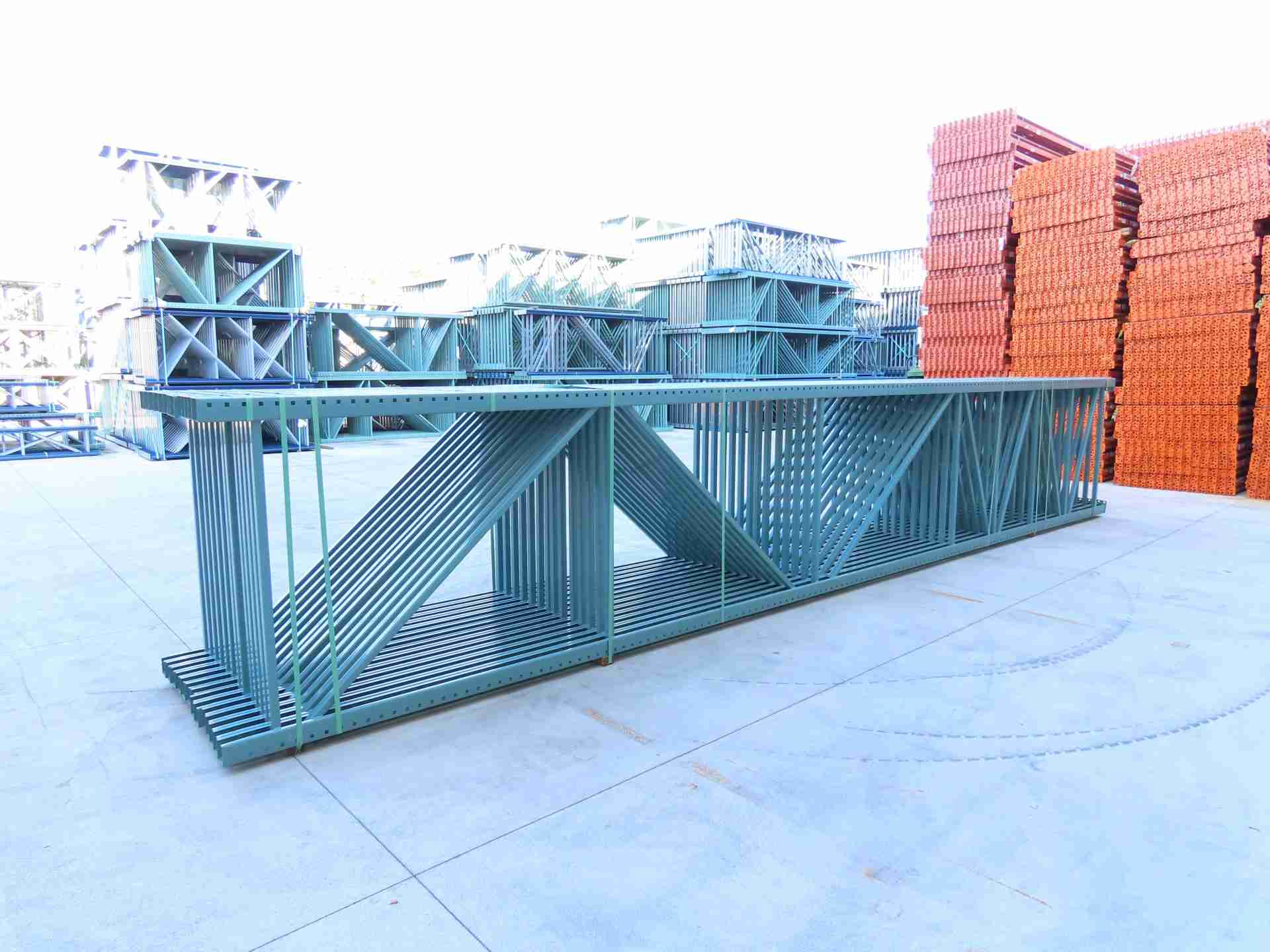
Reconfiguring Storage for Lean Initiatives
Reconfiguring Storage for Lean Initiatives
- Inefficiency in workplaces can hinder productivity and profits.
- Lean storage is a mindset focused on optimizing space and improving processes.
- Organized racking systems enhance workflow and reduce frustration.
- Creating practical layouts respects workers’ time and boosts morale.
- Teamwork and communication are essential for effective lean practices.
- Continuous improvement is key; lean initiatives should be a long-term commitment.
- A lean workspace fosters a thriving environment and engages the entire team.
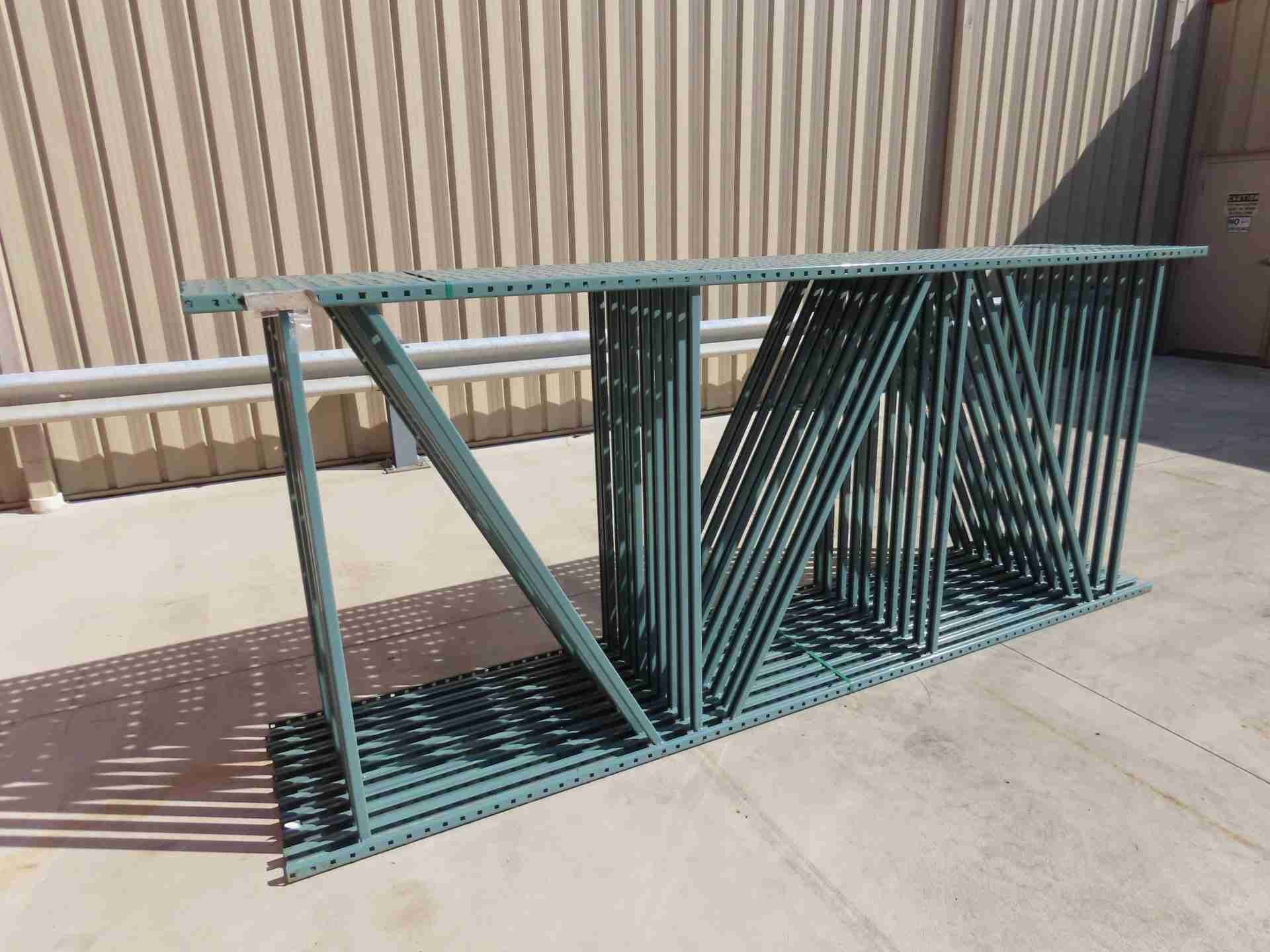
Reconfiguring Storage for Lean Initiatives
Table Of Contents
- Reconfiguring Storage for Lean Initiatives
- What Challenges Do You Face In Optimizing Storage Effectively?
- How Can Reconfiguring Storage Enhance Operational Efficiency?
- What Are the Cost Implications Of Inefficient Storage Solutions?
- How Does Improved Storage Alignment Support Lean Initiatives?
- What Role Does Team Collaboration Play In Storage Reconfiguration?
- How Can Data Visibility Improve Your Storage Strategy?
- Conclusion
- Other Resources
- Glossary Of Terms
- Other Questions
- Checklist
What Challenges Do You Face In Optimizing Storage Effectively?
When it comes to optimizing storage, the challenges can feel as heavy as the loads we’re moving. Take racking systems, for instance. They’re supposed to make our lives easier, right? But as anyone in the trenches knows, choosing the right system isn’t a walk in the park. The sheer variety can be overwhelming. Should you go with selective racking, drive-in racks, or something more specialized? Each option has its pros and cons, and making the wrong choice could cost more than just dollars—it could cost time and efficiency.
The frustration doesn’t stop there. Think about the physical space you’ve got. A warehouse that’s packed to the brim can feel like a game of Tetris. You want to maximize every inch, but you can’t afford to sacrifice safety. Balancing density with accessibility is a tightrope walk. Every time you optimize storage, you’ve got to question whether that ideal spot is actually safe and easy to reach. It’s a puzzle that demands attention to detail, because no one wants to be the one who causes a workplace injury because of poor layout decisions.
Then there’s the human element. The people working directly with these systems have to adapt quickly. They need to be trained properly, otherwise, all the shiny new racking systems in the world won’t do any good if folks can’t navigate them. It’s not just about placing products on shelves; it’s about ensuring everyone feels confident and equipped to do their job right. Those daily interactions can ignite camaraderie and foster a team spirit, where everyone is on the same page, striving for a common goal.
And let’s not ignore the ethics of it all. Every decision made in optimizing storage should reflect a commitment to sustainability. Using materials wisely, minimizing waste, and considering the lifespan of racking systems factor into how we build for the future. It’s about doing right by the environment, too.
Despite the hurdles, the rewards of effective storage optimization are plenty. When everything has its place, operations run smoother, costs decrease, and you can finally breathe easy knowing you’ve done what’s right—for the business and the people who make it thrive. So, while the road may be rocky, pushing through these challenges not only improves your space but also strengthens the backbone of a solid team.
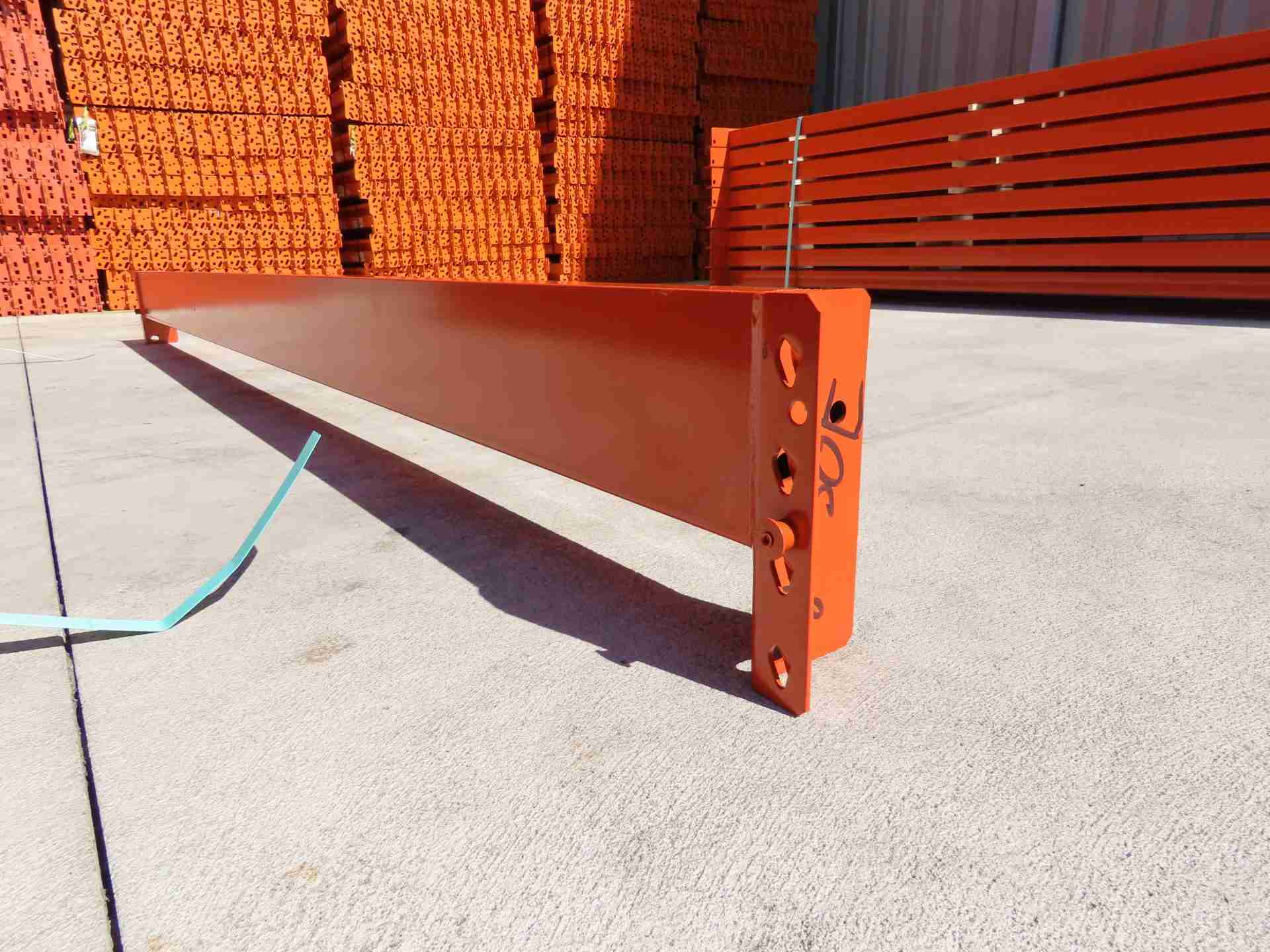
What Challenges Do You Face In Optimizing Storage Effectively?
What Challenges Do You Face In Optimizing Storage Effectively?
- Choosing the right racking system is challenging due to the variety of options available.
- Optimizing storage requires balancing density and safety in a limited warehouse space.
- Proper training for employees is essential for effective navigation of racking systems.
- Team spirit and camaraderie can be fostered through daily interactions and teamwork.
- Decisions in storage optimization should prioritize sustainability and minimize waste.
- Effective storage optimization leads to smoother operations and reduced costs.
- Overcoming storage challenges can strengthen the team’s foundation and improve space utilization.
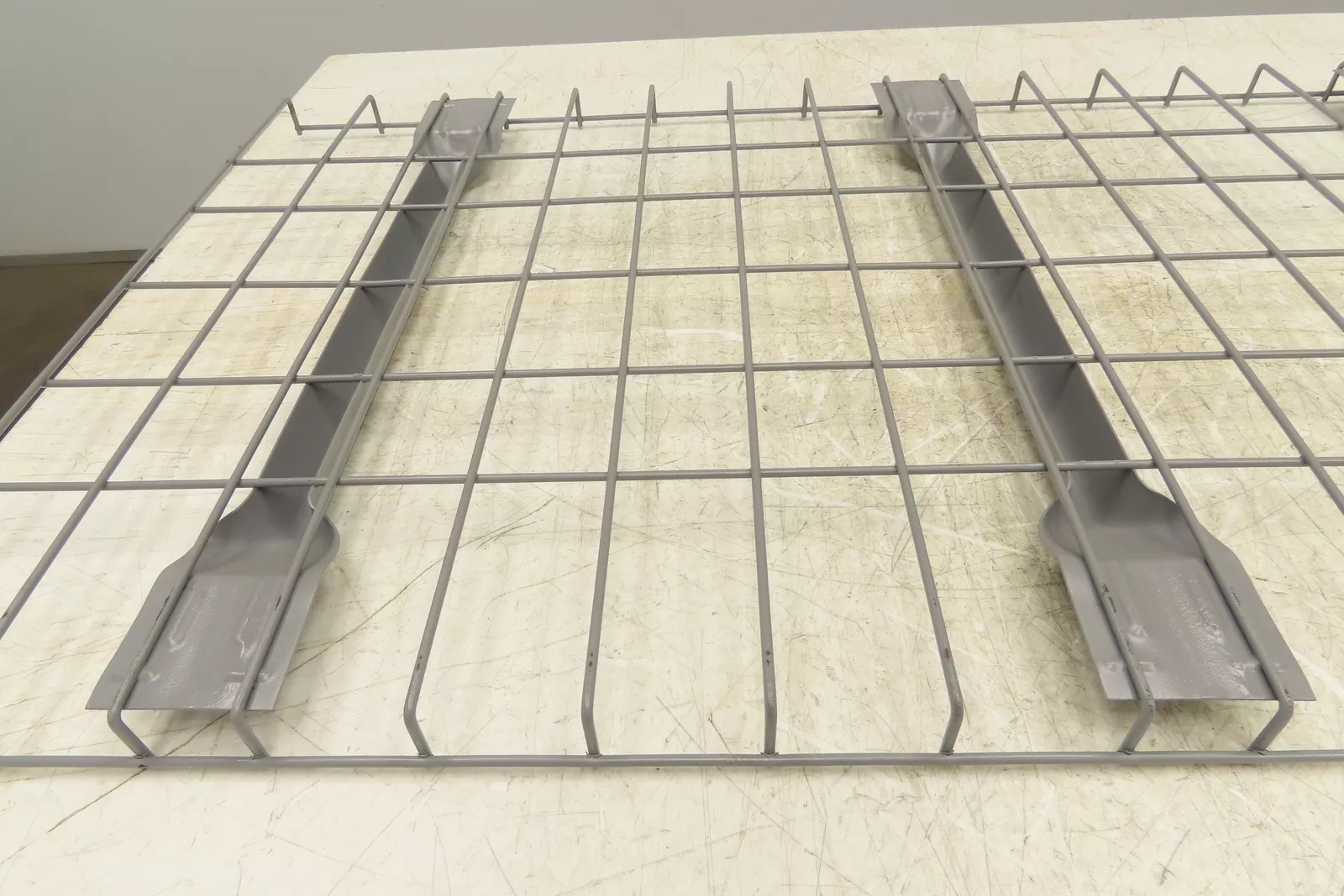
What Challenges Do You Face In Optimizing Storage Effectively?
How Can Reconfiguring Storage Enhance Operational Efficiency?
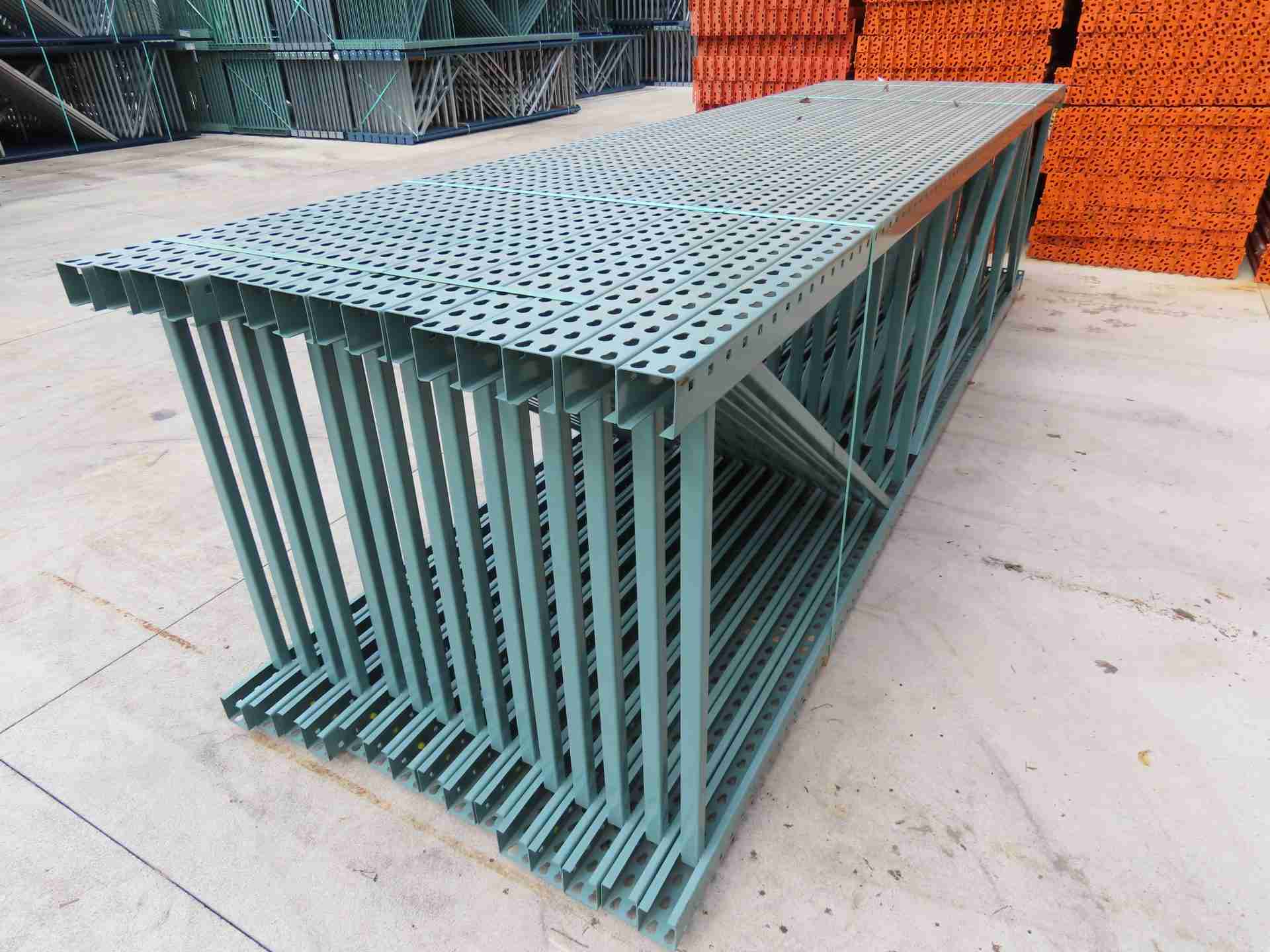
Reconfiguring storage can transform the daily grind of any business, enhancing operational efficiency in ways that echo both in the pocketbook and in the morale of the crew. Picture a warehouse teeming with goods—a jumble of boxes stacked high, aisles that seem more like mazes than pathways. It’s a scene that resonates with anyone who’s ever had to navigate cluttered spaces under tight deadlines. By implementing new racking systems, you can breathe order into chaos. This isn’t just physics; it’s about freeing human energy.
Imagine the difference it makes when every team member can find what they need without turning a warehouse visit into a treasure hunt. With thoughtfully-designed racking systems, items are stored not just to fit, but to function. That’s a solid, rational approach to efficiency—know where everything is, save time, get the job done, and bring that load home quicker. Enhanced layout means less time spent searching and more time doing, which pays dividends not only in productivity but also in employee satisfaction. When workers spend less time feeling frustrated and more time feeling accomplished, you foster a culture of pride and ownership.
And there’s the ethical angle to consider. We owe it to our teams to create environments where they can thrive, where safety isn’t an afterthought. Reconfiguring storage with modern racking systems can reduce injury risks, making sure that folks can carry out their tasks without the threat of mishaps lurking around every corner. It’s about taking responsibility, not just for profits but for the people behind them.
On a practical note, businesses that adopt these changes show they mean business—not just with words, but with action. It’s a clear signal: we care about how our work is done and the lives of those doing it. These are not just abstract goals; they’re tangible, impactful changes that resonate at every level of an organization.
Fostering community connection is crucial too. When team members see their feedback valued in how racking systems are configured, they become more than just employees; they become invested stakeholders in the operation’s success. And when each person knows their contribution directly influences efficiency, it cultivates a collective effort that drives success forward.
Reconfiguring storage isn’t just about making room; it’s about opening doors— to possibilities, to a brighter workplace, and to a future where efficiency is a way of life.

How Can Reconfiguring Storage Enhance Operational Efficiency?
How Can Reconfiguring Storage Enhance Operational Efficiency?
- Reconfiguring storage enhances operational efficiency, benefiting both finances and employee morale.
- New racking systems can organize cluttered warehouses, improving workflow and reducing time spent searching for items.
- Efficient layouts boost productivity and employee satisfaction, fostering a culture of pride and ownership.
- Modern racking systems enhance workplace safety, reducing injury risks for employees.
- Businesses that implement these changes demonstrate commitment to employee welfare and effective operations.
- Valuing employee feedback in storage configuration fosters investment in the organization’s success.
- Reconfiguring storage opens up possibilities for a more efficient and positive workplace environment.
How Can Reconfiguring Storage Enhance Operational Efficiency?
What Are the Cost Implications Of Inefficient Storage Solutions?
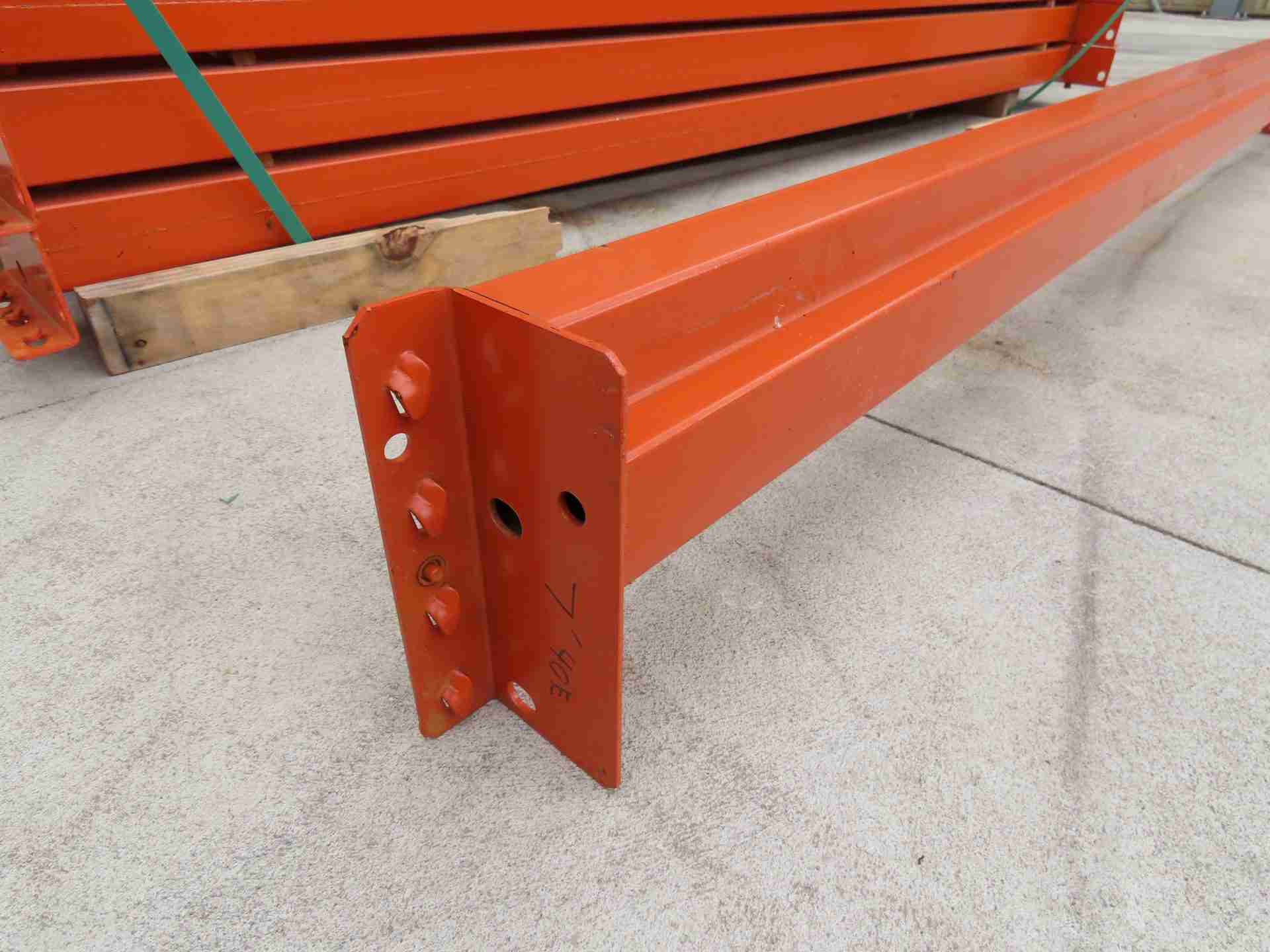
Inefficient storage solutions can hit businesses harder than a speeding freight train. When you think about it, racking systems should be the backbone of any warehouse or storage facility, helping things run smoothly and products stay organized. Yet, have you ever walked into a space where everything feels chaotic, and you can barely find what you need? That’s a telltale sign of inefficiency, and it comes with a hefty price tag.
From a financial standpoint, the implications can be staggering. Companies might be wasting precious time searching for misplaced materials or struggling with cluttered aisles. Each minute spent can translate directly to lost productivity and, ultimately, money. Imagine a crew standing idle, all because supplies weren’t stored correctly. Those delays can ripple outwards, affecting orders, customer satisfaction, and even bottom lines. The longer this inefficiency persists, the more it costs—an endless cycle of lost time and increased frustration.
But it isn’t just the dollars and cents. There’s a bigger picture to consider—the emotional toll on employees. When team members are forced to navigate a labyrinth of disorganization, stress levels rise. They feel overwhelmed and undervalued, creating an atmosphere of discontent. A well-structured racking system doesn’t just optimize space; it fosters a sense of pride and ownership among workers. When an employee can reach for what they need in a tidy, well-organized environment, it boosts morale and enhances productivity.
Ethically, businesses have a responsibility to create safe and efficient workspaces. An ineffective storage solution can lead to accidents, damaged goods, and strained relationships with clients. Leaders must recognize that they aren’t just responsible for profit; they are caretakers of their teams and environments. Adopting better storage solutions is a choice that reflects a company’s values, commitment to safety, and respect for the people who keep the wheels turning.
Consider the narrative of a company that invested in upgraded racking systems. They transformed their chaotic storage space into a finely-tuned operation. As a result, not only did product retrieval become quicker, but employees also reported higher job satisfaction. This is a testament to the power of effective storage—it’s about more than just room; it’s about reimagining how a team can work together.
Ultimately, it’s social proof that matters. When industry standards shift towards better storage solutions, the businesses that lag behind are left in the dust. Embracing efficient racking systems isn’t just smart; it’s essential for survival in a fast-paced market. It’s time to take action and elevate your storage solutions for the betterment of both the business and everyone involved.
What Are the Cost Implications Of Inefficient Storage Solutions?
What Are the Cost Implications Of Inefficient Storage Solutions?
- Inefficient storage solutions significantly impact businesses, leading to chaos and disorganization.
- Financial repercussions include wasted time searching for materials, resulting in lost productivity and revenue.
- Employee stress levels increase in disorganized environments, leading to feelings of being overwhelmed and undervalued.
- A well-structured racking system enhances workplace morale and productivity.
- Businesses have an ethical obligation to ensure safe and efficient workspaces, which can prevent accidents and improve client relationships.
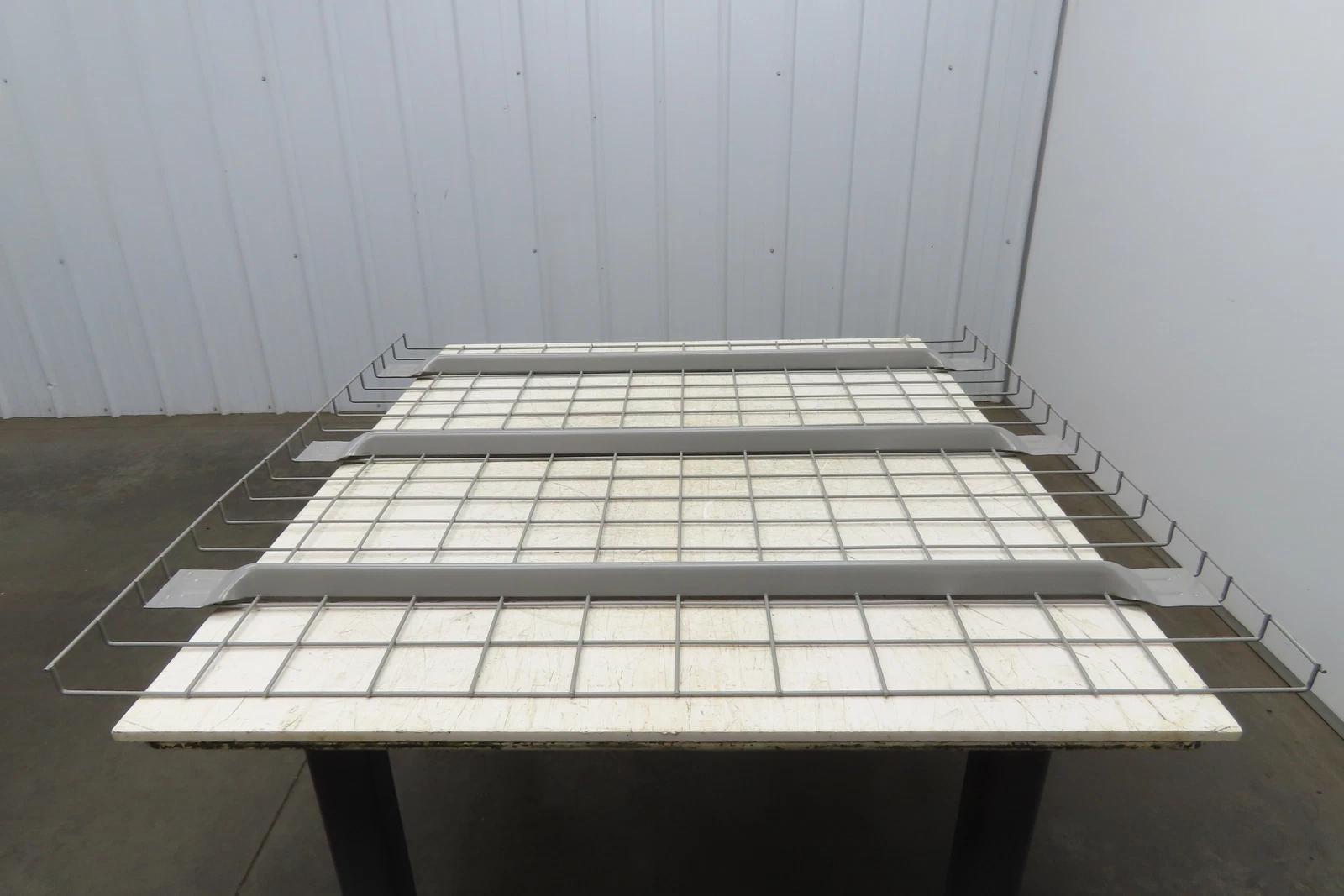
- Investing in upgraded racking systems can transform operations, leading to quicker product retrieval and higher employee satisfaction.
- Adopting efficient storage solutions is crucial for business survival in a competitive market.
What Are the Cost Implications Of Inefficient Storage Solutions?
How Does Improved Storage Alignment Support Lean Initiatives?
In the world of lean initiatives, every inch of space and every moment spent searching for an item can weigh on the mind like a heavy load. Imagine walking into a warehouse where racking systems are meticulously arranged, each item in its rightful place, ready at a moment’s notice. This is more than just tidy storage; it’s a way of life that promotes efficiency and boosts morale. When storage alignment improves, it resonates with the heart and mind of a team ready to embrace change.
Picture a worker on the floor, tired from the day’s grind but sparked with a sense of purpose. They know that when things are organized, they can focus on what they do best—serving customers and supporting the team. Improved storage alignment means streamlined processes, reducing the time spent searching for tools or supplies. This change doesn’t just benefit the business’s bottom line; it empowers workers, giving them back precious time to invest in quality and innovation. When workers feel valued, productivity naturally rises, creating a cycle of improvement that uplifts everyone involved.
On a rational level, aligning storage effectively reduces waste. Lean initiatives thrive on the idea that every action should add value. By ensuring that materials are easily accessible and logically stored through optimized racking systems, companies save not just space but also money. Returns on investment can be seen as swiftly as improved customer satisfaction rates. A well-organized space fosters a culture where everyone feels responsible for keeping it that way, reinforcing the ethical principle of stewardship within the workspace.
There’s also a social element to this transformation. Team members bond over shared goals and experiences. They foster connections through teamwork, whether it’s reorganizing a backroom or brainstorming ways to make storage even better. Each improvement creates stories. “Remember the time we tackled that chaos in the supply section? Now look at it; we can find what we need in seconds!” Such narratives fuel a sense of belonging and pride, forging deeper connections among colleagues.
When organizations embrace improved storage alignment, they not only support lean initiatives but also create an environment that inspires trust and camaraderie. It’s about more than just efficiency; it’s about building a community of hard workers standing shoulder to shoulder, committed to a common purpose. A well-aligned racking system isn’t just a tool; it’s a foundation for growth, unity, and relentless pursuit of excellence.

How Does Improved Storage Alignment Support Lean Initiatives?
How Does Improved Storage Alignment Support Lean Initiatives?
- Effective storage alignment promotes efficiency and boosts employee morale.
- Organized spaces allow workers to focus on serving customers and supporting their team.
- Improved storage processes streamline operations, saving time and enhancing productivity.
- Optimized racking systems reduce waste and contribute to cost savings for businesses.
- A well-maintained workspace fosters a culture of responsibility and stewardship among employees.
- Team bonding and collaboration enhance the sense of community and belonging within organizations.
- Improved storage alignment supports lean initiatives and inspires trust and camaraderie among workers.

How Does Improved Storage Alignment Support Lean Initiatives?
What Role Does Team Collaboration Play In Storage Reconfiguration?
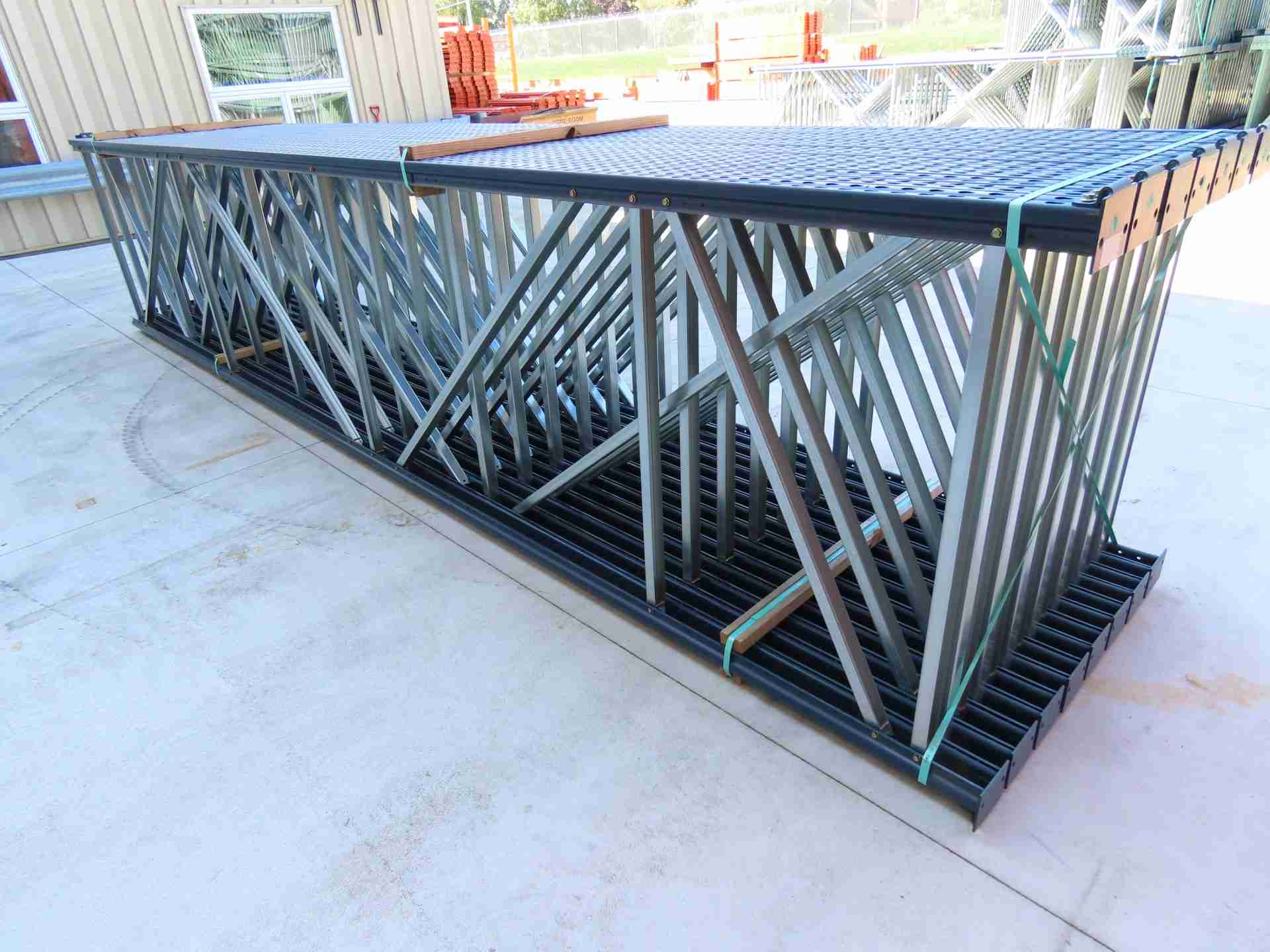
When it comes to storage reconfiguration, the backbone of success often lies in team collaboration. Picture a crew of hard-working individuals, each bringing their unique skills to the table, much like the different components of a well-designed racking system. As these team members roll up their sleeves and come together, they transform an overwhelming task into a shared mission. It’s about harnessing collective experience, and that’s where the magic happens.
Think about it: when you’re knee-deep in reconfiguring a large warehouse or even a small stockroom, the intricacies of storage layouts and space optimization can be daunting. A thoughtful plan is essential, but it’s collaboration that breathes life into it. By pooling insights from various team members, you not only tap into a wealth of knowledge but also foster an environment of trust. Each voice matters, each perspective enriches the conversation, and suddenly, dilemmas become challenges waiting to be solved.
Rationally speaking, collaboration leads to innovative solutions that you might miss when flying solo. It’s easy to overlook potential pitfalls or creative layouts when you’re in your own headspace. Groups offer checks and balances—like a well-constructed racking system that keeps everything organized and accessible. Team members can share observations based on their experiences, ensuring that the chosen configurations not only maximize space but also enhance workflow and safety.
Ethically, working together reinforces a sense of responsibility. Everyone has a stake in the outcome. When team members invest in the process, it encourages accountability. It’s not just about getting the job done; it’s about doing it right for everyone involved. This investment in each other fosters a sense of camaraderie that extends beyond the task at hand.
Now, let’s not forget the human aspect. Sharing the victories, learning from the stumbles, and rallying together through the tough patches build bonds that translate into stronger operational success. When folks feel connected, they’re more committed to ensuring that the racking systems are laid out just right, resulting in a workspace that doesn’t just function but thrives.
Ultimately, team collaboration in storage reconfiguration isn’t just a strategy; it’s a way to cultivate a culture of cooperation, creativity, and confidence. The result? A reconfigured space that not only meets practical needs but also instills pride in every team member who had a hand in shaping it.
What Role Does Team Collaboration Play In Storage Reconfiguration?
What Role Does Team Collaboration Play In Storage Reconfiguration?
- Team collaboration is essential for successful storage reconfiguration.
- Unique skills of team members enhance the racking system design.
- Collaboration transforms daunting tasks into shared missions.
- Pooling insights fosters trust and enriches problem-solving.
- Group dynamics provide checks and balances for innovative solutions.
- Working together encourages accountability and camaraderie.
- Strong bonds lead to committed efforts and pride in the outcome.
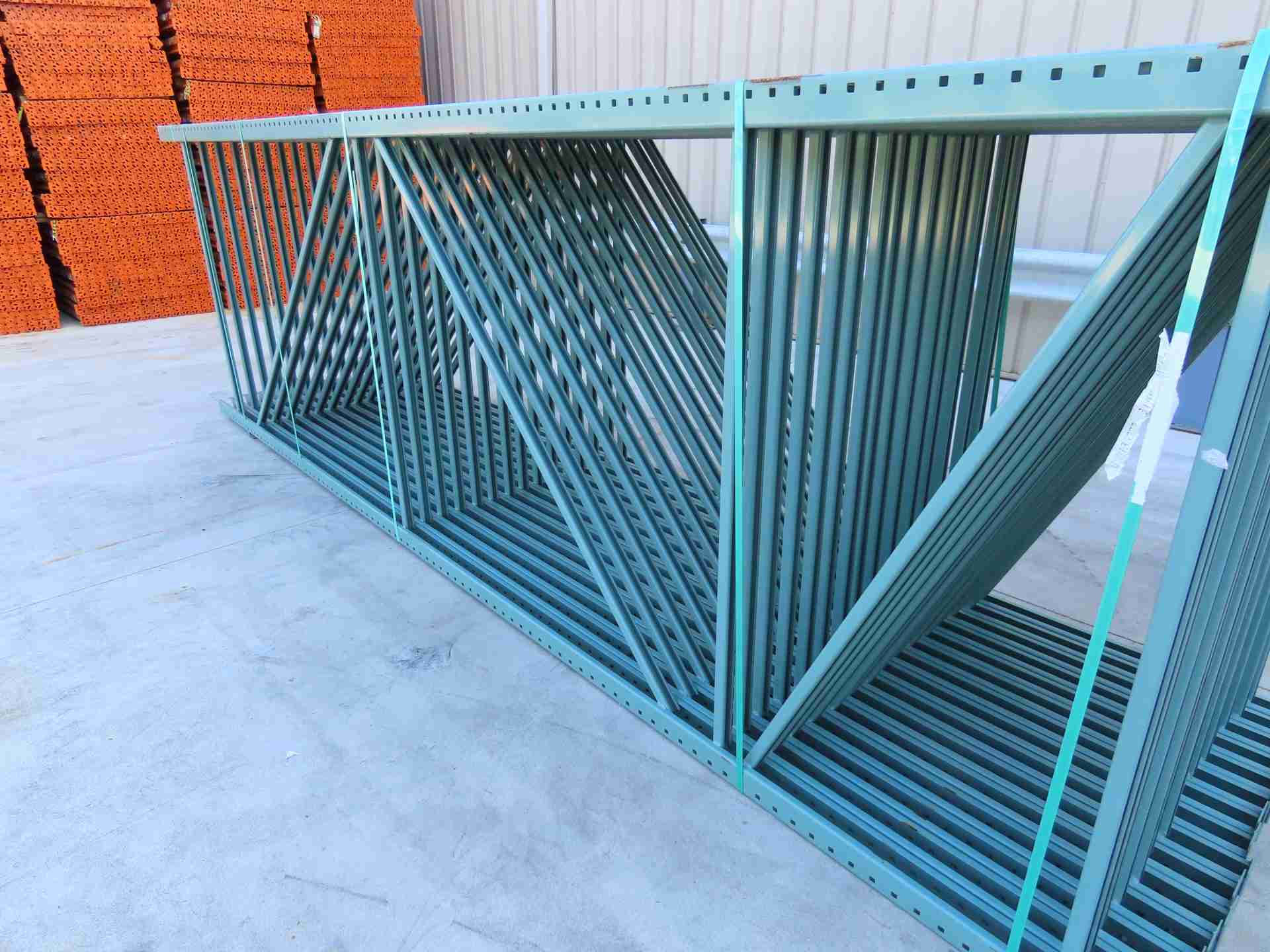
What Role Does Team Collaboration Play In Storage Reconfiguration?
How Can Data Visibility Improve Your Storage Strategy?
Data visibility is like having a clear window into the inner workings of your storage strategy. When you can see everything laid out before you, it becomes easier to make decisions that aren’t just reactive but proactive. Picture this: you’ve got a massive warehouse filled to the brim. Without a solid view of your inventory levels, you’re stumbling through the dark. But with data visibility, it’s like flipping on the lights—you can optimize your racking systems, know when to restock, and ultimately reduce waste.
When decisions are grounded in data, they resonate from a rational standpoint. You’re not just guessing what’s going to sell or what you should keep on hand. Numbers tell stories; they give you the track record of what’s moved in and out. This information allows you to anticipate trends, ensuring that your shelves are never empty when demand spikes. It’s not just about managing space; it is about ensuring that you have what your customers want right when they want it.
Emotionally, think about the peace of mind that comes with confidence. You won’t wake up at night worrying about overstocked items gathering dust or understocked essentials leaving your customers hanging. It’s a relief to know you’re working with reliable data, making you feel like a pro at the helm of your storage ship. This isn’t just about operational efficiency; it’s about providing real value and reliable service to your community and clientele.
From an ethical perspective, transparency through data visibility fosters trust. When teams know where things stand—whether that’s managing supplies responsibly or ensuring product freshness—there’s a sense of accountability. This builds a culture where everyone works toward a common goal, knowing that their actions significantly impact the larger picture.
On a social level, a well-organized storage system boosts morale. When staff can easily access inventory and information, they feel empowered and valued. It strengthens teamwork, fostering a connection around shared achievements, and enabling everyone to contribute effectively.
As you reflect on your own warehouse practices, consider the story your data is telling. Embrace that visibility; let it guide your strategies. You’ll not only streamline your racking systems but also build a solid foundation that supports growth and innovation in your business. Take that step toward clarity and let your data drive you forward.

How Can Data Visibility Improve Your Storage Strategy?
How Can Data Visibility Improve Your Storage Strategy?
- Data visibility provides clarity in storage strategies, facilitating proactive decision-making.
- It allows for optimization of inventory management, including racking systems and restocking timelines.
- Data-driven decisions enhance understanding of sales trends, preventing stock shortages during peak demand.
- Reliable data alleviates concerns over overstocking and understocking, contributing to operational confidence.
- Transparency fosters accountability within teams, reinforcing a culture of trust and shared responsibility.
- Organized systems improve staff morale, empowering employees and enhancing teamwork.
- Leveraging data visibility supports business growth and innovation, guiding effective strategies.
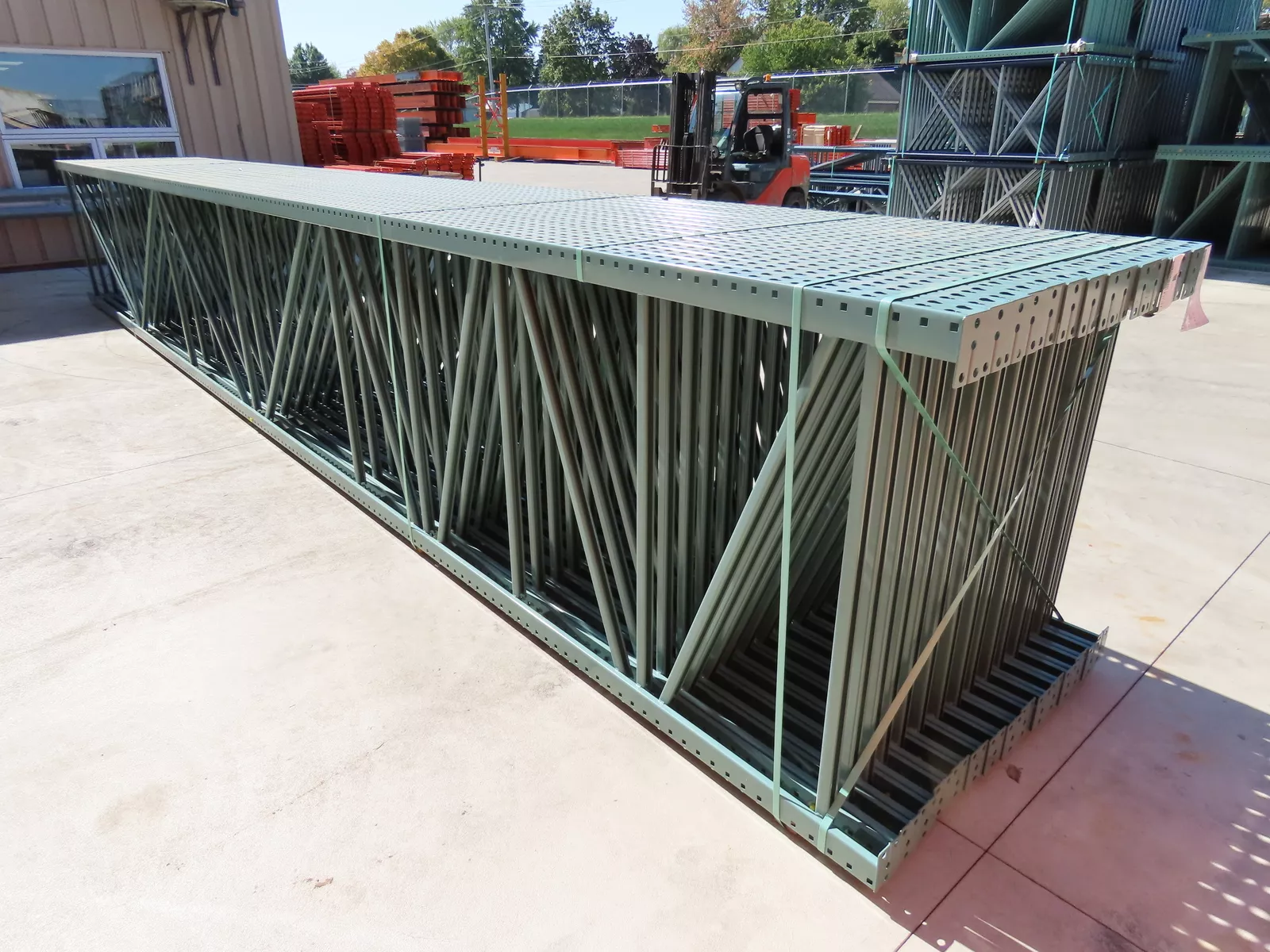
How Can Data Visibility Improve Your Storage Strategy?
Conclusion
Reconfiguring storage for lean initiatives is more than just adaptation; it’s a call to action that resonates deeply with those behind the scenes. In the relentless hustle of warehouse life, inefficiency can weigh heavy, causing frustration and diminishing morale. A well-structured storage environment is about being practical and fostering respect for every team member’s role. Lean isn’t merely a concept; it’s a mindset that encourages efficiency and empowerment—making every item easily accessible transforms the chaotic into the manageable.
Picture a workspace where every tool is right at hand, eliminating the treasure hunt that costs time and patience. Improved racking systems do not just organize space; they respect the workers who use them, leading to enhanced morale as team members feel the satisfaction of a well-functioning environment. When workers are heard and included in decision-making, it creates a culture of collaboration, reinforcing trust and accountability throughout the operation.
Inefficient storage systems can drain resources—both financial and emotional. The emotional toll of navigating a disorganized environment can create unhappiness and resentment, while the tangible costs accumulate as lost time translates to lost revenue. On the flip side, an investment in streamlined storage solutions not only boosts productivity but also builds a foundation of pride among workers. Safety is another critical aspect; a clutter-free workspace reduces injury risk, reflecting a commitment to employees’ well-being.
The narrative of successful change is woven from the collective experiences of everyone involved, creating a sense of cooperation that strengthens community ties. Team collaboration enhances the reconfiguration process, transforming what could be a daunting task into a cohesive mission. When people come together, they foster a shared purpose, tackling challenges head-on and generating innovative solutions. This grassroots approach demystifies the process of optimization, allowing personal investment in the outcome.
Data visibility plays an integral role, illuminating paths to efficiency. When teams can access clear data reports on inventory, they can make informed decisions that enhance operational decision-making. This transparency fosters a culture of trust, empowering employees to take ownership of their roles. The key takeaway? A reconfigured storage space can improve the day-to-day operations of a business while enhancing the sense of community among its workers. This journey toward lean efficiency isn’t just about layout; it’s about creating an environment where every team member feels valued and empowered to contribute toward success.

Conclusion
Conclusion:
- Reconfiguring storage for lean initiatives enhances efficiency and boosts morale.
- A well-structured storage environment respects every team member’s role and fosters practical organization.
- Improved racking systems lead to a more manageable workspace and greater worker satisfaction.
- Inefficient storage systems drain both financial and emotional resources, causing unhappiness among workers.
- Investing in streamlined storage solutions increases productivity and builds pride among employees.
- Team collaboration during reconfiguration creates a sense of cooperation and shared purpose.
- Data visibility enhances decision-making and fosters a culture of trust and ownership among employees.
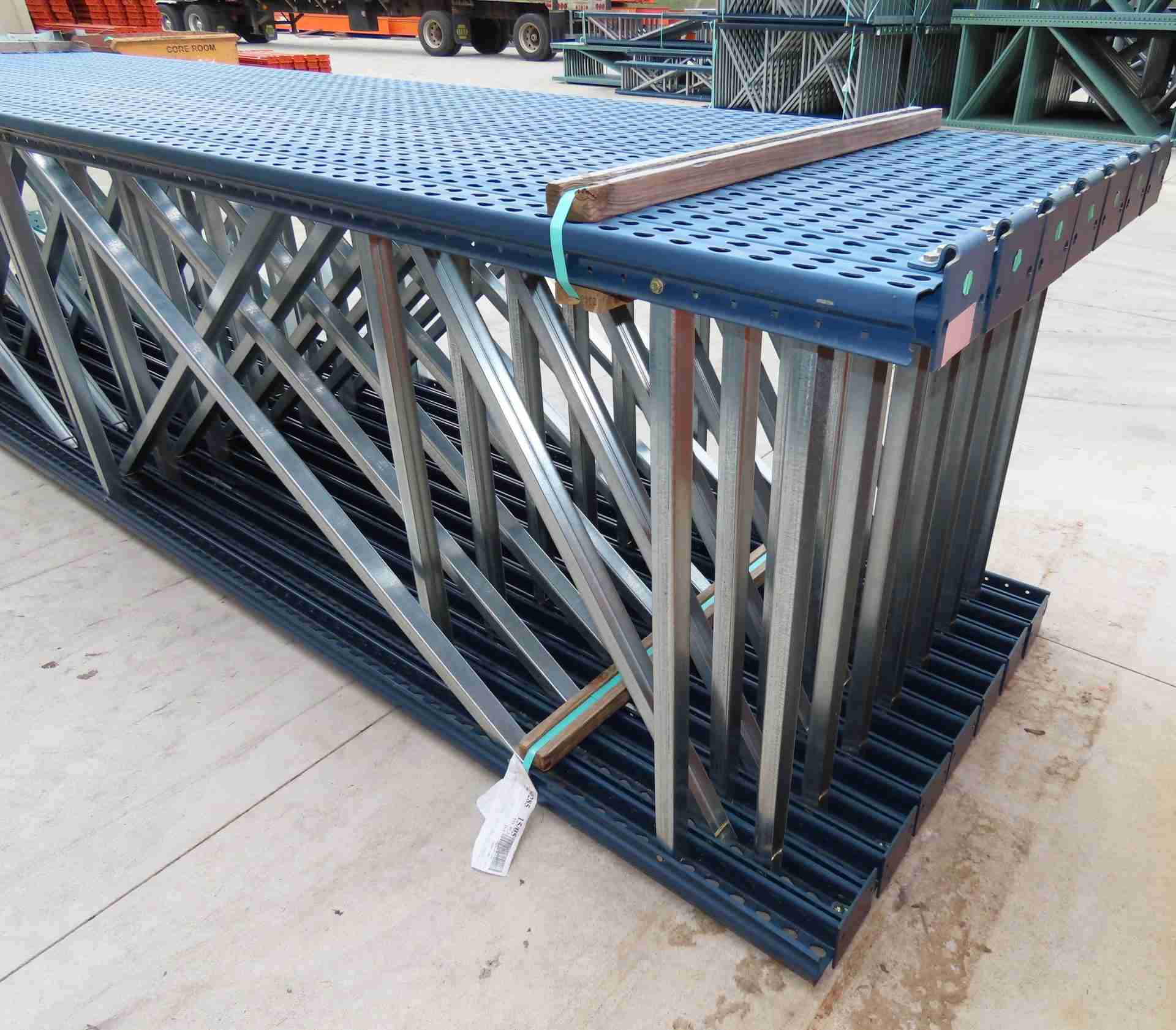
Conclusion
Other Resources
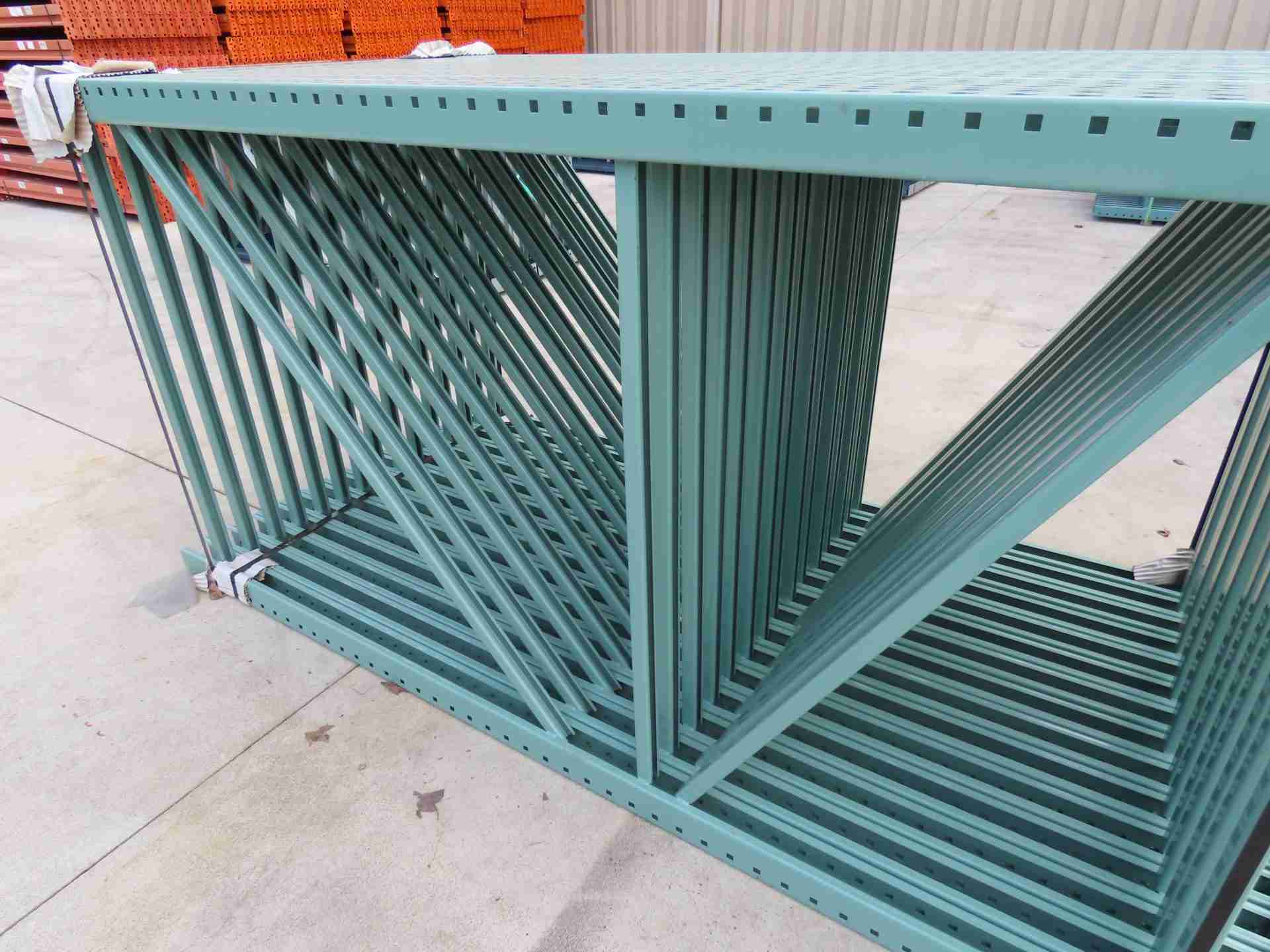
Other Resources
Here is a list of other resources you can review online to learn more:
- Cantilever Rack Guide: Ordering Cantilever Racking
- SEMA
- American Society of Safety Professionals
- Material Handling Safety
- Warehousing and Fulfillment
- Teardrop Pallet Rack – Ridg-U-Rak
- Cantilever Racks Chicago
- The Complete Pallet Rack Guide – Simply Rack
- IIWS Inc. Rack Installation Illinois & Rack Repairs Illinois
- Teardrop Pallet Rack – Ridg-U-Rak
- Rack Manufacturers Institute
- Pallet Racks, Pallet Racking, Pallet Shelves in Stock – ULINE
- Intro to Warehouse Racks & Warehouse Racking Systems – ShipBob
- Warehouse Racking Layout: The Ultimate Guide – Conger
- Illinois Pallet Racking – WPRP
- Shipping Boxes, Packaging Materials, Pallet Racking
- Warehouse Racks, Warehouse Racking in Stock – ULINE
- Selective Pallet Racking Systems – Container Systems
- Chicago Pallet Racking
- BMH
Use This Prompt To Get More Resources With Your Favorite Online AI Tool: Please provide me with a list of online articles with their URLs in a bulleted list that I can read regarding Reconfiguring Storage for Lean Initiatives

Other Resources
Glossary Terms
Reconfiguring Storage for Lean Initiatives – Glossary Of Terms
1. Agile: A methodology for flexible and adaptive project management focused on rapid delivery.
2. Capacity Planning: The process of determining the production capacity needed to meet demand.
3. Cloud Storage: Remote storage accessed over the internet to store and manage data.
4. Cost Efficiency: The ability to deliver services at a lower cost while maintaining quality.
5. Data Consolidation: Combining data from different sources into a single, coherent dataset.
6. Data Migration: The process of transferring data from one system or storage format to another.
7. Inventory Optimization: Methods to manage inventory levels to reduce costs and improve service.
8. Just-In-Time: An inventory strategy to increase efficiency by receiving goods only as needed.
9. Lean Manufacturing: A production practice that considers the expenditure of resources in any aspect other than the direct creation of value for the end customer as wasteful.
10. Lean Thinking: A philosophy that seeks to enhance customer value while minimizing waste.
11. Load Balancing: Distributing workloads across multiple resources to ensure optimal performance and efficiency.
12. Performance Metrics: Measurements used to evaluate the efficiency and effectiveness of storage systems.
13. Redundancy: The inclusion of extra components or resources to ensure reliability and availability.
14. Scalability: The capacity to increase storage resources as demand grows without compromising performance.
15. Service Level Agreement: A contract defining the expected service standards between providers and users.
16. Storage Architecture: The design and structure of storage systems and infrastructure.
17. Storage Virtualization: The abstraction of physical storage resources to improve management and efficiency.
18. Supply Chain Management: Overseeing the flow of goods and services from the point of origin to consumption.
19. Sustainability: Practices aimed at reducing environmental impact while maintaining resource efficiency.
20. System Integration: Combining diverse subsystems into a single coherent system to improve functionality.
21. Total Cost of Ownership: The comprehensive assessment of costs related to the purchase and operation of storage solutions.
22. Transformation: The process of significant change in organization or systems to improve efficiency or effectiveness.
23. Utilization Rate: A metric indicating the percentage of storage resources actually in use versus total available.
24. Value Stream Mapping: A Lean management tool to visualize and improve processes by identifying waste.
25. Warehouse Management System: Software designed to optimize warehouse operations and inventory management.
26. Work-in-Progress: Inventory that is in the process of being made, representing a stage in production.
27. Workflow Automation: Using technology to streamline repetitive tasks and processes for efficiency.
28. Performance Tuning: The optimization of storage system configurations to enhance speed and efficiency.
29. Data Archiving: The process of moving data that is not actively used to a separate storage for long-term retention.
30. Continuous Improvement: Ongoing efforts to improve products, services, or processes through incremental enhancements.
Glossary Of Terms
Other Questions
Reconfiguring Storage for Lean Initiatives – Other Questions
If you wish to explore and discover more, consider looking for answers to these questions:
- What types of racking systems best fit my product mix and SKU profile?
- How do I accurately assess current storage utilization and wasted space?
- What is the expected ROI and payback period for reconfiguring storage?
- What are the upfront, ongoing, and hidden costs of new racking systems?
- Can existing racking be retrofitted, or must it be replaced entirely?
- How do I phase implementation to minimize operational disruption?
- Which safety standards, local codes, and insurance requirements apply?
- How do I verify rack load capacities and floor loading limits?
- What inspection and maintenance schedules should I implement for racks?
- How do I train staff effectively and measure adoption of new layouts?
- How should frontline workers be involved in planning and decision-making?
- Which KPIs and metrics best demonstrate storage improvements (e.g., pick time, inventory accuracy, space utilization)?
- How can data visibility and WMS/ERP integration improve slotting and replenishment?
- When does automation (AS/RS, conveyors, pick-to-light) make economic sense?
- What layout changes improve picking productivity and reduce travel time?
- How wide should aisles be to balance space density with safety and equipment needs?
- What are the best practices for slotting, zoning, and SKU assignment?
- How should returns, damaged goods, and quarantined inventory be handled in the new layout?
- How do I plan for seasonality and peak demand within a lean storage strategy?
- What space-saving alternatives exist (mezzanines, mobile racking, drive-in systems) and what are their trade-offs?
- How do I evaluate and select vendors, installers, and contractors?
- Are there tax credits, grants, or financing options for storage upgrades?
- How do I measure and report sustainability benefits (material reuse, lifecycle impact, reduced waste)?
- What are the ergonomic considerations to reduce worker strain and injury?
- How do labeling, visual management, and standard work support ongoing lean practices?
- What testing or pilot programs should I run before full rollout?
- How long do typical installations take and what operational downtime is reasonable to expect?
- How do I scale or future-proof racking systems as business needs change?
- What are the common pitfalls in storage reconfiguration and how can they be avoided?
- How do I cost-justify improvements to senior leadership using financial and operational metrics?
- How do I integrate inventory control methods like cycle counting, Kanban, or JIT with storage layout?
- What technologies (RFID, barcode, sensors) deliver the best visibility for my operation?
- How should I handle irregular, oversized, or hazardous items in the reconfigured space?
- What are the lifecycle expectations and warranty/repair considerations for different rack types?
- How can I repurpose or responsibly dispose of removed racking and materials?
- How do I sustain continuous improvement after the initial reconfiguration effort?
Other Questions
Checklist
Reconfiguring Storage for Lean Initiatives – A Checklist
Header
✅______ Organization
✅______ Site/Area
✅______ Date
✅______ Prepared by
Goals and Scope
✅______ Lean goals defined (safety, space utilization, pick time, accuracy, cost)
✅______ Scope area mapped; constraints and dependencies documented
✅______ Baseline metrics captured (travel time, pick and put-away time, error rates, space utilization, damages, injuries)
Current State Assessment
✅______ Spaghetti map of people and material flows completed
✅______ SKU profiling and ABC/XYZ classification performed
✅______ Peak and seasonal demand patterns analyzed
✅______ Bottlenecks, search time, rehandling, and waiting waste identified
✅______ Obsolete, slow-moving, and dead stock tagged
Space and Layout Design
✅______ Aisle widths set to equipment specifications and safety codes
✅______ Vertical clearance, flue spaces, and top-of-load limits verified
✅______ Golden zone (waist-to-shoulder) allocated to high-frequency items
✅______ Fast-mover zones positioned near shipping and point of use (POU); logical travel paths established
✅______ Quarantine and returns/obsolescence areas defined
Racking System Selection
✅______ Rack types matched to SKU and velocity (selective, drive-in, push-back, pallet flow, cantilever, shelving, mezzanine)
✅______ Load ratings verified; rack layout stamped and approved where required
✅______ Pallet and container standards set (dimensions, quality, control)
✅______ Rack protection installed (end guards, column protectors, guide rails)
✅______ Modular design allows future reconfiguration and growth
Safety and Compliance
✅______ Rack inspections completed; damaged components tagged and replaced
✅______ Egress, fire code, sprinkler clearances, and seismic requirements met
✅______ Ergonomic limits respected; safe reach and lift zones marked
✅______ Floor markings, signage, and PPE requirements posted
✅______ Equipment turning radii and charging and parking areas defined
5S and Visual Management
✅______ Sort: Nonessential items removed; disposal or redeployment completed
✅______ Set in Order: Fixed locations, labels, bin IDs, and color codes applied
✅______ Shine: Cleaning standards and responsibilities assigned
✅______ Standardize: SOPs for put-away, picking, and replenishment documented
✅______ Sustain: Audit cadence and owners assigned; scorecards visible
✅______ Kanban and min-max triggers implemented where applicable
Inventory Strategy and Flow
✅______ Reorder points, safety stock, and lot sizes tuned to demand variability
✅______ Cycle counting plan established; accuracy targets set
✅______ FIFO/FEFO rules enforced with lane design and labeling
✅______ Cross-dock and fast-track rules defined
✅______ Obsolescence review cadence and disposition process set
Data Visibility and Systems
✅______ Single source of truth (WMS or ERP) identified and integrated
✅______ Real-time location capture enabled (barcodes or RFID, as needed)
✅______ Dashboards for OTIF, fill rate, pick time, space use, damages, and injuries
✅______ Exception alerts configured (stockouts, overstock, aging)
✅______ Data ownership and hygiene responsibilities assigned
People, Training, and Collaboration
✅______ Frontline input gathered and incorporated into design
✅______ Roles, responsibilities, and handoffs clarified
✅______ Training completed on new layout, equipment, SOPs, and safety
✅______ Feedback loop and rapid-issue resolution process in place
✅______ Recognition of improvement ideas and results established
Cost and ROI
✅______ One-time costs itemized (racks, installation, labeling, IT, permits)
✅______ Ongoing costs modeled (maintenance, inspections, training)
✅______ Benefits quantified (labor hours saved, throughput, accuracy, space freed, damage reduction)
✅______ Payback, break-even, and sensitivity analysis calculated
✅______ Budget approved; spend tracking set up
Sustainability and Stewardship
✅______ Reuse of materials prioritized; scrap and packaging recycled
✅______ Energy-efficient lighting and controls in storage zones
✅______ Durable, repairable rack components specified
✅______ End-of-life plan for racks and accessories documented
Implementation and Go-Live
✅______ Phased cutover plan with clear milestones and owners
✅______ Service continuity and contingency plans prepared
✅______ Vendor schedules confirmed; permits and inspections booked
✅______ Hypercare support window scheduled post go-live
✅______ 30/60/90-day review dates locked
Continuous Improvement
✅______ Quarterly layout and capacity reviews scheduled
✅______ Kaizen pipeline maintained; suggestions tracked to closure
✅______ Benchmarking against internal sites and industry standards
✅______ Lessons learned captured and shared across teams
Sign-Off
✅______ Approved by
✅______ Date
✅______ Next audit date

Checklist
At RackingWorld, we help guide you through selecting warehouse storage systems and racking.
Be sure to read our other related stories at RackingWorld to learn more about warehouse storage systems.
0 Comments