
Ensuring Safety And Compliance: A Guide For Efficient Dense Storage
By Tom Seest
At RackingWorld, we help guide you through selecting warehouse storage systems and racking.
Be sure to read our other related stories at RackingWorld to learn more about warehouse storage systems.
Fire Marshal Considerations In Dense Storage
When it comes to dense storage, the fire marshal’s role is pivotal in safeguarding both property and lives. Consider a local warehouse brimming with racking systems stacked higher than the eye can see. It might look like a well-oiled machine from a distance, but behind that facade lies a potential powder keg of risk. Each racking system, while designed to maximize space, can also create a maze of fire hazards if not managed properly.
Think about it—fires don’t wait for your convenience. They are sneaky and relentless, creeping through tight aisles and hidden compartments. The simple act of ensuring that materials stored in racking systems are well-organized and appropriate for their placement can make a world of difference. If a fire does break out, every inch counts. Clear access to sprinklers, fire extinguishers, and emergency exits isn’t just a box to check; it’s a lifeline.
From a practical standpoint, you’re running a tight ship balancing efficiency and safety. You can’t afford to lose precious inventory or, worse, see injuries ripple through your workforce. The fire marshal understands this tension and is there to help navigate it. Establishing clear communication with local fire authorities can ensure that your fire prevention measures align with standards that protect everyone involved. It’s not about checking boxes; it’s about weaving safety into the fabric of daily operations.
Ethically speaking, prioritizing safety in dense storage isn’t just a compliance issue; it’s a moral imperative. Every worker deserves to return home safe at the end of the day. Engaging with racking systems in a way that emphasizes fire prevention fosters a culture of care and responsibility. When team members feel that they work in a safe environment, morale soars, productivity rises, and everyone can breathe a little easier—even if they’re surrounded by towering stacks of goods.
Lastly, let’s be real. Every person on your team knows that safety measures are only as good as the engagement behind them. Gather your crew for regular safety drills, talk openly about fire hazards, and reinforce the message that everyone is responsible for maintaining a safe workspace. It’s more than just policies; it’s about forging a community where safety is ingrained. Leaning into these fire marshal considerations means standing firm—not just on compliance but on a commitment to keep people and places secure. When everyone understands the stakes, you can build a legacy of safety that resonates far beyond those racking systems.

Fire Marshal Considerations In Dense Storage
Fire Marshal Considerations In Dense Storage
- The fire marshal plays a crucial role in protecting property and lives in dense storage environments.
- Inadequately managed racking systems can lead to significant fire hazards in warehouses.
- Organizing materials in racking systems and ensuring access to safety equipment is vital in case of a fire.
- Balancing efficiency with safety is essential to prevent inventory loss and ensure worker safety.
- Effective communication with local fire authorities helps align fire prevention measures with safety standards.
- Prioritizing safety fosters a culture of responsibility, boosting morale and productivity among workers.
- Regular safety drills and open discussions about hazards enhance engagement and reinforce safety as a community responsibility.

Fire Marshal Considerations In Dense Storage
Table Of Contents
- Fire Marshal Considerations In Dense Storage
- What Are the Risks Of Fire In Densely Stored Environments?
- How Can Proper Storage Reduce Fire Hazards?
- What Are the Best Practices for Fire Safety Compliance?
- How Do Fire Codes Differ for Dense Storage Facilities?
- What Role Does Proper Ventilation Play In Fire Safety?
- Can You Outline Effective Fire Suppression Systems?
- Conclusion
- Other Resources
- Glossary Of Terms
- Other Questions
- Checklist
What Are the Risks Of Fire In Densely Stored Environments?
In crowded storage facilities, the risk of fire looms larger than life. When goods are stacked high on racking systems, the potential for disaster intensifies. Picture a warehouse where cardboard boxes teeter like a house of cards. One spark from faulty equipment, or even a careless moment, can ignite not just materials but the livelihoods of everyone involved. It’s a scenario that keeps seasoned workers awake at night, knowing the stakes are as high as the shelves.
Racking systems, while essential for efficiency, also create tight spaces and limited access points. In an emergency, those narrow aisles quickly become bottlenecks, trapping people in harm’s way. The panic and chaos can turn a manageable situation into a life-threatening one. Fire isn’t just an abstract concern; it’s a reality that could tear families apart, destroy entire businesses, and haunt communities.
Every decision counts. Ethically, we owe it to ourselves and each other to prioritize fire safety in these environments. This isn’t just about regulations or compliance; it’s about doing right by our coworkers, our neighbors, and those who depend on us. When every employee feels responsible for maintaining safety, a culture of vigilance and care emerges. This is where trust builds—not just in protocols but within teams that know they can count on one another to act decisively in a crisis.
Stories abound of warehouses that have turned into infernos, leaving nothing but ash and heartache. The gut-wrenching consequences ripple through families and neighborhoods. Yet, it’s not only about loss; it’s about resilience. Teams that reinforce safety protocols bolster confidence. When workers engage with fire safety measures, their efforts transform numbers and plans into a shared mission that protects everyone.
Moreover, community matters. When businesses foster a commitment to fire safety, the ripple effect strengthens ties and inspires best practices that extend far beyond the walls of a single structure. It creates an environment where voices are heard and experiences valued, reminding us all that we stand together, prepared and resolute against the dangers of fire.
By understanding and addressing the risks associated with densely stored environments, we pave the way for a future that favors safety and well-being over negligence and loss. Let’s make wise choices for ourselves and our communities.

What Are the Risks Of Fire In Densely Stored Environments?
What Are the Risks Of Fire In Densely Stored Environments?
- The risk of fire is heightened in crowded storage facilities with high racking systems.
- In emergencies, narrow aisles can become dangerous bottlenecks, trapping workers.
- Fire can devastate families, businesses, and communities, leading to severe consequences.
- Prioritizing fire safety is an ethical obligation toward coworkers and communities.
- A culture of safety and trust develops when employees take responsibility for fire safety.
- Engaging with safety protocols transforms fire safety measures into a collective mission.
- Commitment to fire safety fosters community ties and encourages best practices beyond individual businesses.
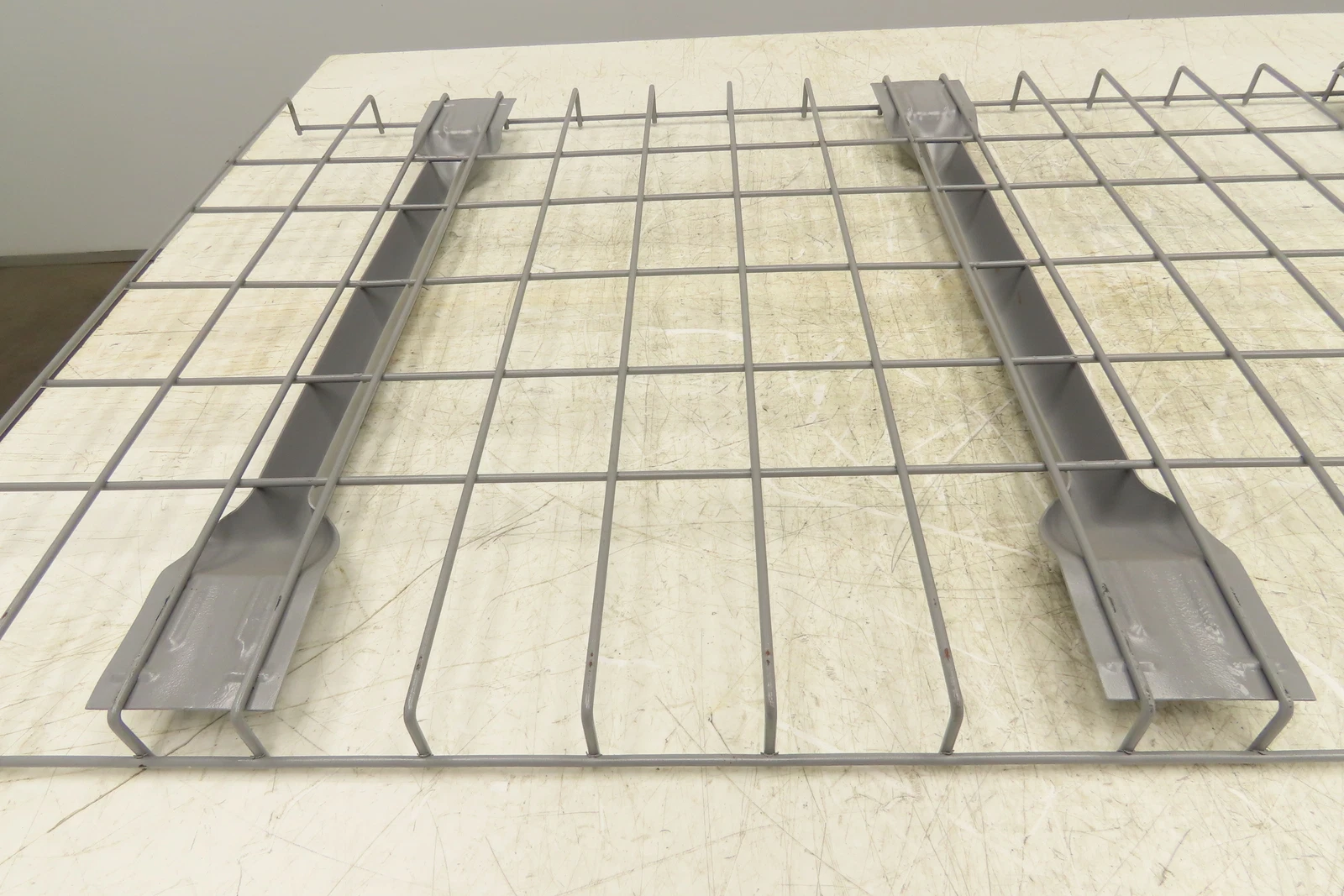
What Are the Risks Of Fire In Densely Stored Environments?
How Can Proper Storage Reduce Fire Hazards?
Proper storage is a cornerstone in reducing fire hazards, and it’s something we all have a stake in. Think of your garage or workshop, a place where tools and materials are gathered, often haphazardly. If you’ve ever knocked over a can of solvent or let a pile of rags sit too long, you know the anxiety of knowing that just one spark can lead to disaster. With the right approach, we can create safer spaces that protect not just our belongings but also our loved ones.
Racking systems are a game changer. They offer a smart way to organize and store materials efficiently. By using racking systems, you bring order to chaos, keeping flammable materials off the ground and away from sources of ignition. Picture the satisfaction of being able to walk through your space without stumbling over clutter, knowing everything is in its proper place. This not only makes your workspace safer but also more productive. You’ll find that a tidy space leads to a clearer mind, reducing the likelihood of accidents.
On a rational level, proper storage minimizes the potential for fire. A well-organized storage system means you’re not just guessing where things are or how they’re stacked. Items stored correctly allow for better ventilation and environmental control, crucial in preventing spontaneous combustion. This is where common sense meets strategy: having a fire extinguisher nearby is good, but eliminating the risk is the better approach.
Ethically, we have a responsibility to maintain safe environments. Every time you take the time to implement smart storage practices, you’re not just safeguarding your own interests—you’re also considering everyone who steps into your space. Whether it’s family members who may be visiting or colleagues who share the workspace, creating a safer environment shows care and respect for their safety.
Narratively, think of the stories that can emerge from a well-managed space. Picture the camaraderie built in shared workshops, where safety allows creativity to flow without fear. Imagine those evenings spent tinkering away, crafting and making memories, instead of worrying about the next hazard lurking just out of sight.
In our communities, we often share tips and tricks for tackling various problems. So why not extend that same support to fire safety? Talk to your peers about how you set up your racking systems and the impact it has had on your peace of mind. Together, we can foster a culture of safety that connects us, ensuring that our spaces are not just functional but also inviting, honest, and ultimately, secure.
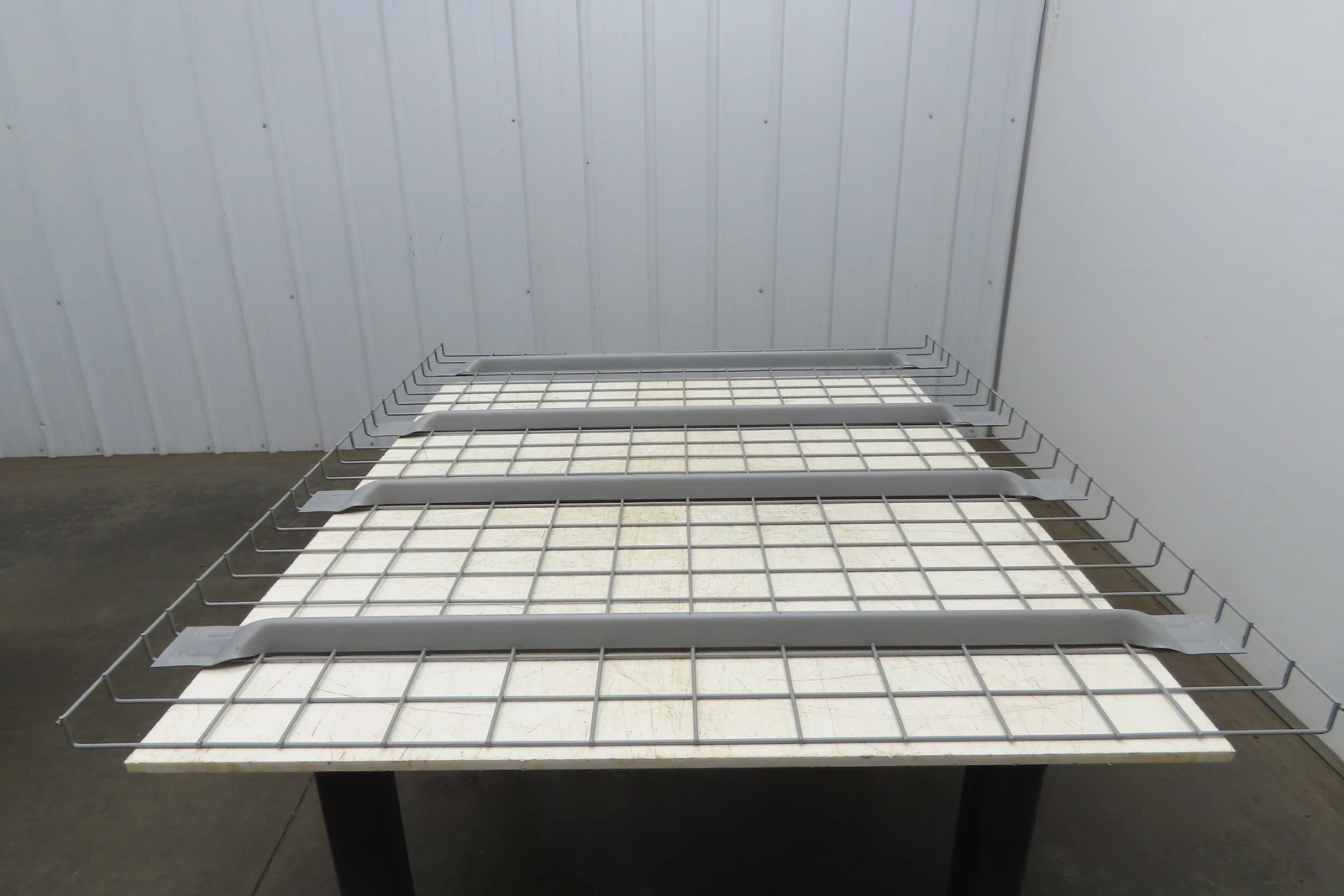
How Can Proper Storage Reduce Fire Hazards?
How Can Proper Storage Reduce Fire Hazards?
- Proper storage reduces fire hazards and enhances safety for belongings and loved ones.
- Racking systems organize materials efficiently, keeping flammable items off the ground.
- A tidy workspace improves productivity and reduces accident likelihood.
- Well-organized storage allows for better ventilation and minimizes spontaneous combustion risks.
- Implementing smart storage practices demonstrates care for the safety of others in shared spaces.
- A well-managed environment fosters creativity and camaraderie in workshops.
- Sharing fire safety tips with peers helps build a culture of safety in communities.

How Can Proper Storage Reduce Fire Hazards?
What Are the Best Practices for Fire Safety Compliance?
When it comes to fire safety compliance, feeling safe in your own space isn’t just a wish; it’s a necessity. Picture an ordinary day at work: the machines hum, folks are chatting, and suddenly, a fire breaks out. That moment of panic can change lives forever. It’s essential to prioritize fire safety, not as a box to tick, but as part of a culture that values every person’s well-being—like a family pulling together when the going gets tough.
First, understand your environment. Whether you’re dealing with warehouses or offices, having a clear layout of your space and knowing where your racking systems are located is crucial. These systems, often overlooked, can house flammable materials and must be designed to minimize risk. Regular inspections and proper maintenance can prevent disaster. Think of it as a well-tuned machine: if one part fails, it affects the whole operation.
Next, create a fire safety plan. This isn’t just paperwork; it’s an actionable way to protect your people. Everyone should know the exits and have a role in case of an emergency. Conduct regular drills so that evacuations become second nature. It’s not merely a legal requirement; it’s about building a community that looks out for each other.
Then there’s the aspect of training. Equip staff with knowledge about fire hazards and how to use firefighting equipment. Knowing what to do in those frantic minutes can mean the difference between a minor incident and a full-blown crisis. Make fire safety training engaging and relatable; good stories about real incidents can resonate more than just a lecture.
Fostering an ethical approach to fire safety also means discouraging shortcuts. Cutting corners might save time now but could cost lives later. This principle builds trust; employees feel secure knowing that their safety is prioritized over productivity.
Engage your whole team. Fire safety isn’t just the responsibility of management; it’s everyone’s job. Encourage open communication about potential hazards. When individuals feel they can speak up about concerns without fear, you cultivate an environment where everyone is vigilant.
Ultimately, fire safety compliance isn’t just about meeting regulations; it’s about creating a culture that embodies care, respect, and responsibility. It’s a call to action for each of us to ensure that our workplaces are not just functional, but safe havens where everyone can thrive—because when it comes to safety, every voice counts, and every precaution matters.

What Are the Best Practices for Fire Safety Compliance?
What Are the Best Practices for Fire Safety Compliance?
- Fire safety compliance is essential for ensuring a safe work environment.
- Understand the layout of your space and the location of racking systems to mitigate risks.
- Create a comprehensive fire safety plan that includes evacuation roles and regular drills.
- Provide engaging training on fire hazards and proper equipment use to enhance staff preparedness.
- Discourage shortcuts in safety practices to prioritize employee well-being over productivity.
- Encourage open communication about potential hazards among all team members.
- Foster a culture of care, respect, and responsibility regarding fire safety compliance.

What Are the Best Practices for Fire Safety Compliance?
How Do Fire Codes Differ for Dense Storage Facilities?
In any warehouse, especially those dense storage facilities where space is at a premium, fire codes are not just bureaucratic red tape; they’re lifelines. Think about it. You’ve got towering racking systems, filled to the brim with everything from spare parts to seasonal goods. One spark, one oversight, and the whole place could go up like a bonfire. It’s the stark reality that gets to the gut.
Imagine the stories behind those shelves. Each item tells a tale, holding the hustle of hard-working folks who depend on that inventory for their livelihoods. The meticulous organization in those racking systems isn’t just about efficiency; it’s about trust—trust that the systems in place will protect what matters most. When we talk about fire codes, we’re advocating not just for compliance but for safety. These regulations are designed to prevent tragedy, to ensure that, in the blink of an eye, lives and livelihoods aren’t turned to ash.
Rationally, these codes make sense. Fire barriers, sprinkler systems, and accessible fire exits aren’t arbitrary stipulations; they’re essential strategies. It’s about being smart. Facilities that adhere to stringent fire codes are not only protecting their assets but also enhancing their operational efficiency, reducing potential losses, and thereby preserving jobs. Ethical responsibility also weighs heavily here; when you uphold these standards, you’re safeguarding not just your bottom line but the welfare of everyone who walks through those doors.
The authority of fire codes stems from a history steeped in lessons learned the hard way. We’ve seen the destruction that neglect can bring—stories that haunt the industry. Those tales aren’t just words; they are clarion calls to action. If we have the tools to prevent such disasters, why wouldn’t we use them?
On a social level, it’s about community—supporting one another in creating safe working conditions. When every worker knows that their safety is prioritized, there’s a culture of unity and resilience. It’s the kind of environment that fosters teamwork and loyalty, which in turn drives productivity.
Fire codes in dense storage facilities shouldn’t be viewed as obstacles but as essential partners in the quest for safety and efficiency. When we approach them with a blend of respect, diligence, and common sense, we ensure that our stories continue—not only today but for the generations to come.

How Do Fire Codes Differ for Dense Storage Facilities?
How Do Fire Codes Differ for Dense Storage Facilities?
- Fire codes in warehouses are crucial for safety, preventing potential disasters.
- Items stored in warehouses represent the efforts and livelihoods of many workers.
- Adhering to fire codes builds trust and ensures the protection of vital inventory.
- Fire safety regulations, such as barriers and sprinkler systems, are essential for operational efficiency.
- Upholding fire codes demonstrates ethical responsibility towards employees’ welfare.
- Lessons from past disasters highlight the importance of strict adherence to fire safety protocols.
- A culture prioritizing safety fosters community, teamwork, and productivity in the workplace.

How Do Fire Codes Differ for Dense Storage Facilities?
What Role Does Proper Ventilation Play In Fire Safety?
When it comes to fire safety, proper ventilation is like the unsung hero of the building world. Imagine a racking system in a bustling warehouse. It’s stacked with inventory, and the last thing you want is a fire breaking out. But without good ventilation, that fire can become an inferno in no time. Fresh air is essential; it helps to control temperature and smoke movement, making a critical difference in survival during those harrowing moments.
Think of the gut-wrenching moments when alarms blare. You’re in a crowded space filled with products and equipment, your heart racing. In those moments, proper ventilation can mean the difference between a quick evacuation and chaos. When smoke fills a room, panic sets in, and a clear exit path becomes vital. Ventilation systems can clear out smoke and toxic gases, giving you a fighting chance to escape. This isn’t just theoretical; it’s about people—your family, your coworkers, your community.
Rationally, we understand that fires need oxygen to thrive. With adequate ventilation, that oxygen can be controlled. Firefighters will tell you: the way air moves can shift the entire outcome of a fire. Properly designed vents in a racking system allow for controlled combustion, reducing heat build-up and decreasing the chances of flashovers. This isn’t just smart; it’s necessary for protecting lives and property.
From an ethical standpoint, we have a responsibility to ensure our environments are safe. Think of workers in warehouses, shops, or factories; they deserve to work without the looming fear of a fire. Implementing effective ventilation systems isn’t just about compliance with codes; it’s about caring for those who spend their days navigating those spaces. It’s about fostering a culture of safety that prioritizes lives over profits.
Moreover, sharing stories of fire safety practices, especially regarding ventilation, creates a community of awareness. Each time a worker learns about the importance of smoke vents or air flow, they become part of a collective mission—one that values life and security. When we talk about ventilation, we’re not just ticking boxes; we’re building trust and confidence that fire safety is taken seriously.
In essence, effective ventilation isn’t just a technical requirement—it’s a lifeline. It gives us hope against the darkness of a fire, a tangible reminder that we can protect what matters most. It’s time to recognize the vital role of proper ventilation in fire safety and ensure our spaces are prepared to face the unexpected.

What Role Does Proper Ventilation Play In Fire Safety?
What Role Does Proper Ventilation Play In Fire Safety?
- Proper ventilation is crucial for fire safety, preventing fires from becoming uncontrollable.
- Fresh air assists in temperature control and smoke movement, impacting survival during emergencies.
- Ventilation systems create clear exit paths by removing smoke and toxic gases, reducing panic during evacuation.
- Controlling oxygen flow with adequate ventilation alters the outcome of a fire and minimizes risks.
- Implementing effective ventilation is an ethical responsibility to ensure safe working environments.
- Promoting fire safety practices fosters a community awareness and prioritizes life over profits.
- Effective ventilation serves as a vital defense against fire, protecting people and property.

What Role Does Proper Ventilation Play In Fire Safety?
Can You Outline Effective Fire Suppression Systems?
When it comes to fire suppression systems, the stakes couldn’t be higher. Picture a family home, filled with laughter and memories. Now imagine that home threatened by the unpredictable fury of fire—an all-too-real nightmare for many. Effective fire suppression systems stand between safety and catastrophe, protecting what matters most. It’s not just about extinguishing flames; it’s about preserving lives and legacies.
At the heart of good fire suppression systems are racking systems that allow for the efficient storage of vital firefighting equipment. Imagine these sturdy frameworks as silent sentinels, holding hoses, nozzles, and extinguishers at the ready. When every second counts, having gear within arm’s reach ensures that responders can act swiftly. This reliability fosters a sense of security, inspiring confidence in communities that the necessary tools will always be accessible.
Rationally, investing in effective fire suppression isn’t just smart; it’s essential. The numbers speak volumes. Property damage due to fires runs into the billions annually, not to mention the irreplaceable loss of life. A well-designed suppression system—comprising advanced sprinklers, chemical foam, and manual response systems—can vastly reduce these figures. This isn’t just about compliance; it’s about safeguarding your investment and your future.
Ethically, every life deserves protection. Fire suppression systems embody our collective responsibility to safeguard homes and workplaces. When businesses make the choice to equip themselves with adequate fire safety measures, they send a powerful message: their employees’ safety matters. It strengthens bonds within the workforce and fosters trust, creating a culture that values human life over profit margins.
Narratively, we all have stories that tie us to moments of crisis. Think back to a community member nearly losing everything to flames. That collective spirit brings folks together to advocate for robust fire protection. Sharing these experiences ignites a fire—no pun intended—encouraging others to take action. Each story is a lesson, a reminder of the fragility of life, urging a proactive approach to safety.
Effective fire suppression systems are not just mechanical installations; they represent our commitment to protecting what we hold dear. By understanding the critical role these systems play, we can foster a culture of safety, encouraging everyone to advocate for changes in their homes, schools, and workplaces. Let’s keep our communities safe, one system at a time.
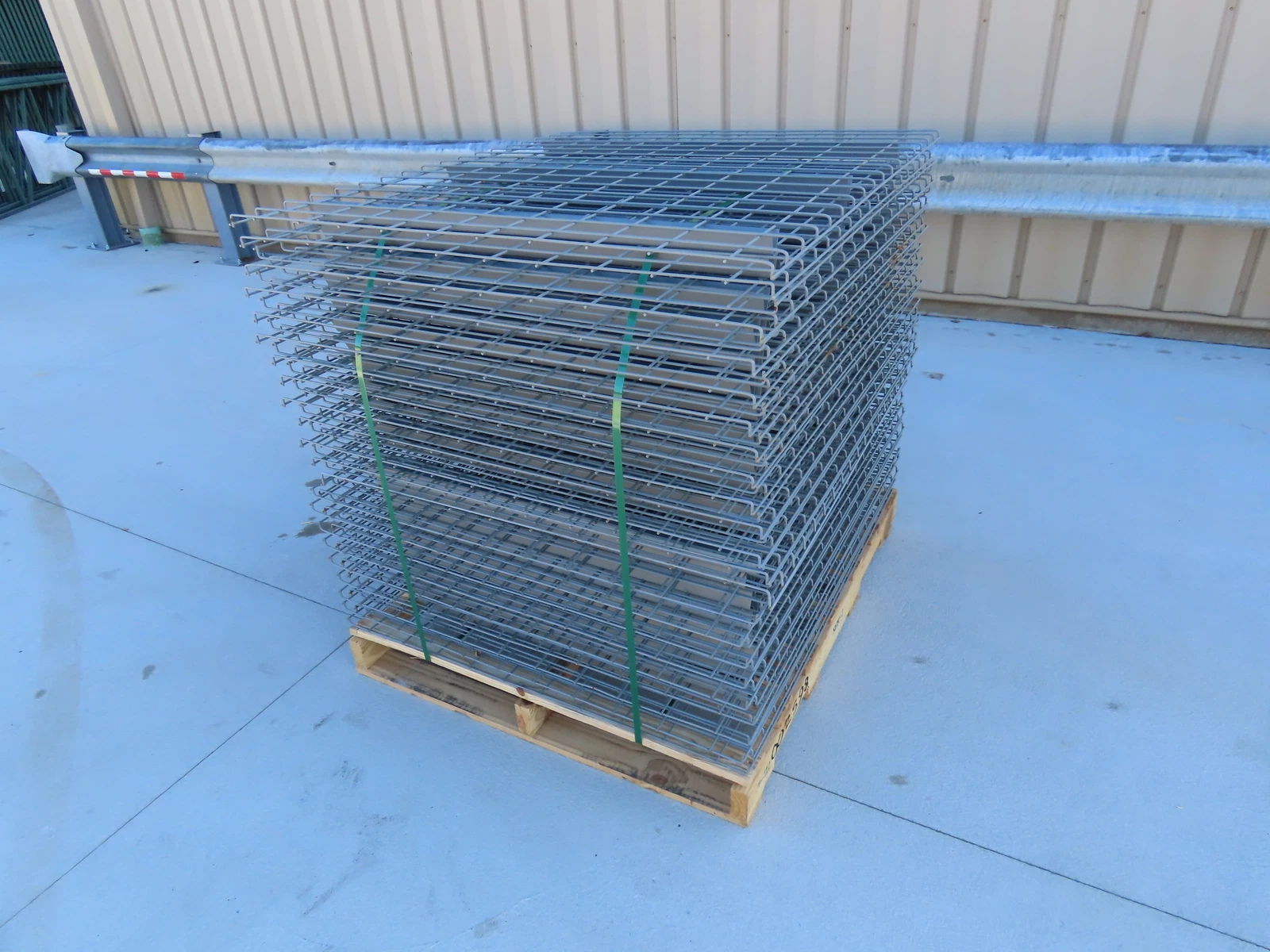
Can You Outline Effective Fire Suppression Systems?
Can You Outline Effective Fire Suppression Systems?
- Fire suppression systems are critical for protecting homes and lives from devastating fires.
- Racking systems facilitate the efficient storage of firefighting equipment, ensuring quick access during emergencies.
- Investing in fire suppression is essential to reduce property damage and safeguard lives, as losses from fires reach billions annually.
- Effective suppression systems include advanced sprinklers, chemical foam, and manual response mechanisms.
- Fire safety measures demonstrate an ethical commitment to employee safety and foster trust within organizations.
- Community stories of fire crises highlight the importance of robust fire protection and encourage proactive safety measures.
- Understanding the role of fire suppression systems helps promote a culture of safety in homes, schools, and workplaces.

Can You Outline Effective Fire Suppression Systems?
Conclusion
In the critical realm of dense storage, the role of fire marshals serves as a vital backbone in the ongoing battle against fire risks. Picture a bustling warehouse, stacked high with goods, where the structural splendor masks lurking dangers. While these towering racking systems are efficient, they can create hazardous environments without diligent oversight. Fires, sneaky and swift, can spread rapidly through the tight confines of these setups, making it imperative for warehouse managers to orchestrate a symphony of safety and efficiency.
Understanding that every decision counts, cultivating a culture of safety isn’t merely about compliance; it’s a moral obligation. Every employee deserves to leave work unharmed, and embracing fire prevention practices not only safeguards their lives but also fosters a positive workplace morale. When workers know their safety is prioritized, they feel valued, leading to enhanced productivity and a sense of community.
Proper organization within storage systems also has profound implications. It’s not just about managing inventory effectively but about minimizing potential fire hazards. When storage is approached with foresight, unnecessary risks diminish, leaving space for innovation and collaboration. Ventilated environments can control fire dynamics, ensuring safety through smart airflow management, while proper storage decreases the chances of flammable materials placed perilously close to ignition sources.
Fire codes may seem like a hassle, but they exist to protect lives and livelihoods. In dense storage facilities, these regulations ensure that businesses are adequately equipped to prevent catastrophic fires rather than merely preparing for their aftermath. Regular training and clear communication about potential hazards empower employees to take ownership of their safety roles.
Stories of near disasters linger in the industry’s memory, echoing the importance of vigilance in fire safety practices. These narratives compel us to act, joining forces to create a united front that champions safe working conditions. Community ties strengthen through a shared commitment to fire safety—it’s not just a guideline but a collective mission that enhances trust and morale.
In the end, effective fire suppression and safety measures do not merely fulfill legal obligations but also weave into the fabric of a supportive and responsible workplace culture. By recognizing the significance of these systems, we lay the groundwork for a safer future and build a legacy of care that resonates far beyond the walls of warehouses. Embracing these principles ensures that we not only protect our present but also secure a safer tomorrow for everyone involved.

Conclusion
Conclusion:
- Fire marshals play a crucial role in mitigating fire risks in dense storage environments.
- Warehouse managers must ensure safety through diligent oversight amidst hazardous stacking systems.
- Cultivating a culture of safety is both a moral obligation and enhances workplace morale and productivity.
- Proper organization of storage systems minimizes fire hazards and fosters innovation.
- Fire codes protect lives and ensure businesses are equipped to prevent catastrophic fires.
- Vigilance in fire safety practices is driven by industry stories of near disasters, promoting community commitment.
- Effective fire safety measures contribute to a supportive workplace culture and a safer future for all employees.

Conclusion
Other Resources

Other Resources
Here is a list of other resources you can review online to learn more:
- IIWS Inc. Rack Installation Illinois & Rack Repairs Illinois
- Rack Manufacturers Institute
- Heavy-Duty Cantilever Storage Racks
- Teardrop Industrial Shelving Rack
- Pallet Racking systems in Illinois and Great Lakes
- Used Teardrop Pallet Rack – American Surplus
- Warehouse Racking Layout: The Ultimate Guide – Conger
- Pallet Racks, Pallet Racking, Pallet Shelves in Stock – ULINE
- Selective Pallet Racking Systems
- Intro to Warehouse Racks & Warehouse Racking Systems – ShipBob
- Iowa Illinois Warehouse Racking
- Chicago Pallet Racking
- Logic Material Handling
- Cantilever Rack Guide: Ordering Cantilever Racking
- Selective Pallet Racking Systems – Container Systems
- Overhead Lifting
- Cantilever Racking Specialists – Get the Right Racks
- SEMA
- CA Wire
Use This Prompt To Get More Resources With Your Favorite Online AI Tool: Please provide me with a list of online articles with their URLs in a bulleted list that I can read regarding Fire Marshal Considerations In Dense Storage
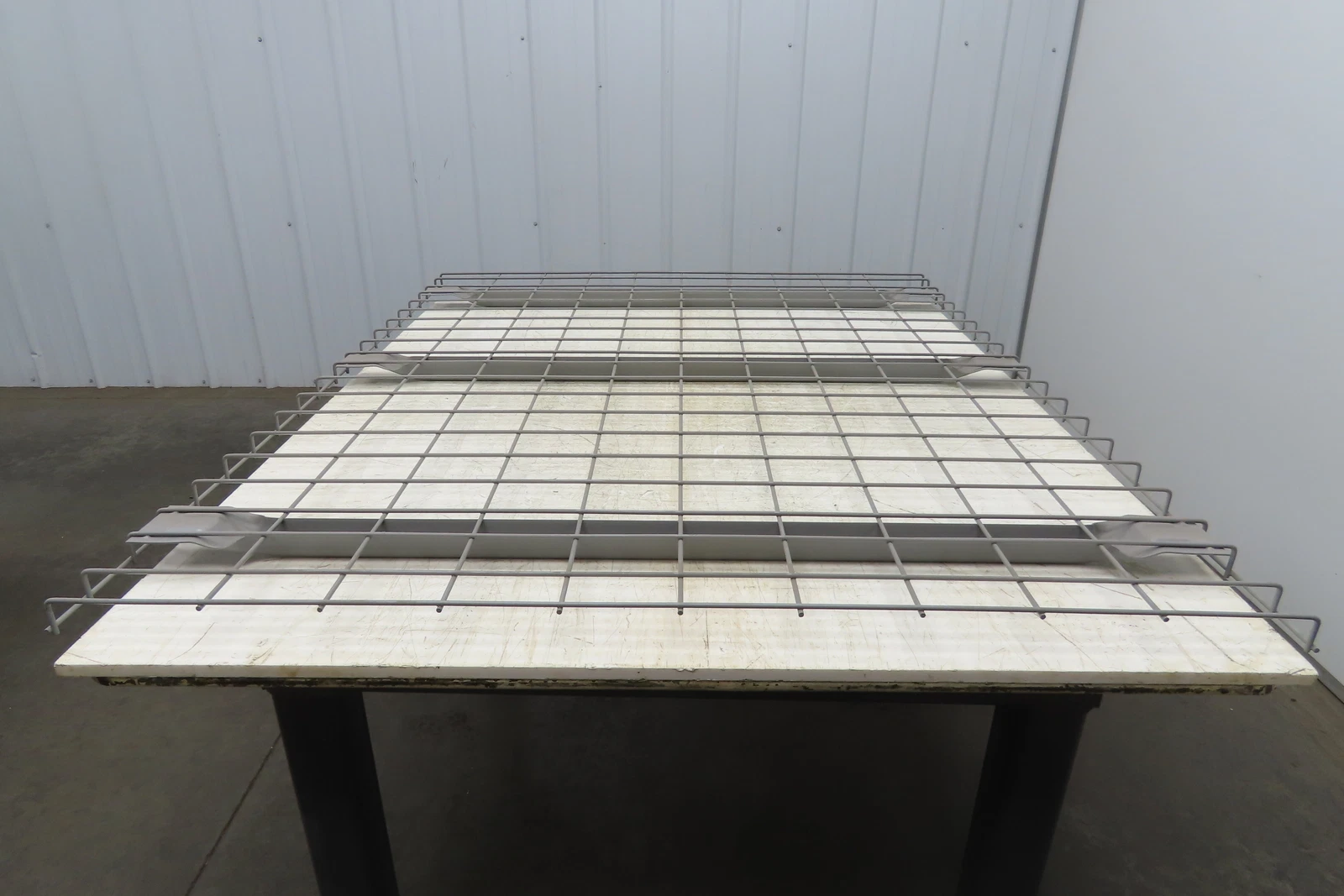
Other Resources
Glossary Terms
Fire Marshal Considerations In Dense Storage – Glossary Of Terms
1. Fire Marshal: An official responsible for fire safety and enforcement of fire codes.
2. Dense Storage: A method of storing goods in a compact manner to maximize space.
3. Flammable: Materials that can easily ignite and catch fire.
4. Fire Code: Regulations governing fire safety standards and prevention practices.
5. Fire Hazard: Any condition that increases the likelihood of a fire occurring.
6. Access Routes: Pathways that allow emergency personnel to reach storage areas quickly.
7. Egress: The means of exiting or evacuating a space during emergencies.
8. Fire Break: A barrier or gap used to prevent the spread of fire.
9. Sprinkler System: An automatic system designed to suppress or extinguish fires.
10. Smoke Detectors: Devices that detect smoke as an indication of fire.
11. Fire Extinguisher: A portable device used to extinguish small fires.
12. Combustion: The chemical process of burning a substance.
13. Fire Triangle: A model illustrating the three elements needed for a fire: heat, fuel, and oxygen.
14. Flame Spread: The rate at which flames propagate over a surface.
15. Heat Release Rate: The speed at which heat is produced during a fire.
16. Materials Safety Data Sheet (MSDS): Documents providing information on substance hazards.
17. Fire Watch: A safety measure involving personnel monitoring areas for fire risks.
18. Standpipe: A system of pipes that provides water for firefighting in buildings.
19. Fire Dampers: Devices that restrict the spread of smoke and fire in ductwork.
20. Backup Power: An alternative power source used during outages to maintain safety systems.
21. Fire Load: The total amount of combustible materials in a given area.
22. Vertical Storage: Arranging items in tall, narrow spaces to optimize height.
23. Flame Retardant: A substance that reduces the flammability of materials.
24. Fire Drill: A practice evacuation of a building in case of fire emergencies.
25. Emergency Lighting: Illumination provided for safe evacuation during power failure.
26. Hazardous Materials: Substances posing risk to health, safety, or property in fire situations.
27. Fire Department Access: Requirements for fire services to reach buildings and respond effectively.
28. Compartmentation: The practice of creating barriers to restrict fire and smoke movement.
29. Fire Risk Assessment: An evaluation process to identify and mitigate fire hazards.
30. Compliance: Adherence to fire safety regulations and standards.

Glossary Of Terms
Other Questions
Fire Marshal Considerations In Dense Storage – Other Questions
If you wish to explore and discover more, consider looking for answers to these questions:
- What specific fire codes and standards apply to dense storage facilities in my jurisdiction?
- How do NFPA standards (e.g., NFPA 13, 230, 101) affect racking and sprinkler design for dense storage?
- What are the minimum aisle widths required for safe evacuation and firefighting access?
- How high can inventory be stacked before additional fire protection is required?
- How should different commodity classes (combustible vs. noncombustible) be identified and stored?
- What clearance is required between stored goods and sprinkler heads or smoke detectors?
- How do storage configurations (block, selective, drive-in, push-back) affect fire risk and suppression needs?
- What types of sprinkler systems (e.g., ESFR, early suppression, standard response) are appropriate for high-piled racking?
- How is sprinkler design impacted by palletized vs. unitized loads and packaging materials?
- What detection systems (smoke, heat, aspirating) work best in dense-storage, high-ceiling environments?
- How should ventilation and smoke-control systems be designed to limit smoke spread and aid evacuation?
- What are best practices for compartmentation and fire barriers within large warehouses?
- How often must inspections, testing, and maintenance be performed for suppression and detection systems?
- What documentation and recordkeeping do fire marshals typically expect during inspections?
- What training and drill frequency should be implemented for staff working in dense storage areas?
- How should emergency egress routes and exit signage be planned and maintained for high-density racks?
- What requirements exist for fire department access, staging areas, and hydrant placement?
- How do mixed-use or multi-tenant warehouses change fire-safety requirements and responsibilities?
- What permit, plan-review, or approval processes are required before modifying storage layout or adding racks?
- How should hazardous materials and oxidizers be segregated and stored in dense facilities?
- What role do housekeeping and spill-control practices play in reducing fire ignition sources?
- How can existing racking be retrofitted to meet current fire code requirements cost-effectively?
- What are the insurance implications of dense storage configurations and fire-protection upgrades?
- Which metrics and KPIs should facilities track to demonstrate ongoing fire-safety performance?
- What new technologies (IoT sensors, thermal imaging, automated suppression) are effective in dense storage environments?
- How should risk assessments be conducted for seasonal peaks, temporary storage, or overflow areas?
- What lessons can be learned from past warehouse fire incidents and investigations?

Other Questions
Checklist
Fire Marshal Considerations In Dense Storage – A Checklist
Facility Information
✅______ Facility name
✅______ Address
✅______ Assessed by
✅______ Date
✅______ Local fire authority contact
✅______ Last fire inspection date
✅______ Next drill date
Governance and Coordination
✅______ Fire safety plan is written, current, and accessible
✅______ Roles and responsibilities assigned (wardens, sweepers, incident commander)
✅______ Regular communication established with the local fire marshal/authority
✅______ Pre-incident plan shared with the fire department
✅______ Change-management process in place for storage and layout changes
✅______ Contractors and vendors receive fire safety orientation
Layout, Egress, and Access
✅______ Aisle widths meet code and are kept clear
✅______ Primary and secondary exits unobstructed and unlocked during operating hours
✅______ Exit routes marked and illuminated; emergency lighting functional
✅______ Travel distances to exits meet code
✅______ Fire lanes, hydrants, and fire department connections (FDCs) accessible and marked
✅______ Exterior access doors and gates openable; snow and vegetation cleared
Storage Design and Racking Systems
✅______ Commodity classes identified and documented
✅______ Maximum storage heights and configurations documented and enforced
✅______ Rack load ratings posted and legible
✅______ Racks anchored, plumb, and free of damage; routine inspection program in place
✅______ Required flue spaces maintained; no solid shelving that blocks water unless the system is designed for it
✅______ Pallet quality controlled; no broken pallets that impede flues
✅______ Clearances to ceiling and sprinklers maintained per design
✅______ Idle pallets limited and stored in designated safe areas
Housekeeping and Separation
✅______ Aisles, exits, and equipment clear of storage and debris
✅______ Combustible waste removed regularly; no accumulation of dust or cardboard
✅______ Storage kept out of electrical and mechanical rooms and from beneath heaters
✅______ Vertical and horizontal separations maintained between incompatible materials
✅______ High-challenge commodities segregated as required
✅______ No storage within designated equipment working clearances
Ignition Source Control
✅______ Electrical panels have required clear space; doors labeled; covers intact
✅______ Extension cords and multi-taps used only as permitted; cords in good condition
✅______ Battery charging areas designated, ventilated, and free of ignition sources
✅______ Hot work permit program active; fire watch and post-work checks performed
✅______ Smoking policy enforced; designated smoking area safely located
✅______ Portable heaters and heating appliances controlled with safe clearances
Fire Detection, Alarm, and Monitoring
✅______ Fire alarm system operational and tested per schedule
✅______ Notification appliances (horns and strobes) provide adequate coverage
✅______ Alarm system monitored by a supervising station
✅______ Smoke, heat, or beam detection provided where required and tested
✅______ Pull stations visible and accessible; labels and instructions are clear
Fire Suppression and Water Supply
✅______ Sprinkler system type and design match commodity, arrangement, and height
✅______ In-rack sprinklers or ESFR (early suppression, fast response) used where required; obstructions avoided
✅______ Control valves supervised open; gauges normal; no visible leaks
✅______ Sprinkler heads free of paint and damage; proper clearance maintained
✅______ Spare sprinklers and wrench available; cabinet inventory matches installed types
✅______ Fire pump (if present) is tested; results documented
✅______ Hydrants and FDCs (fire department connections) are serviceable; caps and plugs in place; signage visible
Portable Fire Extinguishers
✅______ Types and ratings suitable for hazards (e.g., ordinary combustibles, electrical, flammable liquids)
✅______ Placement and travel distances meet requirements
✅______ Mounting locations marked and accessible; heights correct
✅______ Monthly inspections documented; annual maintenance current
✅______ Employees trained to use extinguishers
Ventilation and Smoke Control
✅______ Natural or mechanical ventilation provided to manage heat and smoke
✅______ Smoke and heat vents and draft curtains (if required) are maintained and unobstructed
✅______ HVAC and smoke-control interfaces with the fire alarm operate as designed
✅______ Battery-charging and chemical-storage rooms have dedicated exhaust
✅______ Make-up air paths maintained; doors and dampers operate as intended
Hazardous and Special Materials
✅______ Flammable and combustible liquids stored in approved cabinets or rooms with rated construction
✅______ Aerosols, high-hazard plastics, and other special hazards identified and controlled
✅______ Quantities, segregation, and separation distances documented and enforced
✅______ Cylinders (LPG or industrial gases) are secured and stored per requirements
✅______ Grounding and bonding provided where required; spill control available
Training, Drills, and Culture
✅______ Initial and refresher fire safety training provided to all employees
✅______ Evacuation drills conducted at planned intervals; results reviewed
✅______ New-hire onboarding includes site-specific hazards and procedures
✅______ Employees are empowered to report hazards; corrective actions are tracked
✅______ Toolbox talks and safety huddles reinforce storage and fire prevention practices
Inspection, Testing, Maintenance, and Records
✅______ Schedules in place for inspection, testing, and maintenance (ITM) of alarms, sprinklers, pumps, extinguishers, and emergency lighting
✅______ Rack inspections are logged; damage is repaired by qualified personnel
✅______ Hot work permits, training records, drill logs, and inspection reports retained
✅______ Deficiencies corrected promptly; verification documented
✅______ Annual review of the fire safety plan and pre-incident plan completed
Sign-Off
✅______ Immediate corrective actions required (list items)
✅______ Responsible person(s) and due date(s)
✅______ Next review date
Checklist
At RackingWorld, we help guide you through selecting warehouse storage systems and racking.
Be sure to read our other related stories at RackingWorld to learn more about warehouse storage systems.
0 Comments