
Empowering Connections: Streamline Your Path To Success Together
By Tom Seest
At RackingWorld, we help guide you through selecting warehouse storage systems and racking.
Be sure to read our other related stories at RackingWorld to learn more about warehouse storage systems.
Creating Dedicated Inbound and Outbound Lanes
In the hustle and bustle of any warehouse or distribution center, think of dedicated inbound and outbound lanes as the lifeblood that keeps everything moving. It’s like a well-oiled machine; when the parts work together, you see the results. Picture this: you walk into a facility where chaos reigns—pallets stacked high, trucks backed up, and employees running from one end to another, pining for order. Now, imagine the switch flips. You set up dedicated inbound and outbound lanes. Suddenly, it’s like someone flipped the lights on.
With racking systems neatly aligned along the walls, inbound products have a clear path to storage, while outbound goods flow seamlessly to the loading docks. Each lane serves its specific purpose, taking away the guesswork and creating a predictable rhythm. This means less time searching for items, fewer delays, and happier workers who spend less time frustrated and more time being productive. Think of it in human terms—when you have direction and clarity in your job, it’s not just easier; it’s empowering.
But it’s not only about getting products in and out; it’s about building a culture of teamwork and accountability. Imagine telling your crew that from now on, everyone’s part of a greater plan. Each person plays a role in a bigger story: creating efficient processes that boost morale and build trust. When you respect the workflow by creating these dedicated lanes, you’re offering your team a chance to feel valued and involved. They see firsthand that their contributions matter in transforming a chaotic environment into a streamlined powerhouse.
Consider the ethical angle—by implementing dedicated lanes, you’re not just improving efficiency; you’re also prioritizing safety. Clear boundaries help prevent accidents, reduce injuries, and keep everyone on the same page. That’s not just smart business; it’s the right thing to do for your people.
In a world that often feels out of control, establishing dedicated inbound and outbound lanes symbolizes taking charge. It is a call to action that resonates deeply. When you approach this task grounded in common sense and humility, you’re not just organizing a warehouse—you’re fostering a community of trust and collective effort that gets results. So grab that blueprint, lay out those lanes, and watch as you turn a cluttered space into a thriving hub filled with purpose and pride.
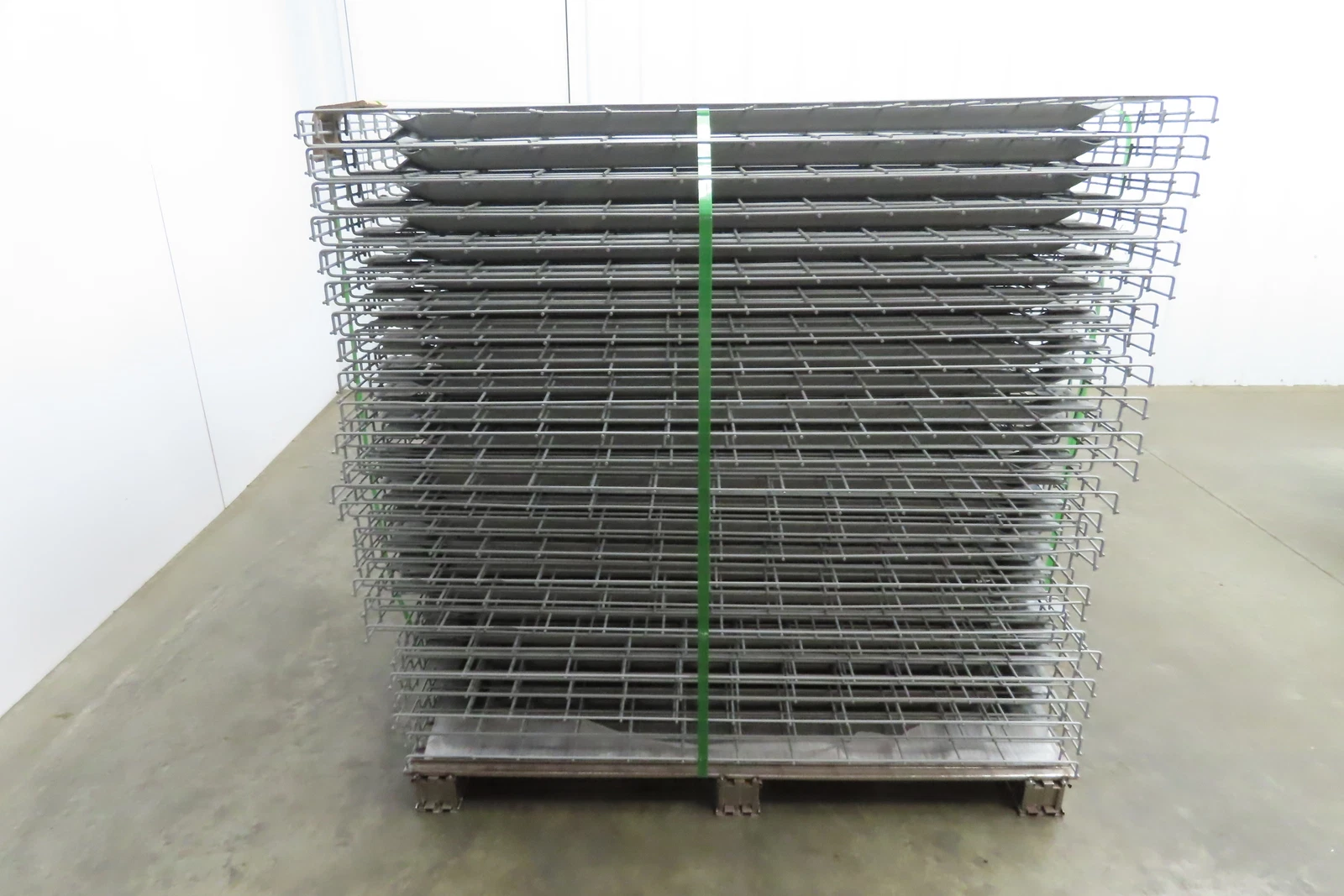
Creating Dedicated Inbound and Outbound Lanes
Creating Dedicated Inbound and Outbound Lanes
- Dedicated inbound and outbound lanes are crucial for efficient warehouse operation.
- They create clear paths for products, reducing chaos and improving productivity.
- Teams experience enhanced morale and accountability through structured workflows.
- Defined lanes empower employees by providing direction and clarity in their roles.
- Implementing these lanes prioritizes safety by establishing clear boundaries and reducing injuries.
- Fostering teamwork and collaboration transforms a cluttered environment into an efficient hub.
- Creating dedicated lanes is both a practical and ethical approach to warehouse management.
Creating Dedicated Inbound and Outbound Lanes
Table Of Contents
- Creating Dedicated Inbound and Outbound Lanes
- What Are the Key Benefits Of Dedicated Lanes for Logistics?
- How Can Dedicated Lanes Reduce Delivery Times?
- What Challenges Arise When Setting Up Dedicated Lanes?
- How Do Dedicated Lanes Impact Operational Efficiency?
- What Technology Can Enhance Dedicated Lane Management?
- How Can Dedicated Lanes Improve Customer Satisfaction?
- Conclusion
- Other Resources
- Glossary Of Terms
- Other Questions
- Checklist
What Are the Key Benefits Of Dedicated Lanes for Logistics?
Dedicated lanes for logistics offer a range of key benefits that resonate across the board—from the heart to the head and even the gut. When you think about the long hours truckers put in on the road, the familiar sight of a dedicated lane can bring a sense of relief. It’s a symbol of efficiency, ensuring that goods move smoothly and without the unnecessary chaos of mixed traffic. This simplicity allows a driver to focus on the job at hand, nurturing a pride in their work as they deliver what’s needed on time, every time.
From a rational standpoint, dedicated lanes significantly reduce delay. When a truck isn’t stuck in congestion caused by cars and other vehicles, it saves precious time and fuels efficiency. This isn’t just a benefit for the logistics companies; it translates into lower costs for consumers. From racking systems in storage warehouses to the final drop-off at retail, every second saved counts. With predictable transit times, companies can plan their operations more effectively, aligning shipments with customer demands and stock levels.
Ethically, dedicated lanes are about safety. Reducing the risk of accidents in busy roadways benefits everyone on the road. It’s a commitment to not just moving goods, but doing so with respect for the safety of drivers, pedestrians, and fellow travelers. This stands as a testament to the industry’s dedication to responsibility and accountability, fostering trust among customers and stakeholders alike.
The authority of proven logistics strategies also backs the case for dedicated lanes. Many successful companies have adopted this model, demonstrating tangible results. Their experiences serve as a blueprint for others, showcasing how commitment to these operational details can lead to better service delivery and stronger business performance.
Narratively, imagine the satisfaction of a driver who knows exactly where to go, navigating a clear path that leads not only to their destination but to job satisfaction as well. This sense of reliability fosters camaraderie among logistics teams; they’re all part of a system that values hard work and sharpens skills, creating a culture of mutual respect.
Socially, we build a community around shared goals. When a city sees its trucks moving seamlessly, it enhances local economies and brings a sense of connectivity among suppliers and buyers. It’s not just about logistics; it’s about fostering a network that keeps everything running smoothly.
In essence, dedicated lanes for logistics are about more than just the movement of goods—they represent a commitment to efficiency, safety, and community connection that inspires trust and action across the industry.
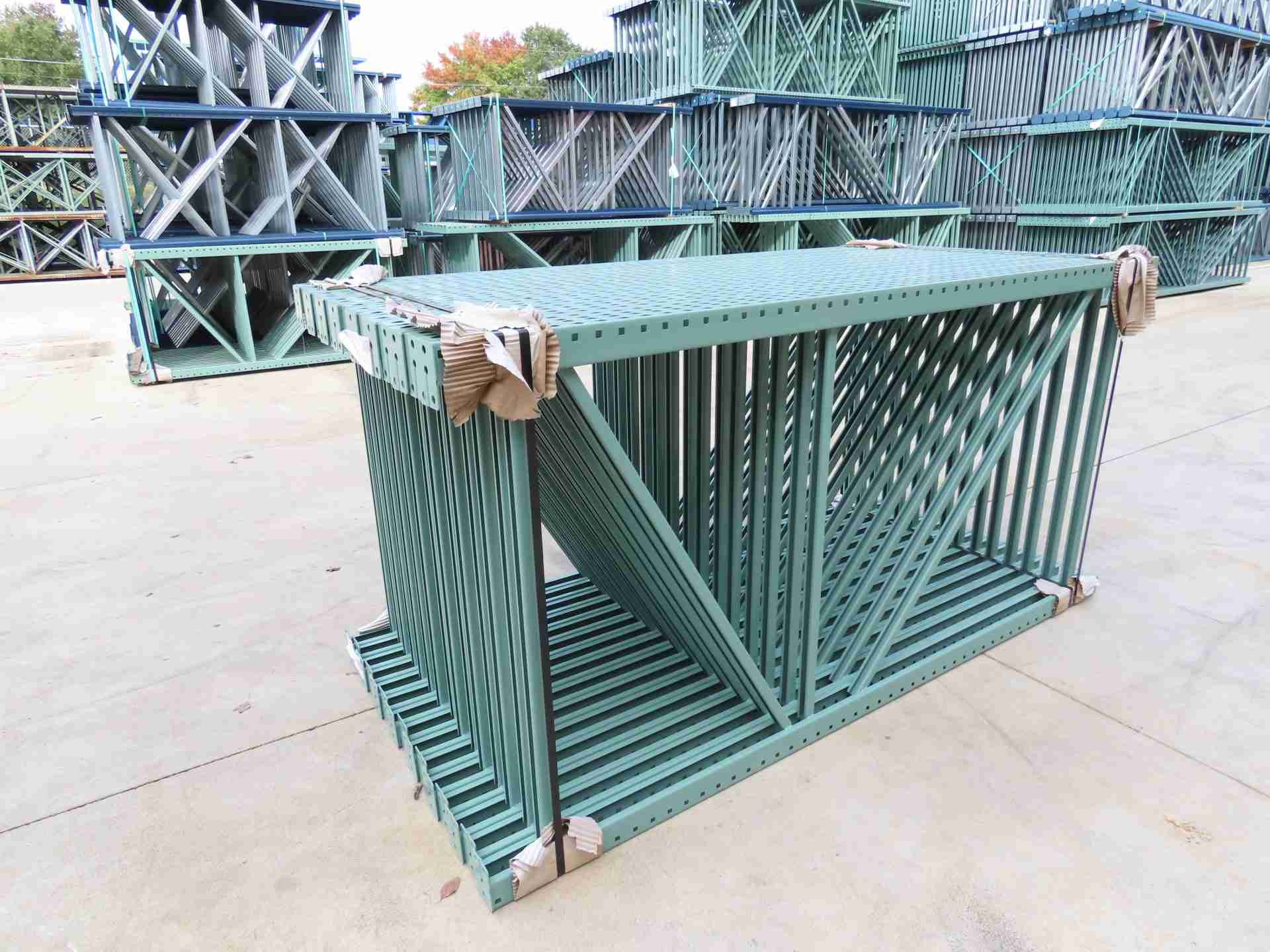
What Are the Key Benefits Of Dedicated Lanes for Logistics?
What Are the Key Benefits Of Dedicated Lanes for Logistics?
- Dedicated lanes enhance efficiency and allow truckers to focus on deliveries without traffic disruptions.
- Reducing delays leads to lower costs for logistics companies and consumers, improving overall operational effectiveness.
- Dedicated lanes prioritize safety by minimizing the risk of accidents on busy roads, benefiting all road users.
- Proven logistics strategies from successful companies demonstrate the tangible benefits of dedicated lanes.
- Drivers experience job satisfaction from clear navigation paths, fostering camaraderie within logistics teams.
- Seamless truck movement enhances local economies and strengthens connections between suppliers and buyers.
- Dedicated lanes symbolize a commitment to community, safety, and accountability within the logistics industry.
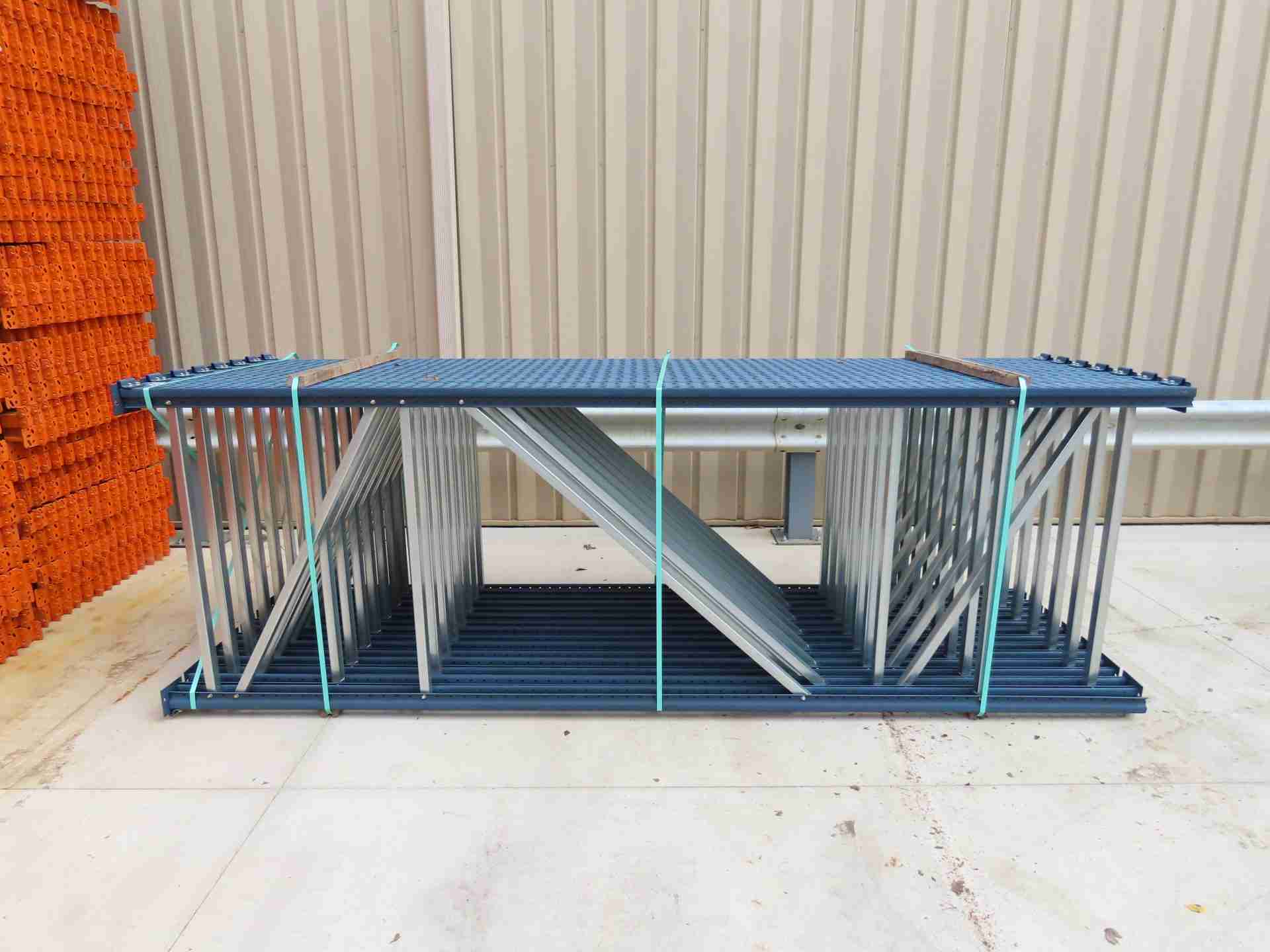
What Are the Key Benefits Of Dedicated Lanes for Logistics?
How Can Dedicated Lanes Reduce Delivery Times?
In the day-to-day hustle of logistics and delivery, time is the currency. Imagine a bustling warehouse, rows of racking systems piled high with products ready to go, each second counting as drivers and warehouse workers race against the clock. Introducing dedicated lanes can be like handing each of those workers a cheat sheet to their race. It cuts through the chaos, allowing for streamlined routes that get packages out the door and onto their destinations faster.
Picture this: every delivery operation is a finely tuned machine. When dedicated lanes are in play, they minimize the stops and starts, making travel smoother and more predictable. By designating specific pathways for delivery trucks, we eliminate the uncertainty of navigating through mixed traffic. It’s a bit like knowing your way around a crowded bar—once you’ve got a clear path, you can get where you need to go without dodging elbows and spilled drinks. That clarity not only speeds things up but also eases the daily grind for everyone involved.
On a practical level, utilizing dedicated lanes reduces delays caused by other vehicles. It’s a simple truth; less congestion means quicker deliveries. This can have a knock-on effect, improving overall supply chain efficiency and encouraging more companies to invest in their transportation logistics. When businesses see improved delivery times, they often take that leap of faith, believing in the power of dedicated lanes as a game-changer.
But it goes deeper than just the numbers. The stories behind those deliveries matter, too. Each package is a promise—a birthday gift arriving just in time, critical medical supplies getting to hospitals when they’re needed most, or essentials being delivered to someone’s doorstep. Every minute saved with dedicated lanes can mean a heartfelt moment preserved. Every driver on the road becomes a lifeline for a community, a silent hero racing against the clock.
Knowing that dedicated lanes can make a difference fosters a sense of trust among consumers. It builds confidence that their needs are being prioritized, that their deliveries are not just numbers in a system but part of a human experience. In the ever-evolving world of logistics, this trust is what keeps people coming back, knowing that they are valued and heard.
Dedicated lanes are about more than speed—they’re about strengthening connections, delivering on promises, and making the world feel just a little more reliable, one package at a time. The racking systems may store goods, but it’s those dedicated lanes that ensure those goods reach the hands that need them, fast and efficiently.
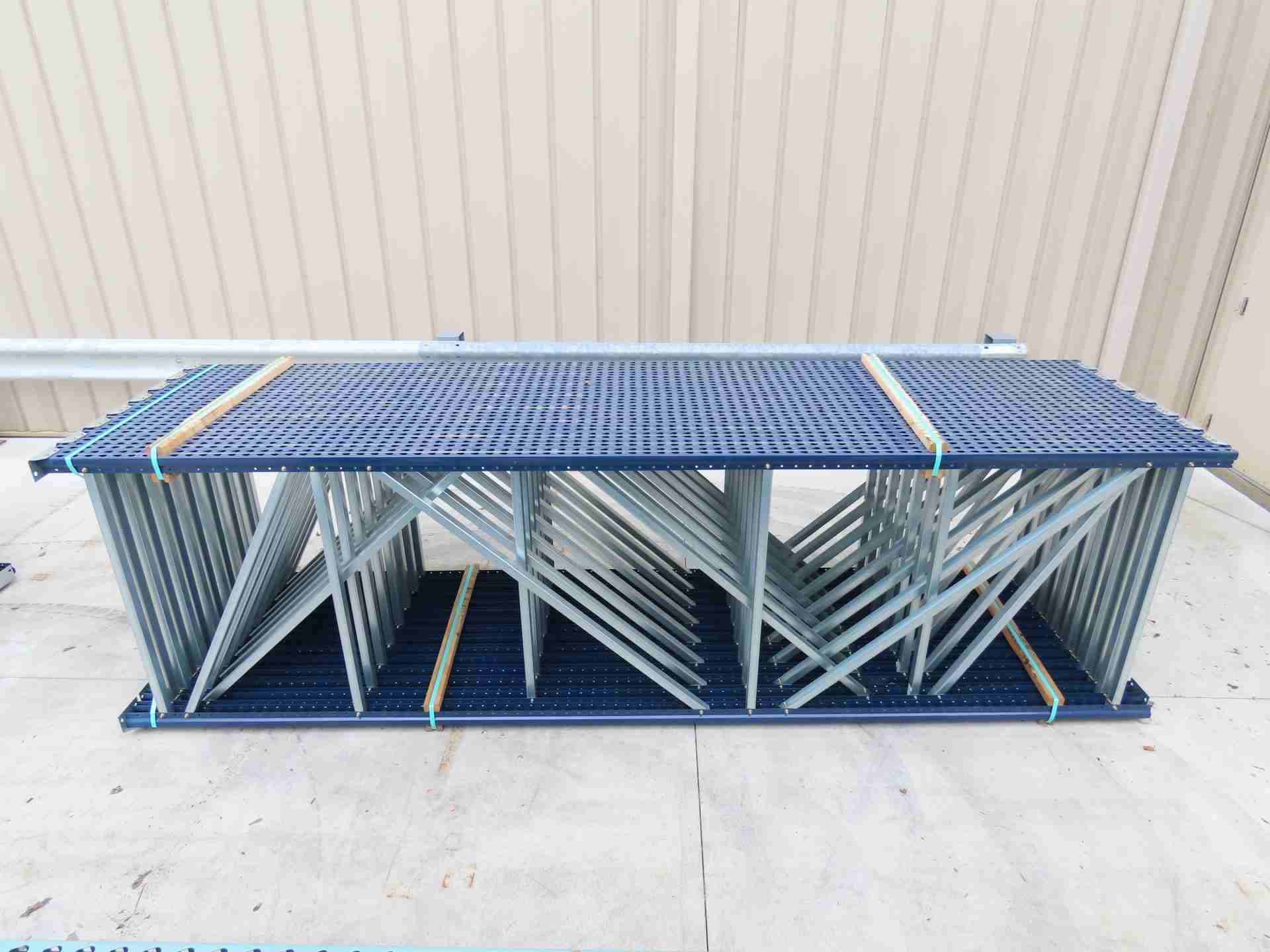
How Can Dedicated Lanes Reduce Delivery Times?
How Can Dedicated Lanes Reduce Delivery Times?
- Time is crucial in logistics; dedicated lanes streamline delivery processes.
- Dedicated lanes reduce stops and starts, ensuring smoother and more predictable travel for delivery trucks.
- Designating specific routes eliminates uncertainty and congestion from mixed traffic.
- Reduced delays lead to quicker deliveries and improved overall supply chain efficiency.
- Dedicated lanes foster trust among consumers, enhancing their confidence in delivery services.
- Each delivery represents a promise, impacting lives positively, from gifts to essential supplies.
- Dedicated lanes strengthen connections, making delivery operations more reliable and efficient.

How Can Dedicated Lanes Reduce Delivery Times?
What Challenges Arise When Setting Up Dedicated Lanes?
Setting up dedicated lanes in any warehouse or distribution center is no walk in the park. It’s like trying to assemble a racking system with half the pieces missing; frustrating and often messy. One of the primary challenges is the sheer complexity of designing a layout that works for everyone involved. You’ve got to consider the flow of goods, the timing of deliveries, and the diverse needs of your staff, all while keeping safety at the forefront. A well-thought-out design can enhance efficiency, but if it’s slapped together haphazardly, it can lead to chaotic bottlenecks and frustrated workers.
Then there’s the cost aspect. Investing in dedicated lanes isn’t cheap. Whether it’s the racking systems or the additional training for staff on new processes, the expenses can quickly add up. Leaders often feel the pressure to balance these costs against the expected benefits. It’s a tightrope walk that requires a keen understanding of both the numbers and the people involved. When workers see the money being spent, there’s a natural worry that they might not reap the rewards of those investments. This is where clear communication becomes essential.
There’s also the emotional toll. Employees might feel apprehensive about changes to their work environment. People are creatures of habit, and alterations to their day-to-day can feel like a shake-up, causing uncertainty. By inviting team members into the conversation early on—asking for their input, sharing the vision of improved efficiency, and illustrating how it directly benefits them—you can ease those fears. A thoughtful approach fosters trust and can even transform resistance into enthusiasm over time.
Don’t overlook the ethical dimension, either. As warehouses become more automated and lanes become more dedicated, we should ensure that we’re not losing sight of the human element. It’s crucial to keep workers’ well-being in mind, ensuring that their concerns are addressed and that they feel valued. Building a culture around safety and process can inspire confidence and connection among the staff, leading to smoother transitions.
Lastly, embrace storytelling. Sharing examples of how dedicated lanes benefited others can resonate deeply, making the entire endeavor feel less like an uphill battle and more like a community effort. People connect with stories; they see themselves in them. When approaching the challenges of dedicated lanes, keep it real, keep it grounded, and keep it relatable. This way, everyone feels they have a stake in the outcome, and that’s where the real magic happens.

What Challenges Arise When Setting Up Dedicated Lanes?
What Challenges Arise When Setting Up Dedicated Lanes?
- Setting up dedicated lanes in warehouses is complex and often messy, requiring thoughtful design.
- Key considerations include the flow of goods, delivery timing, staff needs, and safety.
- Investing in dedicated lanes involves significant costs for racking systems and staff training.
- Clear communication is vital to address worker concerns about costs and benefits.
- Emotional impacts on employees should be considered, as changes can cause uncertainty.
- The ethical aspect requires prioritizing workers’ well-being amid increasing automation.
- Storytelling and sharing success stories can foster connection and enthusiasm for the changes.

What Challenges Arise When Setting Up Dedicated Lanes?
How Do Dedicated Lanes Impact Operational Efficiency?
Imagine walking into a bustling warehouse, where the hum of activity resembles a well-tuned orchestra, each section playing its part in perfect harmony. This is the magic of dedicated lanes. When you carve out specific paths for different operations—be it for racking systems or freight movement—everything runs smoother, almost like a well-rehearsed dance.
Operational efficiency isn’t just a corporate buzzword; it’s about ensuring that every worker has the tools they need to succeed. Dedicated lanes streamline movement, reduce congestion, and minimize the chances of costly mistakes. You can almost feel the weight lift off your shoulders when you know that the path ahead is clear, allowing drivers to transport materials without the usual headaches. This isn’t just about improving speed; it’s about fostering an environment where everyone can do their best work without unnecessary stress.
The heart of any operation lies in its people. Dedicated lanes not only enhance productivity but also significantly improve employee morale. Workers can move swiftly without dodging obstacles, contributing to a sense of purpose and pride in their work. Picture a driver easing their rig into a designated lane, assured that they’re in the right spot. That feeling of confidence resonates throughout the team. When people feel secure in their environment, they perform better, which directly reflects on the bottom line.
Let’s not overlook the ethical considerations. Properly organized systems are a nod to respect for the workforce. By optimizing logistics with dedicated lanes, companies show they value their employees’ time and safety. An efficient system reduces accidents and injuries, allowing workers to focus on their tasks instead of worrying about potential hazards created by disorganization.
On the authority front, the numbers don’t lie. Studies show that companies implementing dedicated lanes see substantial improvements in turnaround times and reduced operational costs. These benefits manifest not just in dollar signs but in stronger community relationships—a more efficient operation can better serve customers and contribute to local growth.
Finally, think of the stories shared among colleagues as they navigate their days. “Remember the time we all had to work around that mess?” is replaced by tales of success, where everyone played their part in a seamless process. That’s the power of dedicated lanes: they transform the chaos into a team effort, creating a shared experience that deepens connections and fosters a culture of reliability.
When you invest in dedicated lanes, you’re not just tweaking a system; you’re building a legacy of efficiency that resonates with everyone involved, from the ground floor to the executive suite. This isn’t just smart; it’s the right thing to do for everyone who makes the operation tick.
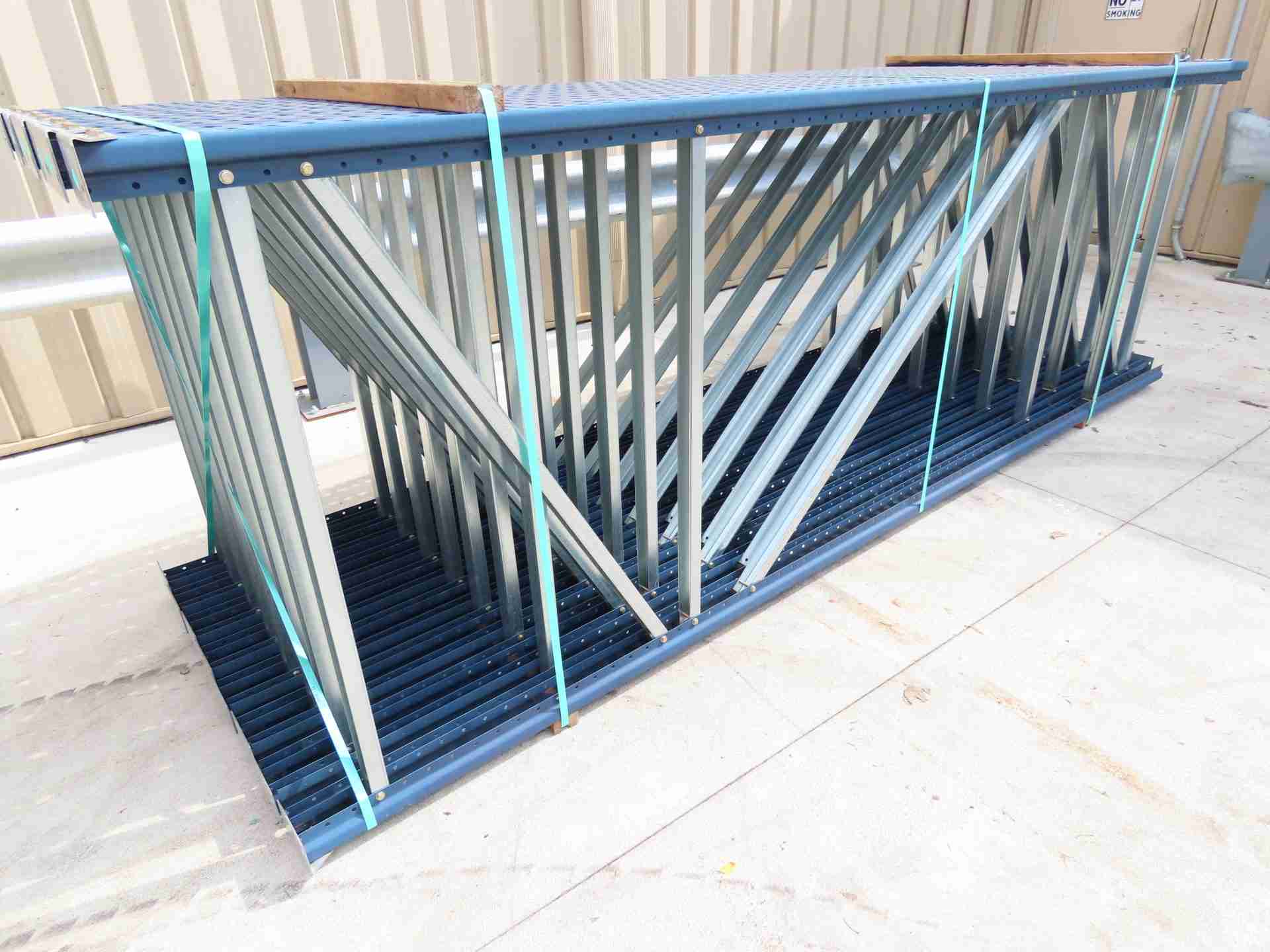
How Do Dedicated Lanes Impact Operational Efficiency?
How Do Dedicated Lanes Impact Operational Efficiency?
- Dedicated lanes enhance operational efficiency by streamlining movement and reducing congestion.
- They create a clear path for transport, allowing workers to perform without unnecessary stress.
- Dedicated lanes improve employee morale by facilitating swift movement and fostering a sense of purpose.
- Well-organized systems show respect for employees’ time and safety, reducing accidents and injuries.
- Implementation of dedicated lanes leads to improved turnaround times and reduced operational costs.
- Efficient operations strengthen community relationships and enhance customer service.
- Investing in dedicated lanes builds a legacy of efficiency and reliability across the organization.
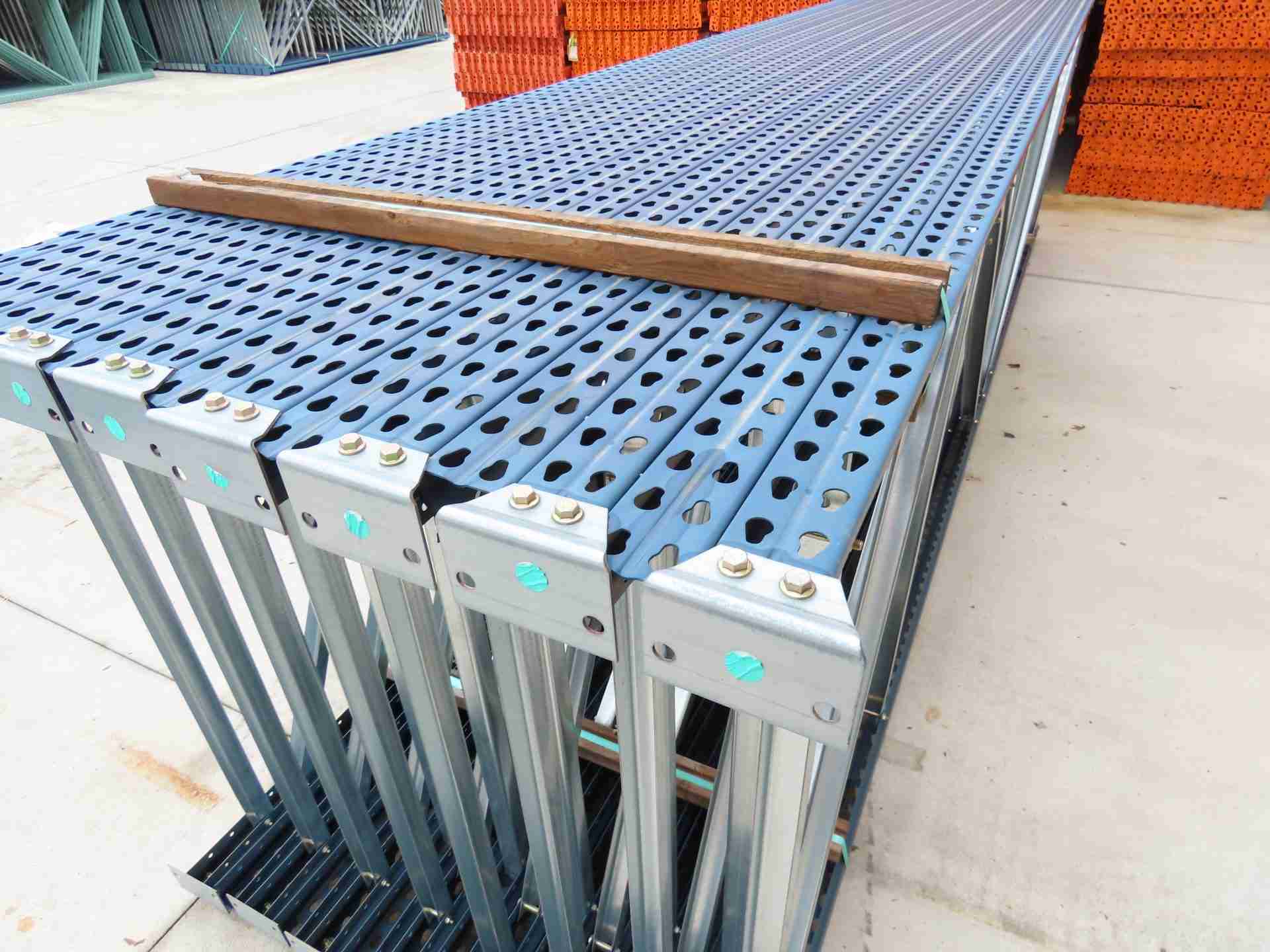
How Do Dedicated Lanes Impact Operational Efficiency?
What Technology Can Enhance Dedicated Lane Management?
In the world of dedicated lane management, technology isn’t just a neat add-on; it’s the backbone of efficient operation. Picture this: a bustling warehouse where every inch counts and delays can sink productivity. Racking systems, often the unsung heroes of any storage facility, can be upgraded with technology to enhance efficiency. With the right sensors and software, these systems can dramatically cut down on the time spent searching for products and managing inventory.
Think about the time lost every day just trying to locate an item. When you implement smart racking systems that utilize RFID tags or barcode scanners, you cut out the guesswork. Employees can quickly scan items and know exactly where they’re located. It’s about making every second count. That feeling of frustration when you can’t find what you need—imagine turning that into a sigh of relief when tech does the heavy lifting.
But it’s not just about speed; it’s about safety, too. Lane management software can monitor vehicle movements, ensuring that workers are kept out of harm’s way. When you hear about someone getting injured because of poorly managed traffic or cluttered aisles, it hits home. Providing a safer work environment isn’t just a policy; it’s a responsibility that companies have to their workers. By using technology to create clear paths and ensure smooth traffic flows, you demonstrate a commitment to the well-being of your team.
From an ethical standpoint, investing in these technologies can foster trust within your workforce. When employees see that their employers are taking steps to invest in their tools and their safety, it builds loyalty. It’s a simple but effective connection—people appreciate when you care about their comfort on the job. Coupling good ethics with good technology creates a workplace that people are proud to be a part of.
Moreover, this is about storytelling—every facility has a narrative. When you embrace tech in lane management, you’re setting yourself apart in an industry that can sometimes feel stagnant. A well-organized space where everyone knows their role is not just efficient; it’s a place where stories of teamwork and success thrive. It breeds a culture of collaboration, where everyone pitches in to keep the workflow smooth.
Lastly, think about social responsibility. By adopting cutting-edge technology, companies can not only boost their bottom line but also reduce their environmental impact. Energy-efficient systems and optimized layouts minimize waste—making a tangible difference in a world that’s still getting used to the idea of sustainability. That’s something everyone can rally behind.
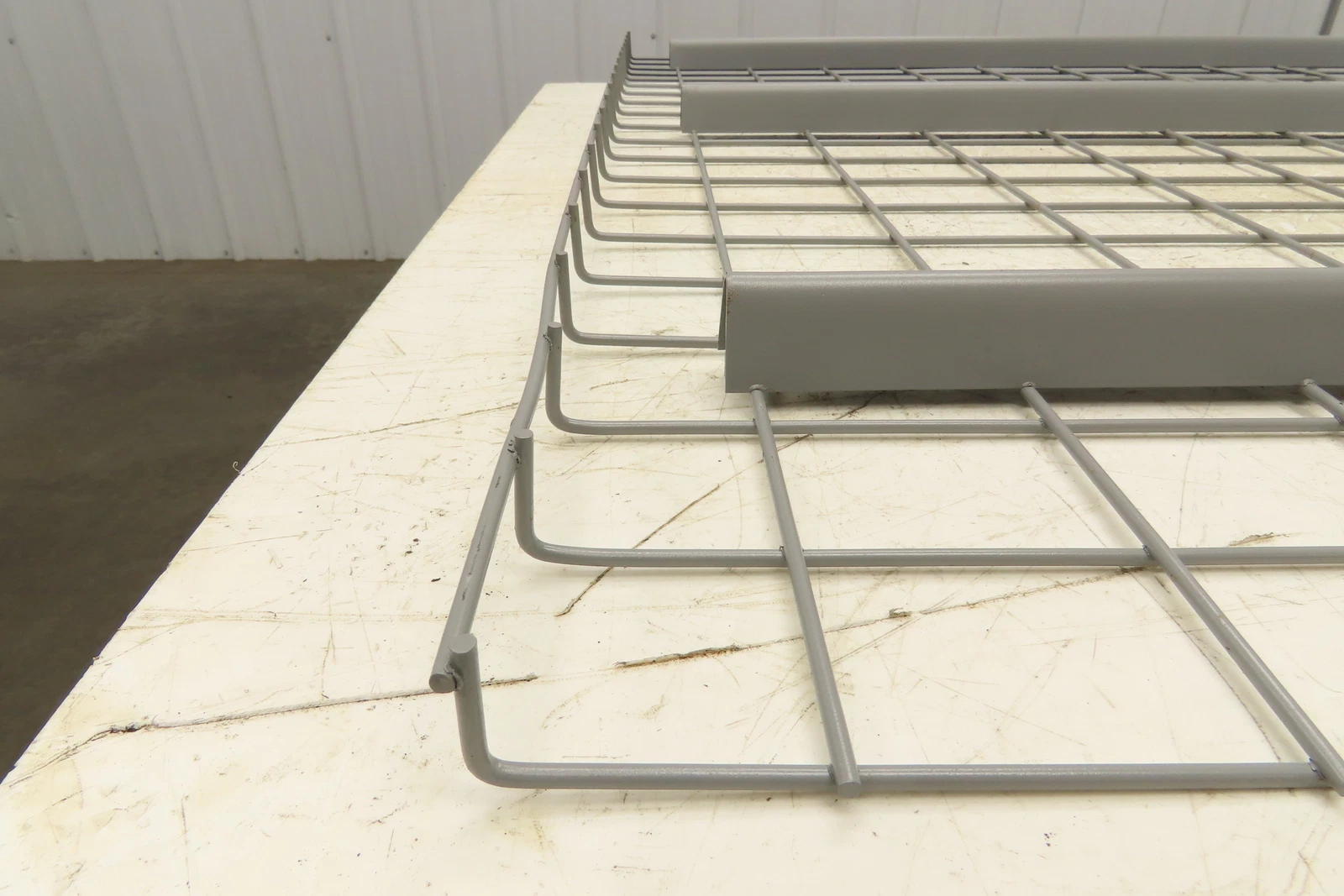
What Technology Can Enhance Dedicated Lane Management?
What Technology Can Enhance Dedicated Lane Management?
- Technology is essential for efficient lane management in warehouses.
- Upgraded racking systems with sensors and software save time in inventory management.
- Smart racking using RFID tags or barcode scanners eliminates guesswork and improves productivity.
- Lane management software enhances safety by monitoring vehicle movements and ensuring clear paths.
- Investing in technology builds trust and loyalty among employees by demonstrating care for their safety.
- Effective technology fosters a collaborative culture and efficient operations in the workplace.
- Adopting energy-efficient systems supports social responsibility and reduces environmental impact.
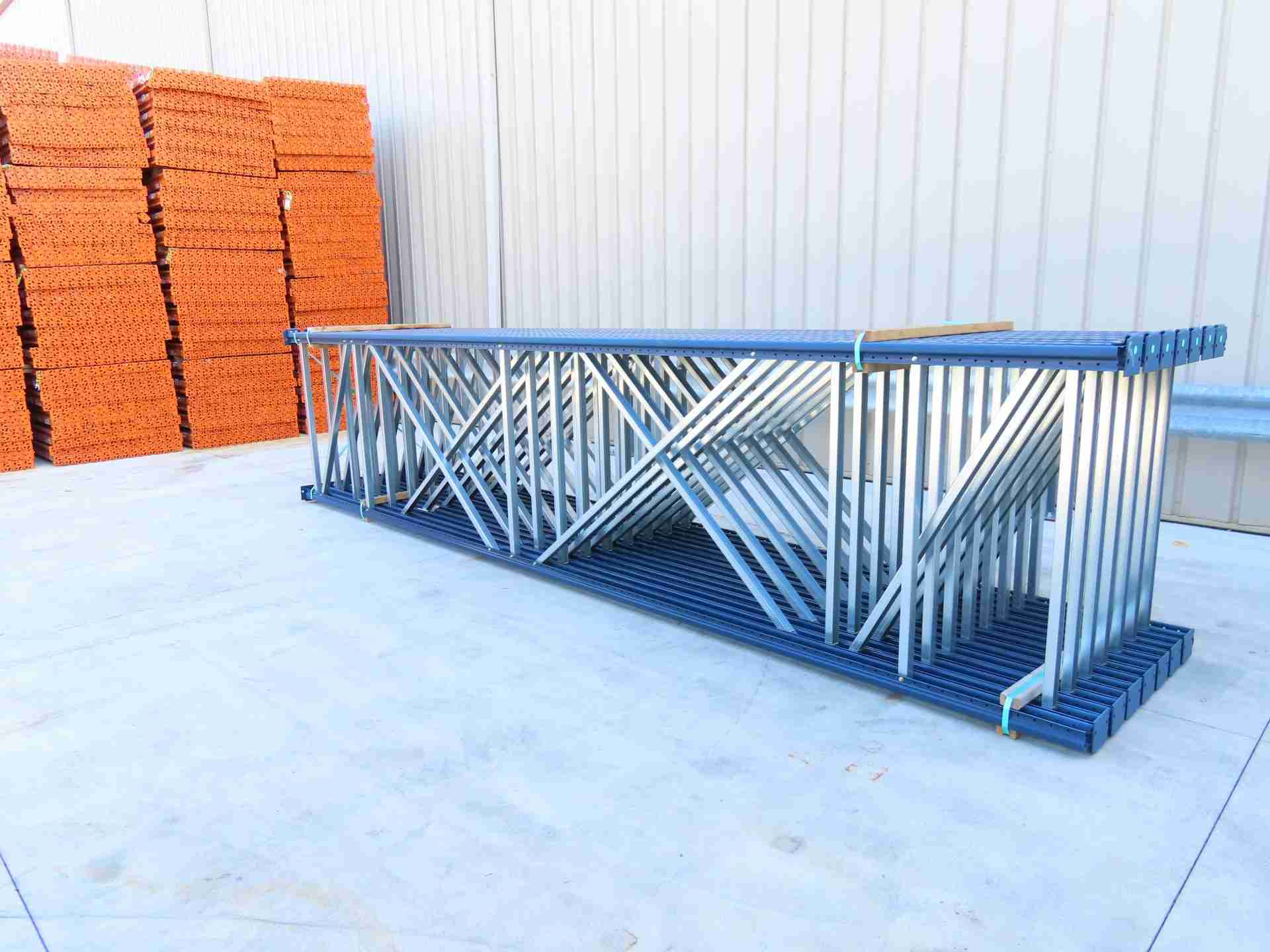
What Technology Can Enhance Dedicated Lane Management?
How Can Dedicated Lanes Improve Customer Satisfaction?
Dedicated lanes can revolutionize customer satisfaction by streamlining processes and enhancing the overall experience. Picture this: a bustling warehouse equipped with racking systems that strategically position goods for quicker access. Customers, both big and small, want to be valued and heard. By implementing dedicated lanes, businesses can make sure every customer feels appreciated, creating a sense of prioritization that goes beyond mere transactional interaction.
Logistically speaking, dedicated lanes reduce wait times. Nobody enjoys standing around, twiddling their thumbs while the clock ticks away. A well-organized system minimizes those frustrating delays and keeps the flow of work moving efficiently. Employees can focus on what matters, like fostering relationships with customers, instead of being bogged down by chaos. A streamlined process fosters a feeling of control – for both workers and customers. When everything has its place, a warehouse becomes more than just a workspace; it evolves into a well-oiled machine that delivers reliability and confidence.
On the emotional side, think about the stories shared in the break room. When employees feel pride in their roles, that energy trickles down to the customer experience. A dedicated lane can evoke feelings of trust and loyalty. Customers return not merely for the products but because they sense they’re part of something bigger. That connection is priceless. It’s about belonging, knowing their needs are met and their voices are heard, reinforcing the idea that they are not just another number in the queue.
There’s also an ethical angle to consider. Companies that invest in dedicated lanes are making a commitment to efficiency and customer care. They’re setting a standard that demonstrates respect for customers’ time and needs. This fosters a social responsibility that resonates with everyone involved, creating a culture of care that extends well beyond the products sold.
Imagine the stories from satisfied customers who experienced the ease and satisfaction of a dedicated lane. These stories spread like wildfire in communities, building a reputation that draws in new faces eager to experience the same level of care. Satisfied customers become advocates, sharing their experiences and fostering a sense of community around a business renowned for its committed service.
Dedicated lanes are about more than just logistics; they’re an investment in relationships that can bring lasting satisfaction to customers and employees alike, transforming a simple transaction into a meaningful connection.

How Can Dedicated Lanes Improve Customer Satisfaction?
How Can Dedicated Lanes Improve Customer Satisfaction?
- Dedicated lanes enhance customer satisfaction by streamlining processes.
- They reduce wait times, minimizing delays and improving workflow efficiency.
- Employees can focus on building customer relationships rather than dealing with chaos.
- Dedicated lanes foster a feeling of control and reliability for both customers and employees.
- They create emotional connections that boost trust and loyalty among customers.
- Investing in dedicated lanes reflects a company’s commitment to customer care and efficiency.
- Satisfied customers share positive experiences, fostering community and drawing in new clientele.
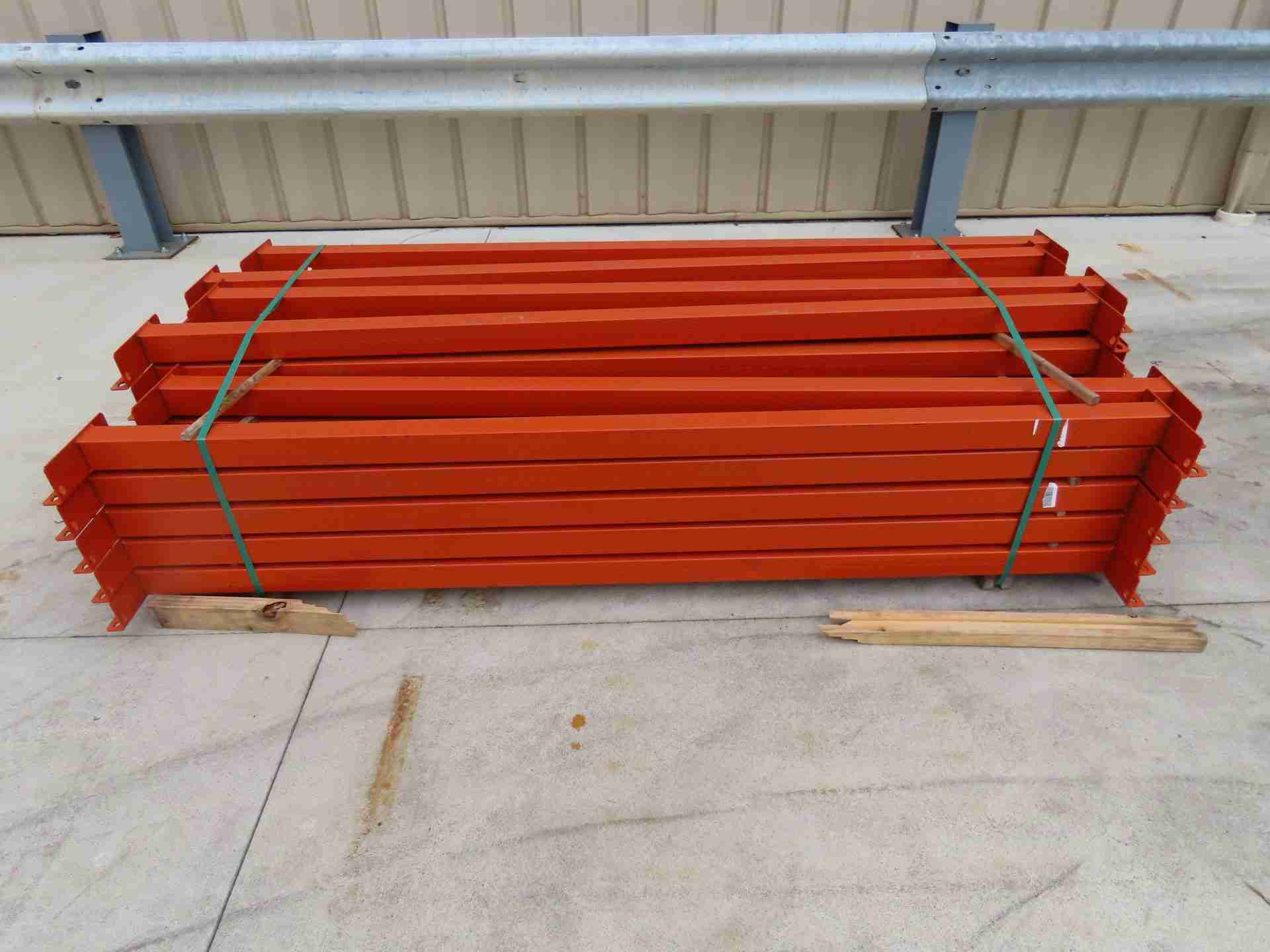
How Can Dedicated Lanes Improve Customer Satisfaction?
Conclusion
Creating dedicated inbound and outbound lanes in logistics is essential for fostering an efficient, safe, and emotionally satisfying environment in any distribution center or warehouse. These lanes serve not just to streamline operations but also to empower workers by providing clear paths for goods, reducing chaos, and ultimately improving morale. When everything has a designated place, it allows for a smoother workflow, akin to a well-structured home where every member knows their role and responsibilities.
Dedicated lanes eradicate the guesswork of navigating through clutter, resulting in quicker operations and happier employees who feel valued. When team members recognize their contributions to a well-oiled machine, it builds trust and accountability within the workplace. The benefits extend beyond operational efficiency; they resonate on a human level, enabling individuals to take pride in their work and fostering a sense of belonging within the team.
Safety is another critical aspect. Clear pathways minimize the risk of accidents, protecting both workers and goods while promoting a culture of responsibility. This commitment to safety reflects an ethical obligation to prioritize the well-being of employees. A business that puts people first cultivates loyalty and empowers team members to engage fully with their tasks.
Moreover, dedicated lanes impact external relationships, enhancing customer satisfaction by ensuring timely deliveries. When logistics run seamlessly, it reflects a company’s dedication to its customers’ needs. Clients observe the reliability of service, and satisfied customers become advocates for the brand, sharing their positive experiences and reinforcing community ties.
Investing in technology to improve dedicated lane management can further amplify these benefits. Smart systems and software tools streamline inventory management, creating a more organized environment that minimizes time spent locating products. The integration of technology in lane management not only boosts efficiency but also positions a company as forward-thinking—a vital trait in today’s fast-evolving markets.
Ultimately, dedicating lanes is about constructing a framework for success that honors the workforce, enhances operational efficiency, and nurtures customer relationships. It’s about transforming the logistics landscape from mere order fulfillment into a narrative of teamwork, trust, and community, illustrating that every step taken in the logistics process is a step toward building stronger connections among all stakeholders involved.

Conclusion
Conclusion:
- Creating dedicated inbound and outbound lanes is essential for efficiency and safety in logistics environments.
- Clear paths for goods reduce chaos and improve worker morale by providing structure and clarity.
- Designated lanes enhance workflow and promote teamwork, fostering trust and accountability among employees.
- Clear pathways minimize accident risks, reinforcing a culture of safety and ethical responsibility.
- Efficient logistics operations lead to higher customer satisfaction and reinforce positive brand relationships.
- Investing in technology for lane management streamlines processes and enhances overall efficiency.
- The focus on dedicated lanes transforms logistics into a collaborative effort, building stronger connections among all stakeholders.

Conclusion
Other Resources
Other Resources
Here is a list of other resources you can review online to learn more:
- The Complete Pallet Rack Guide – Simply Rack
- American Surplus
- Chicago Pallet Racking
- Arrow Industrial Sales
- Selective Racking
- IWLA
- Warehousing Education and Research Council: https://www.werc.org/
- Mustang Material Handling
- BMH
- Teardrop Uprights
- Rack Manufacturers Institute
- Iowa Illinois Warehouse Racking
- Teardrop Racks – Pallet Rack World
- BMH Equipment LLC
- Teardrop Industrial Shelving Rack
- Intro to Warehouse Racks & Warehouse Racking Systems – ShipBob
- Material Handling Industry
- Selective Racking
- Rack Manufacturers Institute
- Wolter
Use This Prompt To Get More Resources With Your Favorite Online AI Tool: Please provide me with a list of online articles with their URLs in a bulleted list that I can read regarding Creating Dedicated Inbound and Outbound Lanes
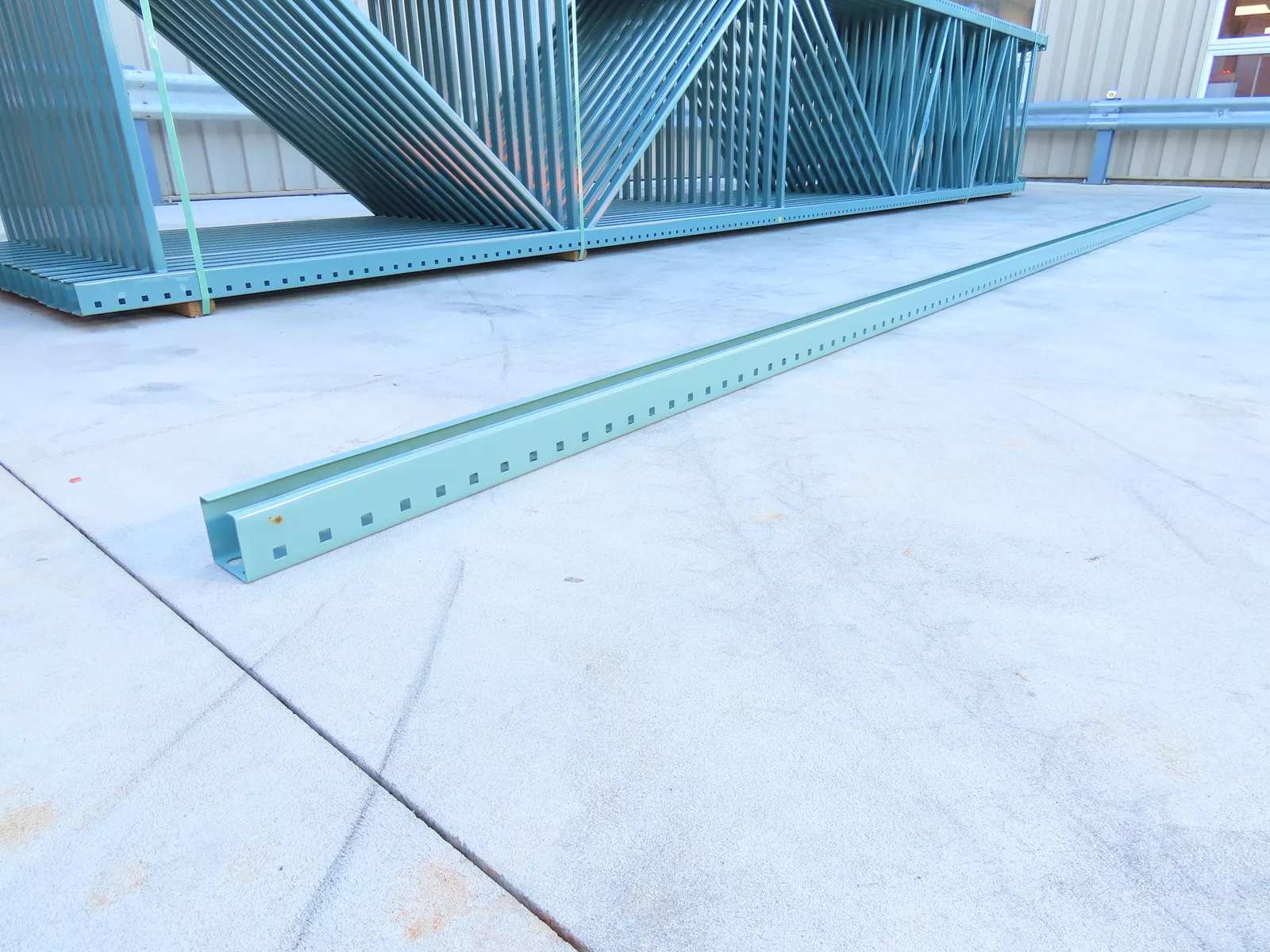
Other Resources
Glossary Terms
Creating Dedicated Inbound and Outbound Lanes – Glossary Of Terms
1. Inbound Lane: A designated route for incoming shipments or materials to arrive at a facility.
2. Outbound Lane: A designated route for outgoing shipments or products to leave a facility.
3. Logistics: The detailed coordination of complex operations involving people, facilities, and supplies.
4. Supply Chain: The entire system of production, processing, and distribution of goods from raw materials to consumers.
5. Transportation Management: The process of planning, executing, and optimizing the movement of goods.
6. Warehouse: A large building where raw materials or goods are stored before distribution.
7. Inventory: The complete list of items or goods that are kept in stock in a warehouse.
8. Docking Area: A space at a facility where vehicles can load or unload goods.
9. Scheduling: The process of planning when shipments will arrive and depart.
10. Freight Forwarding: The process of organizing the shipment of goods from one location to another.
11. Carrier: A company or individual that transports goods for businesses and individuals.
12. Bill of Lading: A legal document between a shipper and carrier detailing the type and quantity of goods being transported.
13. Inventory Management: The supervision of non-capitalized assets, or inventory, and stock items.
14. Cross-Docking: A logistics process where products from a supplier or manufacturer are distributed directly to a customer with minimal handling.
15. Distribution Center: A specialized warehouse designed to store goods and distribute them to retailers or customers.
16. Routing: The process of determining the most efficient path for transporting goods from one point to another.
17. Load Optimization: The process of maximizing the cargo space of transport vehicles to reduce shipping costs.
18. Tracking: The process of monitoring the location and status of goods in transit.
19. Delivery Terms: Standardized conditions detailing the transportation of goods, including transfer of ownership and costs.
20. Fulfillment: The process of receiving, processing, and delivering orders to customers.
21. Commodity: Any goods that can be consumed or traded, typically raw materials or primary agricultural products.
22. Resource Allocation: The distribution of available resources among various projects or business units.
23. Order Processing: The steps taken from receiving an order to fulfilling and delivering it.
24. Shipping Manifest: A document listing all items included in a shipment for transport.
25. Asset Management: The systematic process of developing, operating, and selling assets to maximize value.
26. Load Tendering: The process of submitting a shipment to a carrier for transport.
27. Rate Negotiation: The process of discussing and determining shipping costs with carriers.
28. Third-Party Logistics (3PL): A service provider that offers logistics services to businesses, including warehousing and transportation.
29. Just-in-Time (JIT): A strategy that aligns inventory levels with production schedules to minimize stock on hand.
30. EDI (Electronic Data Interchange): The electronic exchange of business documents in a standardized format between organizations.
Glossary Of Terms
Other Questions
Creating Dedicated Inbound and Outbound Lanes – Other Questions
If you wish to explore and discover more, consider looking for answers to these questions:
- What are the typical upfront and ongoing costs of creating dedicated inbound and outbound lanes?
- How do you determine the optimal number and width of inbound and outbound lanes for a specific facility?
- What metrics and KPIs should be used to measure the success of dedicated lanes?
- How long does it typically take to implement dedicated lanes from planning to full operation?
- What layout design principles and tools (e.g., simulation software) help validate lane configurations before build-out?
- How do dedicated lanes integrate with existing warehouse management systems (WMS), transportation management systems (TMS), and ERP?
- What technologies (RFID, barcode, sensors, cameras, lane-management software) deliver the highest ROI for lane management?
- How do you balance dedicated lanes with flexible use during peak seasons or fluctuating demand?
- What are the common bottlenecks or failure modes after implementing dedicated lanes, and how are they mitigated?
- How do dedicated lanes affect staffing needs, job roles, and required training programs?
- What change-management approaches work best to get employee buy-in and reduce resistance?
- How do dedicated lanes impact safety incident rates, and what safety controls and signage are required?
- What legal, regulatory, or permitting considerations apply when reconfiguring traffic lanes or loading zones?
- How should companies evaluate vendors and contractors for lane marking, racking, and lane-management systems?
- What is the expected payback period or ROI range for dedicated-lane projects across different industries?
- How do dedicated lanes support or conflict with cross-docking, consolidation, and other fulfillment strategies?
- What maintenance and review schedules are necessary to keep lanes effective over time?
- How does lane design differ for different facility types (cold storage, e-commerce, bulk distribution, manufacturing)?
- How do you handle exceptions, interdictions, or emergency access needs within a dedicated-lane layout?
- What are best practices for signage, floor marking, lighting, and physical barriers to enforce lane discipline?
- How do dedicated lanes affect carrier operations and driver experience, and how should carriers be engaged?
- What data should be collected to continuously optimize lane performance, and how often should it be reviewed?
- How do lane initiatives interact with sustainability goals (fuel use, idling reduction, energy efficiency)?
- What cybersecurity and data-privacy concerns arise when deploying tracking and lane-management technologies?
- What real-world case studies demonstrate measurable benefits, and what lessons were learned?
- How scalable are dedicated-lane solutions for future growth, mergers, or multi-site rollouts?
- What contingency plans are needed for equipment failures, system outages, or sudden surges in volume?
- How should leadership build the business case and obtain budget approval for lane projects?
- What training materials, simulations, or visual aids best prepare staff and drivers for the new layout?
- How do you assess whether to retrofit an existing facility or design lanes into a new build?

Other Questions
Checklist
Creating Dedicated Inbound and Outbound Lanes – A Checklist
Planning and Design
✅______ Define clear objectives (speed, safety, cost, morale, customer experience)
✅______ Map current-state material, vehicle, and pedestrian flows
✅______ Separate inbound and outbound paths end-to-end (gate to dock to storage)
✅______ Size lanes for peak volume, vehicle type, and turning radii
✅______ Designate cross-dock and buffer and staging areas
✅______ Establish one-way traffic patterns where feasible
✅______ Create pedestrian-only walkways and safe crossing points
✅______ Validate layout with a walk-through and dry-run simulations
Safety and Compliance
✅______ Apply floor markings, signage, mirrors, barriers, and guardrails
✅______ Set speed limits, right-of-way rules, and no-parking zones
✅______ Comply with OSHA and local regulations for aisles, egress, and load limits
✅______ Define PPE rules and enforce near-miss and incident reporting
✅______ Install lighting adequate for lanes, docks, and intersections
✅______ Add emergency access routes and spill and first-aid stations
✅______ Schedule recurring safety audits and toolbox talks
Infrastructure and Layout
✅______ Align racking to preserve lane width and sightlines
✅______ Slot fast movers nearest outbound; reserve inbound putaway paths
✅______ Assign docks by purpose (inbound, outbound, returns, overflows)
✅______ Mark staging zones with maximum dwell times and capacities
✅______ Provide charging and fueling areas off primary lanes
✅______ Implement 5S housekeeping for lanes and staging areas
✅______ Maintain floor paint, bumpers, dock levelers, and wayfinding
People and Change Management
✅______ Define roles and lane ownership (dock lead, yard marshal, spotter)
✅______ Publish SOPs for each lane and handoff point
✅______ Train all staff and carriers; certify drivers for site rules
✅______ Involve frontline teams in design; capture and act on feedback
✅______ Appoint change champions for each shift
✅______ Recognize adherence and improvements; address drift promptly
✅______ Run start-of-shift huddles focused on lane status and risks
Technology and Data
✅______ Enable WMS-directed putaway and picking aligned to lanes
✅______ Use TMS and YMS and dock scheduling with time windows
✅______ Deploy RFID and barcodes and mobile scanning for traceability
✅______ Add RTLS/telemetry or camera analytics for traffic hotspots
✅______ Implement KPI dashboards and real-time alerts
✅______ Integrate labor management for standard work in lanes
✅______ Automate check-in and check-out and gate appointments
Carrier and Yard Coordination
✅______ Set appointment adherence SLAs and grace periods
✅______ Sequence doors by route and volume; pre-stage loads by wave
✅______ Use yard marshals or spotters to enforce flow
✅______ Track dwell and turn times; escalate exceptions
✅______ Provide site maps and rules to all carriers in advance
Operations and Flow Control
✅______ Establish standard cycle times for putaway, pick, load, and unload
✅______ Define exception paths (damages, QC holds, hazmat, returns)
✅______ Create peak plans for seasonality and surge capacity
✅______ Balance lanes by labor and equipment; prevent cross-traffic
✅______ Time-box staging; remove aged freight daily
✅______ Coordinate lane closures with maintenance windows
Customer Experience
✅______ Tie lanes to service levels (OTIF, cutoff times, same-day)
✅______ Trigger proactive notifications for delays and exceptions
✅______ Separate returns and RMA lanes to protect outbound performance
✅______ Capture customer-impacting metrics at the dock door
✅______ Validate proof-of-delivery accuracy and timeliness
Performance and Continuous Improvement
✅______ Baseline KPIs pre-implementation
✅______ Monitor post-launch daily/weekly
✅______ Dock-to-stock time (inbound)
✅______ Order cycle time and door-to-door dwell (outbound)
✅______ OTIF and on-time departure rate
✅______ Lane adherence and traffic conflicts
✅______ Cost per shipment/handling unit
✅______ Recordable incidents and near misses
✅______ Employee satisfaction pulse
✅______ Run Kaizen and A3 on bottlenecks; test changes (A/B) and standardize wins
✅______ Review performance at 30, 60, and 90 days; recalibrate capacity
Risk and Contingency
✅______ Define bypass routes for lane blockages and emergencies
✅______ Create weather, spill, and equipment failure playbooks
✅______ Maintain manual procedures for system downtime
✅______ Stage critical spares and backup MHE
Sustainability
✅______ Minimize idling; implement idle cutoffs and shore power where possible
✅______ Optimize travel paths to reduce energy use and emissions
✅______ Use LED motion-sensing lighting on lanes and docks
✅______ Right-size packaging and material flow to cut waste
Go-Live Readiness
✅______ Pilot in a limited area or shift; gather data and feedback
✅______ Conduct full dry runs with carriers and internal teams
✅______ Confirm signage, markings, and systems are operational
✅______ Approve go/no-go with cross-functional stakeholders
✅______ Communicate launch plan, contacts, and escalation paths
Quick Wins
✅______ Paint and sign primary lanes and pedestrian routes
✅______ Enforce one-way flow and no-parking in choke points
✅______ Stage fast movers closest to outbound docks
✅______ Implement dock scheduling with strict time windows
✅______ Daily 10-minute lane walk to clear hazards and aged freight

Checklist
At RackingWorld, we help guide you through selecting warehouse storage systems and racking.
Be sure to read our other related stories at RackingWorld to learn more about warehouse storage systems.
0 Comments