
Mastering Racking Regulations: Secure Compliance For Safety And Success
By Tom Seest
At RackingWorld, we help guide you through selecting warehouse storage systems and racking.
Be sure to read our other related stories at RackingWorld to learn more about warehouse storage systems.
Navigating Building Code Requirements for Racking
Navigating building code requirements for racking can feel like trying to decipher a foreign language—especially for those of us who prefer getting our hands a little dirty instead of shuffling paperwork. Racking systems are crucial for maximizing warehouse space, ensuring efficiency and safety. However, understanding the codes that govern these systems can be intimidating, and that’s where many people fall off track.
Imagine a small business owner who pours heart and soul into their operation. They’ve invested time and resources into their racking system, optimally designed to help grow their inventory. But when local inspectors show up, they find that certain critical regulations have been overlooked. What could have been a straightforward process transforms into a whirlwind of stress and anxiety. This isn’t just about compliance; it’s about protecting livelihoods and ensuring a safe environment for employees.
When diving into building codes, remember that these regulations aren’t just arbitrary lines in the sand. They exist to safeguard not just the structure but the people who work within it. A well-designed racking system not only adheres to safety protocols, it embodies a commitment to the well-being of your team—a place they can trust. This is more than just steel and shelves; it’s a foundation for productivity and morale.
It’s all too easy to pass off building code requirements as frustrating hurdles, but consider them as stepping stones toward a secure, functional workspace. Familiarizing yourself with local codes and regulations demonstrates not just diligence, but a respect for your craft. Knowledge empowers action. If you take the time to understand the requirements, you’ll be setting yourself—and your business—up for growth, preventing future complications that could arise from oversight.
Moreover, there’s strength in community. Many professionals in the field are willing to share insights and best practices. When you reach out to others who have encountered these building codes, you gain valuable wisdom that can steer you clear of potential pitfalls.
At the end of the day, investing in your racking system, armed with the right knowledge of building codes, is a testament to your commitment—both to your team and to the hard-fought success of your business. Don’t treat codes as obstacles; view them as the backbone of a safe, efficient operation that reflects your dedication and integrity.

Navigating Building Code Requirements for Racking
Navigating Building Code Requirements for Racking
- Navigating building code requirements for racking can be challenging, especially for hands-on individuals.
- Racking systems are vital for maximizing warehouse space, safety, and efficiency.
- Local inspectors may identify overlooked regulations, causing stress for business owners.
- Building codes exist to protect both structures and the people working within them.
- A well-designed racking system reflects a commitment to employee safety and well-being.
- Understanding local codes demonstrates diligence and respect for the industry.
- Community insights and shared experiences can help avoid common pitfalls in compliance.

Navigating Building Code Requirements for Racking
Table Of Contents
- Navigating Building Code Requirements for Racking
- What Are the Key Building Codes for Racking Systems?
- How Can Racking Compliance Impact Safety?
- Do You Understand the Importance Of Load Calculations?
- What Are the Common Pitfalls In Racking Design?
- How Can Proper Racking Enhance Operational Efficiency?
- What Role Do Permits Play In Racking Installation?
- Conclusion
- Other Resources
- Glossary Of Terms
- Other Questions
- Checklist
What Are the Key Building Codes for Racking Systems?
When it comes to setting up racking systems in a warehouse, understanding the key building codes isn’t just about compliance; it’s about creating a safe environment for everyone involved. Picture the scene: a busy warehouse, with workers hustling around bending and lifting, loads stacked high on racks, all part of the daily grind. Every stutter in workflow can cost time and money, but the stakes feel even higher when safety enters the picture. Building codes act as the backbone of this operation, providing structure and safety protocols designed to protect lives and materials.
First off, let’s talk about load capacity. It’s not just a number to glance over; it’s the lifeblood of your racking systems. When you start slapping on unreasonable loads without understanding the weight limits spelled out in the codes, you’re playing a dangerous game. That’s where the nuts and bolts of your racking play a crucial role. The codes ensure that what’s holding those pallets in place is more than just wishful thinking. They provide guidelines on materials, dimensions, and spacing, so you can stack it up high without worrying about those racks teetering like a house of cards.
Then there’s seismic and wind considerations—especially in places prone to Mother Nature’s whims. Ignoring these guidelines could mean disaster in seconds when those racking systems get put to the real test. Think about the workers moving beneath those towering stacks; you want them to feel secure, not like they’re in a waiting game for calamity to strike. It’s a fundamental responsibility to guarantee their safety with proper codes that address these threats head-on.
Finally, there’s the ethical duty that goes beyond the laws. Adhering to building codes isn’t just about following rules; it’s about fostering trust within the team. When people know that the structure around them is sound, they can push through their tasks with confidence, knowing that their safety isn’t just an afterthought. This sense of security fosters camaraderie; workers feel valued and part of something bigger than themselves.
Understanding and implementing the key building codes for racking systems is about more than just compliance. It’s about integrity to your people and your product. It’s about making the right choices, where every bolt, rack, and shelf not only meets regulations but also builds a culture of safety, trust, and reliability on which everyone can depend.

What Are the Key Building Codes for Racking Systems?
What Are the Key Building Codes for Racking Systems?
- Understanding building codes for warehouse racking systems ensures a safe environment for all workers.
- Load capacity is crucial; following weight limits prevents dangerous situations.
- Building codes provide guidelines on materials, dimensions, and spacing for stable racking systems.
- Seismic and wind considerations are essential for safety, especially in vulnerable locations.
- Adhering to building codes fosters trust among team members, enhancing workplace morale.
- Compliance with safety regulations creates a culture of reliability and security.
- Implementing building codes demonstrates integrity toward both people and products.

What Are the Key Building Codes for Racking Systems?
How Can Racking Compliance Impact Safety?
When you step onto the warehouse floor, you might think underfoot is just concrete and steel. But look up, and you’ll see racking systems carefully designed to hold everything from small parts to heavy machinery. These structures are lifelines for logistics, but without proper compliance, they can quickly turn into safety hazards. It’s more than just rules on paper; it’s about ensuring everyone goes home safe at the end of the day.
Proper racking compliance isn’t just a checkbox on an inspector’s list; it’s a commitment to the well-being of every worker. When racking systems are maintained and operated according to standards, they prevent accidents that can lead to injury or even fatality. Think about it: a misplaced load or a structural failure can shatter the peace of mind that comes with a well-run operation. Every person on the floor has a family relying on them, and it’s our duty to keep them safe.
Racking compliance makes good business sense, too. A compliant system boosts productivity. When workers can trust that their environment is secure, they focus on their tasks rather than dodging falling loads. This efficiency not only saves money but also fosters a culture of teamwork where everyone looks out for one another. Management gains the confidence that the workplace is running smoothly, and employees feel valued and respected. That’s the kind of environment that gets results.
Ethically, prioritizing racking compliance reflects our values as a community. It signals that we care about each other and understand that behind every statistic is a person with dreams, responsibilities, and loved ones. Making compliance a priority cultivates a sense of shared responsibility. It’s a powerful rallying cry: “We are in this together.” This solidarity strengthens the social fabric of the workplace, creating bonds that lead to greater morale and job satisfaction.
When organizations invest in racking systems and commit to ongoing training, they position themselves as industry leaders. They become the standard-bearers for safety and reliability. Your dedication to compliance doesn’t just protect your team; it builds your reputation, inviting business, fostering partnerships, and inspiring others to follow suit.
Let the story of racking compliance be one of action, reflection, and trust. Every rack, beam, and pallet in your warehouse tells a story—a story of vigilance, care, and an unwavering promise to prioritize safety for all. Stand tall with compliance, and watch the difference it makes not just to the operations, but to every soul walking through those doors.
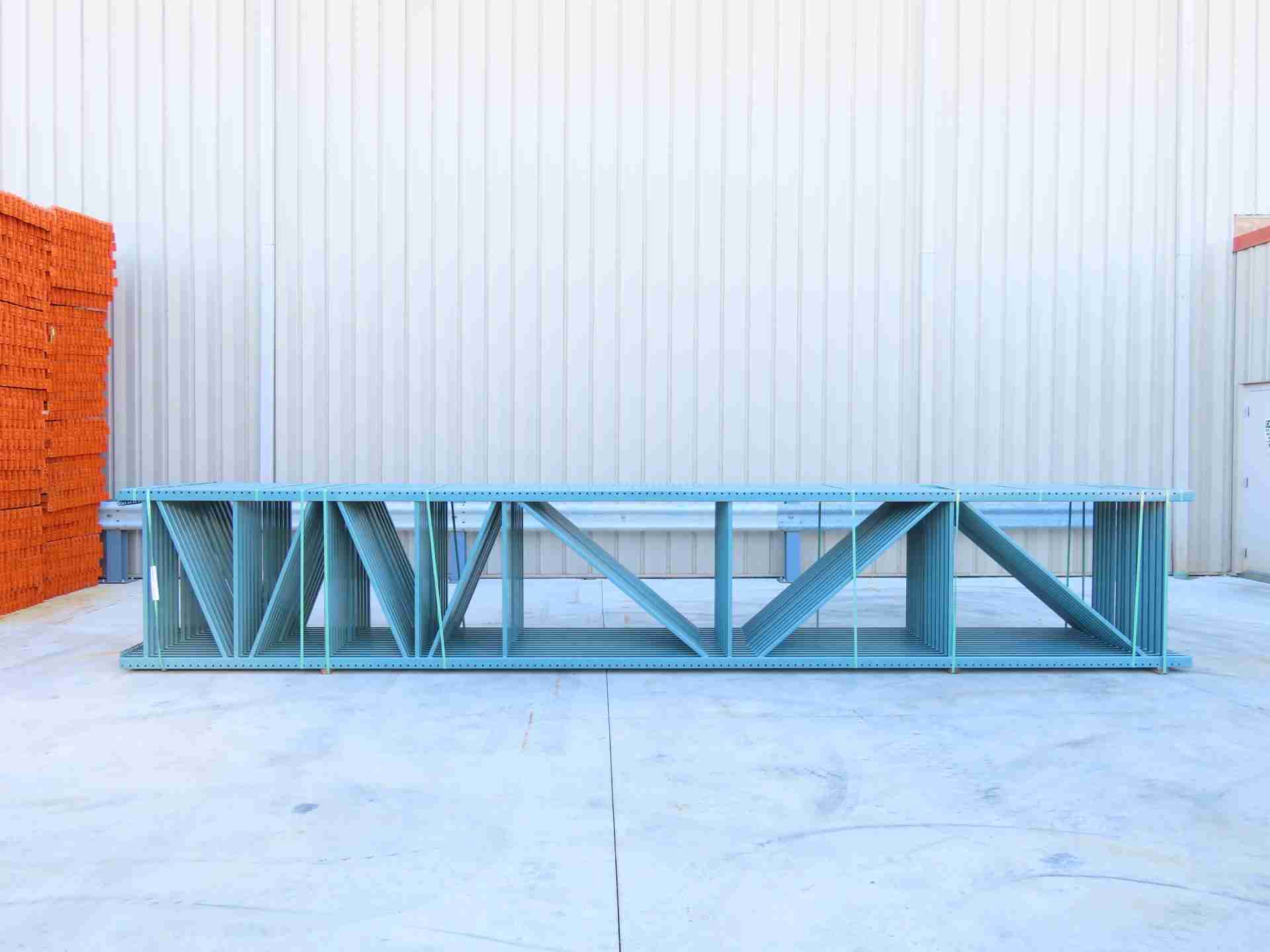
How Can Racking Compliance Impact Safety?
How Can Racking Compliance Impact Safety?
- Racking systems are essential for logistics but can pose safety hazards without proper compliance.
- Compliance is a commitment to worker safety, preventing accidents and ensuring peace of mind.
- A safe environment boosts productivity, allowing workers to focus on tasks without fear of falling loads.
- Prioritizing compliance fosters a culture of teamwork and respect, enhancing overall workplace morale.
- Ethical compliance reflects community values, emphasizing collective responsibility and care for one another.
- Investing in compliant racking systems positions organizations as industry leaders and fosters positive reputations.
- Every element in the warehouse symbolizes a commitment to safety and shared responsibility.

How Can Racking Compliance Impact Safety?
Do You Understand the Importance Of Load Calculations?
Do You Understand the Importance of Load Calculations?
When it comes to racking systems in warehouses or any facility where heavy lifting is part of the job, the importance of load calculations cannot be overstated. Imagine standing in a space lined with towering racks, filled with goods, and feeling an uneasy tickle in your gut every time you consider how much weight those shelves are really holding. It’s more than just numbers on a paper; it’s about safety and reliability in a high-stakes environment where the slightest miscalculation could lead to disaster.
From a practical standpoint, load calculations serve as the backbone of proper racking system design. Each beam, each shelf, is built for a specific weight limit. A good load calculation ensures that these limits are respected, preventing catastrophic failures that could injure workers or destroy inventory. This rational approach to safety isn’t just smart; it’s essential. You wouldn’t drive a truck loaded with bricks without knowing its weight limit, so why would you leave a warehouse uncalculated?
Let’s bring in the heart of the matter. Every worker depends on the integrity of the racking systems. They rely on those calculations to feel safe when they pull that fork-lift or climb a ladder to reach high shelves. It’s about trust—knowing that the space you work in values life above all. Companies that invest time in accurate load calculations are making a commitment to their employees. They’re saying, “We care about your safety more than just saving a buck.”
It’s easier to trust a company that takes load calculations seriously. These calculations don’t just protect workers; they protect the bottom line. Think of the costs of injuries, damaged goods, or even litigation. When load calculations are ignored, the fallout is expensive and chaotic. Good business practices, grounded in solid calculations, reinforce a company’s authority in its field.
Stories abound in the industry of near-misses and fortunate escapes. Workers who have witnessed racks collapsing due to poor load management speak of that gut-wrenching feeling, and those terrifying seconds stick with them. Sharing such narratives fosters a communal understanding and recognition of the importance of these calculations.
Whether you’re a seasoned pro or just starting out, understanding load calculations is a part of being responsible and ensuring that racking systems serve their purpose safely. It’s a simple truth: when we prioritize these fundamentals, we’re not just protecting ourselves; we’re building a culture of safety and reliability that resonates through every level of the operation.
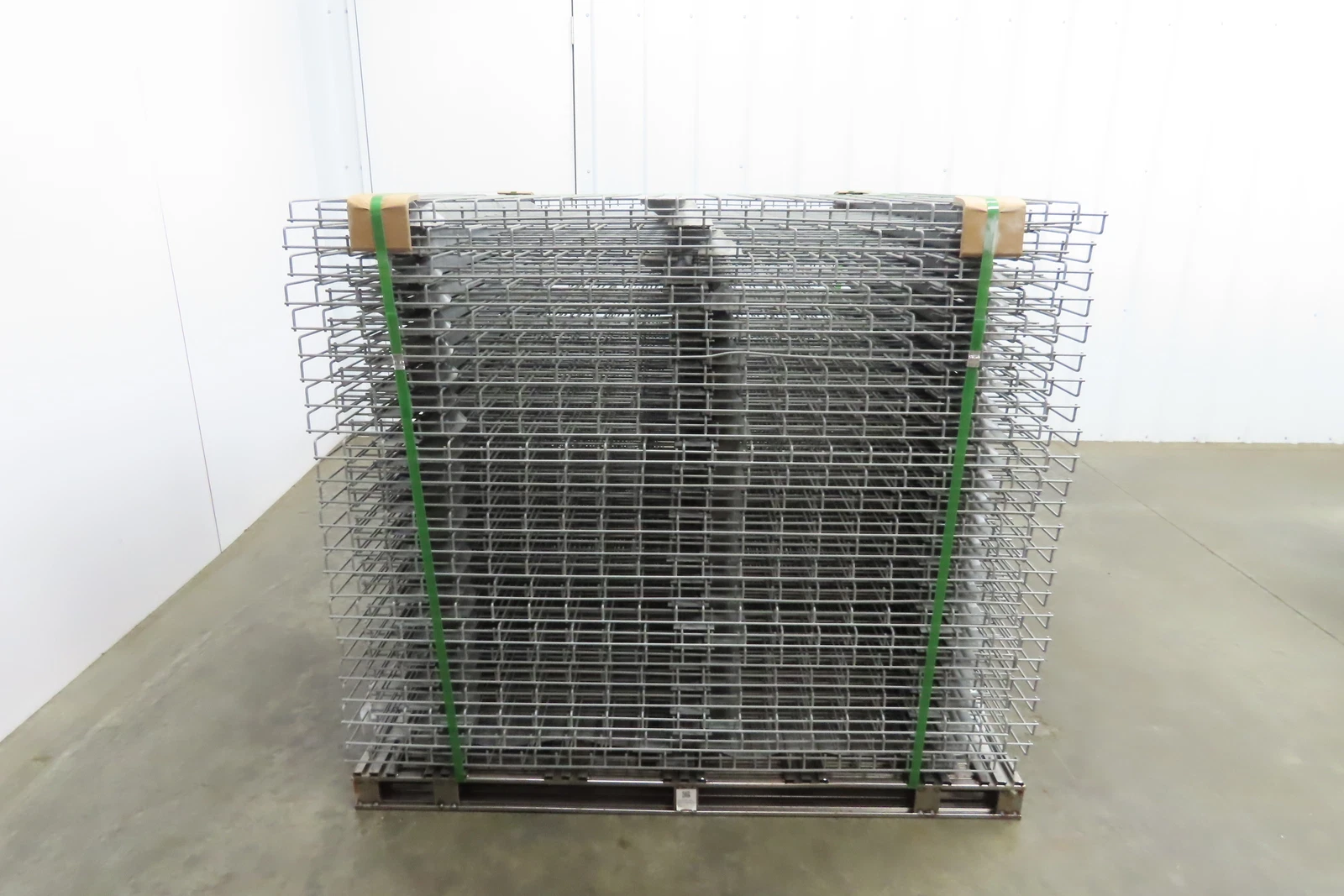
Do You Understand the Importance Of Load Calculations?
Do You Understand the Importance Of Load Calculations?
- Load calculations are crucial for safety and reliability in warehouses with heavy racking systems.
- Proper load calculations prevent catastrophic failures that could harm workers and damage inventory.
- Every component of a racking system has specific weight limits that must be respected.
- Companies that prioritize load calculations demonstrate a commitment to employee safety over cost savings.
- Failure to perform load calculations can result in costly injuries, damage, and litigation.
- Real-life accounts of near-misses highlight the importance of load management in the workplace.
- Understanding load calculations fosters a culture of safety and responsibility among workers at all levels.

Do You Understand the Importance Of Load Calculations?
What Are the Common Pitfalls In Racking Design?
When it comes to racking systems, there’s no shortage of traps waiting to trip up the unprepared. Picture a bustling warehouse floor, filled with the promise of efficiency and productivity. Yet, without proper racking design, what should be a smooth operation can quickly turn into a chaotic mess. The heart of the issue often lies in overlooking basic principles that could lead to costly mistakes, both in financial terms and in terms of safety.
One of the biggest blunders is ignoring the weight limits. Racking systems have specific load capacities, and failing to adhere to these is like playing poker without knowing the rules. It might seem tempting to push the limits for short-term gain, but in the long run, it’s a gamble that can result in collapses, injuries, and even worse. The emotional impact of these incidents can ripple throughout an organization, causing not only fear but a tangible loss of morale.
Another common oversight is the failure to plan for design flexibility. As businesses grow and evolve, their storage needs can shift dramatically. Designing a racking system that doesn’t account for future changes is like building a house without considering whether you might want a second floor down the line. This rigidity can stifle growth and leave a company struggling to adapt, wasting resources and time.
On a rational level, an effective racking design should prioritize accessibility. Workers deserve to have an organized, clutter-free environment that allows them to navigate easily. A poorly designed layout, where racks block pathways or obscure vital inventory, can lead to frustration and wasted hours. Proper planning should promote a clear flow, ensuring that everyone knows where to find what they need without having to fumble through disarray.
Moreover, the ethics of safety can’t be ignored. A racking system must protect its users and the goods it holds. Neglecting regular inspections and maintenance fosters a culture where corners are cut—sacrificing employee safety for speed. This shortsightedness can attract scrutiny not just from within, but also from external stakeholders who value ethical practices in the workplace.
A seasoned worker once said, “You can’t cut corners on safety; it’ll cost you twice as much in the end.” This wisdom resonates in the racking design process. The more seasoned hands know that every decision made today lays the foundation for tomorrow’s success. By recognizing these common pitfalls with humility and practicality, companies can build racking systems that are not just functional, but also a source of pride for everyone involved.

What Are the Common Pitfalls In Racking Design?
What Are the Common Pitfalls In Racking Design?
- Ignoring weight limits can lead to racking collapses, injuries, and decreased employee morale.
- Failure to plan for design flexibility can hinder business growth and adaptation to changing storage needs.
- Accessibility should be prioritized in racking design to create an organized, clutter-free environment for workers.
- A poorly designed layout can obstruct pathways and obscure inventory, resulting in frustration and time loss.
- Regular inspections and maintenance are essential to ensure safety and avoid cutting corners.
- Serving both ethical practices and safety standards enhances organizational reputation and stakeholder trust.
- Decisions made in racking design should consider long-term impacts, contributing to future success and pride.

What Are the Common Pitfalls In Racking Design?
How Can Proper Racking Enhance Operational Efficiency?
Proper racking can transform the way a warehouse or storage facility operates. Think of it like building a bridge between chaos and order; those racking systems create pathways that allow workers to navigate efficiently and find what they need without wasting precious time. It’s about making every inch of space work harder, bending it to your will, ensuring that products are stored with purpose rather than haphazardly shoved into corners.
Picture a bustling warehouse where every worker knows exactly where to go for a specific item. This isn’t just about efficiency; it’s about the pride of knowing your space is organized. When you walk into a neatly arranged facility with well-designed racking systems, it feels right. You can almost sense the rhythm of productivity in the air. The emotional weight lifts; the stress eases. Every shelf and beam tells a story of hard work and thoughtful planning. When everything has its place, it fosters a sense of belonging and commitment among workers, who take pride in maintaining that order.
On the practical side, consider the numbers. Streamlined operations lead to faster fulfillment times, which directly enhances productivity. Each moment saved in locating products translates to increased output and, ultimately, greater profit margins. This efficiency isn’t just a bonus; it’s essential for staying competitive. When you can ship out orders faster than the next guy, you create a loyal customer base that trusts you to deliver. That trust translates to repeat business and an unwavering reputation in the industry.
Ethically, investing in proper racking systems is an investment in safety and sustainability. A well-organized workspace reduces accidents, keeping employees safe while fostering a culture of care for one another. It’s a responsibility that extends beyond profits—it’s about preserving livelihoods. When workers feel safe and valued, their morale and productivity soar.
Furthermore, nurturing a strong professional community within your organization begins with these foundational elements of operational efficiency. When everyone pulls together, guided by the structure provided by those racking systems, it creates a sense of camaraderie that can’t be matched. Together, they can tackle challenges head-on, turning the warehouse into a well-oiled machine that championed reliability and efficiency.
So, in the world of logistics and warehousing, never underestimate the power of that seemingly simple racking system. It’s a silent powerhouse, enhancing not just efficiency, but the very fabric of the work environment.

How Can Proper Racking Enhance Operational Efficiency?
How Can Proper Racking Enhance Operational Efficiency?
- Proper racking transforms warehouse operations, creating efficient navigational pathways.
- Well-organized spaces enhance employee pride and morale, reducing stress.
- Streamlined operations lead to faster fulfillment times and increased productivity.
- Efficiency boosts profit margins and fosters customer loyalty through reliable delivery.
- Investing in racking systems promotes safety and sustainability in the workplace.
- A structured environment encourages teamwork and a strong professional community.
- Effective racking is essential for maintaining a competitive edge in logistics.

How Can Proper Racking Enhance Operational Efficiency?
What Role Do Permits Play In Racking Installation?
When it comes down to it, permits in racking installation are not just red tape; they’re the backbone of a safe and efficient operation. Racking systems need to be sturdy, reliable, and compliant with local regulations, and that’s where permits come into play. Let’s dig into why getting those permits matters—for you, your crew, and the future of your workspace.
First off, there’s peace of mind. You’ve invested hard-earned dollars into a racking system meant to streamline your operations and maximize storage. But without the proper permits, you’re playing a risky game. Imagine the gut-wrenching feeling of knowing that a lack of compliance could not only jeopardize your investment but also put your workers at risk. Permits ensure that everything from the weight load to the installation method is up to par with safety standards. It’s not just about following rules; it’s about protecting your team and your bottom line.
Permits also embody responsibility. Every warehouse owner knows that a racking failure can lead to catastrophic consequences. It’s not just the dollars—think about injuries, damaged goods, and the ripple effect on your business reputation. By securing permits, you show that you’re taking ethical steps to safeguard everyone involved. It’s not a task to cross off your list; it’s a commitment to a safer environment.
On the flip side, navigating the permitting process can feel like chasing your tail, and it’s easy to become frustrated. That’s why drawing on the experiences of others can save you time and headaches. Invest in conversations with seasoned pros in racking systems or fellow business owners who have handily maneuvered their own permit journeys. They can share insights, tips, and even the pitfalls to avoid—building a network of support as you tackle this necessary hurdle.
While permits might feel like just another form to fill out, they hold significant weight in fostering relationships with local authorities. Creating a rapport with your community can open doors for future projects and initiatives. Think of it as laying down roots—a sign that you’re not only committed to compliance but also to being a good neighbor.
Obtaining permits is about more than ticking boxes. It’s about ensuring that each racking installation stands strong, ready to serve its purpose safely and efficiently. So, take the time to respect the process and recognize that permits are your ally in building a secure and productive workspace.

What Role Do Permits Play In Racking Installation?
What Role Do Permits Play In Racking Installation?
- Permits are essential for safe and efficient racking installation.
- They ensure compliance with local regulations, protecting investment and worker safety.
- Securing permits reflects responsibility and commitment to a safe working environment.
- Lack of permits can lead to serious consequences, including injuries and damage.
- Consulting experienced professionals can simplify the permitting process.
- Building relationships with local authorities can benefit future projects.
- Permits reinforce the integrity and effectiveness of racking systems.
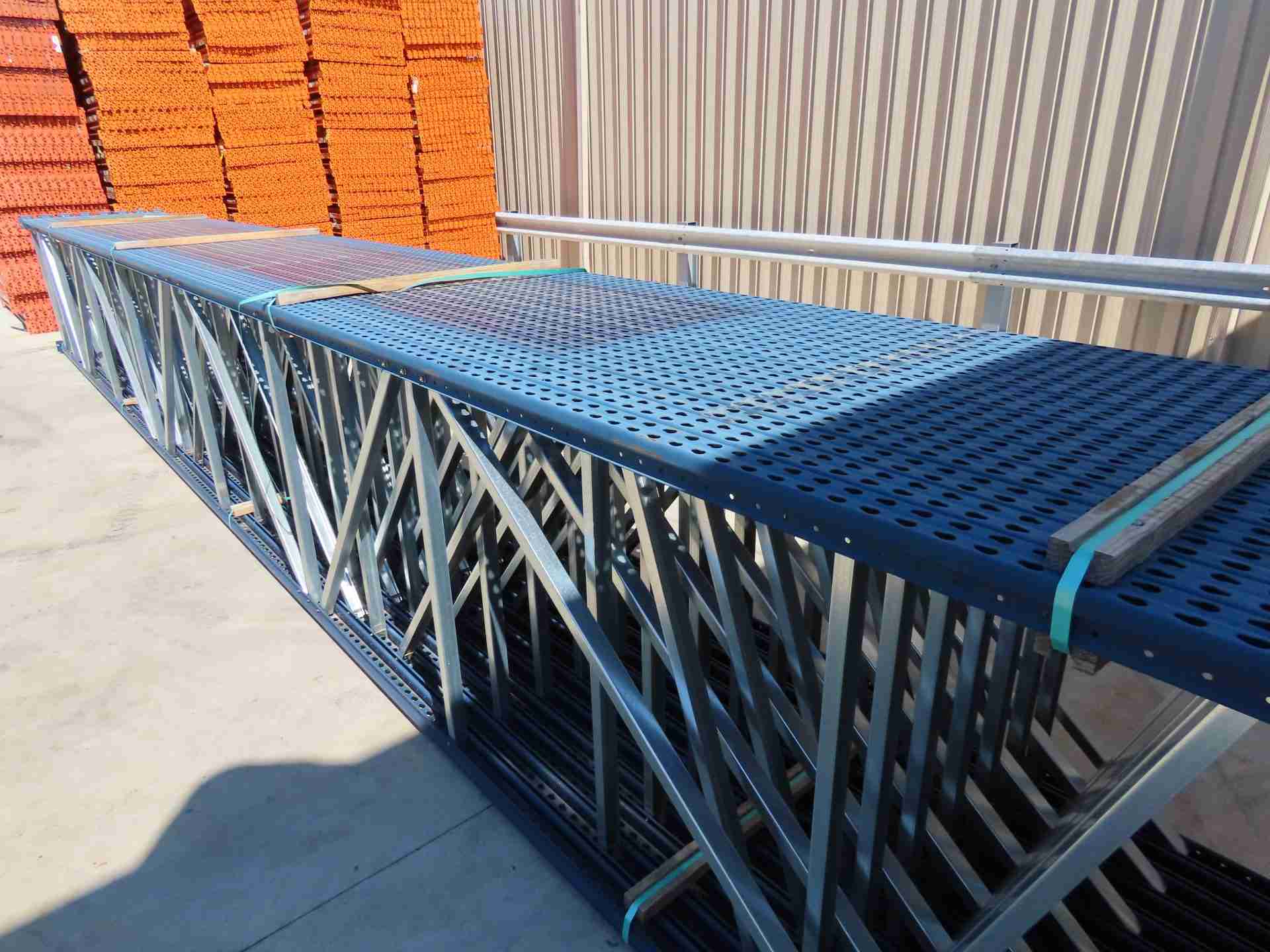
What Role Do Permits Play In Racking Installation?
Conclusion
Navigating the labyrinth of building codes for racking systems may seem daunting, but it’s fundamental for creating a safe and efficient workspace. Building codes are not mere bureaucratic obstacles; they serve as a safety net for everyone involved, from the small business owner to the warehouse workers. These regulations are designed to protect lives and ensure that racking systems function properly, making them crucial to daily operations.
A racking system isn’t just about storing products; it’s about fostering a workplace where employees feel secure and valued. When local inspectors arrive, the stakes are high. Overlooking a single regulation can lead to costly consequences—not just financially, but in terms of trust and morale. For many businesses, compliance isn’t just an obligation; it’s a testament to the respect they hold for their staff and their commitment to safety.
Understanding and adhering to load capacity guidelines, seismic considerations, and general building codes ensures that safety is woven into the fabric of operations. Each beam and shelf is not just a structural component; it’s a promise that those who work beneath them are supported not only by steel but also by a culture of care. Companies that fail to prioritize these elements do more than risk inspections—they endanger lives and undermine the very foundation of their operations.
Additionally, load calculations emerge as a pivotal factor in preventing accidents and ensuring stability. Each miscalculation is a gamble, and one that can lead to dire consequences. Trust in a racking system comes from knowing those calculations are correct. It’s an expression of mutual responsibility, where every worker acknowledges that their safety is paramount.
Community engagement is also a hallmark of navigating building codes effectively. Sharing knowledge and experiences can illuminate pitfalls and provide essential insights that help everyone improve. This sense of camaraderie breeds a stronger, more efficient work culture, where safety is everyone’s responsibility, and success is a shared goal.
Ultimately, investing in compliance and understanding the importance of racking regulations cultivates a sense of pride that resonates throughout the organization. The message is clear: racking systems, when thoughtfully designed and implemented, not only drive operational efficiency but also create a secure environment where employees can thrive. By embracing regulations as part of the business’s backbone, companies can ensure their operations are built not just for productivity, but for integrity and trust.

Conclusion
Conclusion:
- Navigating building codes for racking systems is essential for safety and efficiency in the workplace.
- Building codes act as a safety net for everyone involved, protecting lives and ensuring proper functioning of racking systems.
- Compliance with regulations reflects a business’s respect for its employees and commitment to safety.
- Understanding load capacity and seismic considerations is crucial for safe operations.
- Accurate load calculations are key to preventing accidents and ensuring stability in racking systems.
- Community engagement fosters knowledge-sharing and enhances workplace safety culture.
- Investing in compliance and racking regulations builds organizational pride and cultivates a secure environment for employees.

Conclusion
Other Resources

Other Resources
Here is a list of other resources you can review online to learn more:
- BMH Equipment LLC
- Warehouse Racks, Warehouse Racking in Stock – ULINE
- CA Wire
- Selective Racking
- Logic Material Handling
- Total Warehouse
- International Warehouse Logistics Association
- New Cantilever Racks and Racking Kits
- Illinois
- Chicago Pallet Racking
- Chicago Pallet Racking
- Selective Pallet Racking Systems – Container Systems
- The Complete Pallet Rack Guide – Simply Rack
- Warehouse Automation
- Cantilever Racking Specialists – Get the Right Racks
- Illinois Pallet Racking – Storage Solutions
- Warehousing Education and Research Council: https://www.werc.org/
- Warehouse Racking System: Powerful Guide to Optimise, 2024
- IIWS Inc. Rack Installation Illinois & Rack Repairs Illinois
- NSC
Use This Prompt To Get More Resources With Your Favorite Online AI Tool: Please provide me with a list of online articles with their URLs in a bulleted list that I can read regarding Navigating Building Code Requirements for Racking

Other Resources
Glossary Terms
Navigating Building Code Requirements for Racking – Glossary Of Terms
1. Accessibility: Design features that ensure facilities are usable by individuals with disabilities.
2. According to Code: Compliance with the specific regulations and standards set forth by building codes.
3. Anchor: A device used to secure racking systems to the building structure for stability.
4. Applicable Standards: Regulations and guidelines relevant to racking systems within specific jurisdictions.
5. Building Code: A set of standards governing the design, construction, and occupancy of buildings.
6. Capacity: The maximum load that a racking system is designed to support safely.
7. Clear Height: The vertical space available between the base of the racking and the overhead structure.
8. Compliance: Adherence to local, state, or national building codes and regulations.
9. Fire Safety: Measures and systems put in place to prevent and mitigate fire risks in buildings.
10. Load Distribution: The manner in which weight is spread across a racking system to ensure structural integrity.
11. Material Handling: The movement, protection, and storage of materials throughout the manufacturing, warehousing, distribution, consumption, and disposal stages.
12. Permitting: The process of obtaining necessary approvals from local authorities before construction or modification.
13. Rack Design: The planning and specifications for constructing racking systems to meet load and safety requirements.
14. Safety Factor: A calculated margin of safety within a racking system’s design to accommodate unexpected loads.
15. Seismic Consideration: Design elements integrated into racking systems to withstand earthquakes or ground movement.
16. Shelf Life: The duration for which stored materials or products remain usable or saleable under specified conditions.
17. Structural Integrity: The ability of the racking system to support its intended load without failing.
18. Support Bracket: A component that provides additional stability and support to racking structures.
19. Sustainability: Design principles that focus on reducing environmental impact and promoting longevity.
20. Vertical Space Utilization: Optimal use of height in storage facilities to maximize storage capacity.
21. Weight Capacity Rating: A specification indicating the maximum weight a racking unit can safely support.
22. Working Load Limit: The maximum load that a racking system is designed to carry while in use.
23. Zone of Influence: The area around a racking system where loads and forces can impact structural design.
24. Anchor Bolt: A type of fastener used to secure racking units to floors or walls.
25. Installation Guidelines: Instructions outlining the proper procedures for assembling and erecting racking systems.
26. Inspection: A systematic examination of racking systems to ensure compliance with safety standards.
27. Maintenance: Routine checks and repairs necessary to keep racking systems safe and functional.
28. Vertical Racking: A type of storage system that stores items vertically to maximize space usage.
29. Safety Regulations: Rules and standards aimed at ensuring safe practices in the design and use of racking systems.
30. Tolerance Levels: The acceptable variations in dimensions and specifications for racking installations.

Glossary Of Terms
Other Questions
Navigating Building Code Requirements for Racking – Other Questions
If you wish to explore and discover more, consider looking for answers to these questions:
- What specific building codes and standards apply to racking systems in my jurisdiction?
- Do I need an engineer-stamped drawing for my racking installation?
- Which permits are required and how long does the permitting process typically take?
- How do I determine the required load capacity for each rack and beam?
- What are the acceptable safety factors and design margins for racking?
- How are seismic and wind loads accounted for in racking design?
- How should racking be anchored to the floor and what are the slab requirements?
- What clearances must be maintained around racks for fire egress and sprinkler operation?
- How do fire protection systems (sprinklers, fire walls) interact with rack layouts and heights?
- Are there special code requirements for storing hazardous or flammable materials on racks?
- What inspection and maintenance schedules are recommended or required by code?
- Who is qualified to perform racking inspections and what should be included in inspection reports?
- What are the common signs that a rack must be repaired or replaced?
- What documentation should I retain (installation records, load calculations, inspection logs)?
- How do modifications to existing racking systems affect compliance and permits?
- What training and certifications are required for staff who operate near or on racking?
- How should racks be protected from forklift impacts (guards, column protectors, bollards)?
- What are the recommended labeling and signage practices for loads and capacities?
- How does product weight distribution and pallet integrity affect racking safety?
- What allowances are made for dynamic loads and impact forces from material handling equipment?
- How do temperature, humidity, or corrosive environments influence racking selection and maintenance?
- What role do rack manufacturers’ specifications and certifications play in code compliance?
- When is third‑party engineering review required or recommended?
- How do mezzanines, catwalks, or multi-tier racking systems change code requirements?
- What spacing and aisle width requirements apply for safe operation and emergency access?
- How should a racking layout be planned to optimize both efficiency and compliance?
- What are the insurance implications of non‑compliant or poorly maintained racking?
- What penalties or liabilities can arise from failing to meet racking code requirements?
- How do I handle nonconforming or damaged rack components discovered during an inspection?
- What is the process for obtaining variances or exceptions to local code requirements?
- How do I coordinate with local inspectors and building officials during installation or modification?
- What tests or load verifications are recommended after installation and periodically thereafter?
- How do I evaluate and select between different racking systems (selective, pallet flow, drive‑in)?
- What are best practices for documenting load plans and staff operating procedures?
- How can I future‑proof racking design to accommodate growth or changes in inventory?

Other Questions
Checklist
Navigating Building Code Requirements for Racking – A Checklist
Header
✅______ Facility/location
✅______ Project/area
✅______ Prepared by
✅______ Date
✅______ Authority having jurisdiction (AHJ)
✅______ Permit/approval number
Pre-Planning and Code Scoping
✅______ Identify the AHJs and required permits (building, fire, electrical, as applicable).
✅______ Determine applicable codes and standards (local building and fire code, worker safety rules, racking standards).
✅______ Confirm occupancy/use, storage commodity classification, and maximum storage heights.
✅______ Verify site risks: seismic zone, wind exposure, temperature, corrosive conditions.
✅______ Confirm floor slab capacity, joints, and point-load limits.
Engineering and Load Calculations
✅______ Obtain engineered/stamped drawings and calculations if required by the AHJ.
✅______ Define maximum pallet weight and load per level, per bay, and per aisle.
✅______ Verify frame, beam, and connector capacities and deflection criteria.
✅______ Check slab-on-grade capacity and rack baseplate/anchor design.
✅______ Include seismic and wind load combinations and anchorage design.
✅______ Produce load rating charts and signage per bay and per level.
Layout, Access, and Clearances
✅______ Maintain code-required aisle widths and egress pathways.
✅______ Provide fire department access and equipment maneuvering space.
✅______ Verify flue spaces (transverse and longitudinal) are maintained.
✅______ Confirm clearances to sprinklers, lighting, and mechanical, electrical, and plumbing (MEP) systems.
✅______ Plan for adjustability and future expansion (modular bays and adjustable beams).
Permitting and Approvals
✅______ Prepare submittal package: plans, calculations, product data, anchorage/seismic details, and load-signage samples.
✅______ Submit and obtain the building permit and any special inspection requirements.
✅______ Submit high-piled storage information to the fire authority, if applicable.
✅______ Receive approvals before purchasing or installing racking.
Procurement and Product Compliance
✅______ Select racking that complies with recognized standards and specified capacities.
✅______ Procure specified anchors, baseplates, row spacers, and seismic bracing.
✅______ Order safety accessories: end-of-aisle protection, backstops, pallet stops, rated wire decking, and column guards.
✅______ Verify coating/finish suitability (corrosion, hygiene, temperature).
Installation
✅______ Use qualified erectors; follow manufacturer instructions and engineered drawings.
✅______ Set frames plumb and level within tolerance; verify vertical and horizontal alignment.
✅______ Install anchors per specification; torque, test, and document.
✅______ Install all ties, spacers, bracing, pallet stops and backstops, and protection devices.
✅______ Preserve flue spaces; verify no obstructions to sprinklers or egress.
✅______ Post load-rating signs visibly at each bay and aisle.
✅______ Document as-built conditions and deviations.
Inspections, Testing, and Final Approvals
✅______ Complete required special inspections (anchors, welds, and components).
✅______ Pass building and fire finals; secure approval/certificate of occupancy (CO) as required.
✅______ File inspection reports, permits, and approvals on site.
Operations and Training
✅______ Train operators on load limits, pallet placement, travel speeds, and impact avoidance.
✅______ Define pallet quality standards; remove damaged pallets from service.
✅______ Establish rules for load overhang, unitization, and uneven loads.
✅______ Mark forklift clearances and one-way traffic where needed.
✅______ Enforce housekeeping: aisles and egress kept clear at all times.
Maintenance and Ongoing Compliance
✅______ Perform routine rack inspections (daily visual, monthly internal, annual third-party).
✅______ Tag, unload, and quarantine damaged components immediately.
✅______ Repair or replace only with OEM or engineered-equivalent parts; document the work.
✅______ Re-verify and update load ratings after any reconfiguration.
✅______ Maintain accessible records: drawings, calculations, manuals, permits, inspections, and repairs.
Change Management
✅______ Require engineering review before changing beam elevations or adding levels.
✅______ Reassess when storage commodity class, packaging, or sprinkler design density changes.
✅______ Re-submit to the AHJ if changes affect the structure, fire protection, or egress.
✅______ Evaluate effects of new material handling equipment (MHE)—forklifts and order pickers—on rack design and slab loads.
Emergency Preparedness and Risk Controls
✅______ Mark and illuminate exit routes; maintain exit signage.
✅______ Provide fire extinguishers and spill-response kits per code and train staff.
✅______ Keep sprinkler inspections and testing current; maintain valve accessibility.
✅______ Post emergency contacts, shutoff locations, and incident-reporting protocol.
Performance and Efficiency
✅______ Slot SKUs by velocity; match rack type to product profile.
✅______ Validate pick paths and replenishment routes for minimal travel.
✅______ Track KPIs: picks per hour, travel distance, rack impacts, damage rate, and near misses.
✅______ Review layout and processes periodically for continuous improvement.
Sign-Offs
✅______ Pre-install review complete: name/date
✅______ Post-install acceptance complete: name/date
✅______ Annual compliance review complete: name/date

Checklist
At RackingWorld, we help guide you through selecting warehouse storage systems and racking.
Be sure to read our other related stories at RackingWorld to learn more about warehouse storage systems.
0 Comments