
Creating Spaces Where People Thrive: Elevating Safety & Trust
By Tom Seest
At RackingWorld, we help guide you through selecting warehouse storage systems and racking.
Be sure to read our other related stories at RackingWorld to learn more about warehouse storage systems.
Designing Pedestrian-Safe Warehouses
In the bustling world of warehouses, where the clatter of forklifts and the hum of machinery form a daily symphony, we often forget about the vital role that pedestrian safety plays. Imagine a worker navigating through aisles filled with towering racking systems—where one wrong step could lead to disaster. The heart of warehouse design needs to focus on more than just efficiency; it must prioritize the people who keep the wheels turning.
Take a moment to picture the everyday worker. They’re not just numbers or roles; they are mothers, fathers, friends—real lives at stake in the mix of heavy loads and tight schedules. Each of them deserves to walk the warehouse floor without the shadow of danger looming over them. A pedestrian-safe warehouse is not merely a design choice; it’s a commitment to the well-being of everyone involved. It speaks volumes about a company’s values. When safety becomes a core principle, it builds trust and instills confidence among employees, knowing that their employers care.
On a rational level, investing in pedestrian safety isn’t just ethical; it’s sound business practice. The costs of accidents can rack up fast—medical bills, lost time, and damage to morale all hit hard. By prioritizing safety features like clear walkways, designated pedestrian zones, and effective signage, businesses can create an environment where efficiency meets safety. It’s about fostering a culture where workers feel secure enough to do their best, which, in turn, leads to better productivity.
Imagine the narrative of a warehouse that not only functions as a hub of logistics but also as a model for safety. Employers can share success stories of how pedestrian-friendly designs have reduced incidents and improved workplace satisfaction. This narrative resonates not just within the walls of the warehouse but extends outward to the community, enhancing the company’s reputation as a responsible and dependable employer.
Sharing these safety initiatives with workers fosters connection—each improvement made is a step toward creating a safer space for everyone. Engaging staff in conversations about design changes can elicit valuable insights from those who walk the floor daily. When employees see their input valued, it cultivates a sense of ownership and pride in their work environment.
Designing pedestrian-safe warehouses isn’t just about building structures. It’s about creating lives that thrive in safe, supportive spaces where every step matters. Through thoughtful design, we can build a future that prioritizes people—making every day a little easier, safer, and more productive on the warehouse floor.

Designing Pedestrian-Safe Warehouses
Designing Pedestrian-Safe Warehouses
- Pedestrian safety in warehouses is critical amid busy operations.
- Workers are real individuals with lives, not just roles within the system.
- A commitment to pedestrian safety reflects a company’s values and builds trust.
- Investing in safety mitigates costs associated with accidents, boosting morale.
- Safety features like clear walkways and signage enhance both safety and productivity.
- Success stories of safety improvements can enhance a company’s reputation in the community.
- Engaging workers in safety initiatives fosters ownership and pride in their work environment.
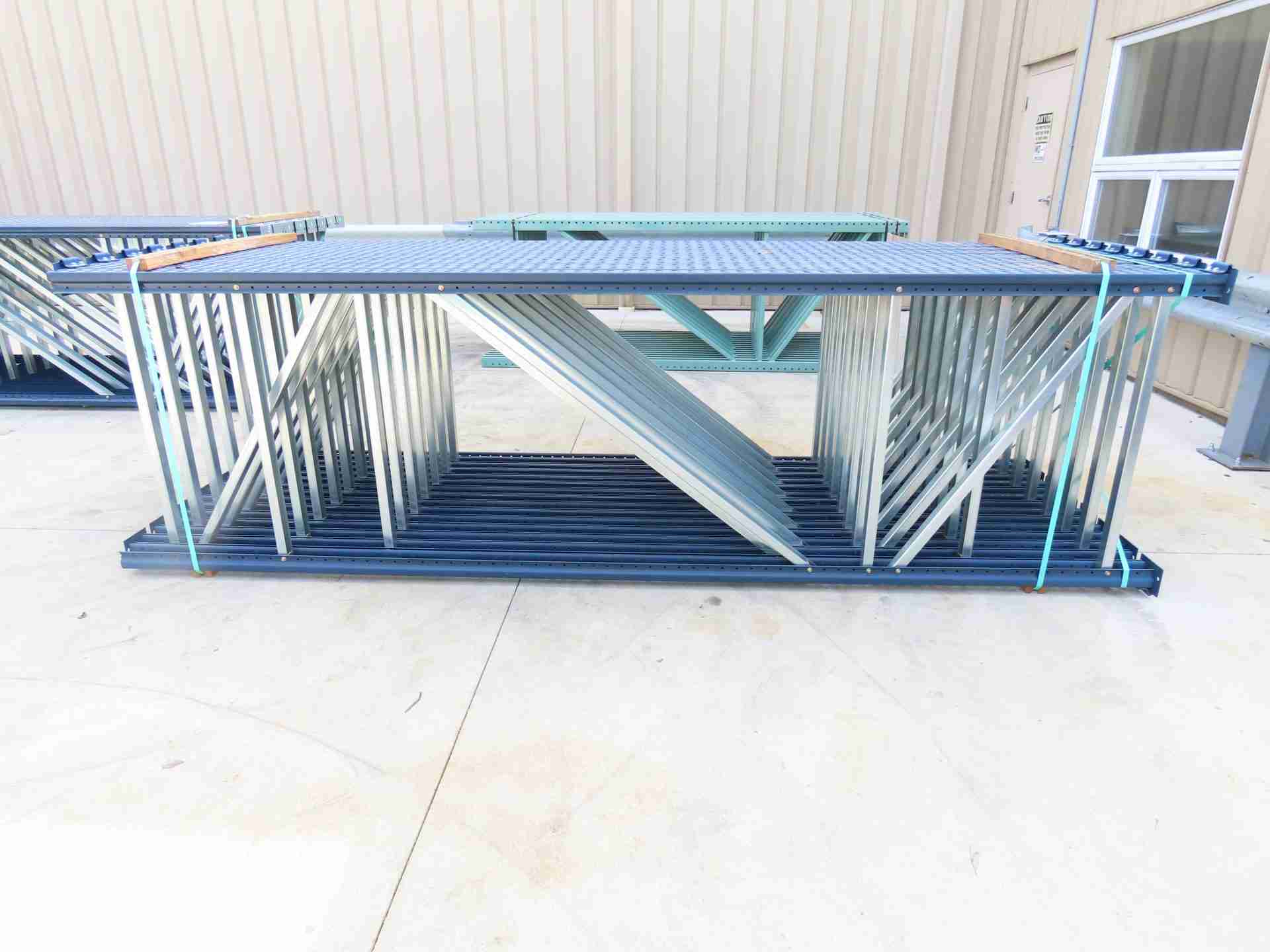
Designing Pedestrian-Safe Warehouses
Table Of Contents
- Designing Pedestrian-Safe Warehouses
- What Are the Key Safety Concerns for Pedestrians In Warehouses?
- How Can Warehouse Design Prioritize Pedestrian Flow Effectively?
- What Materials Enhance Pedestrian Safety In Warehouse Construction?
- How Can Lighting Improve Visibility for Pedestrians In Warehouses?
- What Role Does Signage Play In Pedestrian Safety In Warehouses?
- What Are the Best Practices for Pedestrian Pathways In Warehouses?
- Conclusion
- Other Resources
- Glossary Of Terms
- Other Questions
- Checklist
What Are the Key Safety Concerns for Pedestrians In Warehouses?
What Are the Key Safety Concerns for Pedestrians in Warehouses?
Walking through a warehouse can feel like navigating a small city, bustling with activity yet fraught with hazards. Racking systems tower overhead, organized chaos all around, and every corner could hide a potential threat to pedestrians. One slip or misstep and the consequences can be dire. The pulse of a warehouse doesn’t just depend on heavy machinery; it relies on the safety of every person on the floor.
Pedestrians often find themselves dodging forklifts and other vehicles that are crucial for keeping things moving but can also be a significant risk. It’s essential to stay alert, but it’s easy to get lost in thought as you focus on your tasks. That’s when accidents happen—not out of negligence but from the simple act of being human. According to experts, maintaining a safe distance from operational machinery and sticking to marked pathways can reduce risks. This isn’t just about compliance; it’s about respecting each other’s space and ensuring everyone makes it home safely at the end of the day.
The emotional weight of this responsibility is heavy. We all have families waiting for us, and no one wants the heartbreak of a loved one’s injury or worse. Sharing stories of close calls can provide that gut-check reality we need to stay vigilant. It’s a narrative woven into the fabric of every shift, where the camaraderie and shared understanding of risks foster a culture of safety.
Moreover, we have a duty to hold ourselves and our coworkers accountable. If you see someone taking shortcuts or ignoring safety signs, speak up. Ethics and safety intersect here; protecting one another is a shared responsibility that goes beyond compliance. Fostering a culture of trust means knowing that everyone has each other’s backs. When safety is prioritized, productivity doesn’t take a hit—instead, morale builds, and teamwork flourishes.
Don’t forget about the social aspect of warehouse safety. New hires or those unfamiliar with the layout might not even realize the dangers posed by racking systems. Offering guidance and support can help create a welcoming environment where everyone feels included and valued. An ongoing dialogue about safety norms and concerns can spark action before problems arise, turning safety into a shared goal rather than an afterthought.
In a world where accidents can happen in an instant, let’s pledge to stay aware, stay respectful, and watch out for one another. Together, we can ensure that our work environment remains not just operational but truly safe for everyone involved.
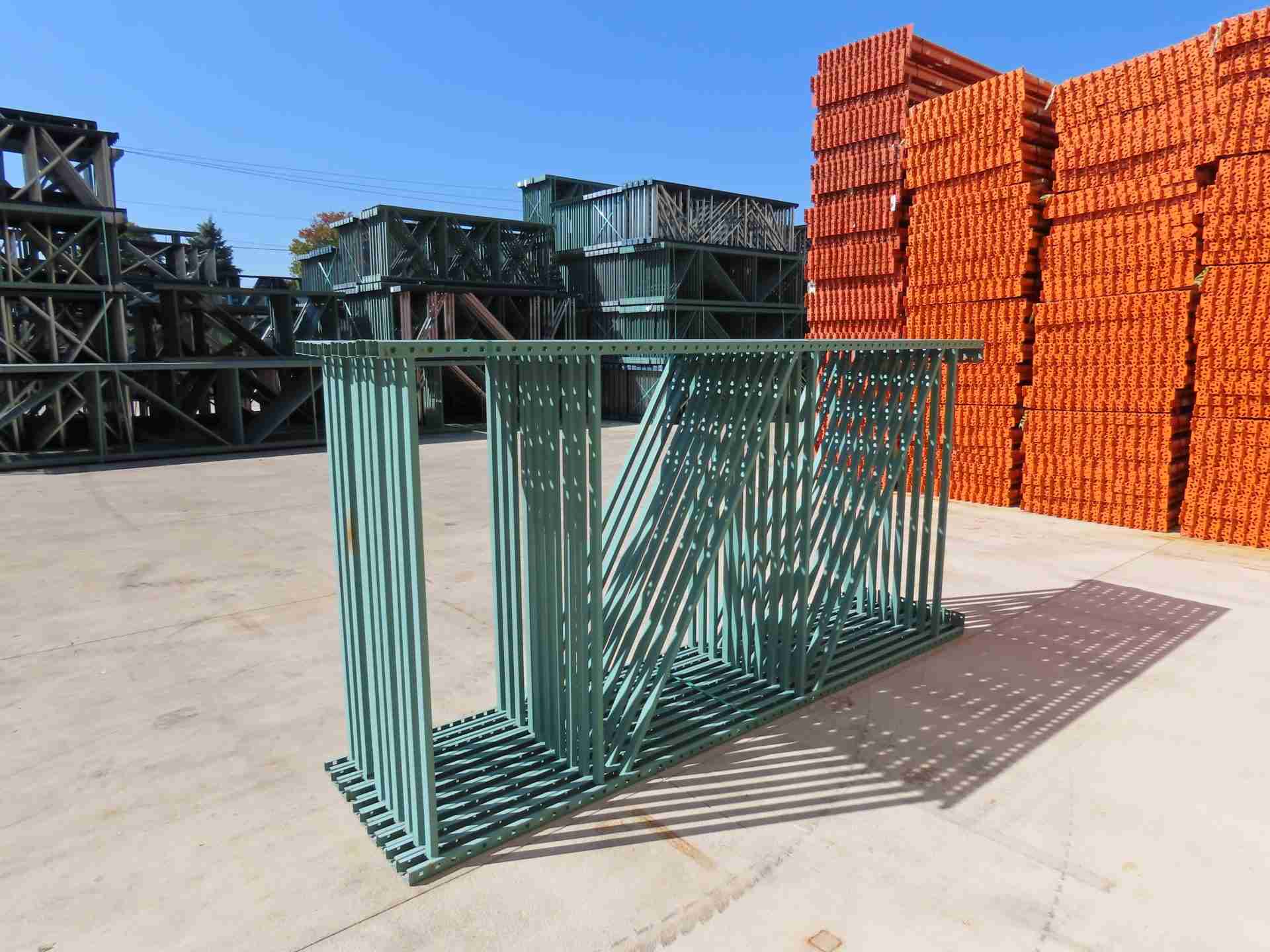
What Are the Key Safety Concerns for Pedestrians In Warehouses?
What Are the Key Safety Concerns for Pedestrians In Warehouses?
- Warehouses are busy environments with multiple hazards for pedestrians.
- Forklifts and vehicles pose significant risks; maintaining distance from them is essential.
- Staying alert is crucial; distractions can lead to accidents.
- Sharing safety experiences encourages vigilance and fosters a culture of safety.
- Accountability among coworkers enhances collective responsibility for safety.
- New hires need guidance on potential dangers to feel supported in the workplace.
- Promoting ongoing safety discussions transforms safety into a shared priority.

What Are the Key Safety Concerns for Pedestrians In Warehouses?
How Can Warehouse Design Prioritize Pedestrian Flow Effectively?
When it comes to warehouse design, a smooth pedestrian flow isn’t just a nicety; it’s a necessity. Imagine the chaos of a busy day in the warehouse: workers darting in every direction, forklifts whizzing past, and precious seconds wasted as folks navigate a maze of aisles and racking systems. Prioritizing pedestrian flow isn’t just about efficiency; it’s about safety and morale too.
Start by thinking practically. Clear pathways should guide foot traffic seamlessly without crossing into equipment zones. A well-thought-out layout means fewer near misses and helps prevent accidents, showing that the wellbeing of every worker matters. It’s simple: design with the people in mind. That’s where trust starts. When employees see their safety prioritized in the layout, they feel valued, which can boost morale and enhance teamwork.
The importance of designated walkways can’t be overstated. These paths encourage employees to follow a designated route, cutting down on confusion and congestion. Bridging the divide between racking systems and pedestrian pathways ensures that no one is dodging the heavy machinery every time they need to grab a pick. Each step taken in a clear path brings calm and confidence to what could otherwise be a hectic environment.
And let’s not forget about the power of visibility. Good design puts workers where they can see and be seen. Open sightlines can reduce the risk of accidents and facilitate communication. Workers can read cues, share info, and even develop camaraderie over shared challenges, bringing a communal spirit to the grind. We’re all in the trenches together, after all.
Sometimes, it’s the small things that foster a safe environment. Simple signage, floor markings, and reminders can enhance awareness, turning pedestrian flow into a habitual routine. Everyone begins to share the responsibility for safety, leading to an environment grounded in ethical practice, not just a checklist.
Finally, foster a culture of feedback. Engage with your team to learn about their experiences and concerns. Iterate and improve your design based on their valuable insights. This not only empowers them but also shows you’re committed to making the warehouse a better place for everyone.
Effective pedestrian flow isn’t just about movement; it’s about creating a space where people can work safely, efficiently, and collaboratively. Well-planned design connects the dots between functionality and the humane side of warehouse life, making magic happen on the ground level.

How Can Warehouse Design Prioritize Pedestrian Flow Effectively?
How Can Warehouse Design Prioritize Pedestrian Flow Effectively?
- Smooth pedestrian flow is essential for safety and efficiency in warehouse design.
- Clear pathways should direct foot traffic without interfering with equipment zones.
- Designated walkways reduce confusion and congestion among workers.
- Visibility enhances safety by allowing workers to see and communicate effectively.
- Simple signage and floor markings promote safety awareness and routine.
- Encouraging team feedback helps improve layout and fosters a sense of ownership.
- Effective design balances functionality with a humane work environment.

How Can Warehouse Design Prioritize Pedestrian Flow Effectively?
What Materials Enhance Pedestrian Safety In Warehouse Construction?
When it comes to warehouse construction, ensuring pedestrian safety isn’t just a box to check; it’s about protecting the people who keep our operations running smoothly. The right materials can turn a bustling workspace into a safe haven. Take racking systems, for instance. Sturdy, well-designed racking systems don’t just hold inventory; they also help define pathways, guiding foot traffic and minimizing risky run-ins with forklifts and pallet jacks. Imagine a worker navigating the aisles; a well-structured racking system provides clear lines and safe spaces, creating an environment where one can work without constant fear.
Beyond racking, the flooring material plays a critical role in safety. Anti-slip coatings and textured surfaces prevent slips and falls, especially in busy areas where spills can happen. These materials aren’t just practical; think of them as silent protectors, enabling everyone to feel secure while they tackle their daily tasks. Grounded in common sense, investing in quality flooring isn’t just about money—it’s about the wellbeing of your crew.
While we tend to overlook things like lighting, it’s another unsung hero in pedestrian safety. Proper illumination helps folks see hazards before they become accidents. LED fixtures can be adjusted to specific areas, ensuring that every corner is well-lit—no shadows lurking, no surprises waiting to happen. This is about creating a workspace that feels safe, where employees can focus on their jobs without anxiety.
Moreover, using barriers or protective bollards can serve as a tangible reminder of safety. These simple yet effective materials delineate vehicle zones from pedestrian walkways. They act as a guardian, preventing accidents and instilling a sense of security among those walking by. When everyone knows their space is safeguarded, it fosters a culture of safety and respect.
Finally, let’s not forget the human aspect. Training staff on the importance of these materials can’t be overstated. Empowering workers with this knowledge builds confidence and makes safety a shared responsibility. When everyone understands the importance of materials like racking systems and anti-slip coatings, they’re more likely to watch out for one another.
At the end of the day, pedestrian safety in warehouses isn’t just about what’s out there; it’s about creating a community that values and prioritizes each individual. By choosing the right materials and fostering a culture of safety, we ensure that our workplaces aren’t just productive but also safe for everyone involved.
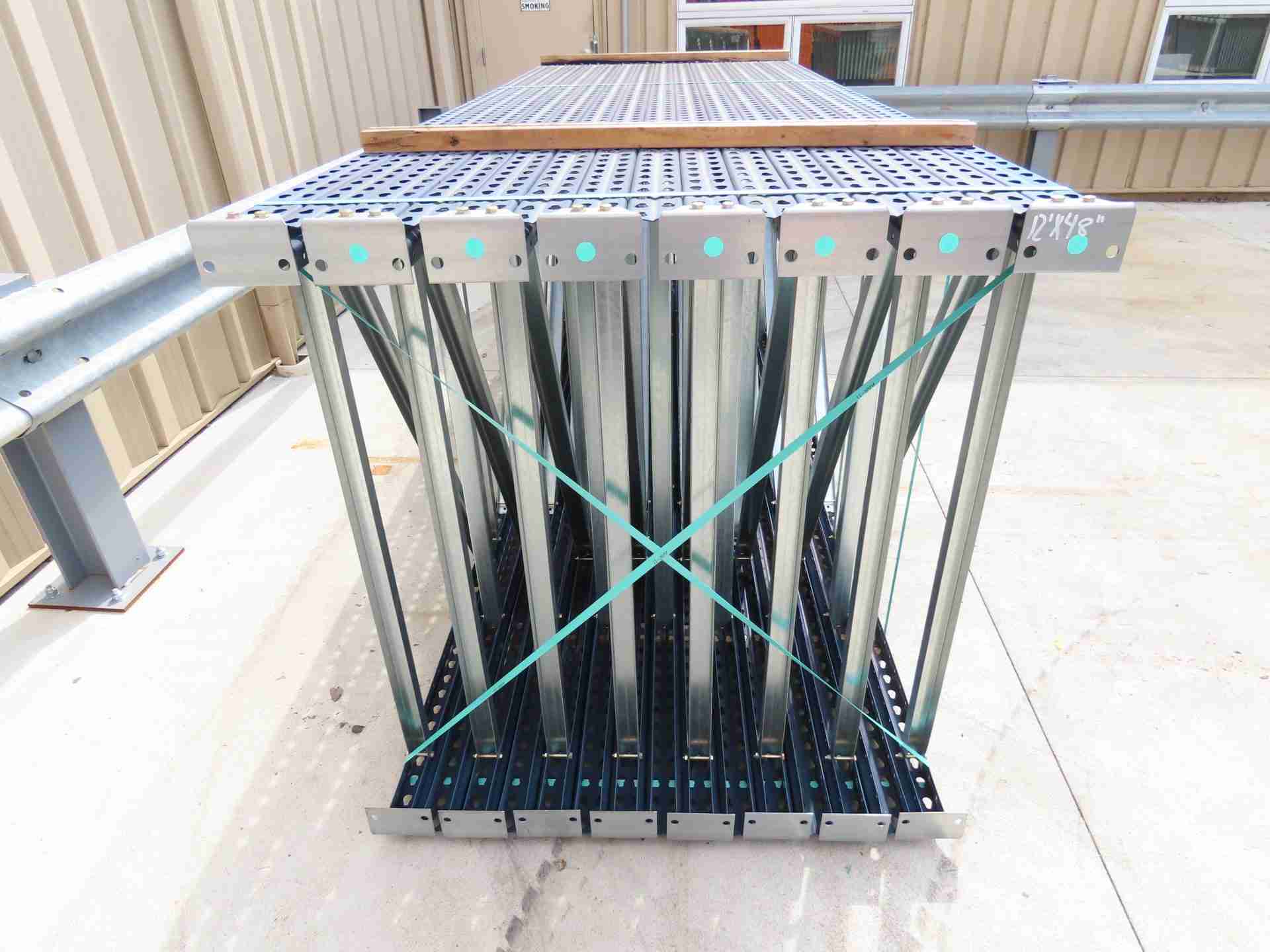
What Materials Enhance Pedestrian Safety In Warehouse Construction?
What Materials Enhance Pedestrian Safety In Warehouse Construction?
- Pedestrian safety in warehouses is essential for protecting operational staff.
- Well-designed racking systems define pathways and minimize risks from forklifts and pallet jacks.
- Quality flooring materials, such as anti-slip coatings, prevent slips and enhance safety.
- Effective lighting illuminates hazards, reducing the likelihood of accidents.
- Barriers and protective bollards create safe zones for pedestrians, fostering security.
- Employee training on safety materials builds confidence and encourages shared responsibility.
- Creating a culture of safety helps prioritize individual wellbeing in the workplace.
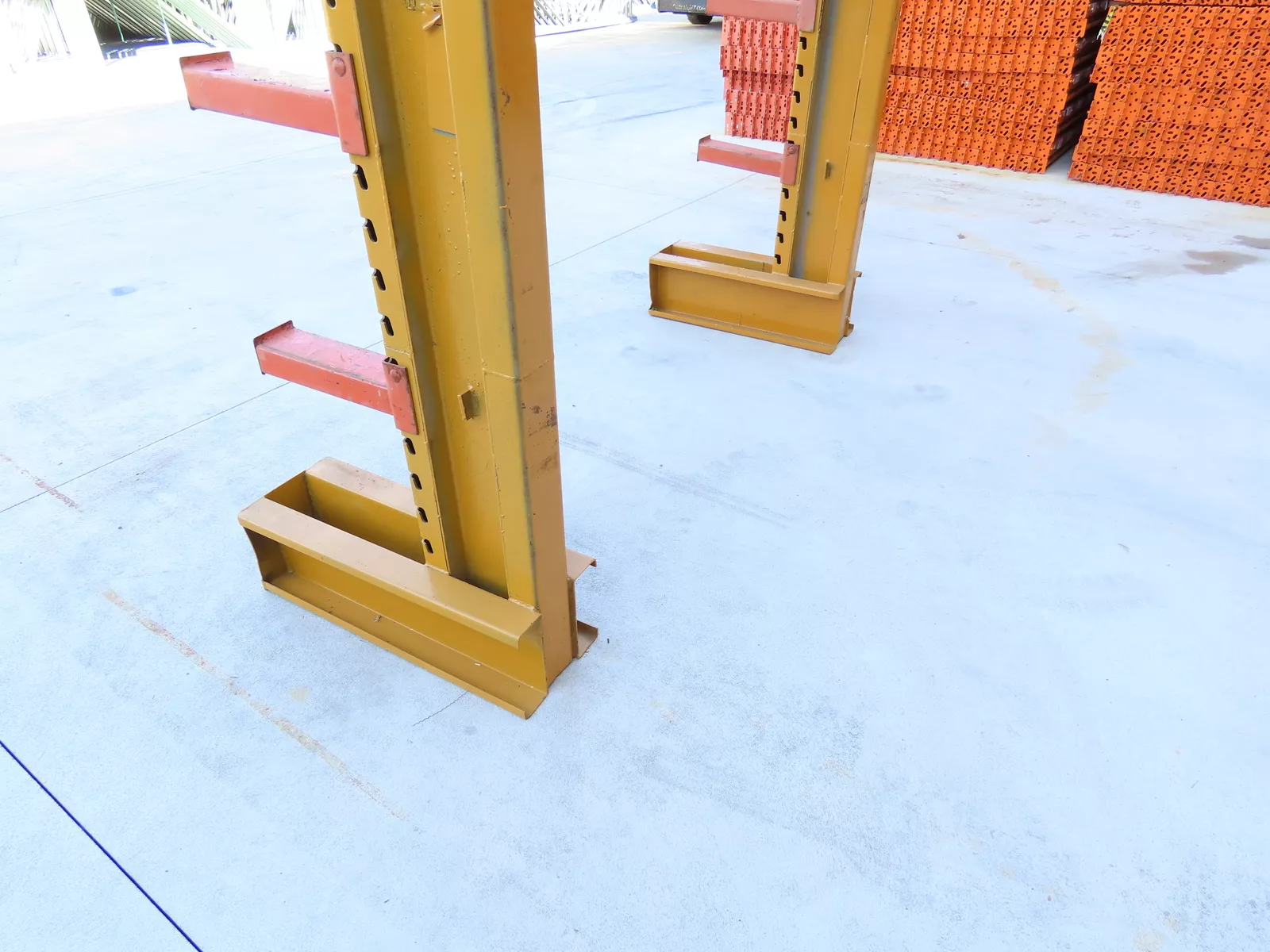
What Materials Enhance Pedestrian Safety In Warehouse Construction?
How Can Lighting Improve Visibility for Pedestrians In Warehouses?
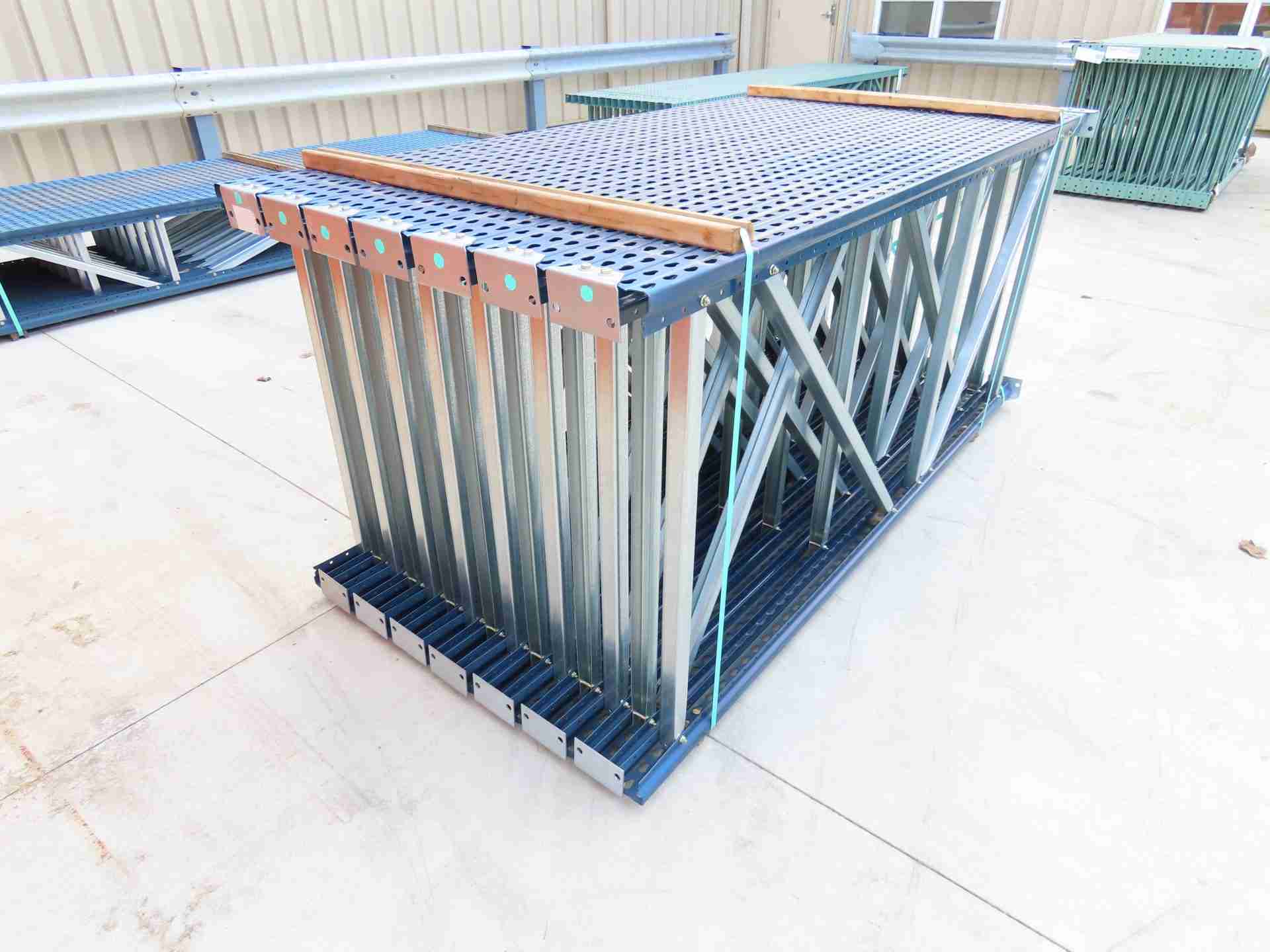
In warehouses, the importance of proper lighting cannot be overstated, especially for pedestrians who navigate through bustling aisles filled with equipment and heavy racking systems. Dimly lit spaces can create a dangerous environment, causing slips, trips, and falls. But with the right lighting, we can not only enhance visibility but also foster a safer, more secure workplace.
Think about it: we invest in high-quality racking systems to store goods efficiently, but what good are those systems if you can’t see where you’re going? Proper lighting illuminates these systems, allowing workers to maneuver confidently and efficiently. It’s not just about avoiding accidents; well-lit areas provide clarity, enabling employees to focus on their tasks without the constant worry of unseen hazards lurking in the shadows.
Emotionally, it’s about safety and well-being. Picture a worker navigating through a poorly lit aisle, unsure of their footing. Frustration brews, and productivity takes a hit. But when the lights shine bright, there’s an immediate sense of relief and empowerment. You can feel the difference as the weight of uncertainty lifts, creating a workplace atmosphere where people feel valued and secure.
Rationally, better lighting improves efficiency. Well-lit spaces facilitate faster decision-making and fewer errors. Efficiency translates to productivity, and if there’s one thing that resonates in a warehouse, it’s the need for streamlined operations. When employees can see what they’re doing without squinting or second-guessing, they move faster, work smarter, and contribute more positively to the bottom line.
Ethically, it’s our responsibility as employers to ensure that our spaces are safe and welcoming. Providing adequate lighting is an investment in our people. It sends a clear message: we care about your safety and your health. This commitment establishes trust, making employees feel respected and protected.
Narratively, think of any seasoned warehouse worker recounting their close call in a dimly lit environment. These stories are shared in hushed tones, serving as humorous cautionary tales until someone gets hurt. By fostering a culture that values visibility, we’re not only preventing those tales of woe but also crafting narratives of success—where workers go home safe every day, feeling proud of the work they do.
Lighting that enhances visibility is about more than bulbs and fixtures. It’s the backbone of a safe, productive environment that brings people together, creating a sense of community within the hard-hats and loading docks. When we shine a light on safety, everyone walks a little taller, knowing they’re part of a team that looks out for one another amidst the racking systems and busy aisles.
How Can Lighting Improve Visibility for Pedestrians In Warehouses?
How Can Lighting Improve Visibility for Pedestrians In Warehouses?
- Proper lighting in warehouses is crucial for pedestrian safety in bustling aisles filled with equipment and heavy racking systems.
- Dim lighting increases the risk of slips, trips, and falls, while adequate lighting enhances visibility and fosters a secure work environment.
- Well-lit areas allow workers to navigate confidently, improving their focus on tasks without the fear of unseen hazards.
- Better lighting boosts efficiency, enabling quicker decision-making and reducing errors, leading to greater productivity.
- Employers have an ethical responsibility to ensure safe working environments; investing in lighting shows care for employee safety and health.
- Stories of close calls in poorly lit areas highlight the importance of visibility, promoting a culture of safety and success.
- Good lighting contributes to a sense of community and well-being in the workplace, allowing team members to feel valued and secure.

How Can Lighting Improve Visibility for Pedestrians In Warehouses?
What Role Does Signage Play In Pedestrian Safety In Warehouses?
Signage in warehouses isn’t just about rules and regulations; it’s a lifeline for safety. Picture this: a bustling warehouse, the hum of machinery and the shuffle of feet everywhere. In that chaos, a clear sign directing pedestrians can mean the difference between a close call and a serious accident. When you think about it, these signs are just as crucial as the robust racking systems that hold our inventory. Without them, you’re navigating a maze blindfolded.
Every day, workers move with purpose, darting between aisles, sometimes distracted by phones or the next task at hand. This is where signage steps in—like an old friend reminding you to look both ways before crossing the street. It grabs your attention, grounding you in the present and ensuring you’re aware of your environment. Signs that indicate pedestrian pathways, intersections with forklifts, or areas where caution is needed aren’t just nice to have; they’re essential. They rationally appeal to our understanding of safety procedures, creating a culture of caution and care in an otherwise hectic environment.
On a more emotional level, think about the families waiting at home. An employee’s safety isn’t just about them; it’s about the people who love them, worry about them, and count on them. A simple sign reminding someone to slow down or watch for traffic can prevent heartbreak. It’s an ethical responsibility for every warehouse manager to prioritize these prompts; protecting their workforce should be the goal above all else.
From a narrative perspective, consider the stories that emerge from incidents where signage was either present or absent. An employee walks home unscathed due to a well-placed sign, while another walks into a risky situation, partly due to insufficient warnings. These tales aren’t just tragic; they are lessons that underline the importance of effective signage in terms of fostering community, awareness, and responsibility.
Moreover, fostering a culture of safety through clear signage resonates with everyone on the team. It builds a social contract among employees; we look out for one another. When they see signs (that may have seemed trivial at first) standing tall, it gives them confidence in their workplace. Trust is built through these small yet powerful reminders.
So, in those busy aisles, let’s give signage the respect it deserves. It’s not just a means to redirect pedestrian traffic; it’s a critical component of a safe, efficient workplace, connecting each person to a shared sense of responsibility and care.
What Role Does Signage Play In Pedestrian Safety In Warehouses?
What Role Does Signage Play In Pedestrian Safety In Warehouses?
- Signage in warehouses is essential for safety, guiding pedestrians and preventing accidents.
- Clear signs are as critical as the racking systems, helping workers navigate safely.
- Signs serve as reminders for safety, keeping workers focused in a busy environment.
- Employee safety impacts their families, highlighting the ethical responsibility of warehouse managers.
- Stories of incidents illustrate the importance of effective signage in fostering awareness and community.
- Clear signage builds a culture of safety and trust among employees, enhancing workplace confidence.
- Signage is a vital component of a safe, efficient workspace, promoting shared responsibility.

What Role Does Signage Play In Pedestrian Safety In Warehouses?
What Are the Best Practices for Pedestrian Pathways In Warehouses?
When you step into a warehouse, the first thing that hits you is the sheer size of the operation. Racking systems tower overhead, packed with goods ready to be shipped, while forklifts zoom past, a dance of efficiency. Yet, beneath that bustling exterior lies the vital importance of safe pedestrian pathways. These paths aren’t just lines on the floor; they represent life and limb, a safety covenant between employees and their work environment.
To truly appreciate the need for designated pathways, consider the daily realities faced by warehouse workers. In the rush to meet deadlines, a clear walkway becomes a refuge, reducing the chaos that can lead to accidents. Implementing marked pathways bolsters a sense of security, empowering workers to navigate their surroundings confidently. This isn’t just about following orders; it’s about creating a space where every individual feels valued and respected, a principle that resonates with the very essence of teamwork.
Designing these pathways isn’t merely a practical task; it’s an ethical responsibility. Ensure that they are wide enough to accommodate foot traffic and equipped with visual cues that stand out against the backdrop of busy racking systems. Reflective tape and bright colors can turn standard pathways into safe corridors, guiding the way amid a sea of motion. It’s a small investment that yields a significant payoff in preventing injuries and fostering a culture of safety.
Moreover, best practices call for regular assessments of these pathways. Don’t wait for an incident to evaluate their effectiveness. Gather workers’ feedback; they’re on the ground, witnessing firsthand what works and what doesn’t. This collaborative approach builds trust. When employees feel heard and their suggestions acted upon, it strengthens their connection to the workplace, enhancing overall morale.
Creating pedestrian pathways is also about nurturing relationships between departments. Inventory management and order fulfillment teams often operate in close quarters. Clearly defined paths not only enhance safety but also promote smoother workflow and better communication. When everyone knows where they can walk without risking their safety, the warehouse hums like a well-tuned engine.
Prioritizing pedestrian pathways is more than compliance—it’s a commitment to human dignity and operational excellence. By treating these routes not just as functional necessities but as integral elements of the warehouse ecosystem, we forge a culture that appreciates its workers. Remember, it’s not just about getting the job done; it’s about ensuring every worker gets home safely at the end of the day.

What Are the Best Practices for Pedestrian Pathways In Warehouses?
What Are the Best Practices for Pedestrian Pathways In Warehouses?
- The vastness of warehouses emphasizes the need for safe pedestrian pathways.
- Designated walkways reduce chaos, enhancing worker safety and confidence.
- Implementing clear pathways is an ethical responsibility and a practical necessity.
- Using reflective tape and bright colors improves visibility and safety of pathways.
- Regular assessments and worker feedback are essential for maintaining effective pathways.
- Defined pedestrian paths facilitate better communication and workflow between departments.
- Prioritizing these pathways demonstrates a commitment to worker dignity and safety.
What Are the Best Practices for Pedestrian Pathways In Warehouses?
Conclusion
In the realm of warehouse operations, prioritizing pedestrian safety isn’t merely a checkbox on a compliance form; it’s a crucial commitment to those who keep the wheels turning. The warehouse environment blends high-stakes logistics with the very human element of daily work life. Every worker navigating the bustling aisles has a story, a family waiting at home, and they each deserve a secure space to carry out their tasks.
Pedestrian-safe warehouses champion a culture of trust and respect, enhancing not only safety but also productivity. Clear pathways, well-defined pedestrian zones, and effective signage create an environment where risks are mitigated, and employees can focus on their work rather than worrying about potential accidents. When investments are made in these safety features, it reflects a company’s values: caring for its employees while simultaneously fostering operational efficiency.
The emotional weight of these safety measures cannot be overstated. Workers know they can perform their duties without being constantly on edge, and this sense of security breeds a culture of camaraderie among colleagues. Narratives about near-misses and saved injuries become shared lessons—reinforcing the understanding that everyone has a role in maintaining safety. Engaging employees in discussions about design changes promotes a sense of ownership and pride, further embedding safety into the workplace fabric.
Furthermore, integrating effective materials and lighting enhances pedestrian safety significantly. Anti-slip flooring, strong racking systems, and well-placed signage contribute not only to functionality but to the overall emotional and physical well-being of the warehouse staff. Proper lighting illuminates hazards, ensuring everyone can see and be seen, paving the way for swift communication and responsiveness in a fast-paced environment. By valuing visibility and accessibility, companies cultivate a proactive safety culture where everyone feels supported and valued.
Regular assessments and open lines of communication can ensure pedestrian pathways remain effective. Feedback from those who navigate these pathways daily—warehouse workers—provides invaluable insight, empowering staff and reinforcing a collective commitment to safety. Each successful implementation of safety measures creates a ripple effect, fostering a spirit of cooperation and collective responsibility that extends beyond the warehouse walls.
Ultimately, pedestrian-safe warehouse design is about more than just structures; it’s about crafting an environment where employees can thrive, ensuring every step is taken with assurance. By weaving safety into the very essence of warehouse operations, businesses not only protect their workforce but also enhance productivity and morale, proving that a commitment to safety yields a robust, resilient workplace.
Conclusion
Conclusion:
- Prioritizing pedestrian safety in warehouses is essential for worker security and operational efficiency.
- Safe warehouse environments enhance productivity by reducing risks and allowing employees to focus on their tasks.
- Investments in safety features demonstrate company values and commitment to employee well-being.
- A culture of camaraderie develops when workers feel secure, sharing lessons from near-misses and injuries.
- Effective materials like anti-slip flooring and proper lighting significantly improve pedestrian safety.
- Regular assessments and feedback from workers help maintain effective pedestrian pathways and safety measures.
- Designing pedestrian-safe warehouses fosters a resilient workplace where employees can thrive with confidence.

Conclusion
Other Resources
Other Resources
Here is a list of other resources you can review online to learn more:
- Pallet Racking systems in Illinois and Great Lakes
- MHI
- Teardrop Pallet Rack – Ridg-U-Rak
- Cantilever Racks Chicago
- Intro to Warehouse Racks & Warehouse Racking Systems – ShipBob
- Warehouse Racking Systems: Beginner’s Guide to Rack Systems
- Pallet Racking systems in Illinois, Great Lakes
- Teardrop Racks – Pallet Rack World
- Teardrop Industrial Shelving Rack
- Illinois Pallet Racking – Storage Solutions
- Wolter
- Heavy-Duty Cantilever Storage Racks
- Material Handling Safety
- Selective Racking
- Illinois Pallet Racking – WPRP
- Racking World
- Cantilever Rack Configuration & Installation: A Comprehensive Guide – BMH
- Warehouse Storage Racking in Illinois
- Illinois
Use This Prompt To Get More Resources With Your Favorite Online AI Tool: Please provide me with a list of online articles with their URLs in a bulleted list that I can read regarding Designing Pedestrian-Safe Warehouses

Other Resources
Glossary Terms
Designing Pedestrian-Safe Warehouses – Glossary Of Terms
1. Accessibility: The ease with which individuals can reach and enter warehouse facilities without barriers.
2. Aisle Width: The measurement of space between storage areas, crucial for safe pedestrian movement.
3. Awareness Zones: Designated areas where pedestrians must be alert to potential vehicle traffic.
4. Barricades: Physical barriers used to separate pedestrian walkways from vehicle paths.
5. Crosswalks: Marked paths on the floor that guide pedestrians safely across vehicle routes.
6. Emergency Exits: Clearly marked routes that allow for safe evacuation in case of emergencies.
7. Ergonomics: The study of people’s efficiency in their working environment, promoting safety and comfort.
8. Footprints: The designated pedestrian walkways and their spatial arrangement within the warehouse layout.
9. Ground Signage: Visual cues placed on the floor to direct and inform foot traffic safely.
10. Hazard Zones: Areas identified as potentially dangerous for pedestrians, requiring special signage or barriers.
11. Lighting: The illumination required to ensure visibility for pedestrians and drivers, enhancing safety.
12. Load Limit: The maximum weight that pedestrian paths can support without compromising safety.
13. Pedestrian Routes: Designated pathways specifically for walking, minimizing interaction with vehicles.
14. Ramps: Inclined surfaces that provide safe access for individuals using mobility aids.
15. Safety Culture: The collective commitment within the warehouse to prioritize safety and prevent accidents.
16. Signage: Visual information displays that communicate safety protocols and pedestrian paths.
17. Speed Limits: Maximum allowable speeds for vehicles operating within pedestrian areas to ensure safety.
18. Surveillance: Monitoring systems used to enhance security and safety for pedestrians in the warehouse.
19. Training Programs: Educational initiatives aimed at instructing staff on pedestrian safety practices.
20. Turn Radius: The arc that vehicles must take to safely navigate corners, relevant to pedestrian safety zones.
21. Vehicle Restrictions: Limitations placed on where and when vehicles can operate to protect pedestrians.
22. Visibility: The clarity and openness of pedestrian areas to ensure easy recognition of potential hazards.
23. Walking Surface: The material and condition of the ground where pedestrians walk, impacting safety.
24. Work Zones: Specific areas within the warehouse designated for tasks that may affect pedestrian routes.
25. Zones of Compliance: Areas that meet local safety regulations and guidelines for pedestrian safety.
26. Traffic Control Devices: Tools such as signals or lights that manage vehicle and pedestrian interactions.
27. Warehouse Layout: The planned organization of storage, movement pathways, and operational areas within a warehouse.
28. Welfare Facilities: Amenities provided for the comfort and safety of employees, such as rest areas.
29. Workflows: The sequence of processes in the warehouse that can impact pedestrian safety and movement.
30. Zoning Laws: Regulations that define how land can be used, including safety provisions for pedestrian areas.

Glossary Of Terms
Other Questions
Designing Pedestrian-Safe Warehouses – Other Questions
If you wish to explore and discover more, consider looking for answers to these questions:
- What specific regulations and standards govern pedestrian safety in warehouses (OSHA, ANSI, ISO)?
- How do I measure the current level of pedestrian risk in my warehouse?
- What are the most common causes of pedestrian injuries in warehouses?
- What is the typical cost to implement pedestrian safety improvements?
- How do I calculate the return on investment (ROI) for pedestrian-safety upgrades?
- Which materials provide the best slip resistance for warehouse floors, and how are they tested?
- What are recommended illumination levels (lux) for pedestrian walkways and aisles?
- How often should lighting be inspected and maintained to ensure pedestrian safety?
- What types of signage are most effective for reducing pedestrian-vehicle conflicts?
- What floor marking colors and patterns should be used for different pathway types?
- How wide should pedestrian pathways be for different traffic volumes and pallet configurations?
- What are best practices for designing sightlines and intersections to reduce collisions?
- How can bollards, barriers, and guardrails be specified and placed to protect pedestrians?
- What spacing and anchoring standards apply to protective barriers and bollards?
- How do you safely integrate autonomous mobile robots (AMRs) and AGVs with pedestrian traffic?
- What policies and speed limits should apply to forklifts and other vehicles in pedestrian areas?
- How should pedestrian zones be delineated in multi-shift or high-turnover environments?
- What training programs and frequencies are most effective for pedestrian safety awareness?
- How should new-hire orientation cover warehouse pedestrian hazards?
- What behavior-based safety practices reduce pedestrian incidents most effectively?
- How can near-miss reporting be encouraged and used to improve pedestrian safety?
- What KPIs should managers track to evaluate pedestrian safety performance (TRIR, near misses, etc.)?
- How do you conduct effective pedestrian safety audits and inspections?
- What emergency-response and evacuation procedures are needed for pedestrian safety?
- How should first-aid stations and emergency equipment be positioned relative to pedestrian routes?
- What accommodation and accessibility considerations apply for workers with disabilities?
- How do seasonal or environmental factors (rain, snow, condensation) affect pedestrian safety and materials?
- What spill-control and housekeeping protocols best reduce slip/trip hazards?
- Which PPE items are recommended for pedestrians in warehouses, and when are they required?
- How should signage and training be tailored for multilingual or low-literacy workforces?
- What are best practices for retrofitting existing warehouses versus designing new builds?
- How do aisle width and pallet rack configuration affect pedestrian safety and workflow?
- What role do mirrors, sensors, and warning beacons play at blind intersections?
- How can scheduling and traffic management reduce pedestrian-vehicle interactions during peak times?
- What technologies (proximity sensors, wearable alerts, vehicle-mounted warning systems) are most effective?
- How should contractors and vendors be evaluated for compliance with pedestrian-safety requirements?
- What maintenance schedules and responsibilities are required to keep pedestrian-safety features effective?
- How should incident investigations be conducted when pedestrians are involved, and what root causes are typical?
- Are there case studies or examples of warehouses that achieved measurable pedestrian-safety improvements?
- How does pedestrian-safety investment impact employee morale, retention, and recruitment?
- What insurance or legal implications should employers consider related to pedestrian incidents?

Other Questions
Checklist
Designing Pedestrian-Safe Warehouses – A Checklist
Culture and Leadership
✅______ Safety is defined as a core value and reinforced in daily communication.
✅______ Near-miss reporting is encouraged and acted on without blame.
✅______ Employee feedback on hazards and design is routinely gathered and implemented.
✅______ Safety performance and improvements are shared and recognized.
Layout and Pedestrian Flow
✅______ A current site map shows continuous pedestrian routes separate from vehicle lanes.
✅______ Walkways connect entrances, workstations, docks, restrooms, break areas, and exits without gaps.
✅______ Pedestrian/vehicle crossings are minimized; necessary crossings are controlled and marked.
✅______ Blind corners are eliminated or mitigated; open sightlines at intersections are maintained.
✅______ Staging, storage, and overflow do not encroach on walkways.
✅______ Emergency egress routes are clear and direct.
Walkways and Pathways
✅______ Walkways are clearly marked with high-contrast, continuous floor lines.
✅______ Width accommodates expected foot traffic and passing without stepping into vehicle lanes.
✅______ Anti-slip surfaces are used in wet or high-risk areas.
✅______ Raised or guarded walkways are used where separation is critical.
✅______ Bollards and guardrails protect walkways adjacent to vehicle routes and rack ends.
✅______ Crosswalks use zebra striping and high-visibility cues at vehicle interfaces.
✅______ Pedestrian gates or barriers are installed at dock doors and high-traffic zones.
Signage and Visual Communication
✅______ Standardized, legible signage identifies walkways, no-pedestrian zones, and crossings.
✅______ Floor arrows indicate direction of pedestrian travel where needed.
✅______ Vehicle speed limits, stop/yield, and horn-at-intersection signs are posted.
✅______ Multilingual or icon-based signs match the workforce.
✅______ “Keep Aisle Clear” and housekeeping reminders are posted at chokepoints.
✅______ Damaged, faded, or obscured signs are replaced promptly.
Lighting and Visibility
✅______ Uniform, glare-free lighting covers walkways, rack ends, docks, and crossings.
✅______ No dark spots or heavy shadows in pedestrian areas and pick zones.
✅______ Task lighting is provided at inspection, packing, and picking stations.
✅______ Motion/daylight sensors are tuned to maintain safe visibility.
✅______ High-visibility apparel and reflective markings are used where appropriate.
✅______ Convex mirrors are installed at blind corners.
Materials and Infrastructure
✅______ Racking is installed to spec, inspected, and protected with end guards and column protectors.
✅______ Guardrails, bollards, and barriers are correctly placed and maintained.
✅______ Floors are even and in good repair; trip hazards are removed.
✅______ Anti-slip coatings and floor markings are intact and on a refresh schedule.
Mobile Equipment Interaction
✅______ Forklift routes are designated and separated from pedestrian paths.
✅______ Right-of-way rules are defined; pedestrians have priority at marked crossings.
✅______ Vehicle horns, strobes, and blue spot/arc lights are functional.
✅______ Speed limits are enforced; speed-calming measures are in place where needed.
✅______ Parking, charging, and maintenance areas are segregated from walkways.
Training and Onboarding
✅______ New hires receive a walk-through of routes, crossings, muster points, and rules.
✅______ Regular refresher training reinforces pedestrian/vehicle interaction protocols.
✅______ Contractors and visitors are briefed and escorted as required.
✅______ Stop-work authority and peer-to-peer intervention are explicitly supported.
Operations and Housekeeping
✅______ Walkways are free of pallets, debris, cords, and parked equipment.
✅______ Spill kits are accessible; spills are identified, contained, and cleaned promptly.
✅______ Temporary work zones are barricaded and signed; detours are marked.
✅______ Peak-volume plans prevent overflow into pedestrian areas.
Monitoring and Continuous Improvement
✅______ Scheduled audits verify routes, signs, lighting, and barriers are effective.
✅______ Near-miss and incident data drive design and procedural changes.
✅______ Employee suggestions are tracked to closure and outcomes communicated.
✅______ Maintenance issues on safety controls are logged and resolved quickly.
Emergency Preparedness
✅______ Exits are visible, illuminated, and unobstructed from all pedestrian routes.
✅______ Evacuation maps are posted; drills are conducted and debriefed.
✅______ First-aid stations, eyewash, and AEDs are accessible from walkways.
Pre-Deployment Review for Changes
✅______ Floor walk with operators validates new or revised routes.
✅______ Pilot test confirms flow, visibility, and controls before full rollout.
✅______ Maps, SOPs, and training materials are updated and distributed.
Daily Quick Check (Supervisor)
✅______ Walkways clear
✅______ Signs visible and intact
✅______ Lighting operational; no dark spots
✅______ Barriers and guards in place and undamaged
✅______ Spills addressed; floors dry and clean
✅______ Safe pedestrian/vehicle interactions observed at crossings
Checklist
At RackingWorld, we help guide you through selecting warehouse storage systems and racking.
Be sure to read our other related stories at RackingWorld to learn more about warehouse storage systems.
0 Comments