
Navigating Building Codes: Ensuring Safety And Community Well-Being
By Tom Seest
At RackingWorld, we help guide you through selecting warehouse storage systems and racking.
Be sure to read our other related stories at RackingWorld to learn more about warehouse storage systems.
Clear Height Restrictions and Code Implications
When it comes to warehouses and manufacturing spaces, clear height restrictions might not seem like a flashy topic, but they can have serious implications. Picture yourself on the floor of a bustling distribution center. You’re surrounded by towering racking systems, with products stacked high, waiting to be shipped. Now imagine if those heights weren’t compliant with local building codes. Suddenly, those towering fixtures aren’t just a logistical advantage; they could become a disaster waiting to happen.
Every inch in clear height translates to precious additional storage space, which can make or break a facility’s efficiency. It’s not just about squeezing in another pallet; it’s about the heart of the operation—keeping the goods moving smoothly. With clear height restrictions, you’re not only maintaining safety standards but also ensuring that your operations run seamlessly. Following code isn’t just a matter of red tape; it’s a practical safeguard for everyone involved.
Let’s face it: no one wants to be responsible for an incident that could have been easily prevented by heeding the guidelines laid out in building codes. These codes were created for a reason. They serve as a blueprint for maintaining safety among workers and equipment alike. Erring on the side of caution should always be the default.
The ethical standpoint is also crucial. If you are hiring workers and providing a space for them to succeed, it’s your responsibility to give them an environment where they can safely perform their tasks. Clear heights that adhere to code foster trust and confidence within your workforce. When workers know that their employer is committed to their safety, their morale and productivity can soar.
Let’s not overlook the social aspect of these regulations. In a community where warehouses and manufacturing sites thrive, a collective adherence to code fosters a culture of shared responsibility. Everyone benefits when companies take the time to comply with clear height restrictions, reducing risks not just for themselves but for others in the vicinity.
What you do in these spaces has a ripple effect. Safety compliance is about more than just ticking boxes on a checklist; it’s about having the humility to recognize the impact of your choices. So, when it comes to racking systems and clear height restrictions, think beyond the numbers. Consider the lives, the livelihoods, and the moral duty we have towards one another. Keeping things compliant isn’t just good practice; it’s the right thing to do.

Clear Height Restrictions and Code Implications
Clear Height Restrictions and Code Implications
- Clear height restrictions in warehouses and manufacturing spaces impact safety and efficiency.
- Non-compliance with local building codes can turn logistical advantages into potential hazards.
- Every inch of clear height contributes to essential storage space, affecting operational flow.
- Adhering to codes ensures safety standards and improves operational continuity.
- Employers are responsible for providing a safe working environment, fostering worker trust and morale.
- Collective compliance contributes to community safety and shared responsibility among companies.
- Understanding the ethical implications of safety compliance is crucial for protecting lives and livelihoods.
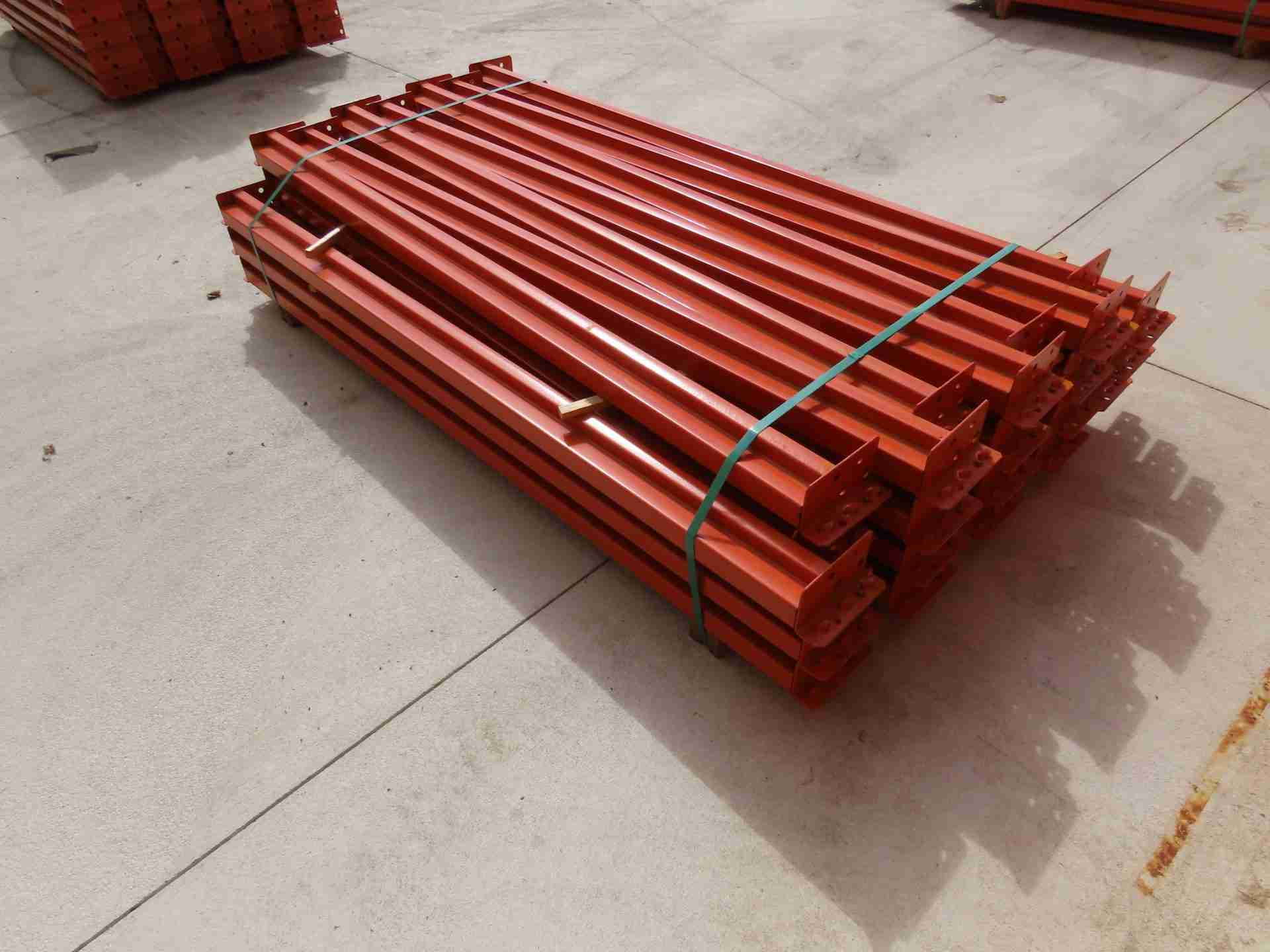
Clear Height Restrictions and Code Implications
Table Of Contents
- Clear Height Restrictions and Code Implications
- What Are the Risks Of Ignoring Clear Height Regulations?
- How Do Height Restrictions Impact Building Design?
- Are Clear Height Limits Enforced Uniformly Across Regions?
- What Ethical Considerations Arise with Height Code Violations?
- How Can Clear Height Codes Enhance Safety In Construction?
- What Recent Case Studies Highlight Clear Height Issues?
- Conclusion
- Other Resources
- Glossary Of Terms
- Other Questions
- Checklist
What Are the Risks Of Ignoring Clear Height Regulations?
Ignoring clear height regulations can lead to serious consequences that affect not just your bottom line but also the safety and well-being of everyone involved. Imagine walking into a warehouse where racking systems tower precariously above. A miscalculation in height isn’t just a technical oversight; it can lead to catastrophic failures. When racks are improperly installed or exceed legal limits, the risk of collapse increases exponentially. It’s not just about lost inventory; it’s about the people working below those racking systems, their families, and the community that depends on them.
Beyond the immediate danger, ignoring these regulations invites scrutiny from regulatory bodies. A fine can be the least of your worries. The reputational damage from a workplace accident can overshadow years of hard work and good standing. No one wants to be known as the company that cut corners on safety. Trust is the most valuable currency in business. Cutting corners now can lead to significant losses later—whether that’s in legal fees, insurance premiums, or lost productivity during investigations.
From a financial standpoint, the costs of noncompliance can spiral out of control. Investing in robust systems that adhere to height regulations protects your investment and ensures the longevity of your operation. Racking systems that are properly regulated not only maximize space but also create an efficient workflow that benefits everyone involved. A well-organized warehouse enhances productivity and fosters a culture of safety.
Let’s get personal. Picture a colleague injured because of neglecting safety standards. That ripple effect impacts everyone—shifts are missed, morale drops, and the workplace becomes a shadow of its former self. No one wants that kind of environment, and each one of us has a role in fostering safety.
Ethically, we owe it to ourselves and our coworkers to maintain standards that prioritize safety and efficiency. By adhering to clear height regulations, you’re not just avoiding fines; you’re fostering a culture where workers feel valued and respected. Their safety should never be an afterthought.
Raising awareness about these risks builds a stronger community—where businesses thrive alongside the people who make them successful. When we do it right, everyone benefits. So, let’s not take shortcuts; let’s keep our facilities safe, and our workforce confident as they work under those racking systems, knowing they are secure.

What Are the Risks Of Ignoring Clear Height Regulations?
What Are the Risks Of Ignoring Clear Height Regulations?
- Ignoring height regulations can jeopardize safety and well-being, impacting people and communities.
- Improperly installed racking systems increase the risk of catastrophic failures and potential injuries.
- Noncompliance invites scrutiny from regulatory bodies, leading to fines and reputational damage.
- Cutting corners may result in significant financial losses through legal fees and increased insurance premiums.
- Investing in compliant systems maximizes space, enhances workflow, and fosters a culture of safety.
- A workplace accident affects morale and productivity, underscoring the importance of adhering to safety standards.
- Prioritizing safety builds trust, leading to a stronger community where businesses and employees thrive.

What Are the Risks Of Ignoring Clear Height Regulations?
How Do Height Restrictions Impact Building Design?
Height restrictions in building design can feel like a double-edged sword. On one hand, they push architects and builders to think creatively, but on the other, they can be a frustrating hurdle. These limitations aren’t just numbers on a page; they shape the character and function of our communities. Picture a bustling downtown, where the skyline tells a story of ambition and innovation. When a city imposes height limits, it’s a reminder of its values—a commitment to preserving views, sunlight, and the very essence of what makes a neighborhood unique.
From a rational standpoint, these restrictions often aim to protect historical sites or maintain a certain aesthetic harmony. After all, you wouldn’t want a towering steel structure overshadowing a quaint, brick-fronted café that’s been the heart of the community for decades. Height restrictions can act as guardians of our shared spaces, fostering a sense of connection between new developments and the stories of those that came before. Each building tells a story; it’s about respect for the past while looking towards the future.
But let’s not sugarcoat it—anyone who’s been in construction knows that particularly low ceilings or quirky height regulations can complicate things. Take racking systems, for instance. Builders and designers often find themselves in a dance, figuring out how to maximize storage and functionality within the confines of what’s allowed. This challenge, though daunting, often sparks innovation. The limitations push teams to rethink their approach, leading to smart solutions that balance aesthetics and utility.
Ethically, we have to consider the broader impact of these limitations. Height restrictions can help ensure that new constructions don’t contribute to urban sprawl or excessive resource use. It’s about finding that sweet spot between growth and sustainability. Ensuring that every member of the community has access to light and space is a noble mission, one that resonates with the daily lives of everyone who inhabits that space.
As stewards of our built environment, we can inspire trust by showing that limitations fuel creativity. Together, we can find ways to build up, not just outward, crafting designs that honor those who have walked the streets before us. When developers and communities collaborate, working within the framework of these restrictions, great things happen—urban landscapes flourish, and we create places where people feel a sense of belonging. It’s not just about what we can build; it’s about how we can contribute to the stories of our neighborhoods, one building at a time.

How Do Height Restrictions Impact Building Design?
How Do Height Restrictions Impact Building Design?
- Height restrictions in building design encourage creative solutions but can also pose challenges for architects and builders.
- These limitations shape community character by preserving views, sunlight, and neighborhood uniqueness.
- Restrictions often protect historical sites and maintain aesthetic harmony within urban areas.
- Height limits ensure new constructions do not overshadow established community landmarks.
- Challenges from low ceilings and height regulations can lead to innovative designs that maximize functionality.
- Ethically, height restrictions help control urban sprawl and promote sustainable growth.
- Collaboration between developers and communities can enhance urban landscapes while respecting local history.

How Do Height Restrictions Impact Building Design?
Are Clear Height Limits Enforced Uniformly Across Regions?
When it comes to building warehouses and distribution centers, one might think clear height limits are set in stone, etched into regulations with precision. Yet, the reality is much murkier. Clear height requirements vary from region to region, influenced by local building codes, industry standards, and even the preferences of those who run the show in the area. Some places lean toward flexibility, allowing businesses to design spaces that suit their unique needs, while others enforce strict limits with little room for negotiation.
Picture a family-run warehouse in a small town, bustling with the sounds of machinery and the chatter of workers. They invested all they had into that building, creating a space that maximizes every inch. Now imagine that same company operating under a strict height limit that doesn’t align with their operations. They might find themselves unable to expand or store new racking systems, limiting their growth just when they need a boost. The frustration isn’t just a number on a blueprint; it echoes the dreams of countless families who put everything on the line to create jobs and serve their communities.
On the flip side, consider a sprawling distribution center in a major urban hub. Here, robust regulations often prevail, ensuring safety and efficiency but also potentially stifling innovation. Business leaders in these areas hustle to navigate the labyrinth of requirements, balancing compliance with the need to adapt swiftly to market demands. As they wrestle with these limitations, there’s a feeling of being trapped in a cage of rules that some may see as outdated.
Ethically, there’s a growing call for a uniform approach to clear height limits. Bringing consistency across regions could eliminate confusion and enable businesses to thrive without fear of running afoul of local ordinances. It’s about more than just compliance; it’s about fairness. If one region allows for creative, flexible solutions while another clings to rigidity, what message does that send to those trying to make a living?
Ultimately, we all want our industries to flourish and our communities to thrive. The conversation about clear height limits should invite collaboration rather than competition. By sharing best practices and experiences, regions can learn from one another, carving out pathways that foster growth. When we understand the layers behind these regulations, we begin to appreciate that this isn’t just about square footage; it’s about opportunity, survival, and the future of our neighborhoods. Engaging with these challenges together, we can build spaces that resonate with the needs of the people they serve, making our communities stronger, one clear height limit at a time.

Are Clear Height Limits Enforced Uniformly Across Regions?
Are Clear Height Limits Enforced Uniformly Across Regions?
- Clear height requirements for warehouses and distribution centers vary by region, influenced by local codes and preferences.
- Some areas offer flexibility in design, while others impose strict height limits that can hinder business growth.
- A family-run warehouse may struggle to expand under strict height limitations, impacting their operations and community contributions.
- Urban distribution centers face robust regulations that, while ensuring safety, may stifle innovation and adaptation.
- There is a call for a consistent approach to clear height limits to foster fairness and help businesses thrive.
- Collaboration between regions can lead to shared best practices, benefiting overall industry growth.
- The discussion of clear height limits reflects broader themes of opportunity, survival, and community strength.

Are Clear Height Limits Enforced Uniformly Across Regions?
What Ethical Considerations Arise with Height Code Violations?
When it comes to height code violations, the discussions often meander into murky waters, ripe with ethical dilemmas that tug at our sense of fairness and responsibility. Imagine a bustling warehouse, filled with racking systems towering high above. Each racking unit is designed to hold heavy loads securely, but when these systems breach height codes, the stakes get higher—not just for the structures themselves, but for the lives entangled in their operation.
From a rational standpoint, height regulations exist for a reason. They aren’t just arbitrary numbers; they’re grounded in safety and stability, ensuring that the risks of collapse or accidents are minimized. When businesses decide to flout these codes, they aren’t just bending the rules—they’re playing a dangerous game that can lead to catastrophic consequences. This isn’t merely about inventory or real estate; it’s a matter of lives at risk. A buck saved today could cost an employee their safety, their livelihood, or even worse.
Ethically, we must ask ourselves: who are we endangering? The workers on the floor rely on safe environments to go home to their families each day, while management often pursues profit margins at the expense of their well-being. The disconnect can form a chasm built on misplaced priorities, where profit is valued over people. It’s vital to remember that a company’s integrity shines brightest in how it treats its employees, especially when corners are cut and codes are violated.
Communities also bear the weight of these decisions. A local warehouse operates within the lifeblood of a neighborhood. When height codes are disregarded, the ripple effect stretches from the entryway of the building to the homes nearby. An accident doesn’t just hurt a company’s bottom line; it can shake a community’s trust, turning neighbors into skeptics. The bonds formed in shared spaces can fray when safety is compromised, making everyone question the social contract we all rely on.
Bad decisions about racking systems don’t just exist in a vacuum; they lead to actions that can shatter lives and communities. By prioritizing compliance and safety over short-term gains, businesses can inspire confidence among their employees and the broader community. This alignment of ethics and actions can forge a path toward a more sustainable future, where safety isn’t a box to check but a value to uphold. Let’s commit to keeping our workplaces safe—not just for ourselves but for those who depend on us.

What Ethical Considerations Arise with Height Code Violations?
What Ethical Considerations Arise with Height Code Violations?
- Height code violations involve ethical dilemmas related to fairness and responsibility.
- Height regulations are crucial for safety and stability, reducing risks of accidents and collapses.
- Ignoring these codes endangers employees’ lives and livelihoods for short-term profits.
- The disconnect between management and workers can compromise safety for profit.
- Communities are affected by safety violations, shaking trust and damaging relationships.
- Decisions regarding safety lead to broader consequences, impacting lives and communities.
- Businesses should prioritize compliance and safety to inspire confidence and foster integrity.

What Ethical Considerations Arise with Height Code Violations?
How Can Clear Height Codes Enhance Safety In Construction?
Clear height codes in construction aren’t just dry regulations on a piece of paper; they’re a lifeline on the job site. When working with heavy machinery or installing racking systems, knowing you have the right clearance can mean the difference between smooth sailing and chaos. Imagine a worker, hoisting materials high above their head, only to realize too late that the ceiling is lower than expected. That moment of panic can lead to accidents that reverberate through families and communities. Clear height codes are designed to protect against these very scenarios.
From a rational standpoint, clear height codes ensure that every inch of space is used safely and effectively. These codes promote better airflow in warehouses, making it easier for workers to navigate and reducing the risk of accidents caused by cluttered or overcrowded spaces. It’s not just about having the right tools but also having the right environment to work in. When these codes are imposed, they remind us that maintaining certain heights isn’t just a bureaucratic hurdle; it’s a collective responsibility. Following these guidelines helps protect the workforce, ensuring that everyone returns home safe after a long day on the job.
On an ethical level, adopting clear height codes demonstrates a commitment to the well-being of every worker. It’s about fostering a culture that values safety over shortcuts. When workers see the effort put into maintaining these standards, it builds trust between management and the crew. Trust leads to a stronger team, and when workers feel that their safety is prioritized, it creates a more dedicated workforce invested in achieving shared goals.
Socially, when an industry stands firmly on the foundation of safety standards like clear height codes, it inspires confidence among clients and stakeholders. They recognize that a company that prioritizes safety is one that takes pride in its work and cares about the people who make it happen. This creates a ripple effect, as employees are more likely to feel a sense of pride in working for such an organization.
Clear height codes aren’t just rules; they’re commitments to safety, efficiency, and mutual respect. It’s about ensuring that every worker can do their job without the constant worry of an overhead hazard. By understanding and embracing these codes, we build safer workspaces and stronger communities, where folks can lift their heads high—with a little clearance to spare.

How Can Clear Height Codes Enhance Safety In Construction?
How Can Clear Height Codes Enhance Safety In Construction?
- Clear height codes are essential for safety on construction sites, particularly when using heavy machinery.
- These codes prevent accidents caused by unexpected low ceilings, protecting workers and the community.
- They promote safe and effective use of space, improving airflow and reducing clutter-related risks.
- Following height codes is a collective responsibility, ensuring a safer work environment for everyone.
- Adopting these codes demonstrates a commitment to worker well-being and fosters a safety-first culture.
- Persistence in safety standards builds trust between management and workers, leading to a more dedicated team.
- Clear height codes inspire confidence in clients and stakeholders, showcasing a company’s commitment to safety and care for its workforce.

How Can Clear Height Codes Enhance Safety In Construction?
What Recent Case Studies Highlight Clear Height Issues?
In the world of warehousing, clear height is more than just a number painted on a blueprint; it’s the lifeblood of operational efficiency. Case studies from the heart of the industry tell stories that resonate deeply with anyone who has ever stepped inside a bustling warehouse. Take, for example, the struggles faced by a mid-sized logistics company. They invested in state-of-the-art racking systems, only to find a significant setback due to underestimated clear height. What initially seemed like a minor oversight quickly snowballed into a costly dilemma when they realized their newly installed racking systems wouldn’t fit the warehouse.
This isn’t just a tale of poor planning; it’s a glaring reminder of how crucial every inch of height can be. In practical terms, a few feet of clearance can mean the difference between maximizing storage capacity and underutilizing valuable real estate. Several other businesses have echoed this sentiment, illustrating that failing to address clear height considerations leads not only to tangible financial losses, but also to stress and frustration among hardworking teams who simply want to do their jobs effectively.
Emotionally, these stories strike at the heart of those who live the day-to-day grind. Picture the warehouse workers, shoulders stiff from lifting boxes unnecessarily high, or the supervisors who lose sleep over inefficiencies that could have been avoided. The ethical implications weigh heavily too; when companies overlook clear height issues, they risk jeopardizing the safety and well-being of their employees.
Moreover, these case studies serve as cautionary tales, reminding us all of the importance of learning from experience. There’s a collective wisdom here that connects us—sharing lessons learned from miscalculations fosters a culture of trust and empowerment. Knowledge gained through trial and error in these environments has the potential to shape stronger, more efficient operations moving forward.
No one wants to be the company that faces the embarrassment of wasted resources and frustrated employees, especially when those issues could have been averted with a little foresight. Engaging with the data from these case studies isn’t just about avoiding pitfalls; it’s about embracing a mindset that places clear height and operational efficiency at the forefront. The stakes are high, but the path to success is clearer than ever—literally. It’s time for every operation to reckon with the significance of those vital inches and build spaces that work for everyone involved.

What Recent Case Studies Highlight Clear Height Issues?
What Recent Case Studies Highlight Clear Height Issues?
- Clear height is essential for operational efficiency in warehousing.
- A logistics company faced setbacks due to underestimated clear height after investing in racking systems.
- Minor oversights in clear height can lead to significant financial losses and operational stress.
- Warehouse workers experience physical strain and supervisors deal with avoidable inefficiencies.
- Overlooking clear height issues can endanger employee safety and well-being.
- Case studies highlight the importance of learning from past mistakes to foster trust and efficiency.
- Emphasizing clear height in planning can prevent wasted resources and promote effective operations.

What Recent Case Studies Highlight Clear Height Issues?
Conclusion
Clear height restrictions may seem like a mundane detail in the world of warehouses and manufacturing, but they hold significant implications for safety, efficiency, and community integrity. When you walk into a busy distribution center, the towering racks filled with products symbolize not just logistical capacity but the very heartbeat of operations. These height regulations are not arbitrary; they’re designed to protect workers and preserve the structural stability of workplaces. Noncompliance can transform a bustling operation into a potential disaster scene, where every inch of clearance becomes a critical factor.
Safety shouldn’t be a secondary concern. Adhering to height codes reflects an ethical responsibility to provide a safe working environment for employees. When workers know their safety is prioritized, their morale and productivity soar, fostering a culture of trust and accountability. Moreover, a collective commitment to these standards nurtures community trust, making it clear that businesses are not just profit-driven entities but responsible neighbors.
Ignoring these clear height regulations isn’t just a cost-cutting measure; it poses serious risks to both individuals and the company’s reputation. A workplace accident can have far-reaching impacts, not only on the families that depend on those employees but also on the community’s perception of the business. The ripple effect of safety oversights engenders skepticism and hinders future growth and collaboration.
Height restrictions aren’t just about practical safety—they also invoke broader ethical considerations. Ensuring compliance isn’t merely about avoiding fines; it’s about upholding a moral standard that values human life over short-term gains. When businesses operating under these guidelines demonstrate commitment to ethical practices, they foster an environment where employees feel valued, respected, and secure.
Moreover, the challenges posed by height restrictions often spur innovation. Rather than viewing these limits as obstacles, they can be seen as prompts for creative solutions that enhance functionality while respecting the built environment. By embracing these regulations, companies can cultivate spaces where efficiency thrives without compromising safety or community values.
The conversation surrounding clear height restrictions should invite dialogue and collaboration across industries, leading to best practices that benefit everyone involved. When businesses align their operations with safety regulations, they don’t just ensure compliance—they pave the way for a thriving workplace and a robust community. Understanding that every decision made in the warehouse reverberates beyond its walls will lead to safer, more effective operations that respect the people they serve.

Conclusion
Conclusion:
- Clear height restrictions are crucial for safety, efficiency, and community integrity in warehouses and manufacturing.
- These regulations protect workers and maintain the structural stability of workplaces.
- Compliance with height codes reflects an ethical responsibility towards employee safety, boosting morale and productivity.
- Ignoring height regulations can lead to workplace accidents, damaging both individual lives and company reputation.
- Adhering to these standards upholds a moral commitment that values human life over short-term profit.
- Height restrictions can inspire innovation, prompting creative solutions that enhance functionality and safety.
- Engaging in dialogue about height restrictions fosters best practices that benefit businesses and the wider community.

Conclusion
Other Resources

Other Resources
Here is a list of other resources you can review online to learn more:
- RMI
- Used Teardrop Pallet Rack – American Surplus
- IIWS Inc. Rack Installation Illinois & Rack Repairs Illinois
- Intro to Warehouse Racks & Warehouse Racking Systems – ShipBob
- Selective Pallet Racking Systems – Container Systems
- Rack Manufacturers Institute
- WERC
- Pallet Racking systems in Illinois and Great Lakes
- Illinois Pallet Racking – Storage Solutions
- The Complete Pallet Rack Guide – Simply Rack
- Illinois
- Warehouse Automation
- Wolter
- Selective Racking
- Cantilever Rack Guide: Ordering Cantilever Racking
- National Safety Council
- SEMA
- Teardrop Industrial Shelving Rack
- Racking World
- Shipping Boxes, Packaging Materials, Pallet Racking
Use This Prompt To Get More Resources With Your Favorite Online AI Tool: Please provide me with a list of online articles with their URLs in a bulleted list that I can read regarding Clear Height Restrictions and Code Implications

Other Resources
Glossary Terms
Clear Height Restrictions and Code Implications – Glossary Of Terms
1. Clear Height: The vertical distance between the finished floor and the lowest point of the overhead structure.
2. Zoning Code: Regulations governing land use and building standards in specific areas.
3. Building Permit: Official approval document required before construction starts, ensuring compliance with local codes.
4. Occupancy Load: The maximum number of individuals permitted in a building or room based on its size and use.
5. Headroom: The vertical space available for movement, typically referring to clear height in a building.
6. Eave Height: The height of the lowest point of a roof overhang above the ground.
7. Code Compliance: Adherence to all applicable building codes and safety regulations.
8. Structural Beam: A fundamental element in construction that supports loads and contributes to the building’s integrity.
9. Fire Code: Regulations specifically aimed at fire safety in buildings, often outlining necessary clearances and materials.
10. Permitted Use: Specific types of activities allowed within a zoning district as defined by local regulations.
11. Remodeling: Alterations made to an existing structure, often requiring updated height considerations.
12. Load-Bearing Wall: A wall that supports weight from above, influencing clear height calculations.
13. Ceiling Height: The vertical measurement from the floor to the underside of the ceiling.
14. Construction Standards: Established guidelines for materials and methods used in building to ensure safety and quality.
15. Inspections: Evaluations conducted during construction to ensure compliance with codes and regulations.
16. Height Restriction: Limitations imposed on the vertical dimensions of buildings or structures.
17. Environmental Code: Rules governing construction practices to protect the environment, often including height regulations.
18. Commercial Building: A structure intended for business use, typically subject to specific clear height requirements.
19. Residential Building: A structure designed for dwelling purposes with its own set of height regulations.
20. Accessory Structure: A secondary building on a property that may have different height restrictions than the primary structure.
21. Code Review: The process of evaluating plans and specifications for compliance with building codes.
22. Industrial Facility: A building designed for manufacturing or production, often needing specific height clearances for equipment.
23. Building Inspector: A professional responsible for ensuring buildings meet safety and regulatory standards.
24. User Experience: The overall satisfaction of individuals interacting with a space, often affected by clear height.
25. Architectural Plans: Detailed drawings and specifications outlining a building’s design, including clear height elements.
26. Nonconforming Use: Use of land or structures that does not comply with current zoning regulations, potentially affecting height allowances.
27. Construction Documentation: Detailed records that guide the building process, ensuring compliance with clear height requirements.
28. Height Variance: A special permission granted by local authorities to exceed standard height restrictions.
29. Building Code Official: A government employee who enforces building regulations and codes.
30. Renovation: The process of restoring or improving a structure, which may involve reevaluating clear height for code compliance.
Glossary Of Terms
Other Questions
Clear Height Restrictions and Code Implications – Other Questions
If you wish to explore and discover more, consider looking for answers to these questions:
- What exactly is “clear height” and how is it measured?
- How does clear height differ from overall building height, floor-to-floor height, and ceiling height?
- Which building codes and standards govern clear height (e.g., IBC, NFPA) and where can I find them?
- How do local or regional code variations affect clear height requirements?
- Are variances or exemptions available for clear height limits, and what is the application process?
- What are typical clear height minimums and recommendations for warehouses, distribution centers, and manufacturing facilities?
- How do clear height restrictions interact with fire protection systems (sprinklers, fire suppression) and required clearances?
- What impact do clear height limits have on racking design, pallet patterns, and storage density?
- How does clear height influence the selection of storage systems (selective racking, drive-in, mezzanines, AS/RS)?
- What structural or engineering considerations are needed to increase or maximize clear height?
- How does clear height affect HVAC, lighting, ventilation, and energy costs?
- What are the most common safety risks when clear height is miscalculated or exceeded?
- What are typical penalties, fines, or legal liabilities for violating clear height codes?
- How does clear height compliance influence insurance coverage, premiums, and claims?
- What inspection, documentation, and permit processes are required to demonstrate clear height compliance?
- Who should be consulted during planning and design (architects, structural engineers, fire marshals, code officials)?
- How can existing buildings be retrofitted to meet clear height requirements without major reconstruction?
- What measurement and documentation best practices should be used for permit applications and audits?
- How do material handling equipment choices (forklifts, cranes) depend on available clear height?
- What role do seismic, wind, or other environmental load considerations play in determining safe clear heights?
- How do clear height rules affect mezzanines, catwalks, suspended utilities, and overhead cranes?
- What recent case studies illustrate the costs or consequences of clear height miscalculations or violations?
- How can companies conduct a cost–benefit analysis to balance additional storage height against safety and compliance costs?
- How uniformly are clear height regulations enforced across jurisdictions, and what causes enforcement differences?
- What ethical responsibilities do owners, managers, and designers have when making clear height decisions?
- How frequently should racking and clear-height-related installations be inspected and maintained?
- What records should be retained to prove compliance during inspections or after incidents?
- How should workers and supervisors be trained to recognize and mitigate clear-height hazards?
- What emerging technologies or design innovations help optimize storage in low-clearance or height-restricted facilities?
- How do zoning regulations and neighborhood aesthetic rules influence allowable building and clear heights?
- How do clear height limitations affect operational workflows, throughput, and labor requirements?
- What are the best practices for coordinating clear height requirements with sprinkler designers, racking suppliers, and MHE vendors?
- How can a business proactively identify potential clear-height compliance issues during site selection or acquisition?

Other Questions
Checklist
Clear Height Restrictions and Code Implications – A Checklist
Clear Height Restrictions and Code Implications — Navigating Building Codes, Ensuring Safety and Community Well-Being
Pre-Planning and Code Research
✅______ Identify the authority having jurisdiction (AHJ) and obtain current local building, fire, and zoning codes
✅______ Document clear-height definitions used by the AHJ (measured to the lowest obstruction, such as sprinkler heads or structure)
✅______ Verify occupancy classification and commodity class; note impacts on clear height and racking design
✅______ Confirm fire protection requirements (sprinkler type, in-rack sprinklers, ESFR clearances, draft curtains)
✅______ Check egress, lighting, ventilation, and equipment clearance codes related to height
✅______ Assess seismic and wind design criteria affecting racking elevations and anchorage
✅______ For multi-site operations, compare regional variations; record differences and required adaptations
✅______ Determine permit, plan-review, and inspection steps and timelines
Measurement and Site Validation
✅______ Field-measure floor-to-structure heights across the facility, including at beams, mechanical/electrical/plumbing (MEP), and sprinklers
✅______ Identify the lowest-hanging obstructions (ducts, lights, pipes, cable trays)
✅______ Verify floor flatness/levelness and load capacity for tall racking systems
✅______ Map travel paths for forklifts and material-handling equipment (MHE) to confirm vertical and horizontal clearances
Design and Layout
✅______ Set maximum racking elevation to comply with required clearances below sprinklers and structure
✅______ Confirm aisle widths for the MHE type and turning radii at planned racking heights
✅______ Validate load ratings for uprights, beams, decking, and anchors at proposed bay heights
✅______ Integrate fall protection, guardrails, end-of-aisle protection, and netting where needed
✅______ Ensure lighting levels and emergency lighting are adequate at proposed elevations
✅______ Coordinate HVAC and airflow to avoid obstructions and heat stratification issues
Safety and Operations
✅______ Establish safe-load signage on each bay with maximum pallet weight and elevation limits
✅______ Create standard operating procedures for lift-truck mast height limits and travel with raised loads
✅______ Implement training on height-related hazards, load placement, and emergency response
✅______ Provide PPE and fall protection for elevated work; verify anchor points and rescue plans
✅______ Keep overhead zones free of temporary storage; enforce housekeeping and no-oversize loads
✅______ Maintain clearances around life safety systems (sprinklers, exits, panels)
Compliance and Documentation
✅______ Retain stamped engineering drawings, calculations, and product data for racking
✅______ Record code citations used, AHJ approvals, permits, and inspection sign-offs
✅______ Label racking with manufacturer, model, and configuration as installed
✅______ Schedule periodic third-party racking inspections and document corrective actions
✅______ Maintain incident and near-miss logs related to height or overhead hazards
Ethical and Community Considerations
✅______ Confirm that design decisions prioritize worker safety over additional storage capacity
✅______ Communicate safety commitments to employees; solicit and act on hazard reports
✅______ Evaluate potential off-site impacts (noise, light, emergency access) from vertical systems
✅______ Ensure contractors and vendors follow site height and safety rules
Change Management and Ongoing Review
✅______ Require review and re-approval before any re-slotting or elevation changes
✅______ Reassess clearances when adding MHE with greater mast heights or attachments
✅______ Audit spaces quarterly for encroachments into required clearances
✅______ Update training after any layout or equipment changes
Risk Mitigation and Lessons Learned
✅______ Conduct a pre–go-live risk assessment focused on clear height and overhead hazards
✅______ Model worst-case scenarios (rack impact, fire plume, seismic event) and plan controls
✅______ Capture post-project lessons learned to prevent repeat oversights in future facilities

Checklist
At RackingWorld, we help guide you through selecting warehouse storage systems and racking.
Be sure to read our other related stories at RackingWorld to learn more about warehouse storage systems.
0 Comments