
Why Ignoring Rack Safety Can Cost Lives, Money, And Reputation
By Tom Seest
At RackingWorld, we help guide you through selecting warehouse storage systems and racking.
Be sure to read our other related stories at RackingWorld to learn more about warehouse storage systems.
The Most Common Rack Safety Failures
When it comes to the backbone of any warehouse or storage operation, racking systems are crucial. They hold the weight of not just goods but livelihoods, affecting the safety of every worker beneath. Yet, too often, we overlook the pitfalls that come with them. One of the most common failures starts with improper installation. A racking system that’s bolted down wrong or not secured as per the manufacturer’s specs is like a house of cards in a windstorm. It takes just one little shake, and disaster strikes.
Beyond installation, overloading racking systems is another significant concern. It’s easy to get caught up in productivity and stack that extra pallet on a shelf designed for less weight. It feels like making a smart move, like pushing the limits, but those limits are there for a reason. The first time a shelf buckles under the pressure, the entire team realizes that saving time isn’t worth risking health. It’s a gut punch, a hard lesson learned the hard way.
Then there’s the human factor. A neglected routine of inspections can render even the sturdiest of racking systems into ticking time bombs. Imagine a situation where a forklift operator doesn’t see the subtle signs of damage—dents, rust, or misalignment. These aren’t just minor details; they’re red flags waving frantically. Taking the time to ensure workers understand the importance of reporting these issues cultivates an environment of responsibility. It’s a team effort, a culture that champions safety above all.
Moreover, training plays a key role. Providing team members with hands-on training helps instill the knowledge they need to navigate racking systems safely. A well-trained employee will know what to look for, how to handle loads properly, and how to operate machinery around these systems with respect. When everyone’s on the same page, accidents can be averted, fostering trust in the workplace.
Finally, consider how these failures ripple beyond just the individual. A workplace that prioritizes safety builds respect internally and externally. Whether it’s minimizing downtime or protecting the bottom line, a commitment to racking safety speaks volumes about a company’s values. When safety becomes a shared responsibility, it transforms the workplace into a community united against risks that threaten personal safety and job security. Only by recognizing these failures can we take concrete steps toward creating a safer, more reliable environment for everyone involved.

The Most Common Rack Safety Failures
The Most Common Rack Safety Failures
- Racking systems are essential for the safety and efficiency of warehouse operations.
- Common failures include improper installation, which can lead to catastrophic consequences.
- Overloading racking systems can compromise safety, as limits must be respected.
- Regular inspections are crucial to identifying damage that could lead to accidents.
- Training employees on racking system safety promotes responsibility and accident prevention.
- A safety-focused workplace fosters respect and minimizes operational disruptions.
- Recognizing and addressing these failures is key to ensuring a safer work environment.

The Most Common Rack Safety Failures
Table Of Contents
- The Most Common Rack Safety Failures
- What Safety Measures Can Prevent Rack Collapses?
- How Do Rack Failures Affect Employees?
- Are Inspections Enough to Ensure Rack Safety?
- What Role Does Training Play In Rack Safety?
- How Can We Create a Culture Of Safety Around Racks?
- What Common Signs Indicate Rack Wear and Tear?
- Conclusion
- Other Resources
- Glossary Of Terms
- Other Questions
- Checklist
What Safety Measures Can Prevent Rack Collapses?
When you step into a warehouse, you probably don’t think much about the towering racking systems that hold heavy loads above your head. Yet, these structures are the backbone of countless operations. A moment’s negligence can turn these necessary tools into potential hazards. To keep your work environment safe, it’s essential to adopt proper safety measures that resonate with the heart, head, and gut.
First off, regular inspections should be your mantra. Think of it like maintaining your truck before a long haul. Just as you wouldn’t drive with a worn-out tire, you shouldn’t ignore the wear and tear of your racking systems. Examine for cracks, rust, or any signs of strain that could lead to collapse. Keeping a checklist ensures you don’t overlook anything and reinforces a culture of safety within your team. Instilling this habit can save lives and prevent loss, not just in dollars but in trusting relationships within the workforce.
Next, training is indispensable. Like teaching a young apprentice the ropes, the knowledge you pass on not only equips them with the skills they need but fosters a sense of belonging. When employees understand how to properly load racks and recognize weight limits, they feel empowered and accountable. This shared knowledge creates a tight-knit work environment where safety becomes everyone’s responsibility—it’s about protecting each other as much as the equipment.
Then, you have to talk about the right equipment. Racks made from high-quality materials and designed by experts don’t just look good; they perform. Investing in sturdy racking systems from reputable manufacturers is like putting an iron gate around your property—guarding what truly matters. Strong racks are the shield that keeps workers safe from the tragic consequence of a collapse.
In addition, consider your environment. Is it cluttered? Are aisles wide enough for forklifts to operate safely? Keep your operations tidy. A clean workspace promotes safety, and a safe environment leads to enhanced productivity. It’s all interconnected, like the gears in a well-oiled machine.
Ultimately, foster an open dialogue about safety within your workplace. When people feel comfortable sharing concerns or reporting hazards without fear of reprimand, it creates a culture that prioritizes each individual’s well-being. Remember, behind every rack, there’s a person—it’s their lives and livelihoods that depend on these measures being taken seriously. By uniting practical actions with a supportive community, you not only build a fortress against rack collapses but also ensure everyone goes home safe at the end of the day.

What Safety Measures Can Prevent Rack Collapses?
What Safety Measures Can Prevent Rack Collapses?
- Racking systems are essential for warehouse operations but can become hazards without proper safety measures.
- Regular inspections are crucial; check for cracks, rust, and signs of strain to prevent collapses.
- Employee training is vital to ensure proper loading and awareness of weight limits, fostering accountability.
- Invest in high-quality racking systems from reputable manufacturers to enhance safety.
- Maintain a tidy workspace with wide aisles to promote safety and productivity.
- Encourage open dialogue about safety concerns to create a supportive culture in the workplace.
- Prioritize the well-being of employees by implementing effective safety measures.

What Safety Measures Can Prevent Rack Collapses?
How Do Rack Failures Affect Employees?
Rack failures can hit a workplace harder than most might think. When the racking systems we rely on crumble, it’s more than just a physical collapse; it sends shockwaves through every level of the operation, impacting the very fabric of the workplace and the people who form it. For employees, the implications can feel like a storm rolling in—unexpected and disruptive.
When racks fail, workers often face not only physical danger but also a rise in anxiety. It’s that pit-in-the-stomach feeling that a wall of products could come crashing down at any moment. Beyond safety, there’s a tangible discomfort that seeps in—trust erodes as the environment feels less secure. It’s like being asked to lift a load you know may topple; the confidence to perform your job is shaken. Workers who once felt certain in their roles find themselves second-guessing every motion, which can stifle productivity and morale.
Economically, the fallout can be harsh. When rack systems destabilize, downtime becomes the new normal. For any business, that’s not just a hit to the bottom line; it’s a cause for concern on personal levels. Employees worry about job security; fewer shipments mean potential layoffs, and that frightens anyone who has a family to support. The stress mounts when your livelihood feels threatened.
Ethically, employers bear a responsibility to ensure that their workers are safe and supported. When rack failures occur, it raises the question: Are they doing enough? Employees need to feel that their well-being is prioritized, which fosters loyalty and dedication. A workplace where safety is compromised breeds resentment and disconnect, while an environment where employees’ voices are heard strengthens bonds.
It’s not merely about the structures that hold the goods; it’s about the people who trust those systems to do their job without fear. Sharing stories of near-misses or things that went wrong makes it real for everyone. It’s in those moments, when the stakes are high, that bonds are forged. Colleagues rally around each other—not just to fix a problem, but to lift one another up in tough times.
To inspire action, a commitment to addressing racking systems and investing in their integrity must shine through. Open dialogues about safety can transform environments, reminding every worker that they are part of a team. Together, experiences can turn into lessons, and lessons into a culture that values the safety and well-being of each individual. When those racks stand firm, so do the employees behind them.

How Do Rack Failures Affect Employees?
How Do Rack Failures Affect Employees?
- Rack failures significantly disrupt workplace operations, affecting both structure and employee morale.
- Workers face physical dangers and increased anxiety during rack failures, leading to a lack of confidence in their roles.
- Downtime from rack system instability negatively impacts business economics and employee job security.
- Employers have an ethical responsibility to ensure worker safety and promote well-being to maintain loyalty.
- Creating an environment where employees feel safe fosters stronger workplace bonds and reduces resentment.
- Sharing experiences of near-misses can reinforce team unity, helping colleagues support one another in crises.
- Commitment to improving racking systems and promoting open safety dialogues is essential for a positive workplace culture.

How Do Rack Failures Affect Employees?
Are Inspections Enough to Ensure Rack Safety?
Racking systems are the backbone of warehouses and distribution centers, holding up not just products but the livelihood of every worker who steps inside. The question of whether inspections alone are enough to guarantee their safety is one that tugs at the heartstrings of anyone who’s ever clocked in for a shift. Every day, workers navigate aisles filled with towering racks, heavy loads, and the invisible risks that come with them. It’s more than just metal and plastic; it’s a responsibility to keep each other safe.
Think about it: a routine inspection might catch a bent beam or a loose bolt, but it cannot account for the unpredictable variables that arise in a bustling warehouse. The sheer weight of the goods, the hustle of busy hands, and the pressure to meet deadlines can lead to mistakes that no checklist can foresee. The human element—the dedication and diligence of each worker—plays an equally vital role in maintaining safety. Workers need to feel empowered to voice concerns or highlight potential hazards they notice, fostering an environment where safety is a shared responsibility.
From a rational standpoint, inspections are crucial, but they must be complemented by ongoing training and a culture of accountability. It’s about more than just compliance; it’s about valuing human life over profits. How often do we hear about safety measures being sidelined in the name of efficiency? Every safety manual in the world cannot replace the instincts and insights of those on the ground. It’s the warehouse workers who can spot the subtle signs of wear and tear that may slip past a formal inspection.
Ethically, we owe it to our colleagues to ensure they go home safe and sound at the end of each day. Statistics paint a grim picture, but behind every number is a person with family and friends whose lives would be forever altered by a workplace accident. We’re all in this together; the health and well-being of one should never be sacrificed for the expediency of another.
Engagement is key. Workers need to believe that their voices matter. Encourage staff to share stories, experiences, and lessons learned. This not only strengthens the community but also raises awareness about the importance of proactive rather than reactive measures. When the heart, head, and gut align, you foster a culture where safety isn’t just a checklist item—it’s a way of life. Investing in people, their training, and their insights will pave the way for a safer future, ensuring that racking systems hold more than just products; they hold the promise of a safe and secure workplace for all.

Are Inspections Enough to Ensure Rack Safety?
Are Inspections Enough to Ensure Rack Safety?
- Racking systems are essential for warehouses, supporting both products and worker livelihoods.
- Inspections are important but cannot address all unpredictable risks in busy environments.
- Worker diligence and empowerment are crucial for identifying potential hazards.
- Ongoing training and a culture of accountability complement safety inspections.
- The health and safety of workers should take precedence over efficiency and profits.
- Engaging workers and encouraging them to share experiences strengthens the safety culture.
- Investing in employee training ensures a safer future and a secure workplace for all.
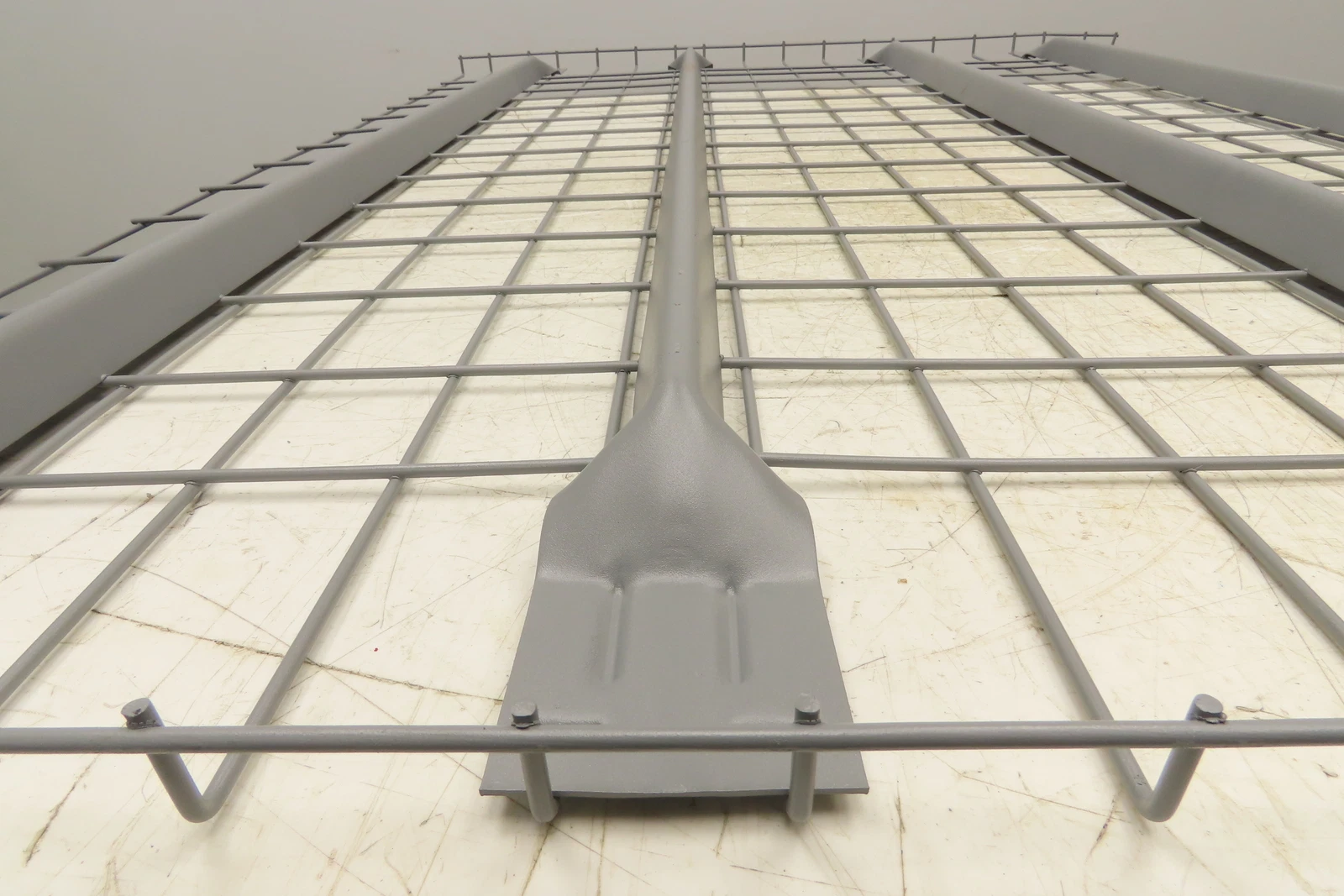
Are Inspections Enough to Ensure Rack Safety?
What Role Does Training Play In Rack Safety?
When you step onto a warehouse floor filled with towering racking systems, the importance of training hits home hard. It’s not just about storing goods; it’s about safety. Every person on that floor has a role to play, and the foundation of that role is solid training. Without it, you’re not just risking products but lives and livelihoods.
Training offers workers the know-how to navigate the intricate world of racking systems. You learn how to spot hazards, the proper way to load and unload, and how to maintain the integrity of those systems. It’s the kind of knowledge that transforms a job into a safe operation. A seasoned worker knows a few signs of trouble when they’re loading a shelf—if a rack appears to be bending or groaning under the weight, it’s their responsibility to act. That instinct comes from hands-on experience and the lessons learned from training programs.
The emotional weight of this training can’t be overstated. When your co-worker goes home safely to their family after a long day, you realize that it’s not just about the day’s work—it’s about watching out for each other. It’s that unspoken bond that forms in warehouses. You’re not just a cog in the wheel; you’re part of a community that thrives on trust and reliability.
From a practical standpoint, effective training cuts down on accidents and injuries. Companies equip their teams with protocols, covering everything from proper lifting techniques to recognizing the limits of the racking systems. This isn’t just good for business; it’s an ethical obligation. Safety is a non-negotiable aspect of our work culture where every employee deserves to feel secure on the job.
Moreover, training reinforces authority. When staff understands the rules of the game, it creates a sense of confidence. They are empowered to speak up if something doesn’t seem right, and that makes for a healthier work environment. The more you know, the more you can protect not just yourself but also your coworkers.
Finally, the stories shared in training sessions stay with you. Whether it’s learning from a colleague’s past mishaps or discussing ways to handle a near-miss, these narratives foster a culture centered on safety. Each tale serves as a reminder of what’s at stake, illuminating the path toward safer practices, and reinforcing the idea that everyone has skin in the game. Training in rack safety isn’t just about complying with standard procedures; it’s about building a workplace where people feel valued, capable, and safe.

What Role Does Training Play In Rack Safety?
What Role Does Training Play In Rack Safety?
- Training is crucial for safety on the warehouse floor, as every worker has a role that depends on solid training.
- Effective training teaches workers how to identify hazards, properly load and unload, and maintain racking system integrity.
- The emotional aspect of training fosters community, ensuring workers look out for one another.
- Proper training significantly reduces accidents and injuries, fulfilling an ethical obligation for workplace safety.
- Training instills confidence and authority, empowering employees to voice concerns about safety.
- Shared experiences and stories from training sessions help build a culture of safety and awareness.
- Training in rack safety promotes a valued workplace where employees feel capable and secure.

What Role Does Training Play In Rack Safety?
How Can We Create a Culture Of Safety Around Racks?
Creating a culture of safety around racking systems isn’t just about following rules; it’s about weaving safety into the very fabric of our daily operations. When you walk into a warehouse, it’s hard not to notice the towering racking systems, a colossal puzzle of metal and goods. Each shelf tells a story, holding not just inventory, but the trust and hard work of every employee.
Start by building a foundation of understanding. Safety isn’t merely a checklist; it’s an ongoing conversation. Employees need to feel empowered to speak up when they see something amiss. Encourage them to voice their concerns—be it about a loose bolt, an unsecured load, or a shift in the floor. These details might seem small, but they are the building blocks of a solid safety culture. Every time we emphasize the importance of vigilance, we remind ourselves that every worker is a crucial part of the team.
Next, training should be hands-on and engaging. It’s one thing to read about safety protocols, but it’s another to role-play them. Creating scenarios where workers can practice ladder safety, proper lifting techniques, or inspecting a racking system enhances retention and sparks the conversation around safety. Make it relatable; share stories of near misses that turned into teachable moments. Let’s paint a picture where safety incidents aren’t just numbers but real situations that changed a worker’s day or even their life.
And let’s not forget to celebrate victories. When a racking system is inspected and deemed safe, share that success with the team. Recognizing diligence fosters a sense of pride—that everyone had a hand in keeping the workplace safe. Visibility is key; when employees see that management prioritizes safety, it cultivates trust and confidence in the entire system. They need to feel that their well-being is as much a priority as hitting a production target.
Lastly, cement that sense of community when it comes to safety. Create a buddy system where workers watch out for one another, reminding each other to stay safe and be aware. This creates a familial bond, reinforcing that ‘we all have skin in the game.’ When it comes down to it, a safety culture thrives when each individual takes ownership. Let’s be clear: vigilance and care are not just nice-to-haves; they are critical to the integrity of our racking systems and, by extension, the well-being of everyone in the facility.

How Can We Create a Culture Of Safety Around Racks?
How Can We Create a Culture Of Safety Around Racks?
- Creating a safety culture in racking systems is essential for daily operations.
- Safety should be an ongoing conversation, empowering employees to voice concerns.
- Training should be hands-on, using role-play and relatable stories to enhance retention.
- Celebrating safety successes fosters pride and trust within the team.
- Management’s prioritization of safety builds confidence among employees.
- A buddy system reinforces community and accountability for safety.
- Vigilance and care are critical for the integrity of racking systems and overall worker well-being.

How Can We Create a Culture Of Safety Around Racks?
What Common Signs Indicate Rack Wear and Tear?
When you’re working with racking systems, there’s something you’d best not ignore: the subtle signs of wear and tear that can creep up on you like rust on an old toolbox. It might be easy to overlook them, especially when the day’s tasks are piling on and productivity is the name of the game. Yet, catching these signs early can save you not just time but could also prevent accidents that lead to costly repairs or injuries.
Start by watching for any visible damage to your racking systems. Dents, bends, or missing components might seem minor, but they’re like the canary in the coal mine—they indicate something bigger might be brewing. If you see a rack leaning or bowing under the weight, it’s an urgent call to reassess that setup. Metal fatigue isn’t just something you read about; it’s felt when you hear that strange creaking noise while loading or unloading.
Next, consider the load. If the racking systems carry more than they should, that’s a red flag waving right in front of you. Overloading can lead to structural failure, and if that happens, it won’t just be the rack that takes a hit but your entire operation. Playing it smart, keeping track of weight limits, and adhering to manufacturer guidelines aren’t just rules; they’re your lifesavers in a busy warehouse environment.
Then, there’s the issue of stability. Does a rack shake or wobble when bumped? If yes, it’s time for a thorough inspection. Stability isn’t just a nice-to-have; it’s a must-have. Imagine the disaster if a rack full of heavy inventory collapses. Such a thought can send chills down your spine, and it should also spark a fire under your feet to take action.
Keep an eye on accessories, too. If beam locks or safety pins are missing, you’re playing a dangerous game. These small components often make the difference between a safe, efficient workspace and a potential hazard. Trust those little pieces; they matter more than you think.
Finally, listen to your team. They’re the ones who work around the racking systems day in and day out. If they mention something feels off, take it to heart. Their experiences and observations are invaluable. You want your crews feeling safe and secure while they do their jobs, and that starts with maintaining the racking systems that support them.
Addressing these signs of wear and tear isn’t just about equipment—it’s about creating a culture of safety and reliability. By being proactive, you not only protect your assets but also build trust with your team, fostering an environment where everyone can thrive. So, keep your eyes peeled, ears open, and don’t hesitate to act. Your warehouse deserves nothing less.

What Common Signs Indicate Rack Wear and Tear?
What Common Signs Indicate Rack Wear and Tear?
- Monitor for visible damage, including dents, bends, or missing components in racking systems.
- Overloading racks can lead to structural failure; adhere to weight limits and manufacturer guidelines.
- Check stability; shaking or wobbling racks require immediate inspection.
- Ensure all accessories, like beam locks and safety pins, are present to maintain safety.
- Pay attention to team feedback regarding the racking systems; their insights are valuable.
- Proactive maintenance fosters a culture of safety, protecting assets and building team trust.
- Stay vigilant and act quickly to address wear and tear in warehouse environments.

What Common Signs Indicate Rack Wear and Tear?
Conclusion
Racking systems are the backbone of warehouses, holding not only goods but also the livelihoods of every worker beneath them. Safety in these spaces cannot be an afterthought; it must be woven into the very fabric of operations. Missteps like improper installation, overloading, and neglecting regular inspections are pitfalls that can lead to catastrophic failures. These failures often result in physical danger, financial loss, and damage to workplace morale and trust.
Establishing a culture of safety hinges on proactive measures, including regular inspections, thorough training, and open communication. Inspections are like routine maintenance on a truck; they catch small issues before they escalate. Yet, inspections alone are insufficient. Workers must be encouraged to voice concerns about racking systems, fostering an atmosphere of vigilance. Training equips employees with essential skills and boosts their confidence, allowing them to take ownership of their roles in maintaining safety.
Additionally, investing in quality racking systems is crucial. High-quality materials and expert design safeguard both the products stored and the people working in the area. Pair this with a clean, organized environment where clutter is minimized and pathways are clear, and you create a logistical ballet where safety and efficiency coexist.
Importantly, the emotional impact of knowing that every team member’s safety is prioritized cannot be overstated. Sharing narratives of near misses strengthens bonds and cultivates a sense of community—instilling a collective responsibility that transcends individual job descriptions. When workers feel cared for, loyalty and dedication blossom, creating a workplace where safety is woven into daily practice rather than checked off a list.
Ultimately, creating a healthy safety culture means more than just compliance; it’s about weaving a safety-first mentality through every layer of operations. Each worker must feel empowered and valued, knowing they can identify hazards and speak up without fear of reprisal. By fostering an environment where safety is everyone’s business and recognizing the shared stakes, companies can protect their greatest asset—the people who make the operation run—while ensuring that racking systems continue to serve their primary function: providing a safe, sustainable environment for everyone.

Conclusion
Conclusion:
- Racking systems are crucial in warehouses, supporting both goods and worker livelihoods.
- Safety must be integrated into operations, preventing issues like improper installation and neglecting inspections.
- Regular inspections help catch small problems before they become serious risks.
- Workers should feel empowered to voice concerns, fostering an atmosphere of vigilance.
- Investing in high-quality racking systems and maintaining a clean environment enhances safety and efficiency.
- Sharing near-miss stories builds community and collective responsibility among workers.
- Creating a safety-first culture involves empowering every worker to actively engage in safety practices.

Conclusion
Other Resources

Other Resources
Here is a list of other resources you can review online to learn more:
- New Cantilever Racks and Racking Kits
- Illinois
- Rack Manufacturers Institute
- Teardrop Pallet Rack – Ridg-U-Rak
- Warehousing Education and Research Council: https://www.werc.org/
- CMMA
- Used Teardrop Pallet Rack – American Surplus
- Heavy-Duty Cantilever Storage Racks
- Selective Pallet Racking Systems
- Pallet Rack Systems – New and Used Pallet Racking and Shelving Experts
- IWLA
- ASSP
- Arrow Industrial Sales
- Material Handling Industry
- Total Warehouse
- Warehouse Racking Chicago, IL
- MHI
- CA Wire
- Teardrop Racks – Pallet Rack World
- Logic Material Handling
Use This Prompt To Get More Resources With Your Favorite Online AI Tool: Please provide me with a list of online articles with their URLs in a bulleted list that I can read regarding The Most Common Rack Safety Failures

Other Resources
Glossary Terms
The Most Common Rack Safety Failures – Glossary Of Terms
1. Aisle: The space between racks that allows for safe navigation and access to products.
2. Bending: The deformation of a rack component due to excessive weight or stress, compromising integrity.
3. Collapse: The sudden failure of a rack system, often due to overloading or structural weakness.
4. Cross-bracing: Structural elements used to stabilize rack systems and prevent swaying or tipping.
5. Damage: Physical harm to a rack or its components, which may occur from impacts or wear.
6. Inspection: The process of reviewing rack systems for compliance and identifying potential issues.
7. Load capacity: The maximum weight a rack is designed to hold safely.
8. Maintenance: Regular checks and repairs performed to ensure safety and functionality of racks.
9. Obstruction: Any item that blocks aisles or access to racks, increasing the risk of accidents.
10. Overloading: Placing more weight on a rack than it is designed to support, risking structural failure.
11. Pallet: A flat, portable platform used to stack, store, or transport goods on racks.
12. Rack end: The vertical support component on the sides of a rack system.
13. Safety pins: Devices used to secure and lock rack components in place to prevent dislodgment.
14. Stability: The characteristic of a rack to remain upright and secure under operational conditions.
15. Structural integrity: The ability of a rack system to support loads without failure.
16. Teardrop racks: A type of pallet racking system featuring holes for easy adjustment and flexibility.
17. Thinning: The reduction in strength or durability of rack materials due to wear or corrosion.
18. Tipping: The potential for a rack system to fall over when improperly loaded or used.
19. Weight distribution: The even spread of load across a rack to maintain balance and prevent failure.
20. Workload: The amount of weight or number of items routinely placed on a rack.
21. Guidelines: Standards or best practices outlining proper rack usage and maintenance.
22. Anchoring: Securing a rack to the floor or wall to enhance stability and prevent movement.
23. Clearance: The vertical space above a rack that allows for safe operation, including forklift movement.
24. Ergonomics: The study of designing safe and efficient workspaces, including rack access.
25. Safety audits: Evaluations performed to assess the condition and safety of rack systems.
26. Compliance: Adhering to regulations and standards regarding rack safety and usage.
27. Forklift: A powered industrial vehicle used to lift and move materials within a storage facility.
28. Pivot point: The point around which a rack may tip or rotate, often located at its base.
29. Vertical storage: Storing items upward in rack systems to maximize floor space.
30. Inspection checklist: A document listing key points to evaluate during rack safety inspections.
Glossary Of Terms
Other Questions
The Most Common Rack Safety Failures – Other Questions
If you wish to explore and discover more, consider looking for answers to these questions:
- How often should racking inspections be performed?
- Who is qualified to perform racking inspections and what certifications should they hold?
- What does a complete racking inspection checklist include?
- When should a damaged rack be repaired versus replaced?
- What are the legal and regulatory standards for rack safety in my jurisdiction?
- What are the manufacturer’s specifications I must follow for installation and loading?
- How do I determine the maximum safe load for each beam, shelf, and bay?
- How should load be distributed across levels and aisles to prevent collapse?
- What are the most common causes of rack collapse beyond overloading and improper installation?
- What immediate steps should be taken after a rack failure or near-miss?
- How do I document inspections, repairs, and incidents to meet compliance and insurance requirements?
- What types of protective devices (column guards, rack protectors, beam locks) are effective and when should they be used?
- How do forklift operator practices contribute to rack damage and how can they be controlled?
- What training programs and frequencies are recommended for warehouse staff and forklift operators?
- How can I create an effective near-miss reporting system and encourage employee reporting?
- What are the insurance implications and cost impacts of rack failures?
- What signs of wear and tear require immediate action (e.g., dents, rust, misalignment)?
- How should racks be anchored to different floor types and what are acceptable anchoring methods?
- How do environmental factors (humidity, temperature, corrosion, seismic activity) affect rack integrity?
- What testing methods (static load tests, inspections, NDT) can verify rack structural safety?
- When retrofitting older racking systems, what upgrades are most effective for safety?
- How do pallet quality and load packaging influence racking safety?
- What are best-practice aisle widths, lighting, and housekeeping standards to reduce rack incidents?
- What records and labels should be posted on racks (load capacity, inspection dates, repair history)?
- How can technology (sensors, IoT, predictive maintenance software) help monitor rack health?
- What are the employer’s legal liabilities and worker rights after a rack-related injury?
- How should emergency response and evacuation plans account for racking failures?
- What are typical costs and downtime associated with rack repairs or replacement?
- How can management measure the return on investment (ROI) of safety upgrades?
- What procurement criteria should buyers use when selecting racking systems and vendors?
- How often should training be refreshed and how should competency be tested?
- What third-party inspection or certification services are available and when should they be used?
- What internal roles and responsibilities should be assigned for rack safety ownership?
- How can safety culture be measured and improved specifically around racking practices?
- Are there industry case studies or statistics that illustrate common rack failure scenarios and lessons learned?

Other Questions
Checklist
The Most Common Rack Safety Failures – A Checklist
Installation and Setup
✅______ Rack system installed and anchored per manufacturer specifications
✅______ Uprights plumb and level; beams fully seated and locked
✅______ Base plates secure; floor sound and free of cracks or spalls under anchors
✅______ No missing or mismatched components
Loading and Operation
✅______ Posted load ratings are visible and followed at every level
✅______ Loads are within weight limits and evenly distributed
✅______ Pallets and loads are stable; no damaged pallets in use
✅______ Heaviest items stored at lower levels to reduce stress and sway
✅______ Forklift operators handle loads carefully around racks; no impacts
Daily/Shift Walk-Through
✅______ No dents, bends, cracks, or twists in uprights, beams, or braces
✅______ No rust, corrosion, or flaking paint exposing metal
✅______ No lean, bowing, or misalignment of frames or beams
✅______ No wobble or movement when lightly nudged (do not climb racks)
✅______ All beam locks and safety pins in place and intact
✅______ All anchors tight and undamaged
✅______ No unusual creaks or snapping sounds during loading and unloading
✅______ Aisles clear; adequate turning and operating space for forklifts
✅______ Housekeeping maintained; no clutter at rack bases or in aisles
✅______ Any damage or concerns reported immediately
Scheduled Inspections
✅______ Formal inspections completed on a set cadence (for example, weekly or monthly)
✅______ Findings documented with photos and locations
✅______ Corrective actions assigned with due dates and completion verified
✅______ Post-impact inspections performed after any contact with racks
Training and Culture
✅______ New hire and refresher training on rack limits, safe loading, and damage signs
✅______ Hands-on practice for recognizing hazards and proper equipment use
✅______ Clear, no-blame process to report hazards and near misses
✅______ Safety discussions and briefings encourage open dialogue and shared learning
✅______ Buddy system or peer checks to reinforce safe behaviors
✅______ Safe actions and good catches recognized and reinforced
Equipment and Environment
✅______ Racks from reputable manufacturers; components compatible and in good condition
✅______ Floor markings, signage, and traffic flow support safe operations
✅______ Adequate lighting to spot damage and read signage
✅______ Tools and replacement locks and pins available for immediate fixes
Response and Repair
✅______ Damaged components tagged out; affected bays unloaded and isolated
✅______ Repairs performed by qualified personnel using correct parts
✅______ Repaired areas re-inspected and cleared before returning to service
✅______ Records of damage, repairs, and inspections kept current
Documentation and Signage
✅______ Load charts and operating rules posted at each rack run
✅______ Standard operating procedures for loading, inspections, and reporting are accessible
✅______ Training, inspection, and incident records maintained and reviewed regularly

Checklist
At RackingWorld, we help guide you through selecting warehouse storage systems and racking.
Be sure to read our other related stories at RackingWorld to learn more about warehouse storage systems.
0 Comments